
Courses
- Starting date : 18 July 2026
- Finishing date : 19 July 2026
- Duration: 2
- Course price: Bilgi alınız.
- Course quota : 20
- Location: İstanbul
- Course language: Turkish
July
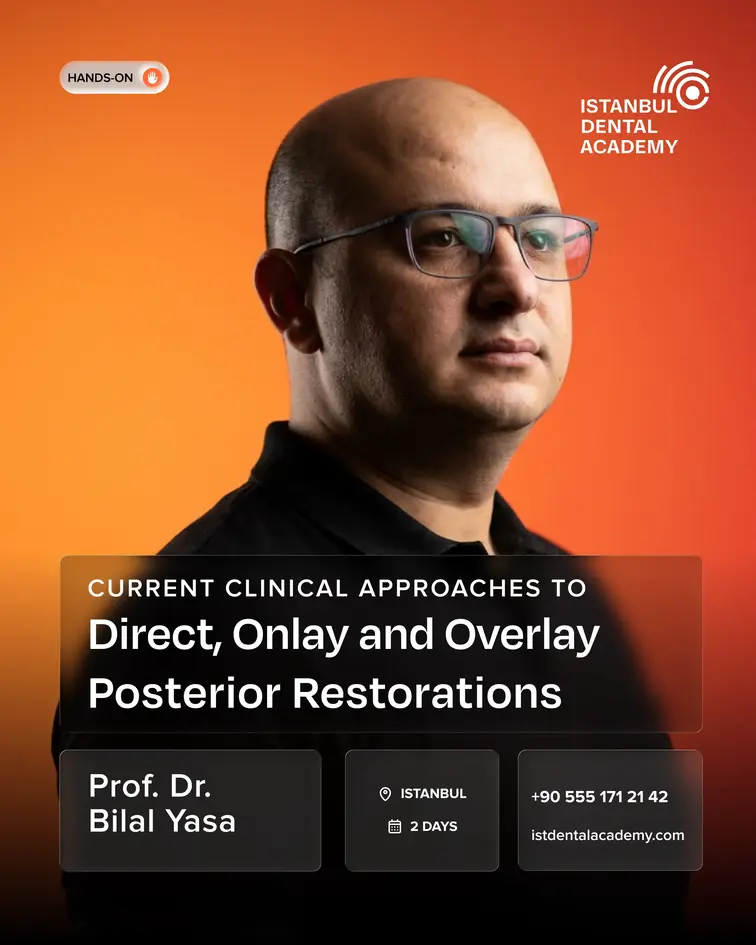
Current Clinical Approaches to Direct, Onlay and Overlay Posterior Restorations
Day 1
On the first day of the course, the esthetic, functional, and biomechanical parameters required for posterior composite restorations will be analyzed. Common challenges associated with contemporary composite materials will be identified and discussed. Theoretical lectures, supported by clinical case photographs, will cover isolation techniques, caries removal and cavity preparation, matrix selection and matrixing techniques, adhesive protocols, the characteristics and selection criteria of different composite materials, various layering techniques for achieving proper morphology, as well as finishing and polishing procedures.
Following the theoretical session, participants will proceed to the hands-on workshop, where rubber dam isolation will be performed on phantom jaw models. Subsequently, Class II posterior composite restorations will be completed step-by-step using the layering technique, covering every stage from cavity preparation to finishing while emphasizing the recreation of natural anatomical morphology.
Day 2
On the second day of the course, the clinical workflow for indirect posterior restorations will be presented theoretically through clinical cases, covering all stages from preparation to finalization. The indications, applications, advantages, limitations, and clinical outcomes of different restorative materials will be discussed interactively and in detail.
Following the theoretical session, participants will perform overlay and endocrown preparations on phantom models during the hands-on workshop. A CAD/CAM scanning and design workshop will then be conducted. Finally, restorations and models produced through three-dimensional printing technologies will be used to demonstrate cementation and finishing procedures, which will be performed step-by-step under instructor guidance.
| DAY 1 | |
| 09:00-09:30 | Welcome |
| 09:30-11:00 | Direct Composite Restorations – DIAGNOSIS
|
| 11:00-11:30 | Coffee Break |
| 11:30-13:00 | Direct Composite Restorations – TREATMENT
|
| 13:00-14:00 | Lunch Break |
| 14:00-15:30 | Rubber Dam Application on Posterior Teeth Using Phantom Jaw Models: Hands-On |
| 15:30-16:00 | Coffee Break |
| 16:30-18:00 | Class II Composite Restoration with Layering Technique on Phantom Jaw Models : Hands-On |
| 18:00-18:30 | Q&A Session |
| DAY 2 | |
| 09:00-09:30 | Review of Day 1 |
| 09:30-11:00 | Indirect Restorations, Onlays & Overlays – DIAGNOSIS
|
| 11:00-11:30 | Coffee Break |
| 11:30-13:00 | Indirect Onlay & Overlay Restorations – TREATMENT
|
| 13:00-14:00 | Lunch Break |
| 14:00-15:30 | Endocrown and Overlay Preparations on Phantom Models : Hands-On |
| 15:30-16:00 | CAD/CAM Intraoral Scanning and Restoration Design : Workshop |
| 16:00-18:00 | Cementation and Finishing Procedures on Prepared Models : Hands-On |
| 18:00-18:30 | Certificate Ceremony |
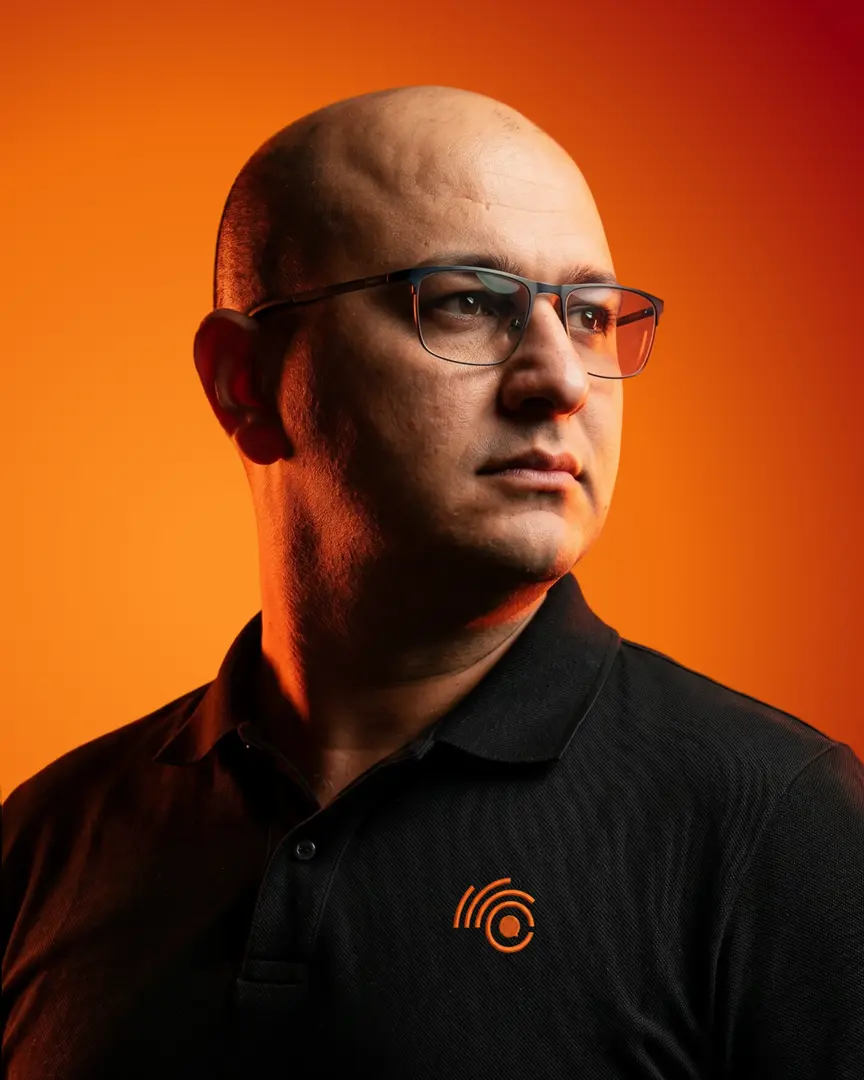
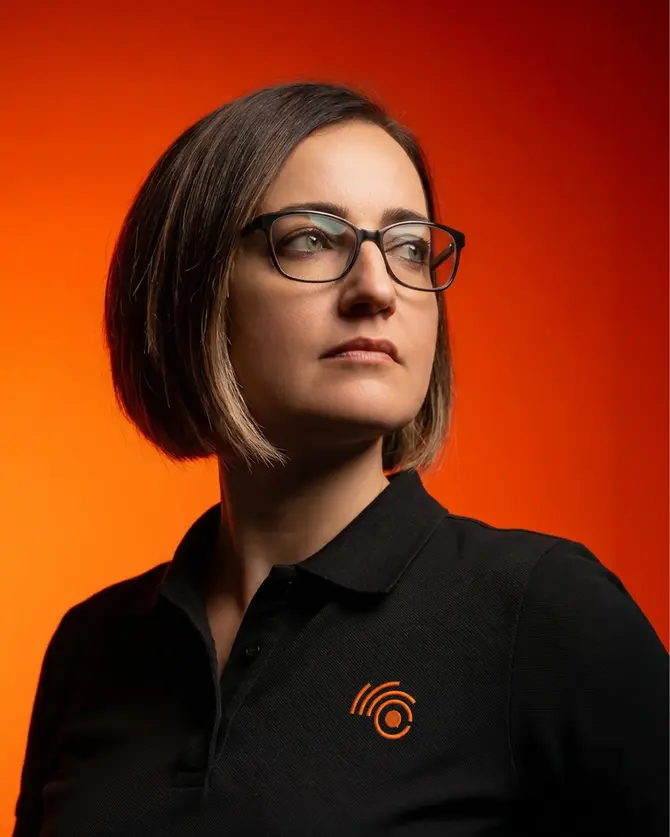
Lecturers