Diabetes is closely linked to periodontal breakdown and tooth loss—factors that also influence implant planning and maintenance. This article reviews practical, education-focused considerations for clinicians and learners.

Salivary glands are essential for lubrication, buffering, antimicrobial defense, and remineralisation. This educational guide reviews clinical implications, assessment, and how saliva impacts restorative, periodontal, and implant workflows.
Bleeding gums are common, but they are not always “just brushing too hard.” This educational guide reviews local and systemic factors, clinical assessment, and why periodontal diagnosis matters in modern dentistry.
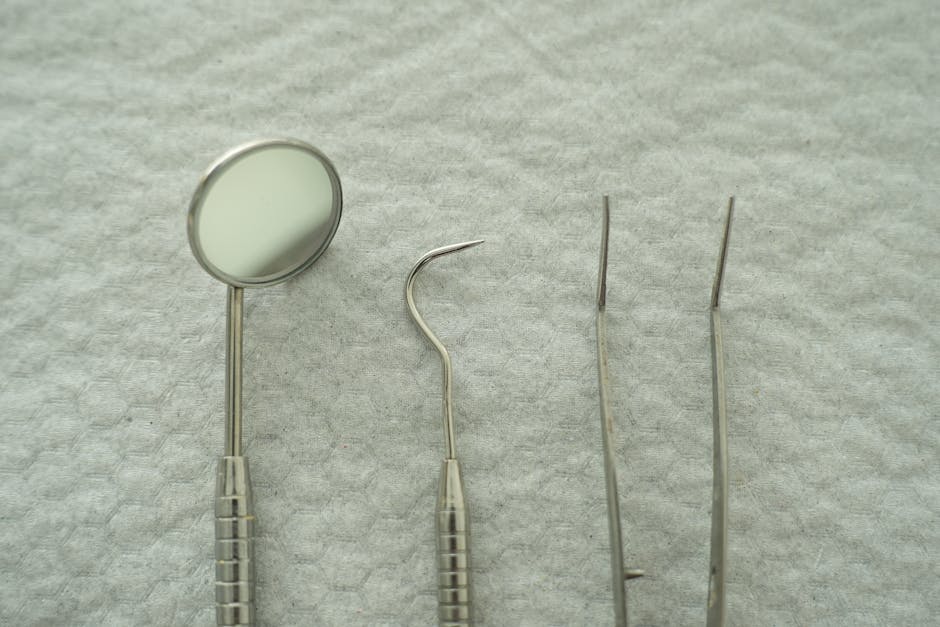
Gum recession is a common clinical finding that affects aesthetics, sensitivity, and long-term periodontal stability. This article reviews non-surgical and surgical approaches, with practical considerations for diagnosis and treatment planning.

Amelogenesis imperfecta (AI) is a hereditary enamel disorder that can cause sensitivity, rapid wear, and esthetic concerns in children. This article reviews clinical signs, diagnosis, and multidisciplinary management options in contemporary dentistry.
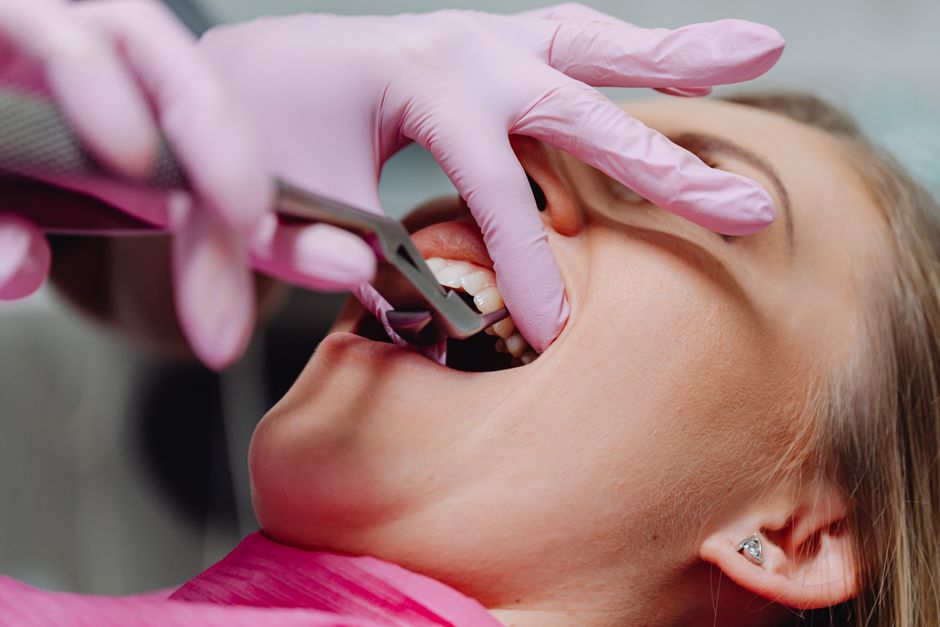
Severe gum pain can sometimes be linked to necrotizing gingivitis, a condition with distinct clinical features and risk factors. This article reviews recognition, differential diagnosis, and education-focused clinical considerations.

Digital Smile Design (DSD) blends facial analysis, photography, and restorative planning to help clinicians deliver more predictable aesthetic outcomes. This educational overview highlights workflows, materials, and how hands-on training strengthens clinical execution.
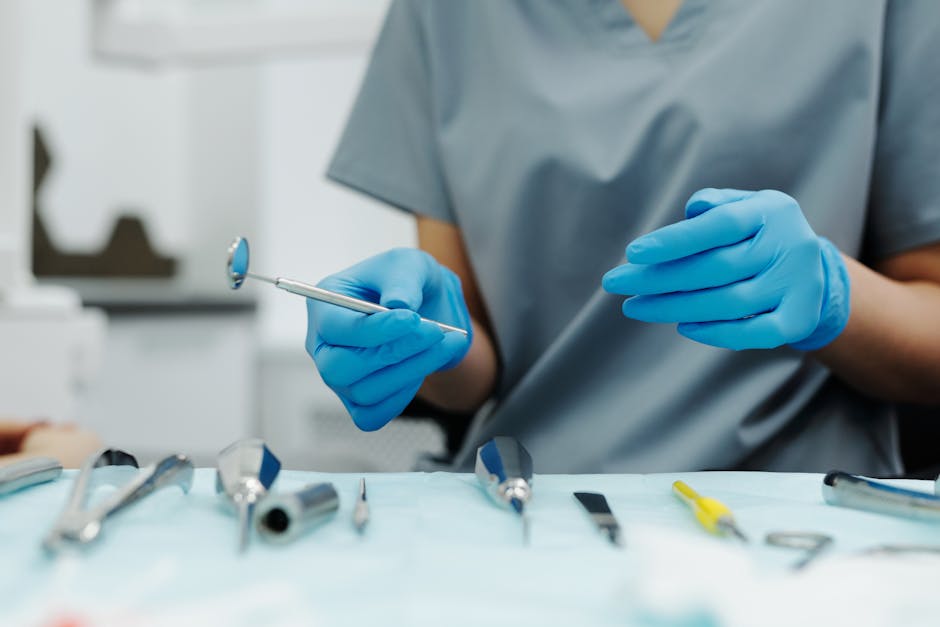
Same-day tooth extraction with immediate implant placement can shorten treatment time when case selection and surgical-prosthetic planning are sound. This educational guide reviews the clinical workflow and how dentists train for predictable outcomes.

Diabetes does not automatically rule out dental implants, but it can change the risk profile and clinical workflow. This educational guide reviews success factors, planning, and follow-up for diabetic patients.
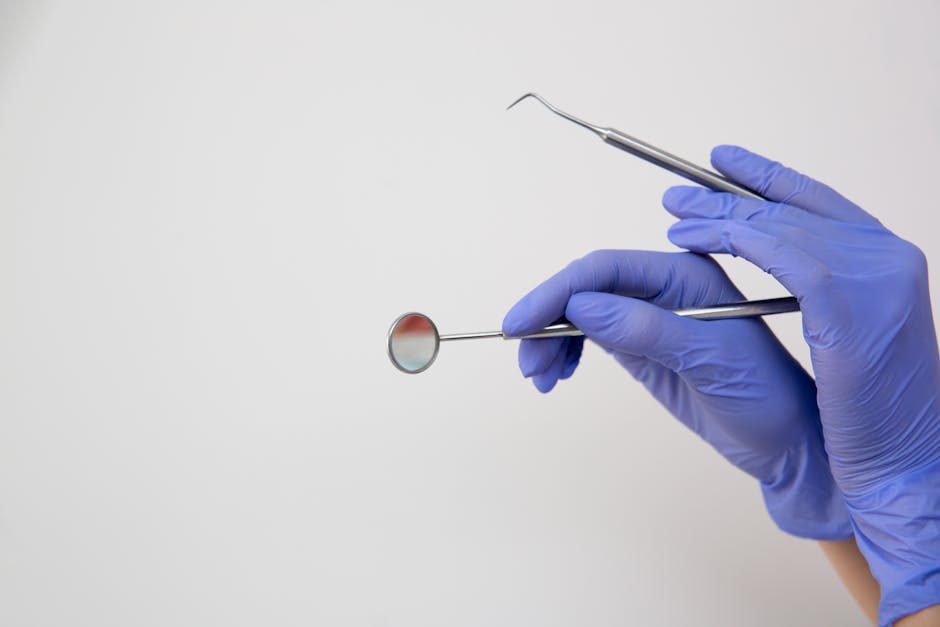
Dry mouth (xerostomia) is more than a comfort issue—saliva deficiency can accelerate caries, mucosal irritation, and restorative complications. This educational overview outlines causes, risks, and a clinician-focused evaluation approach.