
BLOG
Advantages of All-on-6 Implants: Full-Arch Stability and Clinical Predictability
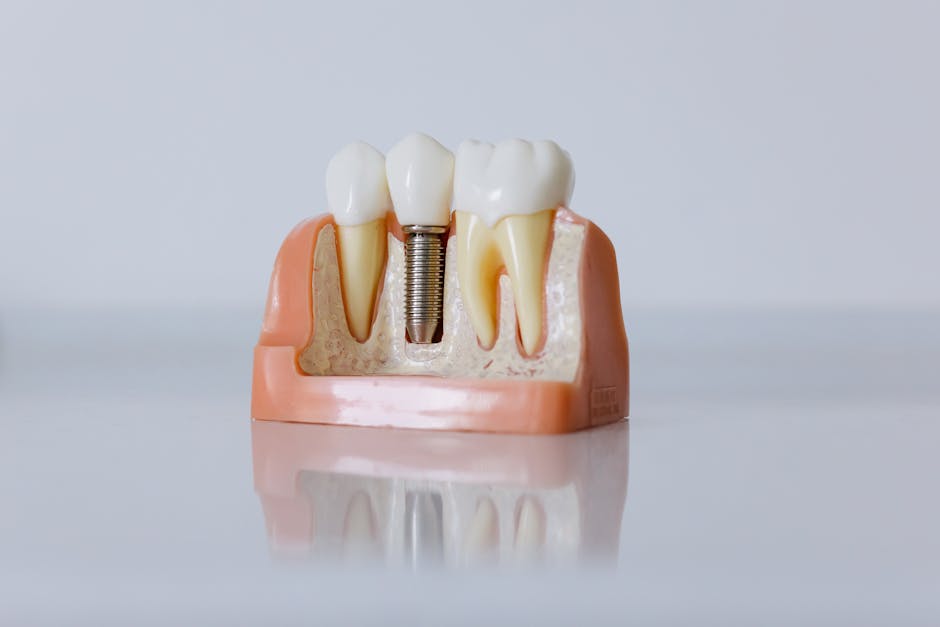
All-on-6 implants: why this concept matters in contemporary full-arch care
For many edentulous or soon-to-be edentulous patients, the clinical objective is not simply “teeth replacement,” but a predictable, maintainable full-arch solution that supports function, aesthetics, and patient confidence. All-on-6 is one of the widely used full-arch implant strategies designed to rehabilitate an entire arch using six implants to support a fixed prosthesis. In daily practice, clinicians often compare it to other full-arch approaches, balancing biomechanics, anatomy, patient expectations, and chairside workflow.
This article discusses the key advantages of All-on-6 implant therapy through a clinician-focused lens—covering stability, load distribution, prosthetic design options, and maintenance considerations. It is written for educational purposes and does not replace individualized diagnosis, treatment planning, or informed consent processes.
What is All-on-6 and how does it differ conceptually?
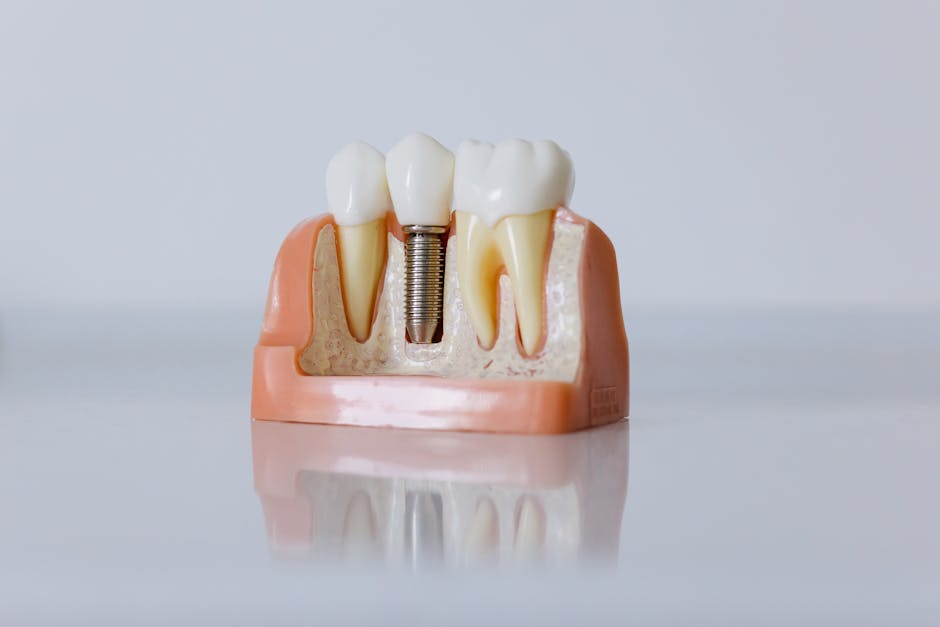
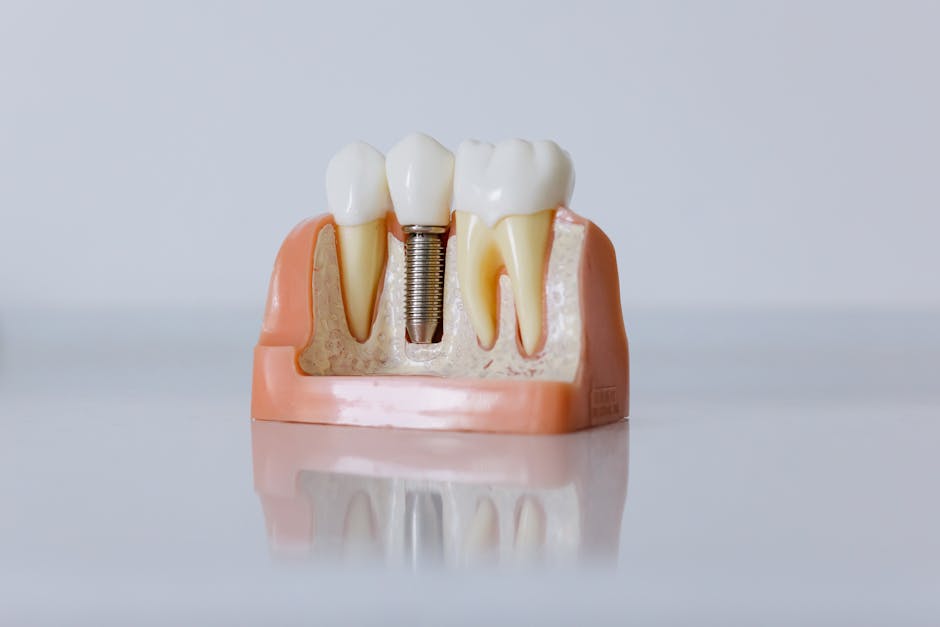
All-on-6 generally refers to a fixed, full-arch prosthesis supported by six implants placed across the arch—commonly distributed in the anterior and posterior regions to enhance support and reduce biomechanical risk. While exact positioning varies with bone volume, sinus/nasal anatomy, and restorative goals, the “six-implant” concept aims to increase the supporting polygon and distribute occlusal forces more broadly.
It is helpful to view All-on-6 as part of a spectrum of full-arch solutions. For comparison, clinicians often begin by understanding the principles of All-on-4 as a baseline workflow. If you want a structured overview of that approach, see How All-on-4 works for full-arch tooth loss: a clinical workflow guide. From there, the rationale for adding implants (when indicated) becomes clearer: more support, more flexibility in prosthetic design, and potentially improved long-term serviceability.
Core advantages of All-on-6 implants
1) Increased distribution of occlusal forces
A primary advantage cited for All-on-6 is biomechanical: six implants can improve load distribution compared with fewer-implant designs, particularly when posterior support can be achieved without excessive distal cantilevers. With more implants sharing functional loads, clinicians may be able to reduce stress on individual implants, abutments, and prosthetic components—an important consideration in patients with parafunction, higher bite forces, or demanding functional expectations.
From a prosthodontic perspective, this can translate into more confidence when planning occlusal schemes, especially in cases where arch form, vertical dimension, and restorative space require careful balancing. As always, these advantages depend on case selection, implant positioning, and prosthetic design—not merely the number of implants.
2) Greater prosthetic support and design flexibility
All-on-6 may provide additional restorative options, such as improved support for a screw-retained fixed bridge, potentially better distribution for segmented prostheses in select cases, and more flexibility in where the prosthetic “transition zone” (pink/white interface) is placed. For patients with high smile lines or complex aesthetic demands, added support can help the clinician manage contours and emergence profiles more effectively—particularly when combined with digital smile design principles and a comprehensive diagnostic workflow.
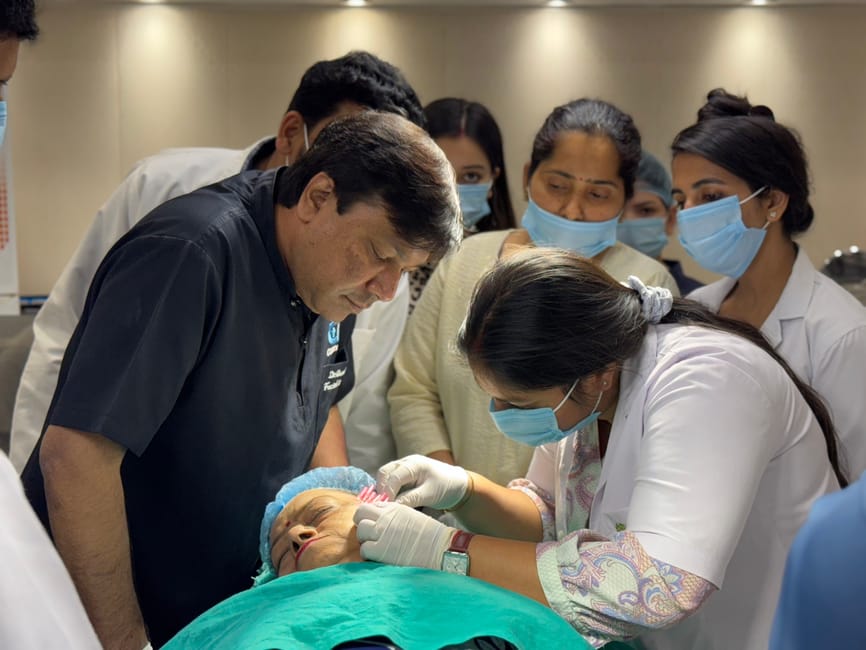
In educational settings, these prosthetic nuances are best appreciated through hands-on planning and mock-ups, where clinicians can see how implant distribution affects framework design, screw-access emergence, and occlusal table control. At Istanbul Dental Academy, full-arch implant training emphasizes practical decision-making: not only how to place implants, but how to plan for a maintainable prosthesis from day one.
3) Potential reduction in cantilever length
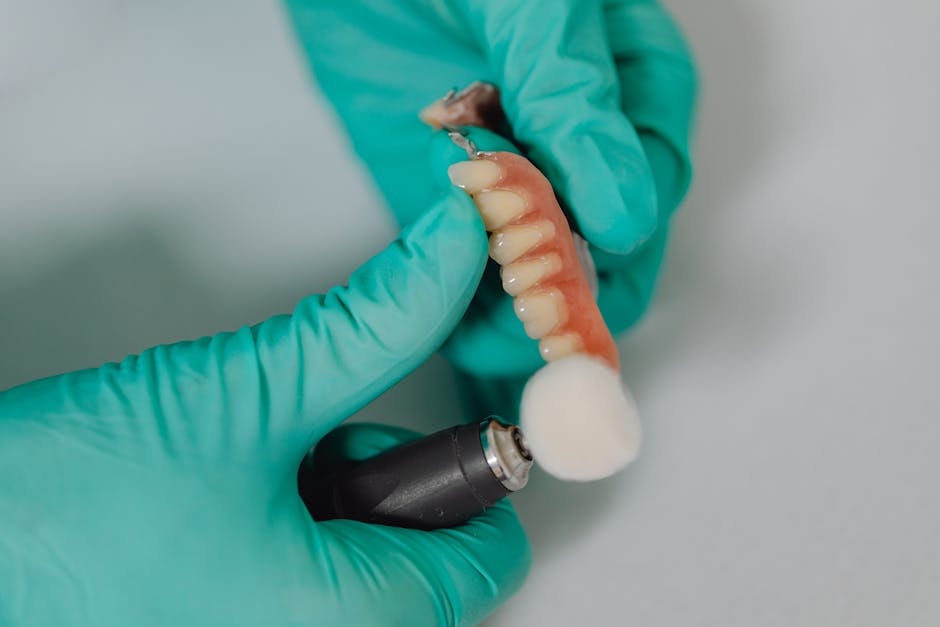
When posterior implants can be positioned effectively (often with tilted or anatomically adapted placement), All-on-6 may help reduce cantilever length. Shorter cantilevers can be advantageous for force management and prosthetic longevity. This is particularly relevant in the maxilla, where bone quality and sinus anatomy often influence posterior implant placement options.
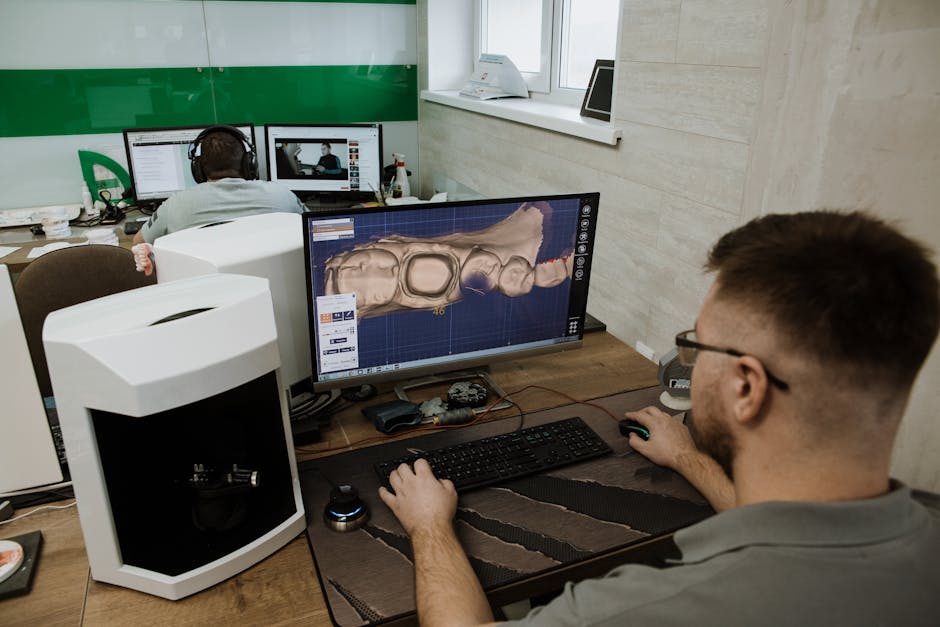
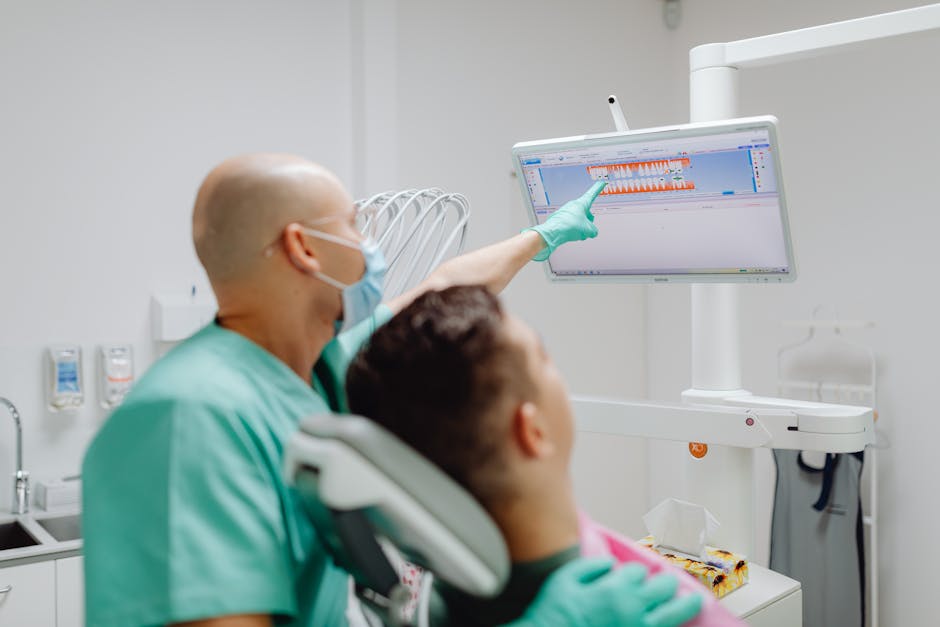
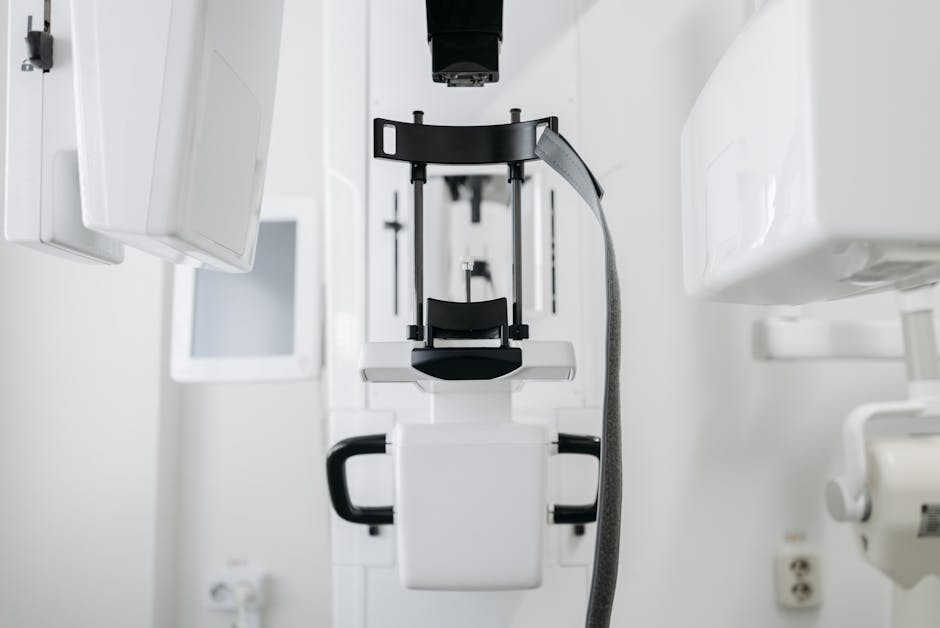
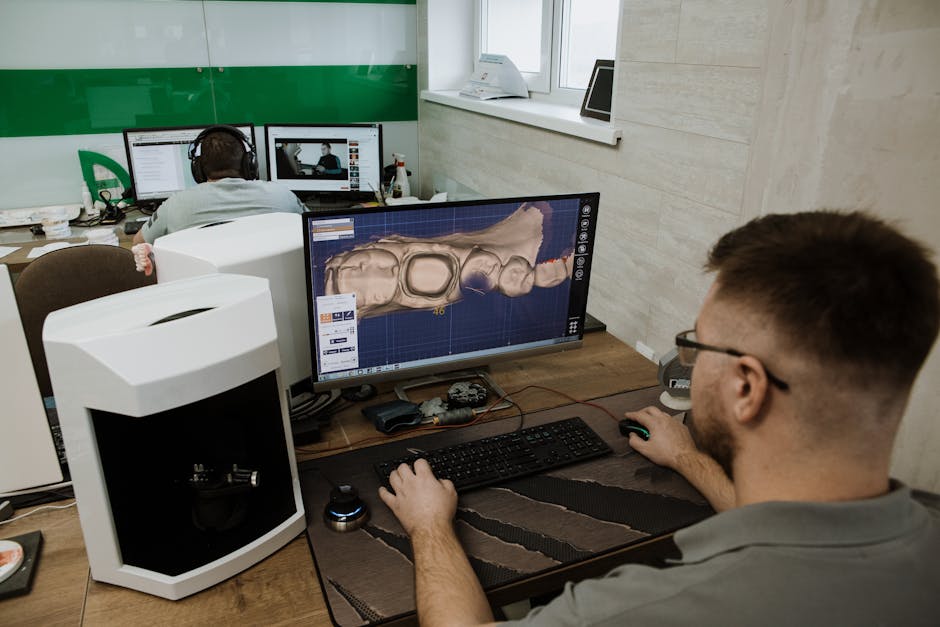
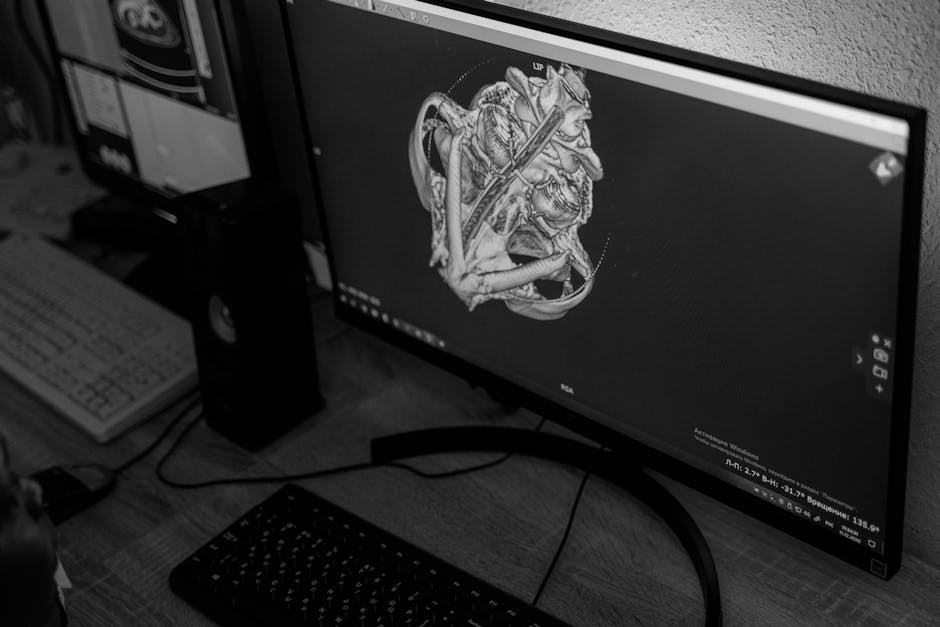
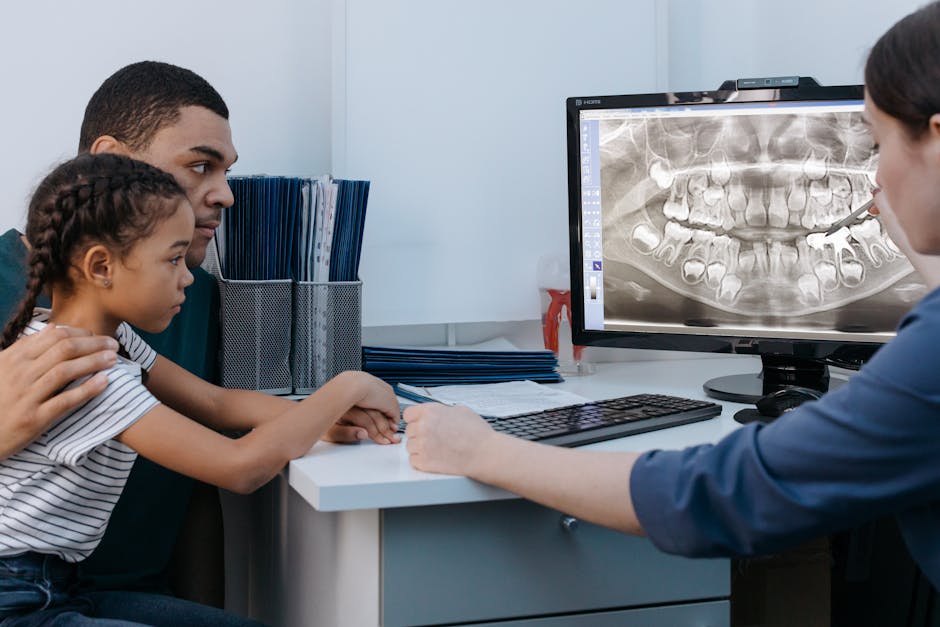
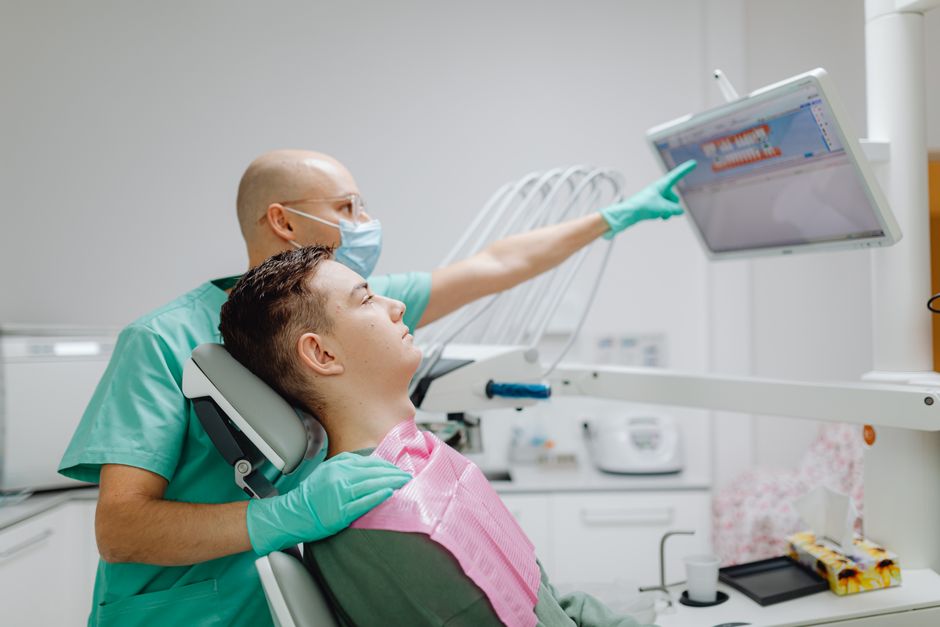
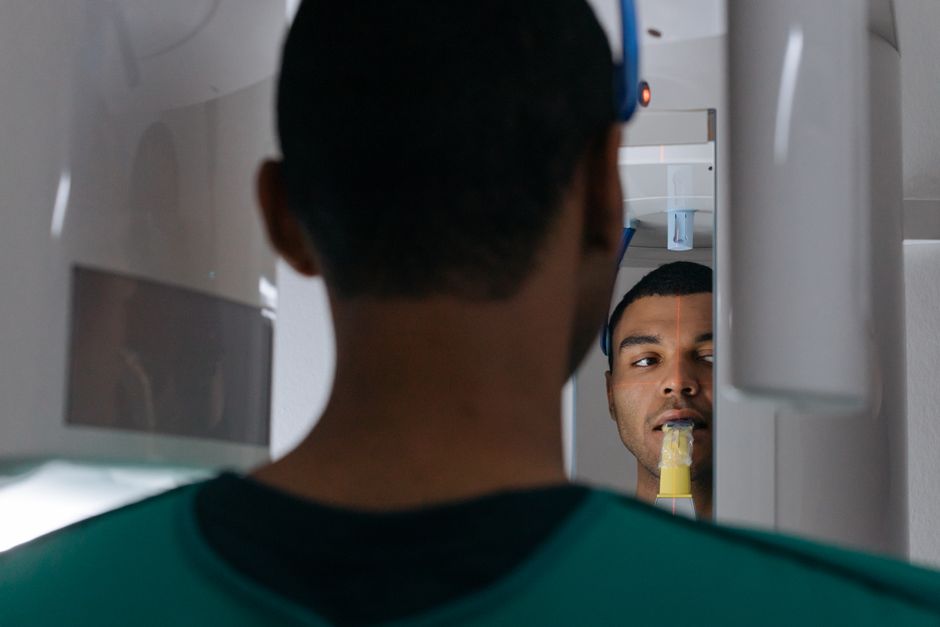
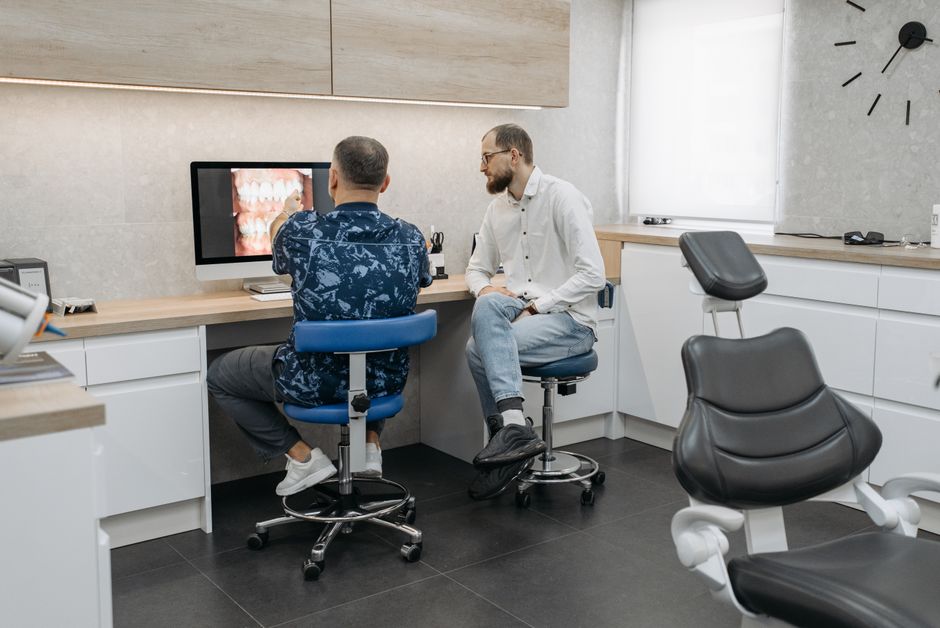
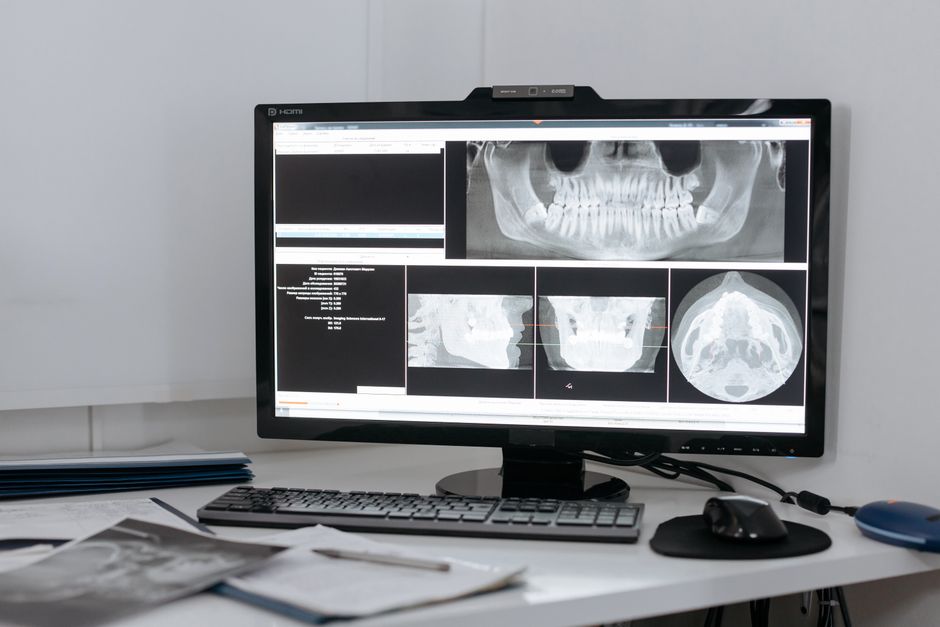
Digital planning can be instrumental here. Combining CBCT analysis, intraoral scanning, and prosthetically driven implant planning allows clinicians to visualize restorative space, anticipate screw-access locations, and design a framework that respects occlusal and hygiene requirements.
4) Improved redundancy for maintenance and risk management
Full-arch prostheses are long-term rehabilitations, and long-term thinking includes maintenance. With more implants supporting the prosthesis, clinicians may have additional “redundancy” if one implant develops complications, depending on the prosthetic design and the clinical scenario. While this does not eliminate risk—and implant loss is never a desired outcome—it may provide more options for managing complications without immediately converting to a removable prosthesis.
Maintenance discussions should include peri-implant tissue health, home care access, and recall protocols. Educating patients about hygiene around fixed full-arch prostheses (including the use of super floss, water irrigation, and professional debridement intervals) is a key part of risk reduction.
Clinical workflow considerations: from diagnosis to delivery
Comprehensive assessment and case selection
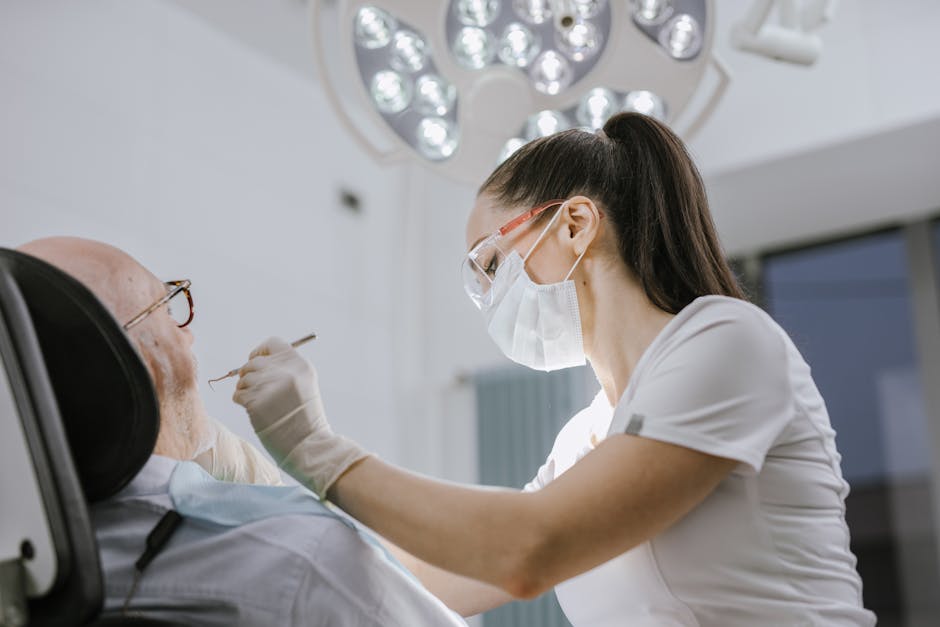
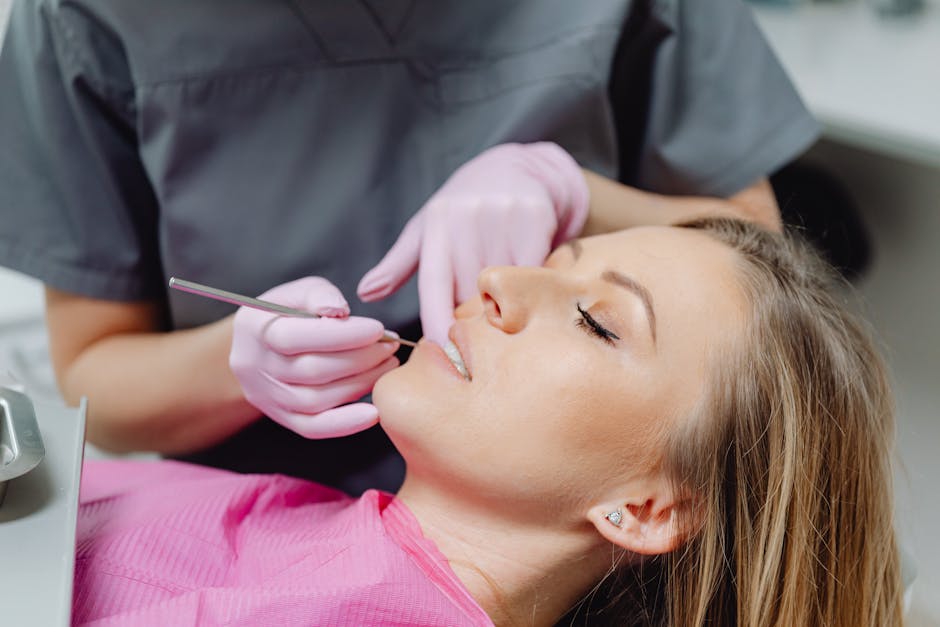
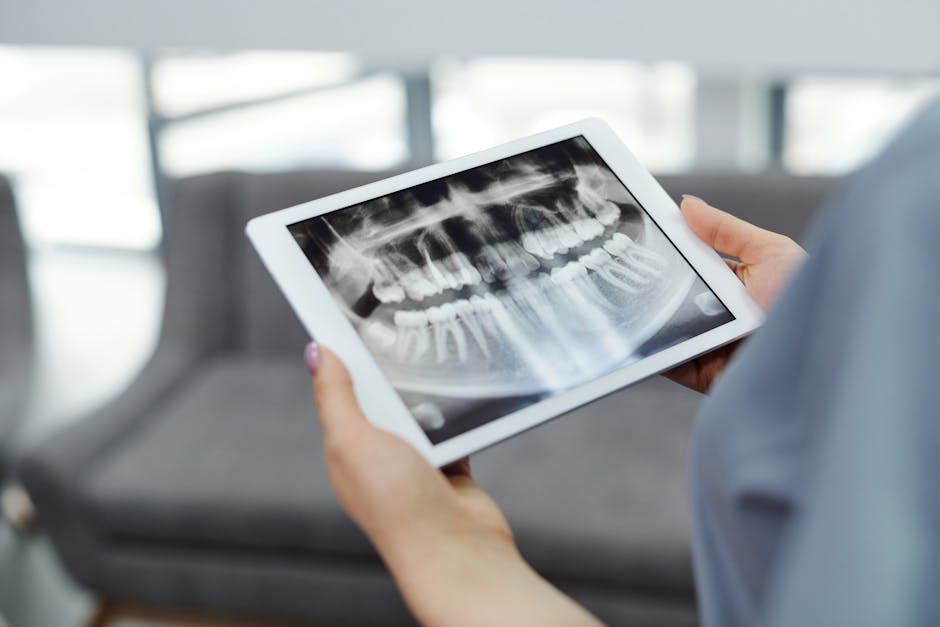
Case selection for All-on-6 should be grounded in a thorough evaluation: medical history, periodontal status, occlusal analysis, radiographic imaging (often CBCT), and aesthetic expectations. Patients transitioning from a failing dentition may require extractions, management of infection, and staged planning.
In some cases, clinicians consider an immediate approach that combines extraction and implant placement in the same appointment. For an educational overview of that workflow, read Same-Day Tooth Extraction and Immediate Implant Placement: A Clinical Guide. Immediate protocols can offer time-efficiency and patient satisfaction, but require careful risk assessment, primary stability considerations, and a well-planned provisionalization strategy.
Prosthetically driven planning and digital dentistry
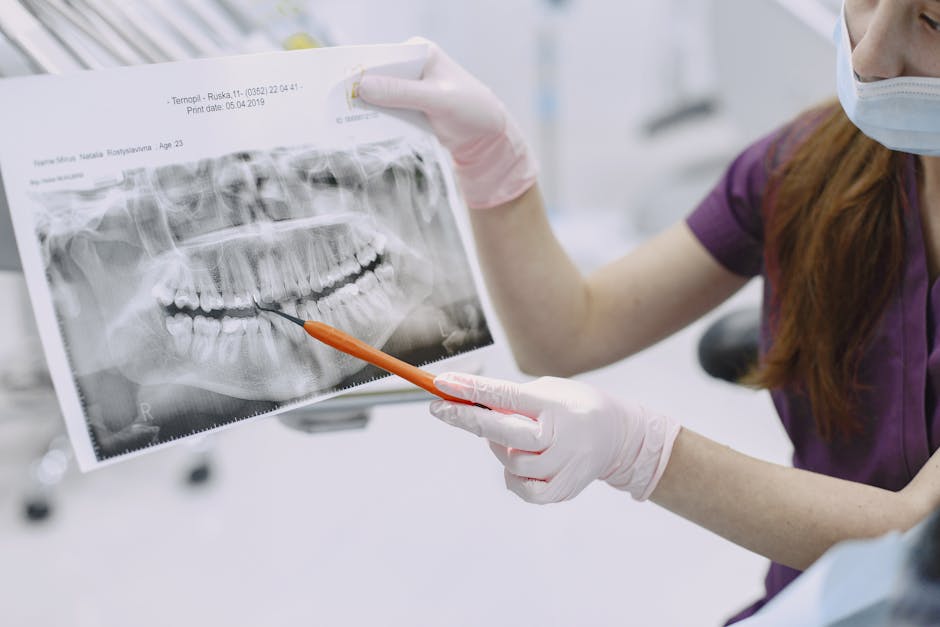
One of the most impactful shifts in full-arch implantology is the move toward prosthetically driven planning—often within a digital workflow. Using diagnostic wax-ups (digital or analog), CBCT datasets, and intraoral scans, clinicians can plan implant positions based on restorative endpoints, not the other way around. This planning helps address:
• restorative space and vertical dimension management
• screw-access trajectory and aesthetic zones
• occlusal table and force direction control
• hygiene access (critical for long-term success)
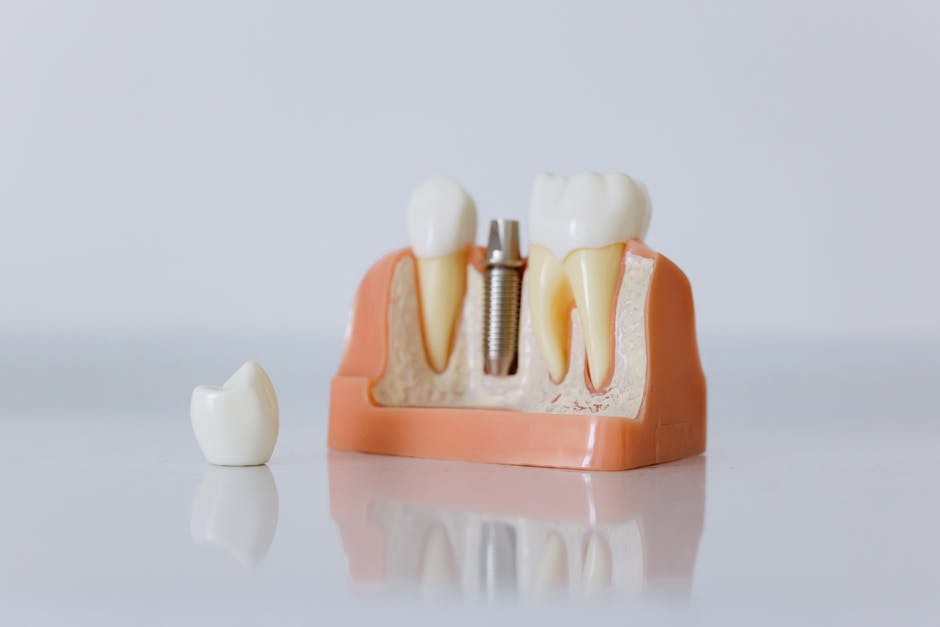
Digital dentistry is also closely linked to education: guided surgery concepts, stackable guides, and verification jigs can be taught more effectively when participants can see the planning logic and execute steps in a controlled hands-on environment.
Soft tissue health: the often underestimated success factor
Even the most precisely planned implant case can be undermined by compromised soft tissue health. Peri-implant mucosal management, keratinized tissue considerations, and patient-specific hygiene capacity should be discussed early. This is where periodontology and prosthodontics intersect: prosthetic contours should support cleansing, not hinder it, and recall schedules should be realistic for the individual patient.
Saliva also plays a protective role in overall oral ecology, comfort, and biofilm control—factors that can influence patient experience and home care adherence. For a broader oral-health perspective, see Why Saliva Matters: The Unsung Protector of Oral Health. While full-arch implant cases focus on implants and prostheses, successful outcomes often depend on these “supporting” biological details.
Patient-centered advantages: function, comfort, and confidence
Enhanced masticatory efficiency and stability
Compared with conventional complete dentures, fixed full-arch implant solutions may offer improved stability and patient-perceived chewing confidence. All-on-6 can be particularly attractive for patients who struggle with denture retention or who have high functional expectations. That said, patient expectations must be aligned with clinical reality—especially regarding adaptation time, speech changes, hygiene requirements, and long-term maintenance costs.
Aesthetic rehabilitation within a comprehensive smile plan
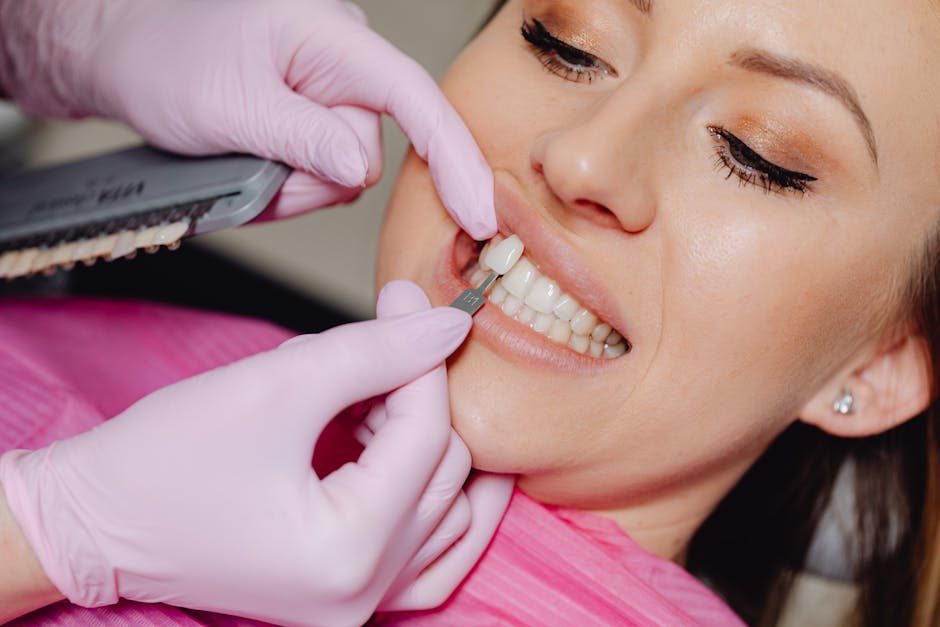
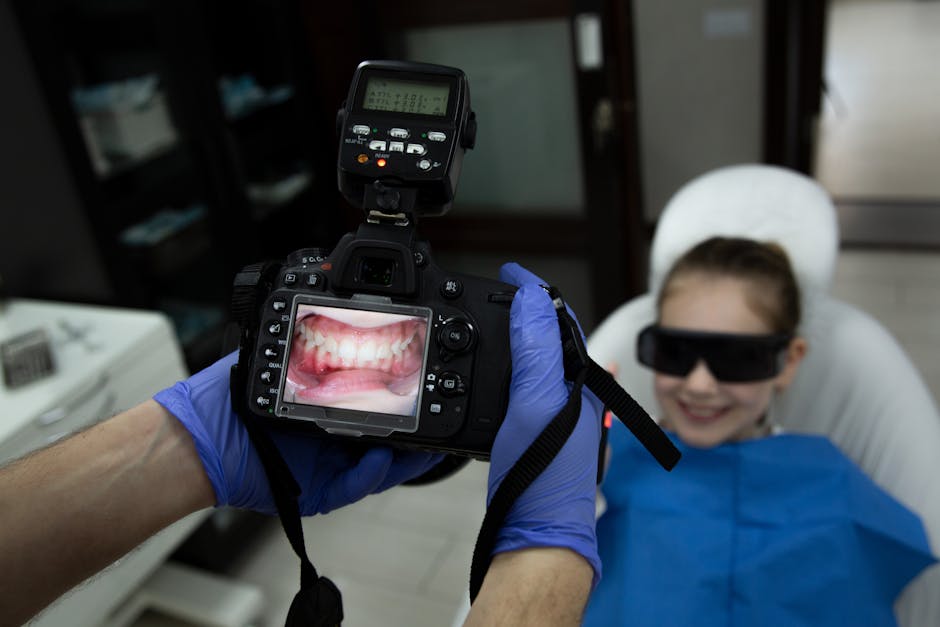
Full-arch implant prosthetics is not only a surgical procedure; it is a comprehensive aesthetic rehabilitation. Tooth proportions, midline, occlusal plane, and gingival display all influence the final outcome. Many clinicians integrate elements of smile design and dental photography to document baseline conditions, plan tooth arrangement, and communicate the intended result with the patient and lab.
In mixed cases—where one arch is restored with implants and the opposing arch requires conservative aesthetic improvement—clinicians may also consider additive restorative approaches (e.g., veneers or minimally invasive restorations) based on sound indications. The key is interdisciplinary thinking, not a one-size-fits-all template.
Why maintenance planning is part of the “advantage” discussion
Hygiene access and recall protocols
An advantage of well-planned All-on-6 cases is maintainability—if the prosthesis is designed with hygiene in mind. Clinicians should consider tissue-contact areas, emergence profiles, and access for interdental cleaning tools. A fixed bridge that is difficult to clean can increase biological risk over time.
Dry mouth is another factor that can affect comfort, plaque accumulation, and mucosal health. If xerostomia is present, clinicians may need to adapt home care recommendations and anticipate higher maintenance needs. For an educational overview, read Dry Mouth (Xerostomia): Causes, Risks, and Clinical Implications.
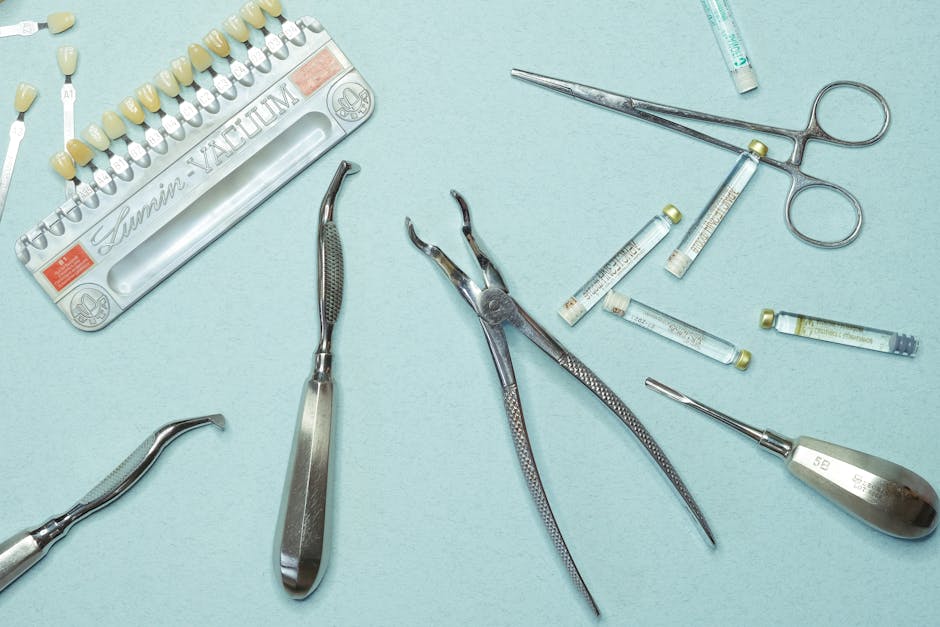
Material and prosthetic choice: balancing repairability and aesthetics
All-on-6 restorations can be delivered in different material strategies (for example, acrylic-based hybrids, composite layering, zirconia-based bridges, or metal-ceramic designs), each with trade-offs in aesthetics, chipping risk, retrievability, and repair workflows. Clinical “advantage” often depends on choosing a material system that matches the patient’s occlusal risk and maintenance capacity, as well as the clinician’s ability to service the prosthesis long-term.
When discussing aesthetics, it can be useful to remember that not all anterior aesthetic problems require full-arch solutions; sometimes localized restorative strategies are appropriate. For clinicians refining their anterior restorative decision-making, Contemporary Approaches to Restoring Fractured Anterior Teeth provides a complementary perspective on managing anterior tooth structure—helpful when coordinating implant prosthetics with conservative restorative dentistry in the opposing arch or adjacent regions.
Common clinical indications where All-on-6 may be considered
All-on-6 is commonly considered in scenarios such as:
• fully edentulous patients seeking a fixed solution
• terminal dentition with generalized periodontal compromise (after appropriate periodontal evaluation and stabilization)
• patients with higher functional demands where additional support is beneficial
• cases where prosthetic design goals suggest improved distribution and reduced cantilevering
However, indications are not automatic. Bone volume, systemic health, smoking status, parafunction, interarch space, and patient expectations all shape the final plan. This content is for educational purposes and does not substitute for a full clinical examination and individualized treatment plan.
Training perspective: turning the “All-on-6 advantages” into predictable outcomes
Many of the benefits attributed to All-on-6—stability, improved force distribution, prosthetic flexibility—are realized only when surgical and prosthetic steps are coordinated. That coordination is a skill set developed through repetition, mentorship, and structured feedback. In continuing dental education, full-arch implant training is most valuable when it includes:
• diagnosis and prosthetically driven planning (including digital workflows)
• surgical principles for safe, anatomy-respecting placement
• provisionalization logic and occlusal control
• prosthetic verification, passive fit concepts, and complication management
• maintenance planning and patient communication
Istanbul Dental Academy’s approach emphasizes hands-on learning: clinicians don’t just learn “what All-on-6 is,” but how to plan it, sequence it, and troubleshoot it within realistic clinical workflows—bridging implant dentistry, prosthodontics, digital dentistry, and oral surgery principles.
Conclusion
All-on-6 implant therapy can offer meaningful advantages in full-arch rehabilitation—particularly in terms of load distribution, prosthetic support, cantilever management, and long-term serviceability. Yet the true determinant of success is not simply implant count; it is comprehensive diagnosis, prosthetically driven planning, sound surgical execution, and a maintenance-focused prosthetic design.
This content is for educational purposes. Clinicians should evaluate each case individually, incorporate current evidence and guidelines, and consider interdisciplinary collaboration when needed. For dental professionals looking to deepen competence in full-arch workflows, structured continuing education and hands-on training can be the most direct path from concept to confident clinical delivery.
Diğer Yazılar