
BLOG
Salivary Glands and Oral Health: A Clinical Guide for Dental Professionals
Why salivary glands matter in everyday dentistry
Saliva is often described as “the forgotten body fluid,” yet in clinical dentistry it functions like an always-on protective system. Produced primarily by the parotid, submandibular, and sublingual glands (with additional contribution from minor salivary glands across the oral mucosa), saliva supports lubrication, taste, digestion, buffering, antimicrobial defense, and enamel remineralisation. When these functions are compromised, the consequences show up quickly: mucosal discomfort, caries acceleration, erosion, halitosis, denture intolerance, and increased susceptibility to infections such as candidiasis.
For dental professionals, understanding salivary gland physiology is not just academic. It directly influences prevention strategies, restorative material selection, periodontal maintenance, endodontic prognosis, and the long-term success of prosthodontic and implant-supported rehabilitations. This article is for educational purposes and aims to connect salivary gland science to clinical decision-making and continuing dental education at Istanbul Dental Academy.
Core functions of saliva: from biofilm control to biomineralisation
Lubrication and tissue protection
Saliva reduces friction during speech and mastication, protecting oral soft tissues from mechanical trauma. Mucins and glycoproteins form a protective film over mucosa and teeth—particularly important in patients with orthodontic appliances, removable prostheses, or extensive restorative work.
Buffering and pH stabilisation
Salivary bicarbonate, phosphate, and proteins help neutralise acids produced by bacteria or introduced through diet. Clinically, buffering capacity is a major modulator of caries risk and erosion progression. Patients with low flow and low buffering often present with rapidly advancing cervical lesions, palatal erosion, or widespread incisal wear.
Antimicrobial and immunological roles
Saliva contains immunoglobulins (especially IgA), lysozyme, lactoferrin, and peroxidases. These components help regulate microbial balance and reduce pathogen adherence. When saliva is reduced, plaque may become more cariogenic and inflammatory, increasing periodontal breakdown risk and compromising soft-tissue comfort around restorations and implants.
Remineralisation and enamel integrity
Calcium, phosphate, and fluoride in saliva support enamel repair after acid challenges. This is not merely a preventive concept: it influences how we plan minimally invasive restorative strategies, manage early lesions, and stabilise high-risk patients before elective aesthetic procedures.
Salivary gland anatomy and clinical relevance
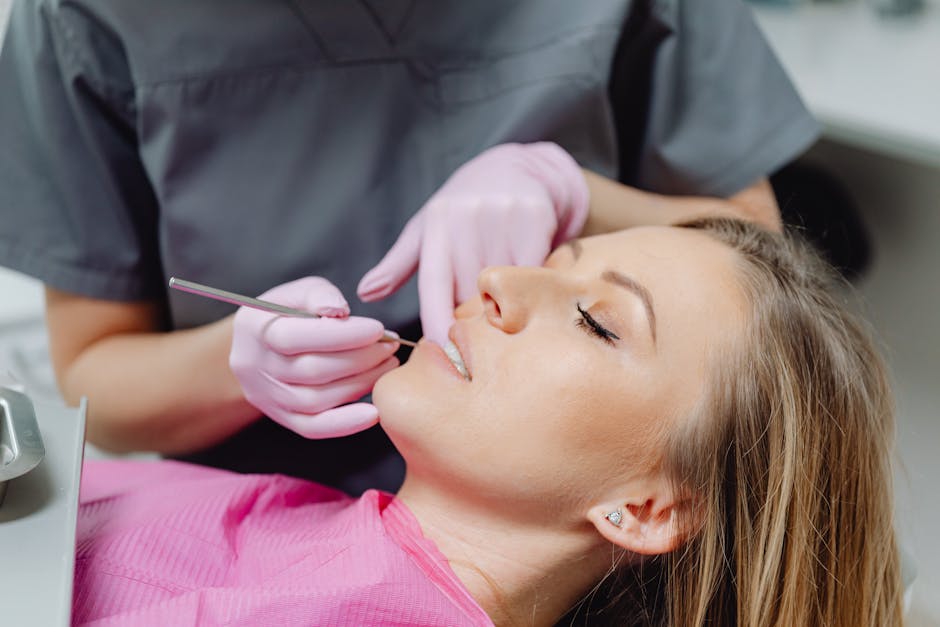
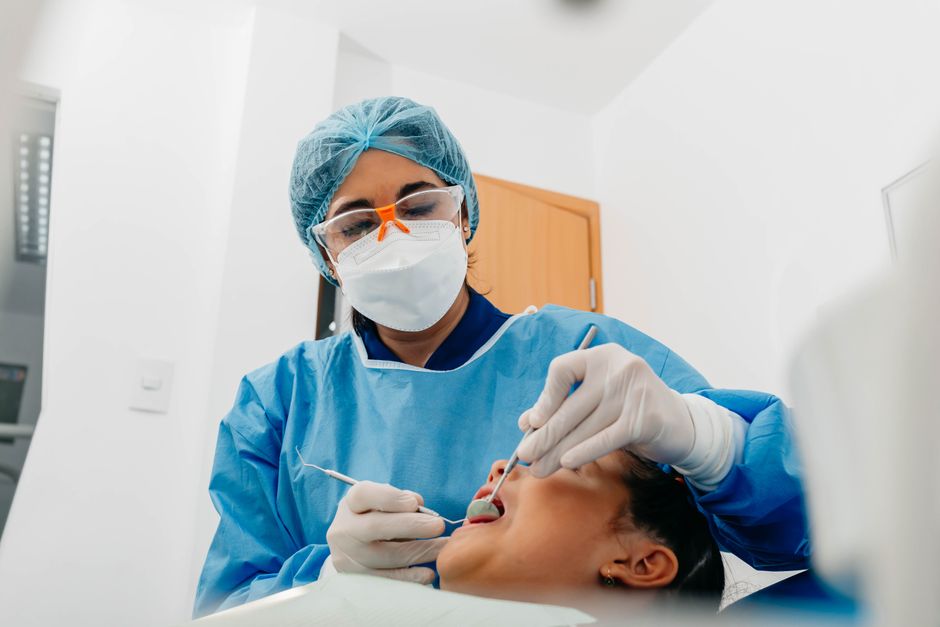
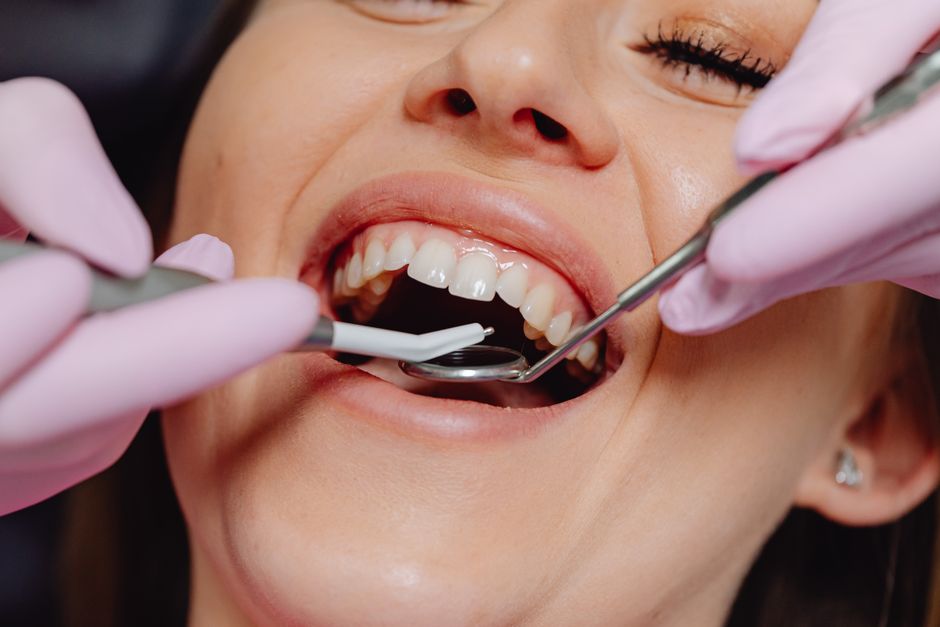
The parotid gland is predominantly serous and contributes strongly during stimulation (chewing). The submandibular gland provides mixed secretion and accounts for much of resting flow, making it highly relevant for patients who complain of dryness at night or upon waking. Sublingual and minor glands contribute mucous secretions essential for mucosal lubrication. Intraoral examination of duct openings (Stensen’s duct opposite maxillary second molar; Wharton’s duct in the anterior floor of mouth) can provide valuable chairside clues—particularly when swelling, tenderness, or altered saliva quality is observed.
When saliva is reduced: xerostomia and hyposalivation in practice
Patients may report “dry mouth” (xerostomia) even when salivary flow is not severely reduced, and conversely, objective hyposalivation can occur with limited symptoms. Because the clinical consequences are significant, structured evaluation is recommended—especially before complex restorative, implant, or aesthetic work. For an in-depth overview tailored to clinical implications, see our related article Dry Mouth (Xerostomia): Causes, Risks, and Clinical Implications.
Common contributing factors
Hyposalivation is commonly associated with polypharmacy (antidepressants, antihypertensives, antihistamines), systemic conditions (Sjögren’s syndrome, diabetes), dehydration, anxiety, and head-and-neck radiotherapy. Lifestyle factors, including tobacco use, alcohol consumption, and high-caffeine intake, can exacerbate symptoms. In dental settings, it is clinically useful to connect the complaint timeline with medication changes, sleep quality, and diet patterns.
Oral findings you should not miss
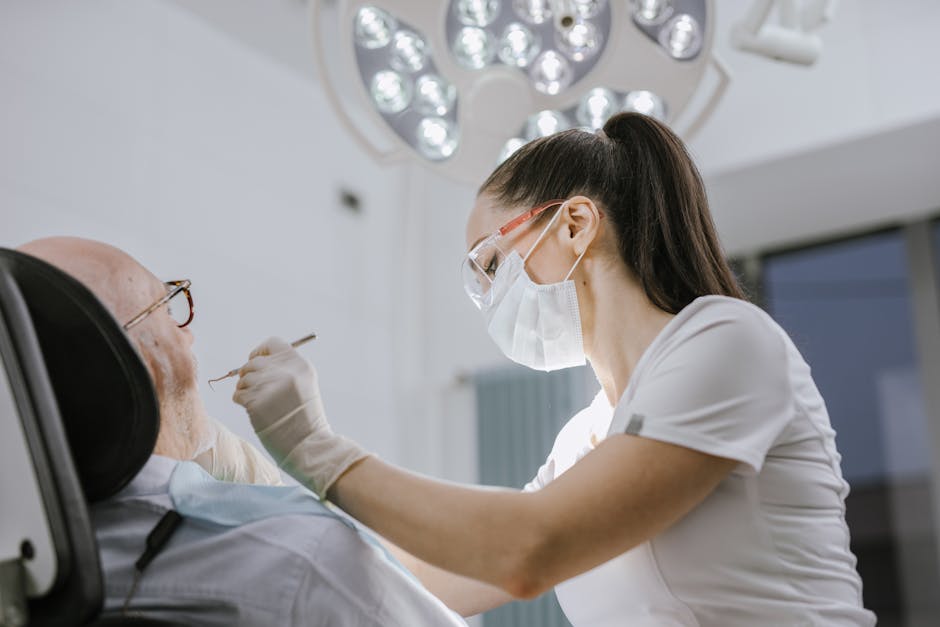
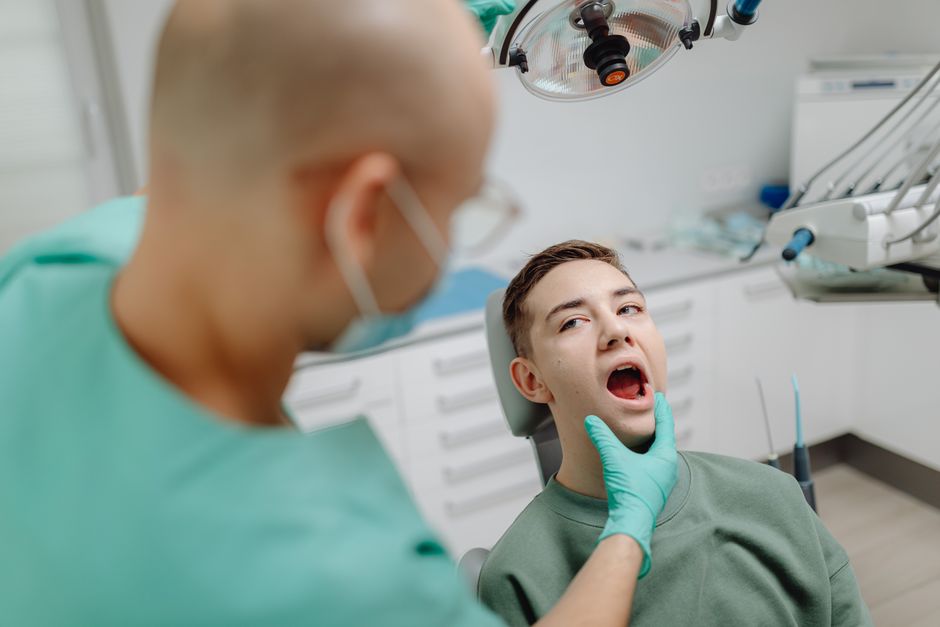
Look for: fissured tongue, lack of salivary pooling in the floor of mouth, frothy or stringy saliva, mucosal erythema, angular cheilitis, increased plaque accumulation, rampant cervical caries, and soreness under dentures. Patients may also struggle with impression-taking, tolerate removable prostheses poorly, or experience persistent burning sensations.
Clinical assessment: chairside methods and documentation
History and risk profiling
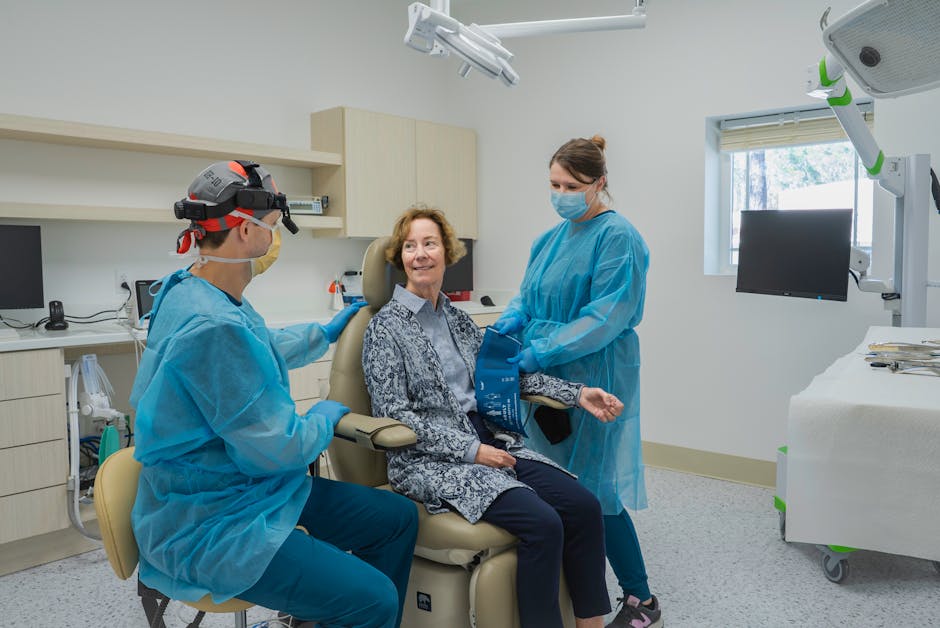
A structured history can be as valuable as any test. Ask about dry mouth timing (day vs night), difficulty swallowing dry foods, taste changes, and increased water intake. Document medication lists carefully and consider collaboration with the patient’s physician when appropriate (educational note: dentists should not alter systemic medications independently).
Objective measures
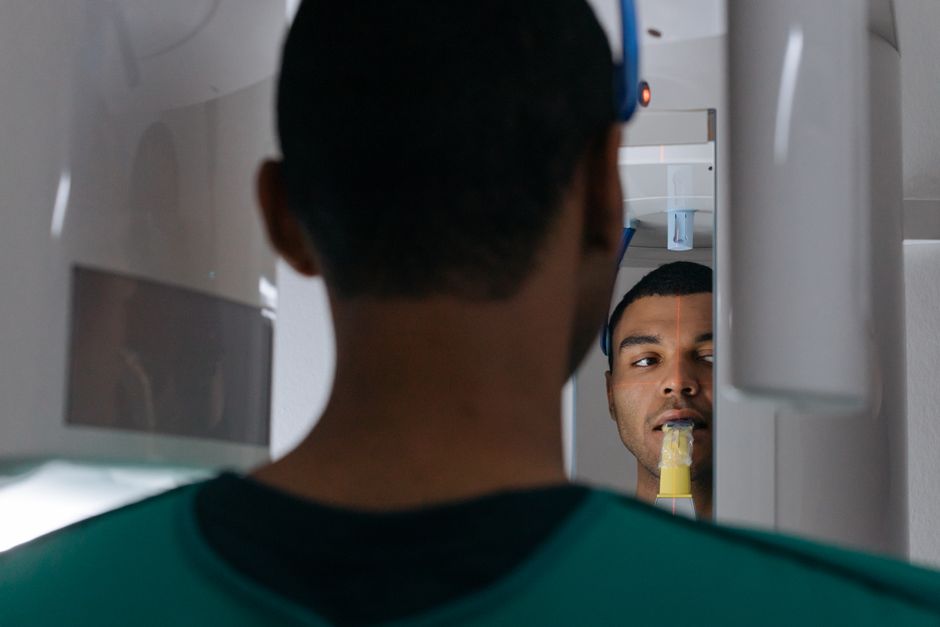
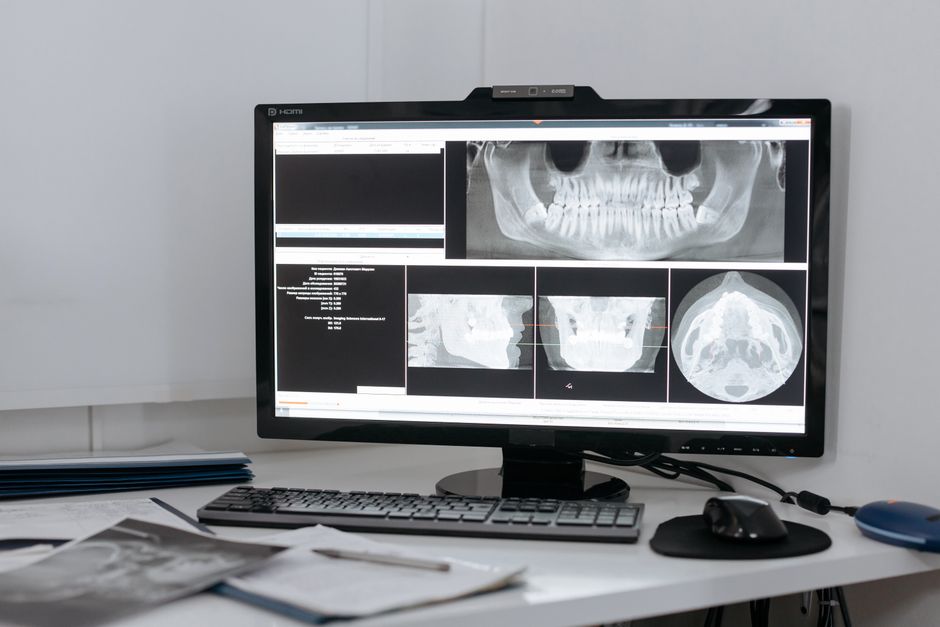
Unstimulated and stimulated salivary flow can be measured with simple collection methods. While not always performed in general practice, these measures can support risk stratification in high-caries patients, denture wearers with mucosal trauma, or individuals preparing for extensive rehabilitation.
Photographic documentation
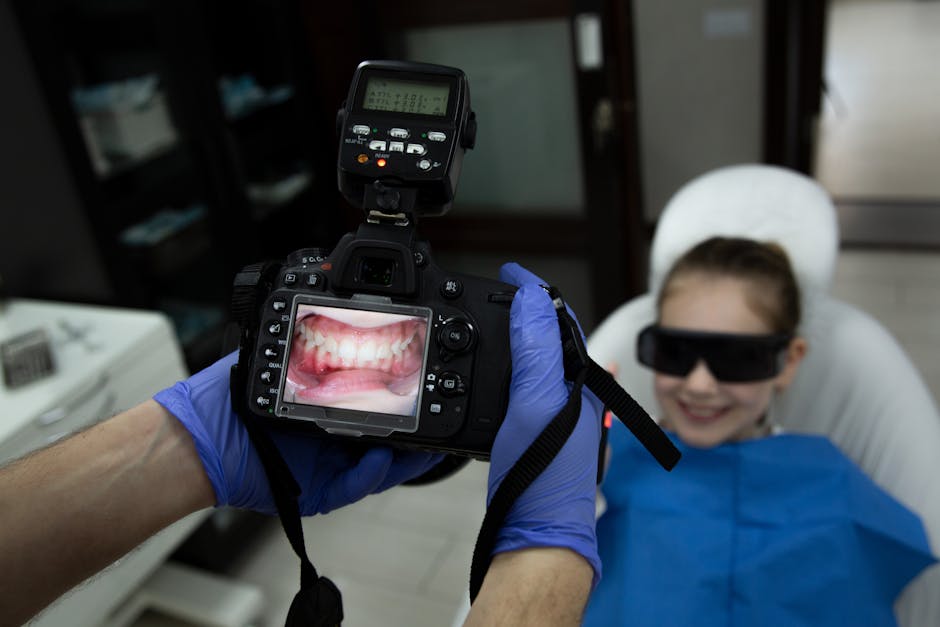
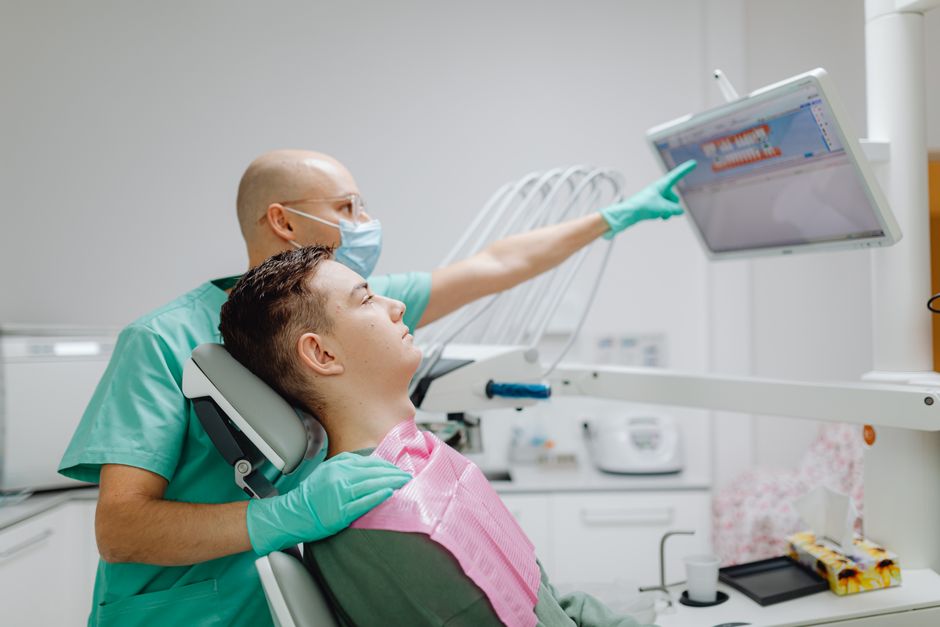
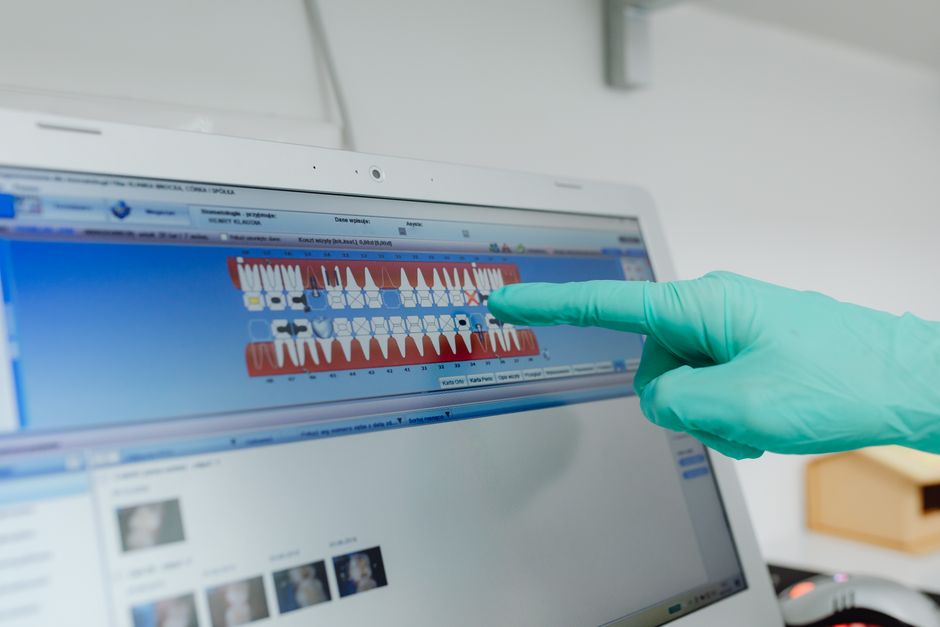
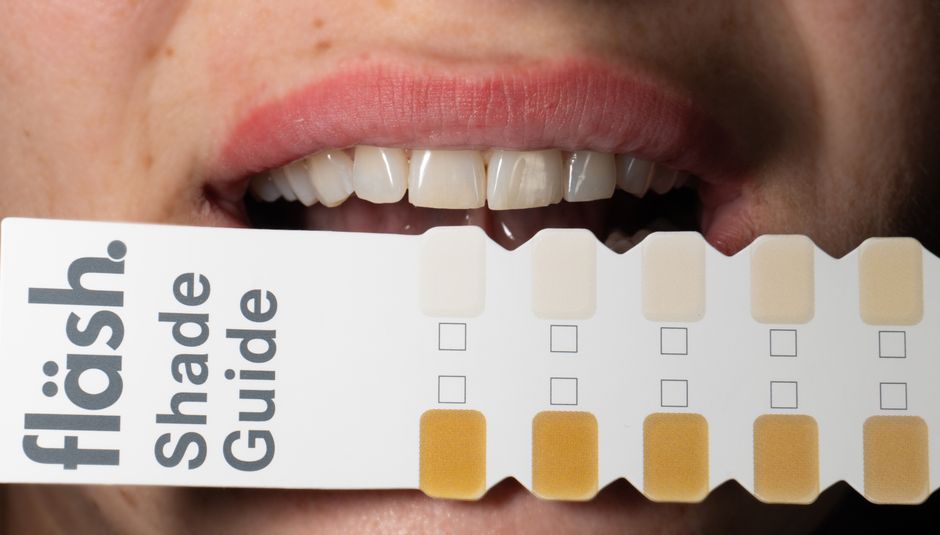
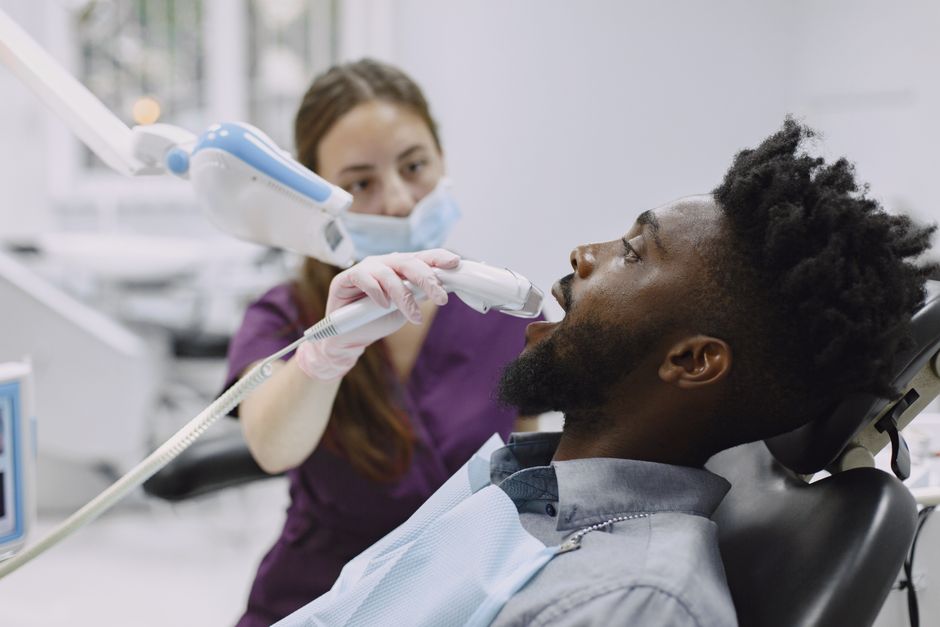
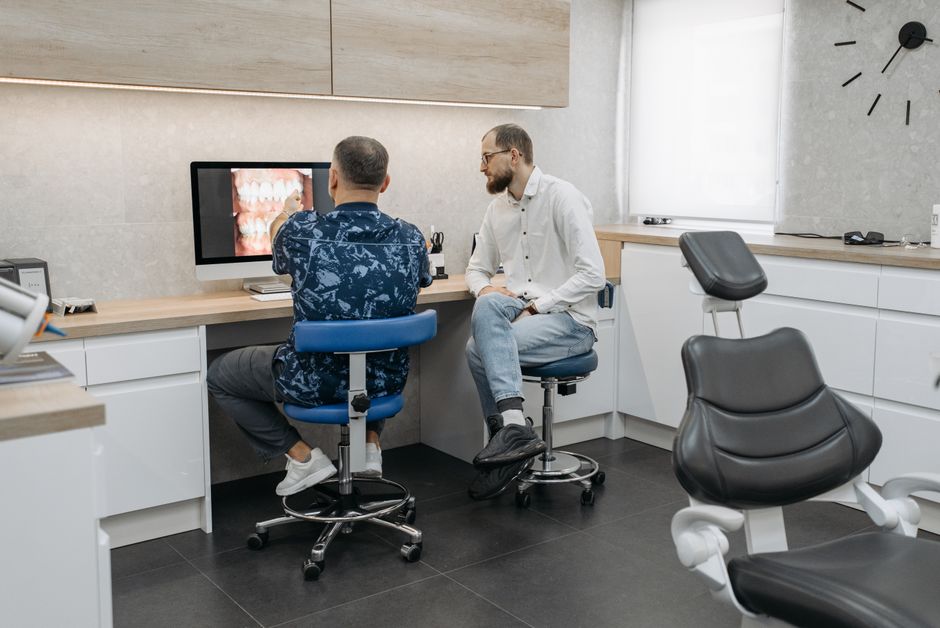
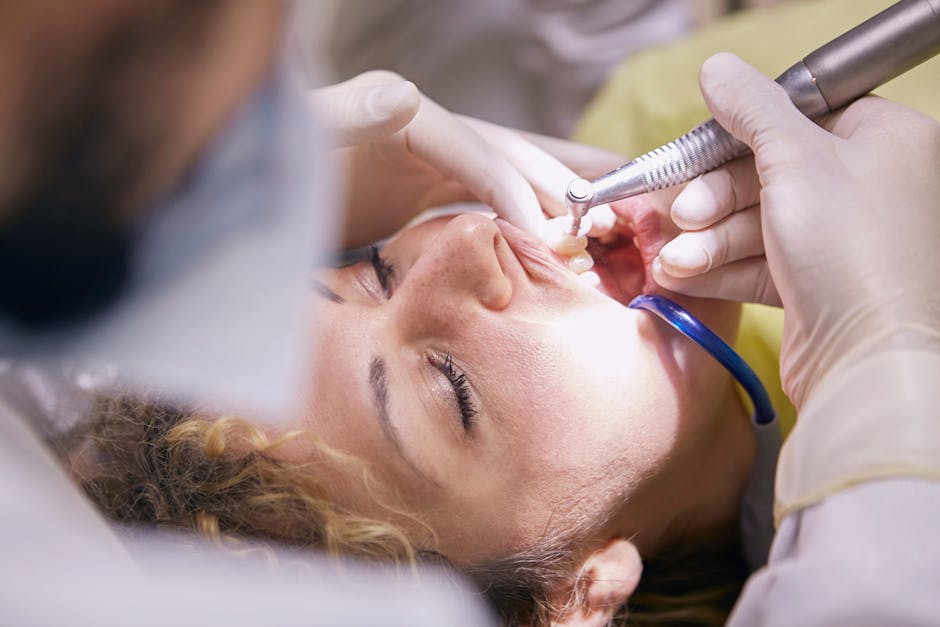
Standardised intraoral photography can capture mucosal changes, plaque patterns, and lesion progression over time—especially valuable for follow-up and patient communication. In continuing education environments, photography also improves case presentation quality and interdisciplinary planning.
Saliva’s impact on restorative dentistry and prosthodontics
Moisture control and salivary composition influence bonding reliability, marginal integrity, and postoperative sensitivity. In patients with low salivary flow, the balance shifts: caries risk rises, soft tissues become more fragile, and restorations may fail earlier due to recurrent lesions or biofilm-driven inflammation.
Adhesive dentistry considerations
When saliva is insufficient, protective pellicle formation is altered and pH can be more volatile. These patients may require intensified preventive protocols and conservative restorative approaches. Material selection (e.g., fluoride-releasing materials in high-risk situations) and recall scheduling become central components of the restorative plan.
Removable prostheses and mucosal tolerance
Saliva contributes to denture retention, comfort, and mucosal resilience. Xerostomic patients often experience sore spots, reduced suction, and increased candidal colonisation. This can complicate prosthodontic adaptation and prolong adjustment visits.
Salivary function in periodontology and peri-implant health
Saliva modulates plaque ecology and inflammatory responses. Reduced flow may increase plaque accumulation and gingival inflammation, complicating periodontal maintenance and elevating risks around implant restorations. Clinically, this is a reminder that peri-implant success is not only a surgical and prosthetic achievement; it also depends on host factors and long-term biofilm control.
Soft-tissue augmentation and wound environment
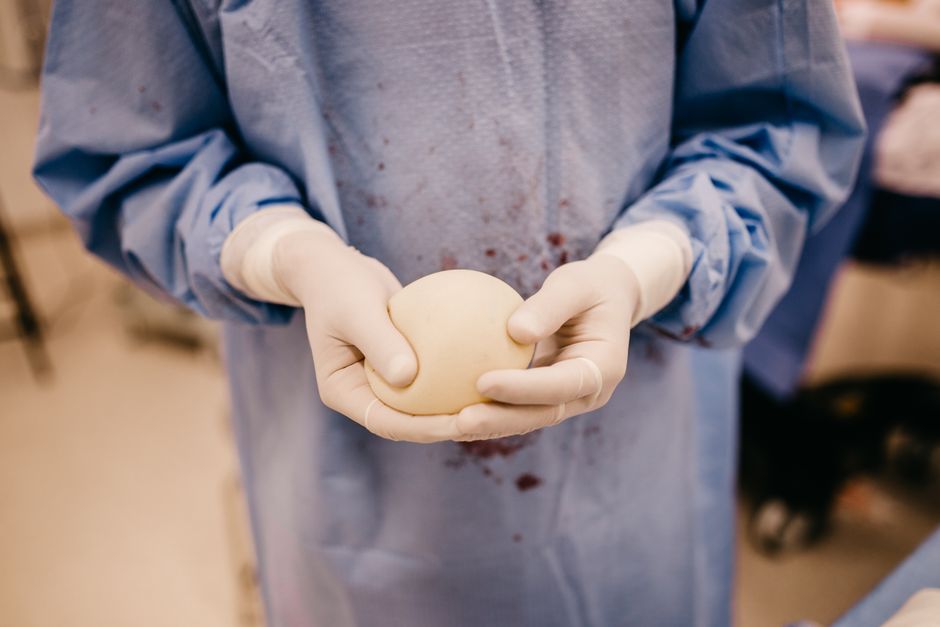
Saliva influences wound hydration and microbial balance. In surgical and periodontal contexts, clinicians often evaluate tissue phenotype, keratinised tissue width, and the patient’s ability to maintain hygiene. For educational reading on biomaterials used in soft-tissue management, explore Asellüler Dermal Matriks: Diş Hekimliğinde Kullanımı, which discusses a commonly referenced material category in periodontal and implant-related procedures.
Implant dentistry: where saliva meets surgery, prosthetics, and digital planning
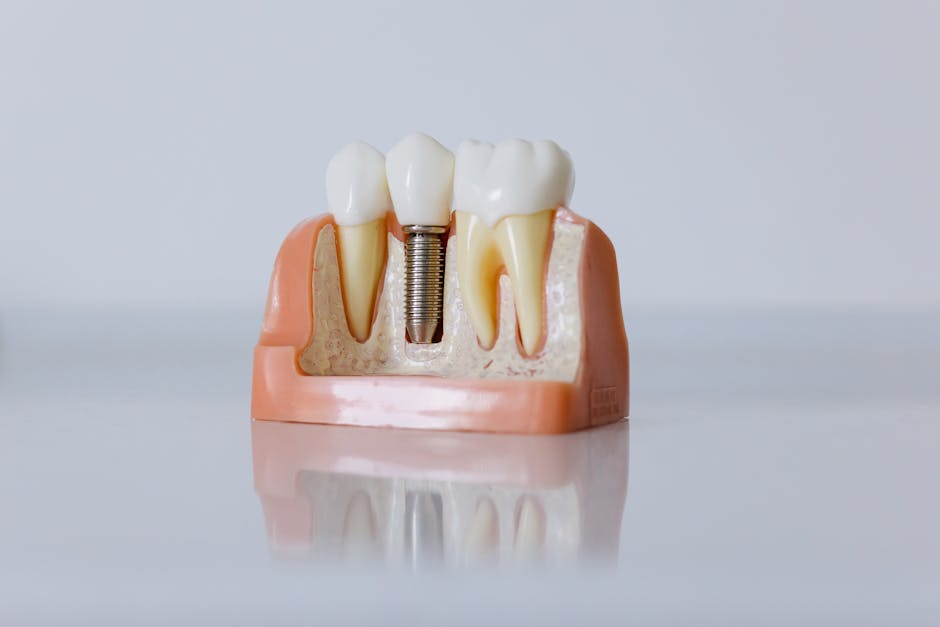
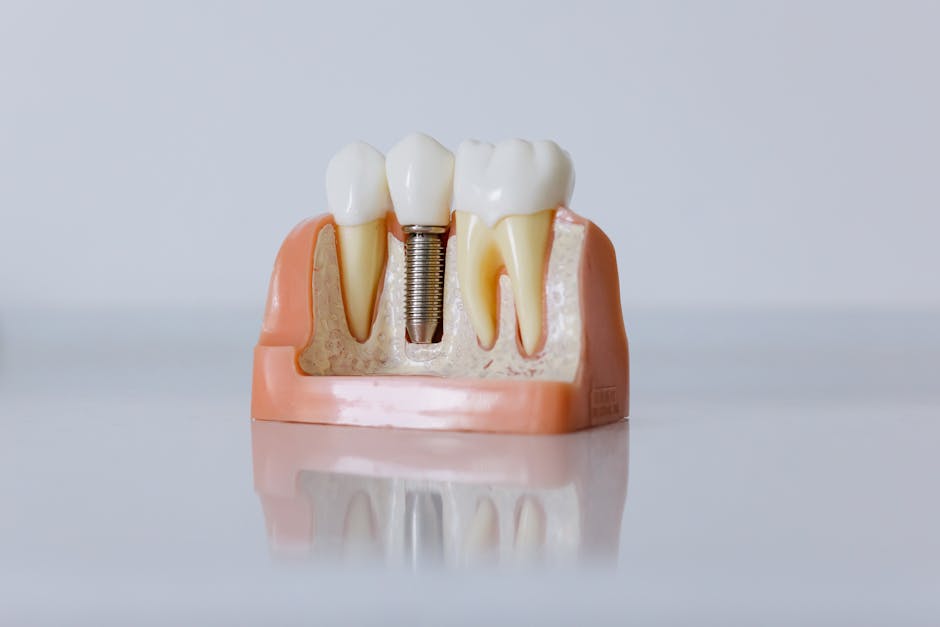
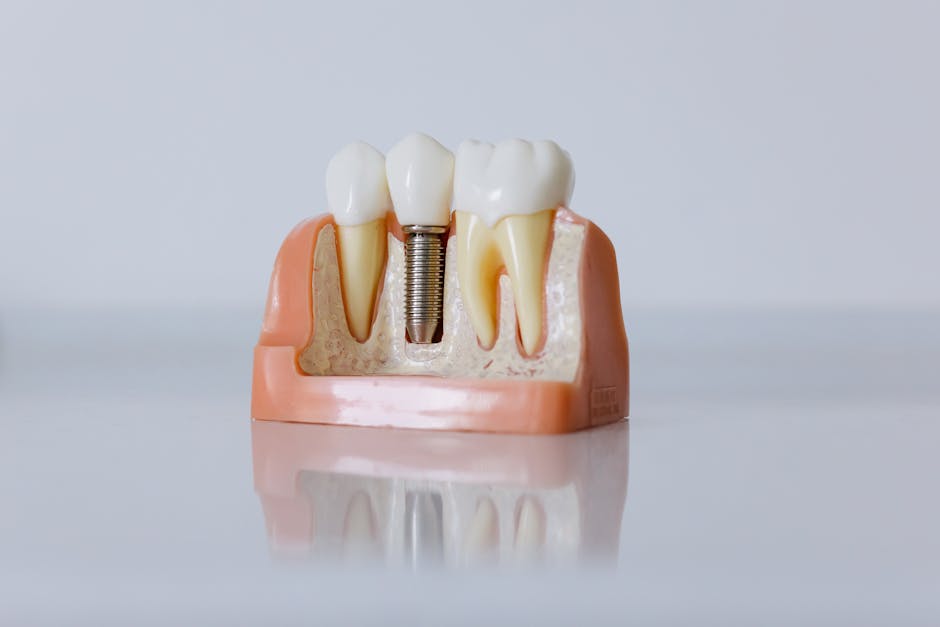
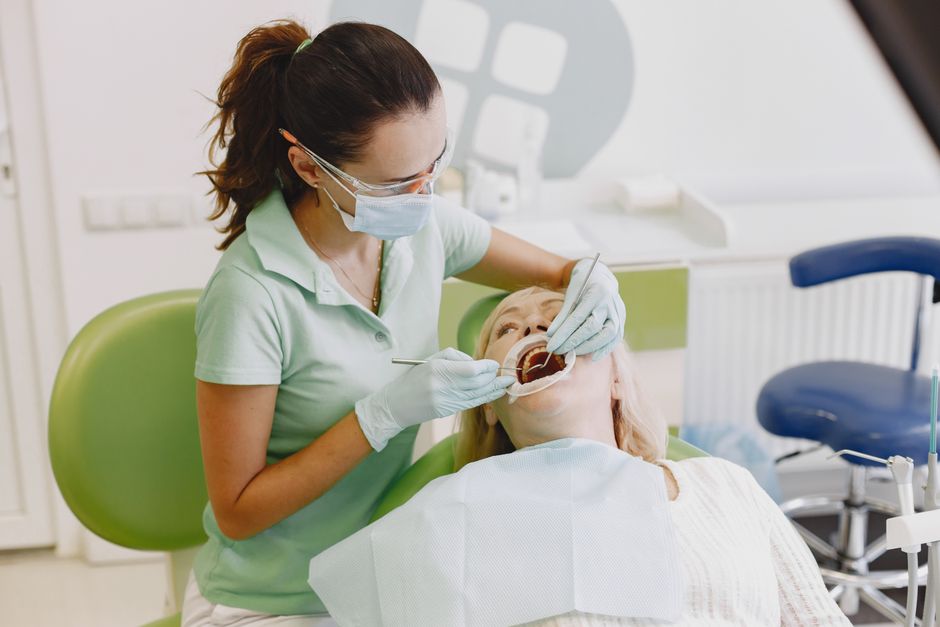
Implant planning usually focuses on bone volume, occlusal load, and prosthetic space. Yet salivary health can shape outcomes through plaque control, mucosal comfort, and patient compliance. Xerostomic patients may have higher maintenance needs, may struggle with inflammation control, and may experience mucosal soreness that reduces brushing effectiveness around abutments and prosthetic contours.
Immediate protocols and patient selection
Patients are increasingly asking for accelerated timelines. Whether immediate placement or immediate loading is appropriate depends on multiple factors, and salivary status is one piece of the broader risk profile. If you are educating patients or reviewing protocols, our article Is One-Day Dental Implant Treatment Really Possible? frames the concept in a clinically oriented way, highlighting why careful selection and workflow control matter.
Digital workflow and maintenance-friendly prosthetics
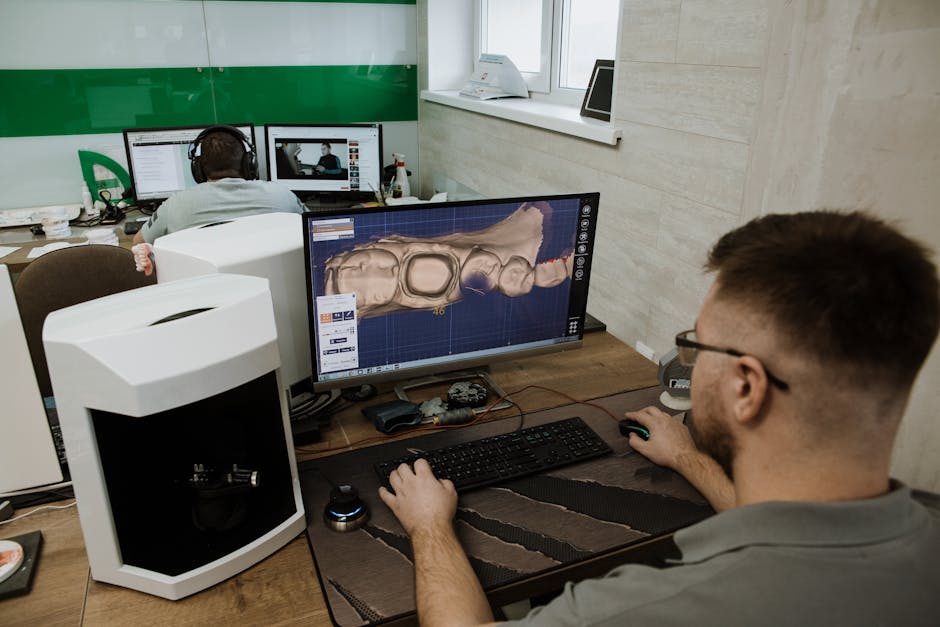
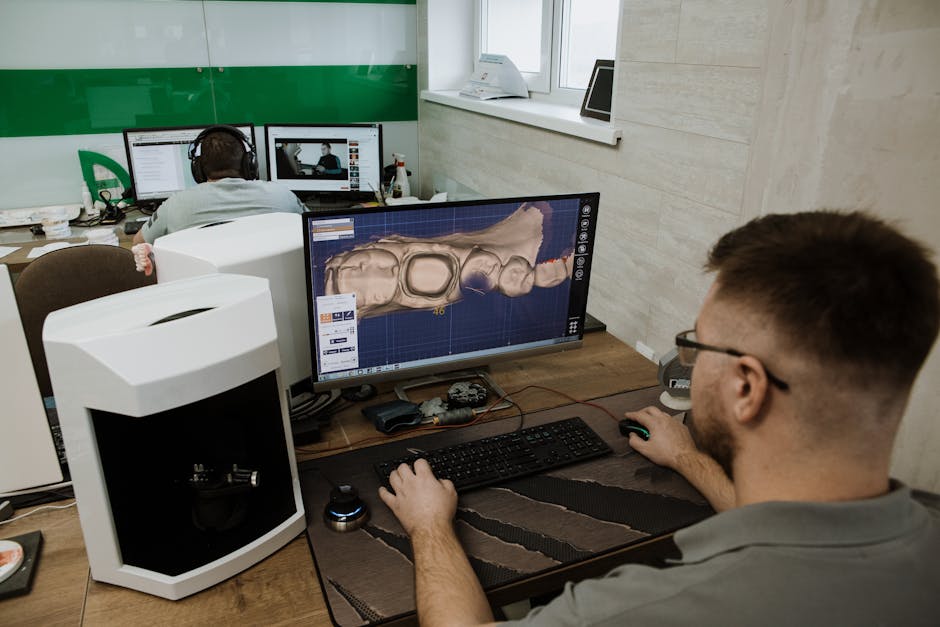
Digital dentistry supports predictable implant prosthetics through guided planning, accurate impressions, and prosthetic designs that facilitate hygiene. In patients with dry mouth tendencies, contouring that supports self-care and reduces plaque retention can be especially valuable. To see how modern systems integrate these steps, read How Digital Workflow Enhances Implant-Supported Prosthetics.
Aesthetic dentistry and smile design: the “environment” matters
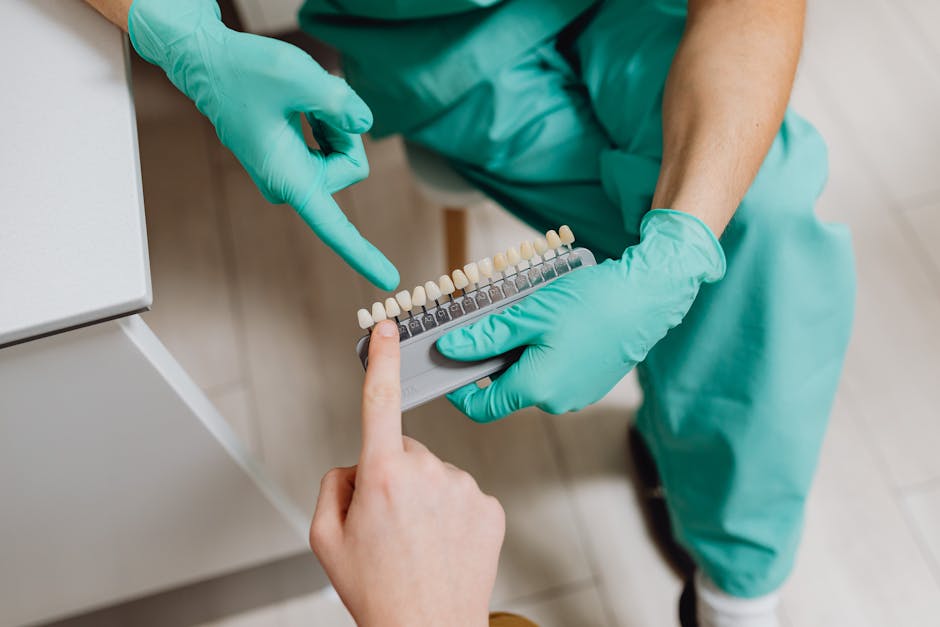
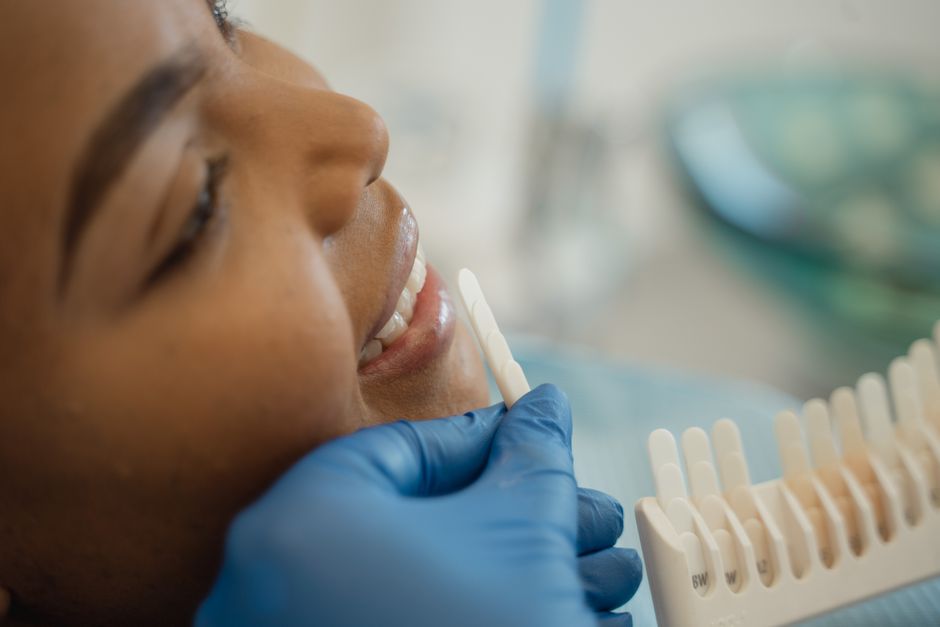
Porcelain laminate veneers, composite bonding, and comprehensive smile makeovers are often discussed in terms of color, shape, and proportions—but the oral environment (saliva quality, pH, and biofilm control) is equally important for longevity. Patients with erosion, high caries activity, or dryness-related sensitivity may require stabilisation before elective aesthetic treatments.
When planning aesthetic cases, clinicians benefit from a workflow that includes risk assessment, photographic analysis, and clear communication about maintenance. If you want a structured overview of clinical workflow and candidacy, see What Is Smile Design? Candidates, Workflow, and Clinical Considerations.
Patient communication and preventive support (educational overview)
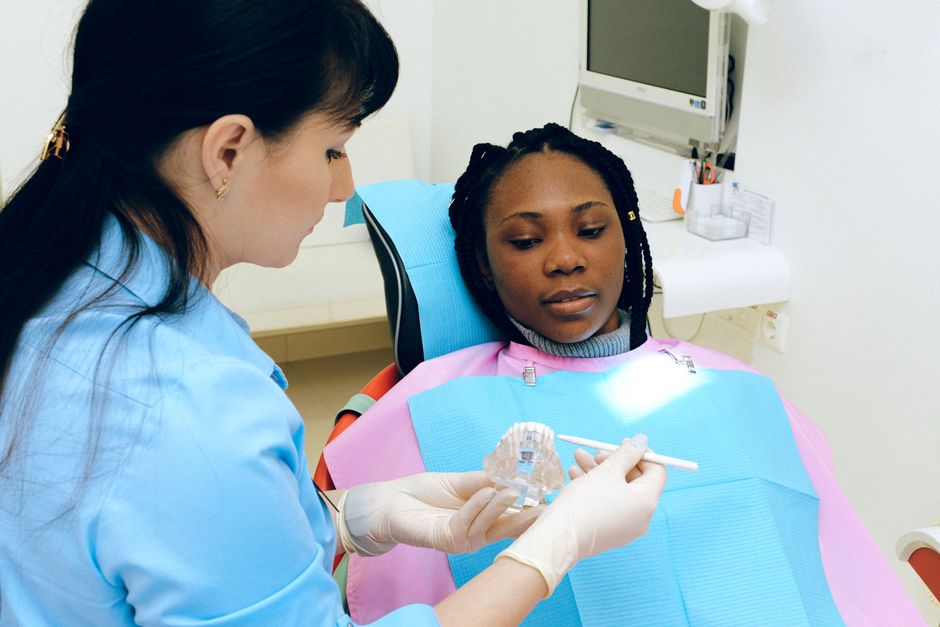
Because this content is for educational purposes, any patient-facing recommendations should be individualised and evidence-based within your scope and local guidelines. From a clinical education standpoint, supportive strategies often include caries-risk management, diet counselling to reduce frequent acidic exposure, reinforcement of fluoride use when indicated, and regular maintenance visits. For symptomatic xerostomia, clinicians may discuss hydration habits and salivary substitutes or stimulants as appropriate, while also considering referral pathways for suspected systemic causes.
How Istanbul Dental Academy integrates salivary considerations into clinical training
At Istanbul Dental Academy, we emphasise that predictable dentistry is rarely about a single procedure—it’s about comprehensive diagnosis, risk control, and repeatable workflows. Salivary assessment connects naturally to multiple hands-on learning areas, including restorative dentistry (adhesion and caries management), periodontology (biofilm and soft-tissue stability), implant dentistry (maintenance-friendly prosthetic contours), and digital dentistry (planning and documentation).
In our continuing dental education environment, participants are encouraged to approach each case with a full-system mindset: documenting baseline conditions, identifying risk factors such as hyposalivation, and designing treatment plans that remain stable in the patient’s real oral environment—not just in ideal circumstances.
Key takeaways for clinicians and students
Salivary glands are not peripheral to dentistry—they are central to oral homeostasis. Reduced salivary function can accelerate caries, intensify inflammation, reduce prosthesis comfort, and complicate both aesthetic and implant outcomes. By integrating salivary assessment into routine examinations, documenting findings, and aligning treatment plans with risk level, dental professionals can improve predictability and patient satisfaction. For those expanding their skills, a structured, hands-on approach to diagnosis and workflow—such as the training models promoted at Istanbul Dental Academy—helps translate salivary science into better daily clinical decisions.
Diğer Yazılar