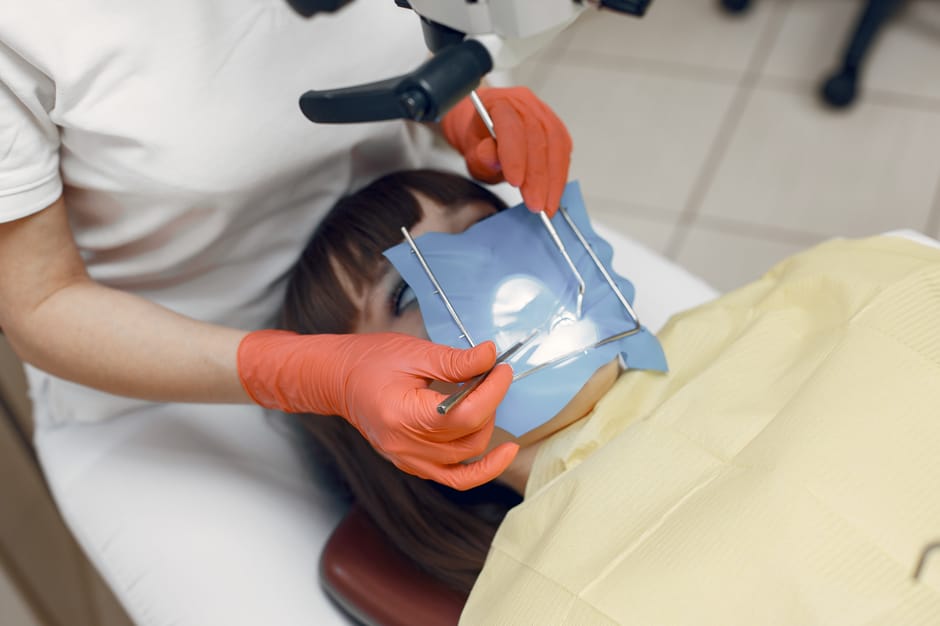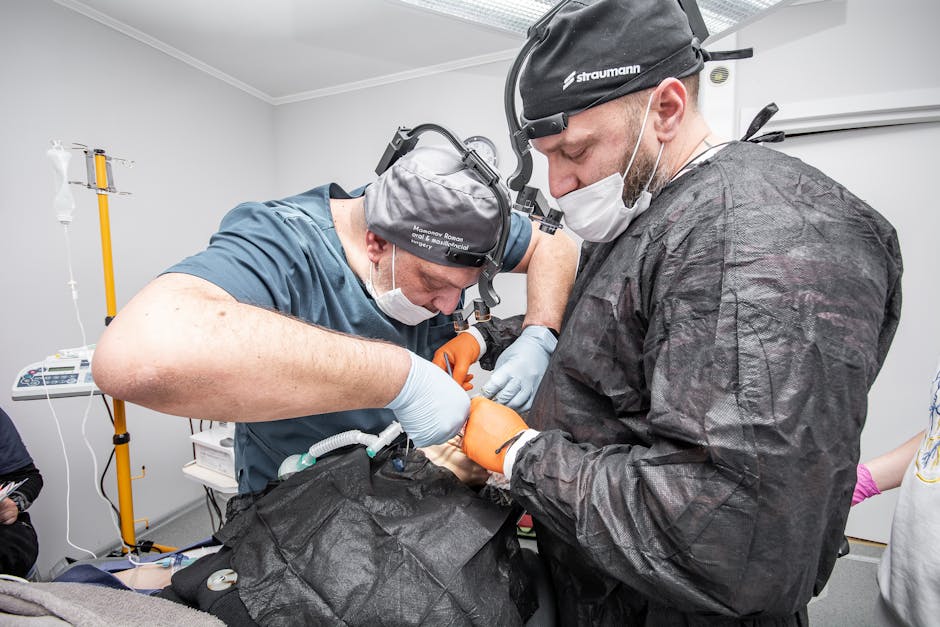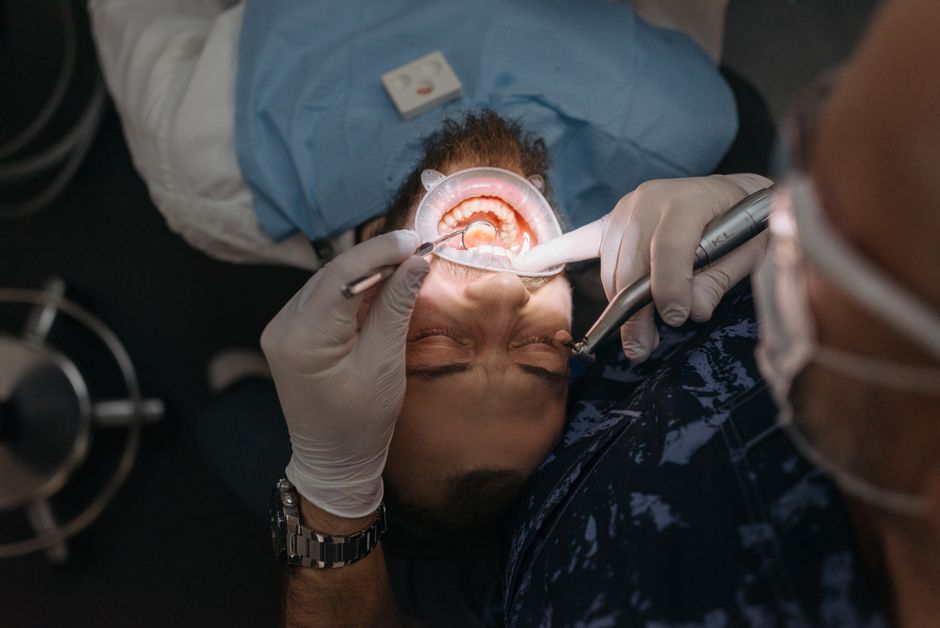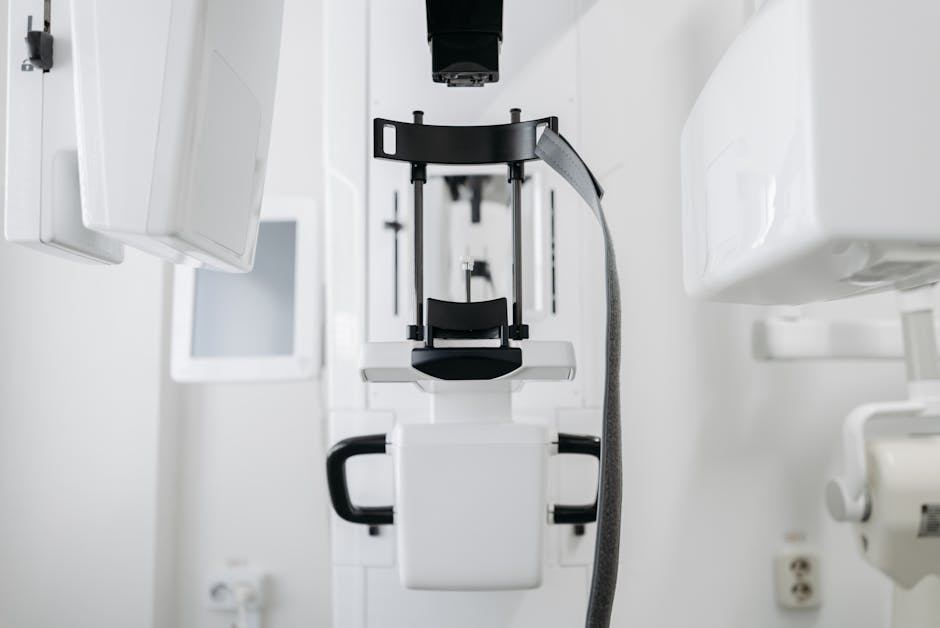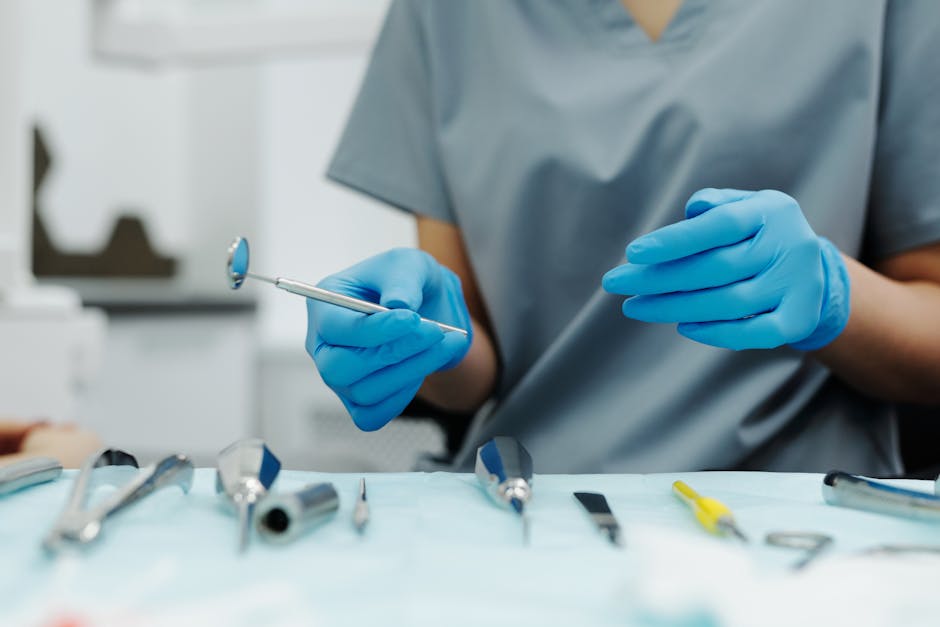
Same-day tooth extraction with immediate implant placement can shorten treatment time when case selection and surgical-prosthetic planning are sound. This educational guide reviews the clinical workflow and how dentists train for predictable outcomes.
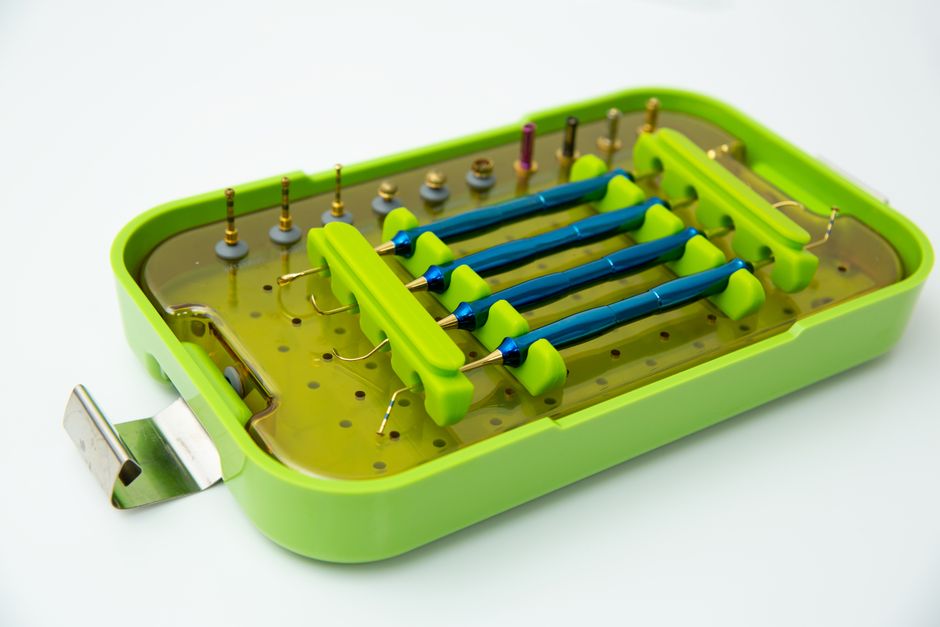
Diabetes does not automatically rule out dental implants, but it can change the risk profile and clinical workflow. This educational guide reviews success factors, planning, and follow-up for diabetic patients.
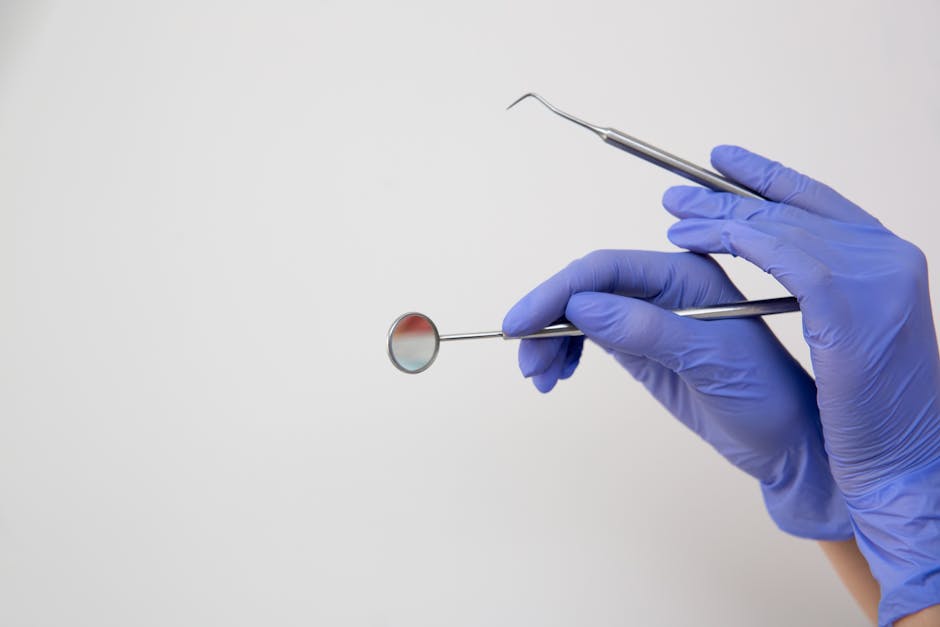
Dry mouth (xerostomia) is more than a comfort issue—saliva deficiency can accelerate caries, mucosal irritation, and restorative complications. This educational overview outlines causes, risks, and a clinician-focused evaluation approach.
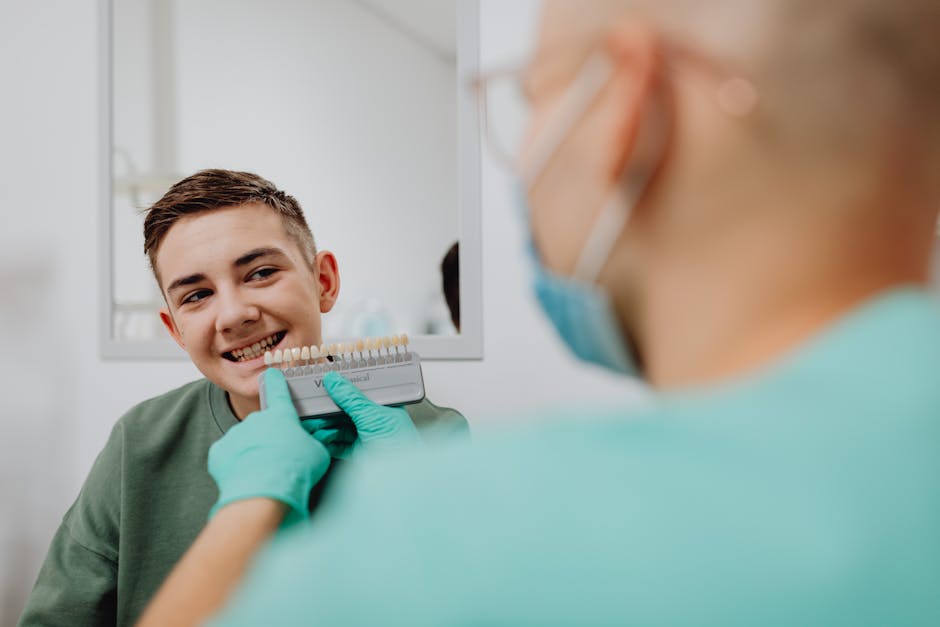
Porcelain laminate veneers can deliver highly aesthetic, conservative results—but small workflow mistakes can compromise longevity. This educational guide reviews common errors and how to reduce risk in daily practice.
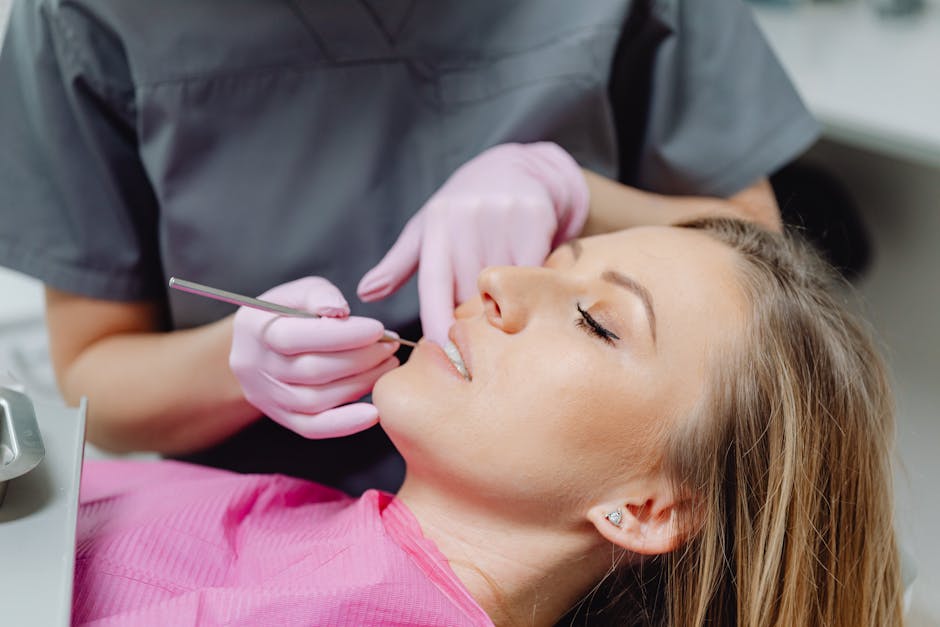
Fractured front teeth demand more than a quick repair—they require structured diagnosis, material selection, and aesthetic planning. This educational guide reviews contemporary restorative pathways and clinical decision points.
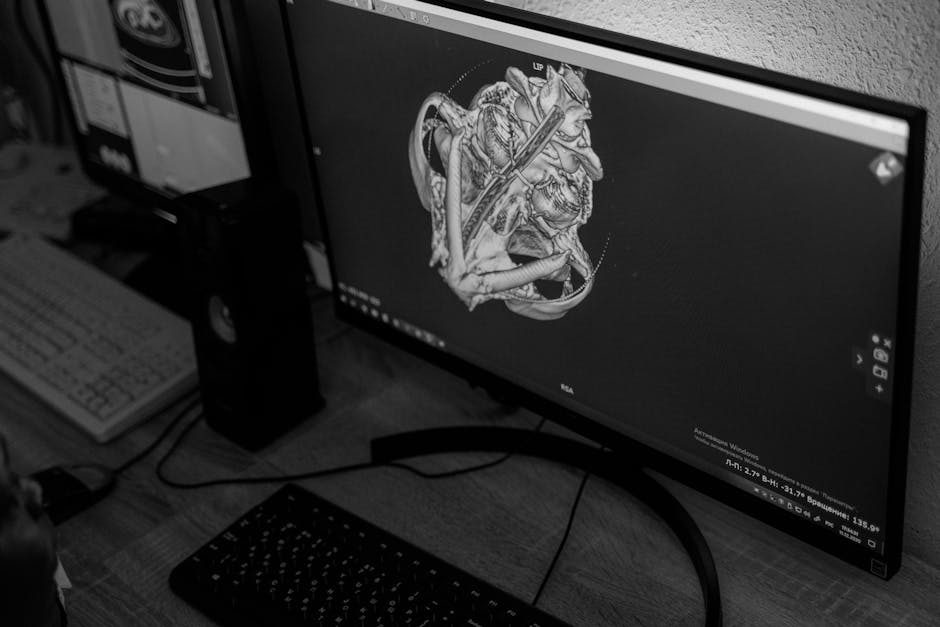
Digital planning is reshaping full-arch implant rehabilitation by improving diagnosis, communication, and prosthetic predictability. This article outlines an evidence-informed workflow used in modern practice and training.
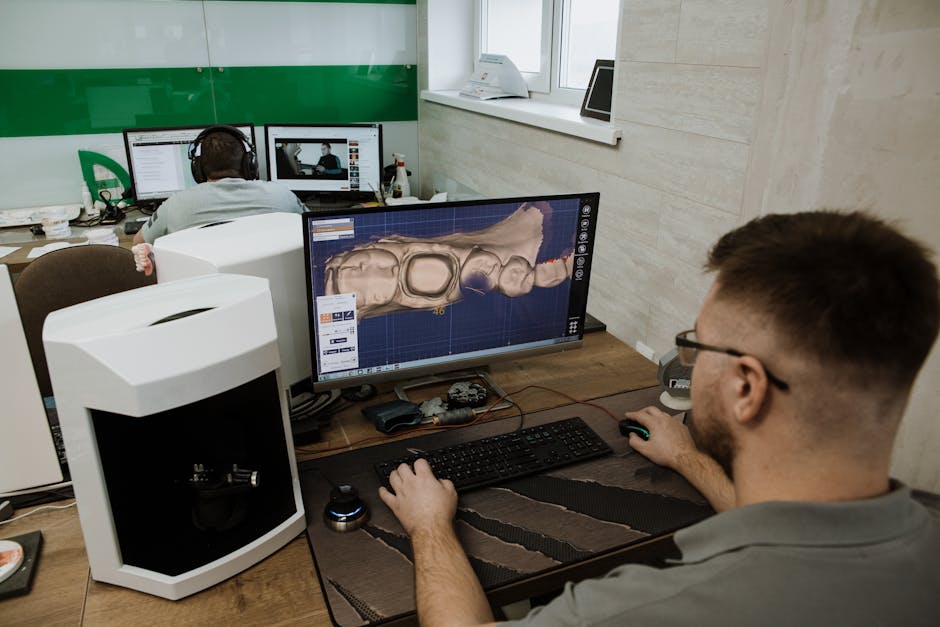
Passive fit is a cornerstone of predictable implant-supported prosthetics. This article reviews practical clinical and laboratory steps to evaluate and improve passive adaptation with modern analog and digital workflows.
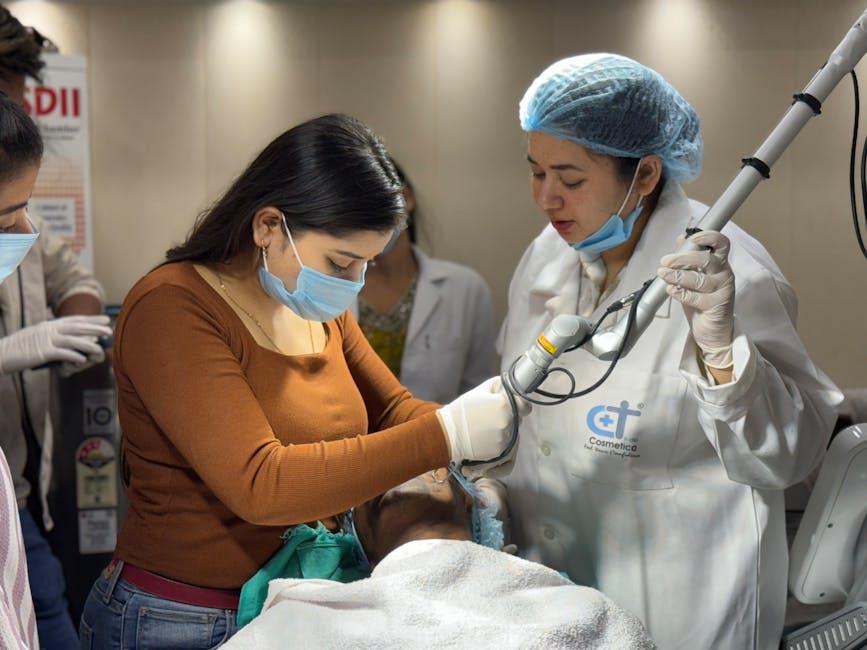
Starting implant surgery requires structured planning, conservative case selection, and a clear surgical-prosthetic workflow. This educational guide outlines key steps and how hands-on training can accelerate safe clinical readiness.