
BLOG
Which Procedures Are Used in Smile Design? A Clinical Workflow for Modern Dentistry
Smile design is a workflow—not a single procedure
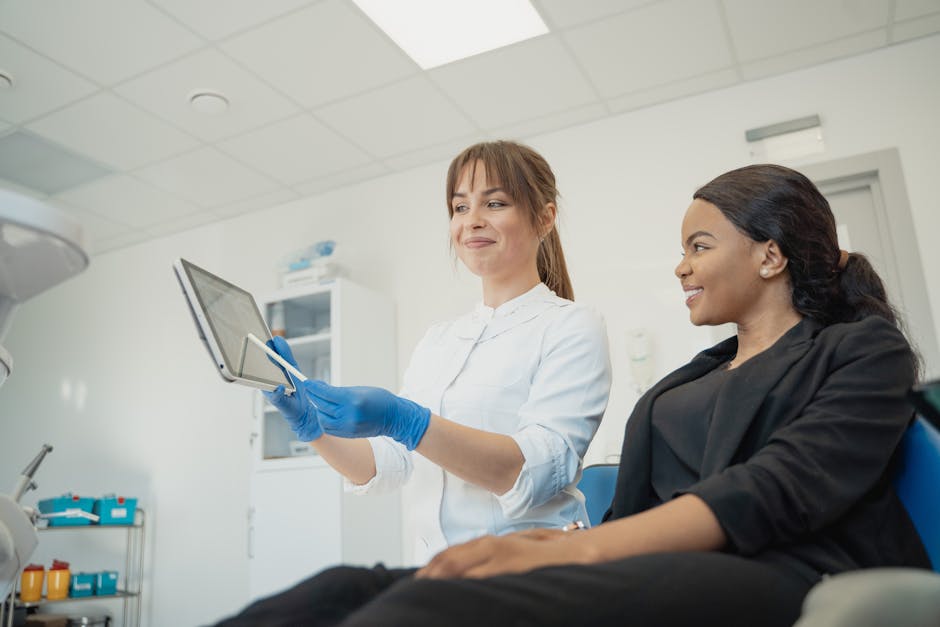
In daily practice, “smile design” can sound like an aesthetic add-on. Clinically, however, it is best understood as a step-by-step workflow that integrates diagnosis, occlusion, periodontal health, restorative planning, and patient communication. The “procedures used in smile design” are therefore not a fixed checklist. They are selected based on facial and dental analysis, the patient’s functional needs, and the biological limitations of enamel, dentin, gingiva, and bone.
For dental professionals and students, the most valuable mindset is to treat smile design as an interdisciplinary treatment plan—often involving restorative dentistry, prosthodontics, periodontology, endodontics, and sometimes oral surgery and implant dentistry. This content is for educational purposes and aims to outline common clinical approaches rather than provide definitive treatment advice for any individual case.
1) Diagnostics that drive the plan
Clinical exam, periodontal screening, and risk assessment
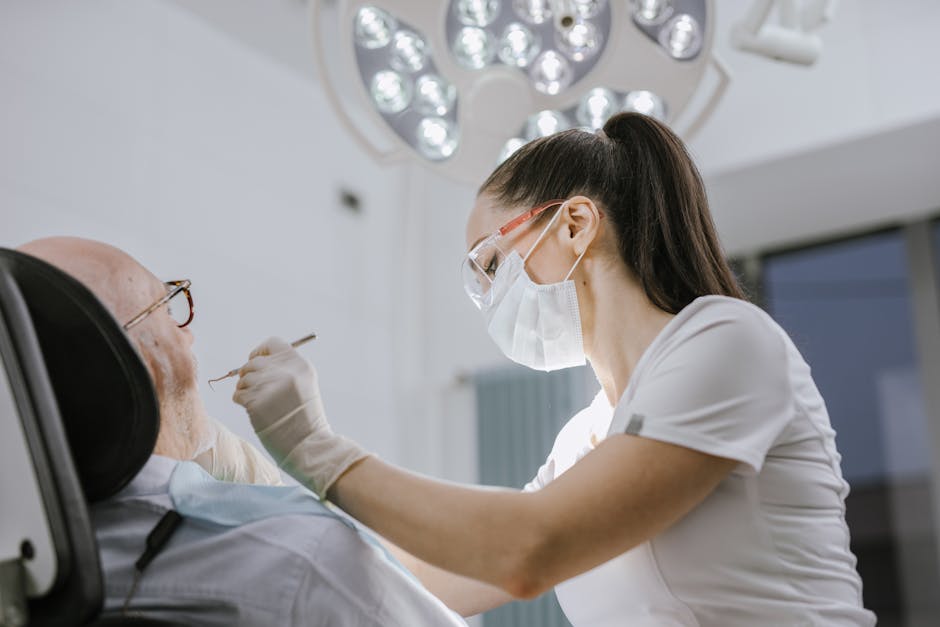
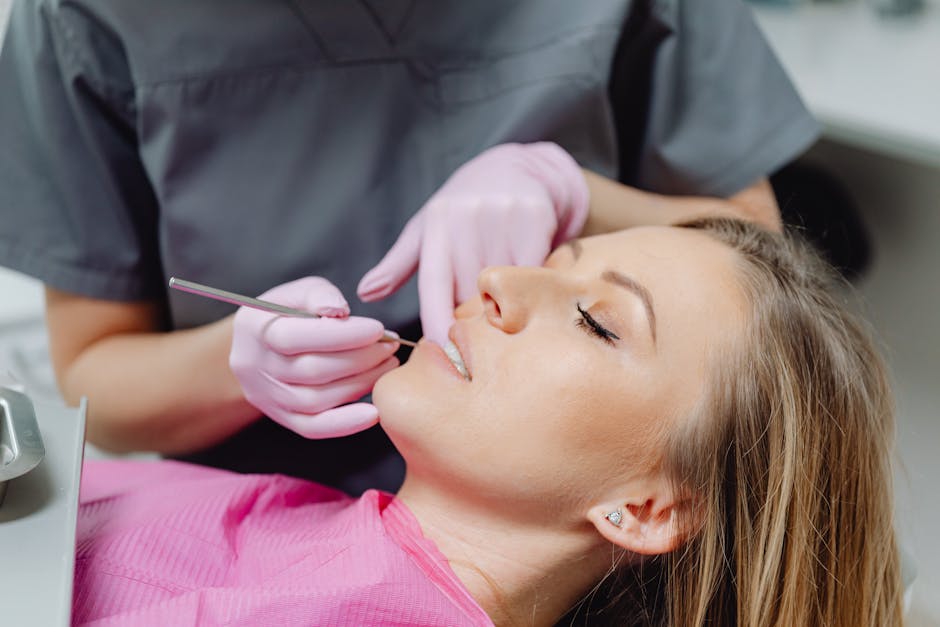
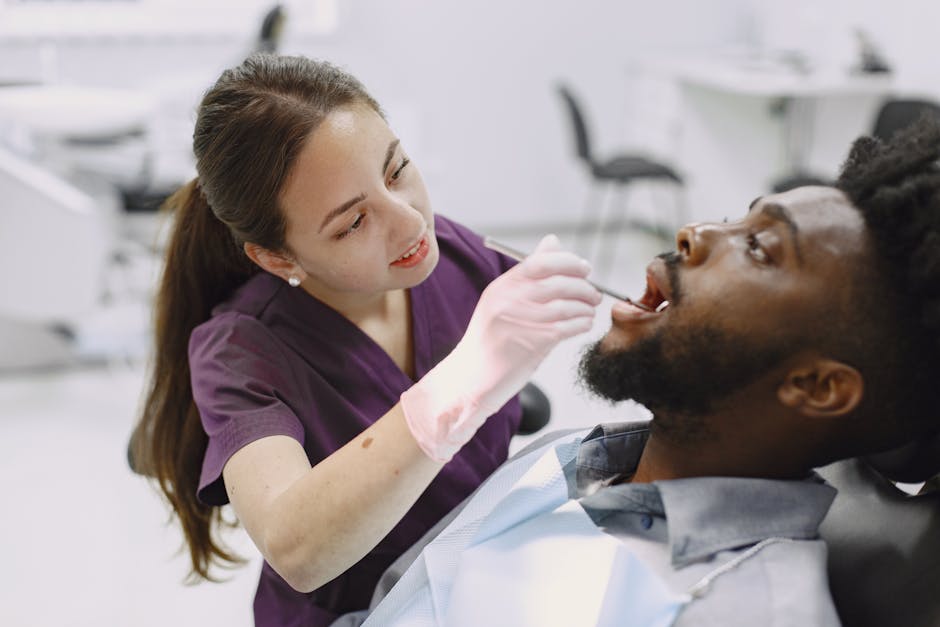
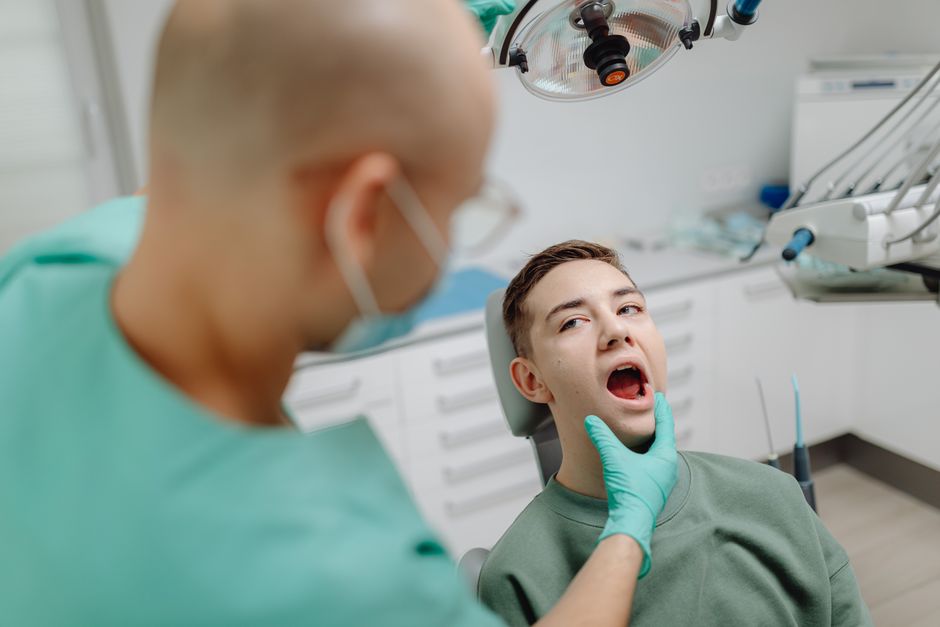
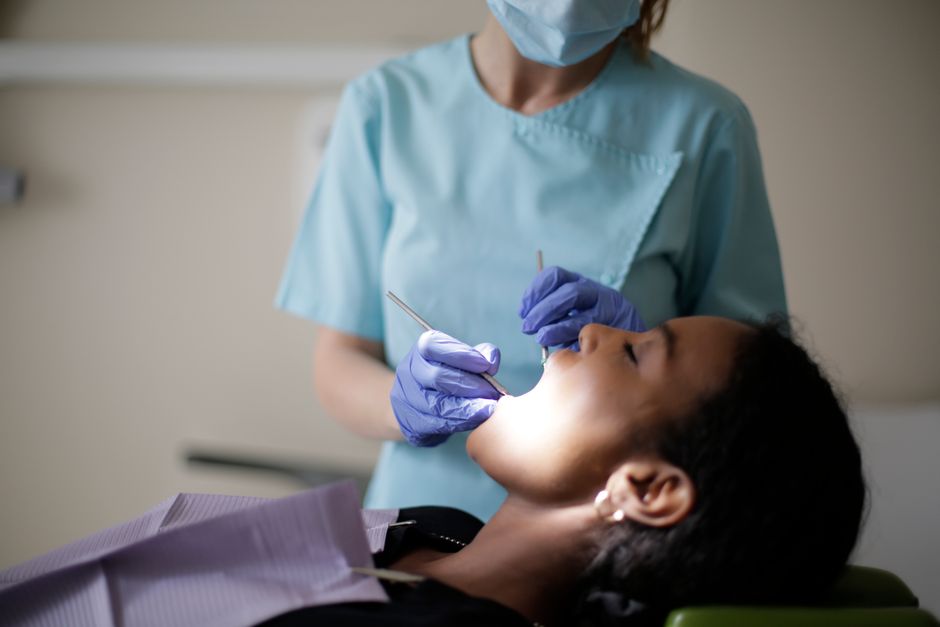
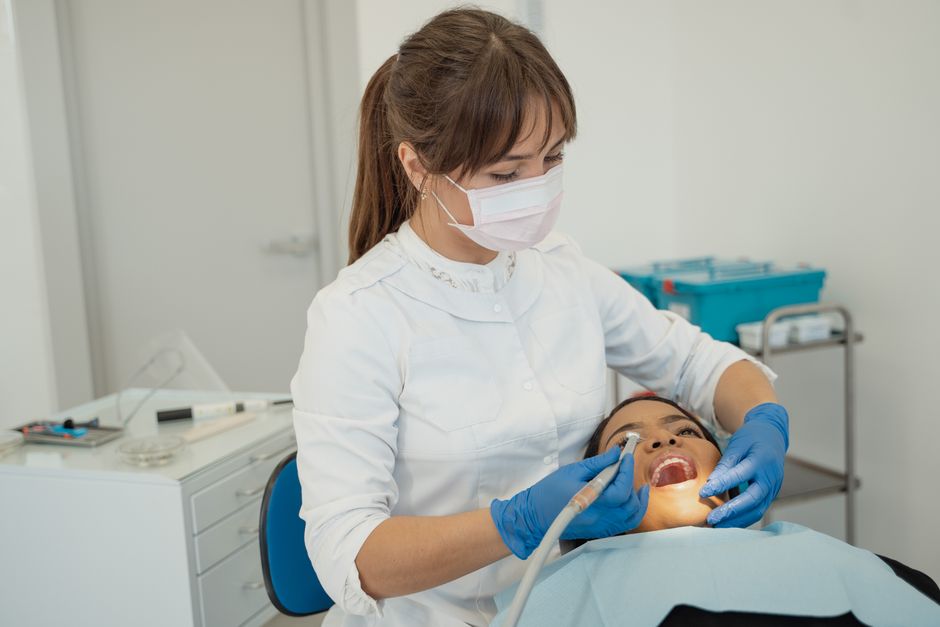
Every smile design begins with a comprehensive exam: caries risk, periodontal status, soft tissue evaluation, and functional assessment. Gingival inflammation, bleeding on probing, pocketing, and recession can significantly affect aesthetic outcomes and long-term stability. If periodontal disease is present, it is typically stabilised before aesthetic procedures are finalised.
For a clinical refresher on etiology and early detection, see clinical insights on gum disease, its early signs, and risk factors. In many smile design cases, controlling inflammation is the “hidden” procedure that determines whether the final result will look natural—and remain healthy.
Radiographic and digital records
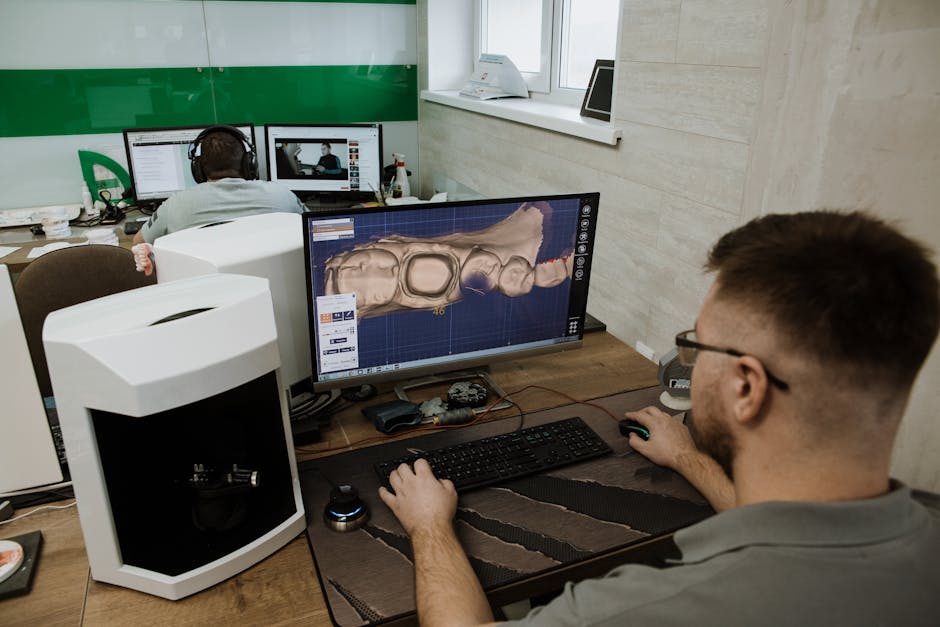
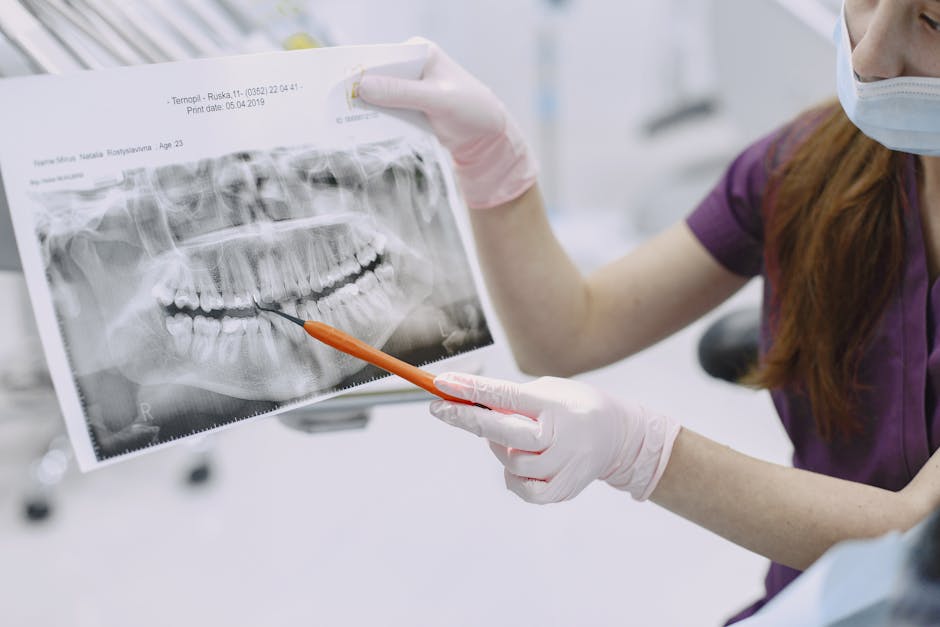
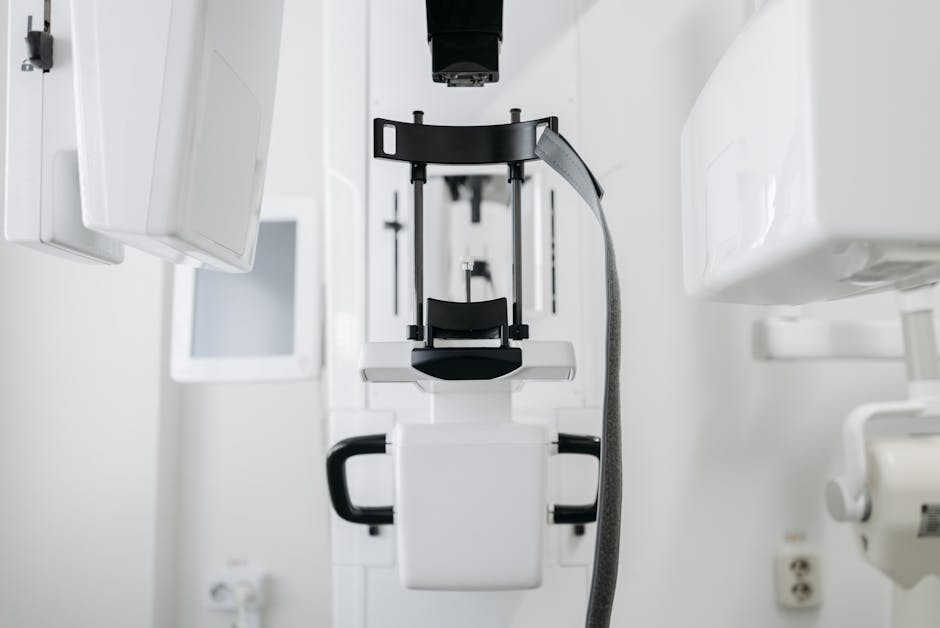
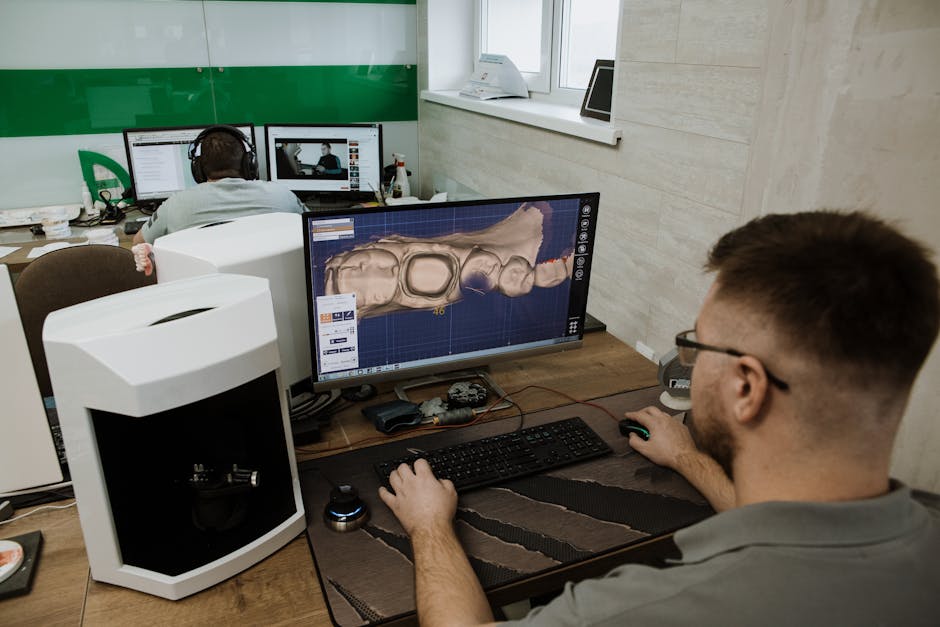
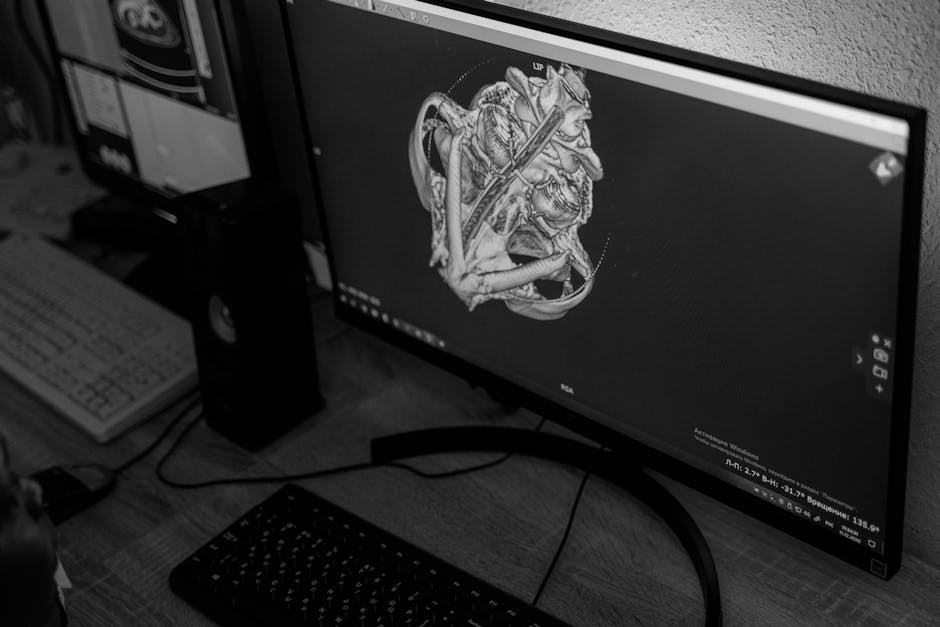
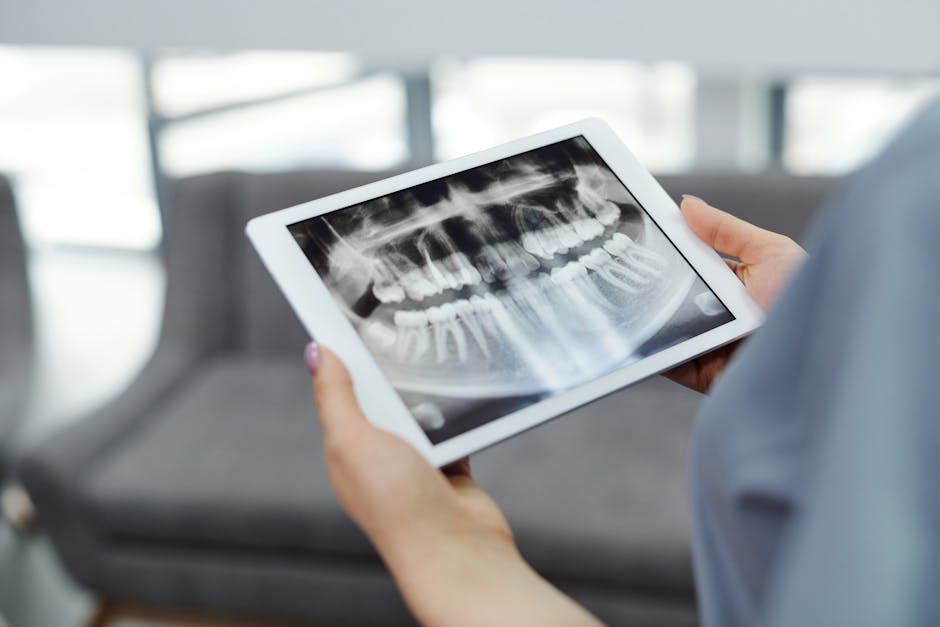
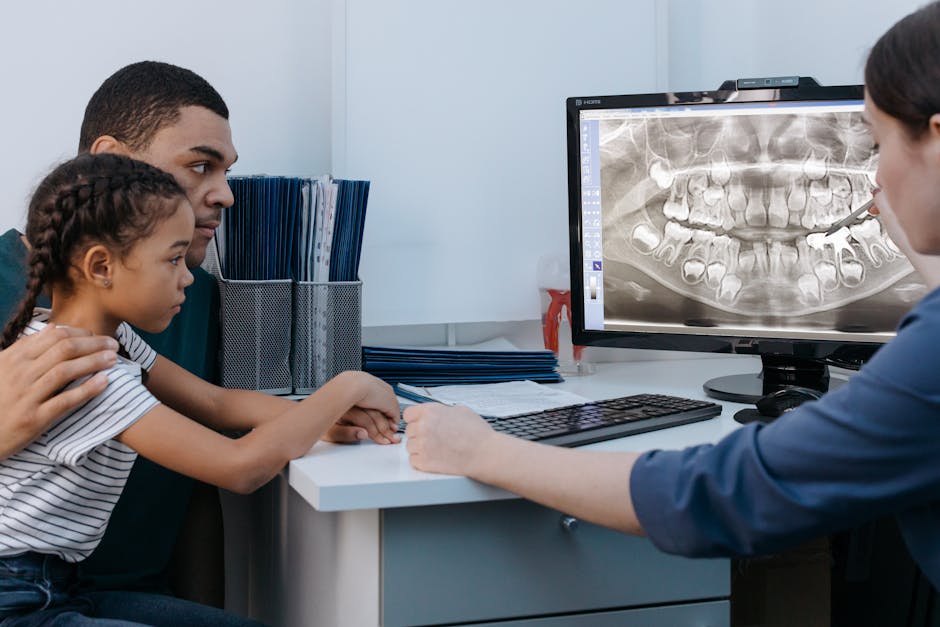
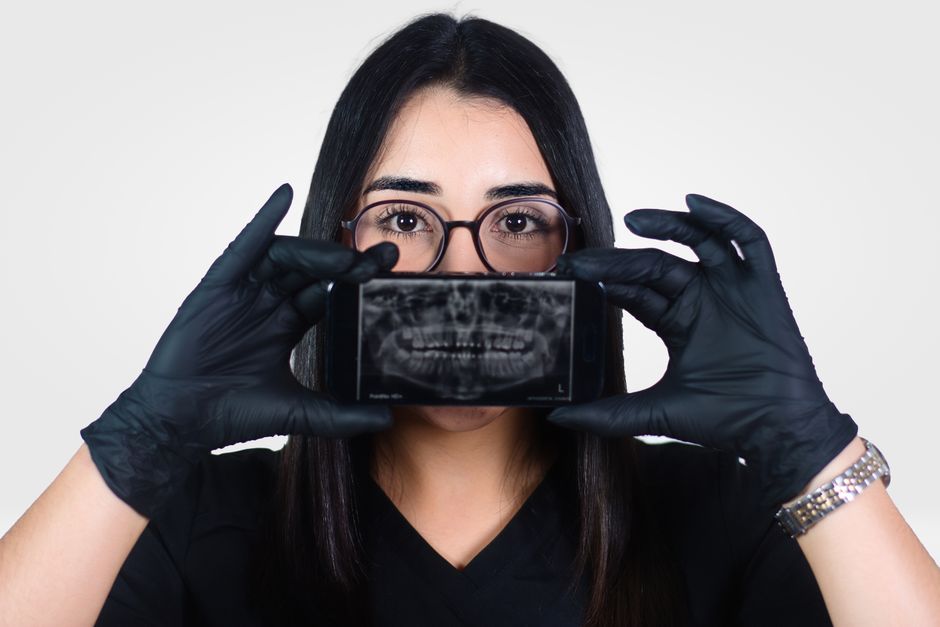
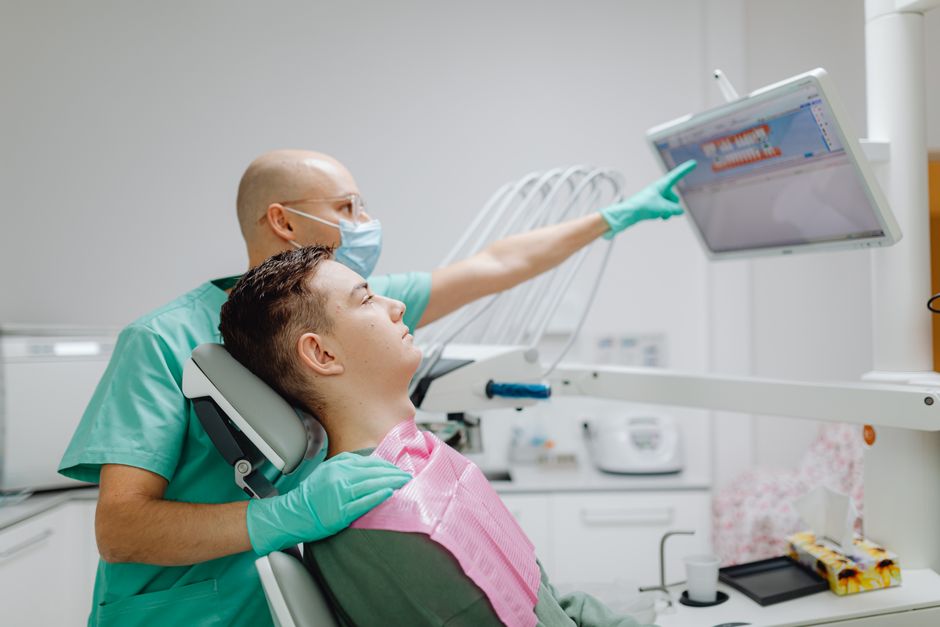
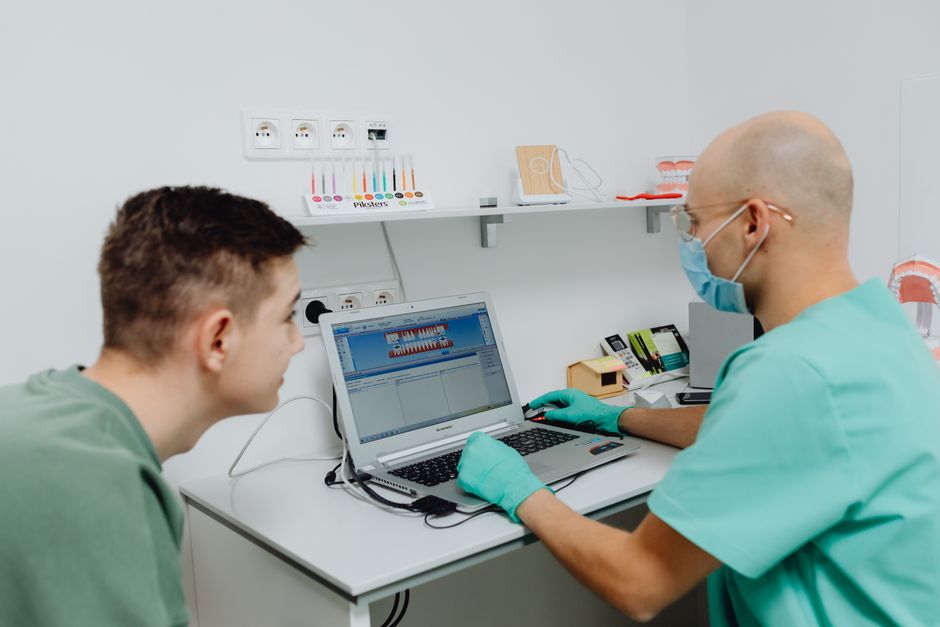
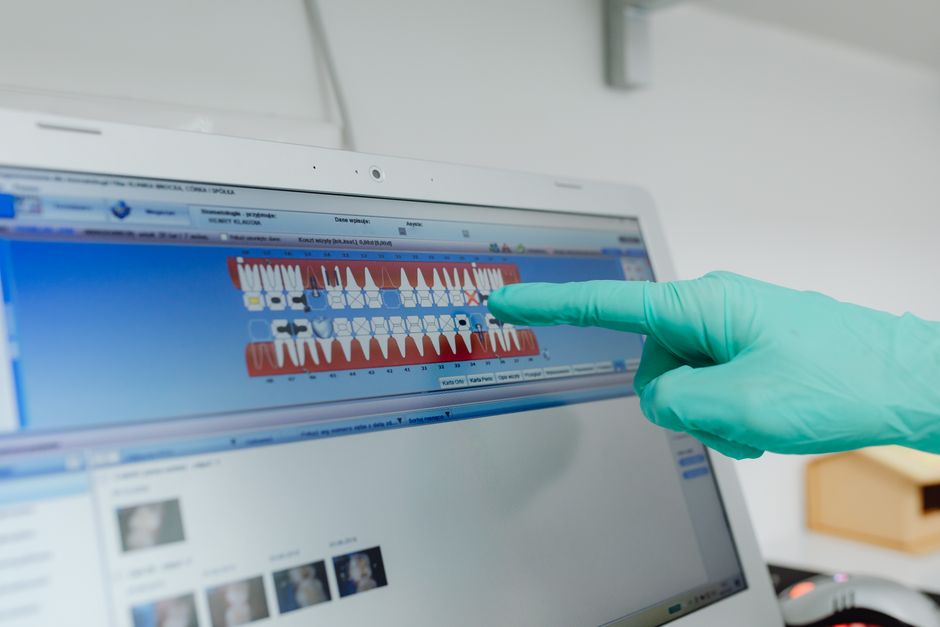
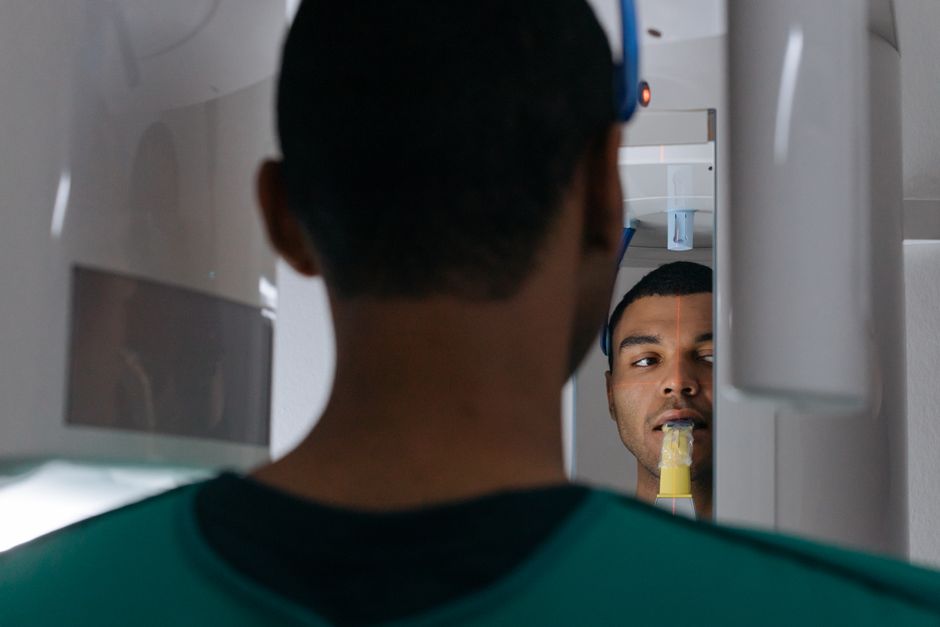
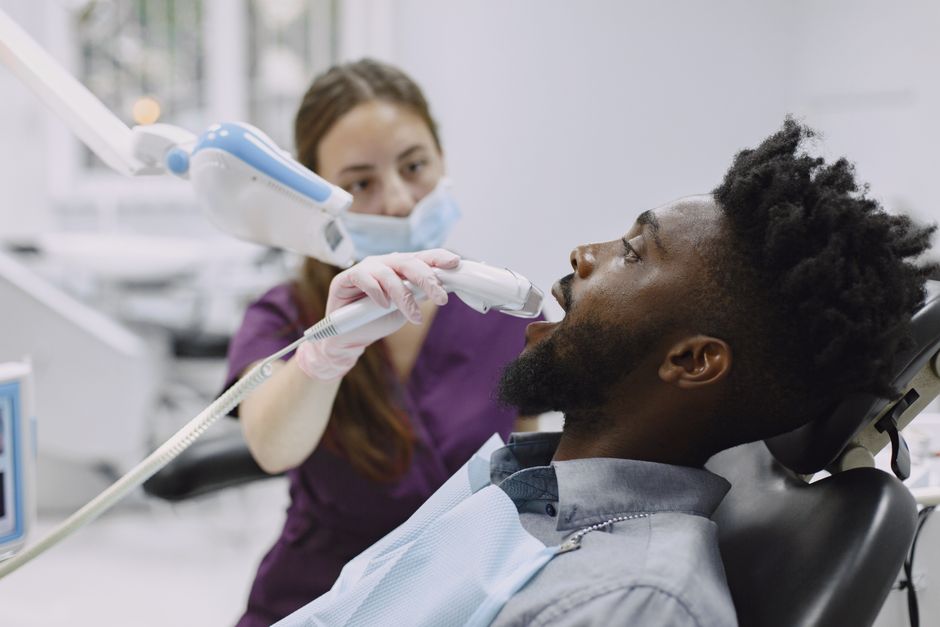
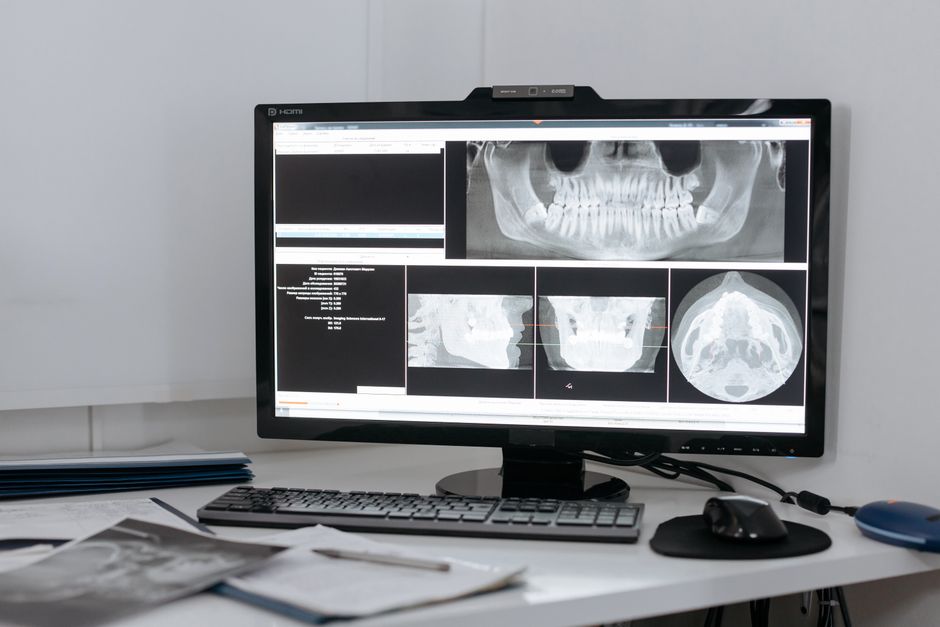
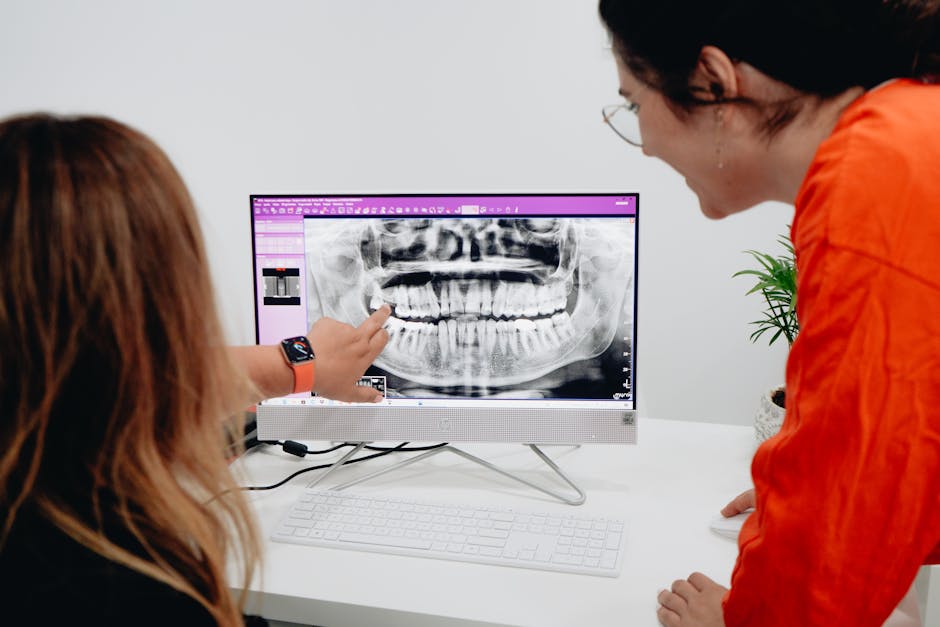
Standard records may include periapical radiographs, bitewings, and panoramic imaging; CBCT may be indicated when implant planning, bone morphology, or complex endodontic/periodontal considerations are involved. Intraoral scanning is increasingly used for baseline documentation, occlusal analysis, and restorative planning, supporting a digital workflow from mock-up to final prosthesis.
Dental photography and patient communication
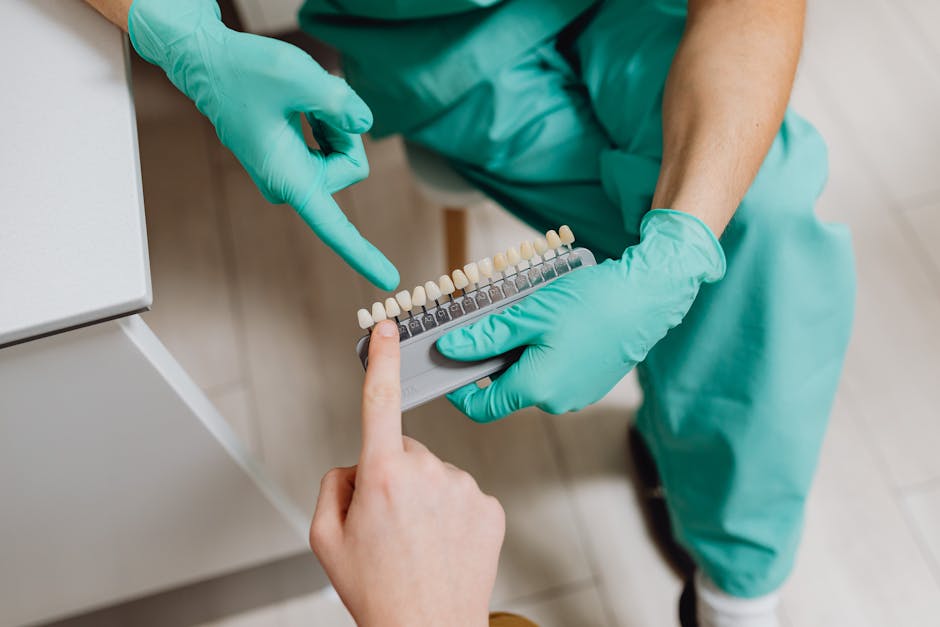
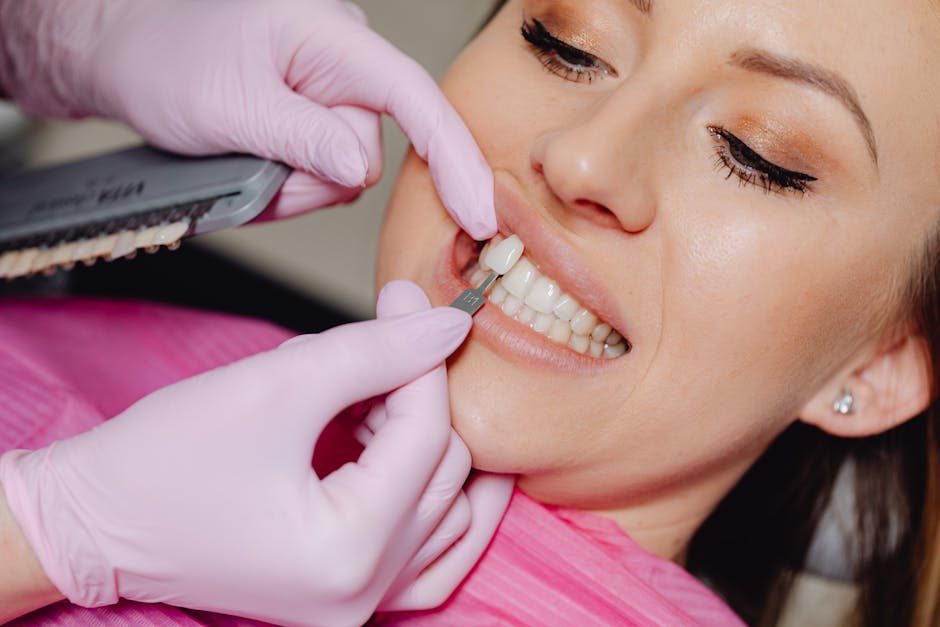
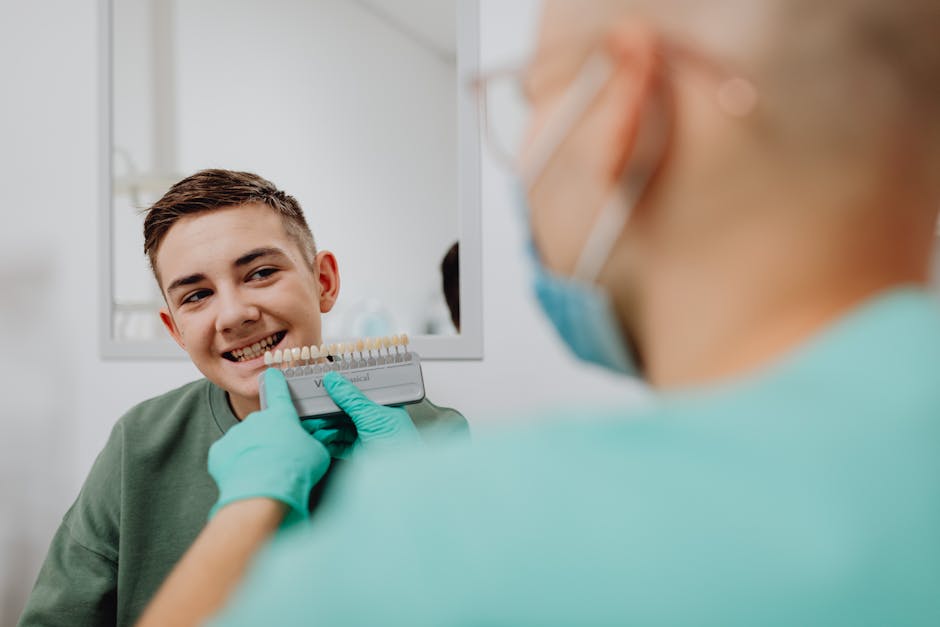
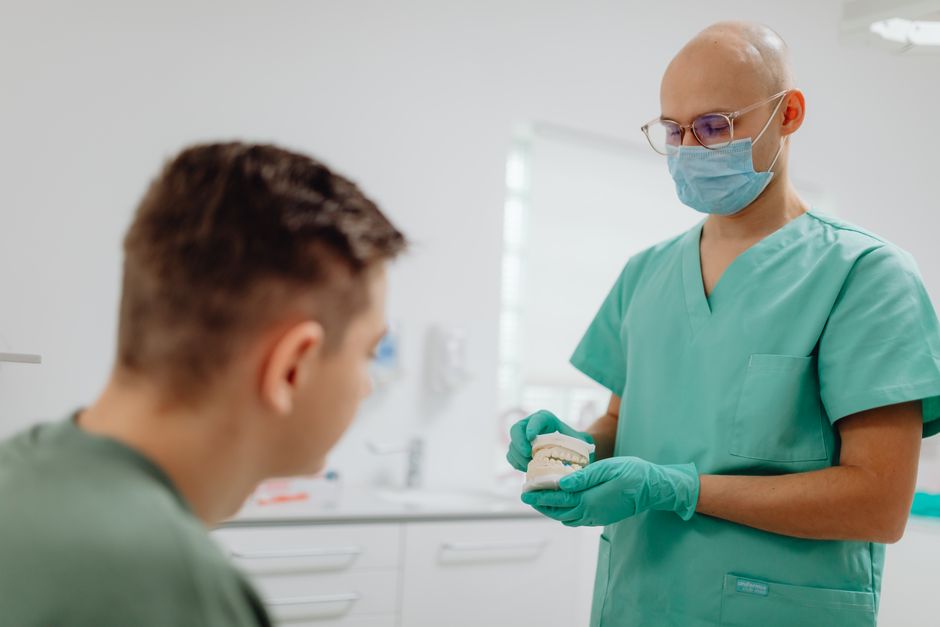
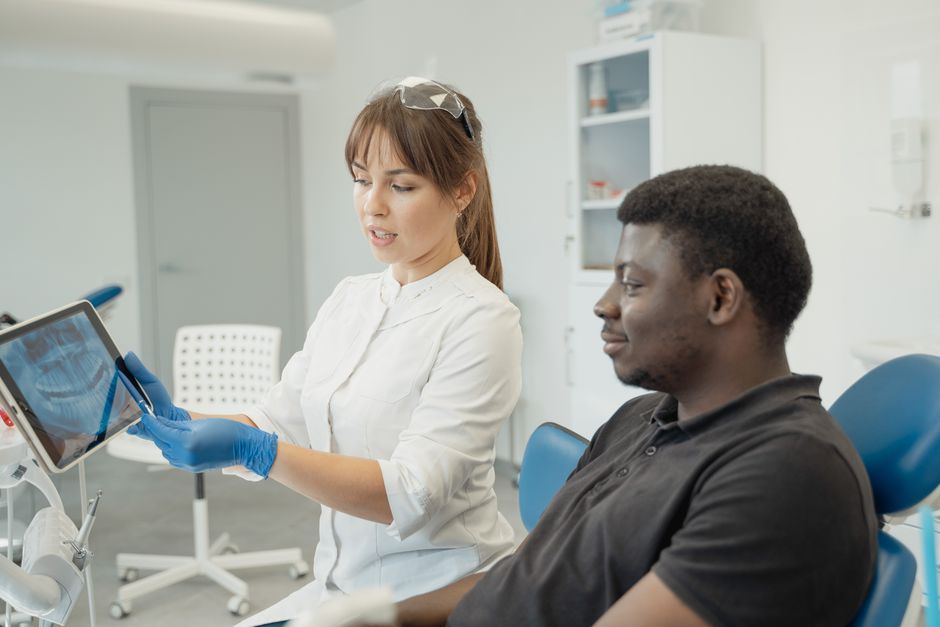
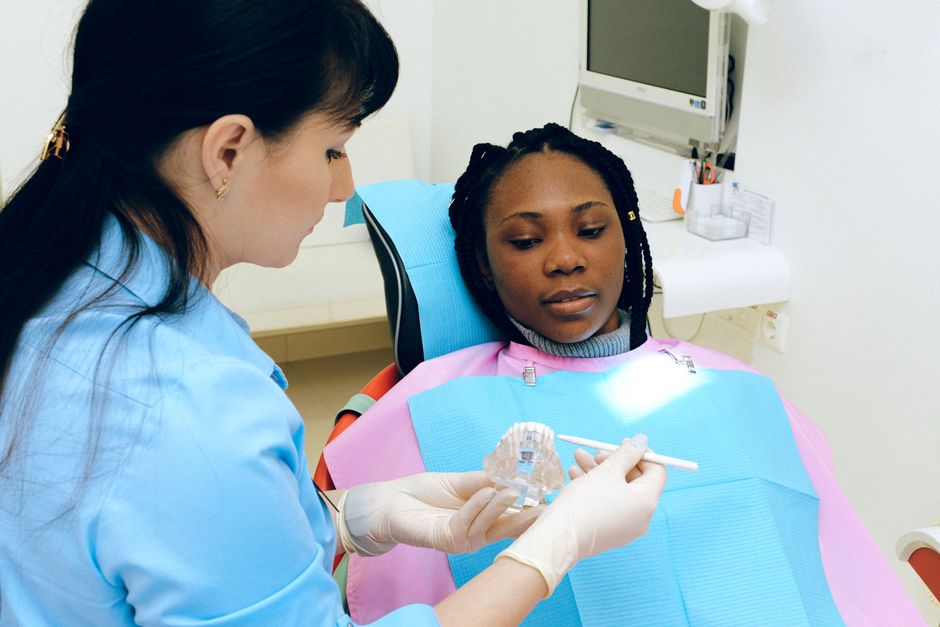
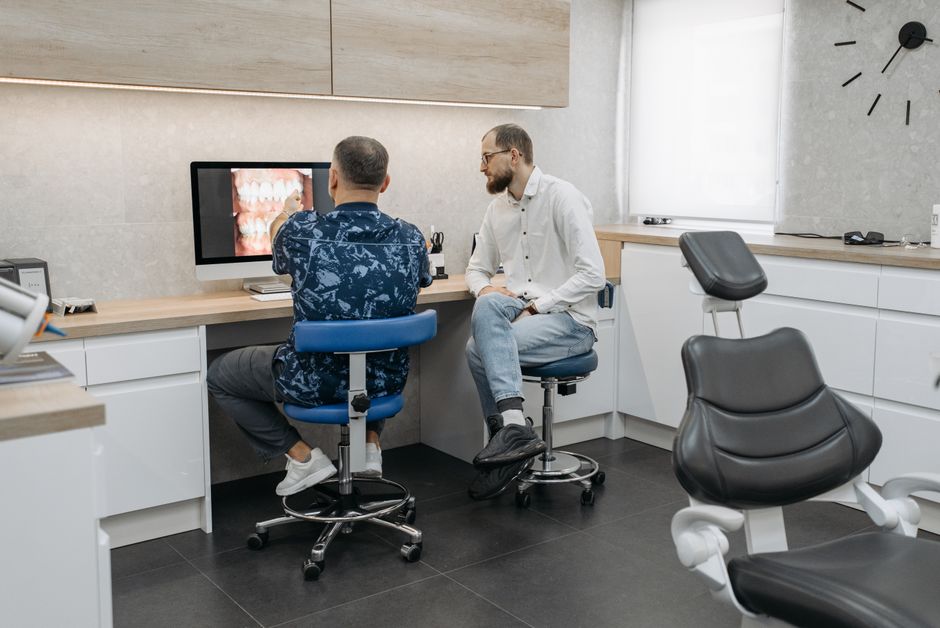
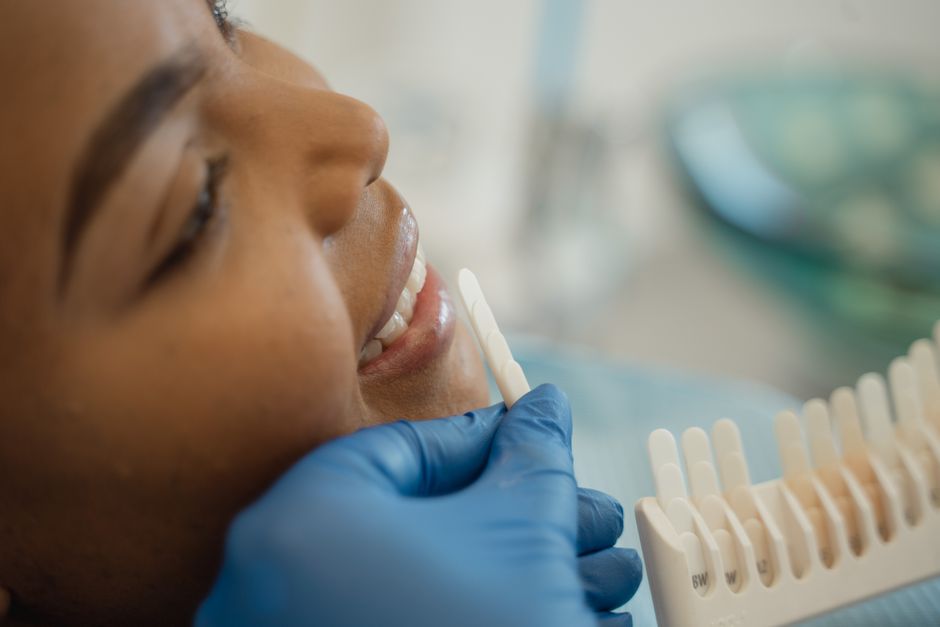
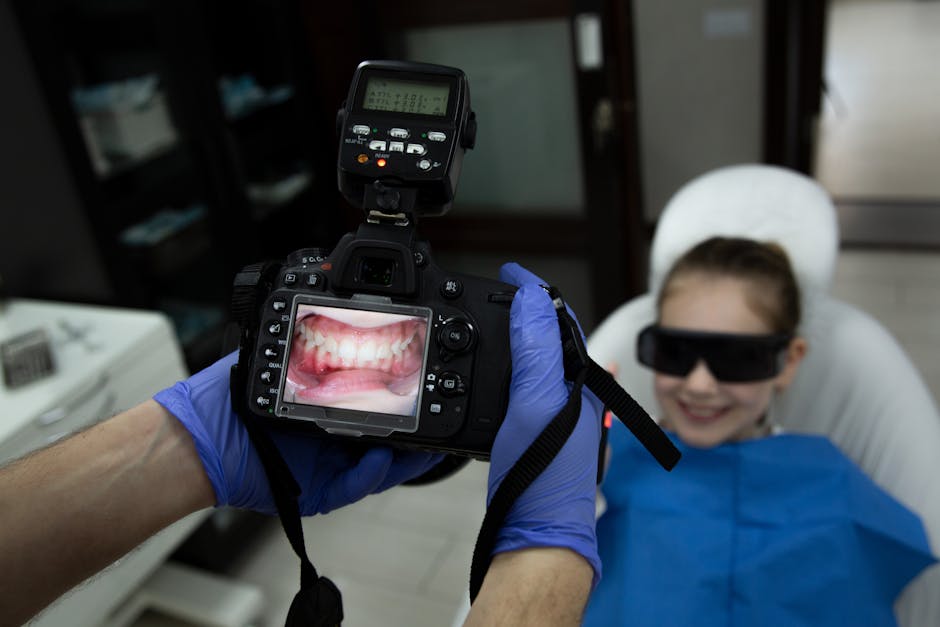
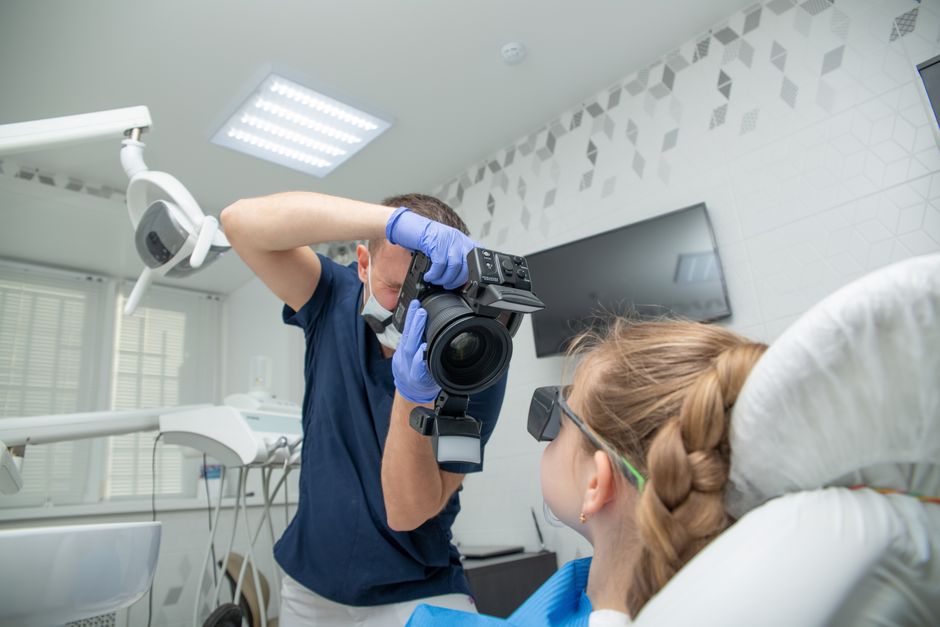
High-quality extraoral and intraoral photography supports shade analysis, midline and cant assessment, gingival symmetry evaluation, and patient communication. Importantly, photography helps align expectations: patients can see asymmetries and understand why certain steps (for example, periodontal stabilisation or orthodontic movement) may be recommended before veneers or crowns.
2) Digital smile design and mock-up procedures
Facial analysis and smile parameters
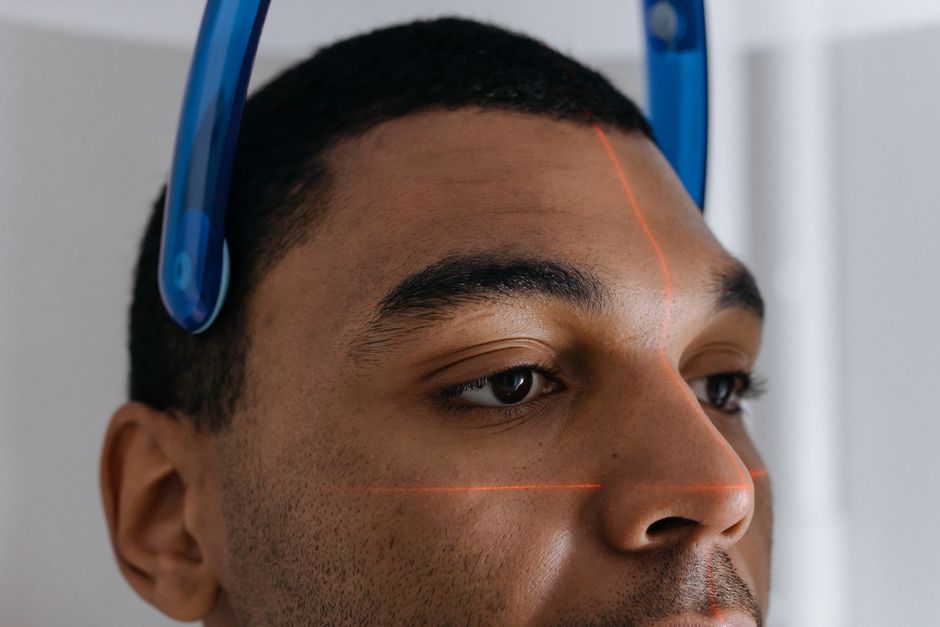
Digital smile design (DSD) approaches typically consider facial midline, interpupillary line, occlusal plane, lip dynamics, incisal display at rest, smile arc, and tooth proportion. The goal is to design within the patient’s facial context, not to impose a “template smile.”
Wax-up, digital design, and trial smile (mock-up)
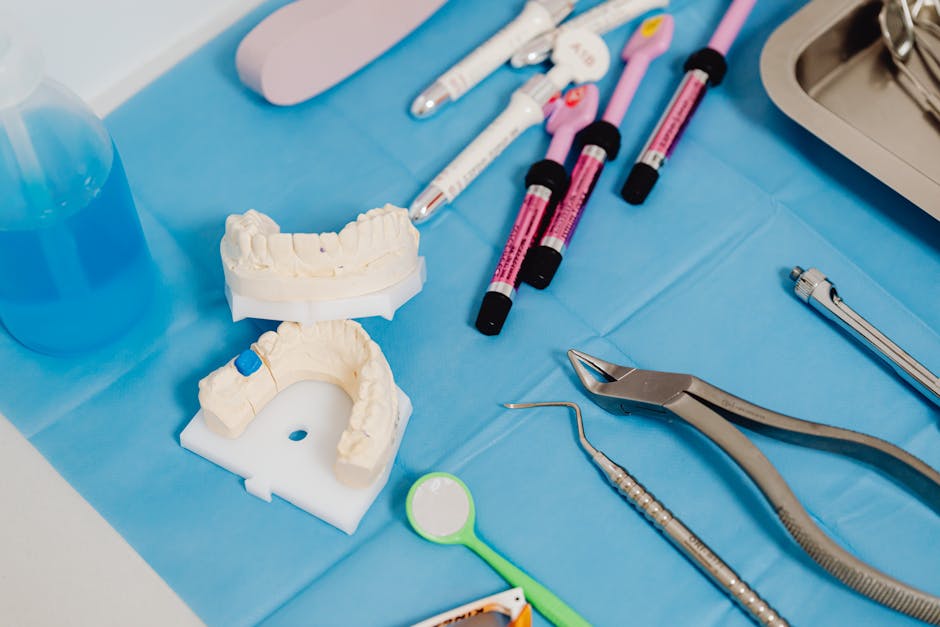
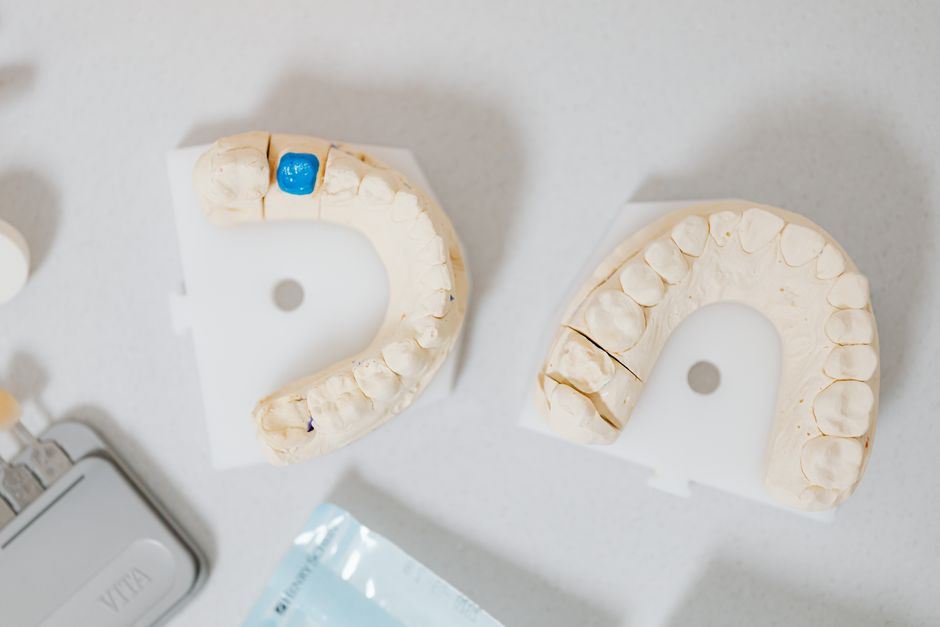
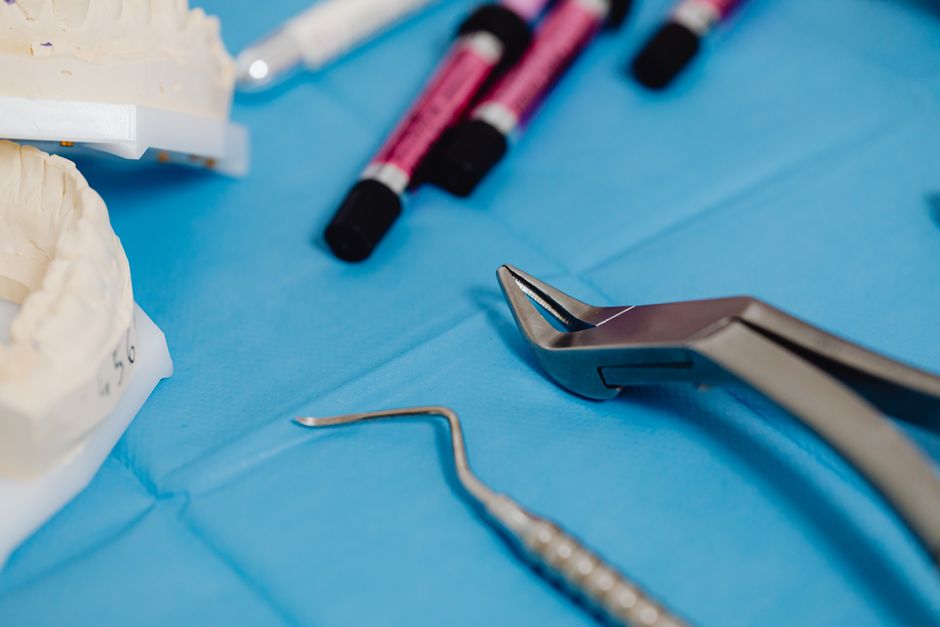
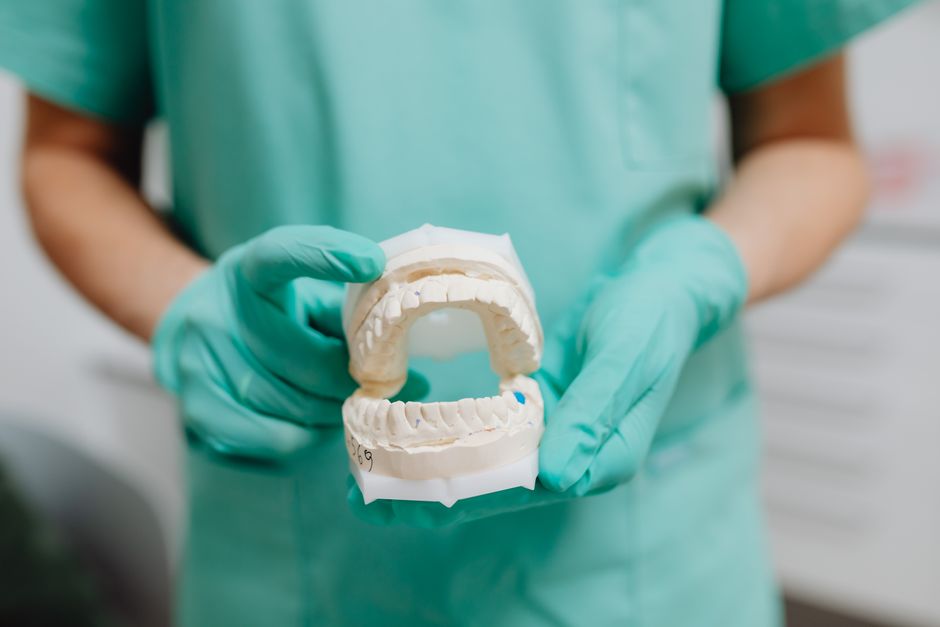
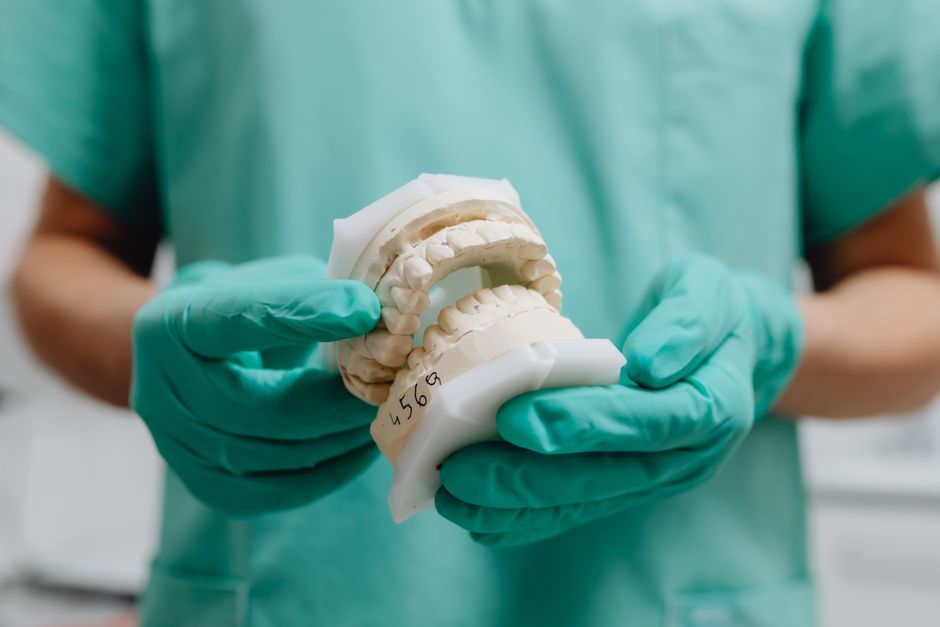
A diagnostic wax-up or digital set-up translates analysis into tooth shapes and planned positions. Many clinicians then use a mock-up (directly in the mouth) to test aesthetics, phonetics, and functional guidance before irreversible procedures. Mock-ups are especially valuable when increasing vertical dimension, closing diastemas, or changing incisal length—areas where patient perception and functional adaptation matter.
3) Whitening and minimally invasive enamel procedures
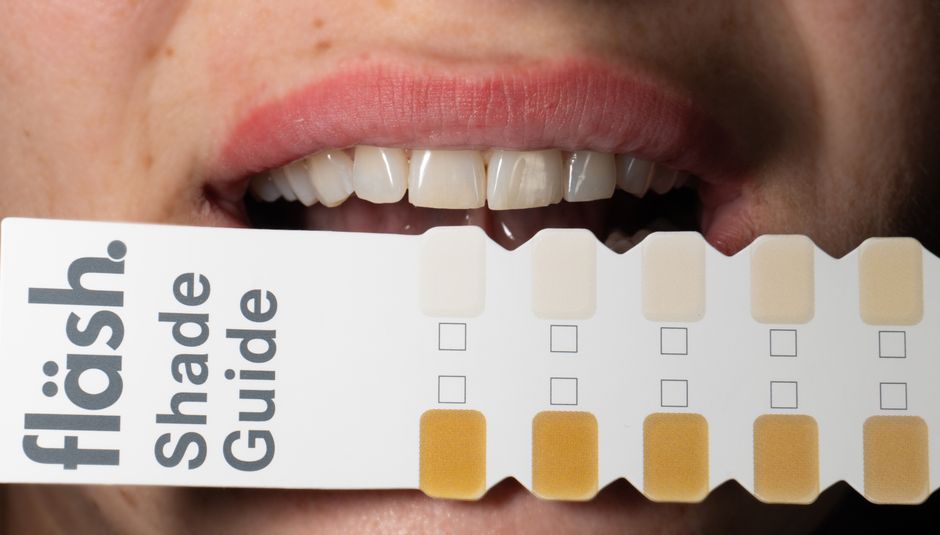
When appropriate, whitening can be an early step—either as a standalone aesthetic option or as a baseline to harmonise shade before restorations. Enamel recontouring (odontoplasty) may be used conservatively to soften sharp line angles, adjust minor asymmetries, or refine embrasures. These are small changes, but they can substantially improve visual balance.
From a planning standpoint, whitening-first strategies may reduce the need for aggressive preparation later. Clinicians must still respect biological limits and manage sensitivity risk and patient expectations; case selection is essential.
4) Direct restorations: additive aesthetics with composite
Diastema closure, incisal edge bonding, and shape correction
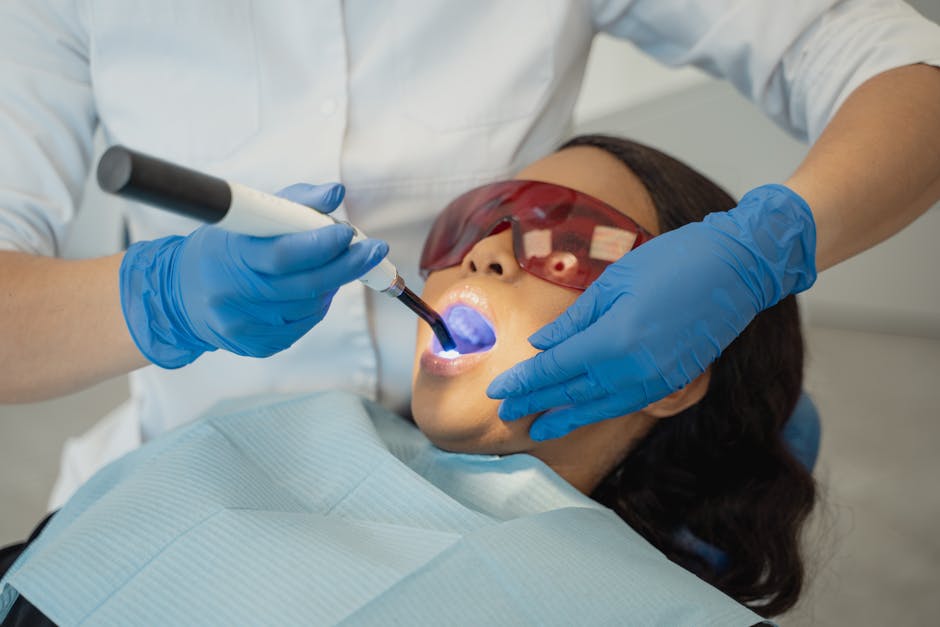
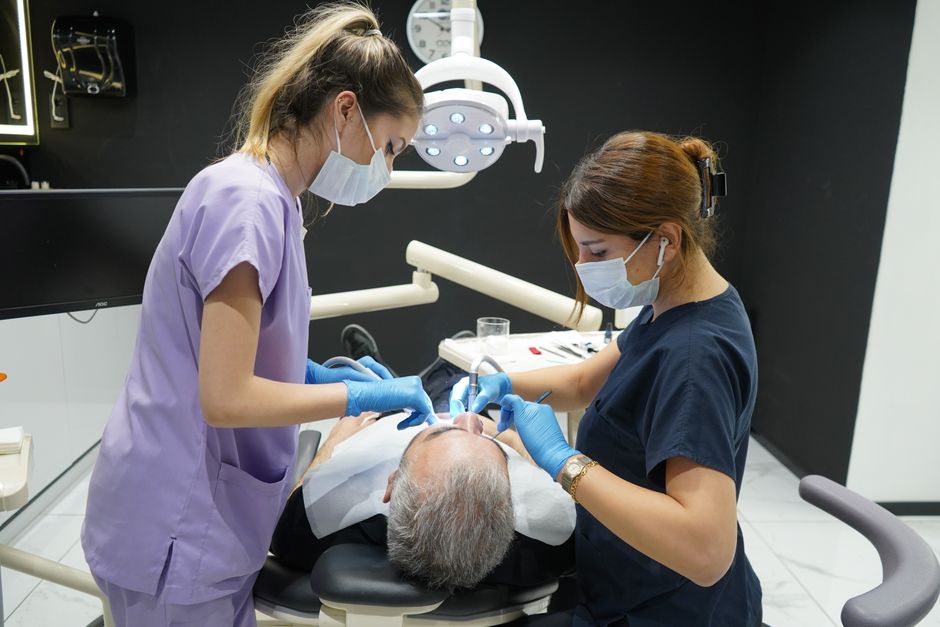
Direct composite procedures are frequently part of smile design, particularly for minimally invasive corrections—such as small diastema closure, peg laterals, minor incisal chipping, and contour modifications. Success depends on isolation, adhesion, layering strategy, and finishing/polishing that respects light dynamics.
Posterior foundations that protect the aesthetic zone
Smile design is not limited to anterior teeth. Posterior support and occlusal stability can determine whether anterior ceramics survive. When posterior restorations are required, contemporary adhesive protocols and correct occlusal anatomy help create a predictable foundation for the entire case. For an updated clinical discussion, explore this clinical-ready guide to contemporary adhesive techniques for posterior restorations.
5) Porcelain laminate veneers and ceramic restorations
When veneers are chosen
Porcelain laminate veneers are a hallmark procedure in smile design when the goals include colour correction, shape refinement, closing black triangles within limits, and improving proportion. They are often used in cases where enamel preservation is feasible and where a mock-up confirms the desired contours and phonetics.
Preparation design, margins, and soft-tissue considerations
Veneer preparation is not merely “minimal reduction.” It is a controlled reduction that respects enamel thickness, avoids over-preparation, and positions margins with periodontal health in mind. The clinician must consider gingival biotype, existing recession, and the patient’s hygiene capability. Aesthetic margin placement should be compatible with soft tissue stability; otherwise, inflammation or recession can undermine the final result.
Material selection and adhesive cementation
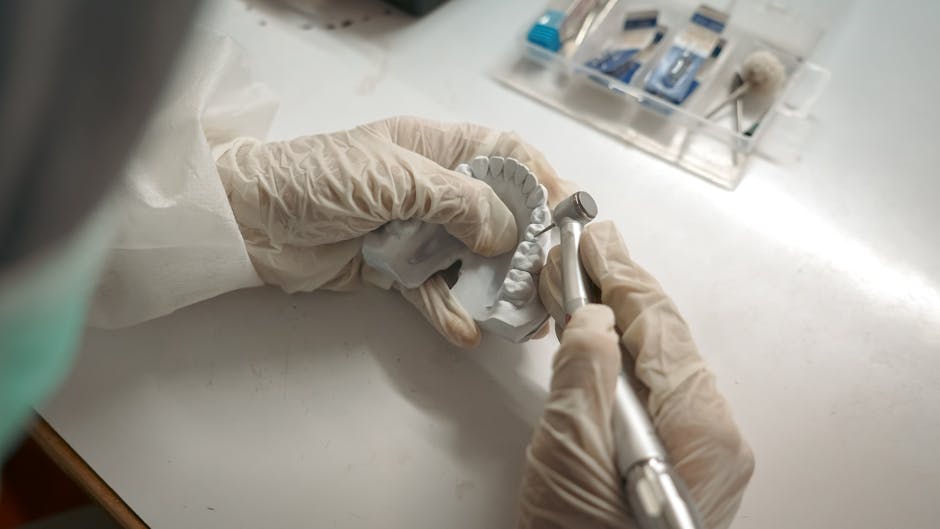
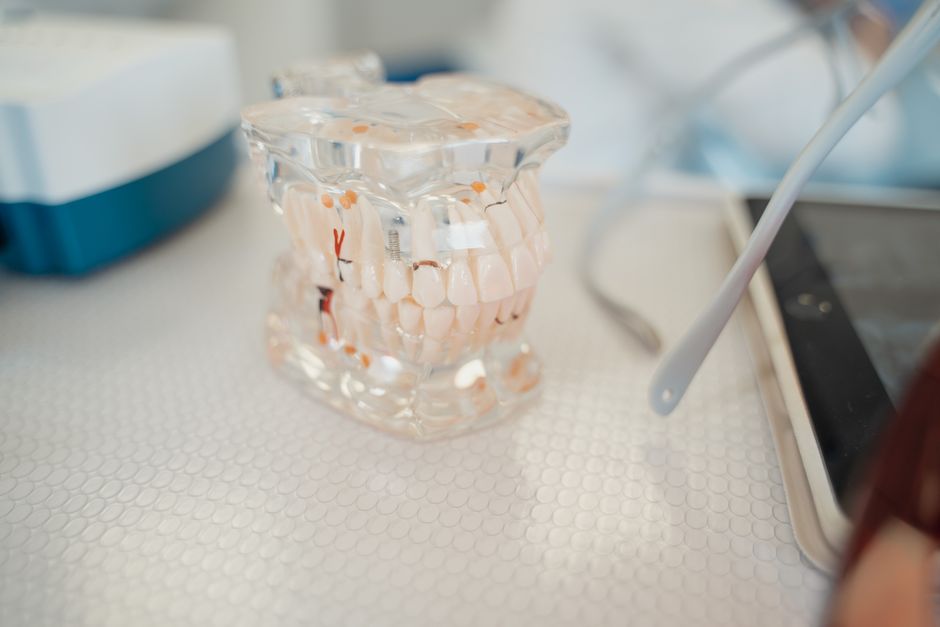
Material choice (for example, feldspathic ceramic vs. lithium disilicate) and cement shade selection influence value and translucency. Adhesive cementation is technique-sensitive and requires strict isolation and surface treatments (etching, silanization, bonding protocols). In hands-on education settings, clinicians benefit from rehearsing these steps on models before applying them in practice.
6) Periodontal procedures within smile design
Gingival recontouring and crown lengthening
Gingival asymmetry or altered passive eruption can make teeth appear short or uneven, even when the teeth themselves are well-shaped. In selected cases, gingival recontouring (often with scalpel, electrosurgery, or lasers) and/or crown lengthening may be considered to improve symmetry and tooth display. These decisions should be guided by biologic width considerations, keratinized tissue assessment, and the patient’s smile line.
Management of black triangles and papilla limitations
Black triangles may be addressed through restorative contour changes, orthodontic movement, or periodontal approaches depending on the cause (bone level, root divergence, tissue thickness). Predictability varies, and clinicians should communicate realistic outcomes during the mock-up stage.
7) Endodontics and core build-ups: the “invisible” steps that matter
Discoloration, extensive restorations, or structural compromise may require endodontic evaluation. In smile design, the aesthetic result is only as stable as the tooth’s structural foundation. Where indicated, endodontic treatment, internal bleaching of non-vital teeth, and properly designed core build-ups can enable more conservative prosthodontic solutions.
From an interdisciplinary perspective, endodontic stability reduces surprises during preparation and helps prevent future complications that can disrupt the aesthetic zone.
8) Occlusion, function, and parafunction management
Aesthetic design must coexist with function. Occlusal analysis includes guidance patterns, anterior guidance, posterior disclusion where appropriate, and the evaluation of wear facets. Bruxism and clenching can increase the risk of ceramic chipping and debonding. In many cases, a protective night guard is discussed as part of long-term maintenance, alongside habit and risk-factor counselling.
In education, this is where case-based planning becomes critical: clinicians learn to connect seemingly “cosmetic” requests with functional risk management.
9) Implant dentistry procedures in smile design
When missing teeth change the entire plan
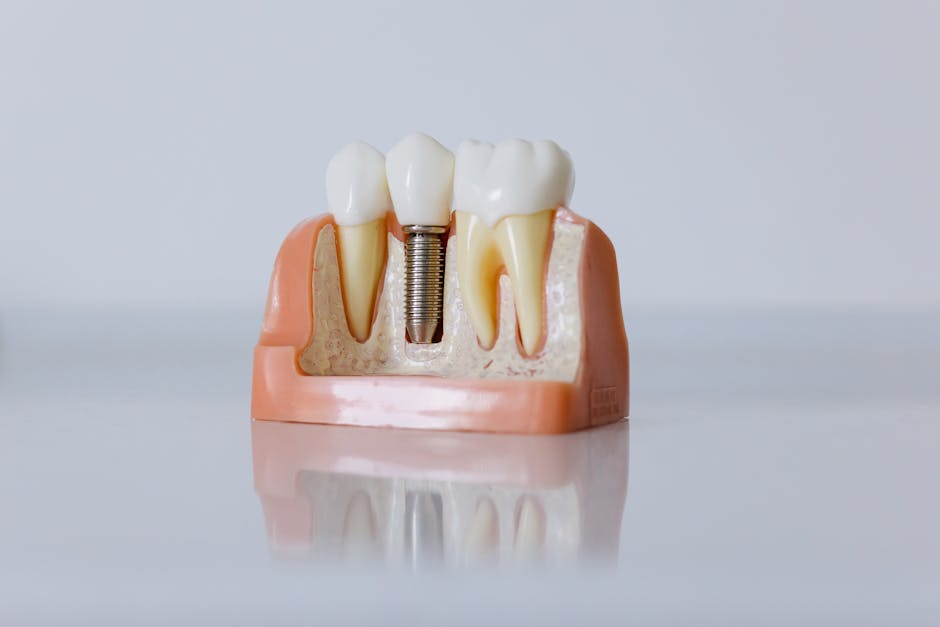
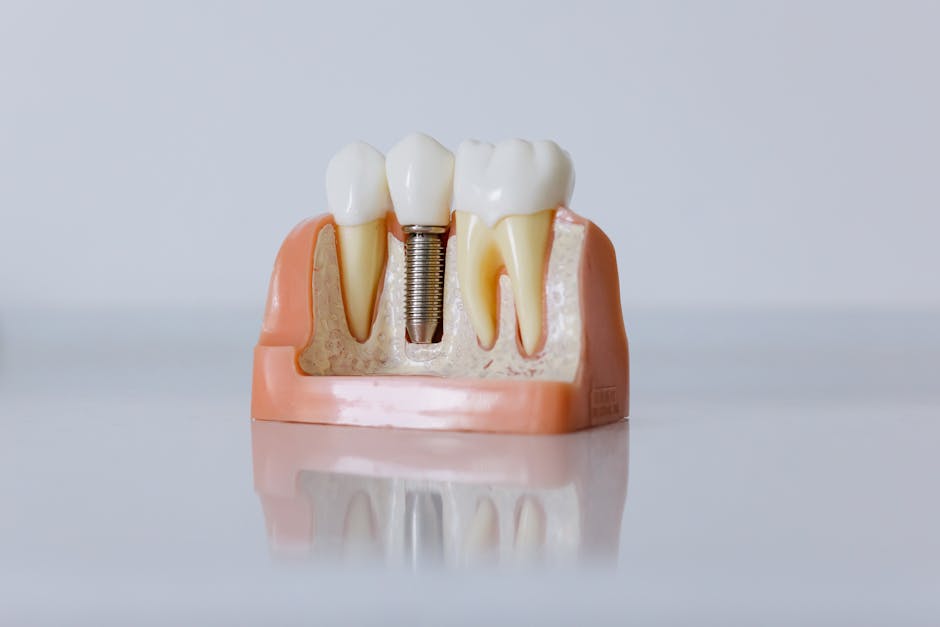
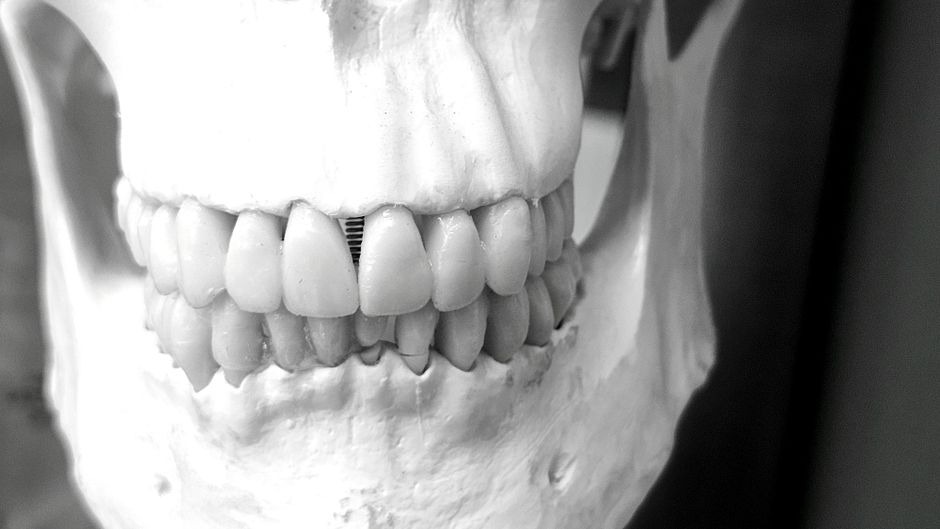
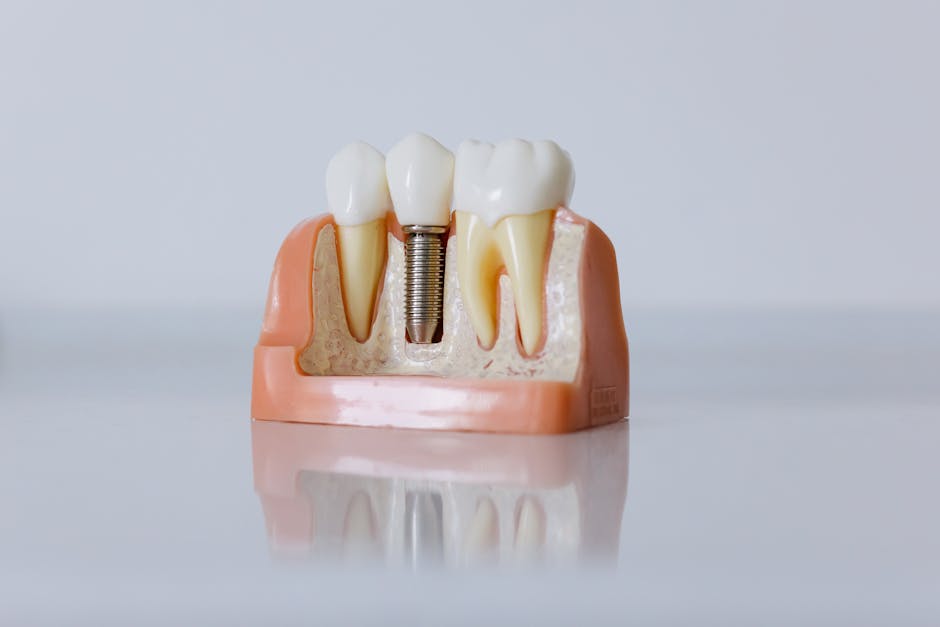
Smile design frequently involves replacing missing teeth, especially in the aesthetic zone where spacing, papilla architecture, and emergence profile dominate perception. Implant dentistry can be part of the plan, but it requires careful evaluation of bone volume, gingival biotype, smile line, and restorative space.
Same-day implants and immediate protocols—what to evaluate
Patients often ask about accelerated timelines. In selected cases, immediate implant placement and provisionalisation may be considered, but predictability depends on diagnosis, primary stability, infection status, occlusion, and soft-tissue management. For an educational discussion of clinical considerations and limitations, read this guide on whether one-day dental implant treatment is really possible.
Bone grafting and ridge management
When ridge volume is insufficient, bone augmentation may be considered to support implant placement and an aesthetic emergence profile. Technique selection varies (socket preservation, guided bone regeneration, block grafting), and case selection is crucial. To review contemporary concepts, see current approaches to bone grafting techniques in implant dentistry.
Reducing complications through training and surgical planning
In clinician development, implant complications often stem from planning errors, inadequate soft tissue management, or misunderstanding restorative-driven positioning. For early-career clinicians, it is useful to study frequent pitfalls and prevention strategies—review implant surgery mistakes beginners make and how to prevent them as a learning resource to strengthen your surgical checklist and decision-making.
10) Provisional restorations and final delivery steps
Temporaries as functional prototypes
Provisionals are not just placeholders. They are prototypes that test contours, phonetics (“F” and “V” sounds), cleansability, and patient comfort. In complex cases, provisional phases can guide incremental changes—especially where vertical dimension, incisal edge position, or gingival healing is being evaluated.
Final insertion: occlusal refinement and maintenance planning
At delivery, clinicians verify marginal integrity, proximal contacts, occlusion in static and dynamic movements, and aesthetic integration under different lighting. Maintenance is then framed as part of the smile design outcome: hygiene instruction, recall intervals, periodontal monitoring, and protective measures in parafunctional patients.
How Istanbul Dental Academy approaches smile design education
Because smile design is multidisciplinary, continuing dental education is most effective when it combines structured theory with hands-on, clinical-oriented training. At Istanbul Dental Academy, courses commonly integrate diagnostics (photography and digital records), restorative workflows (adhesion, composite artistry, veneers), and implant planning principles so that participants can connect aesthetics to biology and function. This helps clinicians move beyond “before-after” thinking toward reproducible protocols that fit real clinical constraints.
If you are building competency in smile design, consider focusing your learning pathway on three pillars: (1) diagnosis and communication (photos, scans, mock-up), (2) conservative restorative execution (adhesive protocols, finishing), and (3) interdisciplinary risk management (periodontal stability, occlusion, and when implant or grafting steps are appropriate). This educational perspective supports safer planning and more predictable outcomes.
Key takeaway
The procedures used in smile design can include whitening, composite bonding, porcelain veneers, crowns, periodontal recontouring, endodontic foundations, occlusal management, and implant-based rehabilitation—with or without bone grafting. What matters is not how many procedures are performed, but whether they are sequenced logically and executed with a restorative-driven, biologically respectful plan. This content is for educational purposes and should be applied with case-by-case clinical judgement.
Diğer Yazılar