
BLOG
Gum Recession Treatment: Surgical and Non‑Surgical Options for Modern Dentistry
Understanding gum recession in daily practice
Gum recession (gingival recession) refers to the apical migration of the gingival margin with exposure of root surface. In clinical reality, it is rarely “just an aesthetic issue.” Recession can complicate plaque control, increase dentin hypersensitivity, raise root caries risk, and create restorative and prosthetic challenges—especially when patients request smile enhancements or implant-supported solutions. This content is for educational purposes and is not a substitute for an in-person clinical evaluation.
For dental professionals, recession is also a diagnostic signal: it may reflect traumatic brushing, periodontal phenotype, occlusal trauma, iatrogenic restorative contours, orthodontic movement, or a history of inflammation. Accurate risk assessment and a structured treatment plan can prevent overtreatment, align patient expectations, and improve predictability.
Etiology and risk factors: why recession happens
Biofilm-related inflammation vs. non-inflammatory recession
Recession may be associated with plaque-induced periodontal disease, but it can also occur in patients with low plaque levels due to mechanical trauma or anatomical predisposition. Differentiating these patterns matters: inflammatory recession often requires stabilization of periodontal health before considering mucogingival procedures, while non-inflammatory recession may be addressed through behavioral modification and phenotype-based planning.
Common contributors in contemporary practice
Key factors frequently identified during history and examination include:
• Traumatic oral hygiene: hard-bristle brushes, aggressive horizontal technique, abrasive toothpaste.
• Periodontal phenotype: thin phenotype and narrow keratinized tissue can be more vulnerable to marginal tissue changes.
• Tooth position: buccal displacement, prominent roots, and alveolar dehiscence/fenestration risk.
• Iatrogenic factors: over-contoured restorations, subgingival margins, or poorly finished cervical composites that complicate plaque control.
• Orthodontic movement: especially when moving teeth outside the alveolar envelope in a thin phenotype.
• Occlusal considerations: parafunction and non-axial loading may contribute to cervical stress and soft-tissue instability in susceptible patients.
Clinical assessment: what to measure before you treat
Key findings to record
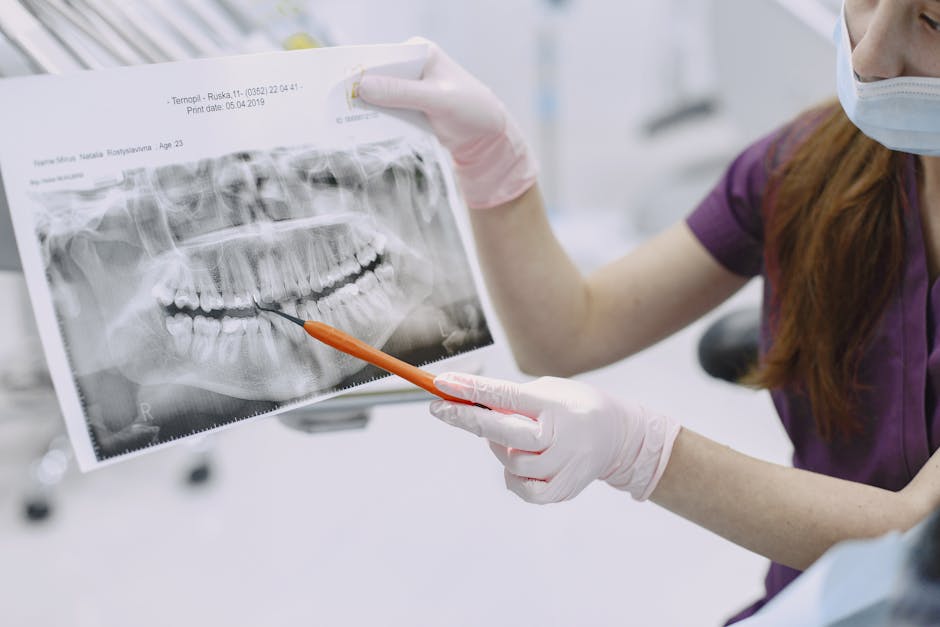
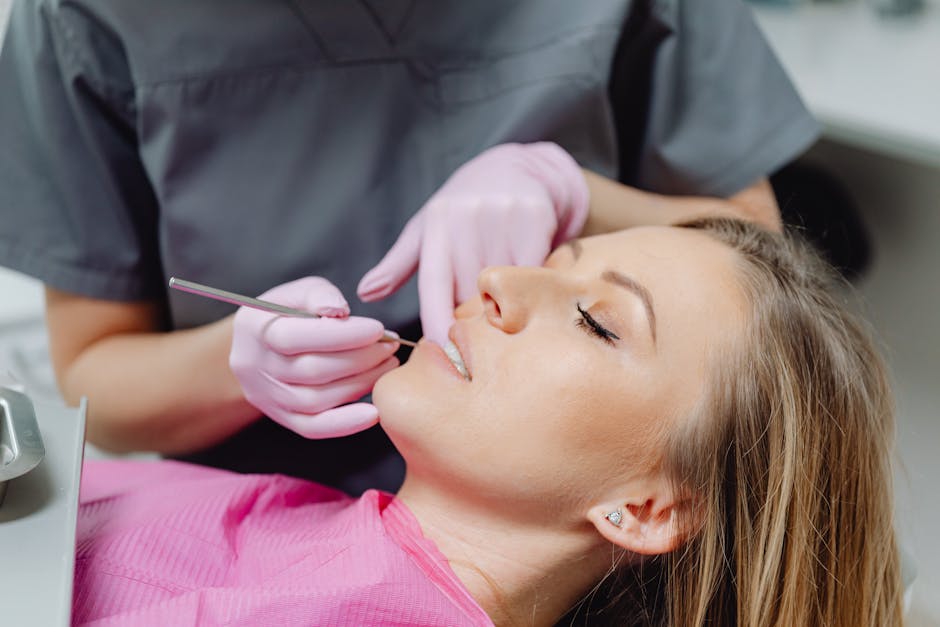
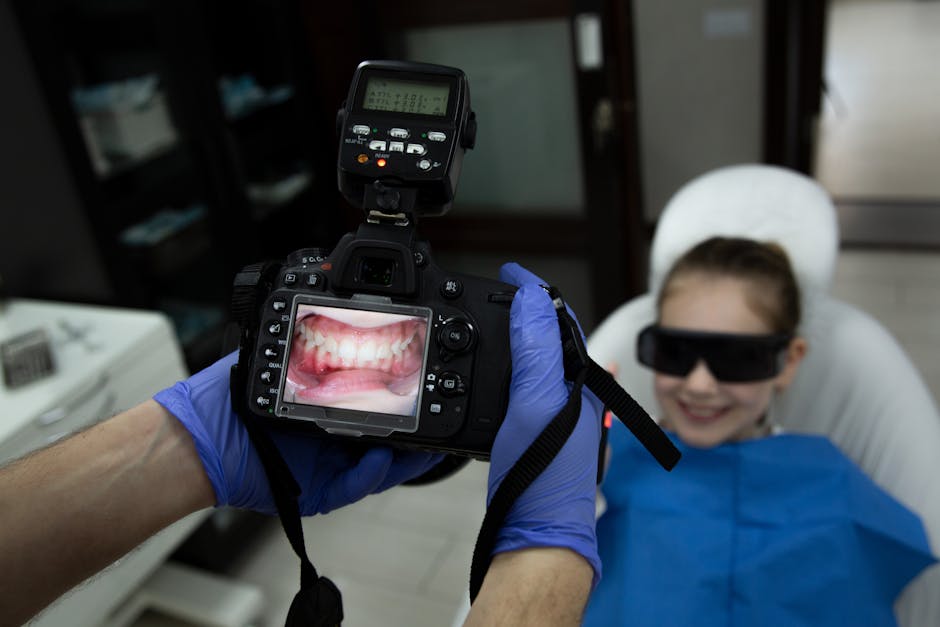
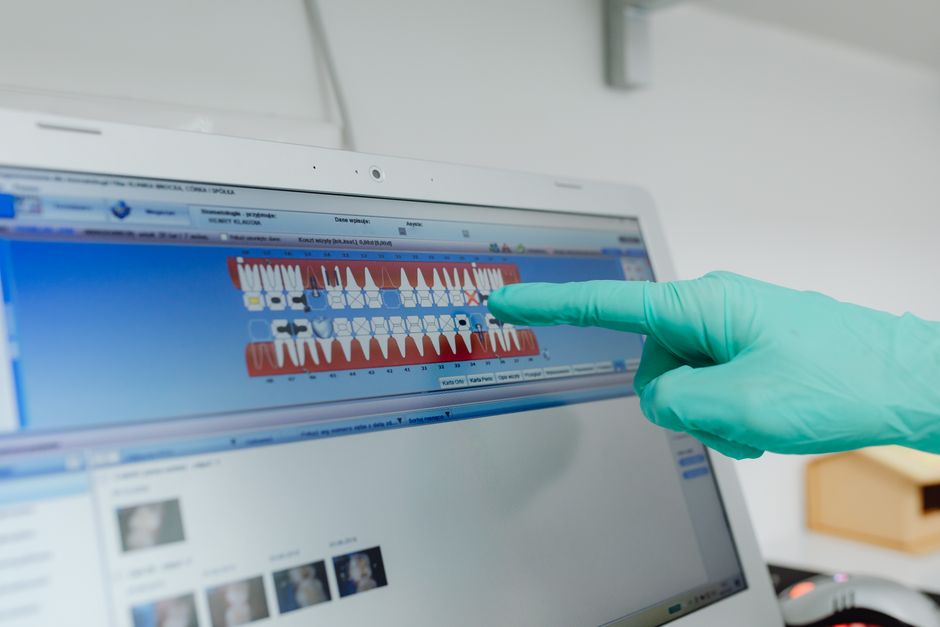
A recession consultation benefits from consistent documentation. Many clinicians use a checklist including recession depth and width, probing depths, bleeding on probing, clinical attachment level, keratinized tissue width, frenal pull, cervical lesion/restoration status, and patient-reported sensitivity. Photographic documentation is also valuable for monitoring progression and patient communication—especially when the chief complaint is aesthetic.
Classification and predictability
While multiple classifications exist, the central planning concept is predictability of root coverage based on interdental attachment and tissue phenotype. Cases with intact interdental tissues tend to be more favorable for complete root coverage than cases with interdental attachment loss. For clinicians, this helps frame realistic outcomes and supports informed consent.
When pain suggests something else
Recession itself is not typically associated with severe acute gingival pain. If a patient reports intense pain, spontaneous bleeding, halitosis, or necrotic papillae, clinicians should consider acute periodontal conditions in the differential diagnosis. For a deeper educational discussion on this clinical scenario, see Could severe gum pain be necrotizing gingivitis? A clinical perspective, which highlights signs that warrant prompt professional evaluation.
Non-surgical options: the foundation of recession management
Non-surgical approaches may not “reverse” recession in the strict anatomical sense, but they can reduce progression, improve comfort, and create stable conditions prior to any surgical intervention. In many cases, they are the most appropriate first step.
Behavioral and hygiene modification
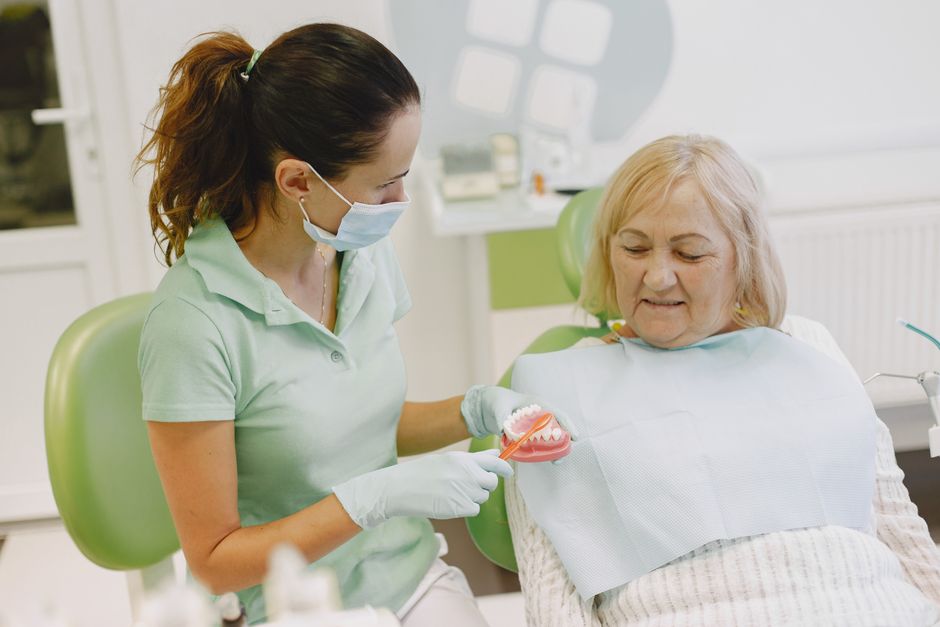
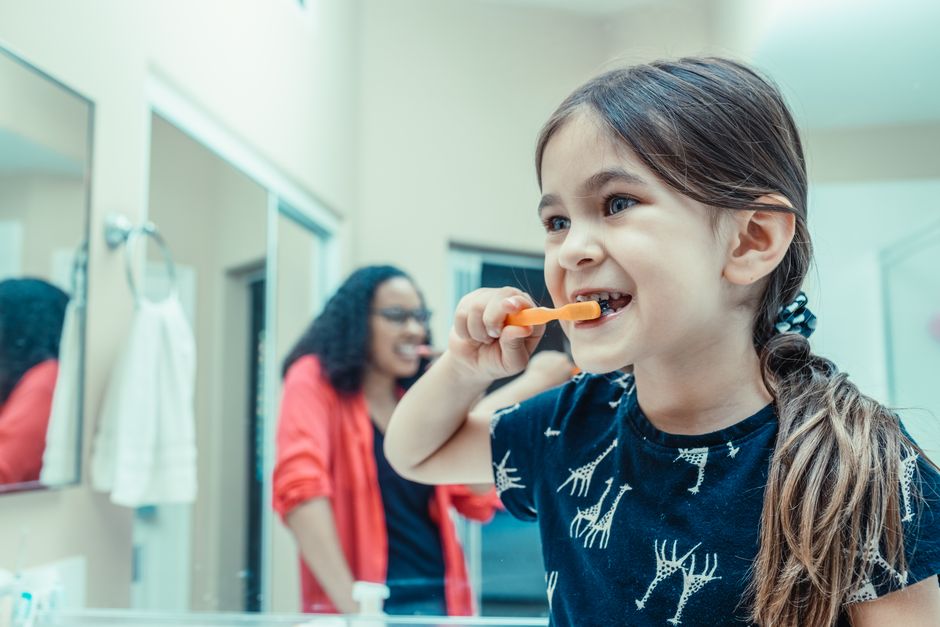
Technique coaching can be transformative. Switching to a soft brush, teaching atraumatic brushing (e.g., modified Bass), and addressing overbrushing duration/force are common recommendations. For motivated patients, monitoring with photos can reinforce behavioral change.
Professional debridement and inflammation control
Where inflammation is present, periodontal debridement and supportive periodontal therapy are essential. Reducing bleeding and plaque retention is not only a health goal; it also improves the predictability of mucogingival surgery when indicated.
Desensitization and preventive strategies
For dentin hypersensitivity, conservative measures (desensitizing agents, varnishes, and patient-specific home-care protocols) may improve quality of life. Fluoride strategies and dietary counseling can be considered when exposed root surfaces increase caries susceptibility.
Restorative management of cervical lesions
When recession coexists with non-carious cervical lesions (NCCLs) or old restorations, clinicians must decide whether restorative coverage is needed for structural reasons, sensitivity, or aesthetics. Material selection, margin placement, and emergence profile should be planned to support cleansability and soft-tissue stability. Treatment planning becomes even more nuanced when cuspal coverage is indicated elsewhere—clinical decision-making concepts discussed in When to choose onlay vs overlay restorations: clinical decision-making can help teams align restorative design with biomechanical risk, which indirectly supports long-term periodontal maintenance.
Surgical options: mucogingival procedures and soft-tissue augmentation
Surgical intervention is typically considered when recession is progressive, symptomatic, compromises plaque control, threatens restorative margins, or produces a significant aesthetic concern. The overarching goals are to increase tissue thickness, enhance keratinized tissue where indicated, improve patient comfort, and—when predictable—achieve partial or complete root coverage.
Coronally advanced flap (CAF)
CAF is commonly used for isolated or multiple adjacent recessions when there is adequate tissue mobility and favorable interdental conditions. In many protocols, CAF is combined with a connective tissue graft (CTG) to improve thickness and stability, particularly in thin phenotypes.
Connective tissue graft (CTG): the “workhorse”
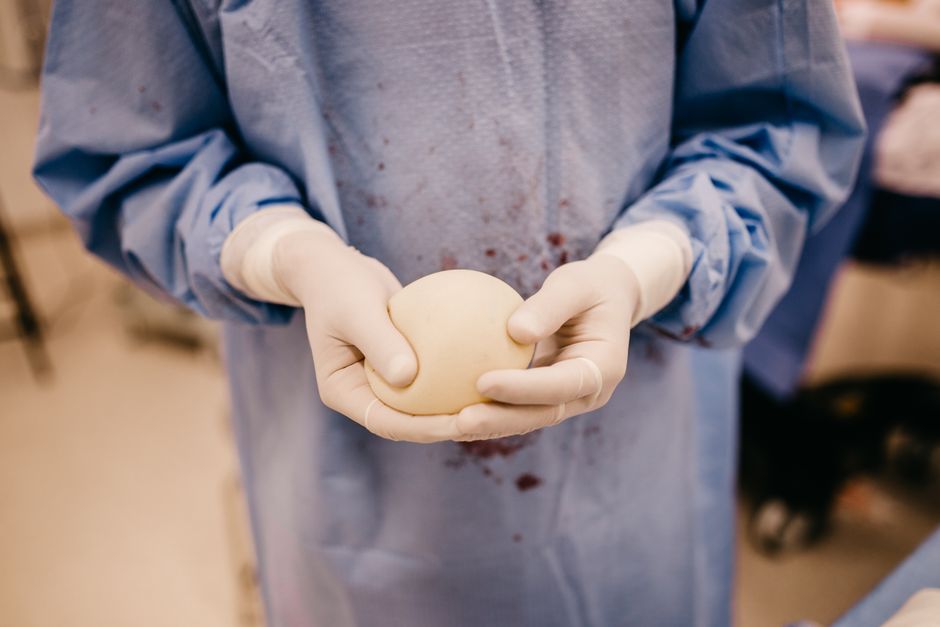
CTG is widely taught as a reliable technique to increase soft-tissue thickness and support root coverage. Beyond coverage, many clinicians value CTG for its ability to improve long-term stability and reduce relapse—especially in high-risk phenotypes. From an educational standpoint, flap design, graft harvesting, suturing strategy, and tension-free coronal positioning are skill-intensive steps that benefit from hands-on training.
Free gingival graft (FGG) and keratinized tissue augmentation
FGG may be selected when the primary goal is to increase keratinized tissue or improve vestibular depth, rather than maximize root coverage. In certain mandibular anterior or premolar regions with shallow vestibules and high frenum attachment, increasing attached tissue can improve patient comfort during hygiene and help stabilize the margin over time.
Alternative biomaterials and minimally invasive approaches
Depending on case goals, clinicians may consider collagen matrices or other adjunctive biomaterials, especially when a patient’s preference is to avoid palatal harvesting. The evidence base varies by indication and technique, so case selection and expectation management remain crucial.
Aesthetic dentistry and recession: planning beyond “root coverage”
Many patients first notice recession because of “long teeth,” black triangles, or uneven gingival levels. In these cases, periodontal planning often intersects with restorative and smile design workflows. While root coverage can improve the gingival margin position, the final aesthetic outcome also depends on tooth proportions, papilla fill, and restorative contours.
Smile design requests: where periodontology meets prosthodontics
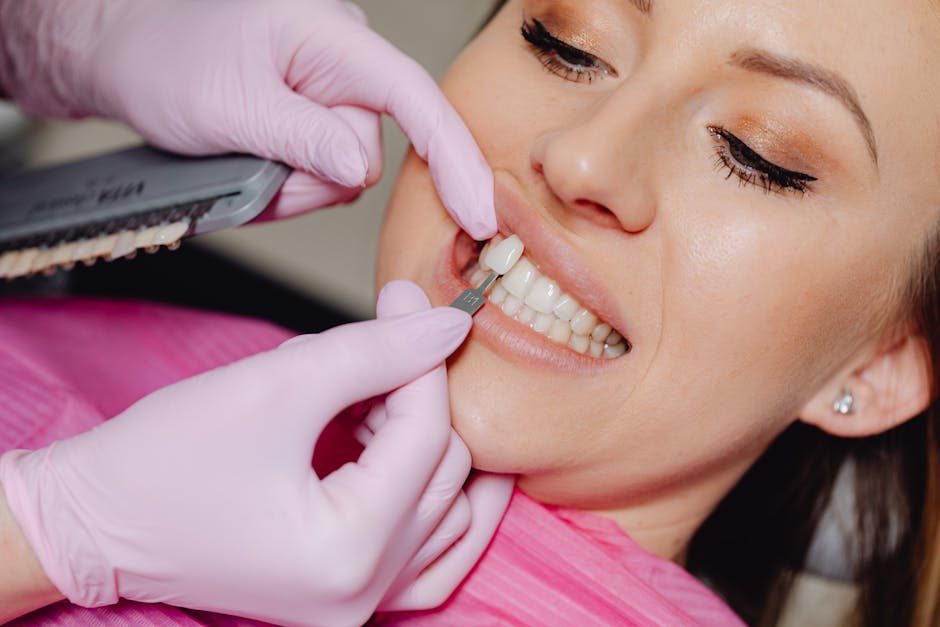
Patients asking for a dramatic smile transformation may inquire about a “celebrity-style” result. It is helpful to explain that gingival architecture and tissue stability influence veneer margins and final symmetry. For a broader overview of materials and workflow considerations in high-aesthetic cases, Istanbul Dental Academy’s related reading, What is a Hollywood Smile? Techniques, materials, and clinical workflow, provides context for aligning periodontal health with aesthetic outcomes.
Digital planning for veneers in recession-prone phenotypes
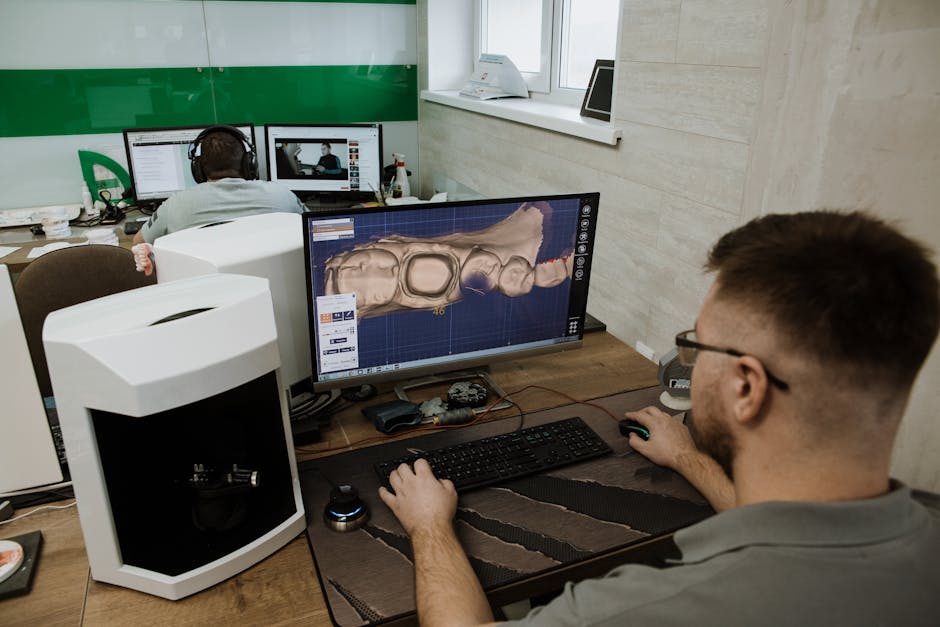
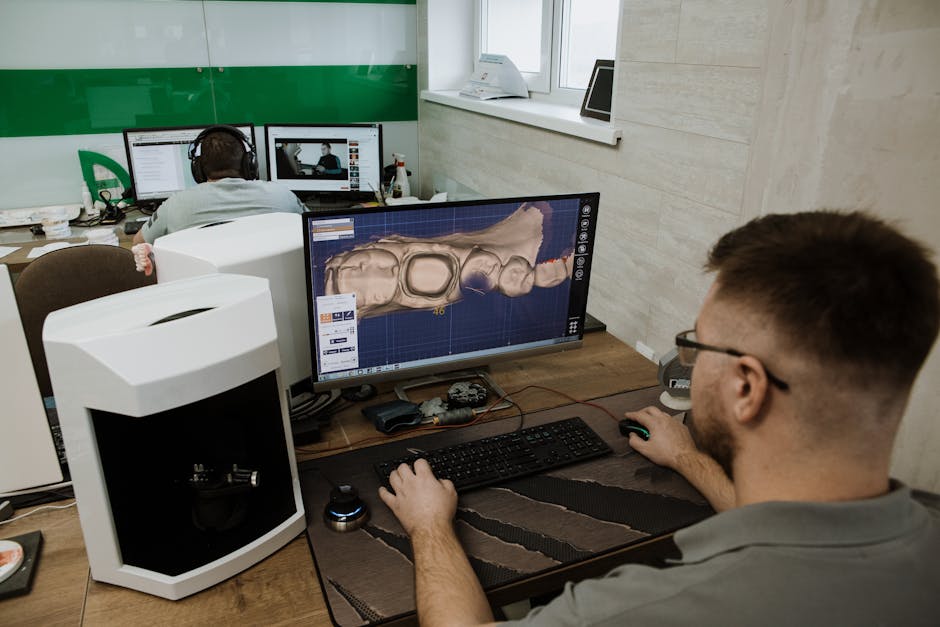
Digital smile planning can support communication and consent by visualizing proposed changes in tooth length and gingival display. In recession cases, digital tools can also help clinicians determine whether a restorative “masking” approach risks violating biologic principles or creating plaque-retentive contours. For a modern perspective on the workflow, see Digital dentistry for laminate veneer planning: a modern smile design workflow, which can complement periodontal decision-making when veneers are considered.
Implants, recession, and soft-tissue stability
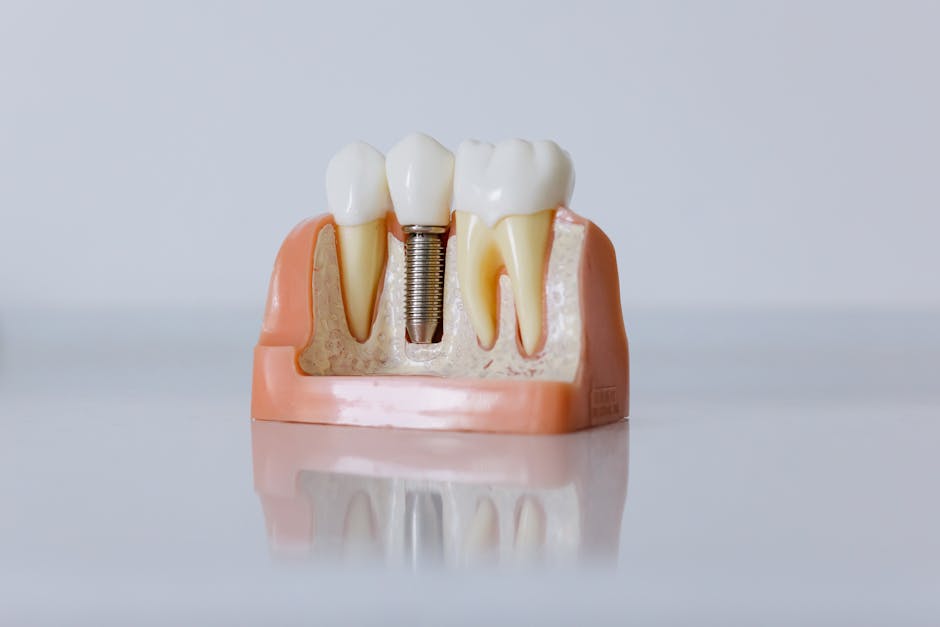
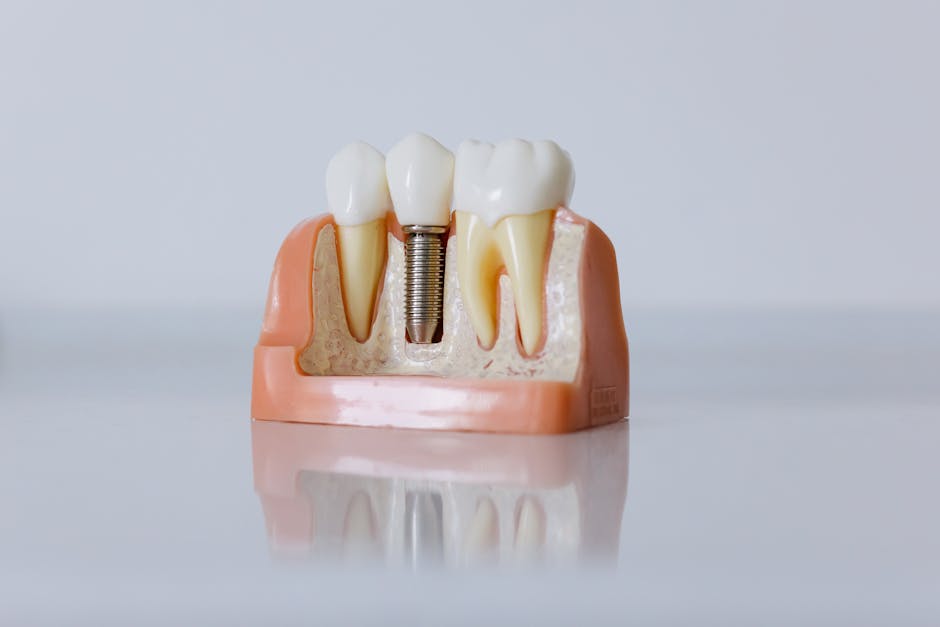
Although gingival recession is discussed most often around natural teeth, peri-implant mucosal stability is equally critical—especially in the aesthetic zone. Thin tissue phenotype, inadequate keratinized mucosa, and deficient buccal bone can increase the risk of mucosal recession around implants, affecting both appearance and maintenance.
Why soft-tissue planning is integral to full-arch cases
In full-arch implant rehabilitation, soft-tissue contours and cleansability influence long-term success and patient satisfaction. Digital workflows can support restorative-driven planning while coordinating surgical steps that respect tissue architecture. For teams building predictable protocols, Digital planning for full-arch implant cases: a modern workflow for predictable outcomes highlights how diagnostics, planning, and execution can be integrated—an approach that also strengthens periodontal-implant collaboration.
Clinical decision-making: choosing the right option for the right patient
In practice, “surgical vs non-surgical” is rarely a binary choice. Many cases require phased care: stabilize inflammation, correct traumatic habits, manage sensitivity, and then reassess the need for surgery. Consider discussing these decision points with patients:
• Chief complaint: sensitivity, aesthetics, hygiene difficulty, or progression over time.
• Interdental attachment: a key predictor of root coverage potential.
• Phenotype and keratinized tissue: informs grafting vs flap-only approaches.
• Restorative context: NCCLs, margins, crown/veneer plans, or prosthetic redesign.
• Patient factors: expectations, smoking status, home-care capacity, and acceptance of donor-site morbidity.
Training perspective: building predictable recession therapy skills at Istanbul Dental Academy
For dentists and postgraduate learners, recession management is a skill set that spans diagnosis, photography, digital planning, suturing, and maintenance. Istanbul Dental Academy emphasizes continuing dental education that connects periodontal principles with restorative and implant workflows—because real cases rarely fit into one discipline.
Hands-on courses can help clinicians refine flap management, graft handling, microsuturing, and case selection, while improving communication through documentation and digital planning. Observing how recession therapy affects veneer margin placement, prosthetic emergence profiles, and implant maintenance can also elevate treatment planning across the clinic.
Conclusion
Gum recession is multifactorial, clinically nuanced, and highly relevant to both function and aesthetics. Non-surgical strategies remain the foundation for stabilization and prevention, while surgical mucogingival procedures can provide meaningful improvements in tissue thickness, comfort, and—when indicated—root coverage. For predictable outcomes, clinicians benefit from structured diagnosis, phenotype-aware planning, and interdisciplinary collaboration with restorative, prosthodontic, and implant workflows. This content is for educational purposes; individual patients should be evaluated by a qualified dental professional for diagnosis and treatment planning.
Diğer Yazılar