
BLOG
Hollywood Smile: A Clinician’s Guide to Modern Smile Makeovers
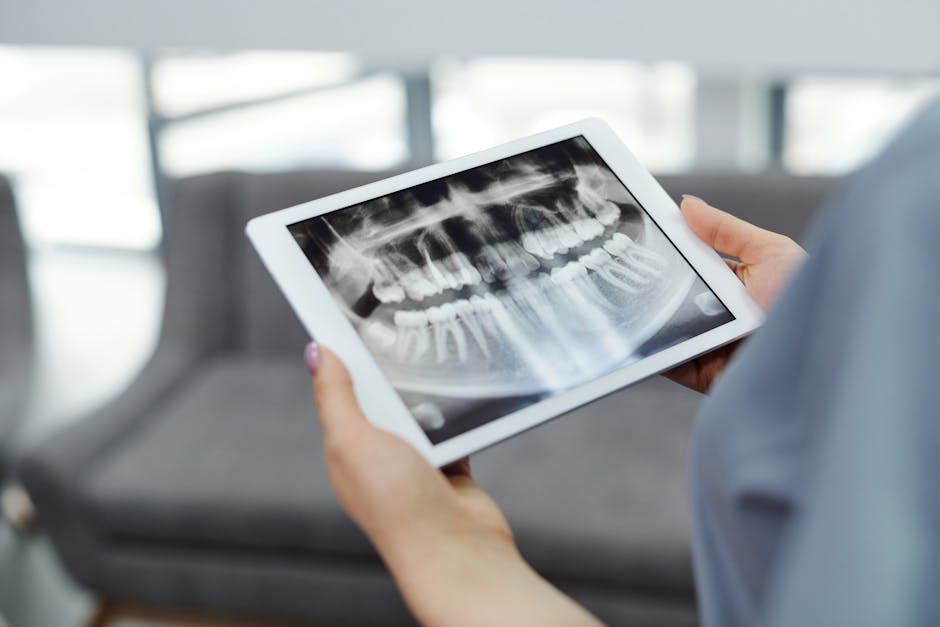
Hollywood Smile: What It Really Means in Contemporary Dentistry
In popular culture, the “Hollywood Smile” is often reduced to one idea: ultra-white, perfectly aligned teeth. In clinical practice, however, the concept is more nuanced. A smile makeover is a structured, interdisciplinary process that aims to improve dental aesthetics while respecting function, occlusion, periodontal health, and patient-specific anatomy.
For dental professionals and students, the Hollywood Smile is an excellent framework for learning how restorative dentistry, prosthodontics, periodontology, and digital dentistry converge in real cases. At Istanbul Dental Academy, many continuing dental education pathways—from photography and digital planning to veneers and implant workflows—support clinicians who want to design smiles that look natural, not artificial.
Smile Design Starts with Diagnosis, Not Shade Selection
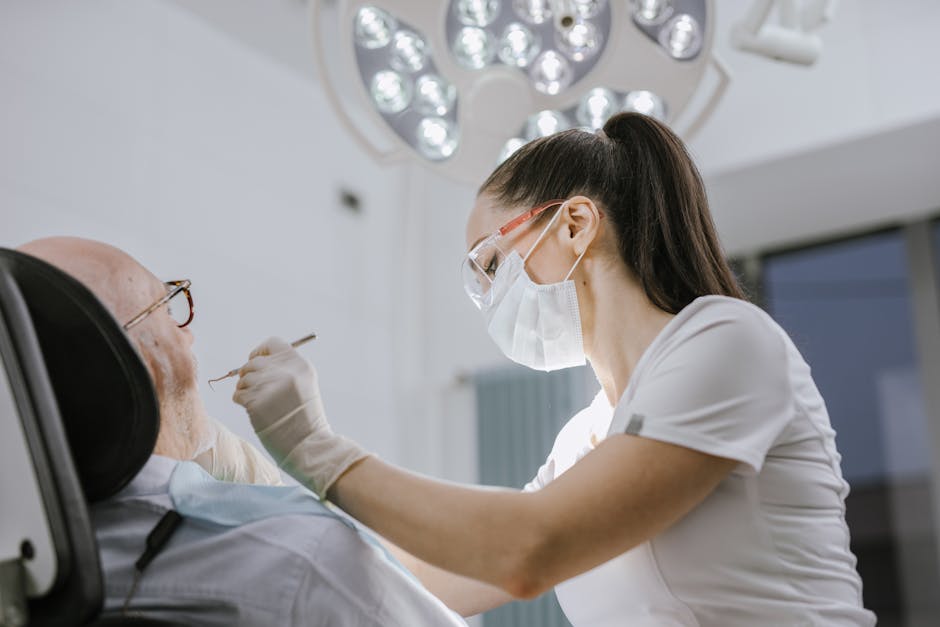
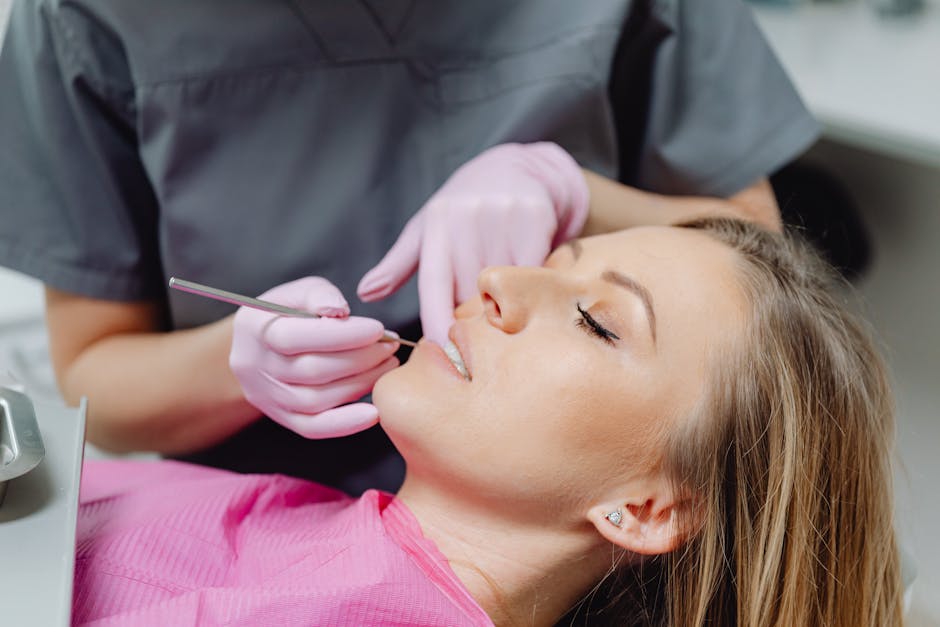
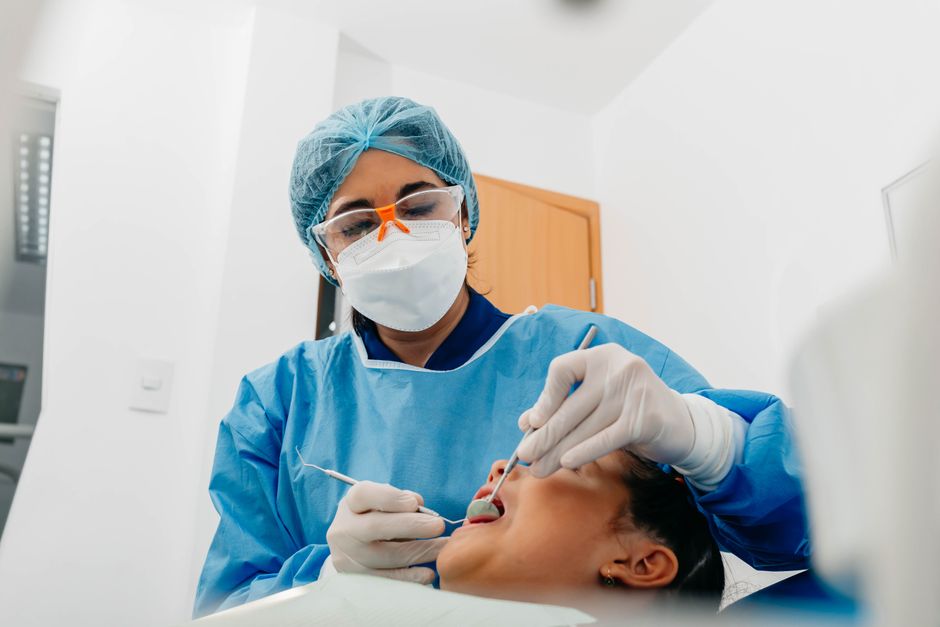
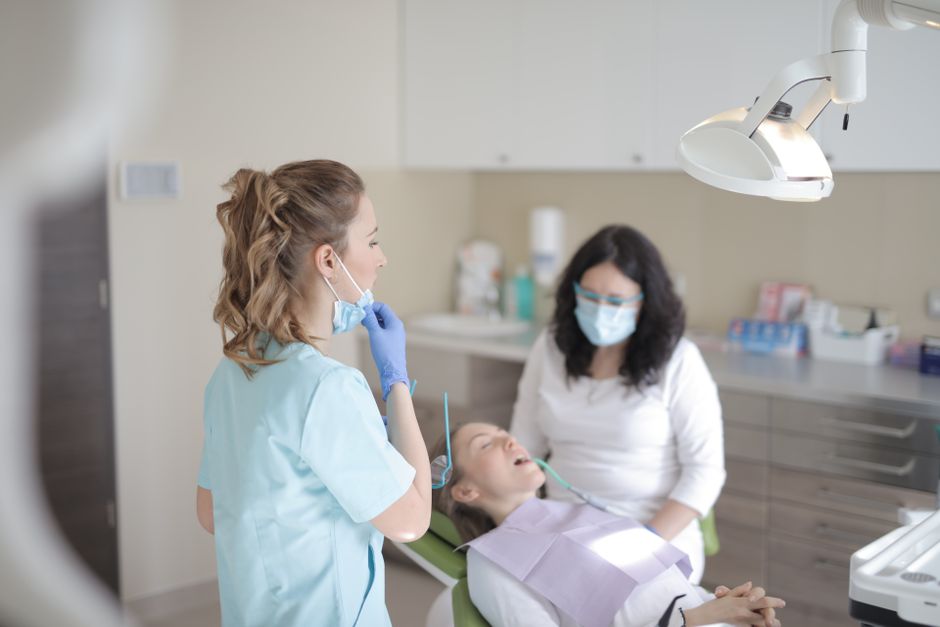
Predictable aesthetic outcomes begin with a strong diagnostic foundation. Before discussing restorations, clinicians typically evaluate:
• Patient goals and expectations (including lifestyle and maintenance capacity)
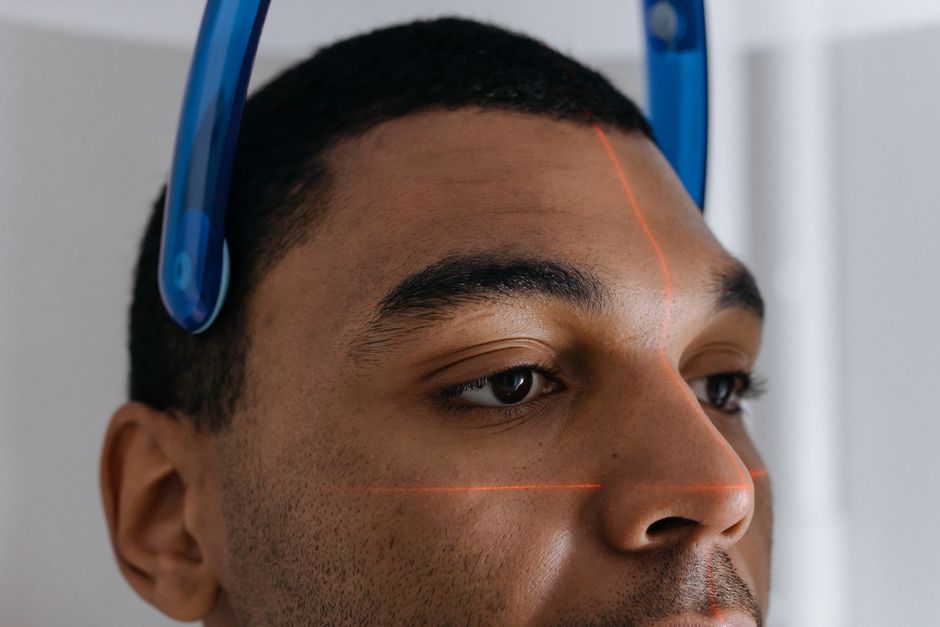
• Facial analysis (midline, lip dynamics, smile arc, buccal corridor)
• Tooth factors (shape, wear, discoloration, proportions, incisal edge position)
• Periodontal status (biotype, gingival levels, inflammation control)
• Functional assessment (occlusion, parafunction, potential joint symptoms)
A frequent blind spot in aesthetic planning is ignoring function. Even an impressive-looking veneer case can fail if the occlusal scheme or parafunctional risks are not addressed. When joint or muscle symptoms are part of the complaint, a careful evaluation is essential; for an evidence-informed overview, see Clinical Diagnostic Approach to TMD Patients: An Evidence-Informed Guide for Dentists.
The Role of Dental Photography and Digital Records
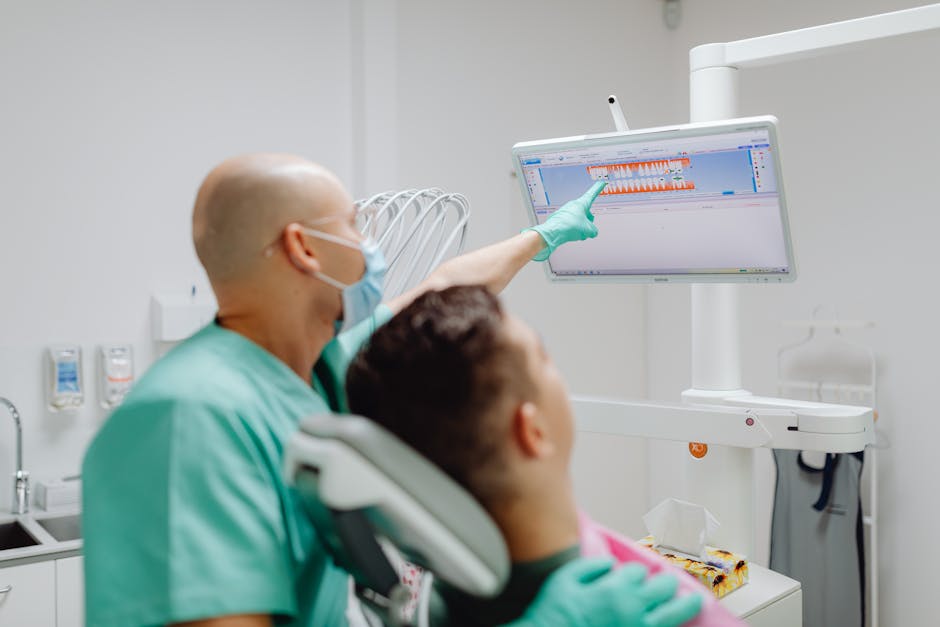
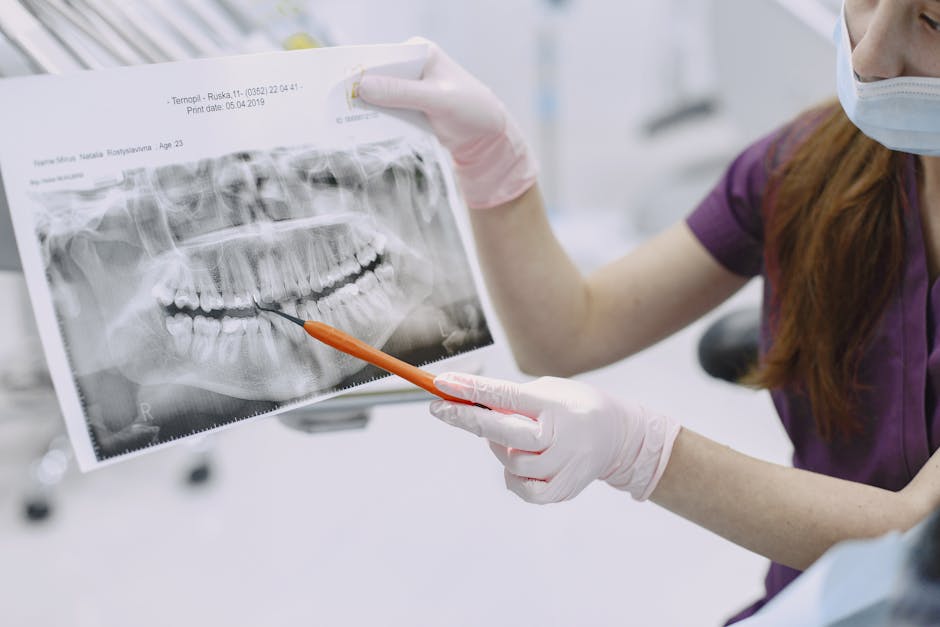
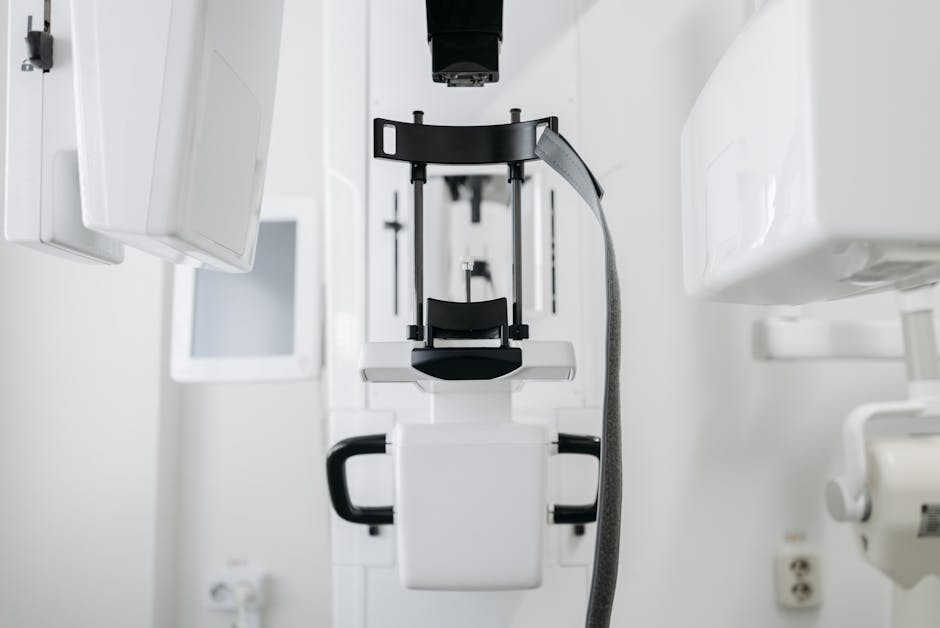
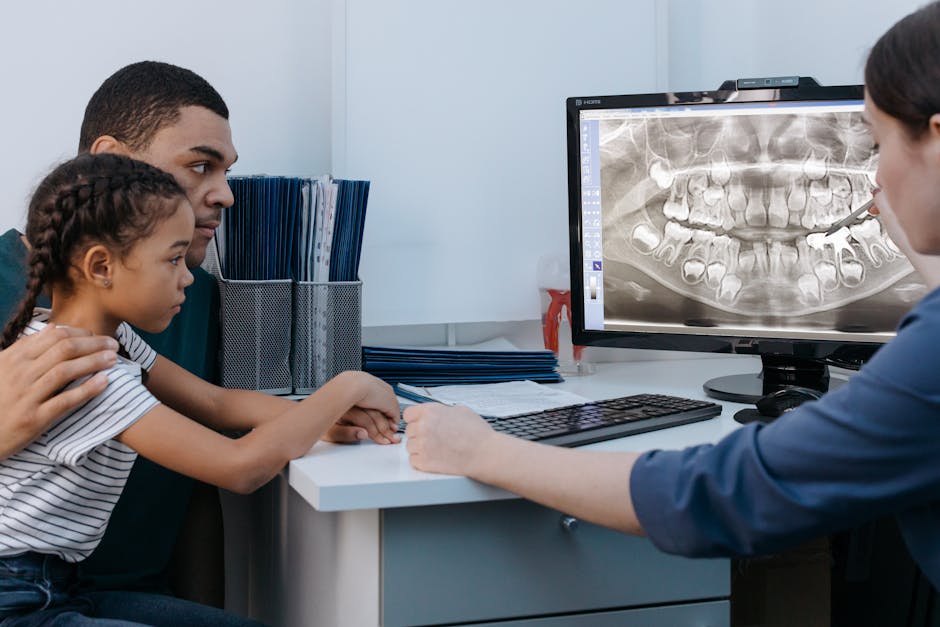
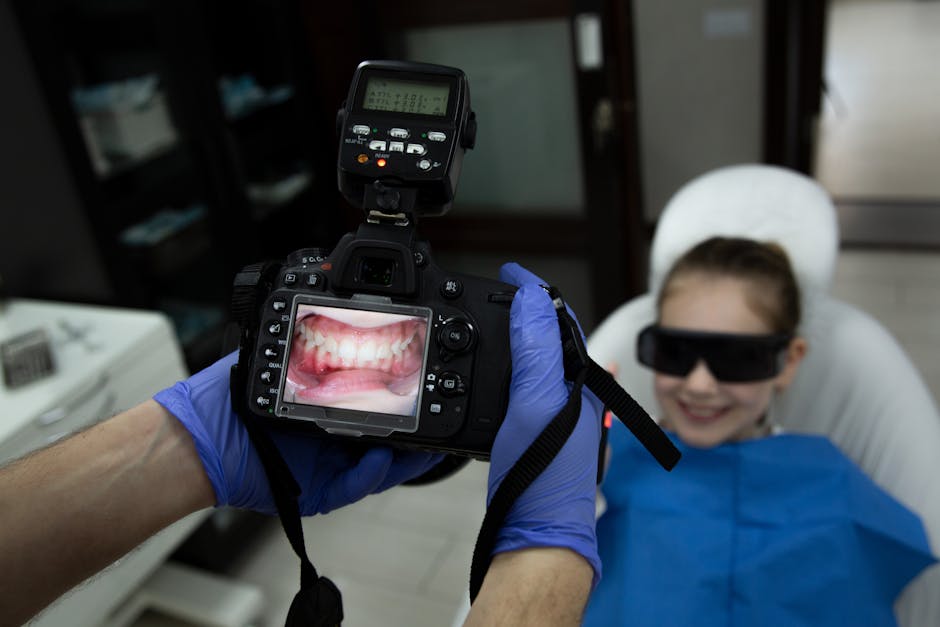
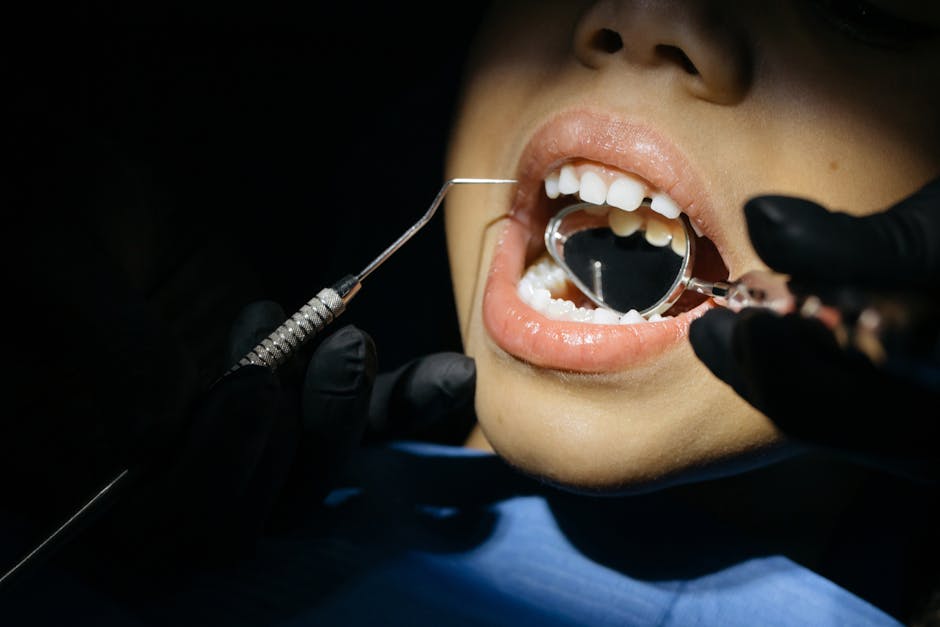
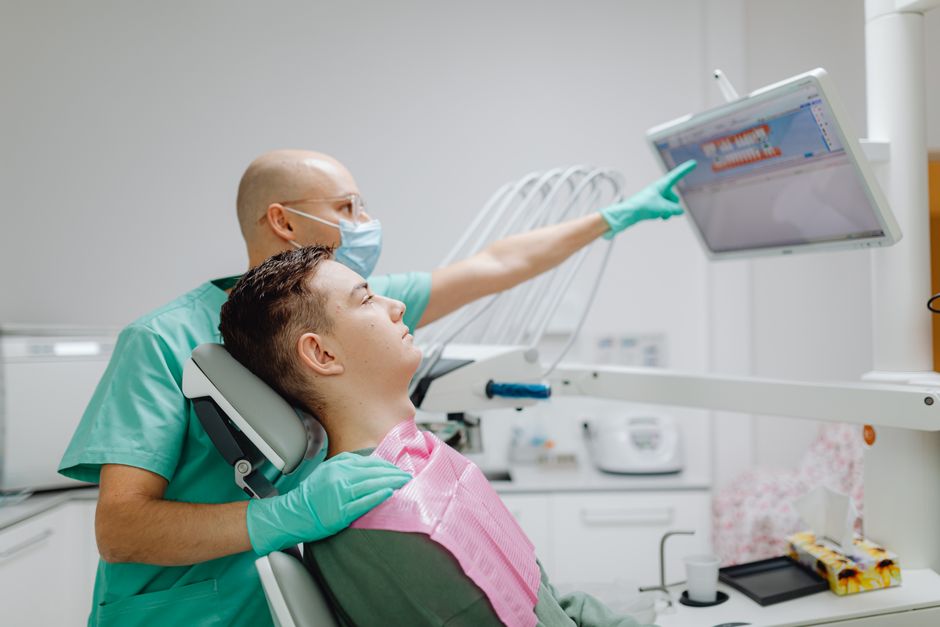
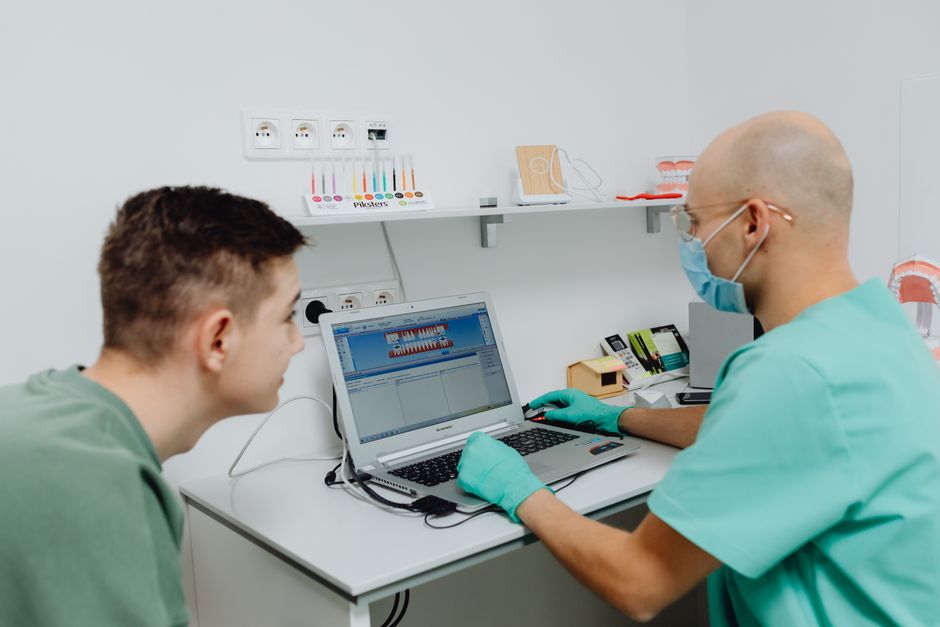
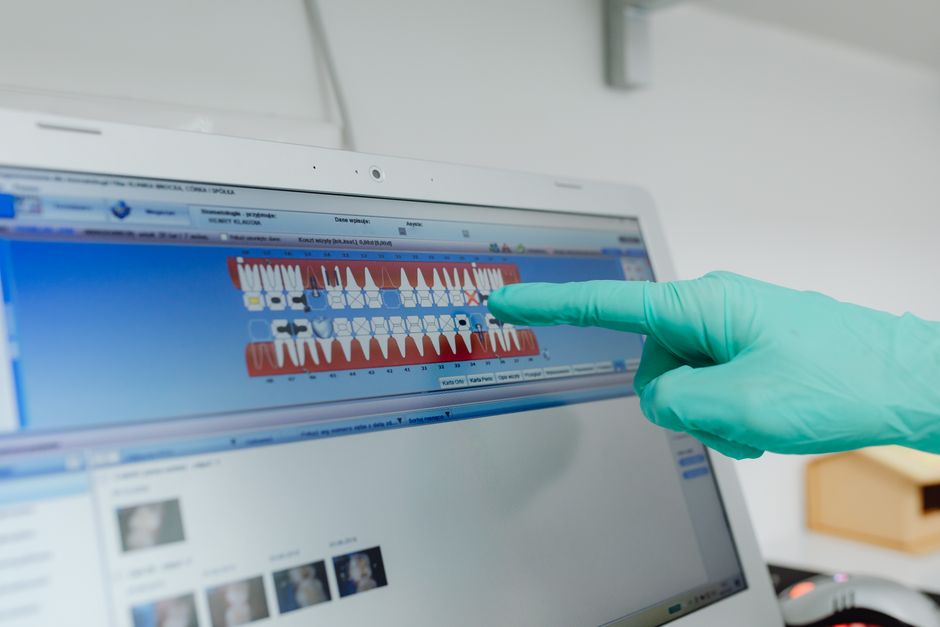
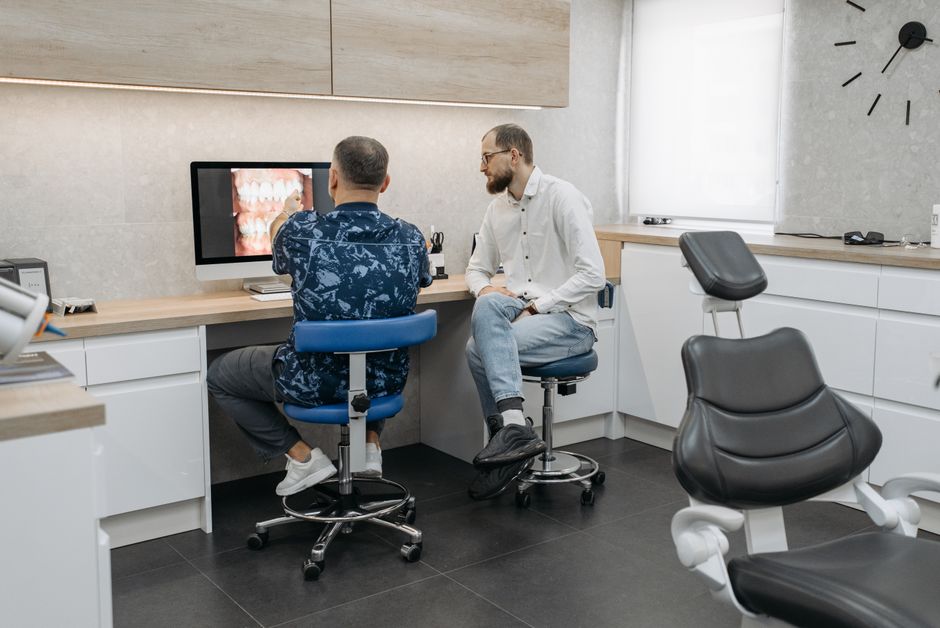
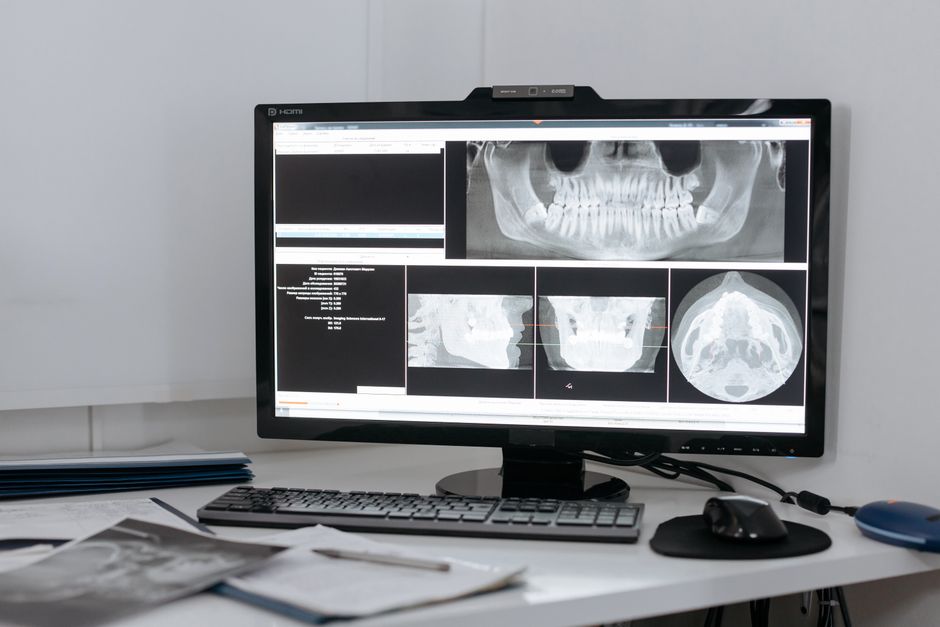
High-quality photos and standardized records elevate both diagnosis and patient communication. Extraoral and intraoral photography, combined with digital scans, helps clinicians visualize asymmetries, track gingival changes, and communicate precisely with the lab. In education settings, photography also strengthens case documentation and helps clinicians critique their own work with greater objectivity.
Treatment Options Within a “Hollywood Smile” Plan
A Hollywood Smile is not a single treatment—it’s a plan that may include additive, subtractive, or surgical steps. The final approach depends on enamel availability, color change needs, alignment, and the patient’s risk profile.
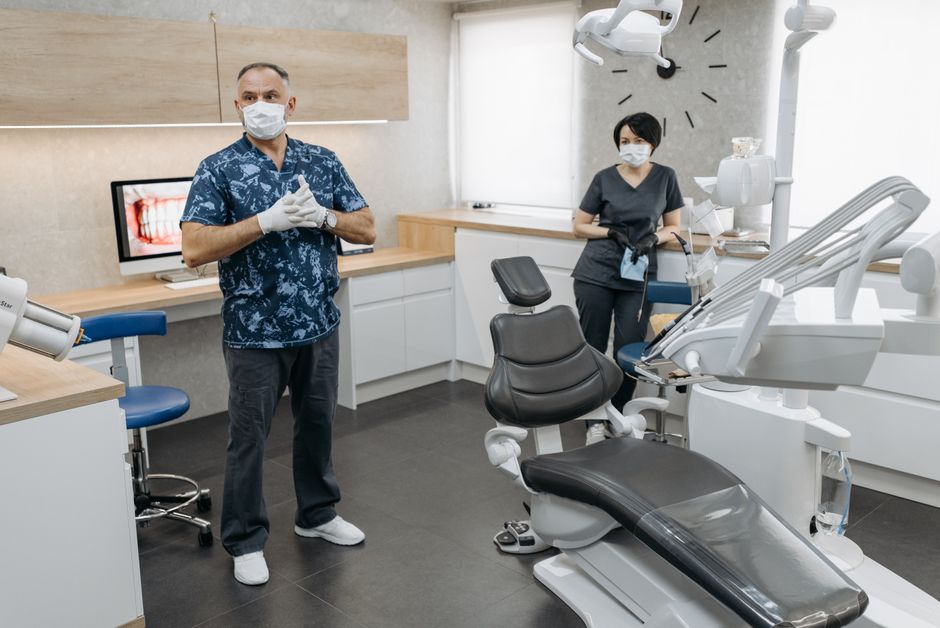
1) Minimally Invasive Restorations: Composite Bonding
Direct anterior composite restorations are often the most conservative way to improve shape, close diastemas, correct small fractures, or harmonize proportions. For clinicians, the challenge lies in controlling anatomy, surface texture, and optical effects to avoid a “flat” or opaque look.
If you are refining layering strategies and finishing protocols, you may find this resource helpful: How to Achieve Natural Aesthetics in Anterior Composite Restorations. In hands-on education, composite work is especially valuable because it builds foundational skills that carry into indirect restorations (e.g., controlling line angles, emergence profiles, and contact areas).
2) Porcelain Laminate Veneers: When Precision Matters
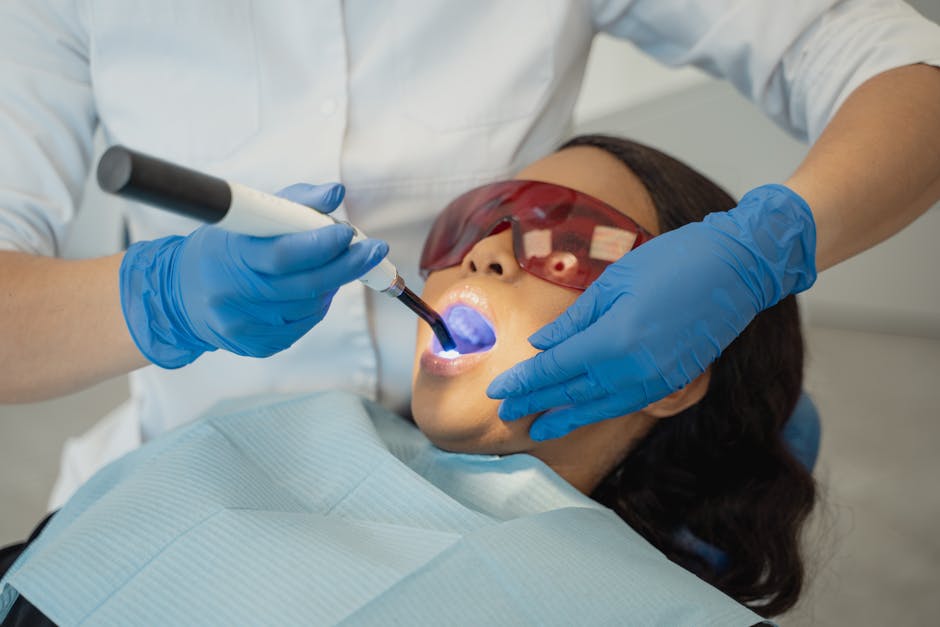
Porcelain laminate veneers remain a cornerstone of aesthetic dentistry due to their optical stability and refined surface qualities. Yet the long-term success of veneers is closely related to case selection, preparation design, isolation, bonding protocol, and occlusal considerations. Small deviations—such as contamination during bonding or inadequate resin cement handling—can compromise marginal integrity and color stability.
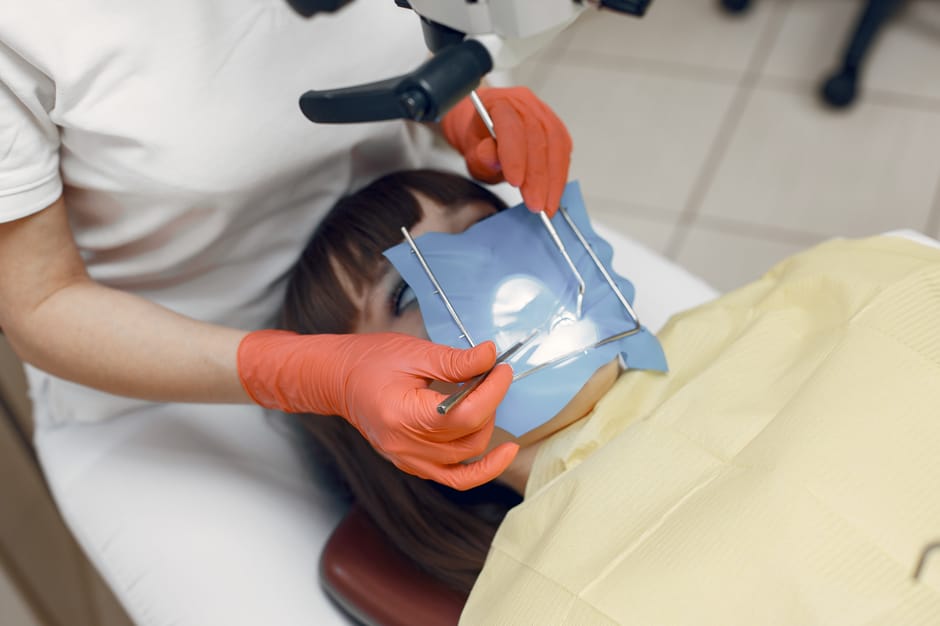
For a clinically oriented overview of bonding and workflow details, see Porselen Lamina Simantasyonunda Kritik Noktalar. In practical training environments, veneer cementation is often taught with an emphasis on repeatable steps: try-in planning, shade management, rubber dam strategies where feasible, and finishing/polishing sequences that support gingival health.
3) Whitening, Alignment, and Periodontal Optimization
Depending on the case, a “Hollywood Smile” may require pre-restorative steps such as whitening or orthodontic alignment to reduce restorative invasiveness. Periodontal therapy—ranging from inflammation control to gingival recontouring—can be equally crucial for symmetry and long-term stability. For dental professionals, this phase is where comprehensive planning pays off: the best aesthetic restorations cannot compensate for uncontrolled inflammation or unstable gingival margins.
4) Full-Arch Rehabilitation and Implant Dentistry
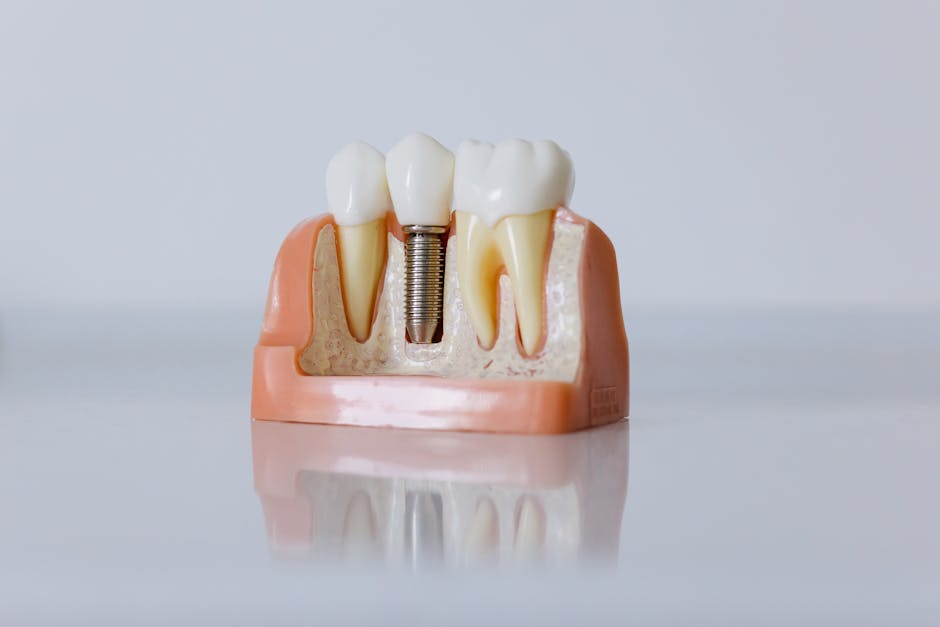
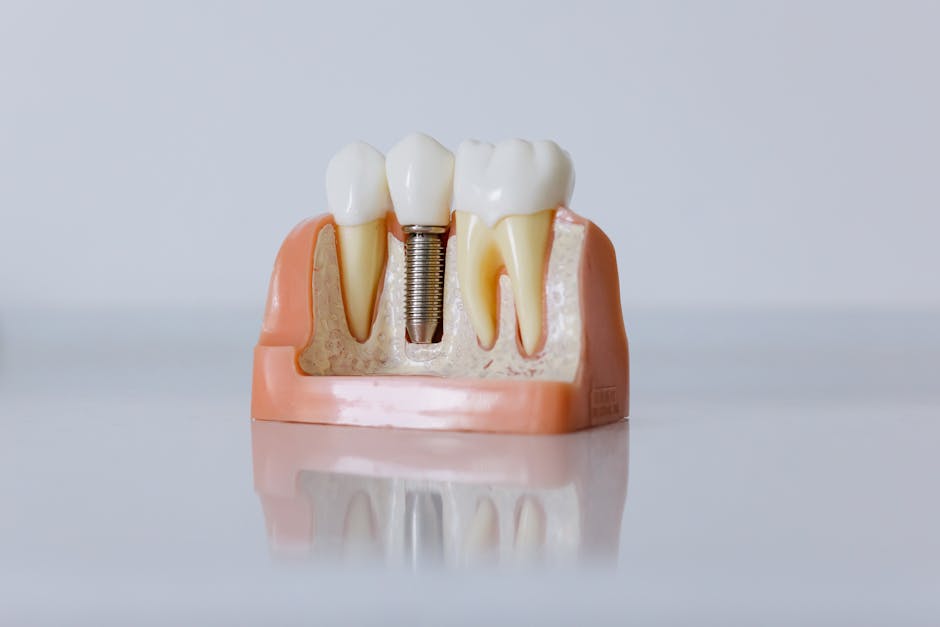
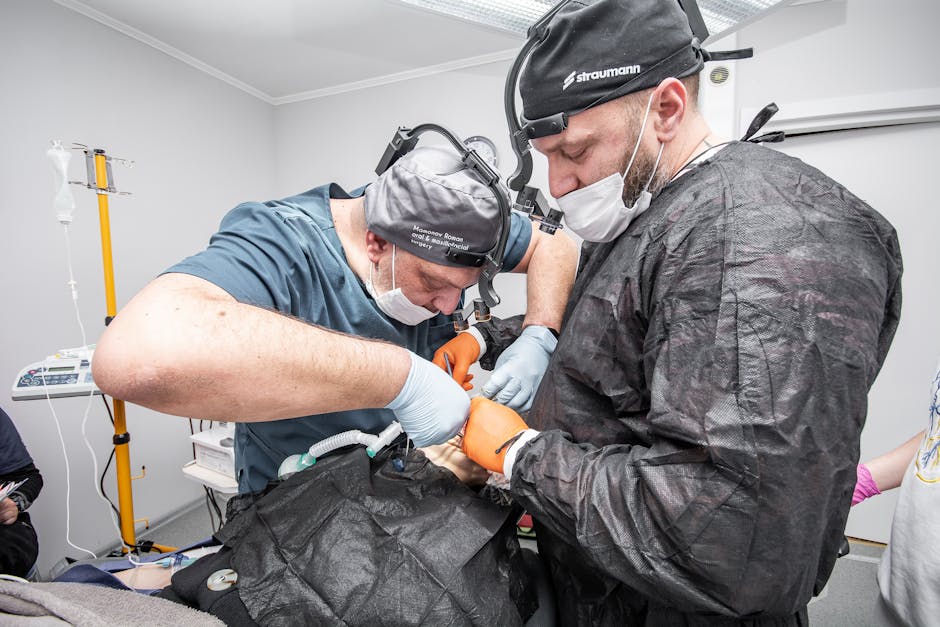
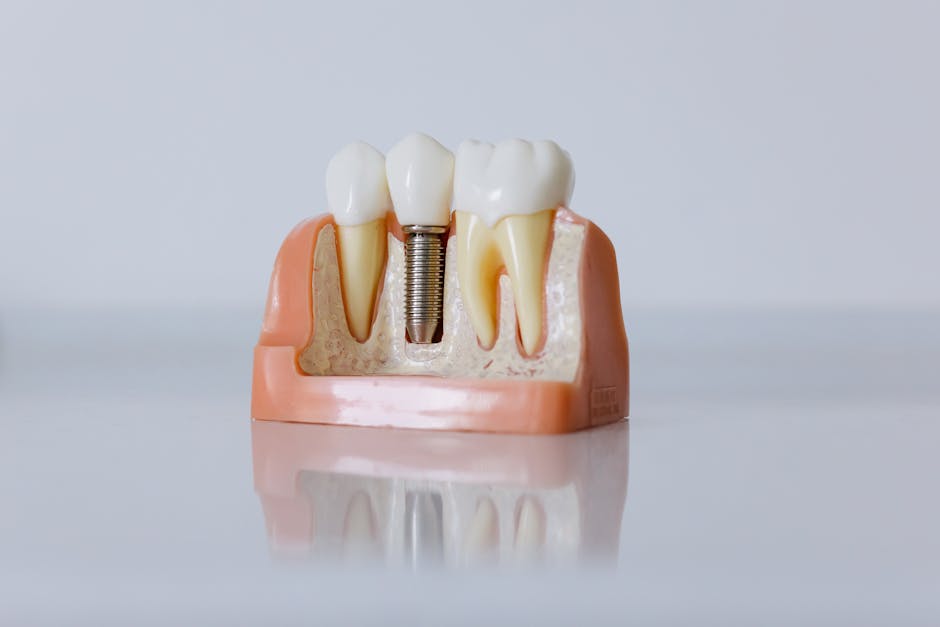
In patients with advanced tooth loss, severe wear, or non-restorable dentition, the “smile makeover” concept may extend to full-arch rehabilitation with implants and prosthetics. These cases are complex: they require careful surgical-prosthetic coordination, precise positioning, and attention to soft-tissue architecture, phonetics, and facial support.
Digital planning plays a growing role in improving predictability—especially in full-arch workflows. For a modern overview, explore Digital Planning for Full-Arch Implant Cases: A Modern Workflow for Predictable Outcomes. From an educational standpoint, understanding how to move from digital diagnosis to guided surgery concepts and provisionalization can help clinicians communicate more effectively with both patients and labs.
Digital Dentistry and the “Hollywood Smile” Workflow
Digital dentistry has reshaped aesthetic case planning. In a typical contemporary workflow, clinicians may integrate:
• Digital Smile Design (DSD) concepts for facially driven planning
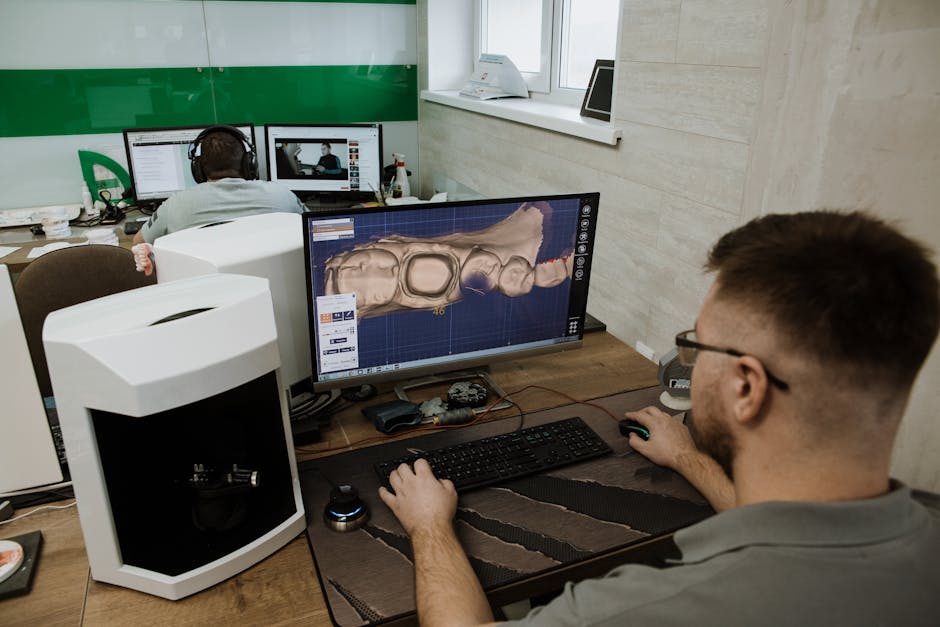
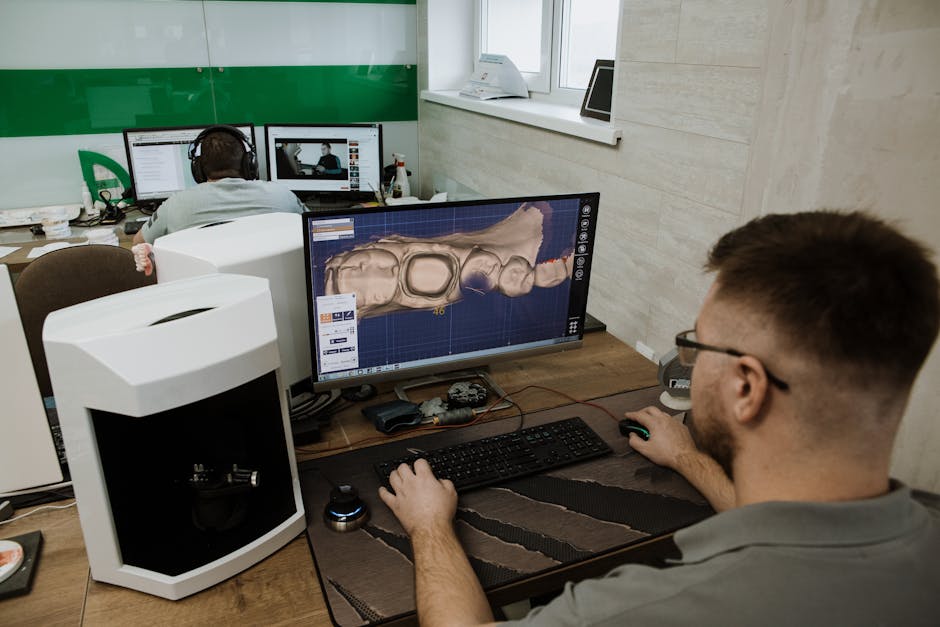
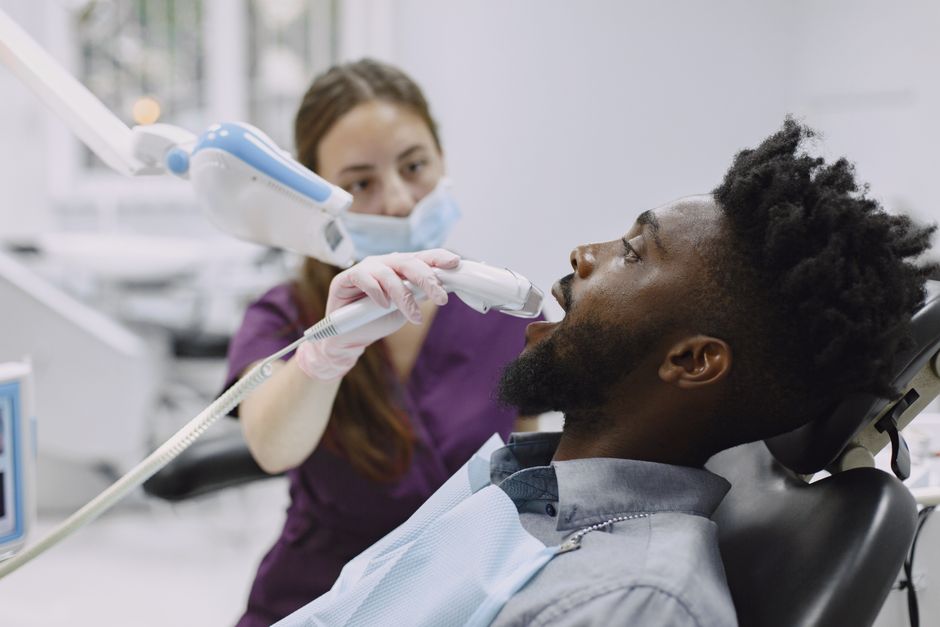
• Intraoral scanning to reduce impression variables and improve communication
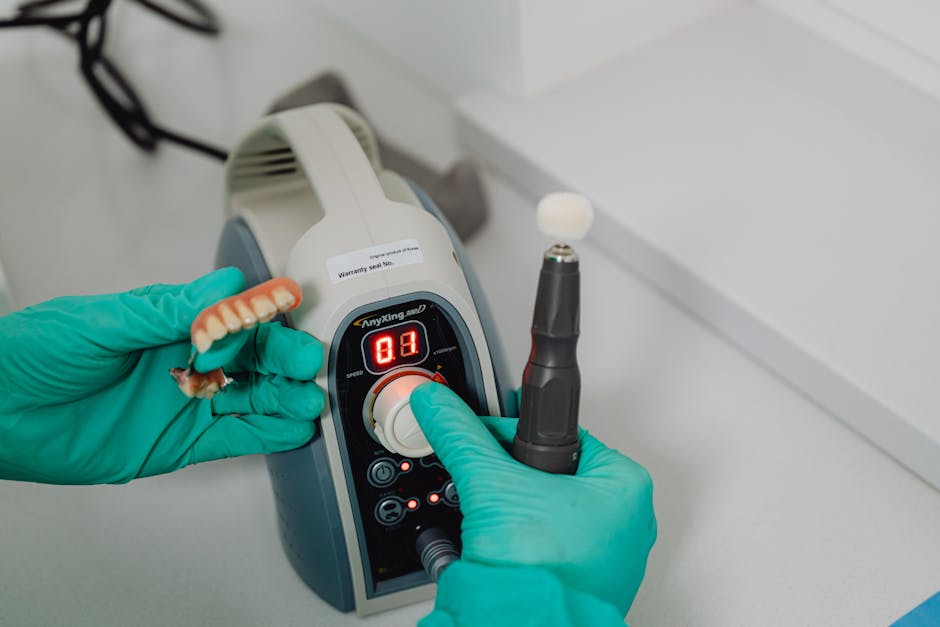
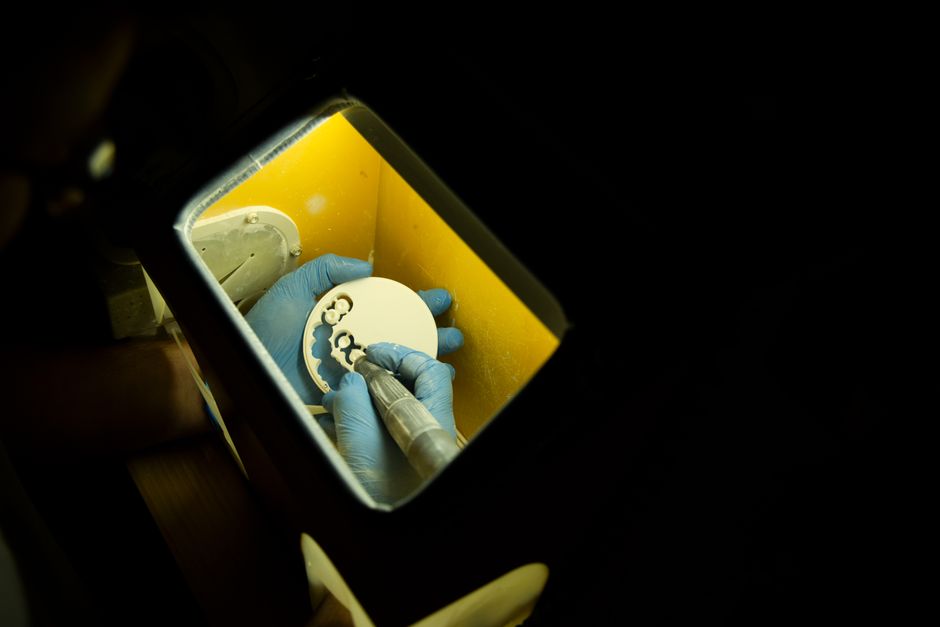
• CAD/CAM for provisional restorations, mock-ups, and some definitive prosthetics
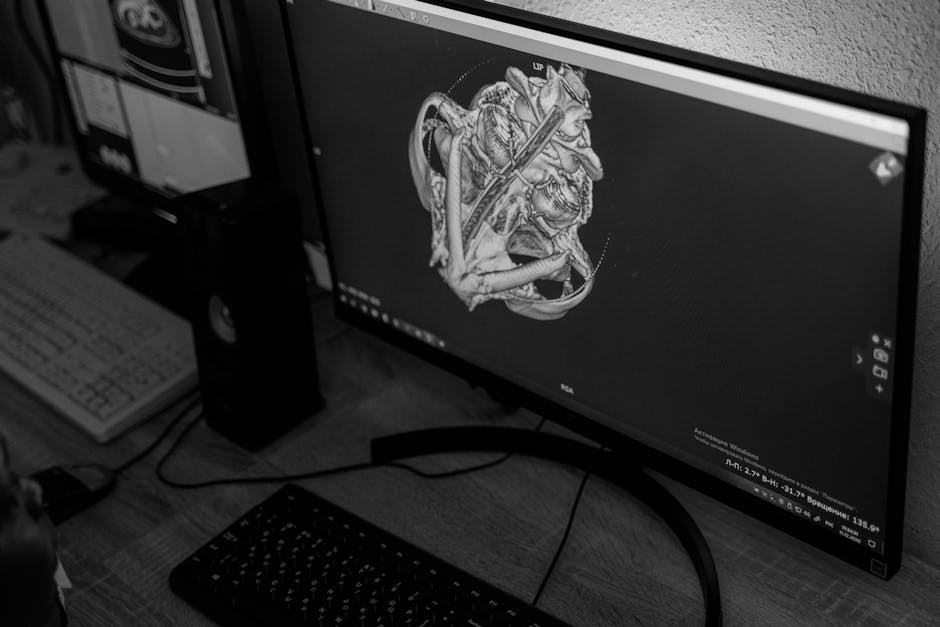
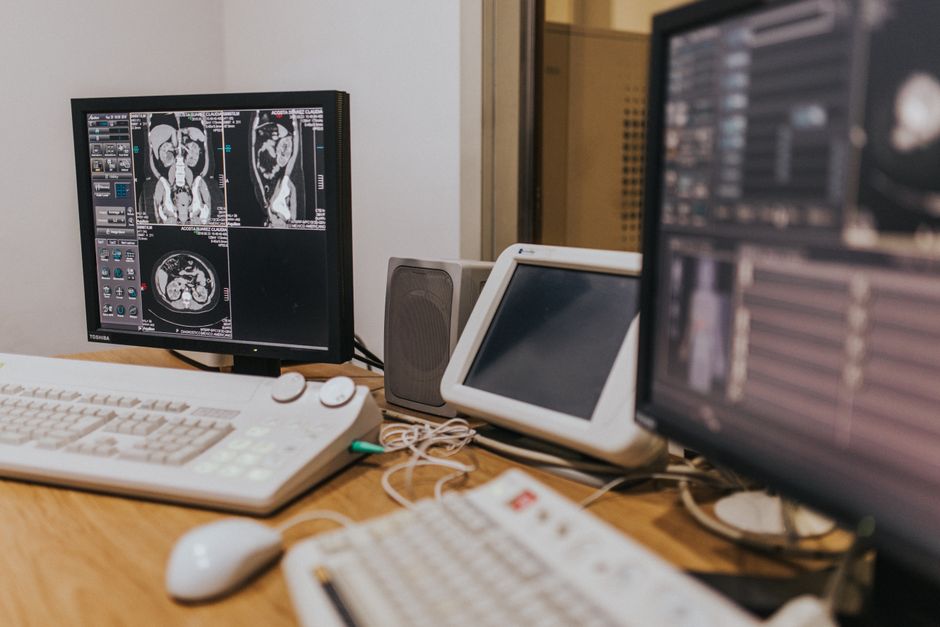
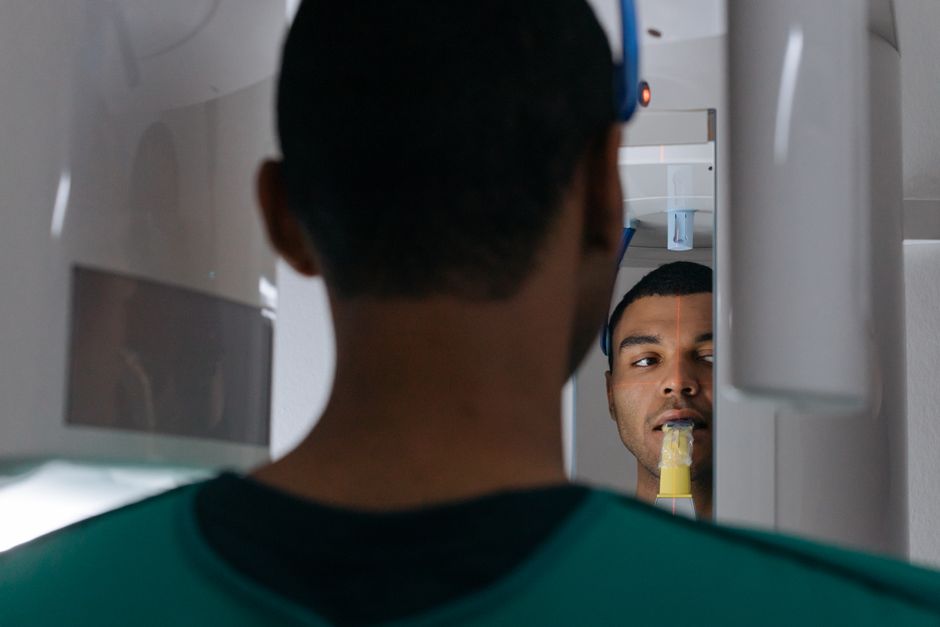
• 3D imaging and planning for implant positioning, especially in complex cases
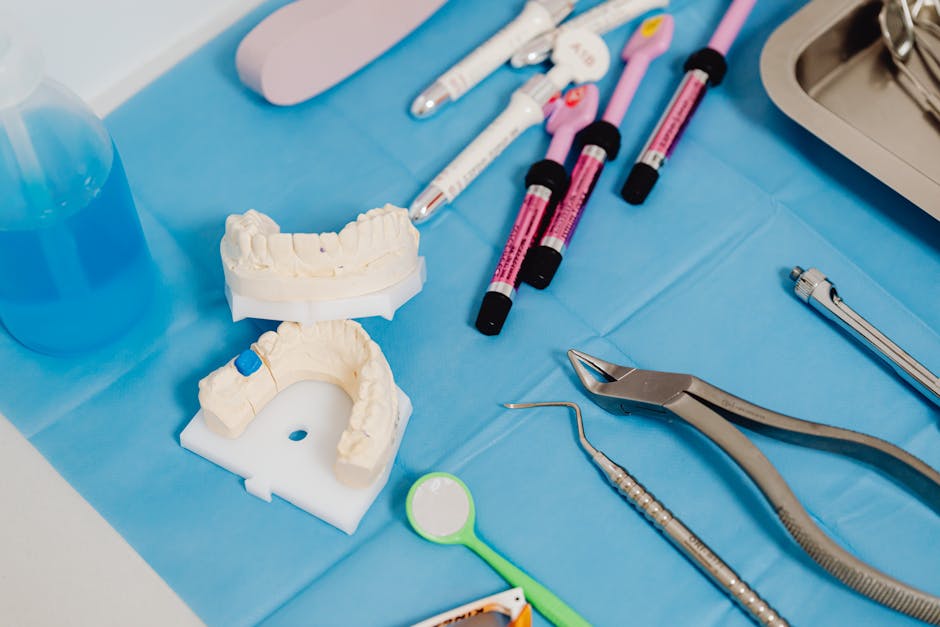
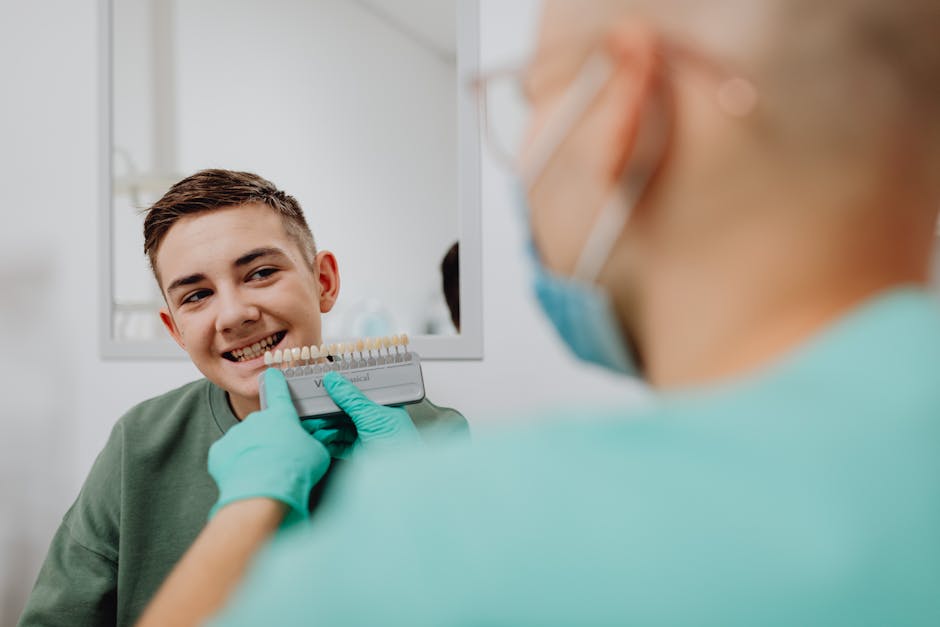
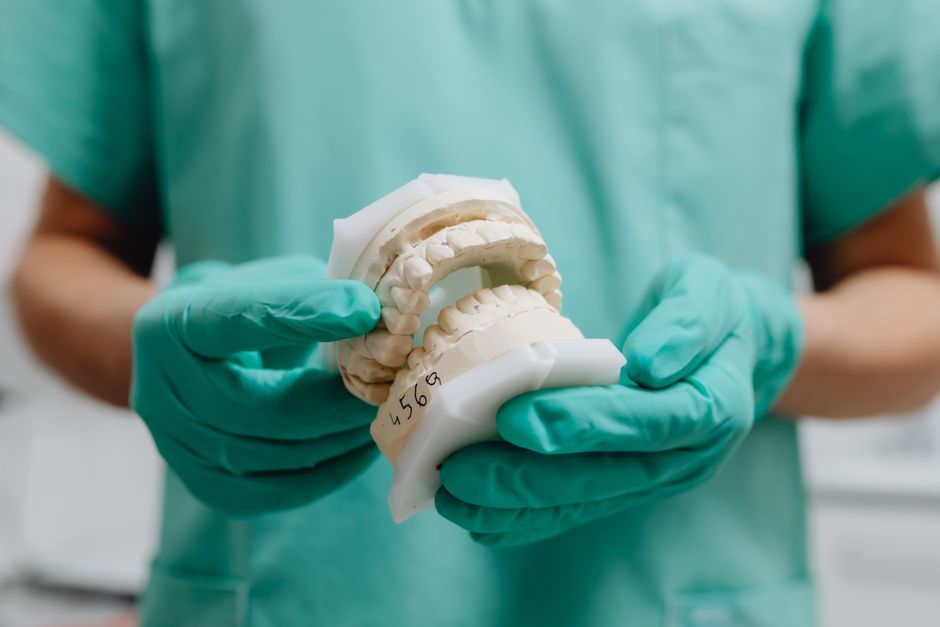
One benefit for dentists and students is the ability to create a clearer, shared “target outcome” using mock-ups, wax-ups, and provisional prototypes. This can improve informed consent and reduce misunderstandings about final tooth length, incisal edge position, or midline corrections.
CAD/CAM in Aesthetic and Implant-Related Smile Makeovers
CAD/CAM is not only about speed; it can also enhance consistency and data transfer—particularly in implant prosthodontics. When applied thoughtfully, digital workflows can help align surgical placement with prosthetic emergence profiles and aesthetic demands.
To explore how digital production and planning connect within implant workflows, refer to The Role of CAD/CAM Technology in Modern Implant Dentistry. In continuing education, clinicians often benefit from seeing how scanning protocols, design parameters, and milling/printing considerations influence final occlusion and soft tissue support.
Managing Patient Expectations: Natural Aesthetics Over “Filter Teeth”
Many patients arrive with heavily edited reference photos or requests for extremely bright, uniform teeth. A clinician’s role includes guiding expectations toward biologically and aesthetically realistic outcomes. Key discussion points may include:
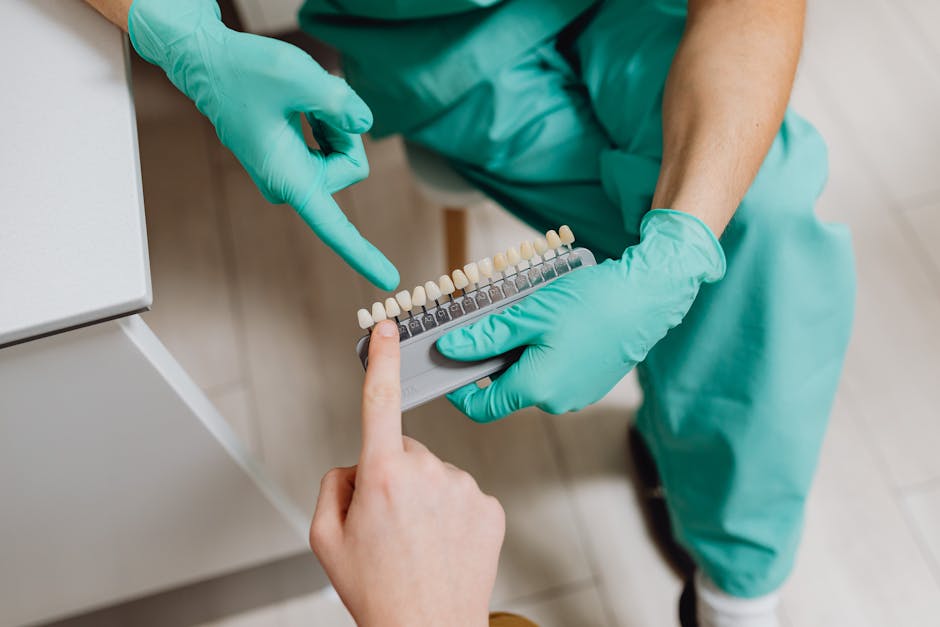
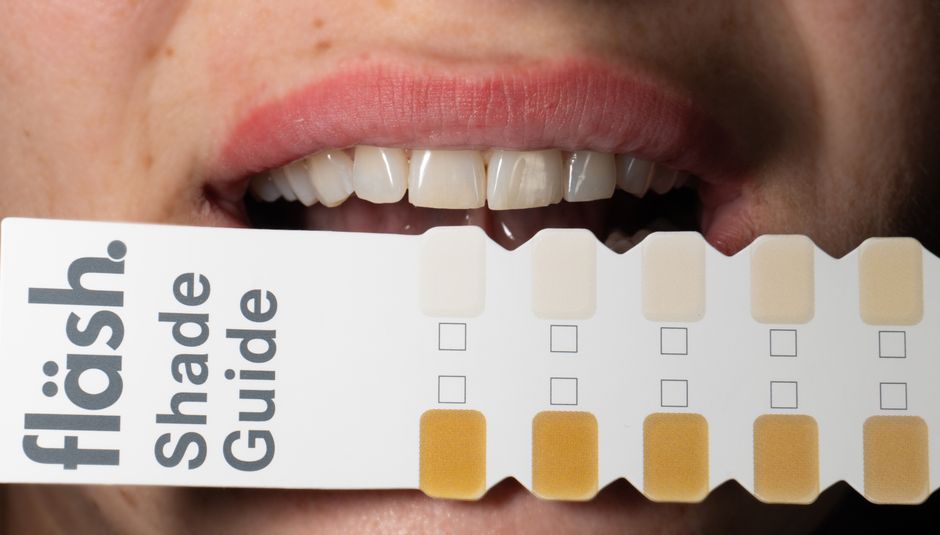
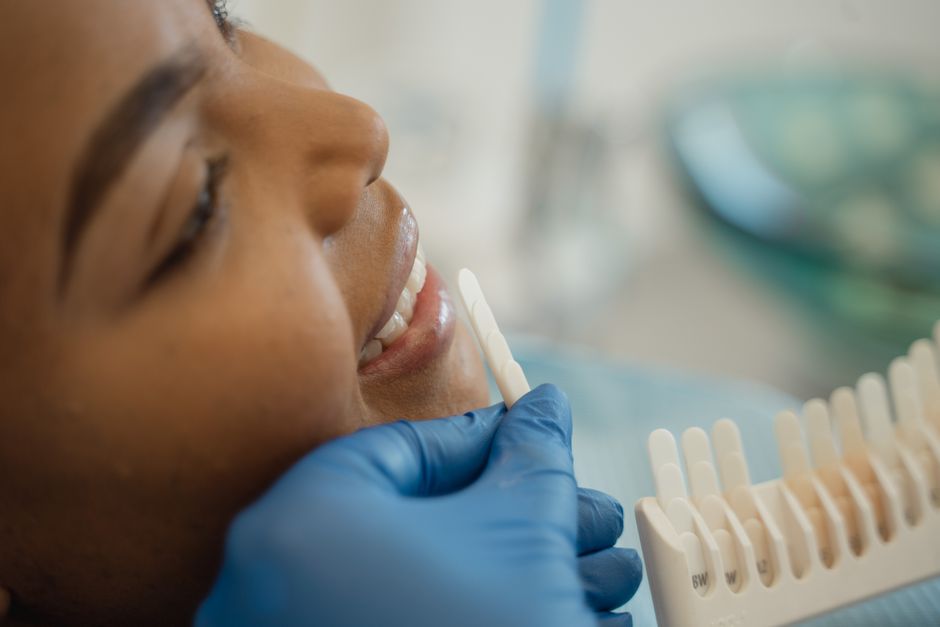
• Tooth shade and translucency: Natural teeth often show value gradients and incisal translucency.
• Symmetry vs. harmony: Perfect symmetry is not always the most natural-looking result.
• Maintenance and risk: Parafunction, diet, and oral hygiene affect longevity.
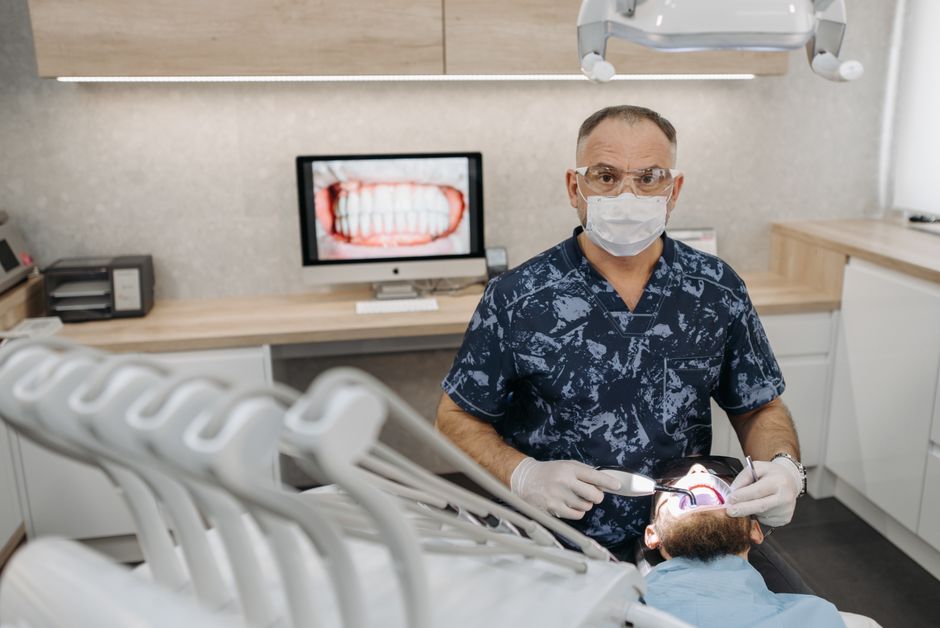
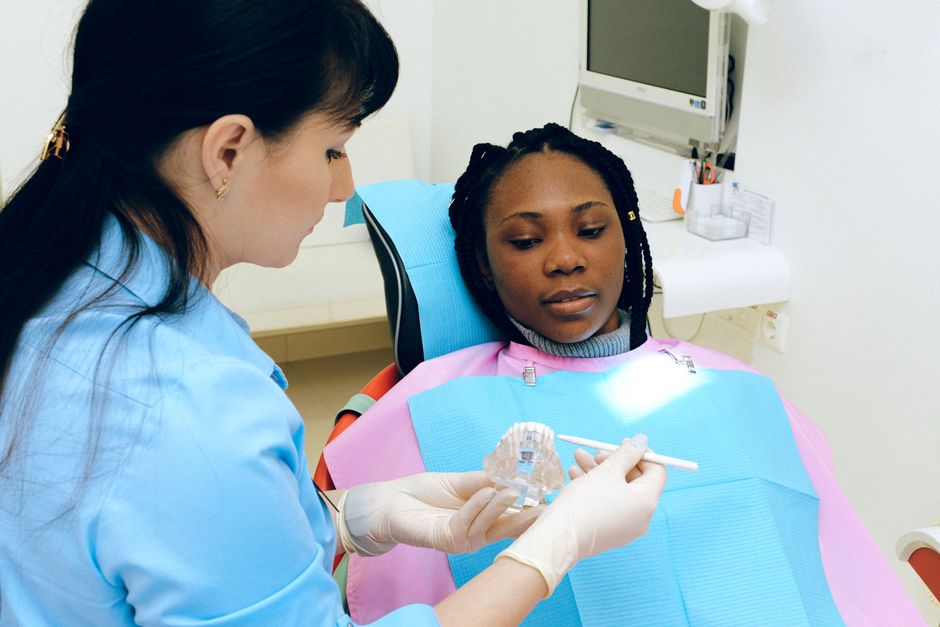
Mock-ups, provisionals, and clear photo-based communication help bridge the gap between “what patients imagine” and “what dentistry can deliver predictably.” From an educational perspective, learning how to present options ethically and clearly is as important as mastering the technical steps.
Common Pitfalls in Hollywood Smile Cases (and How Education Helps)
Even skilled clinicians can encounter challenges in aesthetic cases. Common pitfalls include:
• Underdiagnosed functional issues: Ignoring occlusal instability or possible TMD signs may increase complications.
• Over-preparation: Removing excessive enamel can reduce bonding predictability for veneers.
• Poor emergence profiles: Overcontoured restorations can compromise gingival health and aesthetics.
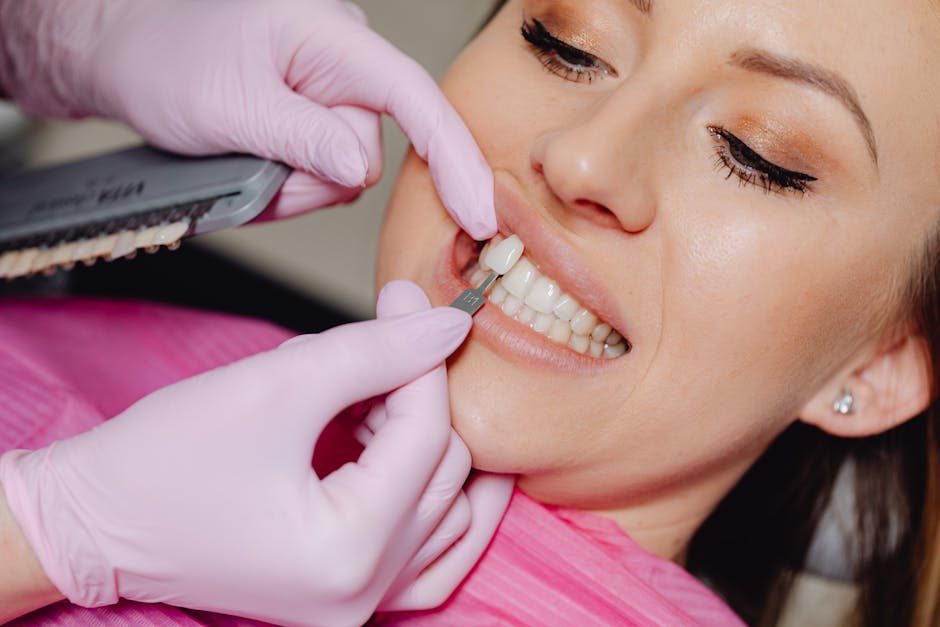
• Inconsistent shade management: Lighting, dehydration, and photography errors may lead to mismatches.
• Cementation errors: Contamination and improper isolation can jeopardize veneer longevity.
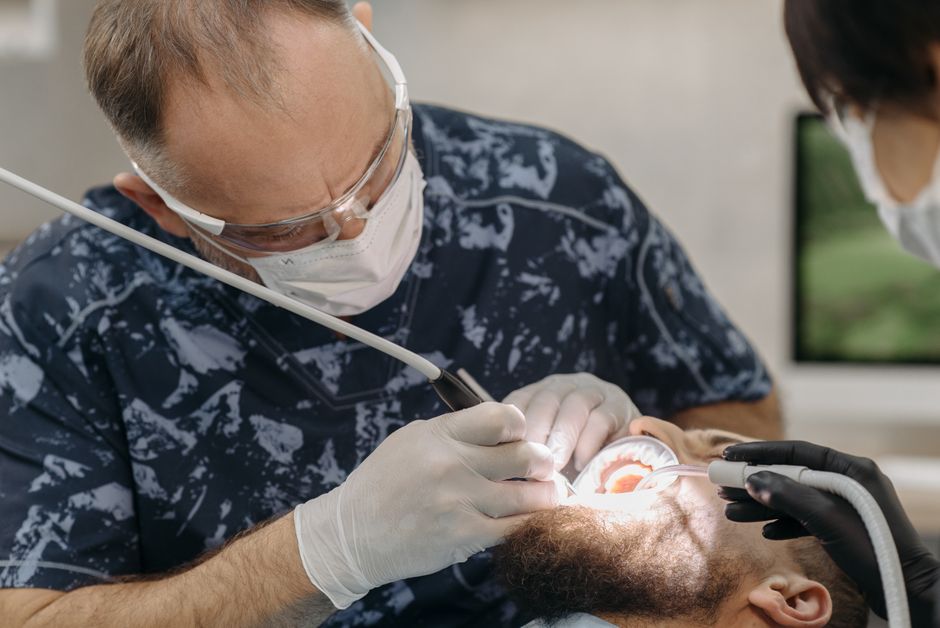
Because these mistakes are often workflow-related—not just material-related—hands-on training can be particularly impactful. Step-by-step repetition, supervised feedback, and structured checklists help translate theory into consistent chairside outcomes.
Learning the Hollywood Smile Approach at Istanbul Dental Academy
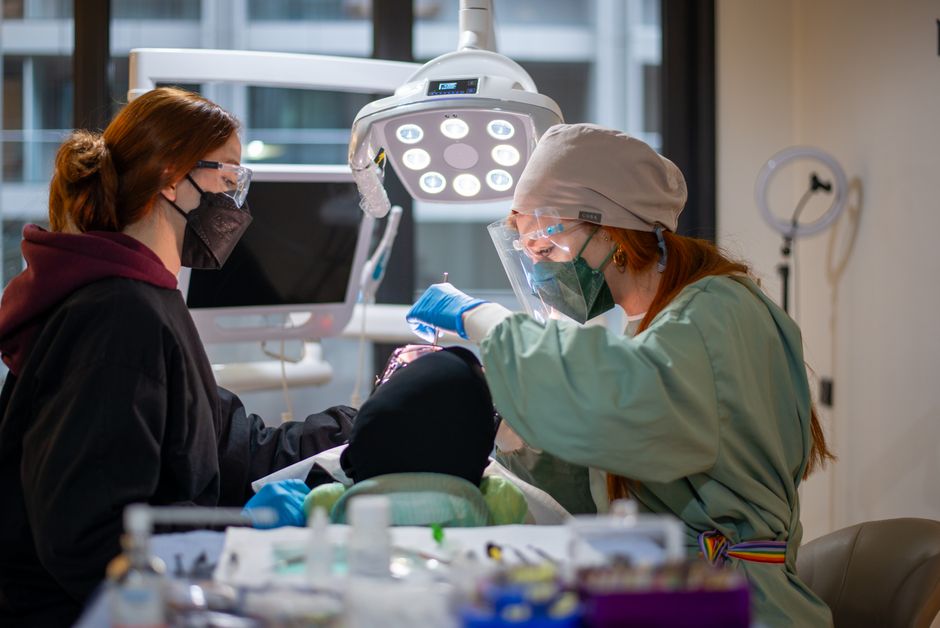
Istanbul is a global hub for aesthetic dentistry, and this creates a strong educational environment for clinicians seeking continuing dental education. Istanbul Dental Academy emphasizes practical, case-based learning—supporting dentists and dental students who want to deepen skills in smile design, restorative protocols, digital planning, and implant-prosthetic coordination.
Depending on your clinical interests, targeted training may focus on:
• Smile design and aesthetic diagnosis using photographs and digital planning tools
• Anterior composite artistry with anatomy, texture, and polishing protocols
• Porcelain veneer workflows including preparation design and cementation strategies
• Digital implant dentistry from planning concepts to prosthetically driven outcomes
This content is for educational purposes and does not substitute for individualized diagnosis or treatment planning. Every “Hollywood Smile” case should be evaluated based on patient-specific clinical findings, risk assessment, and professional judgment.
Conclusion: A Hollywood Smile Is a Comprehensive Clinical Project
The most successful Hollywood Smile outcomes are rarely the result of a single technique. They come from integrating diagnosis, digital planning, material selection, and careful execution—while respecting periodontal health and functional stability. For dental professionals, the topic offers a powerful learning pathway: from mastering direct composites and veneer cementation to understanding full-arch digital implant workflows.
As aesthetic demands rise, clinicians who invest in hands-on, evidence-informed education are better positioned to deliver results that are not only visually impressive, but also clinically sustainable.
Diğer Yazılar