
BLOG
Diabetes and Tooth Loss: Implant Planning and Clinical Considerations
Why diabetes matters in tooth loss and implant dentistry
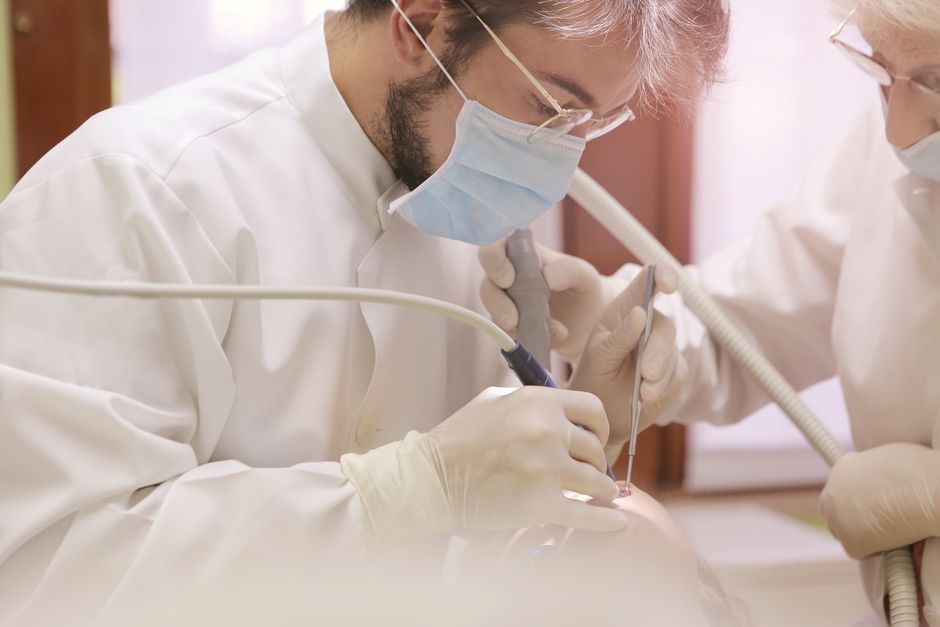
Diabetes mellitus is not only a systemic metabolic condition; it also has meaningful implications in oral health, particularly in periodontal stability, wound healing, and susceptibility to infection. For dental professionals, this translates into a higher probability of tooth loss in certain patient groups and a more nuanced approach to implant therapy—from diagnosis to long-term maintenance.
In Istanbul, where dental tourism and advanced restorative care are both common, clinicians frequently meet patients seeking rapid functional and aesthetic rehabilitation after years of cumulative tooth loss. Diabetes may be present, undiagnosed, poorly controlled, or well-managed—each scenario influencing risk assessment and communication. This content is for educational purposes and is not a substitute for individual diagnosis or medical advice.
How diabetes contributes to tooth loss: the periodontal pathway
The most consistent clinical bridge between diabetes and tooth loss is periodontal disease. Chronic hyperglycemia can alter immune response, collagen metabolism, and microvascular function. Periodontal tissues may show increased inflammation, deeper probing depths, and more rapid attachment loss in susceptible individuals. In turn, periodontal inflammation can complicate glycemic control, creating a bidirectional relationship that dental teams should understand when planning comprehensive care.
Clinical signals to take seriously
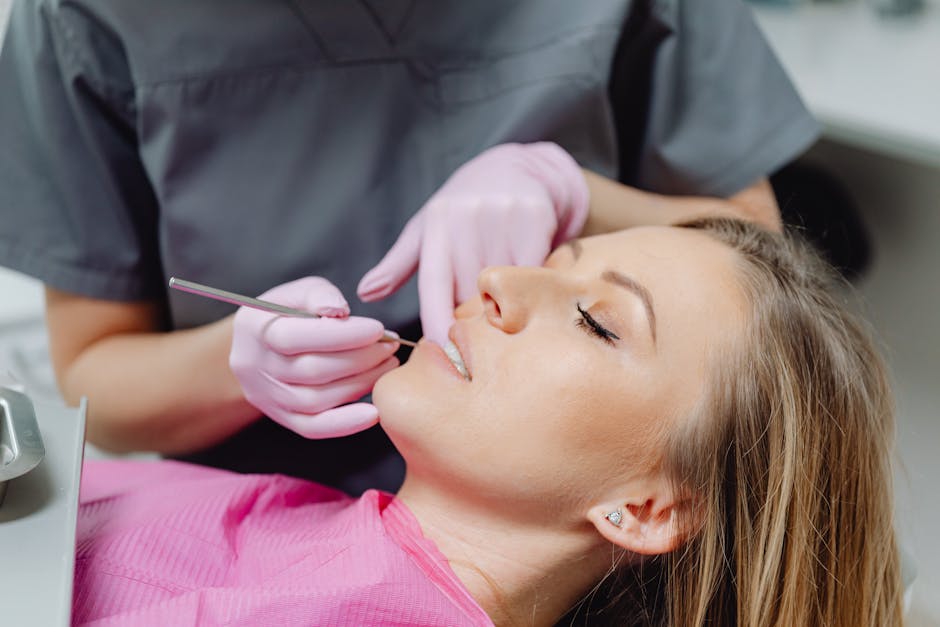
In daily practice, diabetes-related oral findings may be subtle. Key patterns that may warrant additional history-taking and interprofessional referral include:
• recurrent gingival inflammation despite reasonable plaque control
• delayed soft-tissue healing after extractions or periodontal therapy
• xerostomia complaints, burning sensation, or altered taste
• increased incidence of fungal infections and ulcerations
When acute, severe gingival pain and necrotic changes are suspected, clinicians benefit from a structured differential diagnosis and an evidence-based approach to urgent periodontal care. For a clinical perspective on this presentation, see Could Severe Gum Pain Be Necrotizing Gingivitis? A Clinical Perspective, which can help frame red flags and appropriate next steps.
Implant therapy in diabetic patients: what changes in planning?
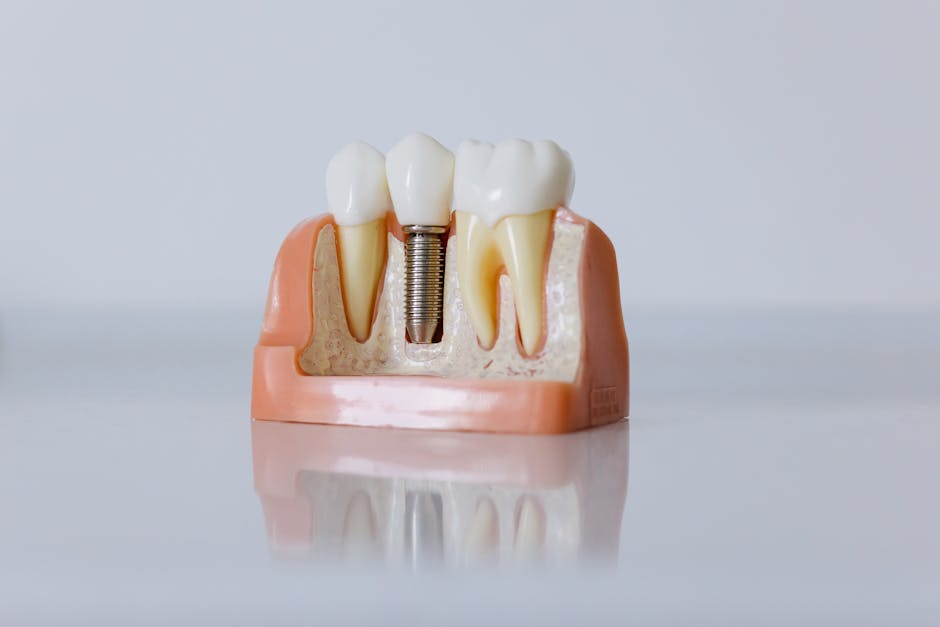
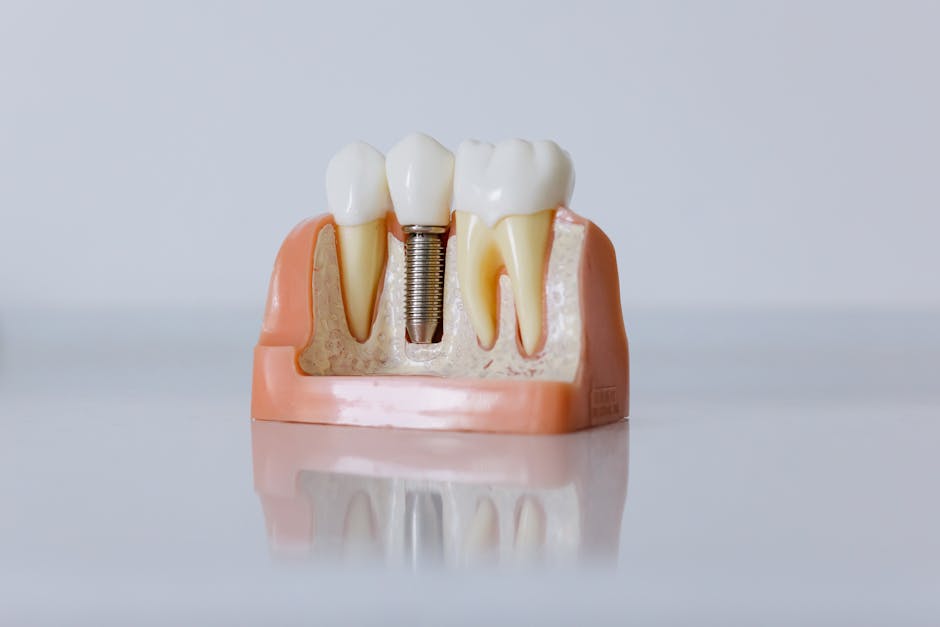
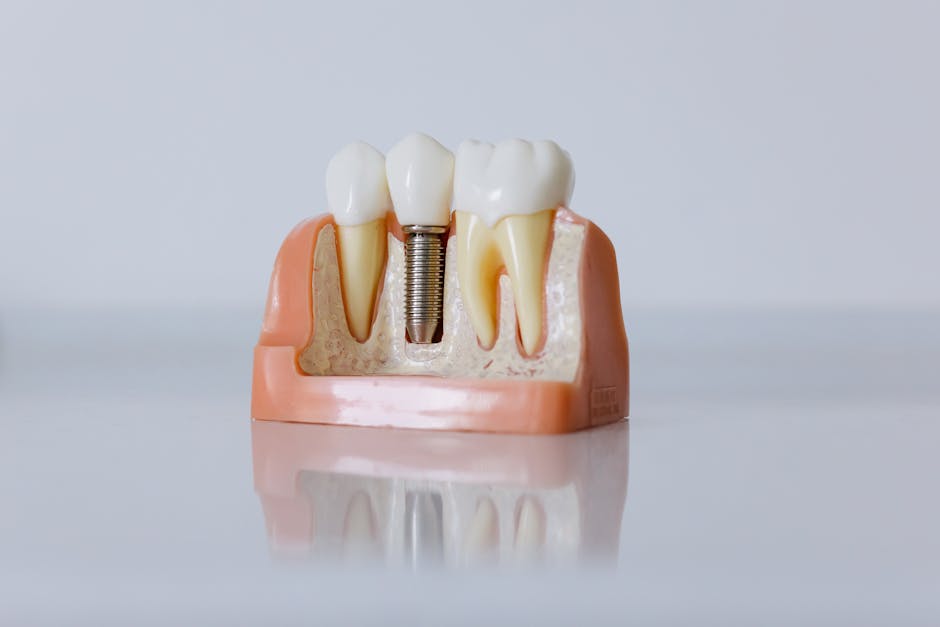
Implants can be a predictable option for many patients with diabetes, but treatment planning should be individualized and evidence-informed. In education settings, the focus is often on identifying risk modifiers rather than excluding patients based on a diagnosis alone.
1) Medical history, medications, and collaboration
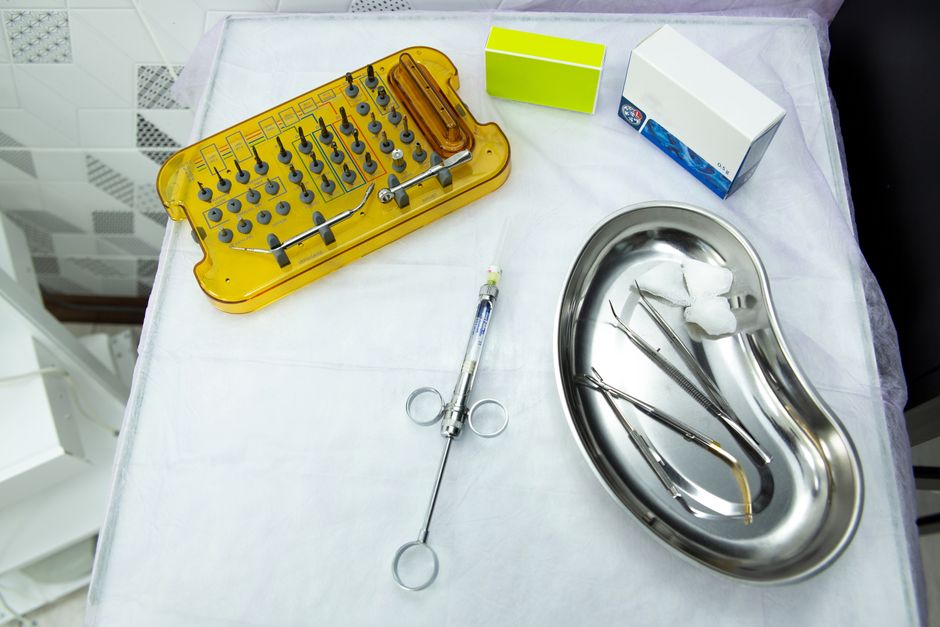
For dentists and postgraduate learners, a structured medical interview is more than a formality: it is a risk assessment tool. Consider documenting diabetes type, duration, current medications (including insulin or GLP-1 receptor agonists), history of hypoglycemic episodes, comorbidities (hypertension, renal disease), and smoking status. Collaboration with the patient’s physician may be appropriate when complex medical backgrounds or unstable metabolic control are suspected.
While numeric thresholds are often discussed in clinical forums, decisions should be patient-specific, taking into account overall stability and the invasiveness of planned procedures. The educational goal is to integrate medical information into a practical surgical and prosthetic plan.
2) Periodontal stability before implants
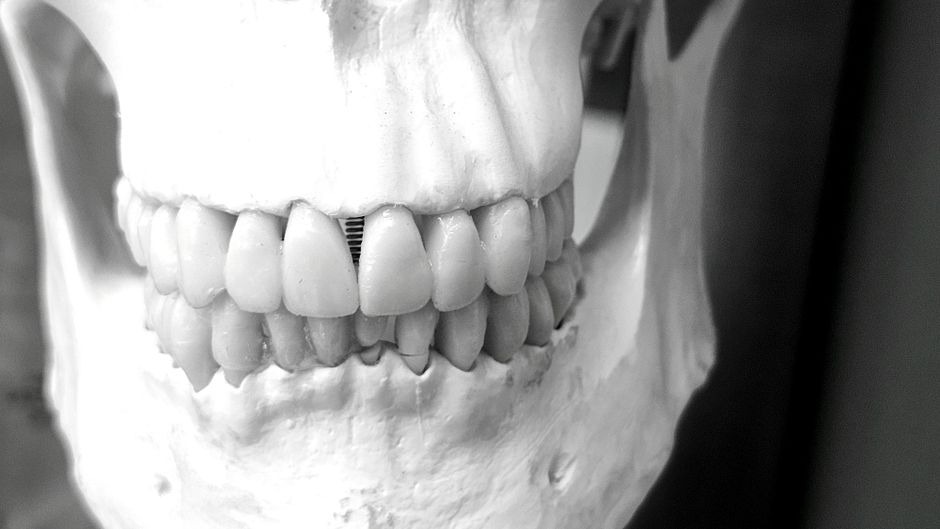
Implant placement should not be viewed as a shortcut around periodontal disease. In many cases, the best “implant complication prevention” happens before surgery: periodontal evaluation, initial therapy, and a maintenance strategy that the patient can realistically follow.
For clinicians in training, this is a critical concept: implant success is not only a function of primary stability or implant macrodesign; it is also shaped by biofilm control and soft-tissue health. This is why comprehensive implant education often overlaps with periodontology.
3) Surgical considerations: healing, infection risk, and tissue handling
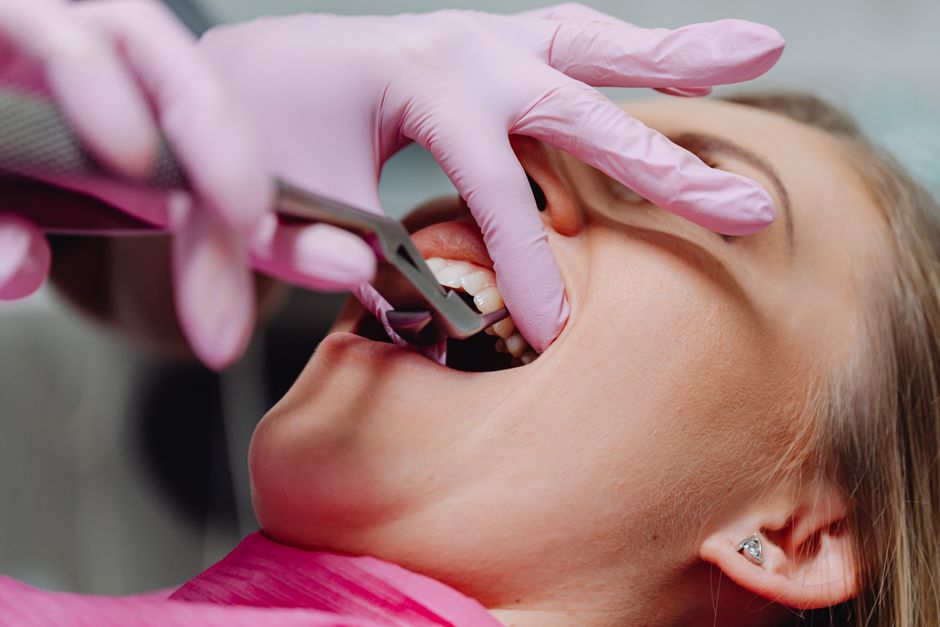
Diabetes may be associated with slower wound healing and altered inflammatory response. Clinically, this can translate into a greater emphasis on minimally traumatic technique, careful flap design, irrigation protocols, and postoperative monitoring. Atraumatic extractions, socket management, and staged approaches may be considered depending on local anatomy and infection history.
From an education perspective, hands-on surgical training helps clinicians refine tissue handling and suturing—skills that matter in every patient, but become even more relevant when healing capacity might be compromised.
4) Prosthetic planning: occlusion and cleansability
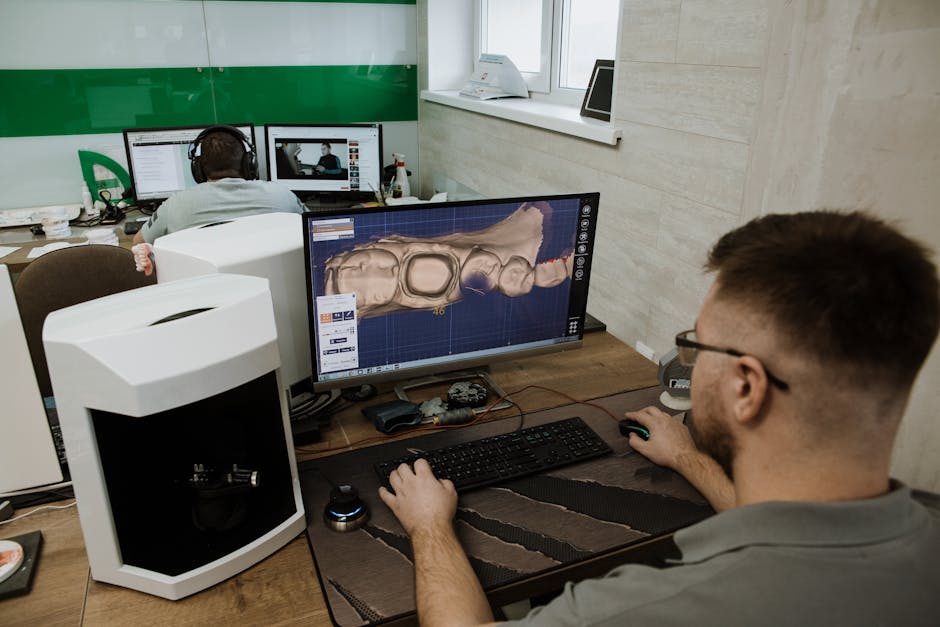
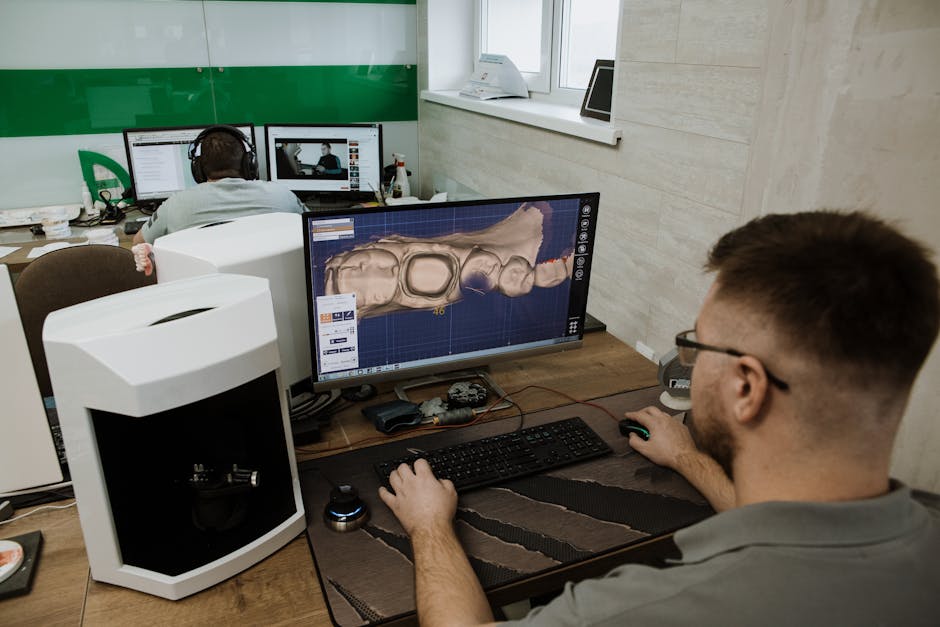
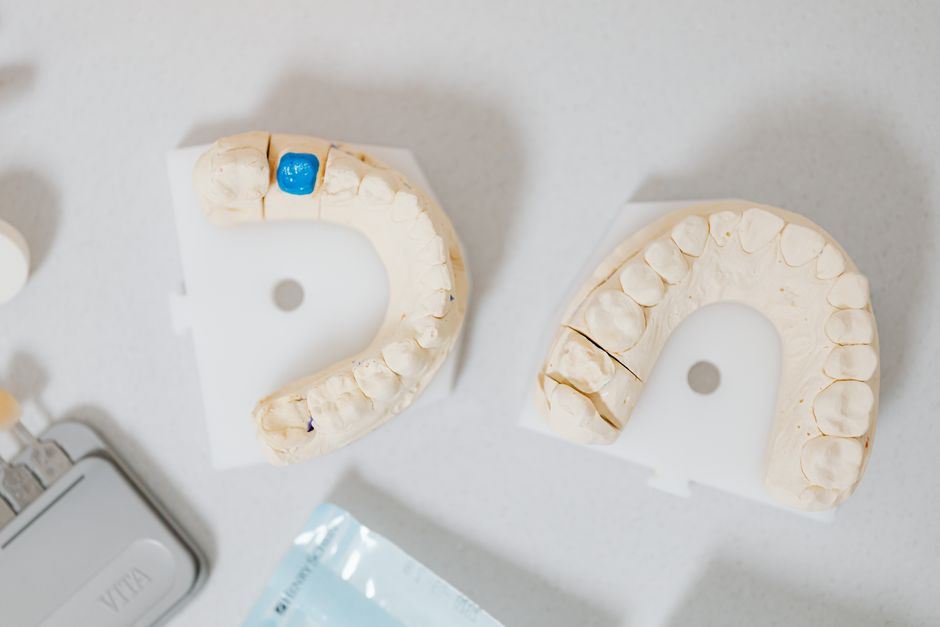
When diabetes is part of the case profile, prosthetic design should prioritize cleansability and maintenance access. Overcontoured restorations, tight embrasures, and poor emergence profile design can raise the burden of hygiene—an avoidable risk factor in peri-implant disease. In complex cases, prosthodontic planning should be carried out with the same rigor as surgical planning, ideally using digital workflows to visualize prosthetic contours early.

Full-arch rehabilitation: choosing concepts responsibly
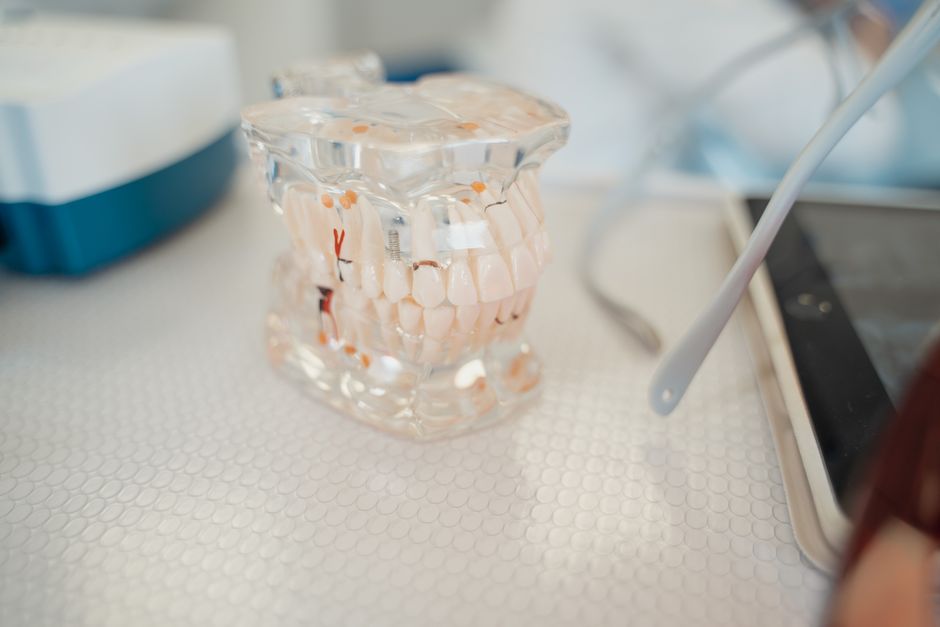
Patients with advanced tooth loss may request immediate, full-arch solutions. In Istanbul, full-arch implant treatment is often discussed under concepts such as All-on-4 and All-on-6. For diabetic patients, clinicians should consider anatomical limitations, expected hygiene performance, bone volume, and long-term maintenance rather than relying solely on a one-size-fits-all protocol.
If you are refining your full-arch decision-making, All-on-4 vs All-on-6: Key Differences for Full-Arch Implant Planning provides a helpful framework for understanding the planning logic behind implant distribution, biomechanics, and restorative implications.
Digital dentistry and documentation: reducing uncertainty
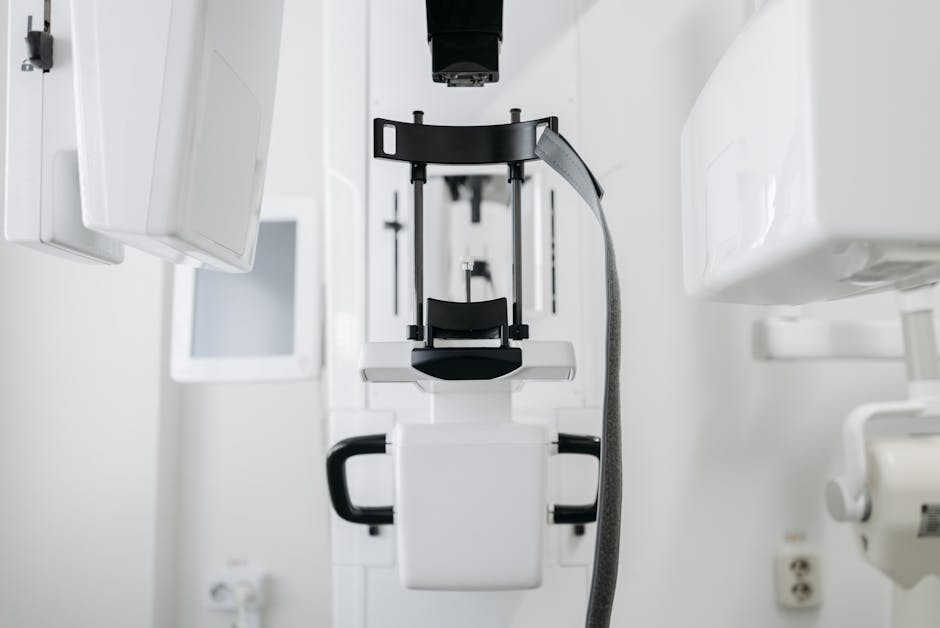
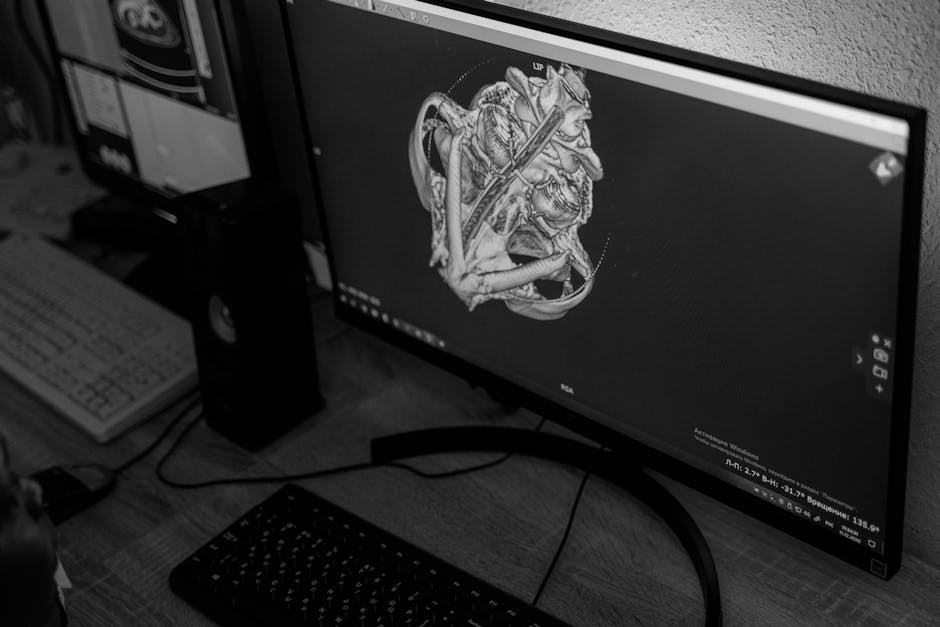
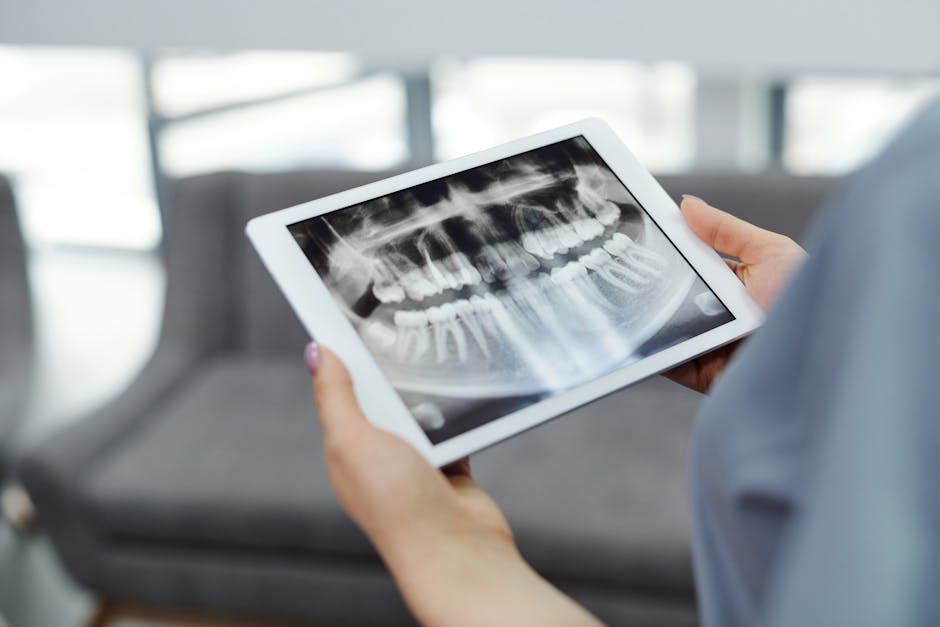
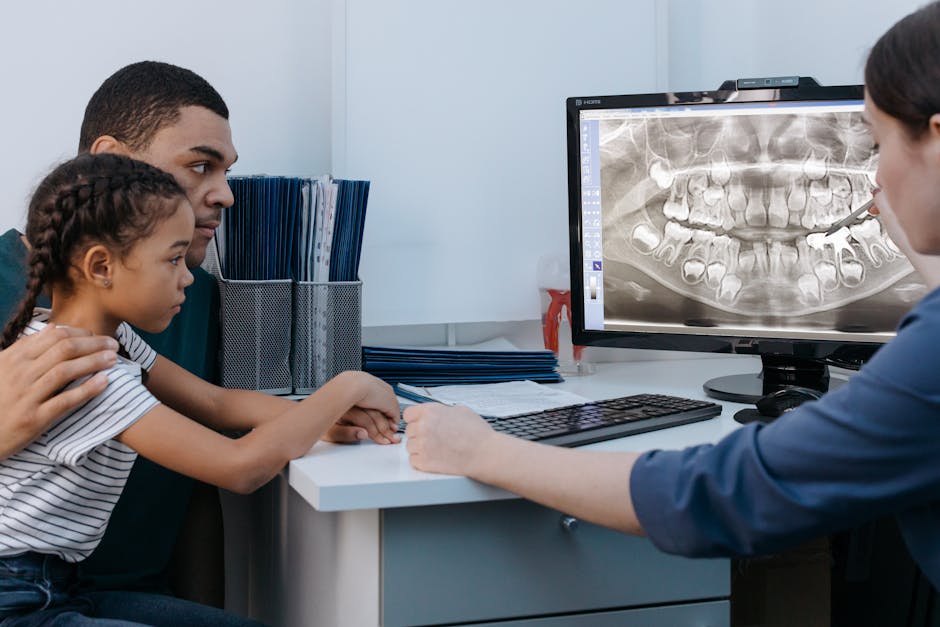
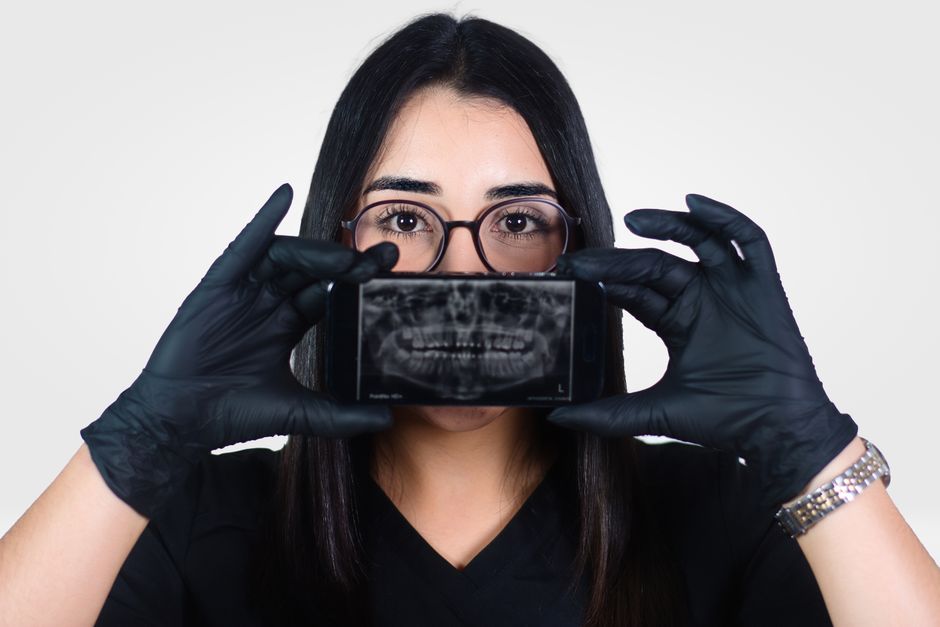
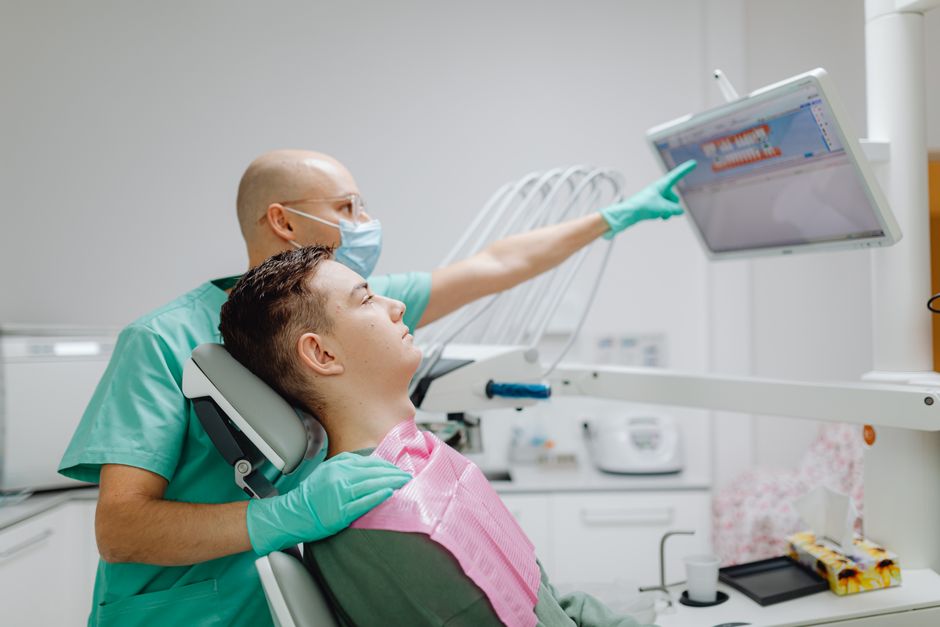
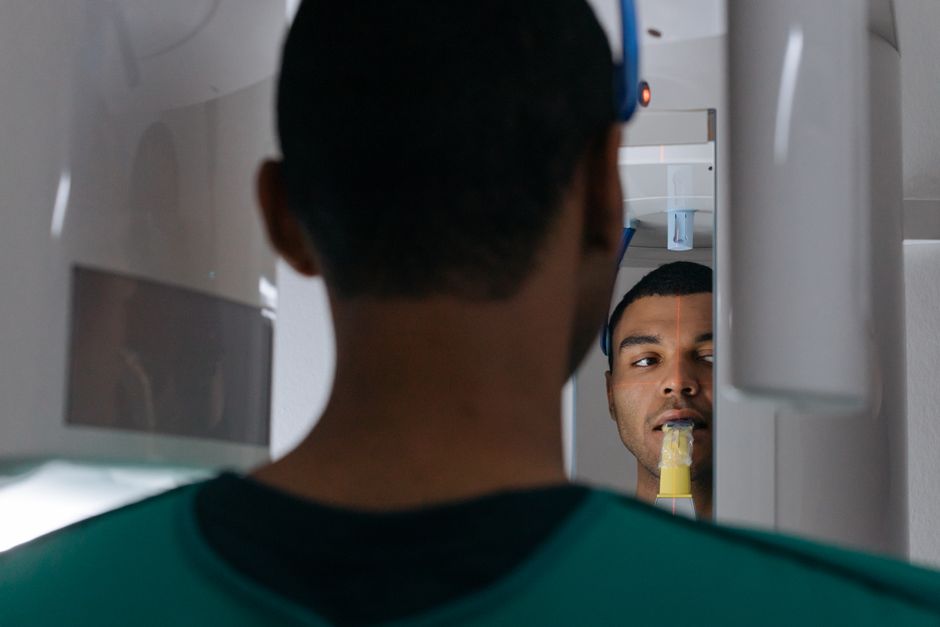
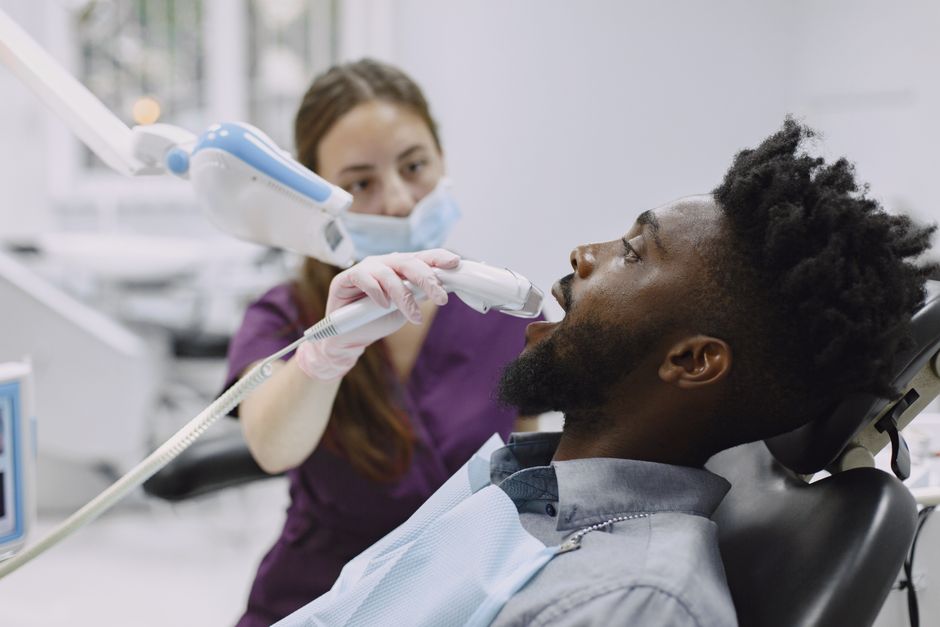
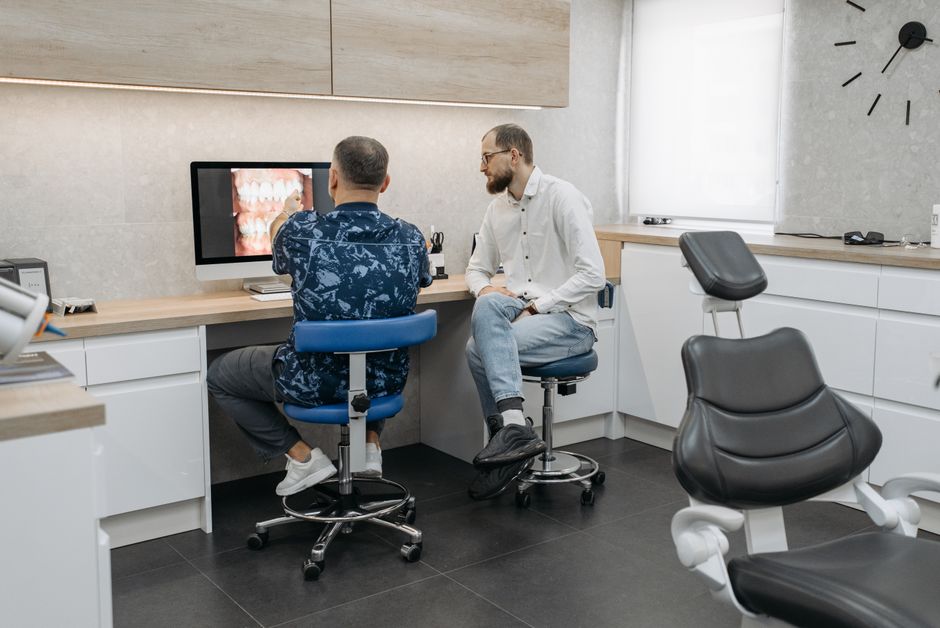
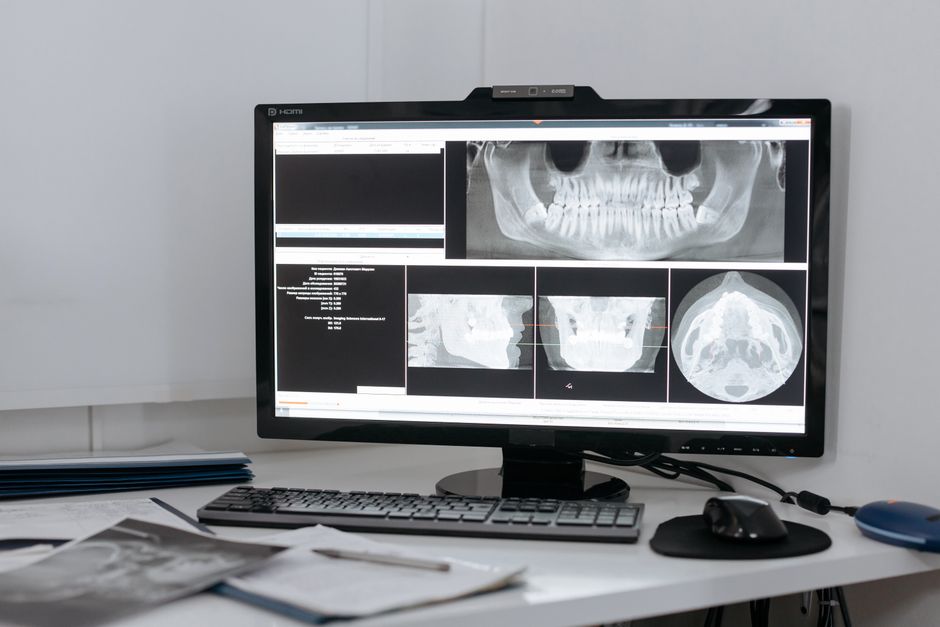
Digital workflows can support more predictable planning by improving diagnostics and communication. In educational settings, clinicians often learn how to integrate CBCT interpretation, intraoral scanning, and digital smile design into a single planning pathway. For medically complex patients, clearer planning can help reduce chairside improvisation.
Using photography to improve communication and follow-up
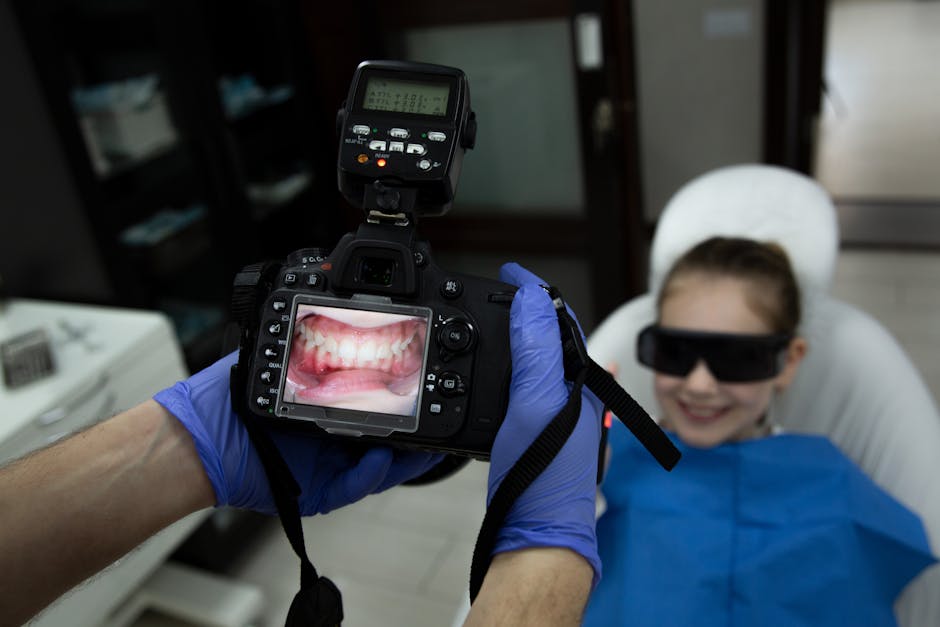
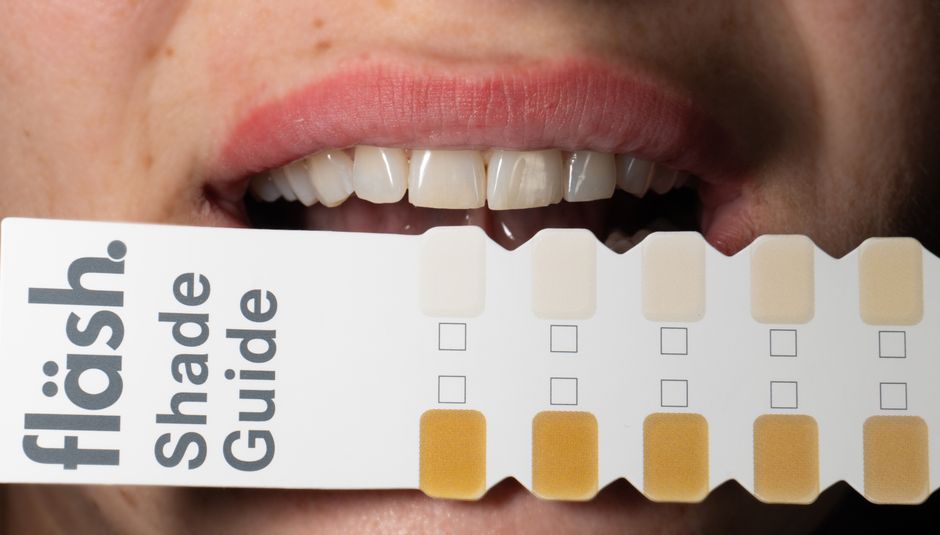
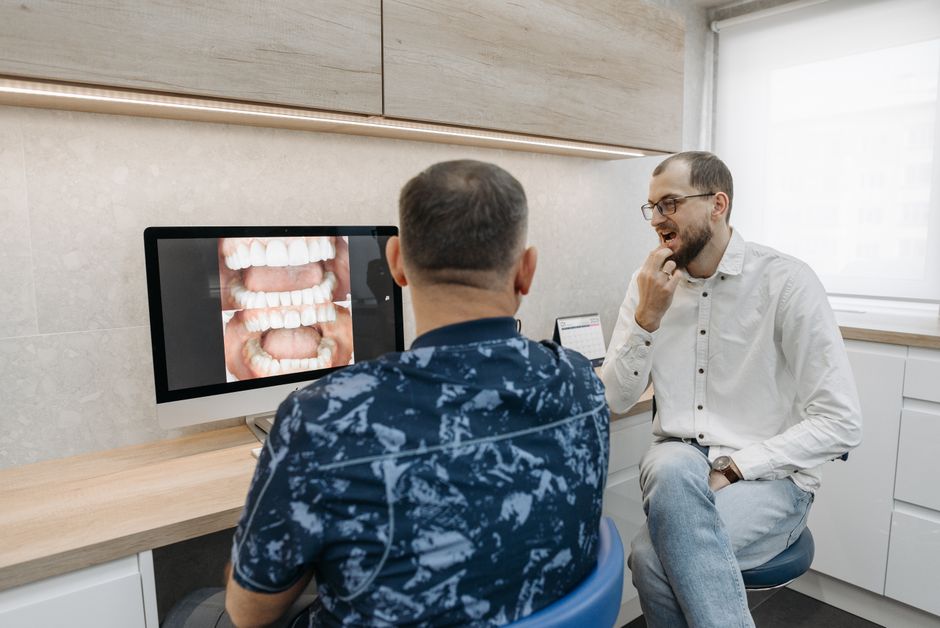
High-quality clinical photography is not only for marketing or cosmetic dentistry. It is a practical clinical tool to record soft-tissue status, plaque indices, provisional contours, and peri-implant mucosa changes over time. For diabetic patients—where inflammation trends can matter—baseline and follow-up images can help both the clinician and patient notice changes early and improve adherence to maintenance.
Aesthetics after tooth loss: veneers, smile design, and realistic expectations
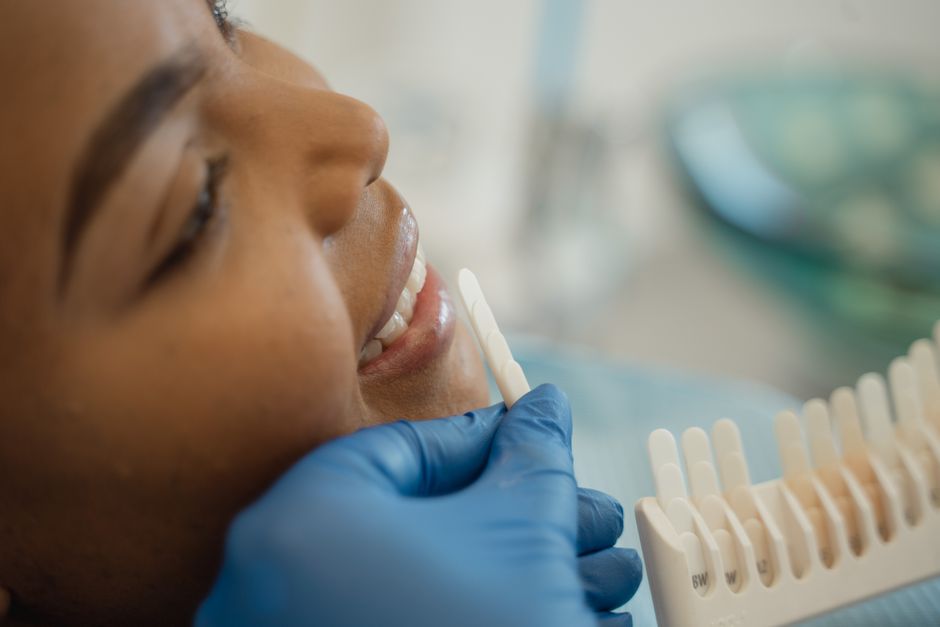
Diabetes-related tooth loss often comes with a broader story: long-term periodontal damage, drifting teeth, loss of vertical dimension, and compromised aesthetics. Some patients may ask for a “smile makeover,” sometimes before foundational health issues are stabilized. A clinician’s role is to sequence care safely: control inflammation, rebuild function, and then enhance aesthetics using conservative principles.
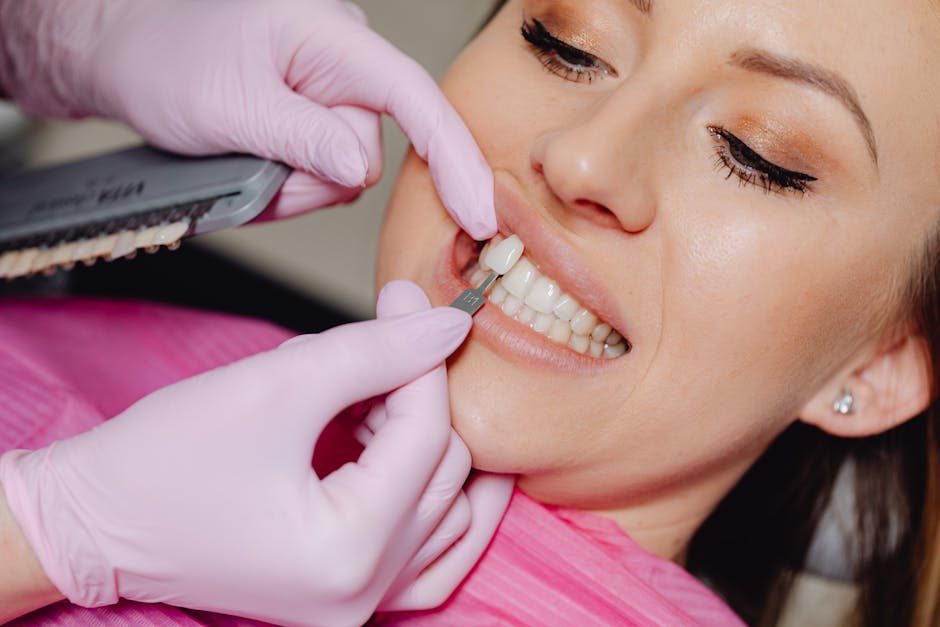
When veneers are part of the plan—either to harmonize anterior aesthetics after implant crowns or to refine natural tooth morphology—precision matters. Over-preparation, margin placement errors, and occlusal mismanagement can create avoidable complications. For practical learning points, review Common Mistakes in Porcelain Laminate Veneers—and How to Avoid Them, which aligns well with a risk-aware restorative mindset.
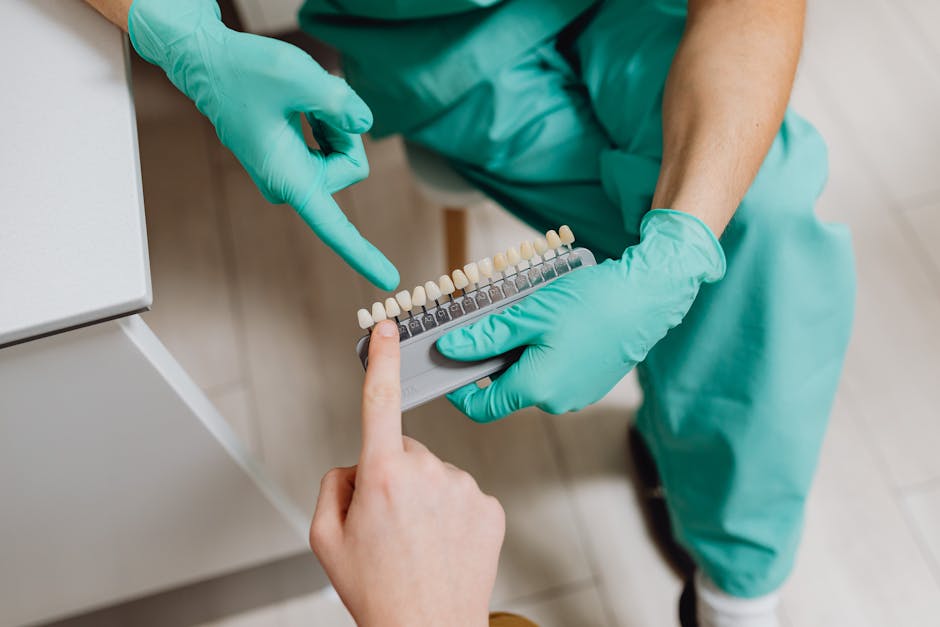
Similarly, many patients use the term “Hollywood smile” as a catch-all for brighter, straighter teeth. A clinically grounded approach should connect the aesthetic request to periodontal status, occlusion, and material selection. For an overview that blends modern digital planning with restorative strategy, see Hollywood Smile: A Clinician’s Guide to Modern Smile Makeovers.
Special populations and differential diagnosis: learning to broaden the lens
Not every case of enamel breakdown, sensitivity, or rapid tooth deterioration is primarily “because of diabetes.” In education, one of the most valuable skills is differential diagnosis—recognizing when an underlying developmental condition, erosion pattern, or restorative history is driving tooth structure loss.
For example, enamel defects in younger patients can significantly influence restorative planning, bonding strategy, and long-term maintenance. If you want to expand your diagnostic thinking around enamel disorders, Amelogenesis Imperfecta in Children: Signs, Diagnosis, and Dental Management offers a structured introduction that is useful for students and clinicians alike.
Maintenance: where diabetes and implants intersect long-term
Long-term success with implants depends on consistent supportive care. In patients with diabetes, maintenance is not merely “a cleaning appointment”—it is risk management. Professional monitoring may include peri-implant probing (where appropriate), bleeding indices, occlusal evaluation, radiographic review when indicated, and reinforcement of home-care technique. Clear documentation and patient-centered communication are essential.
From a clinical education perspective, maintenance is sometimes underemphasized compared to surgical excitement. Yet many real-world complications—peri-implant mucositis, peri-implantitis, prosthetic screw loosening—are detected and managed in maintenance settings, not in the operating room.
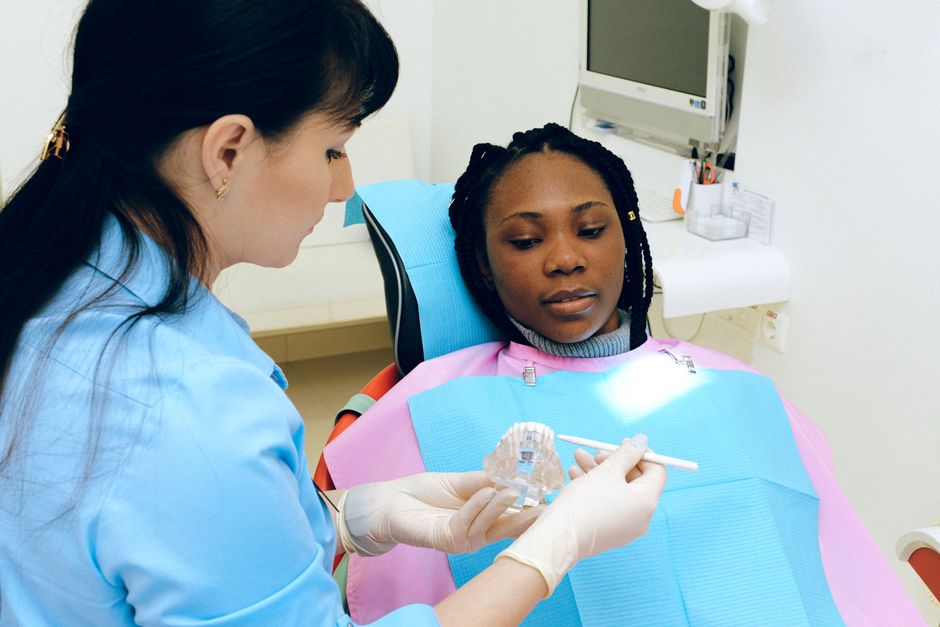
Patient communication that supports adherence
Consider framing maintenance as part of the “total cost of ownership” of implant therapy: patients invest in surgery and prosthetics, and maintenance protects that investment. In diabetes, reinforcing the benefits of stable oral inflammation control may also support broader health goals—without making promises or overstepping into medical management.
Learning pathway for clinicians: from risk assessment to hands-on competence
For dentists and dental students, managing implant cases in medically complex patients is a progression: understanding systemic risk, mastering diagnostics, planning prosthetics, executing atraumatic surgery, and delivering a maintainable restoration. This is where structured continuing dental education becomes valuable.
At Istanbul Dental Academy, our educational philosophy emphasizes bridging theory with clinical realities through case-based learning and hands-on training. Whether you are strengthening your implant planning workflows, improving soft-tissue management, or integrating digital tools into restorative-prosthetic sequencing, guided practice can help you make safer, more predictable decisions—especially in patients where healing and inflammation control are central concerns.
Key takeaways
• Diabetes is closely linked to periodontal disease, which remains a leading driver of tooth loss.
• Implant therapy can be viable, but planning should be individualized with attention to tissue health and maintenance capacity.
• Full-arch solutions require careful biomechanical and hygiene-focused decision-making, not just protocol selection.
• Digital planning, photography, and prosthetic design for cleansability support long-term predictability.
• Continuing education and hands-on courses help clinicians translate risk assessment into practical, patient-centered care.
This content is for educational purposes and does not constitute medical or treatment advice. Clinical decisions should be made based on individual assessment, current evidence, and appropriate interprofessional collaboration.
Diğer Yazılar