
BLOG
Digital Smile Design for Predictable Aesthetic Outcomes

Why Digital Smile Design Matters in Modern Aesthetic Dentistry
Patients increasingly arrive with clear aesthetic expectations—often influenced by social media images, celebrity smiles, and “instant makeover” narratives. For dental professionals, the challenge is to translate those expectations into a plan that is biologically respectful, functionally stable, and realistically achievable. Digital Smile Design (DSD) has become a practical framework for doing exactly that: it organizes clinical records, supports diagnosis, and improves communication among the dentist, patient, and dental laboratory.
In educational settings, DSD is also valuable because it teaches clinicians to think beyond single-tooth aesthetics. By integrating facial reference lines, phonetics, occlusal concepts, gingival architecture, and restorative material choices, DSD can help clinicians approach esthetic cases with greater predictability. At Istanbul Dental Academy, digital workflows are often discussed not as a “software feature,” but as a clinical decision-making process—one that benefits from hands-on practice, calibrated photography, and interdisciplinary case planning.
This content is for educational purposes only and does not replace individualized clinical judgment, diagnosis, or treatment planning.
Core Components of Digital Smile Design
1) Comprehensive data capture: photos, video, scans, and clinical notes
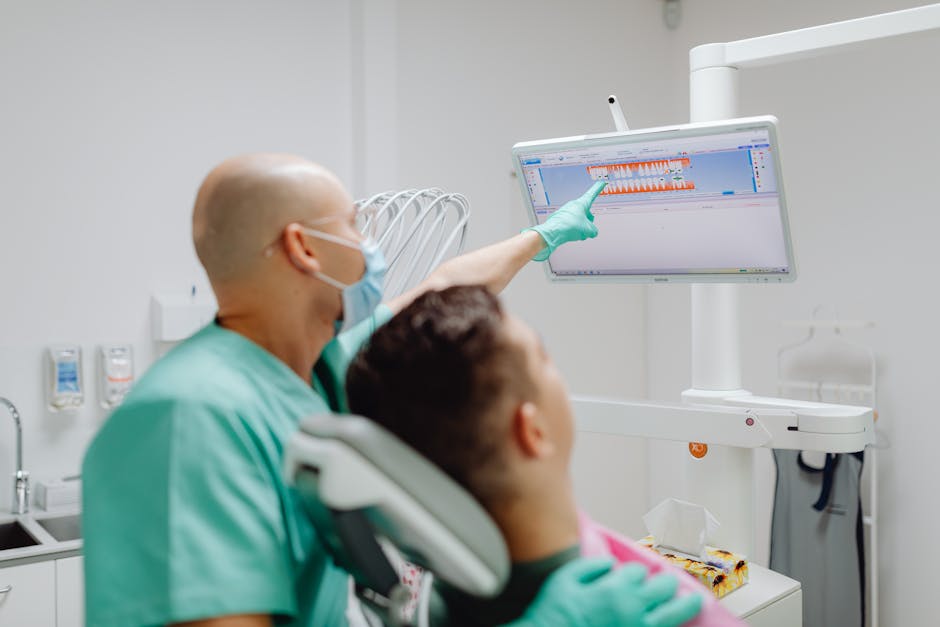
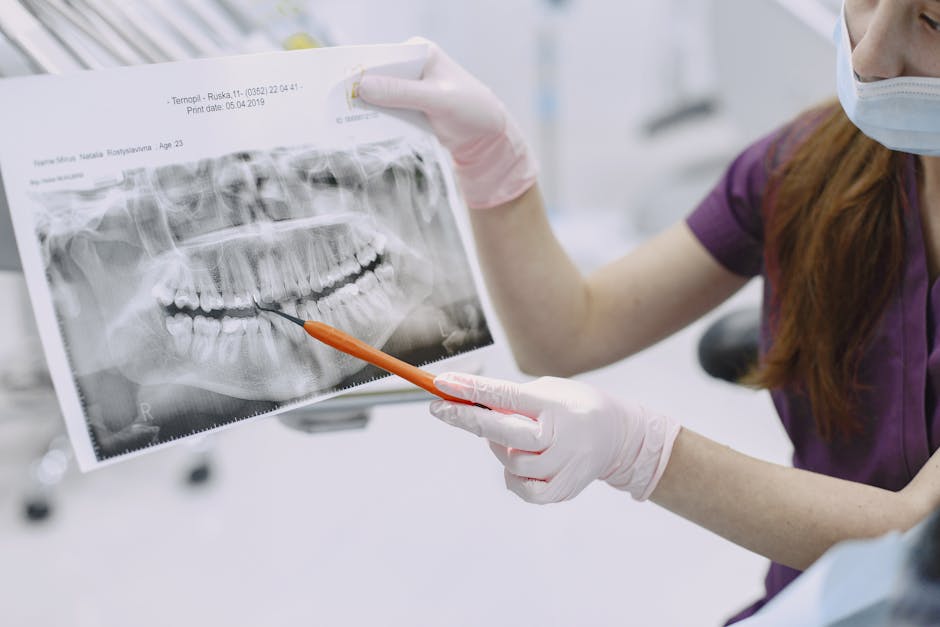
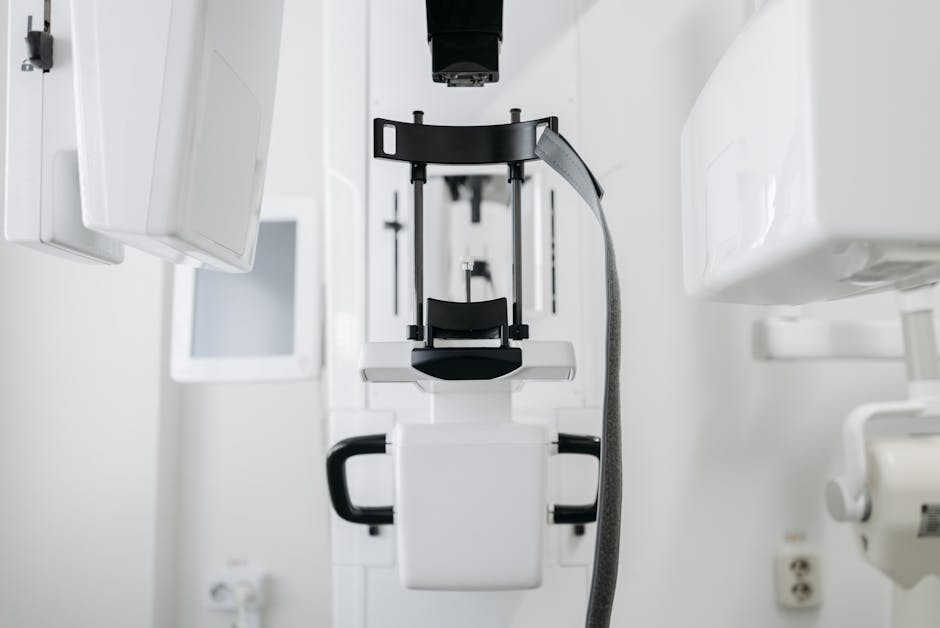
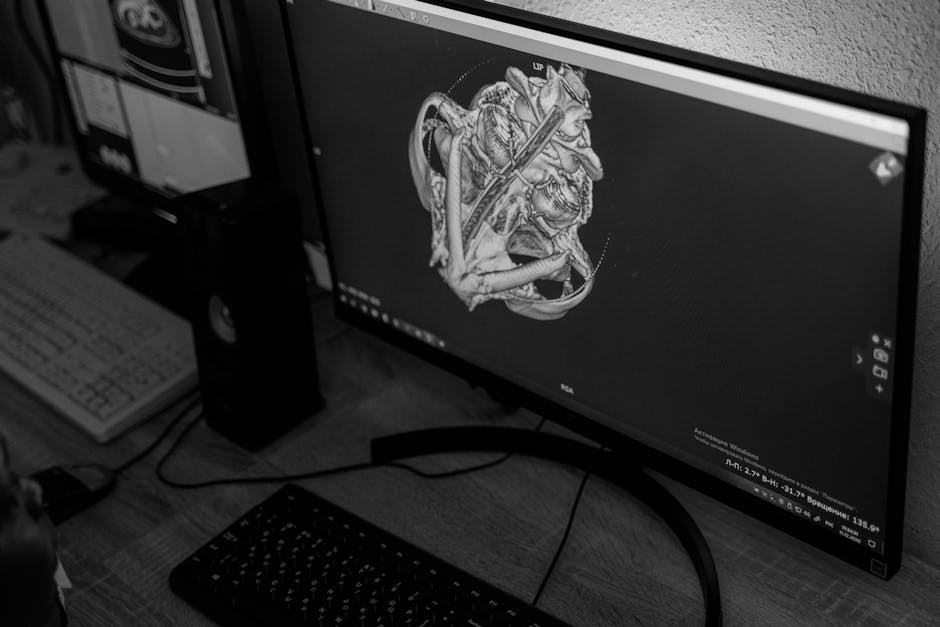
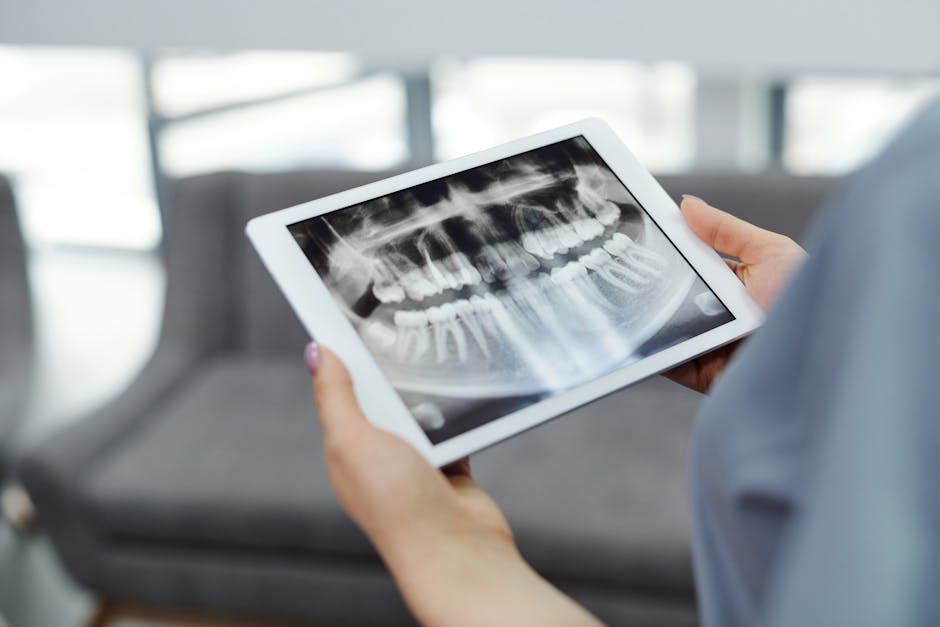
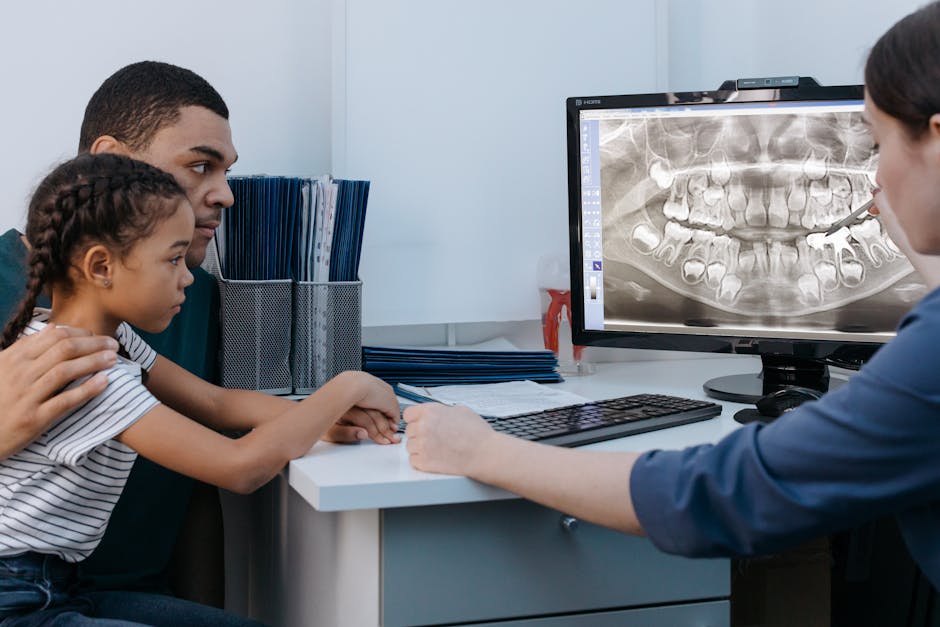
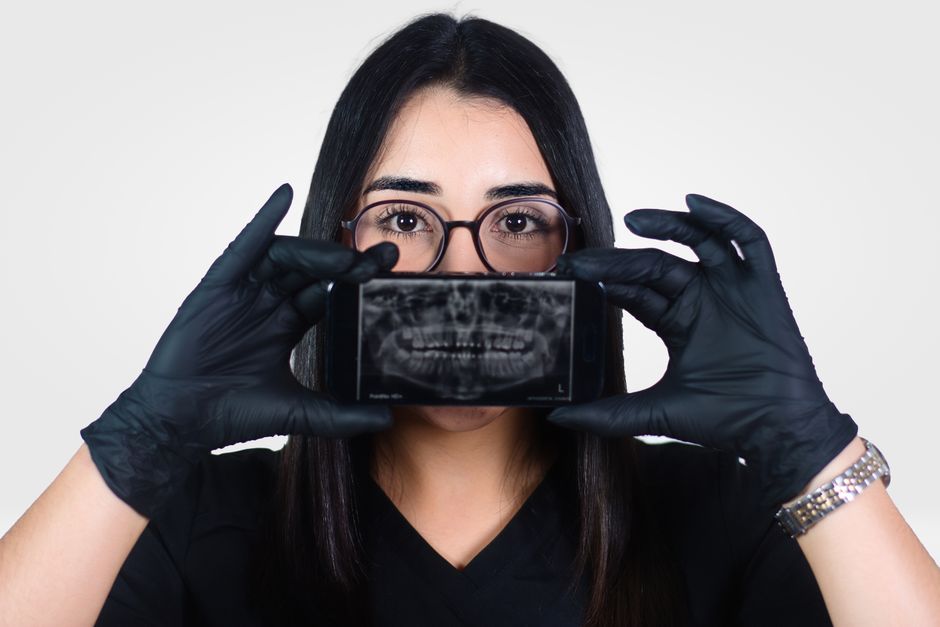
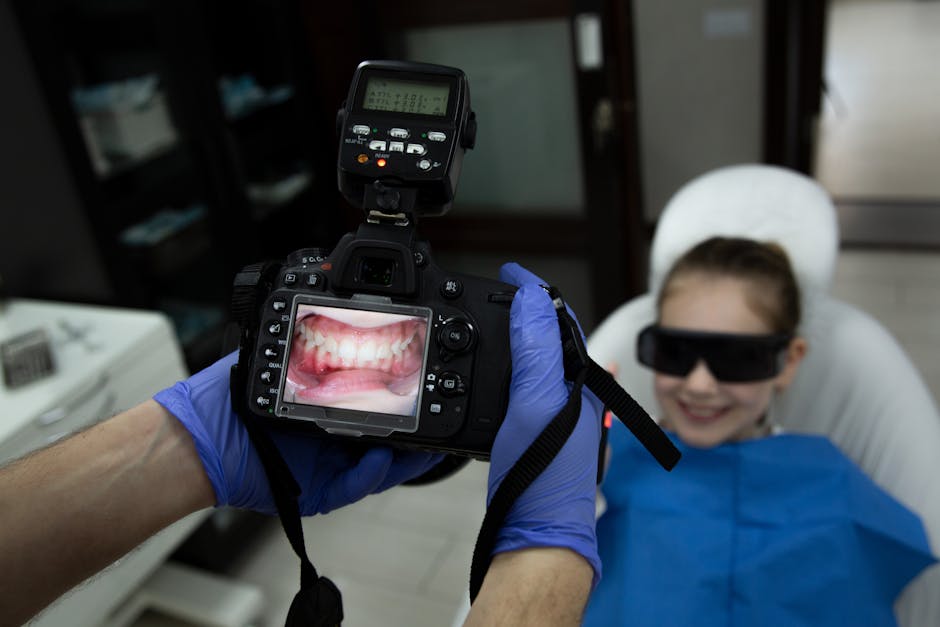
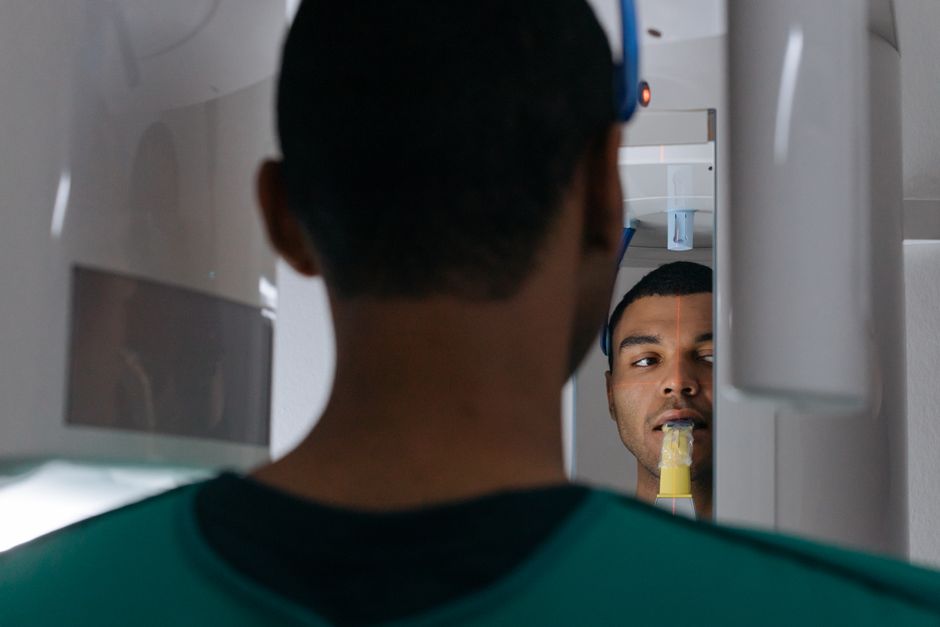
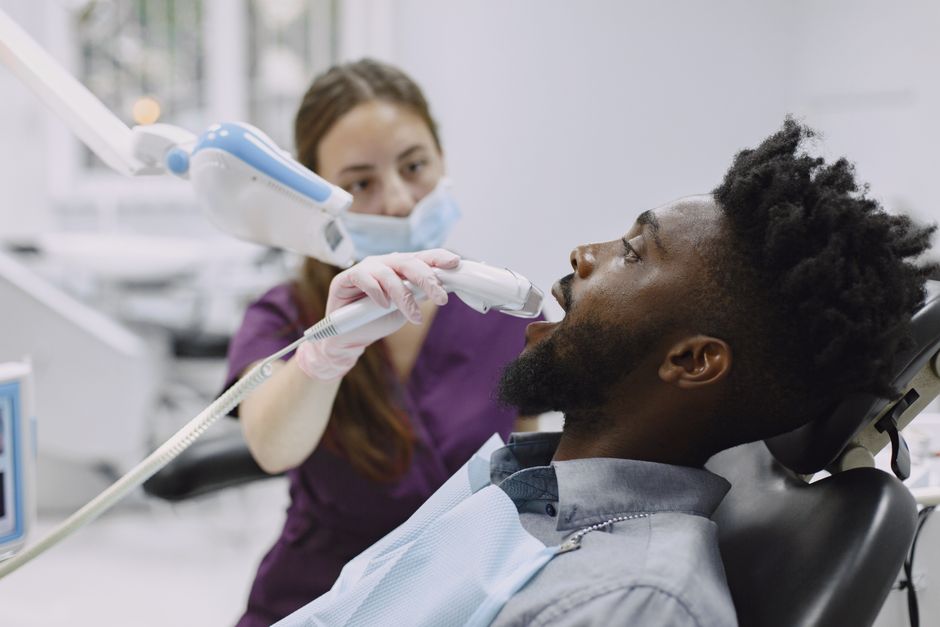
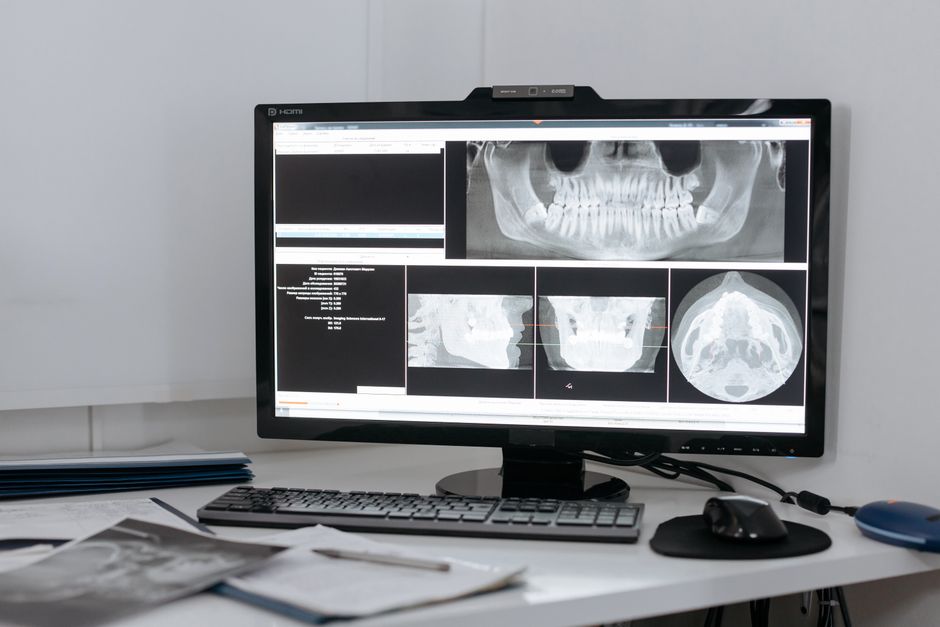
DSD begins with reliable records. High-quality extraoral and intraoral photographs, short video clips (for dynamic smile evaluation), and intraoral scans or conventional impressions provide a dataset that can be analyzed and shared. Dental photography is especially critical because it influences how you interpret midline, occlusal cant, incisal edge position, tooth display at rest, and gingival symmetry.
In day-to-day practice, consistency matters more than “perfect equipment.” A repeatable photo protocol (frontal full-face, smile, retracted intraoral views, occlusal views) can dramatically improve diagnostic accuracy and lab communication, even when cases vary in complexity.
2) Facial and dental analysis: reference lines and proportions
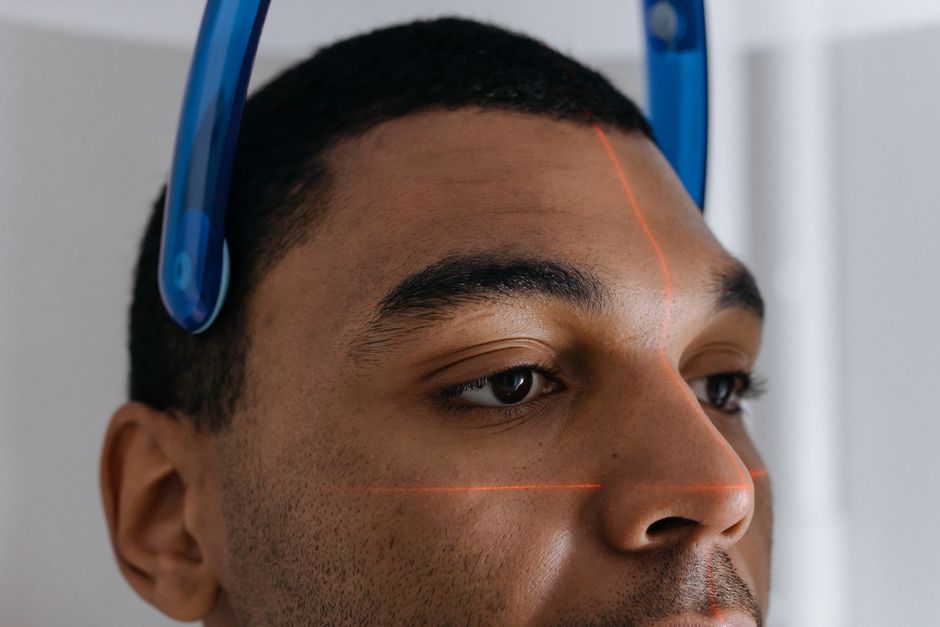
Most DSD systems align facial reference lines (interpupillary line, facial midline, lip dynamics) with dental landmarks (incisal edges, gingival zeniths, midline, buccal corridor). The purpose is not to force every smile into a mathematical template, but to identify discrepancies that may affect aesthetics—such as occlusal plane canting, asymmetrical gingival levels, or uneven incisal edge positions.
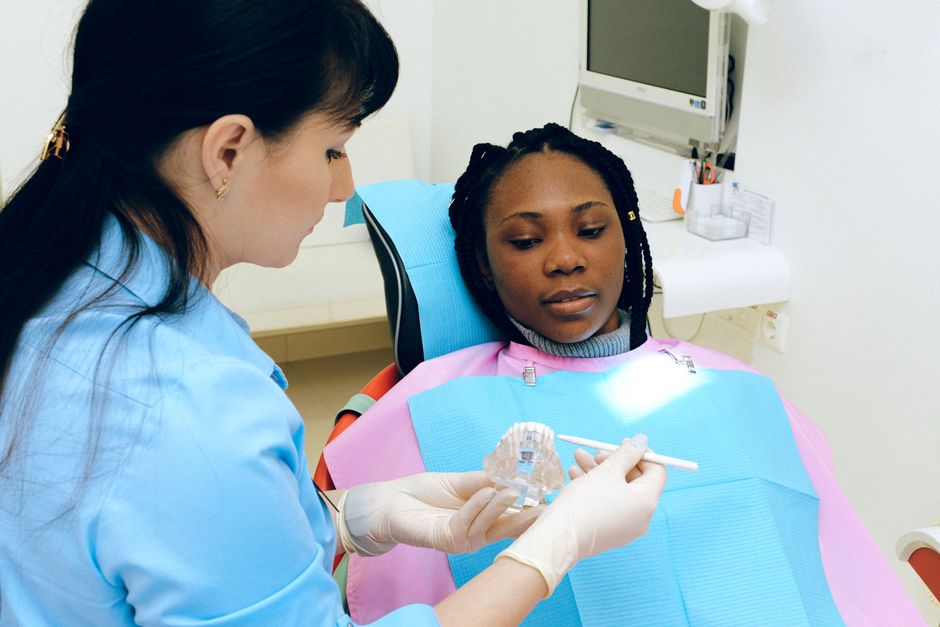
Clinically, this analysis supports a structured conversation: What is the patient’s chief concern? What can be changed restoratively? What requires periodontal or orthodontic input? What should be preserved to maintain function and tooth structure?

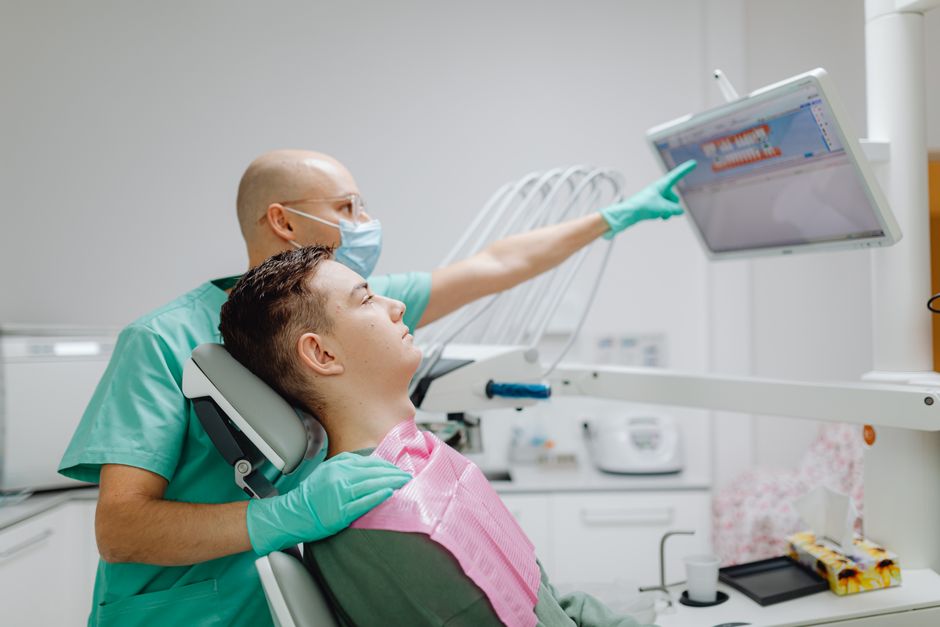
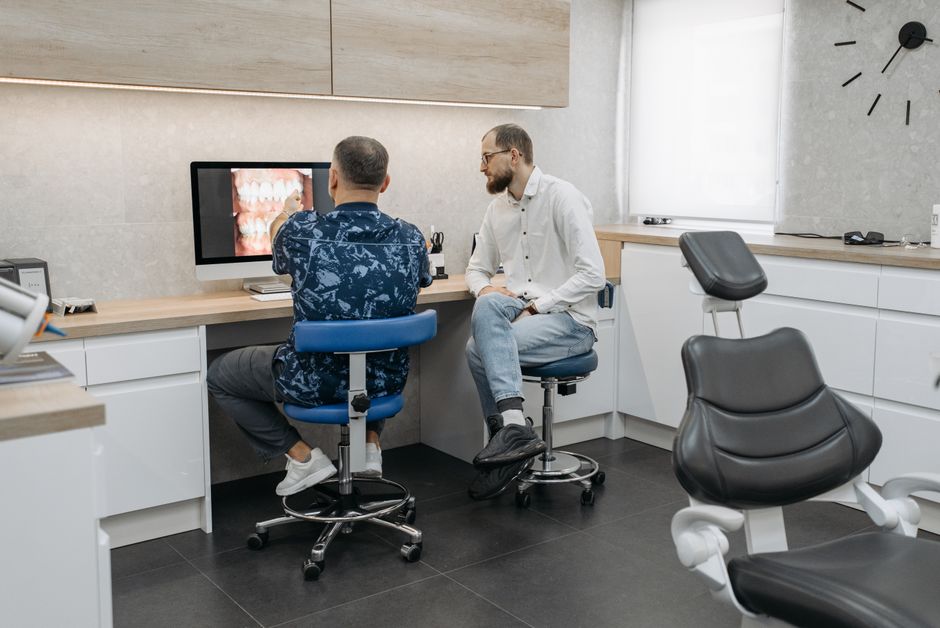
3) Digital wax-up and mock-up: from screen to mouth
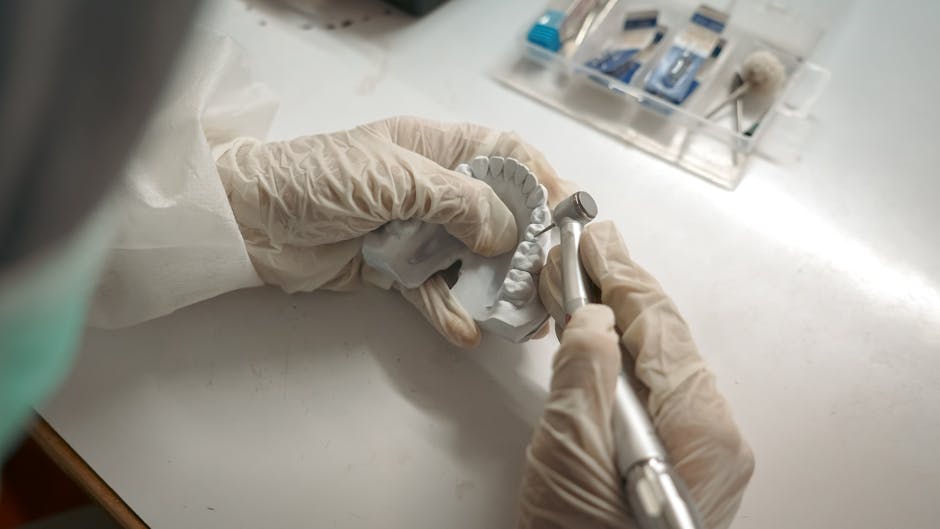
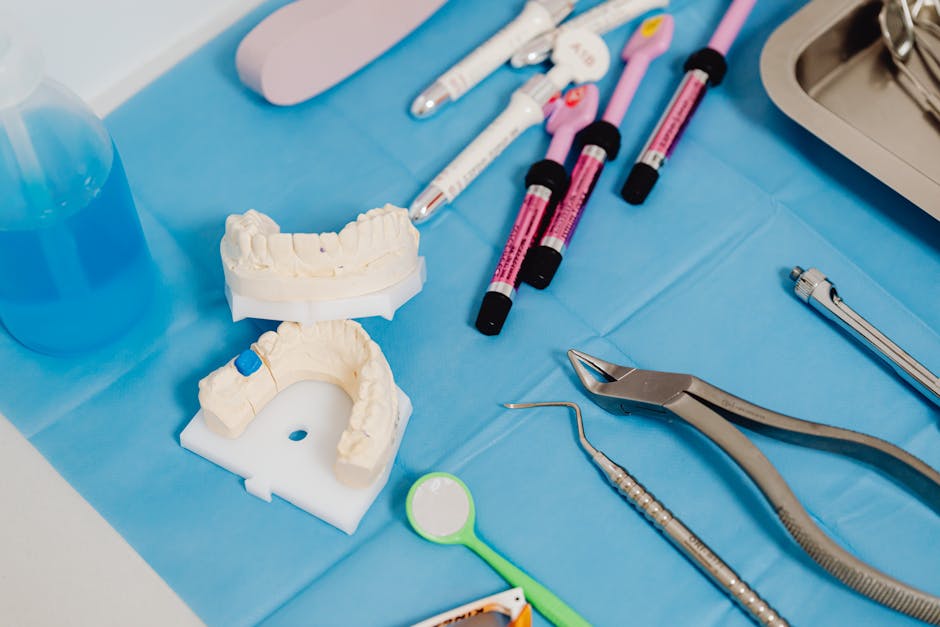
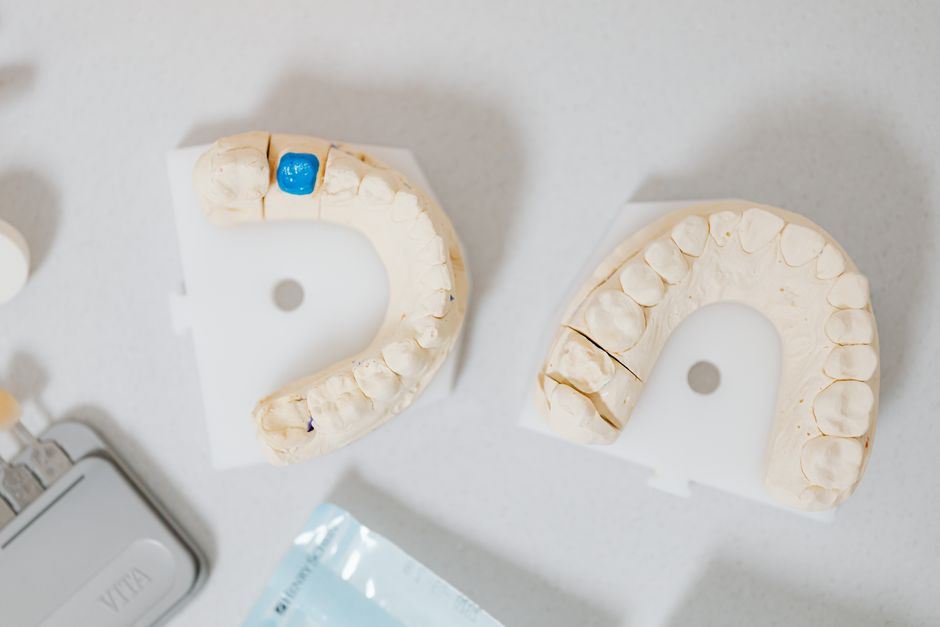
The most meaningful “moment” in DSD is often not the on-screen proposal—it’s the conversion into a diagnostic wax-up (digital or conventional) and an intraoral mock-up. Mock-ups allow functional and aesthetic evaluation in the patient’s mouth: phonetics (“F” and “V” sounds), smile line harmony, and incisal edge position can be assessed with real lip movement, not static photos.
This step also improves informed consent. Rather than asking a patient to imagine outcomes, clinicians can show a tangible preview and revise it collaboratively before definitive tooth preparation or restorative fabrication begins.
DSD as an Interdisciplinary Planning Tool
High-level aesthetic outcomes rarely depend on a single procedure. DSD makes it easier to stage treatment across disciplines and to communicate sequencing clearly.
Restorative dentistry: conservative design and material strategy
DSD encourages minimally invasive planning because it visually highlights how much change is required to achieve the goal. When restorative needs extend beyond veneers—particularly in posterior load-bearing zones—material selection and preparation design become central to longevity. For clinicians refining their posterior strategy alongside aesthetic planning, the clinical considerations discussed in When to Choose Onlay vs Overlay Restorations: Clinical Decision-Making can help align functional demands with conservative tooth preservation.
Similarly, adhesive performance is often the foundation of predictable aesthetics, especially when margins are conservative and enamel bonding is intended. A structured overview such as Contemporary Adhesive Techniques for Posterior Restorations: A Clinical-Ready Guide complements DSD planning by connecting design decisions to bonding protocols and isolation principles.
Prosthodontics and veneer cases: selection and execution
Porcelain laminate veneers are frequently associated with smile design, but case selection remains the gatekeeper of success. Factors like parafunction, incisal edge wear, enamel availability for bonding, occlusal scheme, and existing restorations all influence whether veneers are appropriate—and whether they should be combined with other restorative designs.
For a clinically focused overview of indications and contraindications, see Case Selection for Porcelain Laminate Veneers: A Clinical Guide. Once a veneer plan is established, the “final meter” of the workflow—cementation—can determine shade stability, marginal adaptation, and postoperative sensitivity risk. Practical considerations highlighted in Porselen Lamina Simantasyonunda Kritik Noktalar can be read as the clinical bridge between a digital proposal and a durable clinical result.
Periodontology: gingival symmetry, biologic width, and emergence profiles
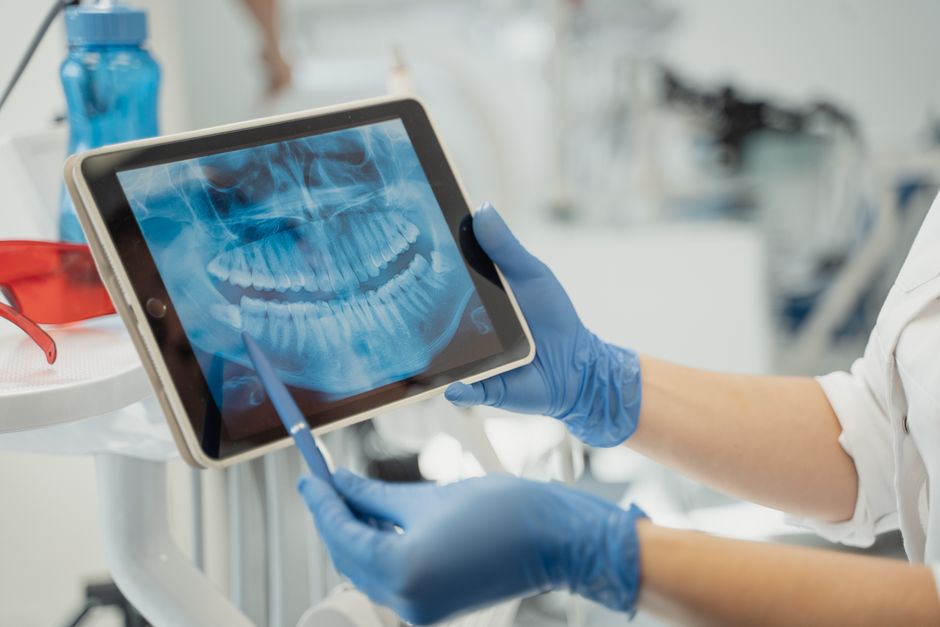
Digital designs often reveal that the desired tooth proportions depend on gingival architecture. In such cases, periodontal considerations—such as tissue thickness, gingival margin levels, and the restorative margin position—become essential. DSD can support periodontal-restorative communication by documenting the target gingival zenith positions and showing how tissue changes influence tooth shape.
Even in cases that appear “purely cosmetic,” clinicians should remain cautious: tissue stability, inflammation control, and clean restorative margins often contribute more to long-term aesthetics than the initial shade selection.
Endodontics and occlusion: foundational stability for aesthetic work
DSD may also uncover functional risk factors: uneven wear facets, loss of vertical dimension, or compromised tooth structure. In some patients, endodontic status and structural reinforcement influence whether a tooth can predictably support an aesthetic restoration. Aesthetics are not isolated; they are built on biomechanics and occlusal stability.
Digital Dentistry Workflows: DSD Meets CAD/CAM
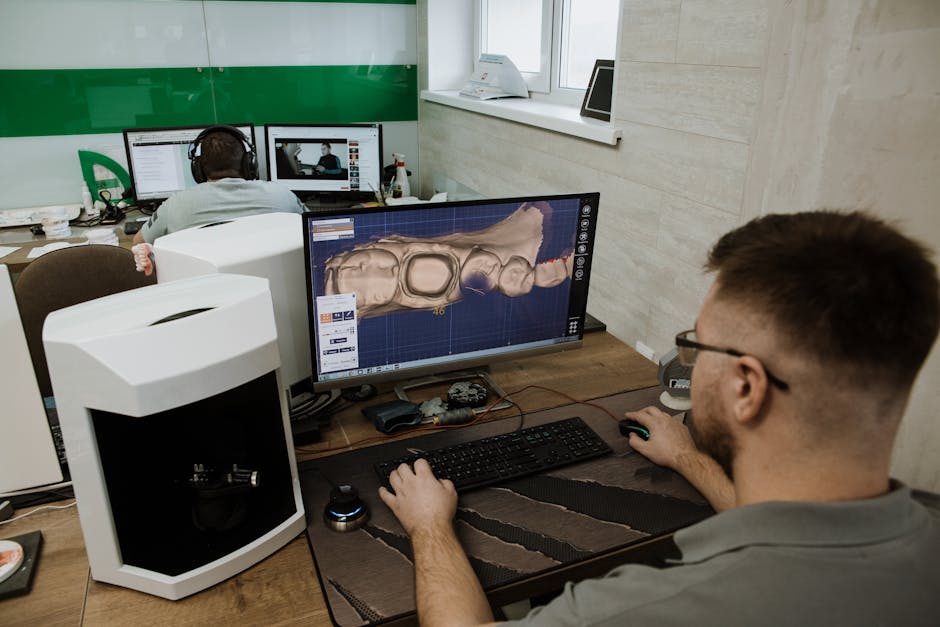
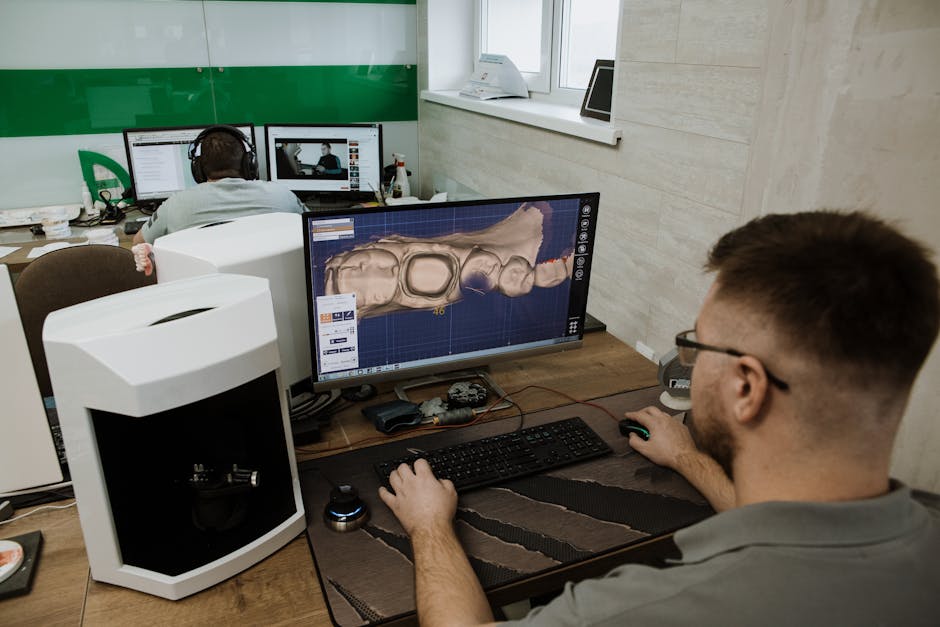
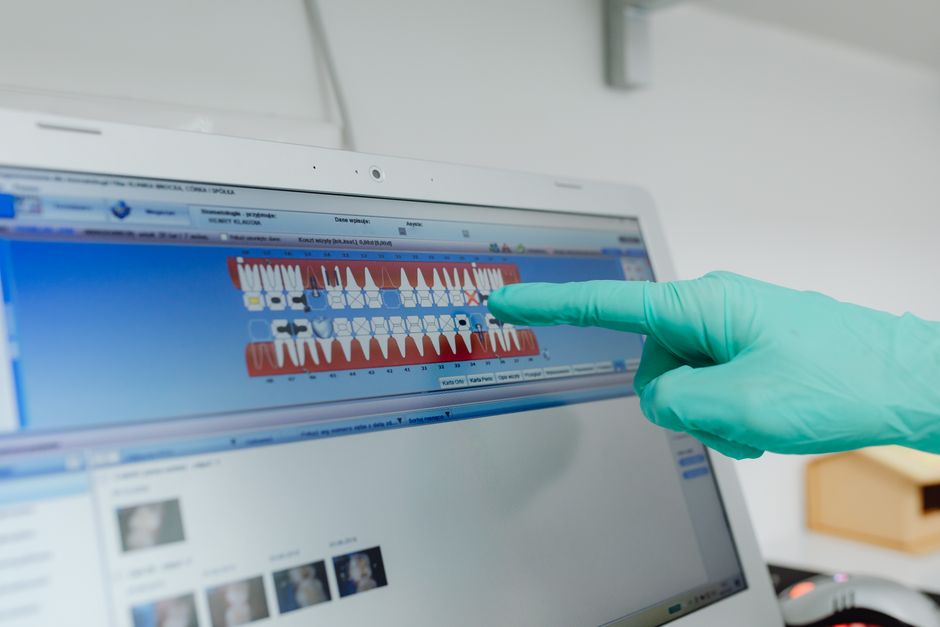
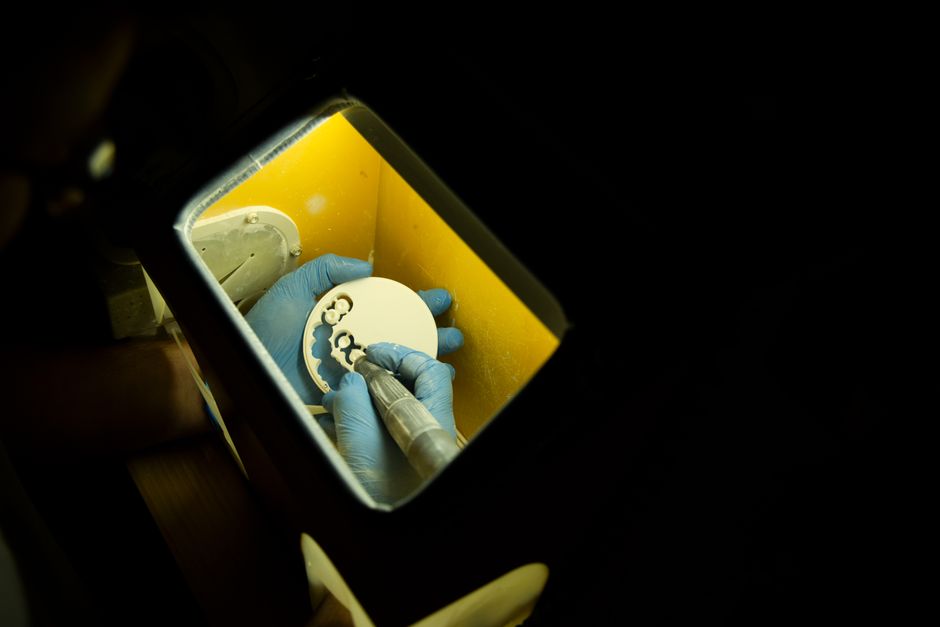
Today’s aesthetic dentistry often combines DSD with intraoral scanning, CAD design, and CAM manufacturing. This can streamline communication with the lab and reduce remakes by aligning the planned contours with the fabricated restorations.
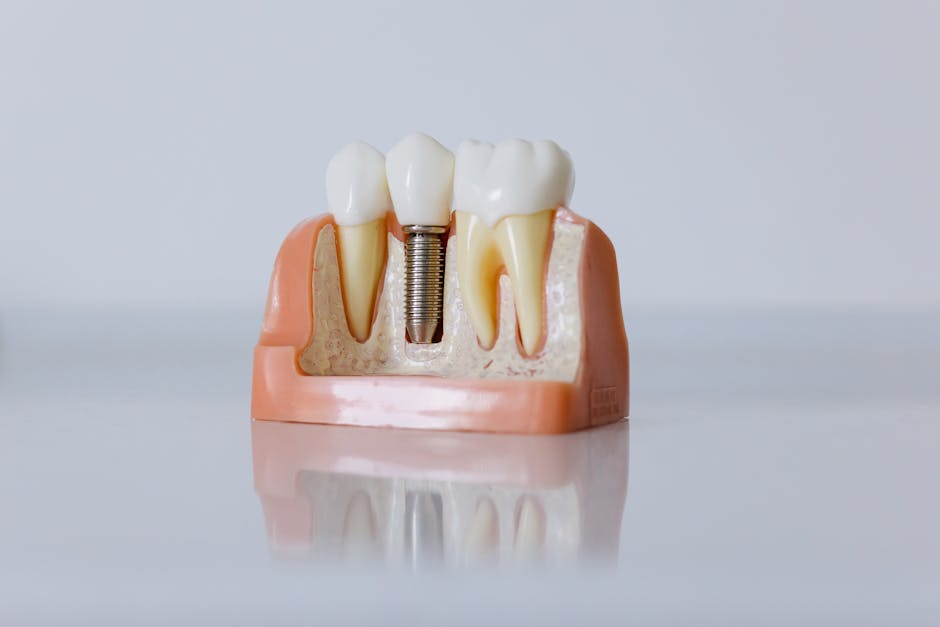
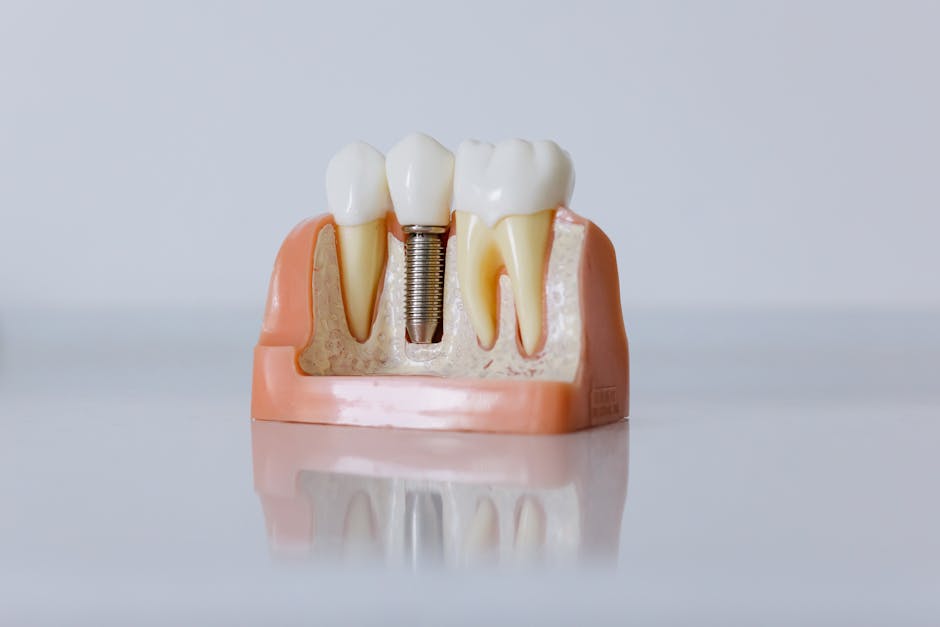
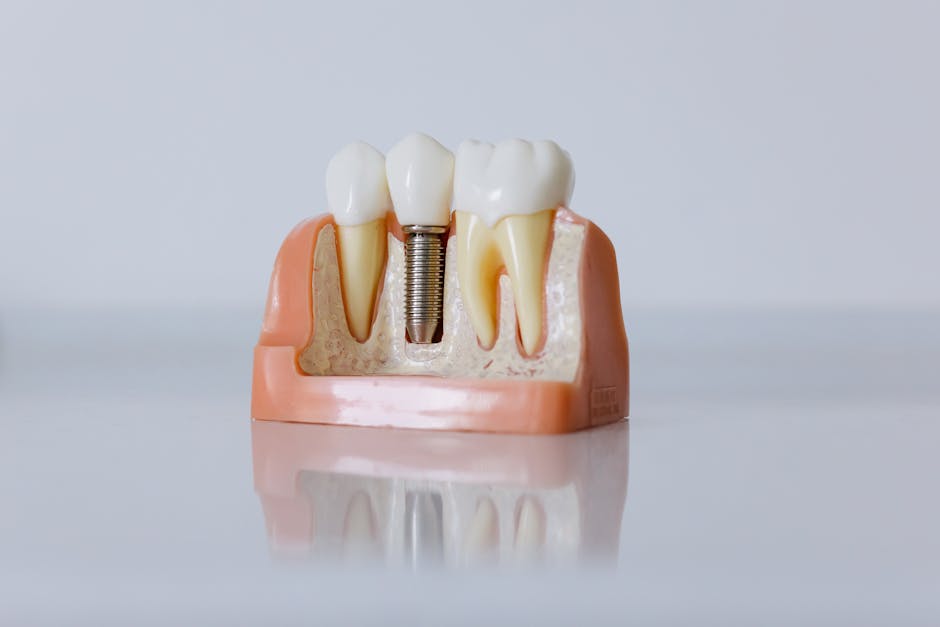
In implant dentistry, digital planning has a particularly strong impact on predictability because prosthetically driven positioning influences soft-tissue emergence, crown contours, and smile-line harmony. For clinicians exploring how digital workflows connect surgical planning with prosthetic outcomes, The Role of CAD/CAM Technology in Modern Implant Dentistry provides a useful educational overview.
From an academy perspective, the key learning point is not simply “use CAD/CAM,” but understand how each digital step changes clinical decisions: margin placement, cementation strategy, occlusal contact design, and the extent to which the final restoration matches the mock-up.
Clinical Predictability: Where Aesthetic Plans Commonly Succeed or Fail
Communication gaps: patient expectations vs. clinical limitations
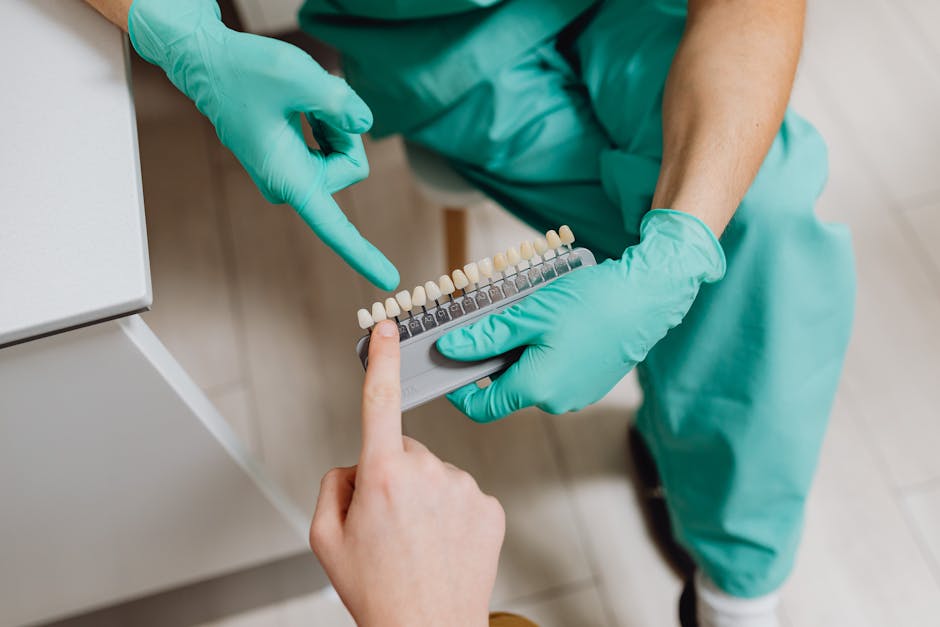
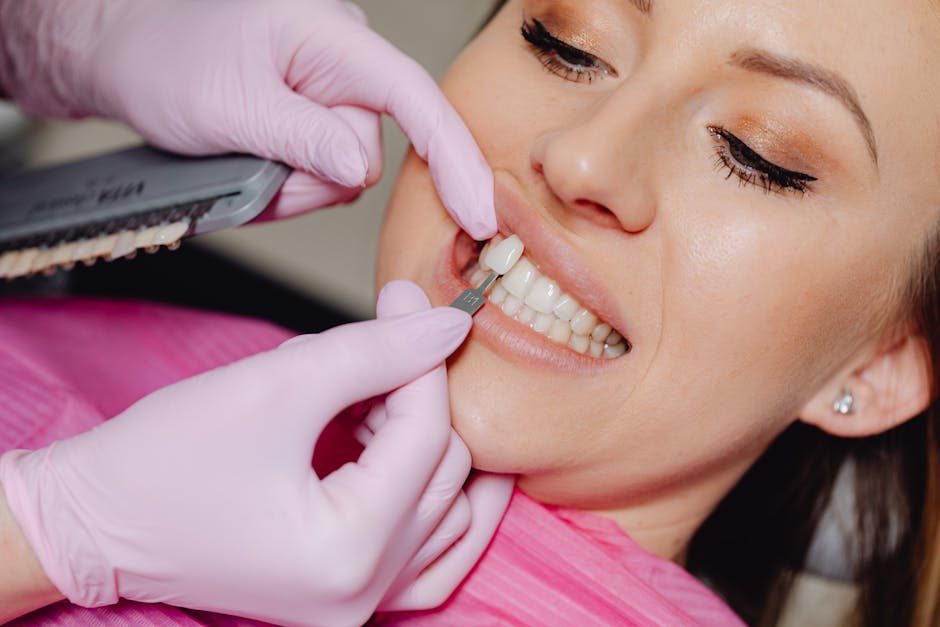
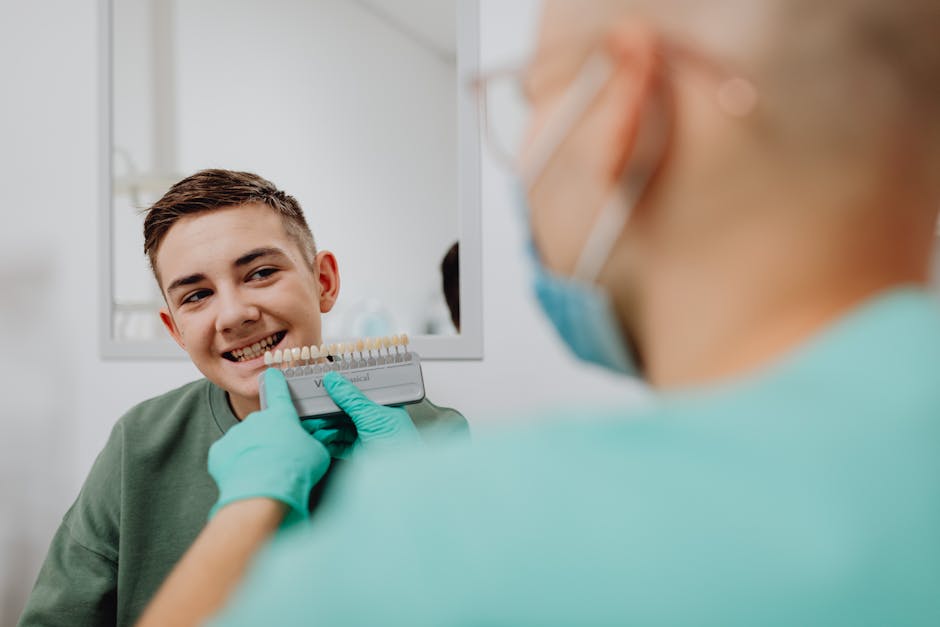
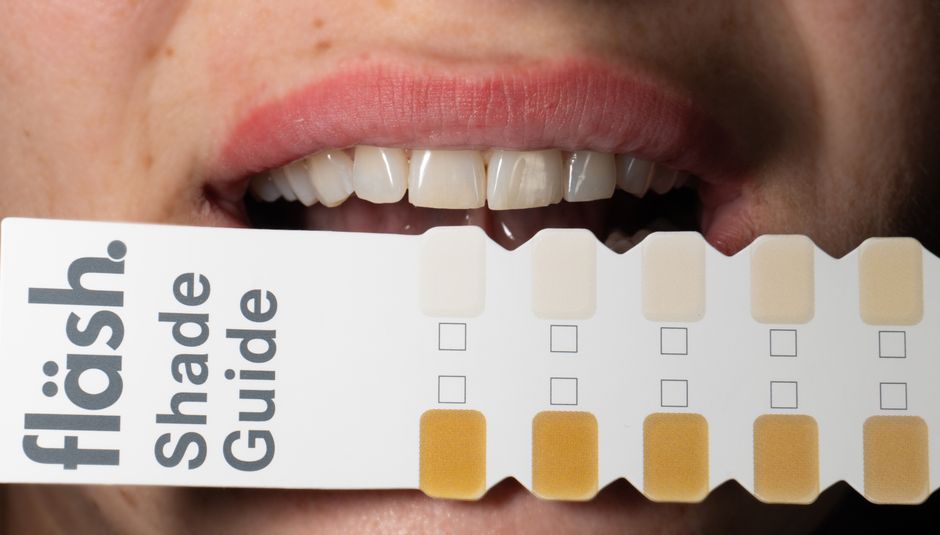
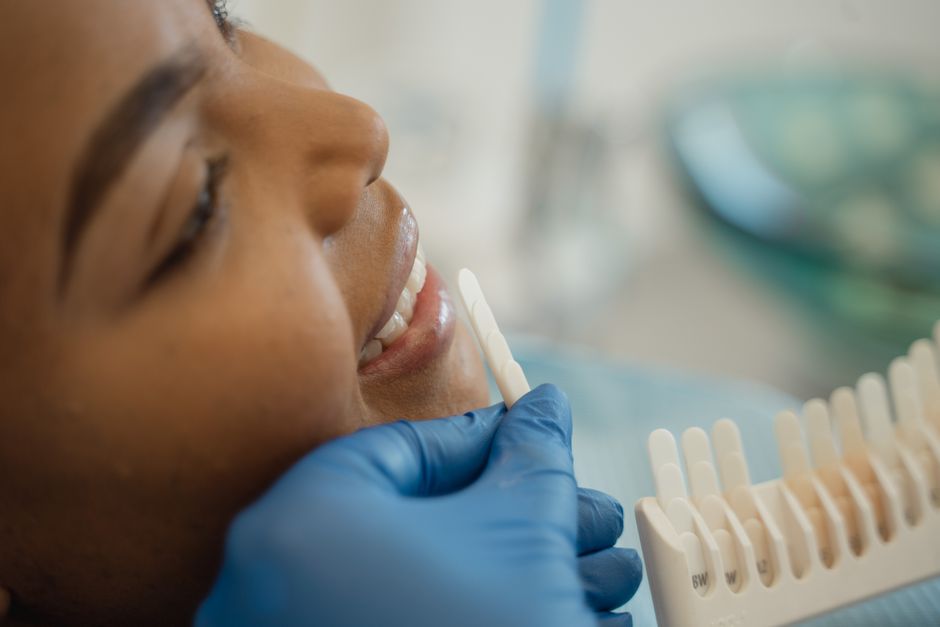
DSD can support expectation management, but only if clinicians translate the plan into realistic outcomes. Tooth color limitations, translucency differences, and pre-existing restorations can restrict what is achievable. A strong workflow includes clear documentation, shade mapping, and an explanation of what will be changed versus what will remain.
Photography and calibration errors
Inconsistent head position, lens distortion, and inaccurate shade representation can mislead planning. Simple improvements—standardized framing, consistent retractors, and controlled lighting—can significantly increase reliability. For dental professionals, practicing these protocols repeatedly in a course environment helps turn “knowing” into “doing.”
Over-preparation and biologic compromise
Aesthetic cases can drift toward aggressive preparation if the design goal is not aligned with tooth anatomy. DSD is most valuable when it reinforces conservative goals: preserve enamel when possible, respect periodontal tissues, and avoid subgingival margins unless there is a clear rationale.
Adhesion, isolation, and cementation details
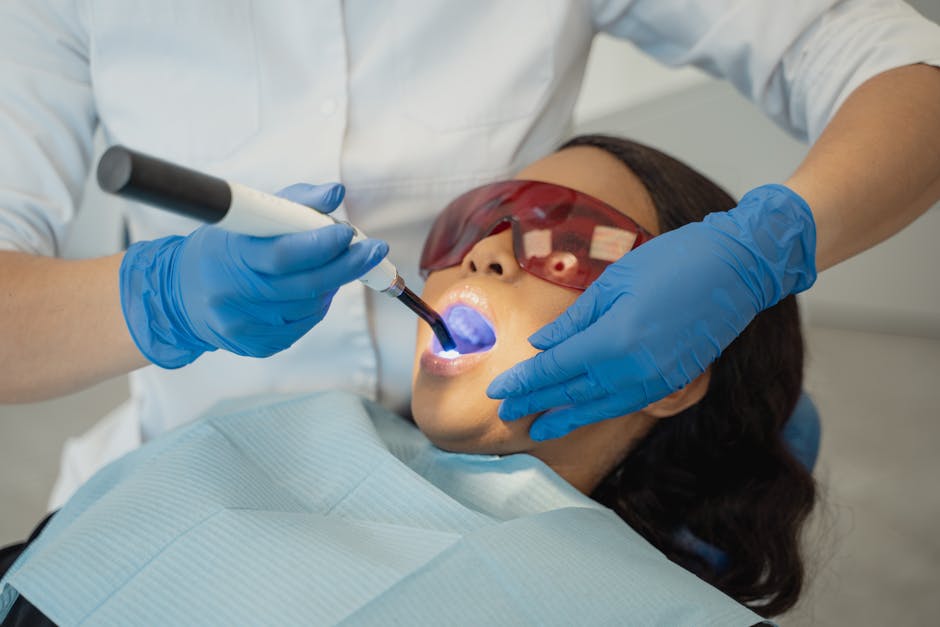
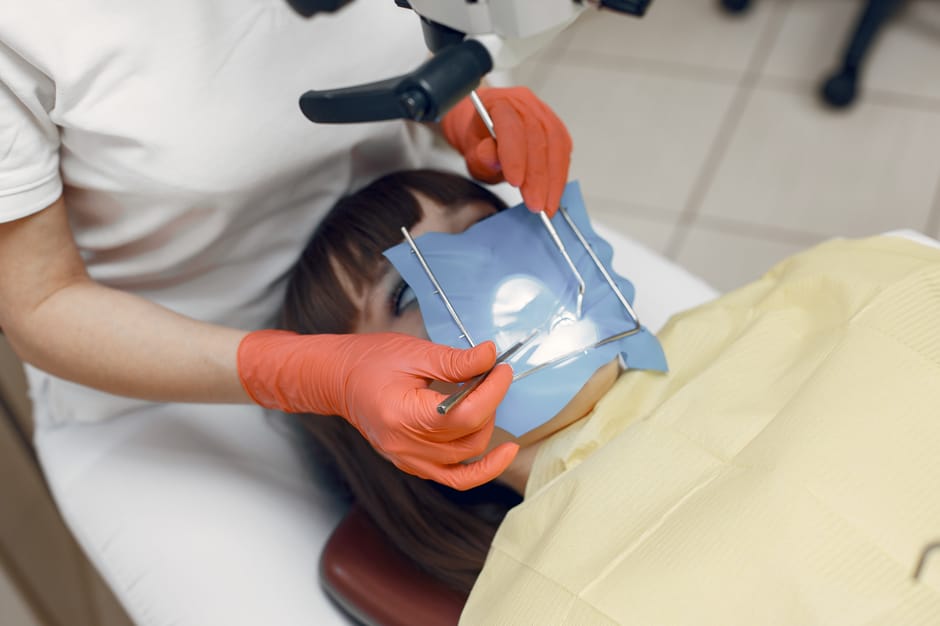
Clinical execution—rubber dam or alternative isolation strategies, surface conditioning, primer selection, curing protocols—can make or break long-term success. Digital planning does not replace the need for meticulous adhesive and cementation technique; it simply clarifies what you are aiming to achieve.
How Istanbul Dental Academy Approaches DSD Education
For dentists and dental students, digital smile design is best learned as a sequence of repeatable clinical steps rather than a “one-time software demonstration.” Istanbul Dental Academy emphasizes hands-on learning that connects:
• Record taking (photography, video, scanning) with diagnostic interpretation
• Digital planning with wax-up/mock-up translation
• Restorative execution with adhesive protocols and finishing/polishing
• Interdisciplinary thinking with case sequencing and complication prevention
In continuing dental education, clinicians often benefit from practicing with real case scenarios: selecting the appropriate restorative approach (veneers, onlays/overlays, full-coverage options), designing functional incisal edges, and learning how to communicate effectively with dental technicians. Because Istanbul is a hub for international dentistry and dental tourism, clinicians also frequently encounter diverse aesthetic demands—making structured smile design especially relevant in daily practice.
Practical Takeaways for Clinicians
Digital Smile Design can support aesthetic predictability when it is treated as a clinical workflow—not just a visual simulation. Strong outcomes typically rely on:
1) Standardized records and calibrated photography
2) Interdisciplinary diagnosis (periodontal, restorative, prosthodontic, occlusal considerations)
3) Mock-up validation and patient-centered communication
4) Conservative preparation strategies aligned with adhesive possibilities
5) Careful execution, especially in bonding and cementation steps
For dental professionals aiming to integrate DSD into daily practice, combining digital planning with hands-on training can shorten the learning curve and improve consistency—particularly in veneer cases, posterior adhesive restorations, and digitally planned implant workflows.
This content is for educational purposes only. Treatment decisions should be made based on a comprehensive clinical examination, patient-specific factors, and professional judgment.
Diğer Yazılar