
BLOG
Amelogenesis Imperfecta in Children: Signs, Diagnosis, and Dental Management
Understanding Amelogenesis Imperfecta (AI) in Children
Amelogenesis imperfecta (AI) is a group of inherited conditions that affect enamel formation. In children, AI may present early—sometimes as soon as primary teeth erupt—and can influence comfort, function, and confidence. For dental professionals, AI is also a clinically rich topic because diagnosis requires careful phenotype recognition, and management often spans pediatric dentistry, restorative dentistry, prosthodontics, periodontology, orthodontics, and, in selected cases later in life, implant dentistry.
This content is for educational purposes and is not a substitute for individualized diagnosis or treatment planning. Children with suspected AI should be evaluated by a dental professional with experience in developmental enamel defects.
Why AI Matters: Beyond “Weak Enamel”
Enamel is the tooth’s hardest tissue, designed to protect dentin and the pulp from thermal, chemical, and mechanical challenges. When enamel development is disrupted, teeth may be more prone to sensitivity, accelerated wear, chipping, plaque retention, and esthetic concerns. These clinical effects can also increase a child’s dental anxiety and complicate routine preventive care.
AI often prompts long-term planning: protecting tooth structure during growth, preserving occlusal vertical dimension, supporting psychosocial wellbeing, and preparing for definitive adult restorations. Because of this extended timeline, clinicians increasingly rely on digital documentation, staged restorative strategies, and interdisciplinary referrals.
Types of AI and Typical Clinical Features
AI is commonly classified by enamel quantity and quality. While genetic testing may support diagnosis, many cases are identified clinically and radiographically.
Hypoplastic AI (Less Enamel)
Enamel is thin or pitted, with surface irregularities. Teeth may look small, with spacing and altered contours. The enamel can be hard but insufficient in thickness, which may lead to sensitivity and esthetic concerns.
Hypomineralized / Hypocalcified AI (Softer Enamel)
Enamel thickness may appear relatively normal at eruption, but it is soft and prone to rapid breakdown. Children may present with “crumbly” enamel, discoloration (yellow-brown), and early loss of enamel leading to exposed dentin.
Hypomaturation AI (Enamel Doesn’t Mature Properly)
Enamel may be mottled, opaque, or have a snow-capped appearance. It can chip away from dentin due to altered prism structure, often causing sensitivity and wear.
Common Signs and Symptoms Parents May Notice
Although diagnosis is made clinically, caregivers often describe a pattern of concerns. Awareness helps clinicians guide families toward early evaluation and protective strategies.
Unusual tooth color: white, cream, yellow, or brown discoloration that does not improve with cleaning.
Chipping and rapid wear: edges breaking or flattening soon after eruption.
Tooth sensitivity: discomfort with cold, sweets, or brushing.
Rough surfaces: plaque retention and recurrent gingival inflammation.
Esthetic distress: reluctance to smile or speak, especially in school-age children.
Clinical Assessment and Differential Diagnosis
A structured diagnostic approach reduces mislabeling AI as “severe caries” or “fluorosis,” and it helps set expectations for the family.
History and Examination
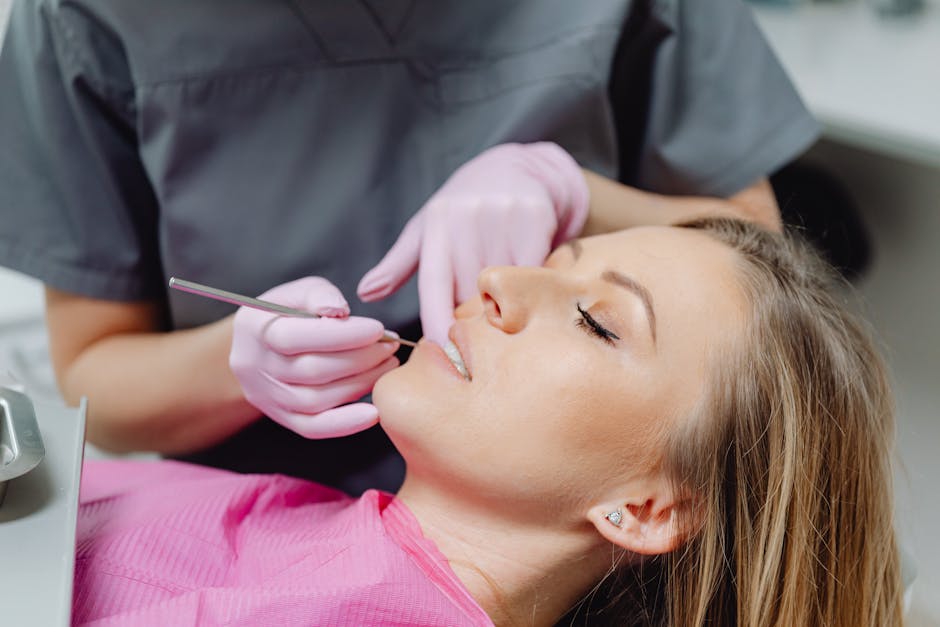
Key points include family history, timing of appearance (primary vs permanent), sensitivity, dietary habits, and oral hygiene challenges. Clinically, distribution across teeth and symmetry can be informative; AI often affects multiple teeth in a consistent pattern.
Radiographic Features
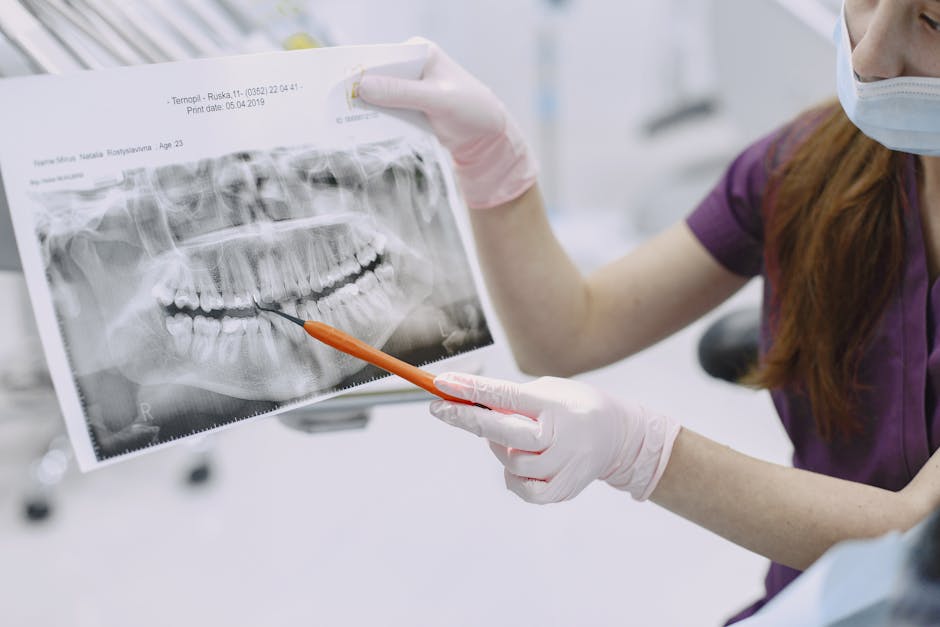
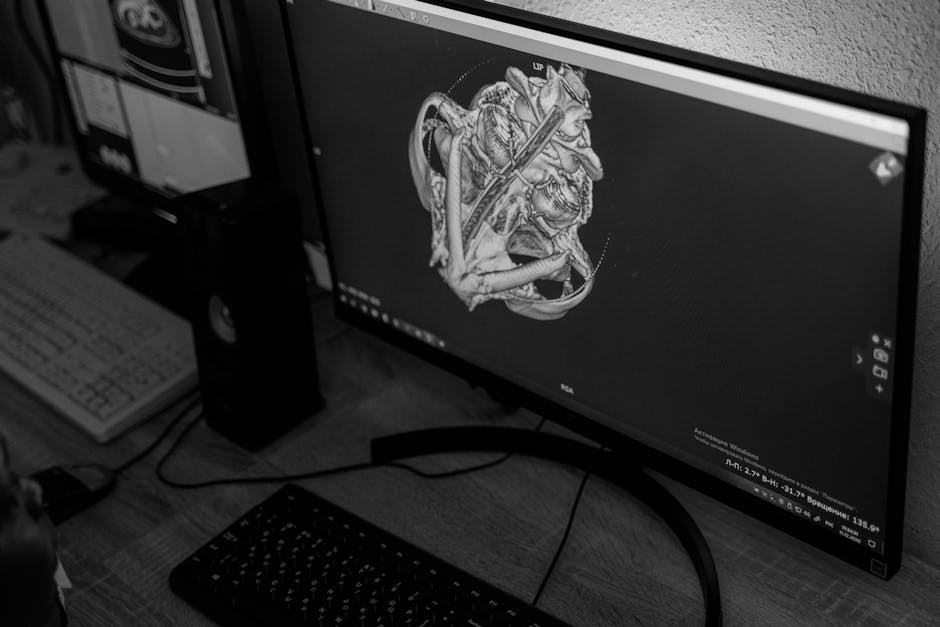
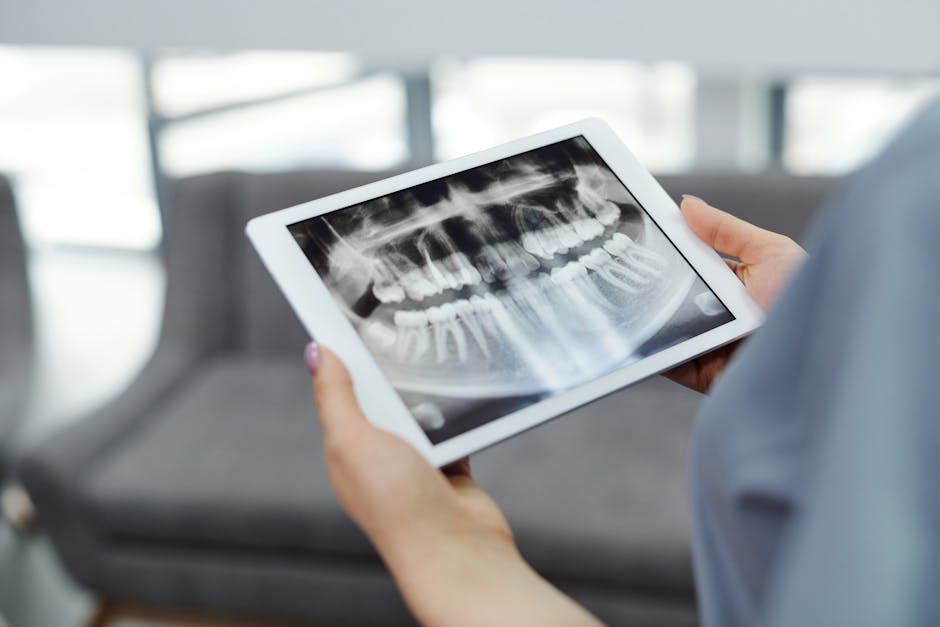
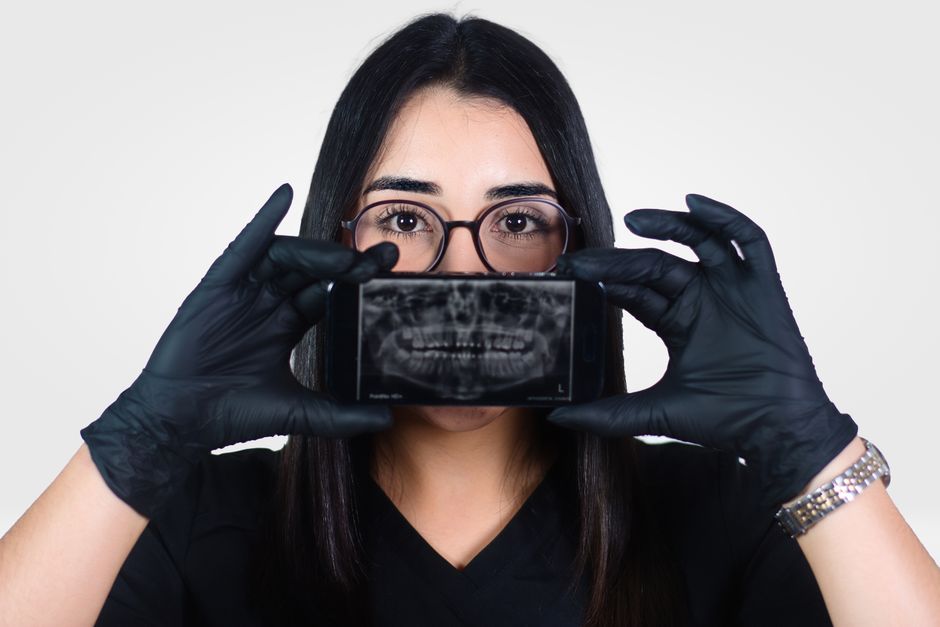
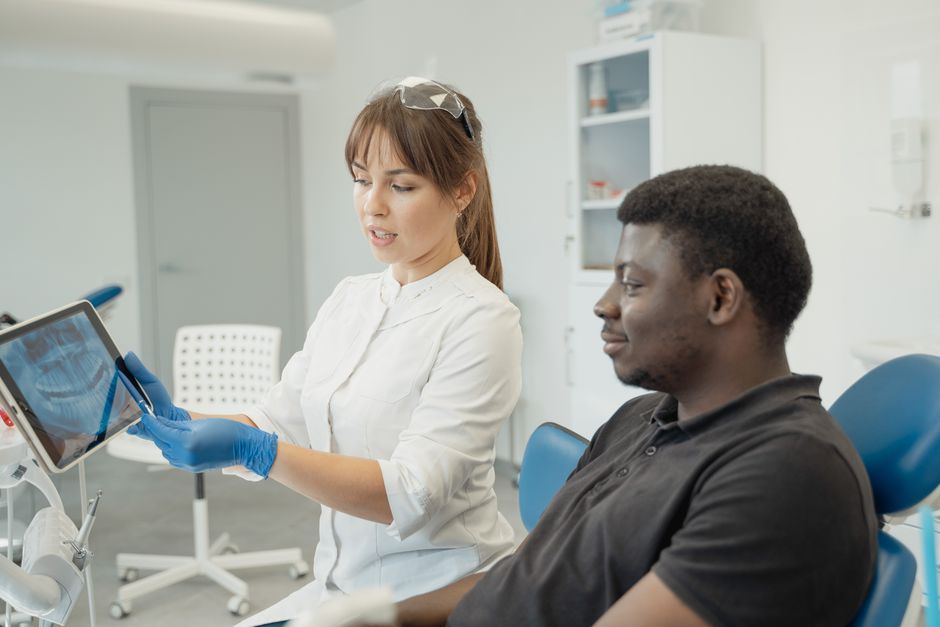
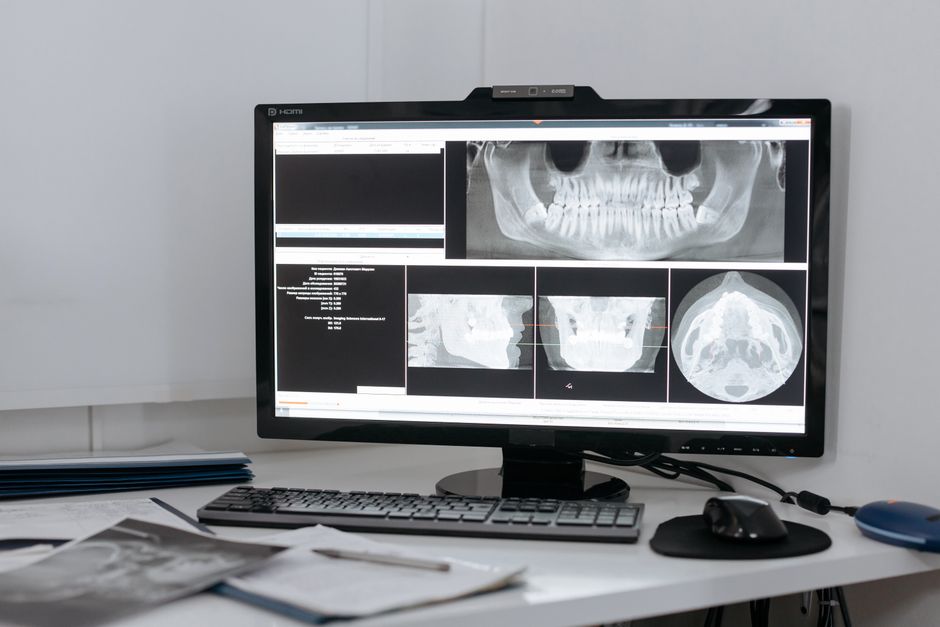
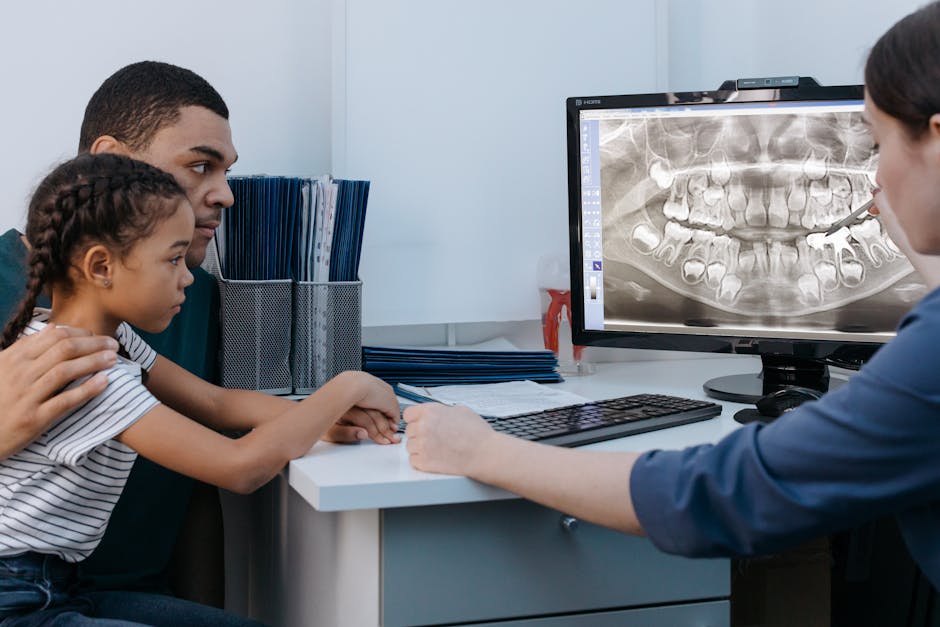
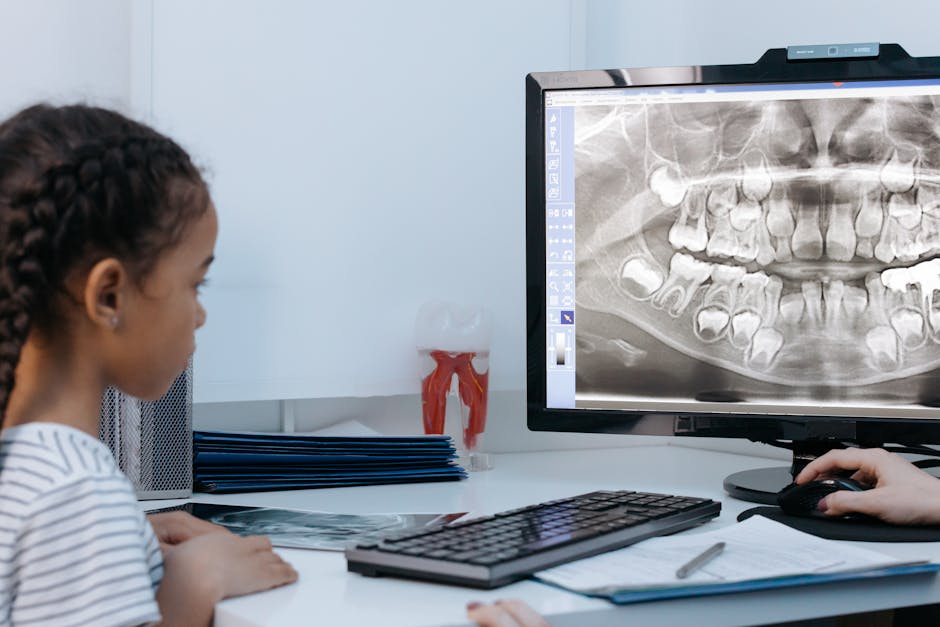
Radiographs may show thin enamel, reduced radiopacity of enamel compared with dentin (in hypomineralized types), and secondary consequences like attrition. Radiographic interpretation should be paired with clinical findings, particularly in mixed dentition.
What Else Can Mimic AI?
Differential diagnoses may include fluorosis, molar-incisor hypomineralization (MIH), enamel hypoplasia due to systemic illness, and severe early childhood caries. Each has different implications for prevention, restorative choices, and prognosis.
Oral Health Risks Associated with AI
AI is not only an esthetic issue. Several secondary risks can shape the treatment plan:
Caries susceptibility: not all AI types increase caries risk directly, but rough surfaces, sensitivity, and difficulty cleaning may contribute.
Gingival inflammation: plaque retention and challenging brushing may predispose to gingivitis; clinicians should also consider broader periodontal education, including clinical insights on early gum disease signs and risk factors.
Tooth wear and loss of vertical dimension: particularly in hypocalcified AI, where enamel breaks down quickly.
Pulpal complications: progressive wear and restorative cycles can increase the likelihood of pulp irritation over time.
Stepwise Management: From Childhood Protection to Adult Rehabilitation
AI management is best viewed as staged care: immediate protection and comfort, medium-term functional stabilization during growth, and definitive esthetic/functional rehabilitation when the occlusion and gingival levels are stable. The plan should be individualized based on AI type, age, cooperation, socioeconomic factors, and risk profile.
1) Prevention and Sensitivity Control
Preventive dentistry is foundational. Fluoride varnish, remineralization strategies, sealants where appropriate, diet counseling, and tailored brushing instruction may reduce discomfort and help families maintain routines. Because saliva is protective, clinicians should also screen for factors that reduce salivary flow; see the clinical implications of dry mouth (xerostomia) for a broader overview of how altered saliva can influence erosion, caries risk, and mucosal comfort.
2) Interim Restorations in Primary and Mixed Dentition
Interim restorations aim to preserve tooth structure and reduce sensitivity. Depending on presentation, options may include glass ionomer-based materials, resin composites with careful isolation, and stainless steel crowns for severely affected posterior primary teeth. The priority is durability and comfort rather than “perfect” esthetics, particularly in young children.
3) Restorative and Prosthodontic Strategies in Adolescents
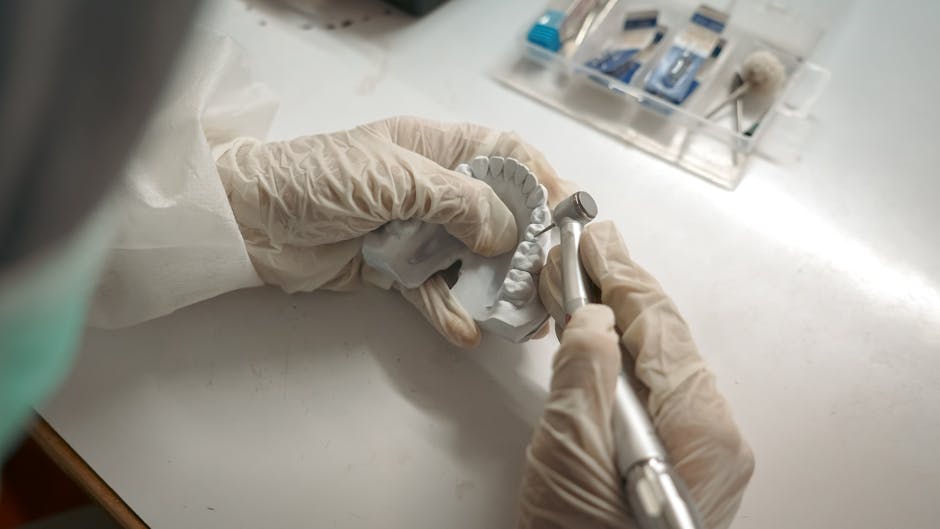
As permanent teeth erupt and the child matures, more definitive adhesive restorations may become feasible. For anterior teeth, minimally invasive approaches can improve appearance and confidence. For posterior teeth, onlays or full-coverage restorations may be considered in advanced wear cases, balancing conservation with long-term function.
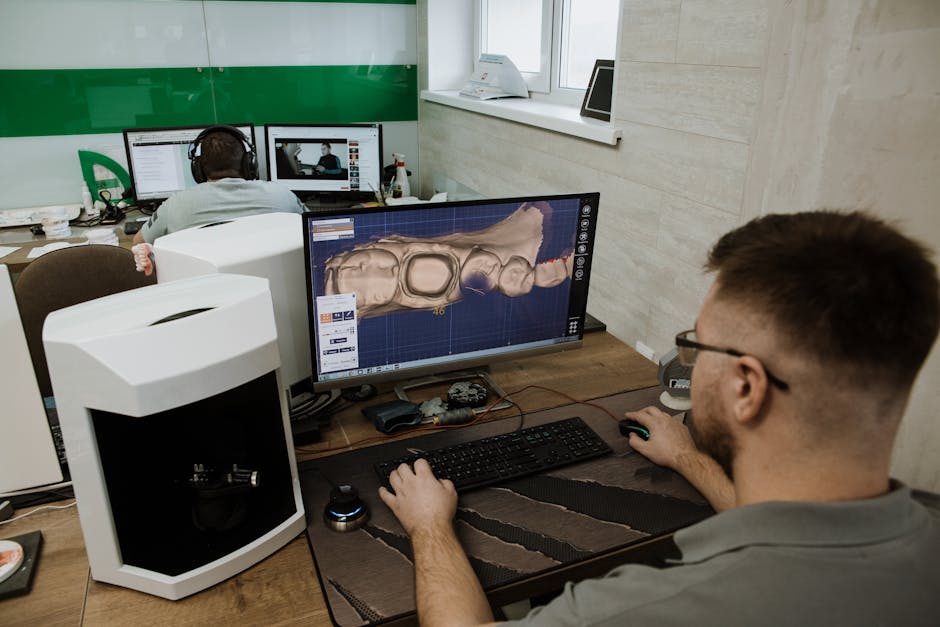
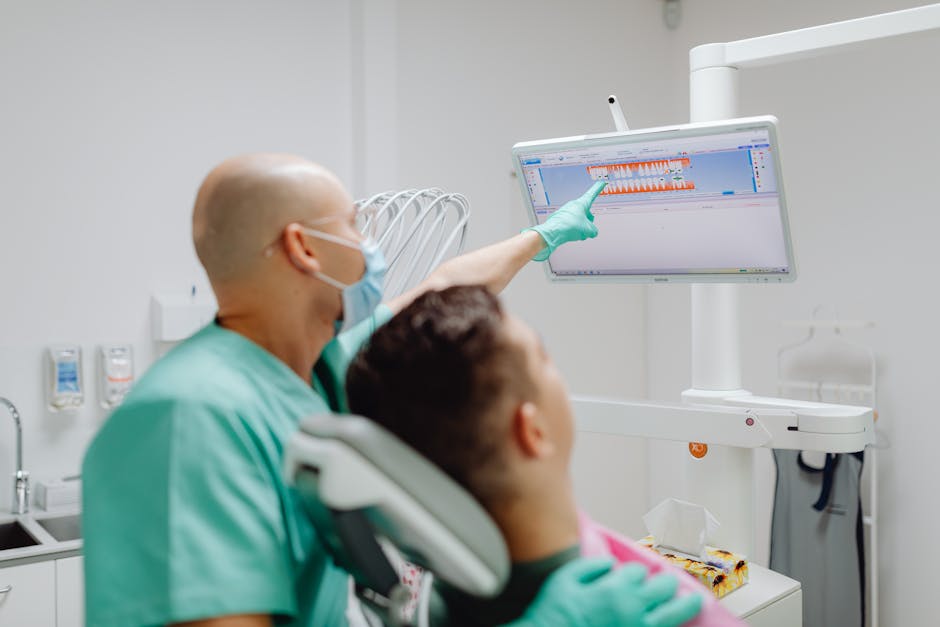
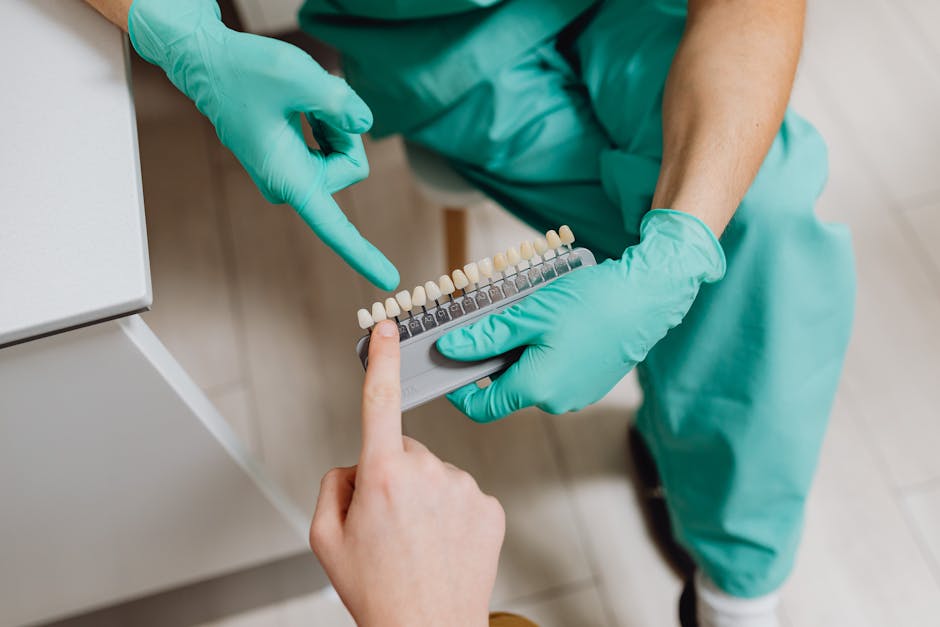
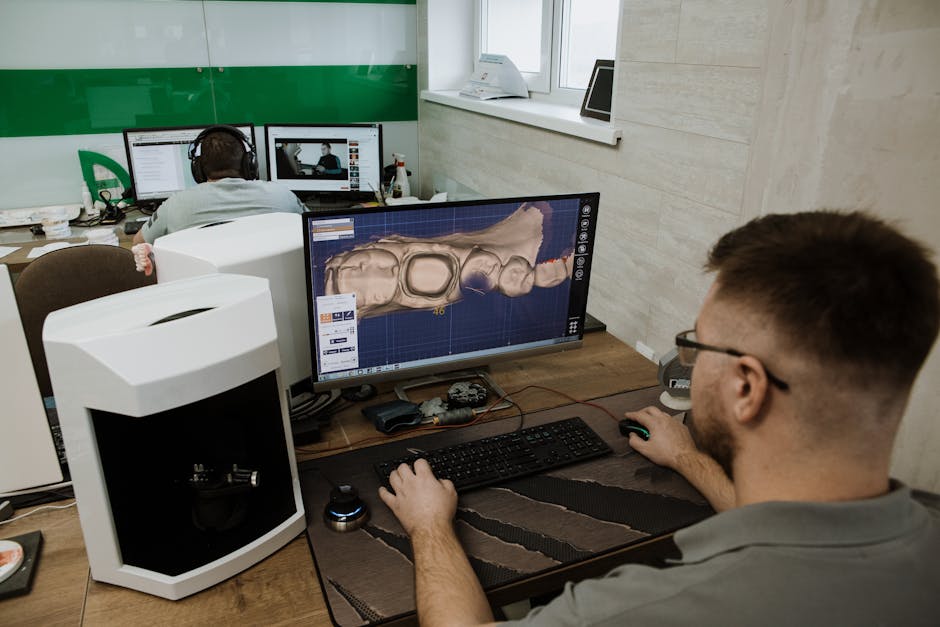
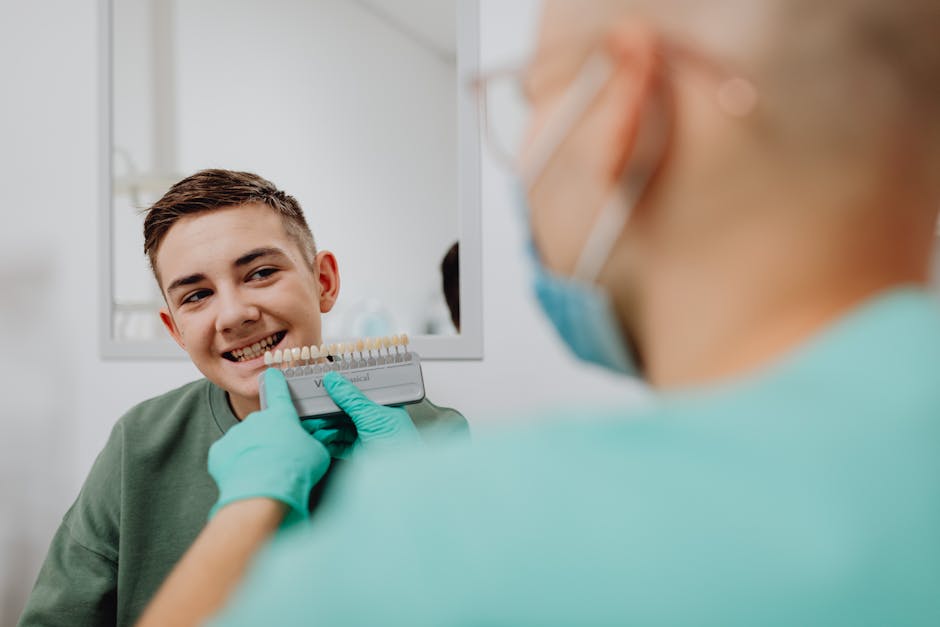
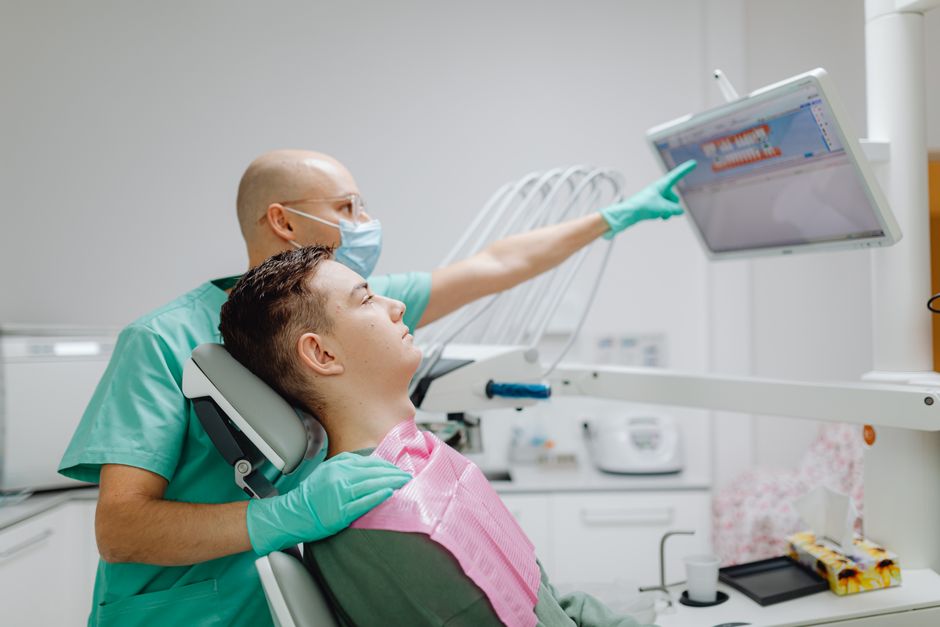
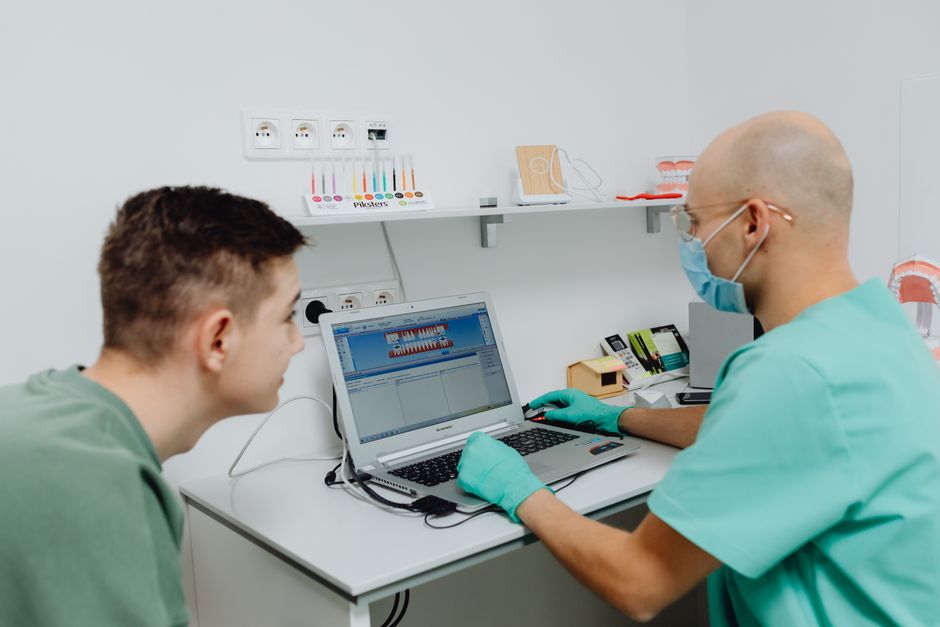
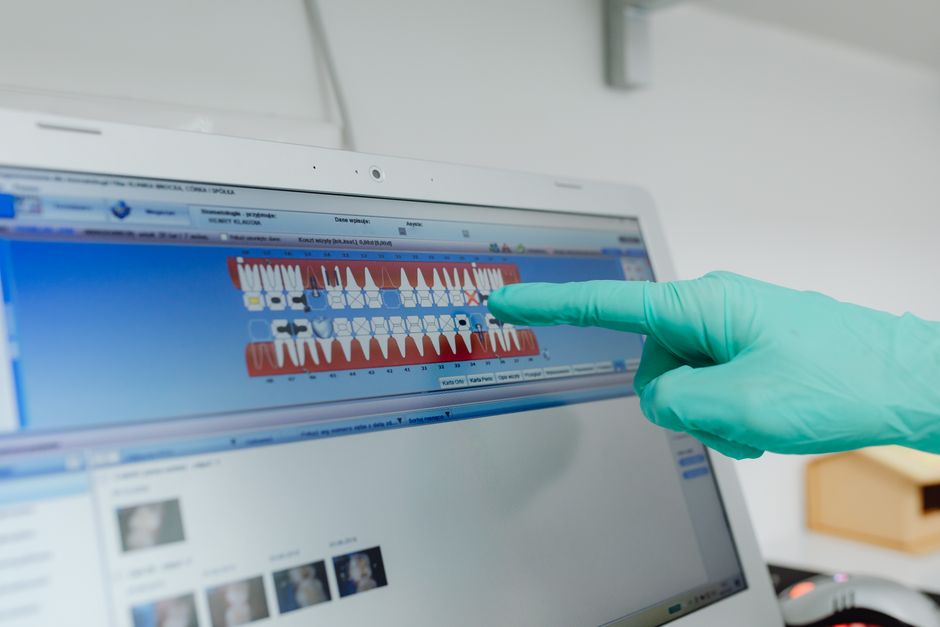
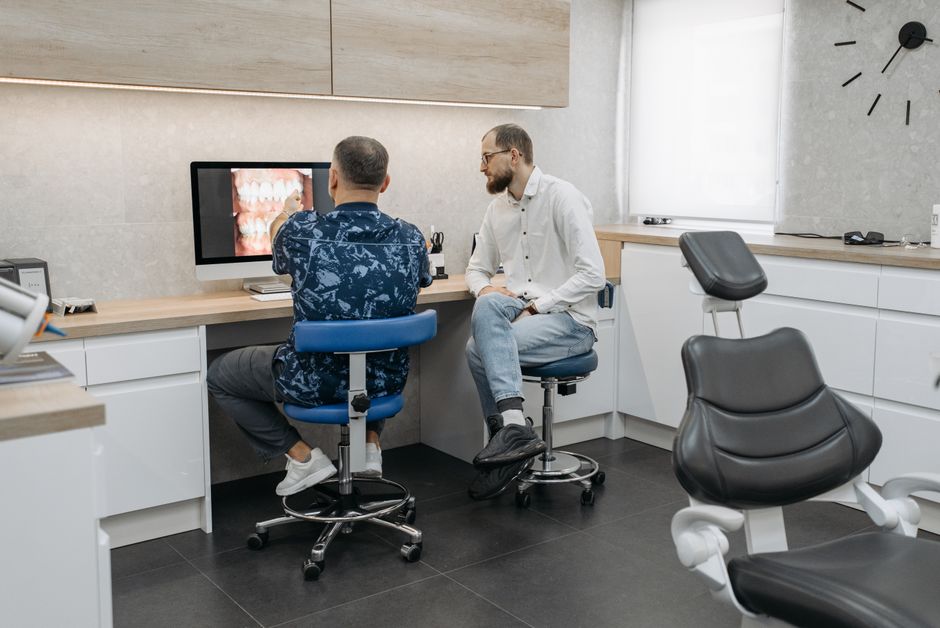
Digital planning can be especially valuable for AI cases because it allows clinicians to visualize tooth proportions, occlusal changes, and staged improvements. For example, a workflow similar to digital dentistry for laminate veneer planning and modern smile design can be adapted for AI—supporting mock-ups, communication with families, and documentation over time.
4) Endodontic Considerations in Heavily Worn Teeth
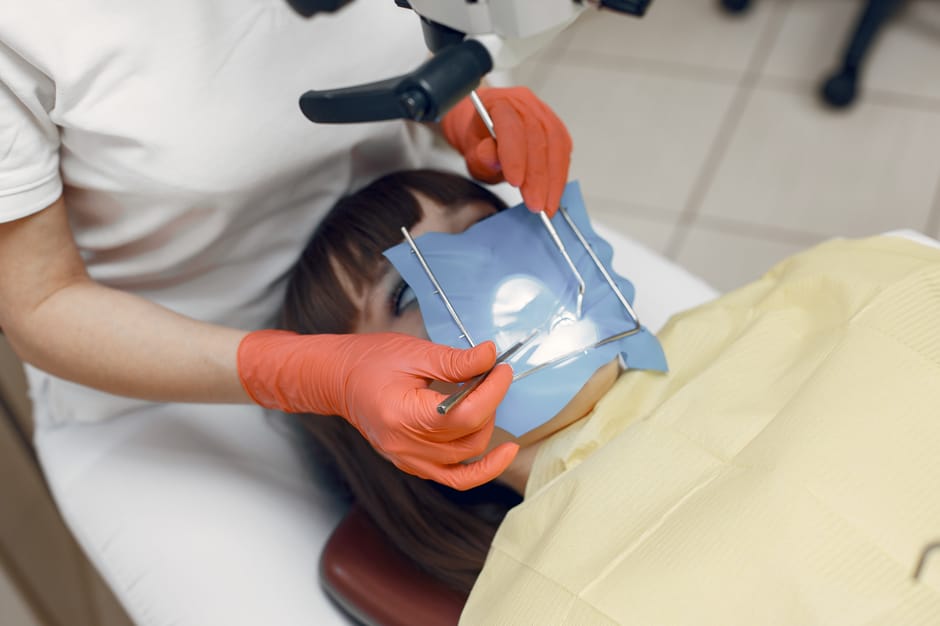
In advanced cases, repeated restorative procedures, fractures, or deep wear can lead to pulpal symptoms. When endodontic therapy is indicated, anatomy can be challenging—especially in teeth with extensive restorations or calcific changes. Magnification and illumination are increasingly important; clinicians may benefit from reviewing why a dental operating microscope matters in complex root canal anatomy to understand how enhanced visualization can support precision and reduce iatrogenic risks.
5) Periodontal and Soft-Tissue Management
Rough enamel, altered contours, and restorative margins can influence gingival health. Periodontal monitoring is important throughout childhood and adolescence. Gentle, realistic oral hygiene instruction (adapted for sensitivity) and regular professional maintenance may support stable gingival margins—critical for future esthetic restorations.
Where Do Implants Fit in AI Care?
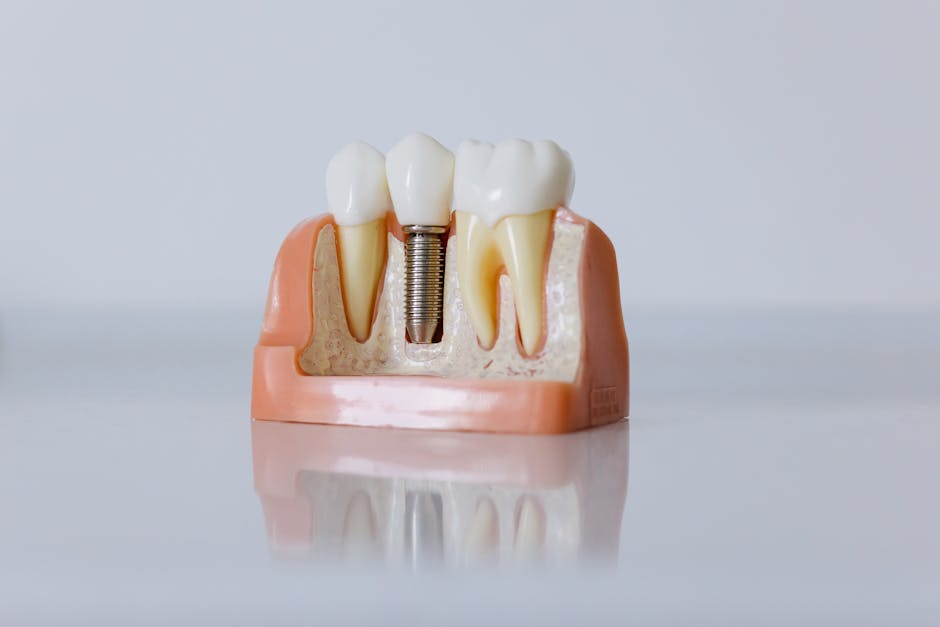
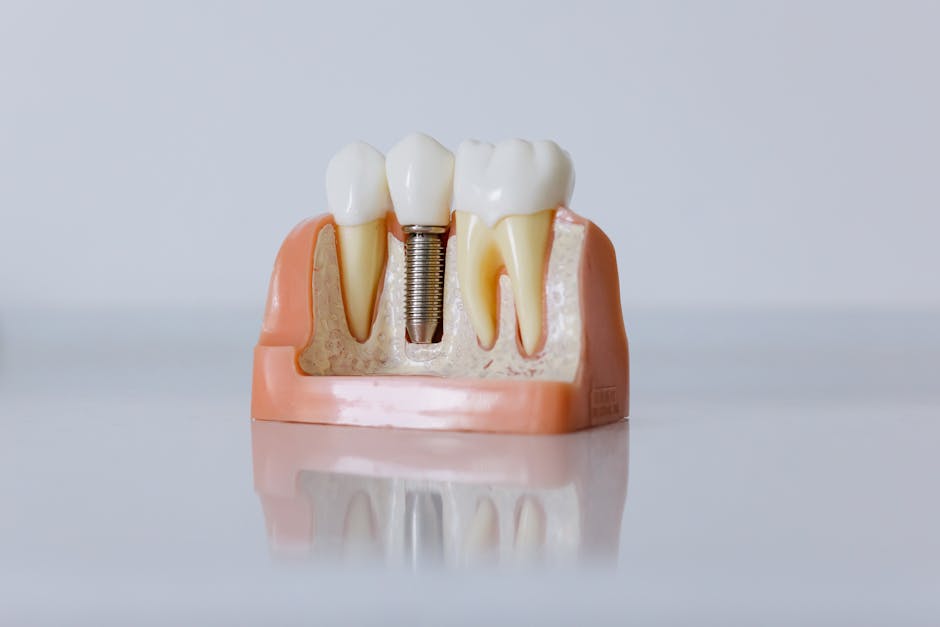
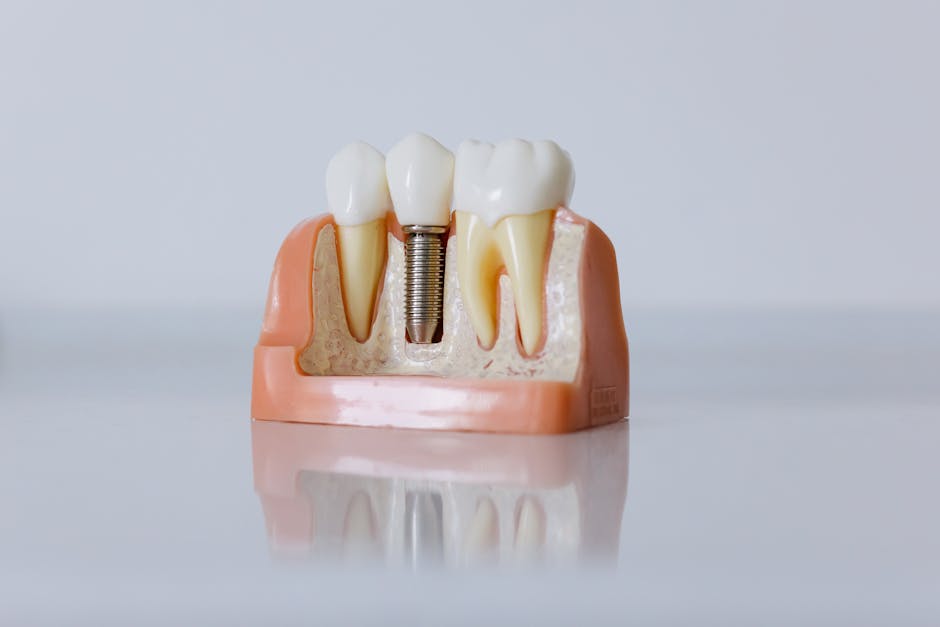
Dental implants are generally not part of pediatric management because craniofacial growth is ongoing. However, clinicians should be aware that some AI patients may experience tooth loss later in life due to structural breakdown, restorative failure, or severe occlusal wear. In adult rehabilitation, implants may become part of a comprehensive prosthodontic plan, often after careful evaluation of occlusion, bone volume, and periodontal stability.
For clinicians counseling families about “future options,” it can be useful to discuss realistic timelines and the difference between urgent symptom control and definitive adult reconstruction. For an overview of time-efficient implant protocols in appropriate adult cases, see this guide to same-day implant concepts and clinical considerations. Importantly, such approaches are case-dependent and not universally indicated.
Communication and Documentation: Building Trust Over Years
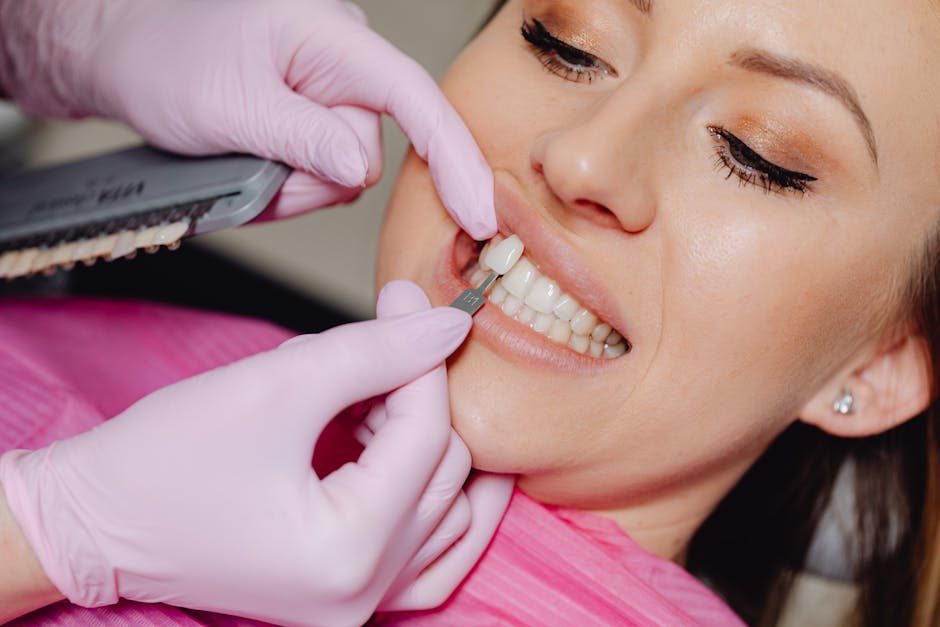
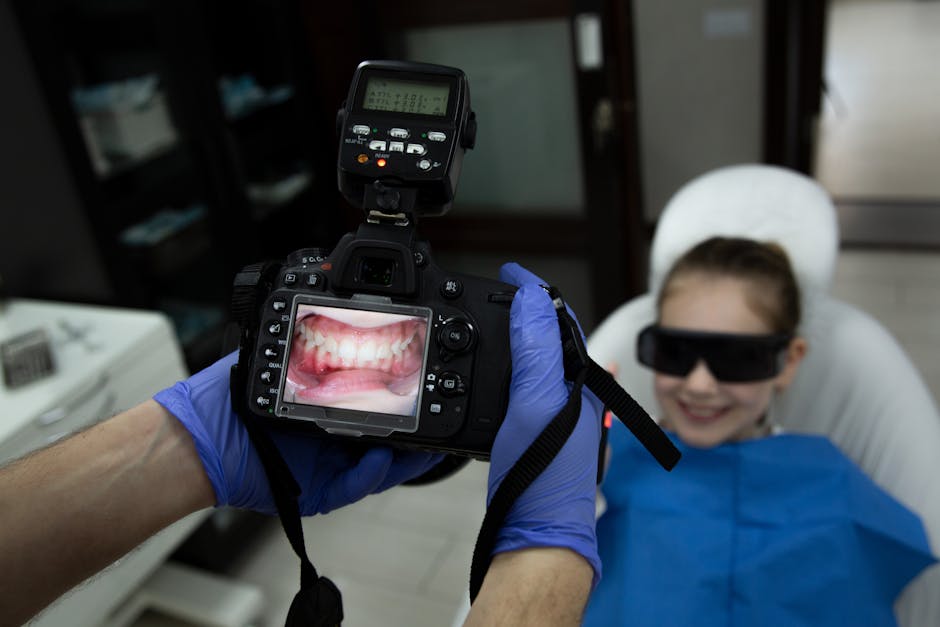
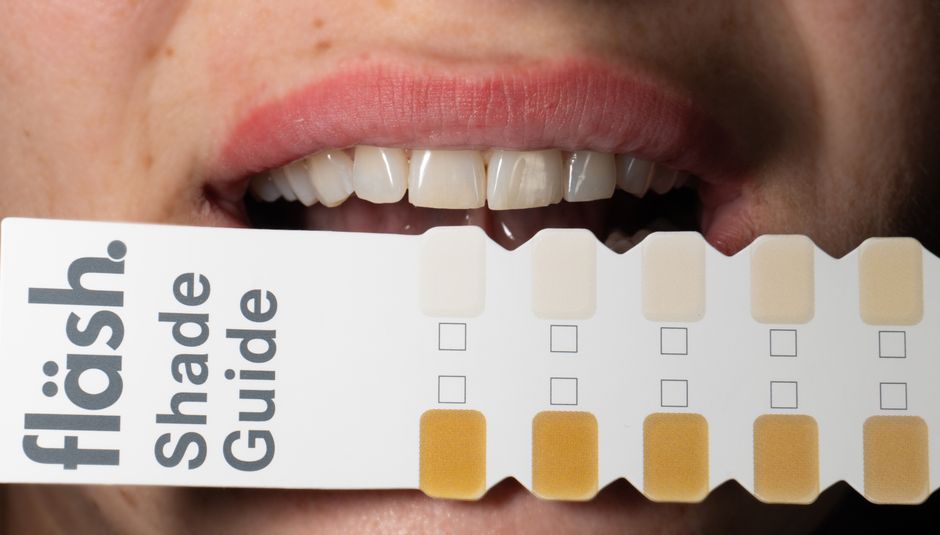
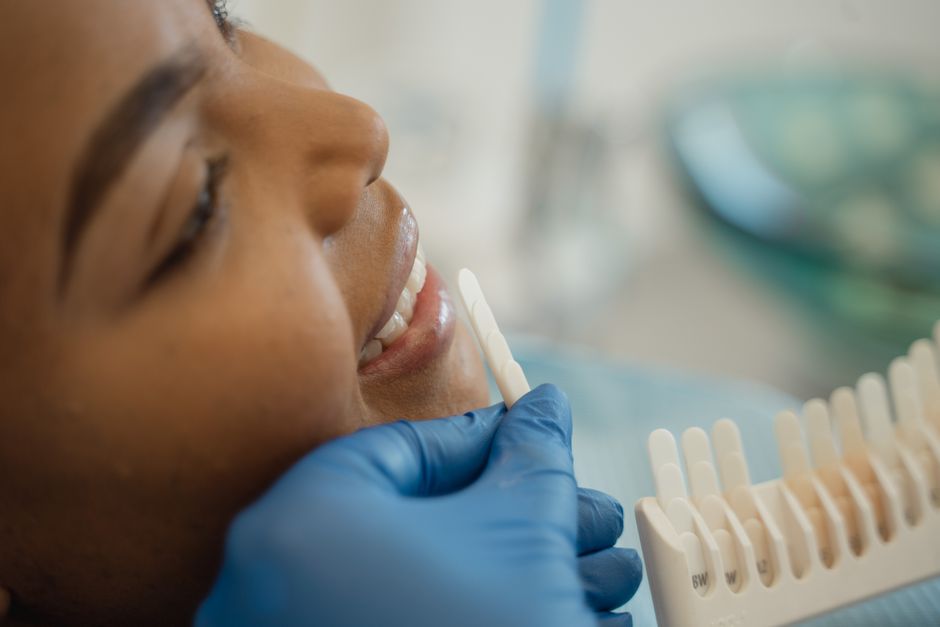
AI cases are longitudinal. Successful outcomes often depend on how well clinicians explain the condition, set expectations, and document progression. High-quality intraoral photography, consistent shade documentation, and digital scans can help track enamel breakdown, restoration performance, and gingival changes—especially useful when multiple providers are involved over time.
In Istanbul, where families may seek second opinions or travel for care, clear documentation also supports continuity between pediatric and adult services. This is one reason why dental photography and digital dentistry skills are increasingly viewed as essential, not optional, in complex restorative care.
Clinical Learning for Dentists: Translating AI Complexity into Predictable Care
For dental professionals and students, AI provides an excellent framework to refine practical decision-making: material selection under compromised enamel, moisture control strategies, minimally invasive esthetic improvement, staged prosthodontic planning, and interdisciplinary coordination. These cases also highlight the importance of hands-on training in adhesive dentistry, occlusion, and digital workflows.
At Istanbul Dental Academy, our continuing dental education approach emphasizes clinical reasoning paired with practical, hands-on learning. Whether you are strengthening your restorative foundations, developing digital smile design competencies, or enhancing endodontic precision, structured training can help you manage enamel-defect cases with greater confidence—while maintaining realistic, ethically sound patient communication.
Key Takeaways
Amelogenesis imperfecta is a hereditary enamel disorder that may cause sensitivity, rapid wear, and esthetic concerns from early childhood.
Diagnosis relies on careful clinical and radiographic evaluation and consideration of differential diagnoses such as MIH and fluorosis.
Management is typically staged: preventive care and protection first, then progressively more definitive restorative strategies as the child grows.
Digital planning, periodontal monitoring, and (when needed) endodontic precision can all influence long-term outcomes.
Implants are generally an adult-phase consideration, not a pediatric solution, and require case-by-case assessment.
Educational note: This article is for educational purposes and does not provide individualized medical or treatment advice. If a child shows signs consistent with AI, a comprehensive clinical evaluation by a qualified dental professional is recommended.
Diğer Yazılar