
BLOG
Hollywood Smile vs Zirconia Crowns: Clinical Differences and Case Selection
Hollywood Smile vs Zirconia Crowns: Why the Terms Get Confused
In everyday patient conversations, “Hollywood Smile” is often used as if it were a single treatment—similar to “zirconia crowns.” Clinically, they describe different things. A Hollywood Smile is best understood as an aesthetic outcome achieved through an interdisciplinary plan (restorative, prosthodontic, periodontal, and sometimes orthodontic or implant solutions). Zirconia crowns, in contrast, are a material-based, full-coverage prosthetic option used to restore function and aesthetics for individual teeth or as part of larger rehabilitations.
This distinction matters for diagnosis, tooth preparation strategy, longevity expectations, and consent. For dental professionals and students, understanding the workflow behind each approach helps prevent overtreatment and supports predictable outcomes.
This content is for educational purposes and does not replace clinical training or individualized patient assessment.
Defining “Hollywood Smile” in Modern Dentistry
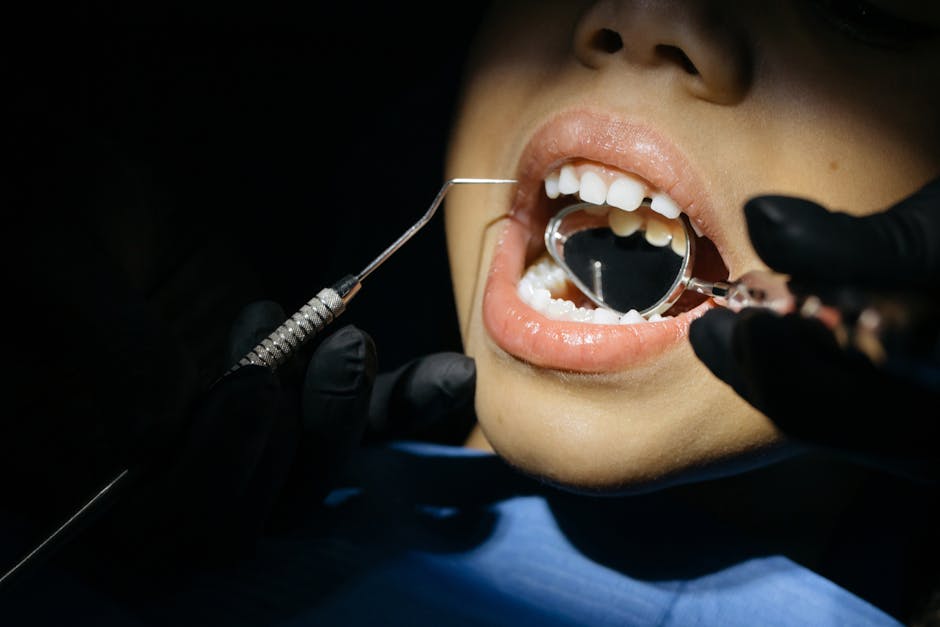
“Hollywood Smile” typically refers to a planned improvement in smile aesthetics—color, symmetry, tooth proportions, gingival display, and overall harmony with facial features. The treatment plan may include:
- Whitening and minimally invasive enamel recontouring
- Porcelain laminate veneers (feldspathic or lithium disilicate)
- Partial-coverage restorations (onlays) or full crowns where indicated
- Management of gingival levels (e.g., crown lengthening where appropriate)
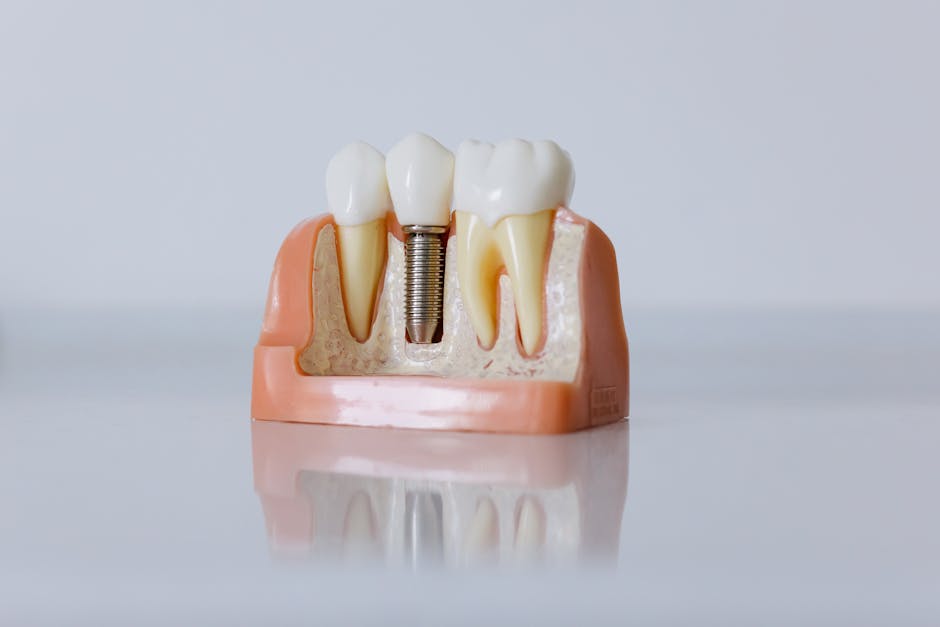
- Replacement of missing teeth via implants or fixed prosthodontics when required
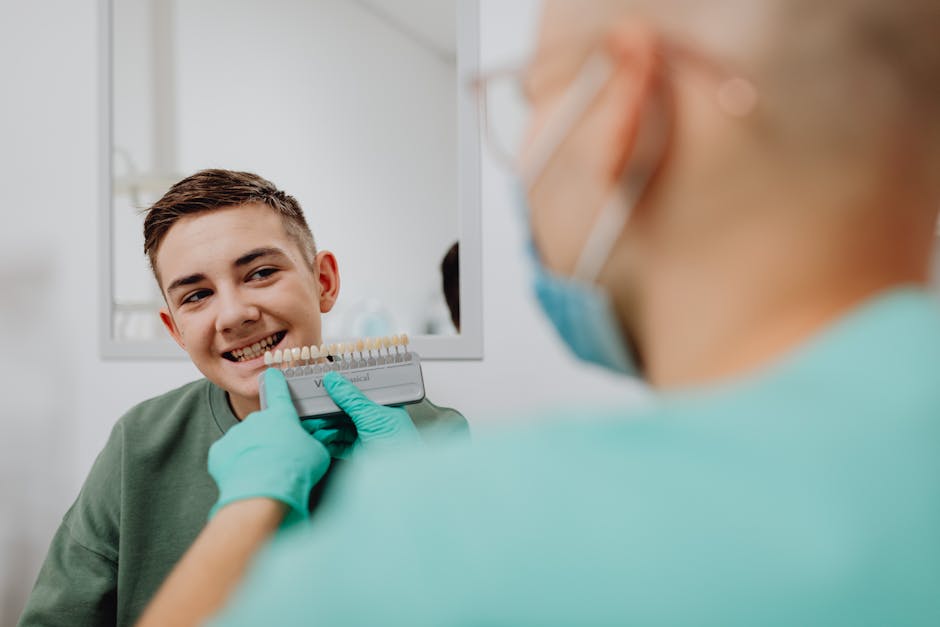
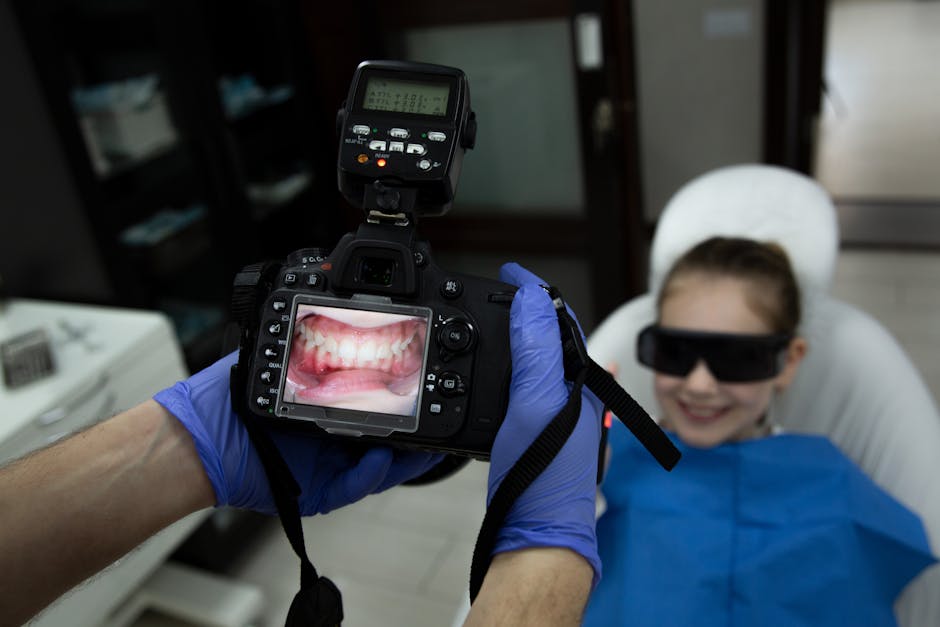
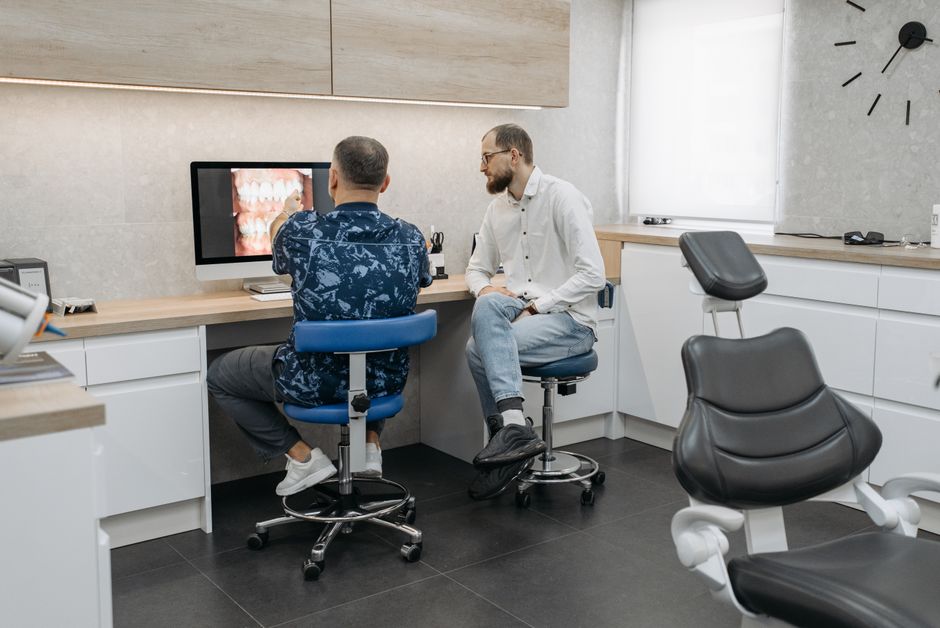
- Digital smile design, mock-ups, and dental photography for communication
In other words, “Hollywood Smile” is not a single restoration type—it is a treatment concept guided by smile design. For a clinical roadmap of how these steps are sequenced in contemporary practice, see a clinical workflow for modern smile design procedures.
What Are Zirconia Crowns? Material Science Meets Full-Coverage Restorations
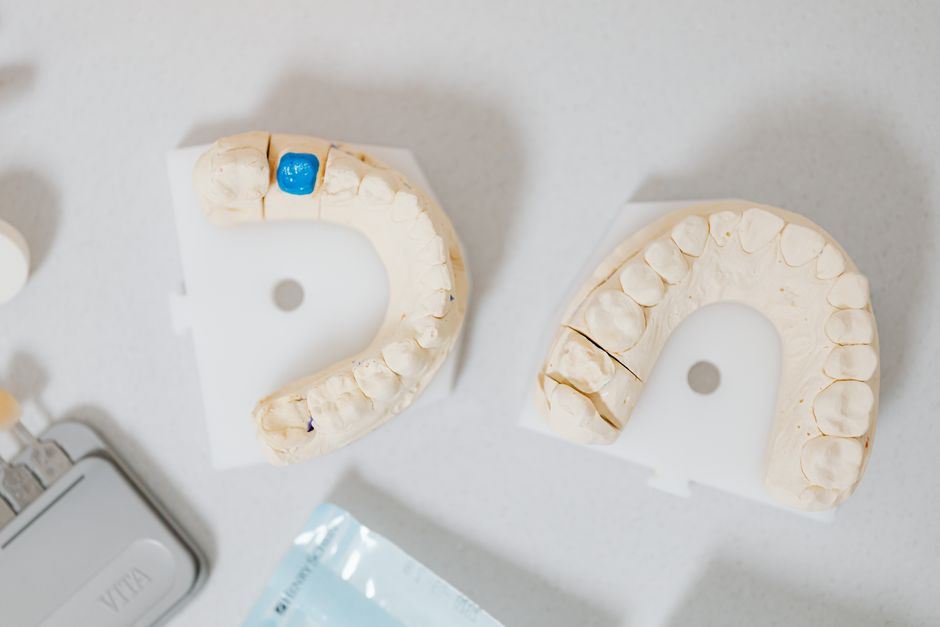
Zirconia crowns are full-coverage restorations fabricated from zirconium dioxide ceramics (monolithic zirconia or layered zirconia systems). They are widely used for:
- Teeth with extensive structural loss
- Endodontically treated posterior teeth needing cuspal coverage
- High-load areas where fracture resistance is a priority
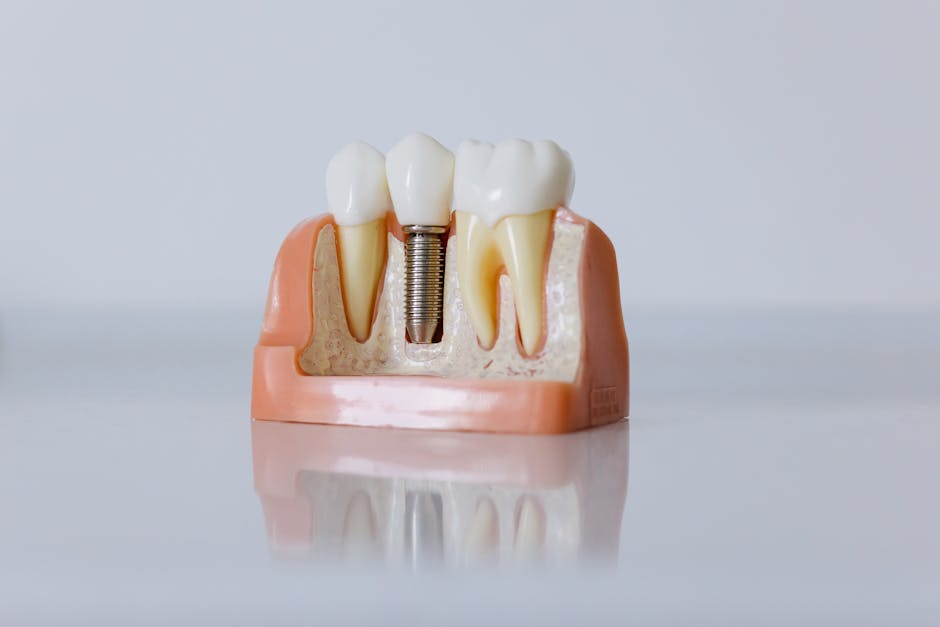
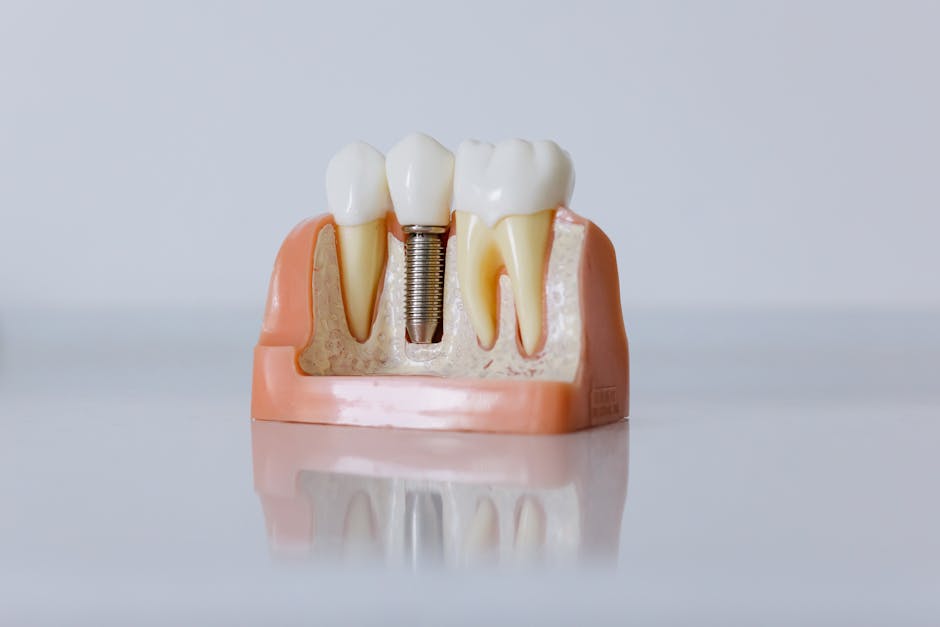
- Implant-supported crowns and multi-unit prostheses (depending on design)
Clinical decision-making around zirconia often involves balancing strength, translucency, cementation strategy, and occlusal scheme. While zirconia can be used in the anterior zone, aesthetic expectations and preparation design become more technique-sensitive.
Core Differences at a Glance (Beyond Marketing Terms)
1) Concept vs Material
Hollywood Smile = a planned aesthetic outcome using multiple procedures and materials.
Zirconia crown = a specific full-coverage restorative solution.
2) Tooth Preparation: Veneer-Style vs Full Coverage
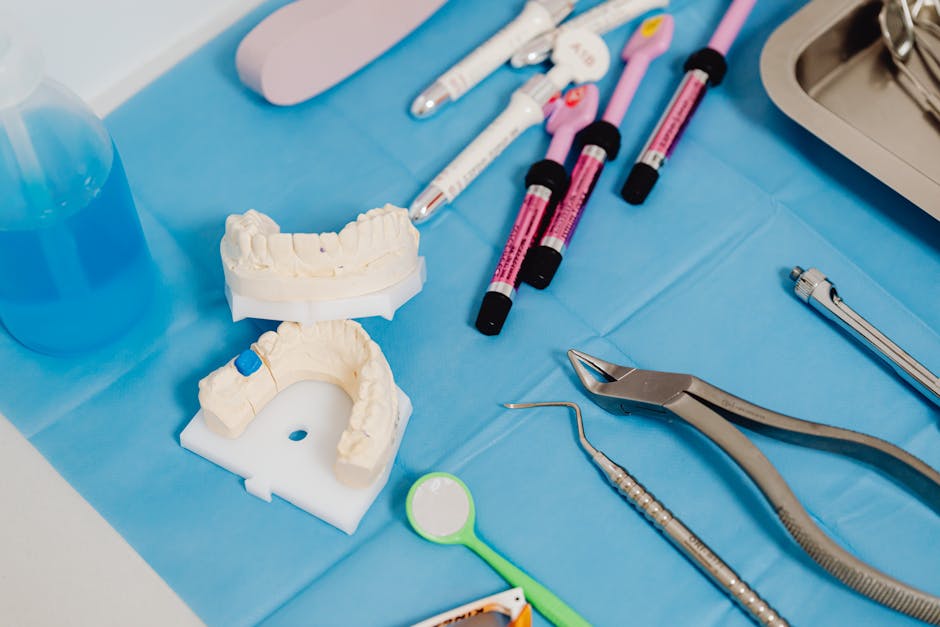
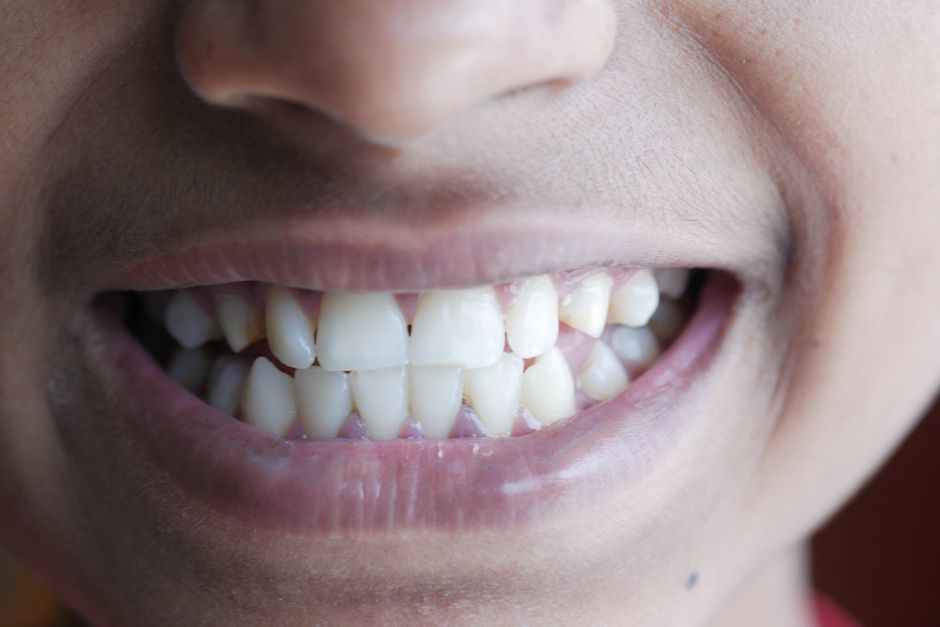
Many Hollywood Smile cases rely on porcelain laminate veneers, which may be minimally invasive when suitable (e.g., additive wax-up, mock-up driven preparations). Zirconia crowns generally require more circumferential reduction due to full-coverage design—although exact reduction depends on material choice, translucency grade, and preparation form.
From an educational perspective, the critical issue is not “which is better,” but which is indicated based on enamel availability, existing restorations, occlusal risk, and patient expectations.
3) Aesthetic Layering and Translucency
Veneer ceramics (e.g., feldspathic, lithium disilicate) often provide high-value translucency and optical integration, especially for thin restorations. Zirconia has improved dramatically in aesthetics, but higher translucency zirconia can be associated with trade-offs in strength depending on composition. Case selection, thickness, and shade strategy are therefore central.
4) Margin Placement and Periodontal Considerations
Margin location affects soft-tissue response, emergence profile, and impression/scan accuracy. Full-coverage crowns may prompt subgingival margins for masking or retention needs, increasing demands on periodontal health and tissue management. Veneers often allow for more conservative, supragingival designs when color and structure permit.
Before any elective aesthetic plan, clinicians should evaluate periodontal status and patient symptoms. When acute gingival pain or necrotic presentations are suspected, elective restorative steps should generally be postponed until appropriate evaluation and management pathways are considered. For a relevant educational review, read this clinical perspective on severe gum pain and necrotizing gingivitis.
Clinical Indications: When Hollywood Smile Planning Leads to Veneers, Crowns, or Both
In practice, Hollywood Smile planning often results in a mixed restorative approach rather than a single material across all anterior teeth. Common patterns include:
- Veneers for teeth with sufficient enamel, limited restorations, and manageable shade changes
- Full crowns (including zirconia) for teeth with large fillings, fractures, endodontic access cavities, or severe discoloration requiring masking
- Implant crowns to replace missing teeth in the aesthetic zone when space and bone conditions allow
This is where smile design becomes a clinical communication tool rather than just a cosmetic promise—bringing together face-driven analysis, occlusion, and restorative limitations.
Occlusion, Parafunction, and Risk Management
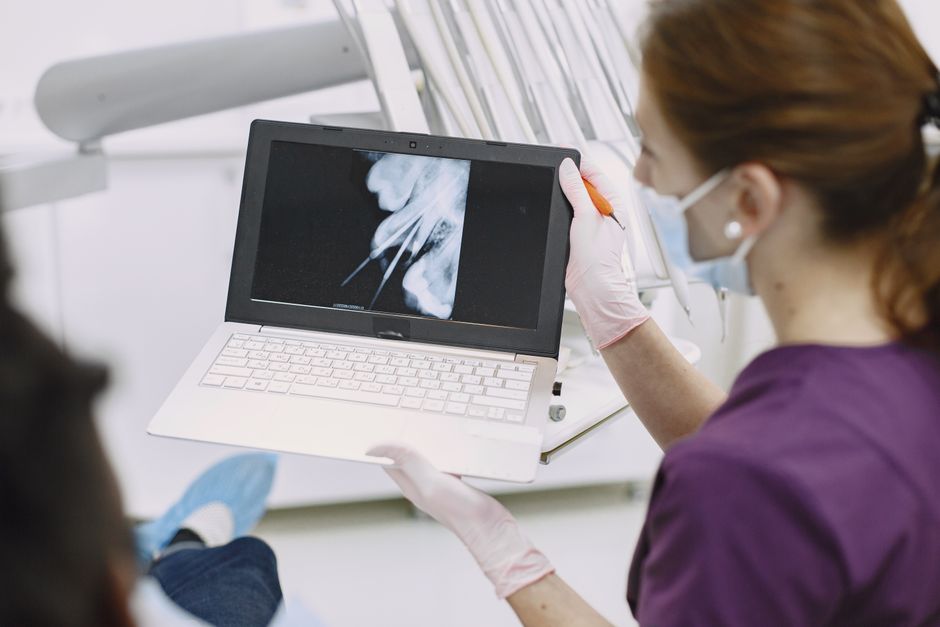
Material selection and restoration design should be informed by occlusal risk factors such as bruxism, edge-to-edge bite, and guidance patterns. Veneers can be highly successful, but they are sensitive to bonding protocol, preparation design, and occlusal loading. Zirconia crowns offer high fracture resistance, yet they require careful occlusal adjustment and polishing protocols to reduce antagonist wear risk in some situations.
From a training standpoint, predictable results come from workflow discipline: diagnostic records, mounted models or digital articulation, provisionalization strategy, and occlusal refinement.
Digital Dentistry and Dental Photography: The Hidden Difference-Makers
Whether the plan is veneer-based or crown-based, digital workflows can enhance precision and communication:
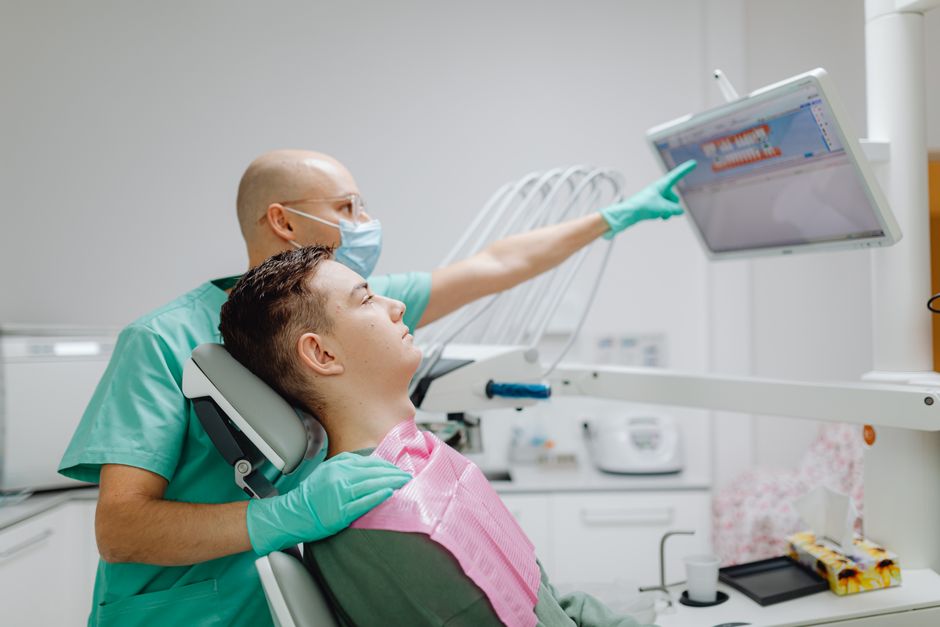
- Digital smile design to map midline, incisal plane, and tooth proportions
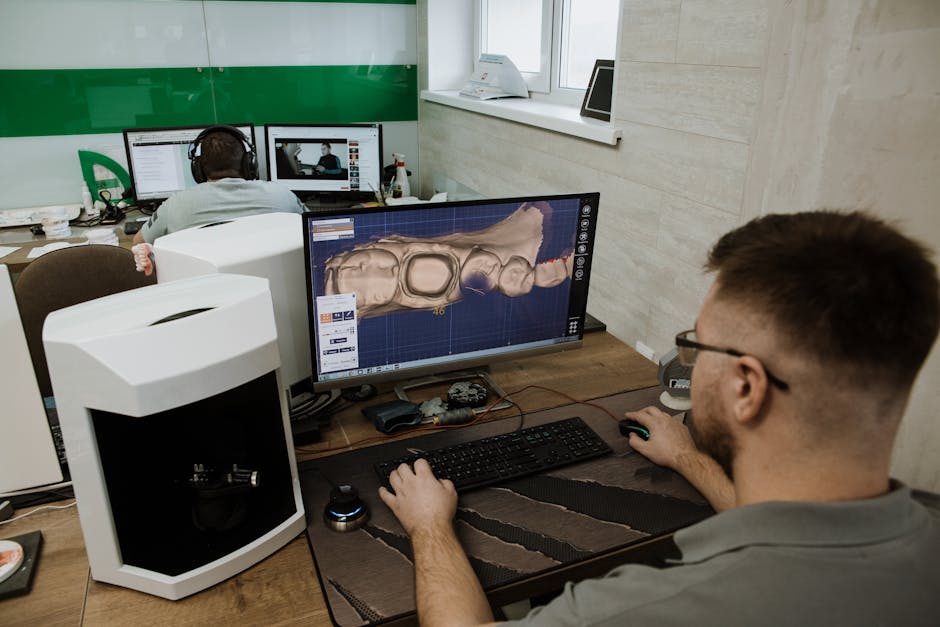
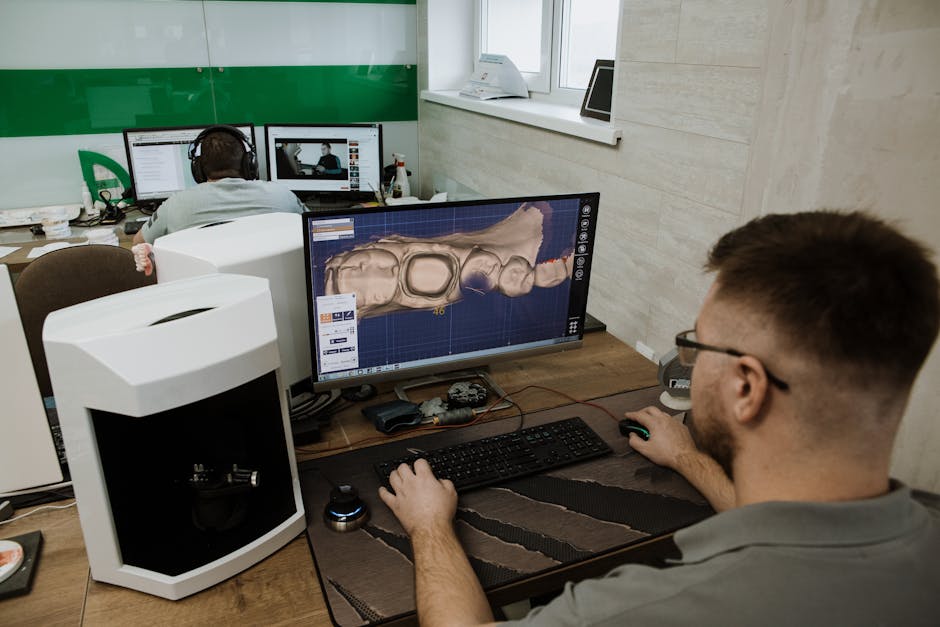
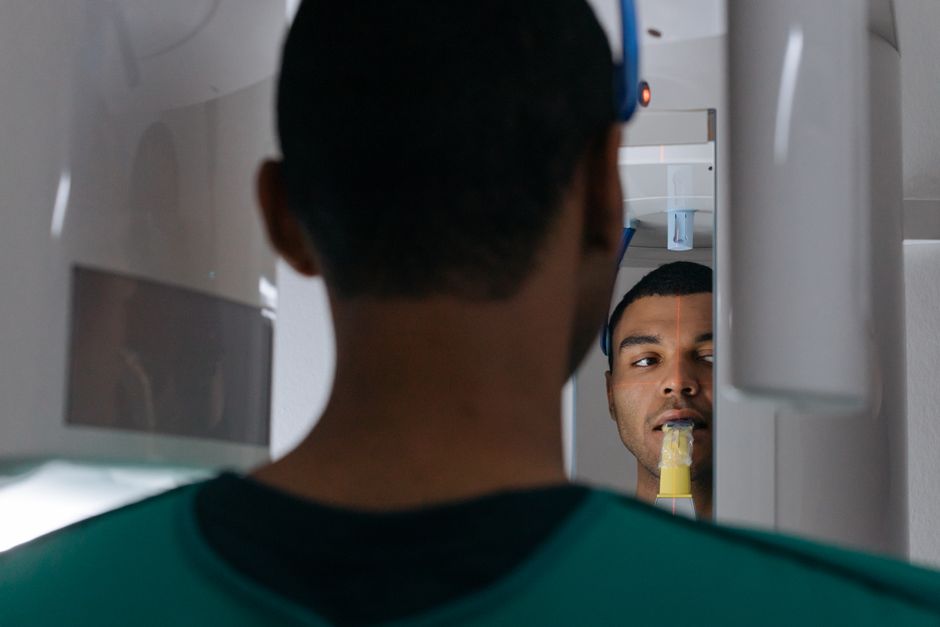
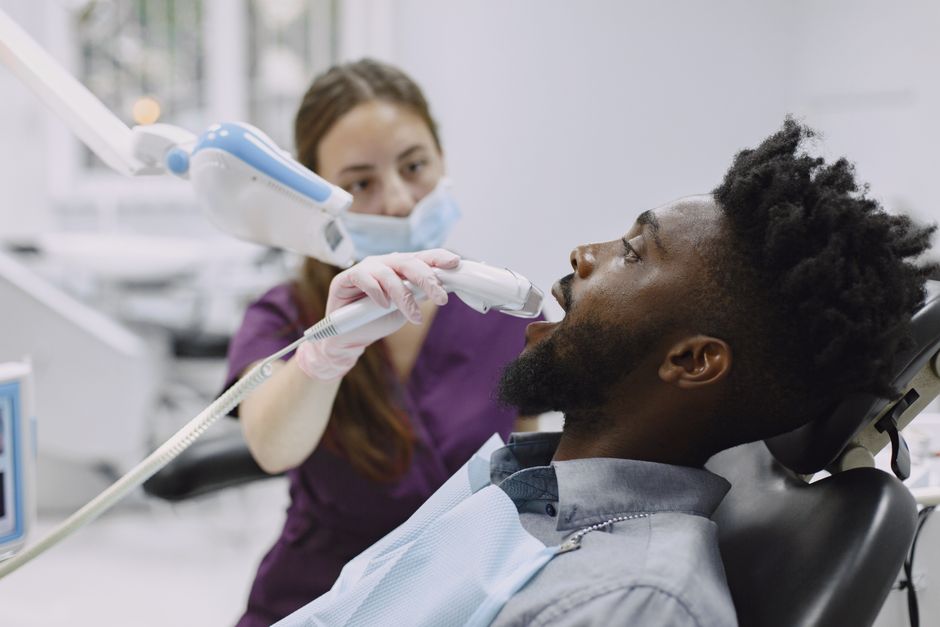
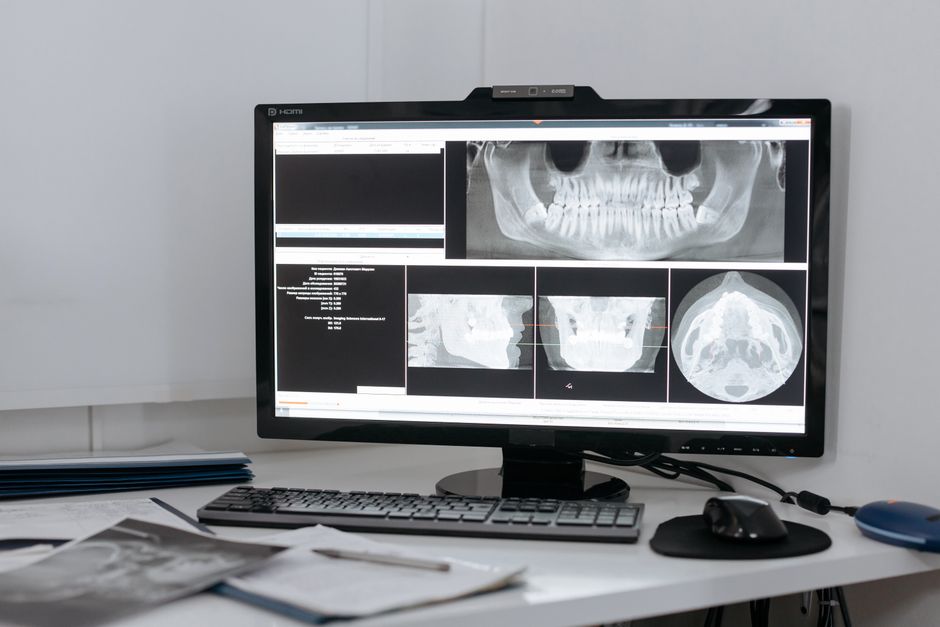
- Intraoral scanning for margin clarity and lab communication
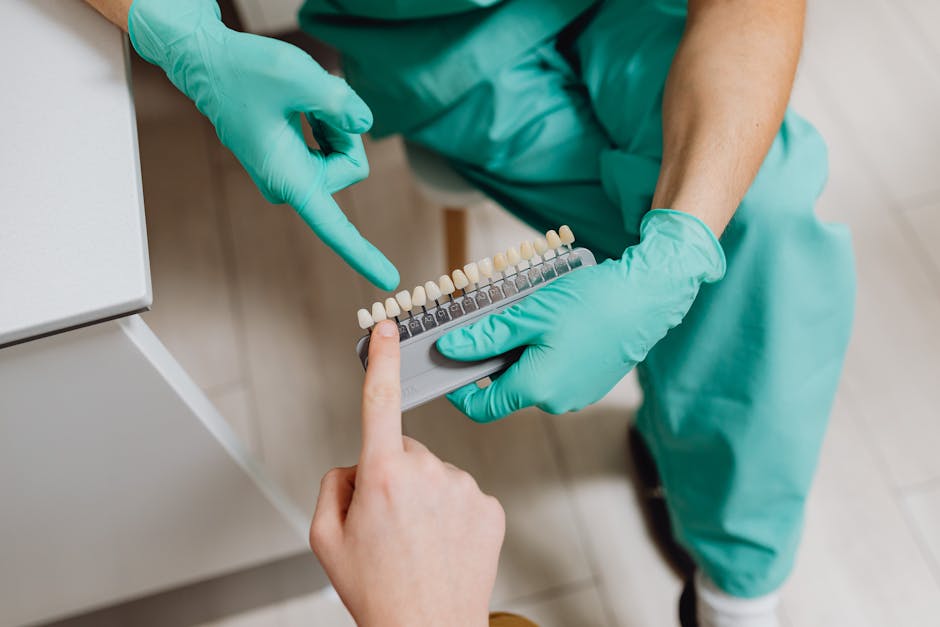
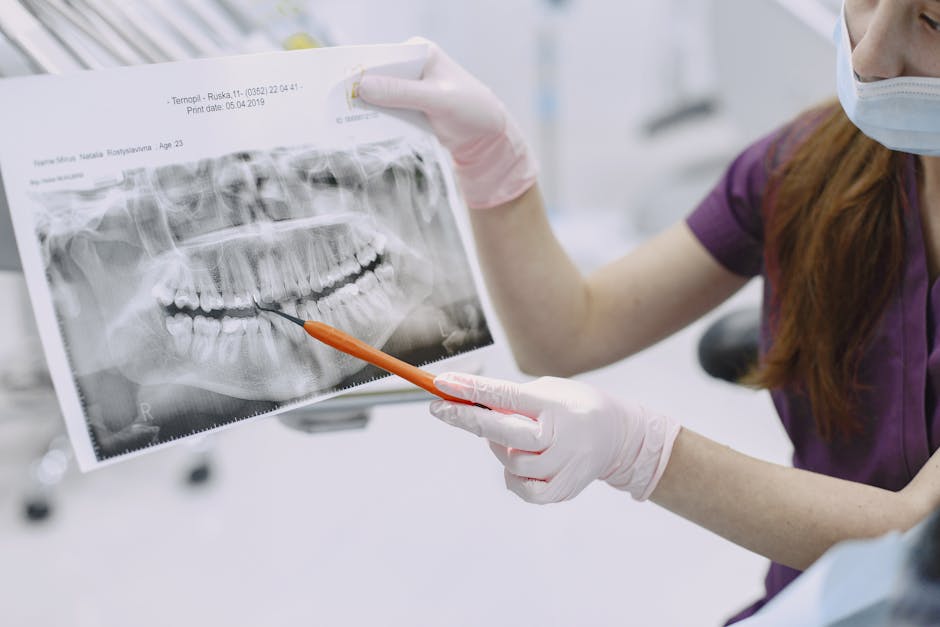
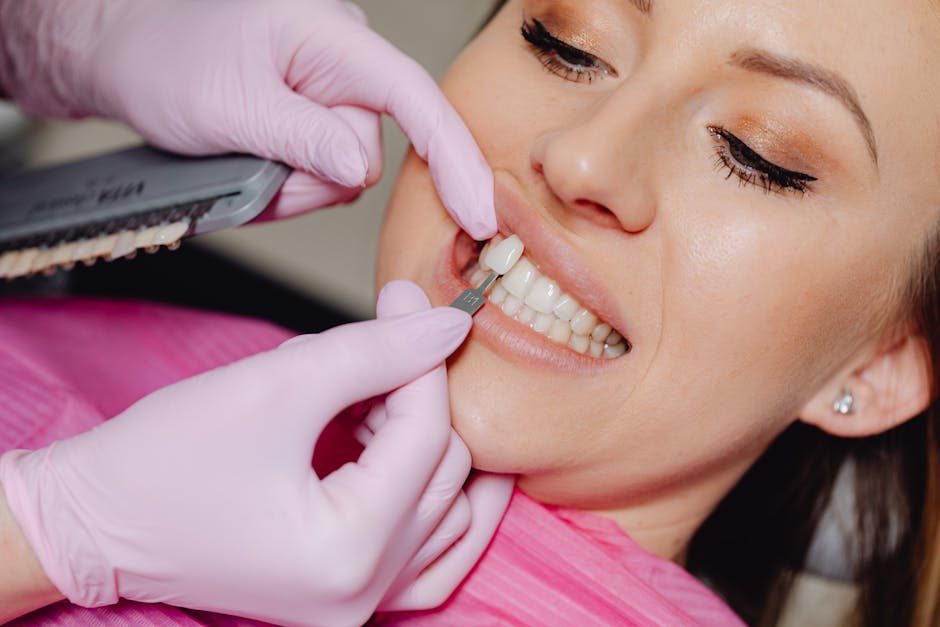
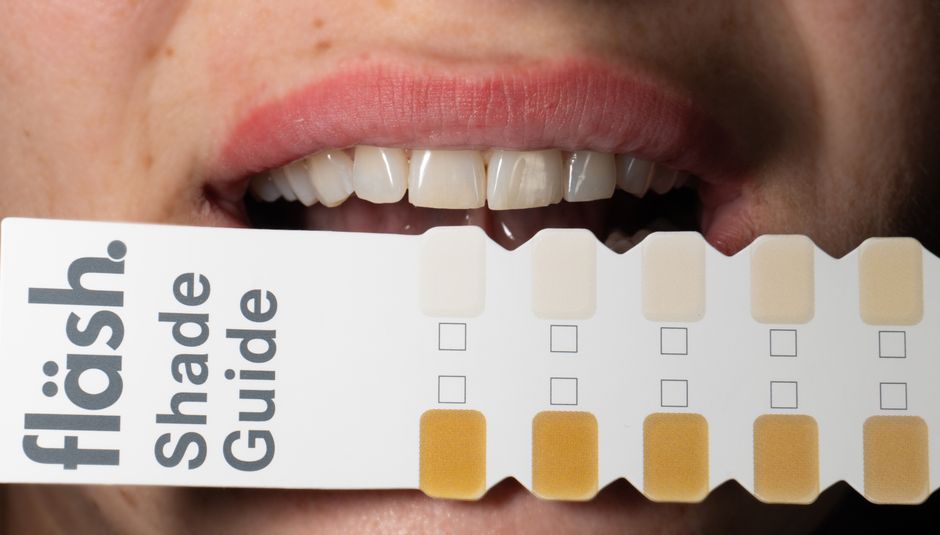
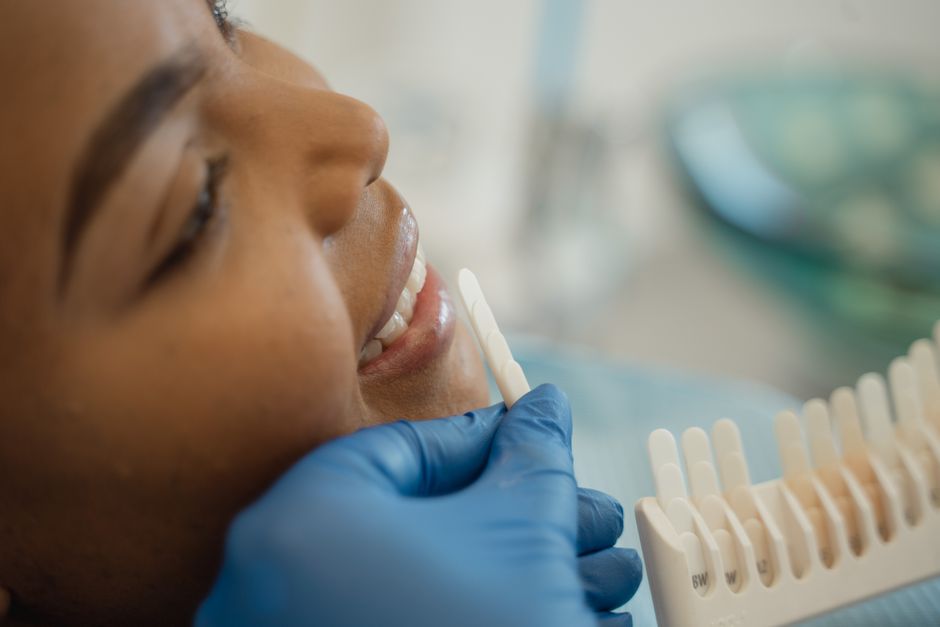
- Photography protocols for shade, texture, and characterization
- Mock-ups and provisionals to test aesthetics and phonetics
These steps are particularly relevant in Hollywood Smile cases where patient expectations are high and subjective outcomes (like “naturalness”) depend on details such as line angles, surface texture, and value control.
Where Implants Enter the Conversation: Missing Teeth and Full-Arch Plans
Hollywood Smile requests sometimes reveal a more complex baseline: missing posterior support, failing crowns, or compromised vertical dimension. In such cases, implant dentistry and prosthodontic planning can be foundational—not optional add-ons.
Immediate implant placement workflows
In selected cases and with appropriate indications, clinicians may consider extraction followed by immediate implant placement. This workflow is technique-sensitive and training-dependent, involving socket assessment, primary stability targets, provisionalization considerations, and soft-tissue management. For a structured overview from an education lens, explore workflow and training insights on same-day extraction and immediate implant placement.
Systemic considerations: diabetes and implant prognosis
When a smile makeover includes implants, medical history becomes central to risk assessment and long-term maintenance planning. Glycemic control, periodontal status, and supportive therapy all influence outcomes. For an educational discussion tailored to clinicians, review what clinicians should know about implant success in patients with diabetes.
Full-arch aesthetics: beyond “white teeth”
For patients with terminal dentition or extensive edentulism, a Hollywood Smile outcome may require a full-arch implant solution rather than multiple tooth-by-tooth restorations. One widely discussed protocol is All-on-6, valued for its distribution of support and potential stability in appropriate cases. For more on the rationale and planning considerations, see advantages of All-on-6 implants for full-arch stability and predictability.
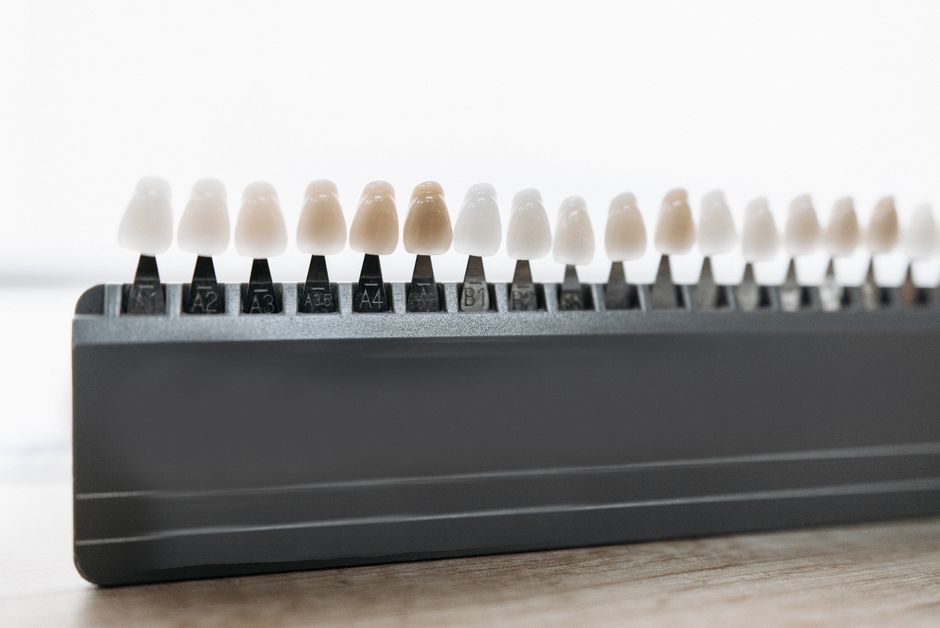
Zirconia Crowns in Aesthetic Cases: Practical Advantages and Trade-Offs
Zirconia crowns can be an excellent choice when full coverage is indicated. Potential clinical advantages include:
- High fracture resistance in functional zones
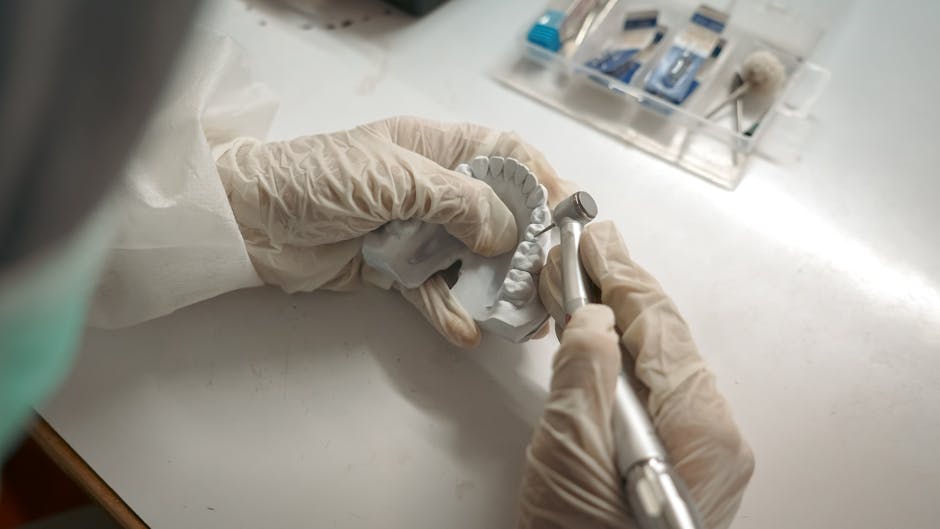
- Compatibility with digital workflows (CAD/CAM design and milling)
- Good aesthetics with modern multilayer zirconia options
However, clinicians should also recognize limitations and technique sensitivities, such as the need for correct preparation geometry, margin readability, sintering/shade behavior, and cementation protocols. In highly aesthetic anterior cases, the decision between monolithic zirconia, layered zirconia, or alternative ceramics should be guided by optical demands and space availability.
Hollywood Smile Planning with Veneers: Predictability Comes from Protocol
Veneer-driven smile design can be conservative and highly aesthetic, but it is not “simple.” Predictability relies on:
- Diagnostic wax-up or digital wax-up and a transfer mock-up
- Preparation guided by the mock-up (to preserve enamel where possible)
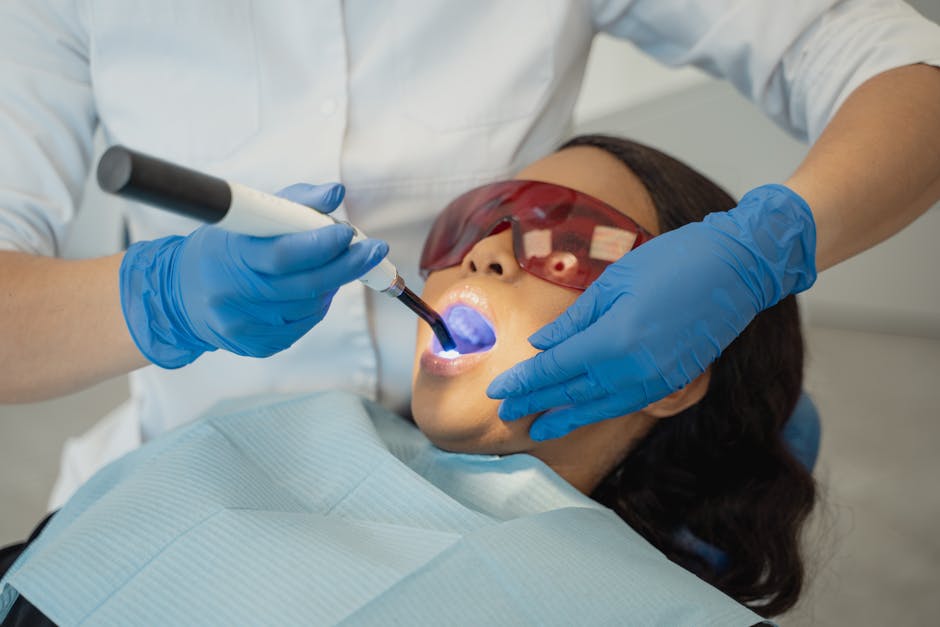
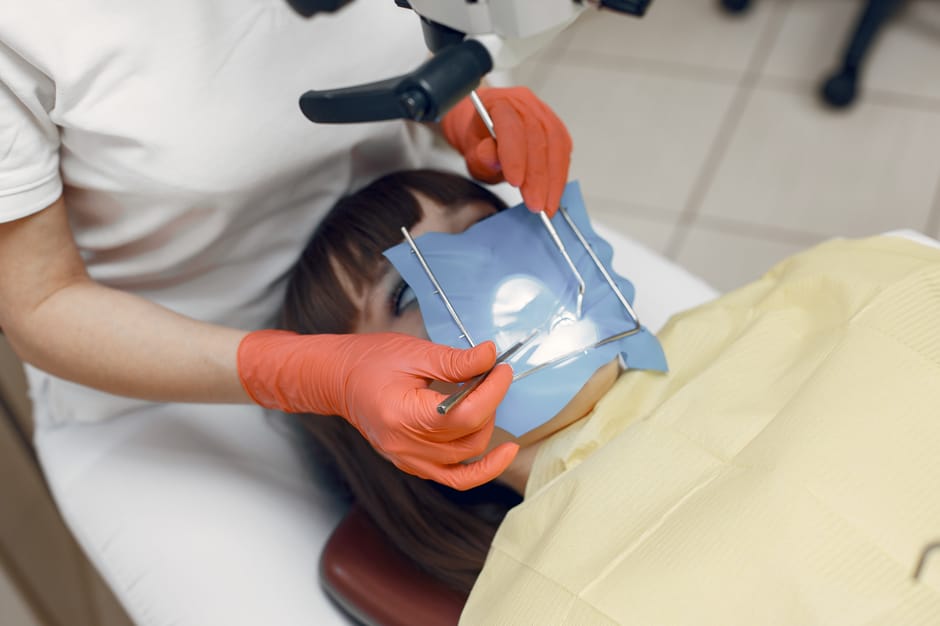
- Isolation and adhesive bonding protocols
- Color strategy (bleaching timing, stump shade mapping, try-in pastes)
- Maintenance planning and patient education
In many cases, the most important clinical skill is not the preparation itself, but decision-making: knowing when veneers are appropriate—and when a full-coverage crown, orthodontic alignment, periodontal therapy, or a staged approach will be safer and more durable.
How We Teach This at Istanbul Dental Academy: From Diagnosis to Hands-On Execution
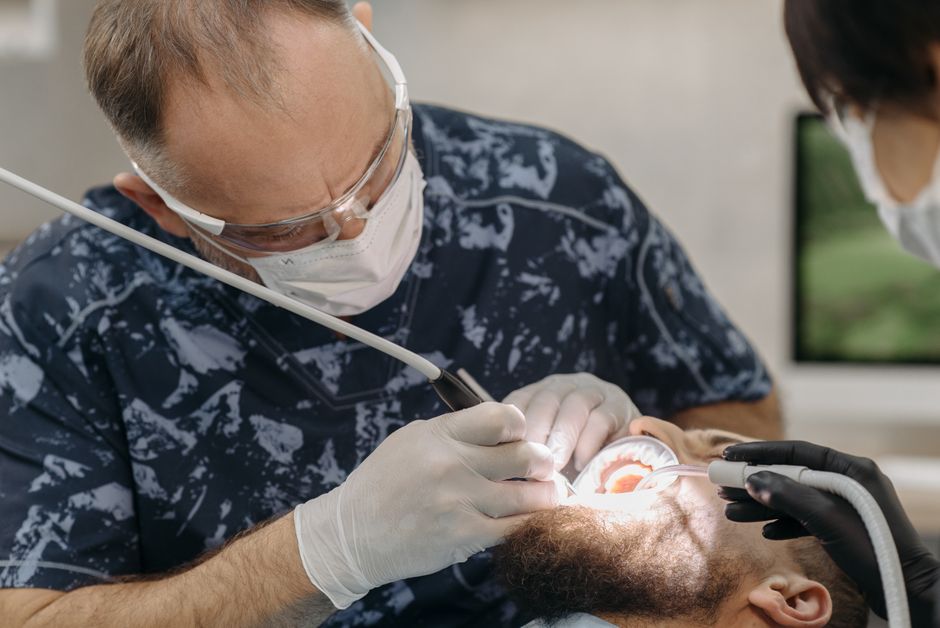
At Istanbul Dental Academy, aesthetic rehabilitation is approached as an integrated clinical workflow rather than a single product label. Our continuing dental education focus emphasizes how to:
- Build a diagnosis-driven smile design plan using digital tools and photographic protocols
- Select between veneers, zirconia crowns, or mixed designs based on tooth structure and occlusal risk
- Coordinate periodontal considerations for healthy tissue architecture and restorability
- Integrate implant planning when missing teeth or compromised prognosis changes the restorative map
Hands-on training matters because small technical differences—margin design, isolation, bonding, provisional contours, occlusal refinement—often determine whether a “Hollywood Smile” looks natural and functions comfortably over time.
Conclusion: Choosing the Right Path for the Right Patient
Hollywood Smile and zirconia crowns are not competing treatments in a strict sense. One is a patient-facing aesthetic goal; the other is a restorative option that may or may not be part of achieving that goal. For clinicians, the priority is a structured workflow that respects biology, occlusion, and patient expectations—supported by modern diagnostics, digital planning, and skilled execution.
This article is for educational purposes. Treatment decisions should be made by qualified dental professionals based on individual patient evaluation, diagnostic records, and informed consent.
Diğer Yazılar