
BLOG
Fast-Track Dental Implants: Who Is a Suitable Candidate?
Understanding “Fast-Track” Implant Treatment
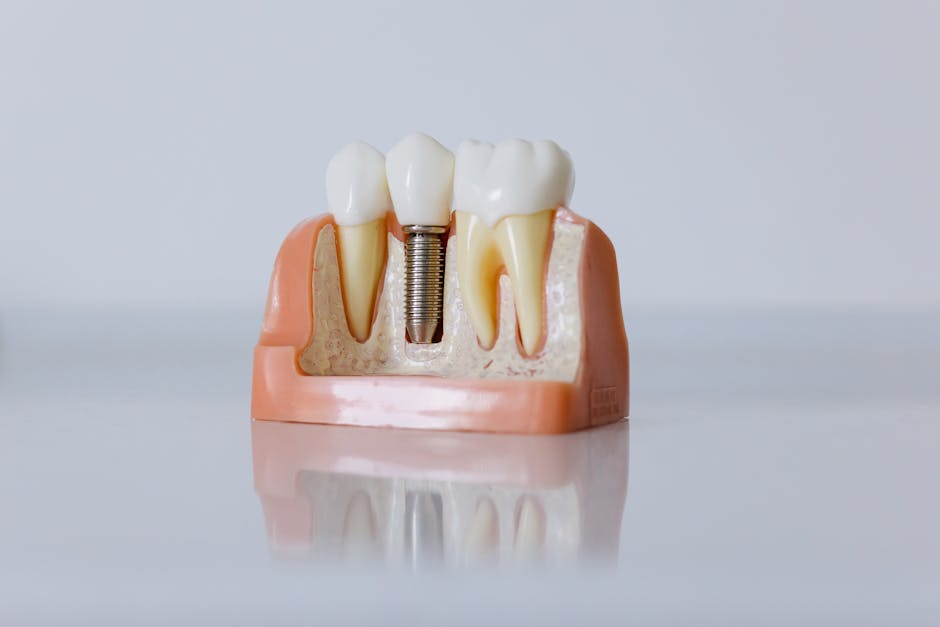
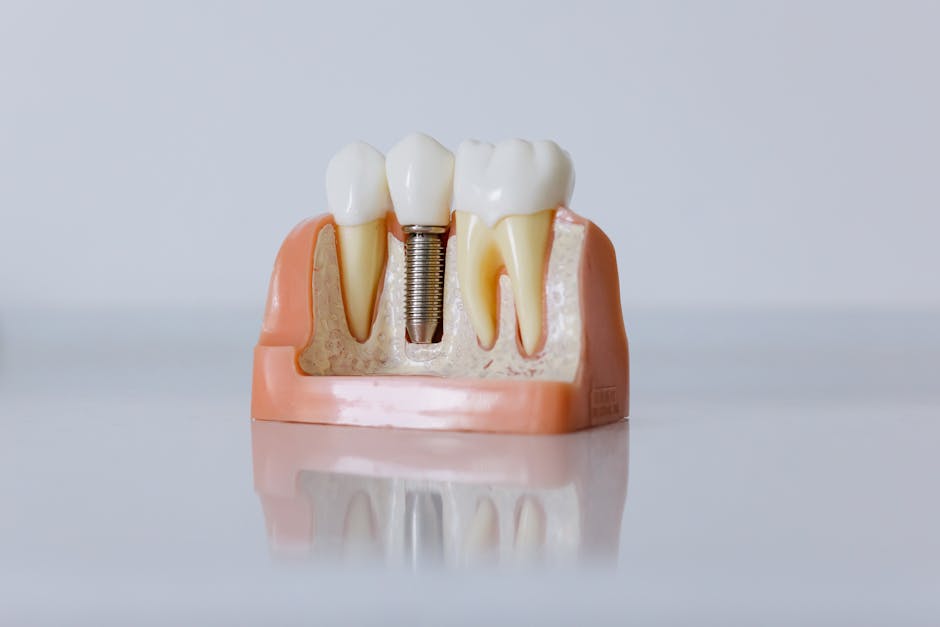
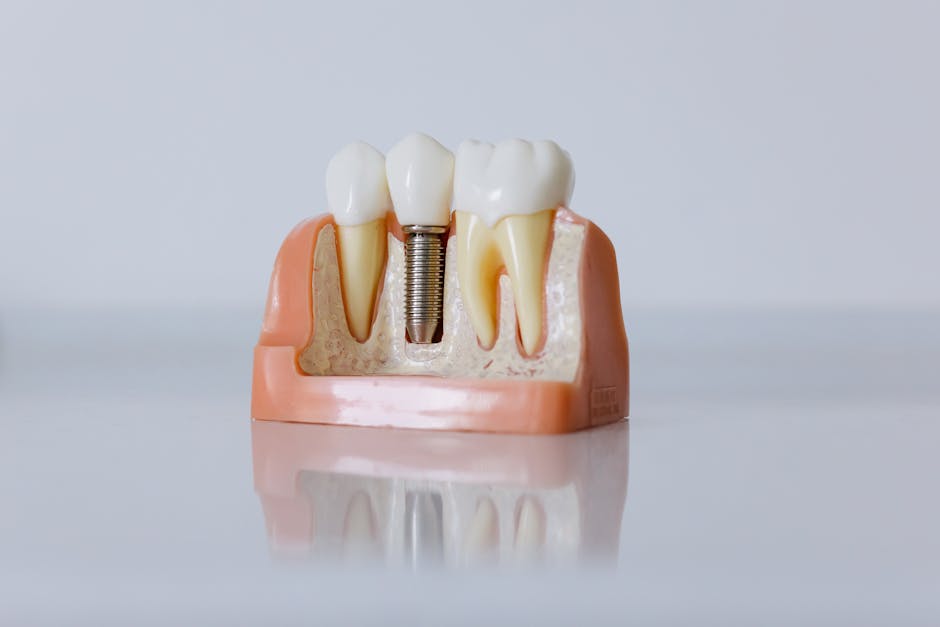
“Fast-track implant treatment” is an umbrella term used for protocols that aim to reduce the time between tooth loss (or extraction) and delivering a functional, aesthetic restoration. In daily practice, this may refer to immediate implant placement (placing the implant at the time of extraction), immediate provisionalization/loading (placing a temporary tooth soon after implant placement), or accelerated workflows driven by digital planning and streamlined prosthetic steps.
From a dental education perspective, the crucial point is that “fast” should never mean “rushed.” Case selection, diagnosis, and risk management are what make these protocols predictable. This article is for educational purposes and is intended to support clinicians, dental students, and dentists pursuing continuing dental education—particularly those interested in evidence-informed workflows and hands-on skill development.
What Makes a Patient a Good Candidate?
Suitable candidates for fast-track implant care typically share a combination of favorable local factors (bone, soft tissue, occlusion) and systemic stability (medical history and risk profile). Although many patients request “implants in a day,” clinicians should frame the conversation around predictability, tissue health, and long-term outcomes rather than speed alone.
1) A Clear Diagnosis and Restorable Treatment Objectives
Fast-track protocols require clarity: What is the cause of tooth loss? Is the site infected, fractured, endodontically compromised, or periodontally hopeless? The answers influence timing, implant positioning, and provisional design. For example, traumatic fractures of anterior teeth often demand a careful aesthetic plan and soft-tissue management strategy; clinicians may benefit from reviewing contemporary techniques for restoring fractured anterior teeth to understand restorative alternatives and when implant replacement is (or isn’t) the best option.
2) Adequate Bone Volume and Favorable Socket Anatomy
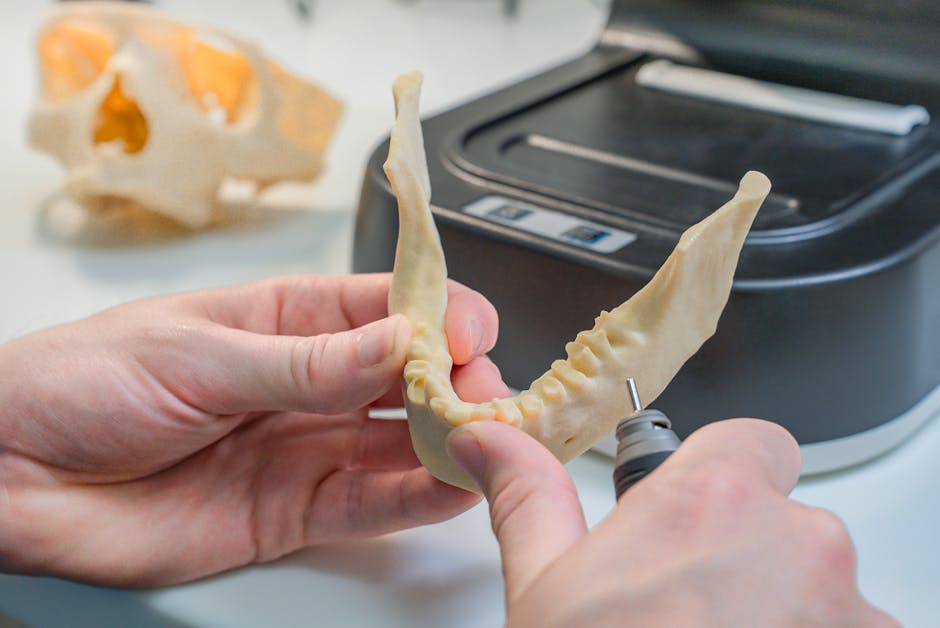
Immediate implant placement and immediate loading tend to be most straightforward when bone morphology supports primary stability and correct 3D positioning. Thin buccal plates, dehiscences, or significant periodontal bone loss increase the risk of recession and compromised emergence profile—particularly in the anterior maxilla.
Key clinical considerations include:
• Primary stability potential: Bone density and implant bed preparation influence whether immediate provisionalization is feasible.
• Buccal plate integrity: A thin or damaged buccal wall can elevate aesthetic risk.
• Need for grafting: Some “fast-track” cases still require simultaneous grafting; others are better staged.
3) Healthy or Controllable Periodontal and Peri-Implant Risk
Patients with uncontrolled periodontal disease, poor plaque control, or a history of aggressive periodontitis may face increased biological complications. Fast-track approaches do not replace foundational periodontal assessment; they depend on it. Before committing to accelerated timelines, clinicians should confirm inflammation control, reinforce hygiene protocols, and align maintenance expectations with the patient.
4) Occlusal Risk and Parafunction Assessment
Immediate loading is sensitive to biomechanical overload. Bruxism, unfavorable occlusal schemes, and limited restorative space can increase complications such as screw loosening, prosthetic fracture, or marginal bone changes. In fast-track workflows, the provisional restoration is not just “a temporary tooth”—it is a biomechanical device that must control loading while guiding soft-tissue healing.
Medical Considerations: When Speed Is Not the Priority
Systemic health affects healing and infection risk. While many medically compromised patients can still be treated successfully, “fast-track” protocols may be less appropriate when surgical and prosthetic risks are elevated or when follow-up compliance is uncertain.
Diabetes and Healing Considerations
Diabetes is a common concern among patients requesting implants. Glycemic control, periodontal status, and overall risk assessment matter more than the diagnosis label alone. For a focused clinical discussion, see dental implants for patients with diabetes: what clinicians should know, which outlines factors that may influence decision-making and follow-up planning.
Smoking, Medications, and Other Risk Modifiers
Smoking status, anticoagulant use, immunosuppressive therapy, bisphosphonates/anti-resorptives, and history of radiotherapy can all influence surgical approach and timeline. In some cases, a staged protocol may be more predictable and ethically appropriate than accelerating steps.
Clinical Scenarios Where Fast-Track Implants May Be Appropriate
Fast-track protocols are not a single technique; they are a spectrum. The following scenarios often lend themselves to shortened timelines—provided diagnostic criteria are met and informed consent is robust.
Single-Tooth Replacement with High Aesthetic Demand
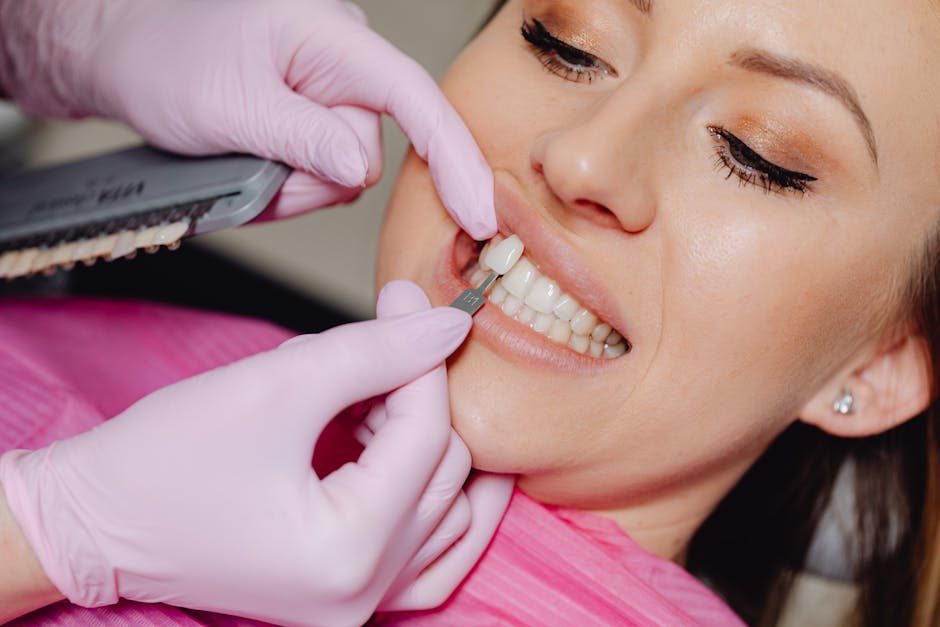
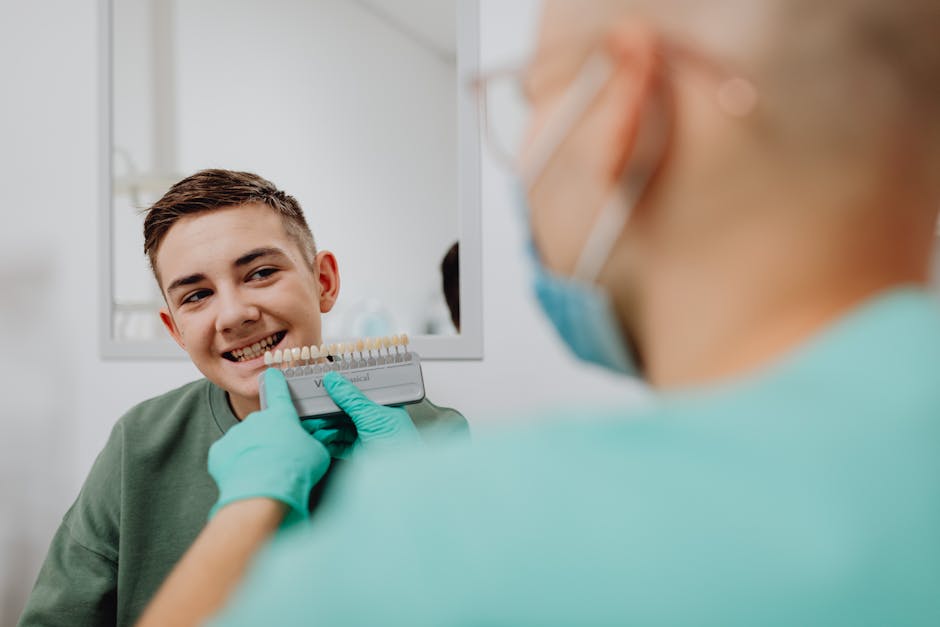
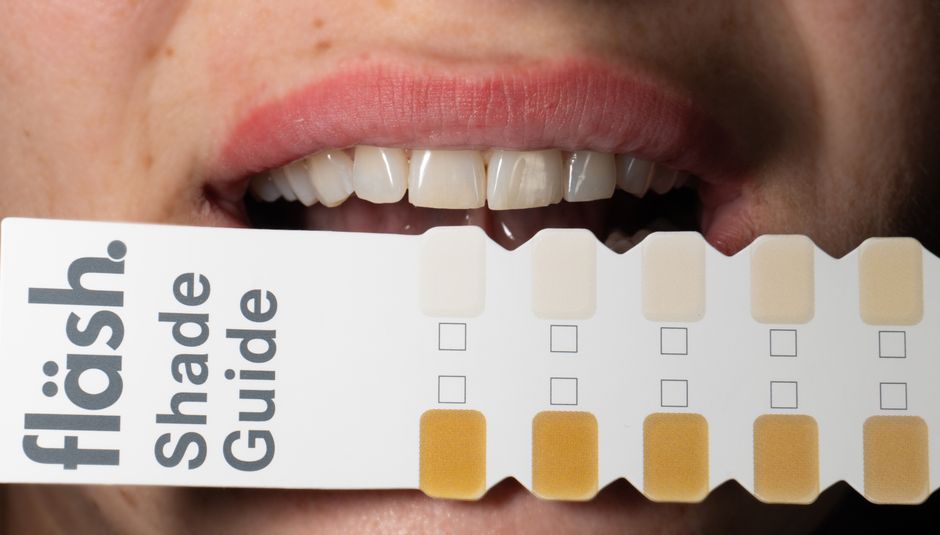
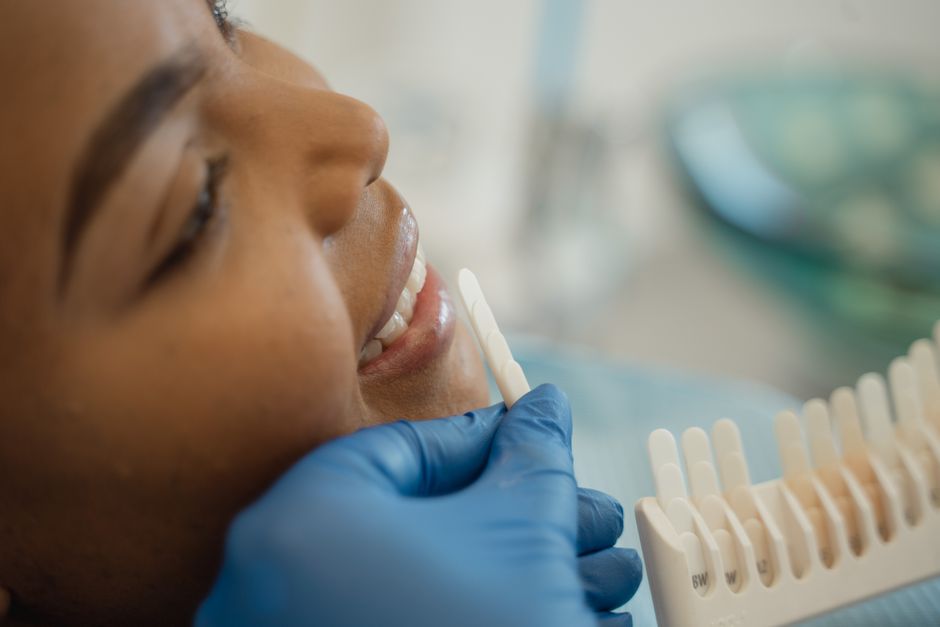
In select anterior cases, immediate implant placement with a well-designed provisional can help preserve gingival architecture and patient confidence—especially when a failing tooth compromises appearance. However, aesthetic predictability depends on meticulous 3D positioning and prosthetic design. When planning the final smile outcome, clinicians frequently combine implant workflows with broader restorative considerations such as shade management, contour control, and patient expectations.
Multiple Missing Teeth with a Digital Workflow
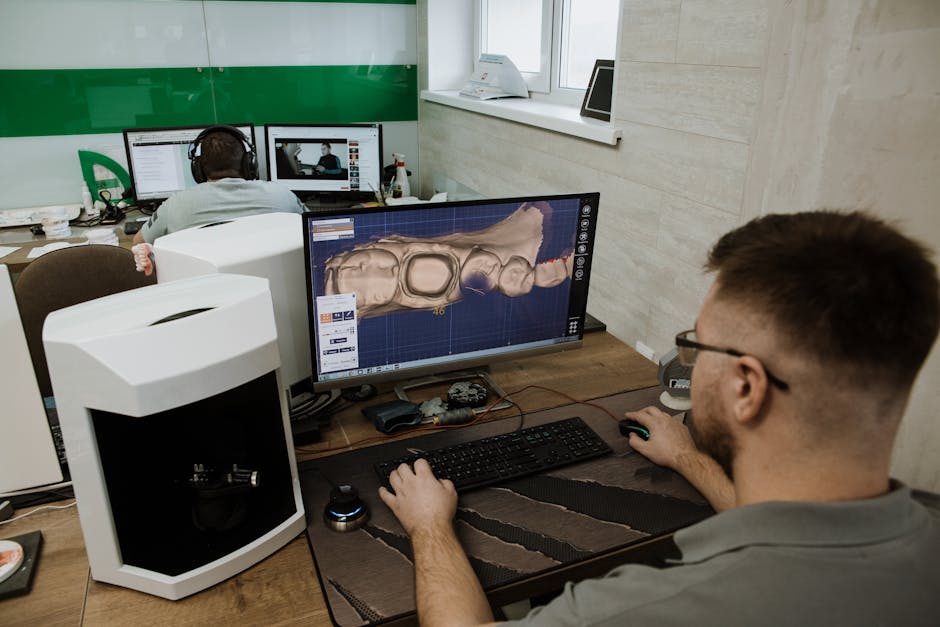
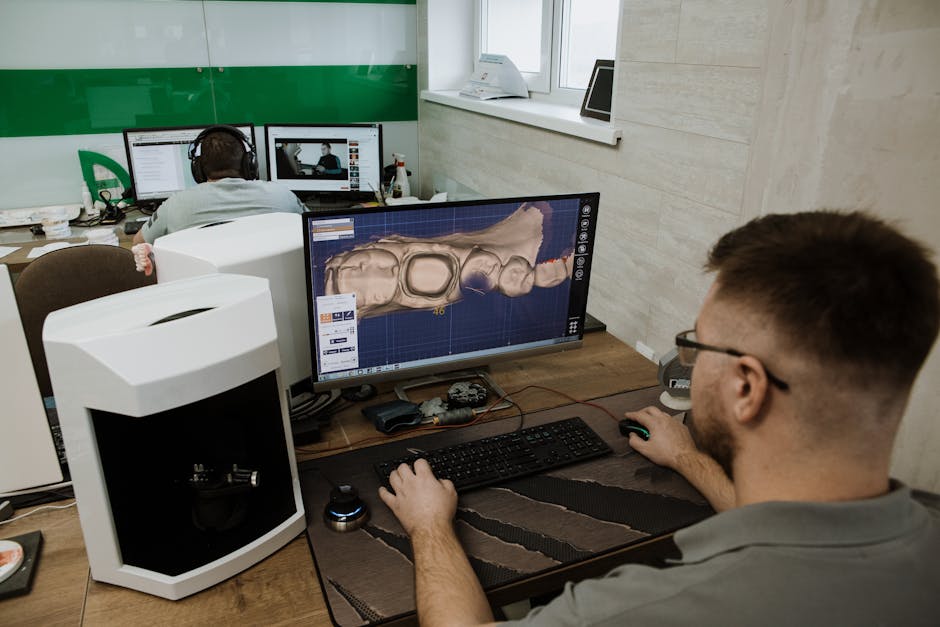
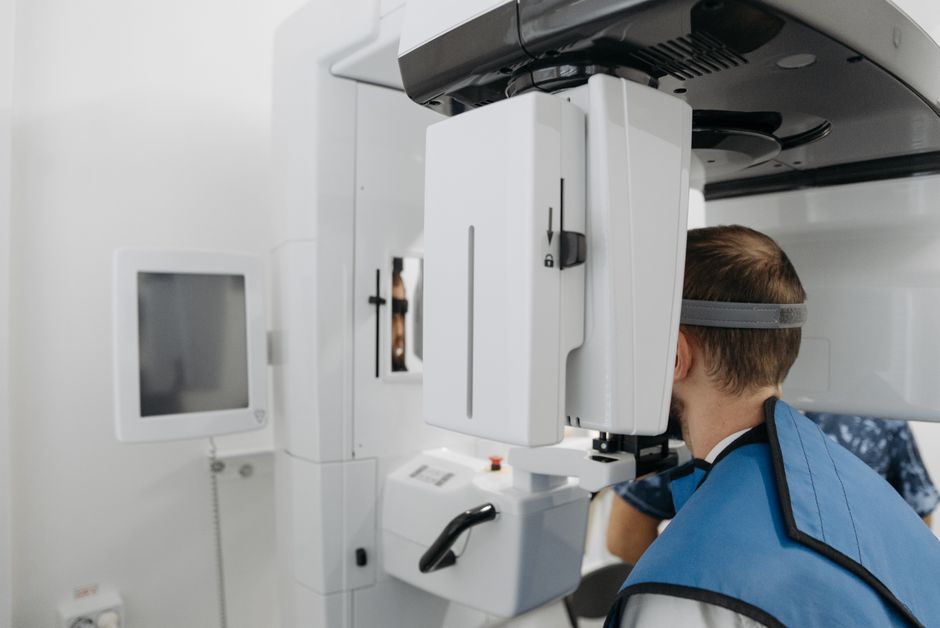
For patients requiring multi-unit implant restorations or full-arch rehabilitation, digital planning can reduce uncertainty and streamline treatment. CBCT-based planning, guided surgery, and prosthetically driven implant positioning are particularly valuable when timelines are compressed. A structured overview is available in digital planning for full-arch implant cases: a modern workflow for predictable outcomes, which explains how digital tools can support surgical-prosthetic coordination and risk reduction.
Immediate Provisionalization in Low-Risk Occlusion
Immediate provisionalization can be considered when primary stability is achievable and occlusal loads can be minimized (e.g., non-functional provisional design, careful guidance, and patient compliance). The clinician’s ability to adjust occlusion and manage soft-tissue contours becomes central to success.
When Fast-Track Implant Treatment May Not Be Ideal
Knowing when not to accelerate is as important as mastering the technique. Situations commonly prompting a more staged approach include:
• Acute infection with uncontrolled pathology where debridement and healing may be required prior to implant placement.
• Severe ridge defects needing augmentation to achieve prosthetically driven positioning.
• Thin gingival biotype with high recession risk in the aesthetic zone.
• Poor compliance with follow-ups, hygiene, or diet recommendations during healing.
• High parafunctional load where immediate loading could elevate mechanical complications.
The Role of Restorative Dentistry in “Fast” Implant Outcomes
Fast-track implant protocols often succeed or fail based on restorative planning. Provisional contour, emergence profile, margin design, and occlusal scheme directly influence tissue stability and patient satisfaction. In many consultations, patients compare implants to other aesthetic options (e.g., veneers) without understanding the differences in indication. A clinician who can clearly explain restorative alternatives builds trust and improves treatment acceptance.
Provisionalization and Aesthetic Integration
Even when the final restoration is implant-supported, interim composite restorations and mock-ups may be used for diagnostic communication, soft-tissue guidance, or transitional aesthetics. For clinicians refining their anterior finishing and layering skills, how to achieve natural aesthetics in anterior composite restorations provides a helpful lens on morphology and optical integration—skills that translate strongly into implant provisional design and final crown characterization.
Occlusal Design and Material Choices
Fast-track cases often rely on provisional materials that must withstand function while remaining adjustable. Later, definitive materials (e.g., monolithic zirconia, layered ceramics, titanium bases) are chosen based on aesthetics, space, load, and retrievability. For partial-coverage restorative decision-making that often overlaps with implant-adjacent teeth, when to choose onlay vs overlay restorations: clinical decision-making is a relevant refresher on preserving tooth structure and matching indication to biomechanics.
Workflow Essentials: Making Fast-Track Predictable
Clinicians pursuing fast-track implant care benefit from a repeatable workflow that links diagnosis to execution. While protocols vary by system and philosophy, predictable outcomes typically share these steps:
1) Comprehensive Data Collection
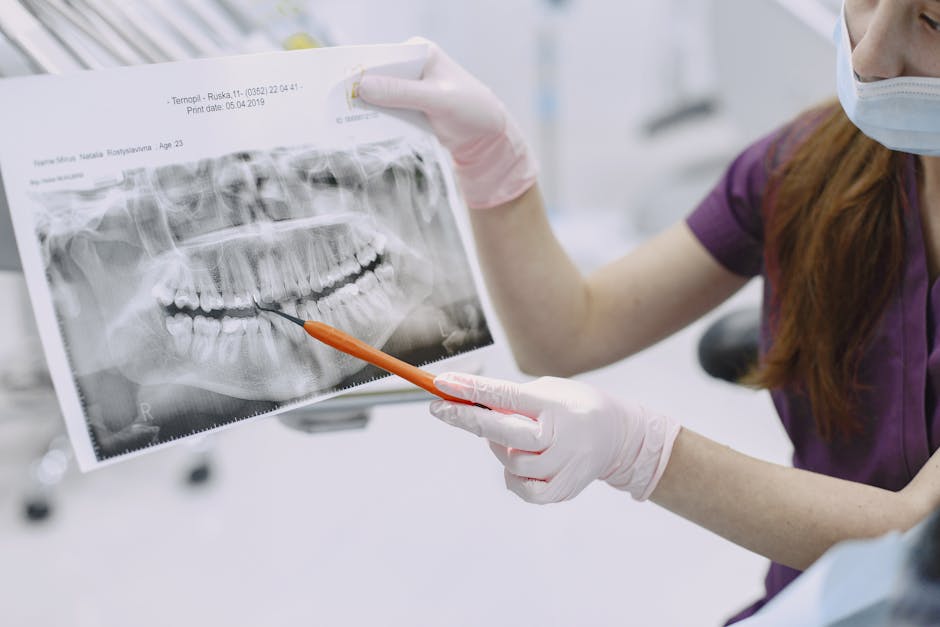
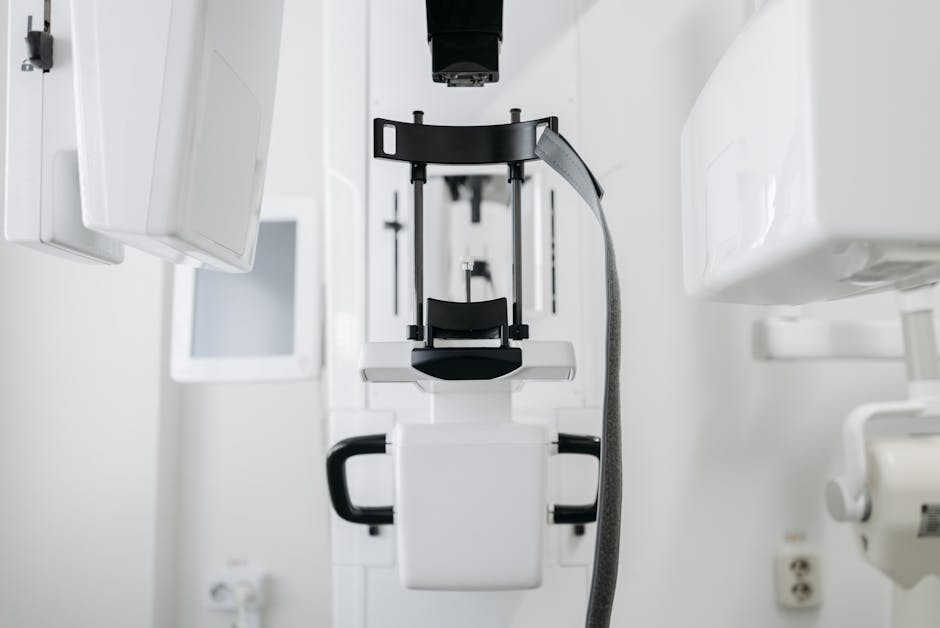
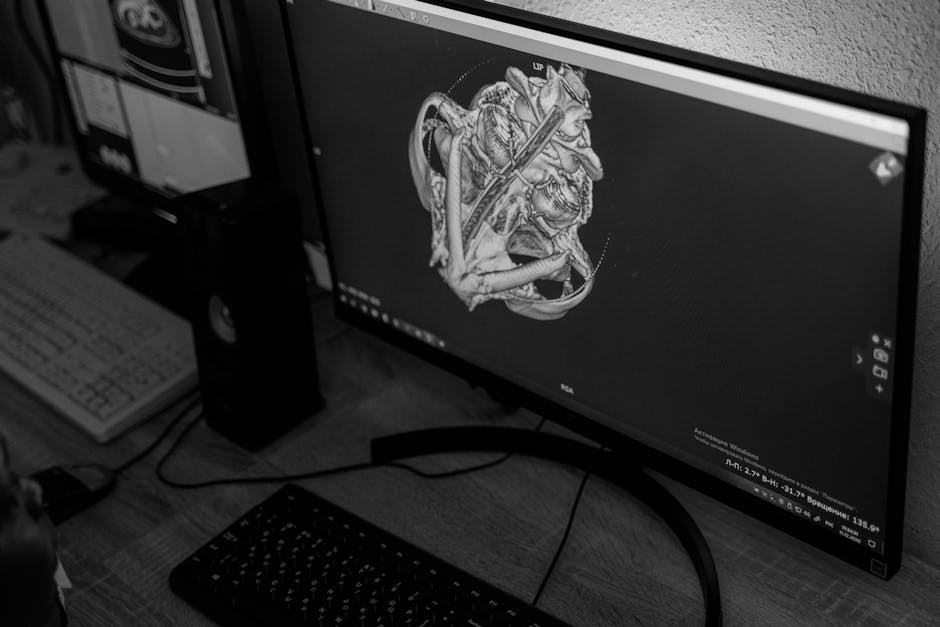
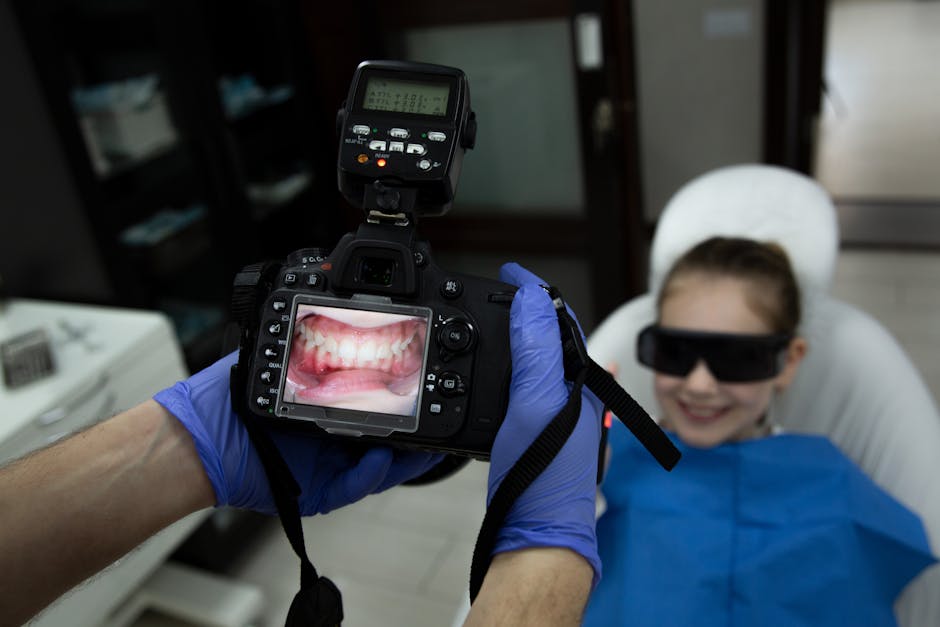
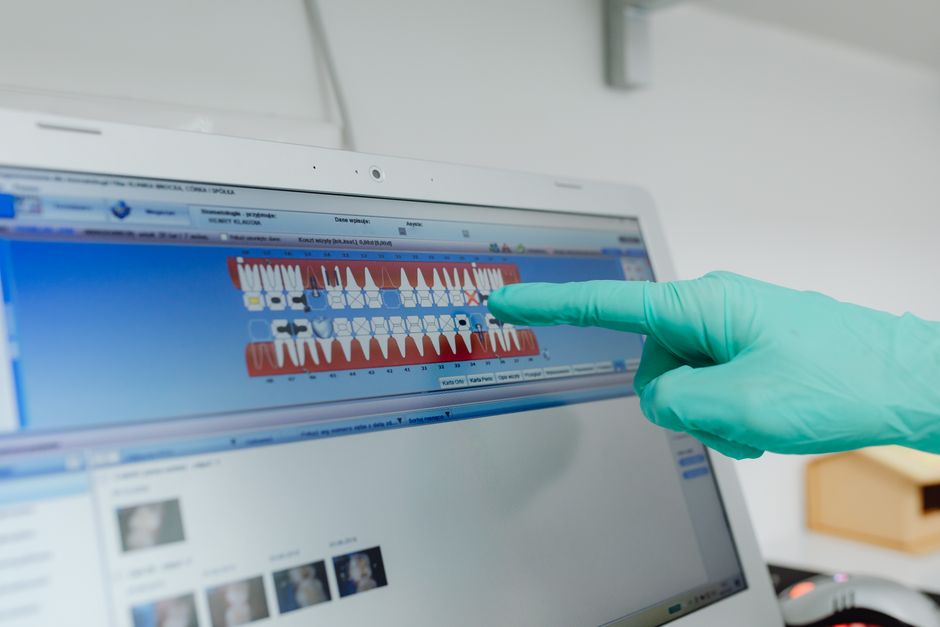
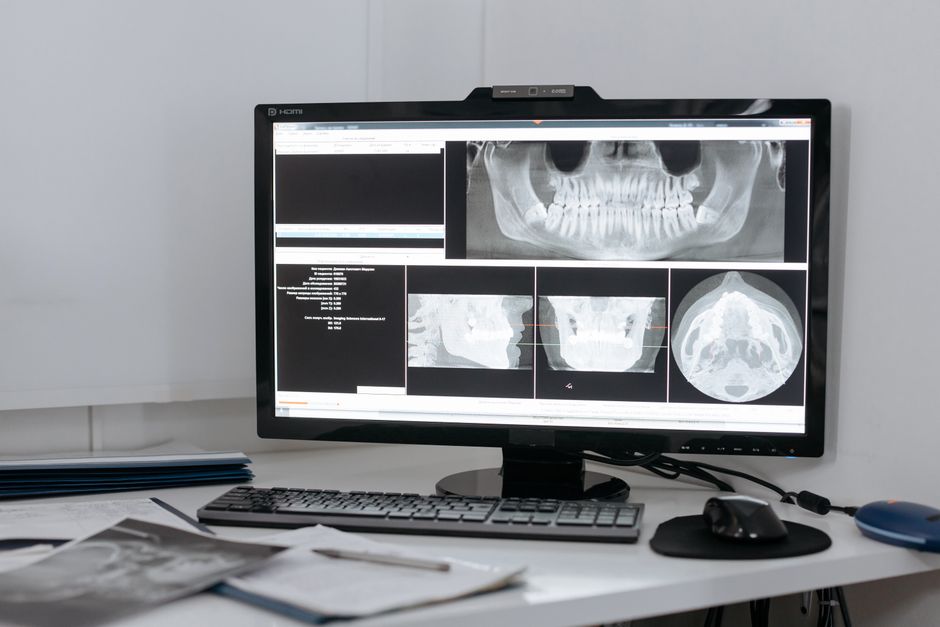
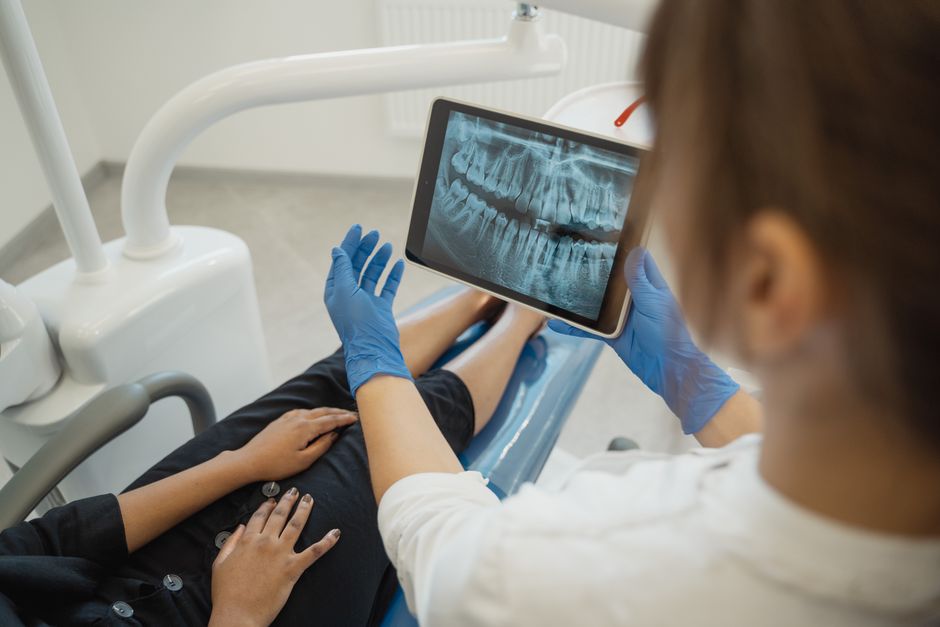
High-quality diagnostics are non-negotiable: clinical photos, periodontal charting, radiographs, CBCT when indicated, and occlusal analysis. Digital dentistry is particularly powerful when it reduces ambiguity rather than simply adding technology.
2) Prosthetically Driven Planning
Whether the case is single-tooth or full-arch, planning from the final restoration backward helps control emergence profile, screw-access positioning, and soft-tissue behavior. Digital wax-ups, intraoral scans, and guided surgery can all support this principle when used appropriately.
3) Surgical Precision and Soft-Tissue Awareness
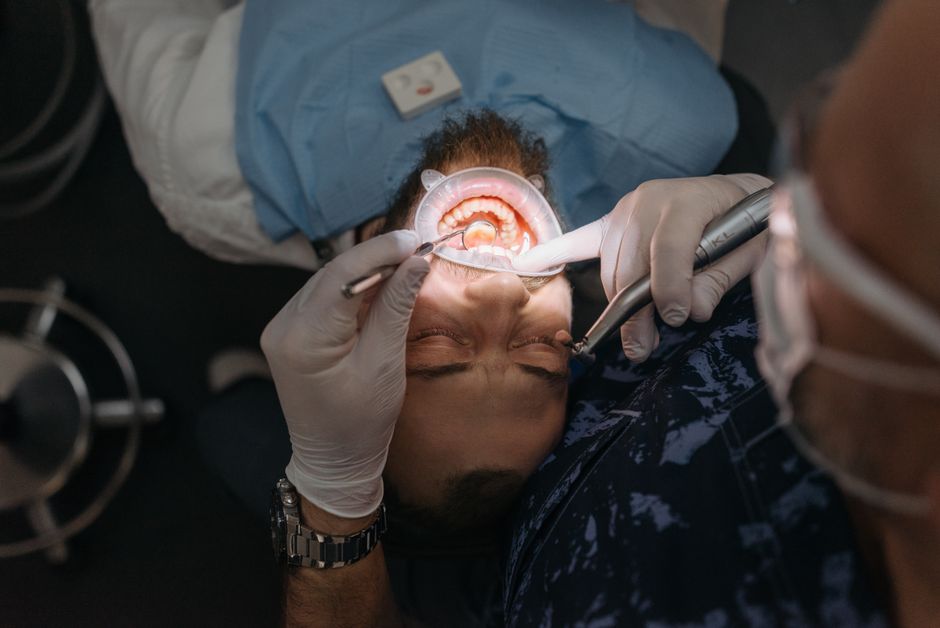
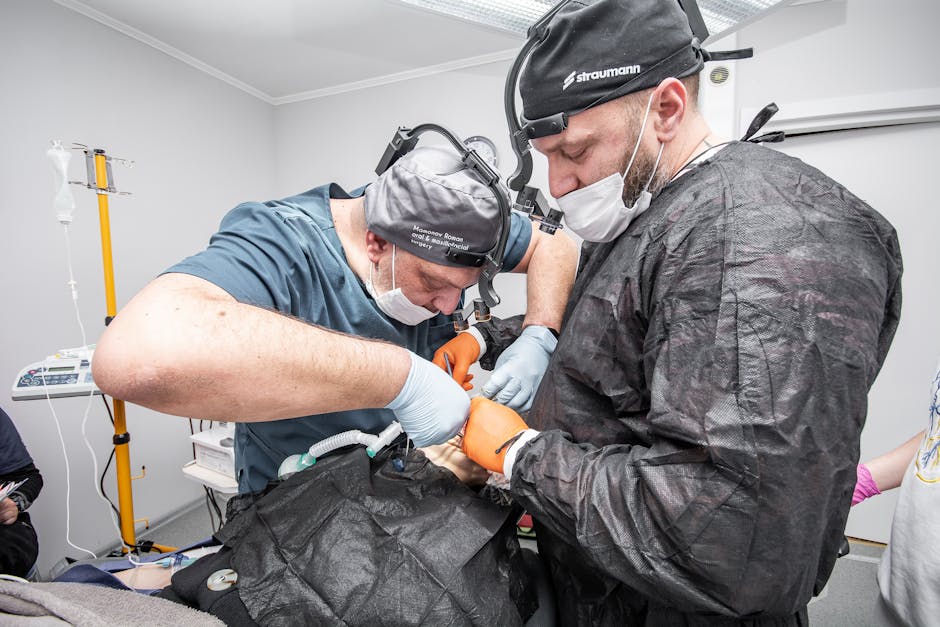
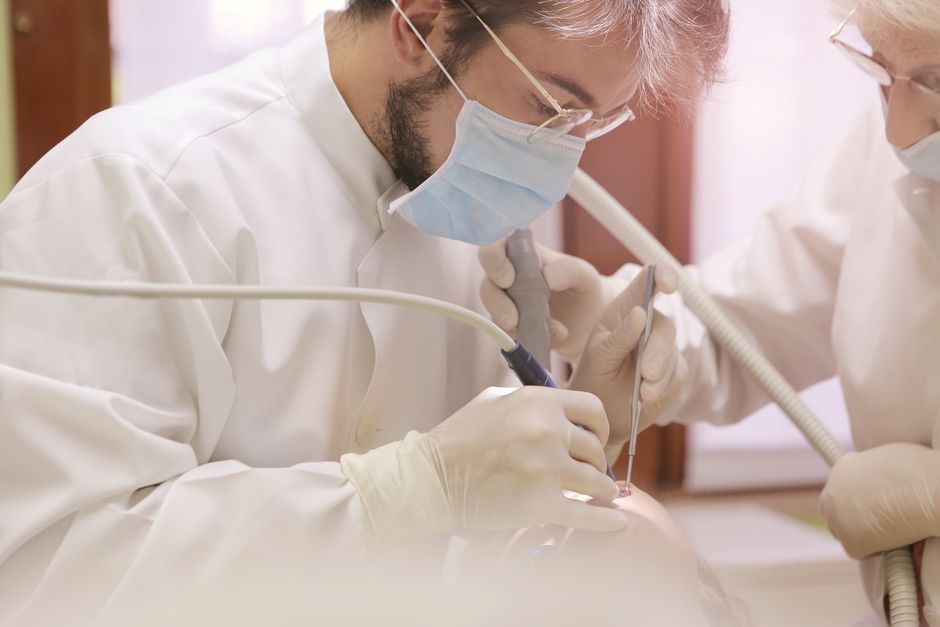
Flap design, extraction technique, implant depth, and angulation influence immediate aesthetics and long-term stability. In fast-track cases, small deviations can have amplified consequences. Hands-on surgical training—especially on extraction site management, guided surgery, and suturing—can help clinicians translate theory into predictable execution.
4) Provisional Design and Maintenance Protocols
Immediate temporization should protect the surgical site and shape soft tissue, not overload the implant. Clear postoperative instructions, maintenance visits, and hygiene reinforcement are integral parts of the “fast-track” promise.
How Istanbul Dental Academy Supports Skill Development
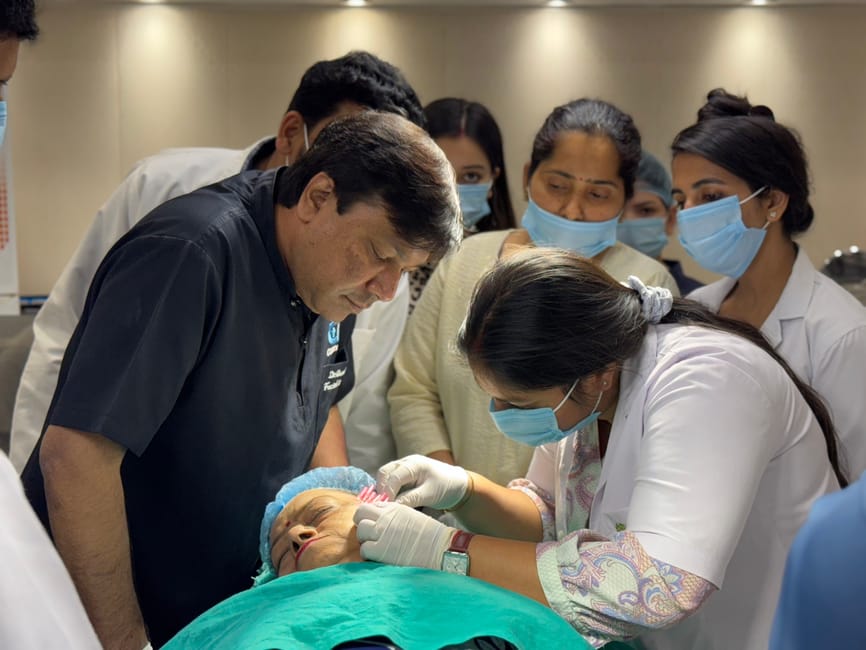
Fast-track implant treatment is rarely mastered through reading alone. It requires integration of surgical principles, restorative design, and digital planning—plus the ability to manage complications and patient expectations. Istanbul Dental Academy supports dentists and dental professionals through continuing dental education that emphasizes structured workflows and hands-on learning, including implant dentistry, prosthodontic planning, digital dentistry, and aesthetic restorative techniques.
For clinicians aiming to implement accelerated protocols responsibly, training that includes guided case planning, surgical simulation, and restorative/provisionalization exercises can be especially valuable. Developing competency in documentation (clinical photography), occlusal adjustment, and soft-tissue management also strengthens outcomes in time-sensitive cases.
Patient Communication: Ethical Framing of “Fast”
Patients often interpret “fast implants” as guaranteed same-day permanent teeth. Clinicians can improve satisfaction by clearly distinguishing between temporary and definitive restorations, discussing healing biology, and explaining why some cases require staging. Informed consent should cover biological and mechanical risks, expected follow-up visits, and the importance of maintenance.
Key Takeaways
Fast-track implant treatment can be an excellent option for appropriately selected patients—particularly when local anatomy supports primary stability, systemic risk is controlled, and the team follows a prosthetically driven plan. Digital workflows can enhance predictability, but they do not replace fundamental clinical judgment. For dental professionals, the most reliable path to incorporating these protocols is a combination of evidence-informed planning and hands-on training.
This content is for educational purposes and does not constitute definitive medical or treatment advice. Clinical decisions should be made based on individual patient assessment, current evidence, and professional judgment.
Diğer Yazılar