
BLOG
Digital Planning for Full-Arch Implant Cases: A Modern Workflow for Predictable Outcomes
Why digital planning matters in full-arch implant rehabilitation
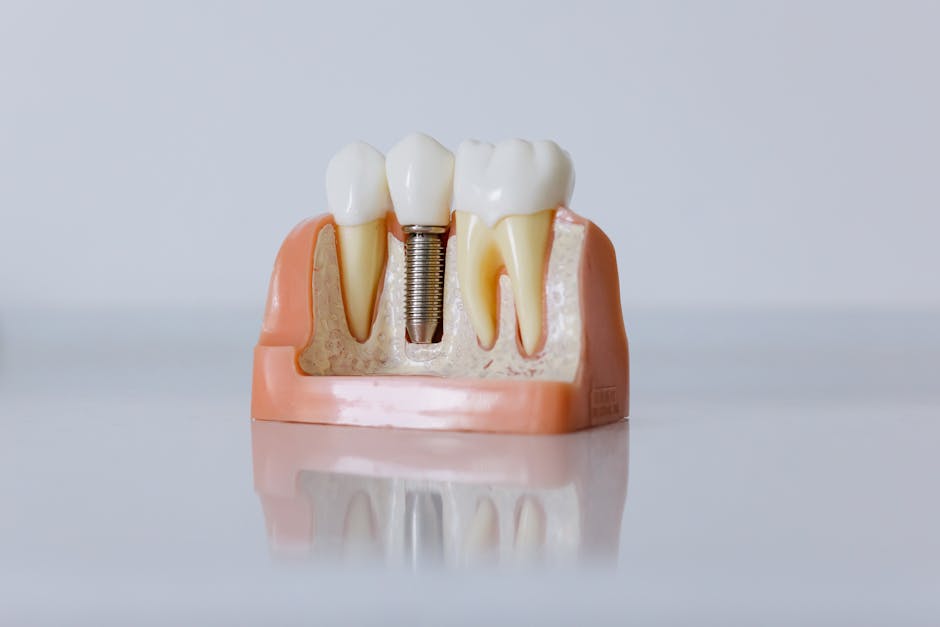
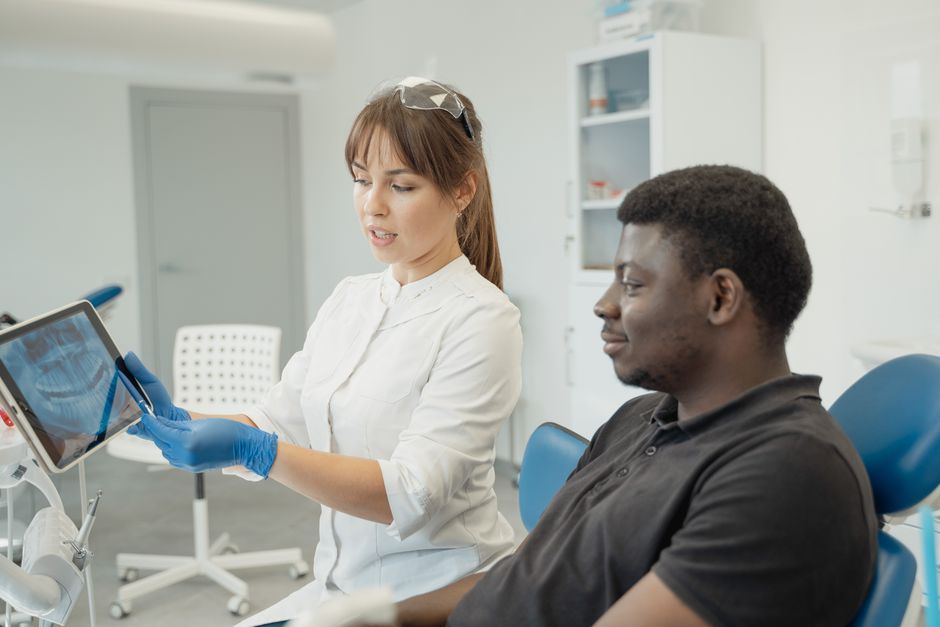
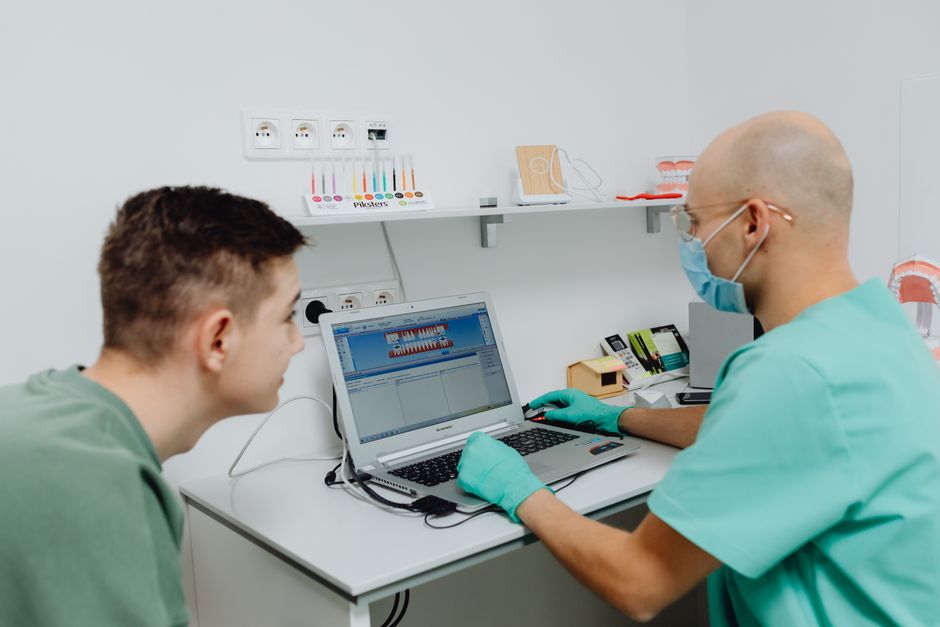
Full-arch implant cases are among the most demanding treatments in implant dentistry—not only because multiple implants are involved, but because the entire rehabilitation must function as a single biomechanical and esthetic system. Digital planning has become a cornerstone of predictable full-arch workflows by helping clinicians visualize anatomy, simulate prosthetic outcomes, and coordinate the surgical and restorative phases before the first incision.
For dentists and postgraduate learners, the most valuable shift is conceptual: instead of “placing implants and then making a prosthesis,” modern planning often starts with the final tooth position and occlusal scheme, then works backwards to the implant positions (prosthetically driven implant placement). This approach is taught and practiced in hands-on programs at Istanbul Dental Academy, where clinicians can translate digital protocols into chairside and surgical decision-making. This content is for educational purposes and does not replace individualized clinical assessment.
Core diagnostic inputs for a digital full-arch plan
A robust digital plan is only as accurate as the diagnostic data behind it. Full-arch patients may present with advanced tooth wear, periodontal history, failing restorations, compromised vertical dimension, or long-standing edentulism—all of which influence restorative space, jaw relations, and implant distribution.
CBCT: evaluating bone, anatomy, and risk
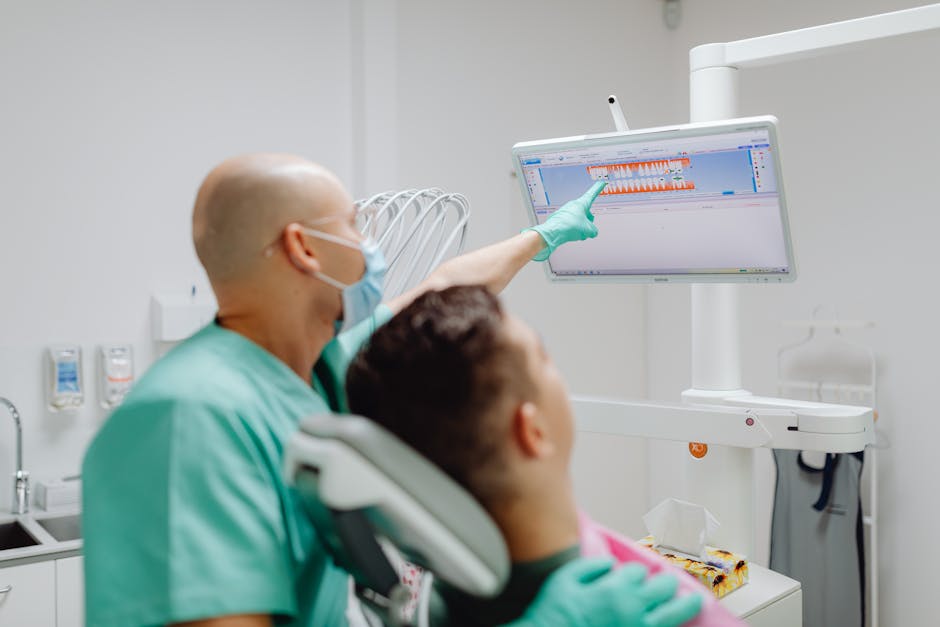
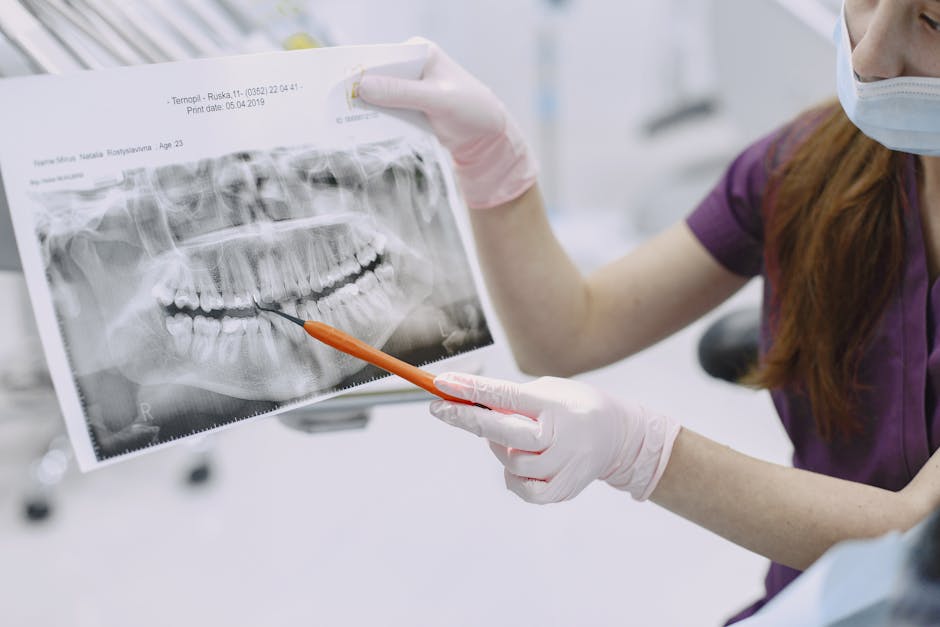
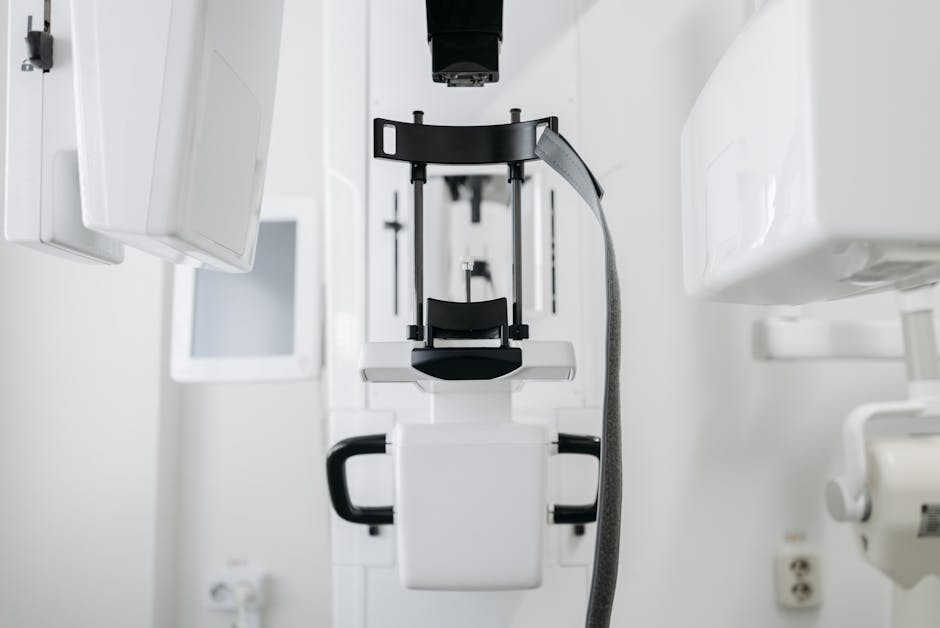
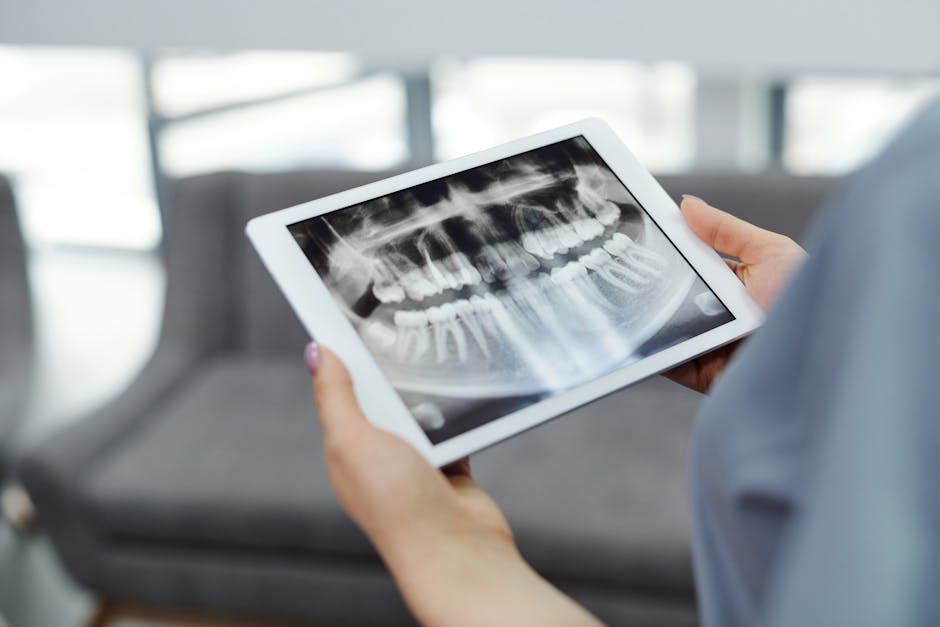
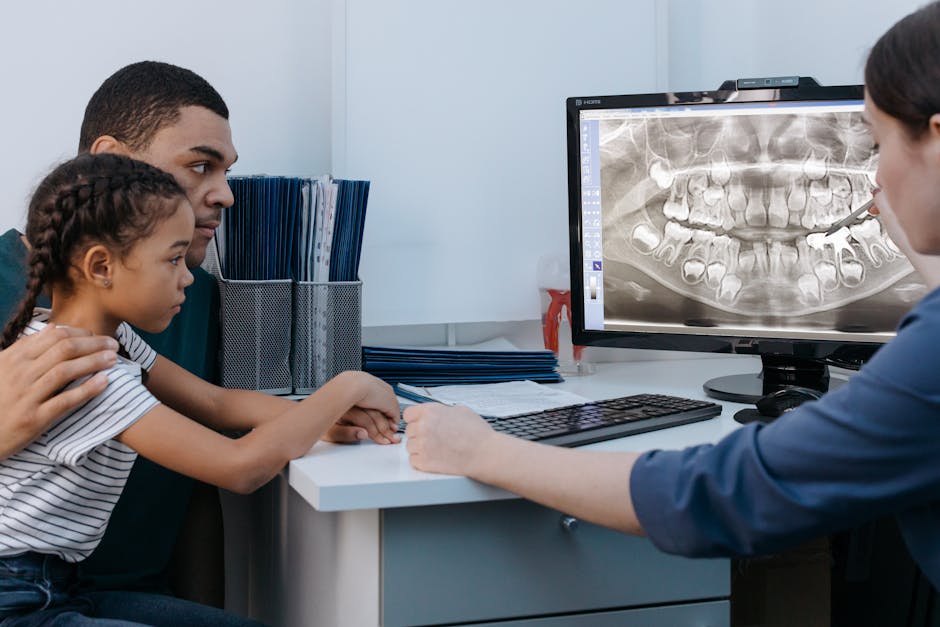
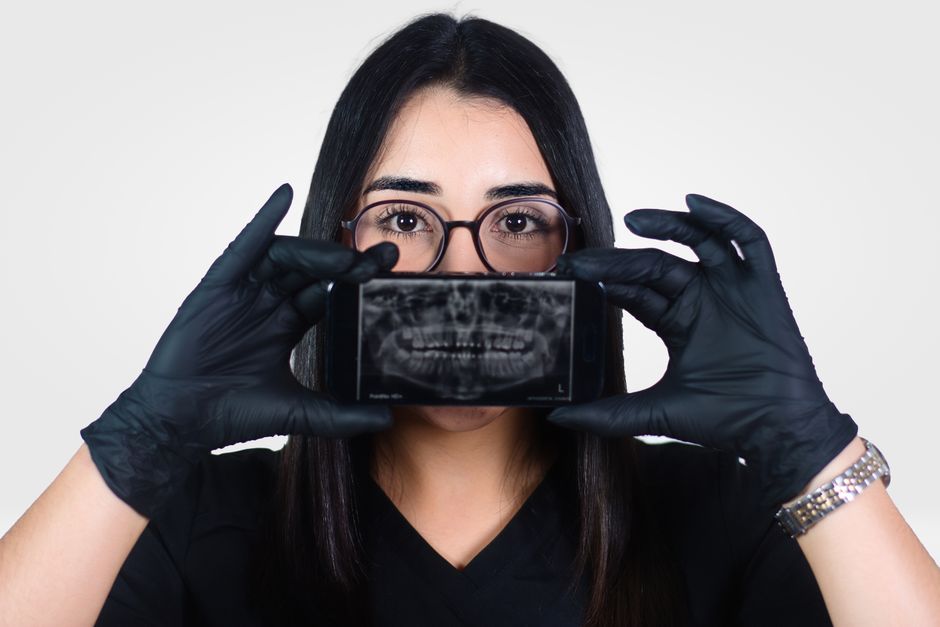
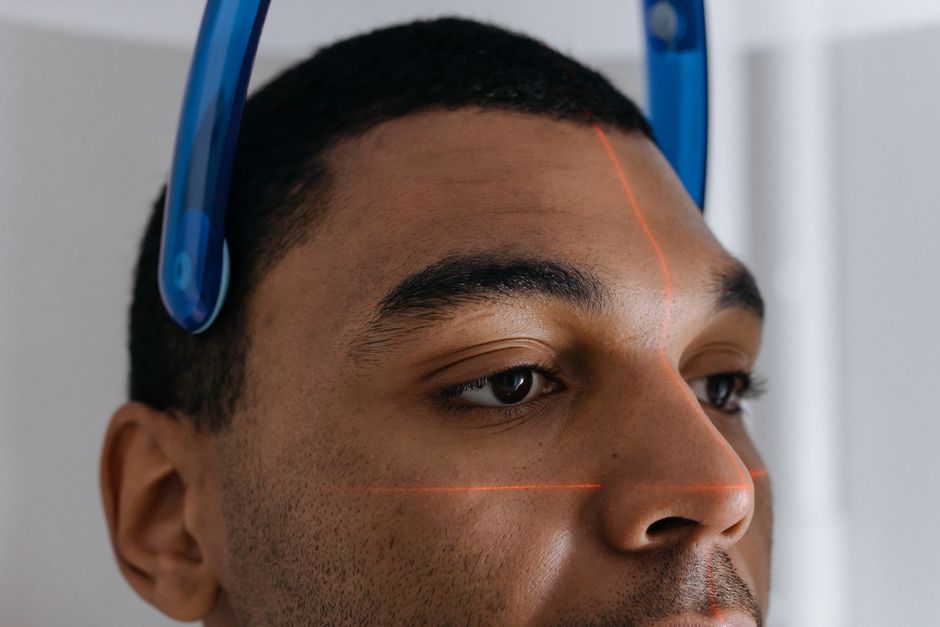
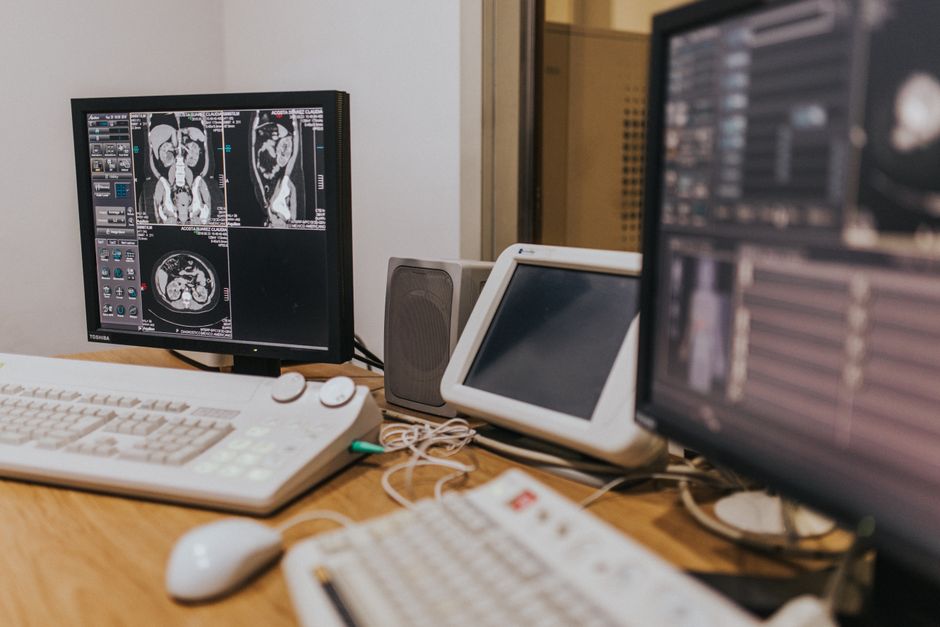
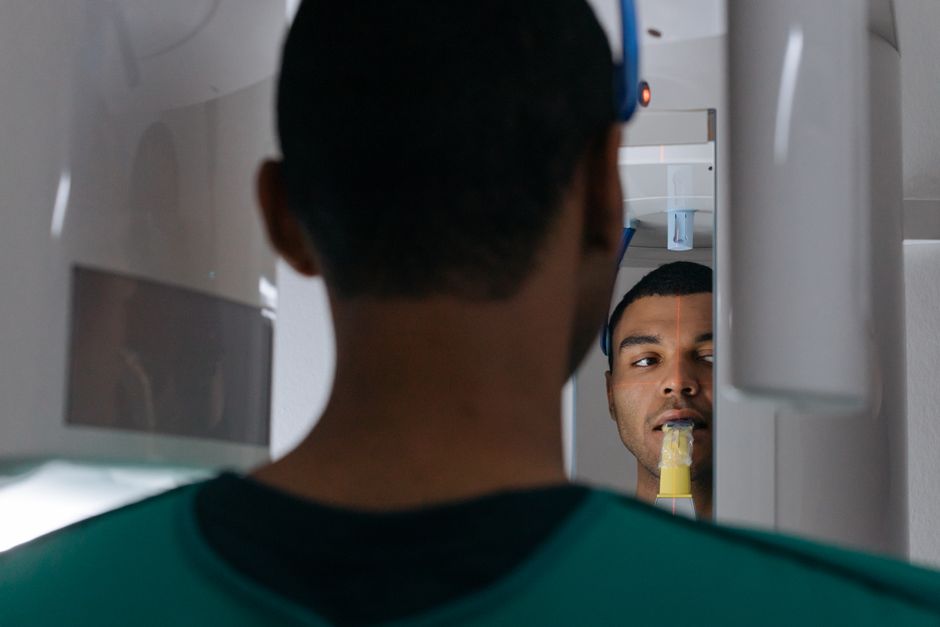
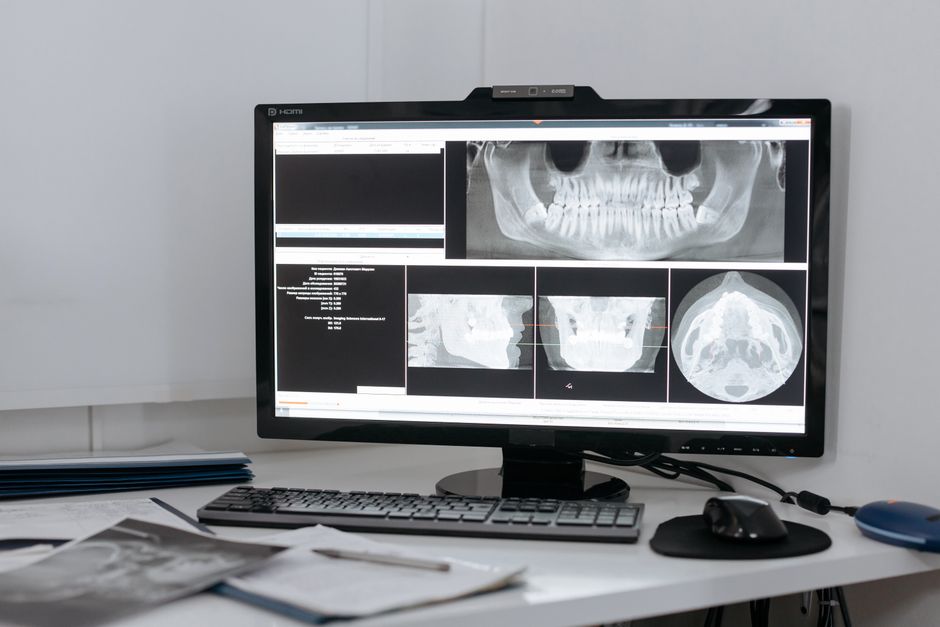
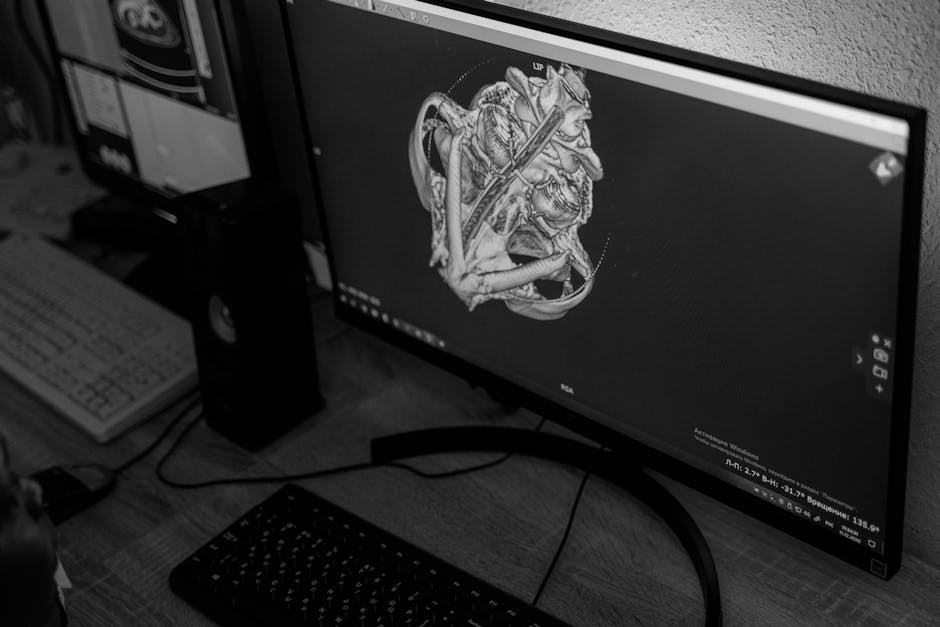
CBCT remains the primary imaging modality for assessing bone volume, sinus anatomy, mandibular canal position, and cortical thickness. In full-arch cases, CBCT is also crucial for identifying asymmetries, undercuts, and the anatomical limitations that will drive implant number, diameter, length, and angulation.
However, CBCT alone does not capture the prosthetic “destination.” That is where surface scans and bite records become indispensable.
Intraoral scans, photogrammetry, and scan quality
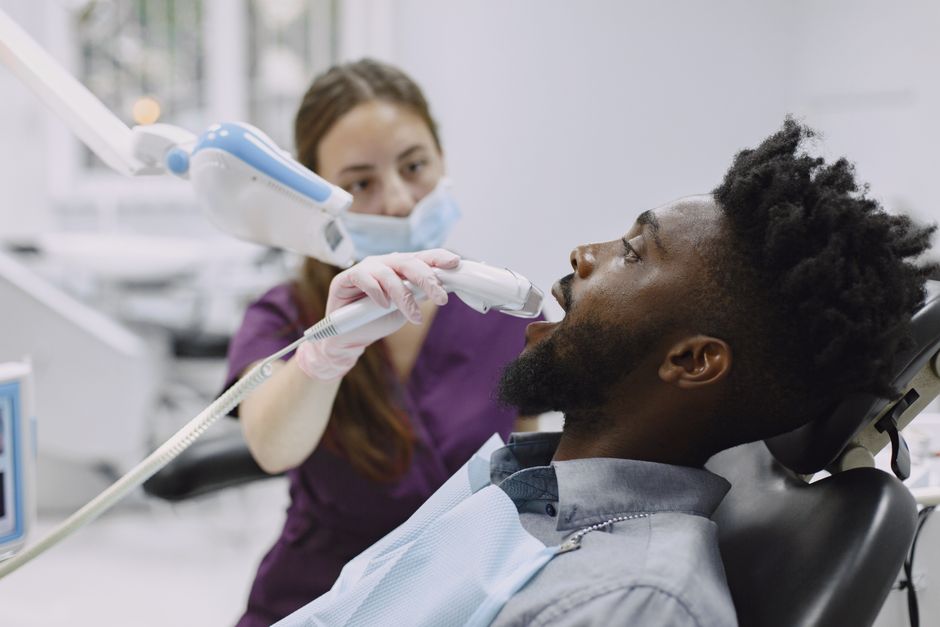
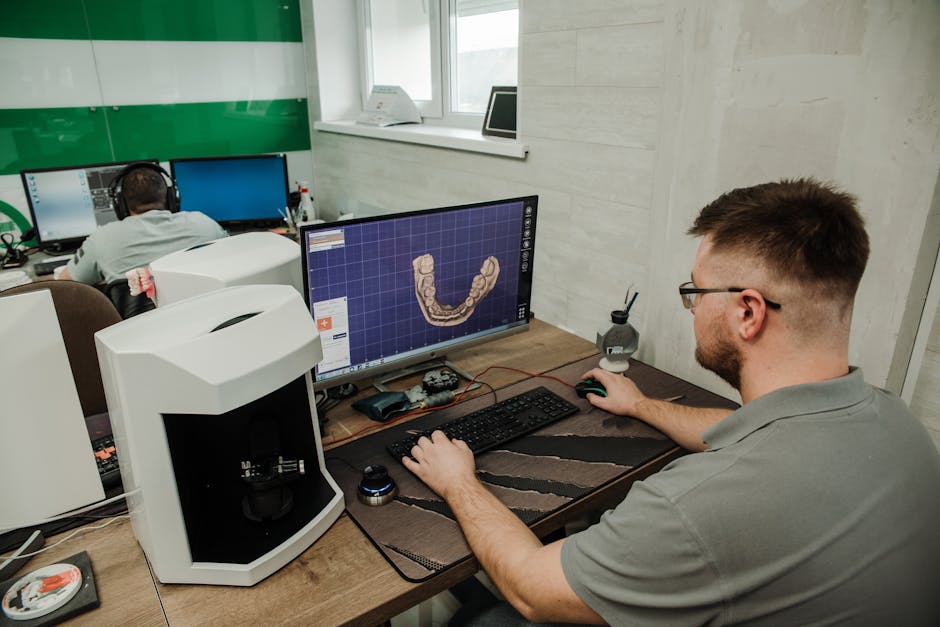
Intraoral scanning provides a digital model of soft tissues and remaining dentition, supporting prosthetic planning and surgical guide design. In fully edentulous arches, scan strategy matters: mobile mucosa, salivary pooling, and lack of landmarks can reduce accuracy. Many clinicians use scanning protocols that include stable reference areas, or leverage scan bodies and verification techniques after implant placement.
When feasible, photogrammetry can improve the accuracy of implant position recording for full-arch frameworks, reducing misfit risk—an especially important consideration when aiming for passive fit in screw-retained prostheses.
Clinical examination: occlusion, vertical dimension, and TMJ screening
Digital files do not replace clinical diagnosis. Full-arch rehabilitation often changes occlusal contacts, vertical dimension, and mandibular posture—making TMJ screening and functional analysis essential. If you are refining your diagnostic approach, consider the evidence-informed perspectives discussed in Clinical Diagnostic Approach to TMD Patients: An Evidence-Informed Guide for Dentists, particularly when planning extensive prosthetic transitions.
Periodontal and soft-tissue considerations
Soft-tissue phenotype, keratinized mucosa, and inflammation control influence comfort, hygiene, and long-term maintenance. Even in edentulous cases, mucosal health and ridge morphology matter for emergence profile and prosthetic contours. Patients with a history of recession or thin tissue may require careful contour planning and hygiene-access design; for a broader understanding of soft-tissue risk factors, see Gum Recession: Causes, Symptoms, and Evidence-Based Management.
Prosthetically driven planning: starting from the end
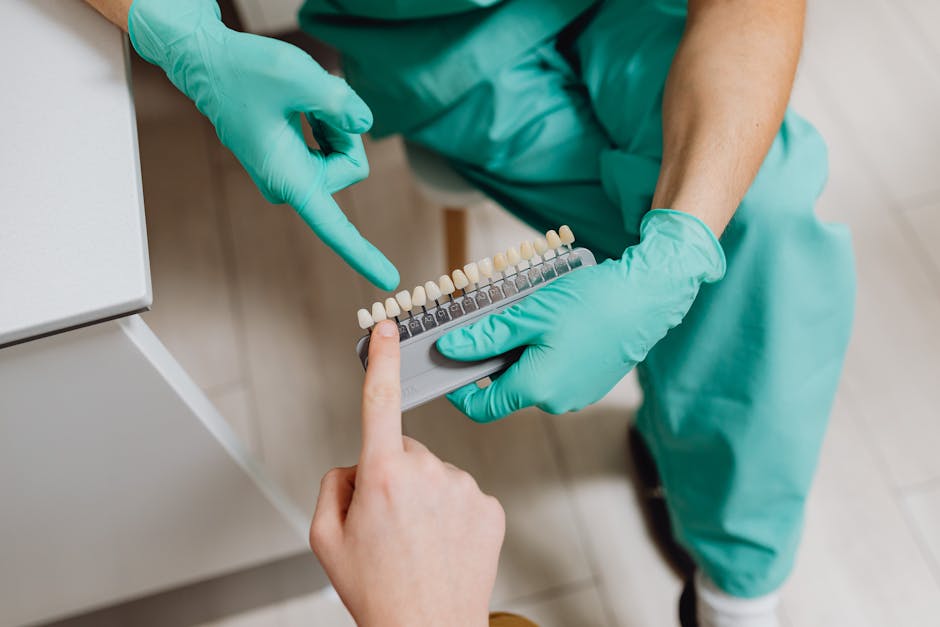
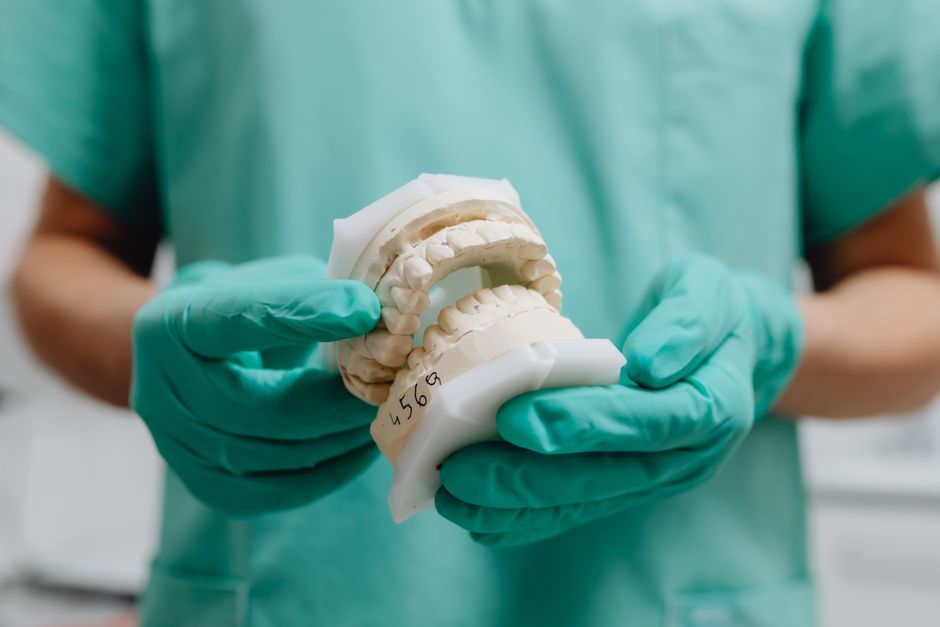
Digital planning for full-arch cases often begins with a diagnostic wax-up or digital setup that defines tooth position, smile line, occlusal plane, and phonetics. This “prosthetic blueprint” guides implant placement, not the other way around.
Smile design meets implant planning
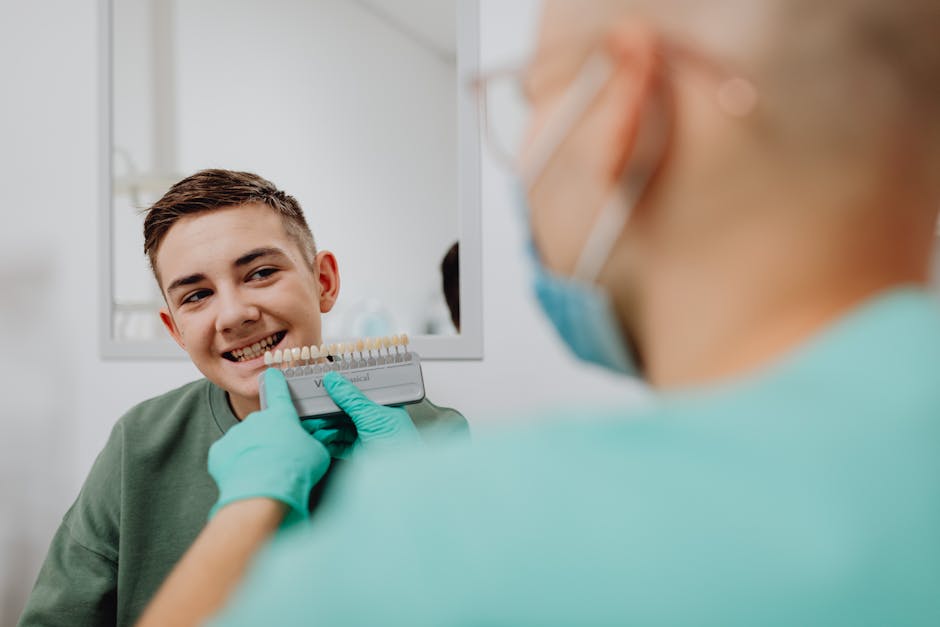
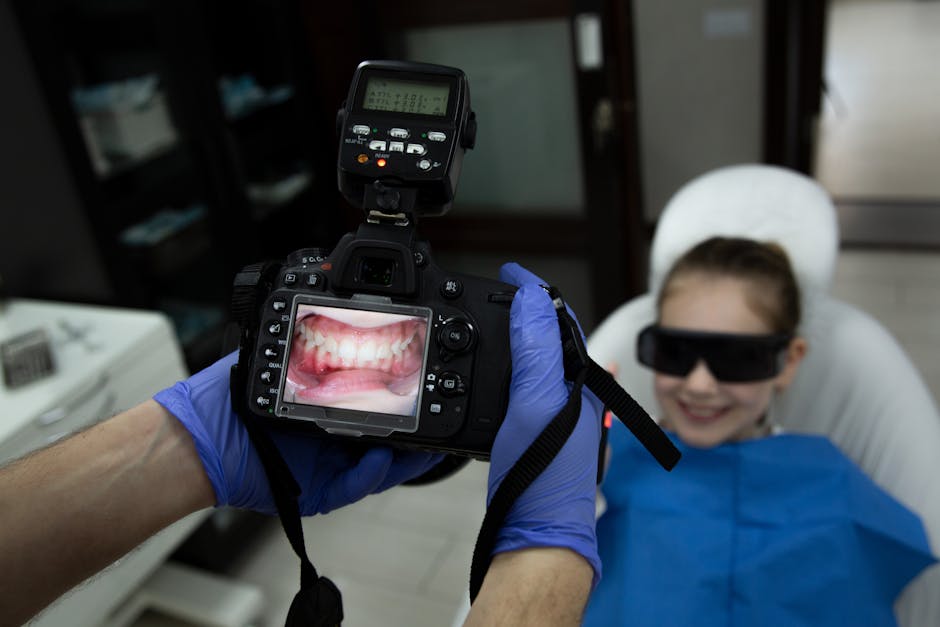
Full-arch patients increasingly expect natural-looking results. Incorporating facial photographs, retracted views, and short video clips can help evaluate midline, lip dynamics, and incisal display. Digital smile design principles can then be integrated into the tooth setup and the prosthesis outline—especially important when transitioning from failing dentition to an implant-supported fixed solution.
At Istanbul Dental Academy, digital dentistry training emphasizes how dental photography and esthetic analysis support functional decisions such as incisal edge position and anterior guidance—critical parameters that influence posterior load distribution and prosthetic longevity.
Restorative space and material planning
One of the most overlooked planning steps is restorative space evaluation. Full-arch prostheses require sufficient vertical and horizontal room for framework design, veneering material, and hygienic contours. The choice between monolithic zirconia, titanium-acrylic hybrids, or other material strategies depends on occlusal scheme, esthetic demands, parafunction risk, and retrievability goals.
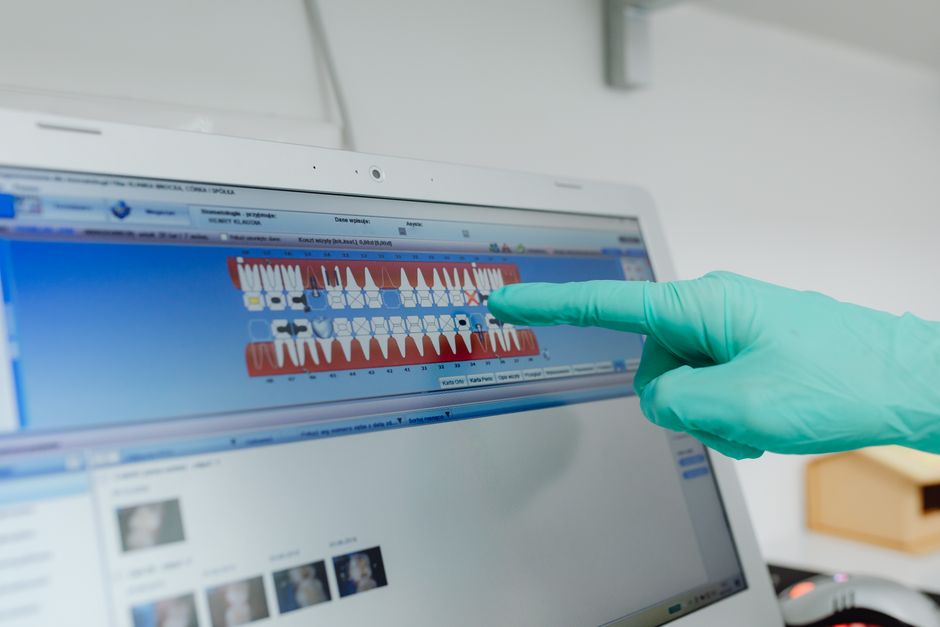
Digital tools enable clinicians to measure restorative space, visualize prosthetic contours in cross-section, and anticipate where contours may compromise hygiene access—before any irreversible step is taken.

Integrating CAD/CAM into the full-arch workflow
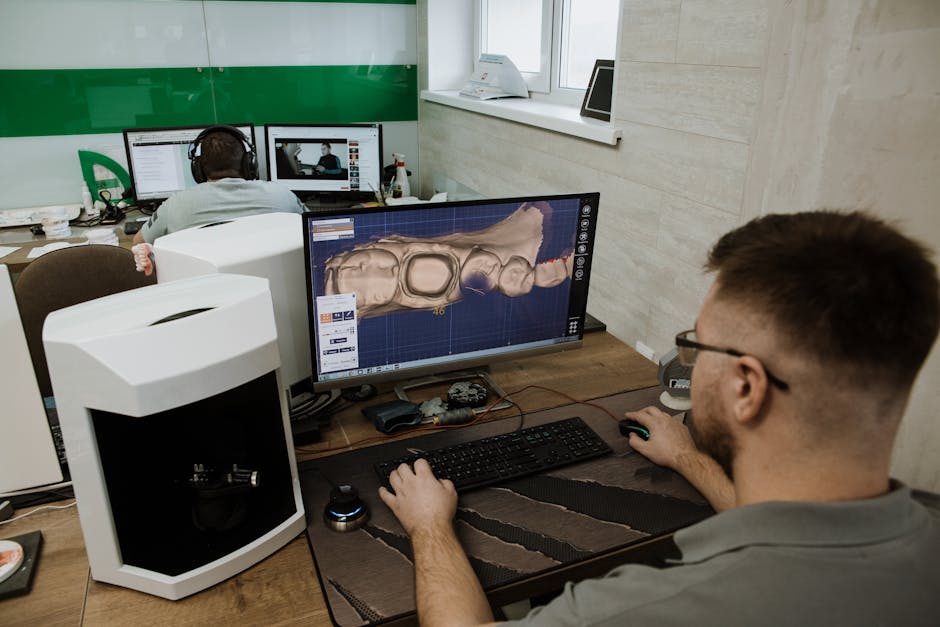
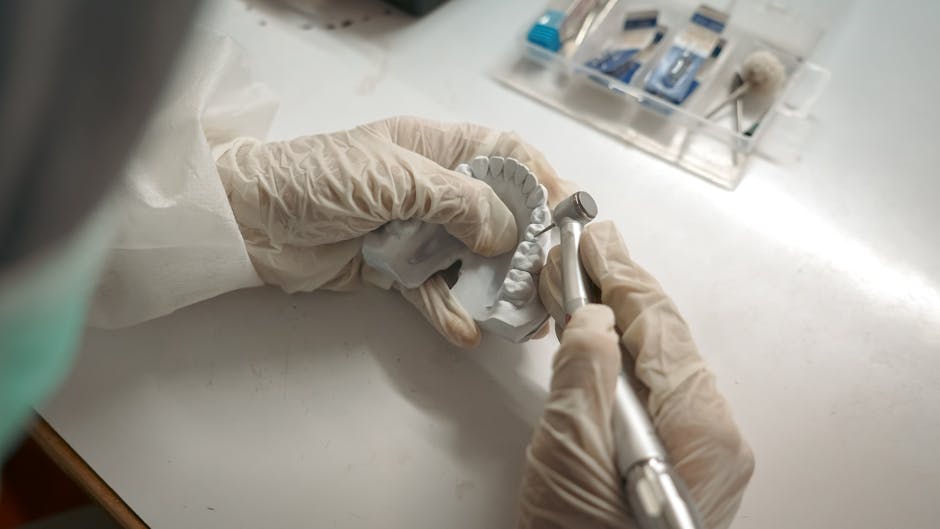
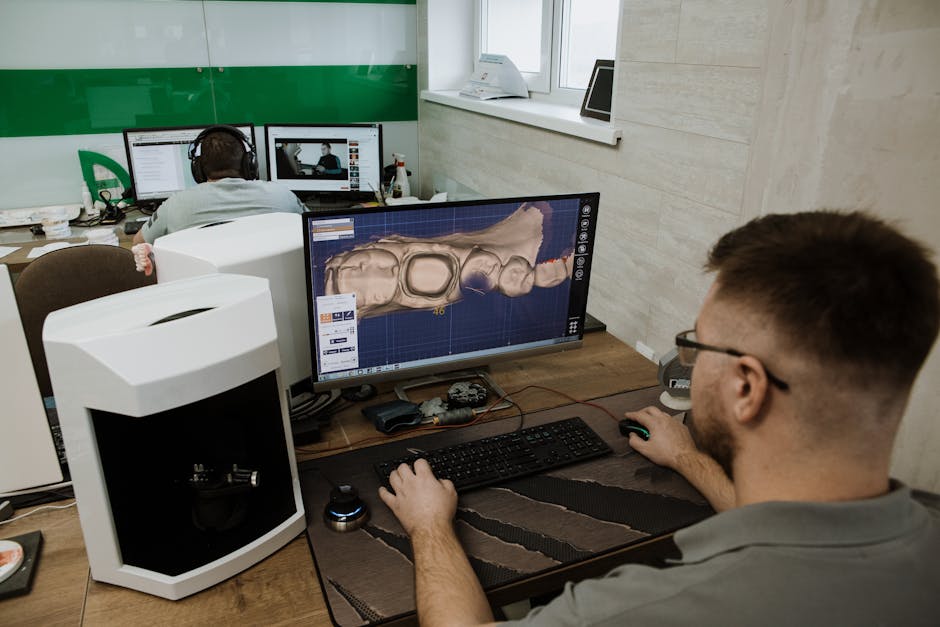
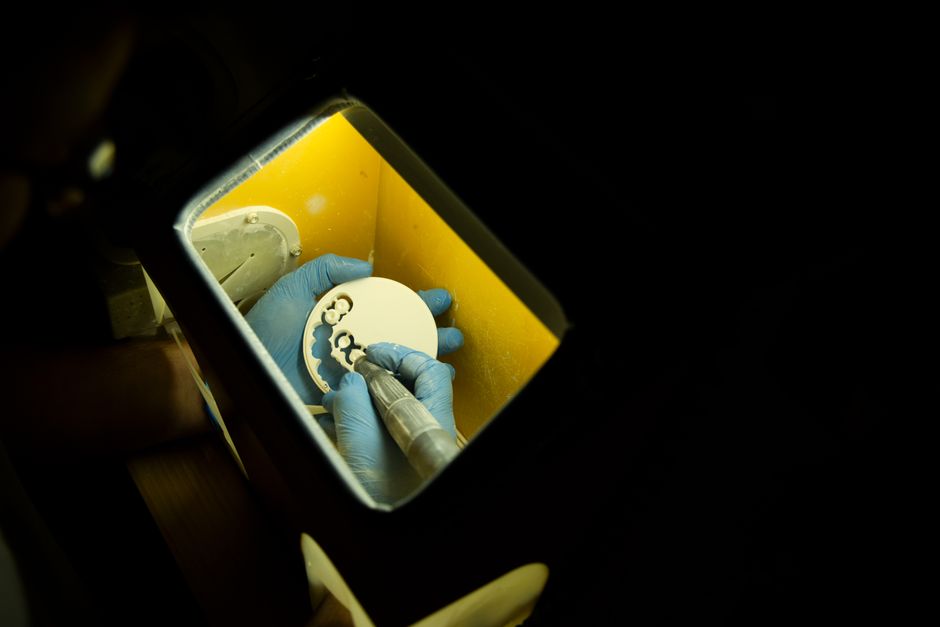
CAD/CAM has evolved from “faster fabrication” to “better control.” For full-arch cases, it supports consistent prosthetic design, improved communication with the lab, and more precise management of occlusion and emergence profiles. A detailed overview of this integration can be found in The Role of CAD/CAM Technology in Modern Implant Dentistry, which aligns closely with contemporary full-arch workflows.
Virtual articulation and occlusal planning
Virtual articulators can simulate mandibular movements and help design occlusion with fewer surprises at delivery. While digital articulation is not a perfect substitute for clinical verification, it can reduce chairside adjustments and inform decisions about anterior guidance, canine function, and posterior contact distribution.
Prototype provisionals as a planning tool
In complex full-arch cases, a provisional is not merely “temporary”—it can be a diagnostic device. Digitally designed provisionals allow clinicians to test phonetics, esthetics, hygiene access, and occlusal comfort before finalizing the definitive prosthesis. When complications occur, digital records make it easier to iterate designs and maintain continuity.
Surgical planning: from virtual positions to clinical reality
The surgical phase in full-arch cases benefits greatly from digital planning, particularly when anatomical constraints, immediate loading goals, or limited restorative space demand precision.
Guided surgery: accuracy, limitations, and case selection
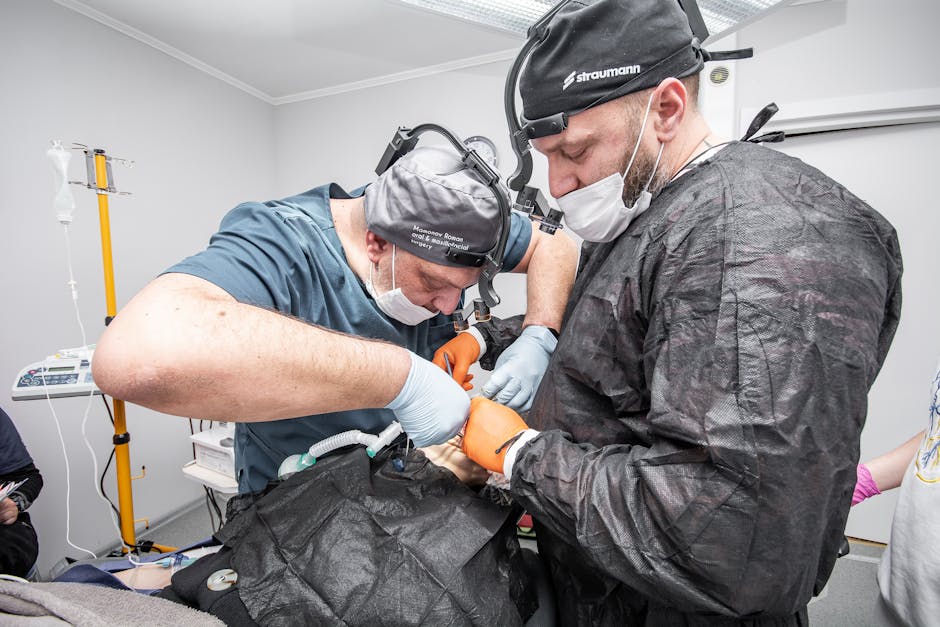
Static guided surgery can help translate a prosthetically driven plan into implant placement with higher consistency—especially for angulated implants, avoidance of anatomical structures, and optimal prosthetic screw access. However, guide stability, soft tissue resilience, and intraoperative visibility remain critical limitations. Clinicians should be trained to manage deviations, evaluate guide fit, and convert to freehand approaches when needed.
Immediate loading and “teeth in a day” expectations
Many full-arch candidates ask about immediate implant placement and immediate fixed temporization. While same-day solutions may be possible in select scenarios, they are not universal and depend on factors such as primary stability, bone quality, occlusal scheme, and patient risk profile. For a balanced discussion that helps set appropriate expectations, refer to Is One-Day Dental Implant Treatment Really Possible?.
Managing extraction sites and bone remodeling
When full-arch treatment involves extractions, digital planning should anticipate post-extraction remodeling, the need for alveoloplasty, and the impact on prosthetic flange design (if any). Virtual planning can suggest where bone reduction may be necessary for restorative space, but intraoperative verification remains essential.
Endodontics and salvage decisions in full-arch transitions
Not every “full-arch candidate” truly needs full-arch implant rehabilitation. Some patients can be stabilized through restorative, periodontal, and endodontic care—either as a definitive plan or as a staged approach. When debating whether teeth are maintainable, clinicians benefit from high-magnification evaluation, crack detection, and refined retreatment protocols.
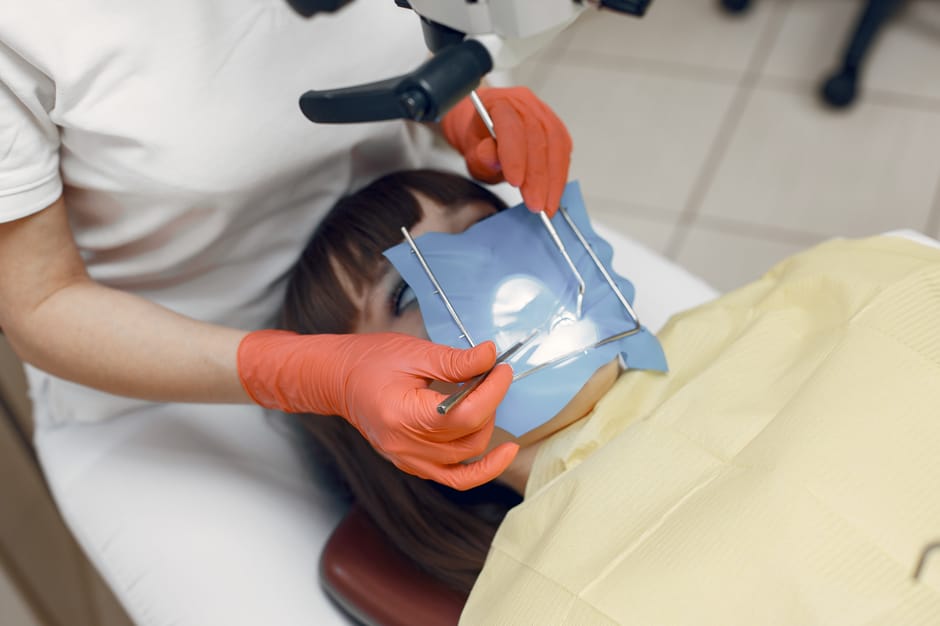
If you are strengthening your decision-making for complex teeth, the clinical advantages of enhanced visualization are well summarized in Dental Operating Microscope in Modern Endodontics: Better Vision, Better Outcomes. In practice, clearer diagnosis can prevent overtreatment and guide more ethical, evidence-based treatment planning.
Common planning pitfalls—and how to reduce them
1) Underestimating soft-tissue and hygiene design
Bulky prosthetic contours may look acceptable on-screen but become plaque traps clinically. Digital cross-sections and “hygiene checks” should be part of the design review, especially around the intaglio surface and pontic areas.
2) Designing without a realistic occlusal strategy
Full-arch prostheses concentrate forces differently than natural dentition. Planning should address parafunction screening, anterior guidance strategy, cantilever minimization, and material selection. Digital workflows help visualize these decisions, but clinical verification remains mandatory.
3) Treating digital as a replacement for fundamentals
Digital tools enhance planning; they do not replace surgical skill, tissue handling, and prosthodontic principles. A predictable clinician remains fluent in analog checks—fit verification, occlusal refinement, and complication management.
How Istanbul Dental Academy supports skill-building in digital full-arch workflows
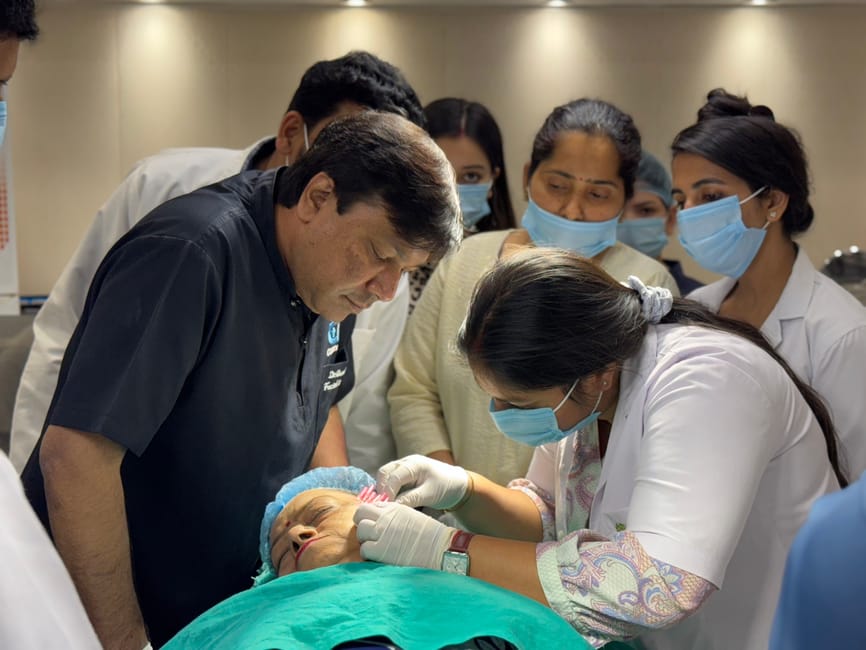
Digital full-arch planning is a team process: clinician, surgeon, prosthodontic designer, and lab must share the same roadmap. Istanbul Dental Academy’s continuing dental education approach emphasizes hands-on training where participants can work through real-case scenarios: collecting diagnostic records, evaluating restorative space, planning guided surgery, and understanding how CAD/CAM design decisions affect clinical delivery.
For dental professionals aiming to integrate digital dentistry into implant practice, structured education can shorten the learning curve—particularly in interpreting CBCT findings, managing soft-tissue considerations, and communicating predictable prosthetic goals to the laboratory.
Conclusion
Digital planning has transformed full-arch implant rehabilitation into a more measurable, communicable, and prosthetically driven process. When diagnostic inputs are reliable and the workflow is aligned across surgery and prosthodontics, clinicians can reduce surprises and improve predictability—while still respecting the biological and functional complexity of each patient.
This content is for educational purposes only. Full-arch implant treatment planning should be individualized based on comprehensive clinical examination, imaging, and risk assessment by qualified dental professionals.
Diğer Yazılar