
BLOG
Contemporary Approaches to Restoring Fractured Anterior Teeth

Why fractured anterior teeth remain a high-stakes restorative challenge
Fractures of maxillary incisors and canines are among the most visible dental injuries—affecting phonetics, facial aesthetics, and patient confidence within seconds. Clinically, they can range from an uncomplicated enamel chip to complex crown-root fractures involving the pulp and biologic width. For dental professionals, the challenge is not only “repairing a broken edge,” but protecting pulpal vitality when possible, rebuilding function, and delivering a restoration that disappears in the smile.
In Istanbul’s busy clinical environment—where patients often present with time constraints, high aesthetic expectations, and varied trauma histories—restoring a fractured anterior tooth benefits from a repeatable workflow that links diagnosis, adhesive strategy, and smile design. This content is for educational purposes and aims to support clinical thinking, not to provide definitive treatment advice for individual cases.
Step 1: Structured diagnosis—trauma history, occlusion, and risk factors
History and clinical examination
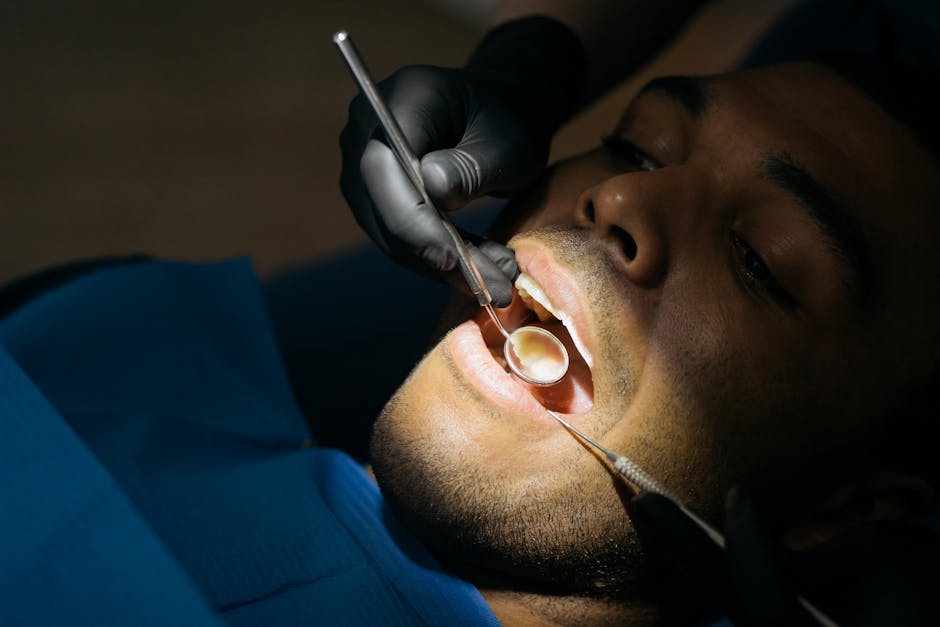
A trauma-informed history helps clarify the likely fracture pattern and pulpal risk: timing of the injury, sensitivity, previous restorations, and any symptoms suggesting pulpal compromise. Clinical examination typically includes transillumination, crack detection, periodontal probing (particularly for crown-root fractures), and evaluating mobility and soft-tissue injuries.
Occlusal analysis is essential. Many “mysterious” recurrent chips are not material failures; they are occlusal failures. Parafunction, edge-to-edge occlusion, deep bite, and protrusive interferences can overload the incisal edge and compromise bond durability. When screening for contributing factors beyond the tooth itself—such as joint symptoms, functional limitations, or muscle tenderness—an evidence-informed diagnostic mindset is helpful. For a broader framework on functional evaluation, see Clinical Diagnostic Approach to TMD Patients: An Evidence-Informed Guide for Dentists, which can support clinicians in identifying when occlusal and functional factors may influence restorative outcomes.
Imaging and digital records
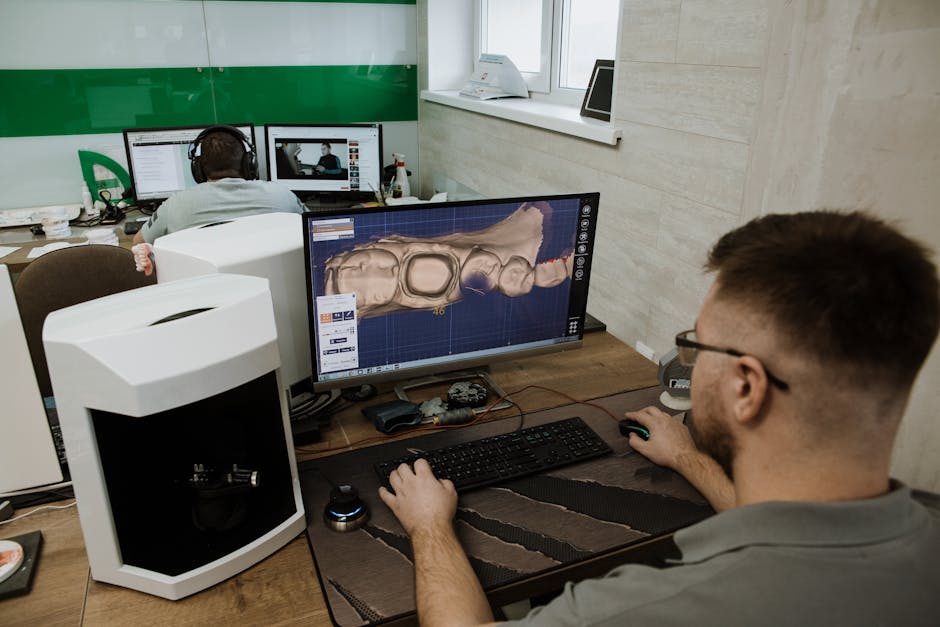
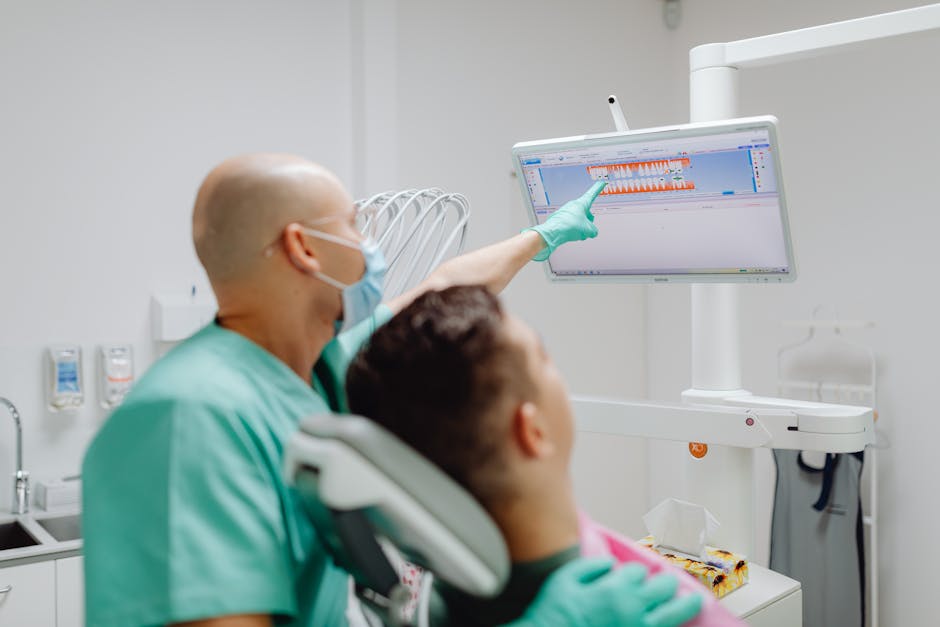
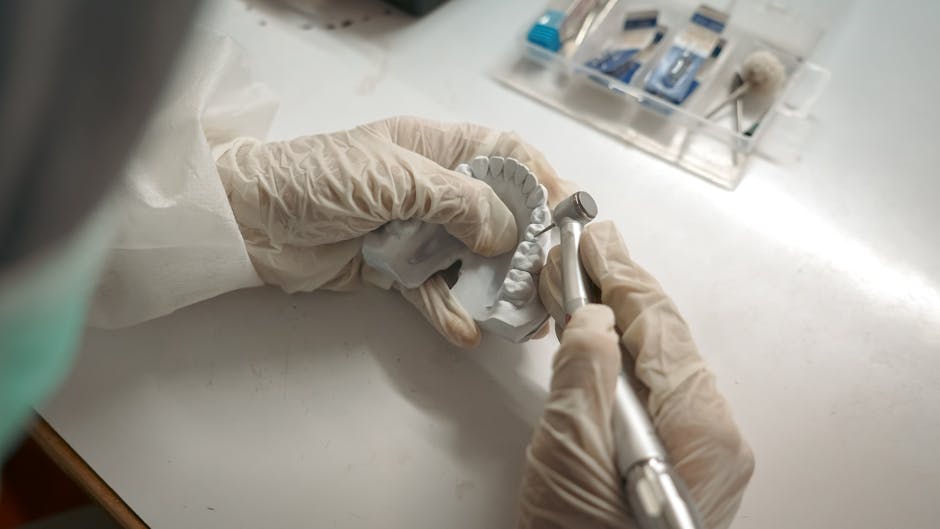
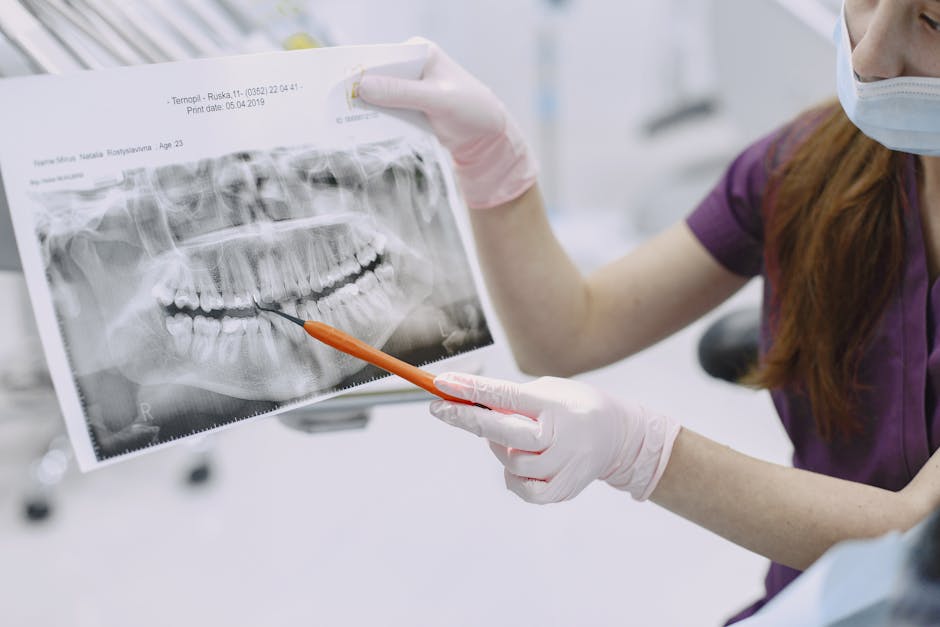
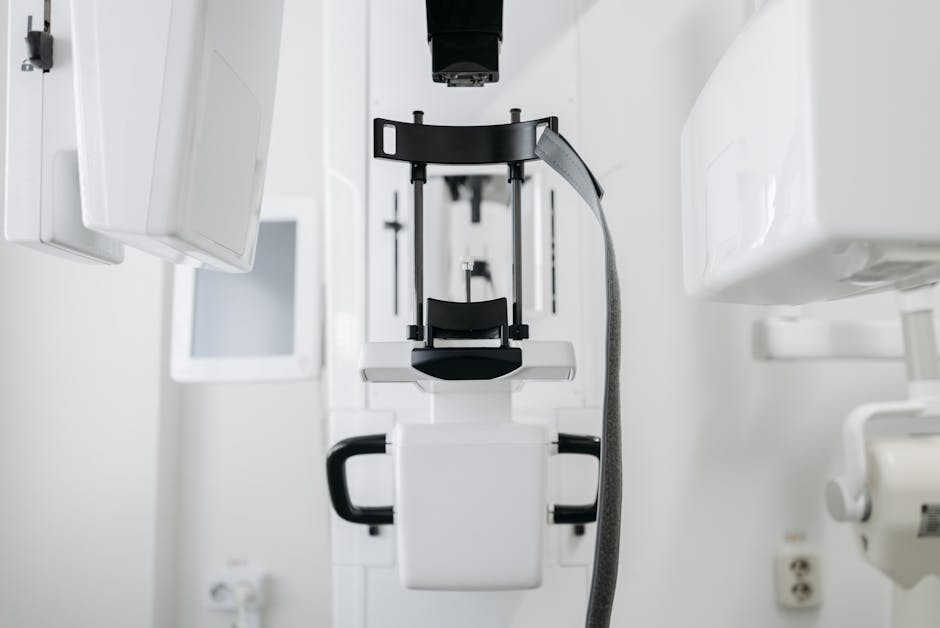
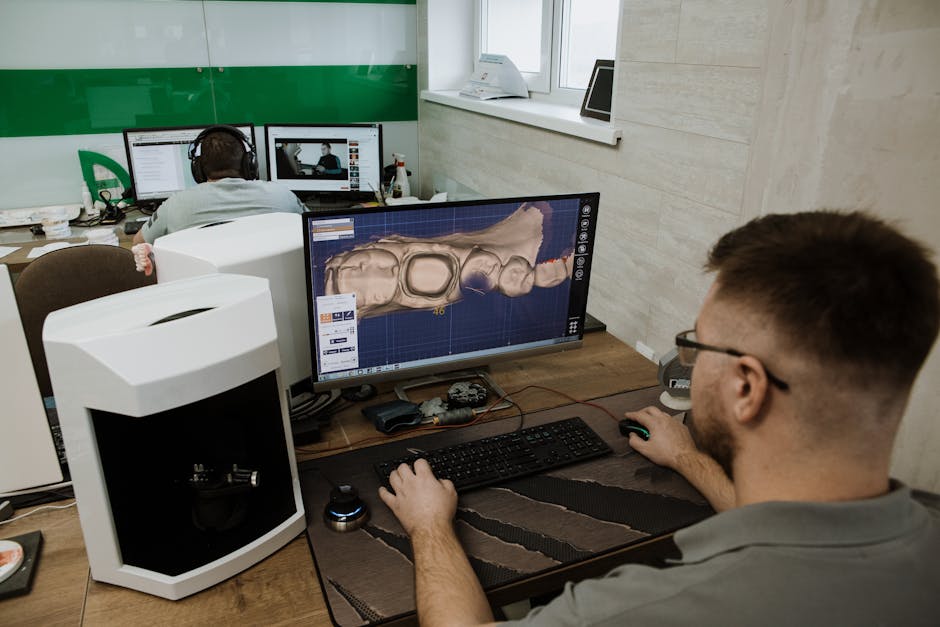
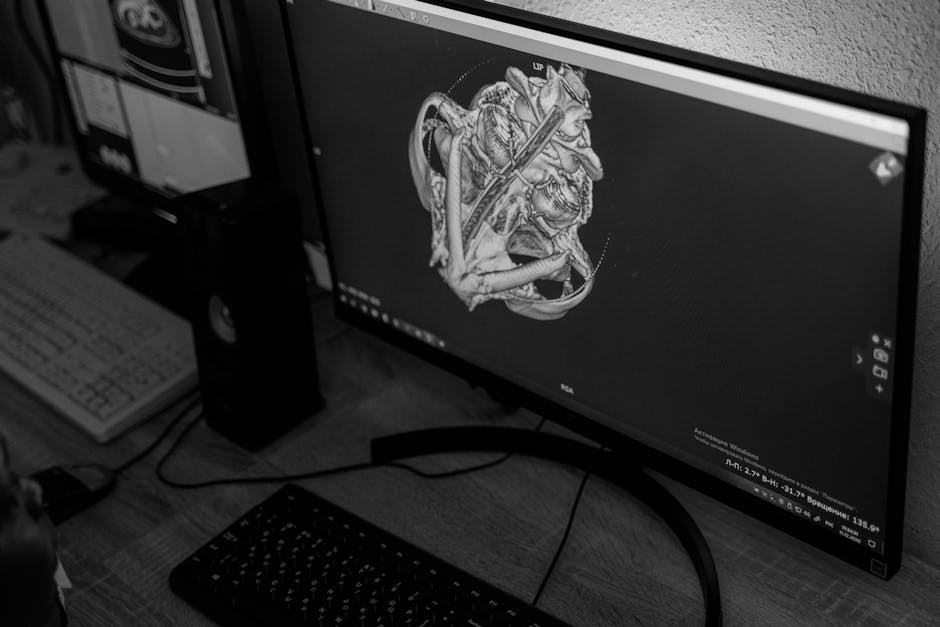
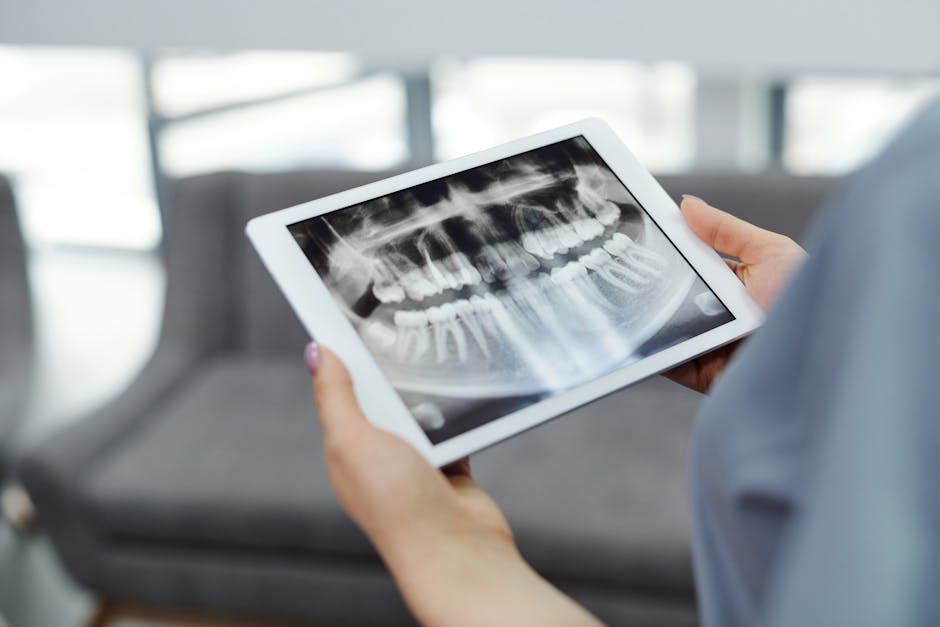
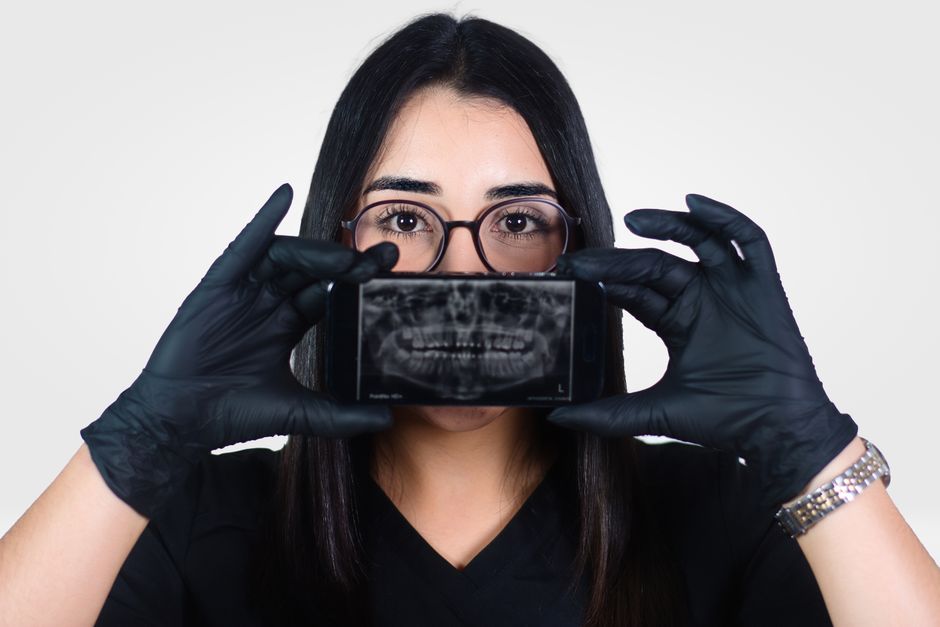
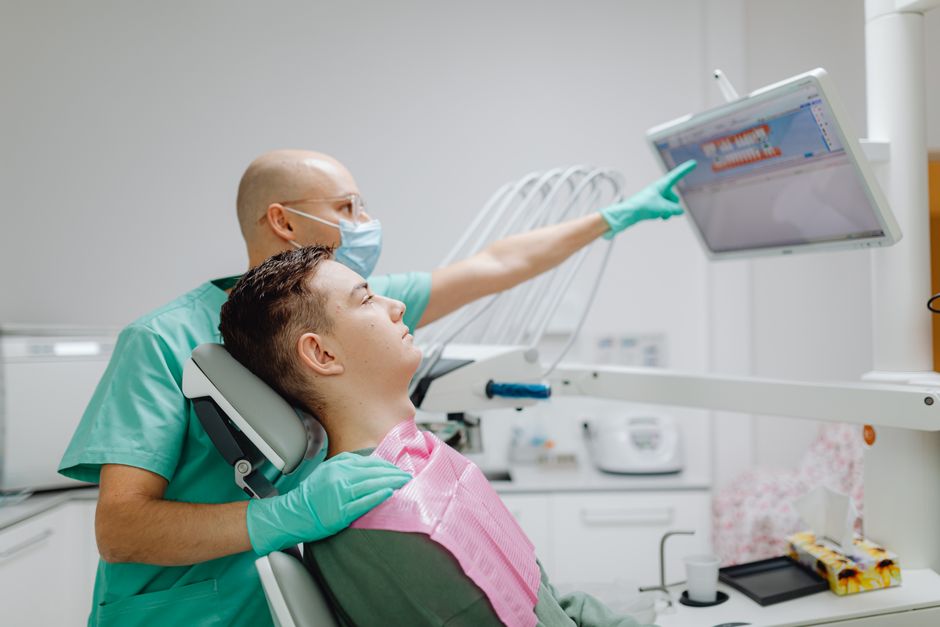
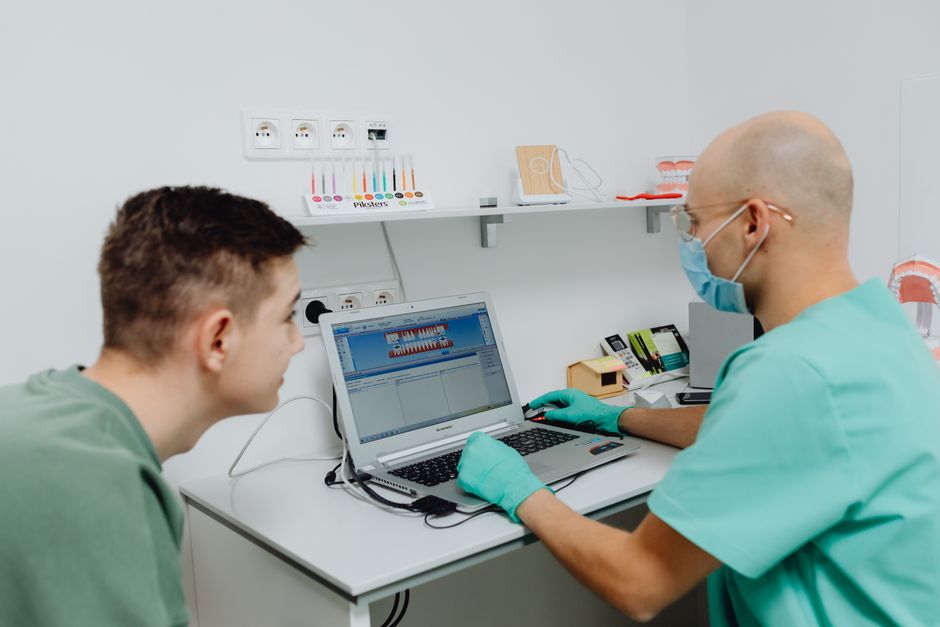
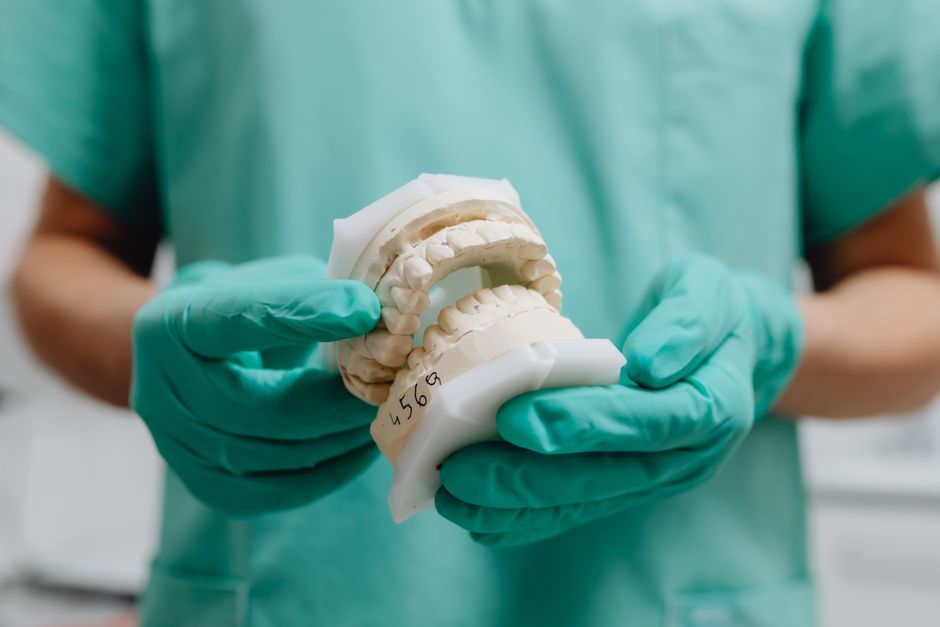
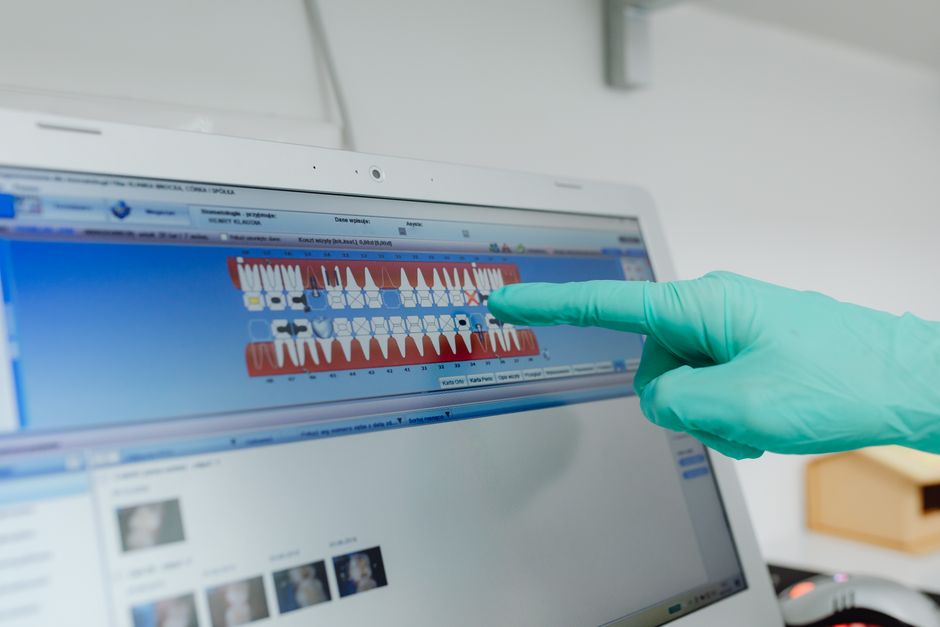
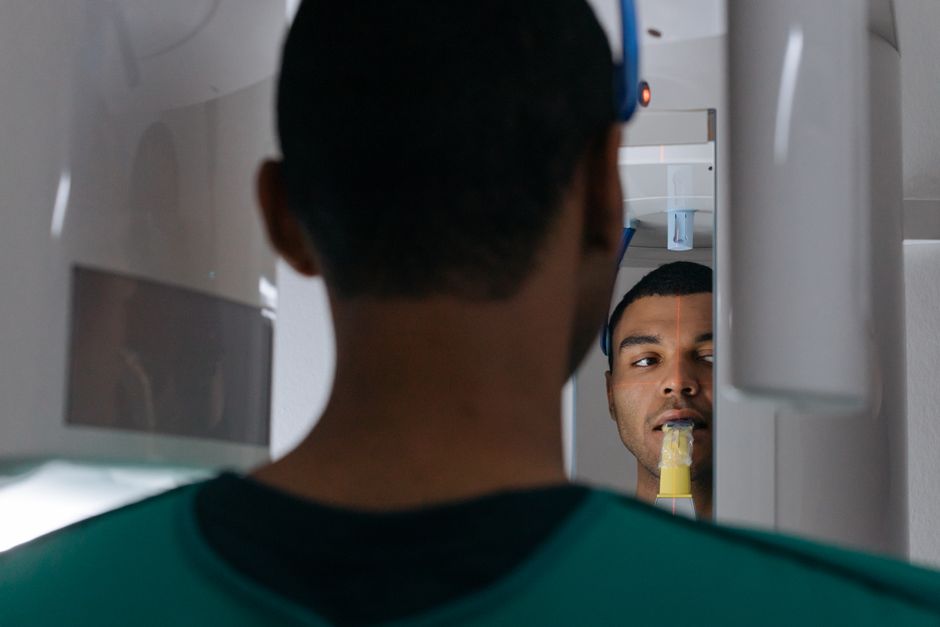
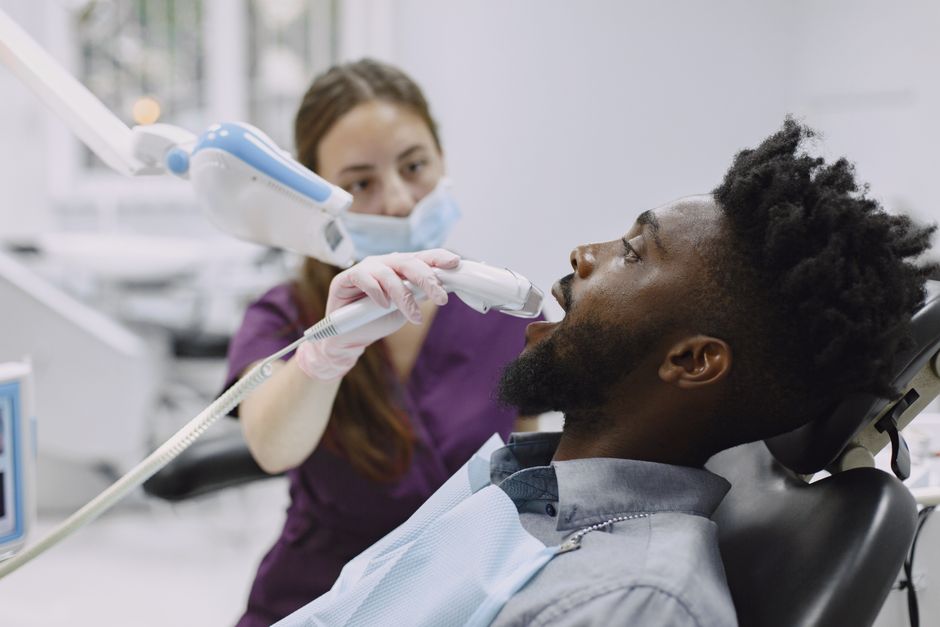
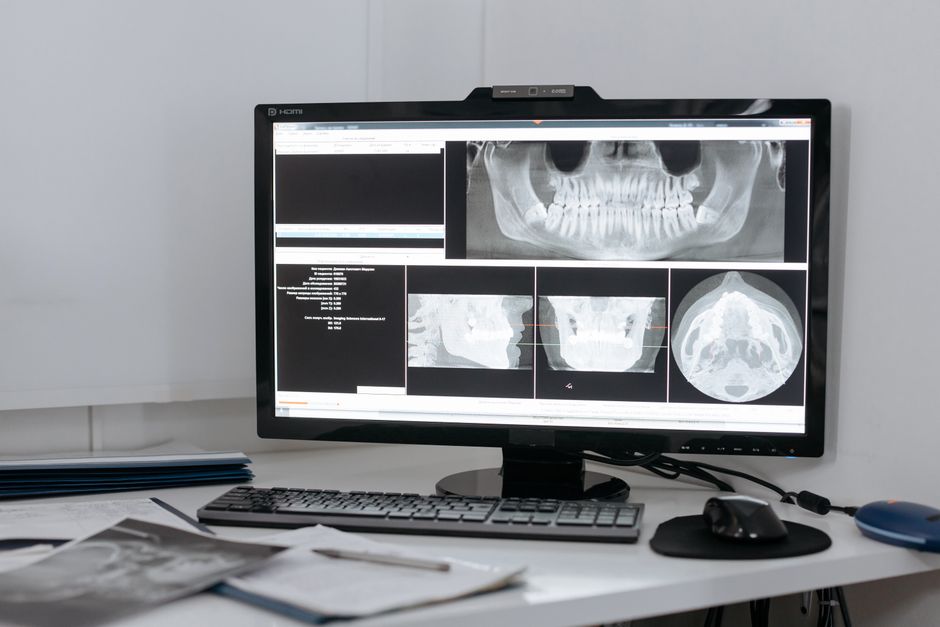
Periapical radiographs remain central for assessing root integrity, periapical status, and pulp chamber morphology. Cone beam CT may be considered in selected cases (e.g., suspected root fracture, invasive cervical resorption, or planning for surgical/prosthetic alternatives). Digital dentistry adds another layer: intraoral scanning for accurate baseline records, pre-restorative mock-ups, and communication with the lab.
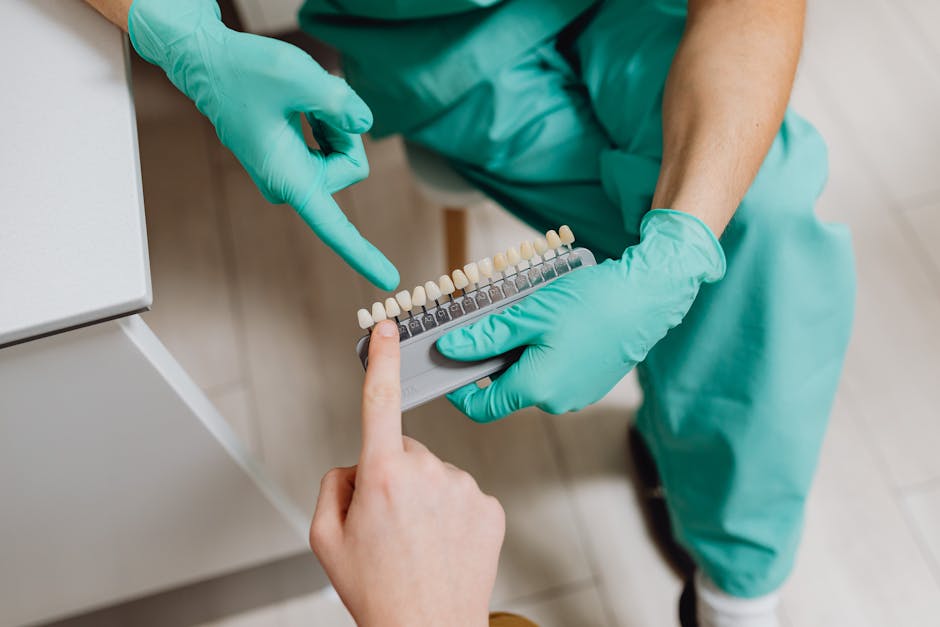
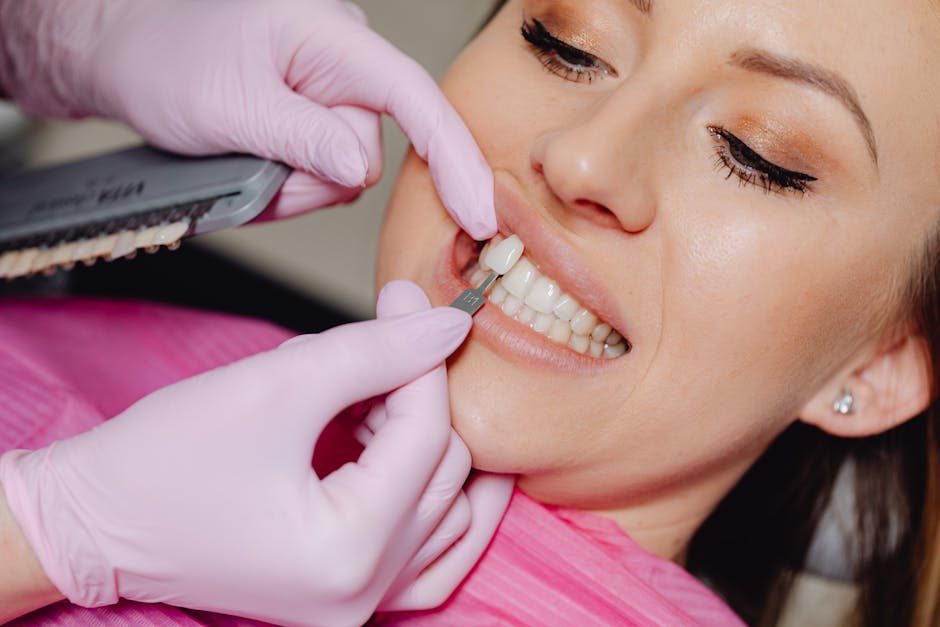
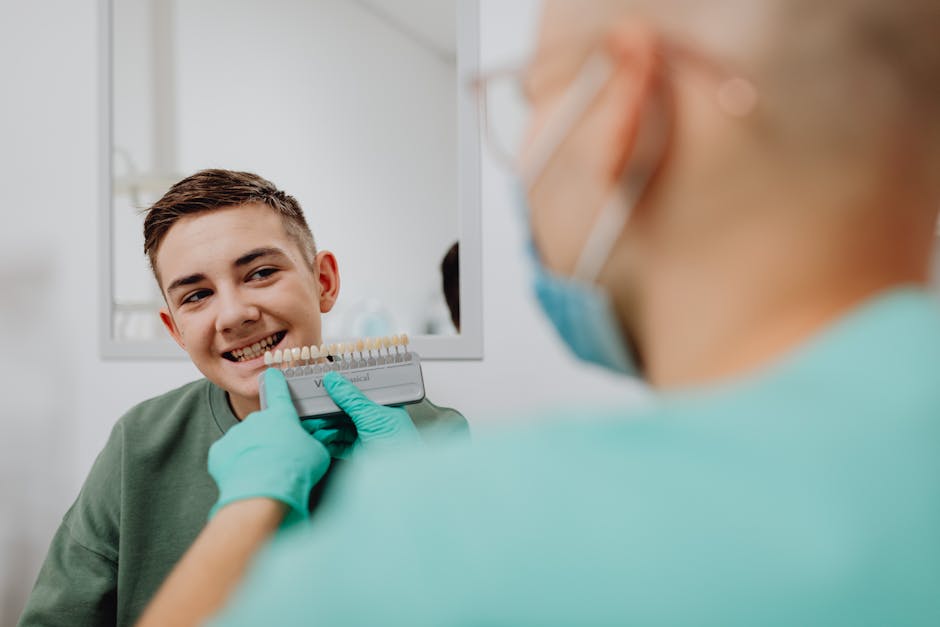
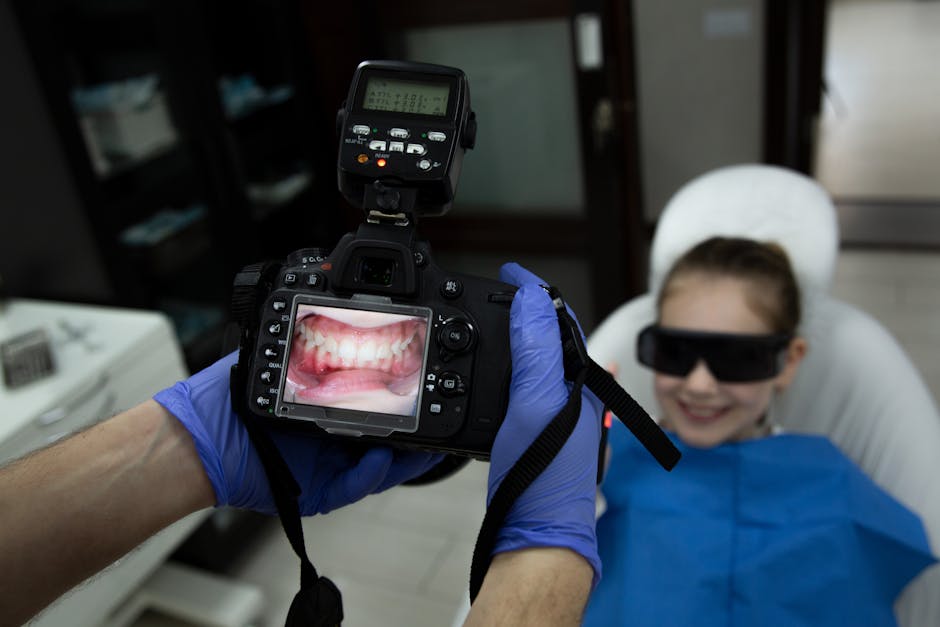
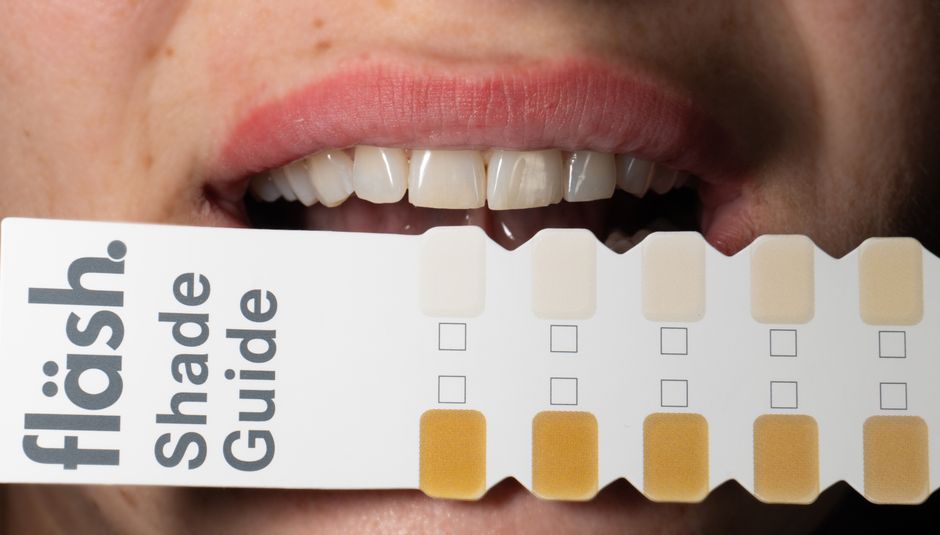
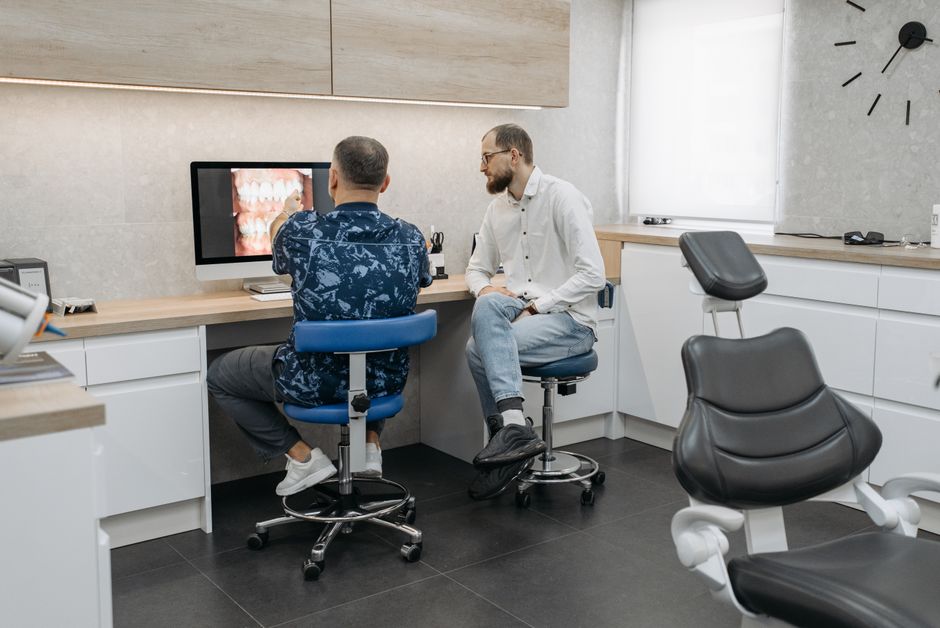
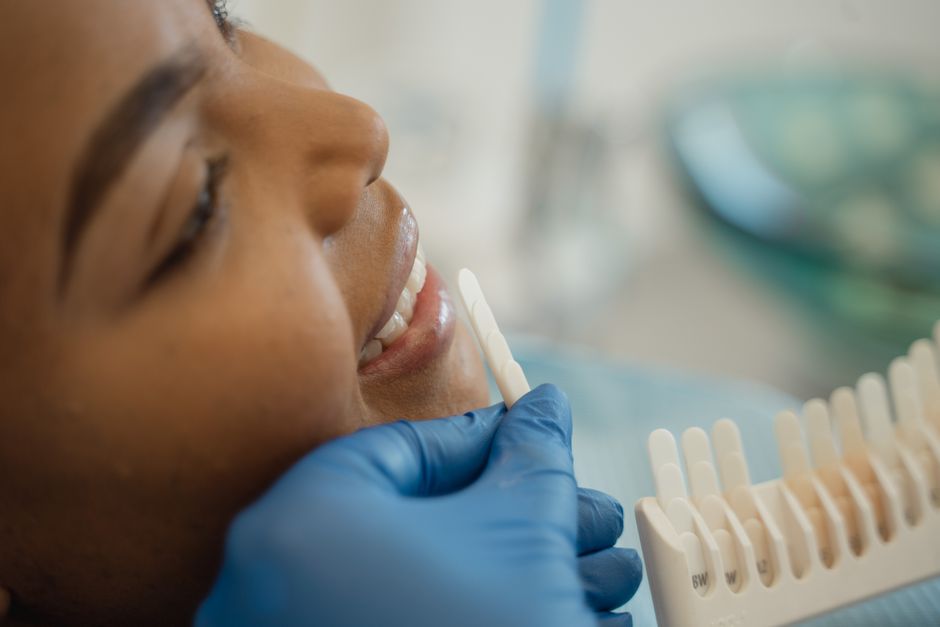
Dental photography—especially cross-polarized and shade-corrected images—improves shade mapping, documentation, and patient communication. In a teaching environment, standardized photo protocols also help clinicians evaluate their own bonding margins and surface texture over time.
Step 2: Decision-making—repair, direct composite, veneer, or full coverage?
The “best” approach depends on remaining enamel, fracture depth, pulpal status, aesthetics, and occlusal risk. A practical way to think about fractured anterior teeth is to match the restoration type to the substrate and stress environment.
Option A: Reattachment and partial repairs
If the fragment is available and well preserved, reattachment can be a conservative option, preserving natural morphology and translucency. Outcomes depend on fracture type, bonding surface area, and adhesive protocol. Clinicians often enhance retention with additional preparation designs (e.g., internal grooves, bevels) depending on the case. Long-term durability is influenced by occlusal loading and patient habits, and reattachment may be part of a staged plan rather than a final solution.
Option B: Direct composite restorations (the everyday workhorse)
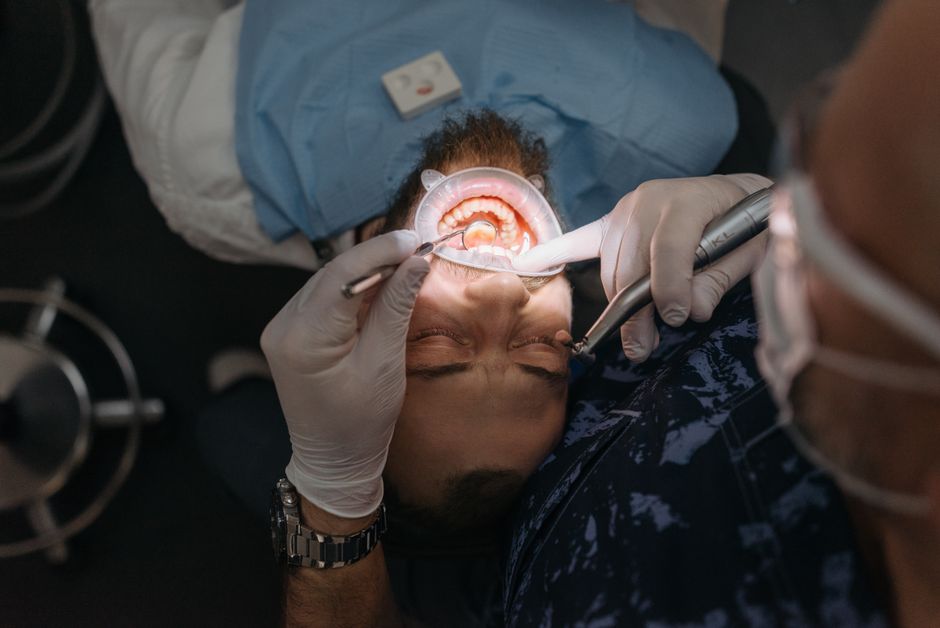
Layered composite can provide excellent results when executed with controlled isolation, correct shade strategy, and anatomical layering. It is especially valuable for younger patients where pulp size and long-term tooth preservation are priorities. The key is to treat it as a functional and aesthetic reconstruction—not simply “adding material.”
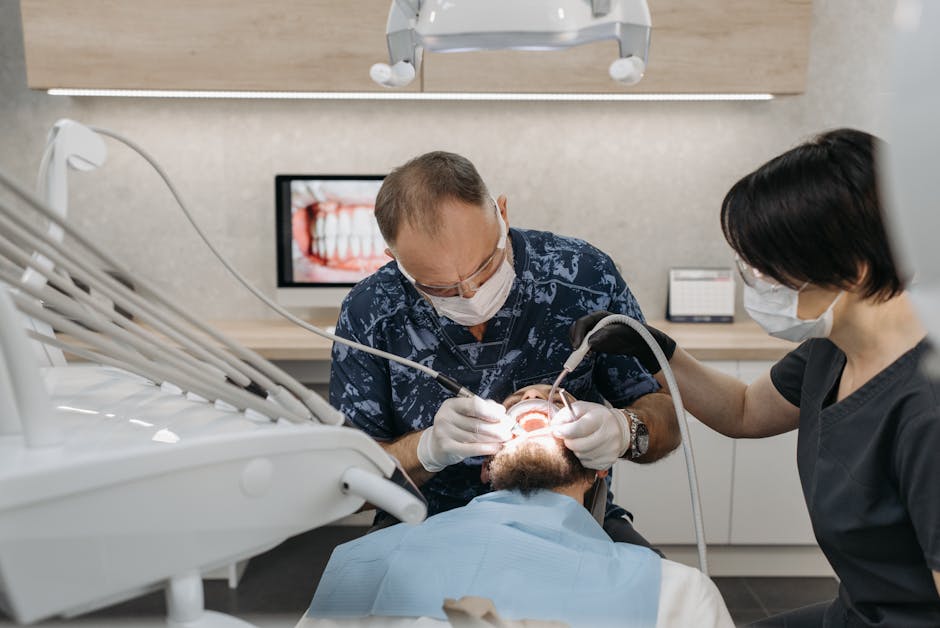
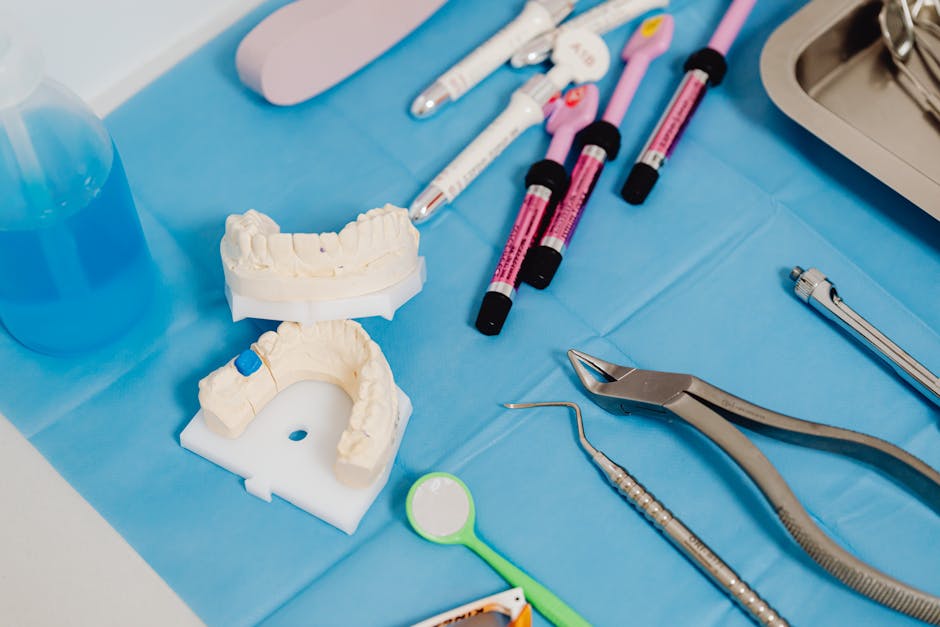
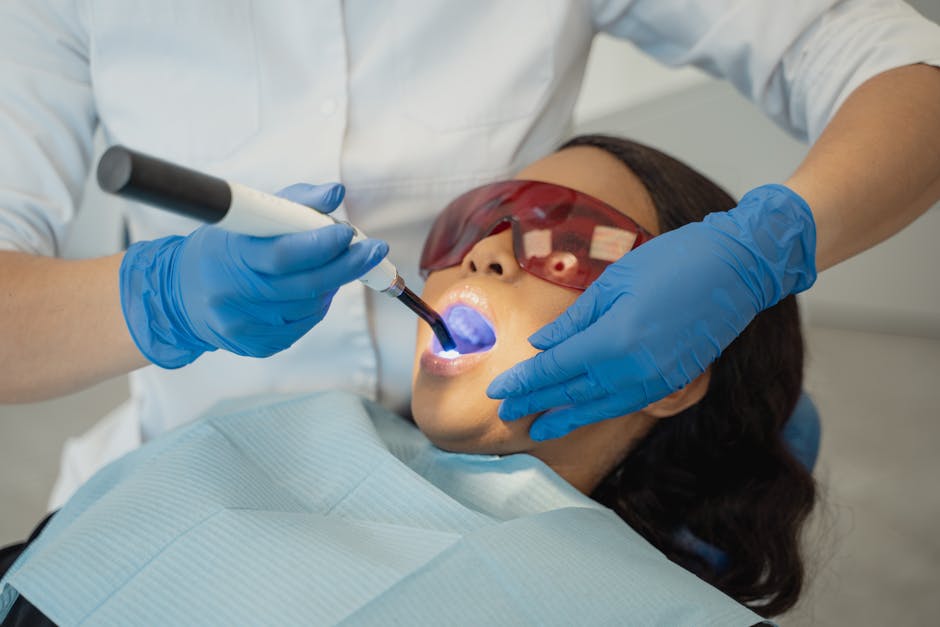
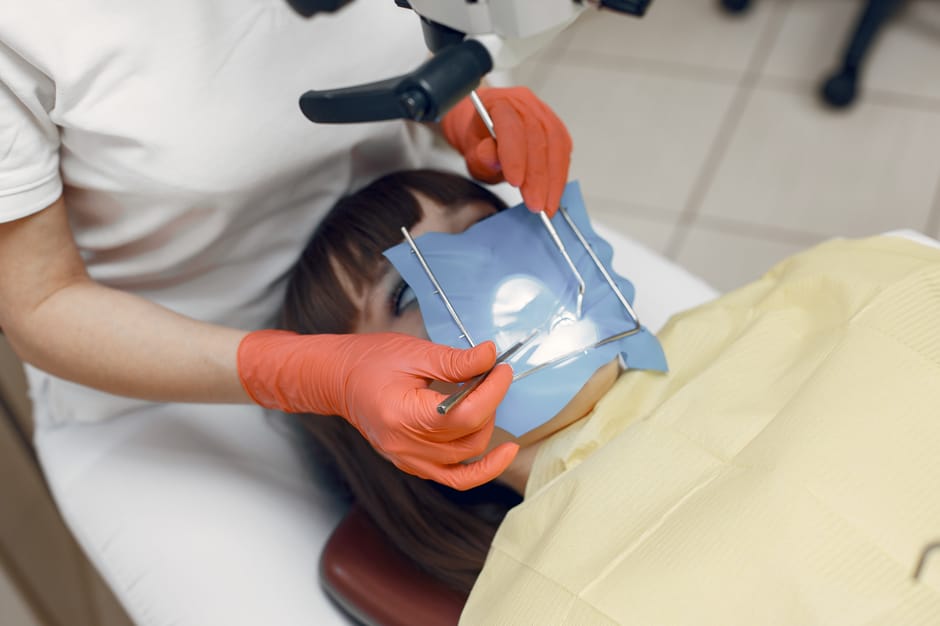
Clinical details that influence outcomes include: strict rubber dam isolation, selective enamel etching, adhesive compatibility with the chosen composite, incremental layering to manage polymerization stress, and finishing/polishing protocols that reproduce surface texture and gloss.
Even though our focus here is anterior fractures, the bonding principles overlap with posterior adhesive dentistry. For a clinically oriented refresher on modern bonding, refer to Contemporary Adhesive Techniques for Posterior Restorations: A Clinical-Ready Guide. Understanding how adhesives behave under different stress patterns and substrates can strengthen decision-making in anterior trauma cases as well.
Option C: Porcelain laminate veneers for aesthetic-driven, enamel-supported cases
When the fracture is moderate, the tooth is largely vital, and the patient expects a highly stable aesthetic outcome, porcelain laminate veneers may be considered—particularly if there are additional concerns such as shape discrepancies, discoloration, or multiple anterior restorations requiring harmonization. Veneers can offer excellent optical properties and wear resistance, but they are technique-sensitive and require meticulous planning.
Success often hinges on enamel preservation, preparation design, and an exacting adhesive cementation protocol. Small errors—contamination, incomplete resin removal, poor seating, or suboptimal polymerization—can compromise marginal integrity and color stability. For clinicians who want to deepen their understanding of cementation steps and common pitfalls, Porselen Lamina Simantasyonunda Kritik Noktalar provides focused educational guidance on critical cementation points relevant to predictable veneer outcomes.
Option D: Full coverage crowns and complex prosthodontic solutions
In more extensive fractures, especially when enamel is limited or the tooth has undergone endodontic treatment with significant structural loss, full coverage restorations may be part of the plan. Material selection (e.g., lithium disilicate vs. zirconia-based solutions) and ferrule effect become important. A staged approach—provisionalization, periodontal evaluation, occlusal stabilization—can be essential for predictable long-term results.
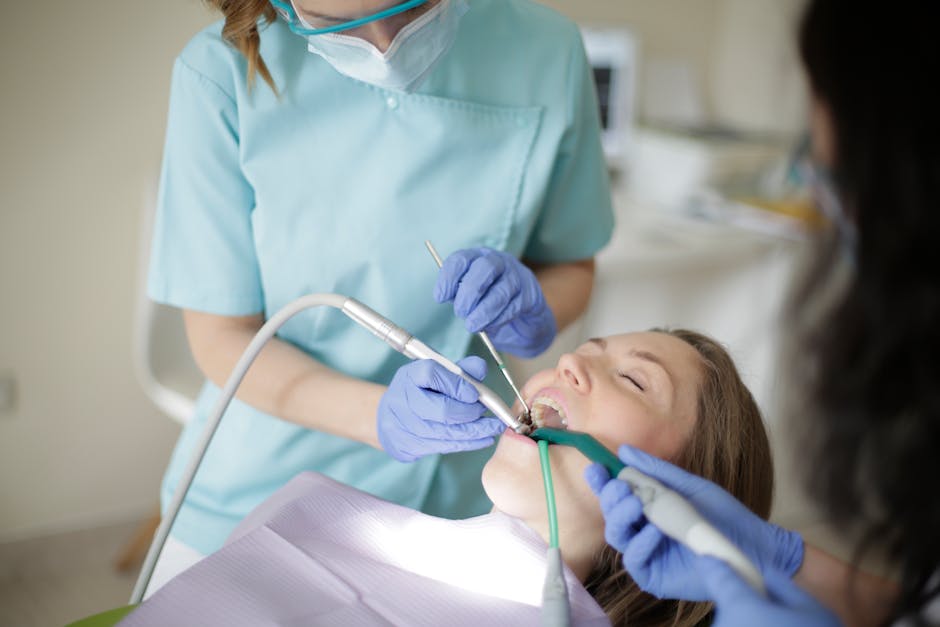
Step 3: Endodontic and periodontal considerations in fractured anterior teeth
When the pulp is involved
Complicated crown fractures and trauma-related pulpal changes require careful assessment. Depending on timing, symptoms, and testing, vital pulp therapy or root canal treatment may be considered as part of comprehensive care. From a restorative perspective, endodontic access design, post selection (when indicated), and coronal sealing all influence fracture resistance and microleakage.
Biologic width, crown-root fractures, and periodontal management
Crown-root fractures can challenge both restorability and aesthetics. Subgingival margins may require periodontal interventions (e.g., crown lengthening) or orthodontic extrusion in selected cases to re-establish a maintainable margin. The clinician’s restorative plan should align with periodontal stability and the patient’s long-term hygiene capability. The “quick fix” approach can lead to chronic inflammation, recession, or compromised smile aesthetics over time.
Step 4: Digital smile design and dental photography—turning aesthetics into a workflow
Anterior fracture restorations are as much about perception as they are about mechanics. Digital smile design (DSD), intraoral scanning, and calibrated photography allow clinicians to plan incisal edge position, midline, and symmetry—and communicate these parameters to the patient and laboratory.
In daily practice, even a simple set of records (frontal smile, retracted views, occlusal shots, and a shade tab image under standardized lighting) can improve predictability. For education and continuing professional development, repeated documentation builds a personal library of outcomes—helpful for self-audit and for refining layering, texture, and polish protocols.
When restoration is not enough: implant-supported options and full-arch context
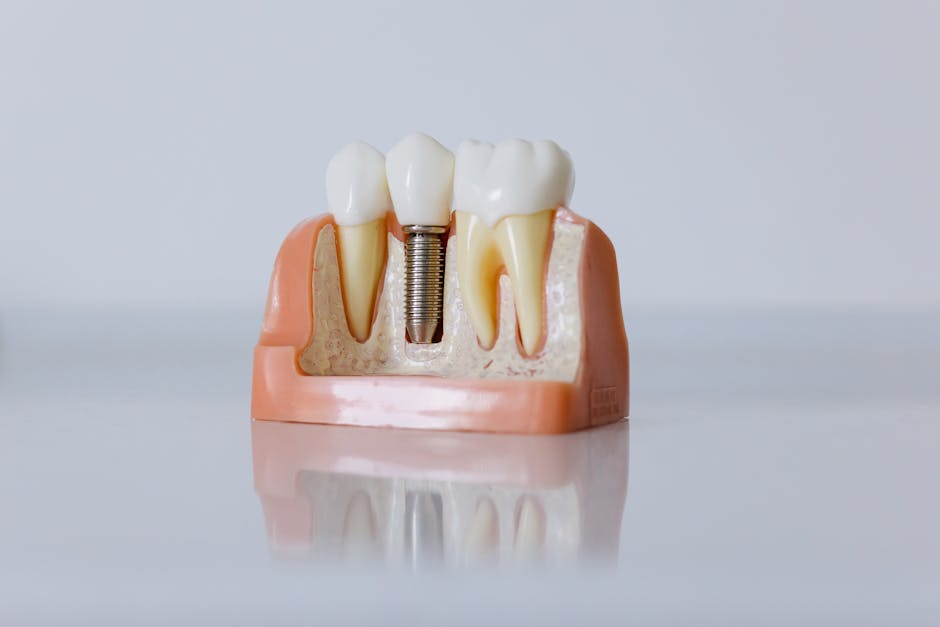
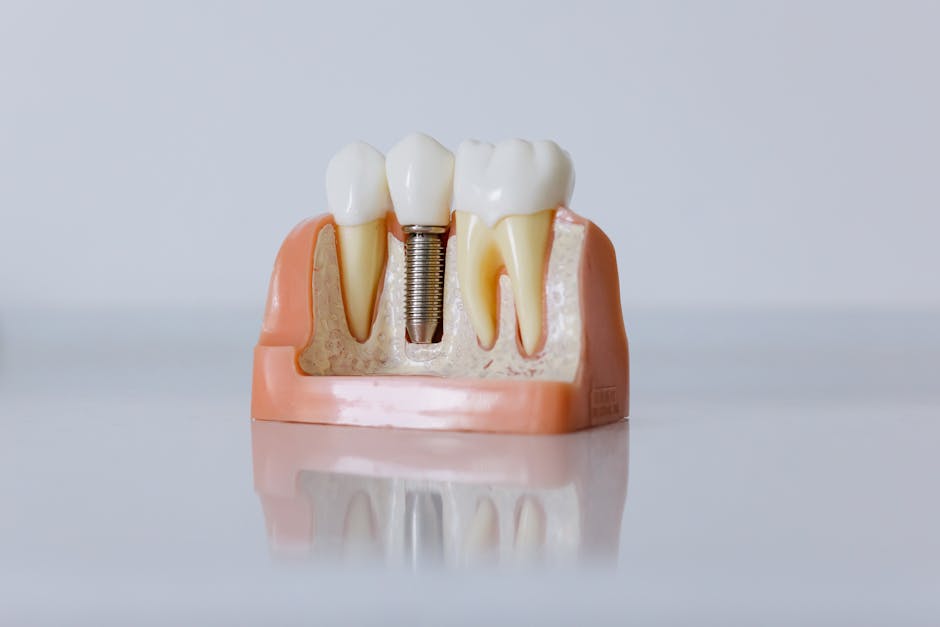
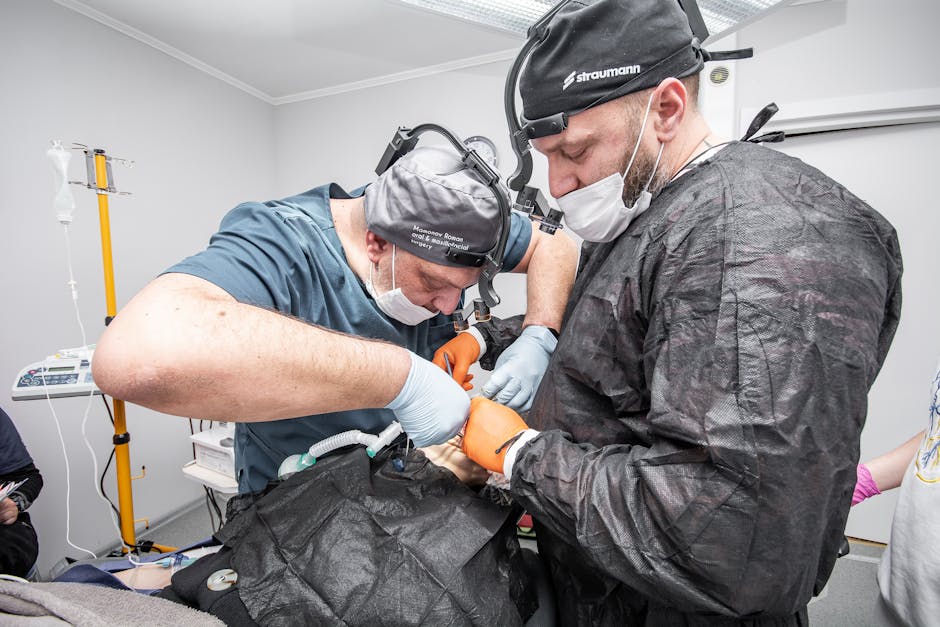
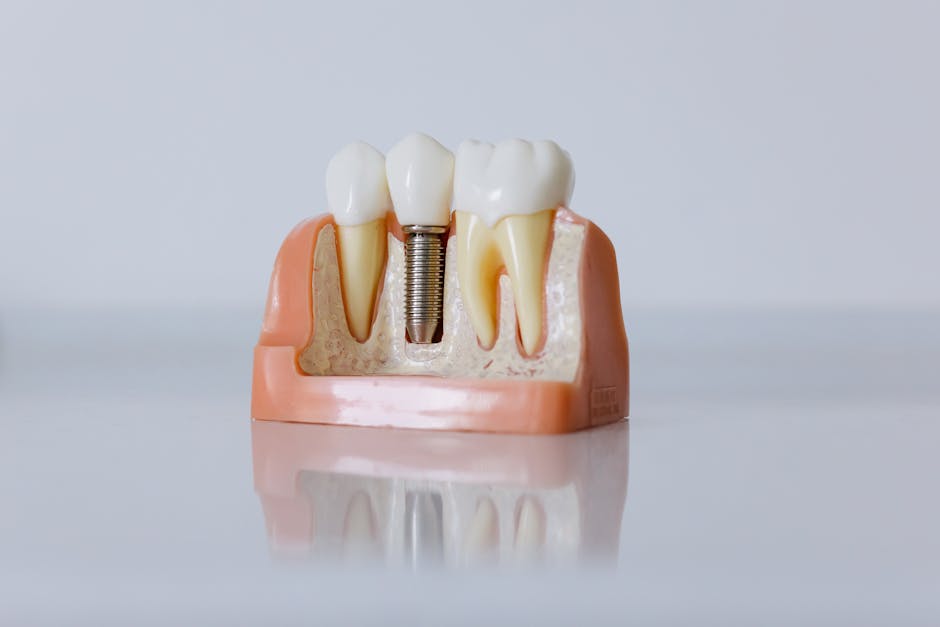
Not every fractured anterior tooth is restorable. Vertical root fractures, severe crown-root fractures, or repeated failures may shift the discussion toward extraction and replacement. In such scenarios, implant dentistry becomes part of the restorative conversation, and planning must consider hard/soft tissue architecture, emergence profile, and aesthetic zone risk.
For clinicians building confidence in surgical principles and case selection, A Beginner’s Guide to Implant Surgery for Dentists: From Planning to First Cases offers an educational pathway that complements restorative training—especially when managing compromised anterior teeth requires interdisciplinary decisions.
It is also worth remembering that anterior fractures can appear within broader patterns of tooth loss, severe wear, or failing prosthodontics. While not directly an “anterior fracture” solution, understanding full-arch workflows helps clinicians recognize when a localized repair is unlikely to satisfy function and stability. For an overview of a commonly discussed full-arch approach, explore How All-on-4 Works for Full-Arch Tooth Loss: A Clinical Workflow Guide.
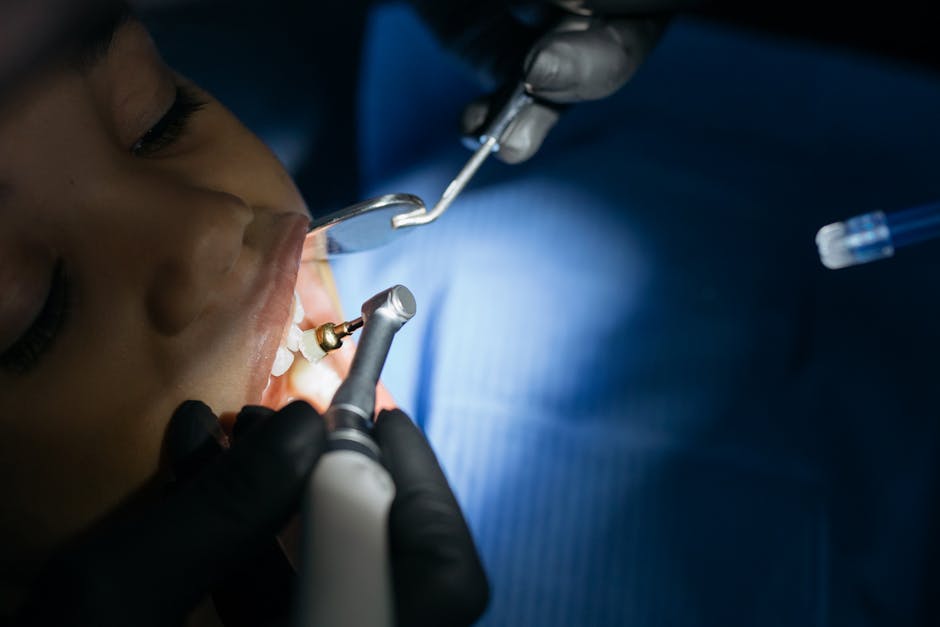
Clinical tips that often separate “acceptable” from “excellent” outcomes
1) Isolation is not optional
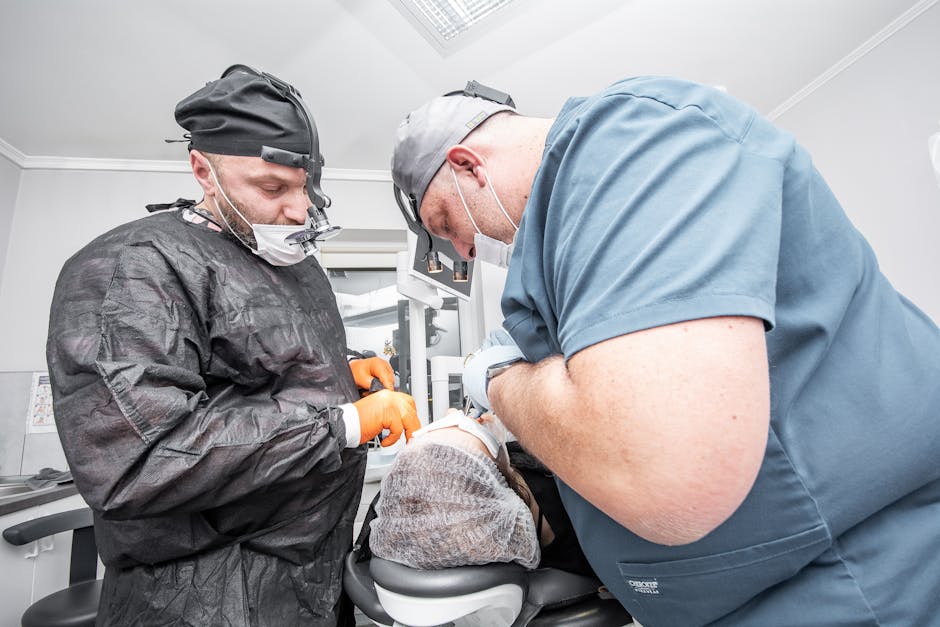
Whether placing a direct composite or bonding a veneer, moisture control drives longevity. Rubber dam isolation can improve bond reliability and simplify finishing. In the aesthetic zone, it also reduces contamination risk during try-in and cementation stages.
2) Plan the incisal edge in function
Rebuilding the incisal edge without verifying phonetics (e.g., “F” and “V” sounds), guidance patterns, and envelope of function can lead to chipping, wear, or patient dissatisfaction—even if the restoration looks perfect in a static photo.
3) Use a repeatable layering and finishing sequence
For direct composite, predictable results often come from a consistent layering map (palatal shell, dentin body, enamel layer, incisal effects) and controlled finishing that reproduces line angles and surface texture. For indirect ceramics, a similarly disciplined approach to try-in, isolation, bonding, and occlusal refinement supports long-term aesthetics and comfort.
Learning fractured anterior tooth restoration at Istanbul Dental Academy
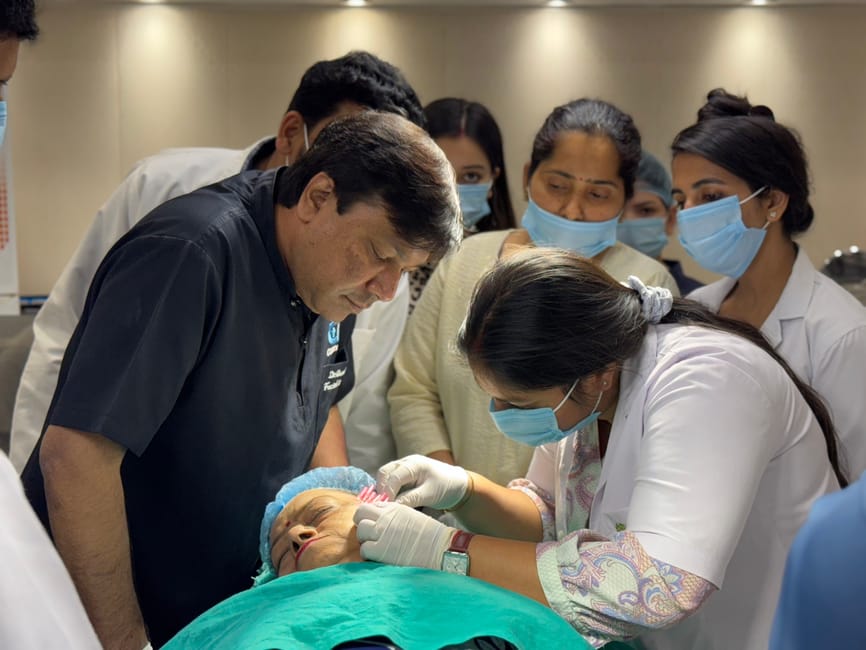
Because anterior fracture cases combine aesthetics, adhesion, occlusion, and interdisciplinary decision-making, they are ideal for hands-on training. At Istanbul Dental Academy, our continuing dental education philosophy emphasizes clinical workflows that you can reproduce in practice—supported by photography protocols, digital planning, and material-specific bonding strategies. Depending on your learning goals, training may intersect with restorative dentistry, prosthodontics, endodontic-restorative coordination, and implant dentistry foundations.
Hands-on sessions can help clinicians refine practical details that are difficult to master from theory alone: matrix control for palatal shells, stratification for natural translucency, finishing/polishing sequences, and cementation protocols for laminate veneers—along with case discussion on when to choose conservative repair versus indirect restoration or implant-supported solutions.
Conclusion
Contemporary restoration of fractured anterior teeth is no longer a single “material choice.” It is a diagnostic and restorative pathway that integrates trauma assessment, occlusion and function, adhesive strategy, and aesthetic planning—supported by digital records and clinical photography. For dental professionals, developing a structured workflow can improve predictability and patient communication while protecting tooth structure whenever feasible.
This content is for educational purposes. Clinical decisions should be tailored to individual patients, guided by comprehensive examination, appropriate imaging, and professional judgment.
Diğer Yazılar