
BLOG
How Digital Workflow Enhances Implant-Supported Prosthetics
Digital workflow and implant-supported prosthetics: why it matters now
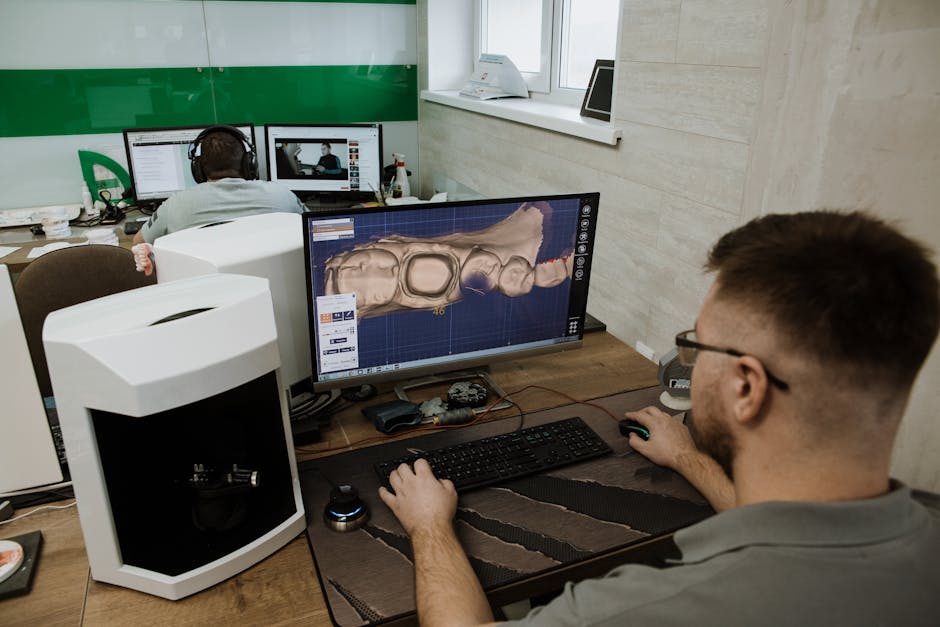
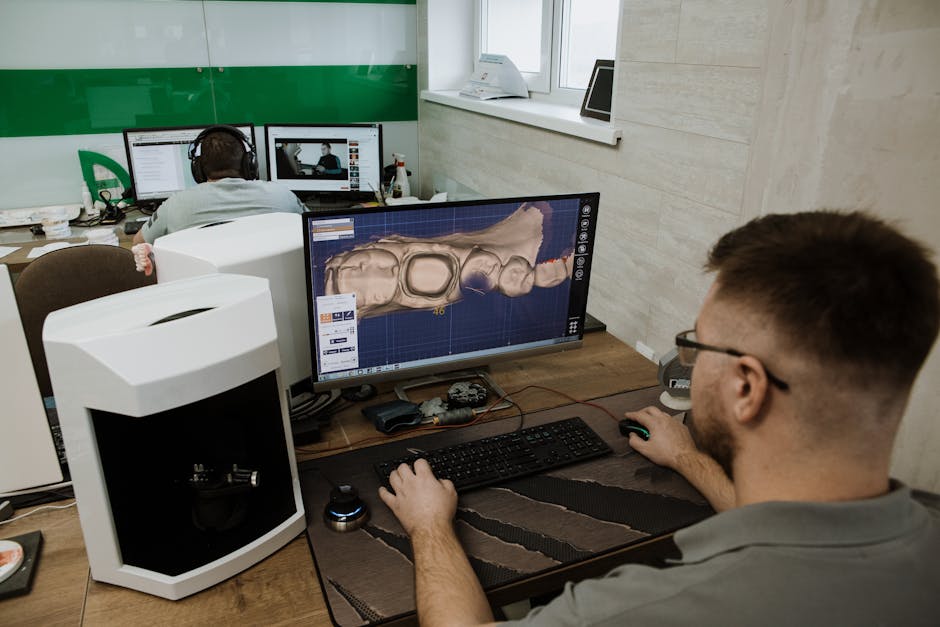
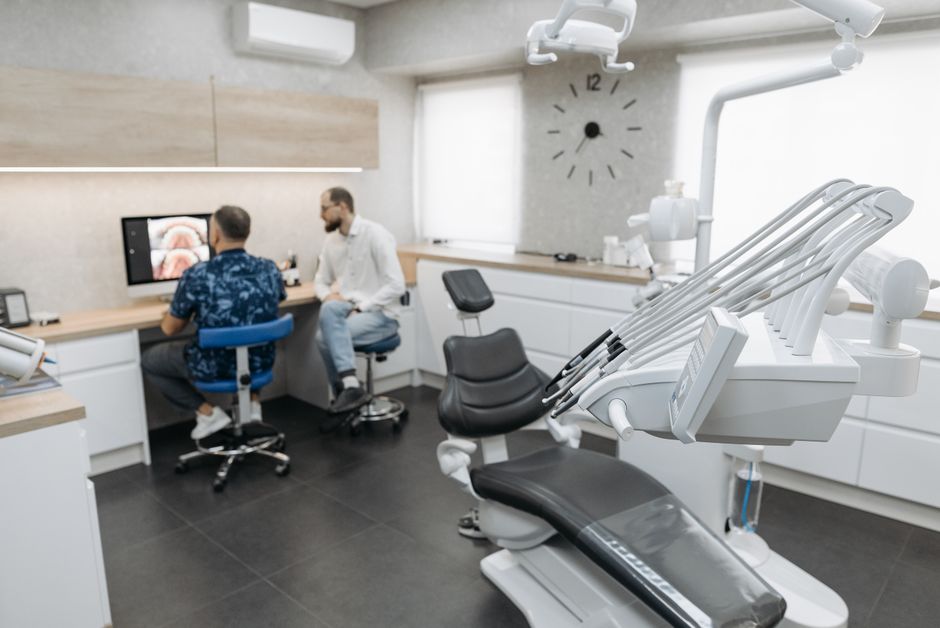
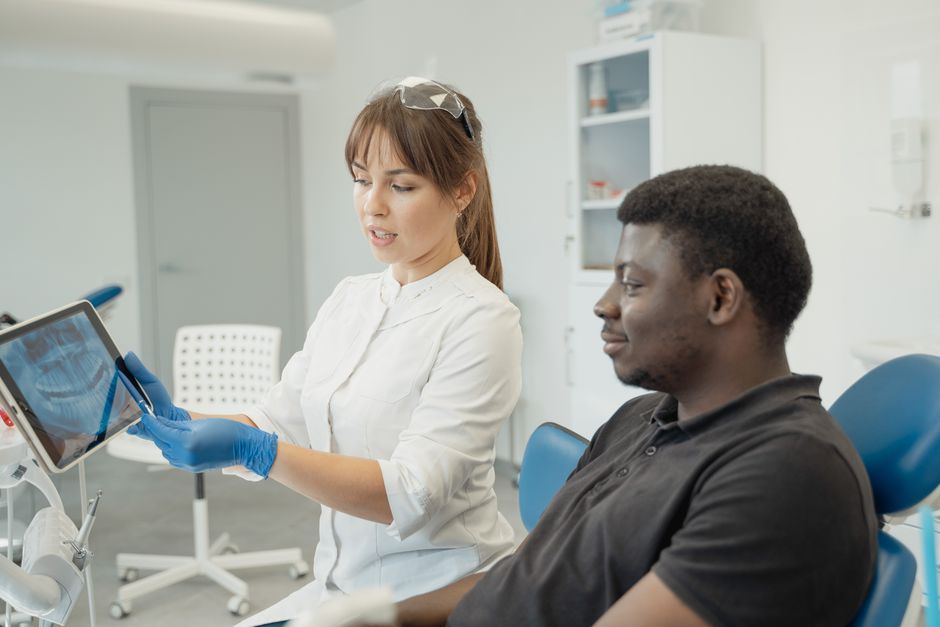
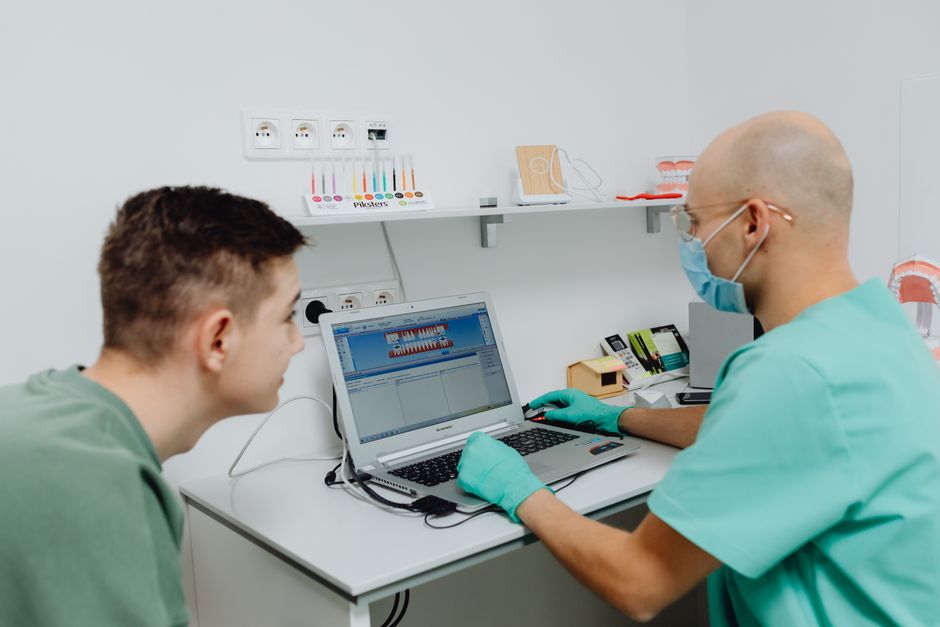
Implant dentistry has always been detail-sensitive: a few degrees of angulation, a millimetre of soft-tissue thickness, or a minor occlusal discrepancy can affect aesthetics, hygiene access, and long-term maintenance. Over the last decade, the clinical conversation has shifted from “analog versus digital” to “how digital can be used responsibly to reduce variability.” In implant-supported prosthetics, a digital workflow can help clinicians move from a series of disconnected steps (impression, jaw relation, lab communication, try-in) to a traceable process where data are captured, shared, and refined.
In a city like Istanbul—where clinics see both local patients and dental tourism cases—predictability and documentation matter. Digital records, photographs, scans, and CAD files make it easier to communicate outcomes, plan interdisciplinary cases, and manage follow-up appointments, especially when a patient’s schedule is limited. This content is for educational purposes and is not a substitute for individual clinical judgment or patient-specific diagnosis.
From diagnosis to design: the core components of a digital implant workflow
1) Data capture: CBCT, intraoral scanning, and calibrated photography
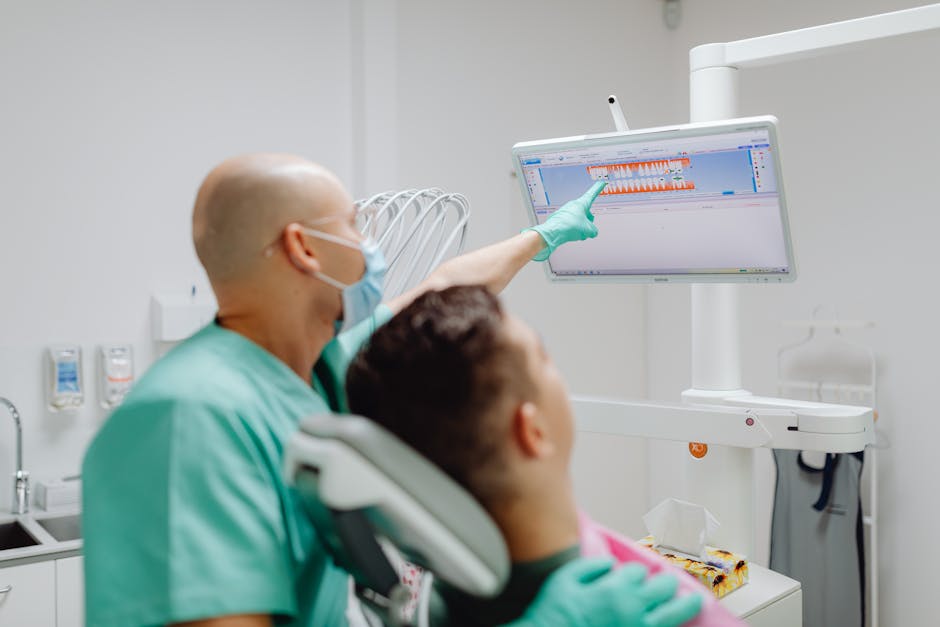
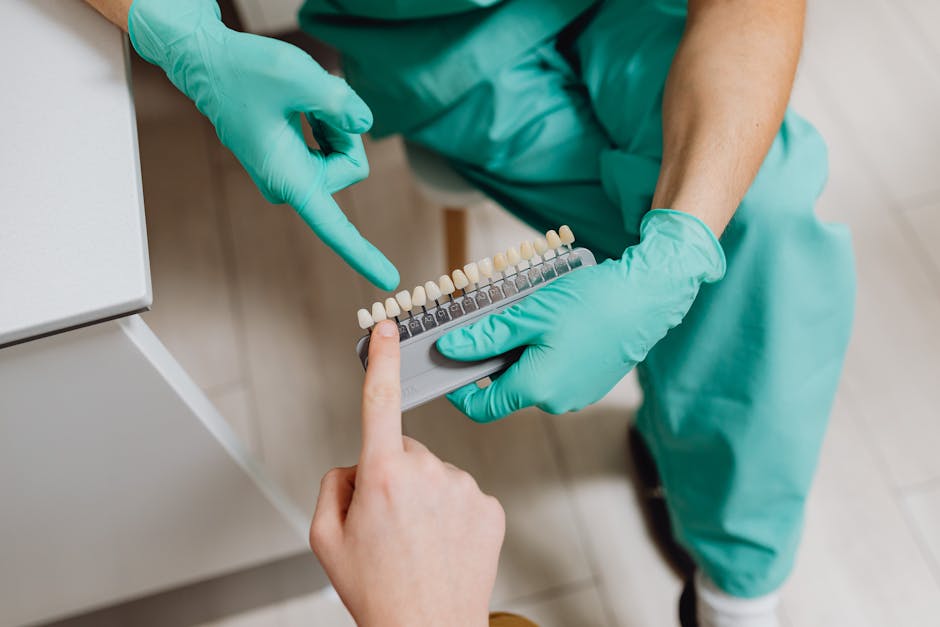
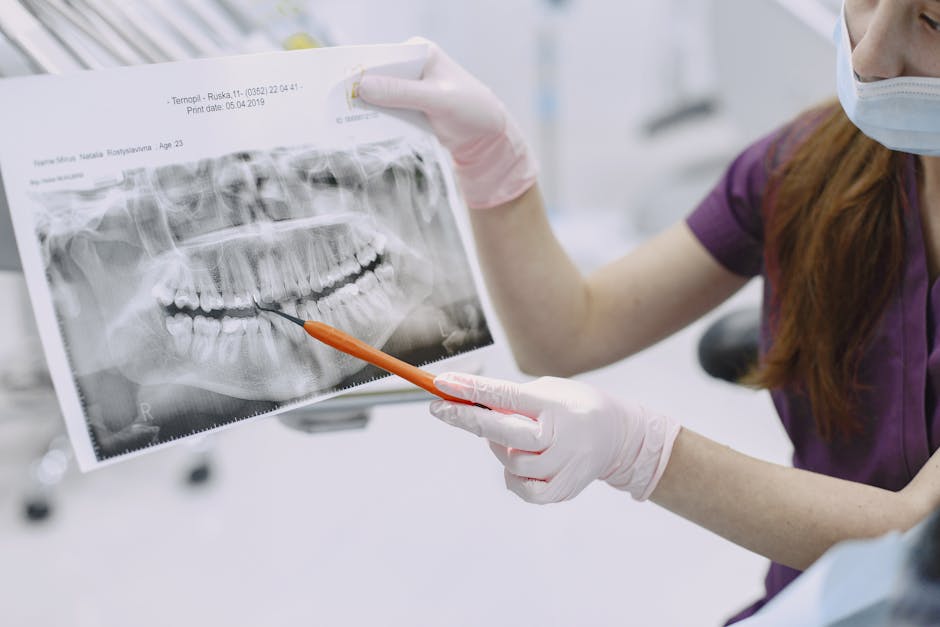
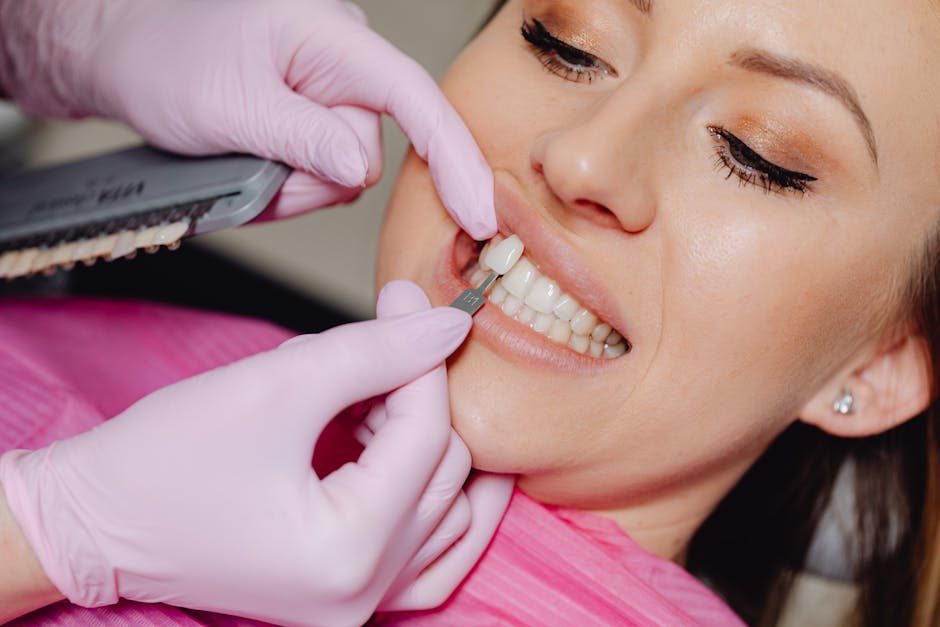
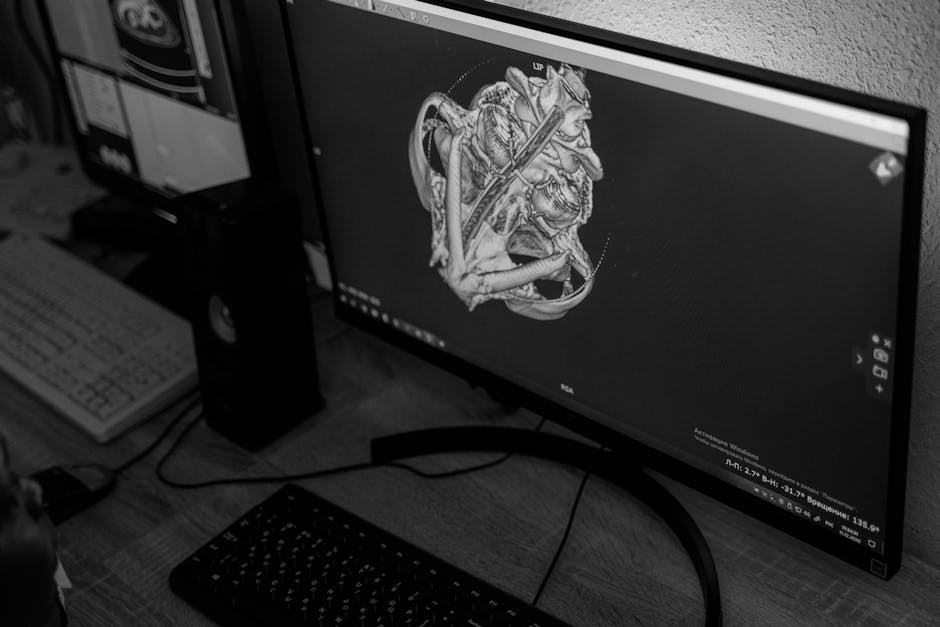
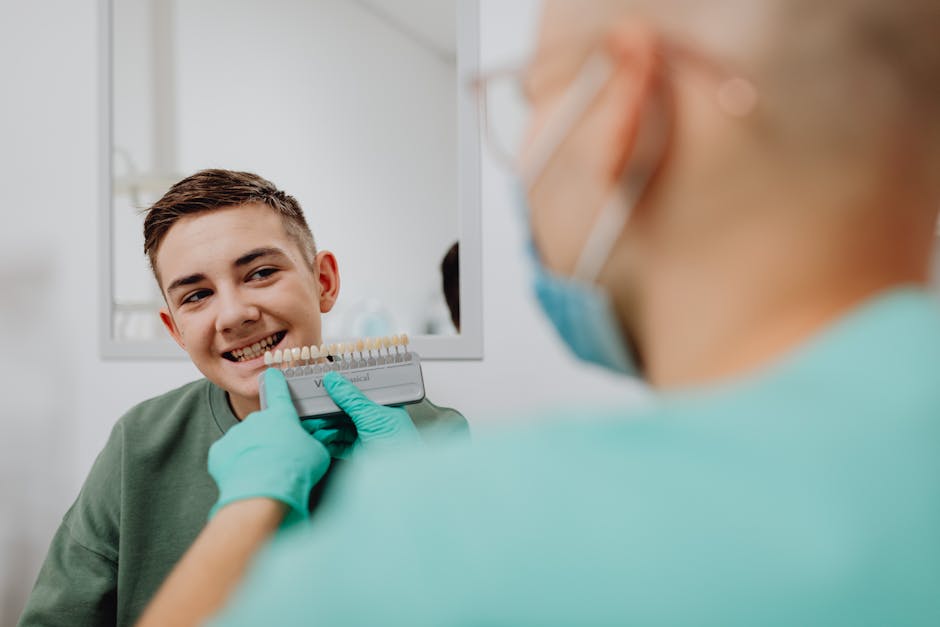
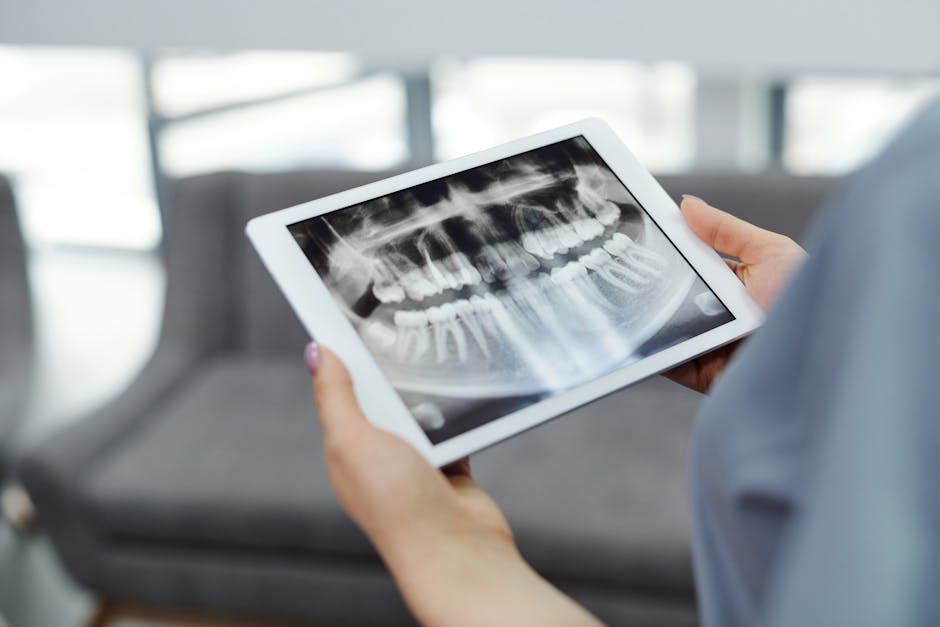
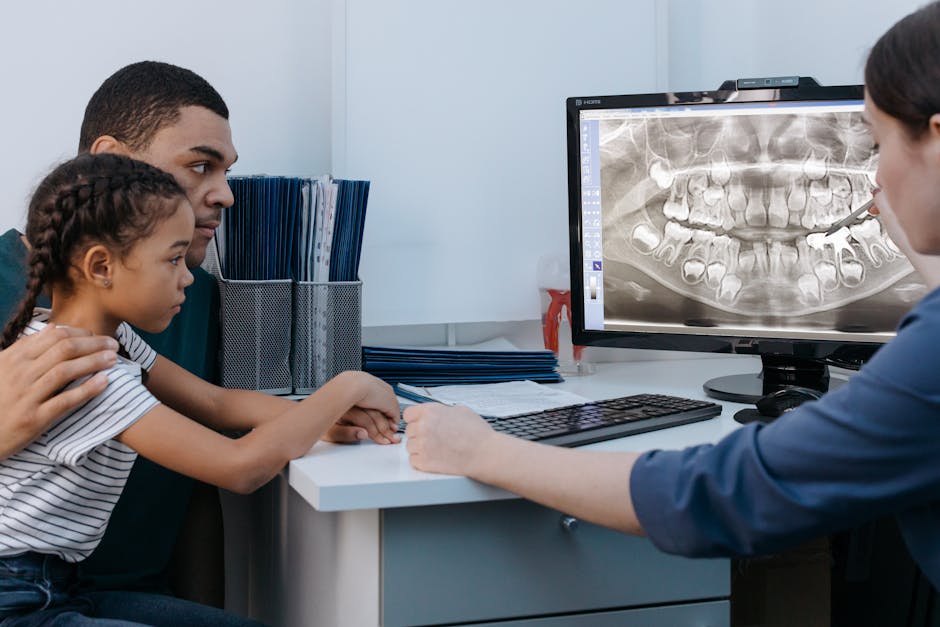
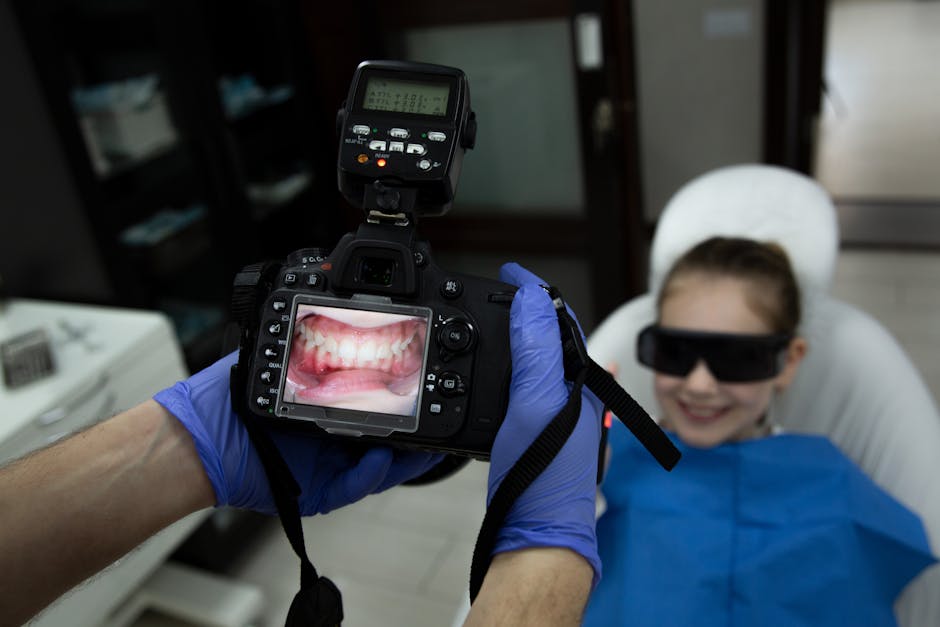
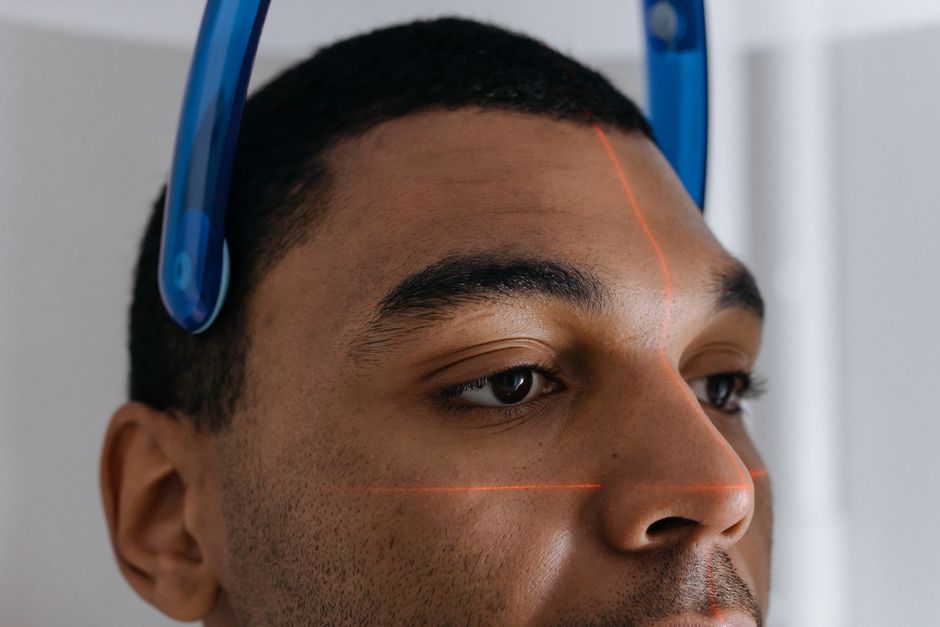
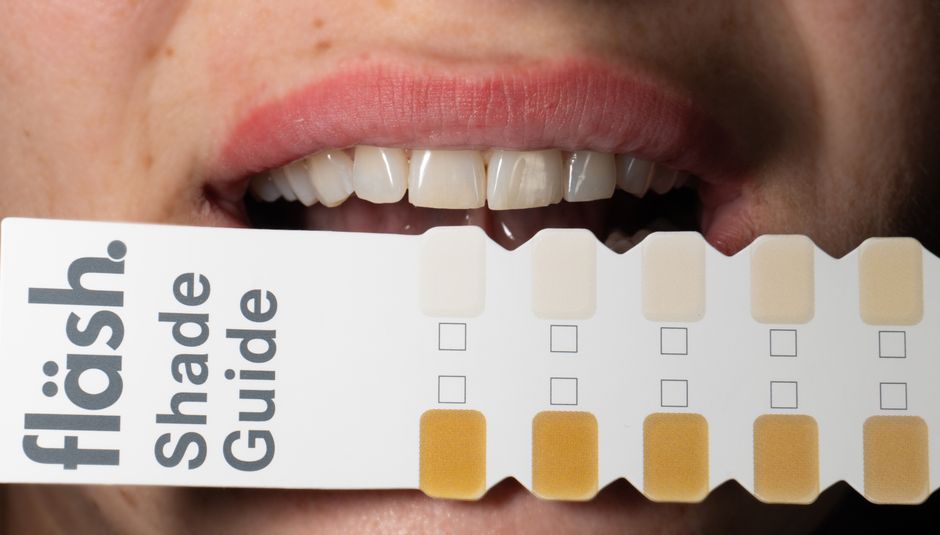
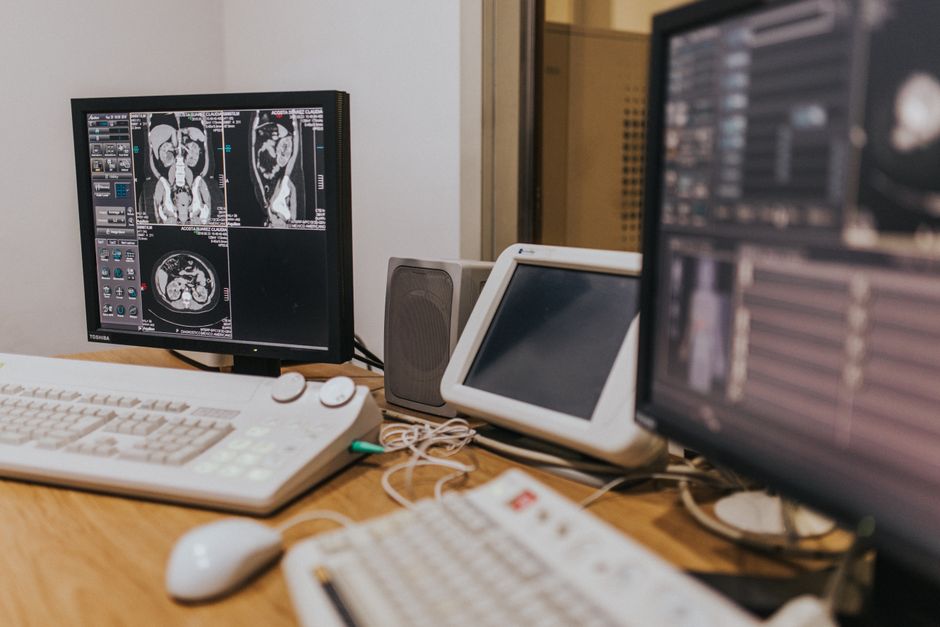
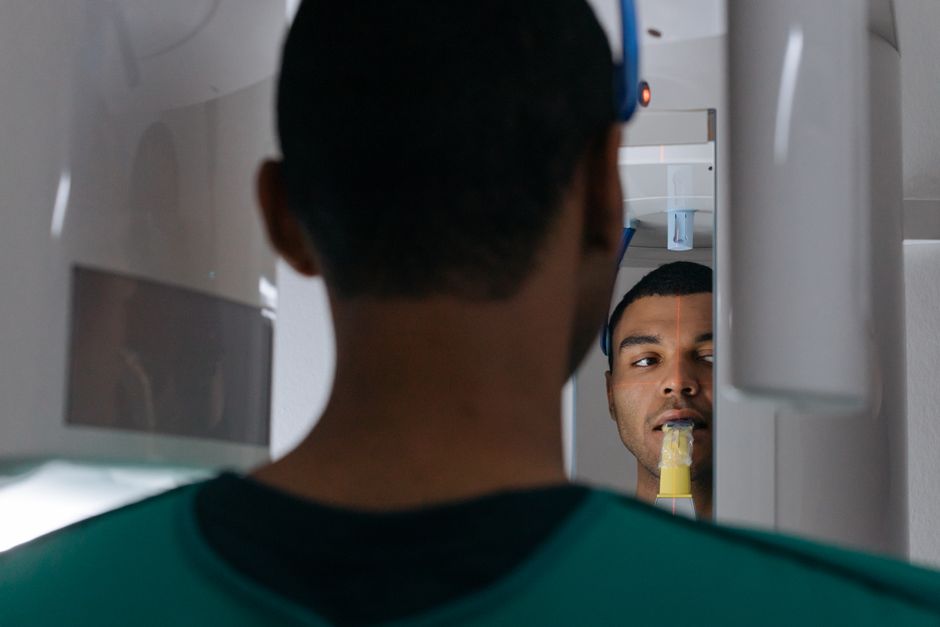
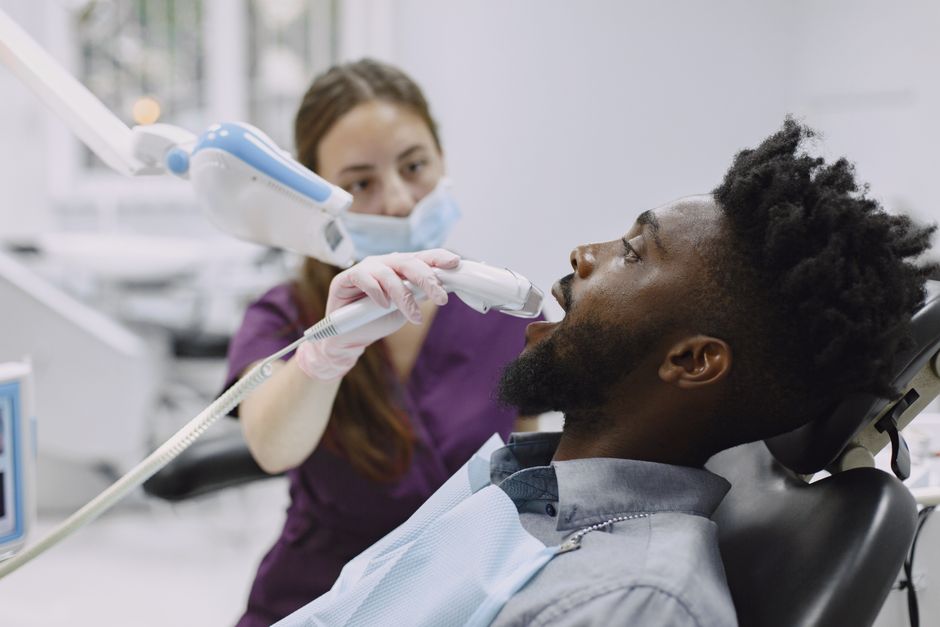
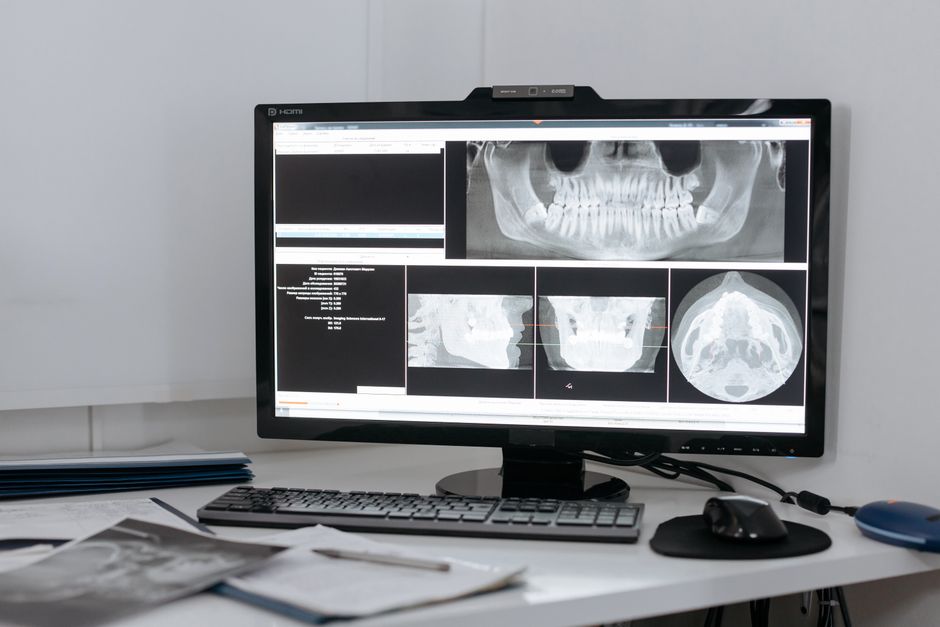
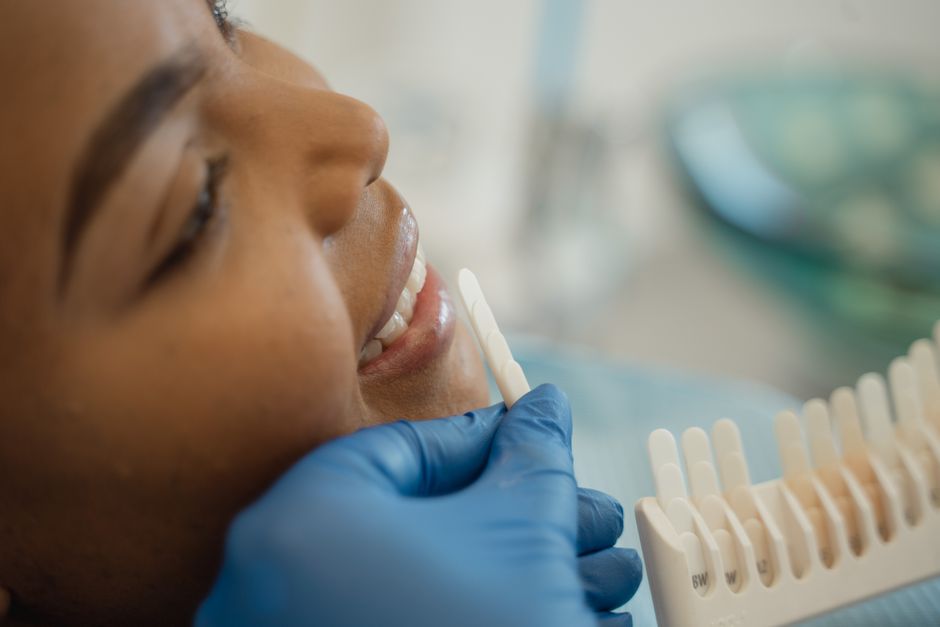
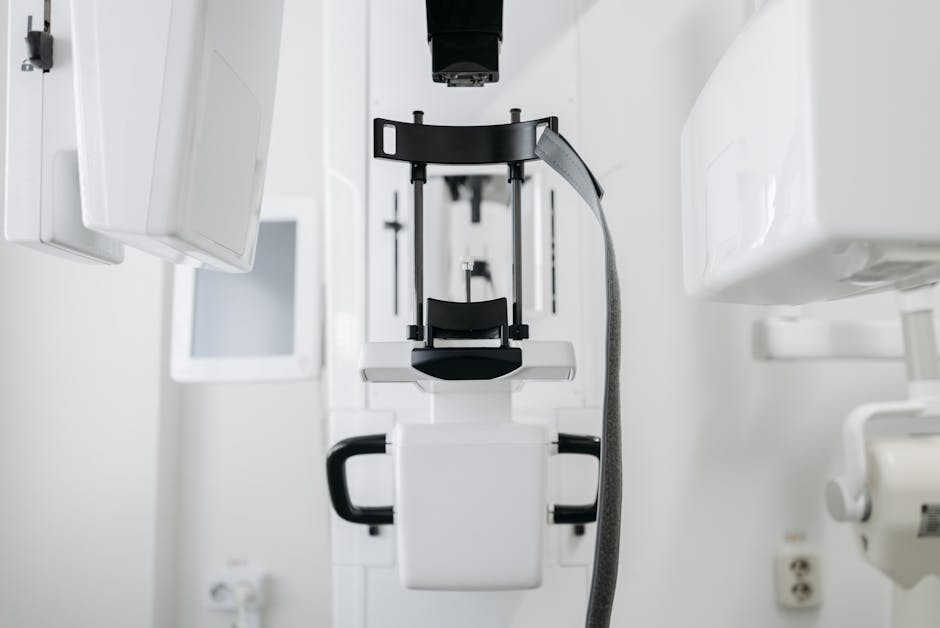
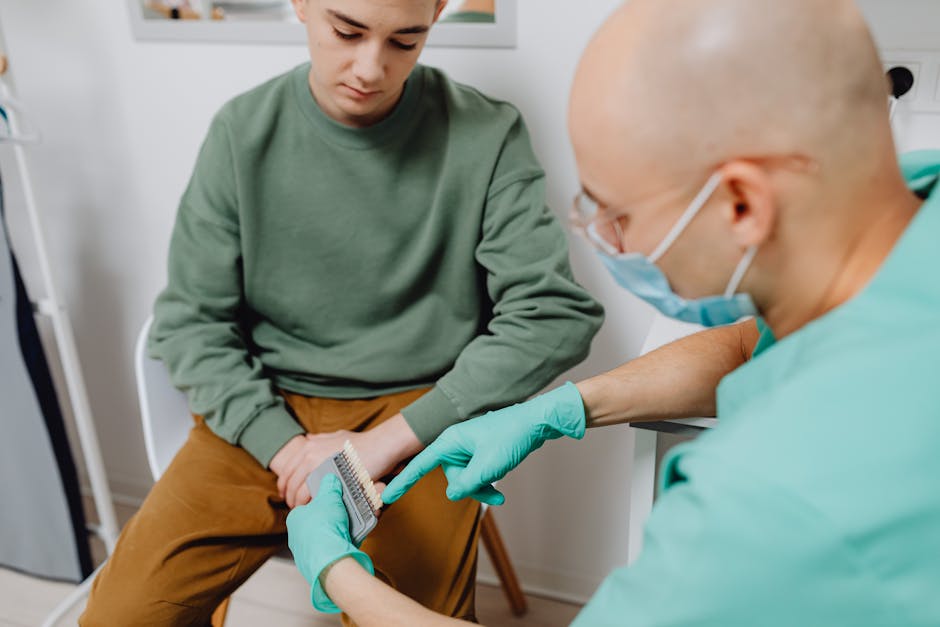
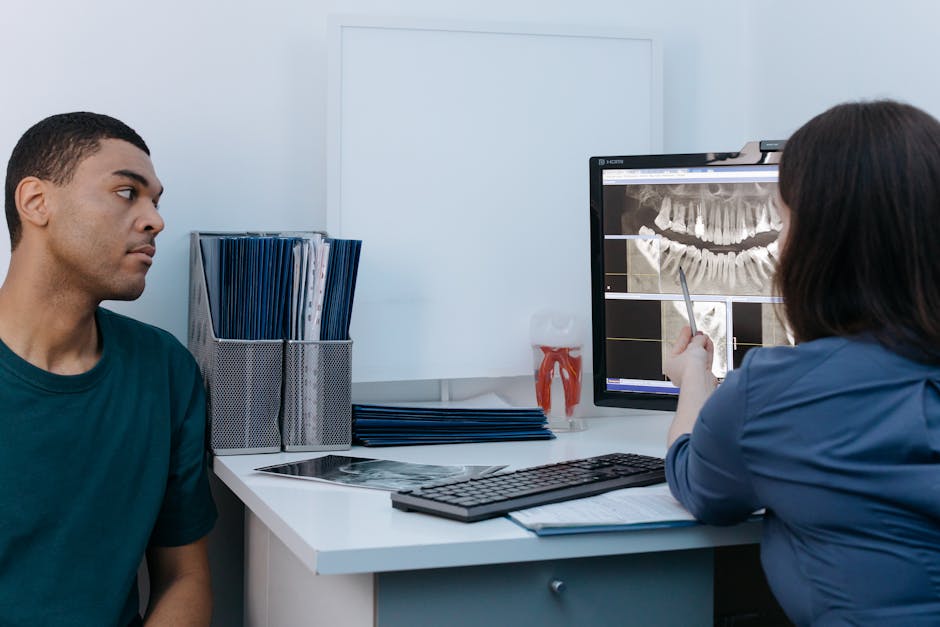
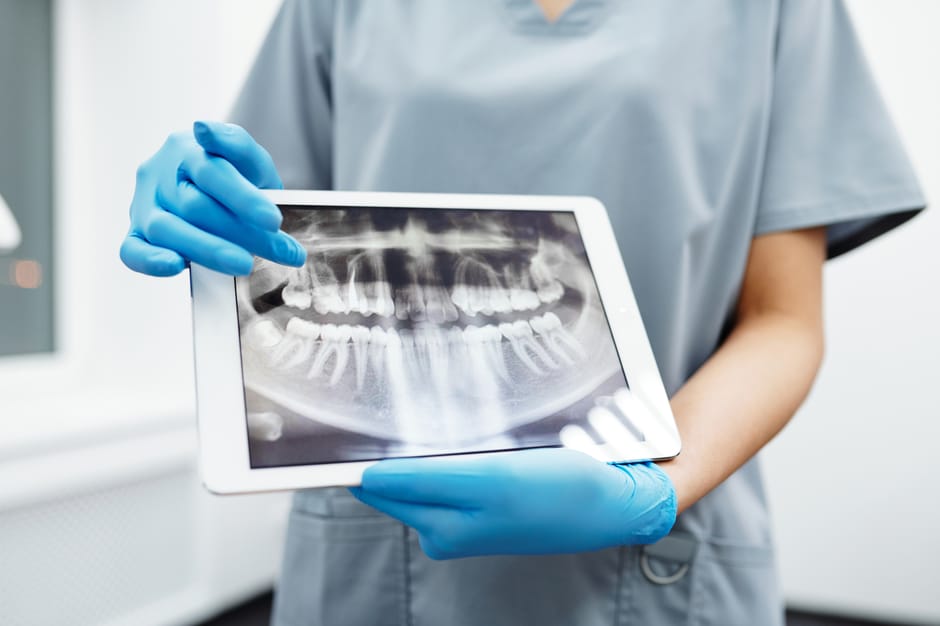
Most digital implant workflows start with high-quality diagnostic data. CBCT provides three-dimensional information about bone volume, proximity to vital structures, and potential grafting needs. Intraoral scanners provide a digital impression, capturing the occlusal scheme and the contours that influence prosthetic emergence profiles. Calibrated dental photography supports shade mapping, smile line analysis, and communication with the lab—especially important for anterior implant restorations where soft-tissue contours and lip dynamics are unforgiving.
For clinicians who combine implant therapy with esthetic dentistry, planning often overlaps with smile design. A useful reference point is digital dentistry for laminate veneer planning and modern smile design workflows, which highlights how facially driven design principles can also guide implant crown proportion, midline considerations, and incisal edge position when a patient is undergoing mixed restorative treatment.
2) Digital planning: prosthetically driven implant placement
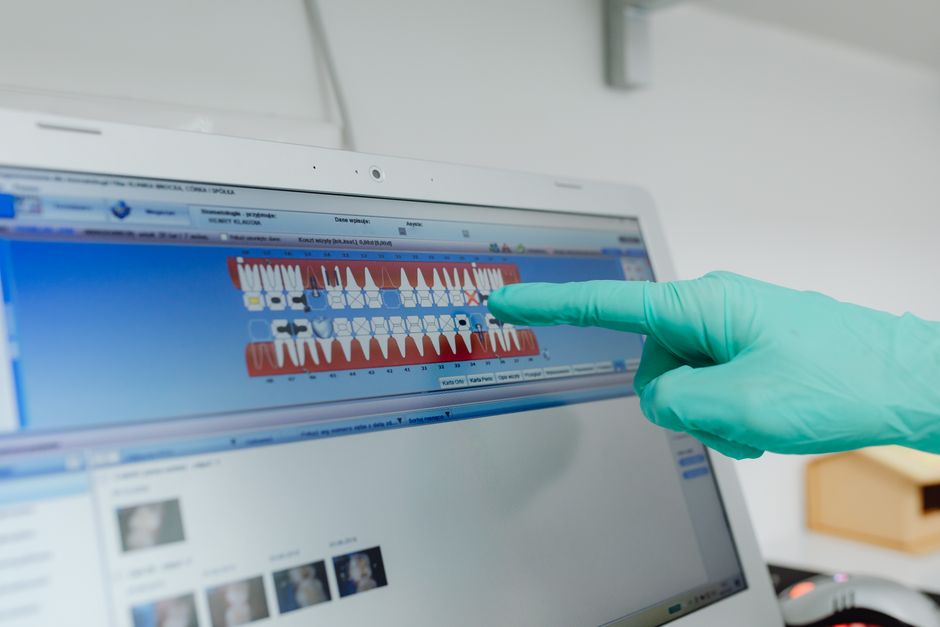
Prosthetically driven planning means you begin with the restoration in mind—emergence profile, crown contours, and occlusal contacts—then place the implant to support that ideal prosthesis. Digital planning platforms allow superimposition of CBCT and intraoral scan data, letting clinicians evaluate implant position relative to restorative space and soft tissue. This is especially valuable when the clinical situation is compromised: narrow ridges, tilted adjacent teeth, limited interocclusal clearance, or esthetic-zone demands.
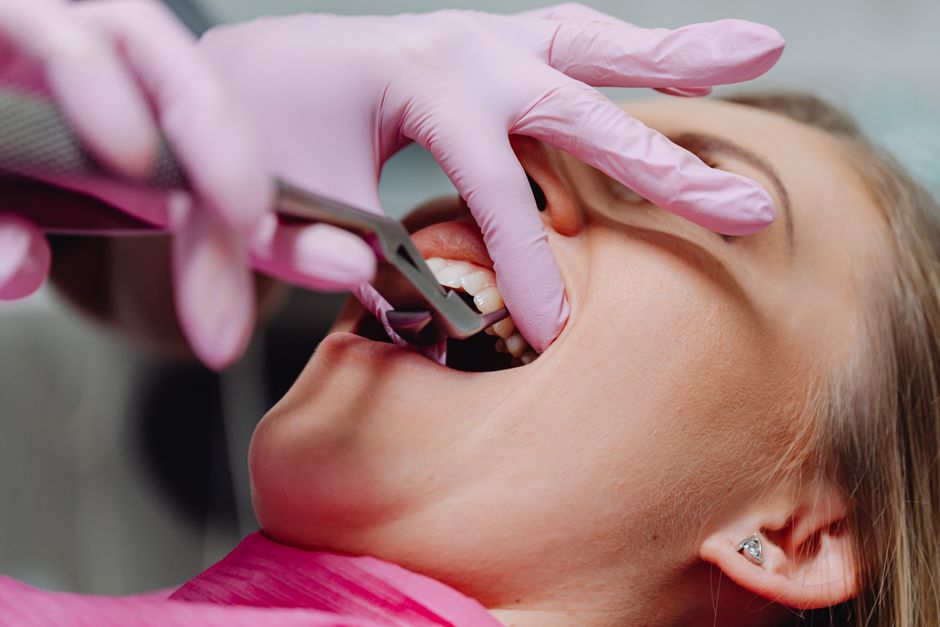
When extraction and implant placement are combined in a single visit, the planning burden increases. Case selection, socket morphology, and primary stability objectives become central to success. For clinicians building their protocols, Same-Day Tooth Extraction and Immediate Implant Placement: A Clinical Guide is a helpful clinical reading companion for understanding the rationale and decision points—especially when digital planning is used to reduce uncertainty.
3) Guided surgery and surgical-prosthetic coordination
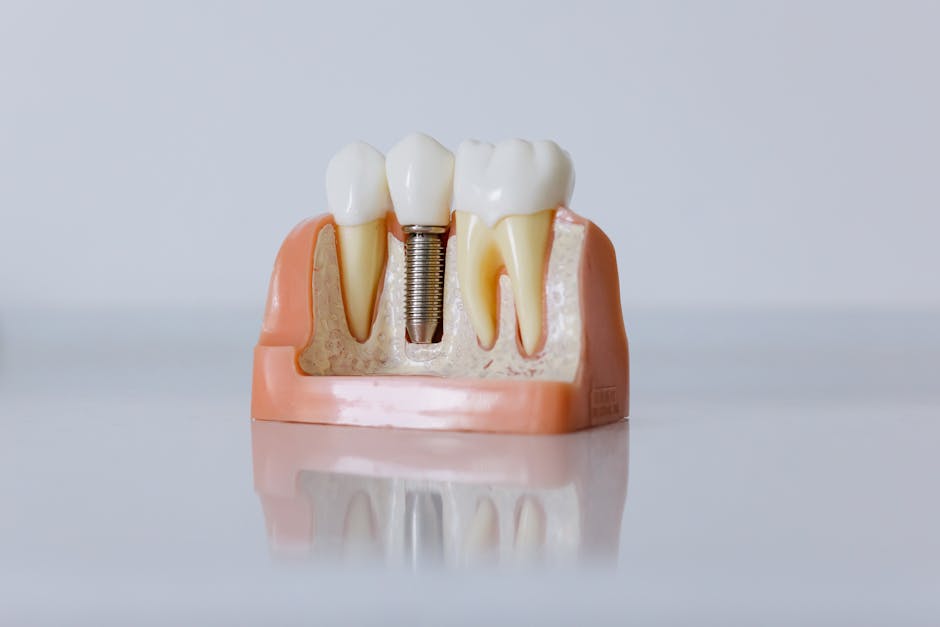
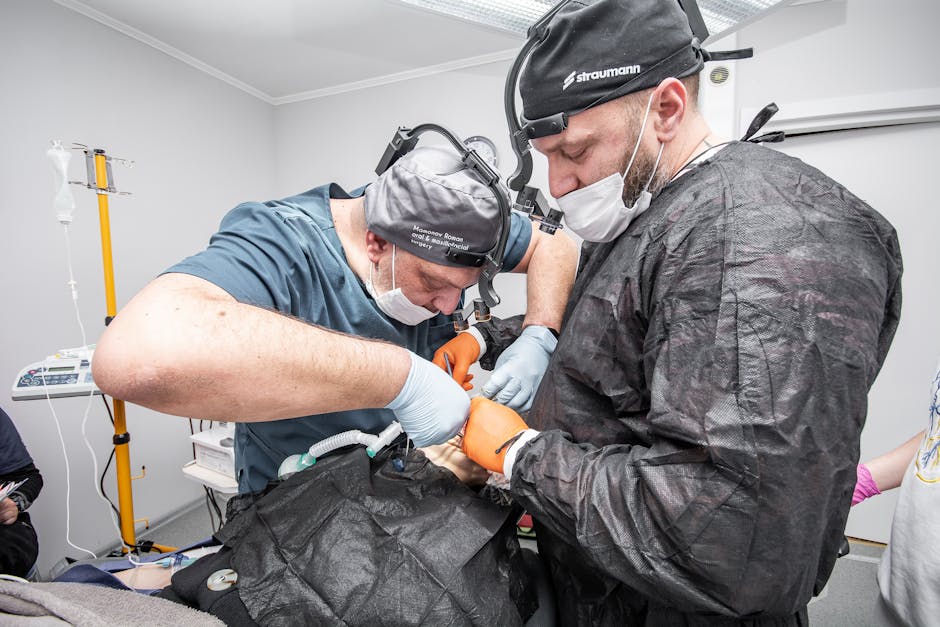
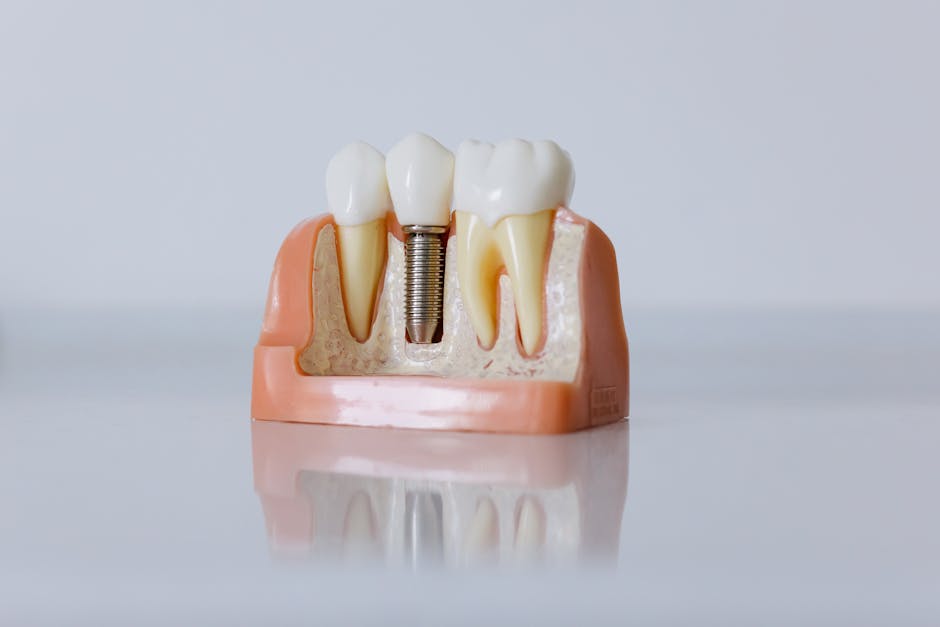
Guided surgery is not simply “drilling through a template.” It is a system of coordination: sleeve position, drill sequence, anchor pins (when needed), soft-tissue management strategy, and the planned restorative interface (multi-unit abutments, stock abutments, or custom abutments). A digital workflow can make communication between surgeon, restorative dentist, and laboratory more explicit. The team can align around implant platform position, restorative margins, and a realistic emergence profile that supports peri-implant tissue stability.
That said, guided surgery depends on accurate input data and correct clinical execution. Any scanning errors, unstable scan bodies, or bite registration inaccuracies can become magnified. In hands-on training settings, clinicians often benefit from practising the entire chain—from scan to plan to guide verification—rather than focusing on a single isolated step.
How digital steps improve prosthetic outcomes
Precision of fit and passive seating
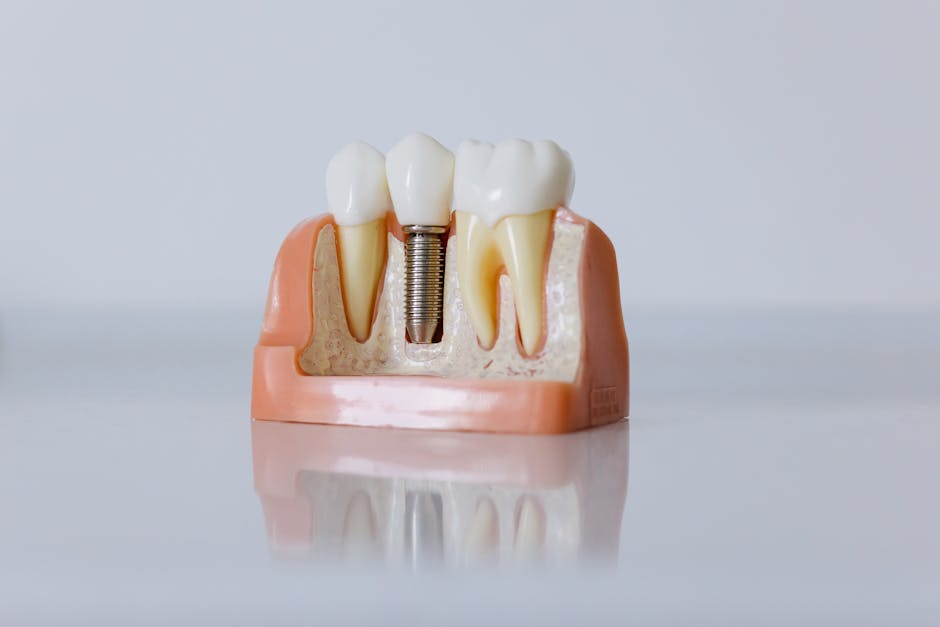
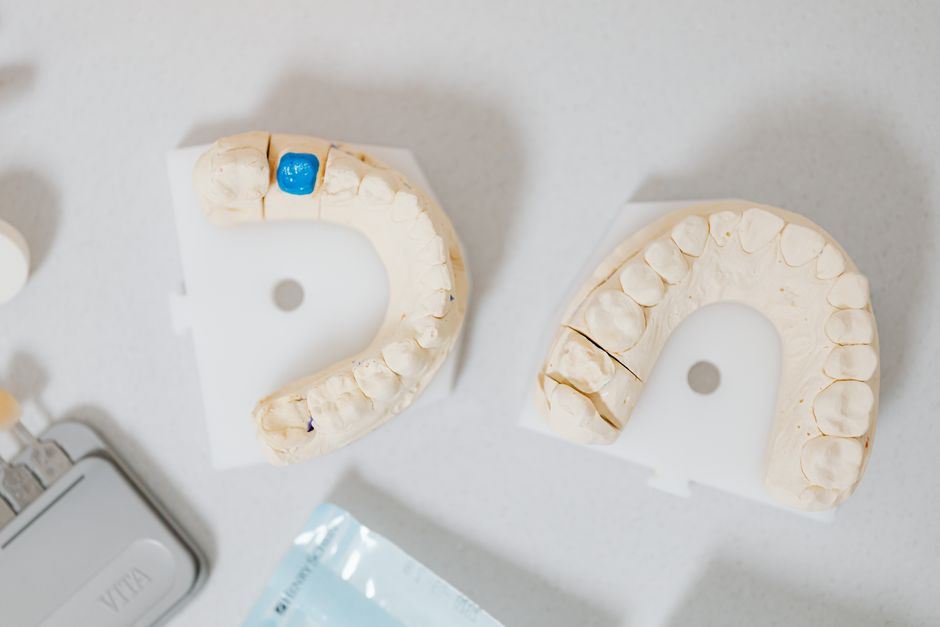
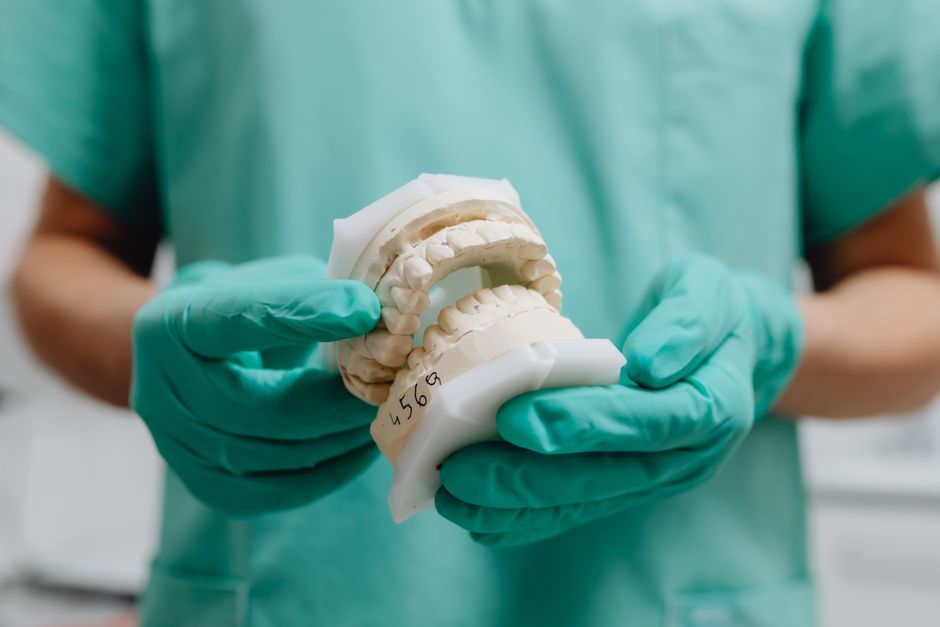
For implant-supported prosthetics, passive fit remains a key objective—particularly in multi-unit restorations where strain can affect screw stability and component wear. Digital impressions with well-managed scan body protocols can reduce some variables associated with conventional impression materials and stone casts. CAD/CAM manufacturing can also standardize connector dimensions and interface accuracy when properly calibrated.
Still, “digital” does not automatically mean “perfect.” Clinicians must validate scan strategies (especially in edentulous arches), confirm scan body seating radiographically when indicated, and understand the tolerances of their chosen systems. A robust workflow pairs digital convenience with analog verification steps when clinically necessary.
Better emergence profile design and soft-tissue support
Emergence profile influences not only esthetics but also cleansability and soft-tissue health. Digital design tools allow clinicians and technicians to visualize contours and adjust them intentionally, rather than relying on guesswork. Provisional restorations—whether chairside-milled or lab-fabricated—become a therapeutic tool to shape peri-implant mucosa, refine cervical contours, and test phonetics.
Soft-tissue stability is also affected by baseline periodontal phenotype and gingival margin behavior. If a patient presents with recession risks or thin tissue, planning should include maintenance and soft-tissue considerations. For a deeper overview of recession patterns and conservative management concepts, see Gum Recession: Causes, Symptoms, and Evidence-Based Management. Although peri-implant tissues differ from periodontal tissues, the broader principles of phenotype awareness, plaque control, and risk communication are highly relevant.
Occlusion, function, and patient comfort
Occlusion is often under-discussed in digital implant workflows, yet it strongly influences patient comfort and prosthetic longevity. Digital articulation and virtual occlusal analysis can help in planning contact points, excursive pathways, and cantilever management. This is particularly important when restoring patients with parafunction, muscle tenderness, or complex bite relationships.
When a patient’s chief complaint includes jaw discomfort or headaches—or when clinical signs suggest parafunction—implant prosthetics should be approached with careful functional evaluation. An evidence-informed starting point for clinicians is Clinical Diagnostic Approach to TMD Patients: An Evidence-Informed Guide for Dentists. While TMD is multifactorial and not “caused” by a single restoration, functional screening can improve how clinicians design occlusion and communicate expectations.
Digital workflow in real practice: where things commonly go wrong
Scan challenges: edentulous arches and long-span accuracy
In fully edentulous or long-span implant cases, intraoral scanning can be less forgiving. Soft-tissue mobility, limited landmarks, saliva control, and patient movement can reduce accuracy. Clinicians may need auxiliary strategies: verification jigs, segmental scanning, or hybrid workflows that combine digital records with selective conventional steps. The “best” approach depends on the clinical context, the scanner’s performance, and the team’s experience.
Restorative space and material selection mismatches
Digital planning can reveal inadequate restorative space early, but only if restorative parameters are measured and discussed. Material choice (monolithic zirconia, layered ceramics, hybrid materials) should match functional demands and esthetic expectations. Screw-retained versus cement-retained decisions also affect margin position, retrievability, and hygiene access.
For clinicians working across implant crowns and tooth-supported ceramics, cementation protocols remain a critical competency. Even when implants are screw-retained, adjacent restorations may require adhesive cementation. A practical refresher is critical points in porcelain laminate cementation, which emphasizes isolation, surface treatment, and protocol consistency—skills that translate well into broader prosthodontic practice.
Communication gaps between clinic and lab
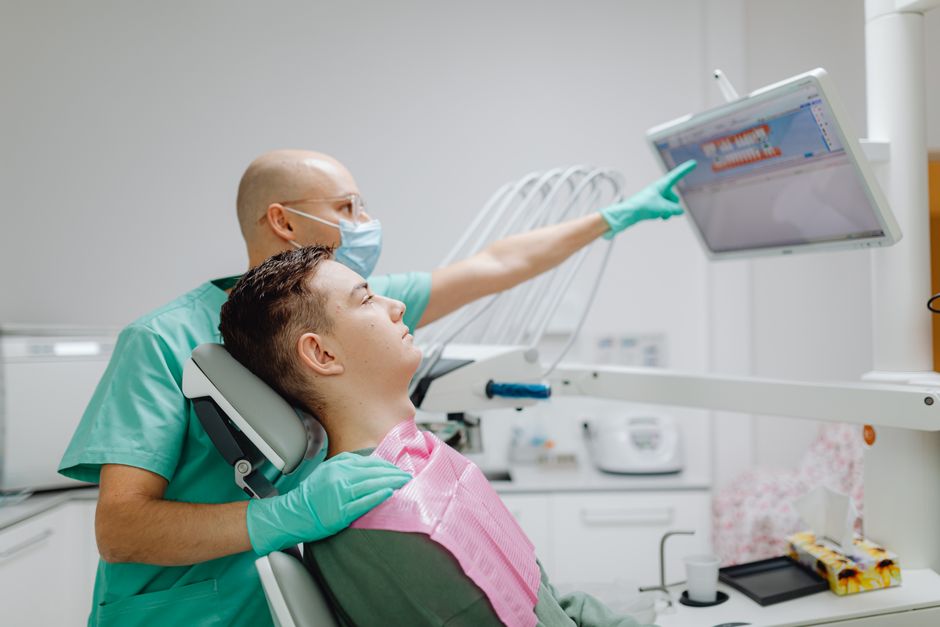
Digital files can improve communication, but they do not replace it. A successful digital implant prosthetic case still depends on shared decision-making: where the margin should be, how the tissue will be managed, what the provisional is expected to accomplish, and what occlusal scheme is acceptable. Clear checklists, annotated screenshots, and standardized photo sets often make more difference than the choice of software itself.
Integrating implant prosthetics with smile design and esthetic dentistry
Many patients do not present with “an implant case” or “a veneer case”—they present with an esthetic concern that requires a combined plan. Digital smile design tools can help align implant crowns with adjacent veneers or restorations, harmonize tooth proportions, and preview outcomes through mock-ups. This supports better consent conversations and helps set realistic expectations about timelines, soft-tissue maturation, and the limits of prosthetic camouflage.
In day-to-day practice, clinicians may need to coordinate implant placement with additive or subtractive restorative steps: managing incisal edge position, correcting midline perception, and sequencing whitening or composite prototyping. Digital workflows make these interdisciplinary decisions more visual, which can improve patient understanding and team alignment.
Learning the workflow: why hands-on training matters
Digital implant prosthodontics is a clinical skillset, not just a software task. The most common barriers are not theoretical—they are procedural: scan body selection and torque, scan strategy, bite registration accuracy, provisional contouring, and chairside troubleshooting. Hands-on education can shorten the learning curve by letting clinicians practise full sequences under mentorship, including how to interpret errors and correct them.
At Istanbul Dental Academy, our educational philosophy emphasizes applied learning: linking diagnostics, surgical planning, and prosthetic design so clinicians can understand how each decision affects the final restoration. For dentists and students seeking continuing dental education in Istanbul, training that combines digital planning with real clinical protocols can help translate “digital possibilities” into predictable daily practice.
Practical takeaways for clinicians
Use digital tools to reduce variability—not to skip fundamentals
Digital workflows can enhance implant-supported prosthetics by improving diagnostic clarity, supporting prosthetically driven placement, and enabling more controlled emergence profile design. However, the fundamentals remain the same: case selection, biologic principles, occlusal planning, and precise execution.
Document, verify, and standardize
Build a repeatable protocol: consistent photo sets, standardized scanning steps, verification checkpoints, and clear lab prescriptions. Over time, this reduces remakes and improves team confidence.
Think interdisciplinary
Implant prosthetics often intersects with periodontology, esthetic dentistry, and functional evaluation. A digital workflow works best when it serves a comprehensive treatment plan rather than a single isolated procedure.
Educational note: This article is for educational purposes only and does not provide definitive medical or treatment advice. Clinical decisions should be made based on individual patient assessment, current evidence, and professional guidelines.
Diğer Yazılar