
BLOG
Dental Implant Success in Patients with Diabetes: What Clinicians Should Know
Understanding Implant Success in Patients with Diabetes
Dental implants are now a mainstream solution for replacing missing teeth, yet systemic health remains a core part of modern treatment planning. Diabetes mellitus—particularly when long-standing or inadequately controlled—can influence wound healing, infection risk, and periodontal stability. For dental professionals, the key question is not simply “Can a patient with diabetes receive an implant?” but rather “Under what conditions can predictable osseointegration and long-term maintenance be supported?”
This article is for educational purposes and aims to summarise clinical considerations that may affect implant outcomes in patients with diabetes, while highlighting how structured, hands-on education can help clinicians standardise risk assessment and treatment pathways. At Istanbul Dental Academy, implant dentistry courses frequently integrate medical history evaluation, surgical planning, prosthetic sequencing, and complication management to support evidence-informed decision-making.
How Diabetes Can Influence Osseointegration and Soft-Tissue Healing
Implant “success” is multifactorial. Beyond survival of the fixture, clinicians evaluate peri-implant tissue health, marginal bone stability, patient comfort, and functional/aesthetic outcomes. Diabetes can interact with several of these parameters through:
Altered inflammatory response: Chronic hyperglycaemia is associated with a heightened inflammatory state, potentially influencing periodontal breakdown and peri-implant tissue response.
Microvascular changes: Reduced perfusion may affect wound healing dynamics and soft-tissue quality, particularly in more medically complex patients.
Infection susceptibility: A patient’s glycaemic stability can correlate with infection risk in many surgical settings. In implant dentistry, this may become relevant in early healing phases and later in the context of peri-implantitis risk.
Bone metabolism shifts: Some patients experience altered bone turnover, which can be a consideration when selecting protocols and anticipating healing timelines.
In clinical practice, these are rarely isolated factors. They often coexist with other risks such as smoking, a history of periodontitis, limited keratinised tissue, or reduced oral hygiene capacity. The goal is to recognise cumulative risk and tailor planning, not to rely on diabetes status alone.
What Do We Mean by “Success Rate” in Diabetic Patients?
Patients often ask for a single percentage. Clinicians, however, know that published implant outcomes vary due to differences in study design, follow-up duration, definitions of success, and patient selection. In many reports, implant survival in well-managed diabetes may be comparable to non-diabetic cohorts, while complications can become more common as systemic control worsens or when local risk factors are unmanaged.
From an educational standpoint, it is more useful to frame “success” as a sequence of controllable steps:
1) Patient selection and stabilisation
Medical history, medication review, and collaboration with the patient’s physician when indicated.

2) Local risk reduction
Managing periodontal inflammation, caries risk, endodontic infections, and soft-tissue conditions before implant placement.
3) Surgical/prosthetic protocol optimisation
Appropriate implant positioning, primary stability, augmentation strategy when needed, and a restoration that supports hygiene and load distribution.
4) Maintenance and monitoring
Structured recalls, peri-implant assessments, and reinforcement of home-care routines.
Pre-Operative Assessment: Practical Points for the Dental Team
Medical history and glycaemic control (conceptual approach)
Rather than applying a one-size-fits-all threshold, many clinicians evaluate “control” using a combination of patient-reported stability, physician input, laboratory data when available, and the presence/absence of diabetes-related complications. The intent is to gauge the patient’s healing capacity and infection risk profile in an informed way.
Because scope-of-practice and regional protocols vary, clinicians should follow local guidelines and collaborate with the patient’s medical team as appropriate. Documentation is essential: record the discussion, identified risks, and the rationale for the chosen protocol.
Periodontal status and inflammation control
Diabetes and periodontal disease have a well-discussed bidirectional relationship. In implant planning, this matters because a history of periodontitis is a known risk factor for peri-implant disease. Establishing periodontal stability prior to surgery—through non-surgical therapy, occlusal management, and hygiene reinforcement—can be a cornerstone of predictable implant outcomes.
Radiographic and digital planning workflow
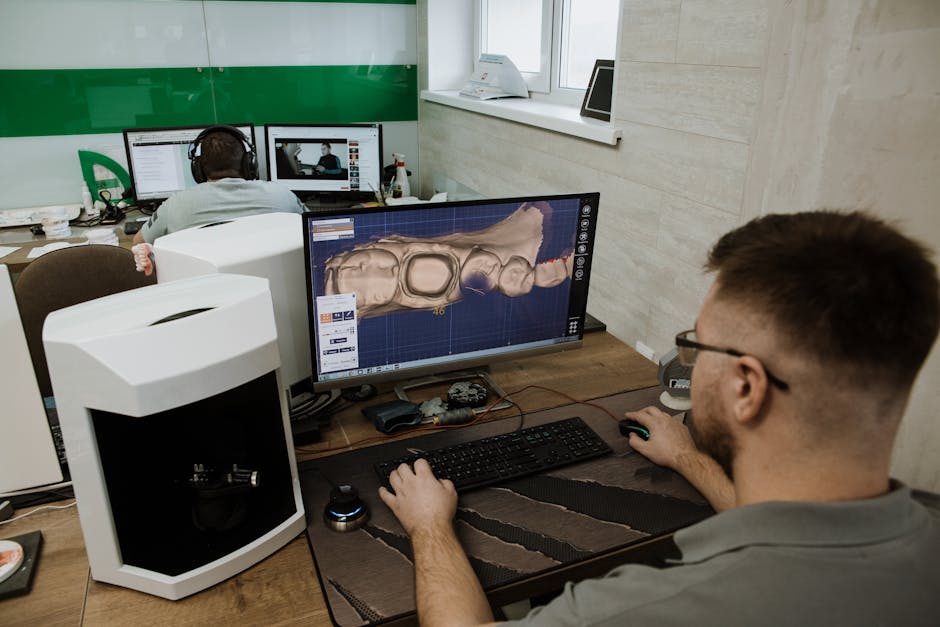
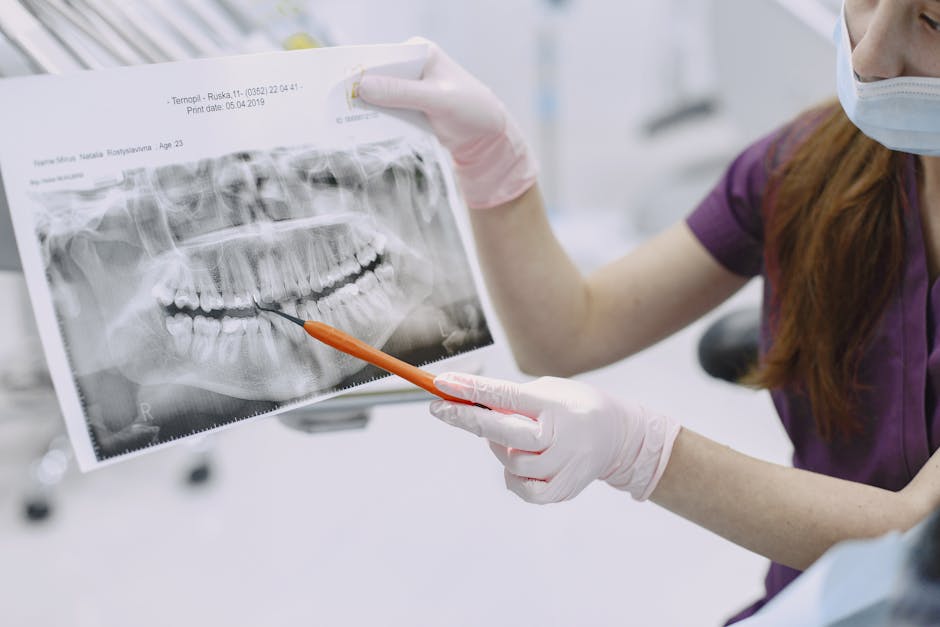
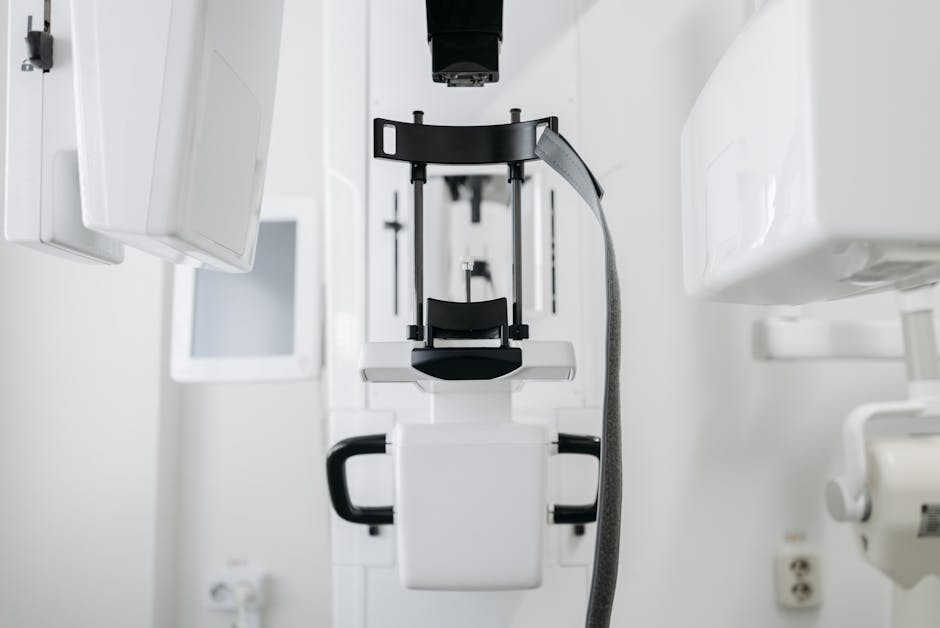
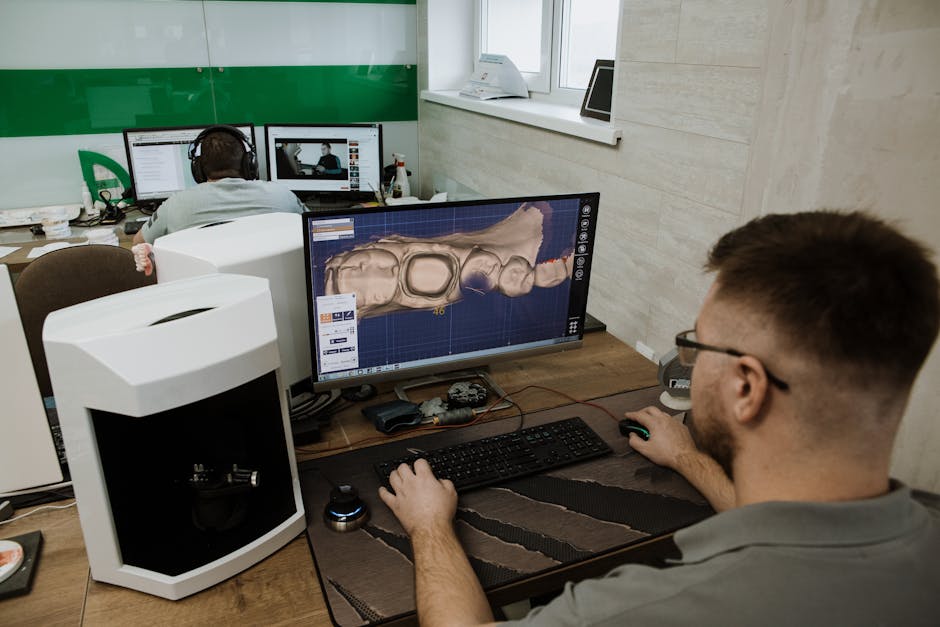
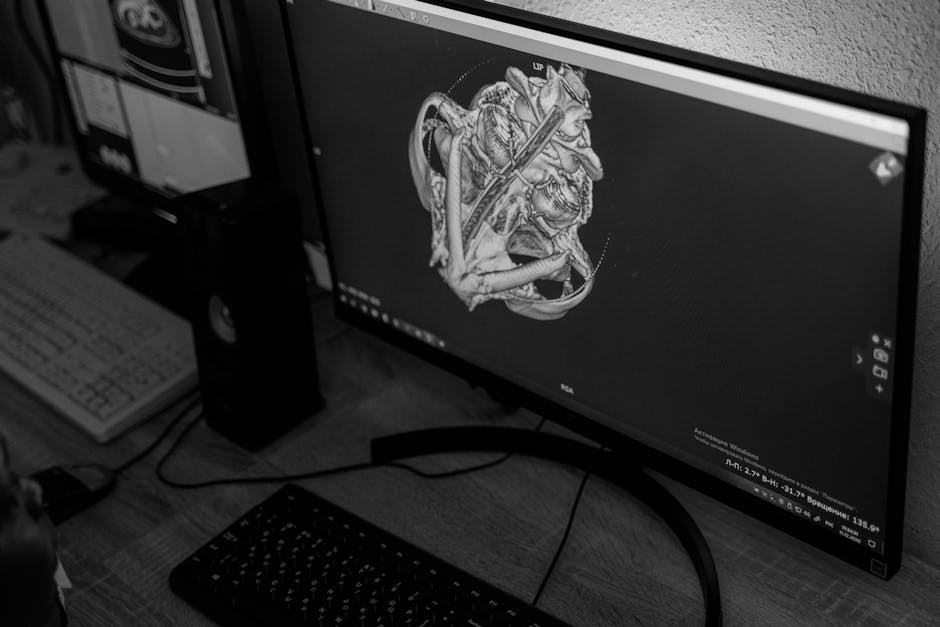
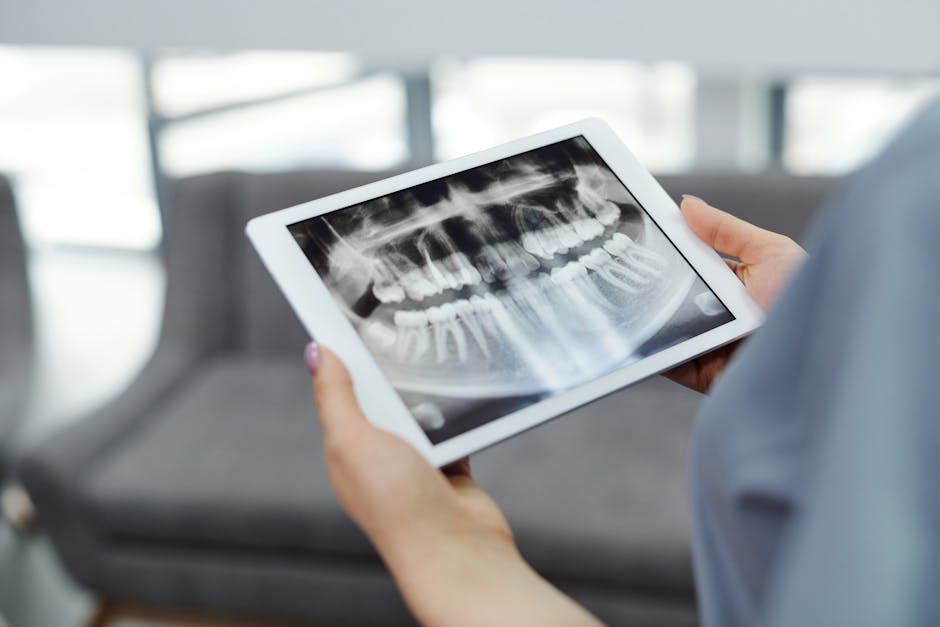
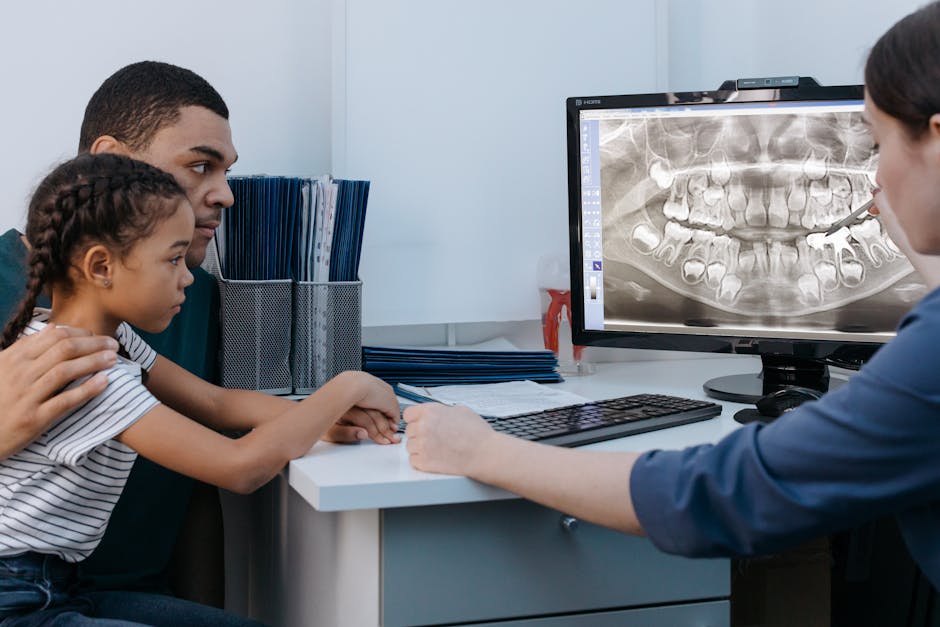
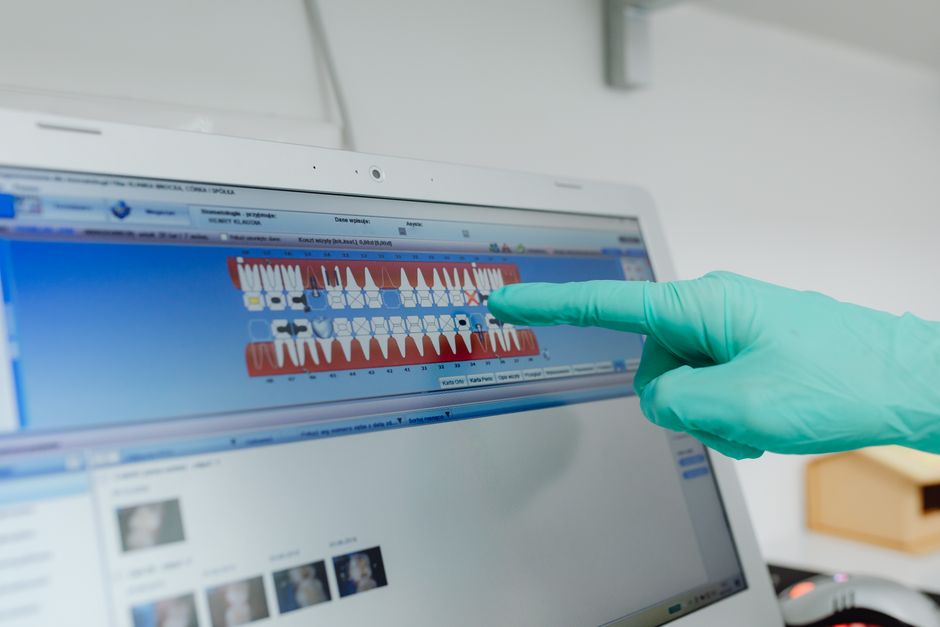
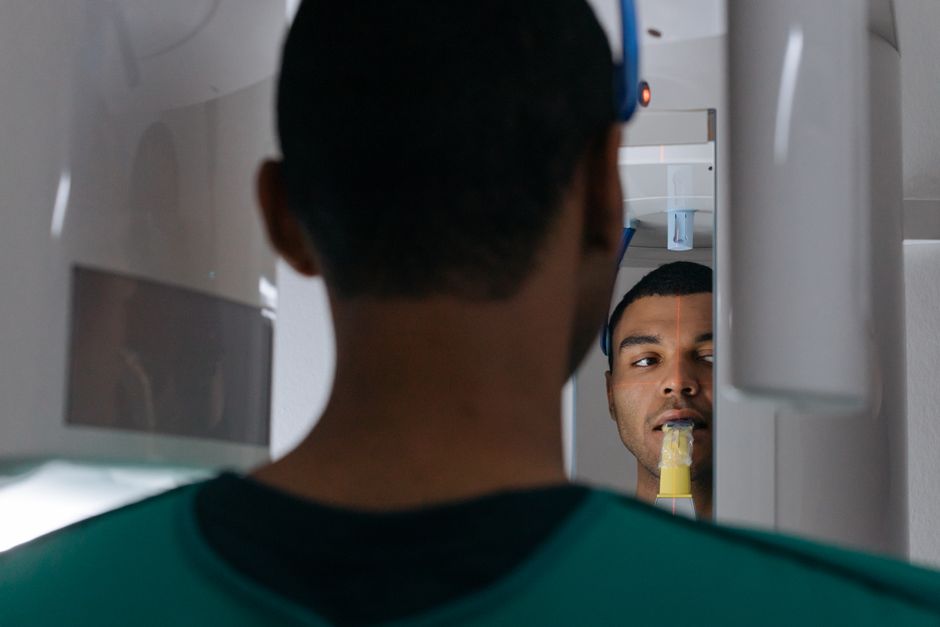
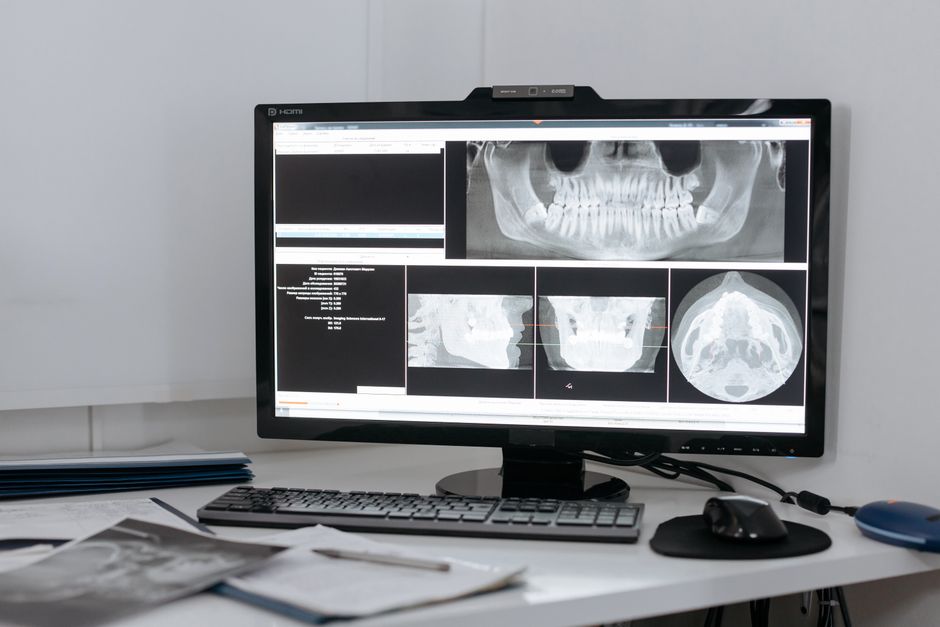
CBCT-based planning and prosthetically driven implant placement can support accuracy in diabetic patients where clinicians may prefer to reduce surgical time and avoid unnecessary trauma. In training settings, digital workflows also help standardise decision-making around implant depth, angulation, and restorative emergence profiles.
Surgical Strategy: Minimising Risk Without Overpromising
Atraumatic technique and primary stability
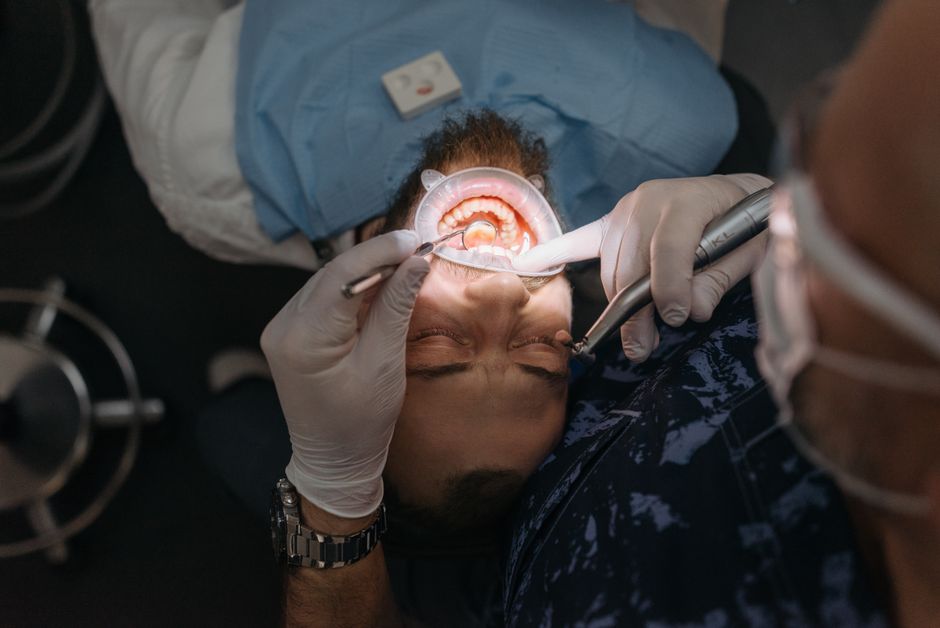
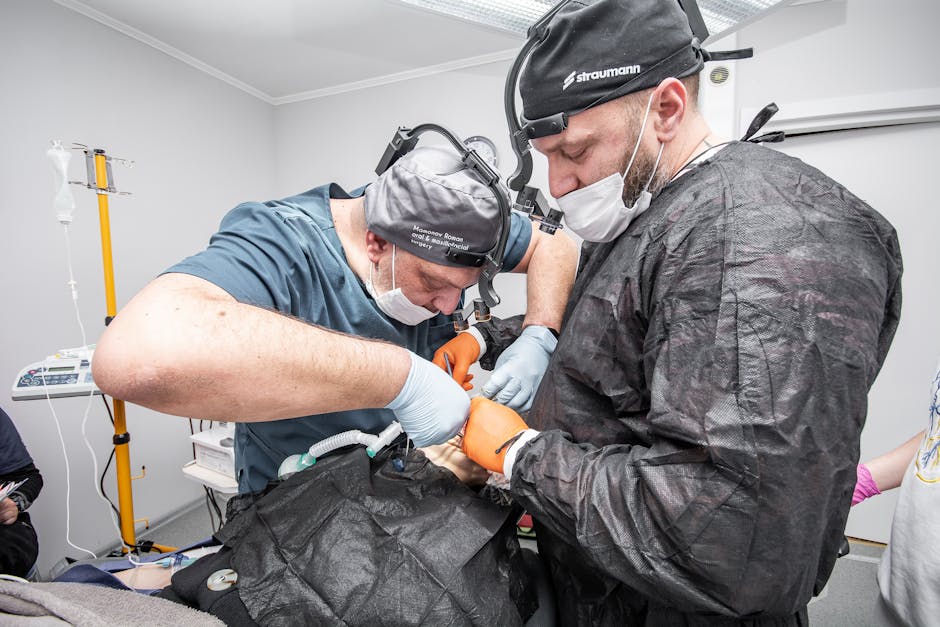
In medically complex cases, many clinicians aim to keep surgery efficient and tissues respected: flap design, irrigation, drilling sequence, and suturing all matter. Achieving adequate primary stability is a common prerequisite for certain loading protocols, but the clinician must weigh stability against bone quality and systemic considerations.
Immediate placement and one-day solutions: where does diabetes fit?
Patients increasingly request rapid outcomes, including immediate implant placement and same-day provisionalisation. These protocols can be successful in carefully selected situations, yet they are technique-sensitive and may be less forgiving when risk factors accumulate. If you are exploring these workflows, our related educational reading on same-day implant treatment and immediate loading considerations provides a practical overview of how clinicians evaluate feasibility and safeguards—especially important when systemic conditions are part of the case profile.
Antibiotic stewardship and post-op planning
Post-operative protocols should be consistent with current guidelines and individual risk. Clinicians should avoid “routine” medication decisions without a clear rationale, particularly given global concerns around antimicrobial resistance. Clear post-op instructions, pain control planning, and early review appointments can be valuable, especially when soft-tissue healing is a concern.
Bone Quality, Defects, and Grafting in Diabetic Patients
Not every diabetic patient presents with compromised bone, but many implant candidates have ridge deficiencies due to long-standing tooth loss, infection, or trauma. When augmentation is required, clinicians must align graft choice, membrane strategy, and healing time with the patient’s overall risk profile and ability to attend maintenance visits.
For a detailed clinical education perspective, see our review on current approaches to bone grafting techniques in implant dentistry, which discusses indications, material selection, and contemporary concepts relevant to daily practice.
Prosthodontic Design: Hygiene, Load, and Long-Term Maintenance
In diabetic patients—particularly those with a periodontal history—restorative design can either reduce or amplify biological risk. The prosthesis should facilitate plaque control and minimise food impaction. Excess cement, bulky contours, and inaccessible embrasures are avoidable contributors to peri-implant inflammation.
Key prosthetic considerations often include:
Emergence profile management: Designing contours that support soft-tissue health and cleaning access.
Occlusion and parafunction: Managing load distribution; considering protective approaches when bruxism is suspected.
Material selection: Balancing aesthetics, wear behaviour, and cleanability based on patient-specific needs.
Aesthetic Requests: Veneers, Smile Design, and How They Intersect With Implant Cases
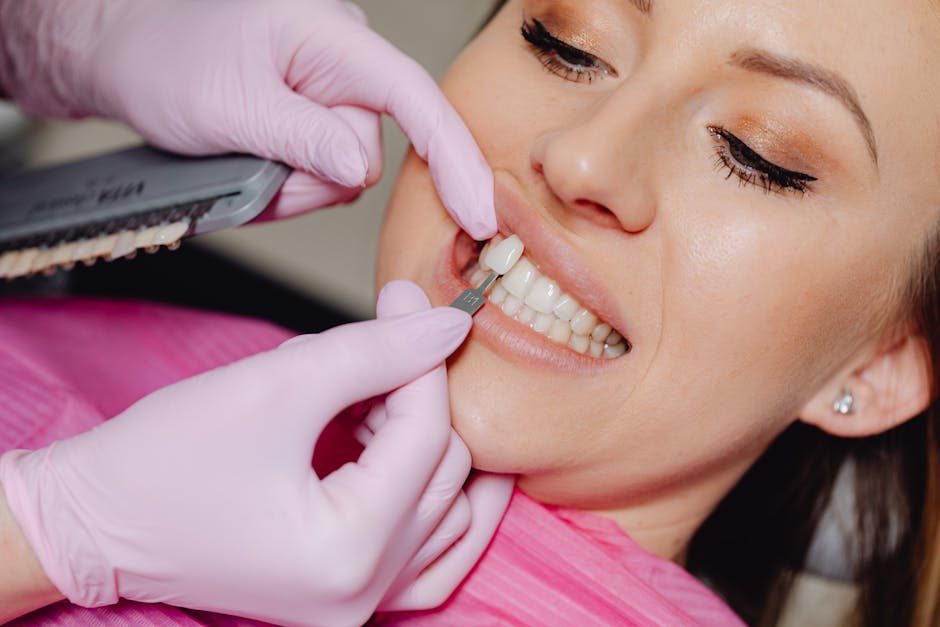
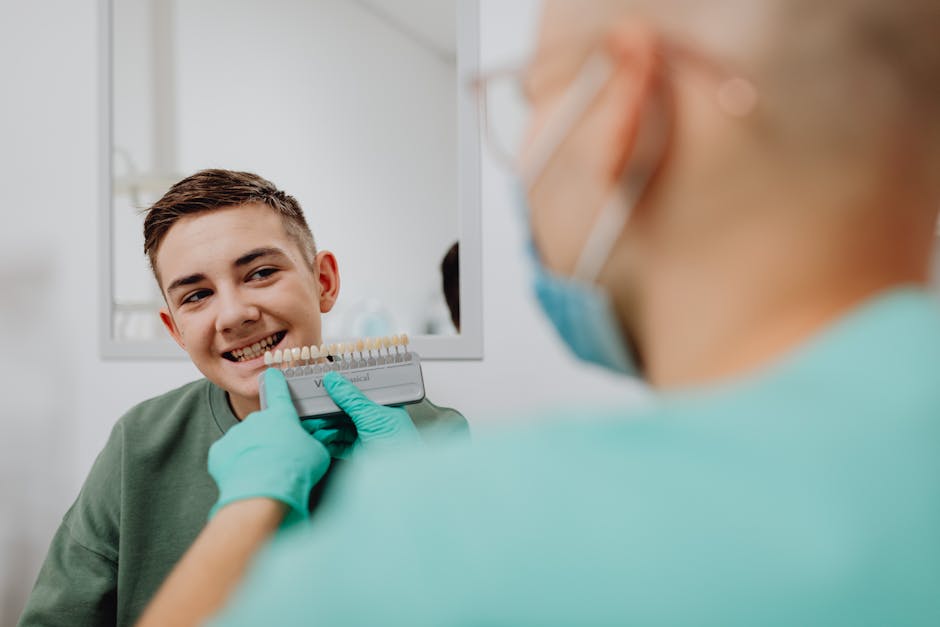
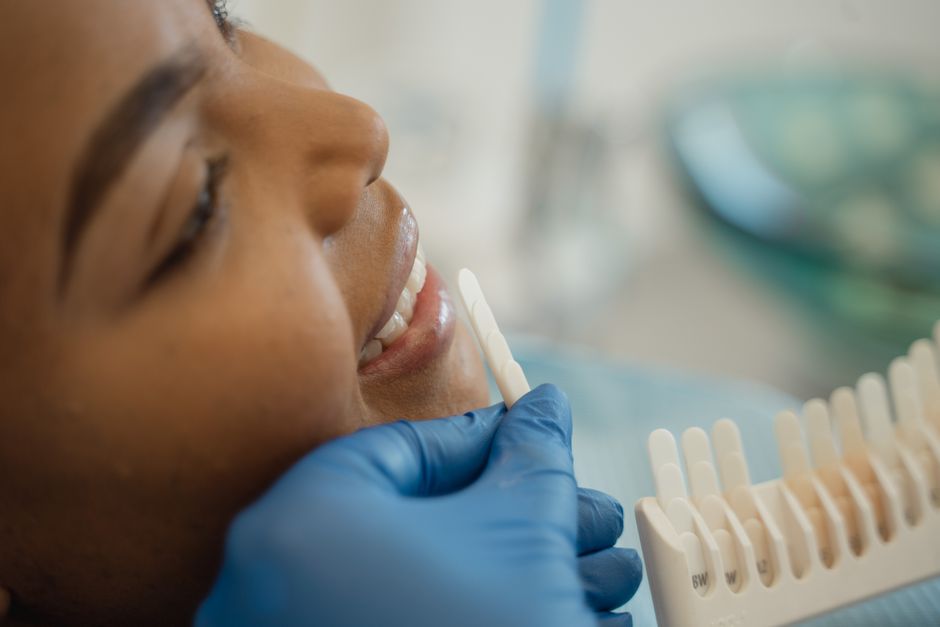
Many implant candidates also request aesthetic upgrades—lighter shade, improved symmetry, or a more harmonious smile line. In such cases, the clinician may plan implants alongside conservative restorations (e.g., composite bonding) or porcelain laminate veneers. Sequencing is critical: implant position should be prosthetically driven, but the “prosthetics” may include adjacent teeth that are planned for veneers or additive restorations.
For clinicians refining interdisciplinary planning, it can be helpful to revisit veneer fundamentals. Our article on case selection for porcelain laminate veneers highlights how enamel availability, occlusion, and functional risk shape predictability—factors that also matter when the smile design includes implants.
Equally important is avoiding preventable errors that compromise outcomes. See common mistakes in porcelain laminate veneers—and how to avoid them for a clinically oriented checklist that supports better planning and communication, especially when multiple restorations are coordinated in one aesthetic case.
Adjunct Restorative Skills: Composite Aesthetics Around Implant Treatment
Not every patient is ready for comprehensive prosthodontics, and not every aesthetic concern requires ceramics. Additive composite restorations can be used to optimise proportions, close small spaces, or refine anterior aesthetics adjacent to implant restorations. For many clinicians, mastering shade strategy, layering, and texture is essential to blending implant crowns with natural dentition.
If you want to strengthen these skills, our educational guide on achieving natural aesthetics in anterior composite restorations can be a useful complement to implant-focused learning—particularly in cases where a minimally invasive approach supports the overall smile design.
Follow-Up and Supportive Care: The “Hidden” Determinant of Success
Long-term implant stability is strongly linked to maintenance. In diabetic patients, structured recall becomes even more important because peri-implant inflammation may progress silently until bone loss is established. Many practices build a supportive care protocol that includes:
Regular peri-implant probing and bleeding assessment (using consistent force and documentation standards).
Radiographic monitoring based on risk and baseline findings.
Professional debridement with implant-safe instruments and clear home-care instruction.
Risk re-evaluation at each visit—glycaemic stability, medication changes, smoking, and oral hygiene trends can shift over time.
Clinical Education in Istanbul: Why Training Matters for Complex Cases
Managing implant cases in diabetic patients is rarely about a single “trick.” It is about consistent clinical reasoning: collecting the right information, identifying compounding risks, choosing a protocol that matches biology and biomechanics, and communicating transparently with the patient.
Istanbul Dental Academy’s continuing dental education approach emphasises hands-on training and case-based learning across implant surgery, prosthodontic planning, digital dentistry, and aesthetic integration. For dentists and dental students building confidence, simulation, guided workflows, and structured feedback can help translate evidence into predictable clinical routines—especially for cases that require careful staging and long-term maintenance strategies.
Key Takeaways
Diabetes does not automatically exclude implant therapy, but it can influence healing and peri-implant risk, making assessment and maintenance central to success.
Success is a process: systemic review, periodontal control, precise planning, appropriate augmentation when indicated, prosthetic designs that support hygiene, and disciplined follow-up.
Interdisciplinary thinking improves outcomes: implant planning often overlaps with smile design, veneers, and conservative anterior restorations.
This content is for educational purposes and is not a substitute for individual diagnosis or treatment planning. Clinical decisions should be made based on patient-specific findings, current guidelines, and—when appropriate—coordination with the patient’s physician.
Diğer Yazılar