
BLOG
Common Mistakes in Porcelain Laminate Veneers—and How to Avoid Them
Why “Small” Veneer Errors Create Big Clinical Problems
Porcelain laminate veneers are often perceived as a minimally invasive, predictable aesthetic solution. In reality, they are a technique-sensitive restorative procedure where each step—diagnosis, preparation design, soft-tissue management, adhesive protocol, occlusion, and patient communication—affects the final outcome. Many complications attributed to “material failure” are actually workflow failures: insufficient planning, compromised enamel bonding, inadequate isolation, or overlooked parafunction.
This content is for educational purposes and is not a substitute for individual diagnosis or treatment planning. Clinical decisions should be made according to each patient’s needs, current evidence, and the clinician’s training and local regulations.
At Istanbul Dental Academy, veneer success is taught as a system rather than a single appointment. Our hands-on courses integrate smile design, restorative dentistry, prosthodontics, periodontal considerations, and digital workflows to help clinicians reduce avoidable errors and deliver durable aesthetics.
1) Diagnosis and Case Selection Mistakes
Choosing veneers when the primary problem is not aesthetic
One of the most common errors is treating symptoms (discoloration, minor misalignment) without addressing the etiology (erosion, active caries, periodontal inflammation, bruxism, or occlusal instability). Veneers can mask issues temporarily but may fail prematurely if the underlying problem remains.
Risk-reduction approach: perform a structured assessment: periodontal status, caries risk, occlusal scheme, parafunctional habits, and patient expectations. If the case is primarily restorative (e.g., posterior loss of vertical support) or occlusal (bruxism), consider a phased plan before anterior veneers.
Underestimating soft-tissue and periodontal factors
Inflamed gingiva, altered passive eruption, high lip line, or thin biotype can turn a technically correct veneer into an aesthetic disappointment. Margin placement and emergence profile are limited by tissue health and architecture. In thin biotypes, aggressive retraction and subgingival margins may increase recession risk.
In selected cases where soft-tissue augmentation is part of comprehensive aesthetic management, clinicians may explore periodontal biomaterials and techniques. For background reading, see acellular dermal matrix applications in dentistry, which can be relevant in broader multidisciplinary planning.
2) Smile Design and Communication Errors
Skipping the “test drive”: diagnostic wax-up and mock-up
Veneer cases fail aesthetically when the team moves straight from photos to preparation without a functional and visual prototype. Without a wax-up and intraoral mock-up, it is difficult to validate incisal edge position, phonetics (F/V sounds), midline perception, smile arc, and patient preferences.
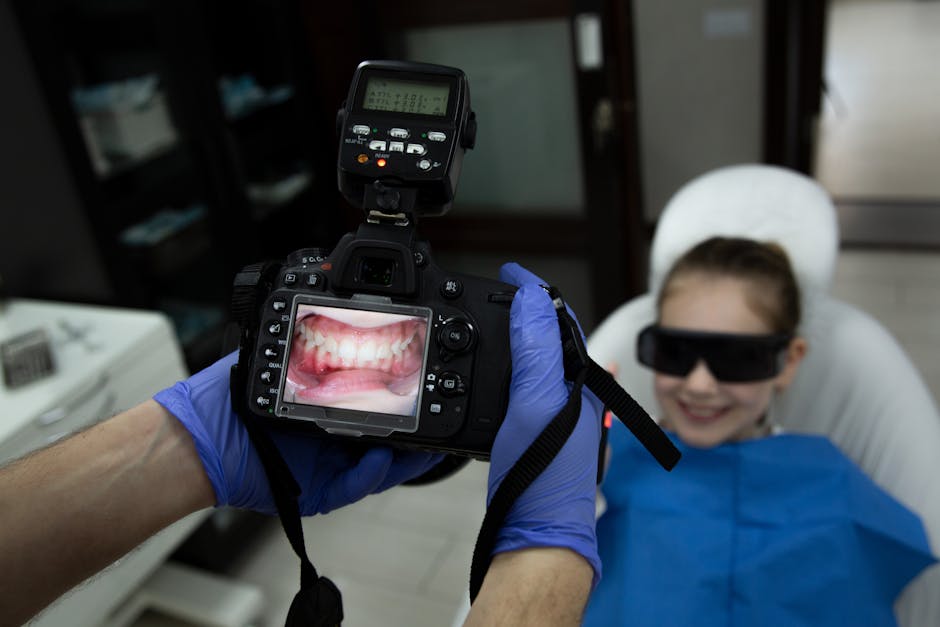
Risk-reduction approach: use a wax-up (analog or digital), then a mock-up to confirm length, width, and contour. Photograph and document the approved design. This also helps prevent over-preparation because the preparation can be guided by the additive plan.
Inadequate shade communication and surface characterization
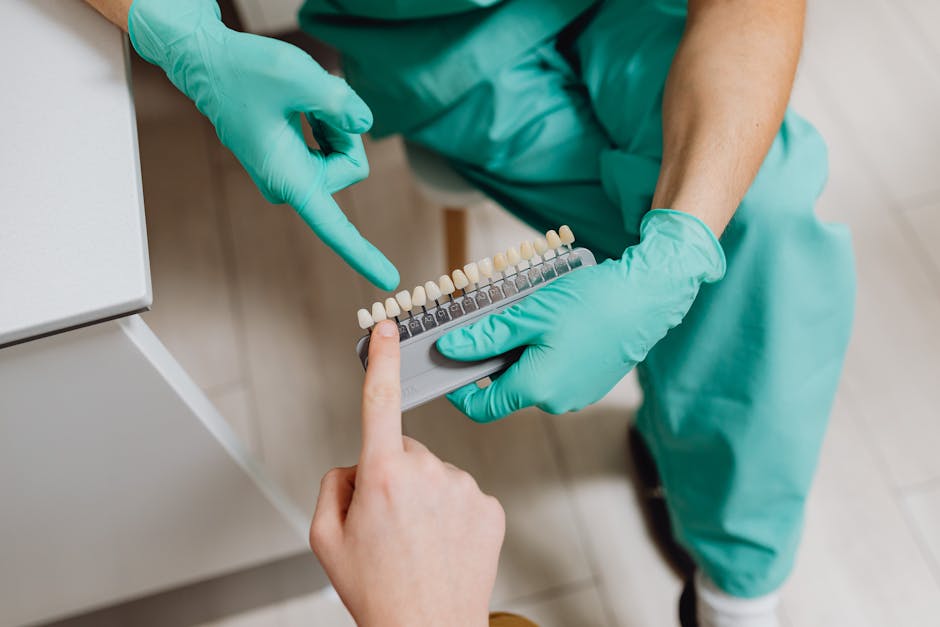
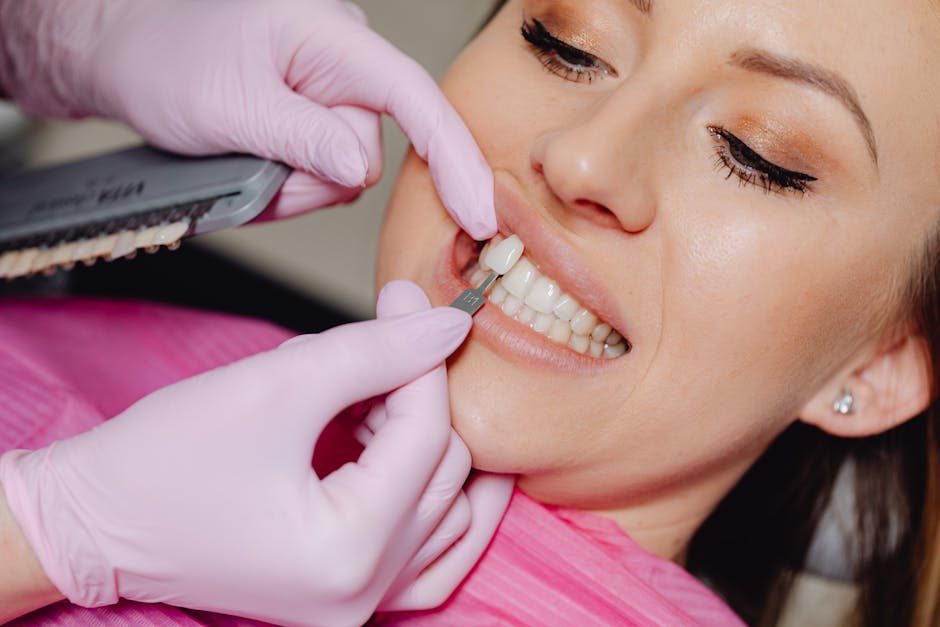
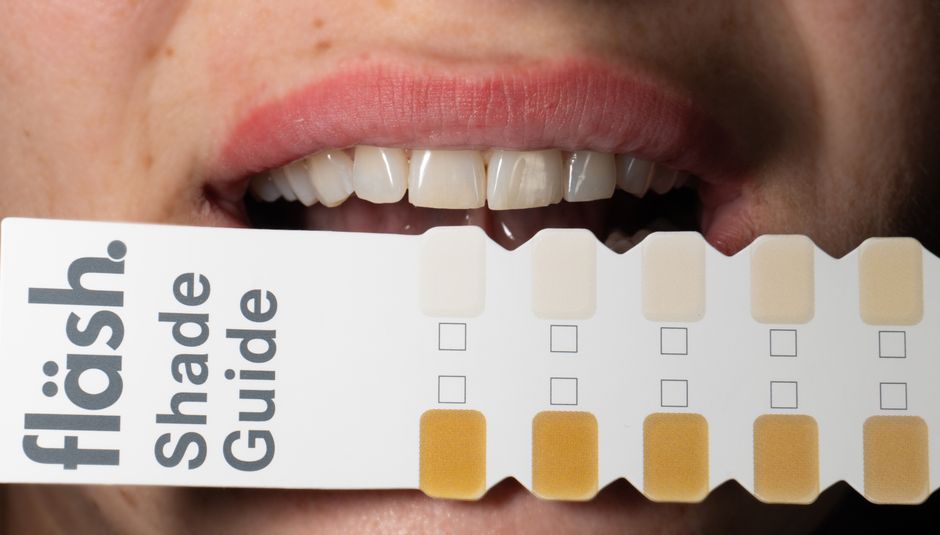
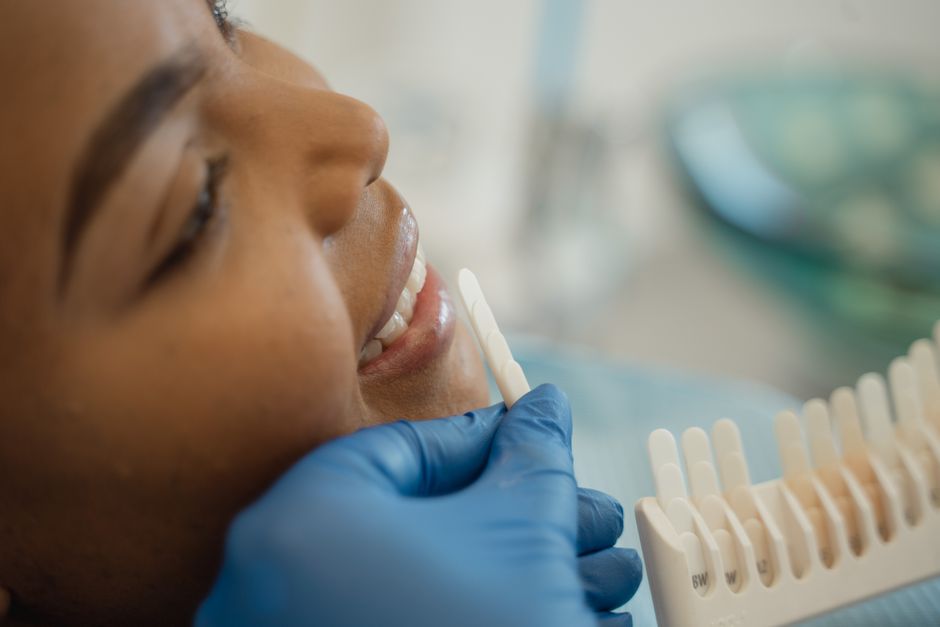
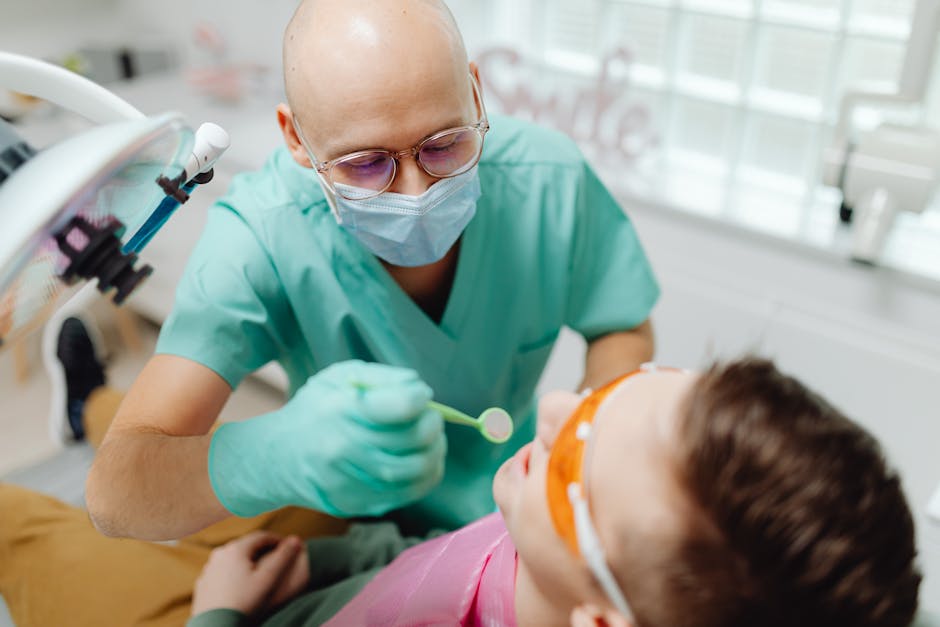
Shade mismatch is not only about choosing the wrong Vita tab. Errors often come from inconsistent lighting, dehydration, lack of stump shade documentation, and vague lab prescriptions. A highly translucent veneer can “read” the underlying tooth color; without stump shade and material selection coordination, the final value may be too low (gray) or too high (opaque).
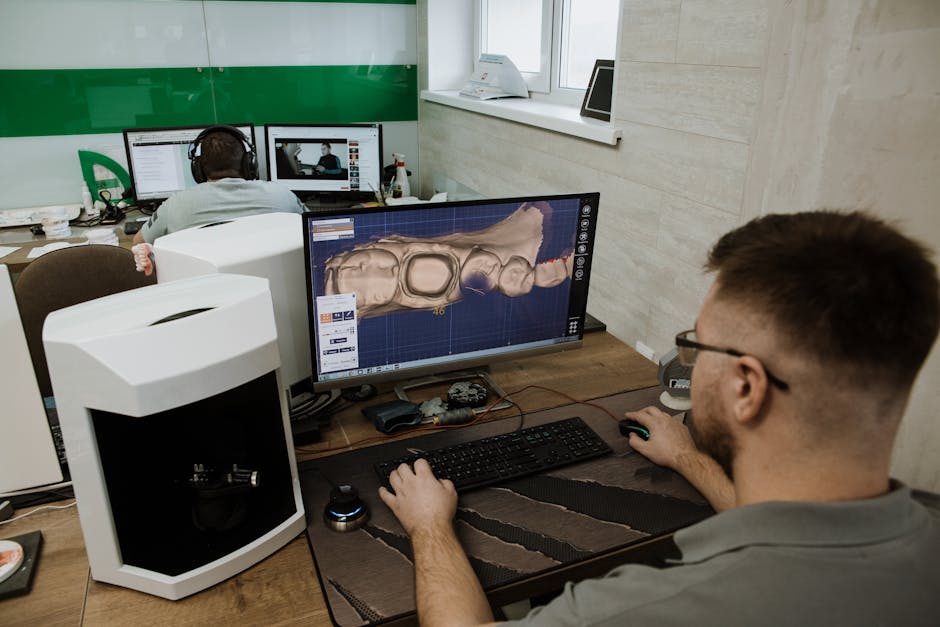
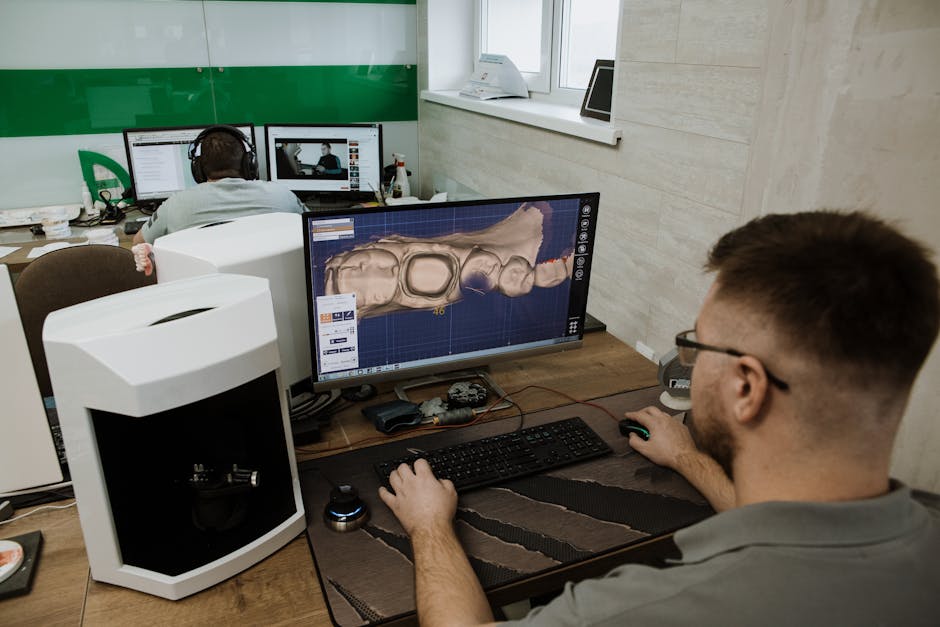
Risk-reduction approach: standardize dental photography (cross-polarized options when available), capture shade at the start of the appointment, record stump shades after preparation, and communicate desired texture and gloss levels. Digital dentistry tools can enhance consistency across clinics and labs.
3) Tooth Preparation Mistakes
Over-preparation and unnecessary dentin exposure
The long-term bonding advantage of veneers is strongly associated with enamel adhesion. Over-reduction—especially in cervical thirds and interproximal areas—can expose dentin, complicate bonding, increase post-op sensitivity, and reduce predictability. It can also lead to over-contoured restorations if the clinician attempts to “add back” lost volume.
Risk-reduction approach: use depth-cut burs, silicone indexes from the wax-up, and a reduction map (cervical, middle, incisal). Whenever possible, design preparations to preserve enamel, especially at margins.
Incorrect finish line design and margin placement
Margins that are too deep subgingivally can compromise tissue health and impression/scan accuracy; margins that are too supragingival may show or create a visible transition if the value is not controlled. Another common mistake is placing a feather-edge margin on uneven enamel or old composite, leading to indistinct seating and marginal discrepancies.
Risk-reduction approach: choose a clear, conservative finish line (often light chamfer) and place margins based on aesthetics, tissue biotype, and isolation feasibility. Plan how you will isolate before deciding how deep you will place the margin.
Ignoring existing restorations and substrate management
Bonding to old composite or sclerotic surfaces changes the adhesive strategy and increases the need for meticulous surface treatment. If a tooth has extensive existing restorations or fractures, a veneer may not provide adequate structural reinforcement. In such cases, partial-coverage indirect restorations may be more appropriate in posterior teeth, and decision-making frameworks can be helpful.
For clinicians refining restorative selection, Istanbul Dental Academy frequently discusses indirect options and workflows in articles such as direct vs. indirect posterior restorations: clinical decision-making and when to choose onlay vs. overlay restorations—because veneer planning often succeeds when the entire dentition is evaluated as a system, not an isolated cosmetic zone.
4) Impression / Scanning and Temporization Errors
Inaccurate impressions or scans due to tissue and moisture control
Margins that cannot be captured accurately will produce restorations that cannot seat properly—leading to open margins, overhangs, or excess cement. In digital workflows, scan “noise” from saliva or bleeding can blur critical finish lines. In conventional impressions, inadequate retraction and moisture control can distort the sulcular area.
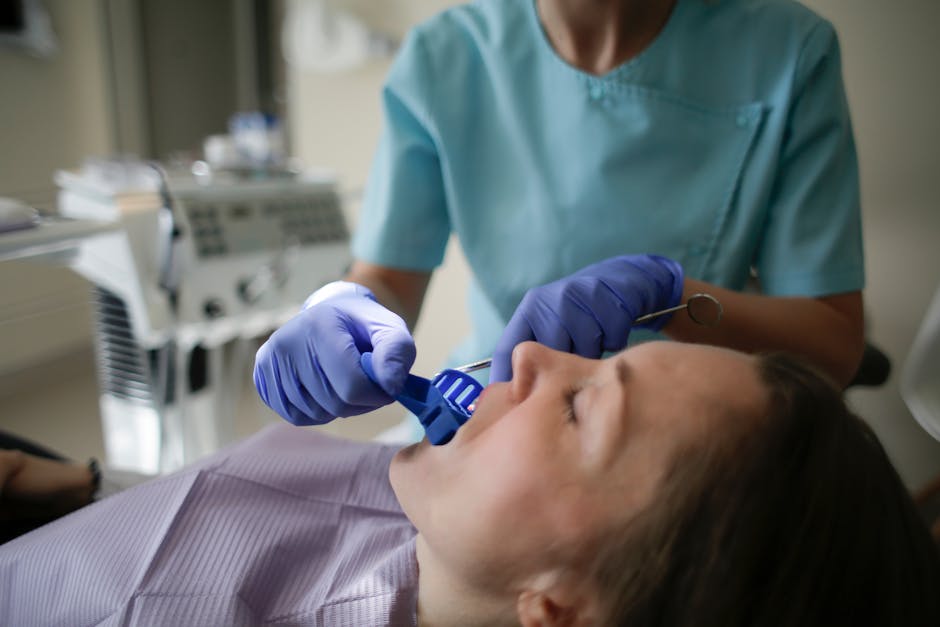
Risk-reduction approach: prioritize tissue health before the final impression/scan, use appropriate retraction strategies, and evaluate the capture carefully before dismissing the patient. If you cannot see the margin clearly, the lab will not be able to either.
Overlooking provisional contours and tissue conditioning
Provisional restorations are not merely placeholders—they can guide gingival architecture and patient adaptation. Poorly contoured provisionals can inflame tissues, distort papillae, and create inaccurate emergence profiles for the final veneers.
Risk-reduction approach: use provisionals to test aesthetics and phonetics, maintain cleansable embrasures, and avoid overbulked cervical contours. Document what worked and what didn’t before finalization.
5) Adhesive Bonding and Cementation Mistakes
Inadequate isolation and contamination control
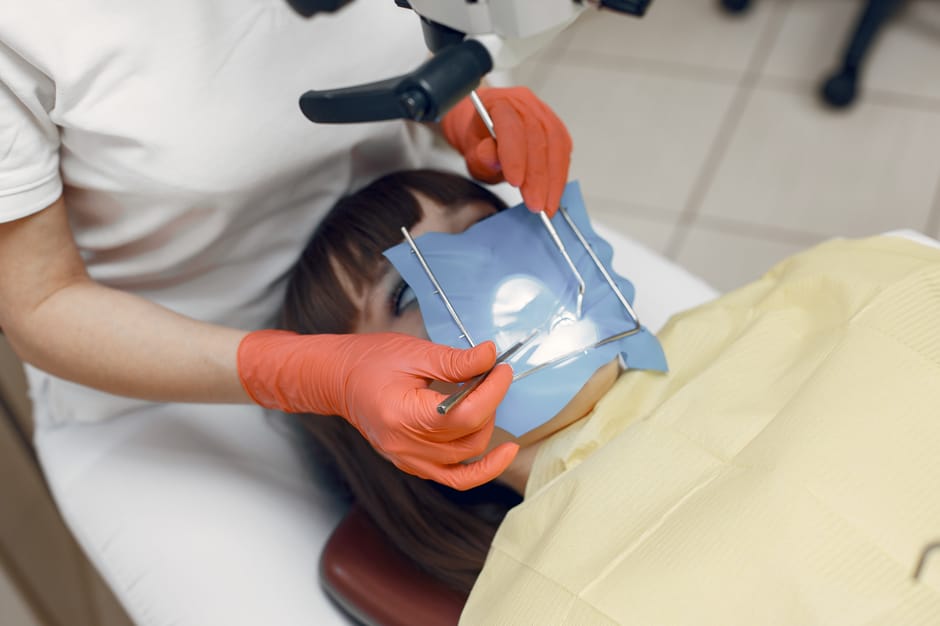
Bonding errors are among the most frequent causes of veneer debonding, marginal staining, and sensitivity. Saliva, blood, crevicular fluid, or even hemostatic agents can compromise adhesion if not managed correctly. Veneer cementation is one of the appointments where rubber dam or alternative rigorous isolation methods can be decisive.
Risk-reduction approach: plan isolation before you prepare. If deep margins make isolation unrealistic, reconsider margin placement or consider periodontal stabilization first. Follow manufacturer instructions precisely for each adhesive system and cement.
Incorrect ceramic surface treatment
Different ceramics require different conditioning protocols. Feldspathic and lithium disilicate ceramics generally involve etching (often with hydrofluoric acid in controlled protocols), silanization, and adhesive application—whereas zirconia-based materials require alternative strategies. Mistaking the ceramic type or “guessing” surface treatment can significantly reduce bond strength.
Risk-reduction approach: confirm the material, standardize a checklist with your lab, and use a consistent, evidence-based protocol. Ensure internal surfaces remain uncontaminated after try-in; if contaminated, follow recommended cleaning steps before bonding.
Excess cement management and margin finishing
Residual cement contributes to gingival inflammation, bleeding, and long-term marginal discoloration. Another common mistake is aggressive finishing that damages glaze, creates roughness, or opens margins.
Risk-reduction approach: use controlled tack-curing techniques, floss interproximally at the right stage, and finish/polish with systems appropriate for the ceramic. Re-check tissue response at follow-up.
6) Occlusion and Functional Mistakes
Not designing veneers within a functional envelope
Chipping and fractures often reflect occlusal overload rather than ceramic weakness. Lengthening incisors without verifying guidance, ignoring canine function, or leaving interferences in excursive movements can concentrate forces on thin ceramic edges.
Risk-reduction approach: evaluate centric contacts, excursive guidance, and parafunction. Consider protective strategies such as night guards when appropriate, especially in bruxers. Aesthetic changes should be verified functionally, not only visually.
Ignoring posterior support and comprehensive planning
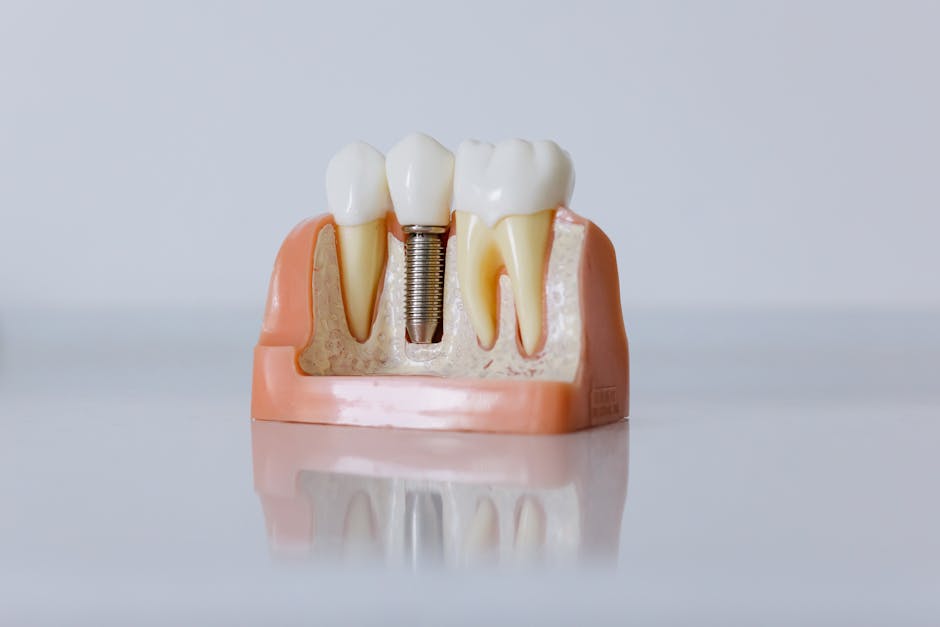
If posterior wear, missing teeth, or unstable occlusion are present, anterior veneers may be asked to “carry” excessive functional load. In comprehensive rehabilitation cases, the clinician may need to coordinate restorative, periodontal, and sometimes implant planning before final anterior aesthetics.
Digital planning and surgical-prosthetic coordination—central themes in modern training—are also discussed in the role of CAD/CAM technology in modern implant dentistry. Even if a veneer case does not require implants, the same digital discipline (planning, staging, verification) helps reduce restorative surprises.
7) Patient Expectations, Maintenance, and Follow-Up Mistakes
Overpromising “perfect” outcomes
A frequent non-technical mistake is misaligned expectations—especially regarding whiteness, symmetry, and the “Instagram smile.” Veneers can be transformative, but outcomes depend on anatomy, lip dynamics, tissue response, and occlusion. When expectations are not managed, even clinically acceptable work may be perceived as failure.
Risk-reduction approach: use pre-op photography, mock-ups, and written consent that explains limitations, maintenance, and potential complications (e.g., chipping, debonding, marginal staining). Document patient-approved design decisions.
Inadequate recall and hygiene coaching
Veneers require routine professional maintenance and patient-level care. Gingival inflammation around veneer margins is often a behavioral and maintenance issue, but clinicians should also reassess contour, contacts, and cleansability. Early follow-up can identify occlusal high points, tissue irritation, or bonding issues before they progress.
How Istanbul Dental Academy Helps Clinicians Reduce Veneer Complications
Predictable laminate veneer outcomes are built on repeatable protocols—diagnosis, additive planning, conservative preparation, isolation, material selection, and occlusal verification. At Istanbul Dental Academy in Istanbul, our continuing dental education approach emphasizes hands-on training and case-based discussion so clinicians can translate principles into chairside skill. Veneer cases are also an excellent gateway to broader competencies: digital smile design, dental photography, adhesive dentistry, and interdisciplinary planning.
For dentists expanding into comprehensive care, implant-related education can also complement aesthetic treatment planning, especially when missing teeth or occlusal instability affects veneer prognosis. A useful starting point is a beginner’s guide to implant surgery for dentists, which highlights planning principles that are equally valuable in restorative workflows: diagnostics, staged treatment, and predictable execution.
Key Takeaways
Common mistakes in porcelain laminate veneers are rarely “one-off” errors; they usually reflect gaps in planning, substrate management, isolation, or occlusal design. By standardizing your workflow—mock-up driven preparation, meticulous tissue and moisture control, material-specific bonding, and functional verification—you can reduce debonding, marginal staining, sensitivity, and aesthetic dissatisfaction. Continuing education that combines theory with hands-on practice can accelerate this learning curve and help clinicians deliver conservative, long-lasting smiles.
Diğer Yazılar