
BLOG
A Beginner’s Guide to Implant Surgery for Dentists: From Planning to First Cases
Why implant surgery feels challenging at the beginning
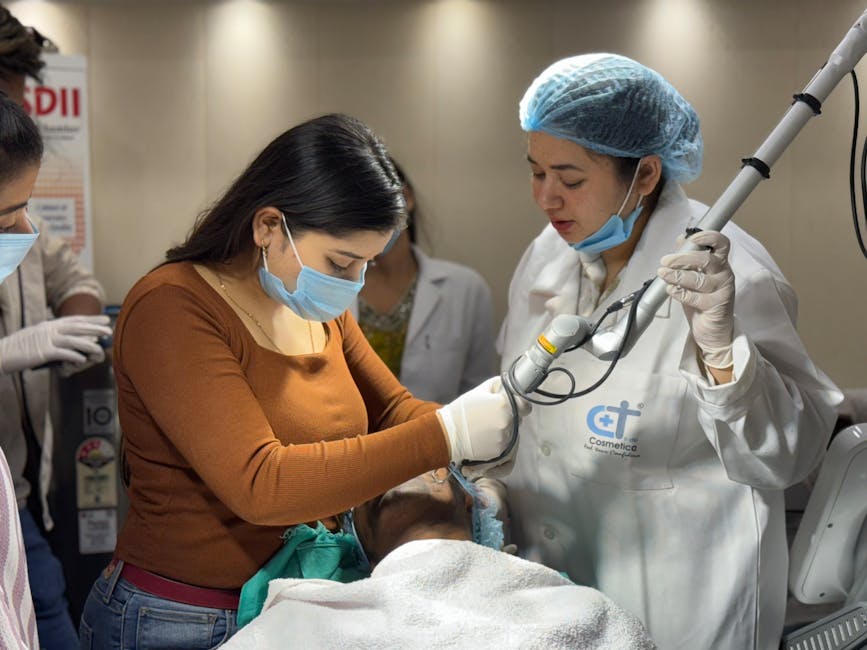
For many dentists, implant surgery is an exciting step—yet it can feel like a different language. You are suddenly balancing anatomy, flap design, drilling protocols, prosthetic outcomes, and patient expectations, often within a tight clinical schedule. The learning curve is real, and it is normal to feel cautious when planning your first cases.
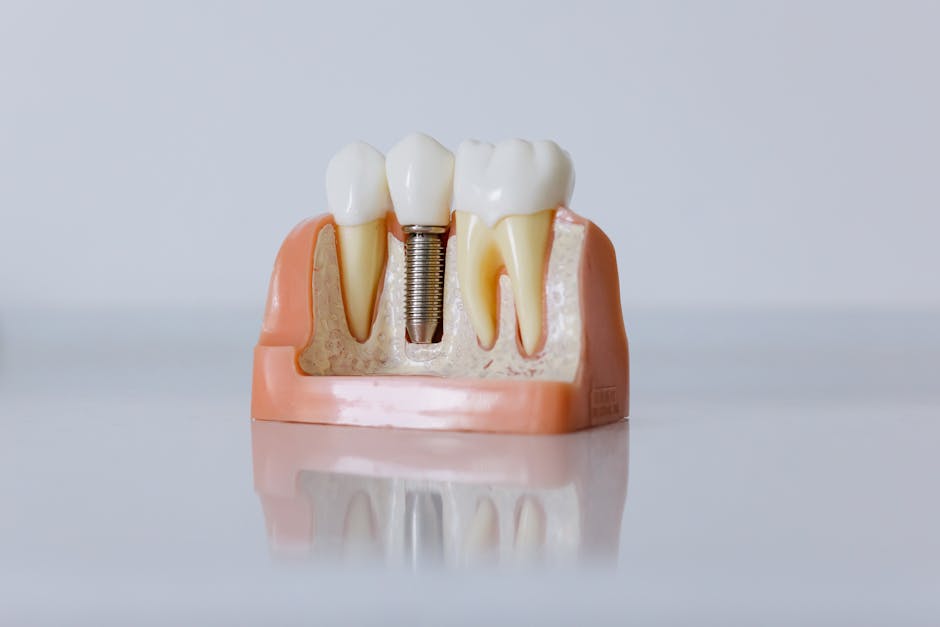
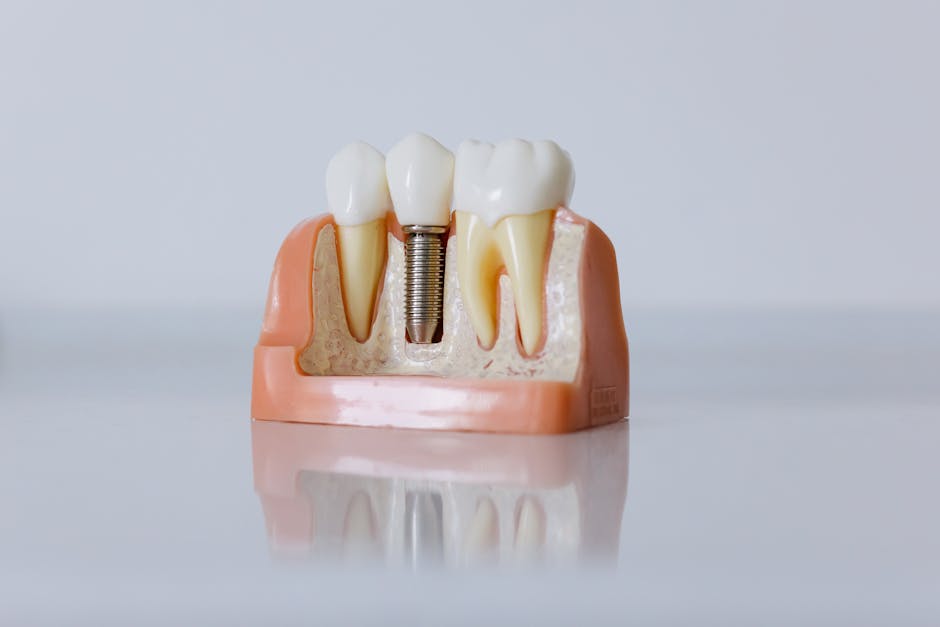
Implant dentistry is not only “placing a fixture.” It is a comprehensive treatment concept that blends oral surgery, prosthodontics, periodontology, and restorative dentistry. The most predictable outcomes typically come from a prosthetically driven plan, careful risk assessment, and a repeatable workflow you can apply case after case.
This content is for educational purposes and is designed to help dentists and dental students understand foundational principles before moving into clinical practice. Local regulations, clinical experience, and mentorship should guide decision-making.
Start with the right mindset: surgical skills plus restorative thinking
A common early mistake is treating implant placement as a purely surgical procedure. In reality, the restorative endpoint determines where the implant should be and how soft tissue should be managed. Ask yourself from the start: Where will the crown emerge? How will the patient clean it? What does the papilla need to look like in the aesthetic zone?
This is why continuing dental education works best when it connects surgery to prosthodontic planning and complication management. At Istanbul Dental Academy, our hands-on approach is built around clinical workflows that start from diagnosis and finish with restoration—so participants learn not just “how to place,” but “how to finish well.”
Foundations of safe case selection for your first implant surgeries
Choose low-risk cases first
Early success is strongly influenced by case selection. For many beginners, a straightforward posterior single-tooth case with adequate bone volume, stable occlusion, and healthy soft tissue is often more educational than an aesthetic-zone challenge. Patients with good oral hygiene, controlled systemic health, and realistic expectations support predictable healing.
Know your red flags
Before committing to surgery, identify factors that increase risk: active periodontal disease, poor plaque control, parafunction, complex occlusal schemes, heavy smoking, uncontrolled diabetes, and a history of implant complications. Soft-tissue limitations and thin biotype can also increase the difficulty of managing the emergence profile and long-term aesthetics.
If you see recession, mucogingival issues, or a thin periodontal phenotype, it helps to review evidence-based principles of soft-tissue diagnosis and maintenance. You may find our overview on gum recession and evidence-based management useful as a framework for evaluating tissue stability around natural teeth and, by extension, planning peri-implant tissue conditions.
Diagnostic workflow: what to evaluate before the drill touches bone
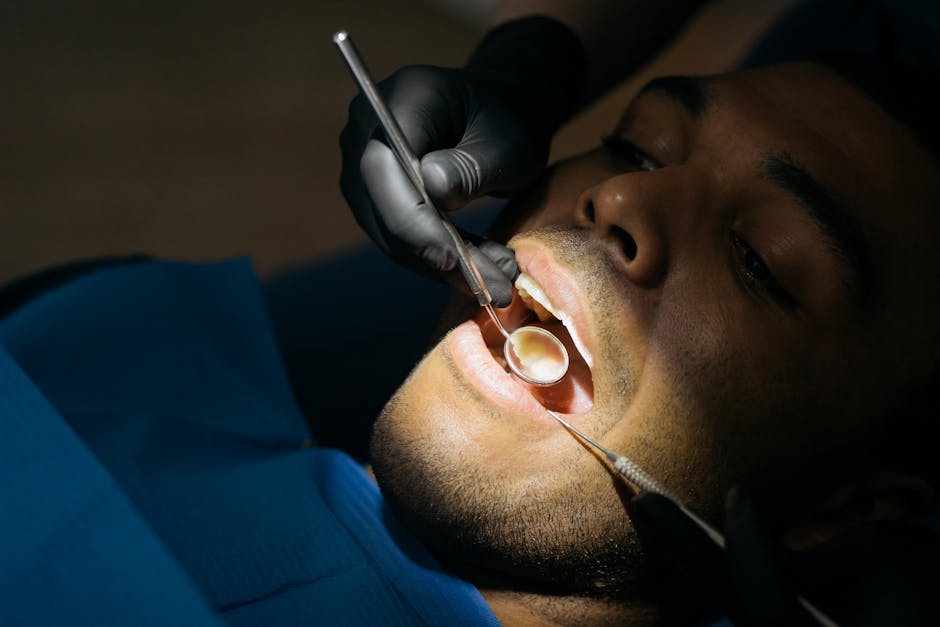
Clinical examination: more than a quick look
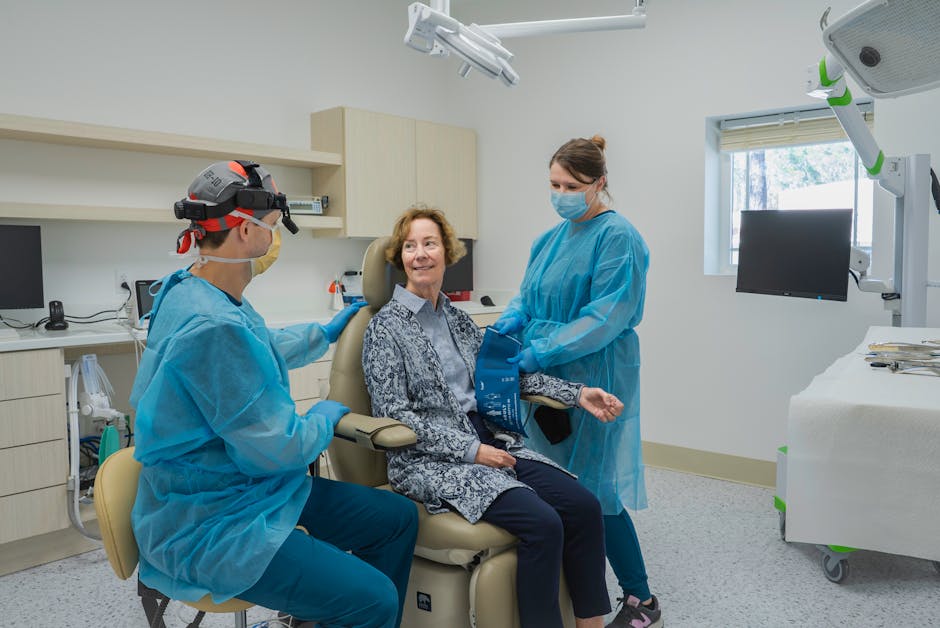
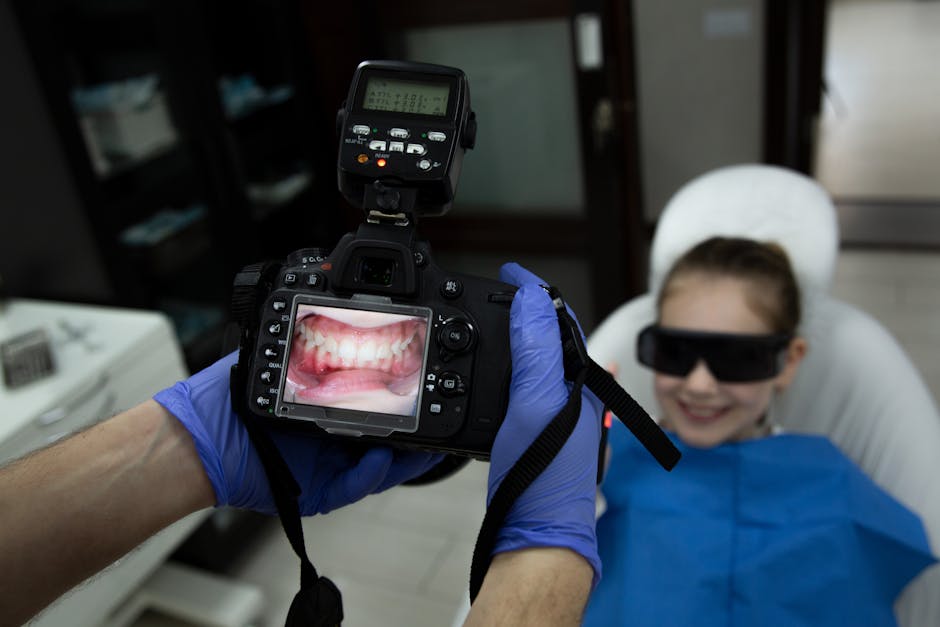
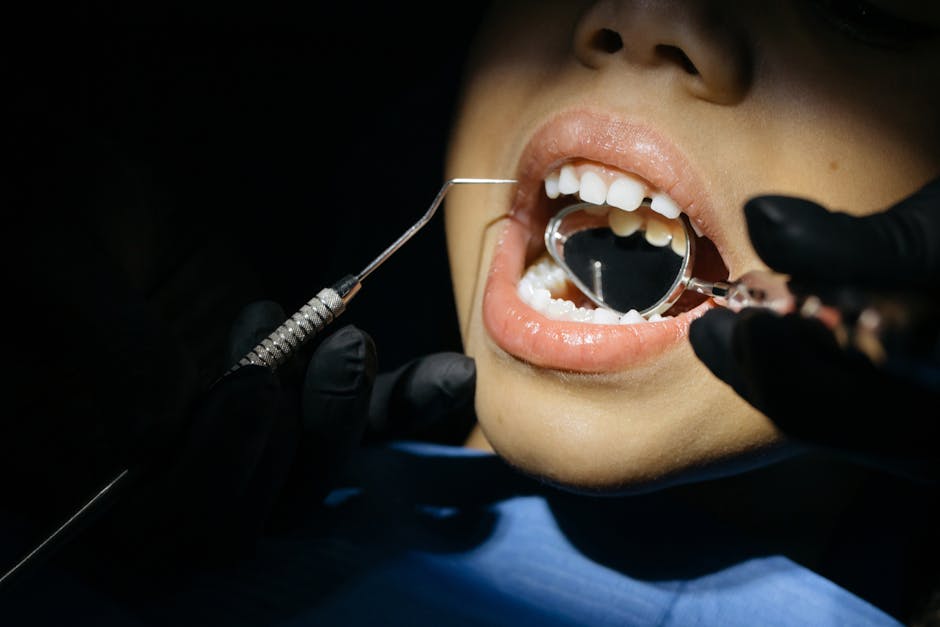
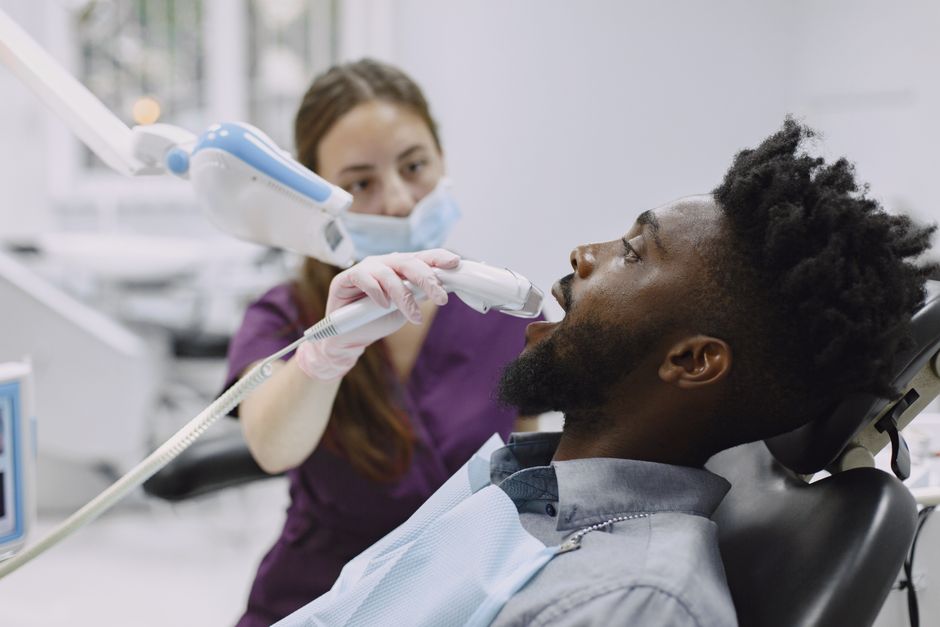
A thorough exam includes periodontal charting, evaluation of keratinized tissue, occlusal analysis, and assessment of interarch space. Assess the patient’s ability to clean and maintain a restoration. Consider the restorative plan early: screw-retained vs. cement-retained concepts, abutment selection, and margin accessibility.
Radiographic planning and anatomy awareness
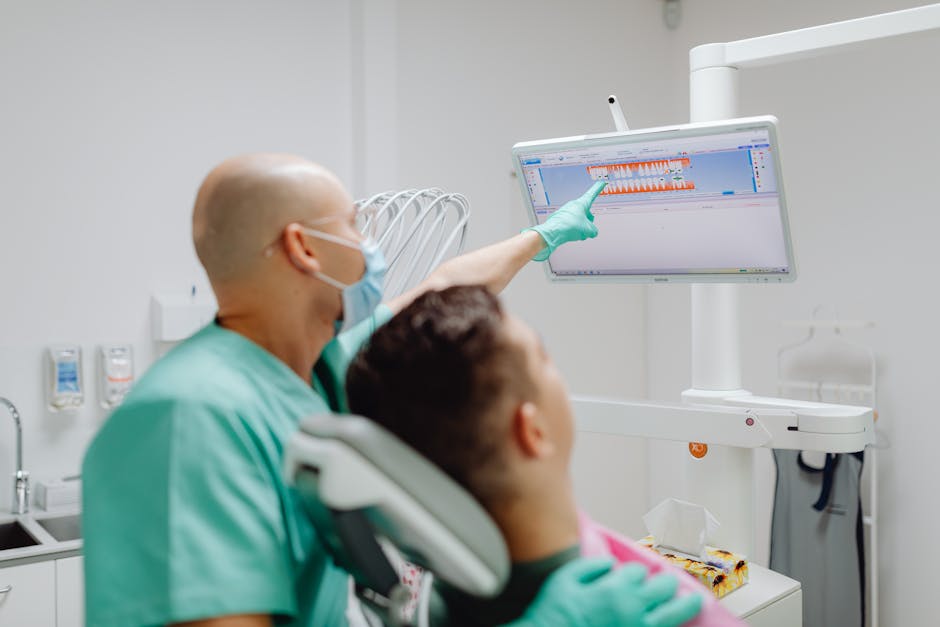
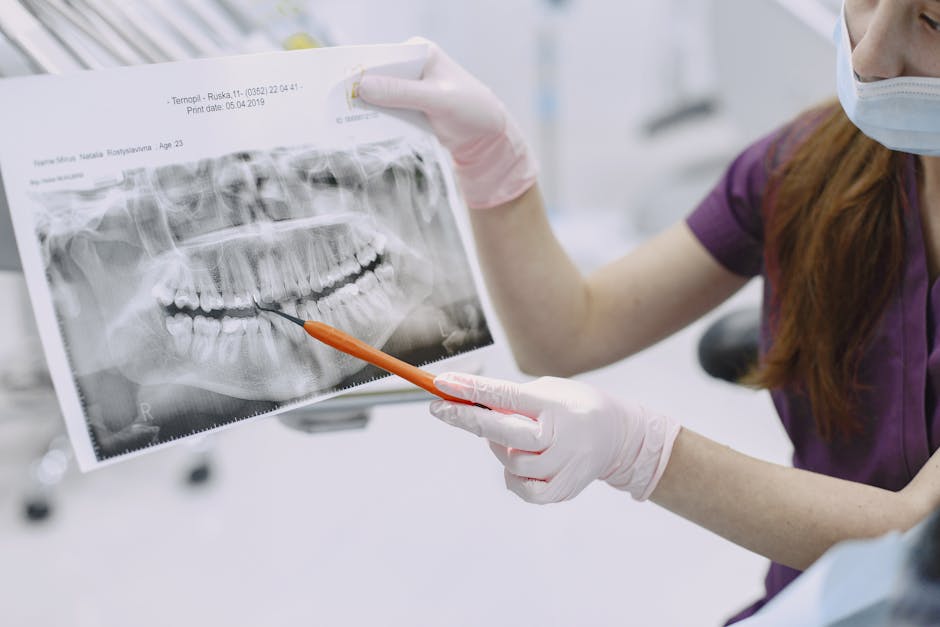
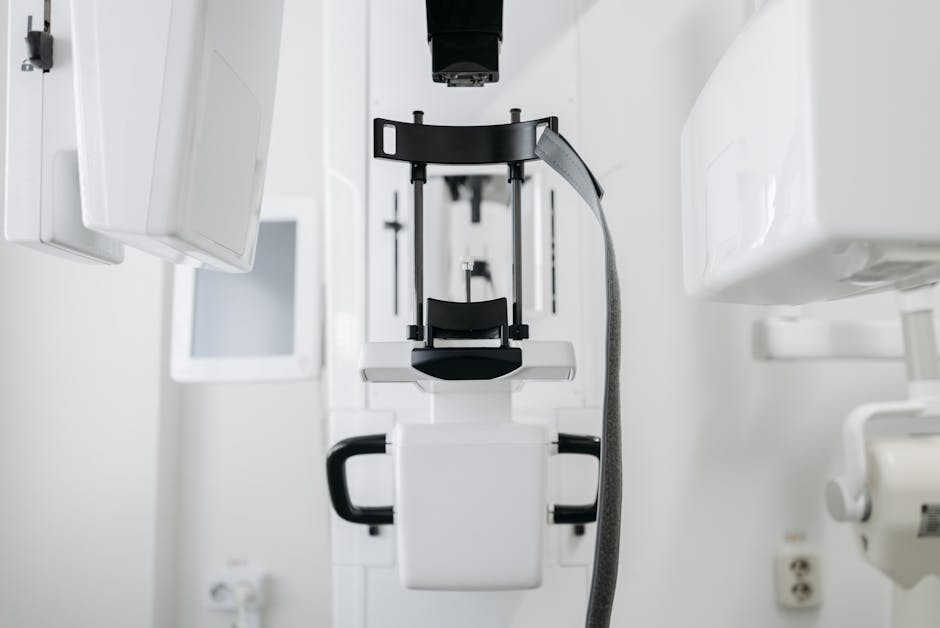
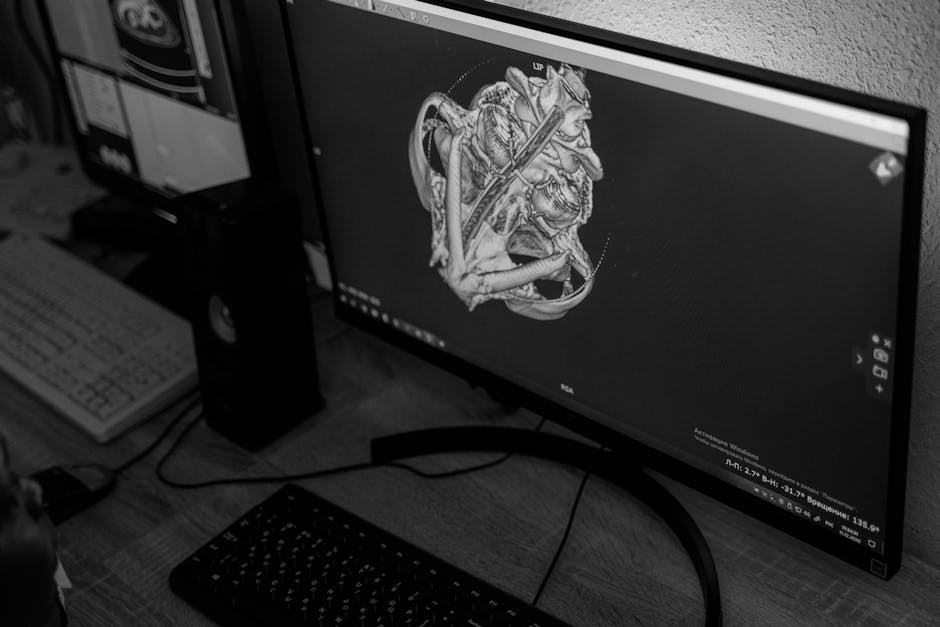
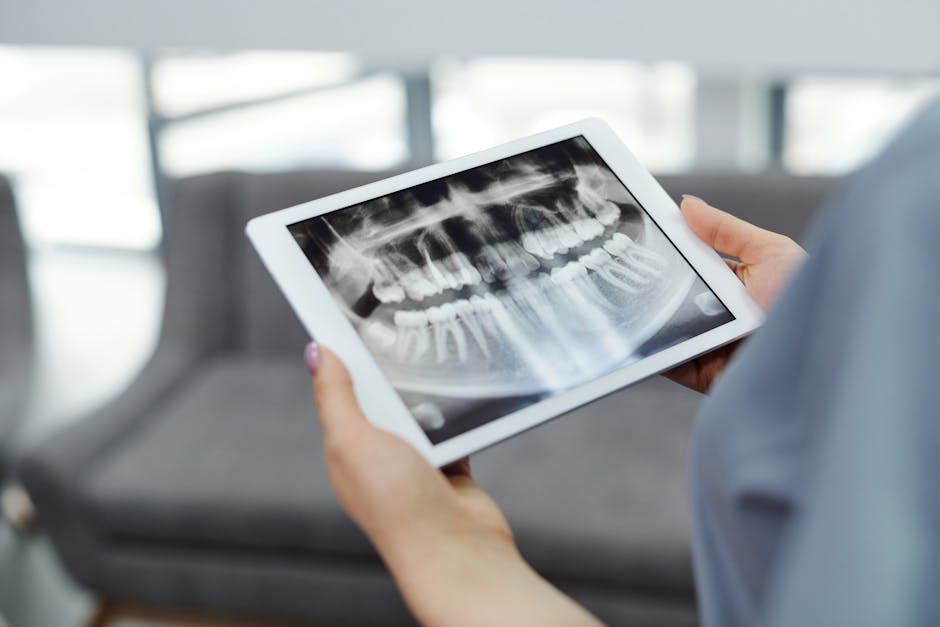
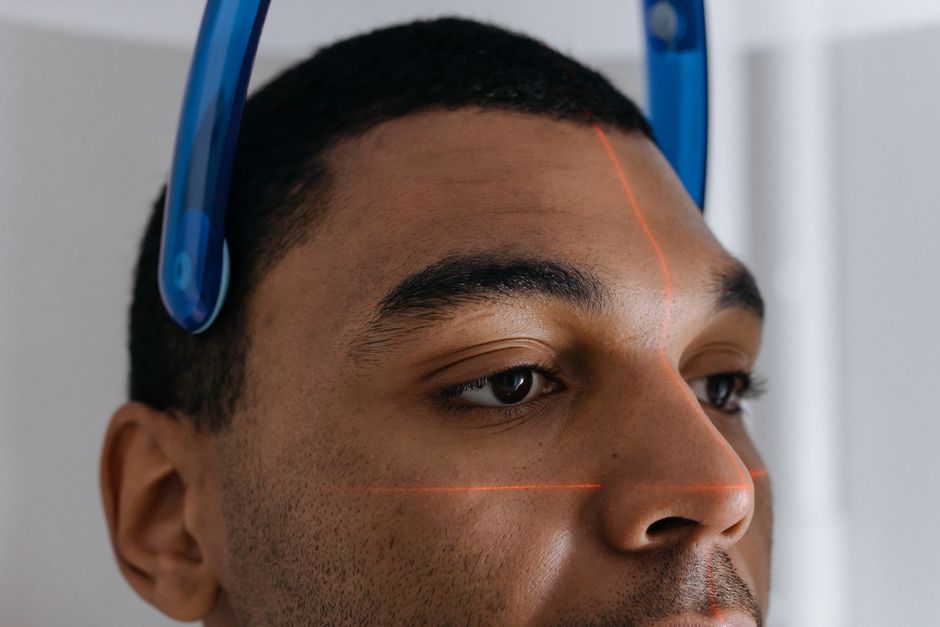
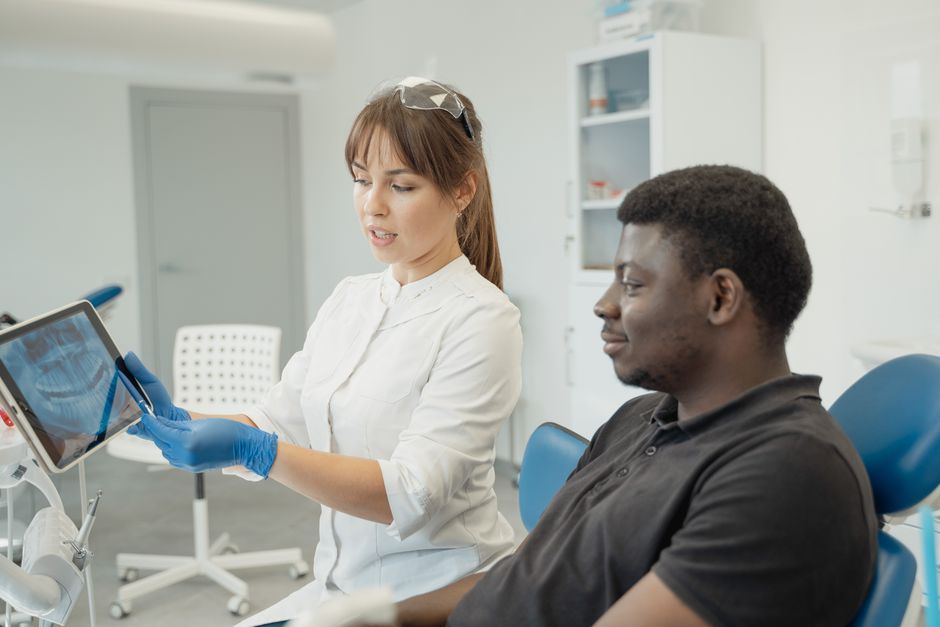
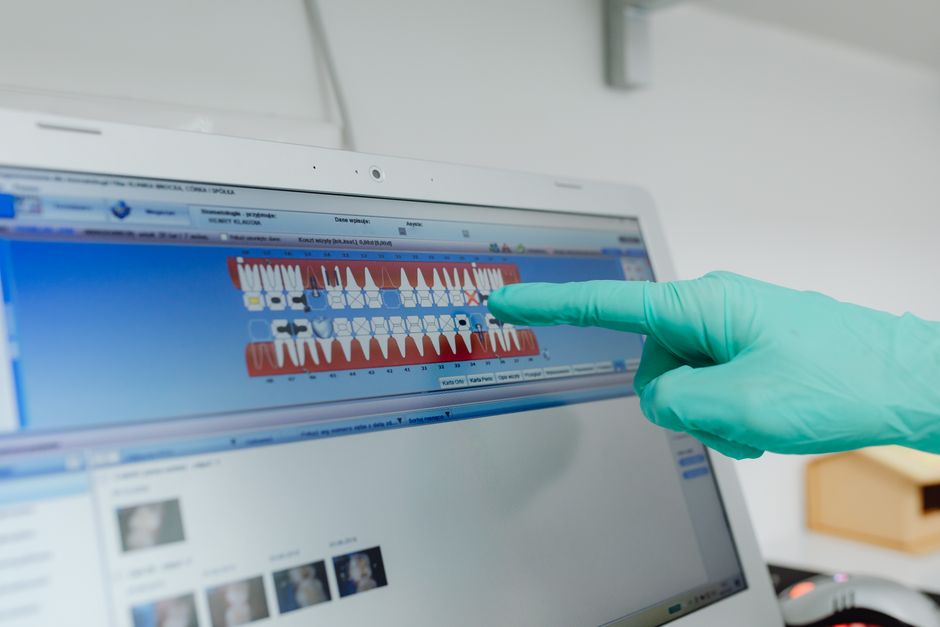
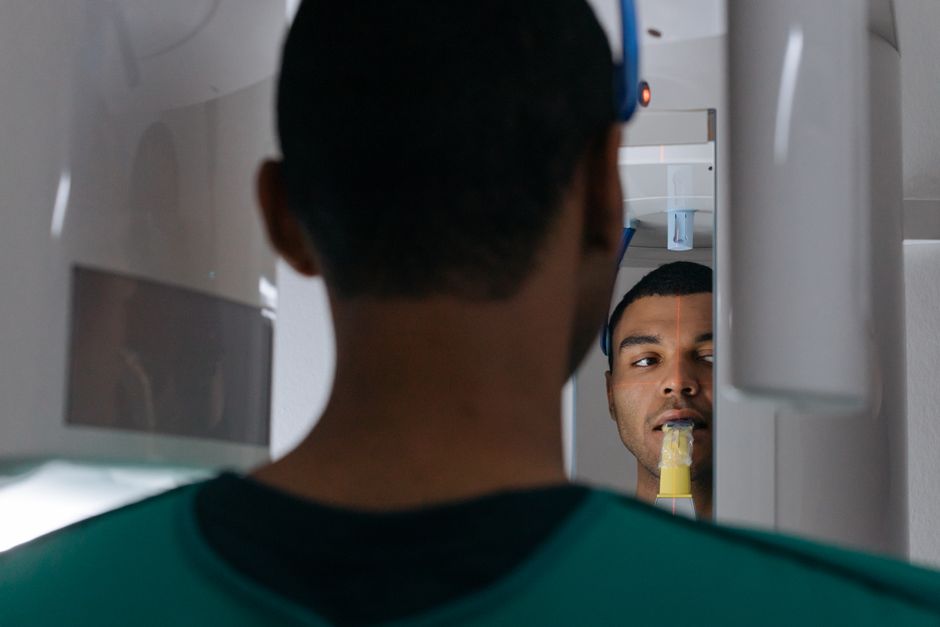
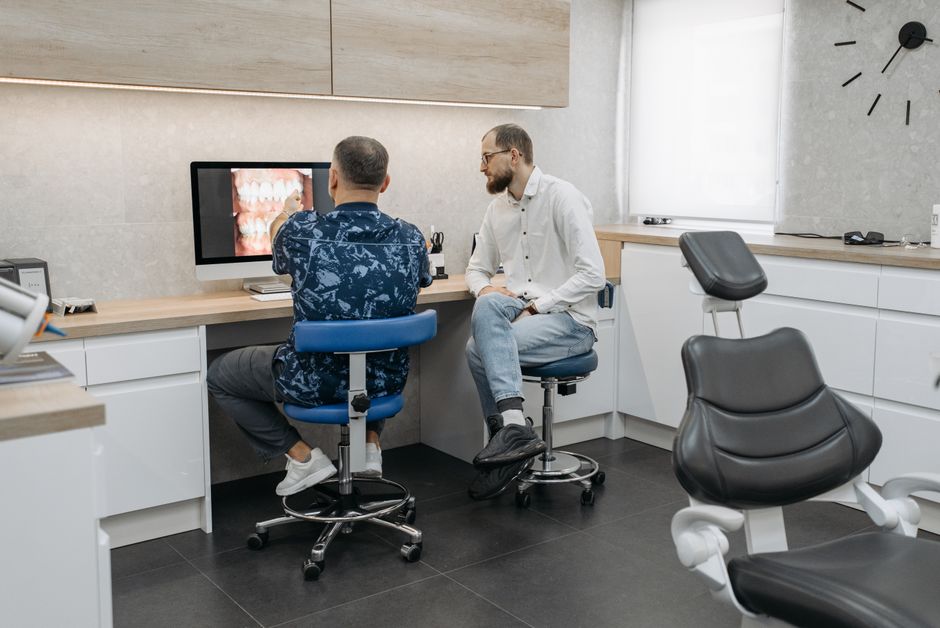
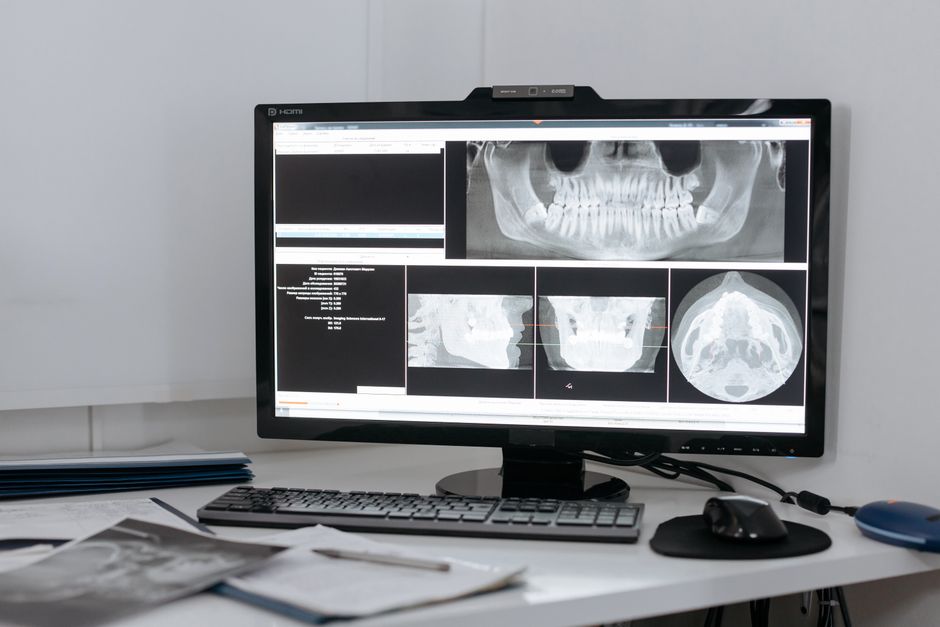
CBCT-based planning has become central to modern implant dentistry, especially for beginners. It supports evaluation of bone volume and quality, proximity to anatomical structures (inferior alveolar nerve, mental foramen, maxillary sinus), and helps you anticipate the need for augmentation. Even when CBCT is available, it is important to interpret it systematically rather than “scrolling and guessing.”
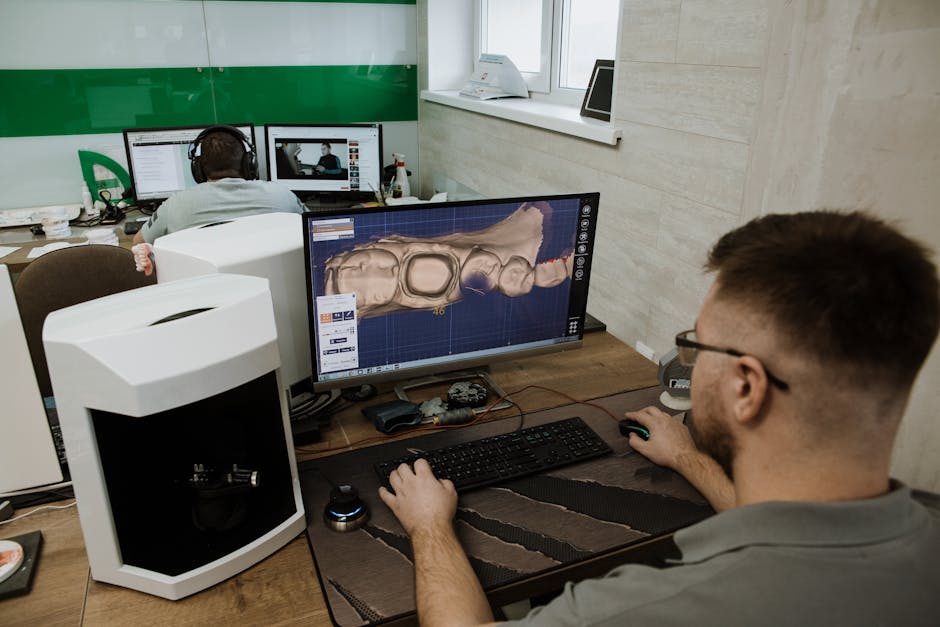
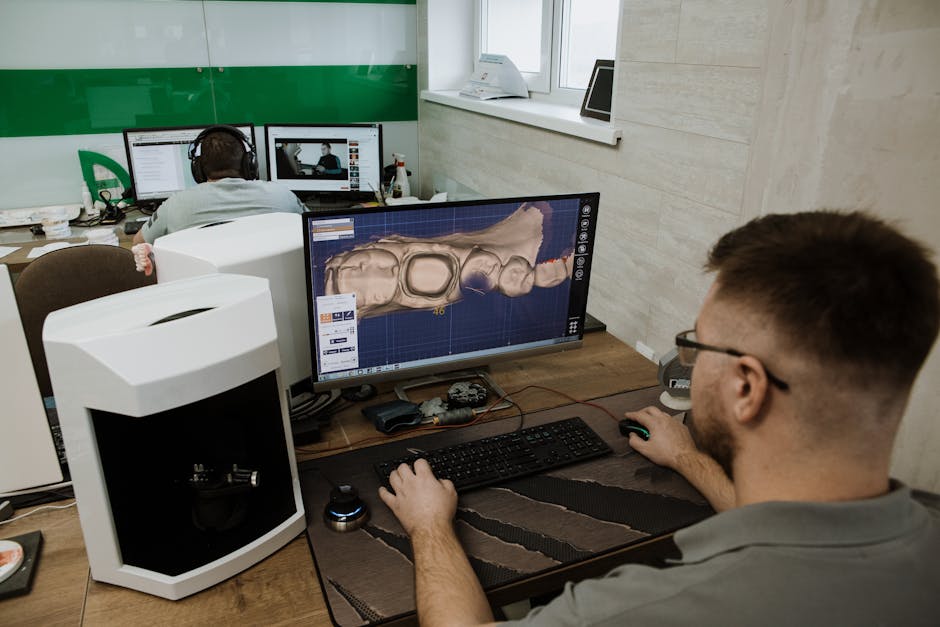
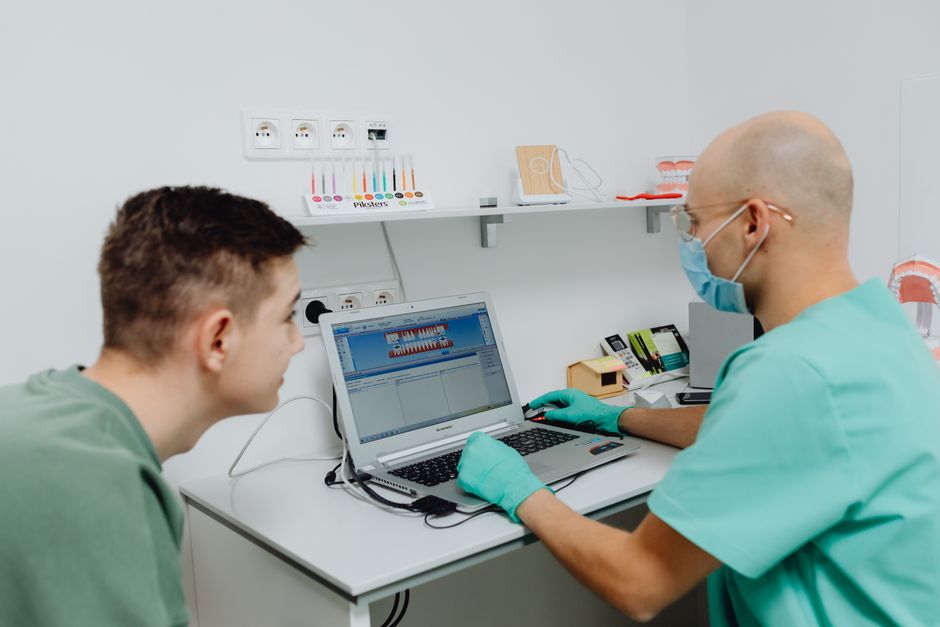
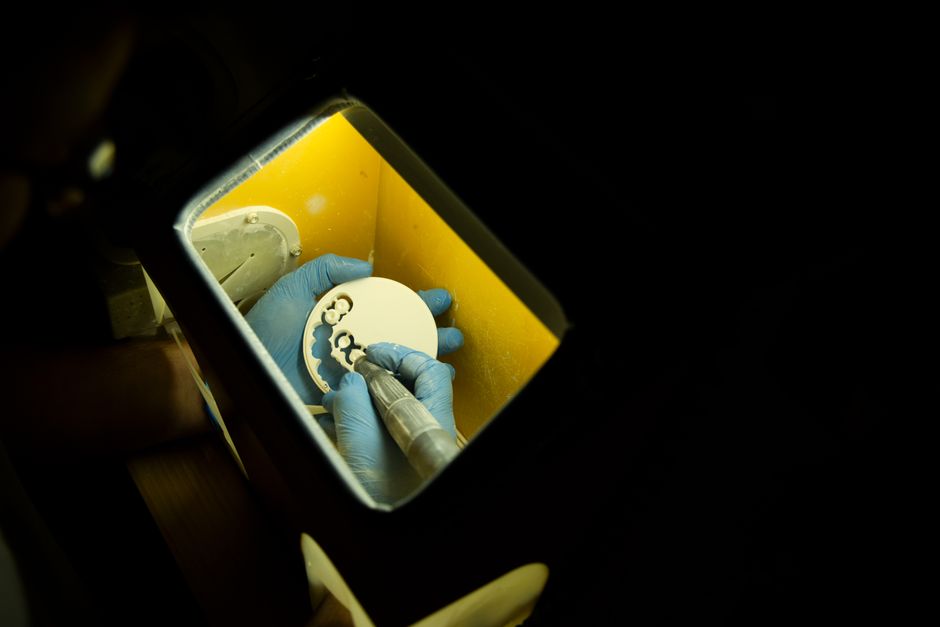
Digital workflows also connect planning with the final restoration—particularly when using guided surgery or designing provisional restorations. For a broader understanding of how digital production and planning integrate into implant treatment, see the role of CAD/CAM technology in modern implant dentistry.
Step-by-step surgical concepts beginners should master
1) Asepsis and surgical setup
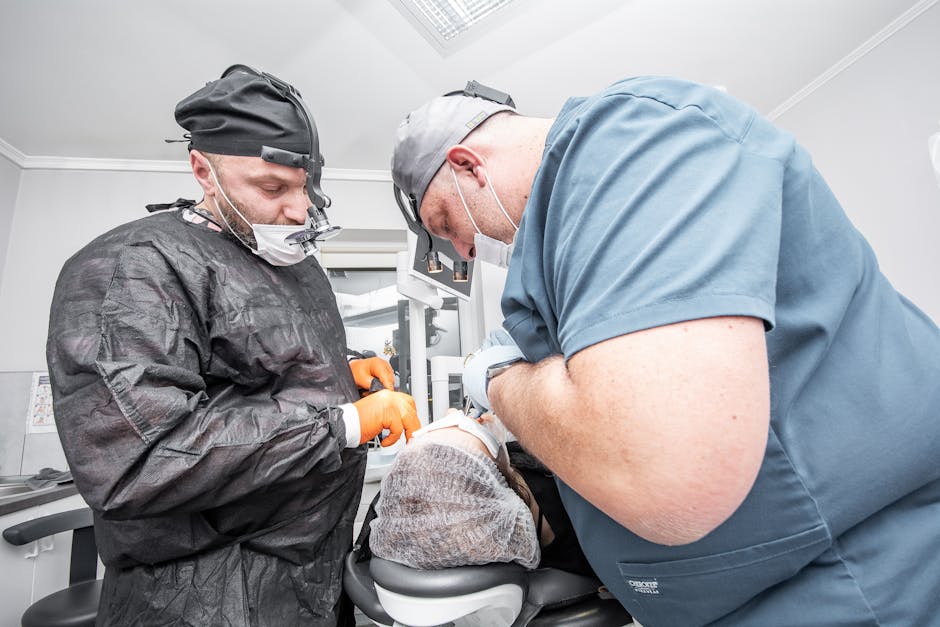
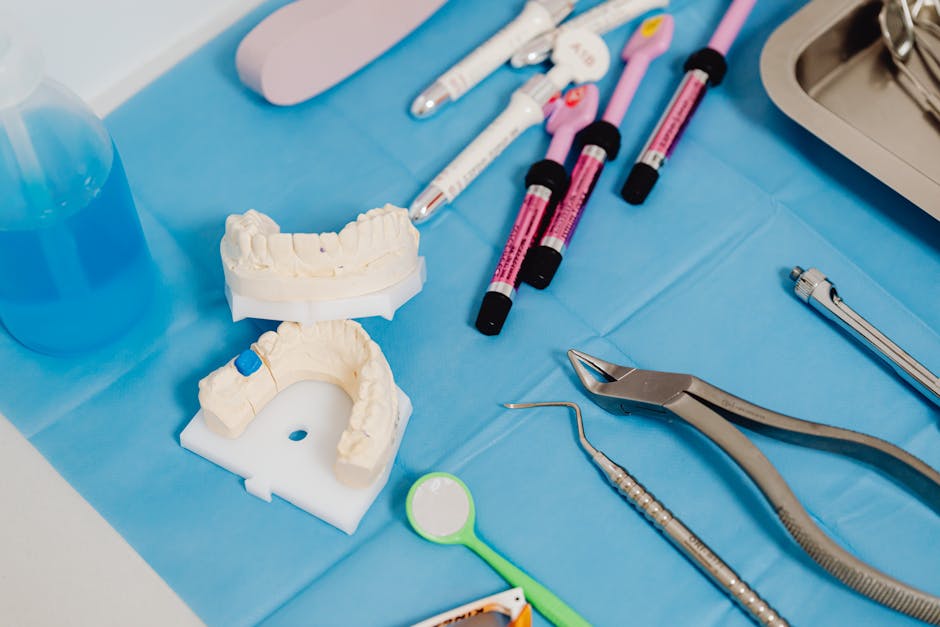
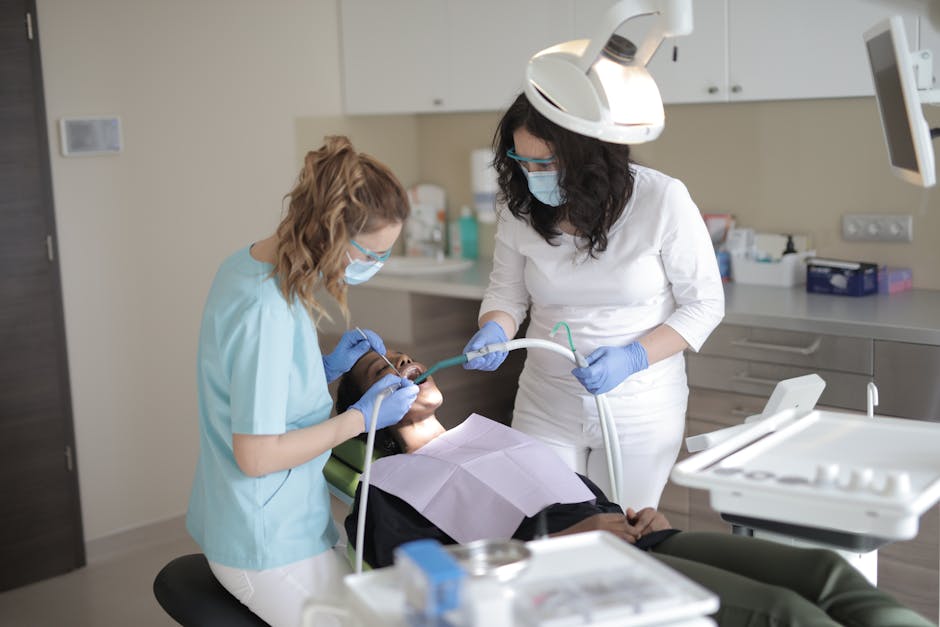
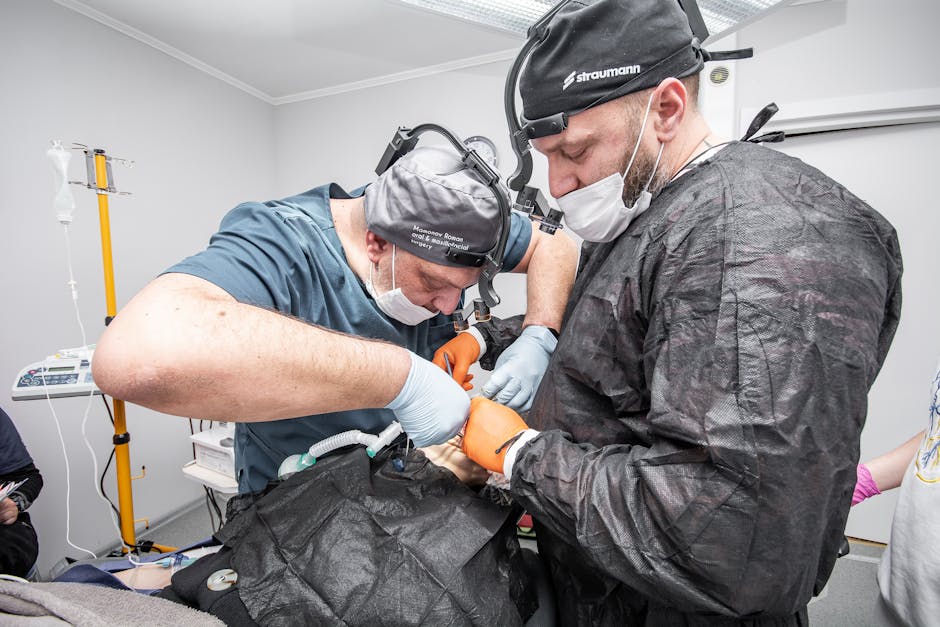
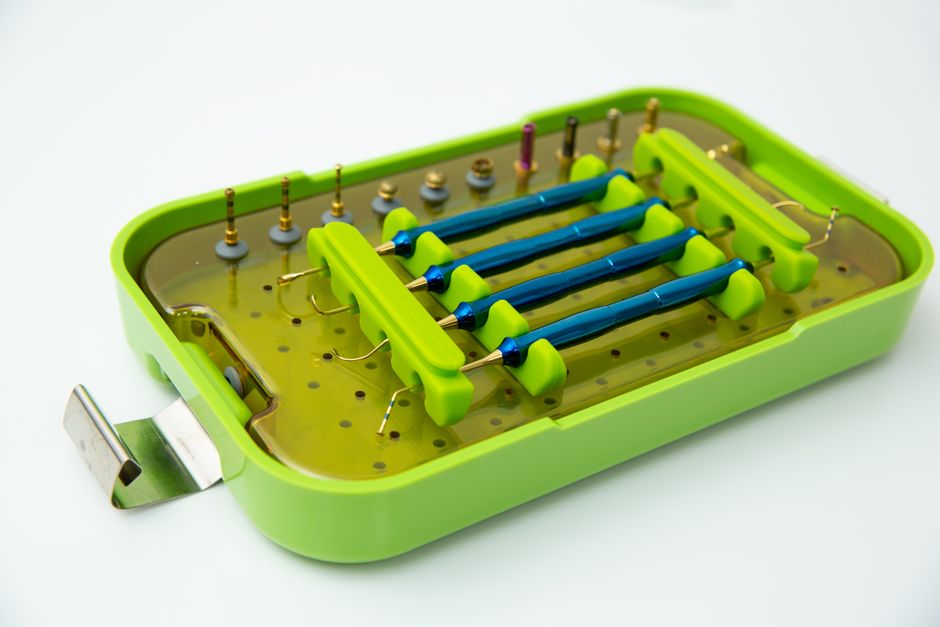
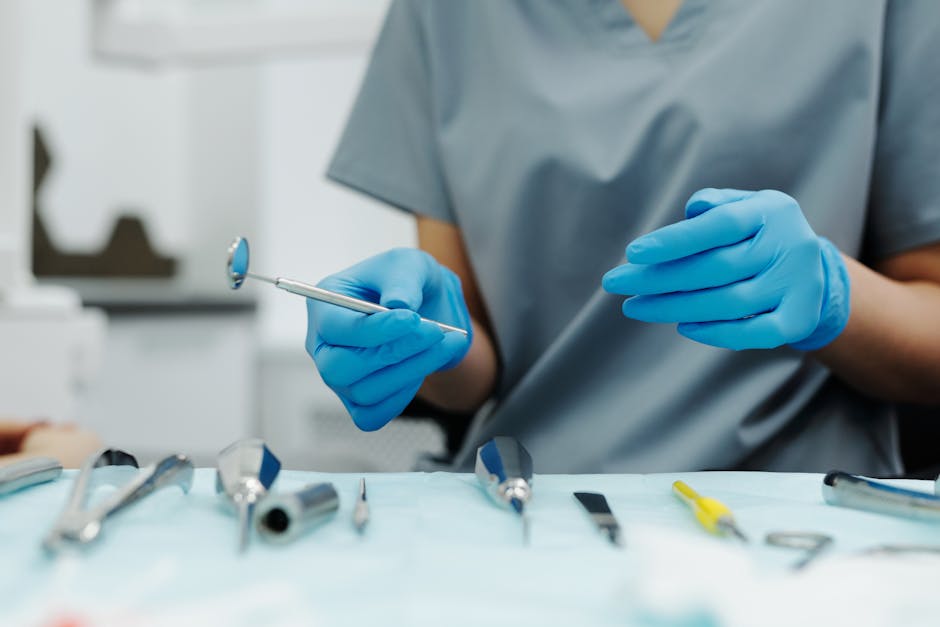
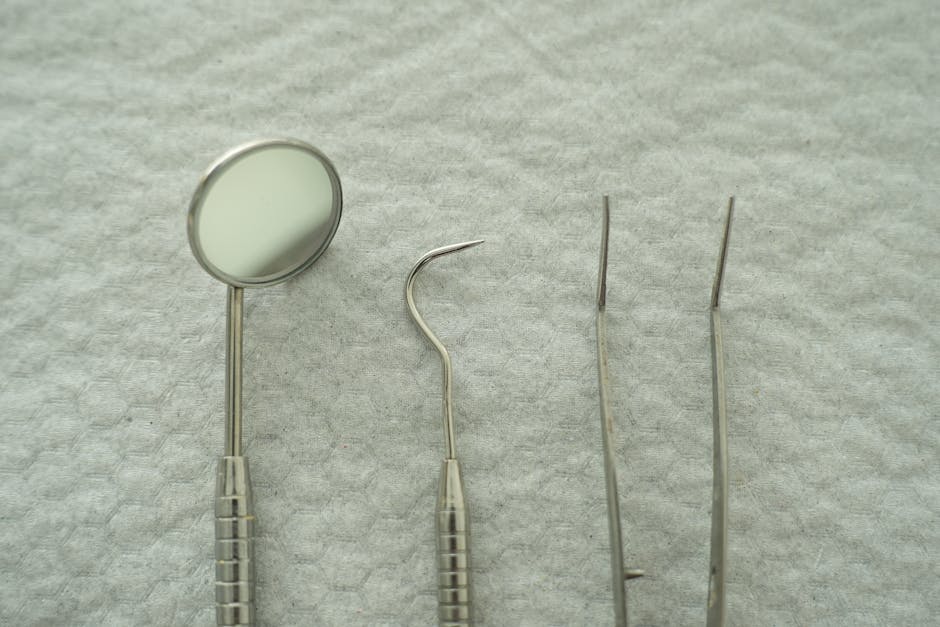
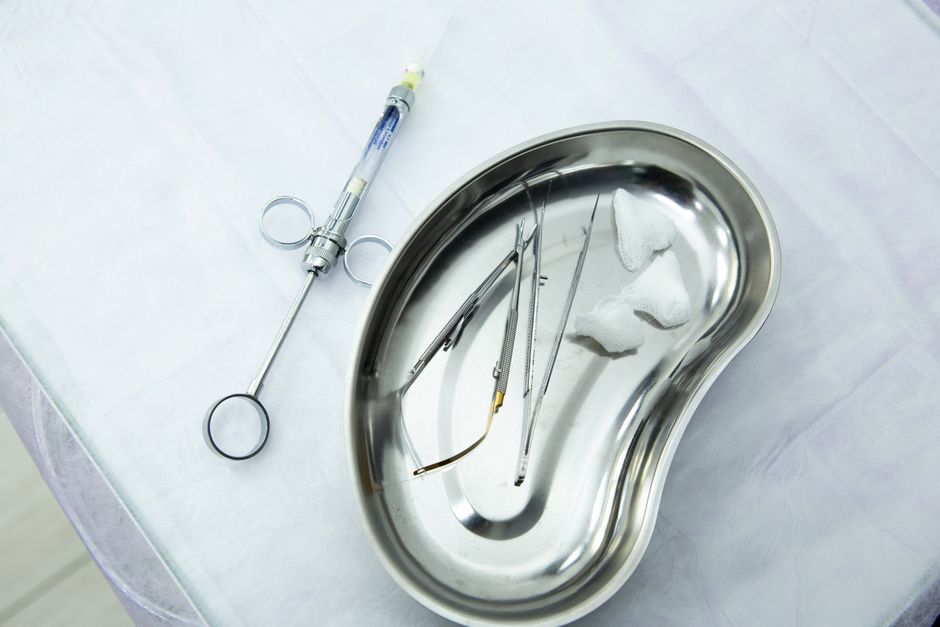
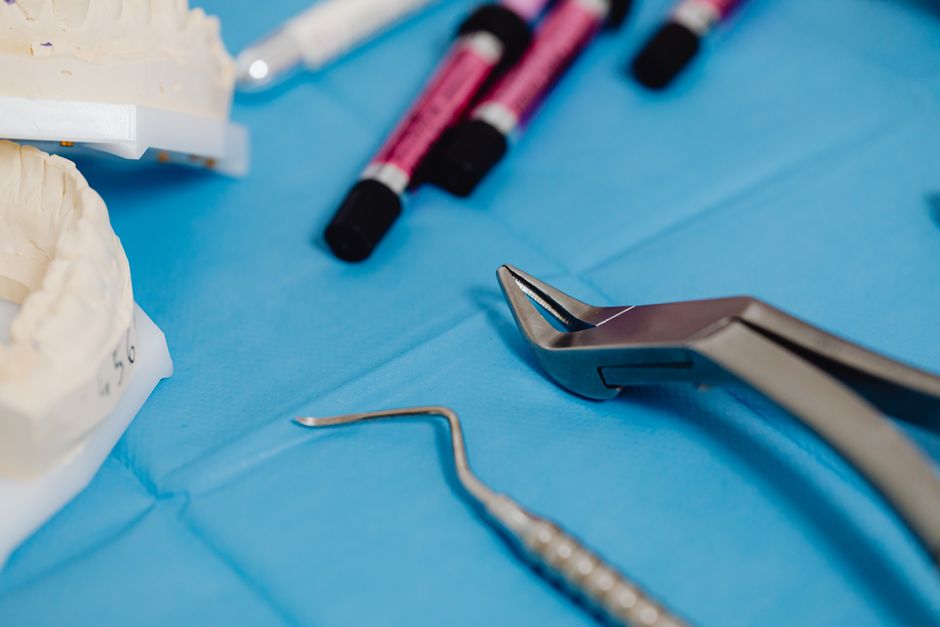
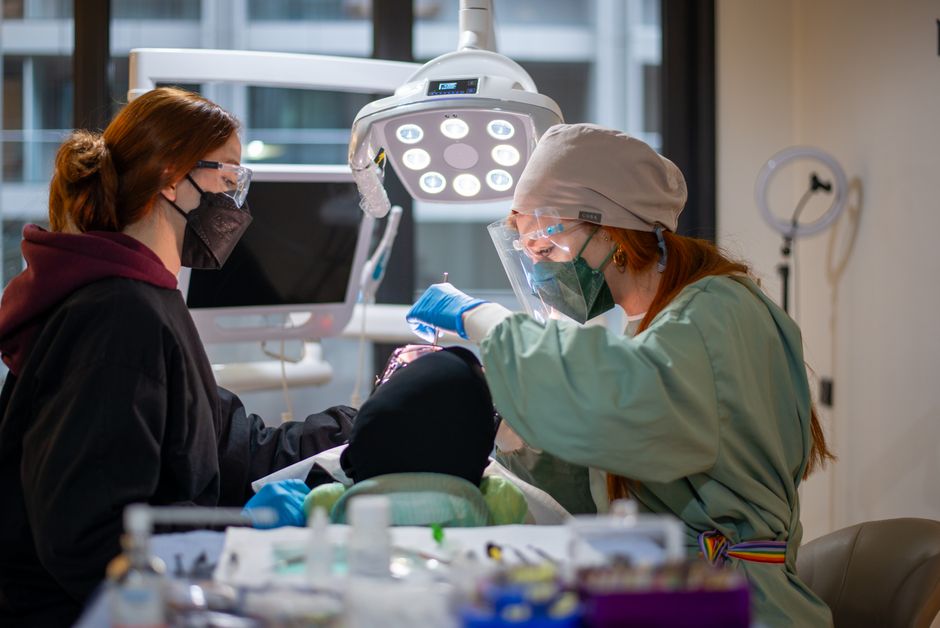
Implant placement demands consistent infection control protocols, sterile draping, organized instrumentation, and clear assistant coordination. Beginners benefit from checklists: implant system components, drill sequence, irrigation, torque control, sutures, and emergency readiness. Reducing “chairside uncertainty” can significantly reduce stress and improve outcomes.
2) Flap design and soft-tissue handling
Soft-tissue management starts before the incision. Think about access, visibility, and the ability to close without tension. Tissue trauma and overheating are two avoidable causes of postoperative discomfort and compromised healing. Gentle elevation, careful retraction, and clear visualization of the ridge contribute to accurate osteotomy preparation.
When soft tissue is limited, grafting concepts may be part of the long-term plan. While clinical indications and techniques should be learned hands-on and under supervision, understanding biomaterials is useful. If you are exploring the topic, our article on acellular dermal matrix in dentistry introduces key considerations related to tissue augmentation and wound stability.
3) Osteotomy preparation: accuracy and biology
For beginners, the osteotomy is where most errors occur—angulation, depth, and bucco-lingual position. Emphasize a prosthetically driven axis and frequently verify orientation. Use copious irrigation, follow the manufacturer’s drill protocol, and avoid excessive pressure. Bone is a living tissue; thermal trauma can compromise osseointegration.
4) Primary stability and insertion torque
Primary stability is influenced by bone density, implant design, osteotomy preparation, and implant positioning. Rather than chasing “high torque,” aim for stability appropriate to your loading protocol and the clinical situation. Understand that primary stability is not a trophy—it is a parameter that should be interpreted alongside biology, patient factors, and restorative plans.
5) Suturing and postoperative planning
Beginners often underestimate closure. Tension-free suturing supports clot stability and reduces patient discomfort. Postoperative instructions should be clear, written, and tailored to the procedure. Plan follow-up visits proactively to assess soft-tissue healing, manage swelling, and reinforce hygiene.
Extraction and immediate implant placement: when is “same-day” reasonable?
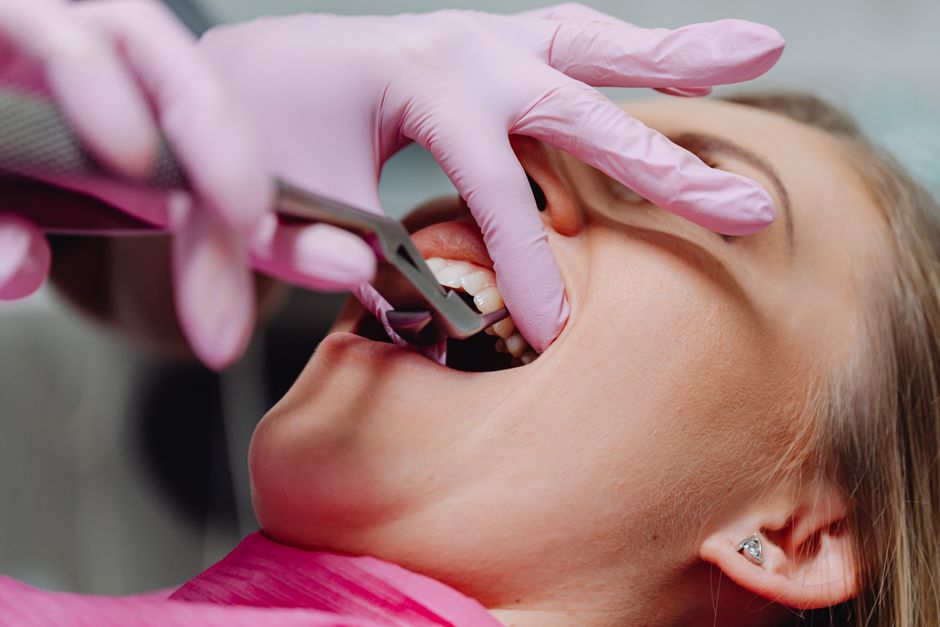
Many patients ask for faster solutions, and clinicians are increasingly interested in immediate protocols. However, immediate implant placement after extraction is technique-sensitive and highly dependent on socket morphology, infection status, buccal plate integrity, and your ability to achieve primary stability in the correct 3D position.
If you are considering this approach, it helps to study a structured protocol and decision-making criteria before implementing it clinically. Our educational guide on same-day tooth extraction and immediate implant placement discusses key steps and clinical considerations that can support safer planning and communication.
Prosthetic-driven positioning: the 3D checklist
A predictable implant is positioned for the crown, not for the surgeon’s convenience. Beginners can use a 3D checklist:
Mesio-distal: Respect biologic distances from adjacent teeth and implants; plan for papilla and cleanability.
Bucco-lingual: Avoid placing too buccal in the aesthetic zone; consider the buccal plate and emergence profile.
Apico-coronal: Depth influences the emergence profile, restorative margin, and soft-tissue stability.
When in doubt, diagnostic wax-ups, digital setups, and surgical guides can reduce guesswork. Digital planning becomes especially valuable when you are still building your mental map of restorative space and anatomy.
Restorative considerations: implants don’t live in isolation
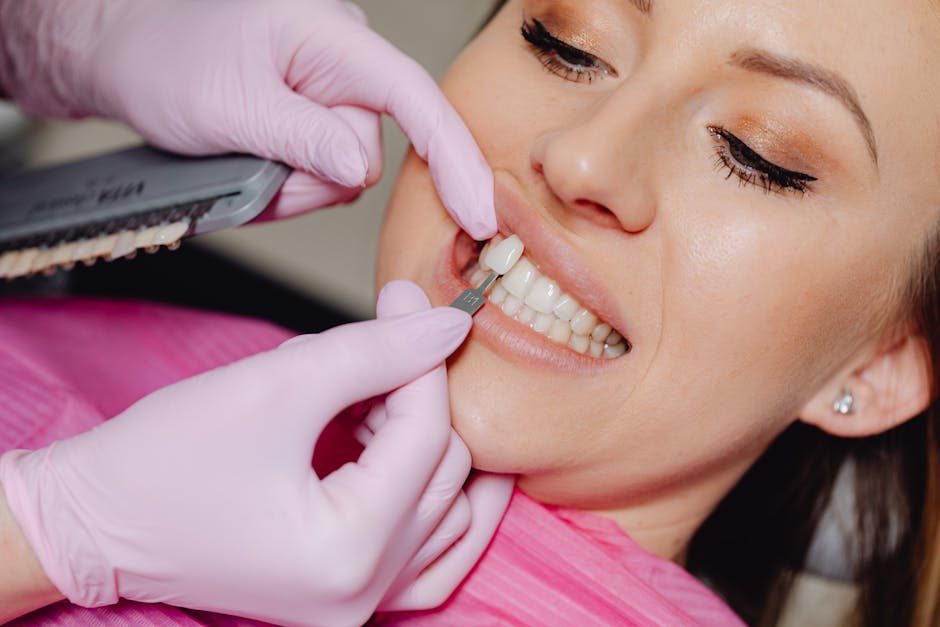
Implant patients often need adjunct restorative work—caries management, replacement of defective restorations, occlusal stabilization, or aesthetic enhancement. A beginner-friendly pathway is to strengthen your adhesive and restorative protocols alongside surgery, because implant crowns will be judged within the context of the entire mouth.
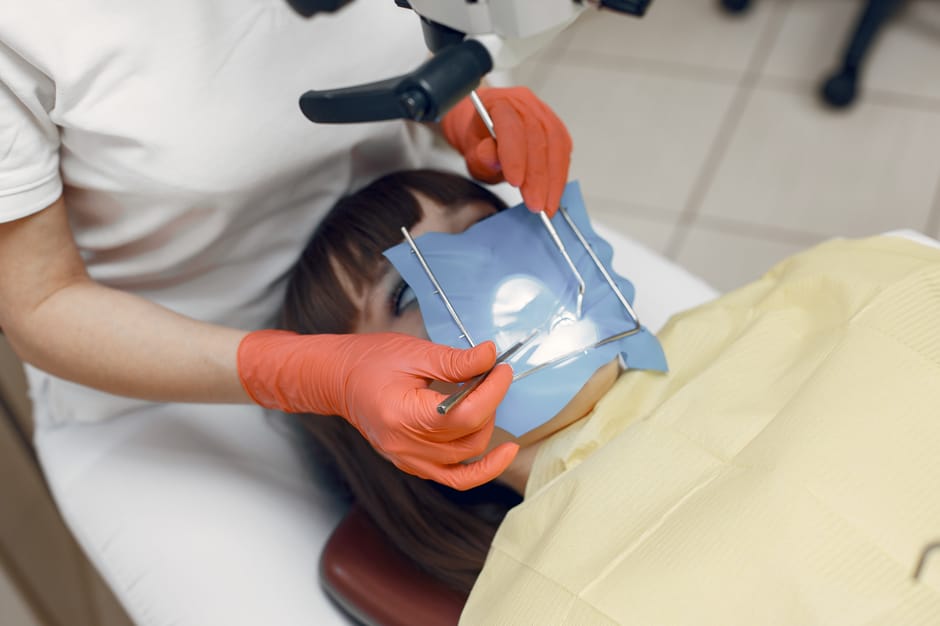
For clinicians refining predictable bonding and posterior build-ups (which often support occlusal stability and long-term maintenance), you can review contemporary adhesive techniques for posterior restorations. Understanding moisture control, isolation, and durable anatomy also complements implant prosthodontics.
Common early complications—and how education helps you reduce them
Angulation errors and prosthetic frustration
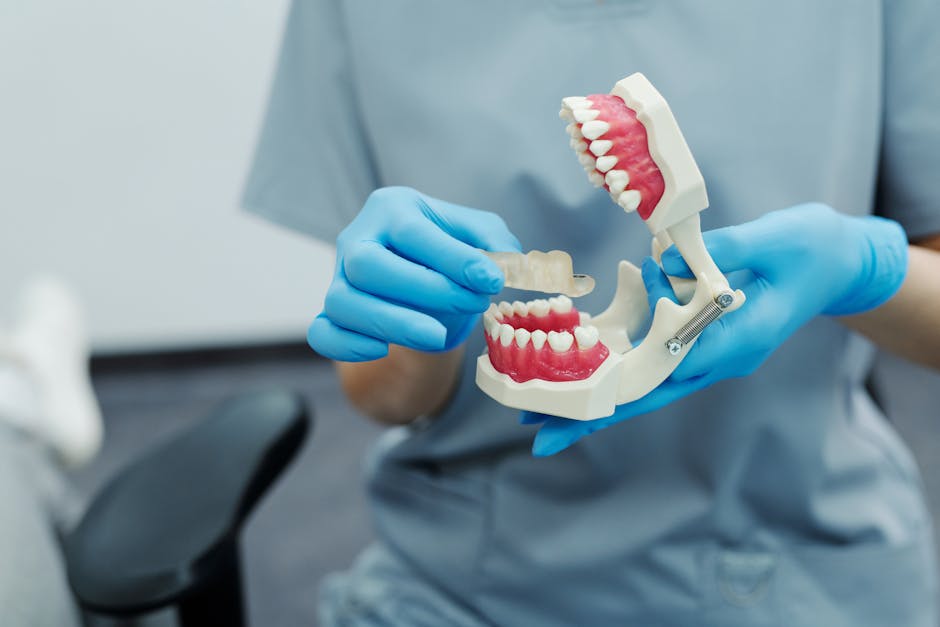
An implant that is a few degrees off may still integrate—but it can create a lifetime of restorative compromise. Early training that integrates surgical placement with restorative try-ins, impression/scan strategy, and abutment selection helps reduce these issues.
Soft-tissue disappointment
Patients may accept functional outcomes but remain unhappy with tissue contours, black triangles, or recession around the implant crown. Soft-tissue management is often learned best through guided practice and case-based discussion, particularly when you start treating anterior or high-smile-line patients.
Maintenance challenges
Peri-implant health depends on hygiene access, patient compliance, and professional recall. Designing restorations that allow cleaning is a clinical skill—and a communication skill. Treatment planning should include long-term maintenance strategies from the first appointment.
How to build confidence: a structured learning pathway
Books and videos are useful, but implant surgery is ultimately a tactile discipline. Dentists often gain confidence fastest when learning occurs in a structured sequence:
1) Observation and planning: Watch live surgeries, learn diagnosis, and plan cases step-by-step.
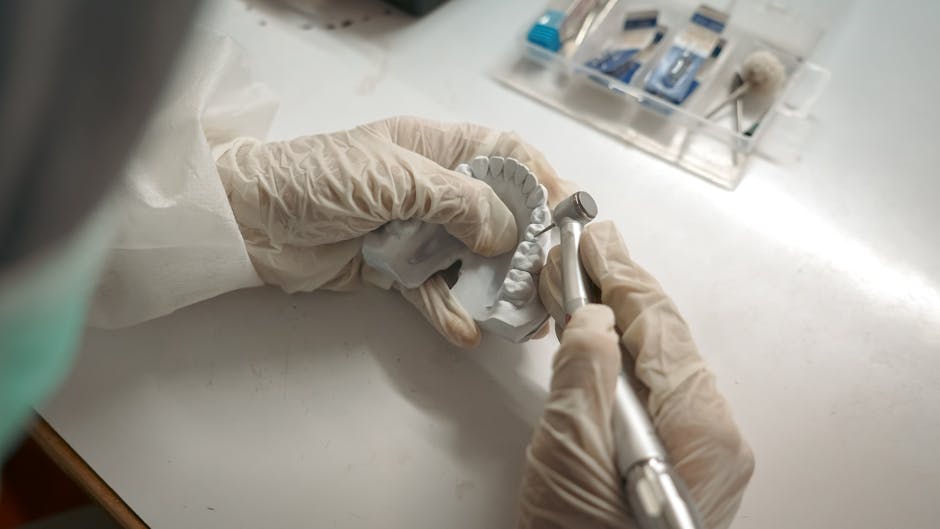
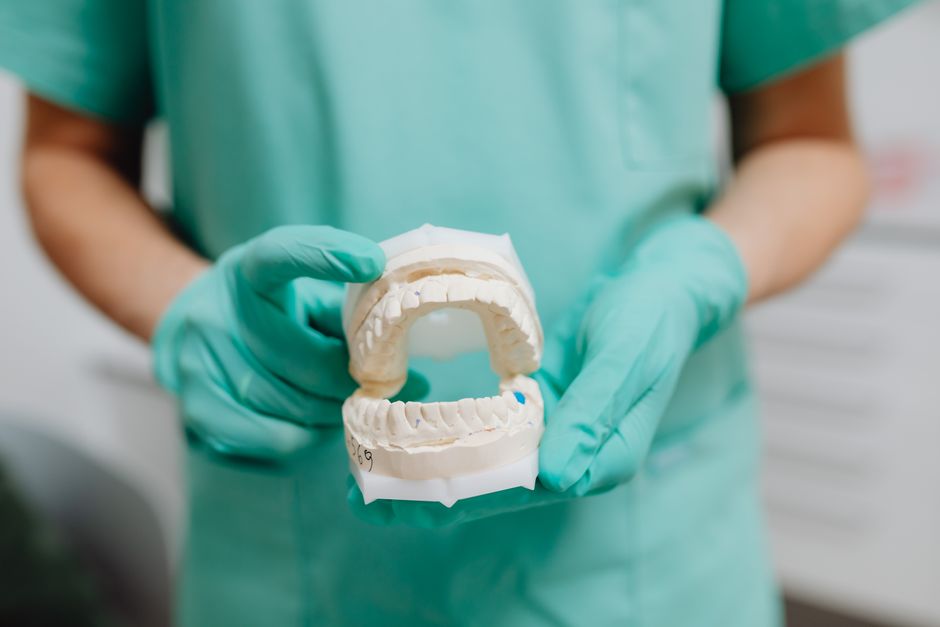
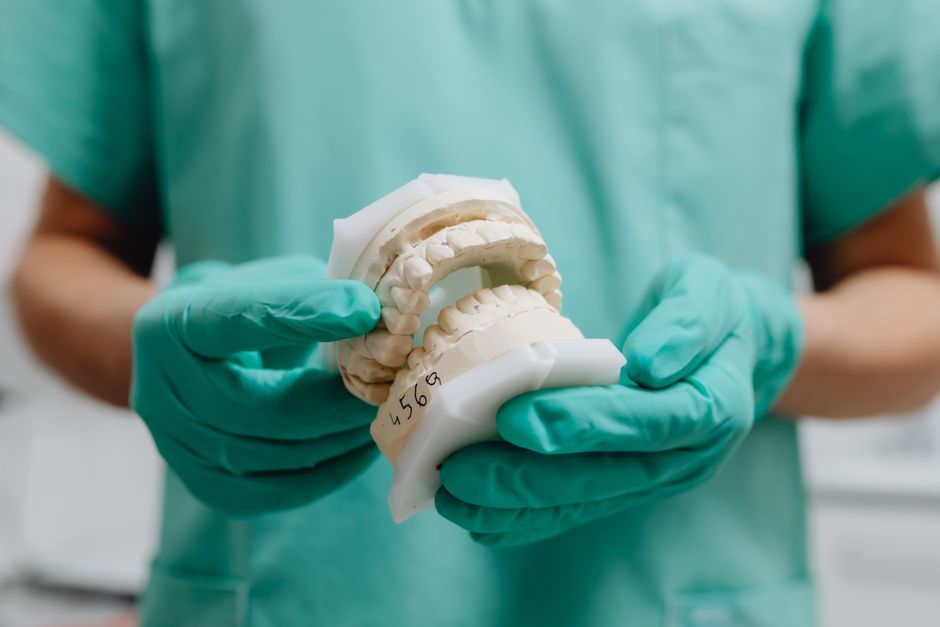
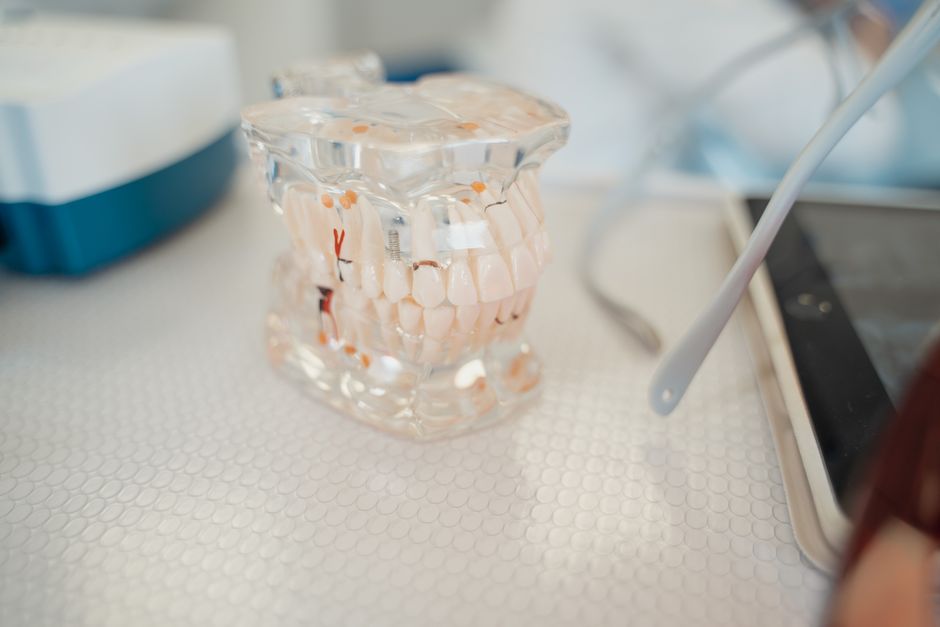
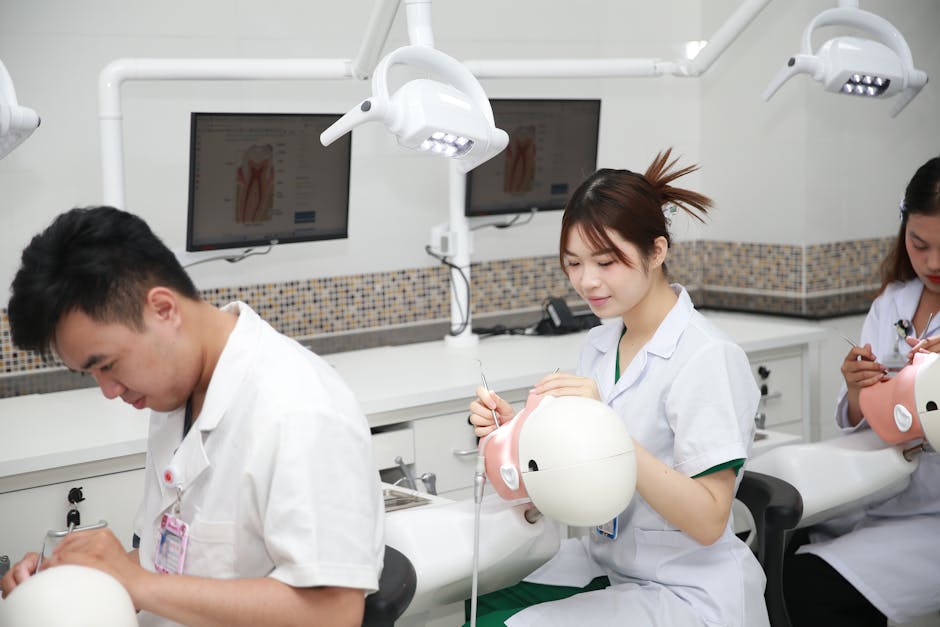
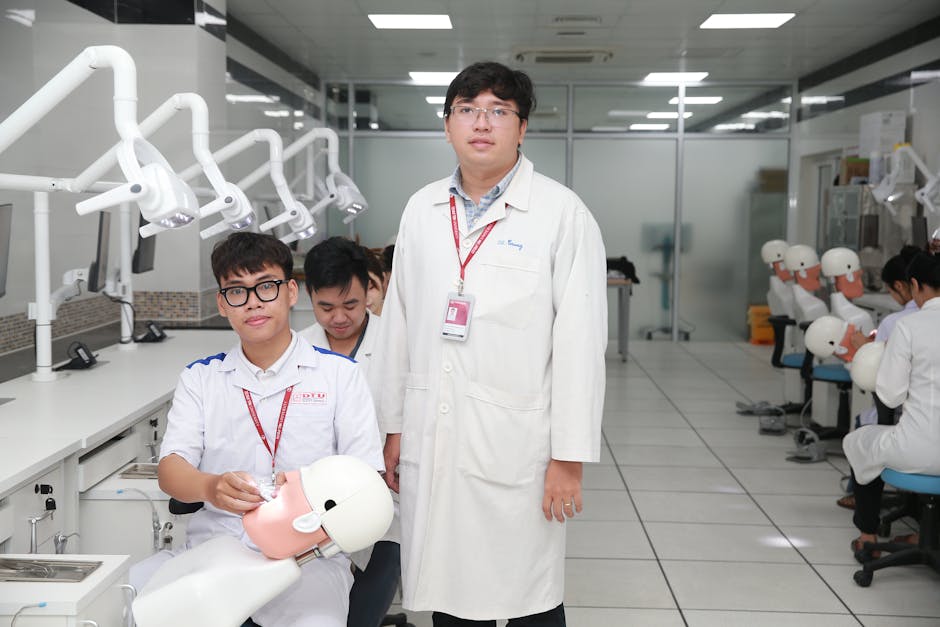
2) Simulation and models: Practice incision design, drilling protocols, and suturing in a low-stress environment.
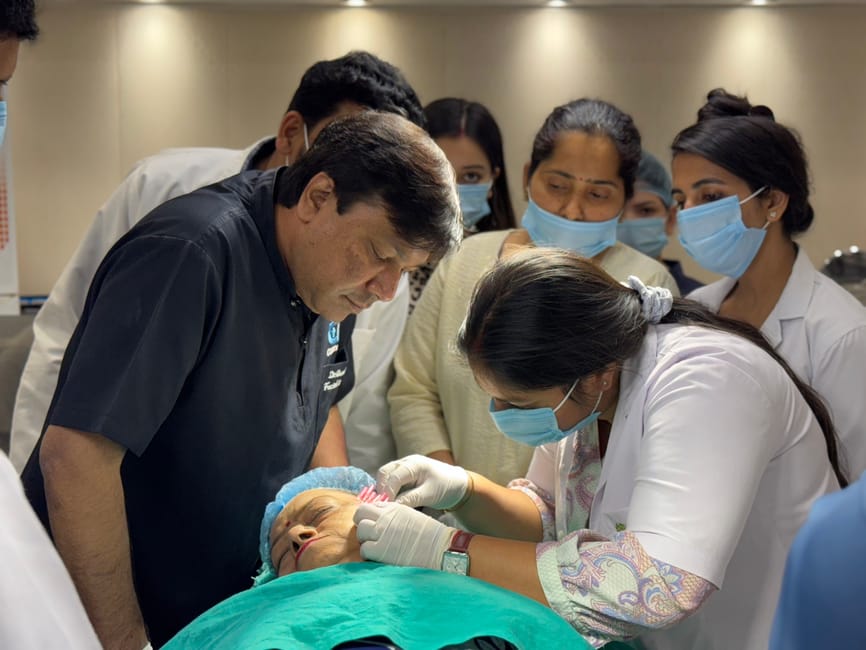
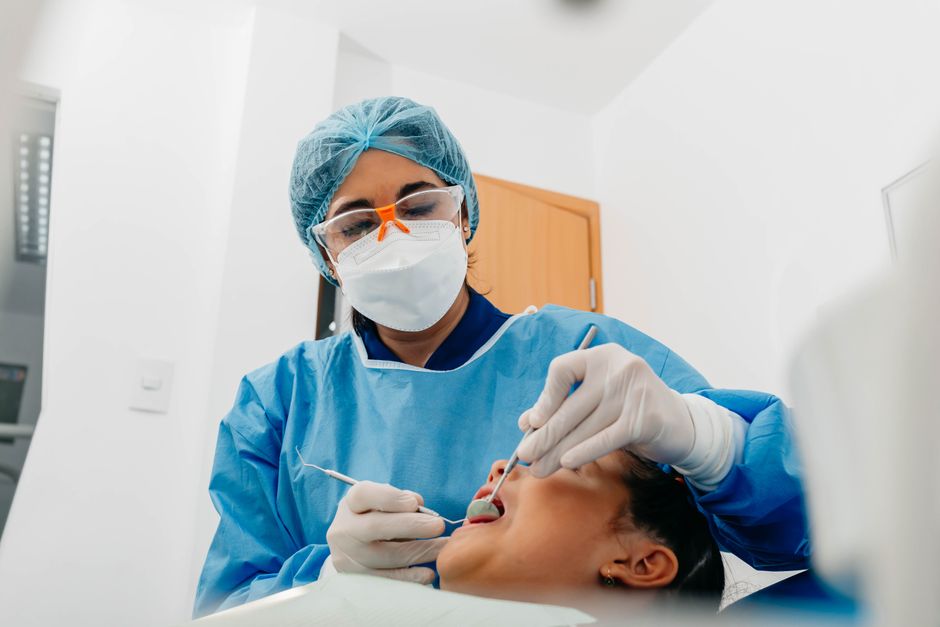
3) Supervised hands-on training: Translate protocols into clinical practice with expert feedback on positioning, tissue handling, and workflow.
4) Prosthetic integration: Learn temporization, impression/scan protocols, and crown delivery with occlusal refinement.
Istanbul Dental Academy focuses on continuing dental education that is practical and clinical-ready. Our courses are designed to help you connect diagnosis, digital planning, surgical execution, and prosthetic outcomes—so your early cases are not isolated “procedures,” but part of a consistent implant workflow.
Final notes for dentists starting implant surgery
Implant surgery becomes far more predictable when you prioritize fundamentals: conservative case selection, careful imaging interpretation, prosthetic-driven planning, and respectful soft-tissue handling. Progress does not require rushing into complex cases; it requires repetition of correct steps and honest evaluation of outcomes.
This content is for educational purposes and does not replace clinical training, mentorship, or individualized patient assessment. If you are preparing for your first implant cases, consider strengthening your roadmap through hands-on courses where surgical steps, digital workflows, and restorative endpoints are taught as one integrated system.
Diğer Yazılar