
BLOG
Dental Operating Microscope in Complex Root Canal Anatomy: Why It Matters
Why complex canal anatomy remains a daily challenge
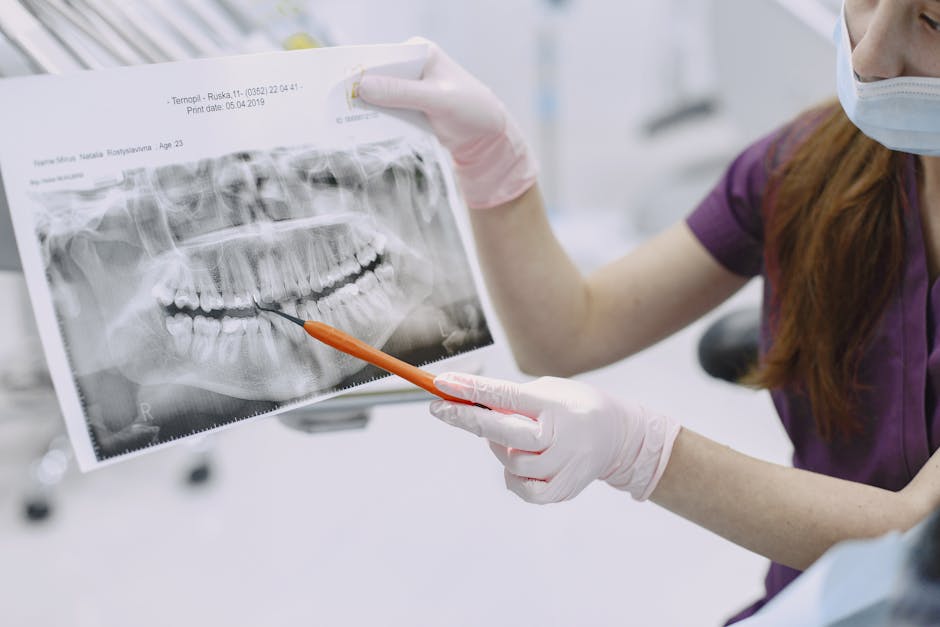
Even with modern rotary files, electronic apex locators, and cone-beam CT (CBCT), the root canal system can still surprise experienced clinicians. Missed canals, calcified pathways, abrupt curvatures, lateral anatomy, and iatrogenic complications are often rooted in one reality: the clinician is working in a highly variable 3D structure, yet must make precise decisions through a small access cavity and limited tactile feedback.
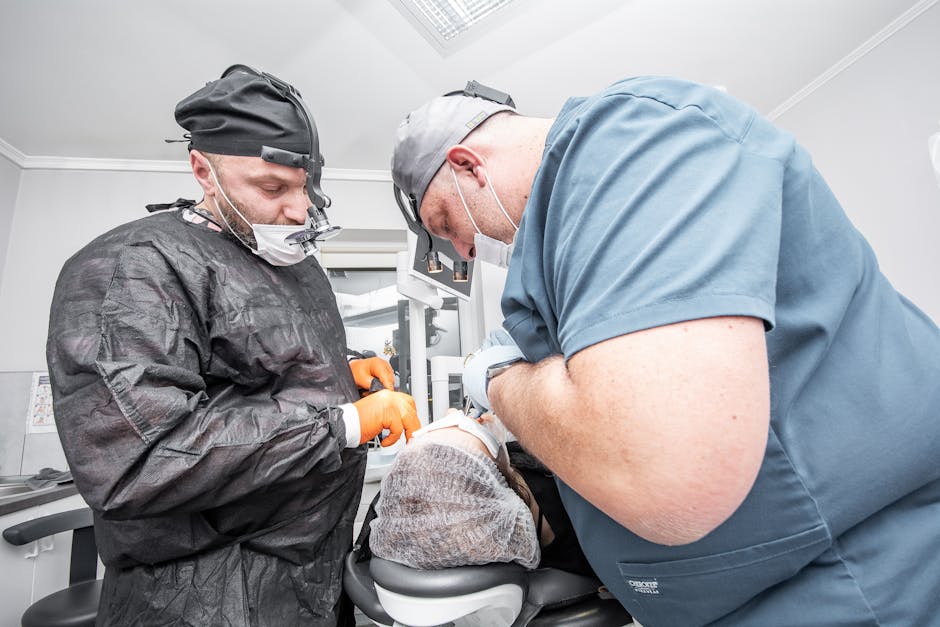
Complex anatomy is not rare; it is simply under-detected. Additional canals in maxillary molars, C-shaped mandibular molars, dens invaginatus, and severe calcifications may be present even when pre-op radiographs appear “normal.” In these situations, the dental operating microscope (DOM) is not just a magnification device—it becomes a diagnostic and procedural platform that improves visibility, ergonomics, and decision-making.
This content is for educational purposes and is not a substitute for clinical judgment or individualized patient care.
What “difficult anatomy” really means in endodontics
When clinicians discuss “hard cases,” they often mean a mix of anatomical complexity and clinical constraints. Understanding the categories helps in choosing the right tools and deciding whether to refer.
Common anatomical scenarios that raise difficulty
Calcified canals: pulp canal obliteration after trauma, aging, or restorative irritation can reduce the canal lumen to a barely visible line—sometimes invisible without enhanced illumination.
Additional or atypical canals: MB2 in maxillary first molars, middle mesial canals in mandibular molars, and extra canals in premolars are classic “missed canal” patterns.
Severe curvature and S-shaped canals: increase the risk of ledging, transportation, and instrument separation—especially if glide path management is compromised.
Complex apical anatomy: apical deltas, multiple foramina, and resorptive defects can complicate working length control and obturation strategy.
Previous treatment complications: separated instruments, perforations, posts, and extensive restorative build-ups require controlled visualization and meticulous ultrasonics.
How the dental operating microscope changes the workflow
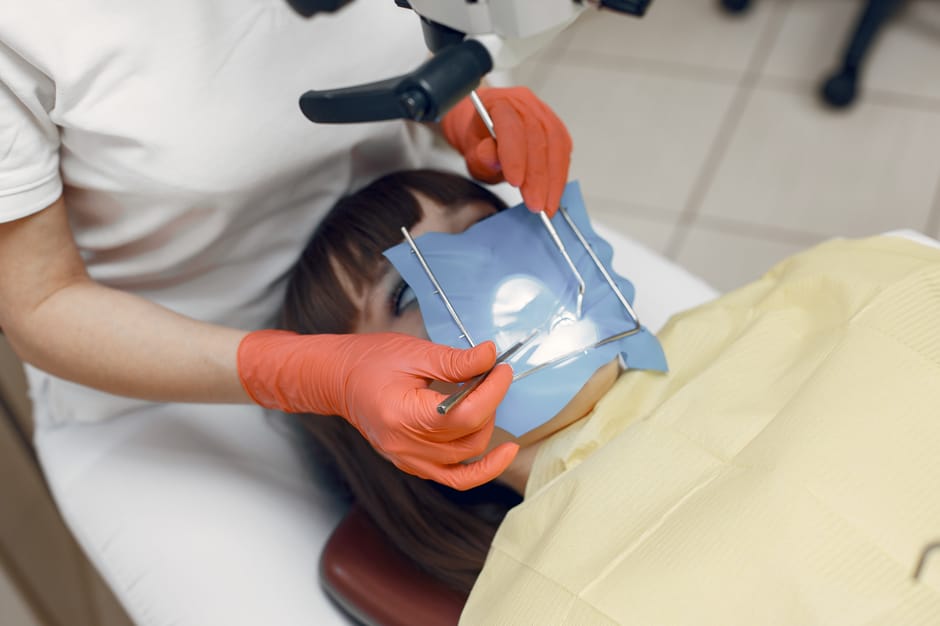
The microscope’s impact is most evident in three domains: diagnosis, access and negotiation, and management of complications. While loupes improve magnification, the DOM adds coaxial illumination and higher magnification ranges that can be decisive when anatomy is borderline visible.
1) Better identification of anatomical landmarks
In complex cases, the difference between “can’t find it” and “found it early” is often a subtle color shift, a developmental groove, or a tiny bleeding point. Under a DOM, clinicians can more reliably identify:
• dentinal map patterns on the chamber floor
• calcification lines and “white dentin” vs “dark dentin” clues
• secondary canal orifices and isthmus areas
• micro-cracks or suspicious lines that may change the prognosis
From an educational perspective, this is also where teaching becomes more objective: instructors can guide learners to the same visual reference points instead of relying on verbal descriptions alone.
2) More conservative access—without losing visibility
Modern endodontics aims for conservative, straight-line access that respects tooth structure. The microscope supports this goal by allowing smaller access openings while still maintaining clear visualization of the pulp chamber floor and canal entries. This is particularly relevant in teeth destined for adhesive restorations, where structural preservation can influence long-term success.
To contextualize the restorative side, clinicians who refine their restorative finishing and optical integration often find that endodontic access design matters for aesthetics and longevity—especially in anterior teeth. If you are interested in how restorative details influence natural appearance, you may also explore How to Achieve Natural Aesthetics in Anterior Composite Restorations, which complements the endodontic goal of preserving enamel and dentin for predictable bonding.
3) Safer canal negotiation and glide path creation
In calcified or narrow canals, the DOM helps clinicians differentiate true canal paths from dentin, reducing the risk of gouging, ledging, or perforation. Under magnification, small hand files, lubricants, and ultrasonics can be used more deliberately, with less “blind” exploration.
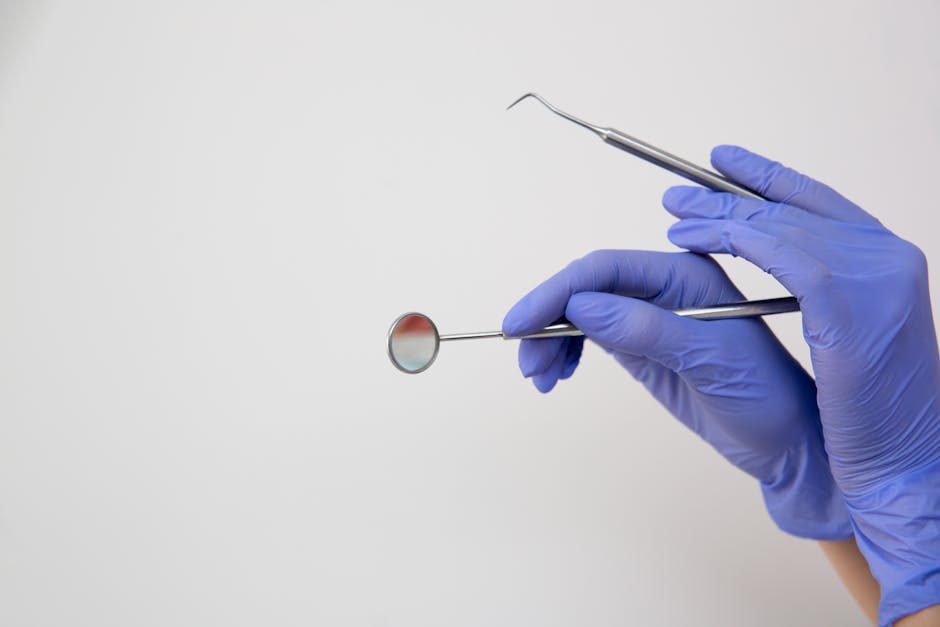
Importantly, microscopy does not replace tactile skill; it supports it. Training typically focuses on controlled hand movements, micro-instrument handling, and verifying canal direction using visual cues and angled mirrors.
4) Enhanced management of complications
When complications occur, visibility becomes non-negotiable. Microscope-assisted techniques are commonly applied for:
• locating and bypassing separated instruments (when feasible)
• ultrasonic troughing around posts or calcifications
• identifying perforation sites and evaluating repair margins
• micro-surgical endodontic procedures (in appropriate settings)
Microscopy can also improve documentation. High-quality images or recorded videos support case discussions, patient communication, and structured learning during continuing education.
Microscope + digital dentistry: a unified mindset
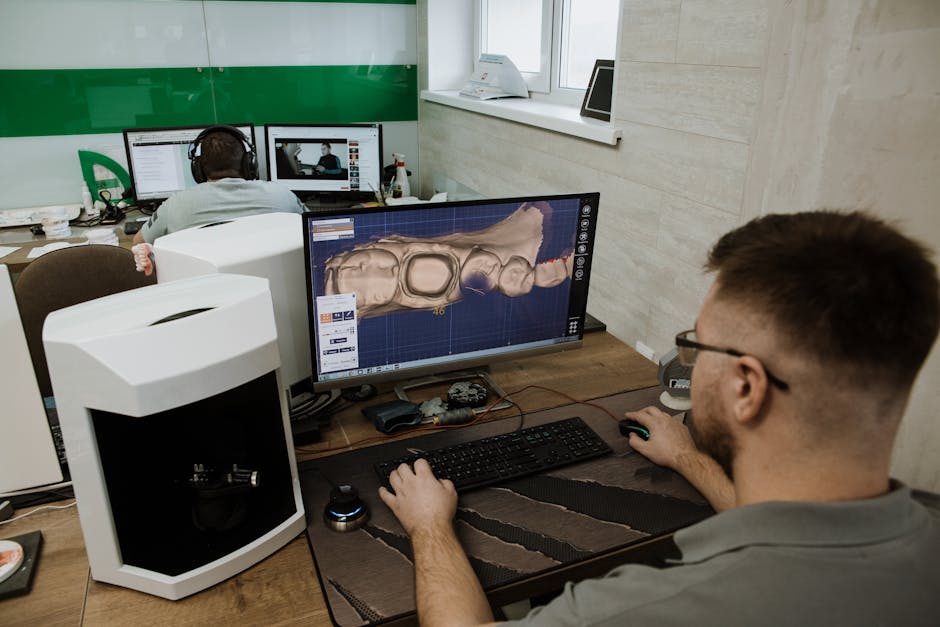
Endodontics is sometimes viewed as separate from digital workflows, yet the most predictable clinical environments often combine magnification with planning technologies. CBCT interpretation, digital restorative planning, and guided workflows all reflect the same principle: reduce uncertainty by improving visualization and control.
For example, when endodontically treated teeth are part of an aesthetic rehabilitation, digital planning can influence access strategy, core build-up design, and final emergence profiles. Clinicians interested in integrating aesthetics with digital planning may find value in Digital Dentistry for Laminate Veneer Planning: A Modern Smile Design Workflow, especially when endodontic considerations must align with minimal-prep restorative goals.
Clinical scenarios where microscopy is especially impactful
While many clinicians use a DOM routinely, there are certain cases where it can meaningfully change outcomes or referral decisions.
Maxillary molars and the MB2 question
Maxillary first molars are a classic example of “hidden complexity.” Locating and managing the MB2 canal can be difficult due to calcification, narrow isthmuses, and restorative changes. Under a DOM, troughing along the developmental groove between MB1 and palatal canals can be performed with greater precision and less dentin removal.
Mandibular incisors and unexpected canal patterns
Mandibular incisors may have two canals with a lingual canal that is easy to miss. Small access cavities and limited space make magnification and illumination particularly valuable, not only for locating the canal but also for controlling working field contamination.
Retreatment cases: the “restorative barrier”
Retreatment frequently starts with removing obstacles: composite, crowns, posts, separated instruments, or previous obturation material. Microscopy improves the safety of ultrasonic removal and helps clinicians evaluate whether the canal system is negotiable without excessive structural sacrifice.
Teeth planned as prosthodontic abutments
When a tooth is intended to support a prosthetic plan, endodontic quality becomes part of the prosthodontic risk assessment. The microscope can help achieve cleaner chamber debridement and more conservative access—both relevant when long-term ferrule and structural integrity matter.
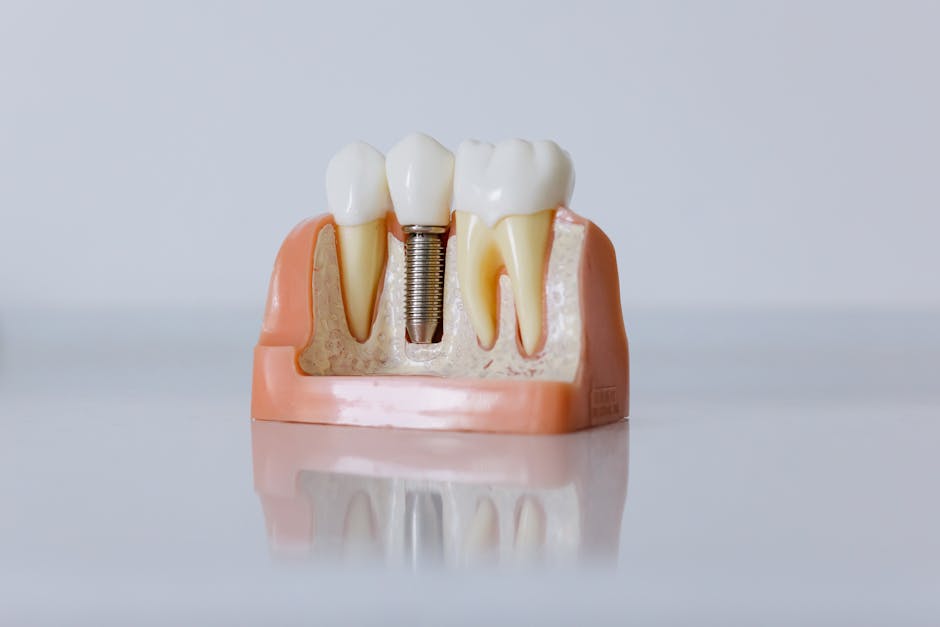
Similarly, implant and prosthetic workflows increasingly rely on digital precision. While implants are not “an alternative” to endodontics in every scenario, clinicians often evaluate both options in comprehensive treatment planning. For those exploring digital implant workflows, The Role of CAD/CAM Technology in Modern Implant Dentistry provides a useful overview of how digital systems support predictable restorative outcomes.
Training perspective: why microscopes require more than buying equipment
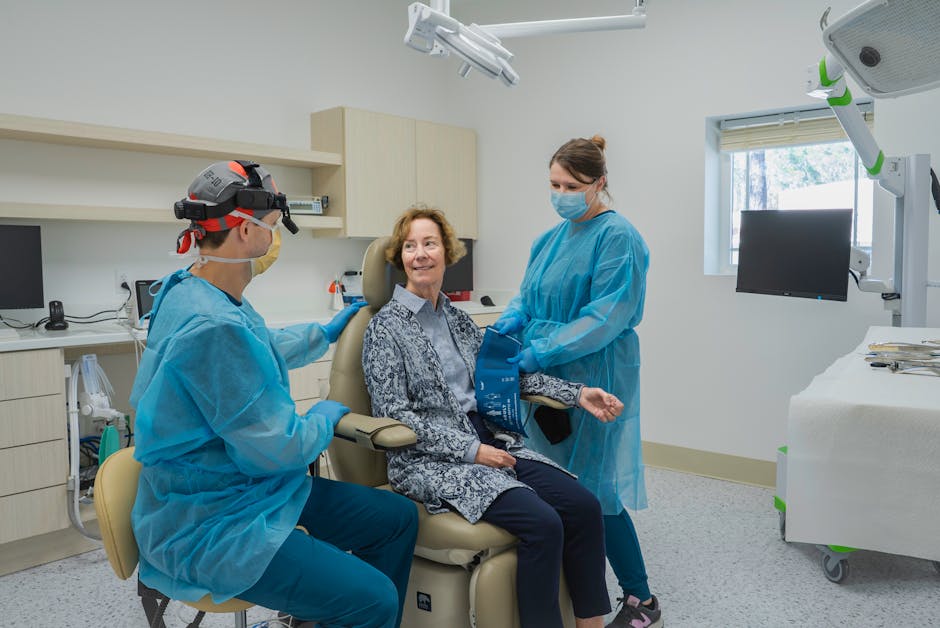
One of the most common misconceptions is that adopting a microscope automatically upgrades clinical results. In reality, proficiency with a DOM is a learned skill involving posture, mirror use, focus discipline, and micro-instrumentation. Without training, clinicians may experience longer appointments, neck/shoulder strain, or disorientation at higher magnifications.
Key competencies to develop
Ergonomics and positioning: learning operator and patient positioning to maintain a stable visual field and avoid fatigue.
Mirror-based vision: many canal orifices and chamber areas are best seen indirectly; mirror skills translate into better access refinement.
Lighting and magnification strategy: knowing when to use low vs high magnification—high magnification is not always ideal for navigation.
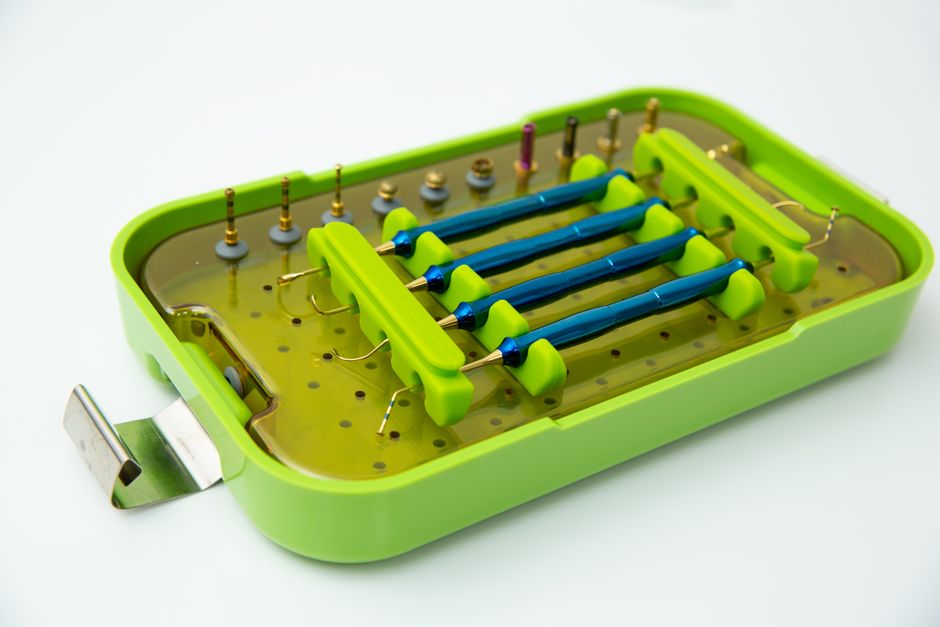
Ultrasonic control: delicate troughing and removal techniques demand controlled pressure and a clear visual target.
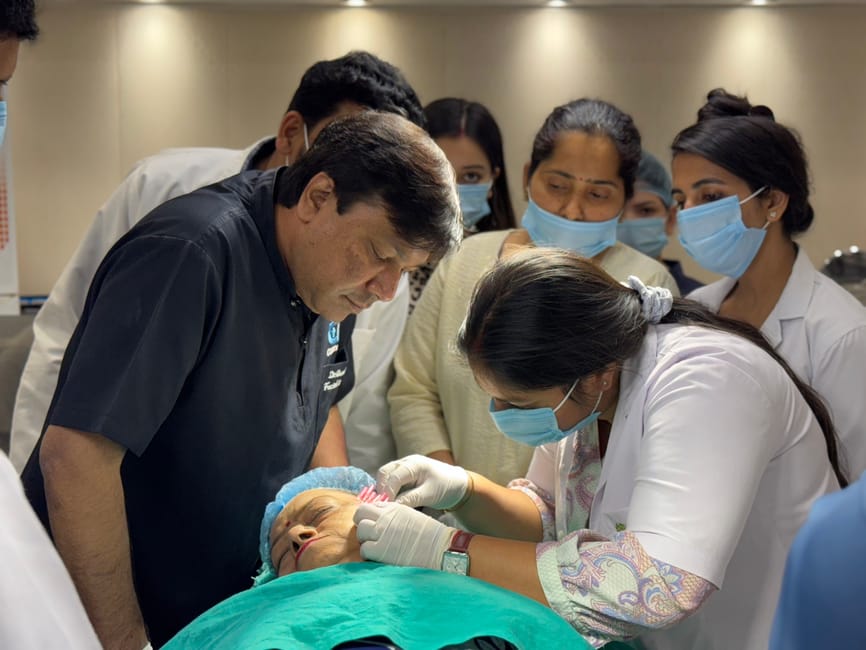
At Istanbul Dental Academy, hands-on education emphasizes transferring these skills to daily practice—through guided exercises, case-based discussions, and structured workflows that match real clinic conditions. For dental professionals seeking continuing education, microscopy training can be combined with endodontic decision-making and restorative planning to support comprehensive patient care.
Microscopy and case selection: knowing when to proceed or refer
Microscopes expand what is feasible, but they do not eliminate complexity. Responsible case selection remains essential, particularly in teeth with suspected vertical root fractures, advanced periodontal breakdown, or challenging retreatment scenarios where prognosis may be guarded.
Case selection is also a broader clinical skill across disciplines. In aesthetic dentistry, for example, selecting the right veneer candidate depends on enamel availability, occlusion, and restorative history. If you are refining your interdisciplinary planning, Case Selection for Porcelain Laminate Veneers: A Clinical Guide illustrates a structured approach that parallels endodontic thinking: diagnose thoroughly, plan conservatively, and match technique to biology.
Connecting endodontics to full-arch and implant planning
In advanced treatment planning, endodontics often intersects with implant dentistry—not as competing ideologies, but as complementary options. Some patients may transition from retaining strategic teeth to implant-supported rehabilitation, while others benefit from endodontic retreatment to maintain key abutments.
Digital planning has become central in these complex cases, especially for full-arch workflows where prosthetic endpoints drive surgical decisions. If your clinical pathway includes comprehensive planning and surgical-prosthetic coordination, Digital Planning for Full-Arch Implant Cases: A Modern Workflow for Predictable Outcomes is a practical resource for understanding how digital tools support predictability—an ethos that aligns closely with microscope-assisted precision in endodontics.
Practical takeaways for clinicians
Complex root canal anatomy is not a niche problem; it is a recurring clinical reality that influences outcomes, chair time, and patient satisfaction. The dental operating microscope supports better visualization, more conservative access, and safer management of complications—especially in calcified, retreatment, and anatomically variable cases.
For clinicians in Istanbul and international participants visiting Turkey for continuing dental education, structured microscope training can shorten the learning curve and improve confidence. At Istanbul Dental Academy, our hands-on courses aim to bridge theory and clinical execution by focusing on reproducible protocols, ergonomic technique, and real-world decision-making.
This content is for educational purposes only and does not replace individualized diagnosis or treatment planning by a qualified dental professional.
Diğer Yazılar