
BLOG
Dry Mouth (Xerostomia): Causes, Risks, and Clinical Implications
Dry Mouth (Xerostomia) in Daily Practice
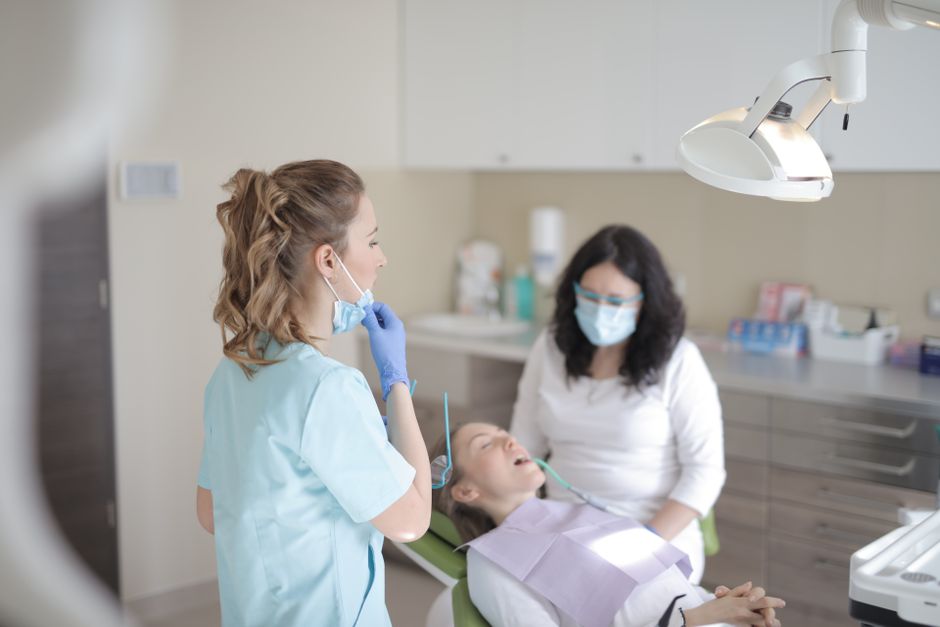
Dry mouth—clinically referred to as xerostomia—describes the subjective feeling of oral dryness, often (but not always) linked to objectively reduced salivary flow (hyposalivation). In Istanbul’s fast-paced urban life, dentists frequently meet patients who report burning sensations, difficulty speaking for long periods, persistent thirst, altered taste, or problems wearing prostheses. For dental professionals and students, xerostomia is a high-impact “small complaint”: it can quietly undermine preventive plans, restorative longevity, and patient comfort across multiple disciplines.
This article is for educational purposes and aims to help clinicians connect saliva physiology to risk-based dentistry—particularly in restorative dentistry, prosthodontics, periodontology, endodontics, and implant workflows. At Istanbul Dental Academy, xerostomia is also discussed within hands-on continuing dental education modules because it directly affects material selection, adhesion strategies, soft-tissue management, and long-term maintenance protocols.
Why Saliva Matters: Protective Functions You Can’t Replace Easily
Saliva is not just “moisture.” It is a complex fluid supporting oral homeostasis through multiple mechanisms:
Buffering and remineralisation: Bicarbonate buffers acids, while calcium and phosphate help reverse early demineralisation. Low flow reduces the oral buffering capacity and increases demineralisation risk.
Antimicrobial action: Salivary proteins and immunoglobulins modulate microbial adhesion and growth, influencing caries and candidiasis risk.
Lubrication and tissue protection: Mucins and proteins form a protective film that reduces friction, supports speech, swallowing, and denture tolerance.
Wound healing and comfort: Saliva contributes to mucosal integrity and may influence post-operative comfort and soft-tissue resilience.
Common Causes of Dry Mouth: A Clinician-Focused Overview
Xerostomia is multifactorial. A structured history and examination help differentiate subjective dryness from true hyposalivation and identify reversible contributors.
1) Medications (Most Common in Routine Practice)
Many drug classes reduce salivary flow via anticholinergic or sympathomimetic effects. Common groups include antidepressants, anxiolytics, antihistamines, antihypertensives, diuretics, and some analgesics. Polypharmacy and dose escalation are key red flags—particularly in older patients or medically complex cases.
2) Systemic Conditions and Autoimmune Disease
Systemic contributors may include diabetes, thyroid disorders, depression/anxiety-related autonomic changes, and autoimmune conditions such as Sjögren’s syndrome. From a dental standpoint, the goal is not to diagnose systemic disease chairside, but to recognise patterns (persistent dry eyes + dry mouth, recurrent parotid swelling, rampant caries) and refer appropriately.
3) Cancer Therapy (Head and Neck Radiotherapy, Chemotherapy)
Radiation-induced salivary gland hypofunction can be profound and long-lasting. These patients may develop rapid cervical caries, mucositis, taste changes, and significant quality-of-life impairment. They often require high-intensity preventive and restorative planning.
4) Lifestyle and Environmental Factors
Caffeine, alcohol, tobacco use, mouth breathing, dehydration, and low humidity environments can worsen symptoms. Sleep-related mouth breathing and snoring are common patient-reported clues.
5) Local Factors and Iatrogenic Contributors
Salivary duct obstruction, gland pathology, and extensive oral surgical history can contribute. Additionally, some patients develop “perceived dryness” due to mucosal changes, anxiety, or altered oral sensation even when flow rates are within a borderline range.
What Saliva Deficiency Damages: Clinical Risks Across Dentistry
Hyposalivation reshapes the oral ecosystem. For clinicians, it changes how you assess risk, select materials, and plan follow-up.
Caries and Erosion: A Shift Toward High-Risk Dentistry
Patients with low salivary flow frequently present with unusual caries patterns—root caries, cervical lesions, and rapid progression around restoration margins. Acidity challenges also amplify erosive tooth wear. These realities tie directly into restorative decisions, including whether to choose direct or indirect approaches and how to design margins for long-term maintenance. For a deeper decision-making framework, see direct vs indirect posterior restorations and modern clinical workflows, which becomes especially relevant when xerostomia increases failure risk around margins and contacts.
Mucosal Symptoms: Burning, Ulceration, and Candidiasis
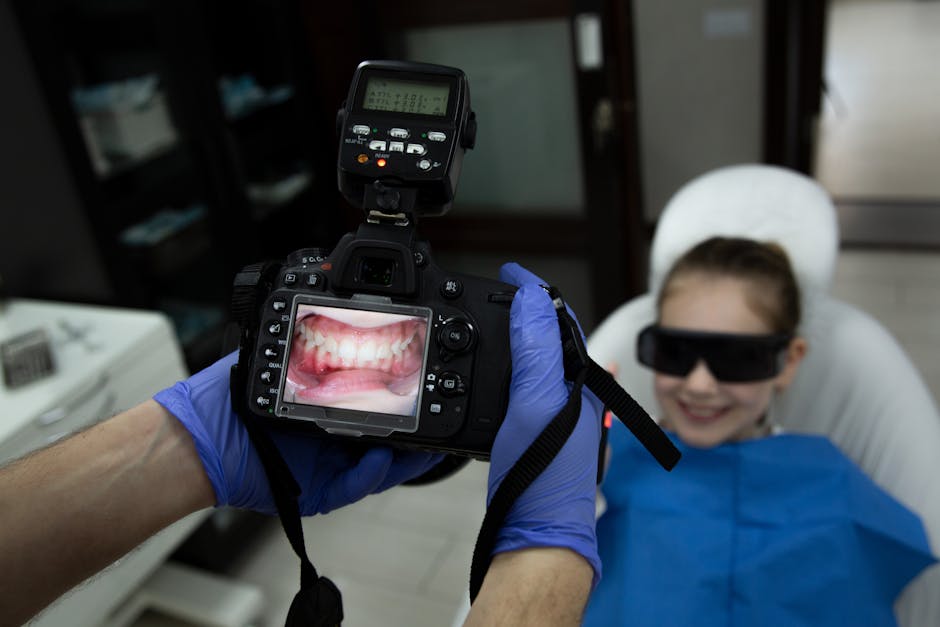
Dry mouth can create friction-related trauma and a burning sensation, especially on the tongue and palate. Reduced antimicrobial activity increases susceptibility to fungal overgrowth in predisposed patients. Clinically, look for erythema, angular cheilitis, removable white plaques, and soreness under prostheses. A careful mucosal exam and documentation (including photos) can be valuable for baseline comparison and interdisciplinary referral.
Periodontal and Peri-Implant Considerations
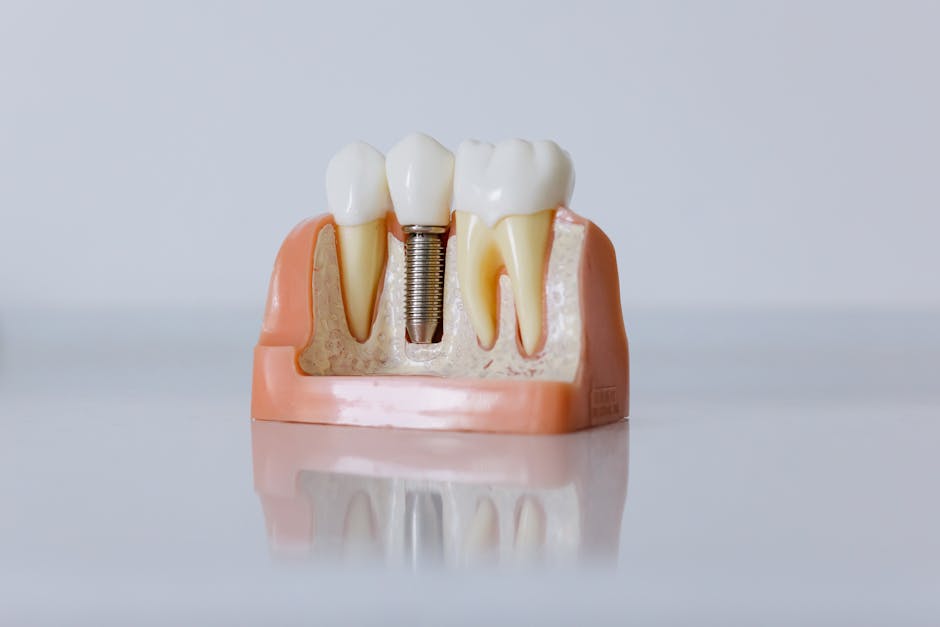
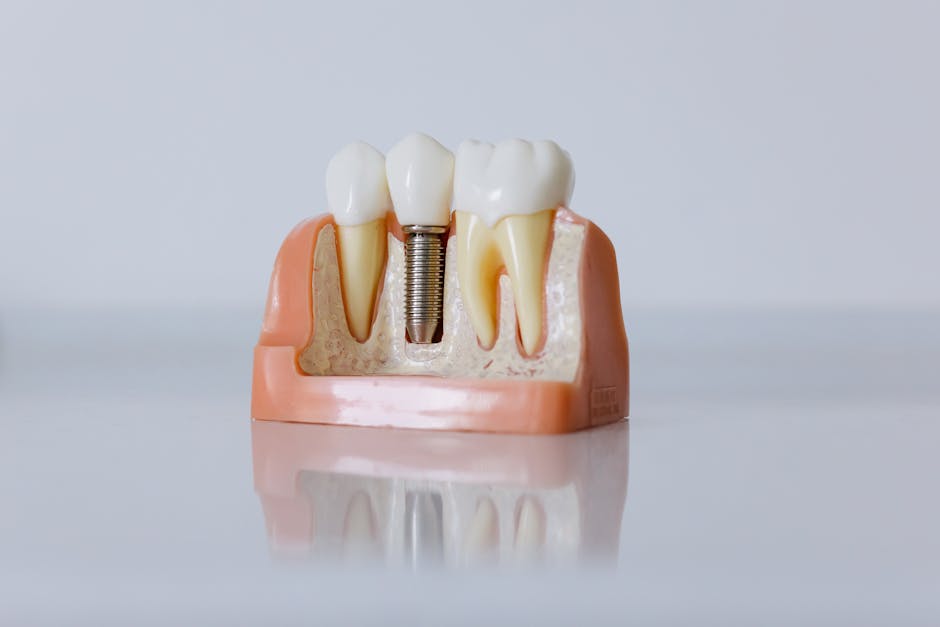
Saliva supports plaque clearance and mucosal resilience. While xerostomia is not a sole “cause” of periodontitis, it can complicate plaque control and exacerbate inflammation in susceptible patients. In implant dentistry, dry mouth may affect comfort, hygiene adherence, and mucosal health around restorations. Prosthetic design becomes more critical when lubrication is limited: contours, cleansability, and passive seating can influence the patient’s ability to maintain peri-implant tissues.
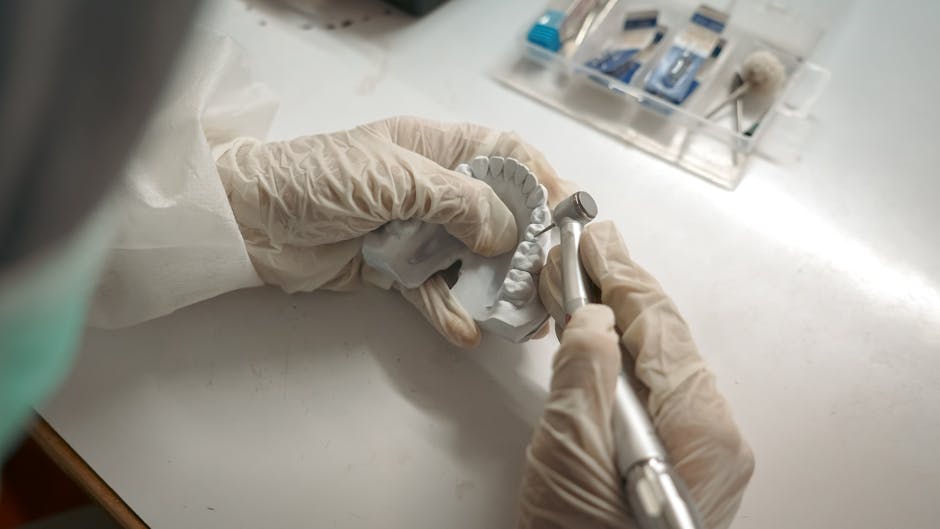
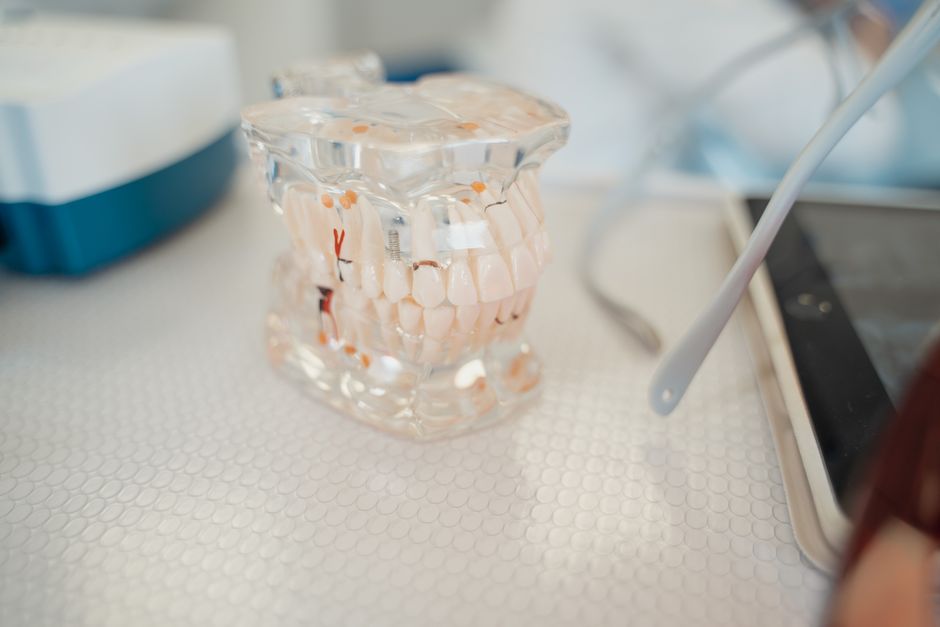
When planning implant-supported prostheses, precise fit and cleansable contours are important for long-term maintenance—particularly in patients with compromised oral lubrication. Istanbul Dental Academy frequently links these topics in implant prosthodontics education, and the clinical-lab interface is well illustrated in achieving passive fit in implant-supported prostheses: clinical and lab strategies.
Prosthodontics: Dentures, Speech, and Retention Challenges
Patients with significant dryness may struggle with denture retention, soreness, and difficulty speaking or swallowing. The salivary film that normally supports adhesion and comfort is diminished. This can influence decisions on occlusion, border molding expectations, and patient counselling regarding adaptation and maintenance frequency.
Endodontics and Sensitivity: When Symptoms Overlap
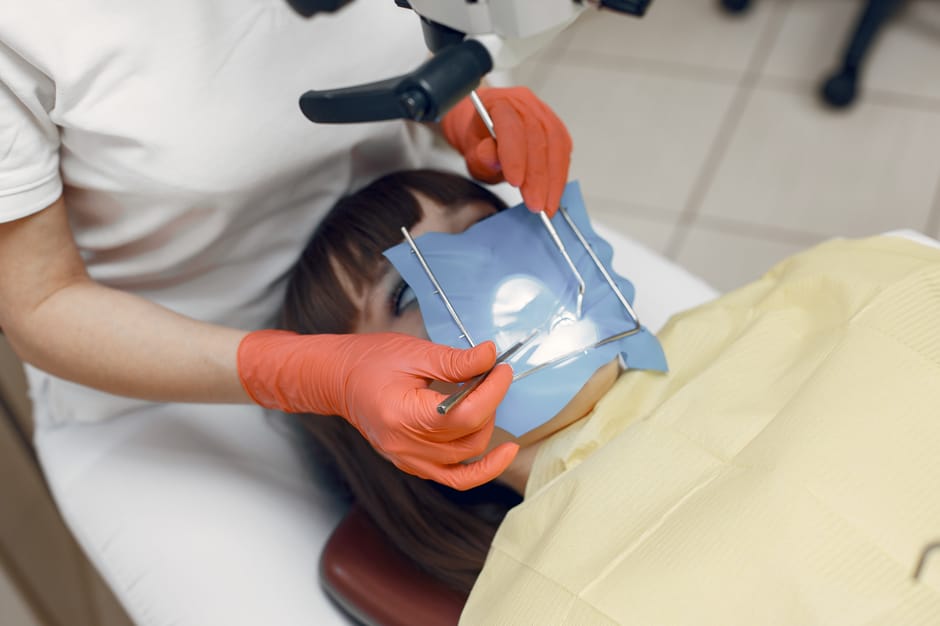
Xerostomia can increase sensitivity and make patients more aware of minor irritations. In parallel, deep caries risk rises—bringing more teeth into endodontic treatment planning. For complex cases, magnification and illumination support conservative access and canal negotiation. The workflow perspective is discussed in dental operating microscope use in complex root canal anatomy, a topic that becomes increasingly relevant when xerostomia-driven caries accelerates pulpal involvement.
Dry Mouth and Aesthetic Dentistry: Veneers, Smile Design, and Expectations
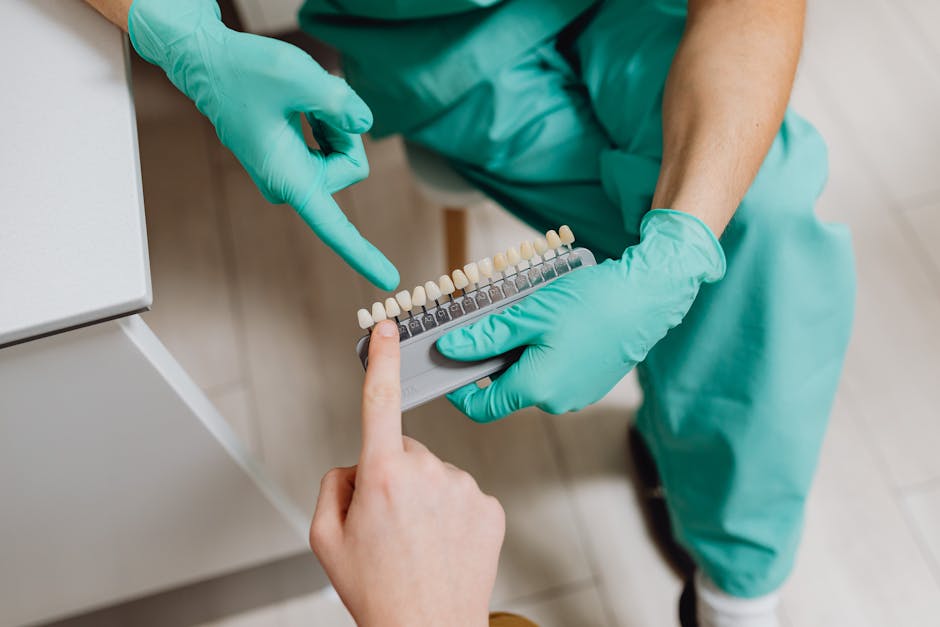
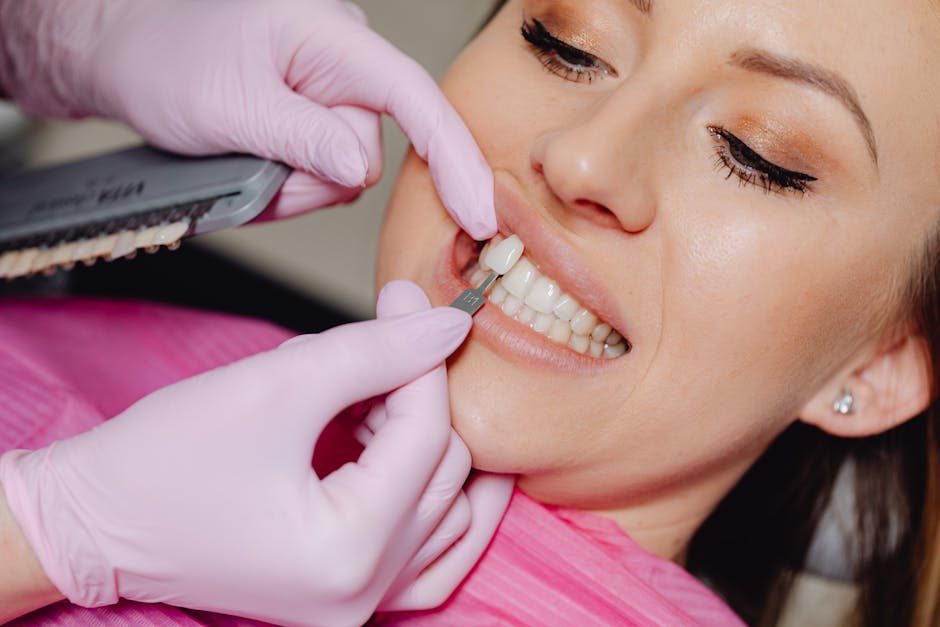
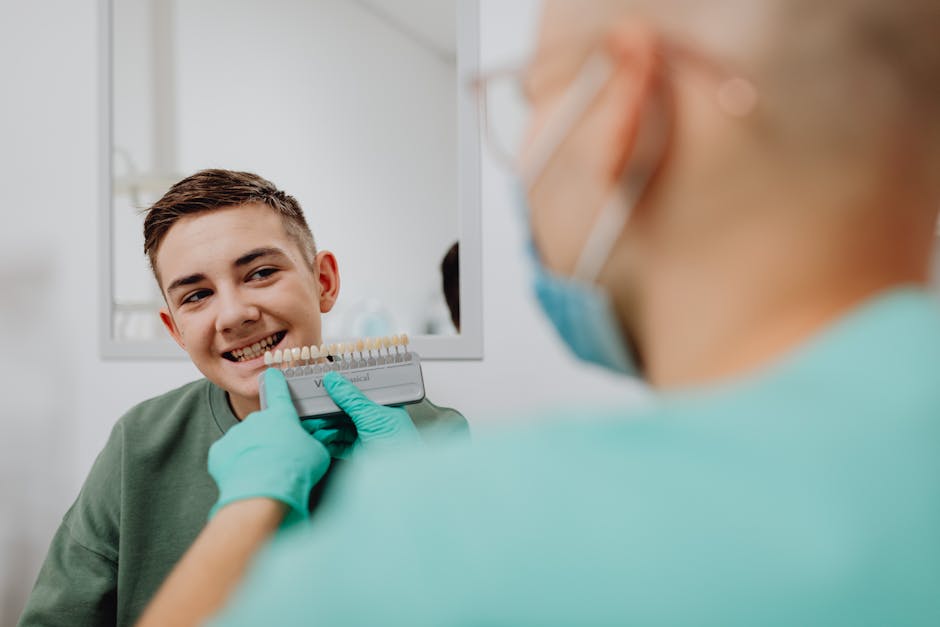
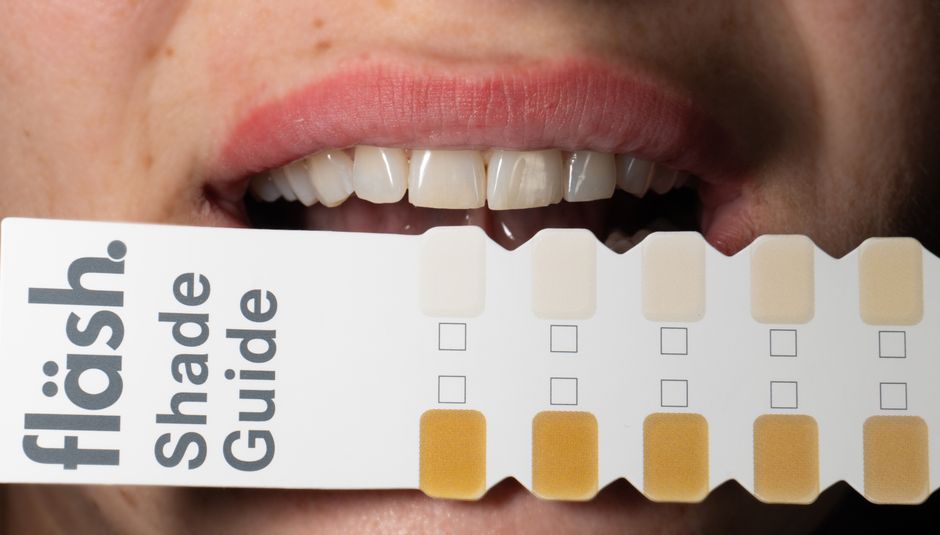
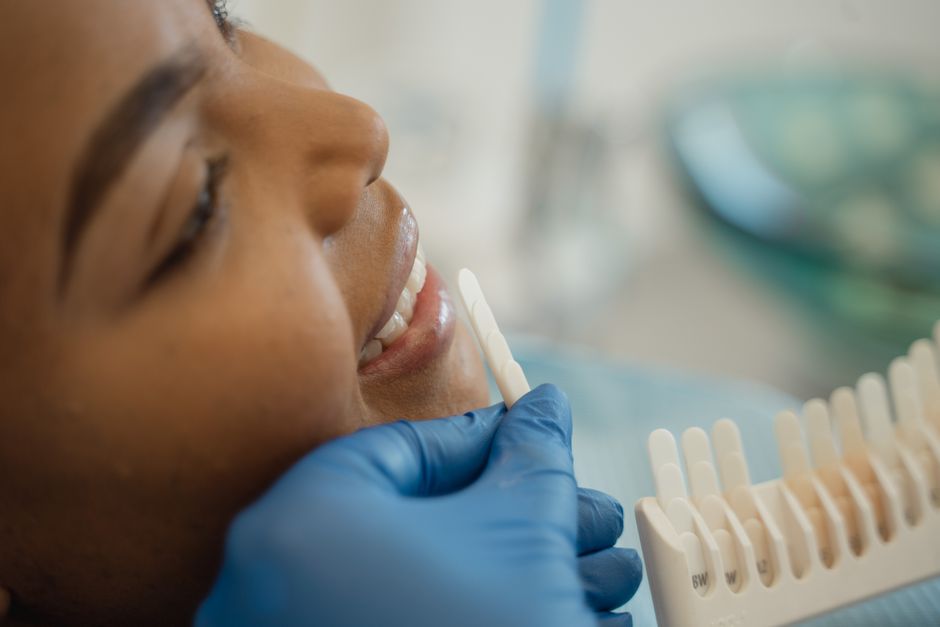
Patients pursuing smile makeovers may not mention dryness unless asked directly. Yet xerostomia can influence shade perception (dehydrated enamel appears lighter temporarily), comfort during long sessions, and plaque accumulation near margins—especially if homecare becomes difficult. In veneer and smile design planning, risk-based education matters: aesthetics should be balanced with a preventive strategy and realistic maintenance intervals.
In popular culture, patients may request a dramatic transformation without recognising their underlying risk factors. If you are aligning aesthetic workflows with oral health fundamentals, what a Hollywood Smile is and the clinical workflow behind it provides a useful overview that can be reframed through the lens of dry mouth, hygiene, and long-term stability.
Special Enamel Conditions: When Saliva Deficiency Adds to Structural Risk
Not every “high caries” patient is only experiencing dry mouth. Developmental enamel defects may coexist and multiply risk. In patients with enamel fragility, saliva becomes even more crucial for buffering and remineralisation support. Where enamel is compromised, the restorative strategy must consider bonding predictability, coverage decisions, and protective occlusal concepts.
For a focused discussion of enamel development disorders and restorative implications, see amelogenesis imperfecta and how it affects teeth. In clinical education, comparing such cases with xerostomia-driven demineralisation helps clinicians build stronger differential thinking and treatment sequencing.
Clinical Evaluation: History, Examination, and Documentation
A practical xerostomia workup is often straightforward but should be systematic:
Targeted history: onset and timing (day vs night), medication list changes, caffeine/alcohol intake, smoking, mouth breathing, systemic symptoms (dry eyes, fatigue), and history of radiotherapy.
Symptom mapping: difficulty swallowing dry foods, need to sip water at night, taste changes, burning, denture intolerance, recurrent caries.
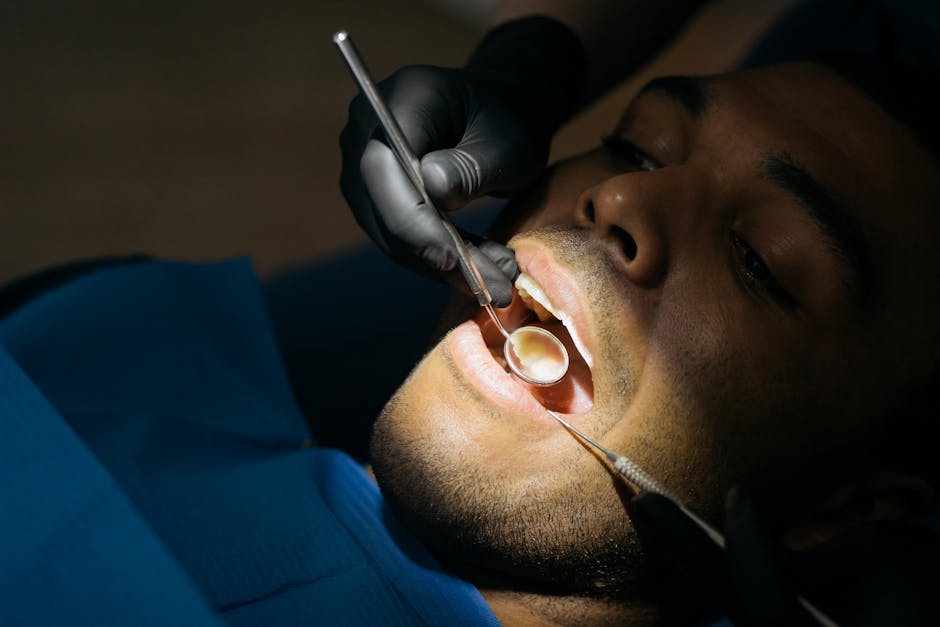
Clinical signs: dry/cracked lips, lack of salivary pooling in the floor of the mouth, stringy saliva, erythematous mucosa, plaque accumulation patterns, cervical/root caries, and fungal indicators.
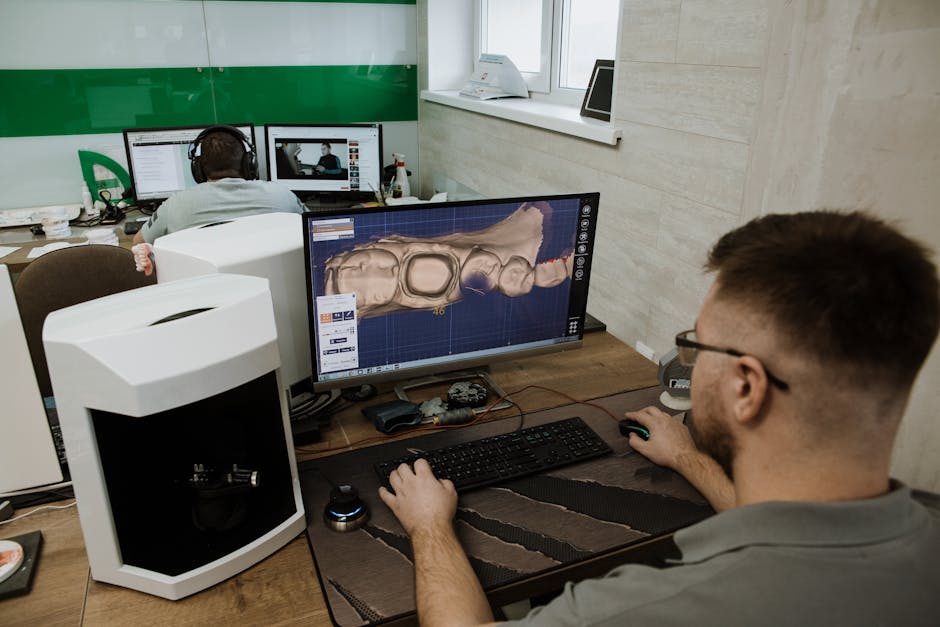
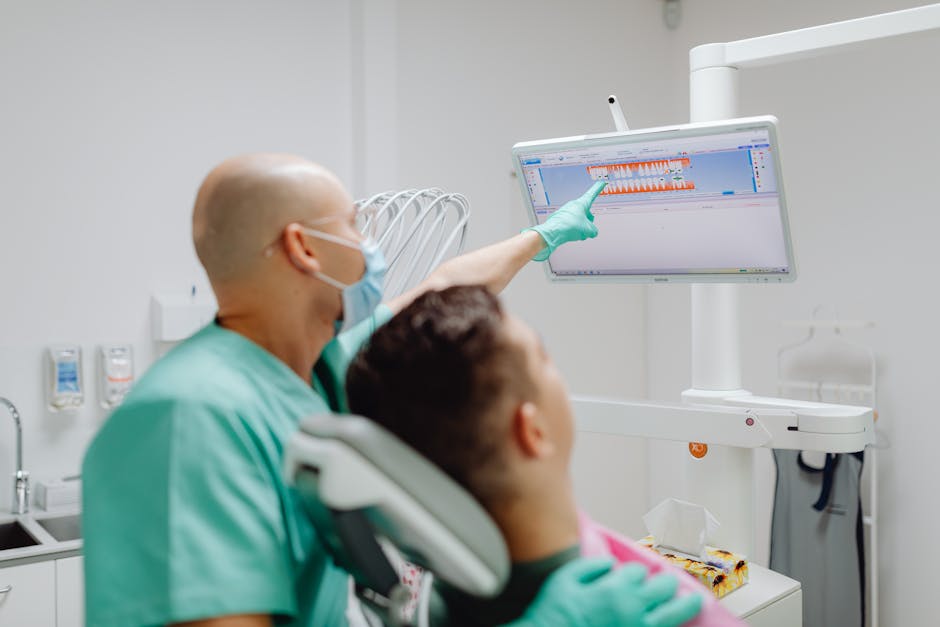
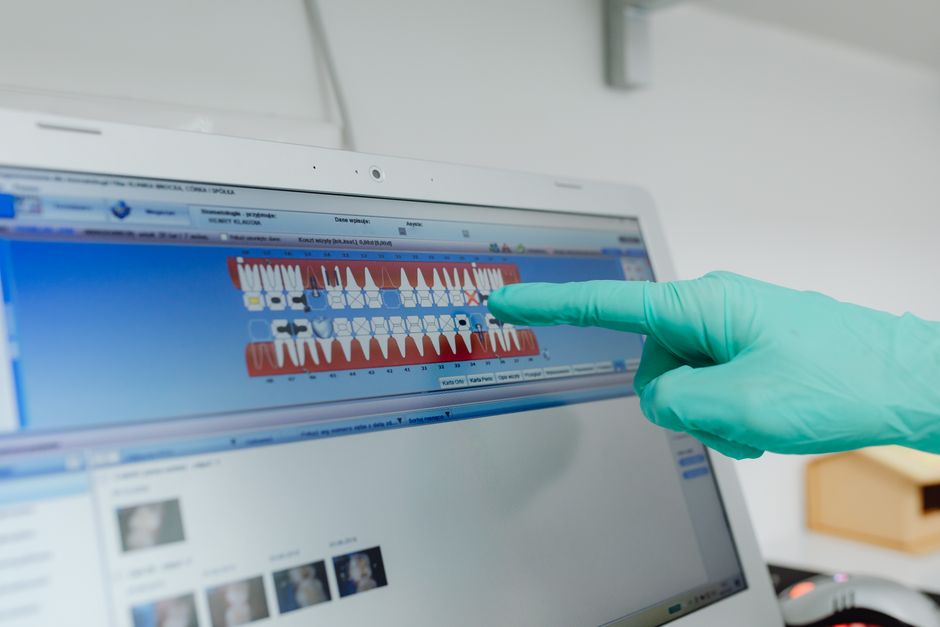
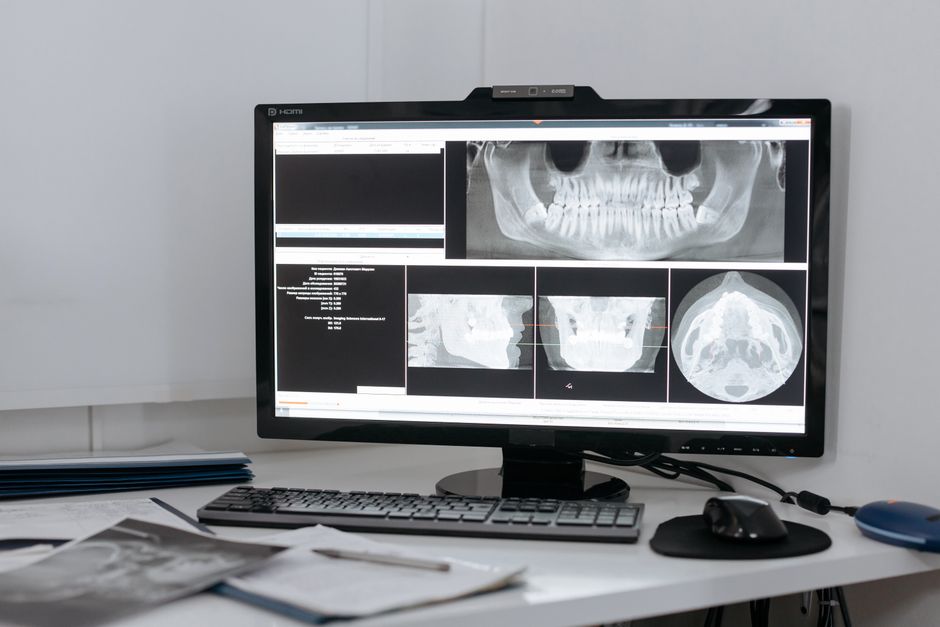
Risk documentation: baseline intraoral photos and caries charting support monitoring and patient communication. In digital dentistry settings, scans can help track wear or gingival contour changes over time.
Management Principles (Educational Overview, Not Individual Treatment Advice)
This content is for educational purposes and does not replace personalised clinical judgement or medical consultation. That said, the management of dry mouth typically follows a risk-based, multidisciplinary pathway:
Address modifiable factors: hydration habits, reducing irritants (as appropriate), and discussing medication-related dryness with the patient’s physician when indicated.
Support caries prevention: tailored recall intervals, high-caries-risk protocols, and close monitoring of margin integrity.
Improve comfort and function: saliva substitutes, lubricating strategies, and prosthesis adjustments where needed.
Reinforce homecare: customised hygiene instruction and realistic goals—especially for elderly or medically complex patients.
How Istanbul Dental Academy Integrates Xerostomia into Hands-On Training
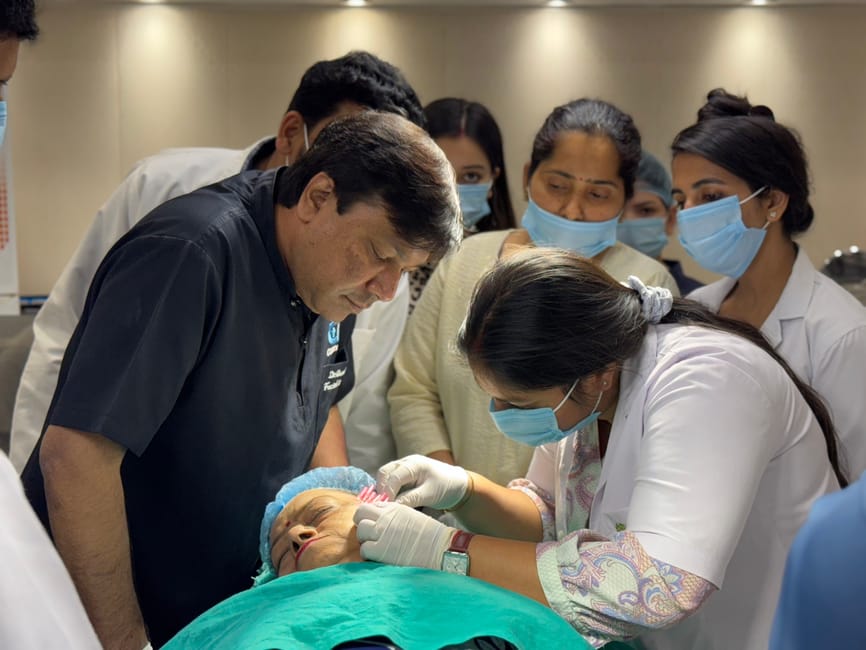
Dry mouth is not an isolated topic; it changes the clinical “rules” across disciplines. In continuing dental education, participants benefit from seeing how risk assessment modifies planning in restorative dentistry, prosthodontics, endodontics, and implant prosthetics. At Istanbul Dental Academy, our hands-on approach emphasises clinical reasoning—how to adjust preparation design, margin placement, adhesive protocols, and maintenance schedules when salivary protection is reduced.
Because xerostomia often reveals itself through rapid restorative breakdown, recurrent caries, discomfort with prostheses, or hygiene challenges around implants, it becomes a practical theme that connects patient communication to long-term outcomes. By training with real-world workflows—digital documentation, photographic records, and step-by-step clinical protocols—clinicians can build more predictable strategies for complex, high-risk patients.
Key Takeaways
Xerostomia is common, multifactorial, and clinically significant. Reduced saliva can increase caries activity, mucosal discomfort, and restorative complications while challenging prosthodontic comfort and peri-implant maintenance. For dental professionals, the goal is to identify the pattern early, document risk consistently, and integrate prevention and material/design choices into a personalised care plan. Ongoing education and hands-on training can help clinicians apply these principles across modern workflows—from posterior restorations to implant prosthetics and smile design.
Diğer Yazılar