
BLOG
When to Choose Onlay vs Overlay Restorations: Clinical Decision-Making
Onlay and Overlay Restorations: Why the Choice Matters
In contemporary restorative dentistry, the decision between an onlay and an overlay is rarely about “which is better” and more about “which is more appropriate” for a specific tooth, patient, and risk profile. Both options can be conservative alternatives to full-coverage crowns, particularly when a posterior tooth has moderate-to-extensive loss of structure but still has enough sound enamel/dentin to support adhesive dentistry.
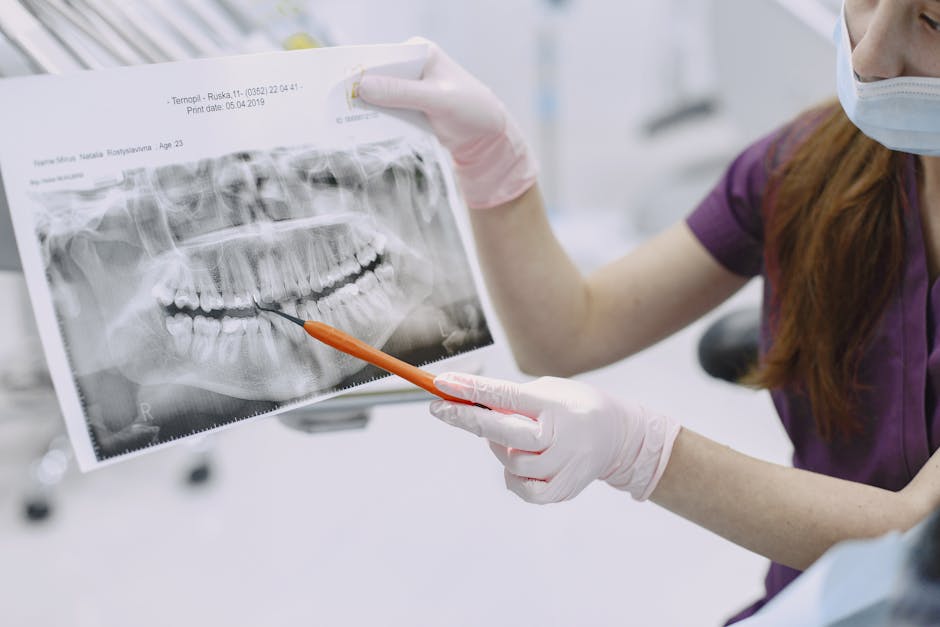
At Istanbul Dental Academy, we frequently see that predictable outcomes are tied to a clear diagnostic workflow: caries and crack assessment, occlusal analysis, periodontal evaluation, and a material-selection strategy that matches functional demands. This content is for educational purposes and is not a substitute for individualized clinical judgment or patient-specific treatment planning.
Definitions in Practical Terms
What is an onlay?
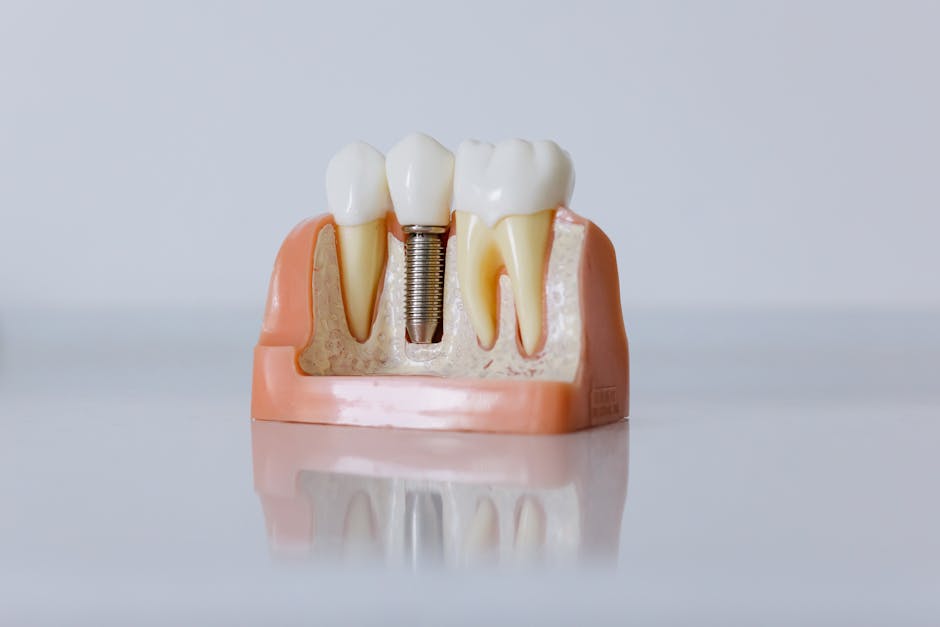
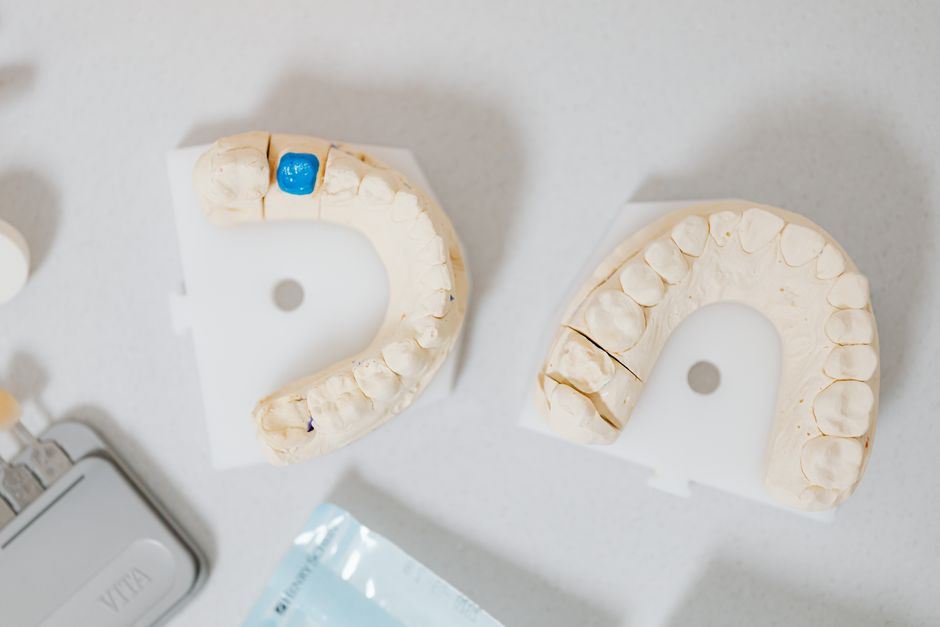
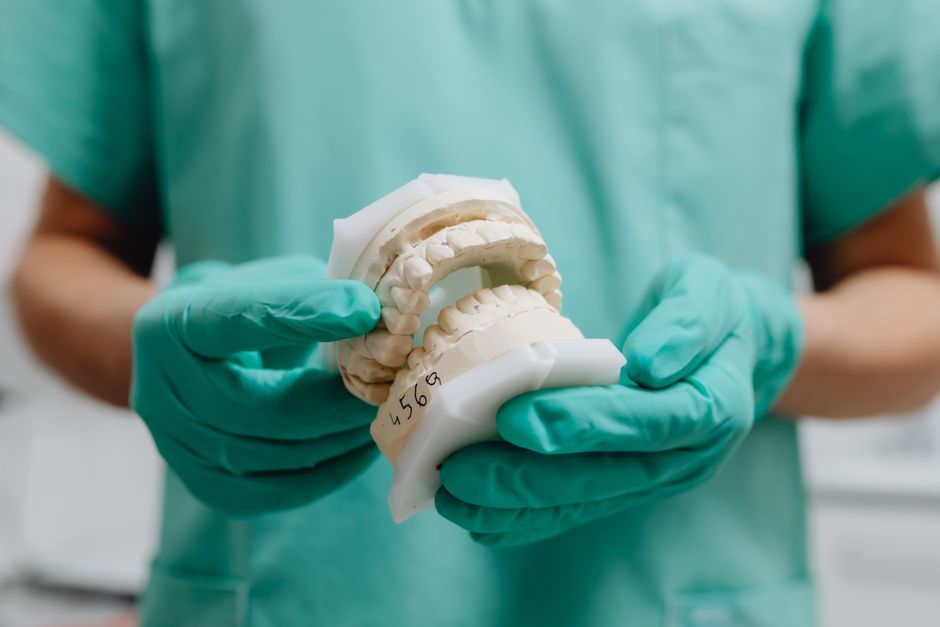
An onlay is an indirect restoration that typically covers one or more cusps and restores occlusal anatomy, while leaving some enamel walls (and often at least one cusp) intact. Many clinicians think of an onlay as an “extended inlay” that adds cusp coverage where needed.
What is an overlay?
An overlay generally provides broader coverage of the occlusal surface and may cover most or all cusps. In day-to-day practice, overlays are often used when the entire occlusal table requires reconstruction—such as in heavily restored teeth, generalized wear cases, or when cuspal support is compromised across the tooth.
Onlay vs overlay: the key concept
Functionally, the distinction is about how much cuspal coverage and occlusal reconstruction is required to protect the tooth and distribute load. Clinically, that decision is driven by remaining tooth structure, crack risk, occlusion, and the restorative material’s performance in thin sections.
When an Onlay May Be Preferred
Onlays are often considered when you need to reinforce one or more weakened cusps but can still preserve portions of the tooth’s axial walls and maintain a conservative preparation. Common scenarios include:
1) Localized cuspal weakness after caries removal or fracture
If caries or a small fracture undermines one cusp, covering that cusp with an onlay can reduce the risk of future cusp fracture while preserving the remaining sound structure.
2) Replacement of large restorations with selective cusp coverage
Many posterior teeth present with existing large composite/amalgam restorations and marginal breakdown. If only certain cusps are at risk (e.g., thin functional cusps), an onlay can be a targeted solution.
3) Favorable occlusal scheme and manageable functional load
Patients without heavy parafunction and with stable posterior contacts may be good candidates for an onlay, assuming proper thickness and adhesive protocol.
4) When isolation and bonding are predictable
Because indirect adhesive restorations rely heavily on bonding, case selection often hinges on whether isolation is achievable and whether sufficient enamel is available for reliable adhesion.
When an Overlay May Be Preferred
Overlays become more compelling as the tooth’s occlusal table and cusps require more comprehensive reconstruction.
1) Global occlusal wear or loss of vertical support in the tooth
In moderate-to-severe wear cases, an overlay can re-establish occlusal anatomy more comprehensively than a selective onlay. This is particularly relevant when planning is part of a broader smile design or full-mouth rehabilitation pathway.
2) Multiple cusps compromised or thin
If several cusps are undermined, cracked, or reduced to thin enamel shells, a broader coverage design can reduce biomechanical risk—provided the preparation respects adhesive principles and material thickness requirements.
3) Need to reorganize occlusion on that tooth
When you need to alter occlusal contacts, cusp inclines, or functional pathways, overlays can offer more design freedom—especially in digitally planned cases.
4) Heavily restored teeth that still do not warrant a full crown
Some teeth do not have the ferrule or circumferential structure ideal for traditional full crowns, yet still offer adequate bonding surfaces. An overlay can be a middle ground—less aggressive than a full crown while offering more protective coverage than an onlay.
Clinical Decision Criteria: A Step-by-Step Framework
Remaining tooth structure and cusp integrity
Start by mapping which cusps are compromised (functional vs non-functional) and how much dentin is exposed. If only one or two cusps need reinforcement, onlay designs may suffice; if the entire occlusal table is structurally compromised, an overlay is often more logical.
Cracks, symptoms, and pulpal status
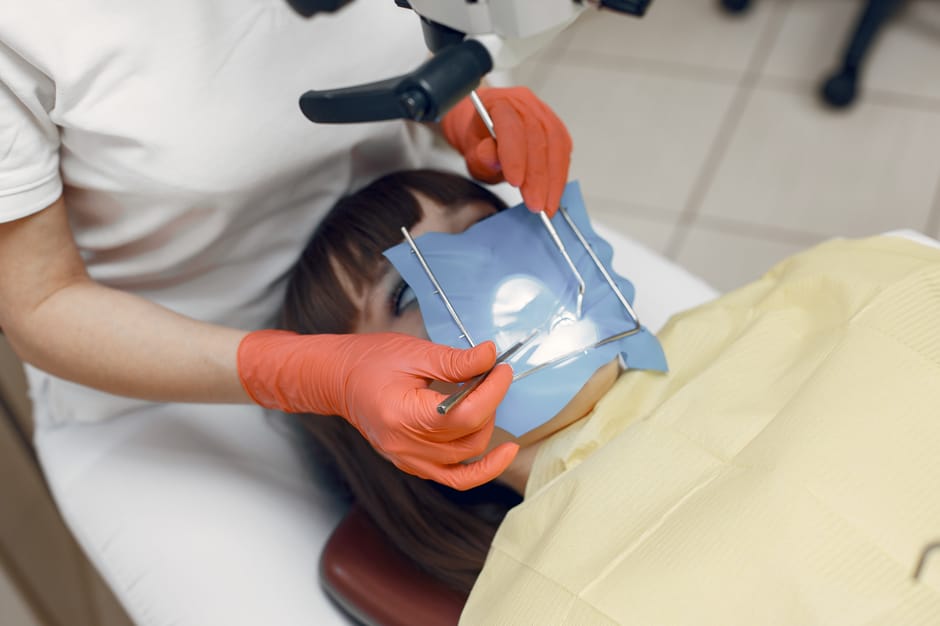
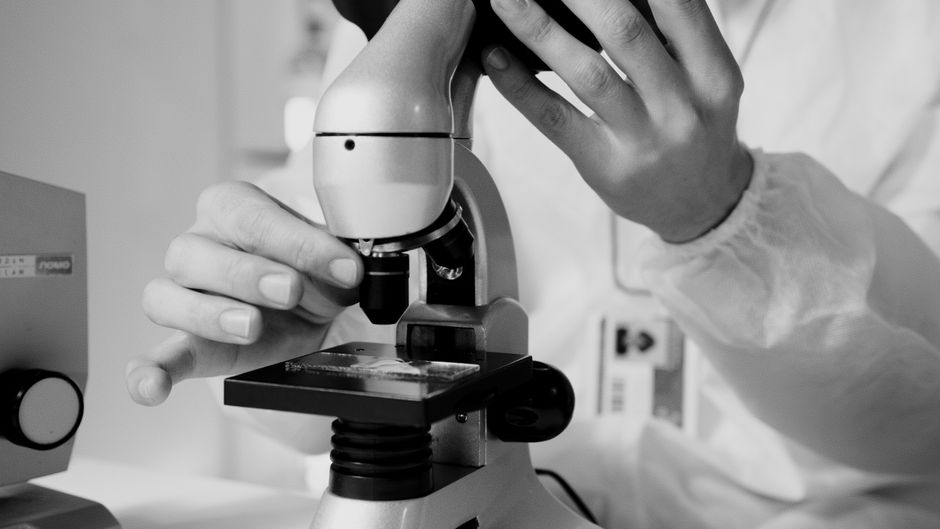
Cracked tooth patterns require cautious assessment. Bite tests, transillumination, and high-magnification evaluation can influence whether cusp coverage should be limited or comprehensive. When endodontic considerations exist, visual control becomes central; for related reading on enhanced visualization, see how operating microscopes support modern endodontic decision-making.
Occlusion and parafunction
Evaluate guidance, interferences, and signs of bruxism (wear facets, fractures, hypertrophy). Parafunction may push you toward designs with broader coverage and materials with proven strength and fatigue resistance, alongside protective strategies such as occlusal splints (when clinically appropriate).

Periodontal and soft-tissue conditions
Adhesive indirect restorations benefit from stable gingival tissues, clean margins, and predictable isolation. Acute periodontal conditions may complicate impressions/scanning and bonding. If you are reviewing differential diagnosis in inflammatory gingival lesions, the clinical overview in this guide to necrotizing ulcerative gingivitis (NUG) can help contextualize how soft-tissue status influences restorative sequencing.
Margin placement and isolation feasibility
Whenever possible, supragingival margins improve cleanliness, scanning, and bonding control. If subgingival margins are unavoidable, consider whether soft-tissue management, retraction, or crown lengthening is required—and whether an indirect adhesive approach remains predictable.
Material Selection: Ceramics, Composites, and Hybrids
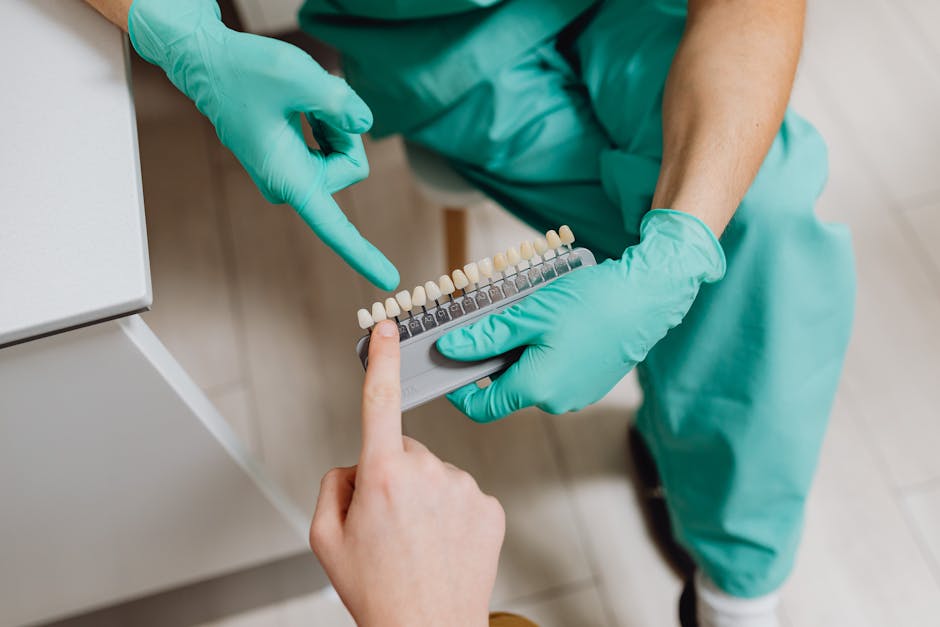
Glass ceramics (e.g., lithium disilicate)
Glass ceramics are popular for onlays/overlays due to esthetics, adhesive bonding capability, and clinical track record. They typically require adequate thickness and a robust adhesive protocol to reduce fracture risk.
Monolithic zirconia
Zirconia may be considered for high-load situations, but bonding protocols differ and margin/occlusal design require careful planning. It can be especially relevant when restorative planning is coordinated with implant prosthodontics. For a digital workflow perspective, explore the role of CAD/CAM technology in modern implant dentistry, as many of the same scanning, design, and milling principles apply to indirect restorations.
Indirect composite and hybrid ceramics
Indirect composites and hybrid ceramics may offer stress distribution benefits and easier repairability, though long-term wear and surface maintenance should be considered in case selection. Their performance is closely tied to occlusal scheme and finishing/polishing quality.
Digital Dentistry Workflow: Where Onlays and Overlays Shine
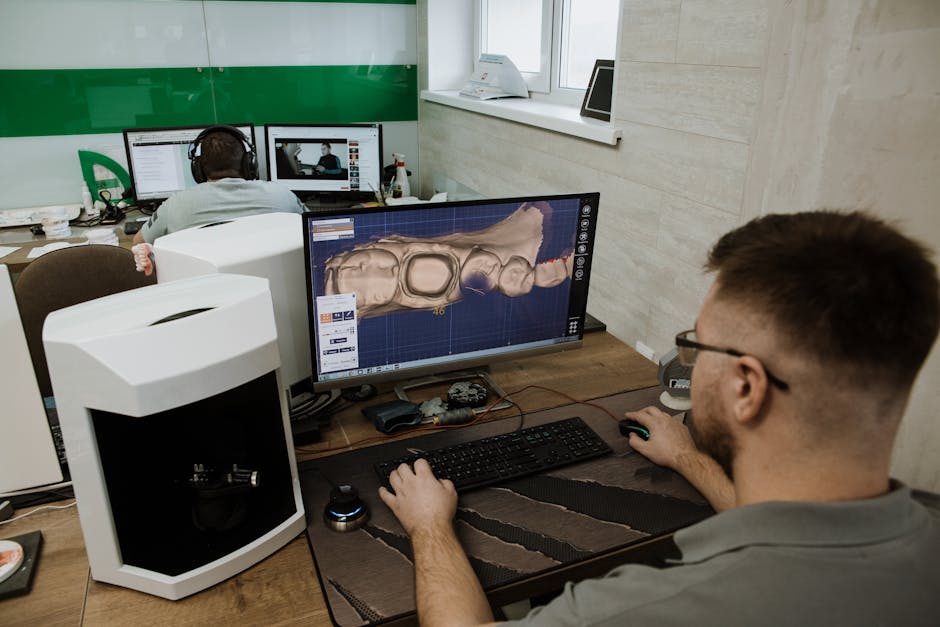
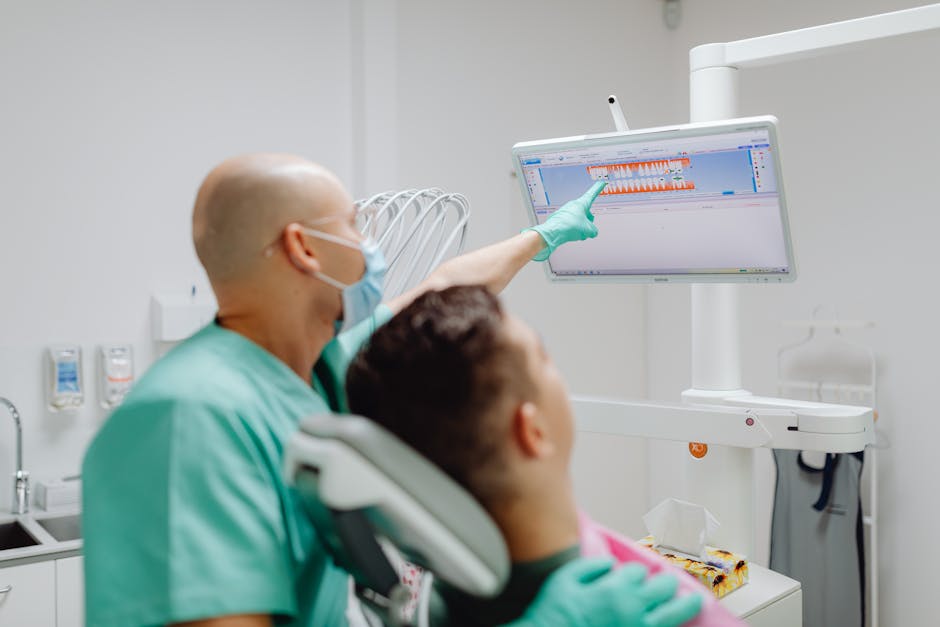
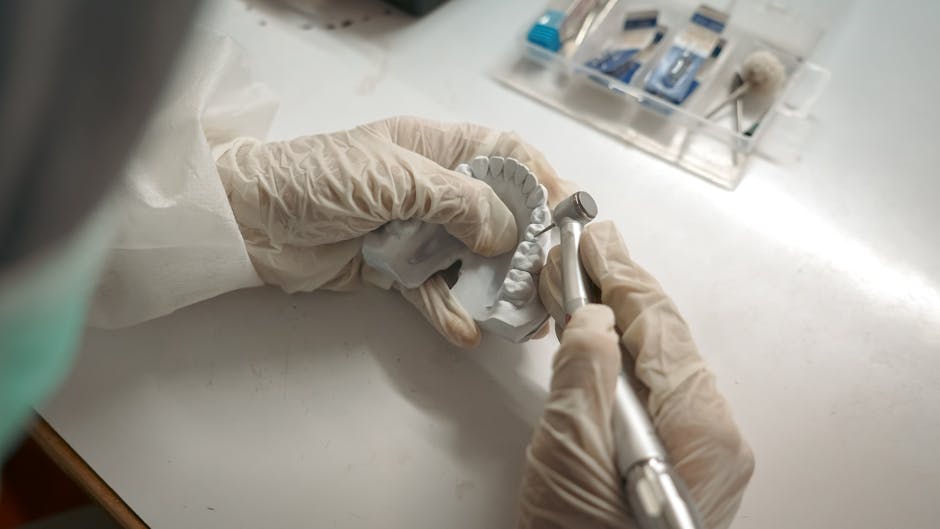
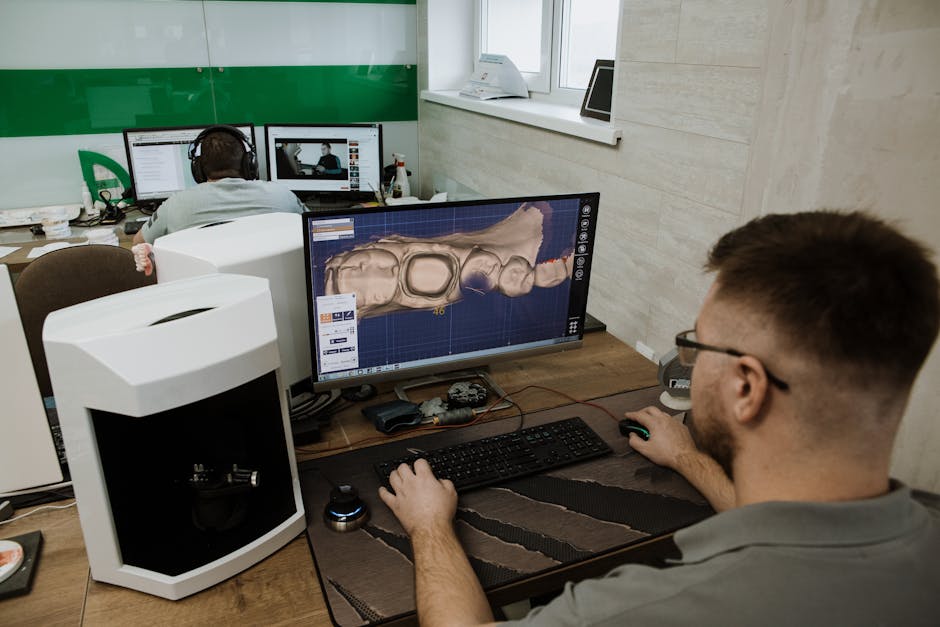
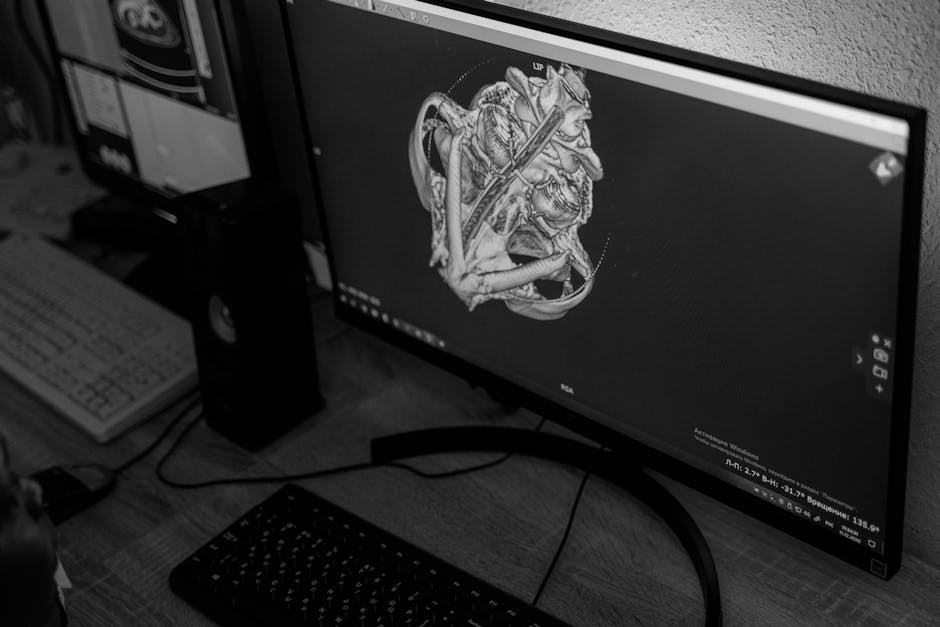
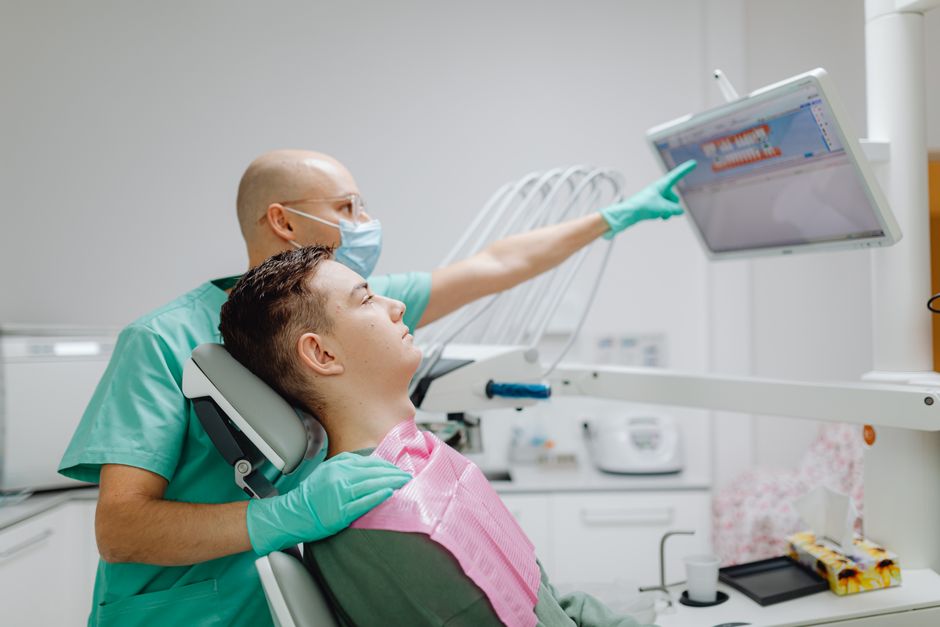
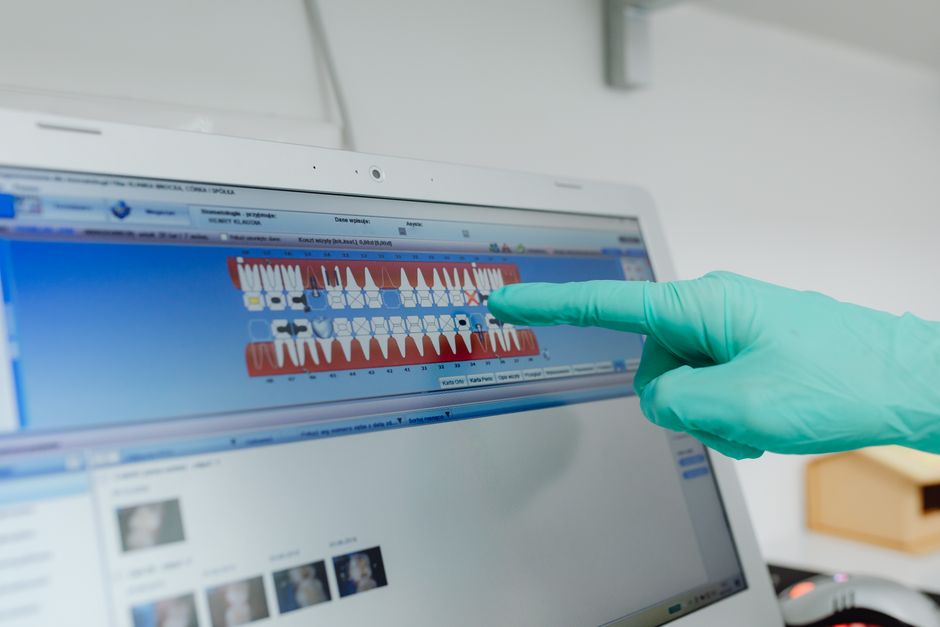
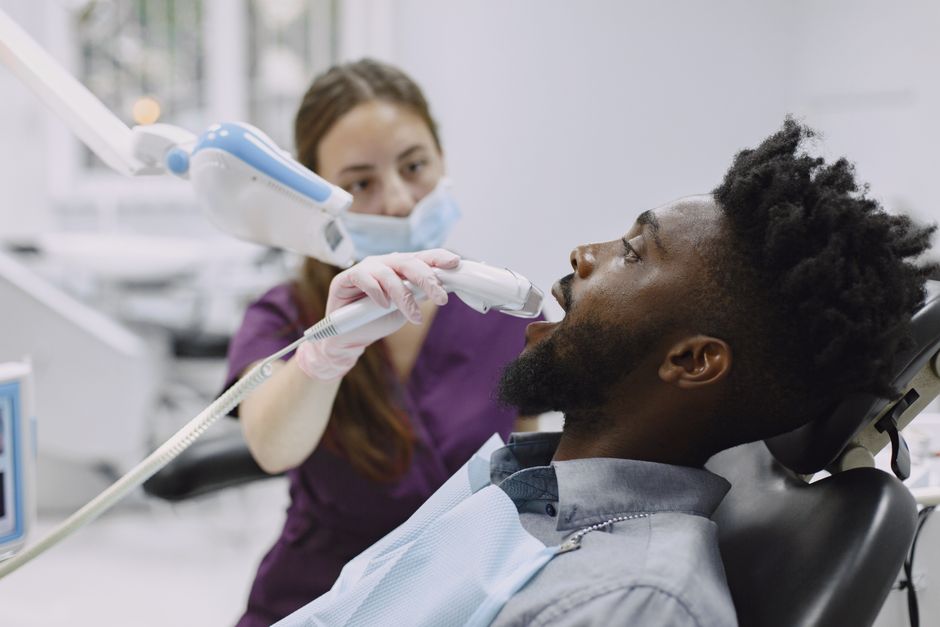
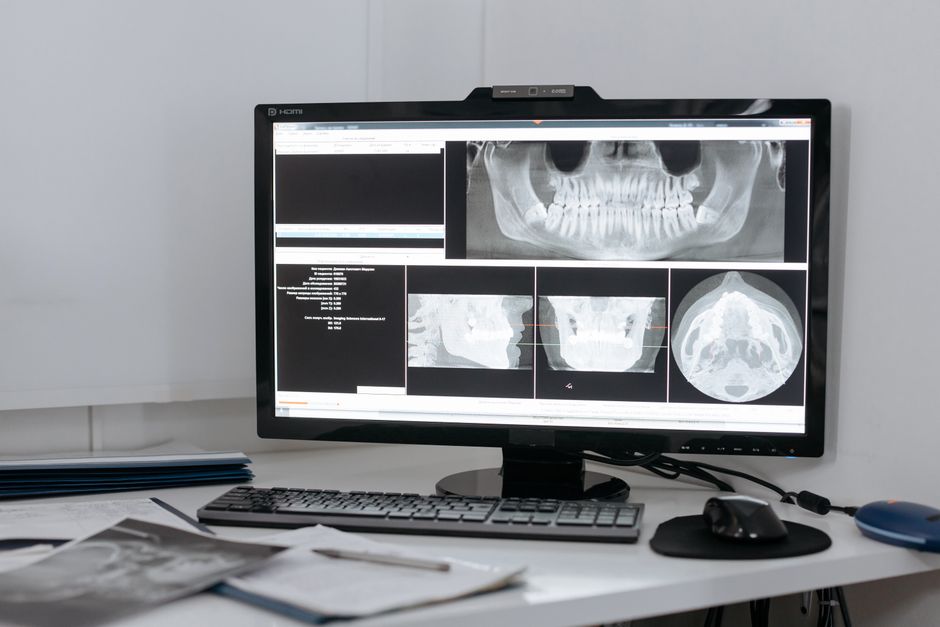
Onlay and overlay cases often integrate smoothly into digital dentistry: intraoral scanning, digital design, and chairside or lab-based fabrication. Digital workflows can support:
- Occlusal analysis via digital articulation and contact visualization
- Morphology design with libraries and customized occlusal anatomy
- Communication with labs using standardized files and clear prep guidelines
In Istanbul, many clinicians also cross-train across disciplines—restorative, prosthodontic, and implant workflows—because patients rarely present with single-tooth needs. Understanding digital planning in implant cases can reinforce restorative design thinking; for example, CAD/CAM-driven implant workflows highlight how emergence profile, occlusal loading, and material choice intersect with long-term maintenance.
Interdisciplinary Considerations
Onlays/overlays and endodontics
When a tooth has deep caries, symptoms suggestive of pulpal involvement, or a history of endodontic treatment, cuspal coverage decisions become even more important. Teeth with reduced internal dentin support may benefit from broader coverage, but only after confirming restorability and fracture risk. Enhanced visualization tools may support diagnosis and treatment quality; see this discussion on dental operating microscopes in endodontics for educational insights.
Onlays/overlays within esthetic dentistry planning
Although onlays and overlays are typically posterior, they often influence smile design outcomes by stabilizing occlusion and vertical dimension. When anterior esthetics are also planned, clinicians may compare indications for additive ceramic restorations. For guidance on anterior case planning, read case selection for porcelain laminate veneers—a useful reference when sequencing comprehensive restorative plans.
Relationship to implants and surgical planning
In partial edentulism, posterior indirect restorations may be planned alongside implant placement to harmonize occlusion and contact points. A stable occlusal scheme can reduce overload risk across natural teeth and implant restorations. For clinicians expanding into surgery, reviewing common pitfalls is valuable; see implant surgery mistakes beginners make—and how to prevent them for educational risk-reduction themes that also resonate with restorative planning (e.g., occlusal forces, prosthetic space, and sequencing).
Preparation Design and Adhesive Principles (High-Level)
While preparation specifics vary by material and tooth, predictable onlay/overlay outcomes generally align with a few principles:
- Preserve enamel where feasible to maximize bond reliability.
- Avoid thin, unsupported enamel and design smooth transitions to reduce stress concentrations.
- Ensure material thickness in functional areas according to the selected material’s requirements.
- Plan margins for cleanability and isolation, favoring supragingival margins when possible.
- Control occlusal contacts, particularly on functional cusps and in lateral excursions.
In hands-on settings, clinicians often find that the “small details” (rounded internal angles, clear finish lines, controlled reduction, and predictable bonding steps) separate acceptable results from highly durable ones.
Common Errors in Case Selection (and How to Think Preventively)
Underestimating crack risk
Choosing an onlay when the tooth has widespread crack lines or multiple weakened cusps can increase the chance of future fracture. Consider whether broader overlay coverage—or another restorative strategy—better manages functional risk.
Ignoring occlusal drivers
Even a perfectly bonded ceramic can fail if occlusal forces are unmanaged. Assess guidance, interferences, and parafunction indicators before finalizing design.
Placing margins where isolation is unreliable
Moisture control is central to adhesive success. If isolation is compromised, reassess margin placement, soft-tissue management, or whether an alternative restoration is more predictable.
Material choice without a load-based rationale
Select materials based on functional load, thickness feasibility, esthetic demands, and repair strategy. Digital planning can help quantify thickness and identify high-stress contacts before manufacturing.
Learning Onlay and Overlay Dentistry at Istanbul Dental Academy
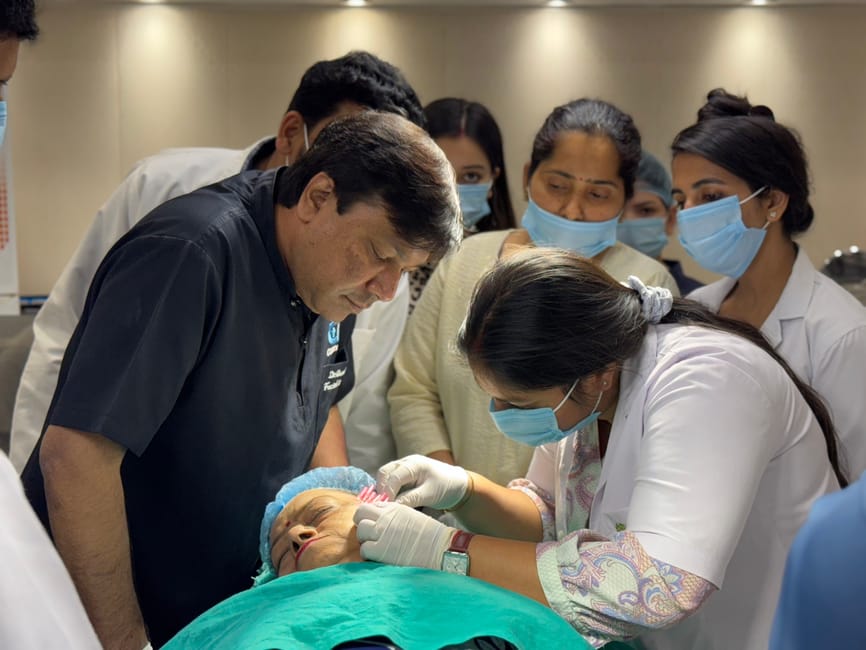
For many dentists and postgraduate learners, the challenge is not understanding the definitions—it is consistently executing case selection, preparation, digital design, and adhesive cementation. Istanbul Dental Academy emphasizes continuing dental education that bridges theory and practice, with hands-on training that can integrate restorative dentistry with digital workflows, photography for documentation, and interdisciplinary planning across endodontics, periodontology, prosthodontics, and implant dentistry.
As you build competence, consider developing a structured checklist for onlay/overlay cases: diagnosis (caries/cracks/periodontium), occlusion, isolation strategy, material selection, and digital or conventional fabrication steps. This process-driven approach aligns closely with how clinicians reduce complications in other procedures as well—including surgical disciplines explored in implant surgery prevention strategies and digitally guided workflows discussed in CAD/CAM implant dentistry.
Key Takeaways
- Onlays are often preferred for selective cusp coverage when remaining structure and occlusion are favorable.
- Overlays are often preferred when the occlusal table requires broader reconstruction, multiple cusps are compromised, or occlusion needs reorganization.
- Successful outcomes depend on case selection, isolation, material choice, and occlusal control—not the restoration name alone.
- Digital workflows can enhance planning precision and communication, especially in interdisciplinary cases.
This content is for educational purposes and does not constitute medical or treatment advice. Clinicians should apply individualized assessment, current evidence, and professional judgment for each patient.
Diğer Yazılar