
BLOG
Success Factors in Open Sinus Lift Surgery for Implant Dentistry
Why open sinus lift success matters in modern implant practice
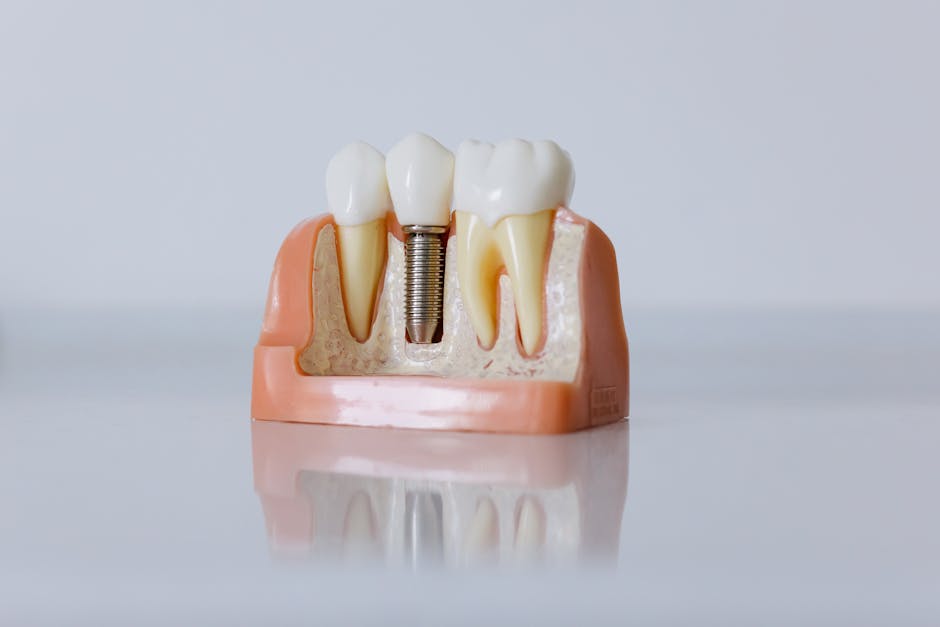
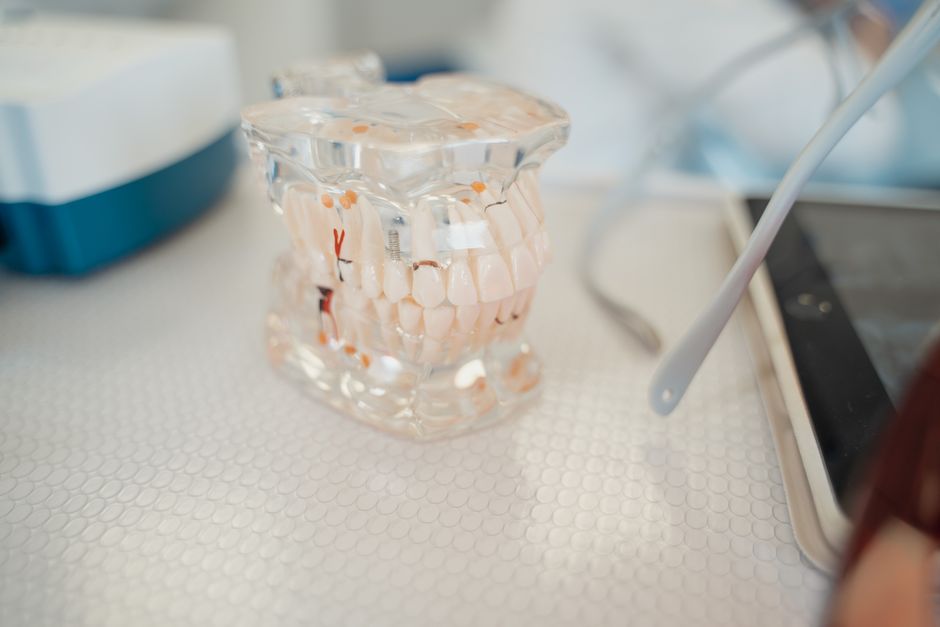
Rehabilitating the posterior maxilla remains one of the most technique-sensitive areas in implant dentistry. Reduced residual bone height, low-density bone, and sinus pneumatization can limit implant placement or compromise primary stability. In appropriately selected cases, an open (lateral window) sinus lift can create a more favorable vertical dimension for implant placement and long-term prosthetic function.
Yet “success” in open sinus lifting is not a single outcome; it is a chain of decisions and technical steps that begins with diagnosis and ends with stable, maintainable prosthetics. At Istanbul Dental Academy, we emphasize this step-by-step reasoning in continuing dental education—combining evidence-informed planning with hands-on surgical training so clinicians can manage posterior maxilla cases with greater predictability. This content is for educational purposes and does not replace individualized clinical decision-making.
1) Case selection and risk profiling: the foundation of predictable outcomes
Residual bone height, ridge width, and sinus anatomy
The open sinus lift approach is commonly considered when residual bone height is limited and transcrestal elevation may not provide enough vertical gain. Accurate measurements of residual height and ridge width (and how they relate to the restorative plan) help determine whether staged grafting or simultaneous implant placement is feasible. In addition to linear measurements, clinicians should assess sinus septa, membrane thickness, and the shape of the sinus floor, as these can influence window design and membrane elevation difficulty.
Systemic and local modifiers
Success factors include patient-level variables that affect wound healing and infection risk. Smoking status, uncontrolled diabetes, history of sinus disease, and oral hygiene levels may influence outcomes and should be assessed as part of risk communication and consent. Periodontal stability is particularly relevant; untreated inflammation can compromise surgical healing and long-term implant maintenance. For practical habits that support gingival health before and after surgical phases, see our Daily Gum Care Guide: Practical Habits for Healthier Gingiva.
When speed is (and isn’t) an objective
Some patients request faster routes to implant-supported rehabilitation. However, in posterior maxilla cases requiring augmentation, timelines are typically driven by biology and stability requirements rather than marketing labels. For a broader discussion of patient selection and clinical realities, our article Fast-Track Dental Implants: Who Is a Suitable Candidate? reviews factors that influence whether accelerated protocols are realistic.
2) CBCT-driven planning: turning anatomy into a surgical roadmap
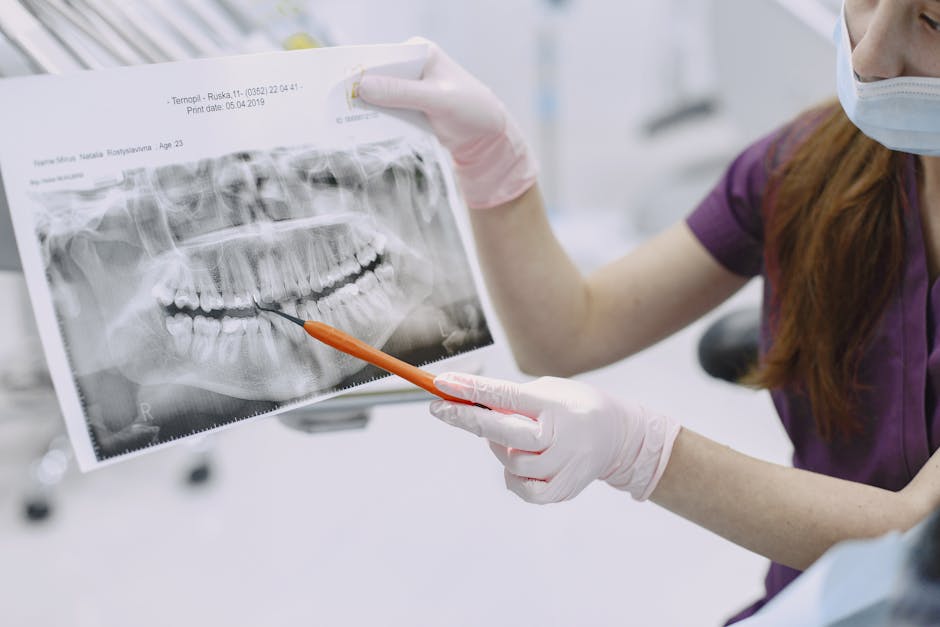
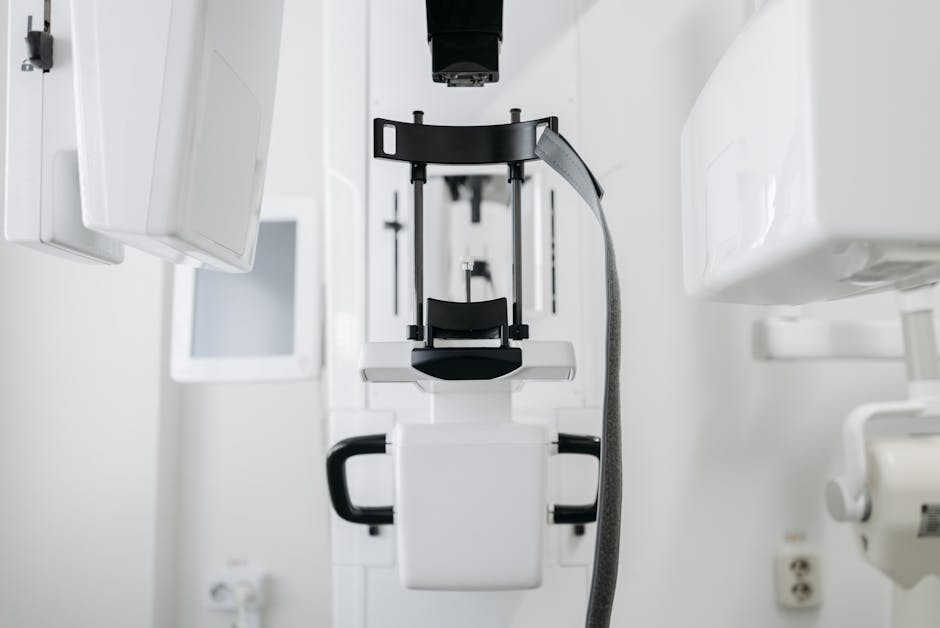
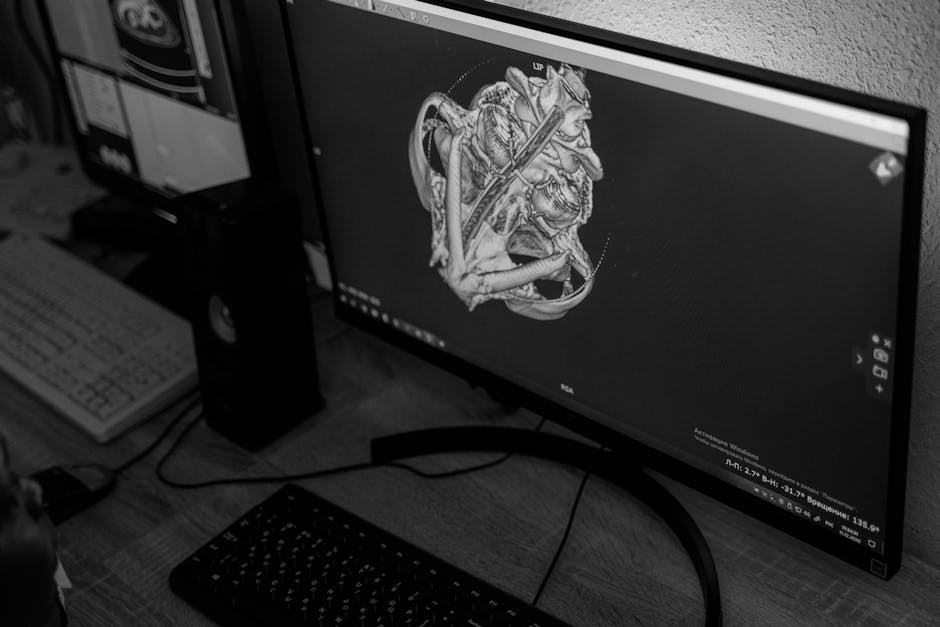
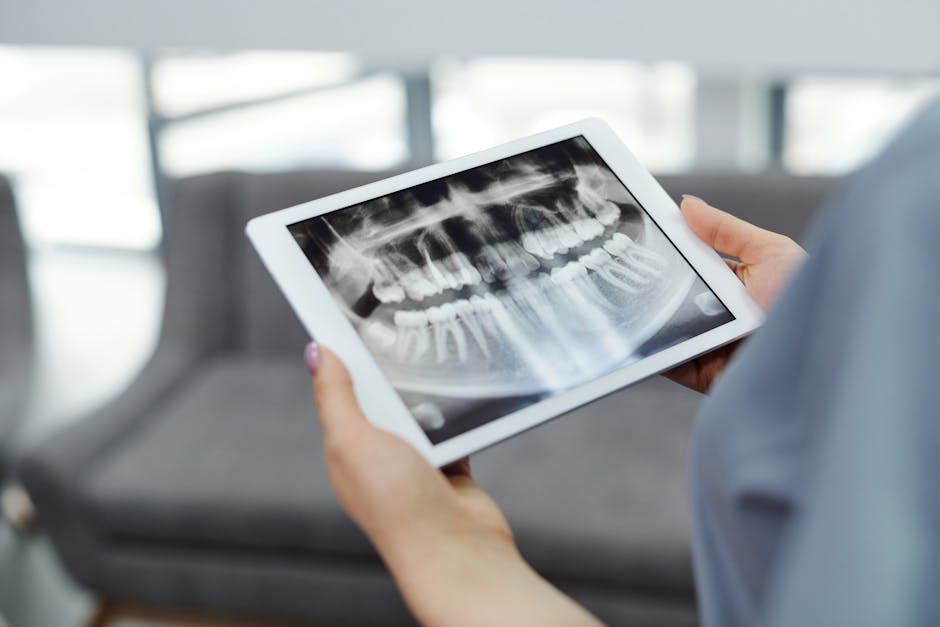
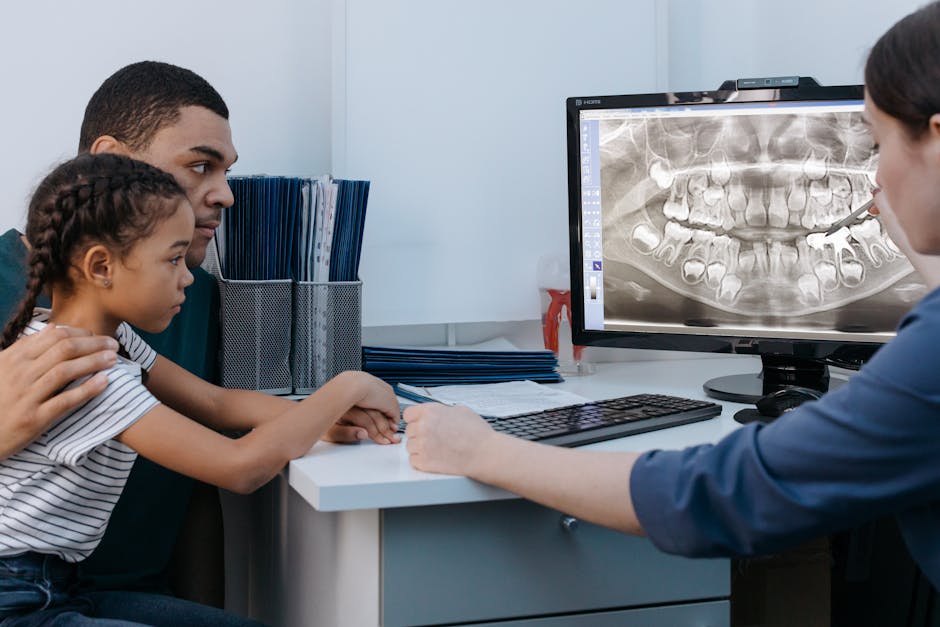
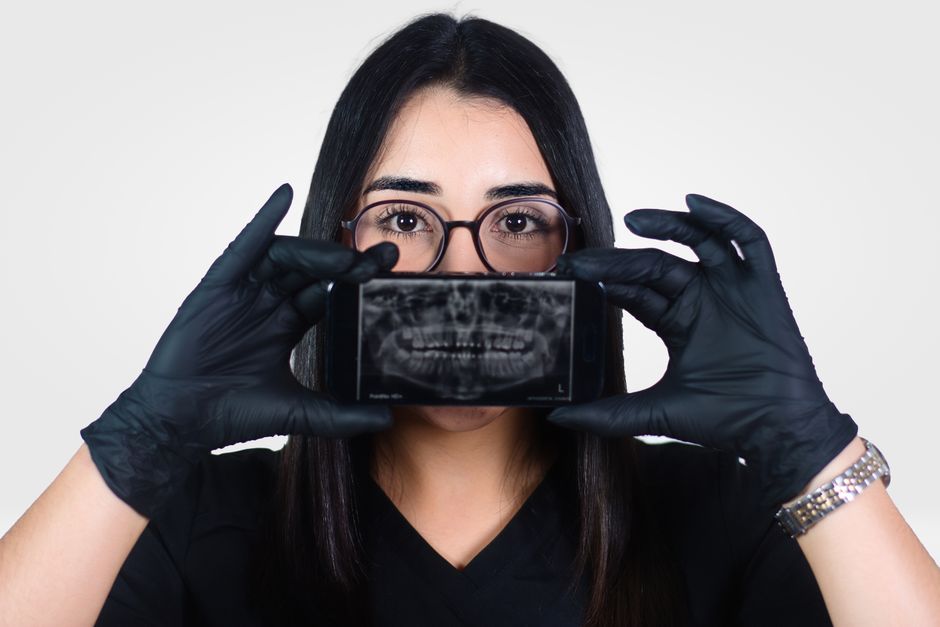
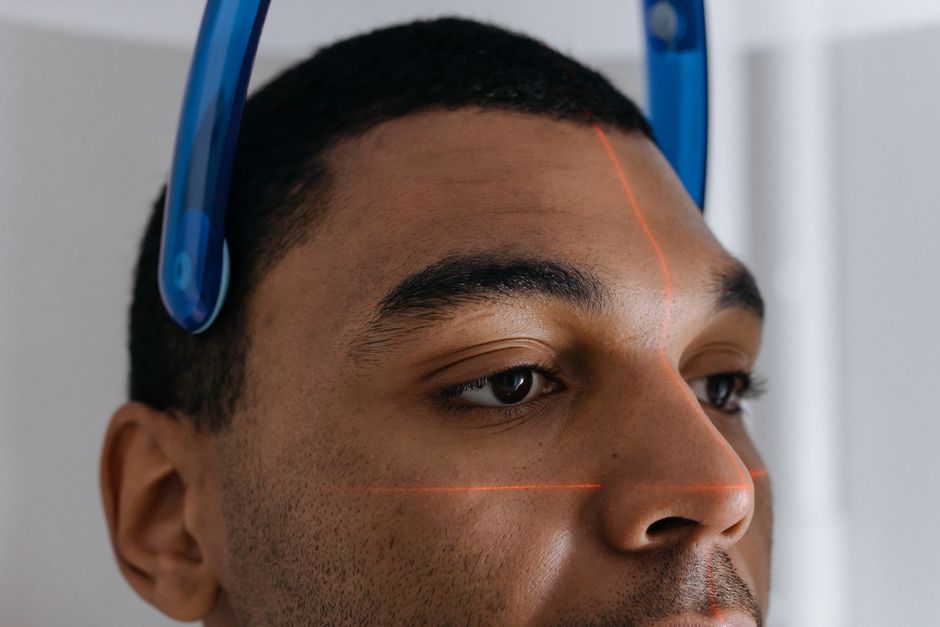
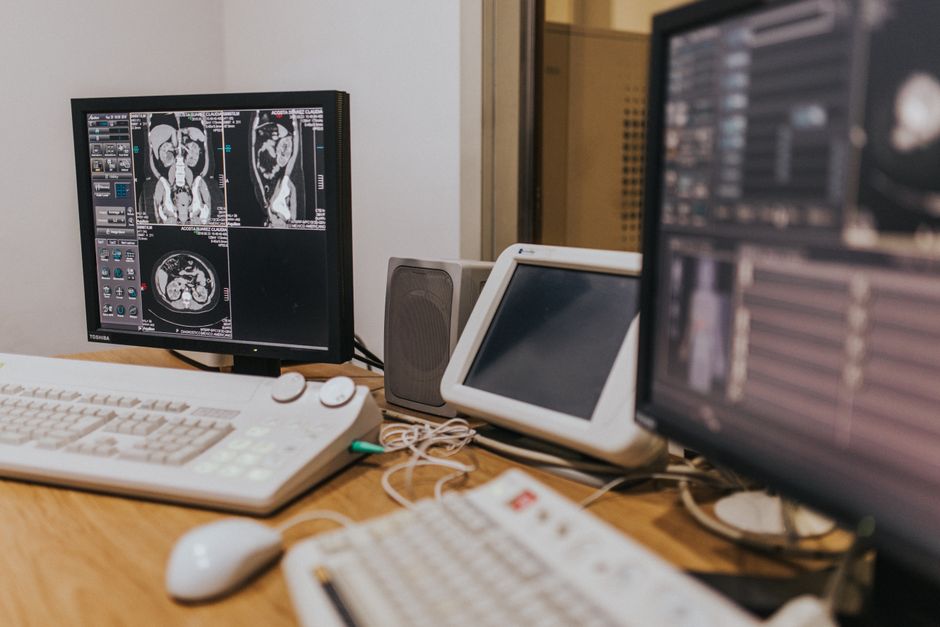
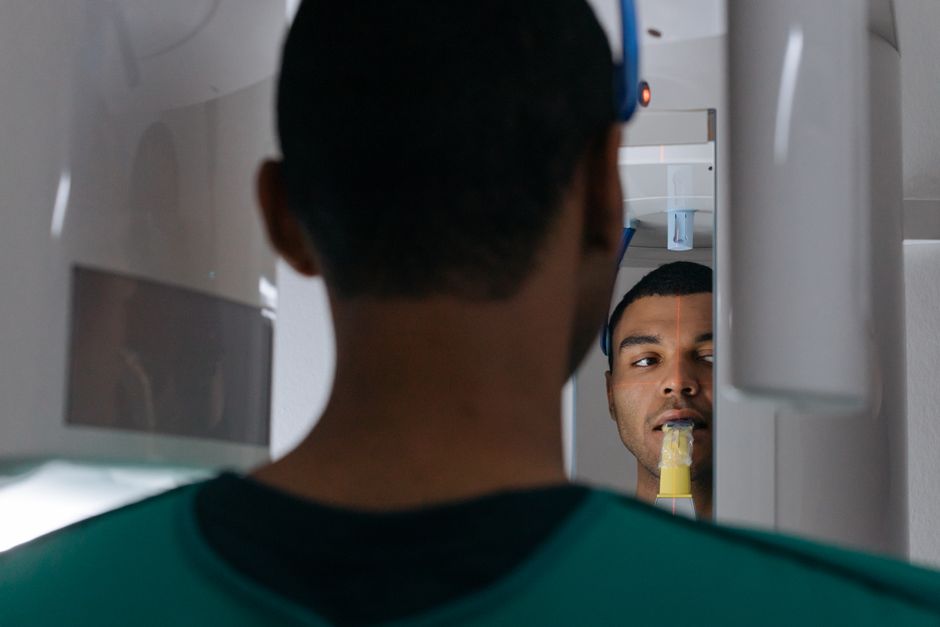
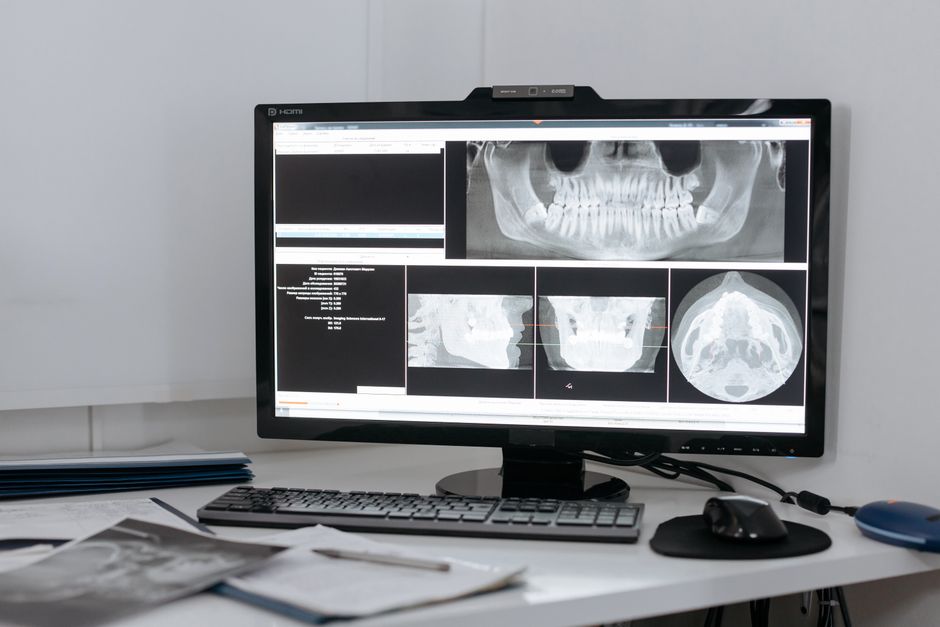
CBCT assessment is a major success factor because it allows clinicians to identify anatomic variations that raise complication risk and to plan the surgical window position accordingly. Key CBCT planning checkpoints typically include:
• Sinus septa: Septa can increase membrane perforation risk and may necessitate modified window design or a two-window approach.
• Membrane thickness and pathology screening: Mucosal thickening, retention cysts, or fluid levels may require medical evaluation or postponement depending on the clinical picture.
• Vascular anatomy: The intraosseous anastomosis (posterior superior alveolar artery/infraorbital artery) may influence window height and hemostasis strategy.
• Prosthetically driven implant positions: Implant trajectory and emergence should guide the augmentation target volume, not the reverse.
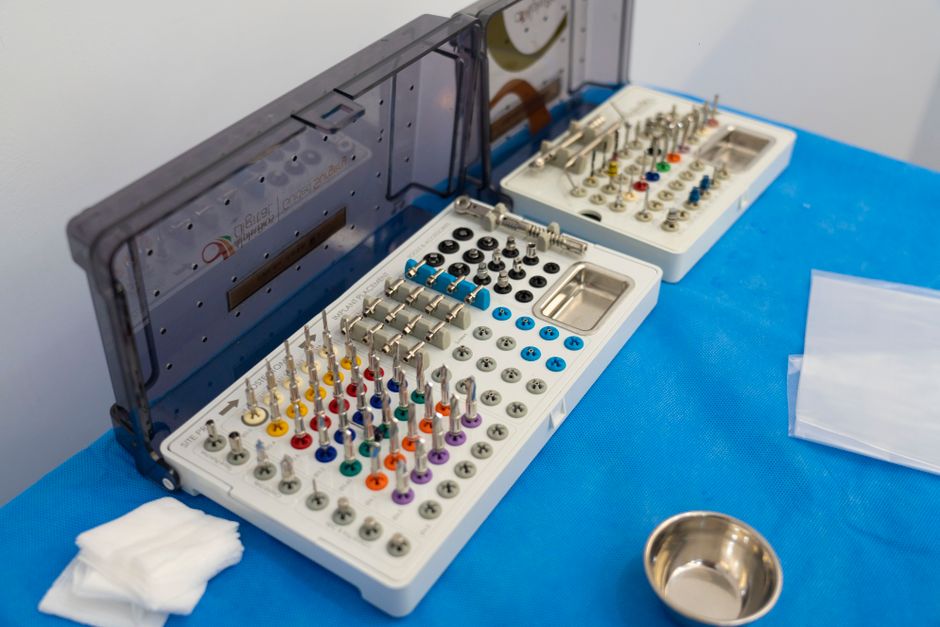
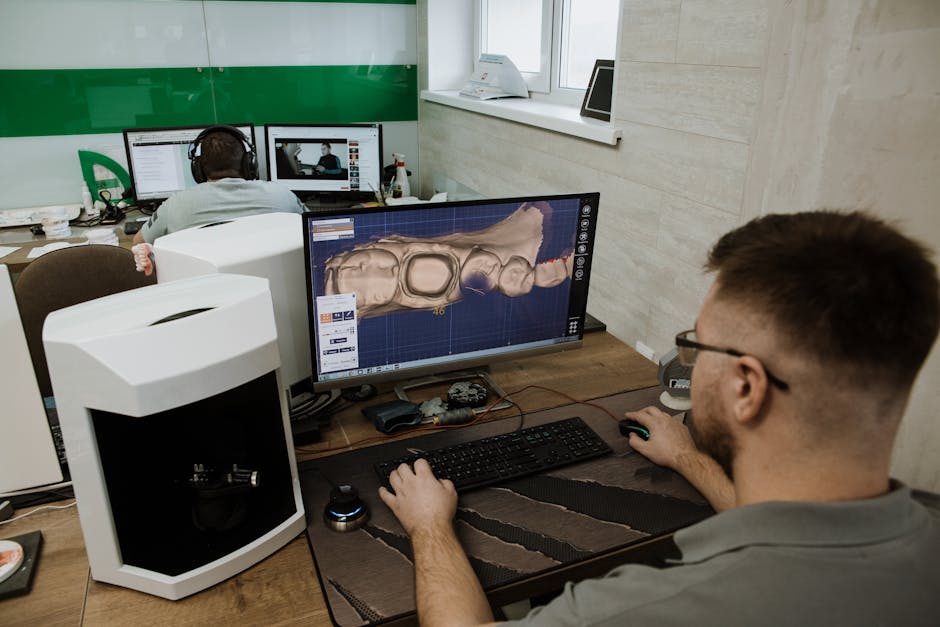
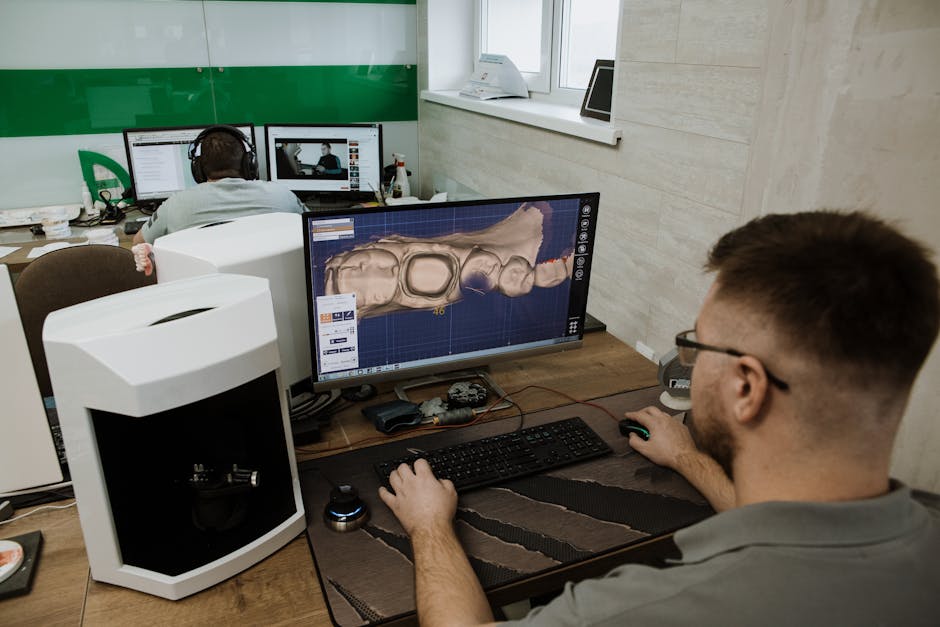
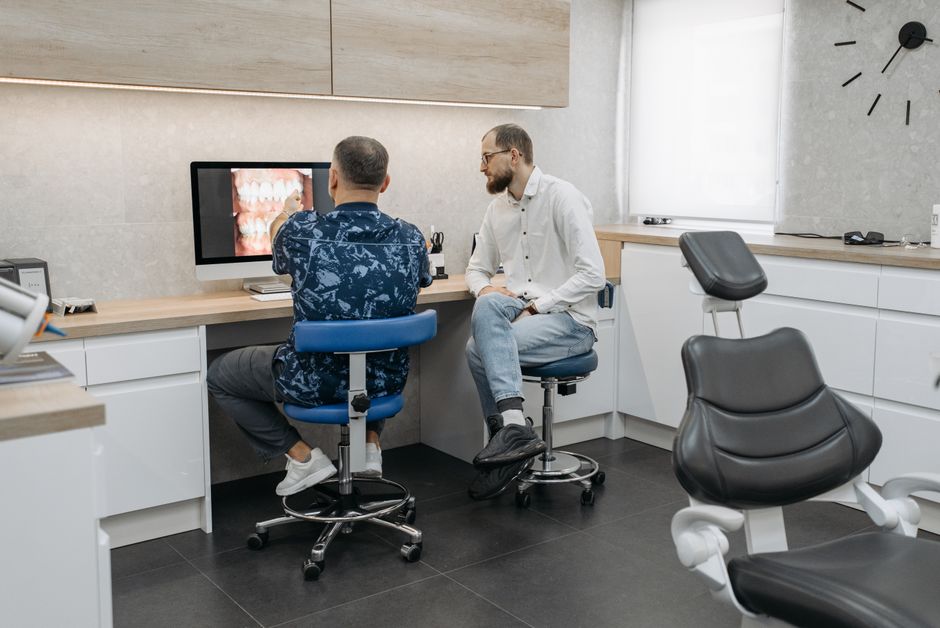
Digital dentistry workflows can enhance communication and accuracy: virtual implant planning, guided surgery considerations, and restorative mock-ups can help align the surgical plan with final prosthetic goals—especially when posterior implant placement interacts with an aesthetic smile design plan in the anterior region.
3) Surgical access and window design: minimizing trauma, maximizing control
Flap design and soft-tissue management
Open sinus lift surgery is technique-sensitive partly because soft-tissue management sets the tone for visibility, hemostasis, and closure. A tension-free flap, careful periosteal release when needed, and atraumatic tissue handling are practical success factors that reduce wound dehiscence and contamination of the grafted site.
Creating the lateral window
Whether using rotary instruments, piezosurgery, or a combined approach, the goal is controlled access with minimal membrane trauma. Piezosurgery is often discussed for potentially reducing perforation risk, while rotary instrumentation can be efficient in experienced hands. The clinician’s familiarity with a system—and the ability to execute it precisely—often matters as much as the tool choice itself.
4) Schneiderian membrane elevation: the critical step
Membrane integrity is frequently cited as a key predictor of uncomplicated healing. A stable, well-elevated membrane creates a protected compartment for graft maturation and supports the intended vertical gain.
Practical factors that support membrane safety
• Clear visualization: Adequate lighting, suction, and retraction reduce accidental tearing.
• Layer-by-layer elevation: Gentle separation in small increments helps maintain membrane continuity.
• Respecting septa and irregular floors: Anticipating “stress points” from CBCT reduces surprises.
• Managing intraoperative bleeding: Controlled hemostasis improves visibility and precision.
Perforation management and decision-making
Small perforations may be managed with collagen membranes or other barrier strategies, while larger tears may require modification of the plan (including postponing graft placement). The “success factor” here is less about never encountering complications and more about having a clear algorithm for decision-making, documentation, and patient communication.
5) Graft selection and biomaterials: stability, remodeling, and volume maintenance
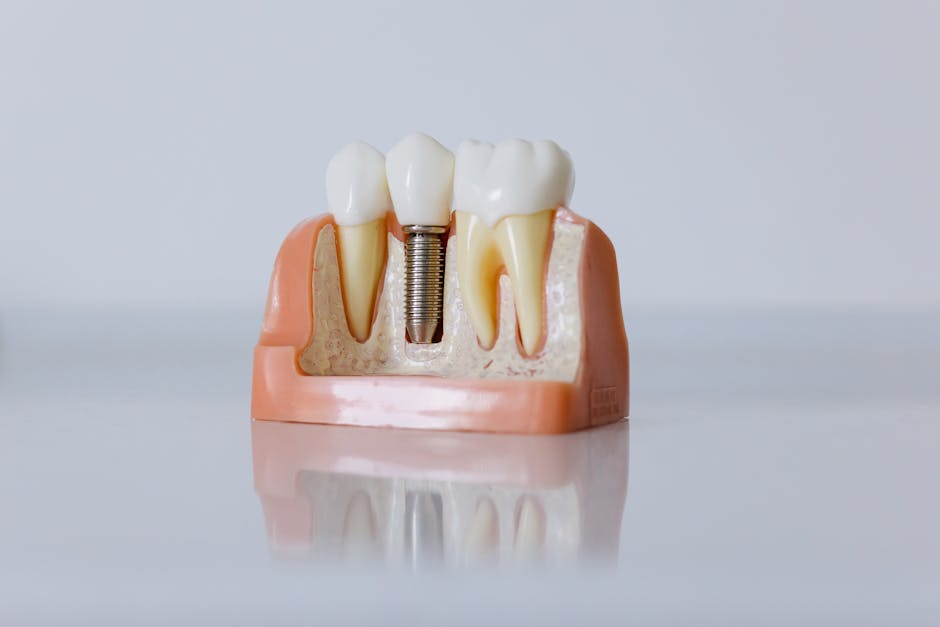
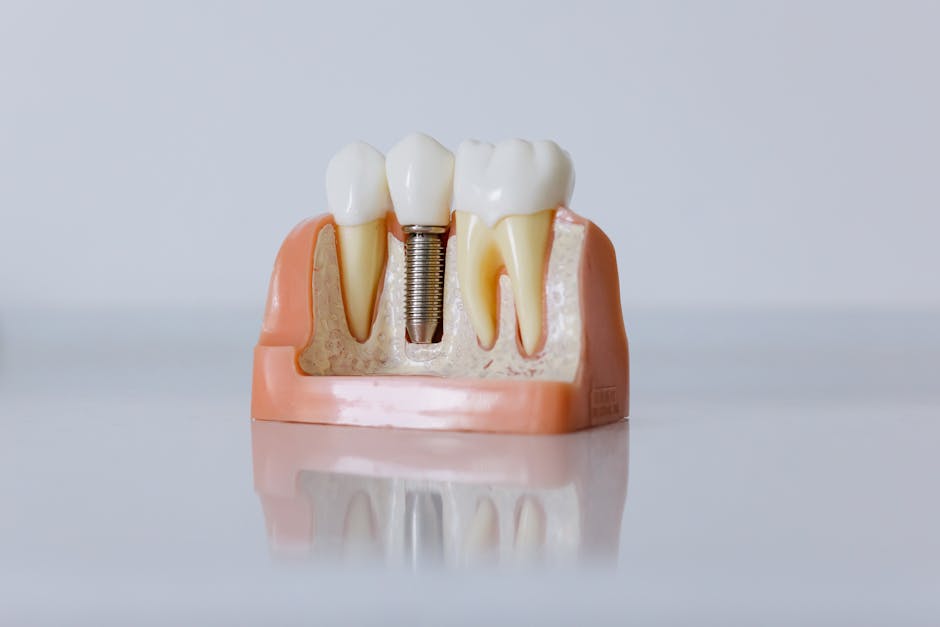
Grafting strategy should match the clinical objective: volume stability, remodeling timeline, and the planned implant protocol (staged vs simultaneous). Clinicians often consider autogenous bone, allografts, xenografts, or alloplasts, sometimes in combination. Each option has different handling properties and remodeling characteristics, which can affect the timing of implant placement and final bone quality.
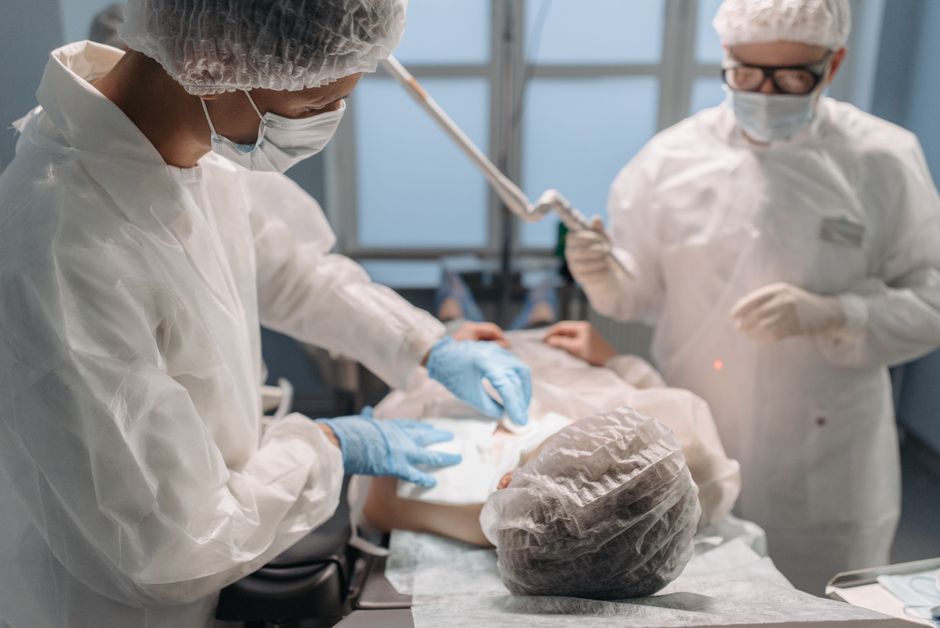
For a deeper educational overview of contemporary materials and clinical protocols, explore Current Approaches to Bone Grafting Techniques in Implant Dentistry. Understanding graft behavior is especially important in the posterior maxilla, where bone density and sinus environment influence maturation.
Space maintenance and compartment stability
Beyond the graft itself, maintaining a stable compartment is essential. A membrane barrier, appropriate graft packing (avoiding excessive pressure), and secure closure can help reduce micromovement and contamination. Overfilling may increase membrane tension; underfilling may limit the achievable vertical gain. The clinician’s tactile judgment—developed through supervised practice—plays a major role.
6) Simultaneous vs staged implant placement: a risk-balanced choice
A common planning decision is whether to place implants simultaneously with the sinus lift or to stage implant placement after graft maturation. Factors that often influence this decision include residual bone height, anticipated primary stability, occlusal scheme, parafunctional habits, and the restorative timeline.
From an educational standpoint, predictable outcomes generally require that the surgical plan remains prosthetically driven. Implant positioning should support cleansable contours, stable occlusion, and appropriate emergence profiles—particularly when the posterior rehabilitation will integrate with aesthetic treatments.
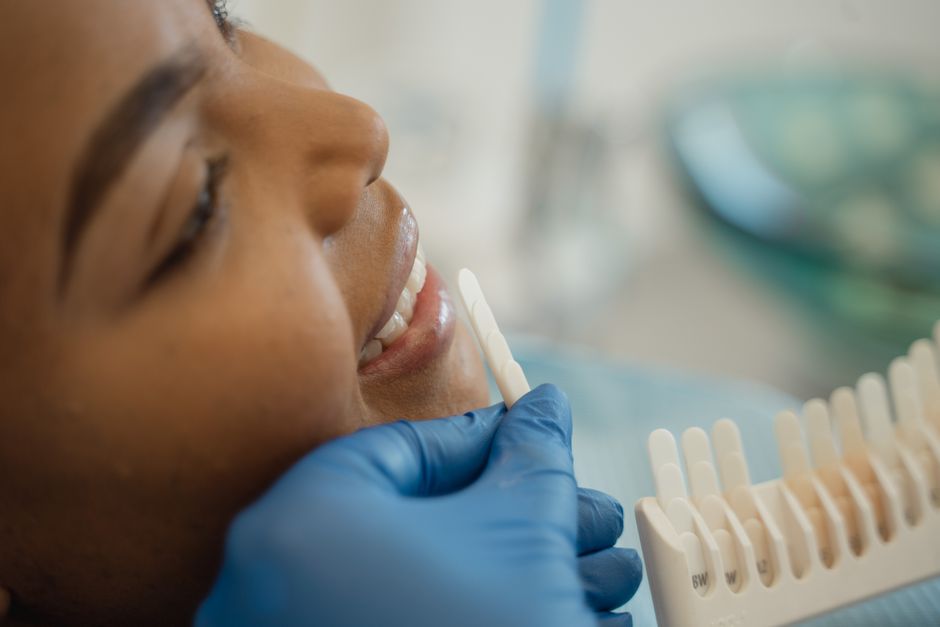
7) Prosthetic and aesthetic integration: posterior stability supports the smile zone
Although open sinus lifting is a posterior surgical procedure, it frequently sits within a broader rehabilitation plan: full-arch restorations, occlusal vertical dimension changes, or combined anterior aesthetic work. Posterior implant stability influences occlusal balance and the longevity of anterior restorations—especially in patients pursuing comprehensive smile design.
If your treatment plans commonly combine implant rehabilitation with cosmetic outcomes, our educational resources on aesthetic decision-making can be useful. For example, Hollywood Smile Before and After: Planning, Materials, and Clinical Considerations discusses how expectations, materials, and planning steps intersect, while Hollywood Smile vs Zirconia Crowns: Clinical Differences and Case Selection outlines how clinicians may approach material selection and indications. These topics matter because posterior implant-supported function can protect (or overload) anterior ceramics depending on occlusal design and parafunction management.
8) Post-operative protocols and maintenance: protecting the grafted site
Post-operative care is a practical success factor that is sometimes underestimated. Clear patient instructions can reduce pressure changes in the sinus, minimize contamination risk, and support soft-tissue healing. Follow-up scheduling should be structured to detect early issues such as wound dehiscence, infection, or patient non-compliance with instructions.
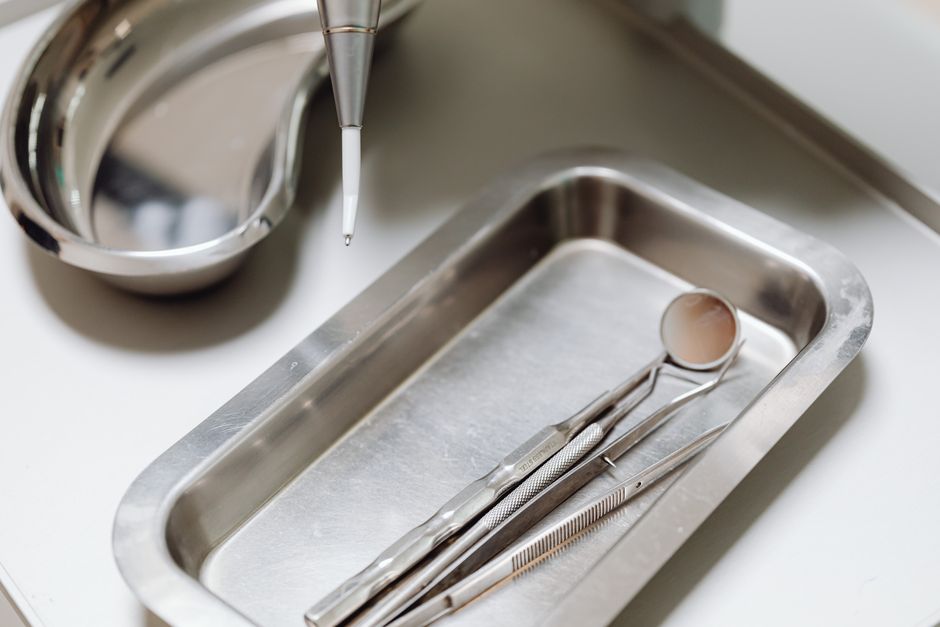
Long-term success also depends on peri-implant maintenance and periodontal monitoring. Supportive periodontal care, professional debridement when indicated, and individualized home-care routines help reduce peri-implant inflammation risk. Reinforcing fundamentals from the gingival health perspective—such as the habits described in our Daily Gum Care Guide: Practical Habits for Healthier Gingiva—is often a helpful way to frame patient education before surgical phases begin.
9) Common pitfalls and how training reduces variability
Open sinus lift success is frequently compromised by avoidable issues rather than rare anatomy. Common pitfalls may include inadequate pre-op imaging review, poor window positioning, aggressive membrane elevation, uncontrolled bleeding reducing visibility, overpacking graft material, and flap tension leading to dehiscence.
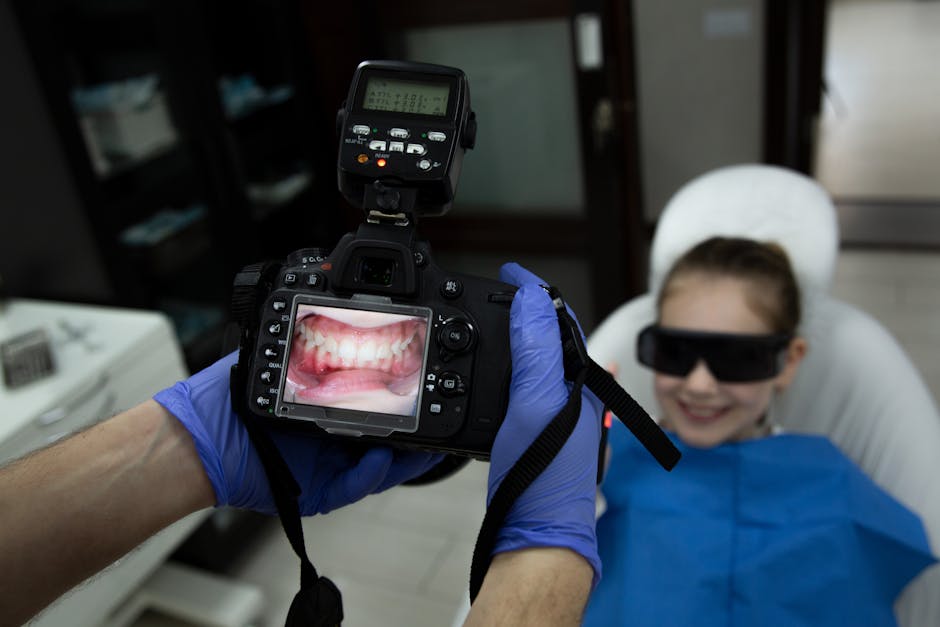
These risks highlight why structured surgical education and repetition matter. At Istanbul Dental Academy, our implant and oral surgery-oriented training emphasizes anatomy interpretation, stepwise instrumentation, complication management, and prosthetically driven planning. Hands-on learning—supported by clinical photography and documentation standards—helps clinicians move from theoretical understanding to consistent execution.
How Istanbul Dental Academy supports clinicians learning sinus augmentation
For dental professionals seeking to strengthen their posterior maxilla workflow, education is most effective when it links diagnosis, surgical technique, and restorative outcomes. Our continuing dental education programs in implant dentistry, oral surgery, prosthodontics, and digital dentistry are designed to help participants refine planning, improve tactile control during membrane elevation, and integrate grafting decisions with restorative goals.
Open sinus lifting is not only a surgical procedure—it is a multidisciplinary decision pathway. When clinicians learn to connect CBCT analysis, periodontal stability, biomaterials, and prosthetic design, success becomes more reproducible and complications become more manageable.
Key takeaways
• Success starts with selection: risk profiling, periodontal stability, and realistic timelines matter.
• CBCT is essential: septa, vascular anatomy, and pathology screening guide safer access.
• Membrane management is central: gentle elevation and a clear perforation algorithm reduce setbacks.
• Graft choice should match the plan: stability, remodeling, and timing influence outcomes.
• Prosthetic integration protects longevity: posterior implants affect occlusion and anterior aesthetic restorations.
This content is for educational purposes and is not a substitute for clinical training, diagnosis, or individualized treatment planning. Clinicians should follow local regulations, evidence-based guidelines, and patient-specific considerations.
Diğer Yazılar