
BLOG
Dental Implants for Patients with Diabetes: What Clinicians Should Know
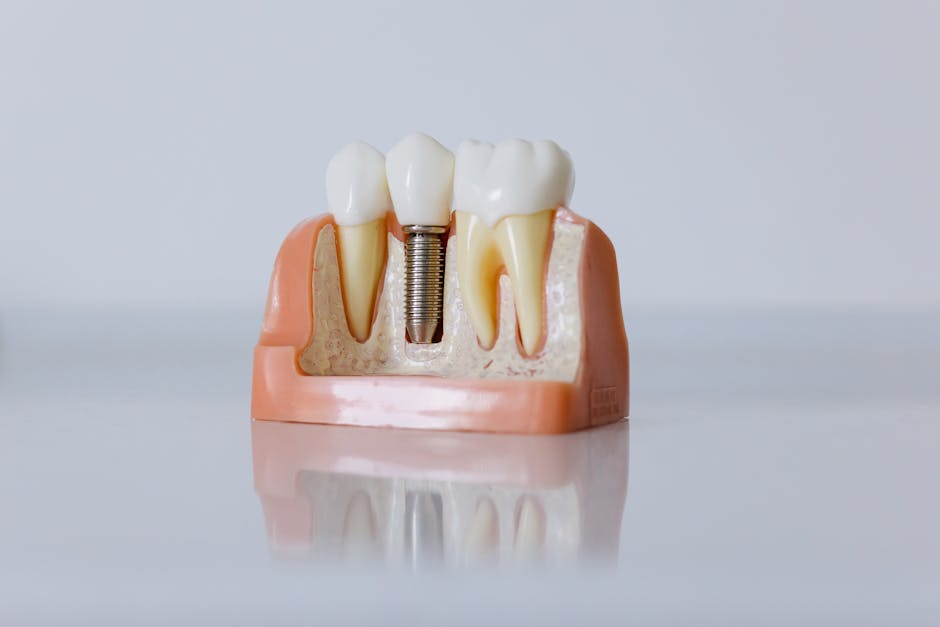
Diabetes mellitus is increasingly common worldwide—and in Türkiye—and many people living with diabetes also experience tooth loss related to periodontal disease, caries, or trauma. This overlap makes a practical question highly relevant for daily practice: Can patients with diabetes receive dental implants? The short, educational answer is that diabetes is not an automatic contraindication, but it can affect biological healing, susceptibility to infection, and long-term peri-implant tissue stability.
This article is written for educational purposes for dentists, dental students, and clinicians interested in continuing dental education. It summarizes key considerations for implant planning in people with diabetes, with a focus on risk assessment, surgical-prosthetic workflow, and maintenance protocols. It also highlights how structured, hands-on training—such as the clinical courses at Istanbul Dental Academy—can support clinicians in making more consistent, evidence-informed decisions.
Why Diabetes Matters in Implant Dentistry
From an implant biology standpoint, diabetes can influence several mechanisms that are central to successful osseointegration and soft-tissue health. Clinically, the impact varies widely depending on type of diabetes, duration, comorbidities, medications, lifestyle factors (e.g., smoking), and, critically, the level of glycemic control.
Key biological considerations
In simplified terms, hyperglycemia can:
• Alter wound healing by affecting microcirculation, collagen metabolism, and inflammatory response.
• Increase susceptibility to infection due to changes in immune function.
• Influence bone metabolism, potentially affecting remodeling around implants.
• Exacerbate periodontal and peri-implant inflammation, especially when plaque control is insufficient.
These factors do not necessarily prevent implant therapy, but they reinforce the need for thorough diagnosis, careful timing, and a maintenance plan that matches the patient’s risk profile.
Is Diabetes a Contraindication for Dental Implants?
In modern practice, many clinicians consider well-controlled diabetes compatible with implant therapy when other risk factors are managed. The clinical debate typically centers on poorly controlled diabetes and complex cases (e.g., advanced periodontitis history, extensive bone augmentation, heavy smoking, or significant systemic comorbidities).
Rather than framing the issue as “implant vs. no implant,” many teams adopt a risk-based approach:
• When metabolic control is stable, implant placement may be planned with standard precautions and enhanced maintenance.
• When metabolic control is unstable, clinicians may consider delaying elective surgery, coordinating with the patient’s physician, and focusing first on infection control and periodontal stabilization.
Because each patient differs, clinicians should avoid one-size-fits-all decisions and document a clear rationale for timing, surgical approach, and follow-up intensity.
Pre-Operative Assessment: What to Evaluate
For diabetic patients, the pre-operative phase is where risk can be reduced most effectively. A structured checklist helps ensure that systemic status, oral inflammation, and prosthetic planning are aligned.
1) Medical history and interprofessional communication
Beyond confirming the diagnosis, consider:
• Type of diabetes (Type 1, Type 2, others), duration, and complications (neuropathy, nephropathy, cardiovascular issues).
• Current medications and any history of hypoglycemic episodes.

• Physician collaboration when the case is complex or metabolic control is uncertain.
Clinicians may request recent laboratory information (as appropriate within local regulations and clinical protocols). Many practices reference HbA1c as part of risk discussion; however, thresholds and clinical decisions should be individualized and aligned with current guidance and physician input.
2) Periodontal and peri-implant risk profile
Diabetes and periodontitis have a well-documented bidirectional relationship. For implant planning, this means:
• Treat active periodontal disease first (non-surgical therapy, re-evaluation, and supportive periodontal care).
• Identify inflammation drivers such as plaque retention factors, overhanging restorations, and poor hygiene technique.
• Assess phenotype and keratinized tissue with a maintenance-oriented mindset.
3) Radiographic and digital planning
Risk control improves when implant positioning is prosthetically driven. Depending on case complexity, clinicians may use:
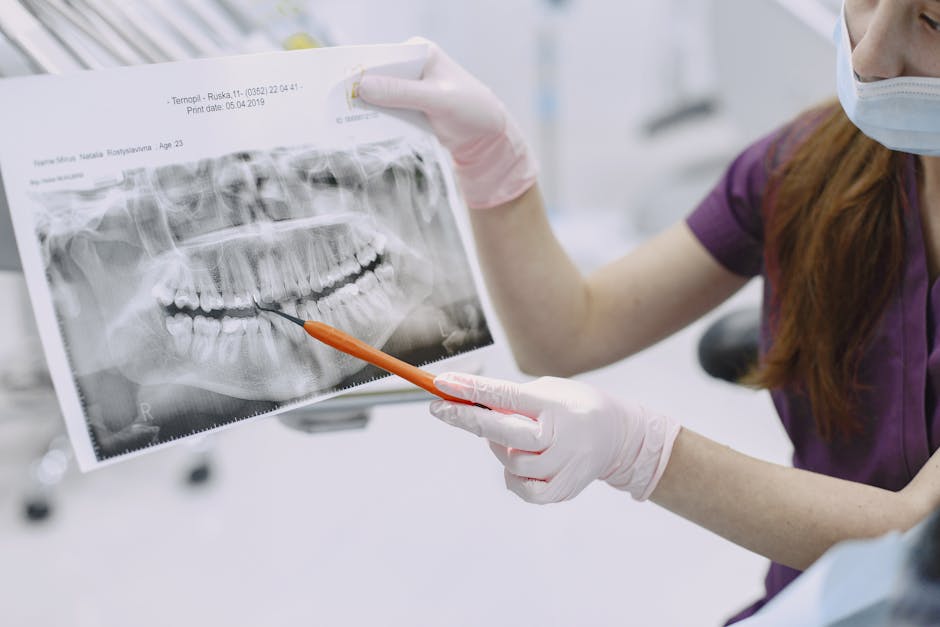
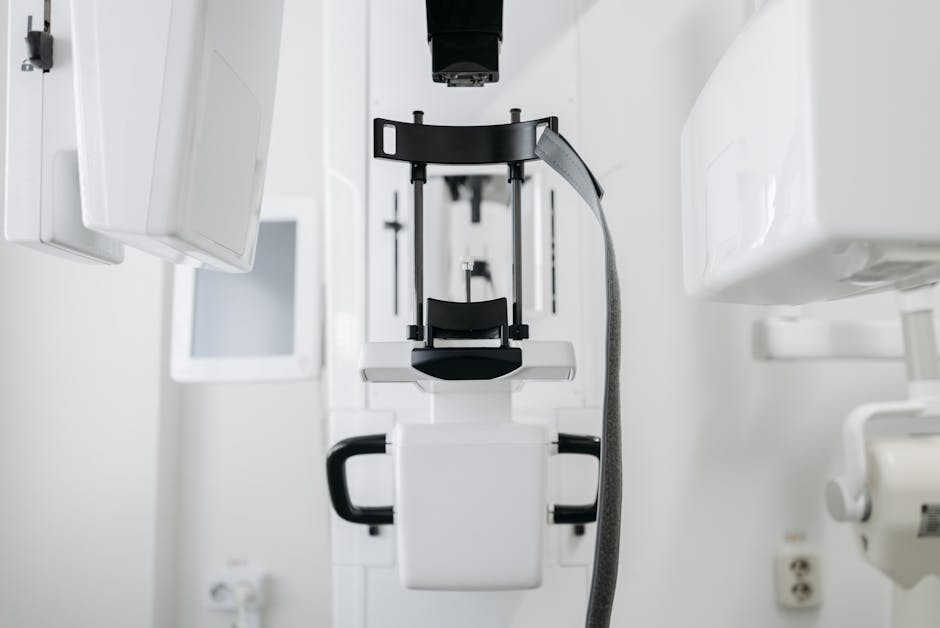
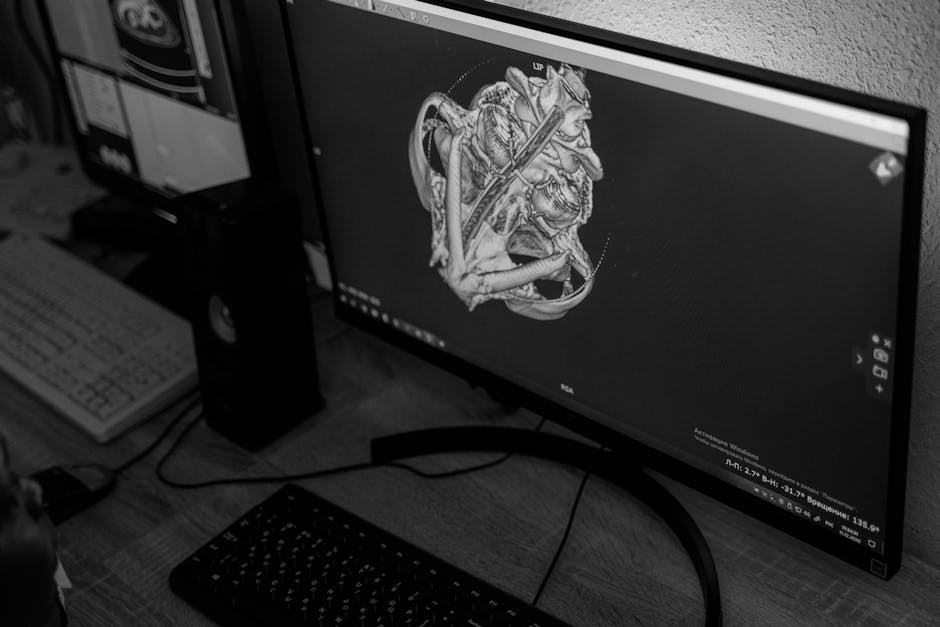
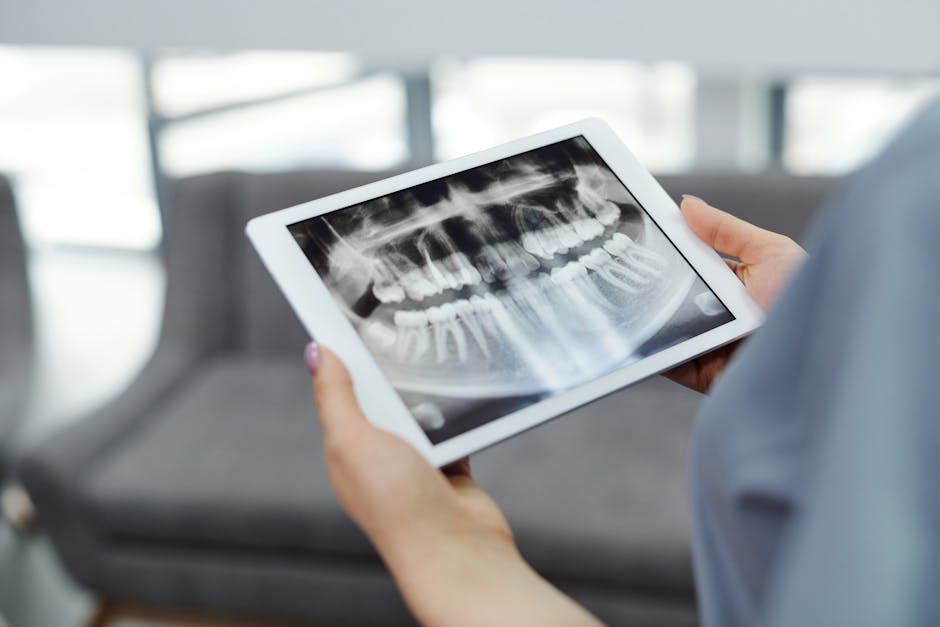
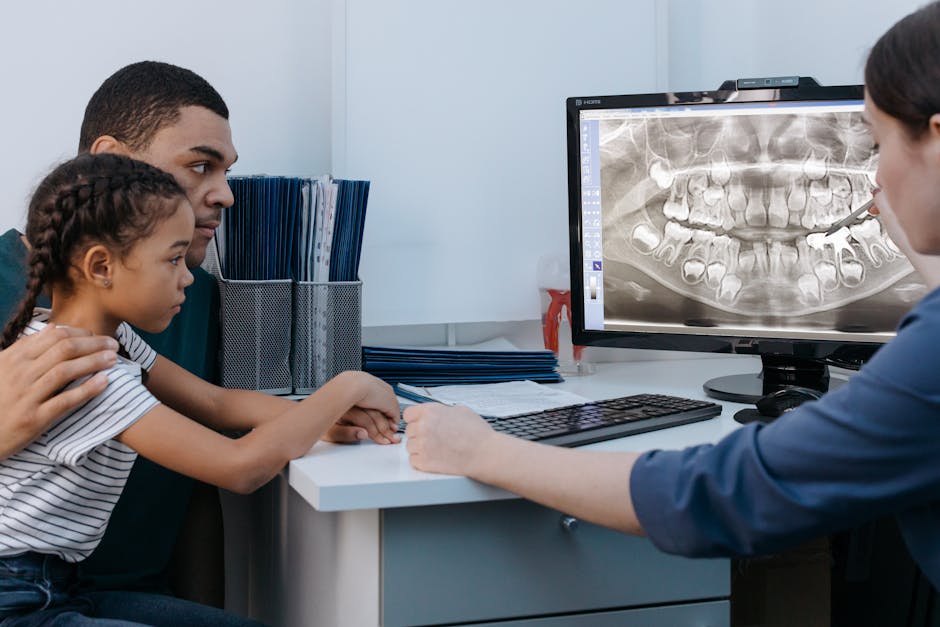
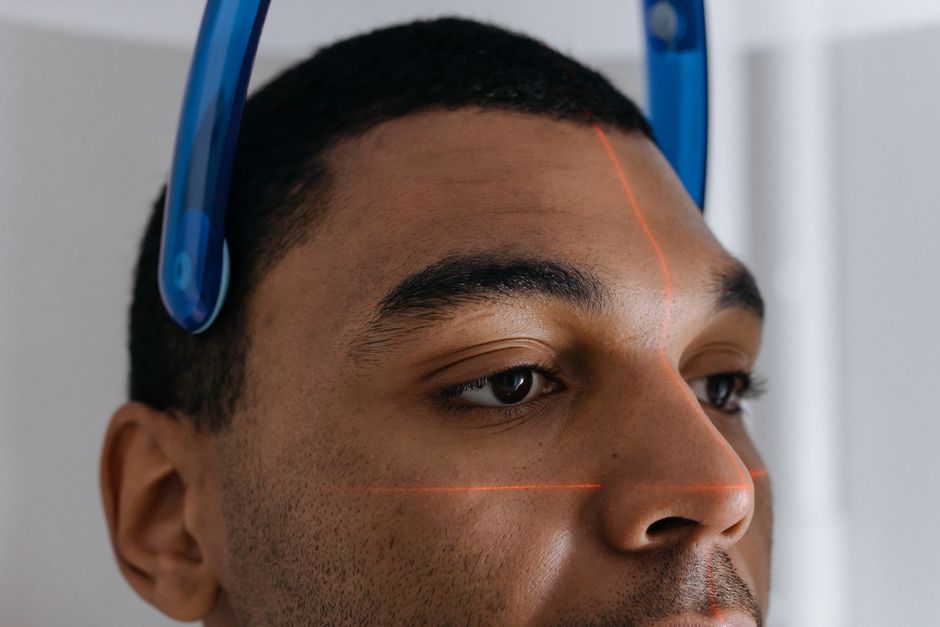
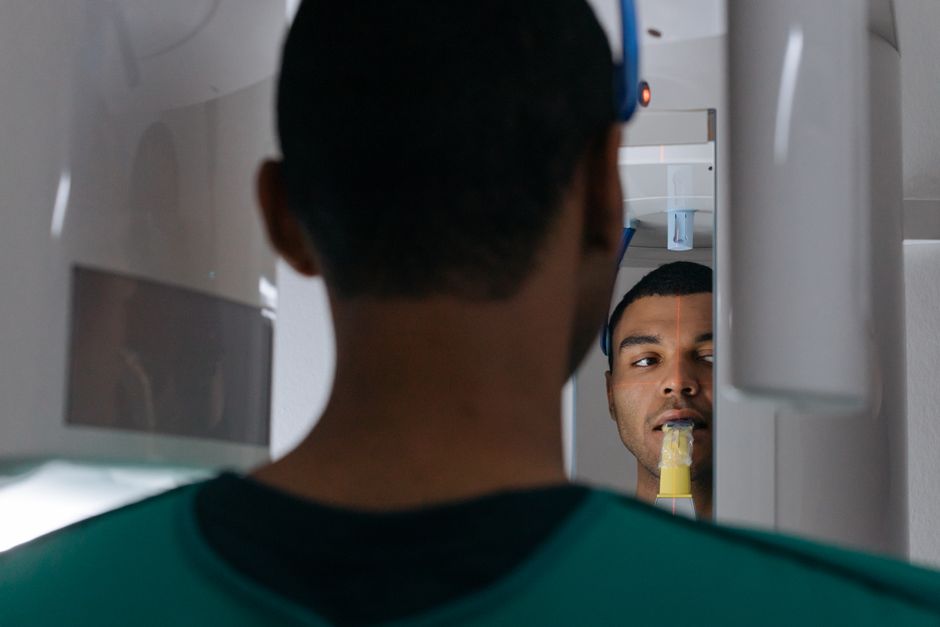
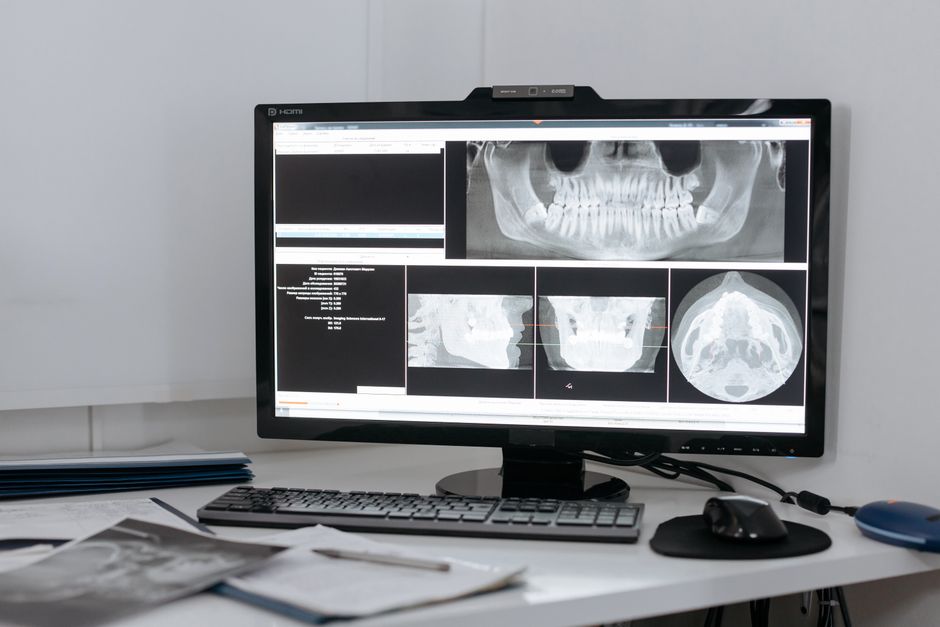
• CBCT to assess bone volume, anatomic structures, and pathology.
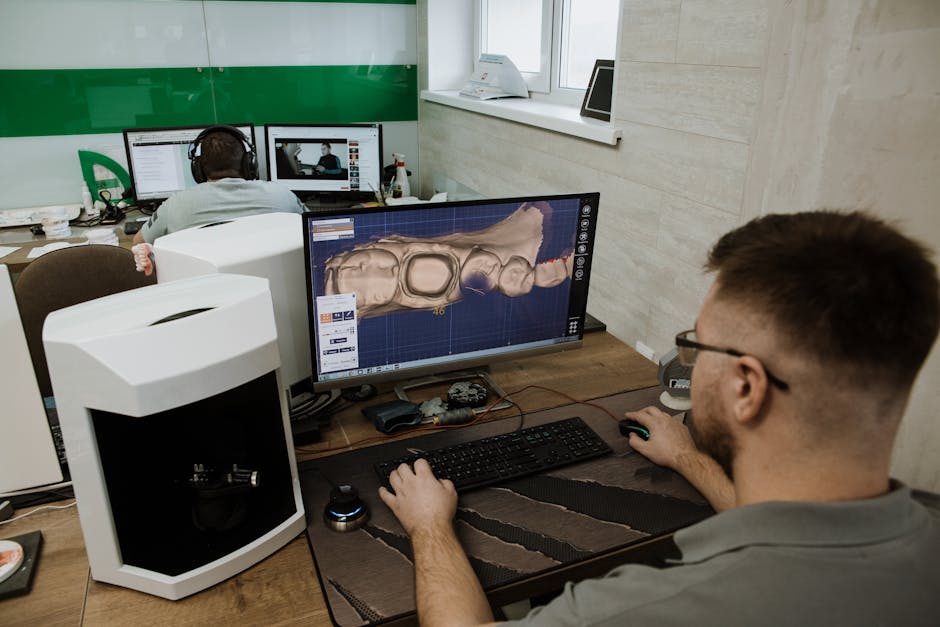
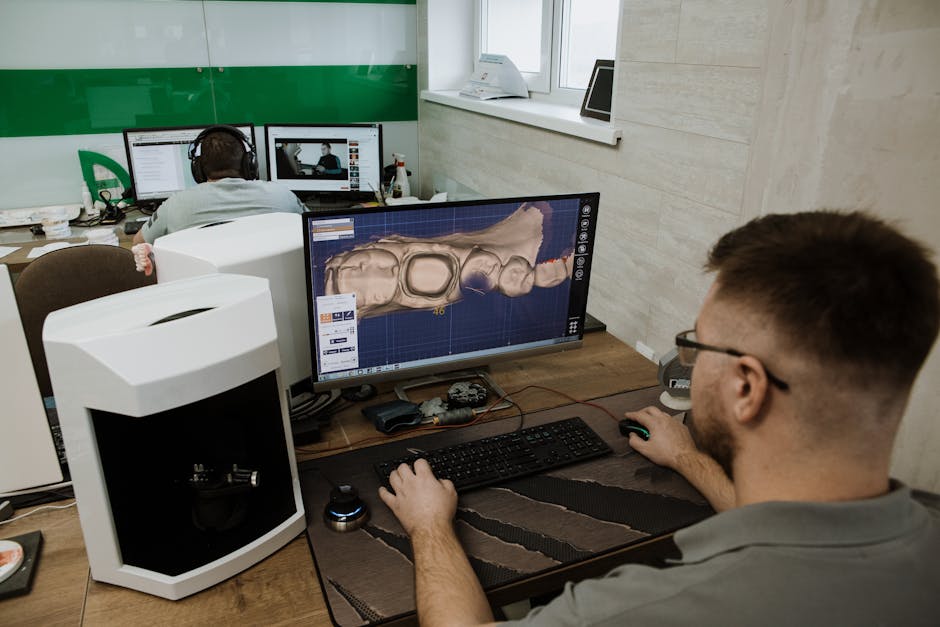
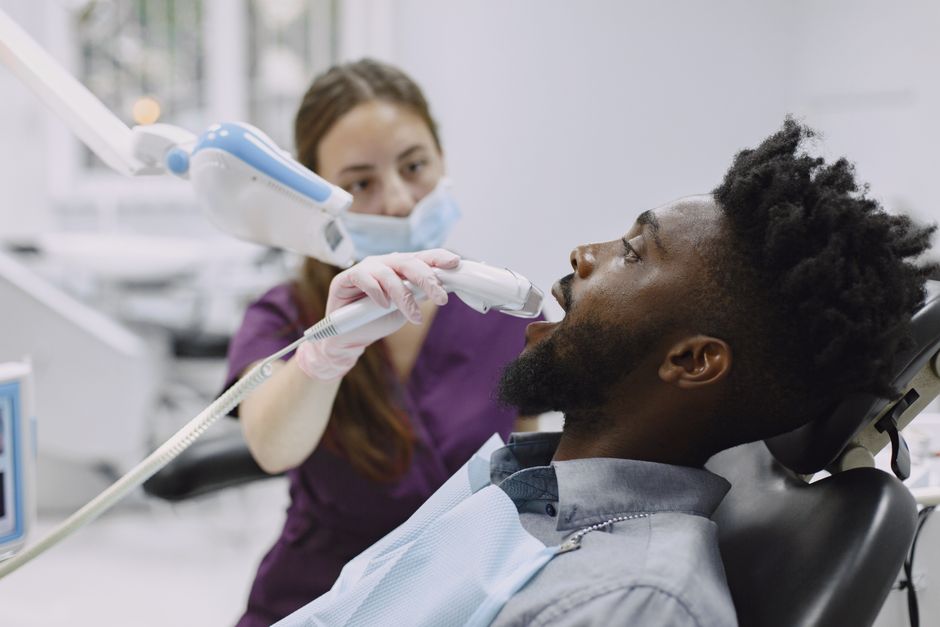
• Intraoral scanning and digital wax-ups for restorative planning.
• Surgical guides to reduce positional errors and potentially shorten surgical time.
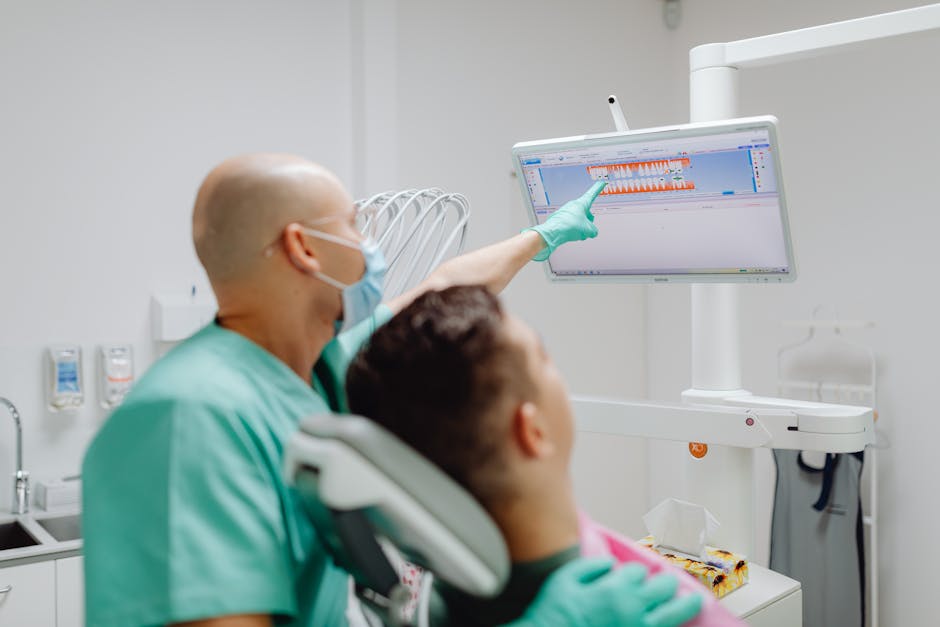
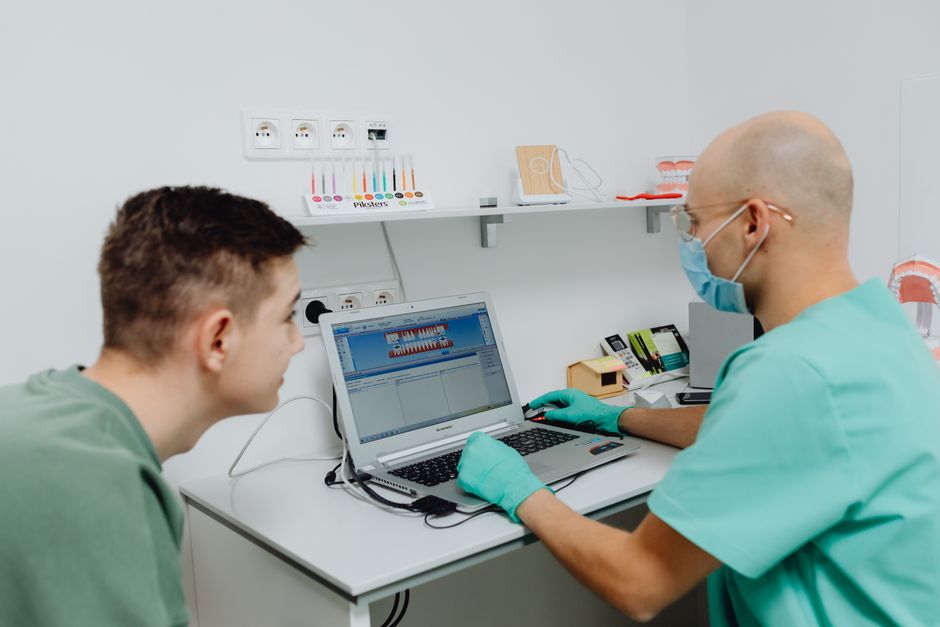
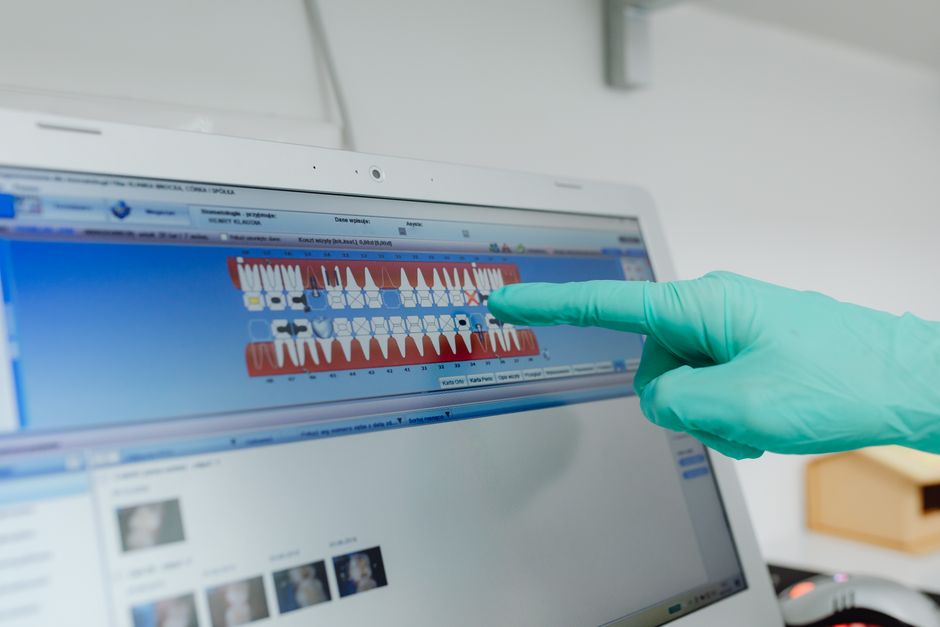
At Istanbul Dental Academy, digital planning is a recurring theme in implant education because it helps connect diagnosis, surgery, and prosthetics into one predictable workflow—especially valuable in medically complex cases.
Surgical Considerations in Patients with Diabetes
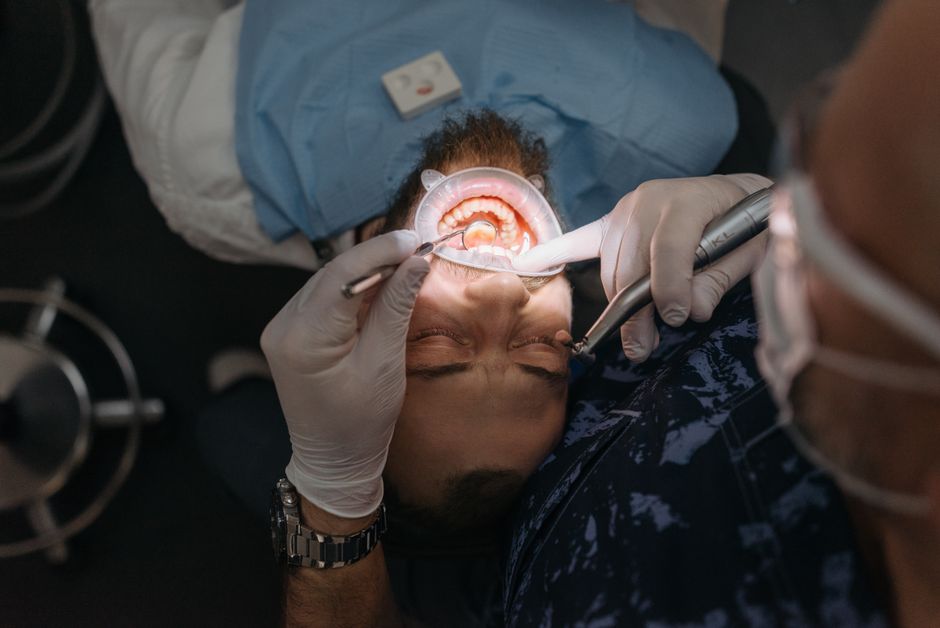
When implant therapy is selected, surgical protocols typically aim to minimize trauma, control infection risk, and create a stable environment for early healing. The specific approach depends on systemic status and local site conditions.
Atraumatic technique and primary stability
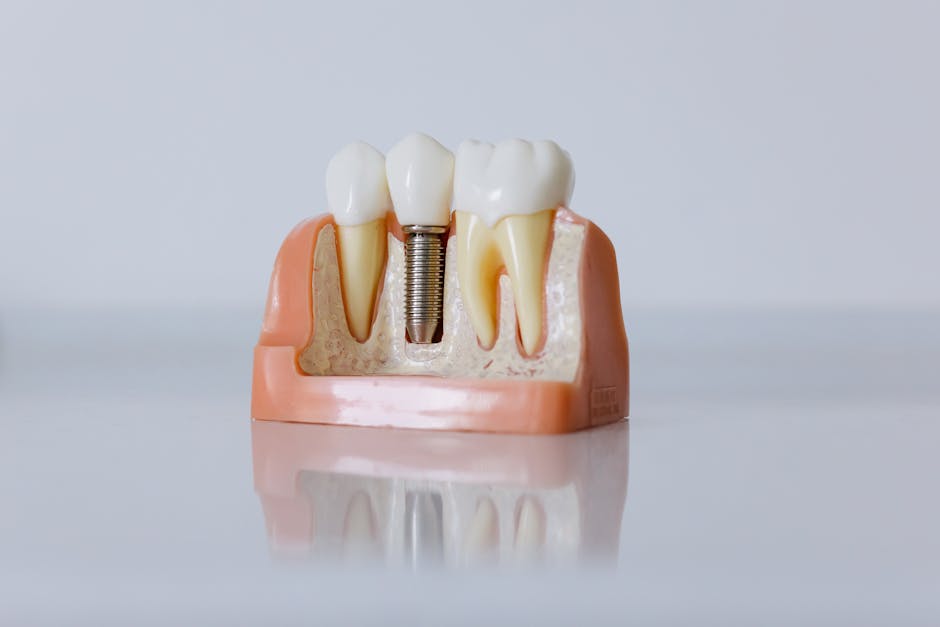
Gentle tissue handling, careful flap design, irrigation, and a well-controlled osteotomy sequence are fundamental for all patients, but may be particularly important when healing capacity is a concern. Achieving appropriate primary stability supports predictable osseointegration and influences loading protocols.
Timing: immediate vs. delayed protocols
Immediate implant placement and immediate provisionalization can be successful in select cases, but case selection becomes more important when systemic and periodontal risks are elevated. Factors such as infection control, socket morphology, soft-tissue management, and patient compliance should guide decisions rather than patient preference alone.
Antibiotics and antiseptics (clinical judgment required)
Some clinicians consider prophylactic antibiotics or antiseptic protocols in higher-risk scenarios, but practice patterns vary and should reflect local guidelines, patient history (e.g., allergies), and clinician judgment. Importantly, antimicrobial strategies do not replace meticulous debridement, aseptic technique, and supportive periodontal care.
Prosthetic Design and Occlusion: Reducing Long-Term Risk
Implant success is not only surgical—it is prosthetic. For diabetic patients, where inflammation control is paramount, restorative decisions that improve cleanability and reduce overload can support peri-implant stability.
Restorative contours and cleansability
Emergence profile, contact design, and margin placement can either simplify or complicate plaque control. Many clinicians prefer designs that:
• Allow effective interdental cleaning (floss, interdental brushes, water devices).

• Avoid excessive convexity at the cervical region.
• Respect soft-tissue thickness and restorative space.
Occlusal management
Overload is a well-known contributor to technical complications and may interact with biological risk. Occlusal considerations often include:
• Controlling excursive contacts on implant-supported restorations where appropriate.
• Managing parafunction with risk counseling and protective appliances when indicated.
• Selecting material and connection designs with a view to retrievability and maintenance.
Peri-Implantitis Risk and Maintenance: The Non-Negotiable Step
Diabetes is frequently discussed in relation to peri-implant inflammation, but the clinical takeaway is practical: maintenance is central. Even excellent surgery and prosthetics can fail if plaque control is inadequate and recalls are irregular.
Supportive care schedule
A tailored recall interval is often recommended for higher-risk individuals, particularly those with a history of periodontitis. Visits may include:
• Hygiene reinforcement with patient-specific tools and technique coaching.
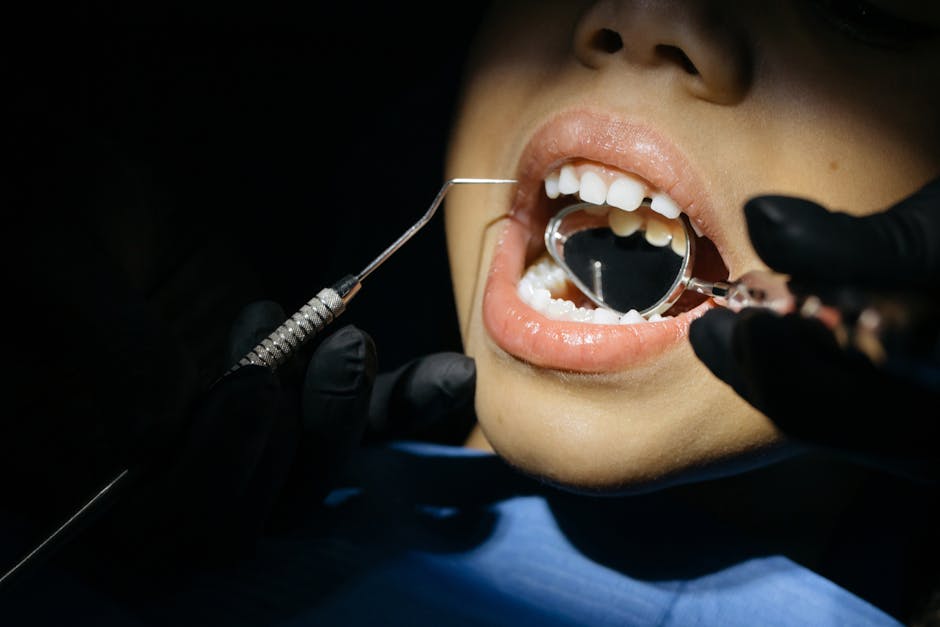
• Soft-tissue evaluation (bleeding, suppuration, probing with appropriate force).
• Radiographic monitoring when indicated to track crestal bone levels.
• Professional debridement using implant-safe instruments and protocols.
Patient communication that improves compliance
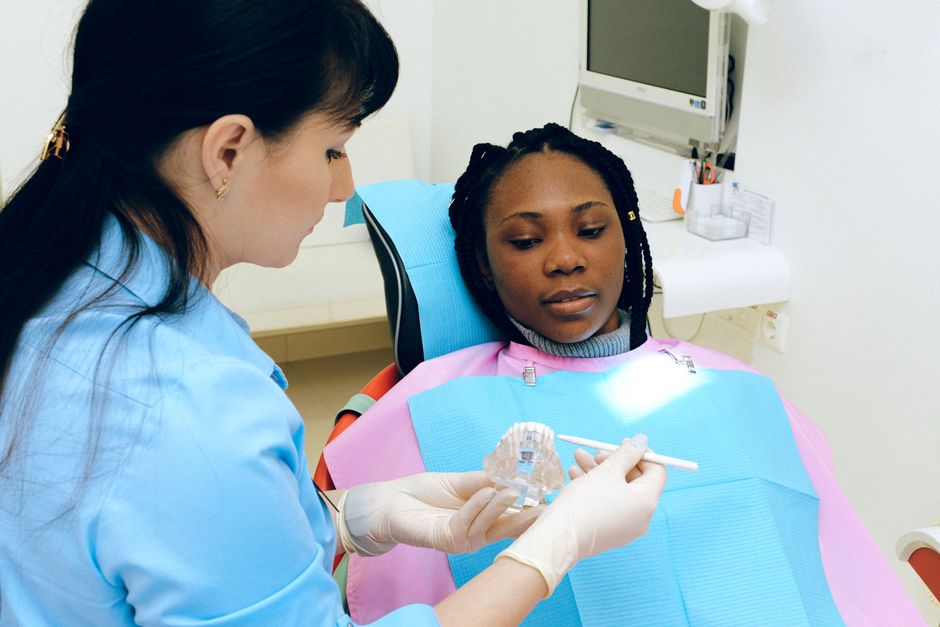
Diabetic patients may already be navigating multiple healthcare appointments. Clear communication can help:
• Explain that implants require ongoing care, similar to natural teeth but with different risks.
• Set expectations about healing timelines and the importance of plaque control.
• Encourage coordination with their medical team for overall health stability.
When to Consider Alternative or Staged Treatment Plans
In educational settings, it is useful to discuss “off-ramps”—situations where clinicians may modify the plan to reduce risk. Depending on patient factors, teams may consider:
• Stabilizing periodontal disease first before implant placement.

• Delaying grafting-intensive surgery until systemic factors are optimized.
• Using transitional prostheses to maintain function and aesthetics during medical stabilization.
• Exploring tooth-preserving options (endodontic treatment, restorative build-ups) when prognosis is reasonable and patient preference supports it.
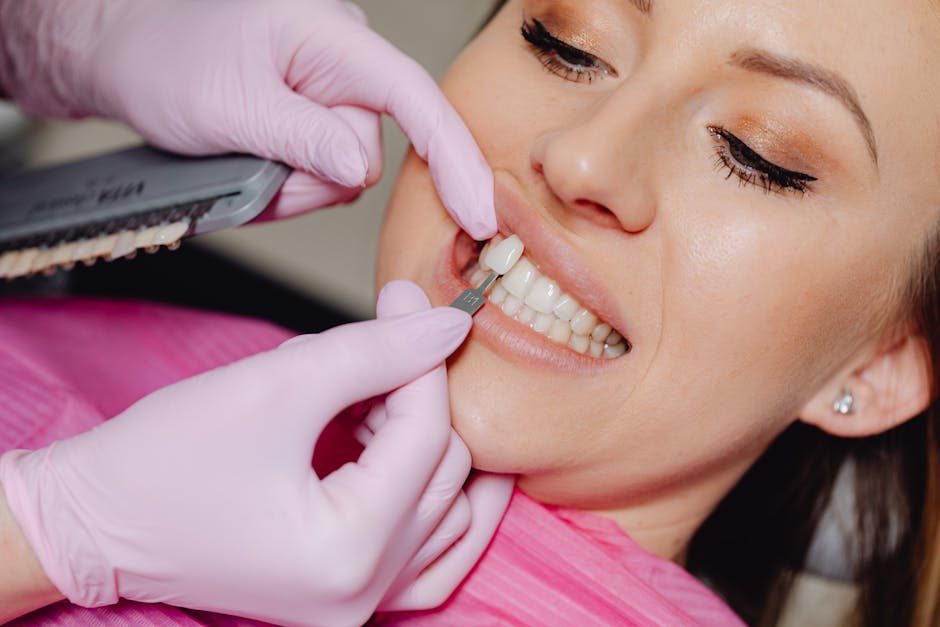
In some cases, aesthetic goals overlap with comprehensive treatment planning—such as smile design, veneers, or restorative rehabilitation. A multidisciplinary approach (periodontology, endodontics, prosthodontics, oral surgery) can help clinicians sequence therapy so that aesthetics do not compromise long-term stability.
How Continuing Education Helps Clinicians Manage Diabetic Implant Cases
Managing implant therapy in diabetic patients is less about a single “rule” and more about consistently applying fundamentals: diagnosis, infection control, prosthetically driven positioning, and maintenance. This is where continuing dental education becomes especially valuable.
Skills that matter in real cases
Clinicians often benefit from training that integrates:
• Risk assessment and case selection (including periodontal staging and systemic considerations).
• Digital dentistry workflows (CBCT interpretation, intraoral scanning, guided surgery concepts).
• Soft-tissue and flap management for clean healing and prosthetic emergence.
• Provisionalization and prosthetic principles that support hygiene and occlusal stability.
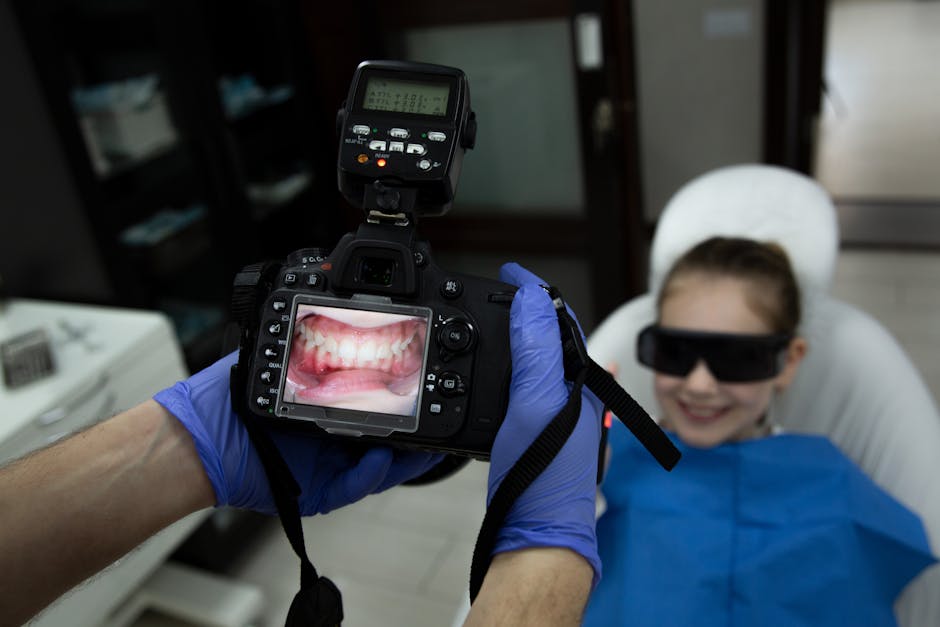
• Documentation and communication—including dental photography for records, patient education, and interdisciplinary collaboration.
Istanbul Dental Academy: a hands-on approach
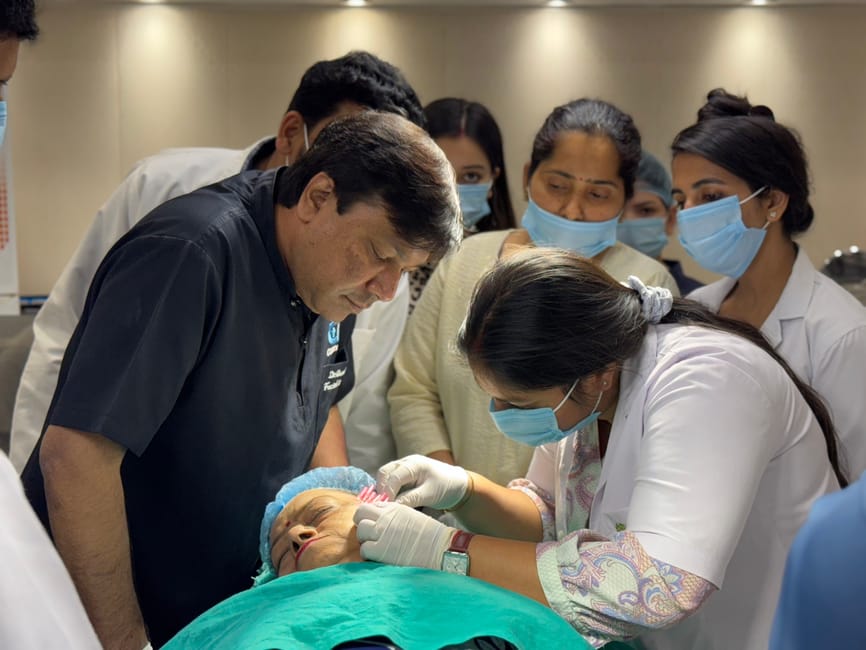
At Istanbul Dental Academy, implant education is designed to be clinically relevant and skill-focused. Courses commonly emphasize hands-on components—ranging from surgical fundamentals to prosthetic planning and digital workflows—so clinicians can translate concepts into chairside decisions. For dentists who frequently see medically complex patients, structured training can help build a repeatable protocol that improves confidence without oversimplifying risk.
Practical Takeaways
For dental professionals evaluating implant therapy in patients with diabetes, the following points can guide case discussions and planning:
• Diabetes is not automatically a contraindication, but control and comorbidities matter.
• Periodontal stability and plaque control are central to reducing complications.
• Prosthetically driven planning (often supported by digital tools) improves predictability.
• Maintenance is essential; set recall expectations early and document them.
• Continuing education can help clinicians refine surgical-prosthetic workflows for higher-risk cases.
This content is for educational purposes and does not replace individualized diagnosis or treatment planning. Clinicians should use professional judgment and collaborate with the patient’s physician when appropriate.
Diğer Yazılar