
BLOG
Core Principles of Successful Implant Surgery: A Clinician’s Guide
Blog Tarihi: 15/09/2026
Why “Successful Implant Surgery” Starts Before the Incision
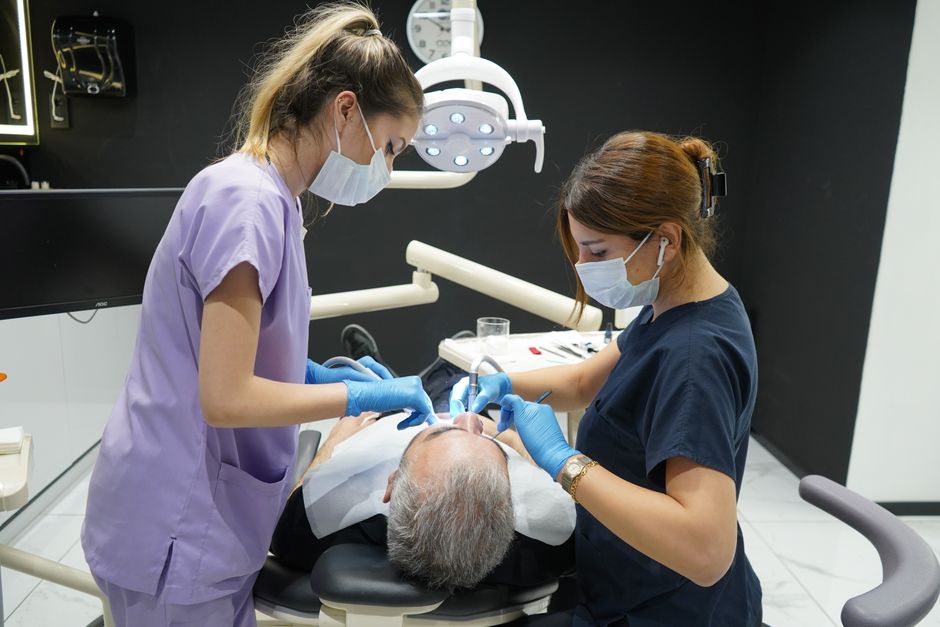
Implant dentistry is often perceived as a surgical discipline defined by drills, torque values, and implant systems. In reality, predictable outcomes depend on what happens before the first incision: diagnosis, risk stratification, communication, and a prosthetically driven plan. When these elements are coherent, surgery becomes a controlled execution of a clear roadmap rather than a series of intraoperative decisions.
In Istanbul, where patients frequently seek both functional rehabilitation and high aesthetic standards, implant surgeons and restorative dentists must coordinate closely. This is also why continuing education has shifted toward integrated training—combining surgical fundamentals with soft-tissue management, digital workflows, and prosthodontic planning. At Istanbul Dental Academy, hands-on learning is structured around these interdisciplinary principles, helping clinicians translate theory into repeatable clinical steps. This content is for educational purposes and is not a substitute for clinical judgment or individualized patient care.
Principle 1: Comprehensive Diagnosis and Risk Assessment
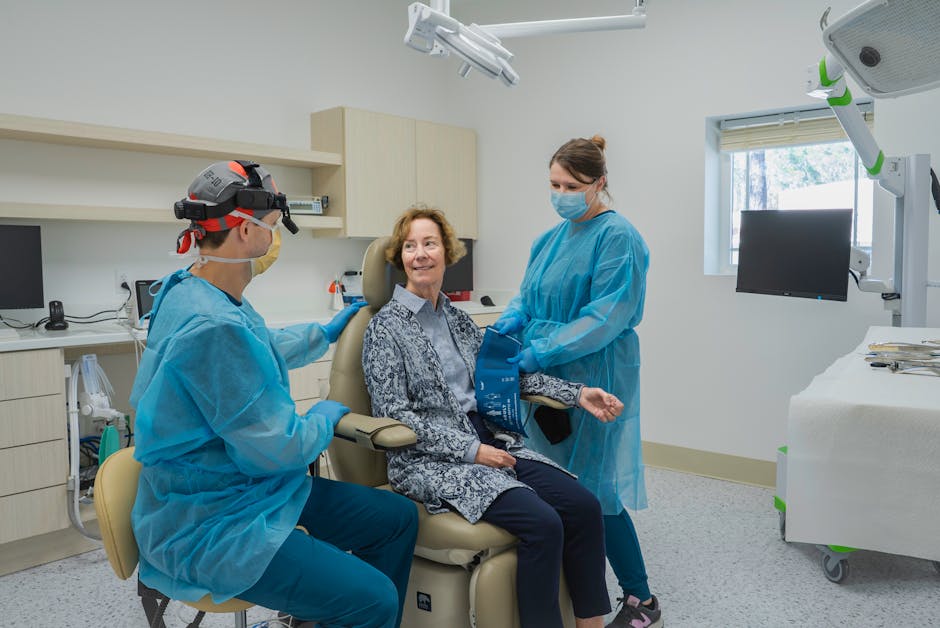
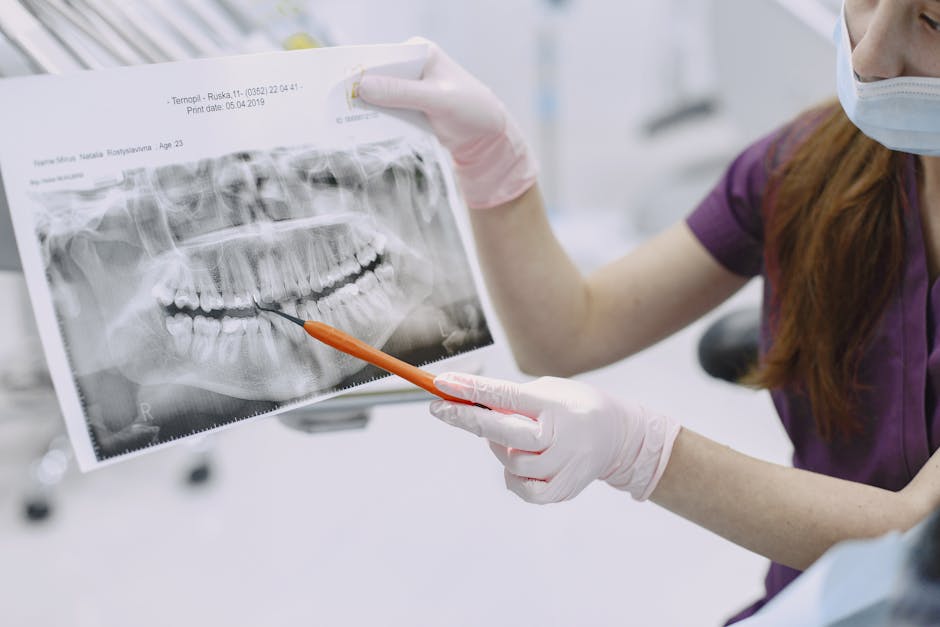
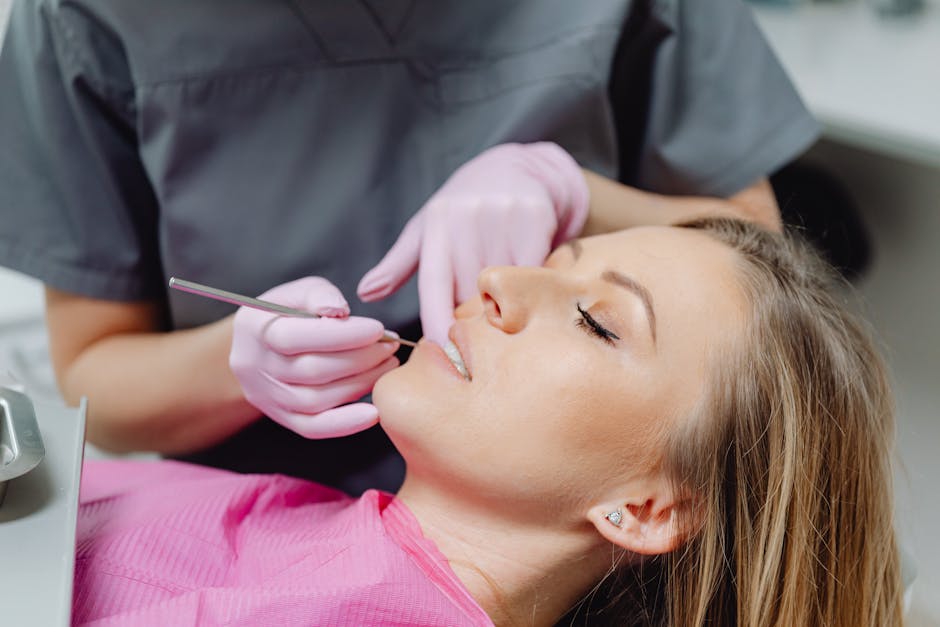
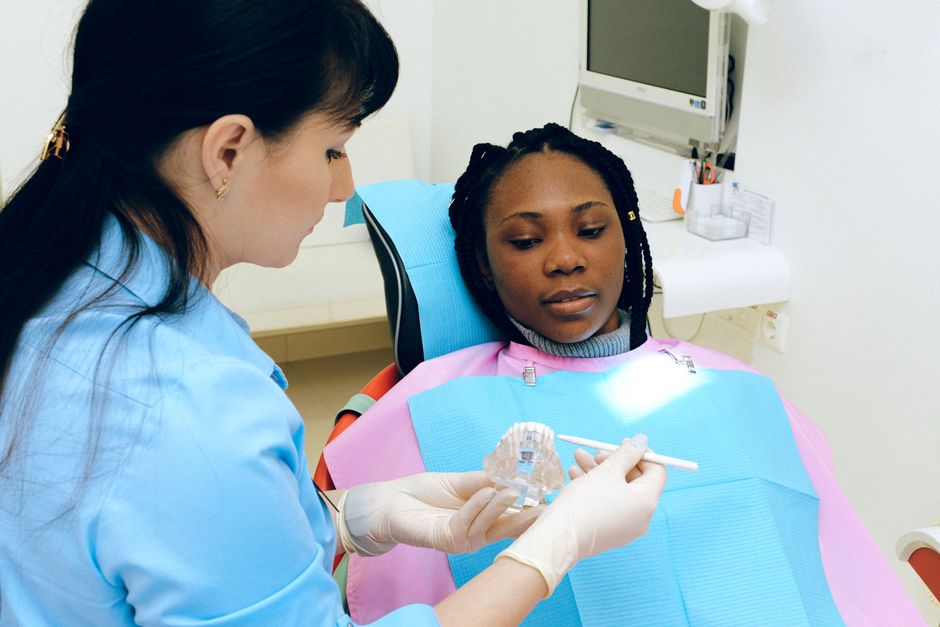
Successful implant therapy begins with a complete diagnosis that goes beyond “is there bone?” A comprehensive assessment typically includes:
Medical and medication history: systemic conditions and medications may influence healing, bleeding risk, and susceptibility to infection. A practical implant workup should clarify stability of systemic conditions, patient expectations, and ability to attend maintenance visits.
Periodontal and peri-implant risk: active periodontal disease can be a strong predictor of future peri-implant complications if not controlled. Baseline periodontal charting and a clear maintenance strategy are essential.
Occlusion and parafunction: bruxism, limited restorative space, or unfavorable occlusal schemes can overload implants and restorations. Risk mitigation may include occlusal adjustments, protective appliances, or design modifications.
Site-specific factors: soft-tissue phenotype, keratinized mucosa, ridge morphology, adjacent tooth/restoration conditions, and inter-arch relationships often determine the complexity more than bone height alone.
Even “non-surgical” findings can influence implant outcomes. For example, xerostomia can increase caries and mucosal irritation, potentially complicating maintenance around implant-supported restorations. For a concise clinical overview, see natural ways to increase saliva flow and the clinical importance of oral dryness—useful when counseling patients on supportive care alongside implant planning.
Principle 2: Prosthetically Driven Planning (Not Implant-Driven Prosthetics)
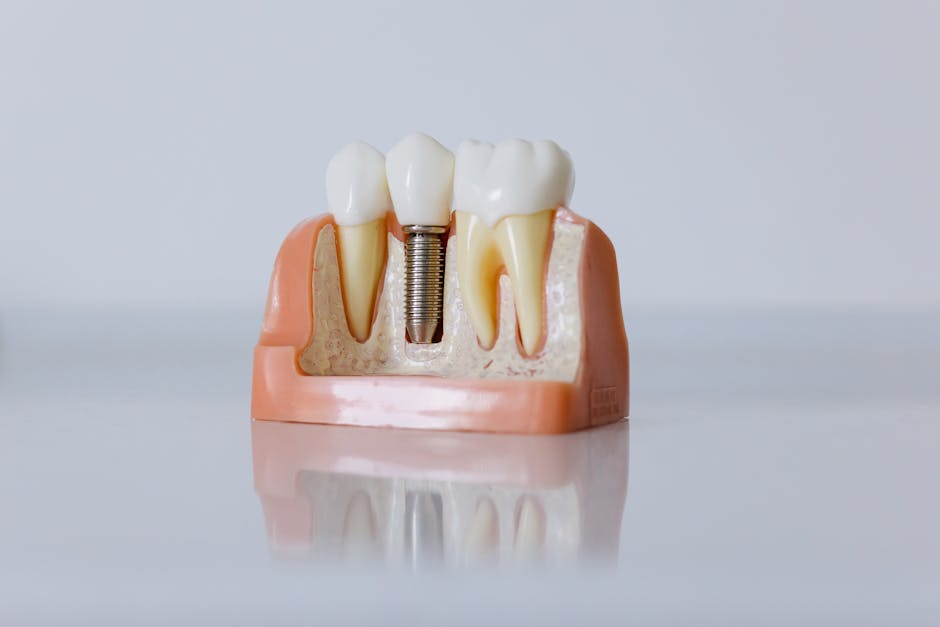
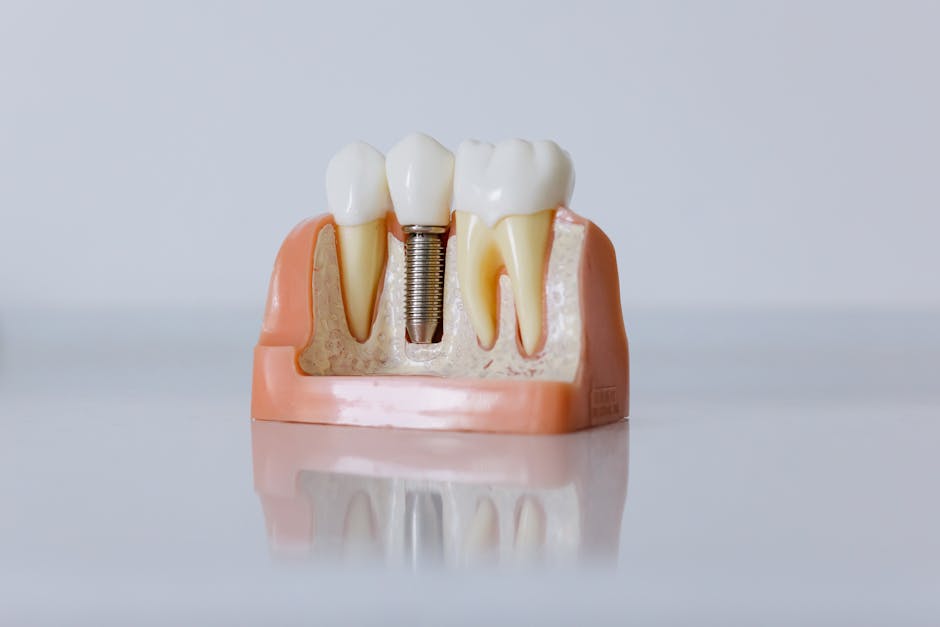
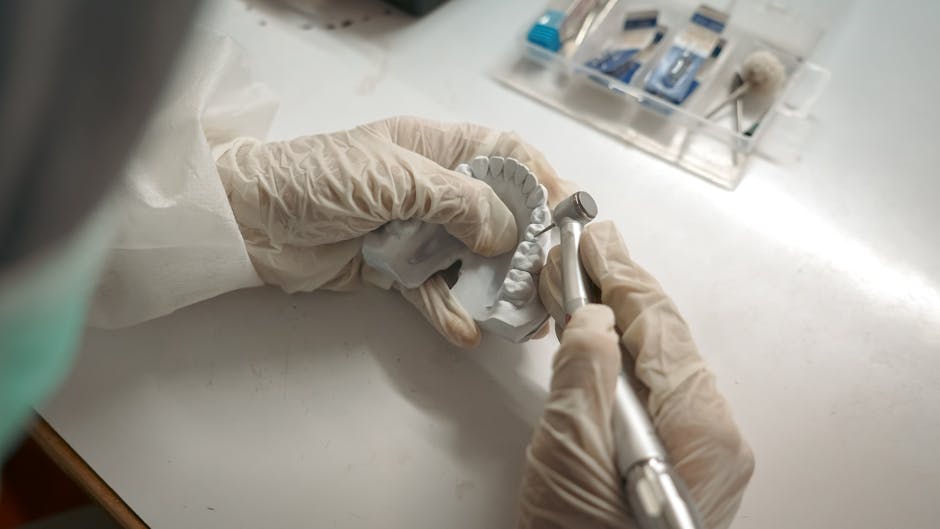
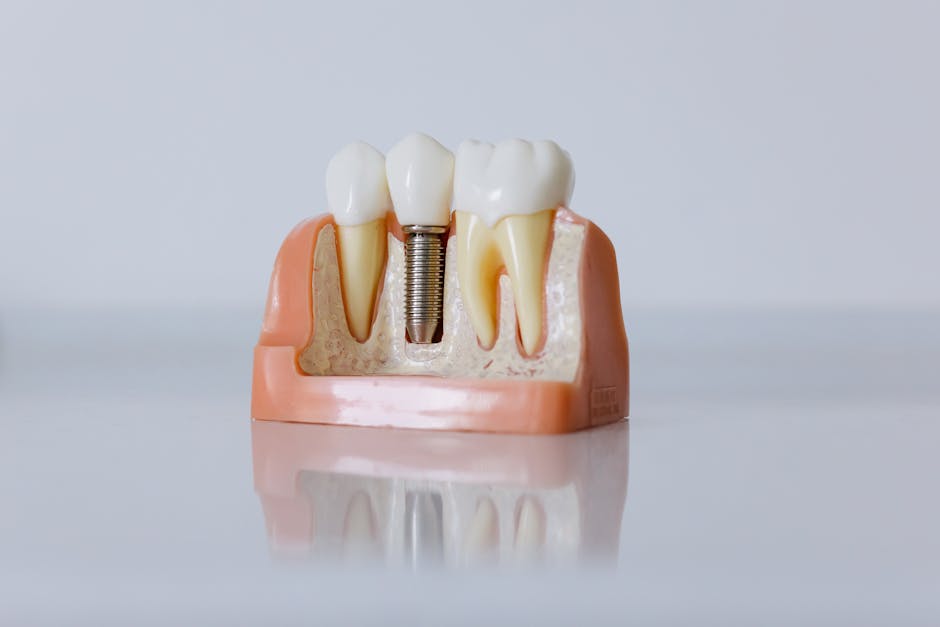
Implant position should be determined by the planned restoration—emergence profile, crown contours, occlusion, and cleansability—rather than by where the bone is easiest to access. Prosthetically driven planning typically focuses on three-dimensional placement:
Mesio-distal: respecting biologic width and papilla potential while avoiding root damage and ensuring adequate inter-implant distance.
Bucco-lingual: ensuring a stable facial bone/soft-tissue envelope and allowing a natural emergence without overcontoured crowns.
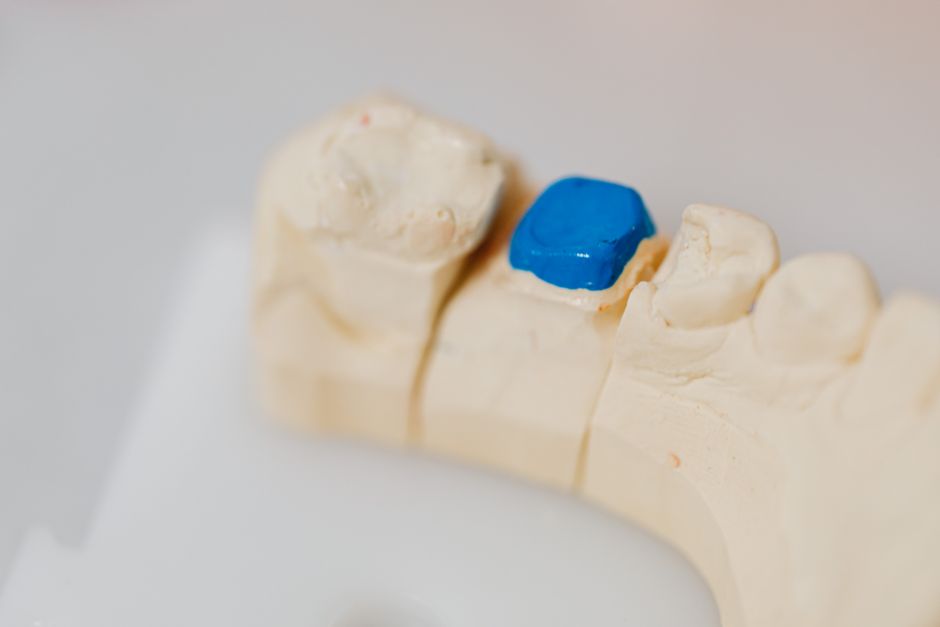
Apico-coronal: creating space for proper restorative materials and abutment design while protecting the peri-implant soft tissue seal.
In aesthetic cases, implant planning often overlaps with broader smile planning. Patients may request comprehensive changes (tooth shape, shade, gingival symmetry) rather than a single-tooth replacement. When implant dentistry is combined with interdisciplinary aesthetics—e.g., veneers or restorative rehabilitation—having a shared framework matters. A helpful reference for clinicians mapping these workflows is what smile design is, who is a candidate, and key clinical considerations, which aligns well with prosthetically driven implant placement principles.
Principle 3: Respecting Biology—Hard and Soft Tissue as a Single Unit
Implant success is not only osseointegration; it is long-term tissue stability around the restoration. Clinically, that means planning for both hard tissue support and soft tissue architecture.
Hard tissue considerations
Bone volume and quality influence primary stability and the choice of surgical approach. The clinician’s goal is to achieve a stable implant-bone interface while minimizing trauma and overheating. While implant systems differ, consistent biologic rules remain: atraumatic technique, irrigation, and an osteotomy protocol matched to bone density.
Soft tissue considerations
Soft tissue phenotype, keratinized mucosa, and vestibular depth can affect plaque control, inflammation susceptibility, and aesthetic outcomes. Rather than treating soft tissue as an afterthought, modern implant workflows incorporate augmentation strategies when indicated.
In selected situations, biomaterials can support soft-tissue volume and wound stability. For an educational overview of one such material and its dental applications, see acellular dermal matrix use in dentistry. Understanding indications, limitations, and handling can help clinicians make more informed, case-by-case decisions in peri-implant soft tissue management.
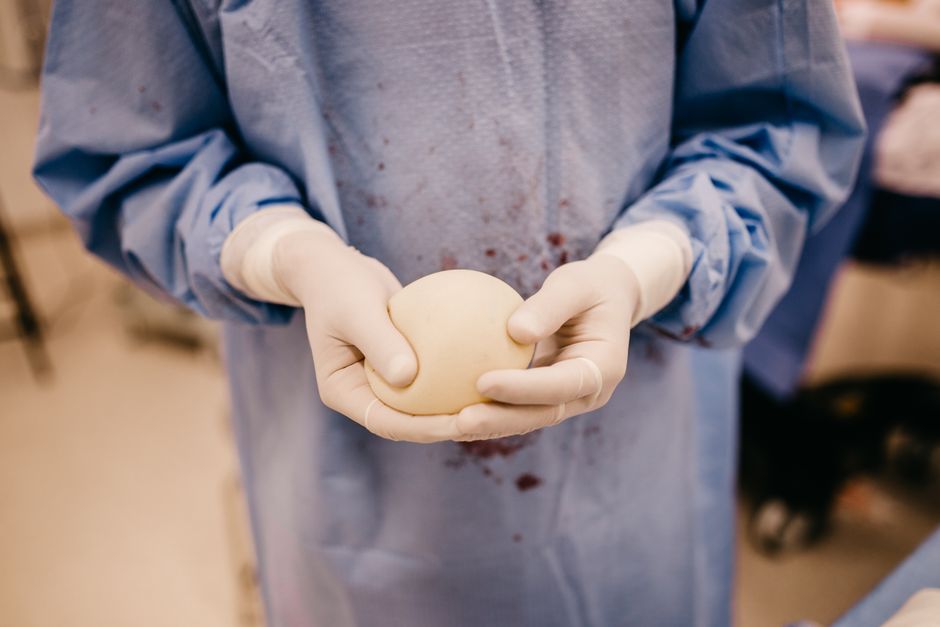
Principle 4: Surgical Execution—Precision, Asepsis, and Controlled Trauma
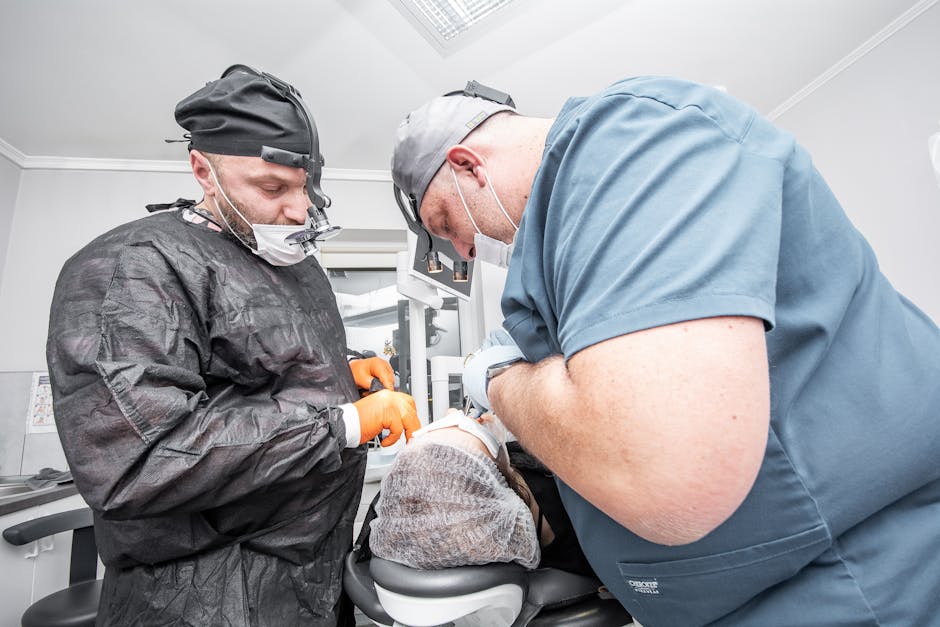
Once planning is complete, the surgery should feel “uneventful” because the key decisions were made beforehand. High-performing clinicians emphasize repeatable fundamentals:
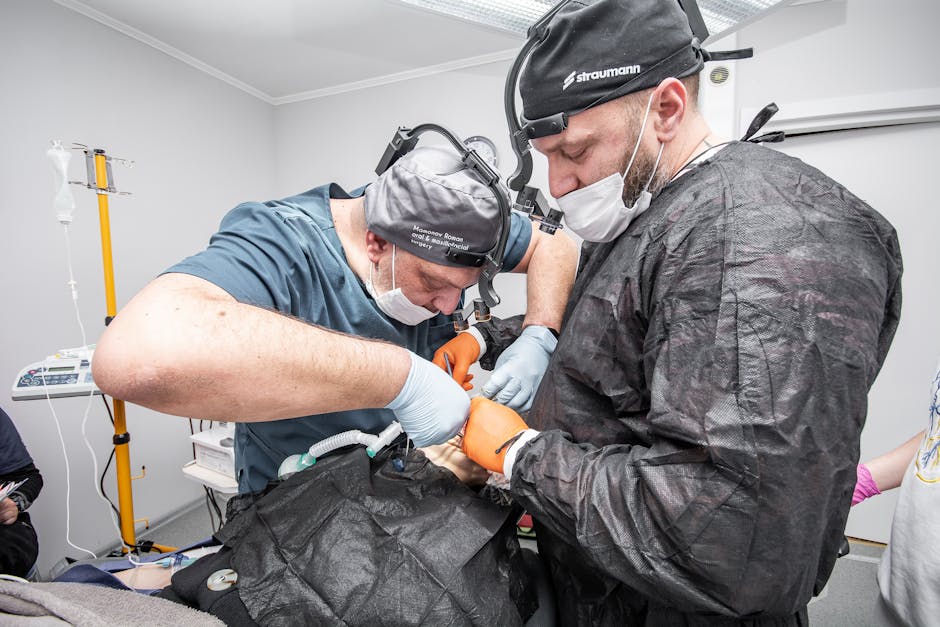
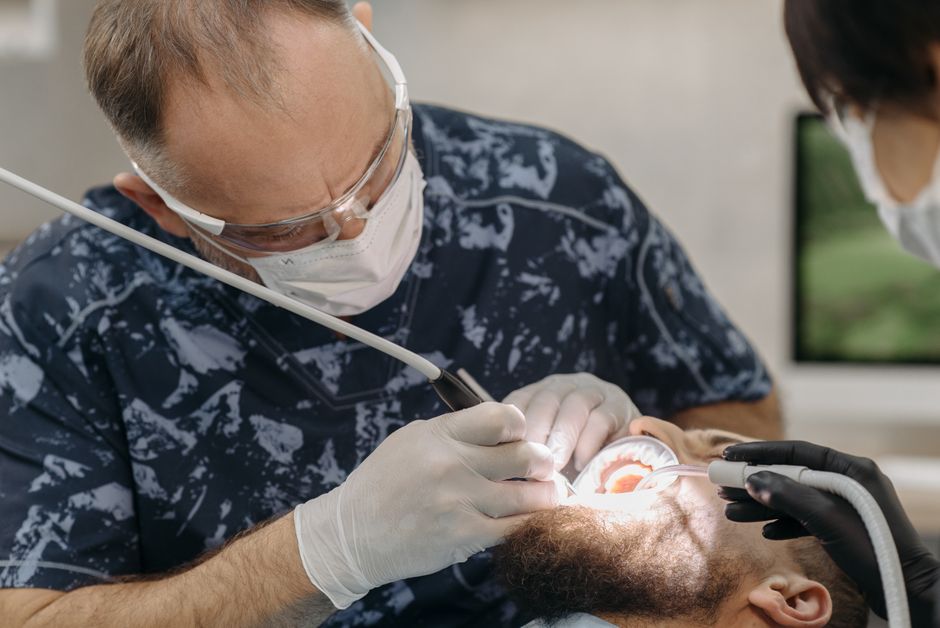
Aseptic protocol: consistent sterile field management, instrument handling, and operative sequence reduces avoidable contamination risks.
Flap design and access: flapless or minimally invasive approaches can be beneficial in carefully selected cases, while flapped access may be necessary to visualize anatomy, manage defects, or perform augmentation.
Guided vs freehand placement: digital planning and surgical guides can enhance accuracy, especially in aesthetic zones or limited restorative space. However, clinicians should understand the limitations: guide stability, sleeve tolerance, and differences between planned and achieved positions.
Primary stability strategy: stability is influenced by bone density, implant macrodesign, and osteotomy preparation. The aim is to balance mechanical stability with biologic preservation.
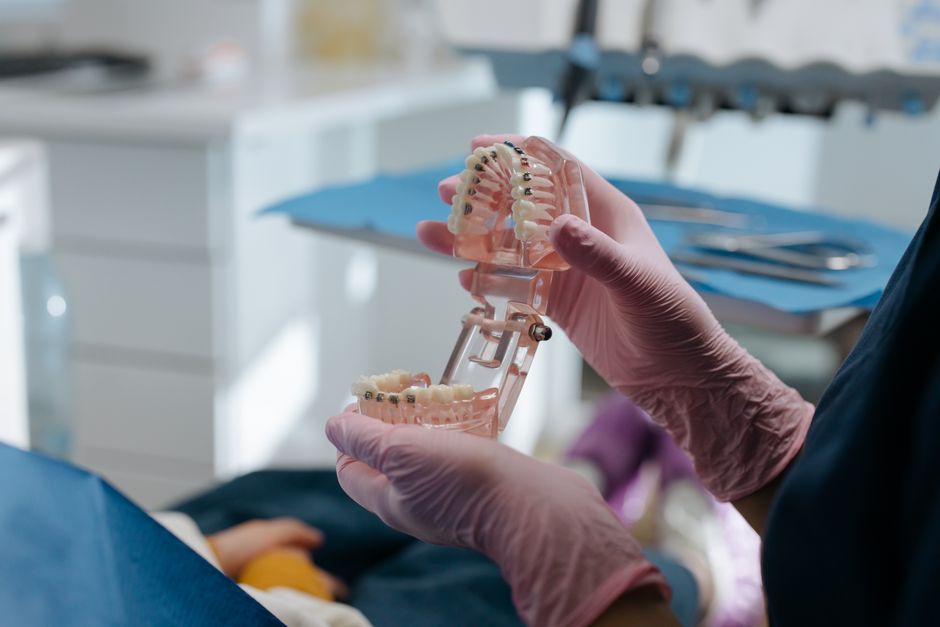
Tension-free closure: stable soft tissue coverage (when flaps are raised) supports predictable healing. Excess tension may contribute to dehiscence and exposure of grafted sites.
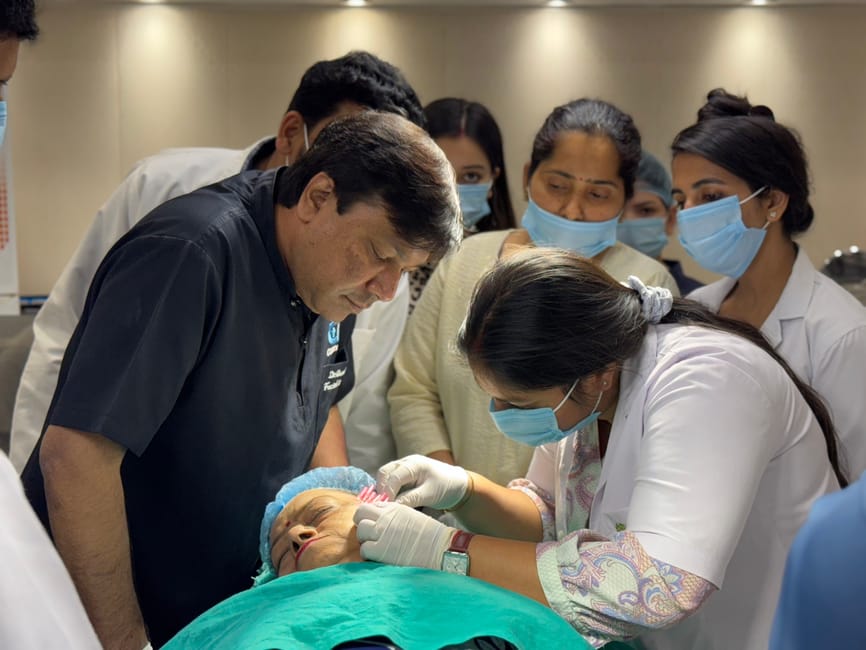
These surgical fundamentals are best mastered through hands-on repetition with supervised feedback. In Istanbul Dental Academy’s practical courses, clinicians typically work through step-by-step protocols—incision design, osteotomy sequence, guided surgery verification, and suturing principles—to build confidence that translates to daily practice.
Principle 5: Managing the Aesthetic Zone—From Tissue Architecture to Restorative Contours
The aesthetic zone magnifies small errors. A minor buccal positioning error can become a major restorative compromise, leading to overcontoured crowns, tissue recession, or gray shine-through. Success here depends on anticipating how the restoration will sculpt soft tissue over time.
Key considerations include:
Facial bone and soft tissue support: adequate facial volume helps maintain mucosal stability.
Provisionalization strategy: in selected cases, provisional restorations can guide tissue contouring and emergence profile development.
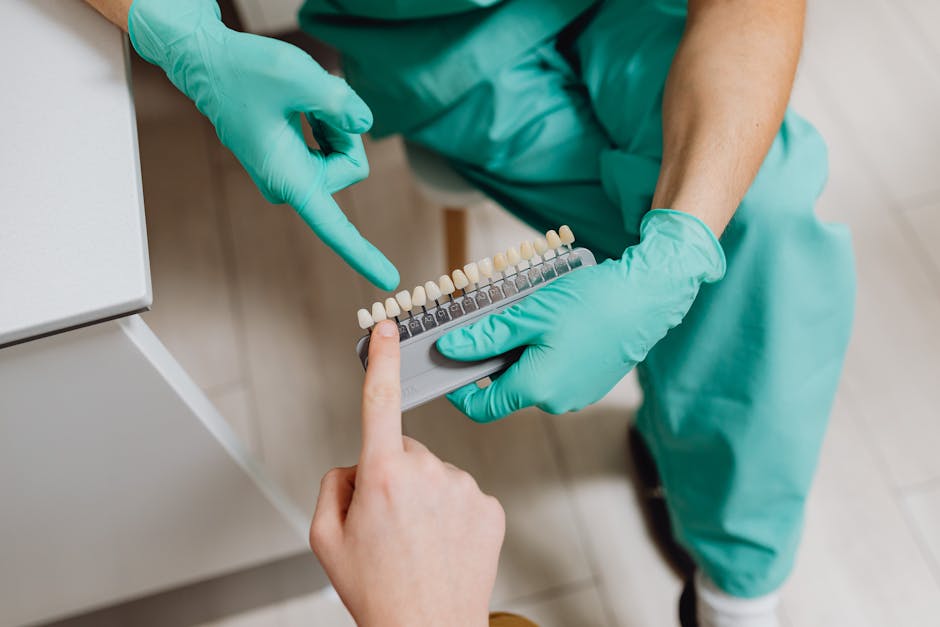
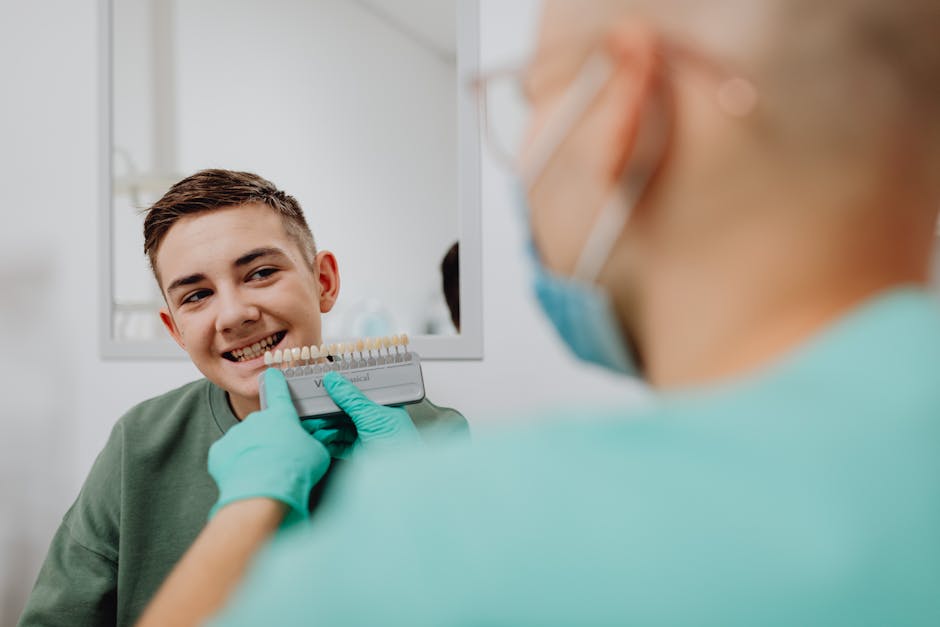
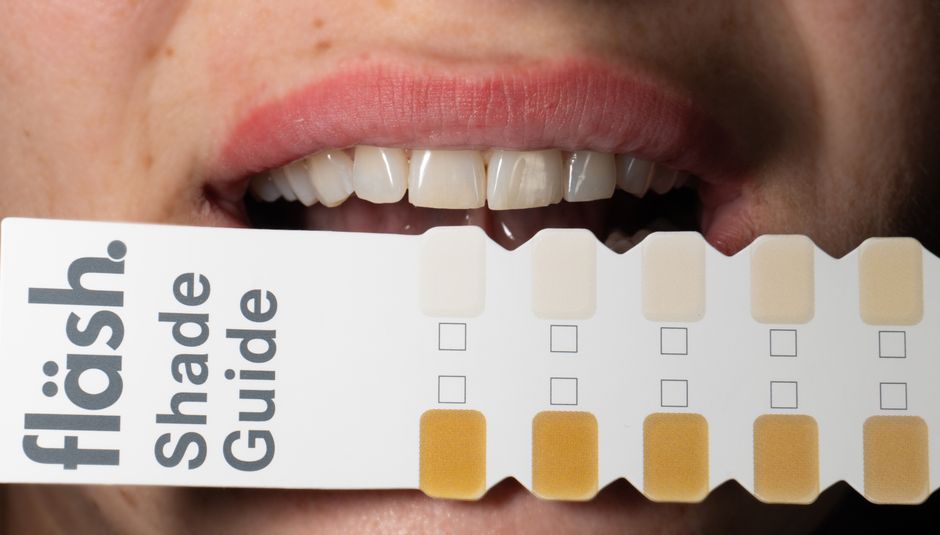
Material and shade planning: restorative material choices can influence light transmission, especially in thin tissue phenotypes.
Some patients present with pre-existing enamel or developmental issues on adjacent teeth, creating complex aesthetic demands around an implant site. In these situations, clinicians may combine implant therapy with minimally invasive aesthetic restorations for harmony. For broader aesthetic planning, consider reading aesthetic solutions for patients with enamel development defects, which can support interdisciplinary decision-making when implants must blend into compromised natural dentitions.
Principle 6: Interdisciplinary Dentistry—Endodontics, Periodontology, and Decision Quality
Implant surgery should not replace thoughtful tooth preservation. A clinician’s implant outcomes improve when treatment planning includes robust criteria for saving teeth, especially in borderline cases. Endodontic retreatment, periodontal therapy, and restorative reinforcement may offer alternatives with lower risk or better long-term value for certain patients.
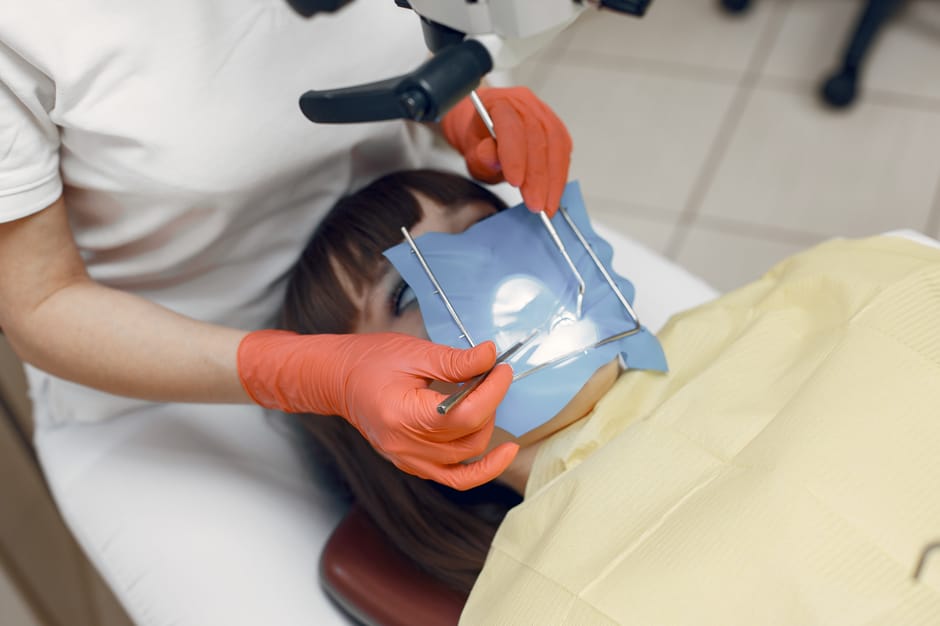
When endodontic diagnosis and treatment quality increase, the “implant vs. save” decision becomes more balanced. Magnification is a key factor in improving visualization of complex anatomy, missed canals, microcracks, and procedural precision. For clinicians who want to strengthen this decision-making foundation, see advantages of using a dental microscope in endodontics, which highlights how enhanced visibility can influence predictability in tooth-preserving care.
Principle 7: Digital Dentistry and Documentation—Planning, Communication, and Learning
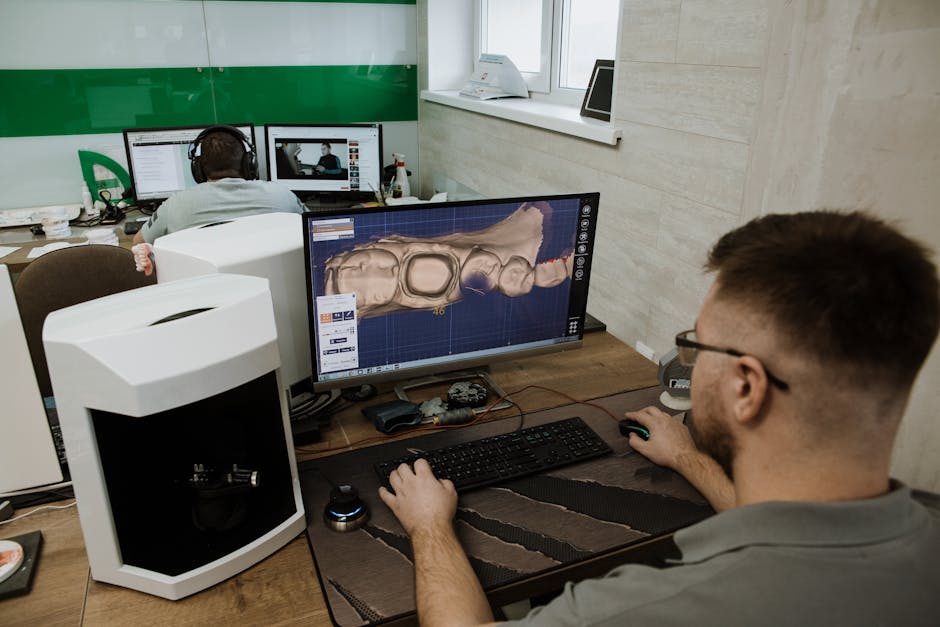
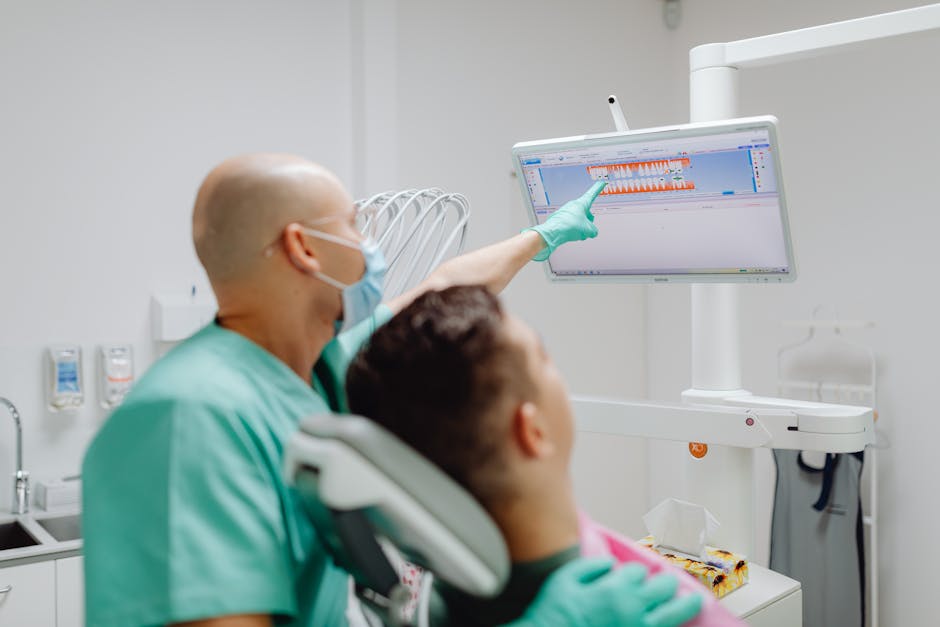
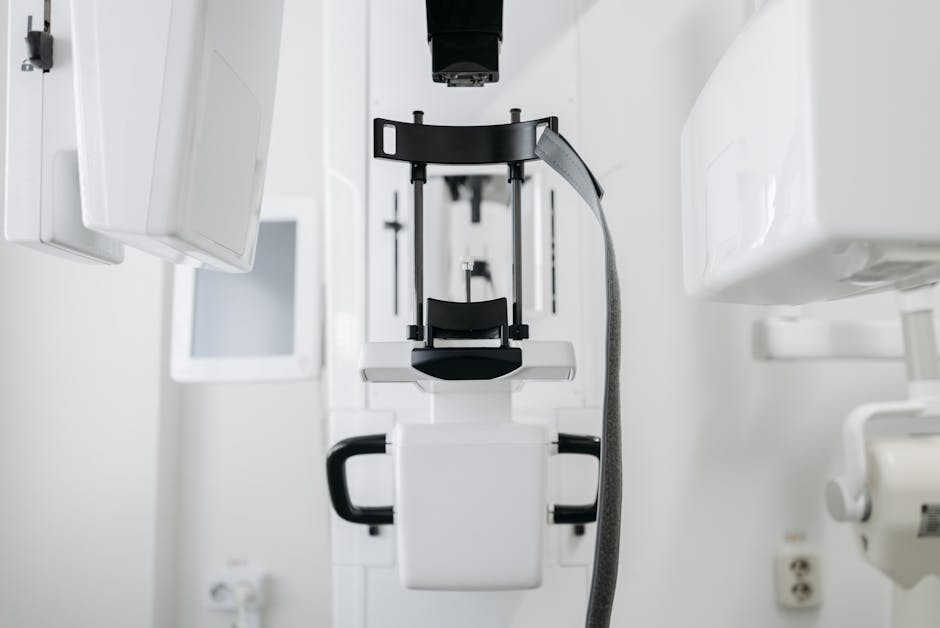
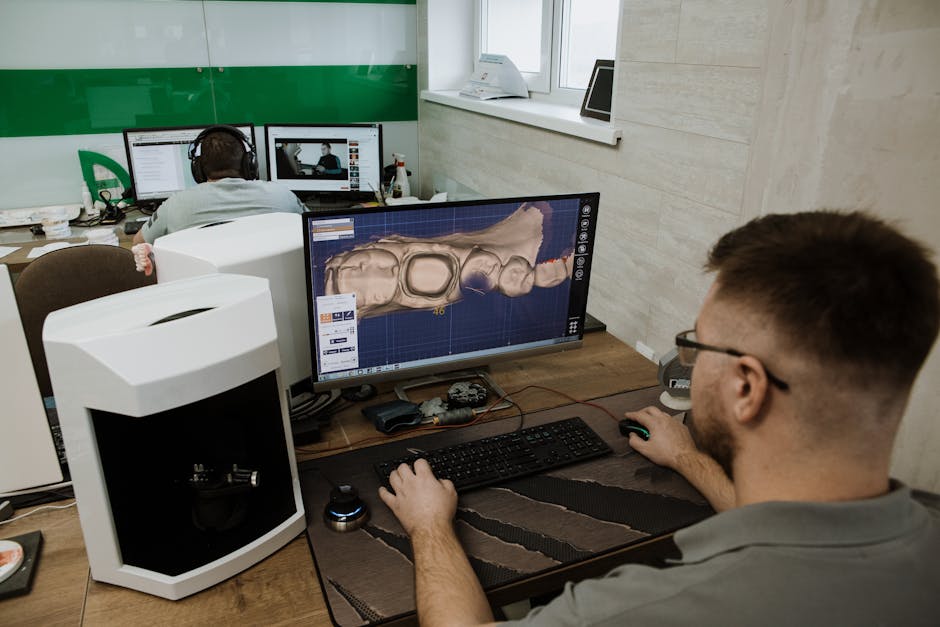
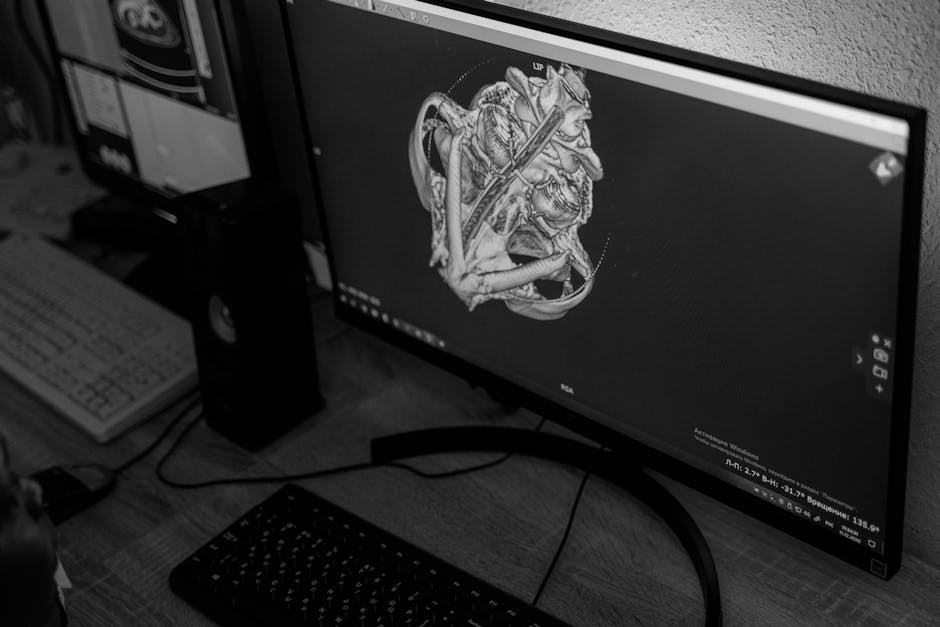
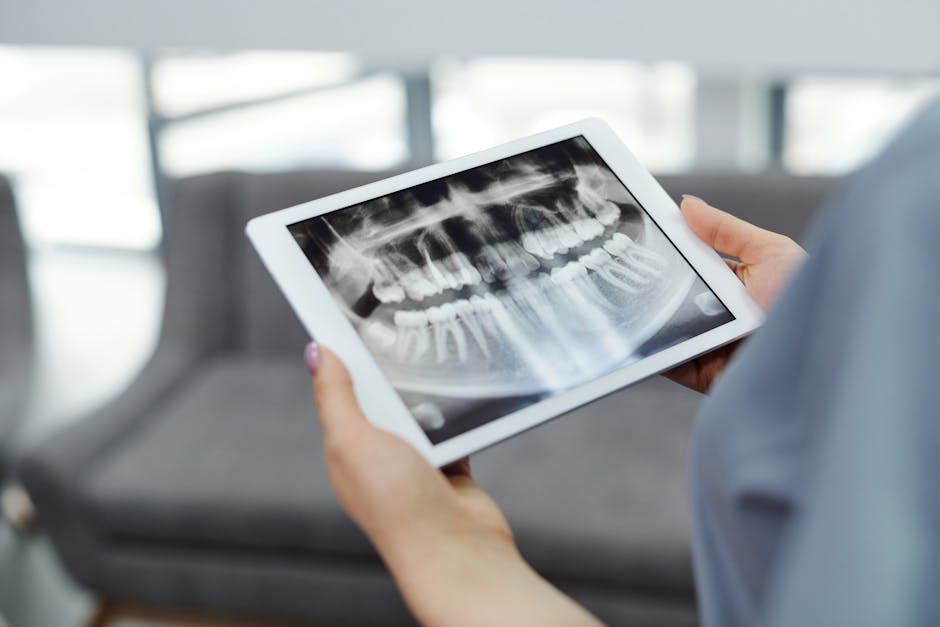
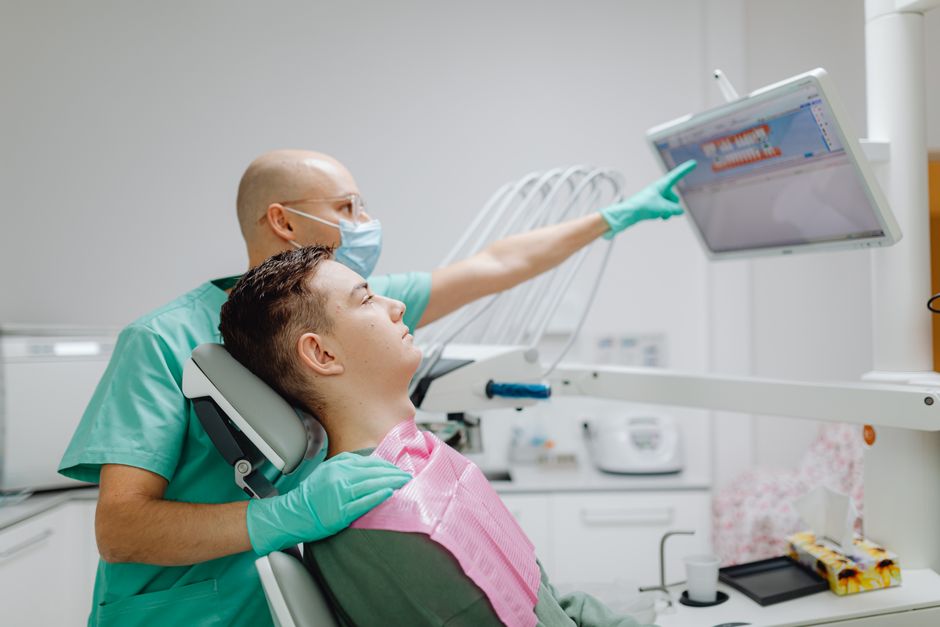
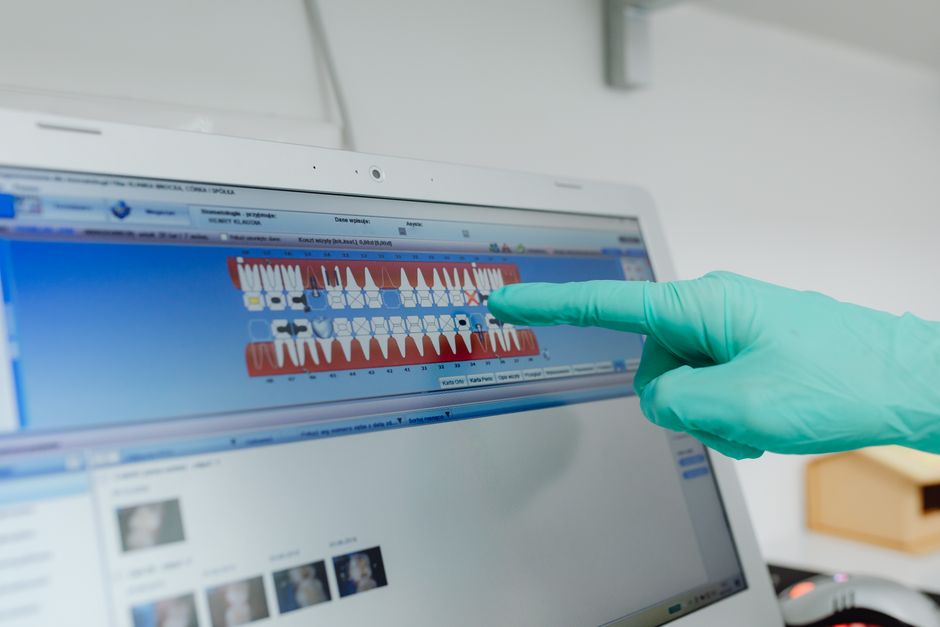
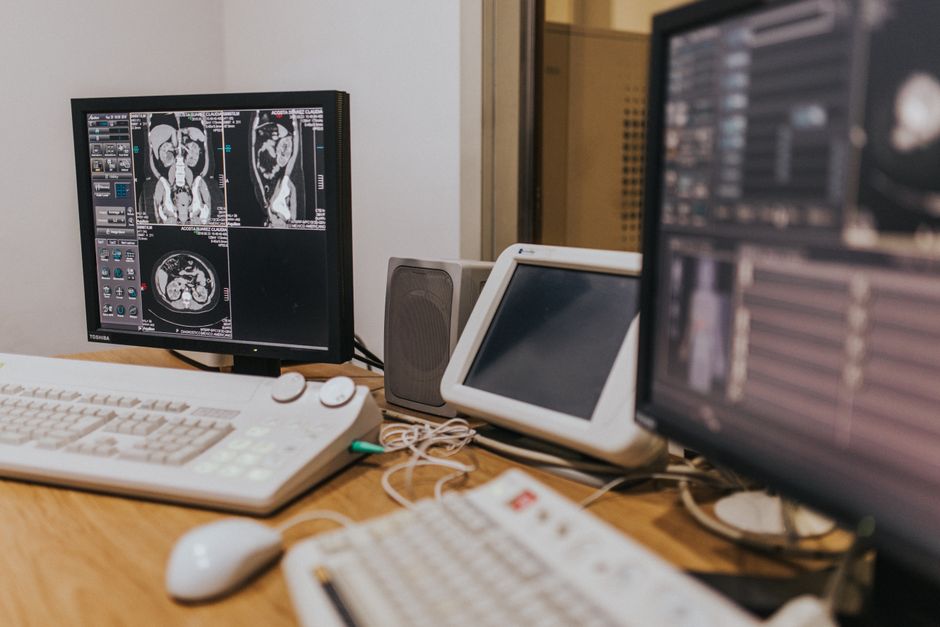
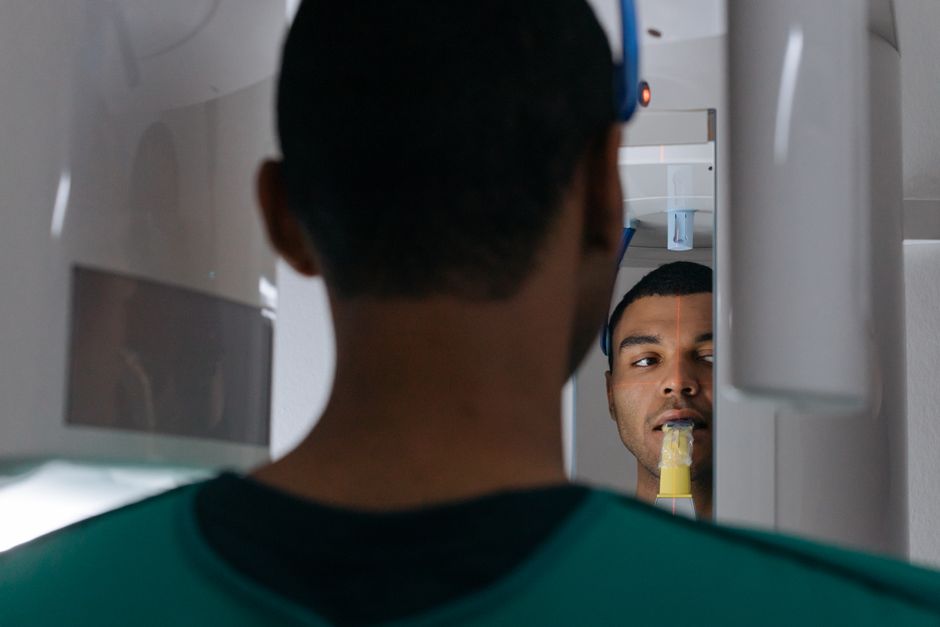
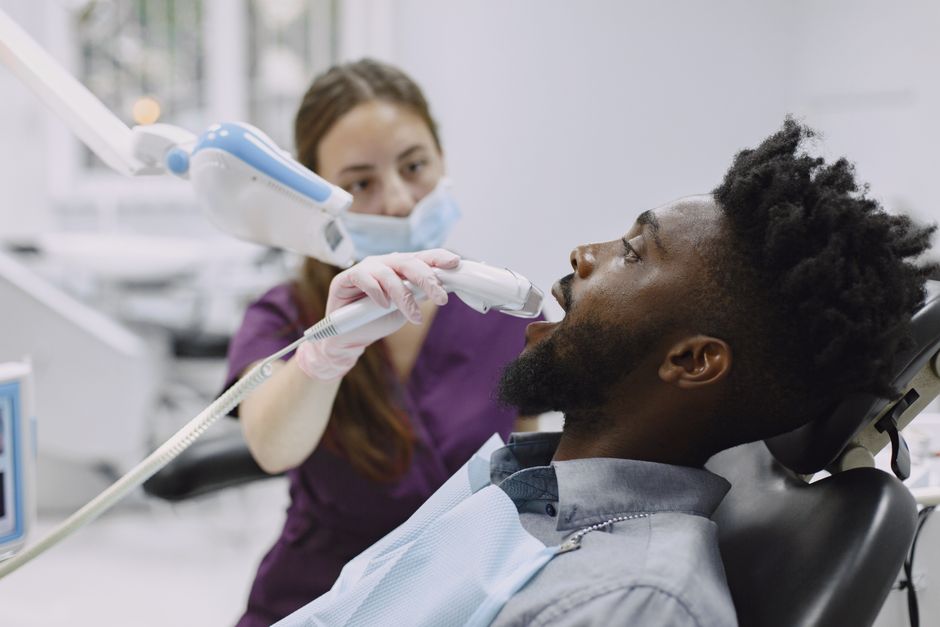
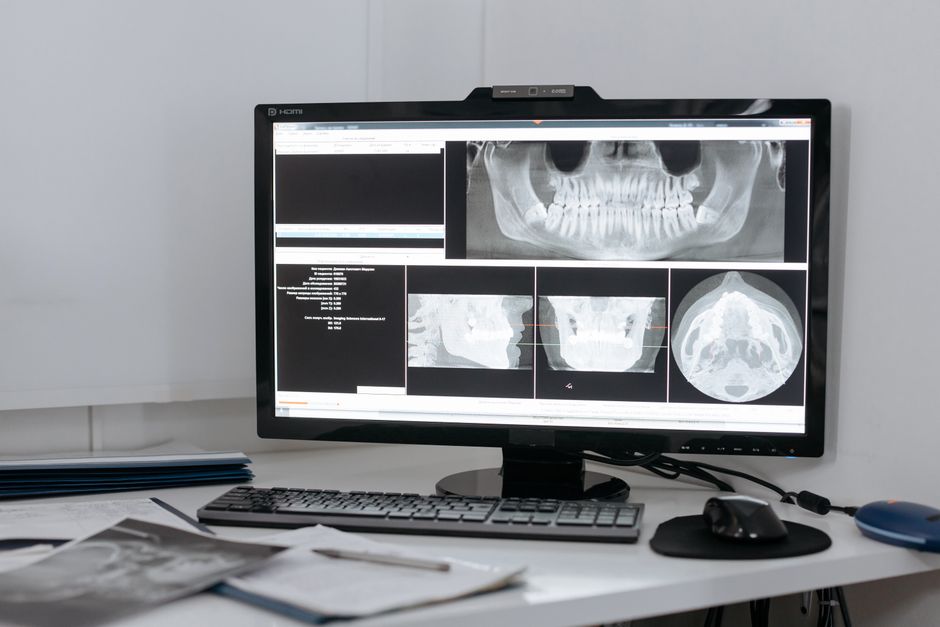
Digital workflows can improve consistency in implant therapy when used thoughtfully. Common components include intraoral scanning, CBCT-based planning, and guided surgery. Beyond surgical accuracy, digital tools help with patient communication: visualizing the final restoration, explaining risk factors, and aligning expectations.
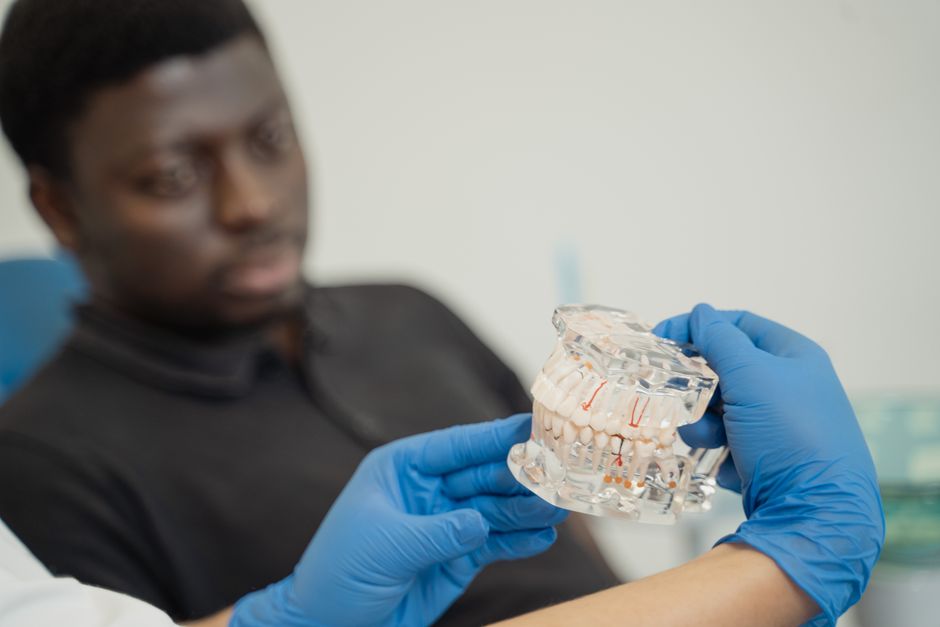
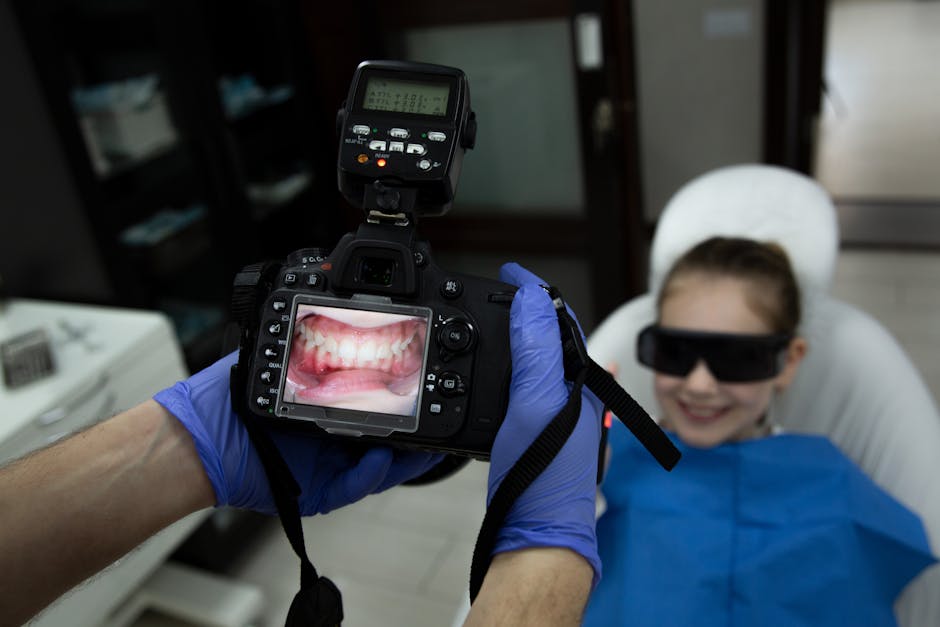
Equally important is clinical documentation. Standardized photography and radiographic records help clinicians evaluate tissue changes, emergence profile development, and prosthetic integration over time. For dental professionals, documentation is also a learning tool—supporting reflective practice and better case presentation, whether for internal audits, interdisciplinary referrals, or continuing education portfolios.
Principle 8: Maintenance and Long-Term Risk Management
Long-term success is sustained in the maintenance phase. Even well-placed implants can develop peri-implant inflammation if plaque control is poor, restoration contours are cleansability-unfriendly, or recall visits are inconsistent.
Maintenance protocols often include:
Patient-specific hygiene coaching: tailored interdental cleaning strategies around implant restorations and pontic areas.
Professional monitoring: regular assessment of peri-implant tissues, probing (with appropriate caution), bleeding indices, occlusal evaluation, and radiographic review when indicated.
Restoration assessment: checking excess cement risk (when applicable), contact tightness, emergence profile, and potential food impaction zones.
Systemic and local factors (including reduced saliva flow) may alter the maintenance burden. Incorporating supportive recommendations and setting realistic recall intervals is part of comprehensive implant care planning.
How Istanbul Dental Academy Supports Predictable Implant Outcomes
For many clinicians, the biggest leap in implant success comes from turning knowledge into a repeatable workflow. Istanbul Dental Academy emphasizes practical learning: step-by-step planning, guided and freehand placement principles, soft tissue handling, suturing, and prosthetically driven positioning—integrated with restorative, periodontal, and digital dentistry perspectives.
Because real patients present with mixed challenges—periodontal history, aesthetic expectations, endodontically treated adjacent teeth, and restorative complexities—our course philosophy prioritizes interdisciplinary thinking rather than isolated techniques. The goal is to help dental professionals build a clinical “system” that supports safety, predictability, and continuous improvement.
Key Takeaways
Successful implant surgery is a chain of decisions: diagnosis and risk assessment, prosthetically driven planning, biologic respect for hard and soft tissue, precise execution, aesthetic-zone management, interdisciplinary judgment, and structured maintenance. When any link is weak, complications become more likely—and when each link is strengthened through education and deliberate practice, predictable outcomes become achievable.
This content is for educational purposes only and does not provide definitive medical or treatment advice. Clinical decisions should be individualized based on patient evaluation, current guidelines, and professional judgment.
Diğer Yazılar