
BLOG
Current Approaches to Managing Amelogenesis Imperfecta: A Modern Restorative and Digital Workflow
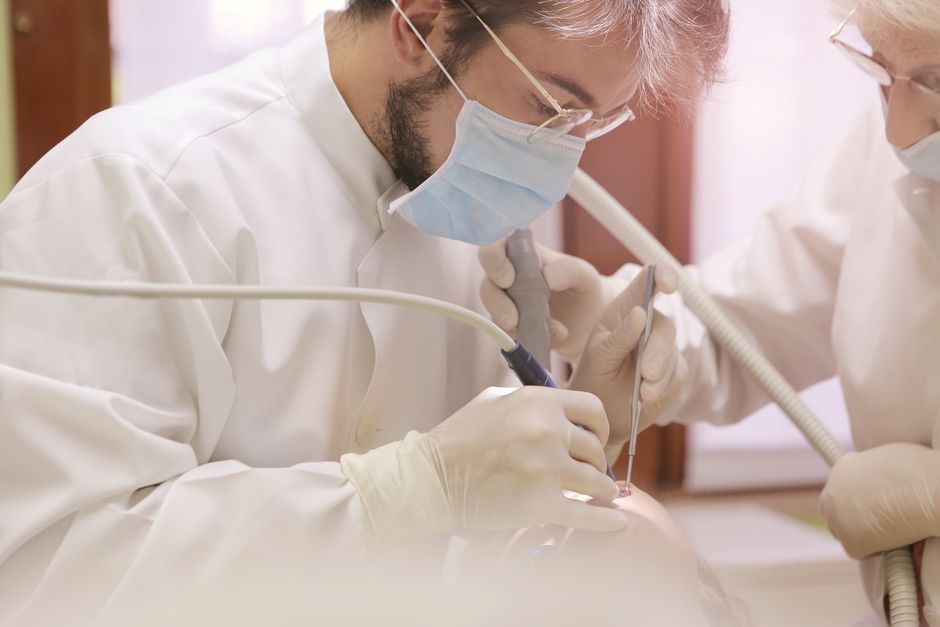
Amelogenesis Imperfecta (AI) in 2026: Why “Contemporary Approaches” Matter
Amelogenesis imperfecta (AI) is a group of inherited enamel disorders that can significantly affect aesthetics, tooth sensitivity, occlusal function, and long-term restorative prognosis. Because AI is highly variable—clinically and genetically—management is rarely a single procedure. Instead, it is typically a staged, risk-based plan integrating prevention, minimally invasive restorations, occlusal management, and, in selected adult cases, prosthodontic or implant-supported solutions.
In Istanbul, clinicians often see AI patients who have already experienced multiple restorative cycles, sensitivity-related avoidance of oral hygiene, or psychosocial impacts from visible enamel defects. A modern approach therefore combines biology (caries/erosion risk, periodontal stability, saliva), materials science (adhesion and ceramics), and workflows (digital design, photography, and structured follow-up). This content is for educational purposes and does not replace individual diagnosis or treatment planning.
Clinical Presentation and Diagnosis: Building a Useful Problem List
AI is commonly categorized into hypoplastic, hypomaturation, and hypocalcified patterns, though real-world cases frequently overlap. For the restorative dentist, the practical question is not only “what type,” but also “what are the consequences in this mouth right now?” A useful problem list may include:
• Enamel quantity/quality issues: thin enamel, pitting, diffuse opacities, rapid post-eruptive breakdown
• Hypersensitivity: affecting diet, brushing, and compliance
• Altered occlusal vertical dimension: from wear and fracture
• Aesthetic concerns: color, translucency, surface texture, and smile line
• Caries and erosion risk: influenced by diet and saliva
• Periodontal status: plaque retention and gingival inflammation may be increased when surfaces are rough or sensitivity reduces brushing
When AI is diagnosed in childhood, timely management can reduce restorative burden later. For pediatric patterns and early planning considerations, clinicians may also review Amelogenesis Imperfecta in Children: Signs, Diagnosis, and Dental Management to frame age-appropriate goals and preventive strategies.
Documentation: Photography and Digital Records as Clinical Tools
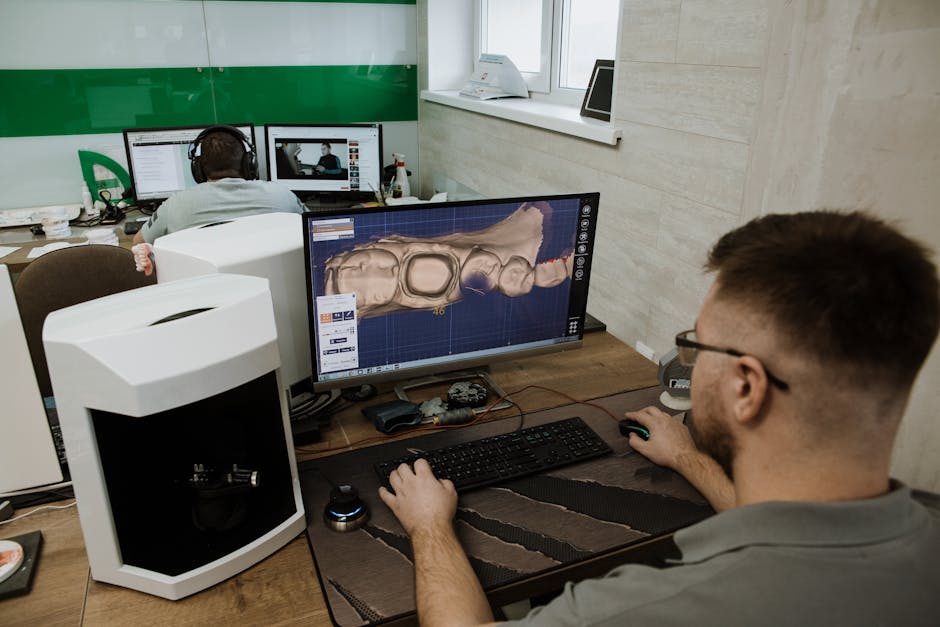
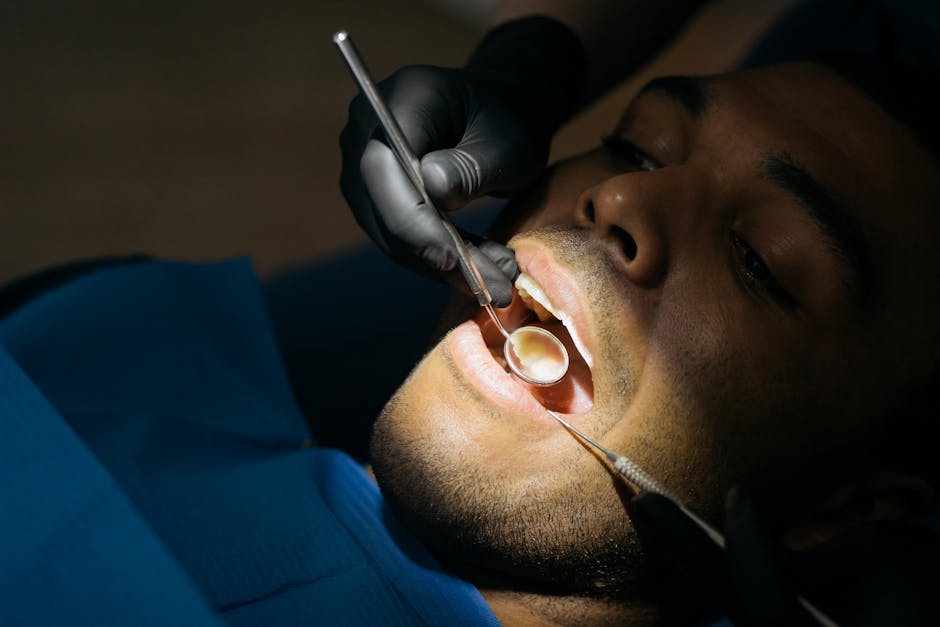
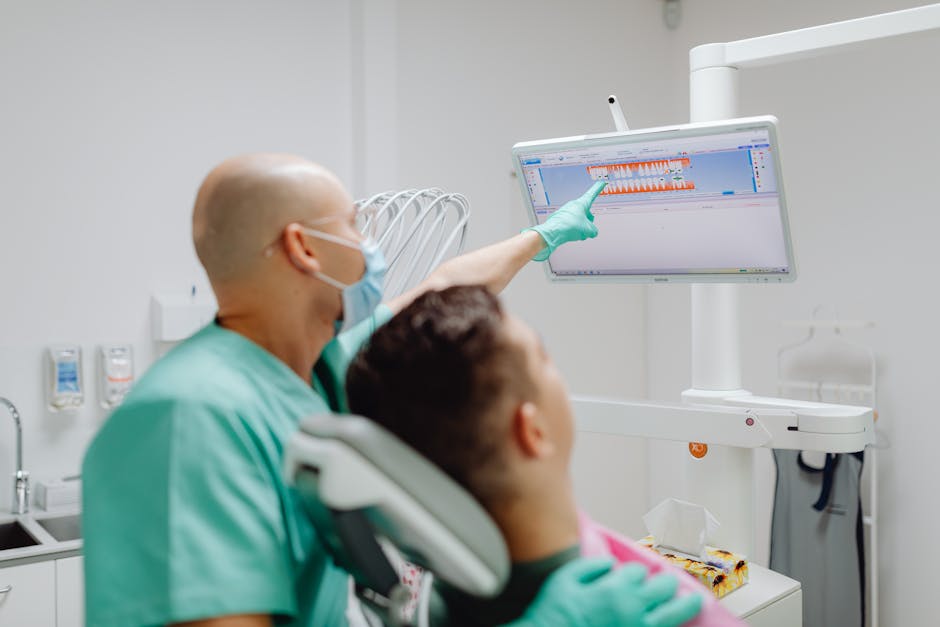
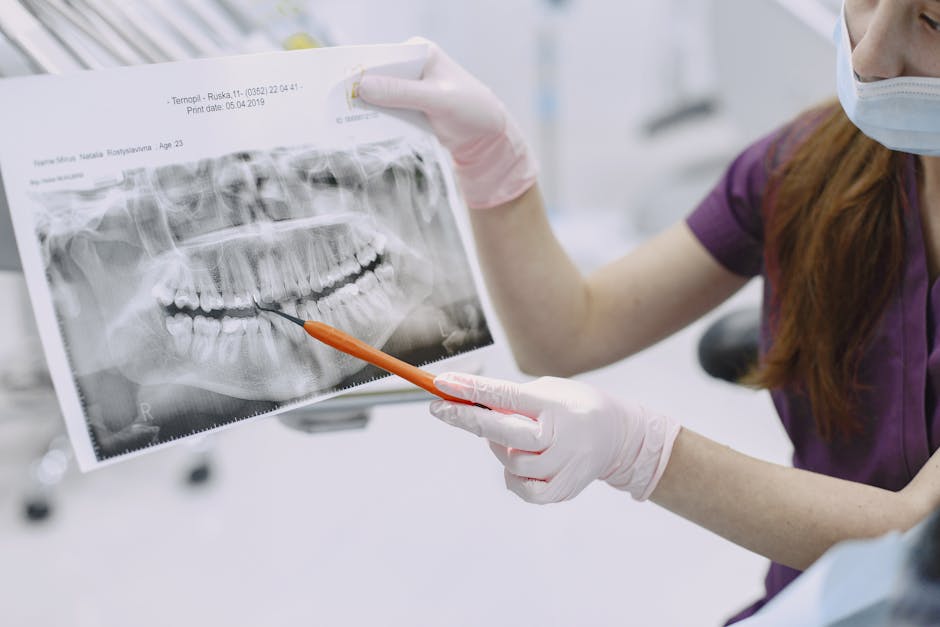
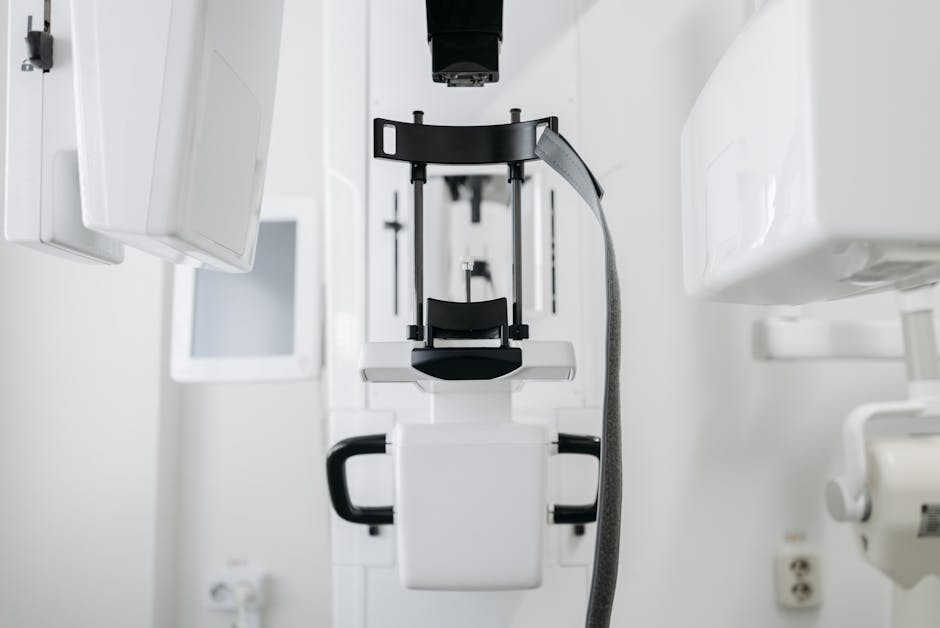
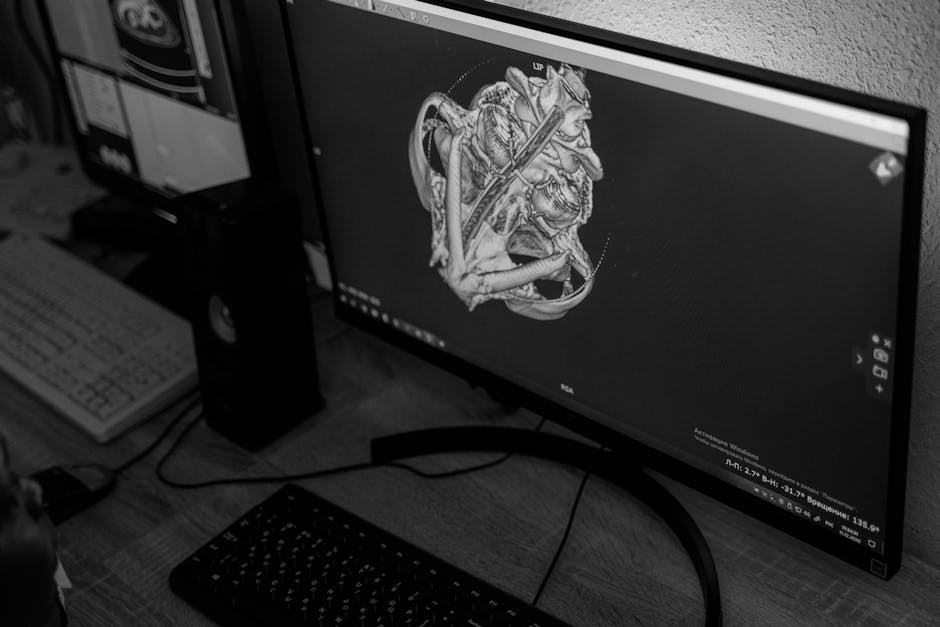
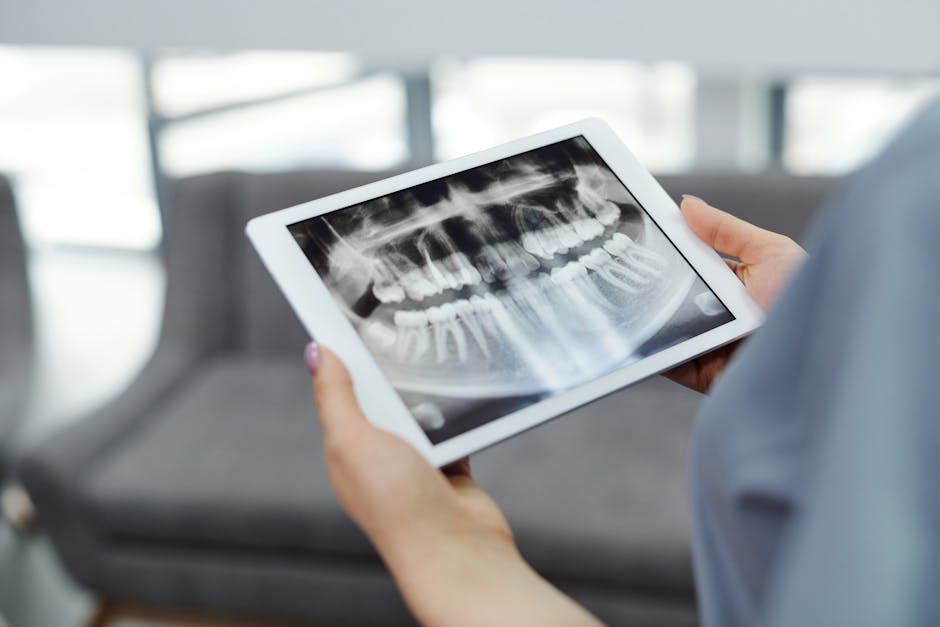
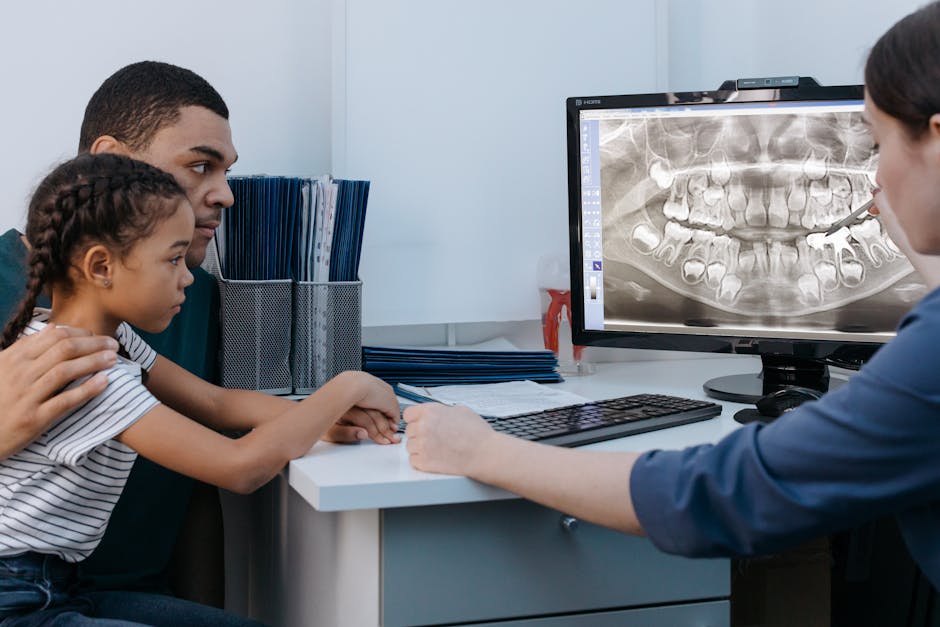
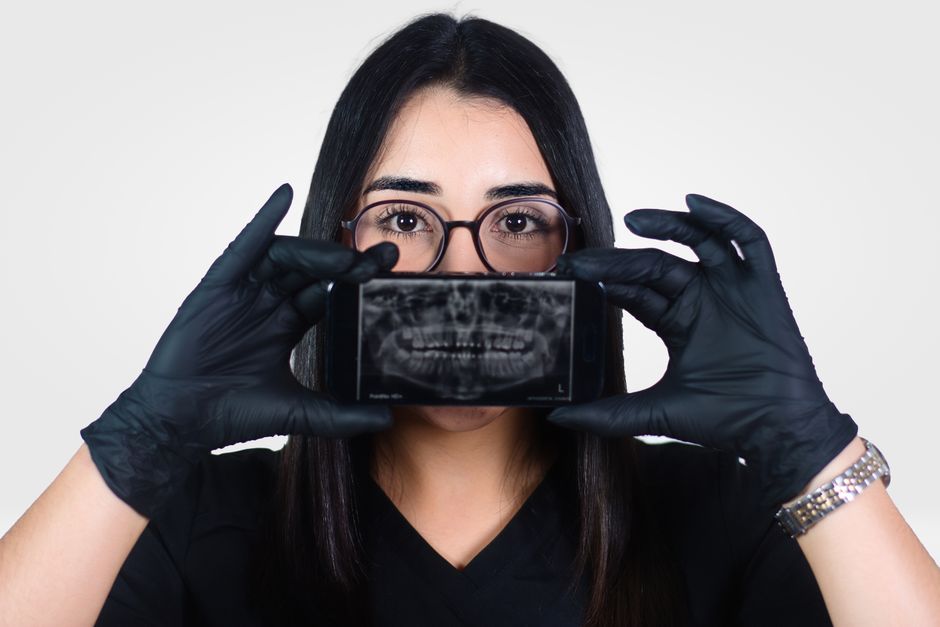
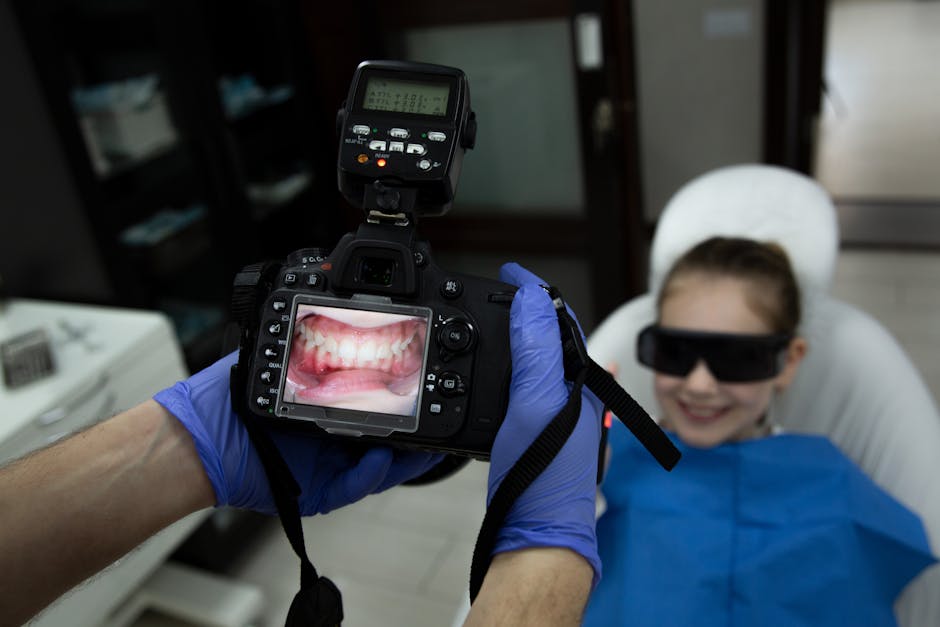
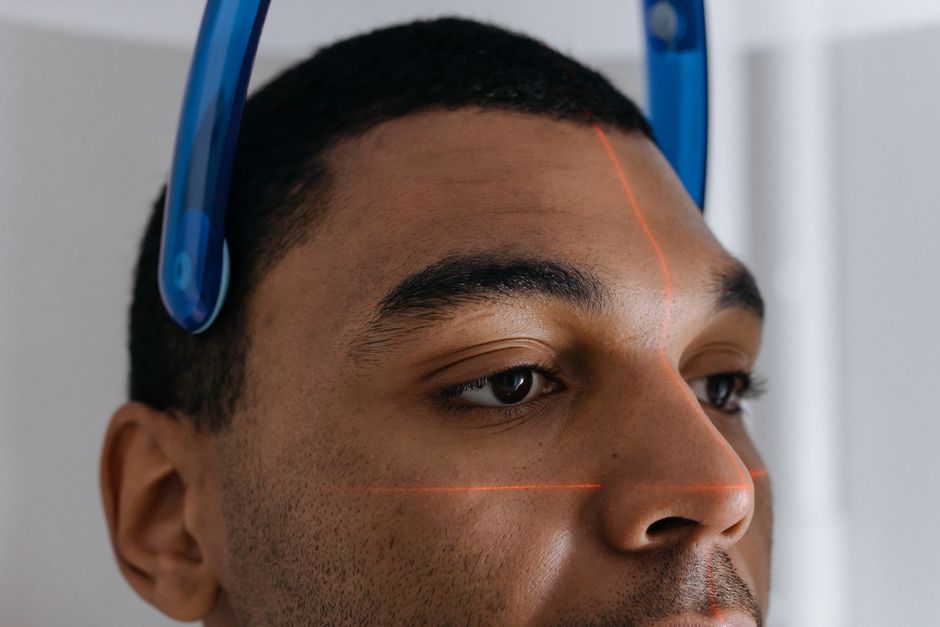
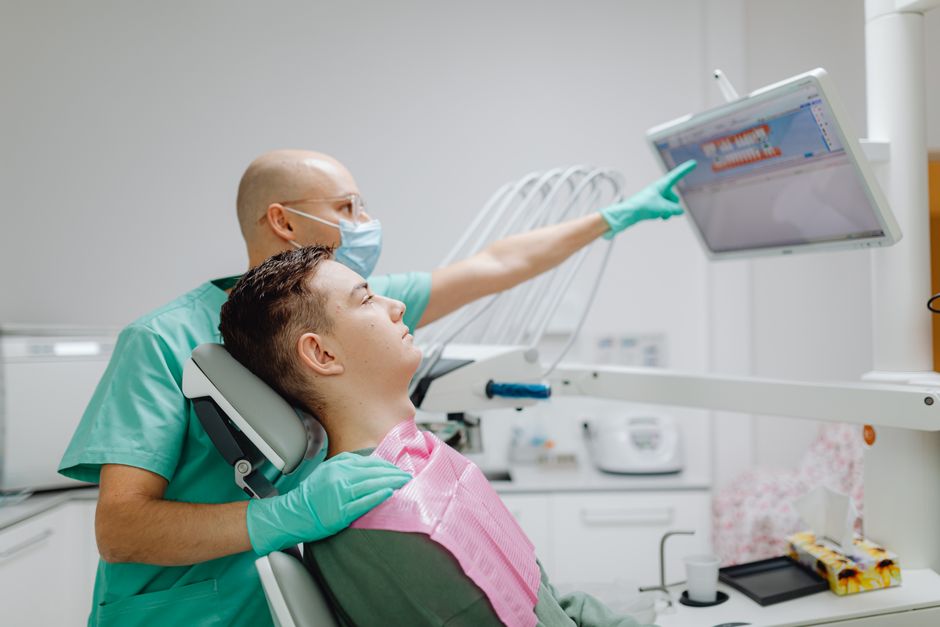
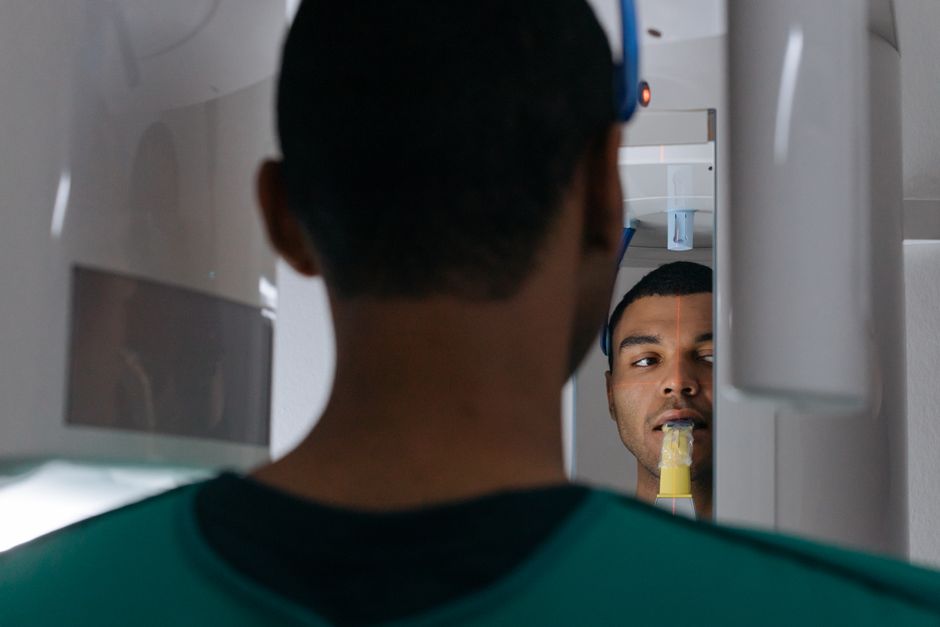
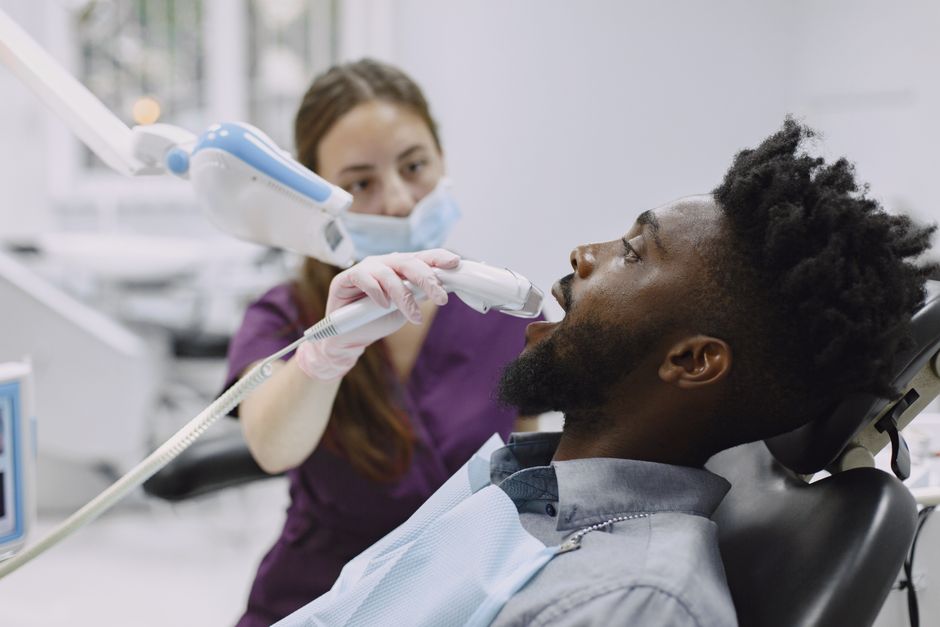
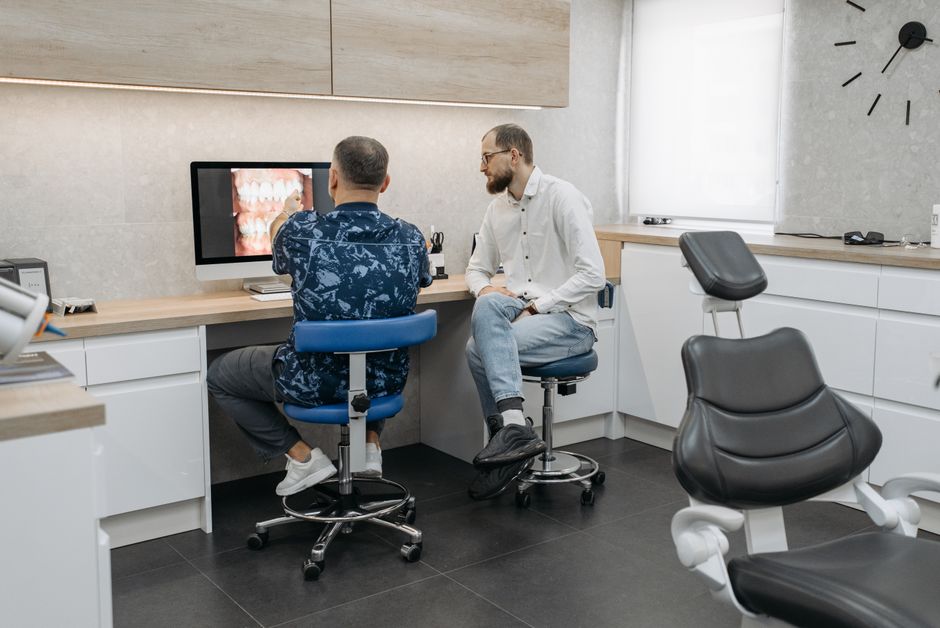
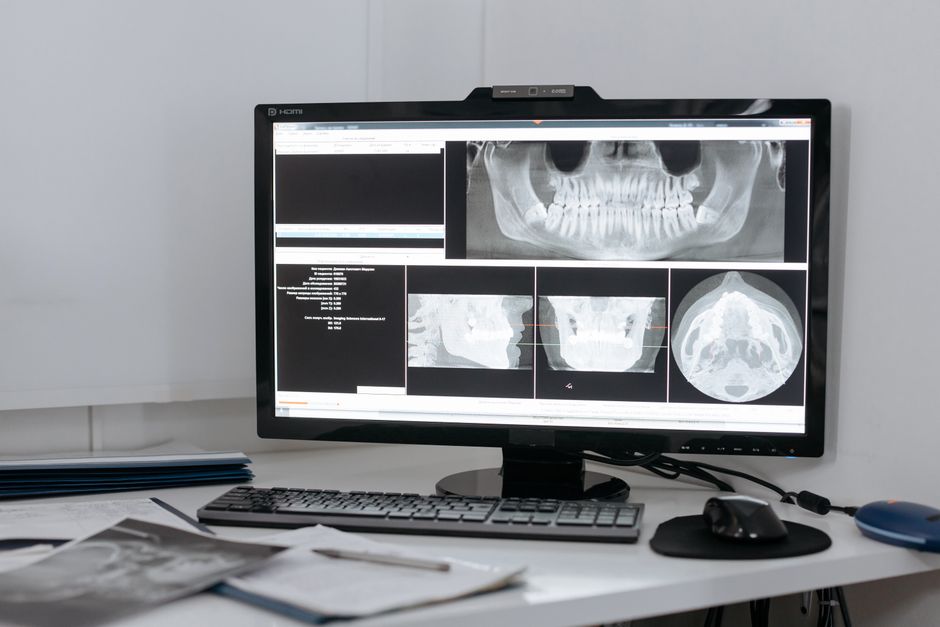
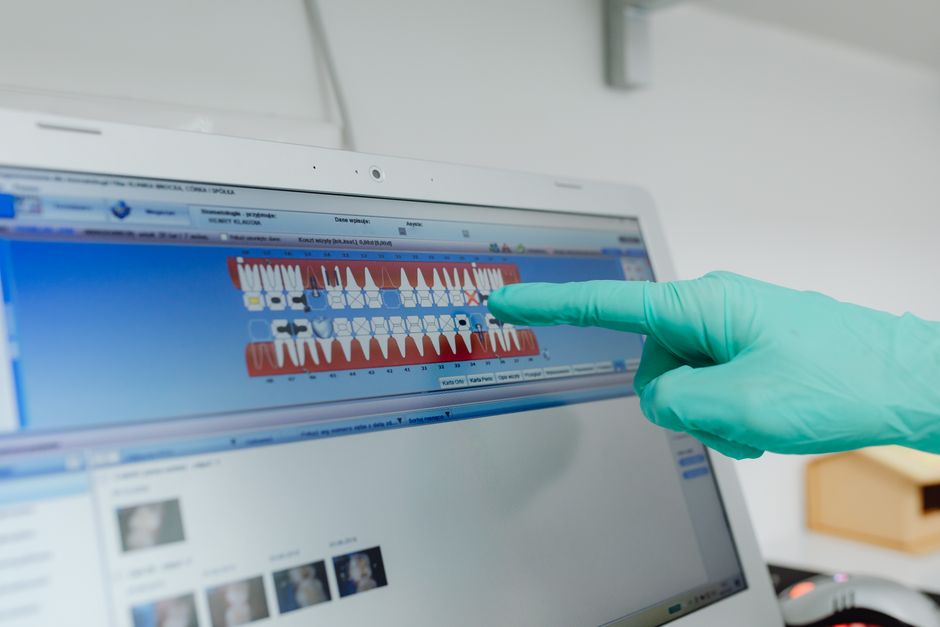
High-quality baseline documentation is central to contemporary AI management. Standardized intraoral photography helps record surface texture, enamel loss, and gingival contours over time—information that can be difficult to reconstruct from memory when patients return after months or years. Digital dentistry tools (intraoral scanning, occlusal analysis, and digital smile design) can further support patient communication and interdisciplinary planning. At Istanbul Dental Academy, many hands-on programs incorporate documentation protocols because predictable restorative outcomes often depend on repeatable records rather than “one-time impressions.”
Risk Management First: The Biological Foundation of Long-Term Success
Restorations fail faster when the biological environment is unstable. With AI, that environment can be complicated by sensitivity-driven plaque accumulation, erosive diets, and high caries risk. A contemporary plan often begins by stabilizing the mouth before definitive adhesive or prosthodontic steps.
Saliva, Erosion, and Caries Risk
Saliva buffers acids, supports remineralization, and influences the longevity of adhesive interfaces. In patients with enamel defects, saliva may be the difference between manageable sensitivity and rapid breakdown. For a deeper biological perspective relevant to risk assessment, see Why Saliva Matters: The Unsung Protector of Oral Health. In practice, clinicians may consider salivary flow, dietary acidity, reflux history, and erosive habits as part of the AI work-up.
Periodontal and Gingival Health: Not a Secondary Concern
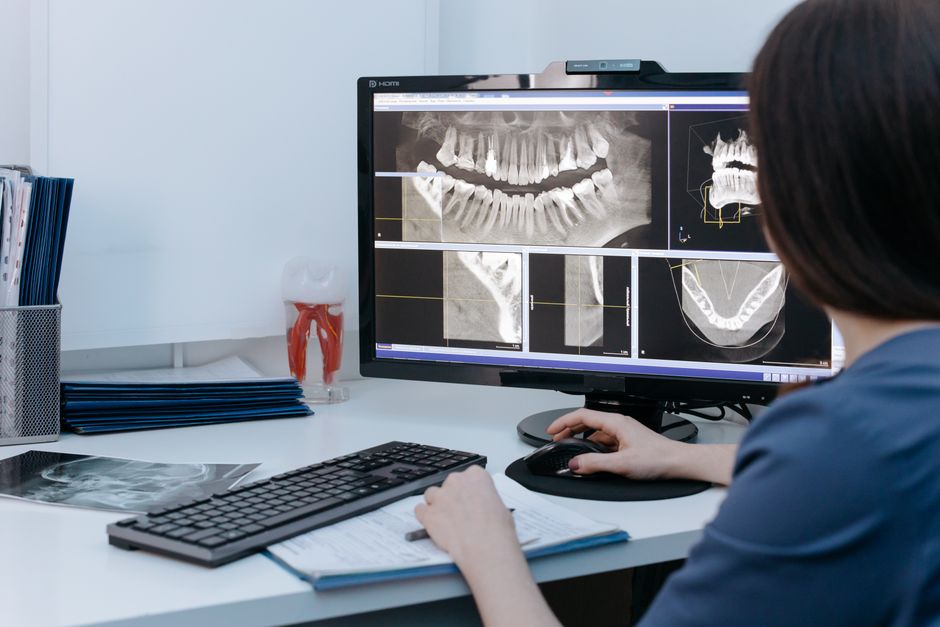
Even excellent restorations can underperform in the presence of uncontrolled gingival inflammation or mucogingival problems. Rough enamel, sensitivity, and altered morphology may increase plaque retention, raising the importance of professional hygiene and patient-friendly home care. When gingival margins are unstable—especially in aesthetically demanding cases—understanding recession patterns becomes critical for restorative margin placement and smile design. Clinicians may find additional context in Gum Recession: Causes, Symptoms, and Evidence-Based Management, particularly when planning veneers or crown margins in the aesthetic zone.
In some patients, acute periodontal infections can complicate restorative timelines. While not AI-specific, awareness of severe gingival conditions supports safe sequencing and referral decisions. Related educational reading includes What Happens If Necrotizing Ulcerative Gingivitis Is Left Untreated?.
Restorative Strategy: From Minimally Invasive to Full-Mouth Rehabilitation
“Current approaches” do not mean one universal protocol; they mean selecting interventions that fit the enamel substrate, patient age, occlusal scheme, expectations, and maintenance capacity. A staged philosophy is common: manage sensitivity and risk, restore function, and finalize aesthetics when stable.
Adhesive Restorations and Sealants: Early and Conservative Options
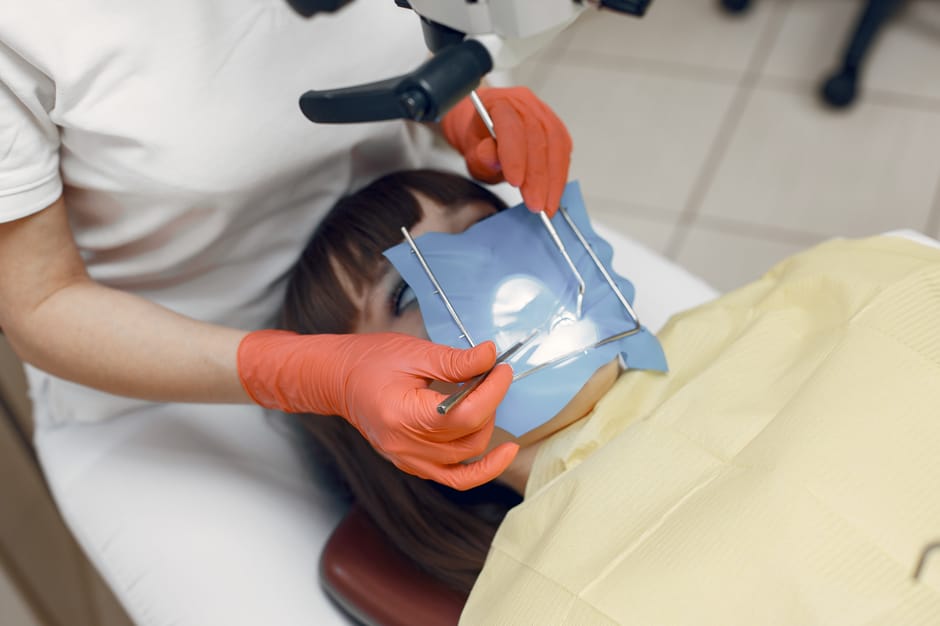
In mild-to-moderate cases, resin-based restorations, sealants, and minimally invasive additive techniques may provide meaningful improvement in sensitivity and appearance. However, clinicians should anticipate the challenges of bonding to abnormal enamel and potentially exposed dentin. Meticulous isolation, surface preparation strategies, and material selection become more important than in routine restorative cases.
Educationally, AI is a helpful “stress test” for adhesive dentistry principles: isolation, substrate analysis, and incremental design. Istanbul Dental Academy’s restorative dentistry training emphasizes hands-on protocols for predictable bonding and finishing—skills that translate directly to enamel-defect cases.
Porcelain Laminate Veneers and Smile Design in AI
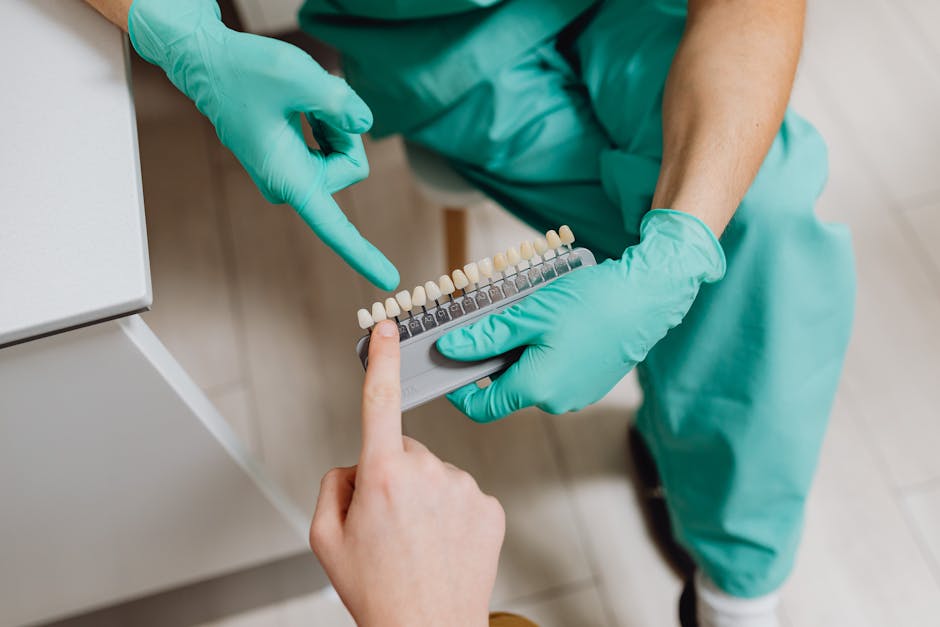
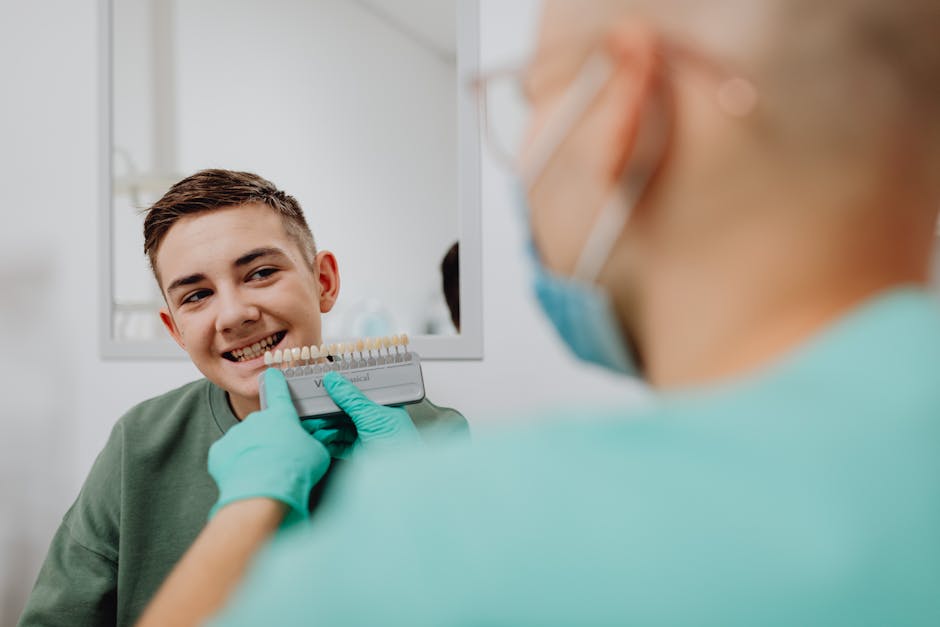
When enamel is present but compromised in color and texture, porcelain laminate veneers can be part of an aesthetic and functional plan—often combined with selective enameloplasty and additive composite to harmonize proportions. Contemporary veneer planning increasingly relies on digital smile design, wax-ups/mock-ups, and calibrated photography to align patient expectations with realistic outcomes.
In AI, veneer candidacy depends on factors such as remaining enamel thickness, sensitivity, parafunction, and occlusal risk. A “modern” perspective also includes maintenance planning: protective occlusal appliances where indicated, periodic polishing, and early repair rather than delaying until catastrophic failure.
Full-Coverage Restorations and Occlusal Rehabilitation
In more severe AI with widespread enamel breakdown, clinicians may consider full-coverage restorations, onlays/overlays, or a broader occlusal rehabilitation approach. The contemporary emphasis is on conserving tooth structure whenever possible, using additive techniques, and designing restorations that distribute load more favorably.
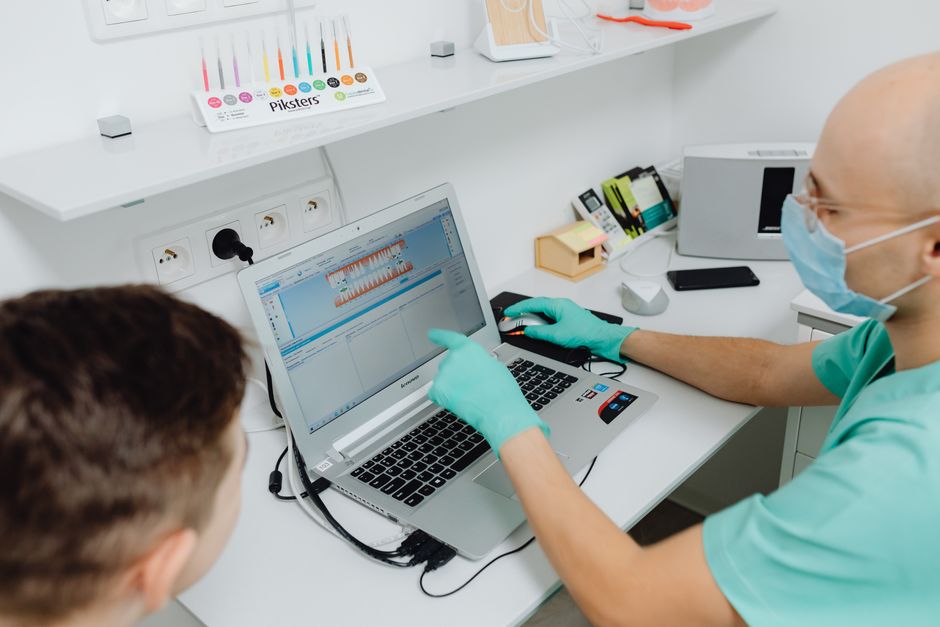
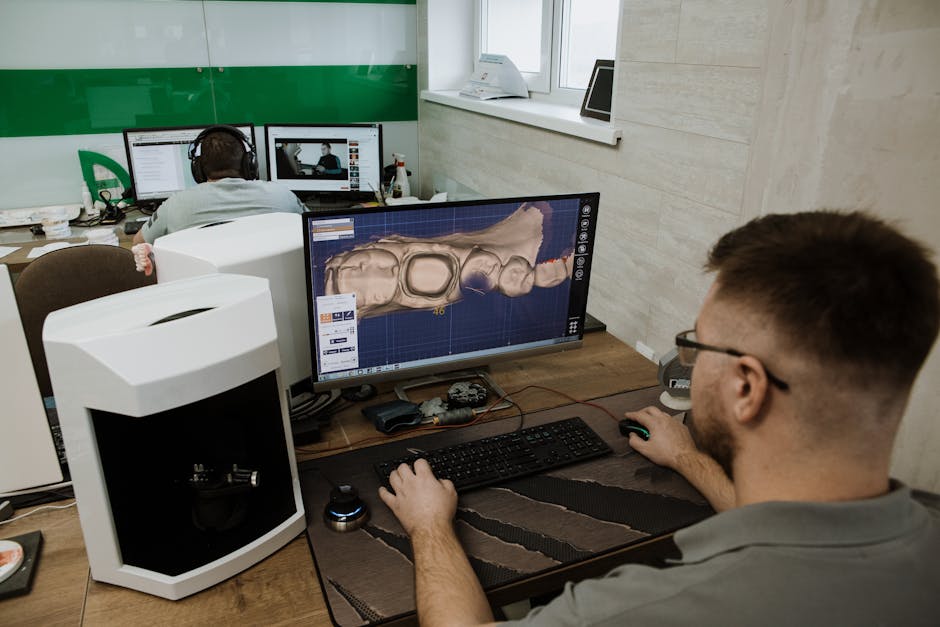
Digital workflows can support these cases by enabling:
• intraoral scanning for baseline and post-prep comparisons
• digital articulation and occlusal planning
• prototype provisionals to test vertical dimension, phonetics, and comfort before definitive ceramics
These are skill-heavy steps. For dental professionals seeking to integrate digital planning into complex restorative cases, structured continuing education and supervised hands-on sessions can shorten the learning curve and improve predictability.
When Teeth Are Not Restorable: Where Implant Dentistry May Enter the Conversation
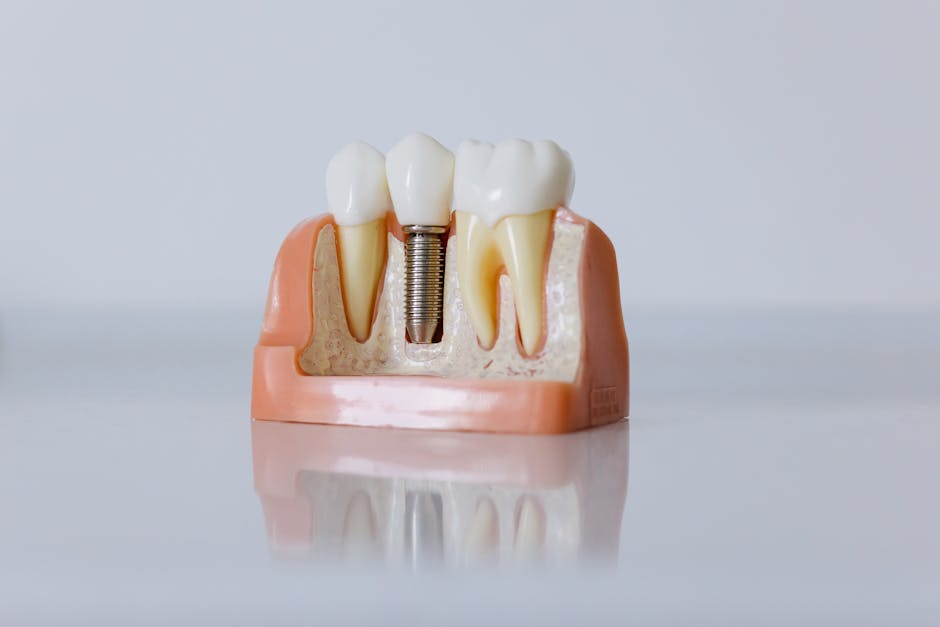
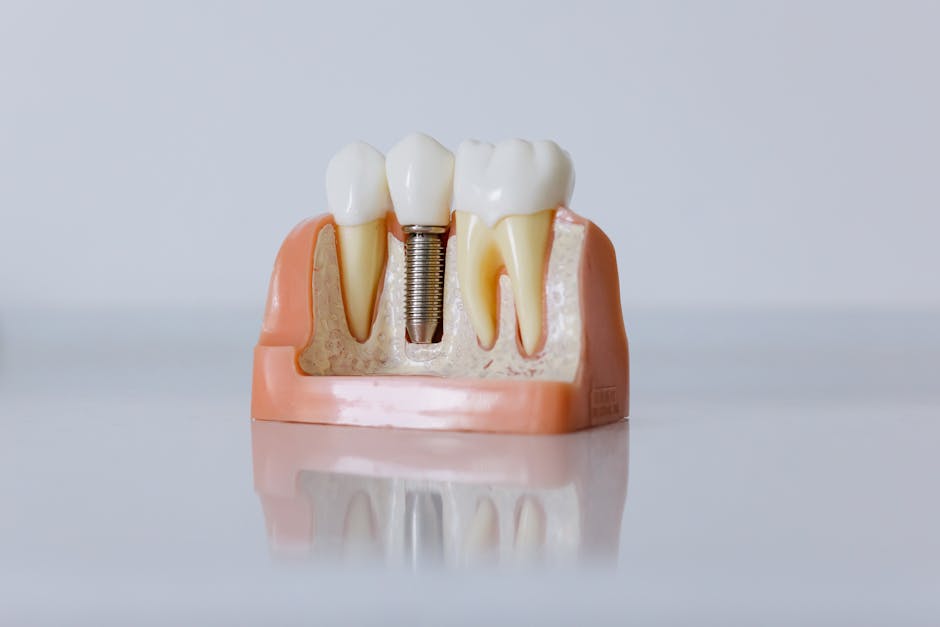
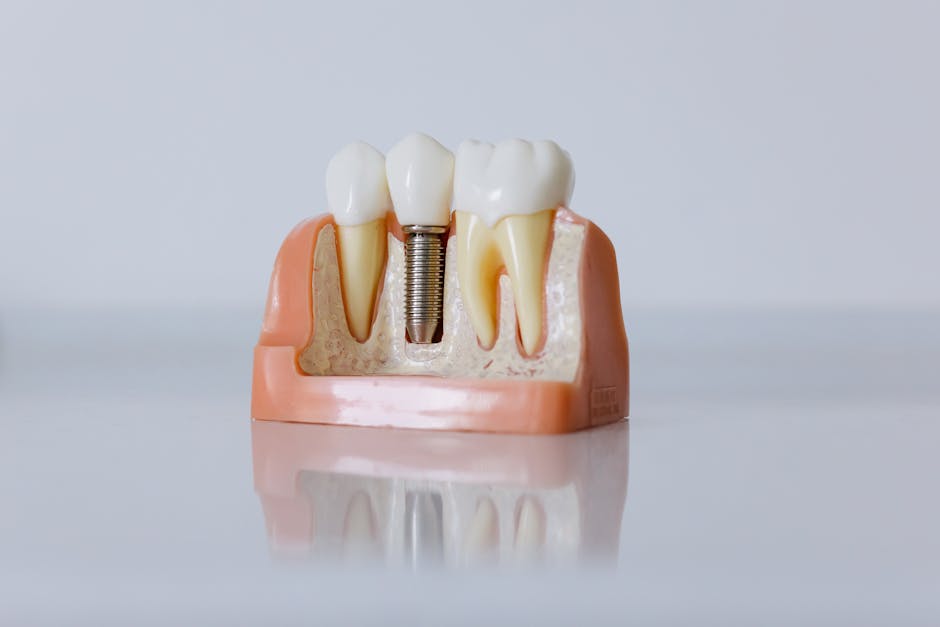
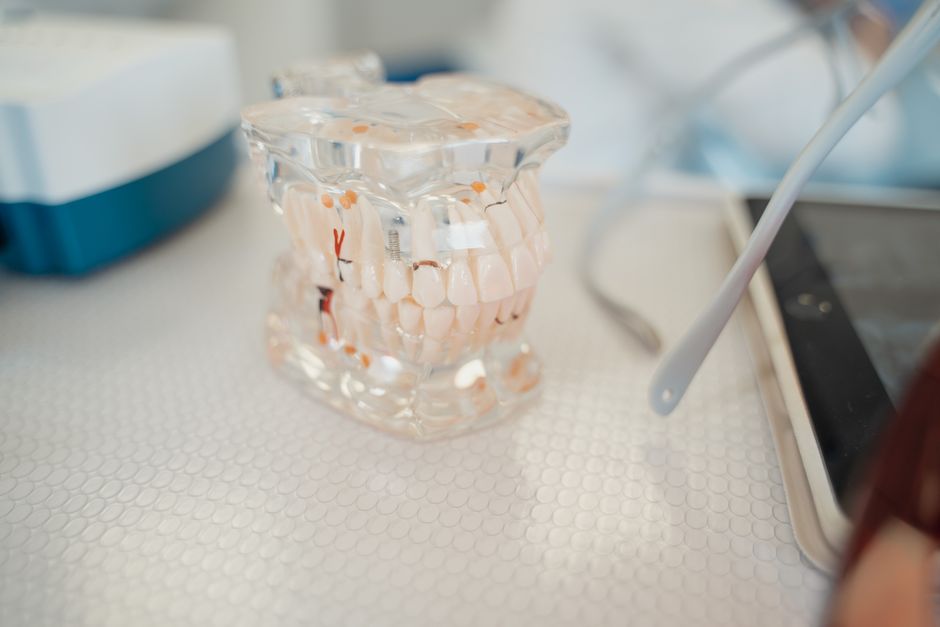
Not all AI-affected teeth can be predictably preserved, especially after repeated restorative cycles, extensive structural loss, or endodontic complications. In such situations, implant-supported rehabilitation may be considered as part of a comprehensive plan—after careful evaluation of periodontal stability, bone volume, occlusal factors, and patient expectations. This is especially relevant in adult patients presenting late with severe breakdown.
For clinicians comparing fixed full-arch options in advanced cases, All-on-4 vs All-on-6: Choosing a Fixed Full-Arch Implant Solution provides a useful framework for understanding how implant number, distribution, and prosthetic design influence stability and maintenance. While AI is not itself an indication for full-arch implant treatment, the downstream restorative burden and tooth prognosis in severe cases can lead clinicians to consider such pathways.
Interdisciplinary Sequencing: Periodontology, Endodontics, Prosthodontics, Oral Surgery
Complex AI cases often require sequencing across disciplines:
Periodontology: inflammation control, mucogingival considerations, crown lengthening when needed for restorative ferrule and margin access
Endodontics: management of pulpal symptoms, assessment of cracked teeth, and restorative planning after root canal treatment
Prosthodontics: occlusal design, vertical dimension assessment, provisionalization strategy, material selection
Oral surgery/implant dentistry: extraction planning, site preservation, implant placement, and staged prosthetic loading
A contemporary approach means planning backwards from the final prosthetic goal, while moving forwards in biologically safe steps.
Material Selection and Surface Strategy: Practical Considerations
AI management is material-sensitive. Different clinical patterns (thin enamel vs soft enamel vs rapid breakdown) can affect preparation design and bonding predictability. Clinicians commonly weigh:
• Ceramic systems: lithium disilicate vs zirconia-based solutions depending on translucency needs, thickness requirements, and load
• Resin composites: as transitional or definitive solutions in younger patients or where conservative additive dentistry is preferred
• Luting approaches: adhesive vs conventional, guided by preparation geometry, substrate, and isolation feasibility
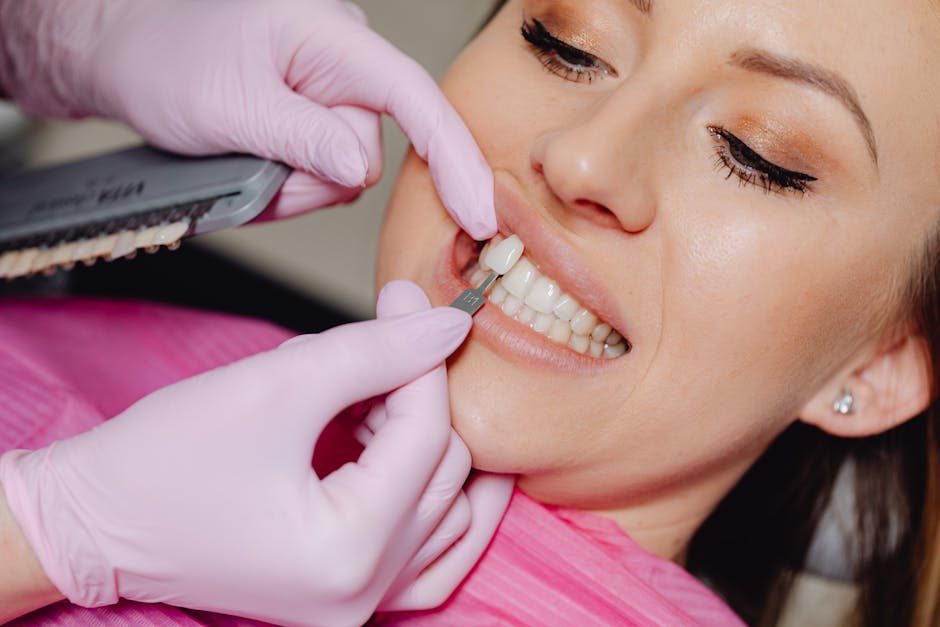
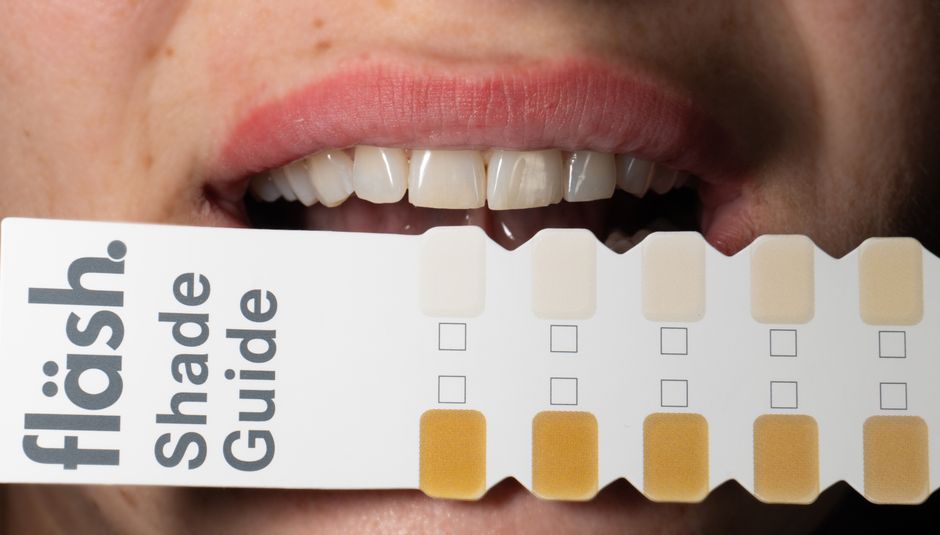
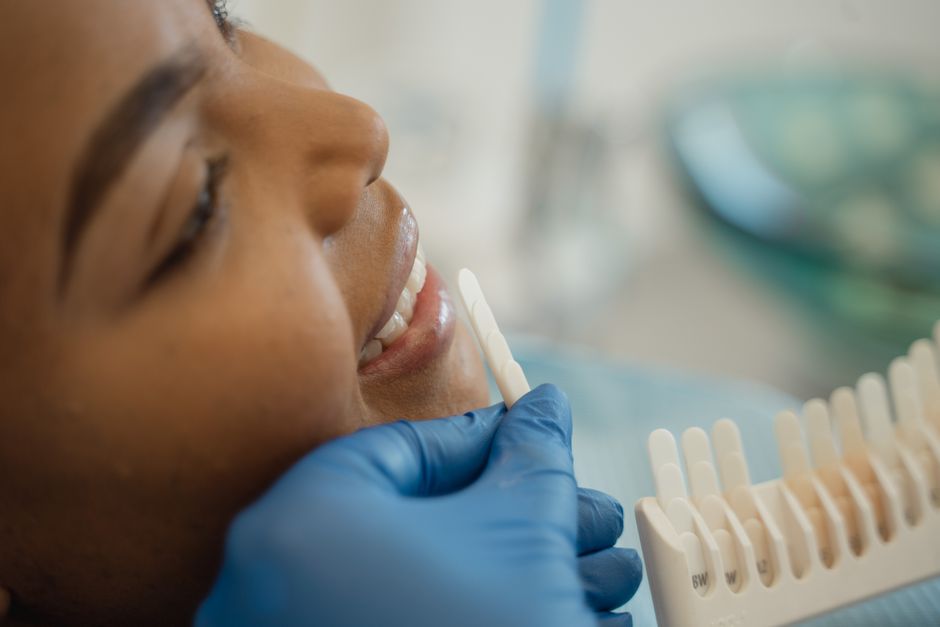
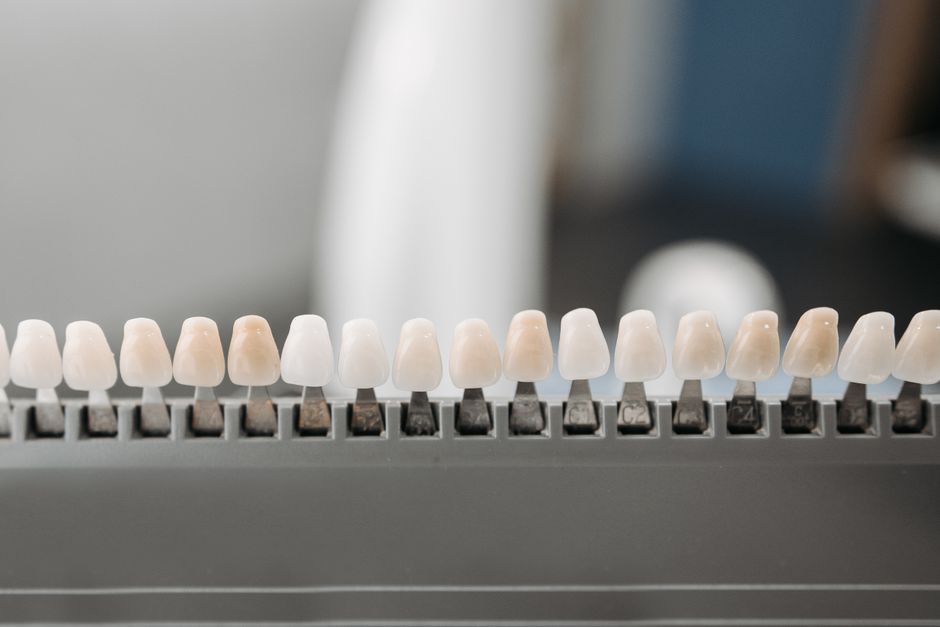
Because AI cases often involve multiple teeth, consistency in shade communication and surface characterization is important. This is where dental photography and standardized lighting become more than “marketing”—they are clinical communication tools between dentist, patient, and lab.
Maintenance and Follow-Up: The “Current Approach” Is Long-Term
AI is lifelong, and restorative care should be viewed as a long-term relationship rather than a single delivery appointment. Contemporary maintenance protocols may include scheduled reviews of sensitivity, restoration margins, occlusal wear, and gingival response. Patients with parafunction may need protective appliances; patients with erosive risk may benefit from dietary counseling and medical referral when reflux is suspected.
For dentists, building a maintenance-friendly design—accessible embrasures, cleansable contours, and realistic margin positions—often determines whether an AI case remains stable over years.
Training Perspective: Why AI Cases Accelerate Clinical Growth
From an educational standpoint, AI is one of the most valuable conditions for developing clinical judgment. It requires the dentist to integrate diagnostics, adhesive dentistry, occlusion, aesthetics, periodontal awareness, and digital planning. Many practitioners find that after managing even a few AI cases systematically, their approach to routine restorative dentistry becomes more predictable and structured.
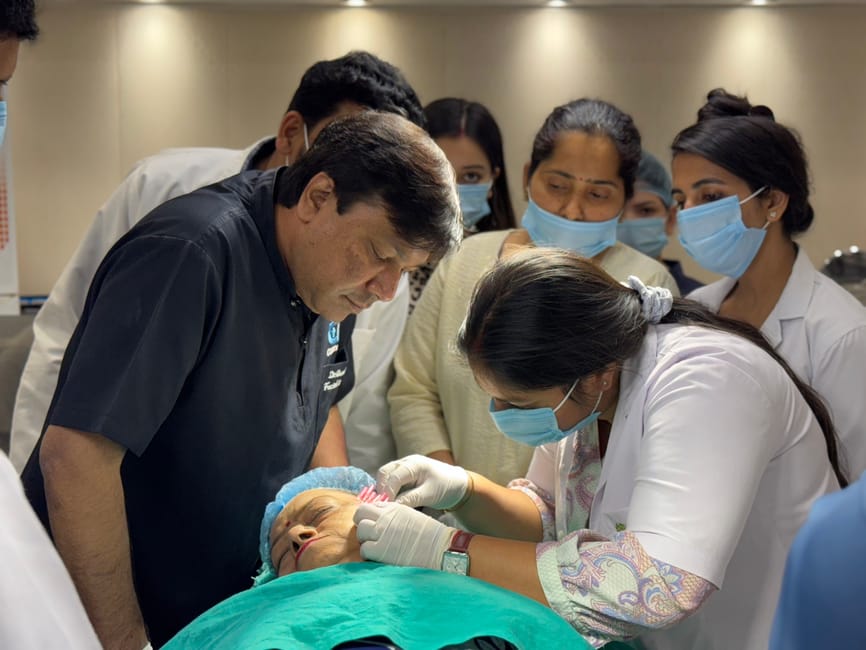
Istanbul Dental Academy supports this growth through continuing dental education that emphasizes hands-on application—digital smile design, restorative workflows, prosthodontic planning, and implant dentistry fundamentals. For clinicians aiming to move from “case-by-case improvisation” toward repeatable protocols, structured training can help translate contemporary concepts into everyday chairside decision-making.
Key Takeaways
Modern management of amelogenesis imperfecta is best understood as a staged, patient-specific strategy built on biological stability, precise documentation, and material-aware restorative design. Whether the pathway involves conservative adhesive restorations, porcelain veneers within a smile design workflow, or complex prosthodontic/implant rehabilitation, predictable outcomes depend on risk assessment, interdisciplinary sequencing, and long-term maintenance planning.
This content is for educational purposes only and is not a substitute for individualized diagnosis or treatment planning by a qualified dental professional.
Diğer Yazılar