
BLOG
Halitosis and Saliva: The Clinical Link Every Dentist Should Know
Why Saliva Matters in Oral Malodor
Halitosis (oral malodor) is a common complaint in dental practice—sometimes straightforward, sometimes surprisingly complex. While patients often blame “something they ate,” clinicians know that persistent malodor is frequently rooted in oral biofilm ecology, periodontal status, tongue coating, and salivary function. Saliva is central to all of these: it physically clears debris, buffers acids, delivers antimicrobial proteins, supports remineralisation, and influences the balance between health-associated and disease-associated microbes.
From a clinical perspective, thinking of saliva as an “oral ecosystem regulator” helps explain why reduced flow, altered composition, or impaired clearance can quickly translate into malodor. This content is for educational purposes and is not a substitute for individual diagnosis or treatment planning.
The Biology: How Saliva Modulates Halitosis
1) Mechanical cleansing and clearance
Saliva continuously washes the oral cavity, diluting and removing food debris, desquamated epithelial cells, and inflammatory exudate—key substrates for anaerobic bacteria. When salivary flow drops, stagnation increases. The result is more retained proteinaceous material and more microbial proteolysis, setting the stage for volatile sulfur compound (VSC) production.
2) Buffering capacity and pH stability
Salivary bicarbonate buffering helps maintain a pH environment that moderates bacterial metabolism and protease activity. Acidic shifts may change microbial selection and increase plaque maturation. In many patients, the relationship is indirect: altered pH contributes to dysbiosis and tissue inflammation, which then increases the availability of proteins that fuel malodor.
3) Antimicrobial and immunologic components
Lysozyme, lactoferrin, peroxidases, histatins, immunoglobulins (especially sIgA), and other proteins influence microbial adhesion and growth. Reduced salivary antimicrobial activity—whether due to systemic factors, medications, or gland dysfunction—can permit overgrowth of anaerobes associated with malodor.
4) Lubrication and mucosal integrity
Saliva supports comfortable speech, swallowing, and mucosal protection. When the mucosa is dry, epithelial disruption and inflammation may increase, and tongue coating can thicken. Clinically, a coated tongue on a dry surface often correlates with patient-reported malodor and morning breath that persists beyond normal hygiene.
Volatile Sulfur Compounds: The Common Chemical Endpoint
Many cases of intra-oral halitosis are linked to bacterial breakdown of sulfur-containing amino acids, producing VSCs such as hydrogen sulfide (H2S), methyl mercaptan (CH3SH), and dimethyl sulfide ((CH3)2S). These gases are largely produced by anaerobic bacteria in niches where oxygen is limited: subgingival pockets, interdental areas, and especially the posterior dorsum of the tongue.
Saliva affects VSC levels by limiting substrate accumulation and modulating microbial composition. When saliva is reduced, the balance shifts toward conditions favorable for anaerobic proteolysis.
Dry Mouth (Xerostomia) and Halitosis: A High-Yield Clinical Pair
Patients often describe “dry mouth” and “bad breath” together, and the relationship is clinically plausible. Xerostomia may be caused by medications (antidepressants, antihypertensives, antihistamines), dehydration, mouth breathing, smoking, Sjögren’s syndrome, diabetes, and post-radiation changes, among others. Importantly, perceived dryness (xerostomia) does not always equal objectively low flow (hyposalivation), but both can contribute to malodor through reduced clearance and altered biofilm.
For a deeper review of risk factors and clinical implications, see Dry Mouth (Xerostomia): Causes, Risks, and Clinical Implications.
Beyond Saliva: Local Oral Causes You Should Screen First
Tongue coating (especially posterior dorsum)
The tongue dorsum provides a large surface area with papillae that trap debris and microbes. Tongue coating is a leading contributor to intra-oral malodor. Clinical assessment should include visual inspection under good illumination and patient-specific coaching on tongue hygiene (as appropriate to your clinical protocols).
Periodontal disease and inflamed pockets
Periodontal pockets create an anaerobic habitat rich in proteins from gingival crevicular fluid and tissue breakdown. Methyl mercaptan, in particular, is frequently associated with periodontitis-related malodor. In patients with bleeding on probing, increased probing depths, suppuration, or radiographic bone changes, halitosis may be a symptom rather than a standalone issue—highlighting the importance of periodontal evaluation.
When patients report sudden, severe gingival pain with malodor and necrotic papillae, urgent periodontal assessment is warranted. Educational background reading: Could Severe Gum Pain Be Necrotizing Gingivitis? A Clinical Perspective.
Caries, defective restorations, and food retention
Open margins, overhangs, and recurrent caries can increase plaque stagnation and food impaction—creating microenvironments for odor-producing metabolism. A restorative evaluation should include interproximal assessment and consideration of patient-specific hygiene limitations.
Endodontic infection and chronic apical pathology
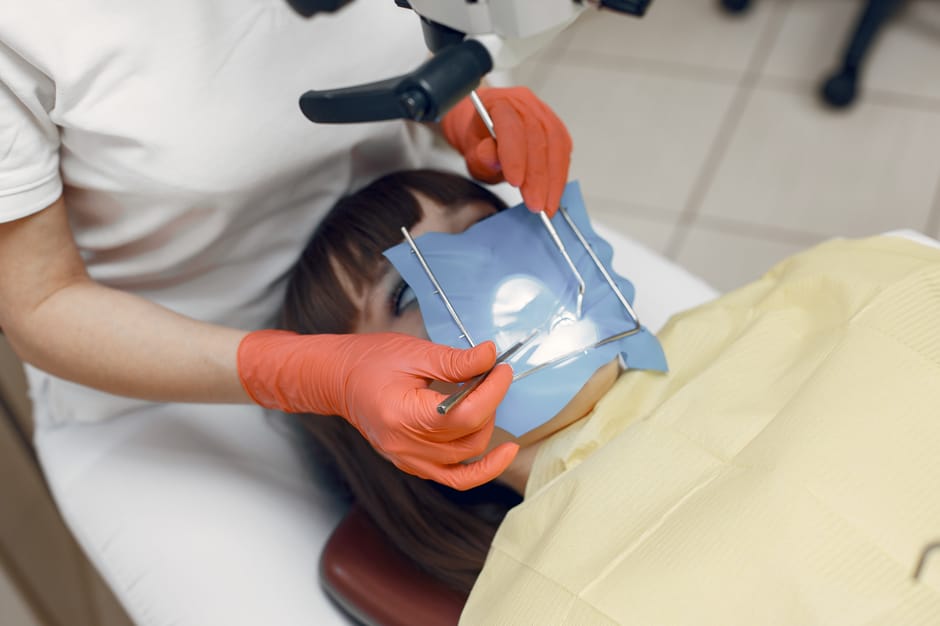
While endodontic infections are not the most common primary cause of halitosis, chronic infection, sinus tracts, or a tooth with persistent exudate can contribute to unpleasant taste and odor complaints. High-magnification visualisation can be valuable in complex cases—missed canals, microcracks, and hidden anatomy may affect outcomes and symptom persistence. Related reading: Dental Operating Microscope in Modern Endodontics: Better Vision, Better Outcomes.
Clinical Assessment: A Structured, Reproducible Approach
1) History that targets salivary function
Ask about medication use, hydration, mouth breathing, snoring, smoking, systemic conditions, and timing (morning-only vs all day). Include questions about burning sensation, difficulty swallowing dry foods, and taste alterations. These details help differentiate transient physiologic breath changes from persistent malodor associated with dryness or disease.
2) Intra-oral exam focused on niches
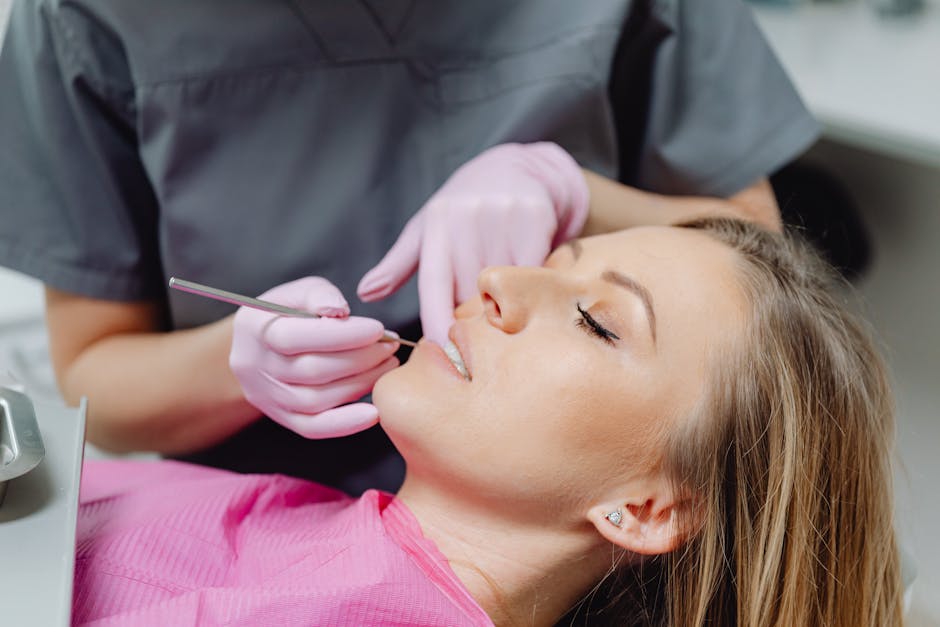
Key sites include the posterior tongue, periodontal pockets, interproximal contacts, partially erupted third molars, and under prostheses. Note plaque levels, mucosal dryness, salivary pooling, and the presence of frothy or ropey saliva.
3) Basic chairside tests (where available and appropriate)
Depending on your clinic setup, assessment may include organoleptic scoring, tongue-coating indices, periodontal charting, and VSC measurement devices. Interpret results within the full clinical picture—malodor perception is subjective and influenced by anxiety, diet, and social factors.
4) Consider extra-oral and systemic contributors
If oral findings do not correlate with symptom severity, consider referral pathways (e.g., ENT, gastroenterology, internal medicine) based on local standards. A subset of patients may have extra-oral halitosis or halitophobia/olfactory reference concerns requiring careful communication.
How Saliva Intersects with Advanced Dentistry: Implants, Prosthodontics, and Smile Design
Salivary function is not only about comfort—it can influence maintenance protocols and patient experience across multiple disciplines:
Implant and full-arch cases
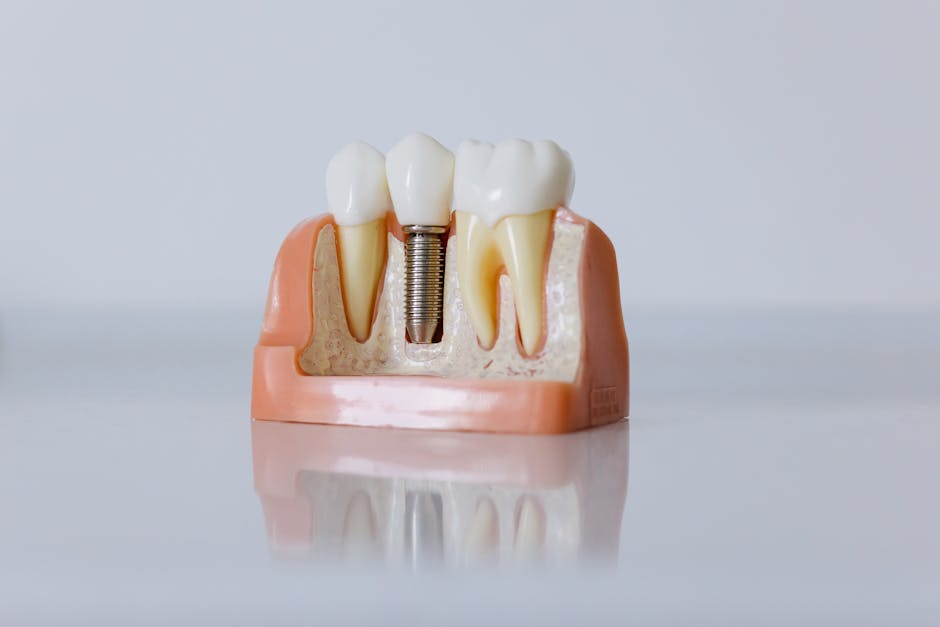
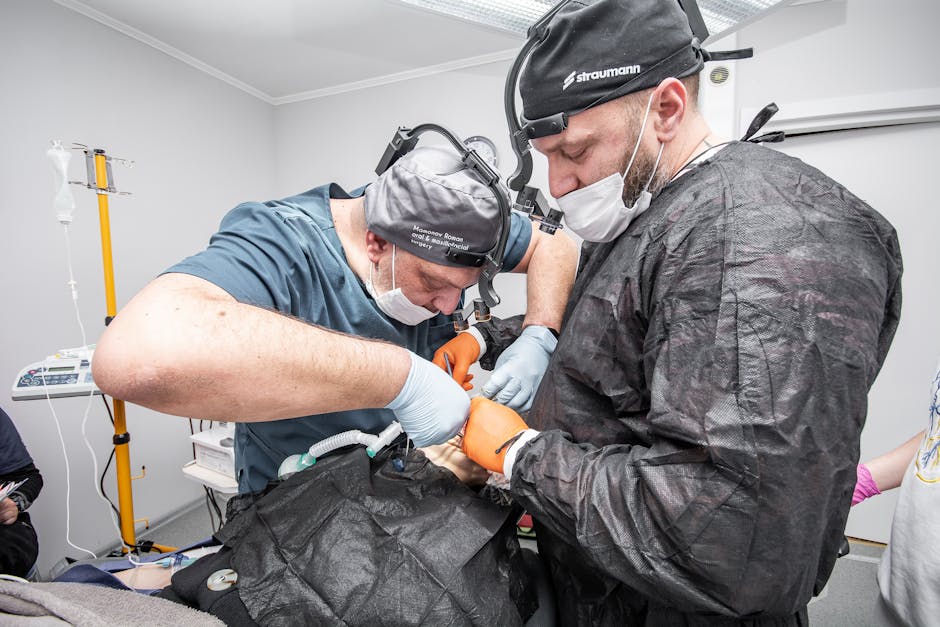
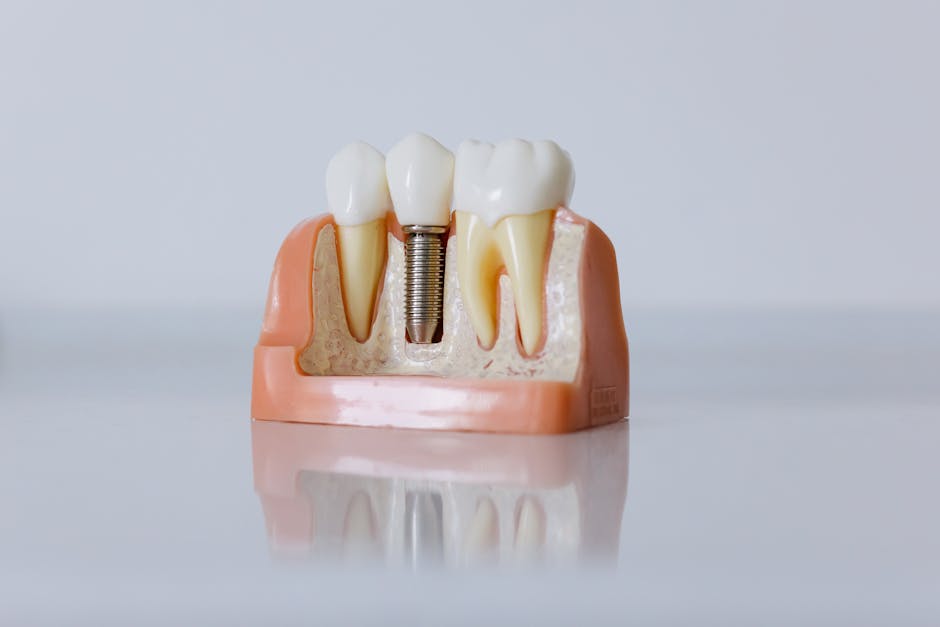
In implant dentistry, plaque control and peri-implant tissue health are essential. Dry mouth may increase plaque accumulation and mucosal irritation around implant restorations, potentially complicating maintenance. For clinicians planning full-arch solutions, understanding patient hygiene capacity and risk indicators—including salivary limitations—supports more predictable long-term care. If you are comparing treatment concepts, you may find All-on-4 vs All-on-6: Key Differences for Full-Arch Implant Planning helpful as an educational overview.
Prosthodontics and removable appliances
Denture wearers with reduced salivary flow may experience increased friction, mucosal soreness, and biofilm build-up. Malodor can arise from poor denture hygiene, porous materials, or colonisation on fitting surfaces—issues that often intensify when saliva is insufficient to lubricate and cleanse.
Smile design, veneers, and patient expectations
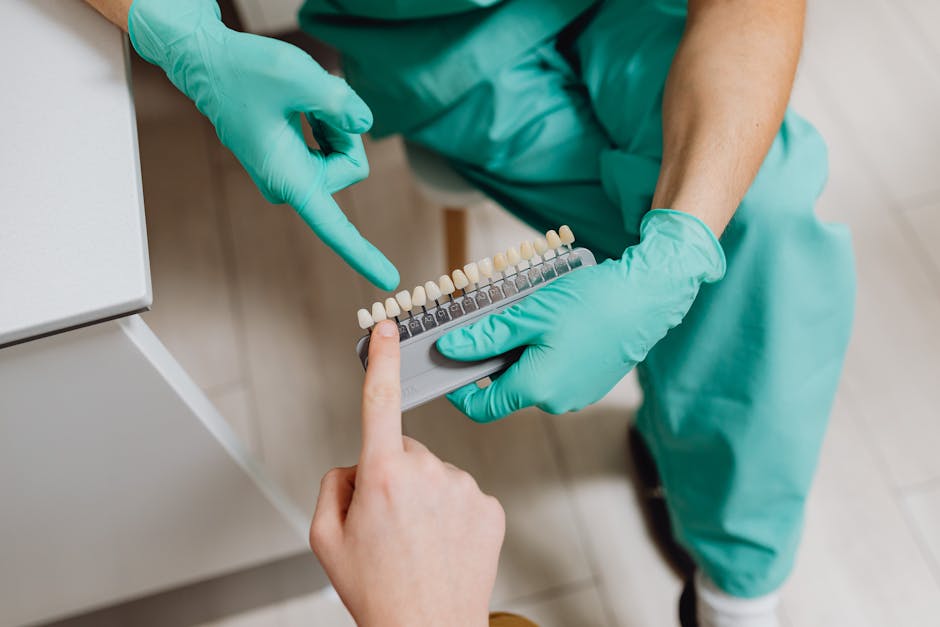
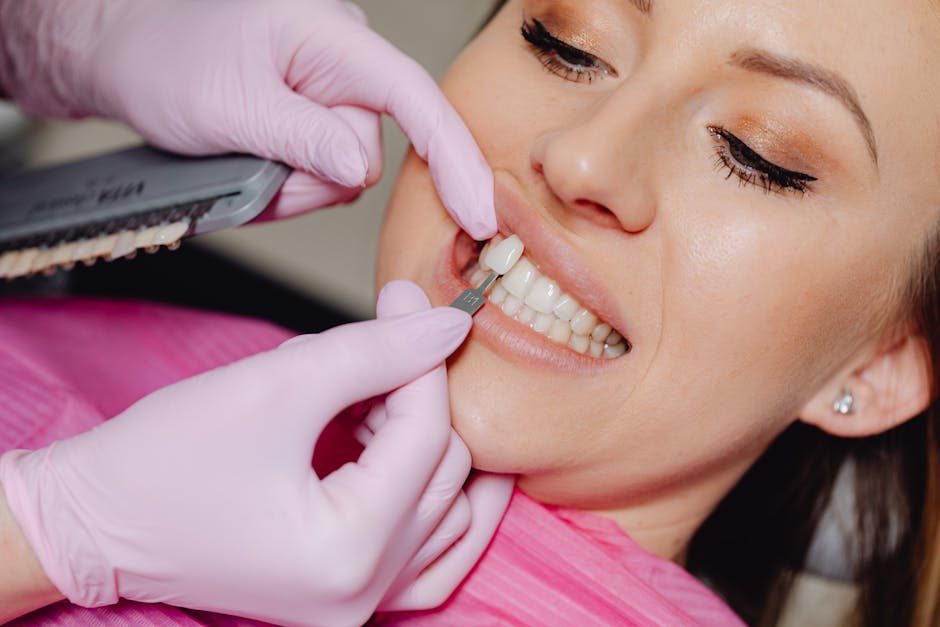
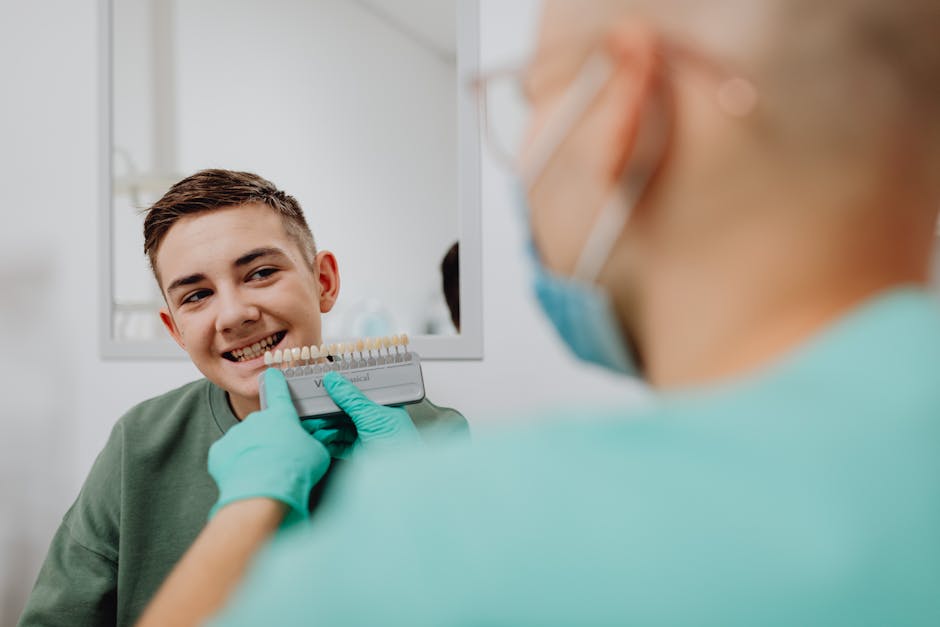
Patients seeking aesthetic dentistry may be highly sensitive to breath and oral comfort. Addressing tongue coating, periodontal inflammation, and dryness can improve overall satisfaction and confidence, complementing aesthetic outcomes. In modern workflows, clinicians often integrate hygiene optimisation and periodontal stabilisation before elective aesthetic procedures; see Which Procedures Are Used in Smile Design? A Clinical Workflow for Modern Dentistry for a broader look at how comprehensive planning can be structured.
Education and Hands-On Skills: Why This Topic Belongs in Continuing Dental Training
Halitosis is deceptively multidisciplinary. A thorough evaluation may touch periodontology (pocket ecology and inflammation), restorative dentistry (defects and stagnation), endodontics (infection control), prosthodontics (prosthesis hygiene and design), and patient communication (expectations and adherence). For dental professionals, the real challenge is not knowing that saliva matters—it is knowing how to assess salivary contribution, how to identify primary niches, and how to document and monitor outcomes over time.
At Istanbul Dental Academy, our continuing dental education approach emphasises clinical reasoning paired with practical, hands-on learning—skills you can translate into daily diagnostics, patient coaching, and maintenance protocols. Whether you are refining periodontal assessment, improving restorative evaluations that reduce food traps, or advancing your endodontic and implant workflows, a strong foundation in oral ecology and salivary dynamics supports better comprehensive care.
Key Takeaways for Clinical Practice
1) Saliva is a protective system—when flow or composition changes, malodor risk often increases through reduced clearance and biofilm shifts.
2) Most persistent halitosis is intra-oral, commonly linked to tongue coating and periodontal inflammation. Salivary dysfunction can amplify both.
3) Use a structured assessment combining history, focused intra-oral exam, and periodontal charting, and consider referrals when oral findings do not match symptoms.
4) Integrate findings into broader treatment planning, including implant maintenance, prosthodontic design, and smile design workflows—patients value comfort and confidence alongside aesthetics.
This content is for educational purposes and does not constitute medical or dental treatment advice. Diagnosis and management should be tailored by qualified clinicians based on individual patient evaluation.
Diğer Yazılar