
BLOG
Tips to Improve Success in Direct Composite Laminate Veneers
Blog Tarihi: 15/09/2026
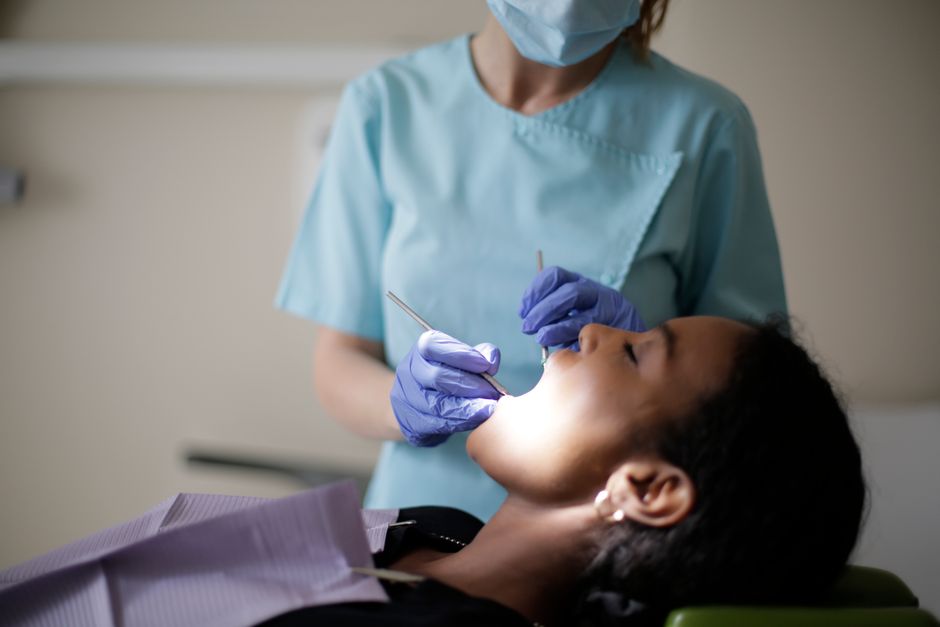
Why composite laminate veneers still matter in modern aesthetic dentistry
Direct composite laminate veneers (often called “composite laminates” or “bonding veneers”) remain a valuable tool for clinicians seeking conservative, affordable, and repairable aesthetic solutions. When executed with a structured protocol, composite laminates can deliver impressive outcomes for minor shape corrections, diastema closure, incisal edge repair, and selected discolorations—often in a single appointment.
At the same time, many failures attributed to “the material” are actually linked to clinical variables: case selection, isolation, adhesive strategy, contouring, and occlusal management. In continuing dental education, these steps are best learned not only from reading but also through guided practice and feedback. Istanbul Dental Academy integrates restorative workflows into hands-on training so clinicians can standardize their approach and build repeatable skills in aesthetic dentistry.
1) Start with case selection: the simplest way to increase predictability
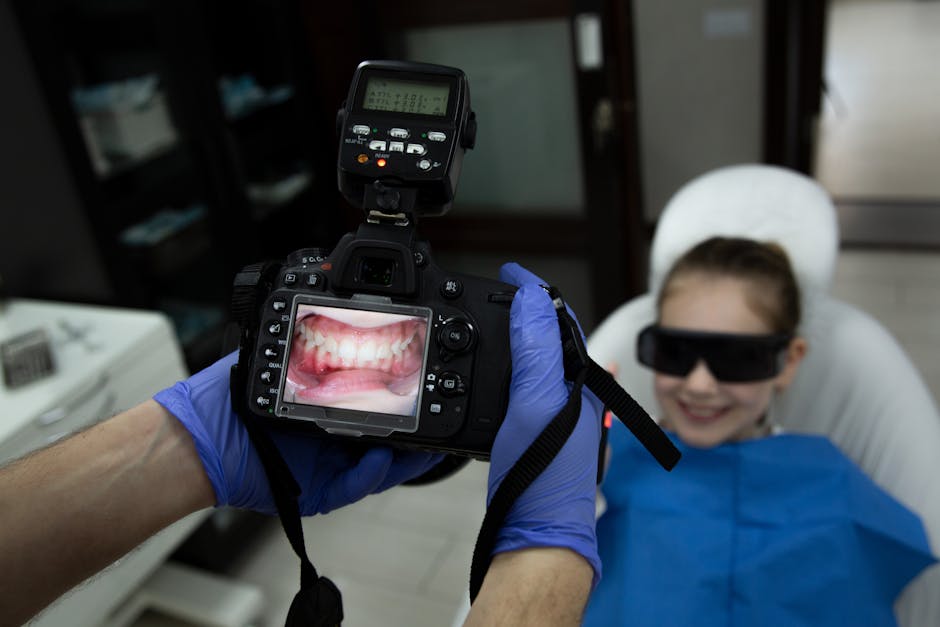
Predictable composite laminates begin with choosing the right cases. Patients with limited enamel, uncontrolled caries risk, parafunction, severe crowding, or inadequate oral hygiene often require stabilization before any aesthetic additive dentistry. Clinical photography and a brief risk assessment can prevent unrealistic expectations and help define the scope of treatment.
Composite laminates are often ideal when you need additive contour changes with minimal or no preparation. Conversely, when color change requirements are significant or when long-term stain resistance is a priority, porcelain laminate veneers may be considered. Importantly, this content is for educational purposes; treatment decisions should be individualized based on clinical findings, patient preferences, and appropriate diagnostic work-up.
Periodontal and soft-tissue considerations
Healthy gingival tissues are not optional in aesthetic cases. Inflammation compromises bonding margins, increases bleeding risk, and affects final contours. If a patient presents with acute periodontal pathology, the priority is stabilization and prevention rather than cosmetic work. For example, clinicians should be familiar with protocols for acute conditions such as NUG; Istanbul Dental Academy’s educational resources on managing necrotizing ulcerative gingivitis (NUG) with clinical steps and prevention highlight how periodontal management supports better restorative outcomes.
2) Plan aesthetics before you pick up the composite
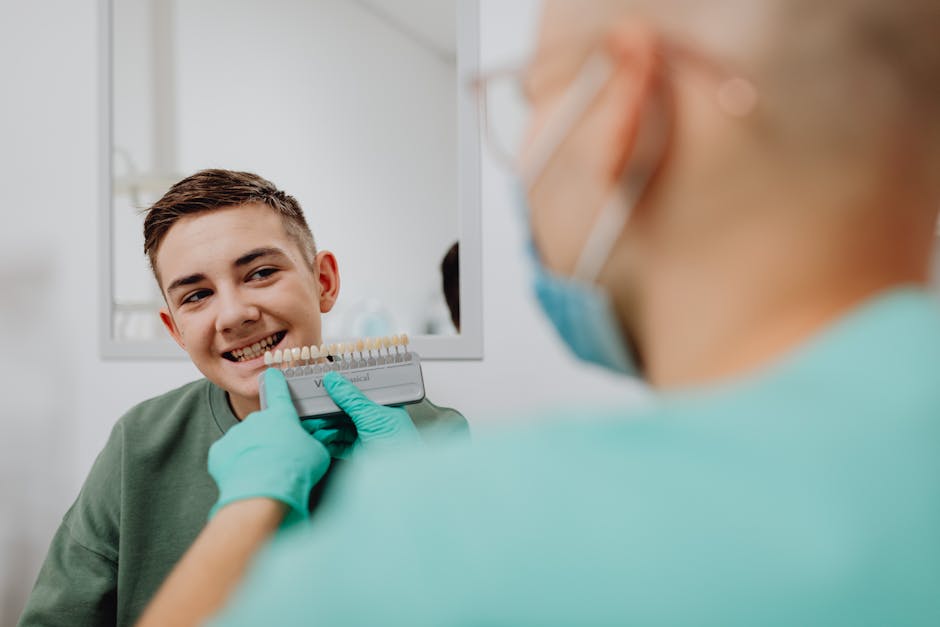
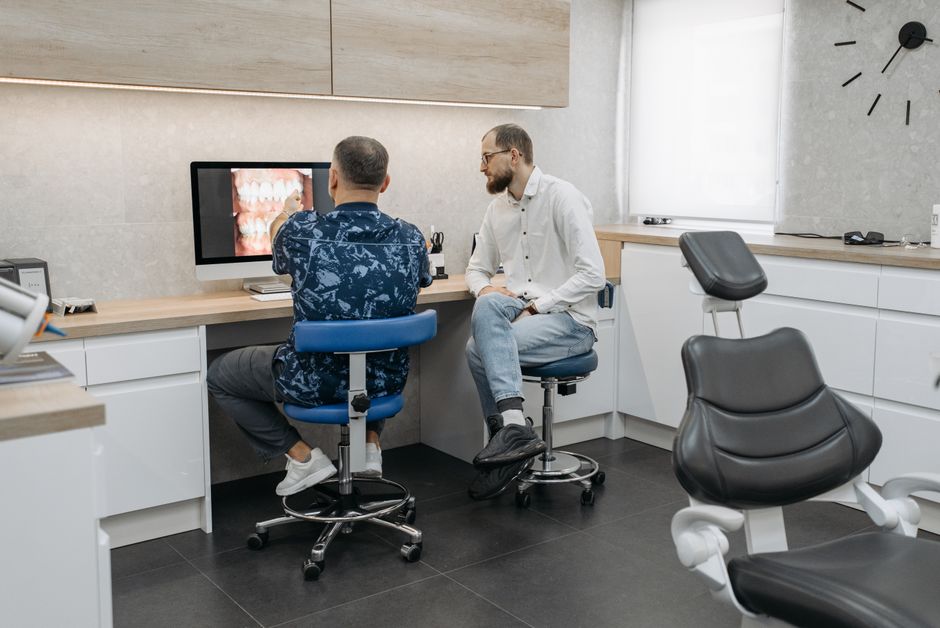
One of the most common reasons composite veneers look “bulky” or “unnatural” is insufficient planning. Aesthetic dentistry benefits from a design-first workflow: facial analysis, midline, incisal edge position, gingival symmetry, and tooth proportions. Even in direct techniques, a structured plan guides the layering strategy and helps you communicate with patients.
When you need a clear framework for diagnostic steps and patient communication, reviewing a comprehensive overview of what smile design is, including candidates, workflow, and clinical considerations can help you translate aesthetic principles into everyday restorative decisions.
Use mock-ups and matrices to control shape
A silicone index from a wax-up or digital mock-up can dramatically improve predictability. It helps you control incisal edge position, emergence profile, and palatal contours—reducing chairside guesswork. For diastema closures, clear matrices or sectional matrices can help create symmetrical line angles and reduce over-contouring in the cervical third.
3) Isolation is a success factor, not a “nice-to-have”
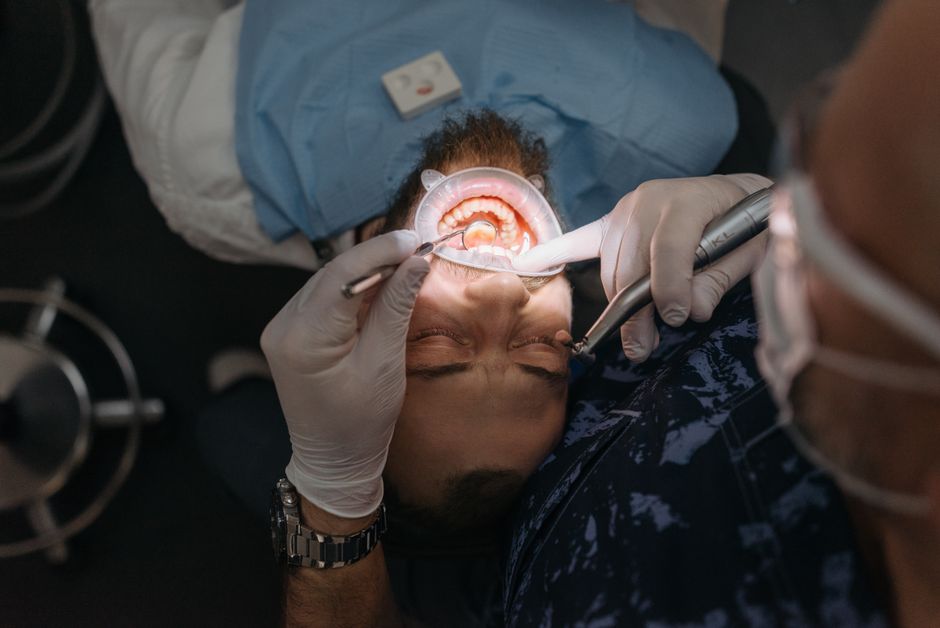
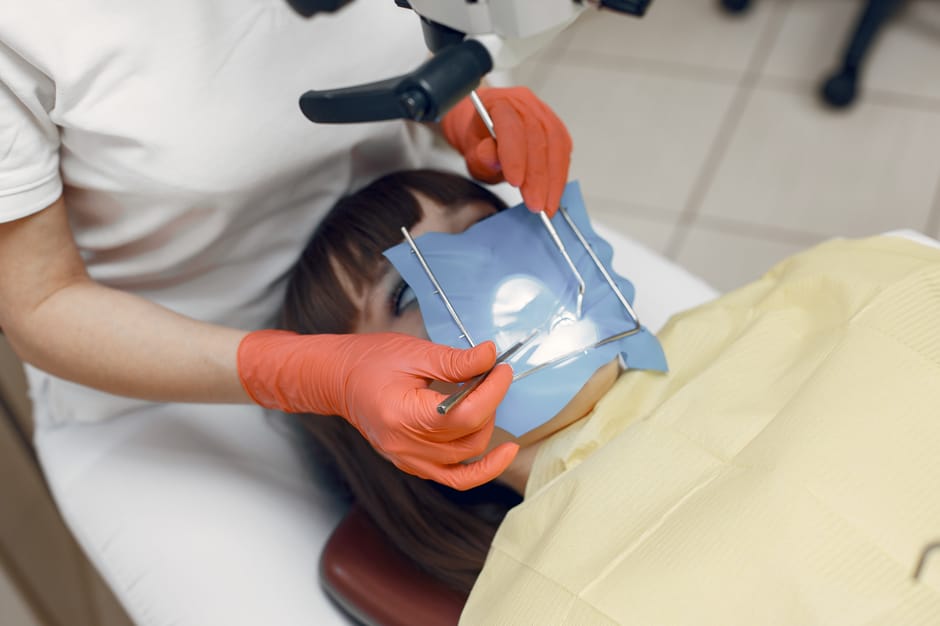
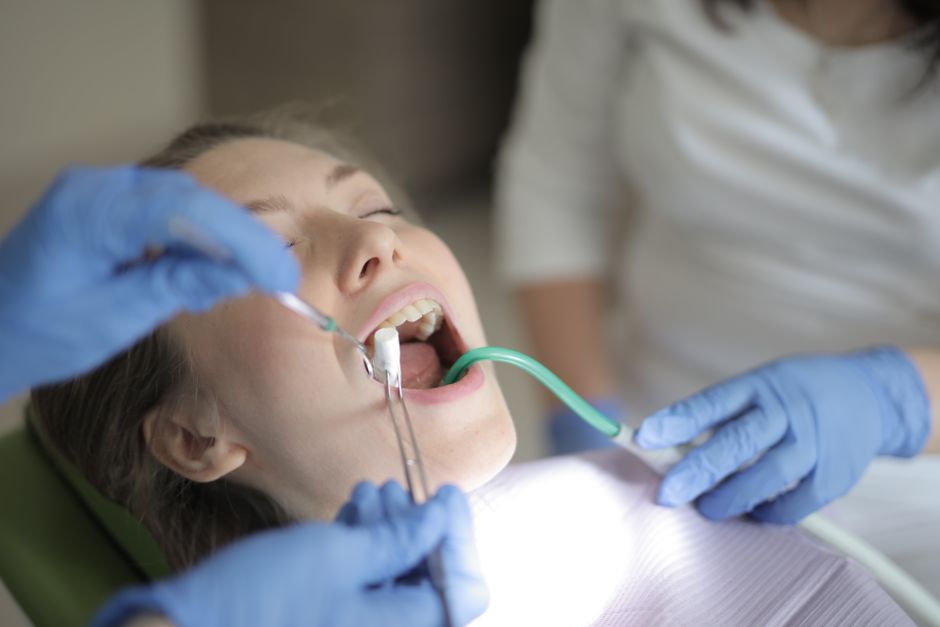
Composite laminate veneers are adhesive procedures. Moisture control influences bond strength, marginal adaptation, and postoperative sensitivity. Whenever feasible, a rubber dam provides the most consistent isolation and improves clinician ergonomics—especially when multiple teeth are treated.
When rubber dam placement is challenging (e.g., short clinical crowns, inflamed gingiva, subgingival margins), clinicians may need to stabilize tissues first and/or consider adjunctive isolation techniques such as retraction cord, isolation systems, and careful suction control. The goal is consistent, repeatable moisture control across the full bonding field.
4) Enamel-first mindset: preparation and surface management
Composite laminates succeed best on enamel. A common misconception is that “no-prep” always means “no finishing.” In reality, minimal preparation can improve outcomes by creating space for material, establishing a definitive finish line, and removing aprismatic enamel or surface irregularities that interfere with bonding.
Practical clinical tips include:
• Create room where needed: Light reduction in the mid-facial or incisal third can prevent over-contouring and help maintain natural translucency.
• Keep margins clean and accessible: Whenever possible, place margins on enamel and supragingivally for easier finishing and long-term tissue compatibility.
• Smooth transitions: A well-blended surface reduces visible margins and improves optical integration.
5) Adhesive strategy: simplify, but don’t shortcut
Bonding protocols vary by material selection and substrate (enamel vs dentin). As an educational principle, avoid improvising. Choose an adhesive system you understand, follow manufacturer instructions, and standardize your sequence across cases. Many clinicians find that predictable results come from a consistent protocol rather than frequently switching products.
Also consider that when composite veneers extend into dentin, technique sensitivity increases. If dentin bonding is unavoidable, meticulous isolation and strict adherence to adhesive steps become even more important.
6) Layering and anatomy: where aesthetics are won (or lost)
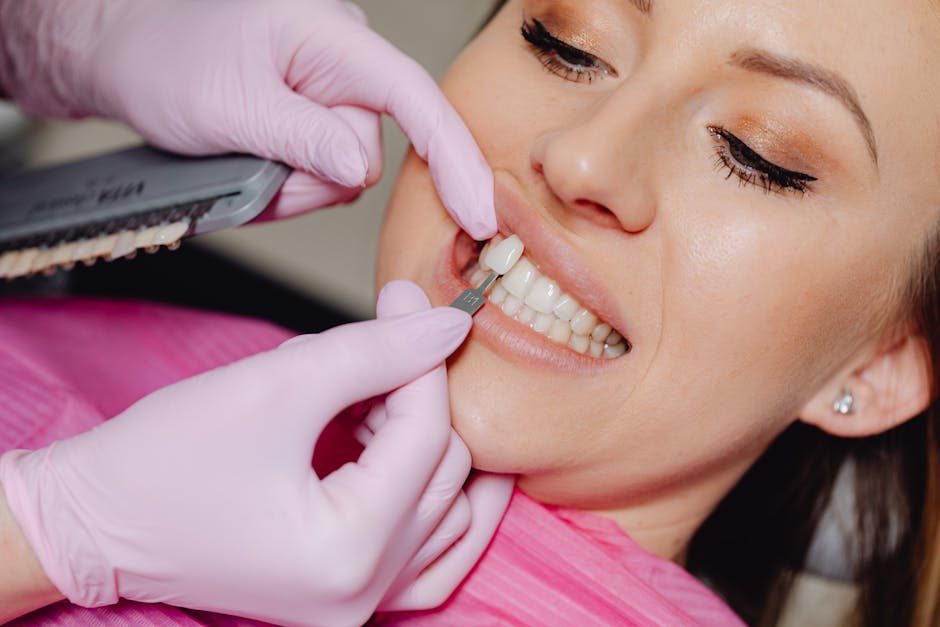
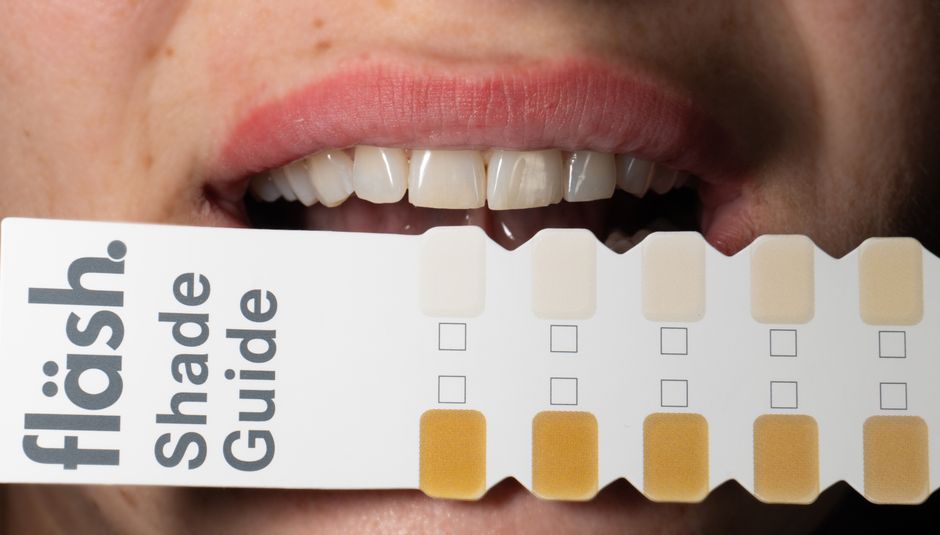
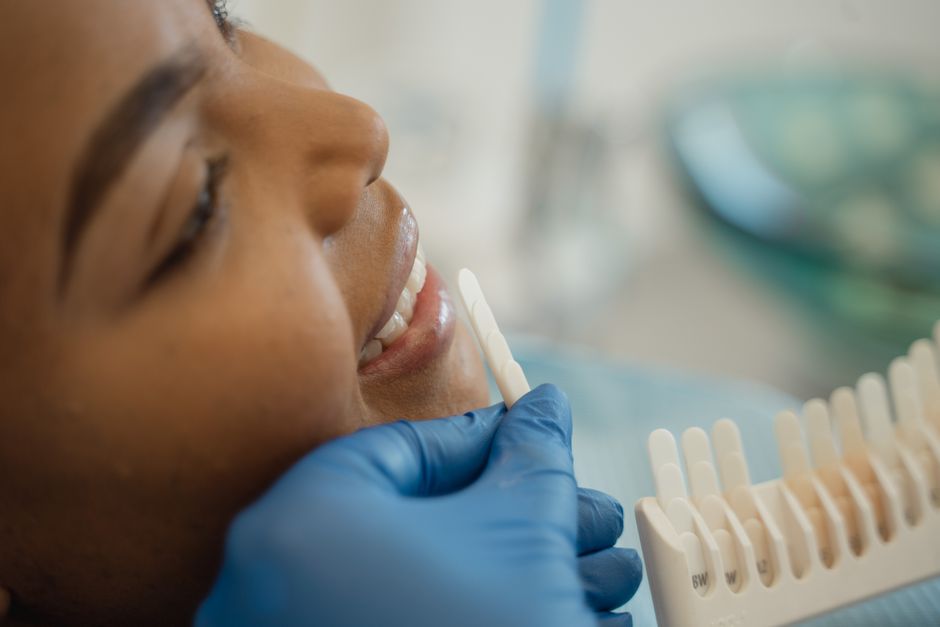
Composite laminate veneers require anatomical thinking: macro-contours (overall shape), micro-contours (surface texture), and optical properties (value, chroma, translucency). A single shade mass often yields a flat, opaque appearance. Controlled layering can create depth, especially in the incisal third.
Practical layering tips
• Control value first: Value errors (too bright or too gray) are noticed immediately. Establish a value-correct dentin/body foundation before focusing on characterizations.
• Respect line angles: The position of mesial and distal line angles influences perceived width. Small adjustments can make a tooth look slimmer or broader without changing actual dimensions.
• Build emergence profile thoughtfully: Over-contouring in the cervical third is a common cause of gingival irritation and “fake” aesthetics. Use a matrix, shape the cervical zone carefully, and verify cleansability with floss.
7) Curing protocol: consistency beats intensity
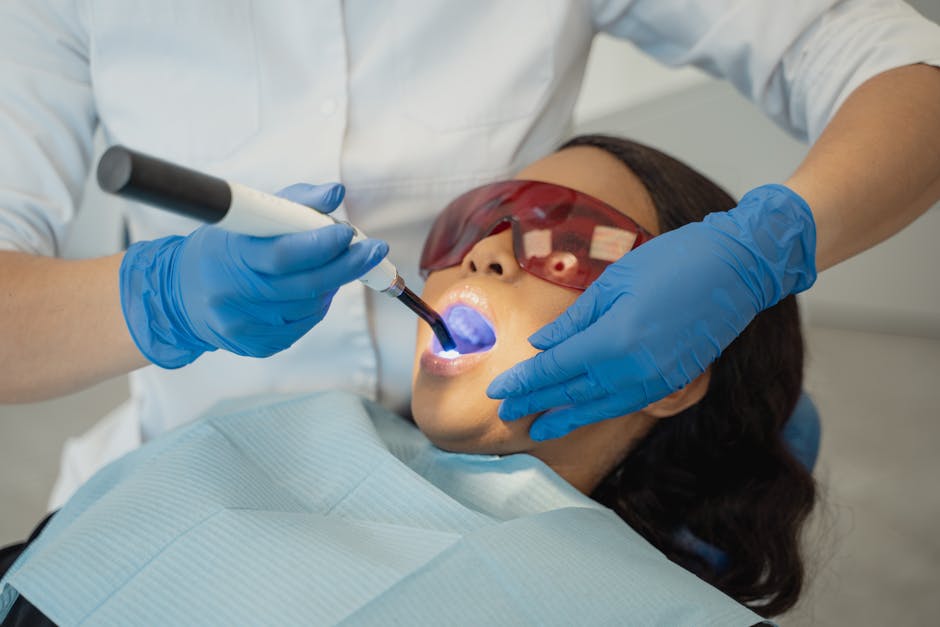
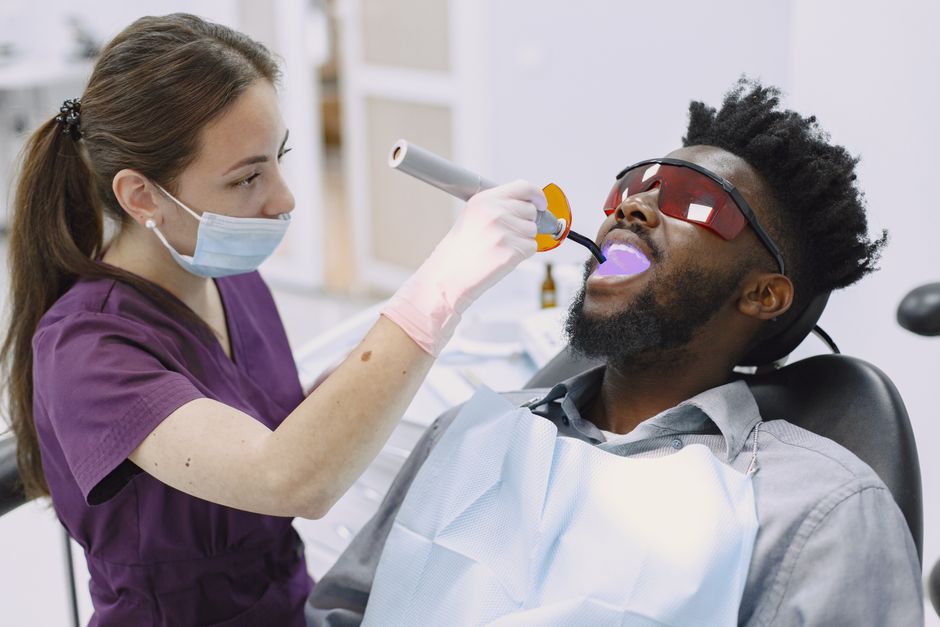
Inadequate polymerization contributes to marginal discoloration, wear, and sensitivity. A predictable approach includes checking your light output, keeping the curing tip close and perpendicular, and curing from multiple directions when contours are thick or when a matrix limits access.
From an educational perspective, it helps to treat curing as a “clinical step,” not a background action. In hands-on training environments, clinicians often improve outcomes simply by standardizing curing times and positioning—then verifying results with consistent finishing protocols.
8) Finishing and polishing: the overlooked driver of longevity
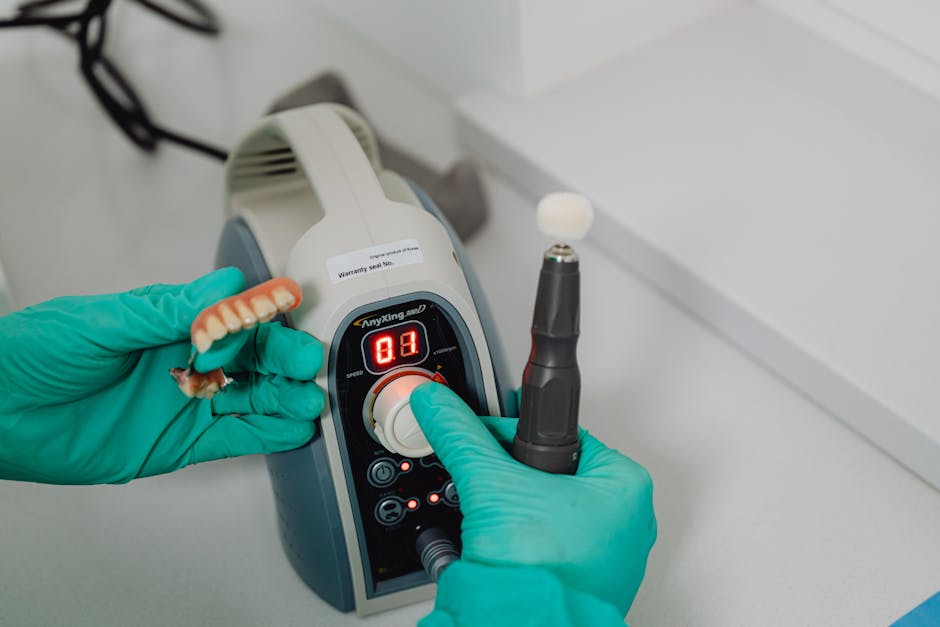
Many composite veneer failures are aesthetic failures rather than structural ones: surface staining, loss of gloss, or visible margins. A structured finishing sequence can significantly improve longevity and patient satisfaction.
Consider a stepwise approach:
• Shape first, polish second: Establish correct contours with fine diamonds/carbides before moving to discs and polishers.
• Protect the gingiva: Finishing near the sulcus requires gentle technique and appropriate instruments to avoid trauma.
• Replicate natural texture: Subtle surface texture and correct gloss level help composite look less “plastic.”
Magnification and documentation help you see what you’re finishing
Magnification supports precision in margin refinement and surface texture. While dental microscopes are often associated with endodontics, the same visual advantages can benefit restorative detailing. For clinicians interested in how enhanced visualization can improve fine motor accuracy, the article on advantages of using a dental microscope in endodontics also provides transferable concepts relevant to adhesive and aesthetic dentistry, such as illumination, ergonomics, and detail recognition.
9) Occlusion: protect your work from day one
Composite laminates—particularly on incisors—are vulnerable to chipping if occlusal forces are not evaluated. Check static and dynamic contacts, including protrusive and lateral movements. Incisal edge additions may require careful adjustment to avoid heavy guidance on newly placed composite.
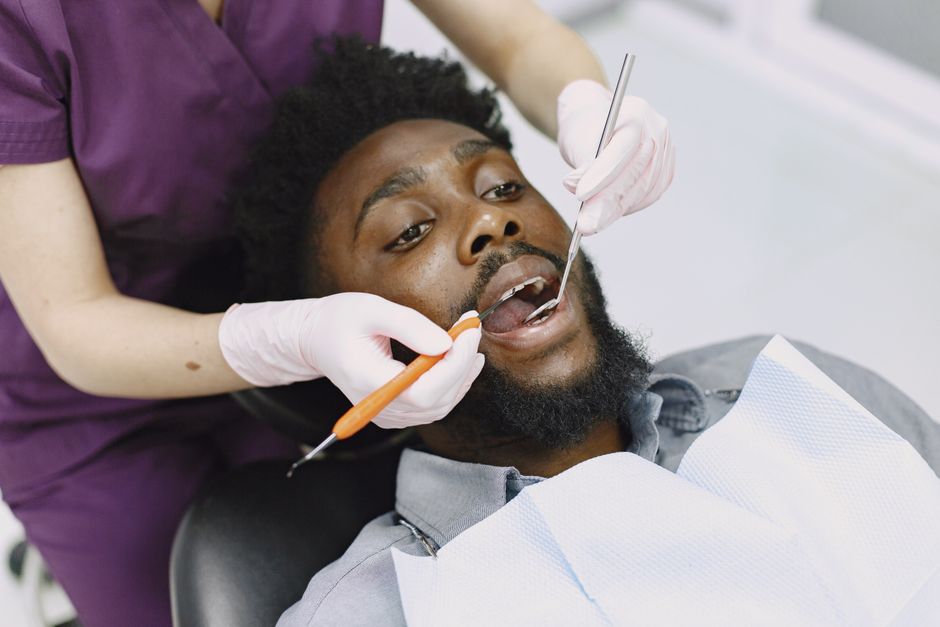
In patients with signs of bruxism, discuss risk and consider protective strategies (e.g., occlusal guard) as part of maintenance. Again, this is educational content; occlusal management should be individualized and based on clinical assessment.
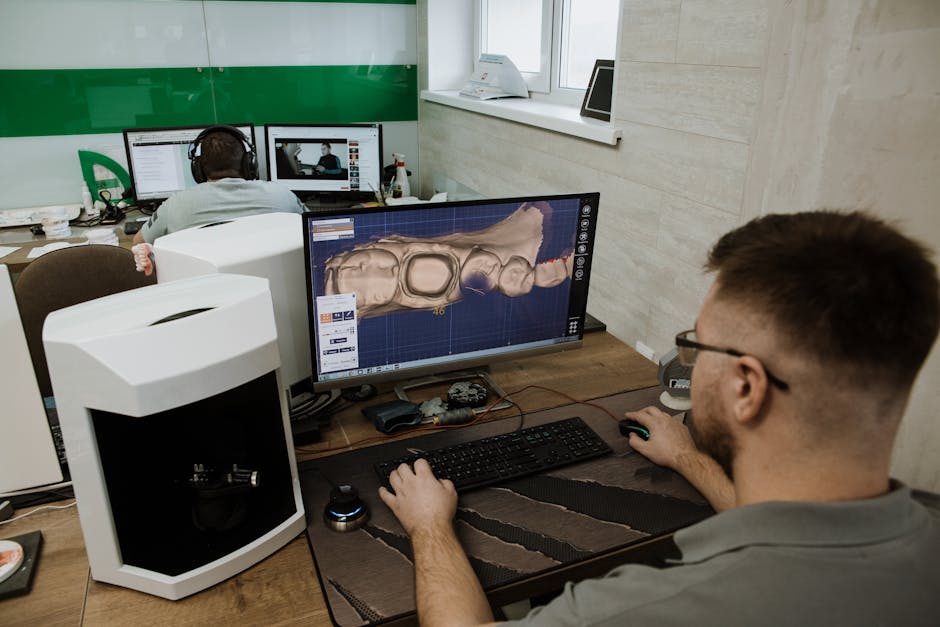
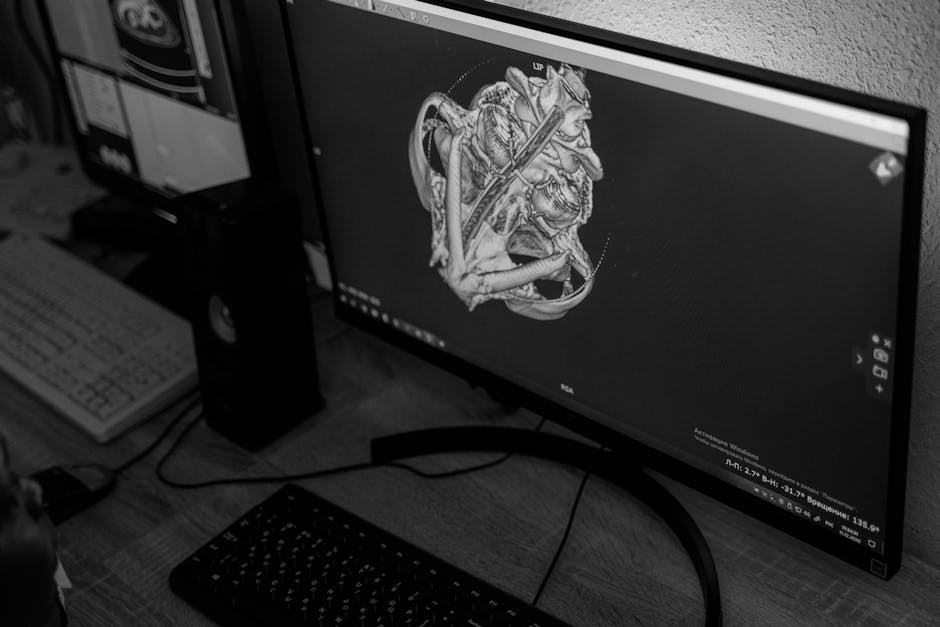
10) Digital dentistry perspective: why restorative planning benefits from implant workflows
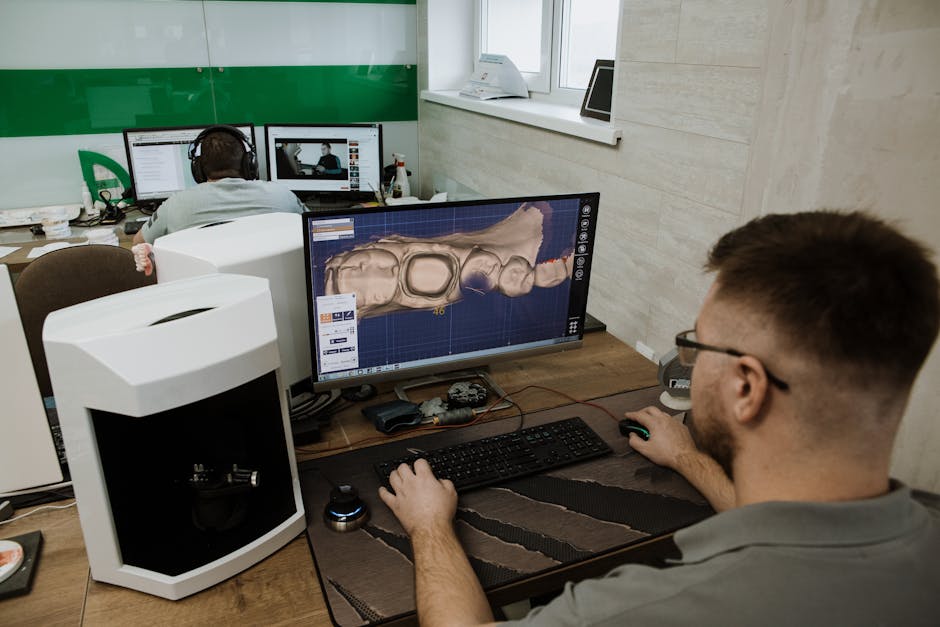
Even if you are not placing implants, digital planning concepts from implant dentistry can strengthen your restorative thinking: start with the desired outcome, then plan backwards. The discipline of designing tooth position, occlusal scheme, and functional envelope is shared across prosthodontics, aesthetic dentistry, and implantology.
For example, the workflow principles described in digital planning for full-arch implant cases—such as data acquisition, virtual design, and guided execution—highlight a mindset that can improve predictability for direct composite veneers as well: plan first, execute second, verify continuously.
11) Learn from complications: a prevention mindset across disciplines
In dental education, one of the fastest ways to improve outcomes is to study common mistakes systematically. Composite veneer complications often include marginal staining, fracture at the incisal edge, gingival inflammation from over-contouring, and shade mismatch due to dehydration or incorrect value selection.
A similar prevention mindset is emphasized in surgery-focused education. While the procedures differ, the principle is the same: small planning or execution errors compound into bigger complications. Clinicians may find it useful to compare their restorative checklists to surgical safety thinking, such as the approach outlined in implant surgery mistakes beginners make—and how to prevent them. The takeaway for restorative dentistry: define steps, anticipate failure points, and build a repeatable workflow.
12) How Istanbul Dental Academy supports predictable composite veneer outcomes
Composite laminate veneers are technique-sensitive—and that is precisely why structured continuing education can be valuable. At Istanbul Dental Academy, clinicians can strengthen outcomes by training in:
• Aesthetic planning and smile design communication (from photography to mock-ups)
• Adhesive dentistry protocols (isolation, bonding strategies, layering control)
• Finishing and polishing (anatomy, texture, gloss, and margin refinement)
• Interdisciplinary thinking (periodontal stability, endodontic/restorative coordination, and digital workflows)
Hands-on practice—guided by instructors—helps transform “tips” into clinical habits. As you refine your technique, consider creating your own checklist for composite laminate cases: diagnosis, design, isolation, bonding, layering, curing, finishing, occlusion, and maintenance.
Key takeaways
Success with direct composite laminate veneers is rarely about a single product. It is the result of controlled planning, clean isolation, enamel-focused bonding, anatomical layering, careful curing, and meticulous finishing—supported by periodontal health and occlusal awareness. With a repeatable workflow and ongoing skills development, composite laminates can become a reliable part of your aesthetic dentistry toolkit.
This content is for educational purposes and does not replace individualized clinical judgment, diagnosis, or treatment planning.
Diğer Yazılar