
BLOG
Why Saliva Matters: The Unsung Protector of Oral Health
Saliva: A Biological System, Not Just “Moisture”
In daily clinical practice, saliva is easy to overlook—until it is missing. Patients with dry mouth (xerostomia) may report burning sensations, difficulty speaking or swallowing, altered taste, rapid caries development, and challenges wearing dentures. Yet even in patients with “normal” salivary flow, the quality and composition of saliva can significantly influence oral health outcomes.
From a dental education perspective, understanding saliva bridges basic sciences and chairside decision-making. It informs preventive strategies, restorative material selection, periodontal maintenance planning, and long-term prognosis for prosthodontic and implant cases. This article explores why saliva is so important, how it works, and how clinicians can integrate salivary considerations into comprehensive care. This content is for educational purposes and is not a substitute for individualized diagnosis or treatment planning.
What Saliva Does: Key Functions with Direct Clinical Impact
Saliva is produced primarily by the parotid, submandibular, and sublingual glands, with minor salivary glands contributing to mucosal lubrication. Its functions are multifactorial and tightly linked to oral homeostasis.
1) Mechanical cleansing and lubrication
Saliva helps wash away food debris and reduces bacterial adhesion. Lubrication supports comfortable mastication and speech and minimizes soft-tissue friction—important for denture wearers and for patients undergoing orthodontic treatment or extensive prosthodontic rehabilitation.
2) Buffering acids and stabilizing pH
One of saliva’s most clinically relevant roles is buffering acids produced by plaque biofilm metabolism. Bicarbonate, phosphate, and protein systems help neutralize pH drops after carbohydrate intake. When buffering capacity is compromised, enamel demineralization risk increases and erosive wear can accelerate.
3) Remineralization of enamel
Saliva supplies calcium, phosphate, and—when present—fluoride ions that promote remineralization. This is central to managing early caries lesions and minimizing post-operative sensitivity after whitening or restorative procedures. In minimally invasive dentistry, saliva is a key ally for non-cavitated lesion control.
4) Antimicrobial and immune defense
Salivary components such as immunoglobulins (notably IgA), lysozyme, lactoferrin, and peroxidases contribute to host defense. While not a replacement for plaque control, saliva helps moderate microbial ecology and supports mucosal immunity.
5) Taste, digestion, and tissue integrity
Saliva assists in taste perception and initiates digestion through enzymes like amylase. It also supports mucosal integrity and wound healing—relevant after oral surgery, periodontal procedures, and implant placement.

When Saliva Is Not Enough: Xerostomia, Hyposalivation, and Clinical Clues
“Dry mouth” can describe symptoms (xerostomia) even when flow appears normal, while “hyposalivation” refers to objectively reduced salivary output. Patients may not always volunteer these concerns, so targeted questioning can be valuable during history taking and follow-up.
Common contributing factors (educational overview)
Several systemic and local factors may contribute to reduced salivary function, including medication side effects, dehydration, autoimmune conditions, head and neck radiotherapy history, mouth breathing, and certain systemic diseases. Lifestyle factors such as frequent caffeine or alcohol intake may also worsen subjective dryness in some individuals.
Chairside observations
Clinical signs may include stringy or foamy saliva, lack of pooling in the floor of the mouth, generalized mucosal dryness, fissured tongue, angular cheilitis, increased plaque accumulation, and cervical or root caries patterns. Prosthodontic patients may report denture instability due to reduced salivary adhesion and cohesion.
Saliva and Caries Risk: The Protective Triangle
Caries is not solely a “sugar problem” or a “bacteria problem”—it is a dynamic process influenced by host factors, time, and biofilm behavior. Saliva acts as a protective triangle: it dilutes sugars, buffers acids, and enables remineralization.
When salivary flow or buffering capacity drops, the demineralization–remineralization balance shifts. Clinically, this can manifest as rapid lesion progression, recurrent caries around restorations, and increased root caries in older adults or patients with gingival recession.
For restorative dentistry and prosthodontics, this matters because margins, emergence profiles, and contact design interact with salivary cleansing. Over-contoured restorations can trap plaque in an environment that becomes more cariogenic when saliva is compromised.
Saliva and Periodontal Health: More Than Plaque Control
Periodontology often emphasizes biofilm disruption and patient-performed oral hygiene. Saliva contributes by modulating microbial colonization and by supporting mucosal immunity. Reduced lubrication can make mechanical plaque control uncomfortable, potentially lowering compliance.
Additionally, patients with xerostomia may have higher incidence of mucositis and soft-tissue inflammation, which can complicate periodontal maintenance visits. For clinicians, recognizing salivary challenges can support more realistic home-care coaching and tailored recall intervals.

Saliva in Restorative Dentistry and Adhesive Procedures
Saliva is both friend and foe in restorative dentistry. Biologically, it protects teeth; procedurally, contamination during bonding can compromise adhesion.
Contamination control and isolation
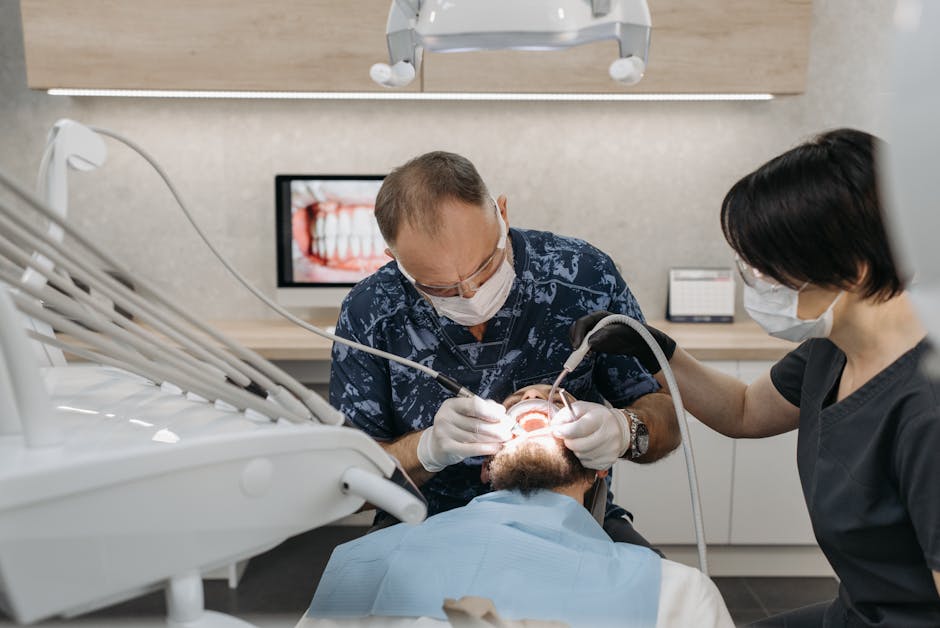
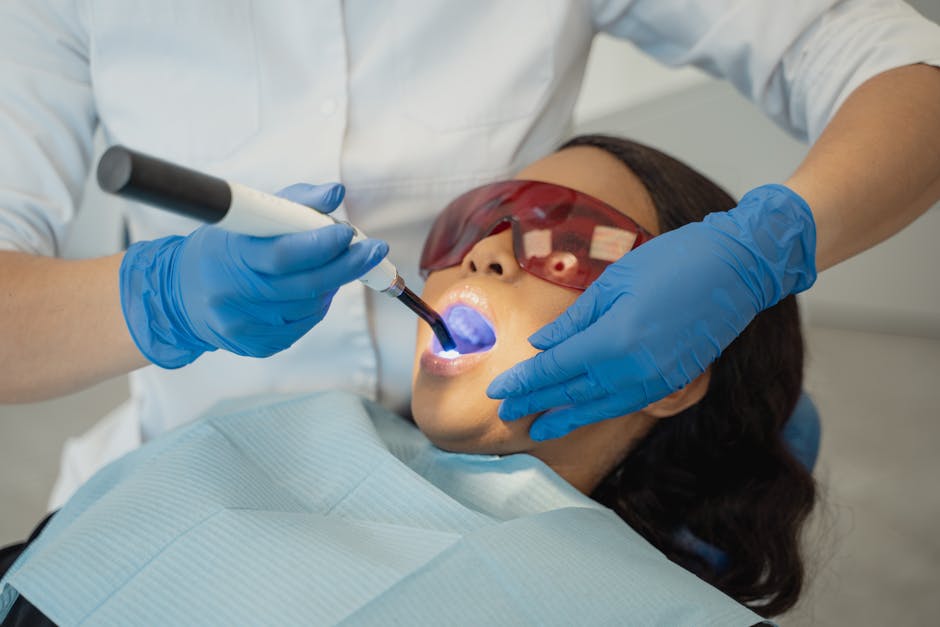
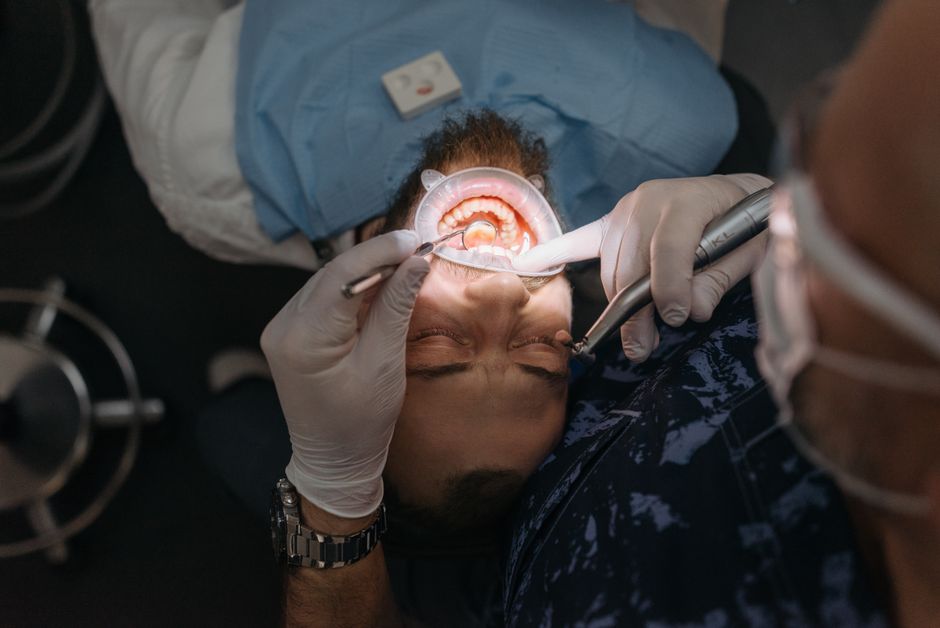
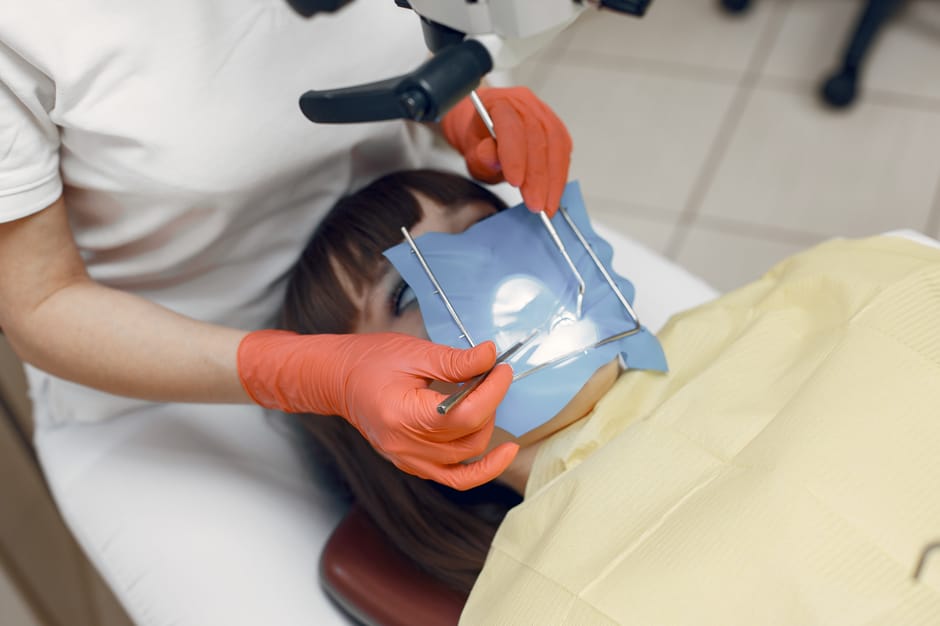
Adhesive dentistry depends on meticulous isolation. Saliva contamination may reduce bond strength and increase marginal leakage, postoperative sensitivity, or restoration failure. Rubber dam isolation, effective retraction, and careful field management remain foundational skills in operative dentistry and endodontics.
Saliva, erosion, and restorative planning
Patients with erosive tooth wear—often linked to dietary acids or gastric reflux—benefit from saliva’s buffering and remineralization capacity. If saliva is reduced, clinicians may see faster progression and greater restorative demand. In smile design cases, this may influence material choice, thickness planning, and maintenance guidance (educationally framed and tailored per patient assessment).
Saliva and Prosthodontics: Comfort, Retention, and Longevity
In removable prosthodontics, adequate salivary flow improves retention, comfort, and speech adaptation. Patients with reduced saliva may experience sore spots, mucosal irritation, and reduced denture stability.
In fixed prosthodontics, saliva supports tissue health around margins and pontics. Poor salivary function can be associated with increased plaque accumulation and mucosal discomfort, potentially affecting long-term outcomes.
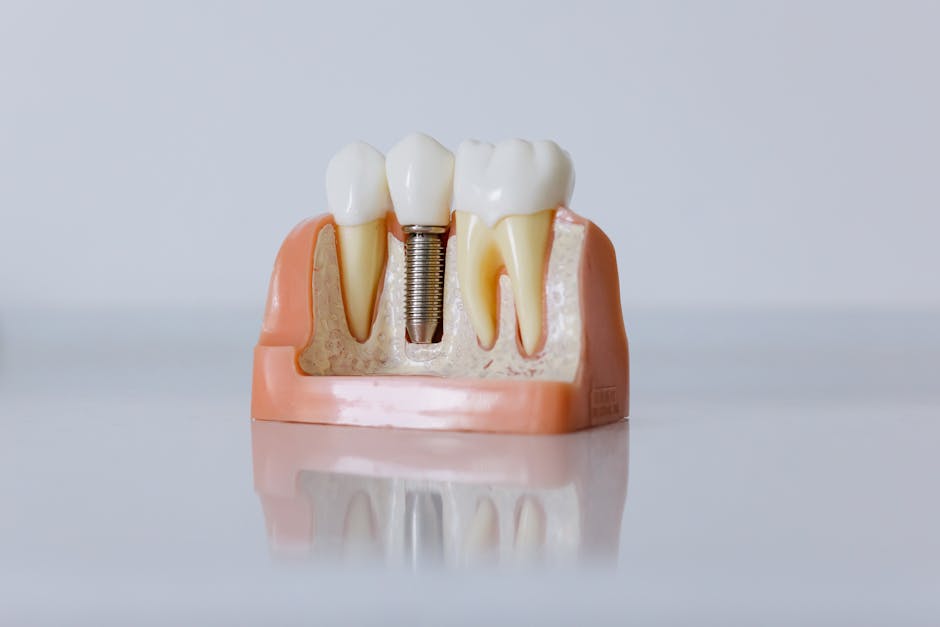
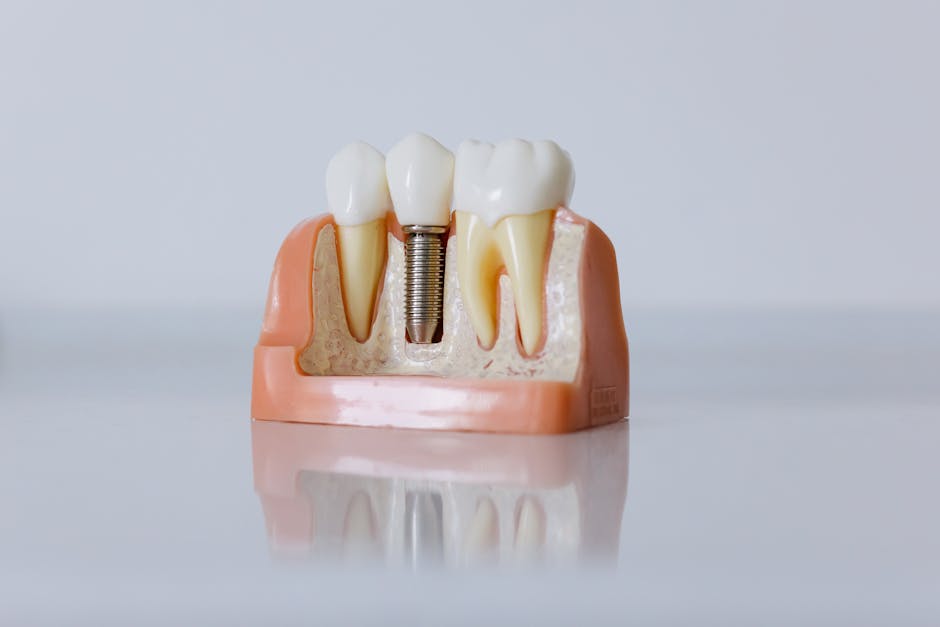
Saliva and Implant Dentistry: Peri-Implant Tissue Considerations
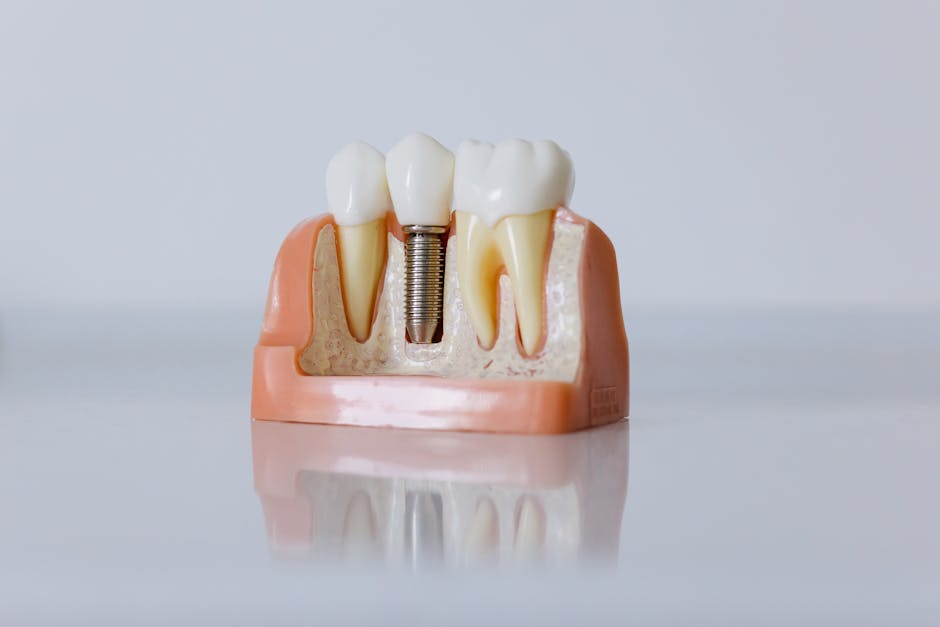
Implant dentistry is often discussed in terms of bone volume, surgical protocol, and prosthetic design. However, the peri-implant environment is also influenced by soft-tissue health, biofilm control, and patient risk factors—areas where saliva plays a supporting role.
Biofilm ecology and peri-implant maintenance
Saliva helps regulate biofilm, but it does not prevent peri-implant disease on its own. Patients with xerostomia may struggle more with plaque control around implant restorations, especially where contours hinder access. As a result, prosthetic design that prioritizes cleansability—and a robust maintenance program—becomes even more critical.
Post-surgical comfort and mucosal resilience
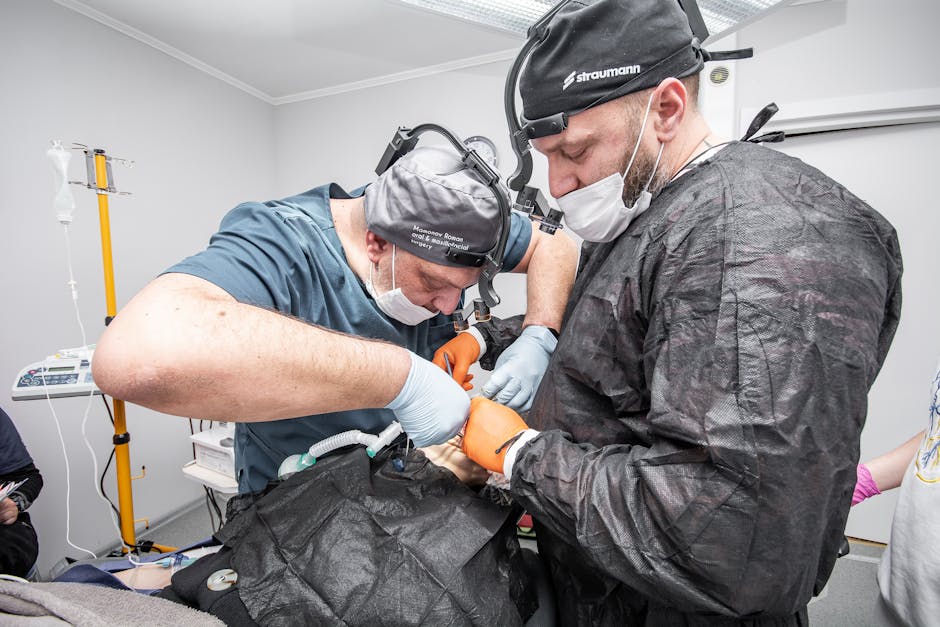
After implant surgery or soft-tissue procedures, salivary lubrication supports comfort and may reduce friction-related irritation. While healing is multifactorial and patient-specific, clinicians should be attentive to dryness complaints during post-op reviews.

Saliva in Digital Dentistry and Dental Photography: Why It Still Matters
Even in a highly digital workflow, saliva can influence outcomes.
Intraoral scanning and moisture management
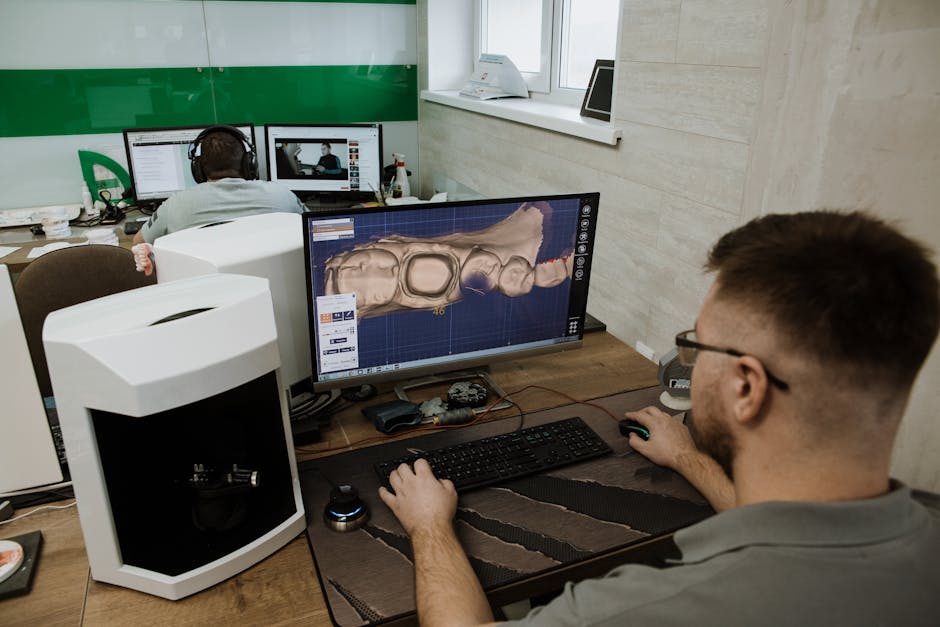
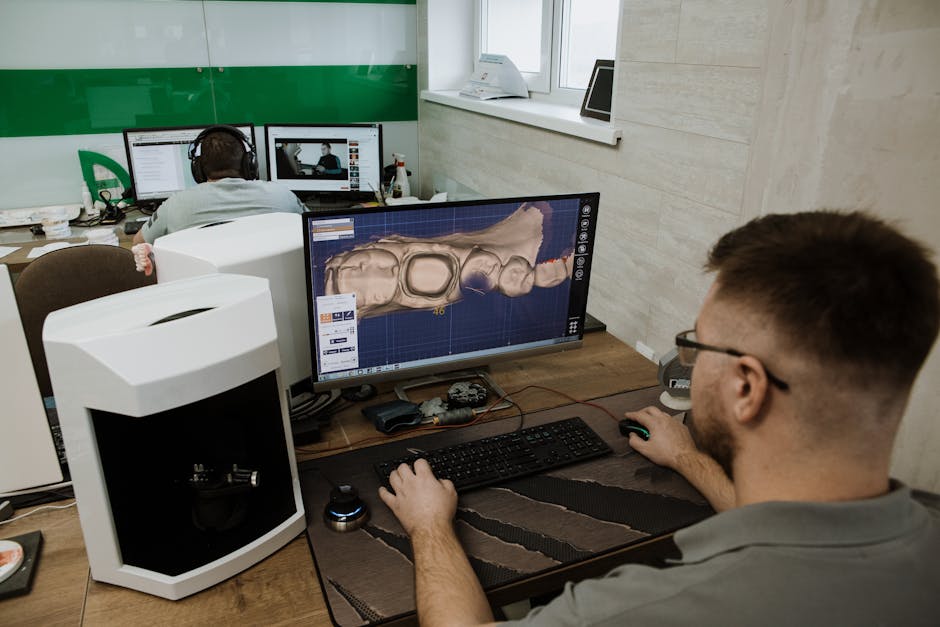
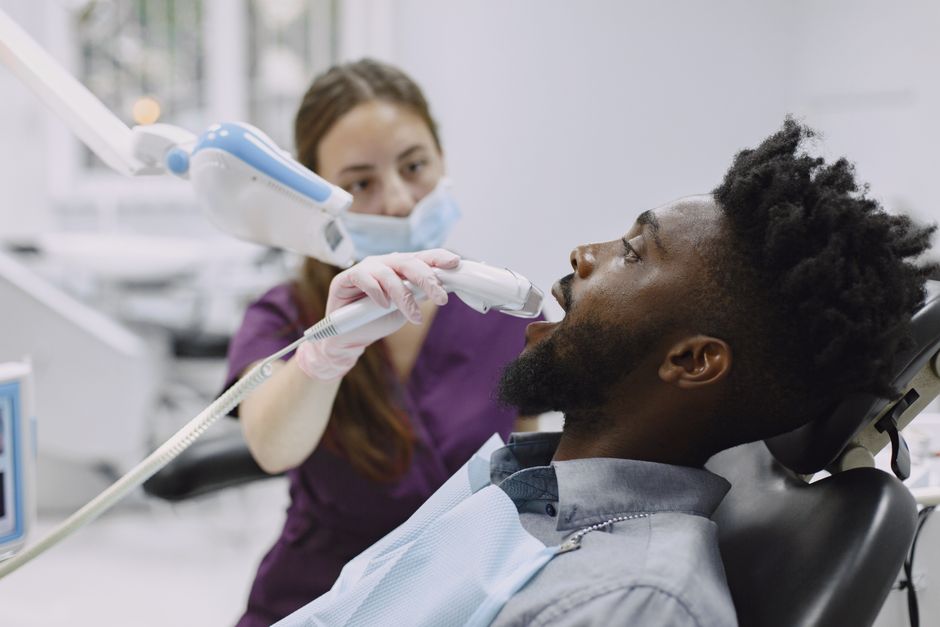
In digital impression taking, excess saliva can obscure margins and reduce scan accuracy; too little saliva may increase soft-tissue friction and patient discomfort. Efficient moisture control—through retraction, suction, and timing—supports predictable scans for crowns, veneers, and implant restorations.
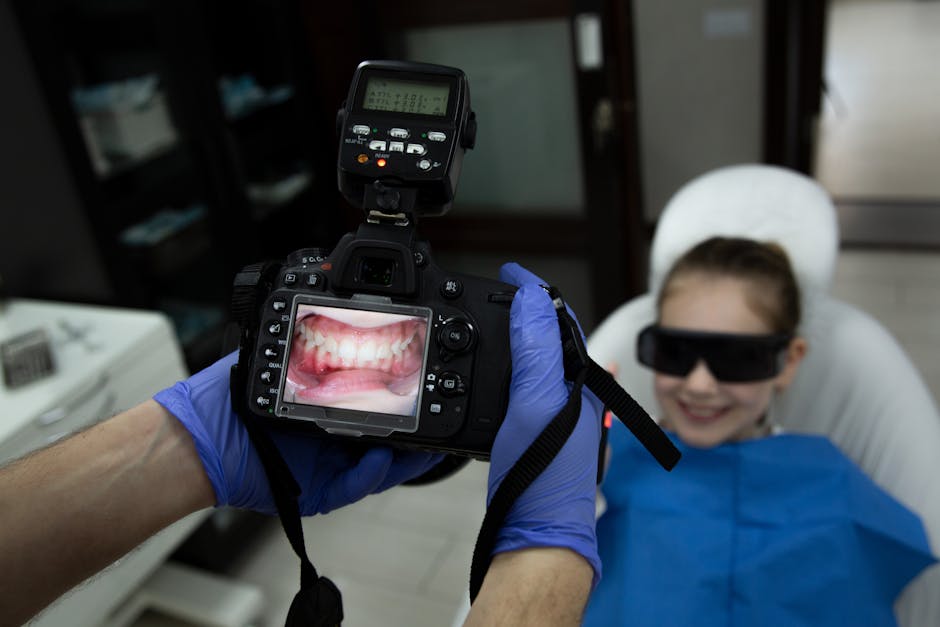
Dental photography and aesthetic documentation
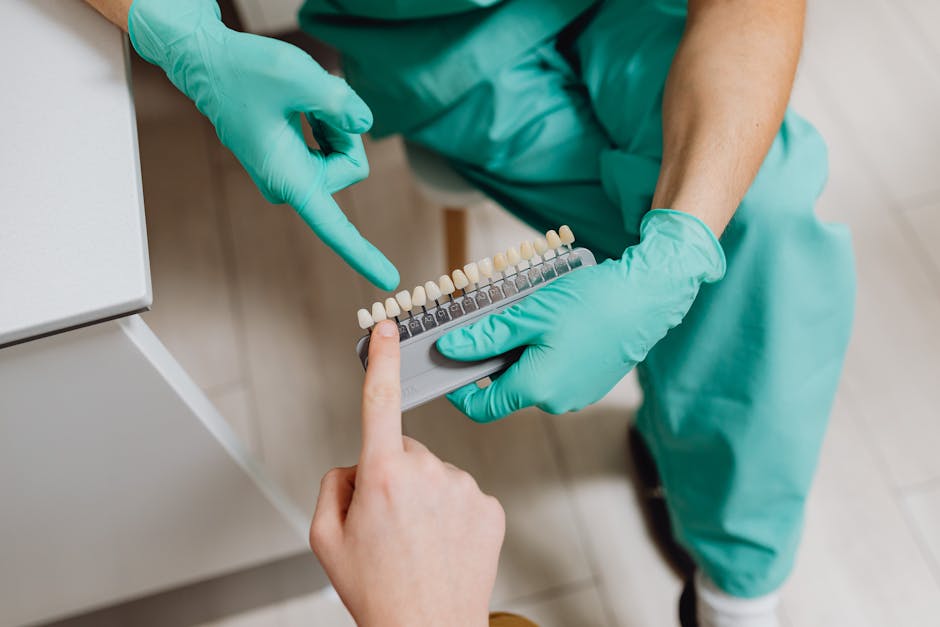
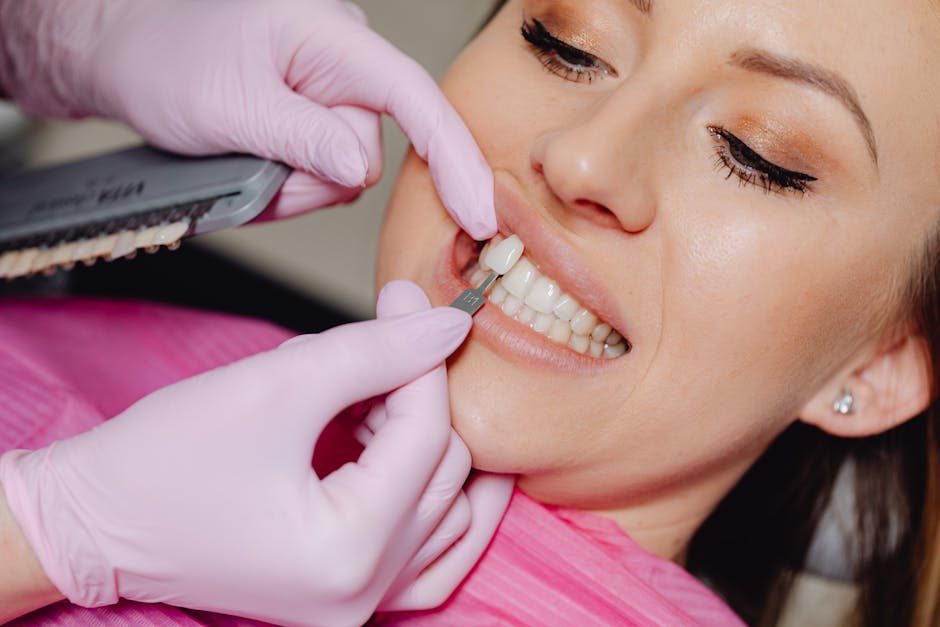
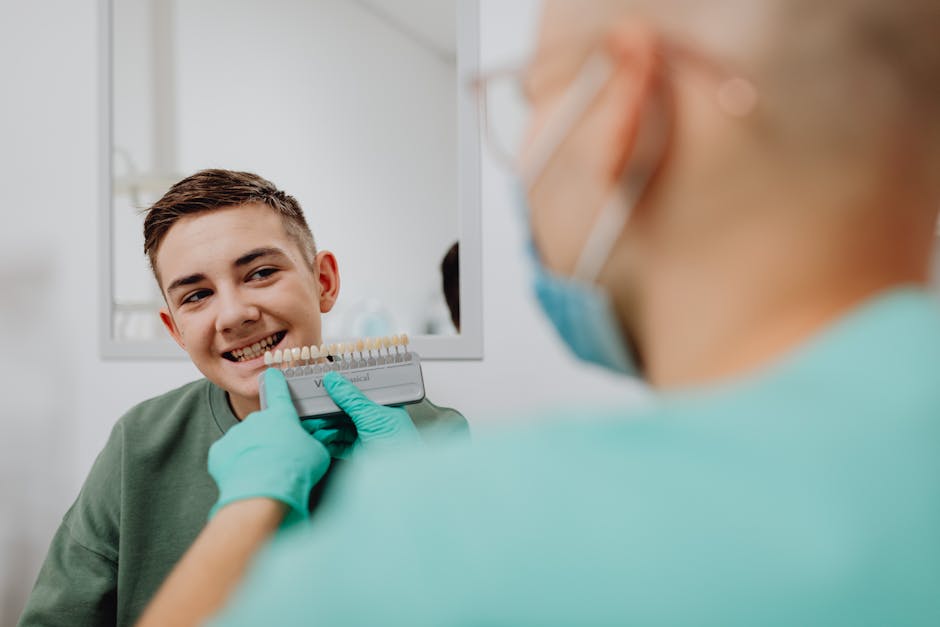
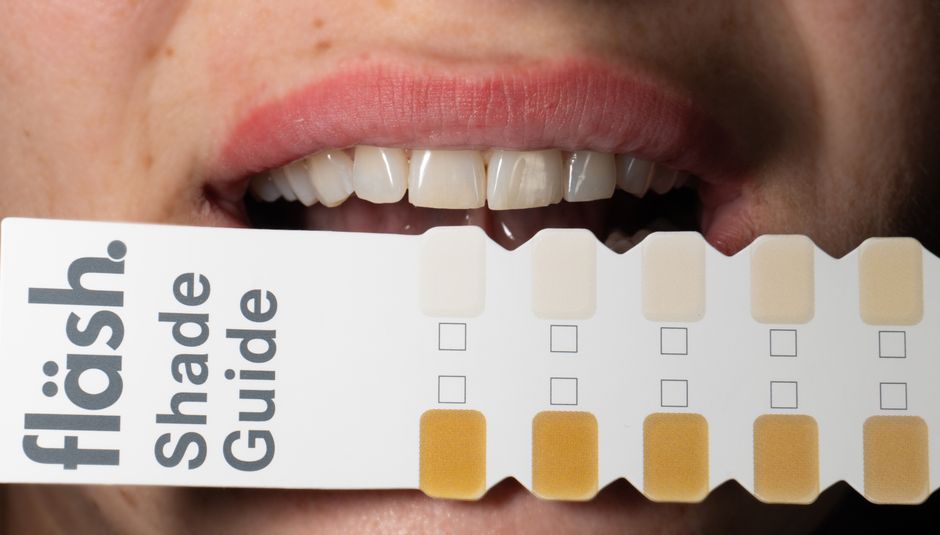
For clinical photography, saliva can create unwanted reflections and distort color perception, especially in anterior smile design cases. Controlled hydration, lip retraction, and consistent drying protocols help clinicians capture accurate shade communication and texture details for porcelain laminate veneers and other aesthetic restorations.
Clinical Assessment: Practical Ways to Think About Saliva in Daily Dentistry
Incorporating salivary considerations does not necessarily require complex testing for every patient. A structured approach can help identify who may benefit from closer monitoring.
History and symptom screening
Consider asking patients about dryness during the day or at night, frequent sipping, difficulty swallowing dry foods, altered taste, burning sensations, and increased caries history. Medication lists and systemic conditions are also relevant during comprehensive exams.
Clinical exam and risk-based planning
Look for signs of erosion, cervical lesions, plaque accumulation patterns, mucosal dryness, and recurrent caries around restorations. These findings can inform preventive priorities, restorative margin strategies, and recall scheduling. Any diagnostic testing or management should be individualized and performed according to professional standards and patient needs.
What This Means for Continuing Dental Education in Istanbul
Saliva is a “small” topic with a wide clinical footprint. For dentists and dental students, it is a practical example of how physiology connects to materials, technology, and long-term maintenance.
At Istanbul Dental Academy, hands-on learning is designed to strengthen precisely these connections—translating foundational concepts into clinical workflows. Whether you are refining rubber dam isolation for adhesive restorations, improving soft-tissue management for veneers and smile design, or optimizing prosthetic contours for implant cases, understanding the patient’s salivary environment supports better planning and communication.
Many clinicians also find that salivary considerations improve informed consent discussions and expectation management—especially in complex restorative and prosthodontic cases where long-term maintenance is a key determinant of success.
Key Takeaways
Saliva supports oral health through buffering, remineralization, lubrication, and antimicrobial defense. When salivary function is reduced, risks can increase across caries, periodontal stability, prosthodontic comfort, and implant maintenance. For modern dentistry—whether analog or digital—moisture management and salivary awareness remain essential clinical competencies.
This content is for educational purposes and does not provide definitive medical or treatment advice. If a patient reports persistent dry mouth or related symptoms, a comprehensive dental and medical evaluation may be appropriate to identify contributing factors and plan care accordingly.
Diğer Yazılar