
BLOG
Contemporary Adhesive Techniques for Posterior Restorations: A Clinical-Ready Guide
Why posterior adhesive dentistry matters more than ever
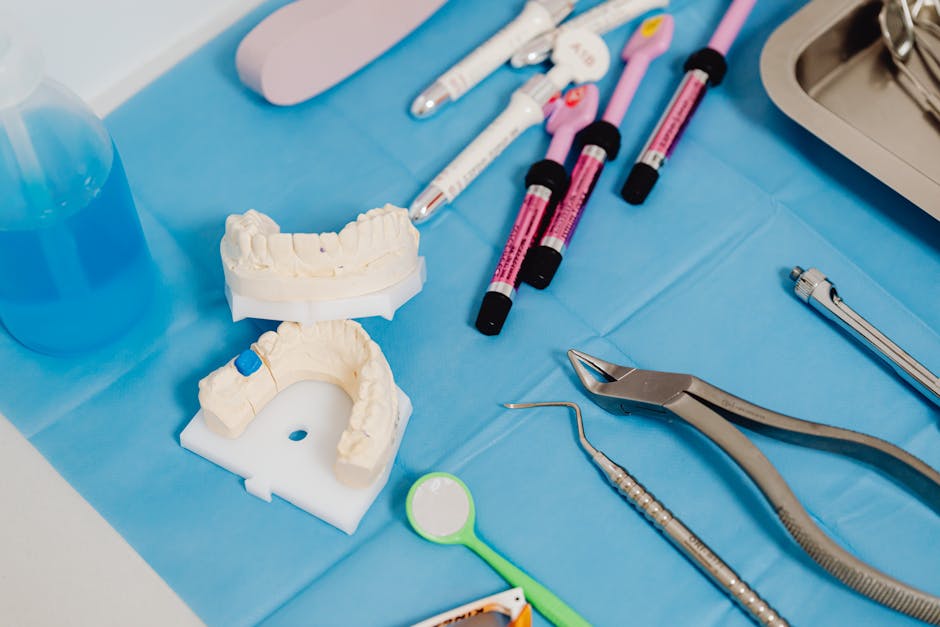
Posterior restorations sit at the crossroads of function, biomechanics, and patient expectations. Today, clinicians are asked to deliver restorations that are minimally invasive, highly aesthetic, and durable under heavy occlusal load—often in complex mouths that also include implants, endodontically treated teeth, and periodontal challenges. Contemporary adhesive techniques make this possible, but only when the workflow is approached as a sequence of controllable steps rather than a single “bonding” moment.
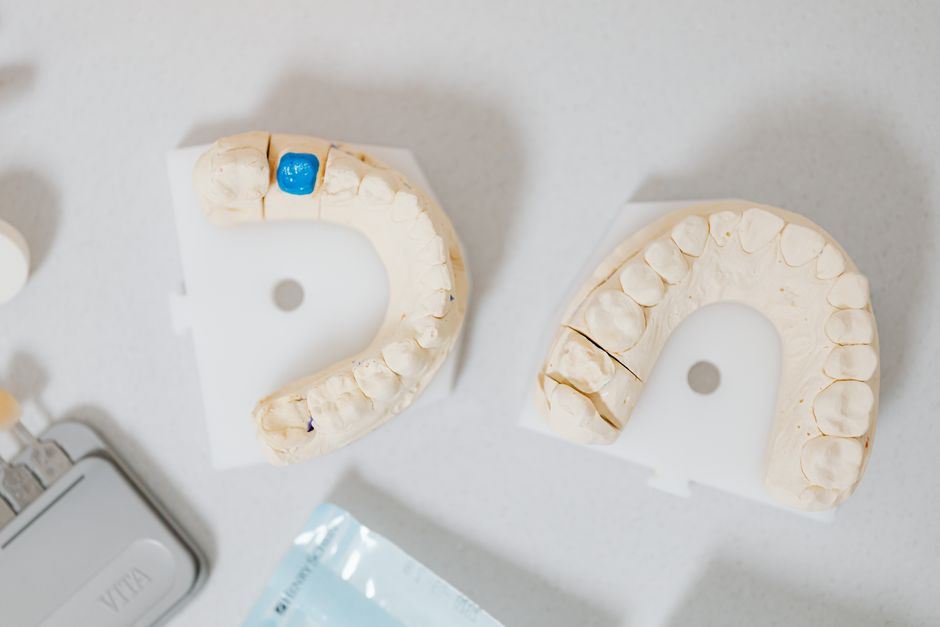
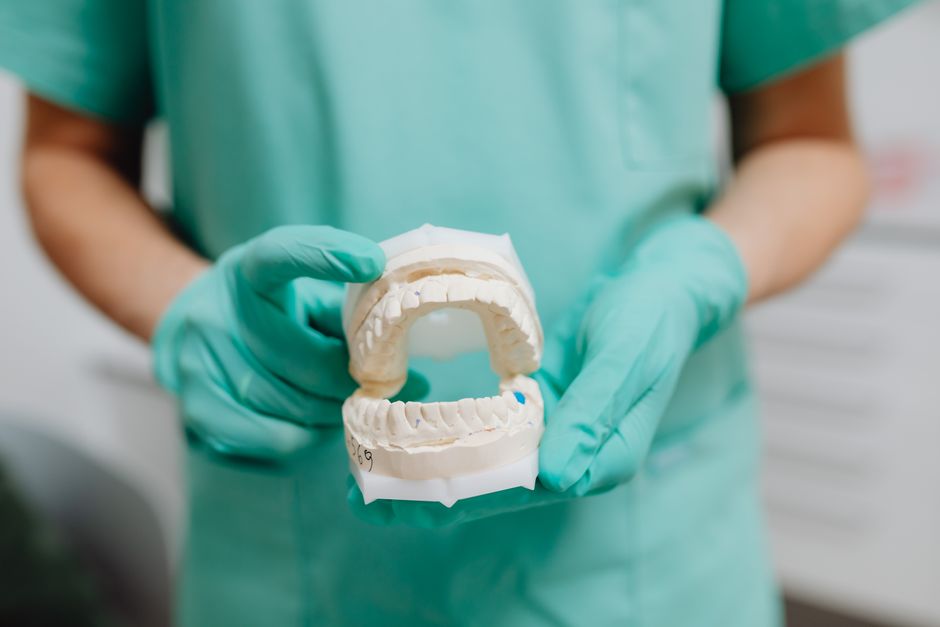
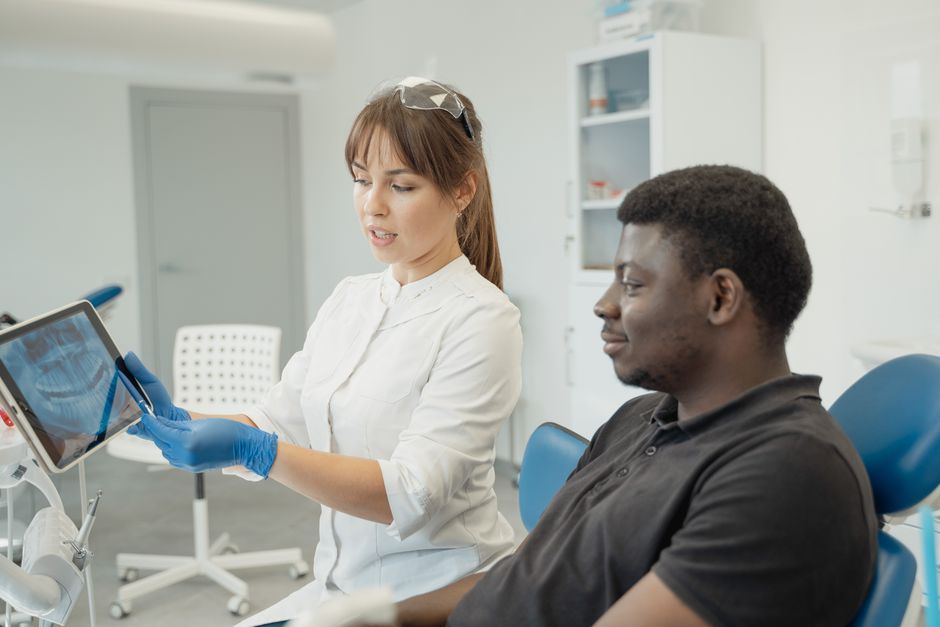
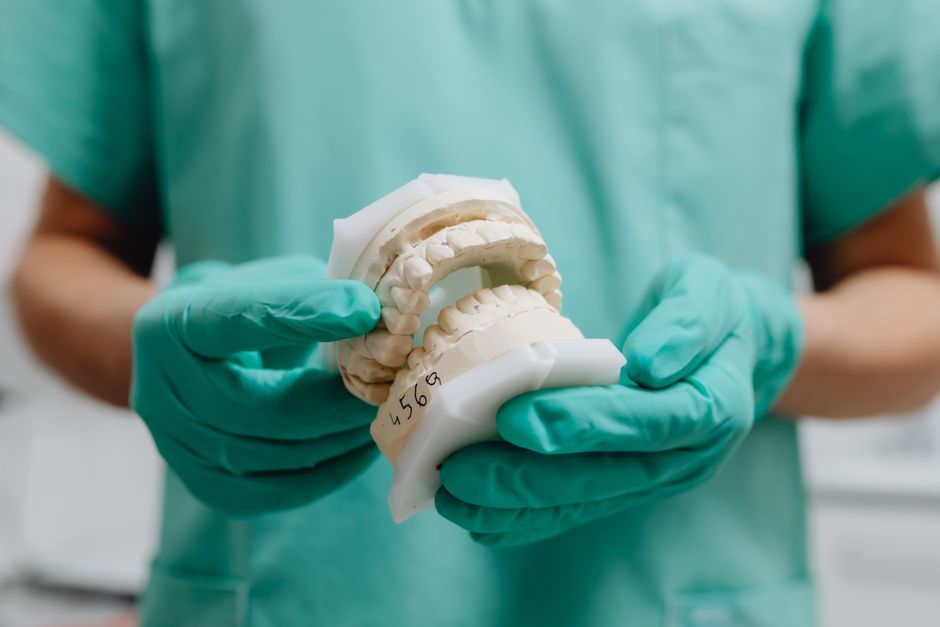
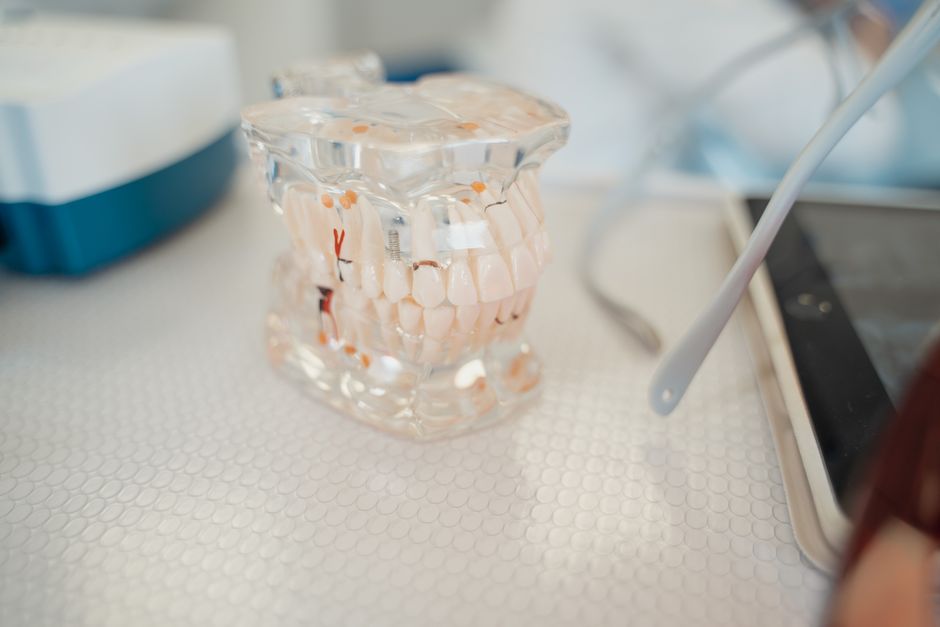
In Istanbul, many dentists who attend continuing education are looking for practical ways to increase predictability: reducing postoperative sensitivity, improving proximal contacts, and extending restoration longevity. At Istanbul Dental Academy, posterior adhesive dentistry is commonly integrated into hands-on restorative and digital dentistry training, where participants can practice isolation, matrixing, and layered buildup protocols on typodonts and clinical simulations. This content is for educational purposes and is not a substitute for individualized clinical decision-making.
Start with diagnosis: caries risk, occlusion, and structural compromise
Before selecting an adhesive strategy, it helps to frame the case with three questions: (1) What is the caries and erosion risk profile? (2) What are the occlusal and parafunctional demands? (3) How much sound structure remains after caries removal and/or endodontic access?
Posterior composites in high-risk patients may fail not because of the material, but due to biofilm control and marginal breakdown over time. Periodontal inflammation can also influence isolation quality, which is why clinicians benefit from recognizing acute gingival conditions and adapting timing and technique. When restorative care overlaps with periodontal diagnostics, resources like Necrotizing Ulcerative Gingivitis (NUG): Symptoms, Causes, and Clinical Approach can be a useful reminder of how soft-tissue status affects day-to-day restorative predictability.
Isolation is not optional: moisture control as a clinical skill
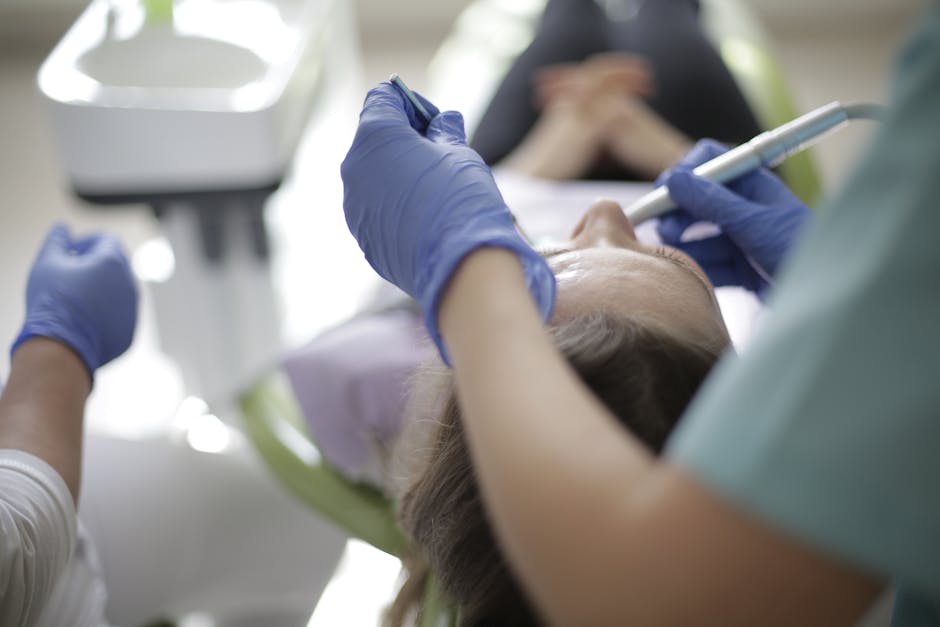
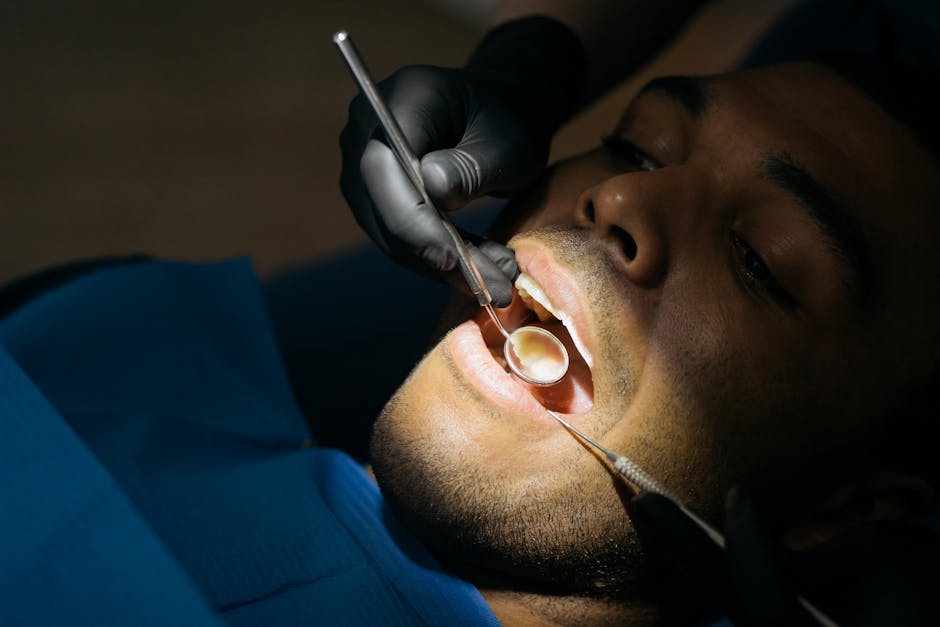
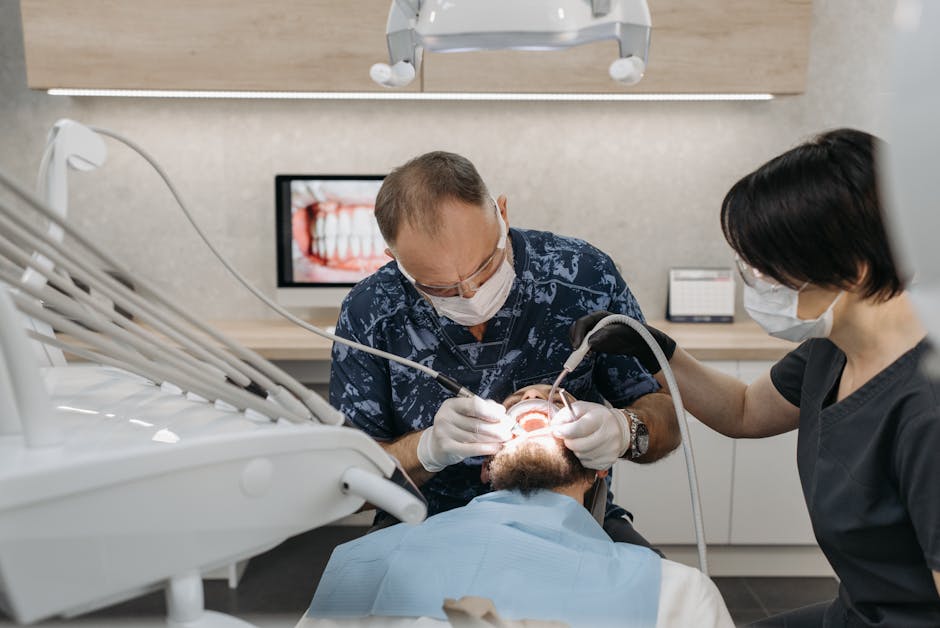
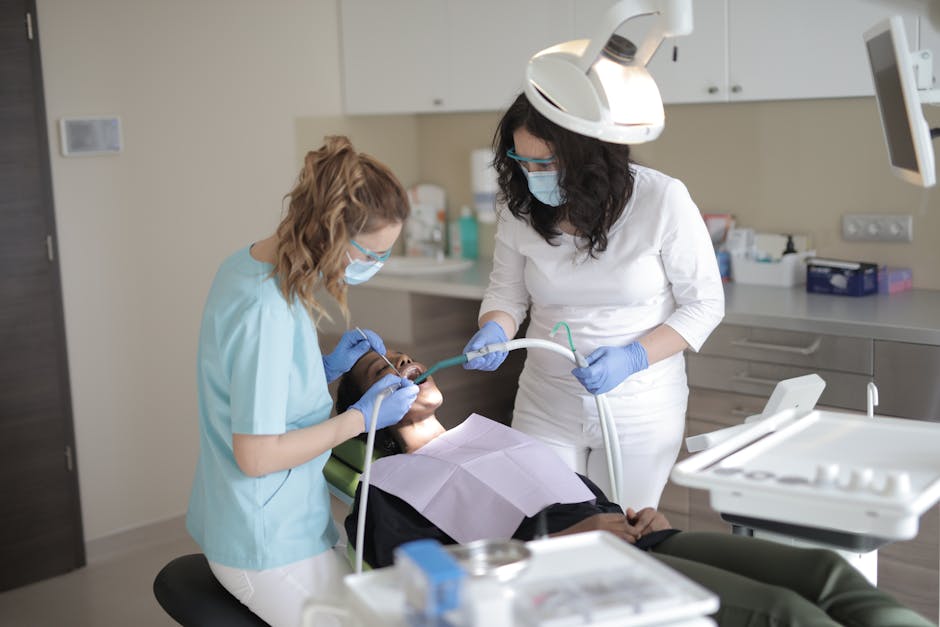
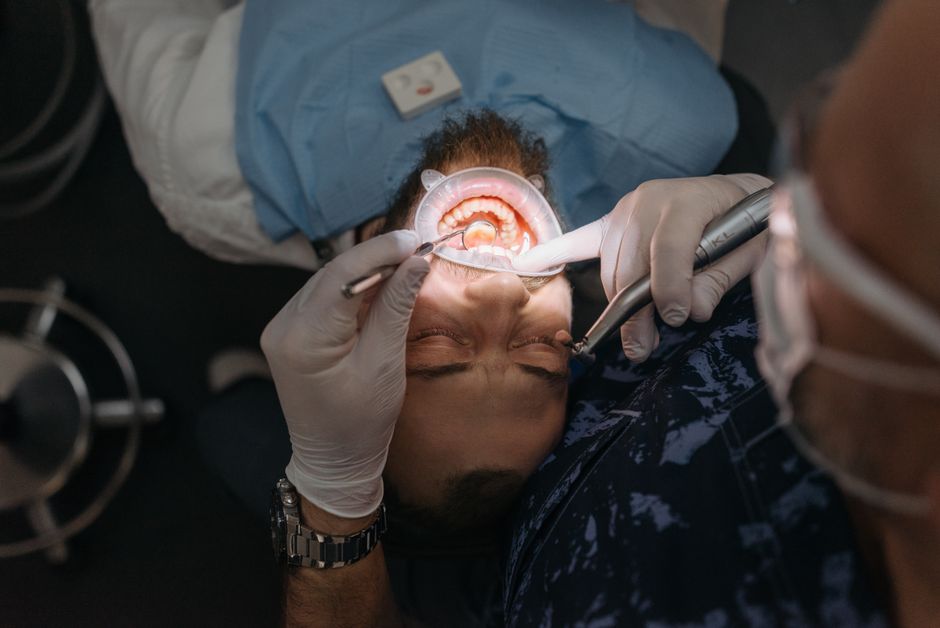
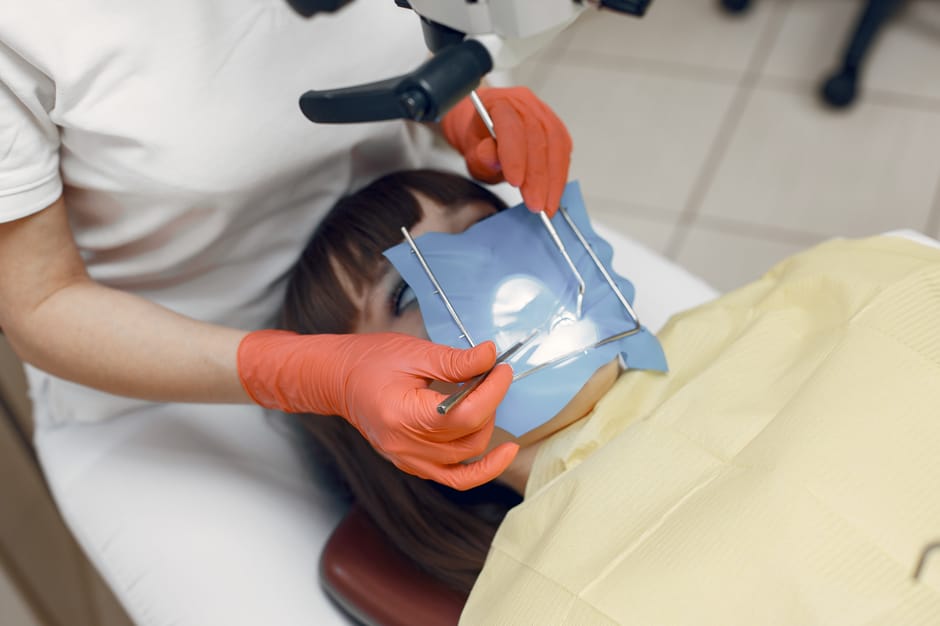
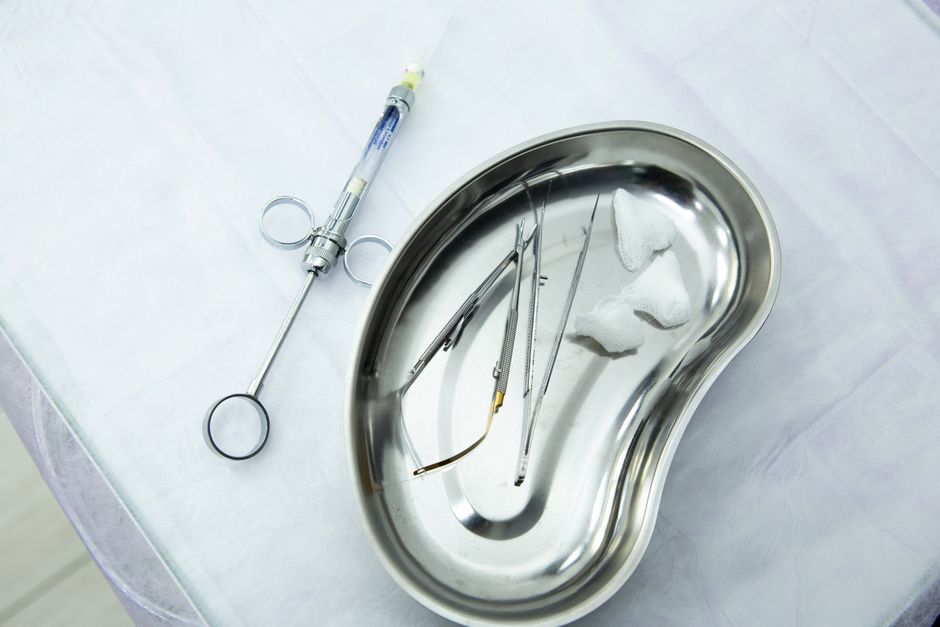
Adhesive dentistry is moisture-sensitive by nature. Even “universal” adhesives perform best within a controlled environment, and posterior regions are the most challenging. Rubber dam isolation remains a cornerstone because it improves bonding conditions, visibility, and patient safety. When rubber dam placement is difficult, clinicians may combine strategies (clamps, floss ligatures, retraction, hemostatic control, and high-volume evacuation) to approximate a dry field.
In hands-on courses, the most common turning point for clinicians is learning to treat isolation as a repeatable, time-efficient procedure rather than a barrier to productivity. Posterior restorations frequently fail at the gingival margin of proximal boxes; controlling sulcular fluid and bleeding is often the difference between a long-term seal and early marginal staining.
Adhesive strategy selection: etch-and-rinse, self-etch, or selective enamel etch?
Modern adhesive systems offer flexibility, but that flexibility can create confusion. A simplified way to think about posterior bonding is to differentiate enamel and dentin goals:
Enamel: maximize micromechanical retention.
Dentin: create a stable hybrid layer while minimizing technique sensitivity.
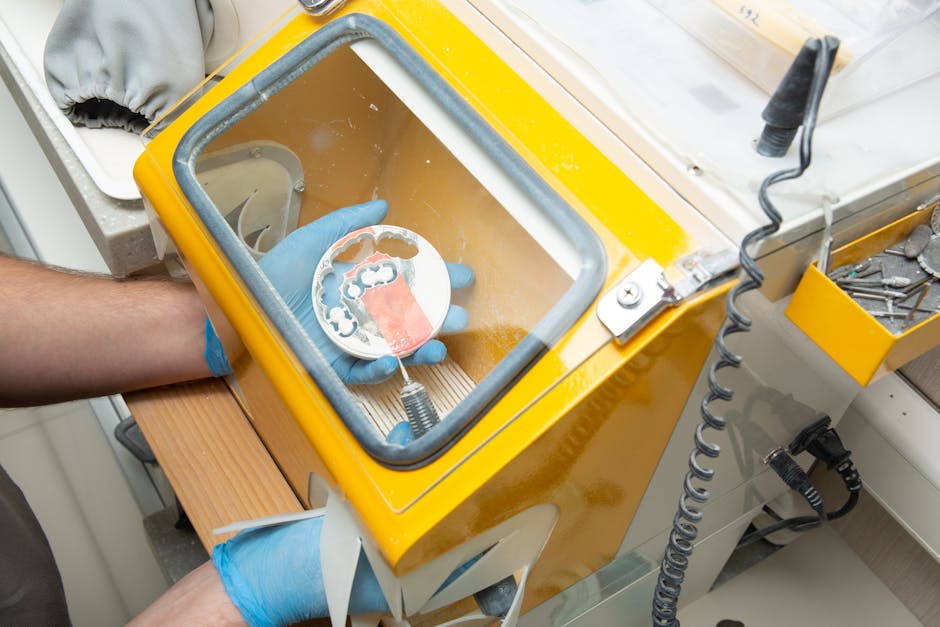
Many clinicians favor selective enamel etching for posterior composites: phosphoric acid on enamel margins only, then a universal adhesive on both enamel and dentin. This approach aims to improve enamel margin integrity while reducing over-etching risks in dentin. In deep proximal boxes where margins are in dentin or cementum, the operator’s control of contamination and adhesive application becomes even more critical.
Because adhesive performance is product-specific, it is prudent to follow manufacturer instructions and stay updated with evidence summaries. In Istanbul Dental Academy’s restorative training approach, participants typically compare protocols (when appropriate) and focus on consistent technique: active scrubbing, solvent evaporation, and adequate curing.
Deep margins and subgingival boxes: restorative-periodontal interface
Deep proximal caries can place the gingival margin beyond easy visualization and isolation, increasing the risk of microleakage and postoperative sensitivity. Clinicians may consider strategies such as margin elevation (also called deep margin elevation) using resin composite to relocate the margin supragingivally, when suitable for the case. This can enhance isolation and improve indirect restoration workflows as well.
Soft-tissue management sometimes requires more than retraction cord. In selected periodontal or mucogingival scenarios, biomaterials may play a supportive role in tissue augmentation and healing planning. For educational background on graft alternatives used in dentistry, see Asellüler Dermal Matriks: Diş Hekimliğinde Kullanımı, especially when thinking about how tissue phenotype and keratinized tissue can affect restorative access and long-term maintenance.
Matrix systems and contact formation: where many posterior composites fail
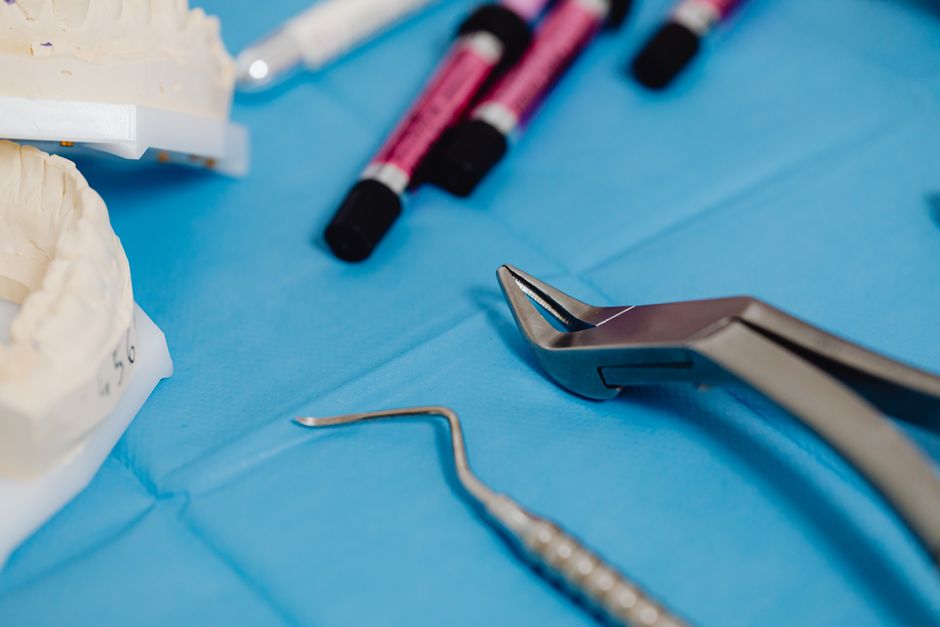
Even with excellent bonding, a posterior restoration may be clinically compromised by open contacts, overhangs, or poor emergence profile. Contemporary sectional matrix systems—paired with anatomically shaped rings and wedges—are designed to replicate proximal contour and achieve predictable contact tightness.
Key practical principles include:
Pre-wedging to protect the papilla and slightly separate teeth before preparation.
Ring selection and placement to achieve appropriate separation without distorting the matrix.
Burnishing where indicated to adapt the matrix to the adjacent tooth.
Finishing the proximal area should be viewed as a continuation of matrixing, not an afterthought. Over-aggressive finishing strips can flatten anatomy and weaken contacts; disciplined incremental contouring is usually more conservative.

Managing polymerization stress: incremental layering, bulk-fill, and curing protocols
Polymerization shrinkage stress is a central challenge of posterior composites, especially in Class I and Class II restorations with high C-factor configurations. Contemporary solutions combine material innovation and technique:
Incremental layering
Layering reduces shrinkage stress per increment and helps create internal anatomy. It also allows better light penetration for curing. However, it is time-intensive and requires consistent technique to avoid voids between layers.
Bulk-fill composites
Bulk-fill materials aim to allow thicker increments (commonly up to 4–5 mm depending on the product) while maintaining adequate depth of cure and managing stress. In practice, many clinicians still prefer a “hybrid” approach: bulk-fill for dentin replacement and a conventional composite cap for occlusal anatomy and wear resistance, when indicated.
Light-curing discipline
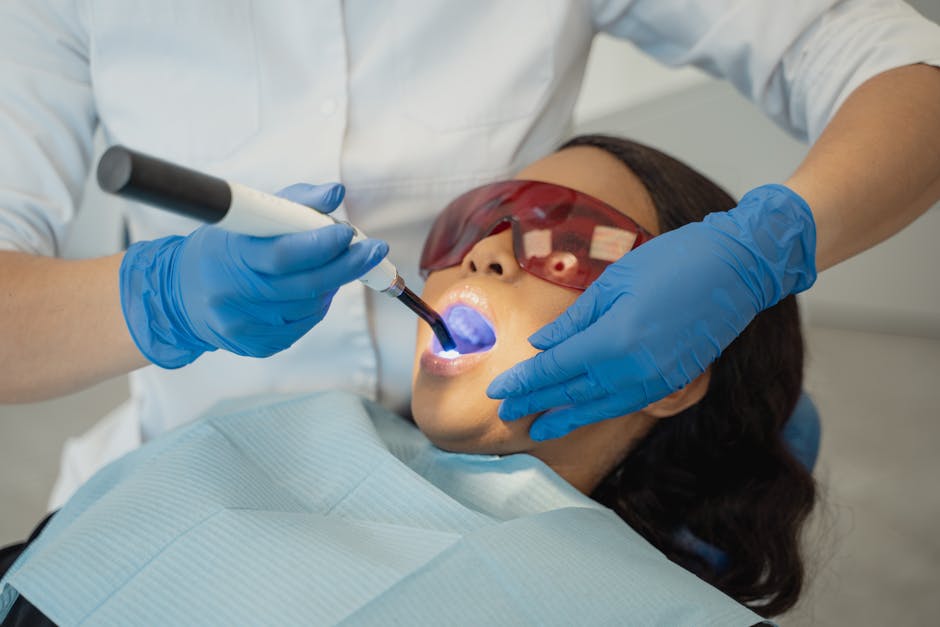
Curing is a clinical procedure, not a button press. The wavelength, irradiance, exposure time, distance, and angulation all matter. Tip cleanliness and regular light output checks are practical quality-control habits. When restorations are deep or proximal, cure from multiple directions if access permits. In hands-on training, clinicians frequently discover that improving curing technique alone can reduce sensitivity complaints and marginal staining over time.
Occlusal anatomy and functional finishing: beyond aesthetics
Posterior occlusal design influences not only mastication but also restoration survival. Overly steep cusps or heavy contacts on marginal ridges can concentrate stress and contribute to fracture or debonding. A structured approach includes:
Preoperative occlusal analysis (centric contacts, excursions, wear facets).
Anatomic buildup guided by fissure pattern and cusp inclines.
Finishing and polishing to reduce plaque retention and wear of antagonists.
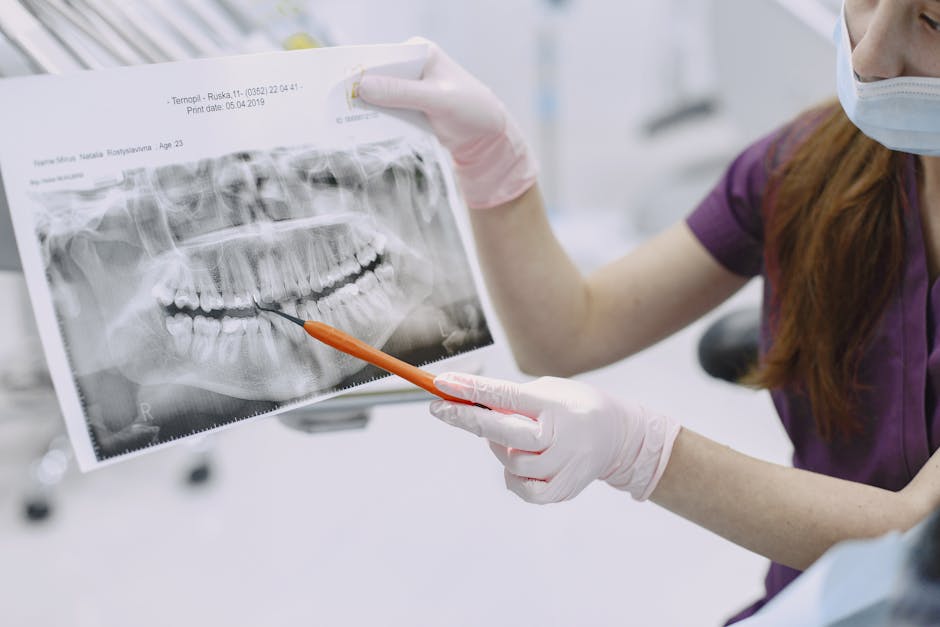
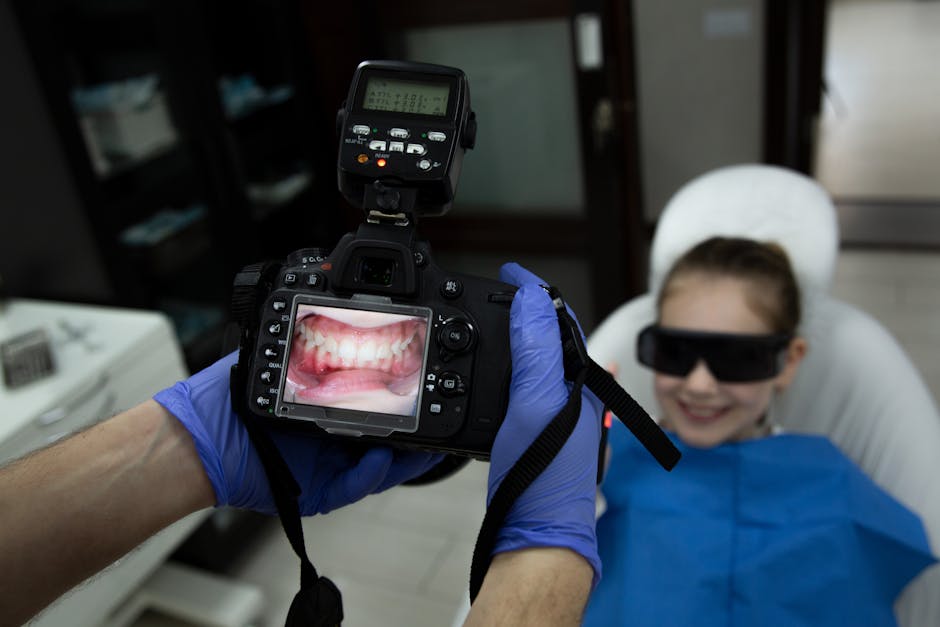
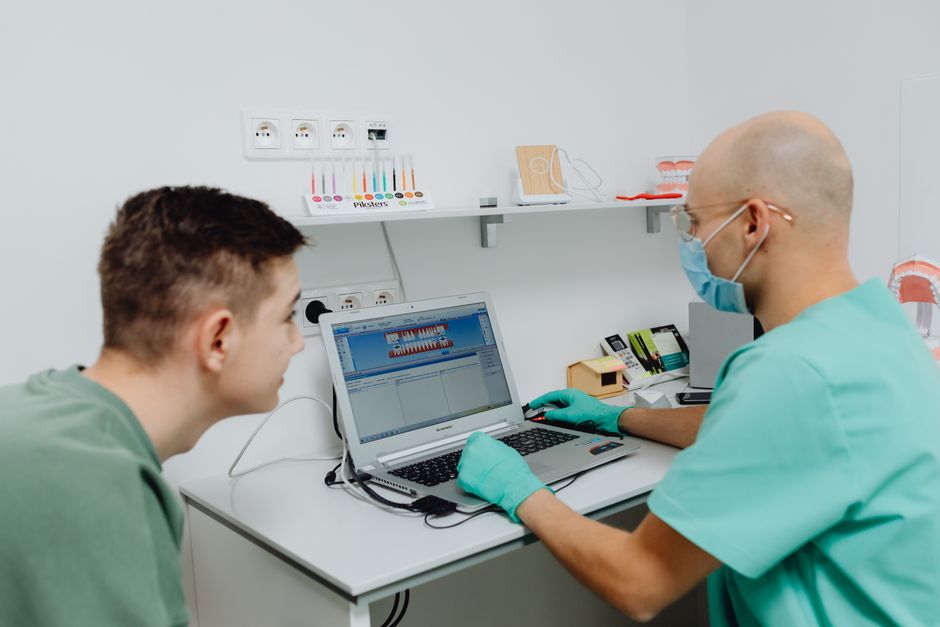
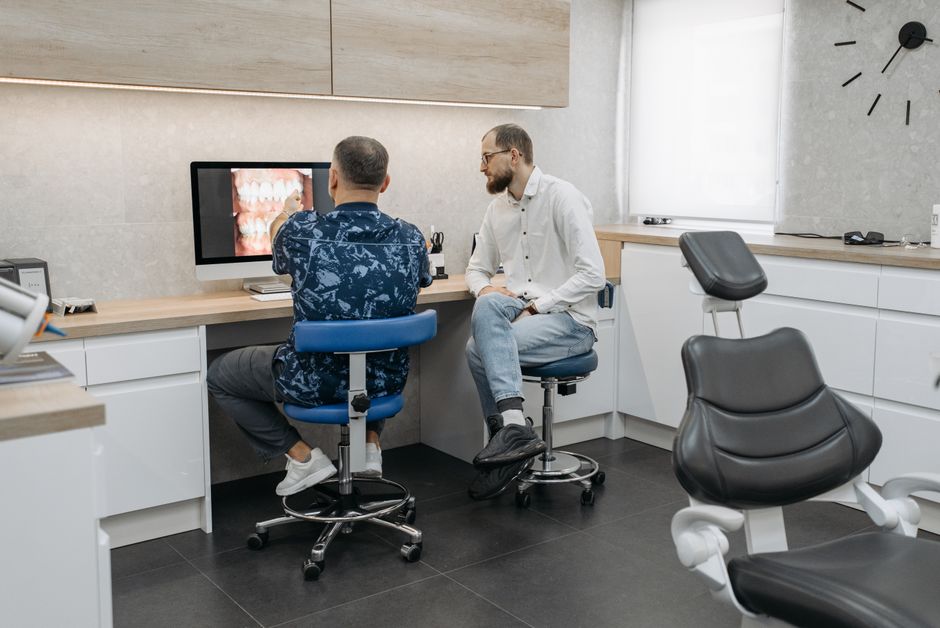
Clinical photography can support this workflow by documenting preoperative cracks, wear patterns, and the final occlusal scheme. In a teaching setting, photo review is one of the fastest ways to identify contour issues that are difficult to notice chairside.
How posterior adhesive dentistry connects with digital workflows
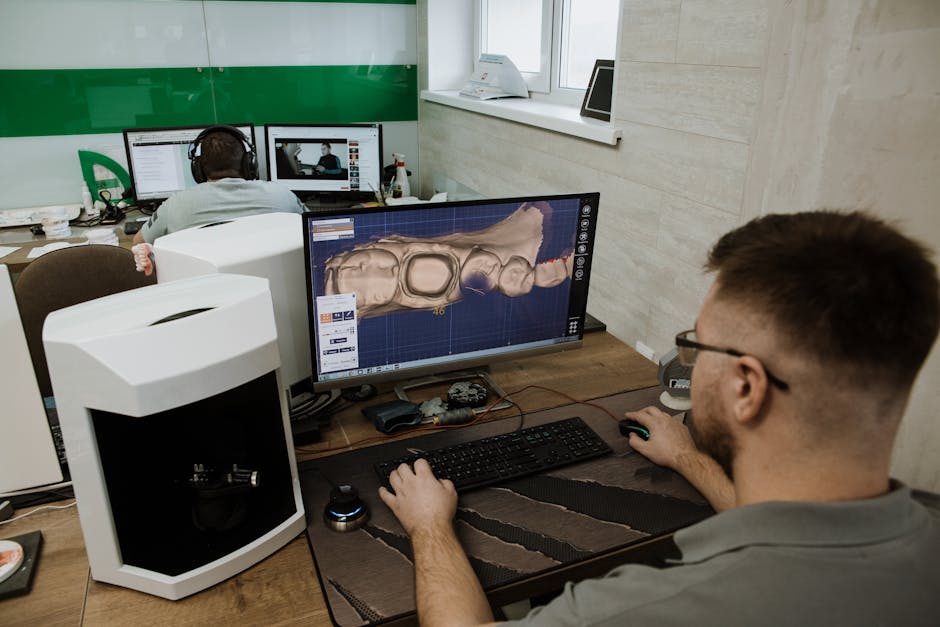
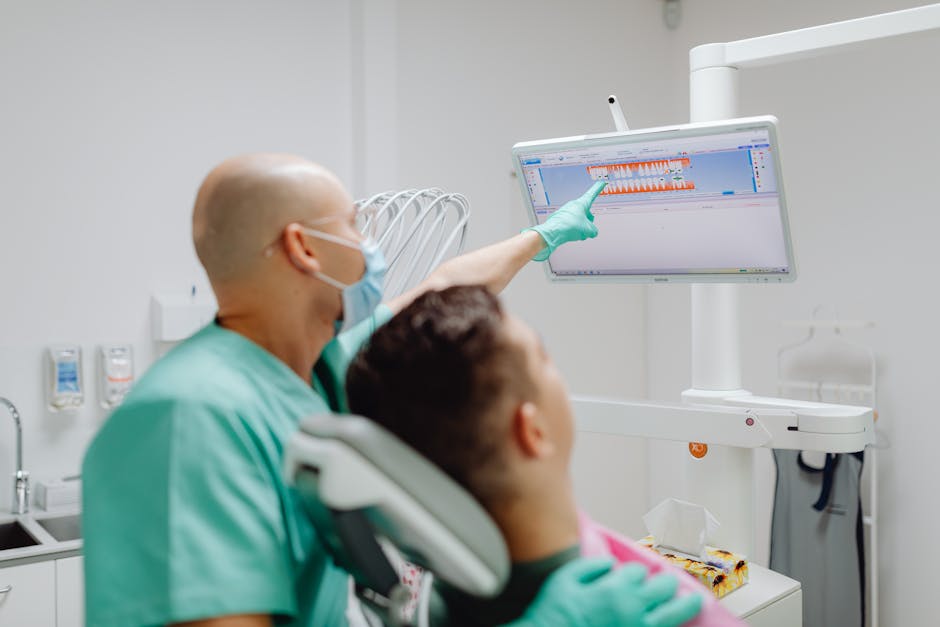
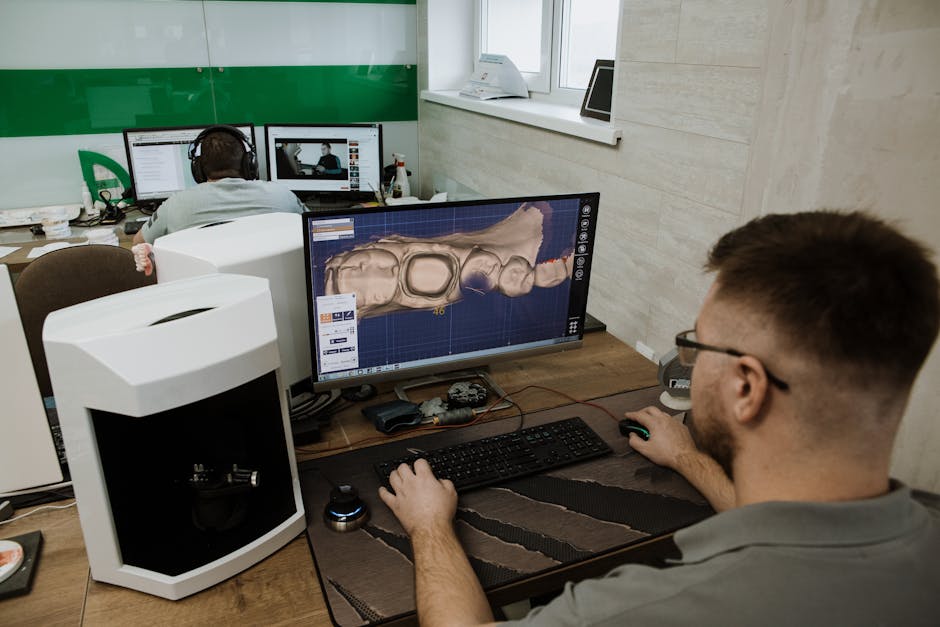
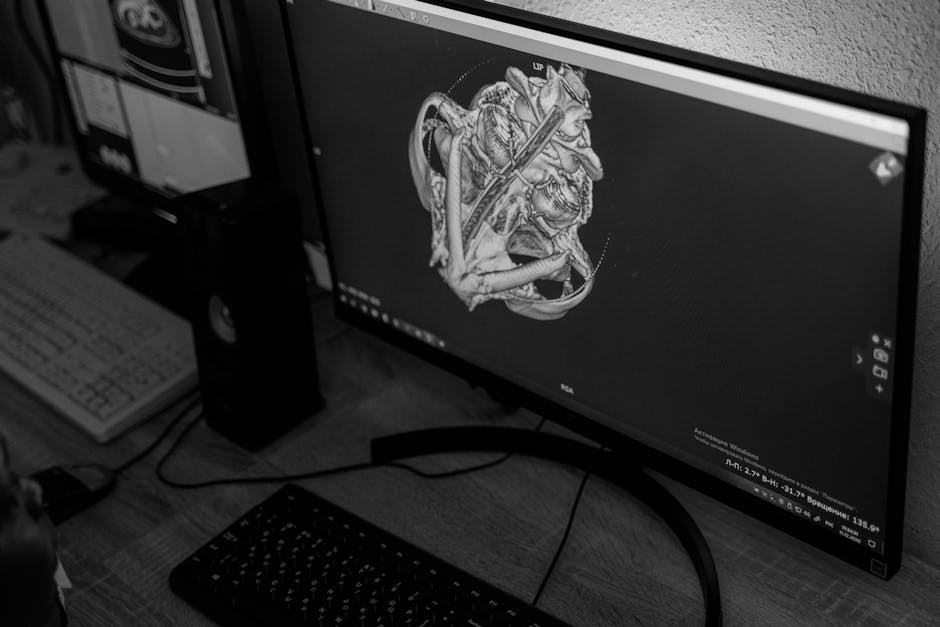
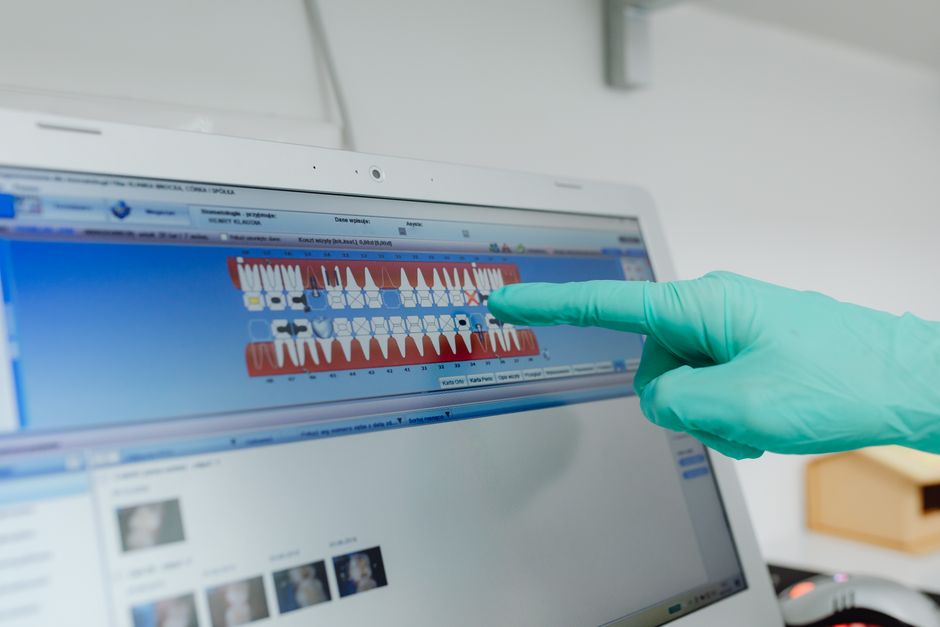
Digital dentistry is not limited to full-arch implant planning. In posterior restorations, intraoral scanning and CAD/CAM can support adhesive techniques through indirect inlays/onlays, occlusal analysis, and communication with laboratories. When cuspal coverage is needed due to undermined structure, adhesive partial coverage restorations can offer a conservative alternative to full crowns in selected cases.
Digital records also integrate naturally into broader aesthetic planning. Even though posterior restorations are less visible, they can influence occlusal vertical dimension, midline stability, and functional comfort—factors that become relevant in comprehensive cases. For clinicians who plan interdisciplinary cases, What Is Smile Design? Candidates, Workflow, and Clinical Considerations provides a helpful overview of how restorative steps fit into an overall treatment sequence.
Interdisciplinary reality: posterior restorations in implant and full-arch cases
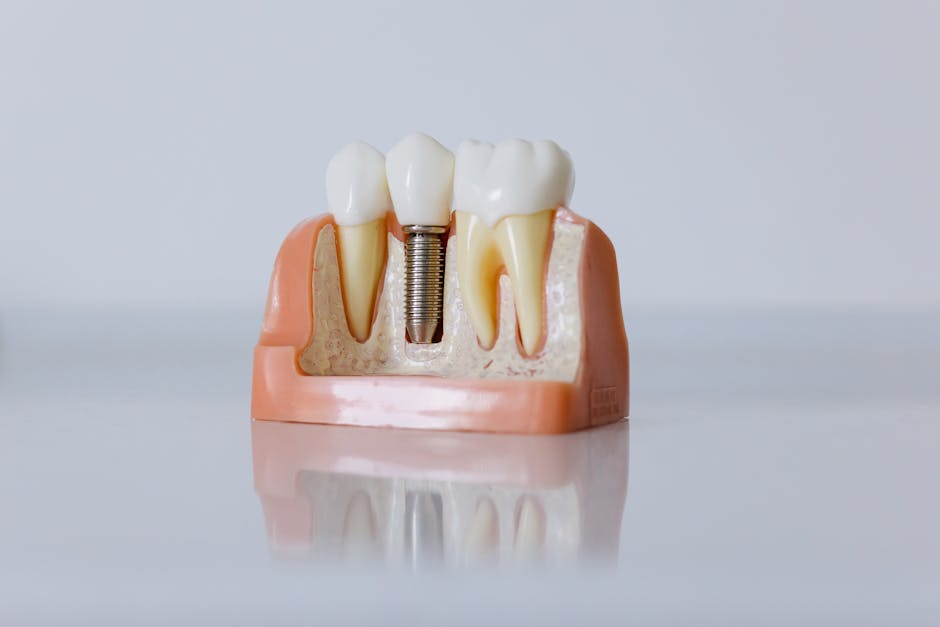
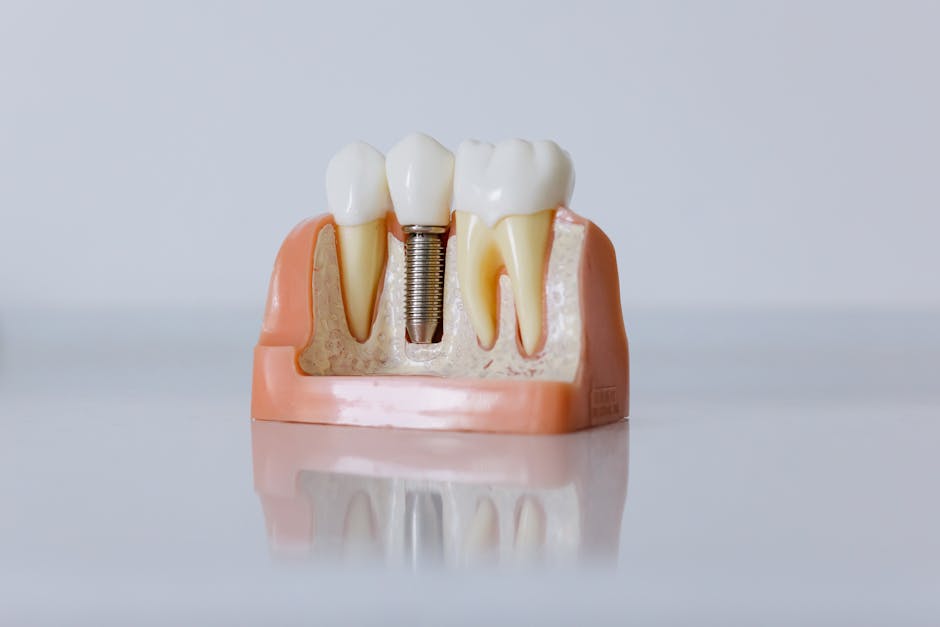
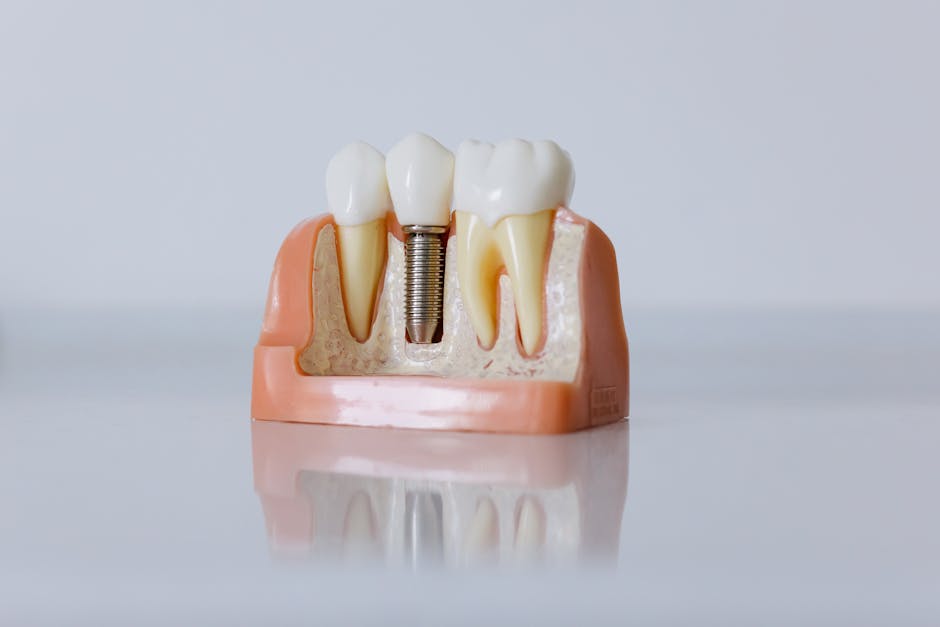
Many posterior restorations are performed in patients who also have missing teeth or implant-supported prostheses. This changes force distribution, occlusal scheme, and sometimes patient expectations about “fixed solutions.” Understanding implant workflows can therefore inform how clinicians design posterior restorations adjacent to implant sites or within staged rehabilitation.
For example, when patients present with extensive posterior tooth loss, clinicians may evaluate fixed full-arch solutions. A clinician-friendly reference is How All-on-4 Works for Full-Arch Tooth Loss: A Clinical Workflow Guide, which highlights sequencing and prosthetic considerations that can influence the remaining dentition and interim restorative planning.
Similarly, patient interest in accelerated timelines may arise in mixed cases involving extractions, temporization, and implant placement. While case selection is critical and highly individualized, it is useful to understand the concept and constraints discussed in Is One-Day Dental Implant Treatment Really Possible?. Even if your posterior restoration is not an implant procedure, the same discipline—diagnosis, isolation/field control, and protocol adherence—drives predictability.
Common clinical complications and how protocols help reduce them
Posterior adhesive dentistry often fails in recognizable patterns. Educationally, it helps to connect the complication to the step where control was lost:
Postoperative sensitivity: may relate to incomplete sealing, contamination, overdrying/overwetting dentin, or occlusal high points.
Marginal staining: often linked to poor isolation, inadequate curing, or subgingival margins with biofilm challenges.
Open contacts/food impaction: frequently a matrix adaptation and ring placement issue.
Fracture/wear: may indicate occlusal overload, insufficient thickness, or inappropriate material selection.
In continuing education, clinicians typically benefit most from practicing a consistent, evidence-informed checklist: isolation setup, adhesive steps timed and verified, matrix protocol, curing angles, and finishing sequence. This reduces variability—one of the biggest threats to long-term outcomes.
Training perspective: turning modern adhesive concepts into chairside habit
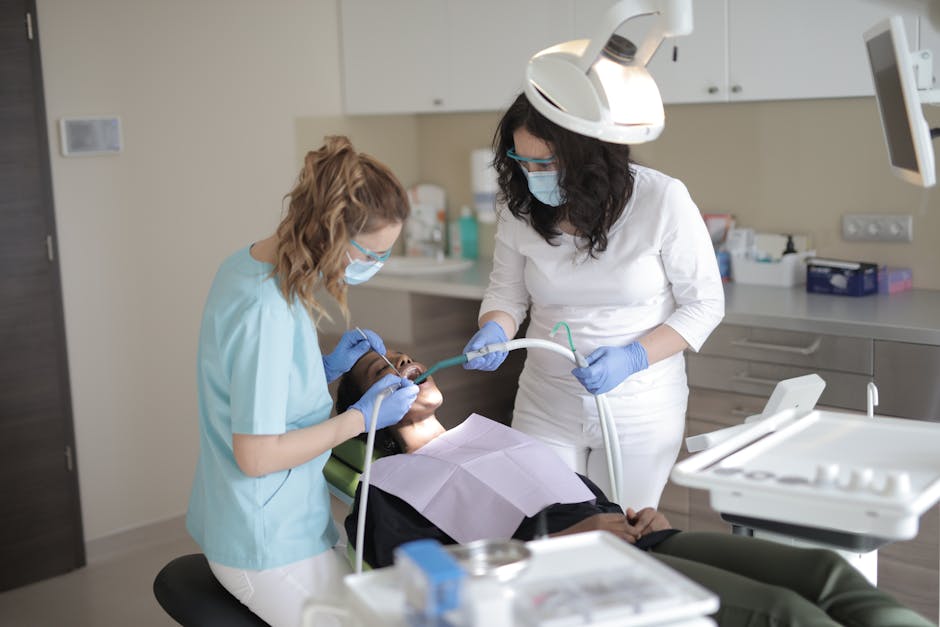
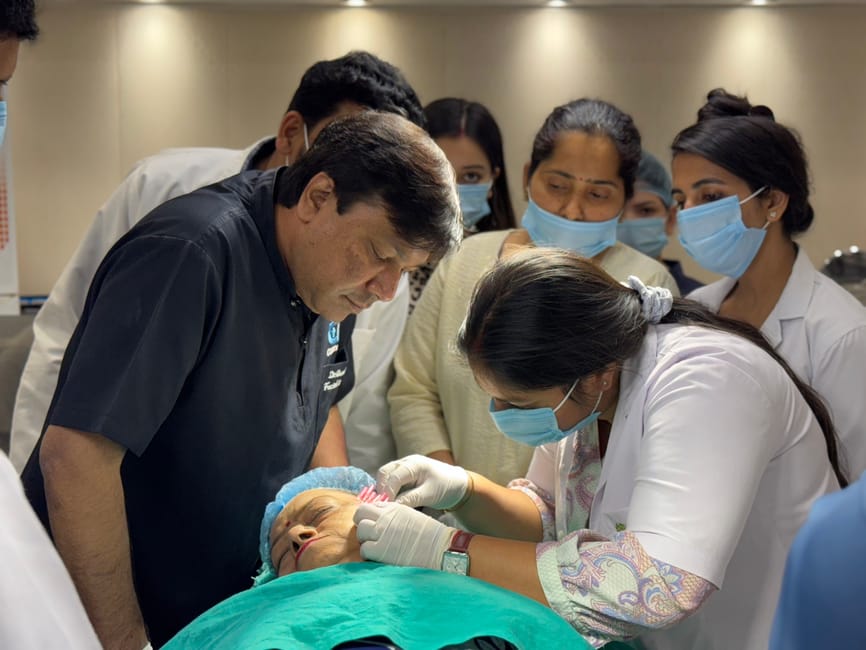
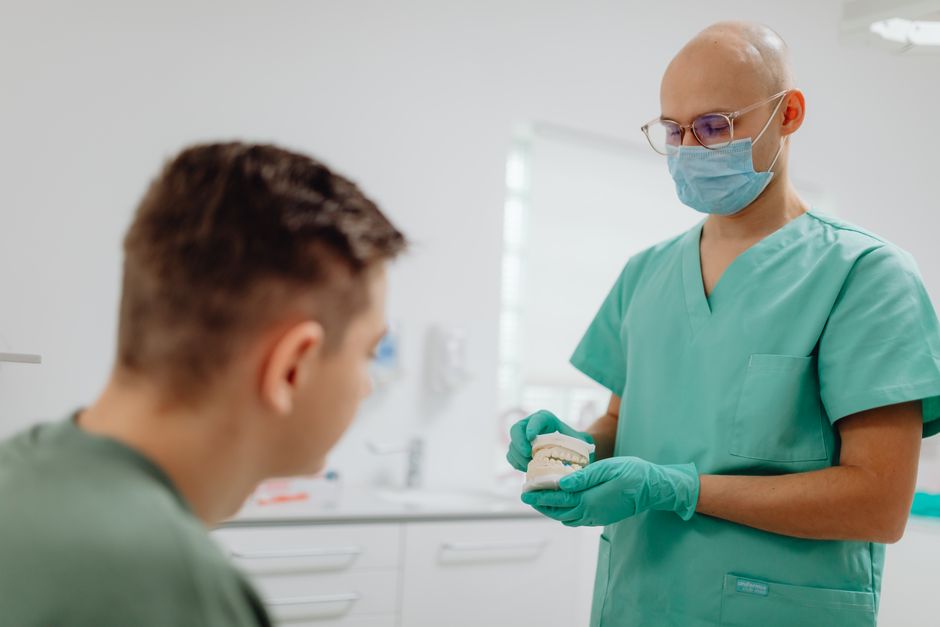
Reading protocols is helpful, but posterior adhesive dentistry is ultimately a psychomotor skill: clamp placement, matrix adaptation, controlled layering, and accurate occlusal carving improve with repetition and feedback. Istanbul Dental Academy’s hands-on course philosophy emphasizes practical station-based training and instructor-guided troubleshooting—especially for Class II contacts, deep margin management, and efficient rubber dam workflows.
Whether you are a dental student consolidating fundamentals or a practicing dentist updating your routine, the goal is the same: make technique predictable across different patients, different operators, and different clinical constraints.
Key takeaways
Modern posterior restorations are best understood as a protocol: diagnose risk and load, isolate meticulously, choose an adhesive strategy deliberately, master matrixing for contacts, manage polymerization stress, and finish with function in mind. These steps also connect to broader disciplines—periodontology, digital dentistry, and implant prosthodontics—because real patients rarely present with “single-problem” dentistry.
This content is for educational purposes only and does not constitute medical or treatment advice. For patient-specific decisions, clinicians should rely on comprehensive clinical assessment, current evidence, and product-specific instructions.
Diğer Yazılar