
BLOG
Aesthetic Solutions for Patients with Enamel Development Defects
Why enamel development defects are an aesthetic challenge
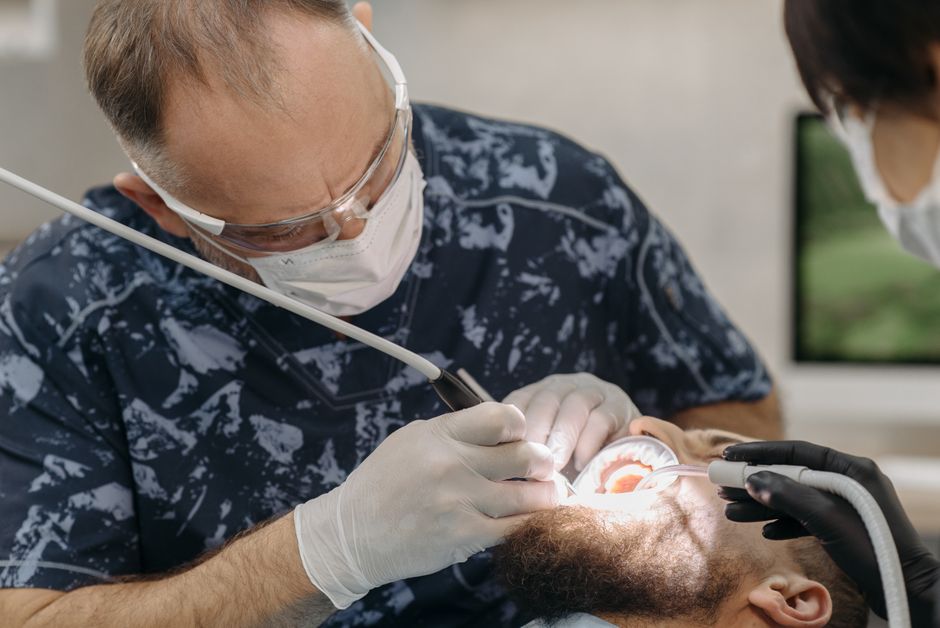
Enamel development defects—commonly encountered as hypomineralisation or hypoplasia—can present as opacities, post-eruptive breakdown, irregular surface texture, or generalized discoloration. Beyond appearance, affected enamel may be more porous, plaque-retentive, and sensitive, complicating both prevention and restorative decisions. For many patients, the main complaint is aesthetic: “chalky white spots,” yellow-brown demarcated areas, or uneven translucency that becomes more visible in photographs and social settings.
From a clinician’s perspective, the core challenge is predictability. Substrate quality can be variable across a single tooth, and restorations must balance minimal invasiveness with long-term stability. The goal is rarely a single “quick fix,” but rather a structured workflow: diagnose, control risk factors, select conservative options first, and escalate only when indicated.
This content is for educational purposes and does not replace an individualised clinical assessment.
Clinical assessment: mapping the defect before choosing the solution
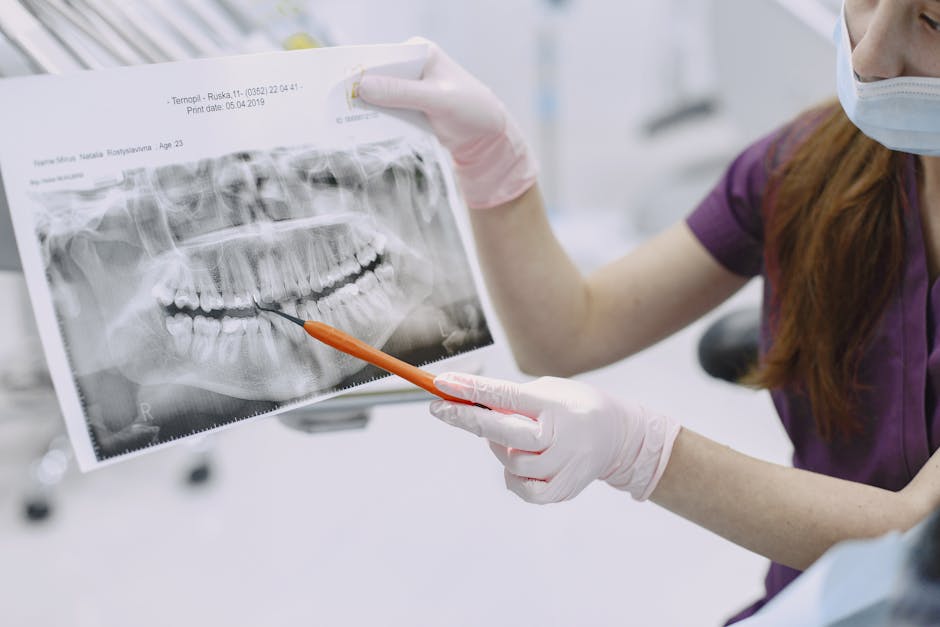
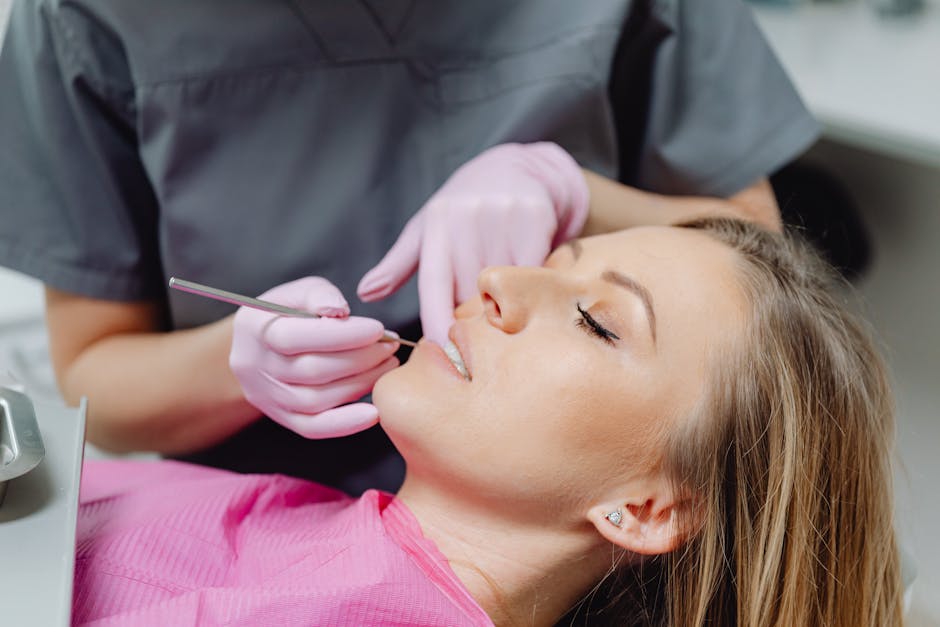
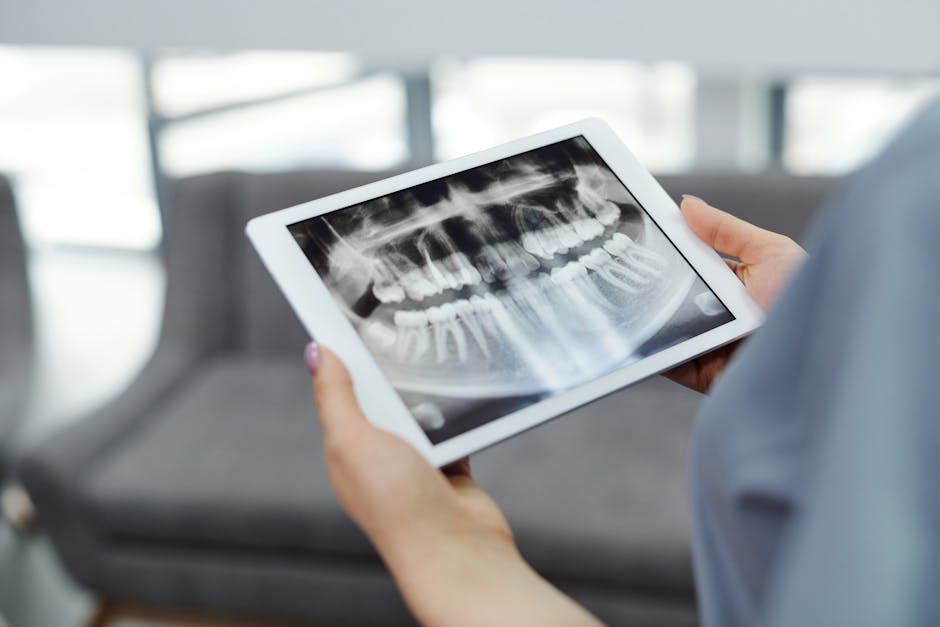
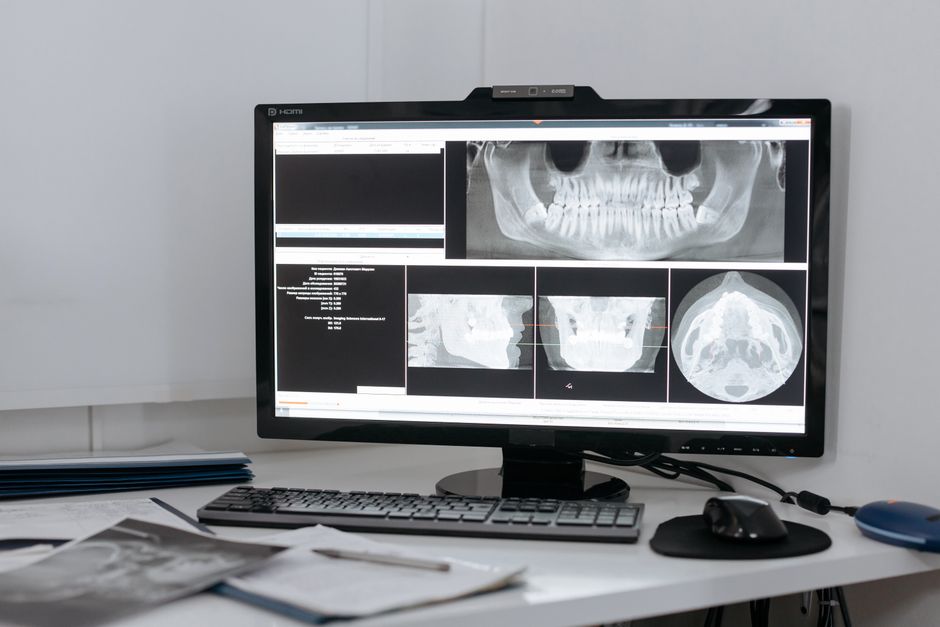
Aesthetic success starts with a clear diagnosis and documentation. Enamel development defects may resemble fluorosis, early caries, trauma-related defects, or post-orthodontic demineralisation. Careful history (medical, perinatal, childhood illnesses, fluoride exposure), clinical inspection under dry conditions, and transillumination can help clarify the pattern.
Key questions to answer
1) Is the defect superficial or structural? Superficial opacities may respond to conservative strategies; structural loss or posteruptive breakdown often needs restorative coverage.
2) Is sensitivity present? Sensitivity can influence isolation, patient tolerance, and the urgency of sealing porous enamel.
3) What is the patient’s aesthetic expectation? A patient seeking a “photo-ready” smile may prefer a restorative approach after a realistic discussion of longevity, maintenance, and tooth preservation.
4) What is the occlusal and periodontal status? Parafunction, wear, gingival margin levels, and inflammation can shift the plan toward stabilisation first, aesthetics second.
Conservative aesthetic options: preserving enamel whenever possible
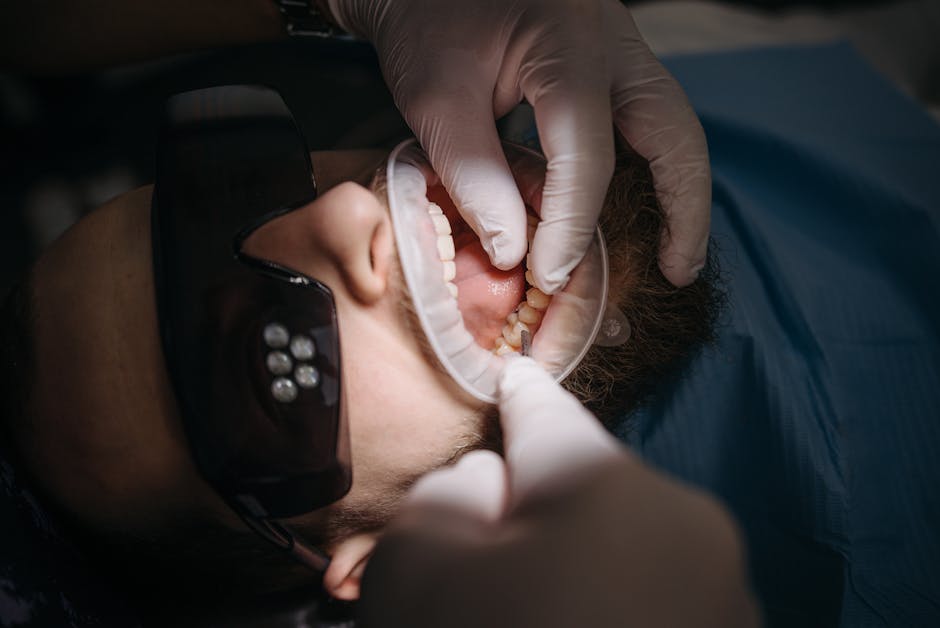
When lesions are limited and the patient’s goals allow, conservative measures can reduce visual contrast and improve comfort. Options may include professional prophylaxis, targeted desensitisation strategies, resin infiltration, microabrasion, and carefully planned whitening. The sequence matters: for example, infiltration may be more predictable on certain white spot patterns, while microabrasion may help when superficial surface texture is the issue.
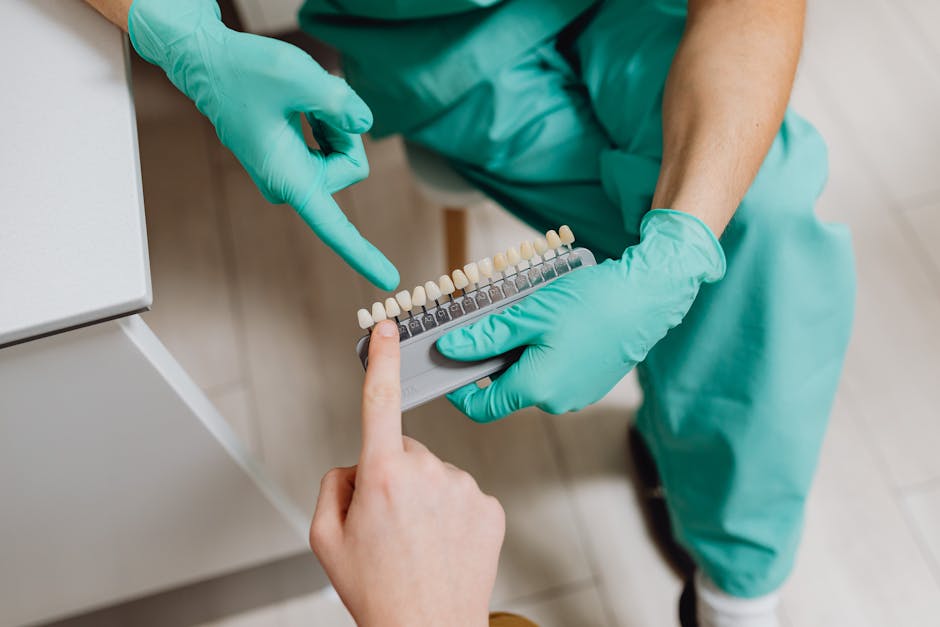
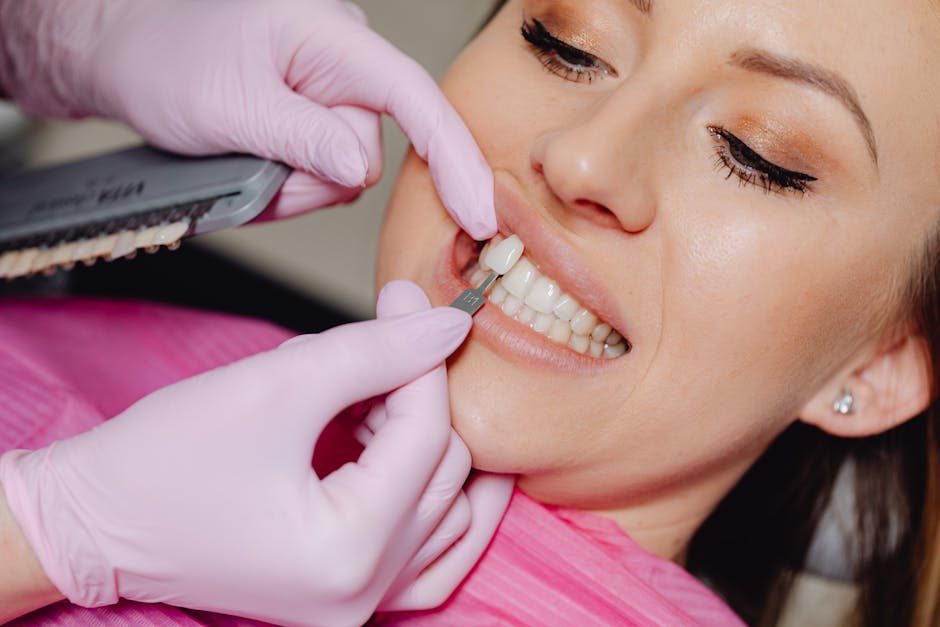
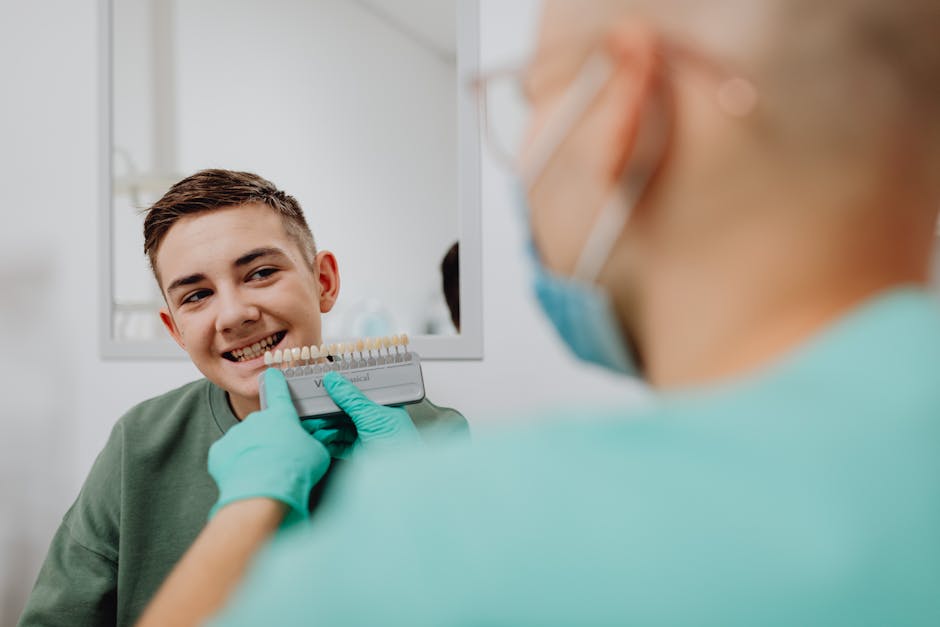
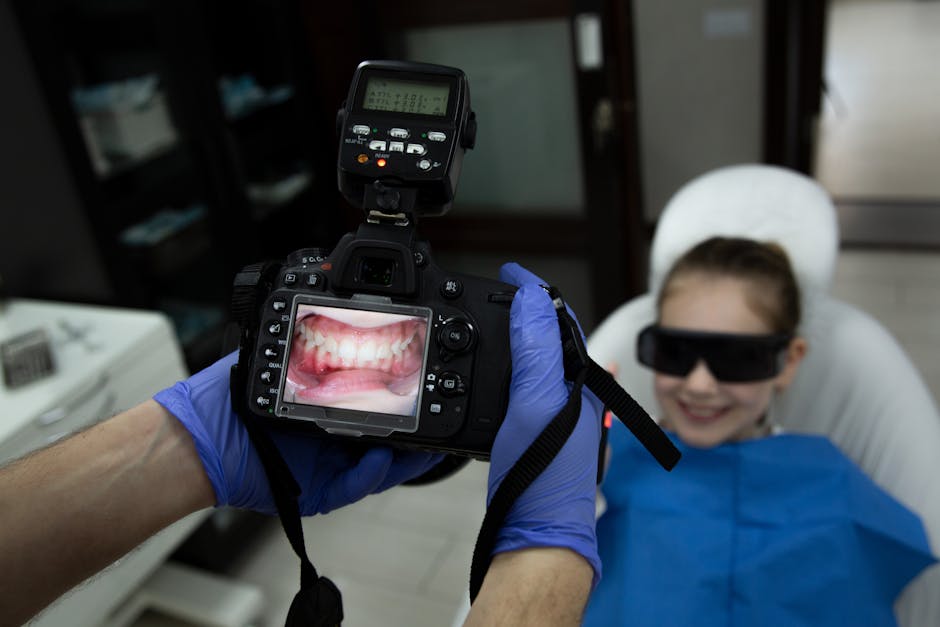
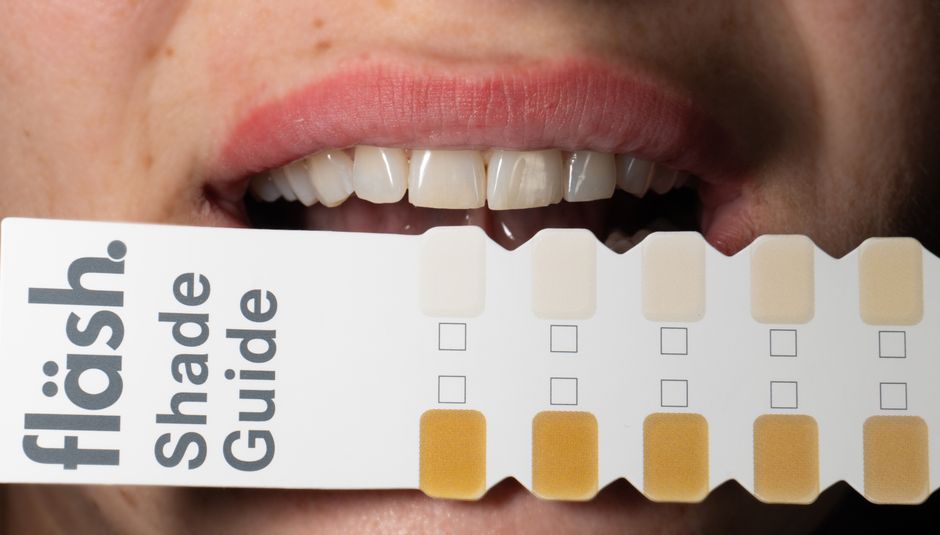
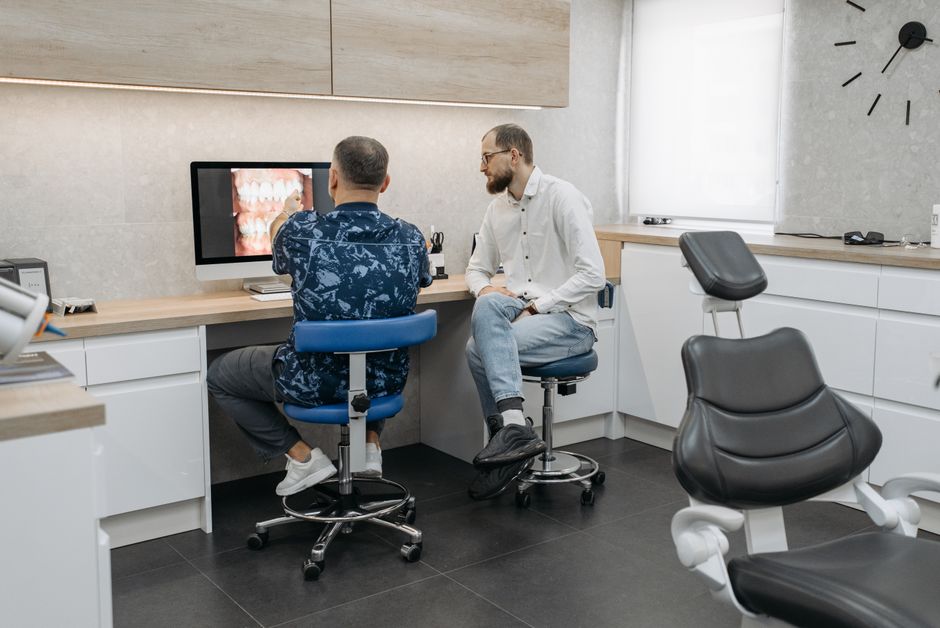
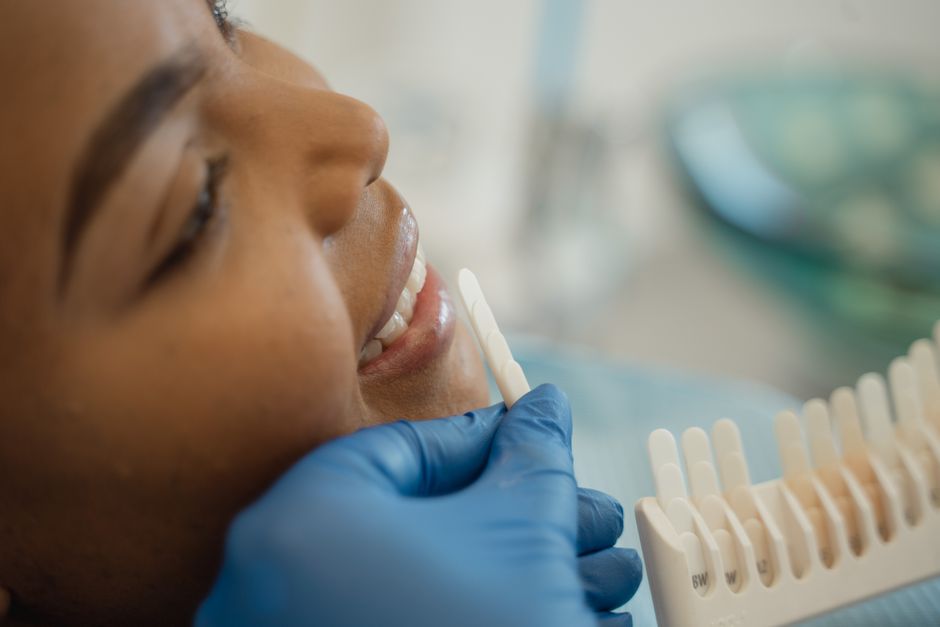
Because enamel defects can scatter light differently, clinicians often find that an intervention that looks acceptable chairside may photograph differently. Incorporating standardised documentation (including dental photography) and a shade protocol reduces surprises and helps patient communication.
Direct restorative approaches: composite artistry and adhesion strategy
Direct composite can be an excellent option for localised defects, particularly when you need immediate improvement with controlled invasiveness. Yet enamel development defects raise a critical question: how reliable is adhesion to altered enamel and adjacent dentin? A meticulous adhesive protocol, selective enamel etching, and material selection can be the difference between a stable restoration and marginal discoloration.
For clinicians who want to systematise their protocols, Istanbul Dental Academy frequently emphasises decision-making that is both evidence-informed and clinically practical—especially for posterior teeth where occlusal load and contamination risk are higher. A useful complementary read is Contemporary Adhesive Techniques for Posterior Restorations: A Clinical-Ready Guide, which frames bonding choices within real-world operatory constraints.
Practical considerations for composites in defective enamel
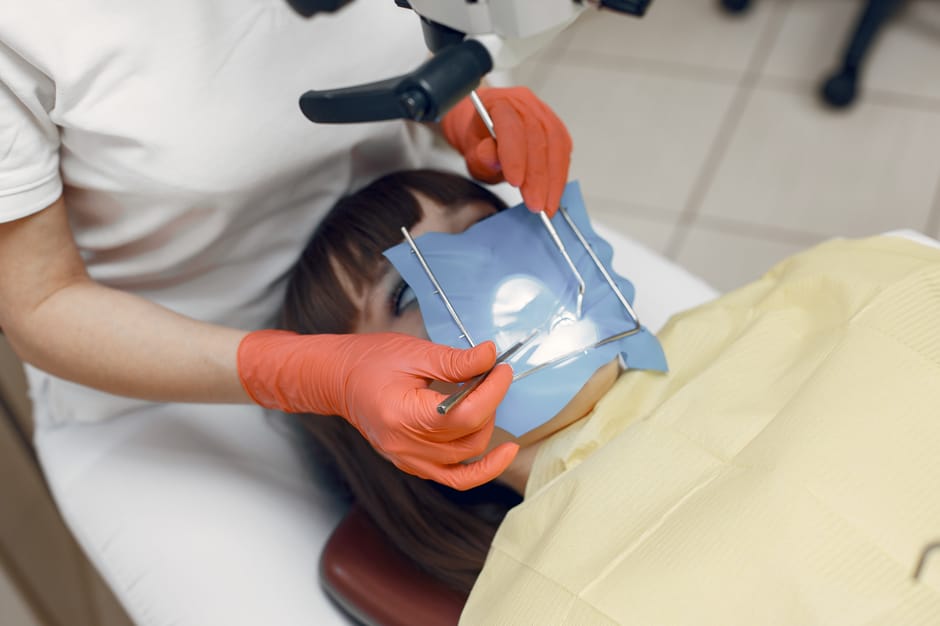
Isolation: Rubber dam often increases predictability, particularly when margins approach the gingiva or when sensitivity triggers salivary contamination.
Optics: Layering strategies may be necessary to mask opacity while keeping the restoration lifelike. Over-opaque composites can “block” translucency and look flat.
Margins: Whenever possible, place margins on sound enamel. If margins must extend into compromised zones, ensure a robust seal and plan maintenance.
Porcelain laminate veneers: when minimally invasive becomes highly aesthetic
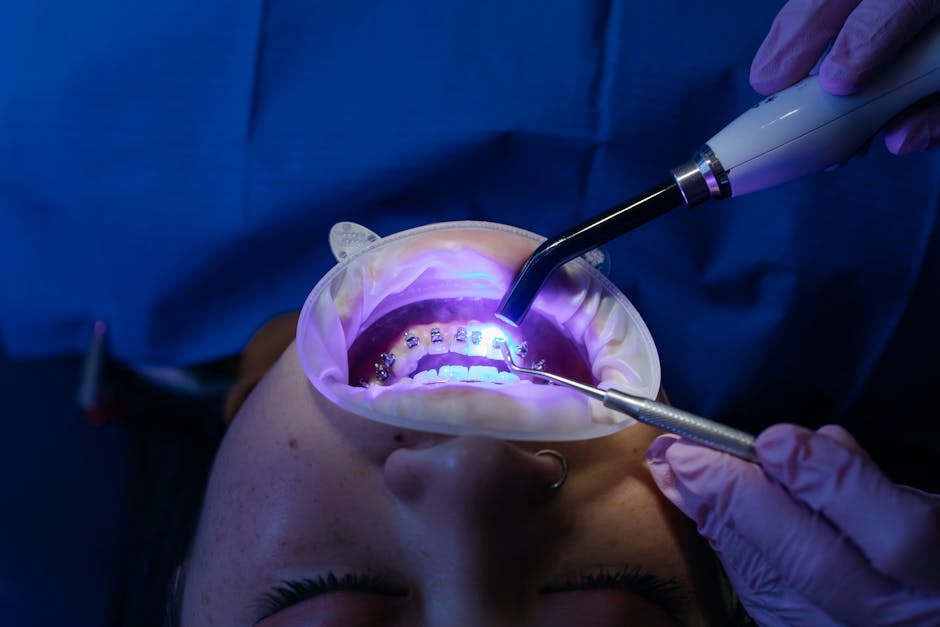
For anterior teeth with moderate-to-severe aesthetic disturbance—especially when multiple teeth are involved—porcelain laminate veneers can provide an elegant solution. Veneers can mask discoloration, harmonise texture, and create consistent value and translucency across the smile. However, in enamel development defects, preparation design and bonding strategy require special attention.
Case selection and preparation logic
Veneers are most predictable when adequate enamel remains for bonding. If defective enamel is extensive or if dentin exposure is unavoidable, the clinician must carefully evaluate long-term retention and marginal stability. In such cases, a staged approach—initial stabilization with direct restorations or protective build-ups, followed by definitive ceramics—may be considered depending on the patient’s needs and risk profile.
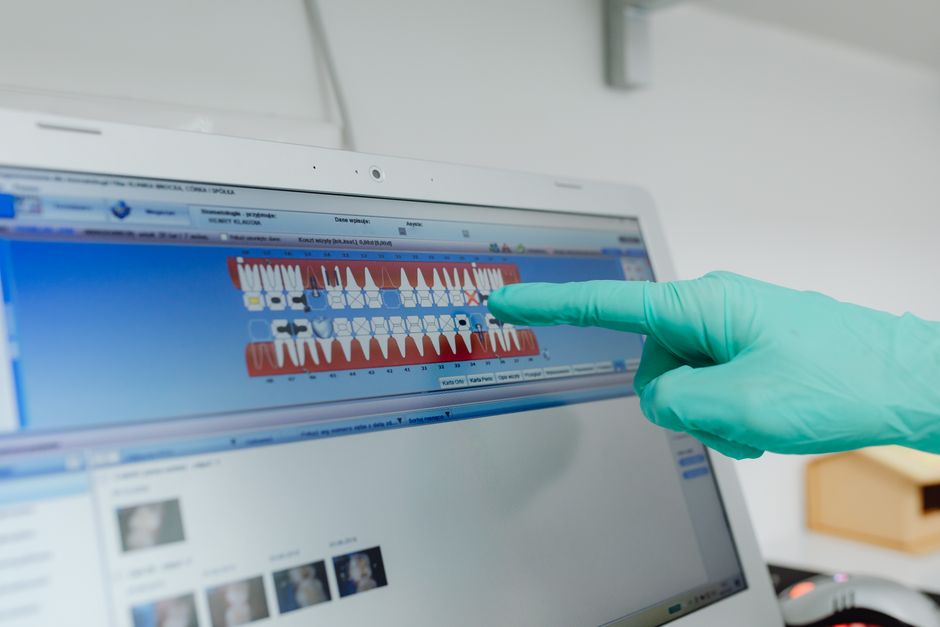
Digital planning can support this process by clarifying expected tooth proportions and the amount of reduction needed to achieve optical masking. For a deeper dive into predictable planning, see Digital Smile Design for Predictable Aesthetic Outcomes, which discusses how clinicians can move from analysis to execution with fewer surprises.
Crowns and full-coverage options: understanding indications and trade-offs
When defects are severe, when there is significant enamel breakdown, or when previous restorations have repeatedly failed, full-coverage restorations may be considered. Zirconia and other ceramic systems can offer strength and improved color control, but they typically require more tooth reduction than veneers. This is especially relevant for young adults or patients with large pulps or sensitivity concerns.
In daily practice, patients often ask for “Hollywood smile” results, and clinicians must translate that request into appropriate material and design choices. A helpful perspective on selection criteria is outlined in Hollywood Smile vs Zirconia Crowns: Clinical Differences and Case Selection, which can support patient communication and consent discussions.
What to watch in enamel defect cases
Margins and periodontal response: Subgingival margins may increase inflammation risk if tissue management and emergence profiles are not optimised. Coordination with periodontal principles is essential.
Occlusion and parafunction: Protective strategies (e.g., occlusal guards) may be discussed in bruxism cases to support restoration longevity.
Smile design workflow: from complaint to a reproducible plan
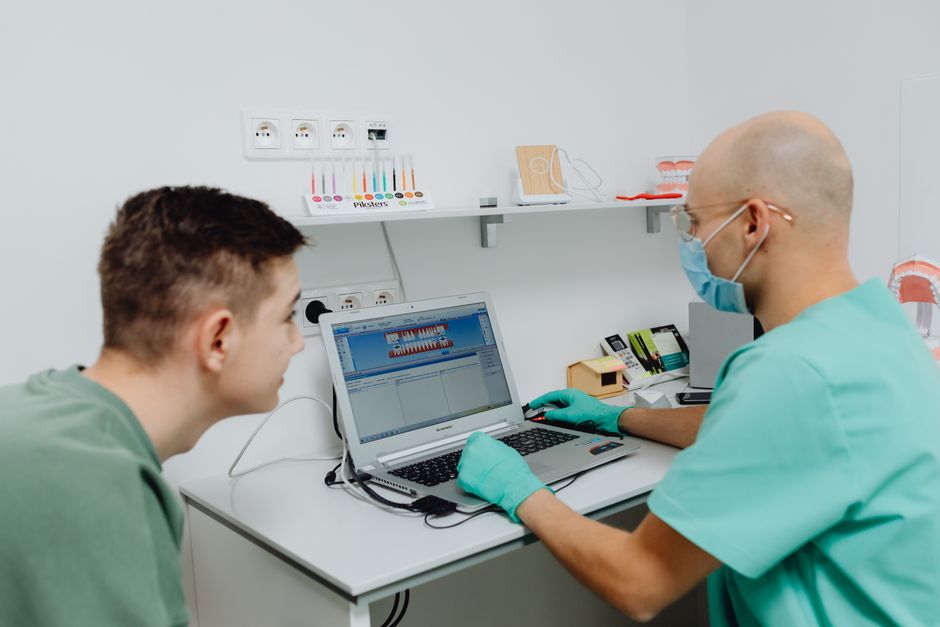
Patients with enamel development defects often present with a long-standing dissatisfaction that affects confidence. Aesthetic dentistry can feel subjective, so a structured smile design workflow is valuable for both clinician and patient: it turns “I don’t like my teeth” into measurable goals such as shade, symmetry, incisal edge position, midline, gingival zeniths, and buccal corridor balance.
For clinicians refining their approach, Which Procedures Are Used in Smile Design? A Clinical Workflow for Modern Dentistry outlines a step-by-step clinical pathway that pairs well with cases involving developmental enamel concerns, where planning and expectation management are critical.
Why photography and mock-ups matter
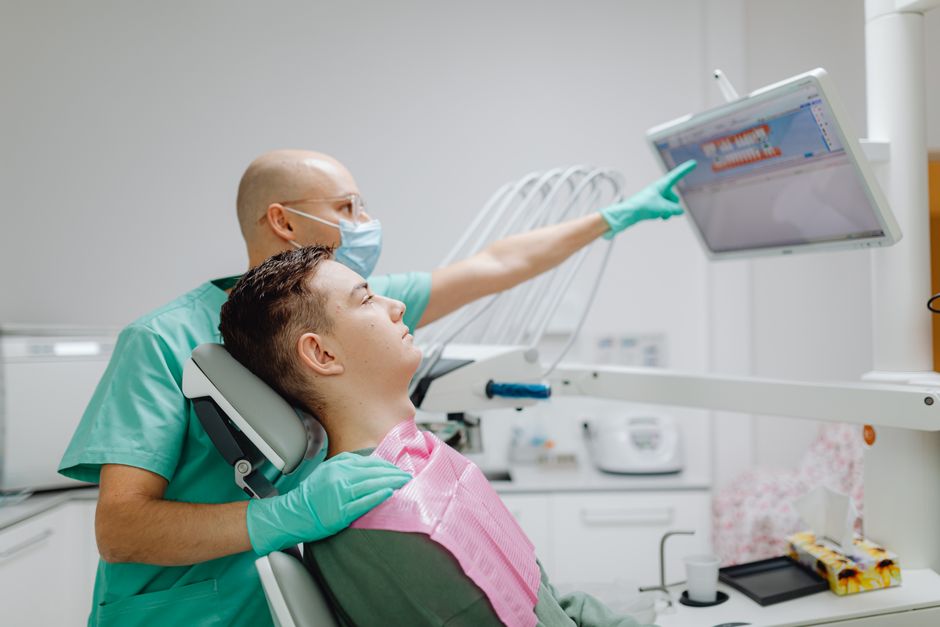
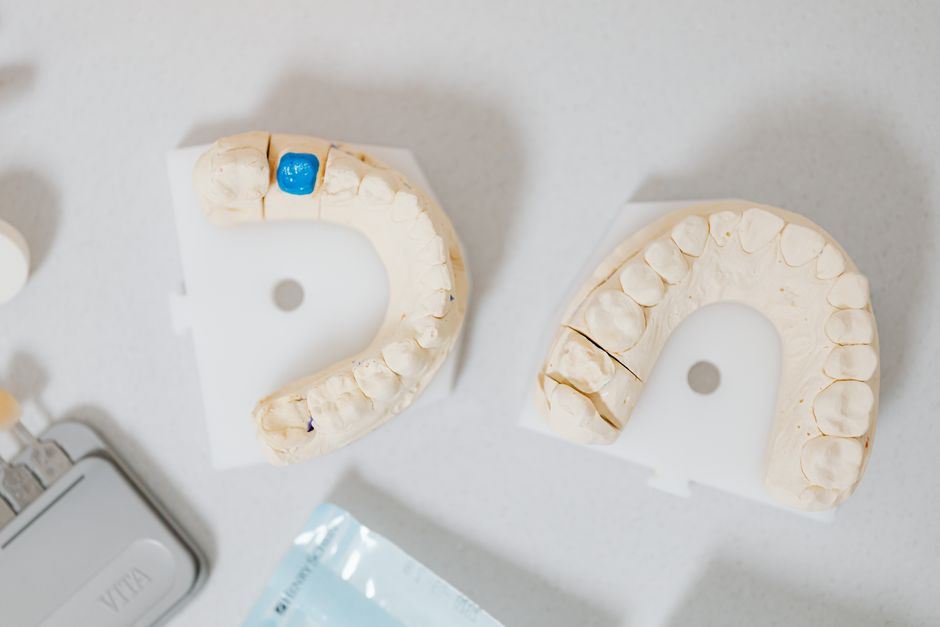
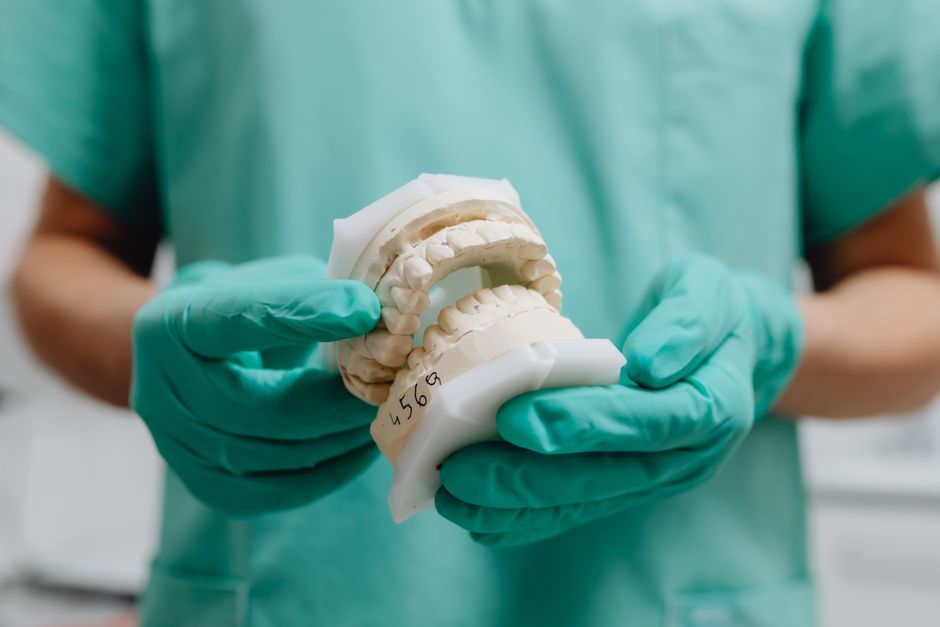
High-quality images reveal texture and value differences that may be missed chairside. Diagnostic wax-ups and intraoral mock-ups can help patients preview changes before irreversible steps, particularly when deciding between conservative masking and more extensive ceramic coverage.
Interdisciplinary considerations: perio, endo, and long-term maintenance
Enamel defects don’t exist in isolation. Aesthetic outcomes can be undermined if periodontal inflammation is present, if margins violate biologic width, or if plaque control is compromised by rough surfaces. Similarly, teeth with extensive breakdown may be at higher risk of pulpal symptoms after restorative procedures—making careful assessment and conservative preparation important. When endodontic treatment is part of the history, post-endodontic restorations need a plan that respects remaining tooth structure and ferrule where relevant.
Maintenance should be part of the initial conversation. Even the most aesthetic ceramics can accumulate surface staining at margins, and composites can discolor over time. Offering a realistic recall strategy and hygiene coordination supports longevity and patient satisfaction.
When missing teeth or failing teeth enter the plan: implants and digital prosthetics
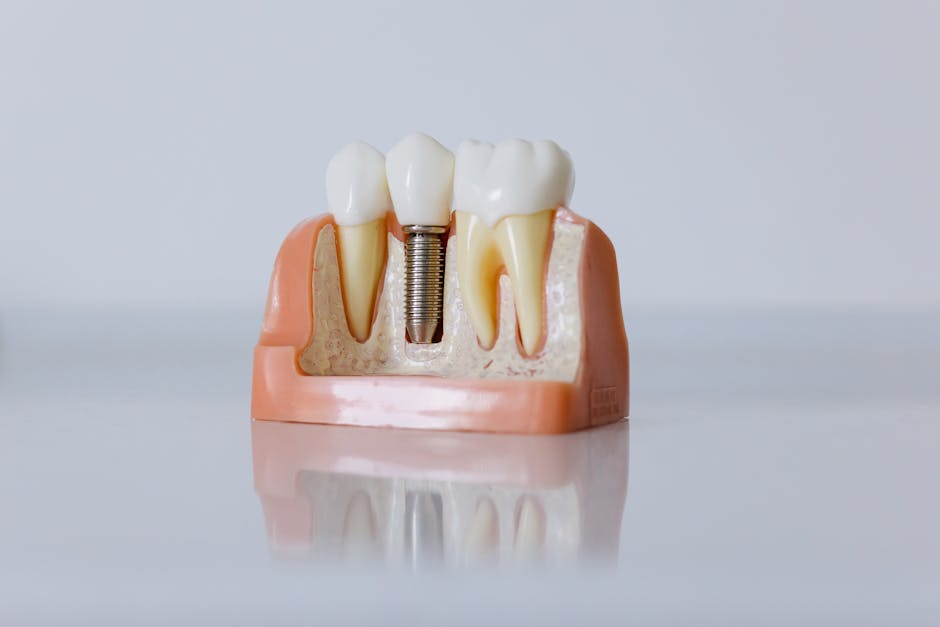
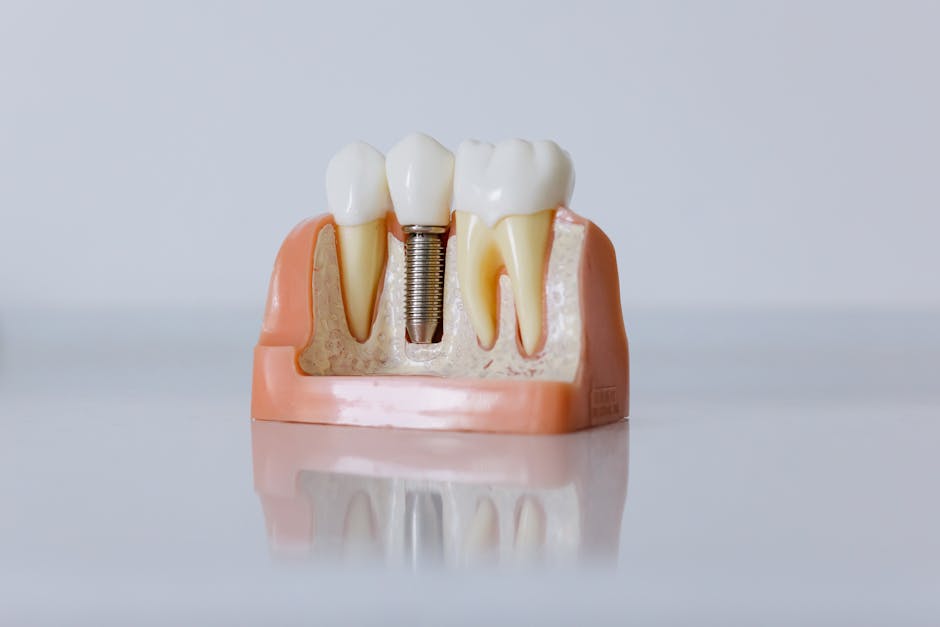
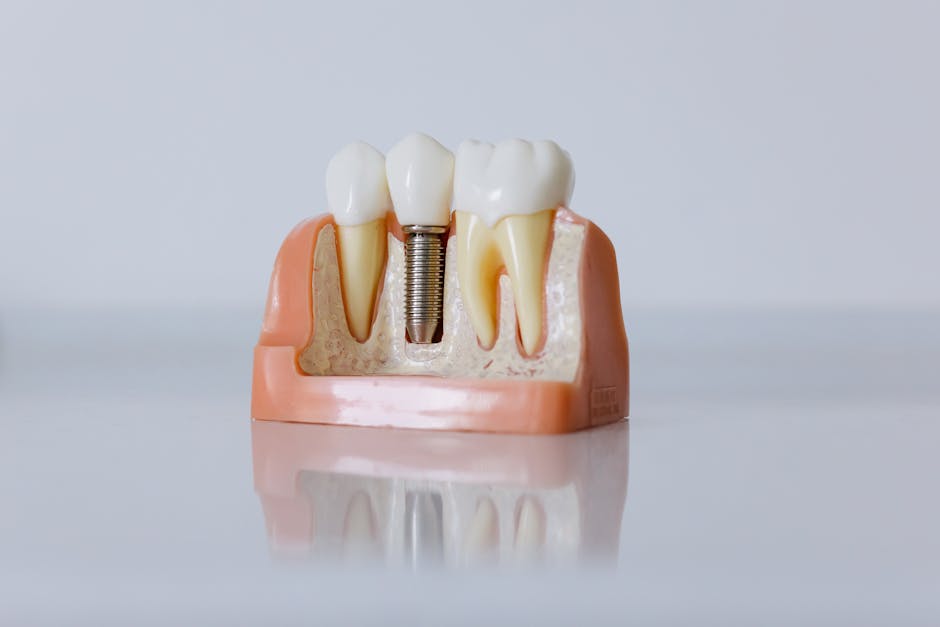
In some advanced cases, enamel development defects coexist with compromised teeth that are not restorable, or patients may already have missing teeth that disrupt the aesthetic line and occlusal scheme. Implant-supported prosthetics can be part of comprehensive rehabilitation—but only after careful risk assessment, periodontal health optimisation, and prosthetically driven planning.
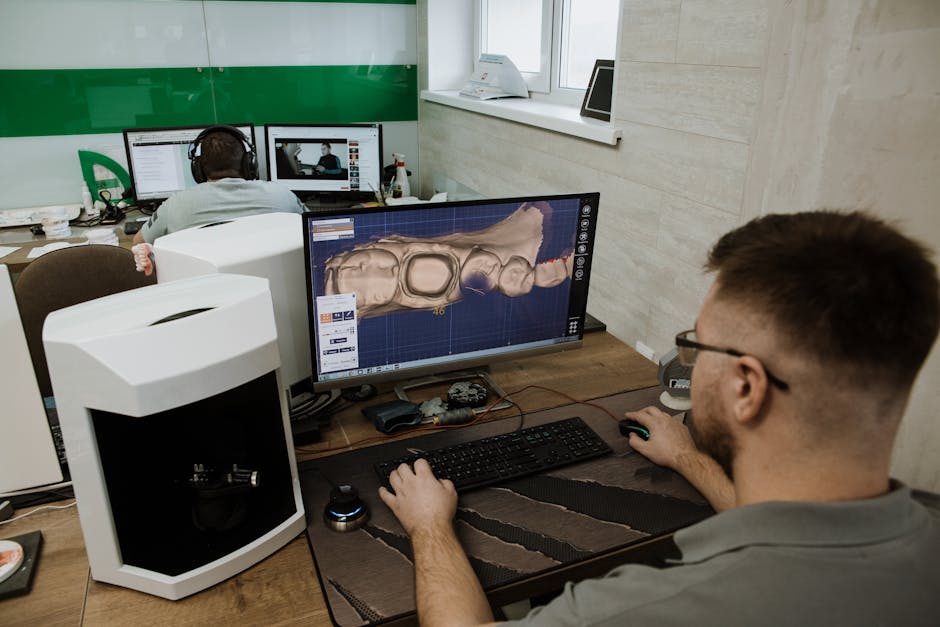
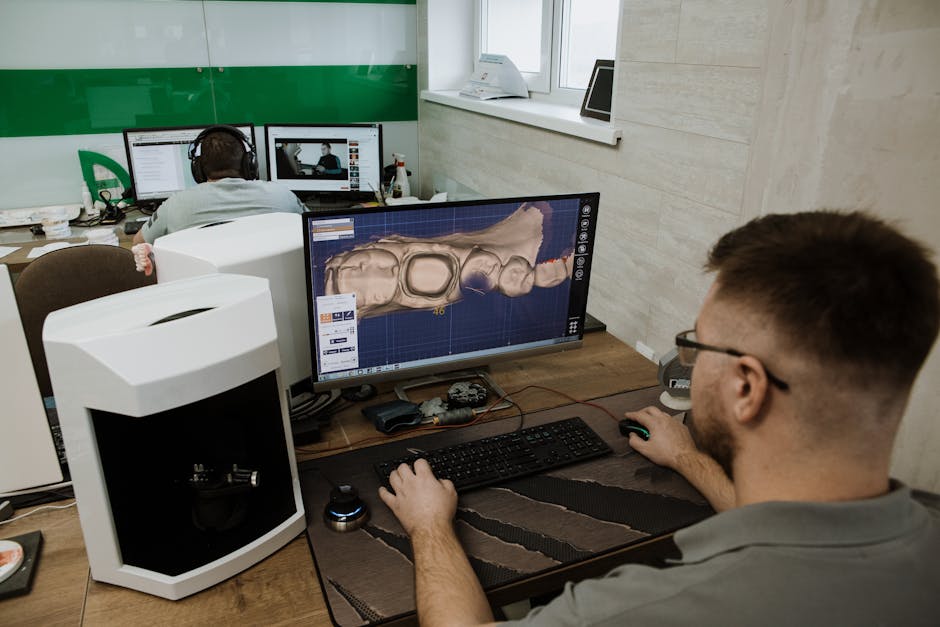
Digital workflows increasingly support accurate implant positioning and prosthetic design, helping clinicians align functional demands with smile aesthetics. For a practical overview of digital advantages in this area, read How Digital Workflow Enhances Implant-Supported Prosthetics, especially if you are integrating smile design with restorative-driven implant planning.
Education-focused takeaways for clinicians
Managing enamel development defects is as much about planning as it is about materials. Predictable aesthetics require: (1) accurate diagnosis and documentation, (2) conservative-first thinking, (3) strong adhesive fundamentals, and (4) a digital-supported workflow for communication and execution.
At Istanbul Dental Academy, our continuing dental education approach is built around translating these concepts into chairside routines—through hands-on training, case-based discussions, and practical protocols that dentists can adapt to their own clinics. If you are expanding your skill set in smile design, adhesive dentistry, or digital workflows, structured training can shorten the learning curve and improve consistency across complex aesthetic cases.
This content is for educational purposes. Treatment decisions should be made after a comprehensive clinical examination and patient-specific evaluation.
Diğer Yazılar