
BLOG
Porcelain Laminate Veneers vs Zirconia Crowns: A Clinical Comparison for Smile Design
Why “Laminate Veneer or Zirconia?” Is Still a Real Clinical Dilemma
In daily practice, the question is rarely “Which material is better?” and more often “Which option is safer and more predictable for this patient, in this occlusion, with this periodontal and endodontic status?” Porcelain laminate veneers and zirconia-based full-coverage crowns can both achieve excellent aesthetics—yet they sit at opposite ends of the invasiveness spectrum and carry different biological and mechanical implications.
At Istanbul Dental Academy, we see this decision point repeatedly in hands-on courses, case discussions, and digital smile design workflows. The clinician’s job is to balance enamel preservation, color management, functional stability, and long-term maintainability—while communicating realistic expectations. This article is for educational purposes and is not a substitute for individualized clinical judgment.
Definitions in One Paragraph: What Are We Comparing?
Porcelain laminate veneers are thin ceramic restorations bonded primarily to enamel on the facial surface (often with limited incisal involvement depending on design). They are typically indicated for aesthetic modifications such as shape, minor alignment illusion, and color adjustments when enamel is available for bonding.
Zirconia crowns are full-coverage indirect restorations made from zirconia (monolithic or layered). They are generally chosen when a tooth requires significant reinforcement, has extensive restorations, has compromised structure, or needs a more opaque material to manage discoloration.
Key Clinical Decision Factors
1) Remaining Tooth Structure and the “Enamel Advantage”
Bonding predictability is often strongest when margins and preparation remain in enamel. Veneers capitalize on this advantage; zirconia crowns, by design, require circumferential reduction and often place margins at or near dentin/cementum. When a tooth is relatively intact and the goal is primarily aesthetic enhancement, a minimally invasive veneer concept can be compelling. For an in-depth perspective on conservative principles, see minimal-invasive aesthetic dentistry with porcelain laminate veneers, which aligns with contemporary adhesive protocols and prep strategies.
In contrast, when structural integrity is compromised (large existing restorations, cracks, endodontic access cavities, or significant loss of tooth substance), a full-coverage approach may offer a more robust design—provided periodontal and occlusal risk factors are controlled.
2) Aesthetic Requirements: Translucency, Value Control, and Masking
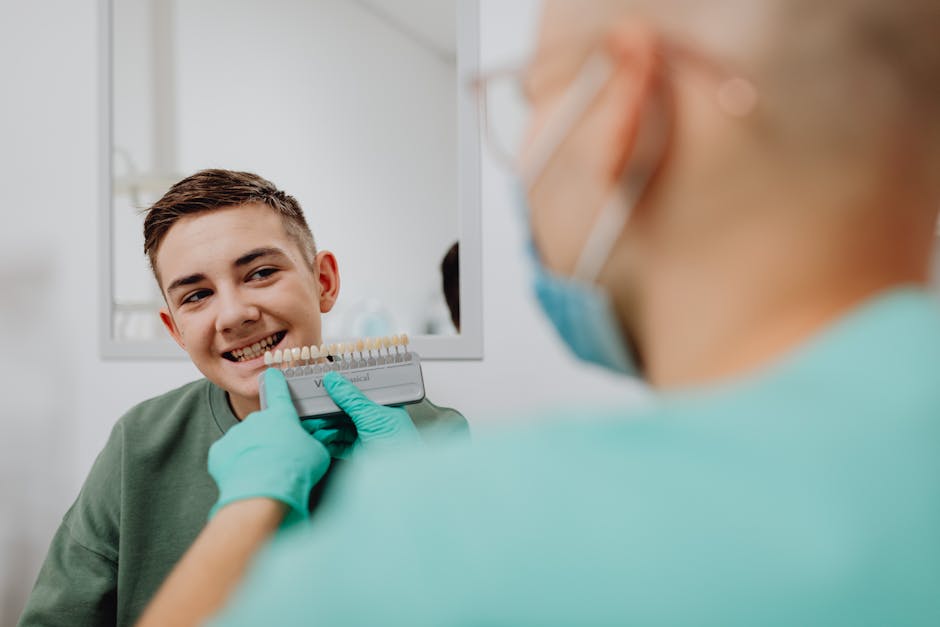
Laminate veneers are often chosen for their lifelike translucency and ability to mimic enamel. They excel when the underlying tooth color is acceptable or can be managed with conservative whitening and careful ceramic selection.
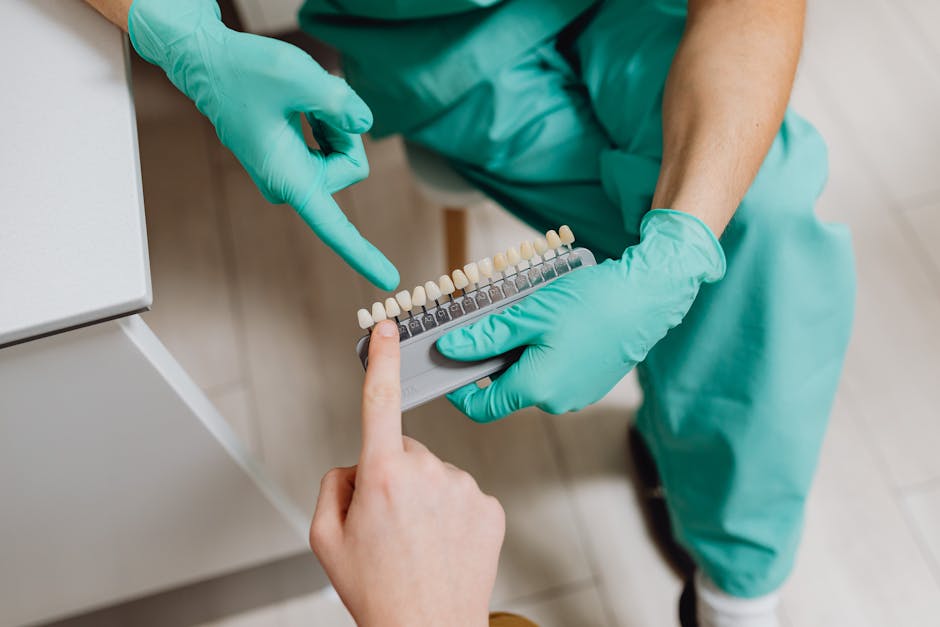
Zirconia can range from highly translucent to more opaque formulations. Its masking ability is clinically helpful for severe discoloration (e.g., dark dentin, metal posts, tetracycline staining), but increased opacity may reduce depth and vitality if not managed with appropriate design, staining, and (where indicated) layering. Shade matching also becomes more complex when adjacent teeth have high translucency and subtle characterization.
When aesthetics intersect with developmental enamel challenges (hypomineralization, fluorosis, or other defects), material selection should be driven by defect depth, enamel quality, and bonding predictability. Related educational reading: aesthetic solutions for patients with enamel development defects.
3) Preparation Design: How Much Reduction Is “Enough”?
For veneers, reduction is typically limited to the facial surface (often around 0.3–0.7 mm depending on case goals and ceramic choice), with margin design tailored to periodontal health and finishing visibility. Incisal coverage may be considered in cases requiring lengthening, edge reinforcement, or functional guidance changes—yet it increases technique sensitivity and demands careful occlusal design.
Zirconia crowns usually require more aggressive reduction to ensure material thickness and proper emergence profile. This can be appropriate when the tooth already needs significant recontouring or when a new coronal form is necessary to support function. However, additional reduction also raises the stakes for pulpal response, especially in young patients with larger pulps.
4) Periodontal Biotype and Margin Management
Soft tissue health is a cornerstone of aesthetic outcomes. Veneers often allow supragingival or equigingival margins in many cases, which can support easier hygiene and more predictable tissue response. Crowns more frequently require subgingival placement to hide margins or manage discoloration—potentially increasing the risk of inflammation if contours and cementation are not carefully controlled.
Gingival recession and thin biotype can complicate both options: recession may expose crown margins or compromise veneer symmetry over time. For a broader clinical overview, consider gum recession treatment: surgical and non‑surgical options for modern dentistry to support interdisciplinary planning when aesthetics and periodontics overlap.
Importantly, active periodontal disease should be addressed before elective aesthetic work. Tissue status is not only a biological prerequisite but also affects shade perception and final emergence profile.
5) Caries Risk, Hygiene, and Active Infection
High caries activity, poor plaque control, and untreated gingival conditions can undermine any indirect restoration. Cement margins (especially subgingival) and overcontoured profiles may increase plaque retention if not meticulously designed and finished.
Clinicians should screen for acute periodontal infections and triage appropriately. For example, necrotizing ulcerative gingivitis requires prompt attention and patient-specific care planning. Educational context is available in what happens if necrotizing ulcerative gingivitis is left untreated?.
Mechanical and Functional Considerations
Occlusion, Parafunction, and Edge Loading
Veneers can perform very well when occlusion is stable and functional pathways are designed thoughtfully. However, they are technique-sensitive and can be vulnerable in severe bruxism, unstable occlusion, or when incisal edges are subjected to heavy shear forces. Night-guard protocols and occlusal refinement are often part of comprehensive risk management (case-dependent).
Zirconia crowns offer high fracture resistance, making them attractive in higher-load scenarios. Yet strength is not the only parameter: opposing enamel wear, surface finish quality, and occlusal scheme must be controlled. Polishing and glazing protocols, along with occlusal adjustment technique, matter significantly for long-term functional harmony.

Longevity: Repairability and “Failure Modes”
When veneers fail, the failure may present as debonding, marginal staining, chipping, or fracture—often linked to bonding substrate, moisture control, occlusal overload, or preparation design. Some veneer complications can be addressed conservatively (e.g., polishing, small composite repairs), depending on the case.
When zirconia crowns fail, issues may include loss of retention, marginal discrepancies, endodontic complications due to aggressive preparation, or chipping (more commonly in layered zirconia). Management can be more invasive because the restoration is full coverage and margins may be subgingival.
Workflow Differences: Analog vs Digital Dentistry
Impressions, Scans, and Provisionalization
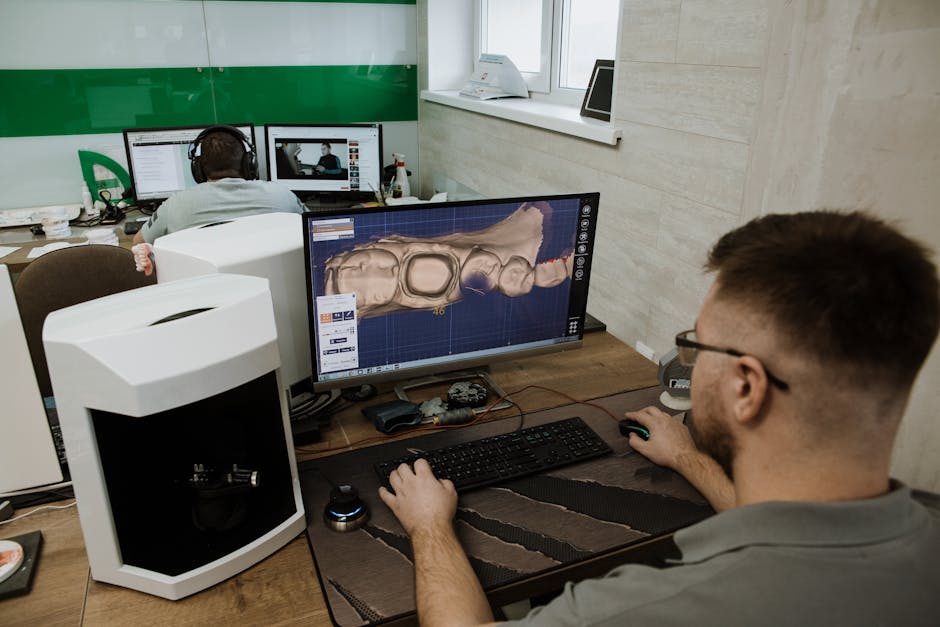
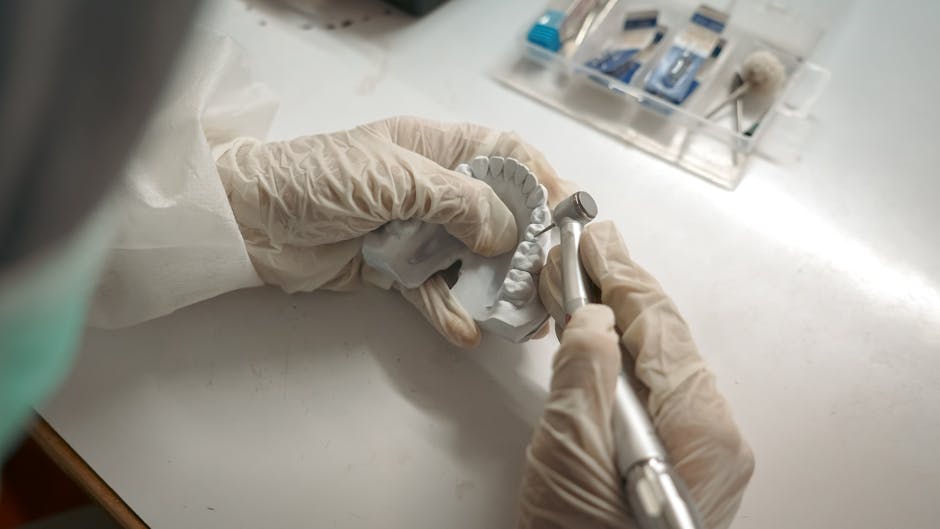
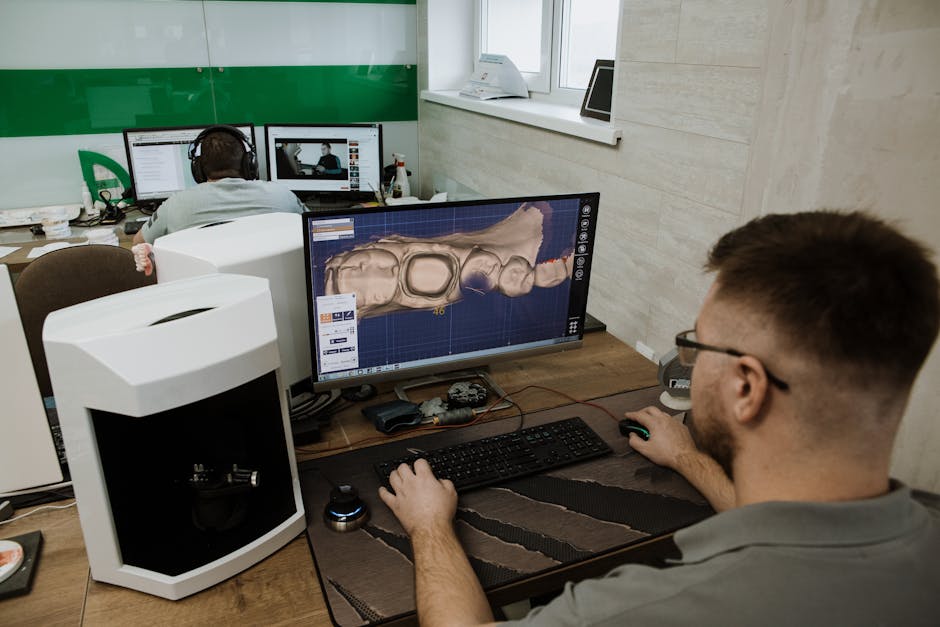
Both veneers and zirconia crowns benefit from a controlled workflow—diagnostic wax-up or digital design, mock-up trials, and clear communication with the lab. Digital dentistry (intraoral scanning, CAD design, guided preparation indexes) can increase repeatability for preparation depth and help standardize case documentation.
Veneer provisionals are often more delicate and may require spot-etch bonding or matrix-based techniques to maintain tissue stability without compromising enamel for final bonding. Crown provisionals are generally more retentive mechanically but can irritate gingiva if overcontoured—highlighting the importance of emergence profile and contact control.
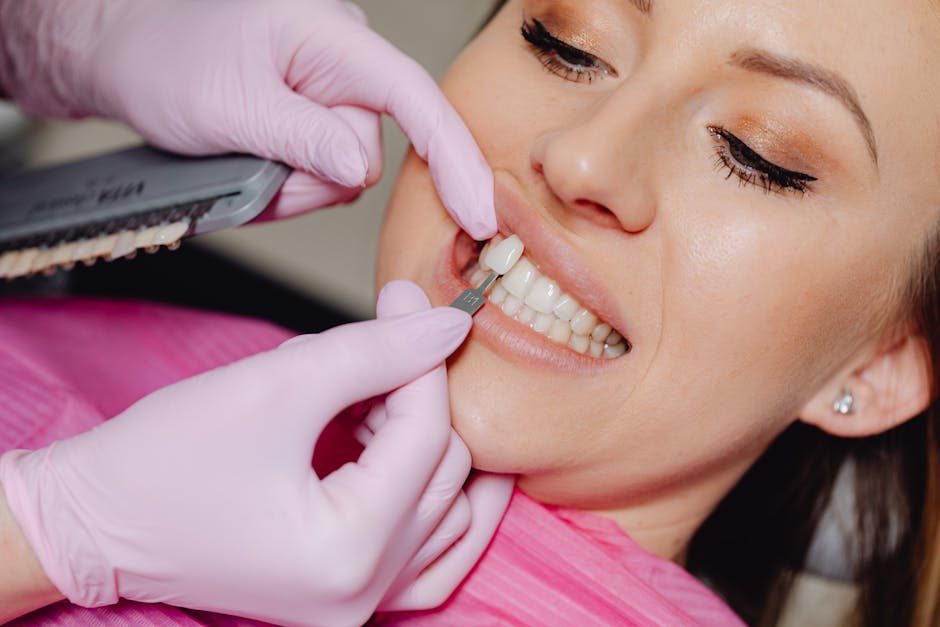
Dental Photography and Shade Communication
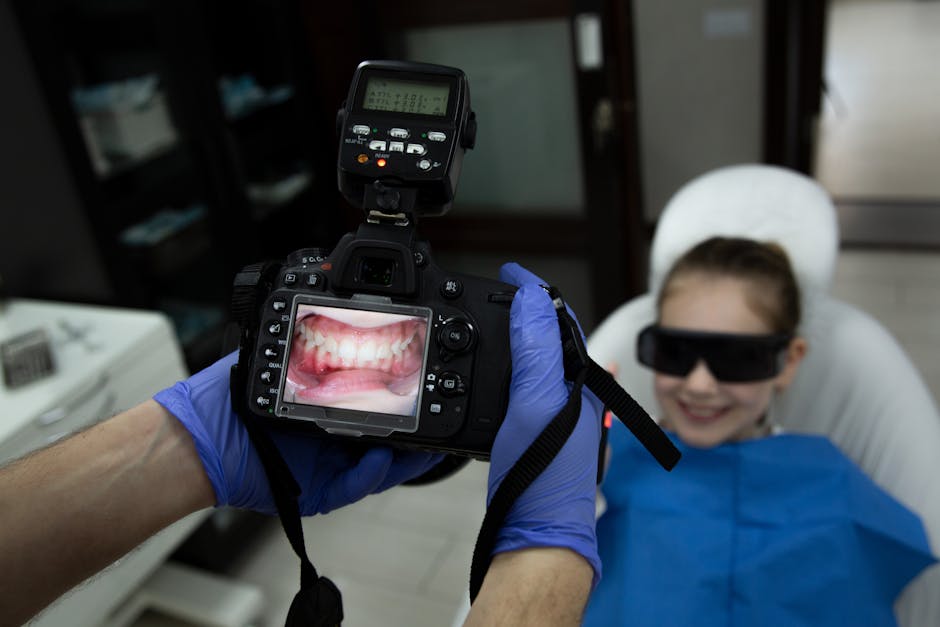
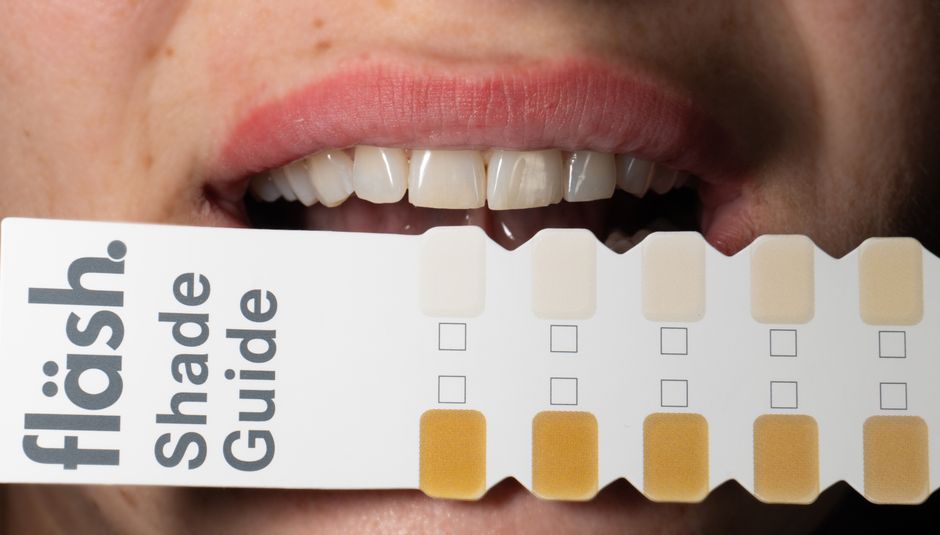
High-quality photography improves shade selection, surface texture transfer, and characterization—especially in veneer cases where subtle translucency and value are critical. Cross-polarized images, retracted views, and consistent white balance can help the lab replicate natural dentition more accurately. In Istanbul Dental Academy’s hands-on learning environment, clinicians often find that upgrading documentation skills translates directly into fewer remakes and better patient communication.
Clinical Scenarios: When Each Option Often Makes Sense
Porcelain Laminate Veneers: Common Indication Patterns
Veneers are commonly considered when:
• The tooth is largely intact with sufficient enamel for bonding
• Aesthetic changes are needed (shape, minor spacing, mild discoloration)
• The patient prefers conservative treatment and accepts the limitations
• Margin placement can remain accessible for finishing and hygiene
From a teaching perspective, veneers are an excellent platform to train precision: depth-cut control, isolation, adhesive cementation, and fine finishing protocols.
Zirconia Crowns: Common Indication Patterns
Zirconia crowns are often considered when:
• There is extensive loss of tooth structure or large restorations
• Severe discoloration requires stronger masking
• Functional demands are higher (within an appropriately managed occlusion)
• A full-coverage design is needed to re-establish form and function
They also integrate well into comprehensive rehabilitation plans where multiple units require strength and consistent material behavior.
Interdisciplinary Planning: Restorative Decisions Don’t Live in Isolation
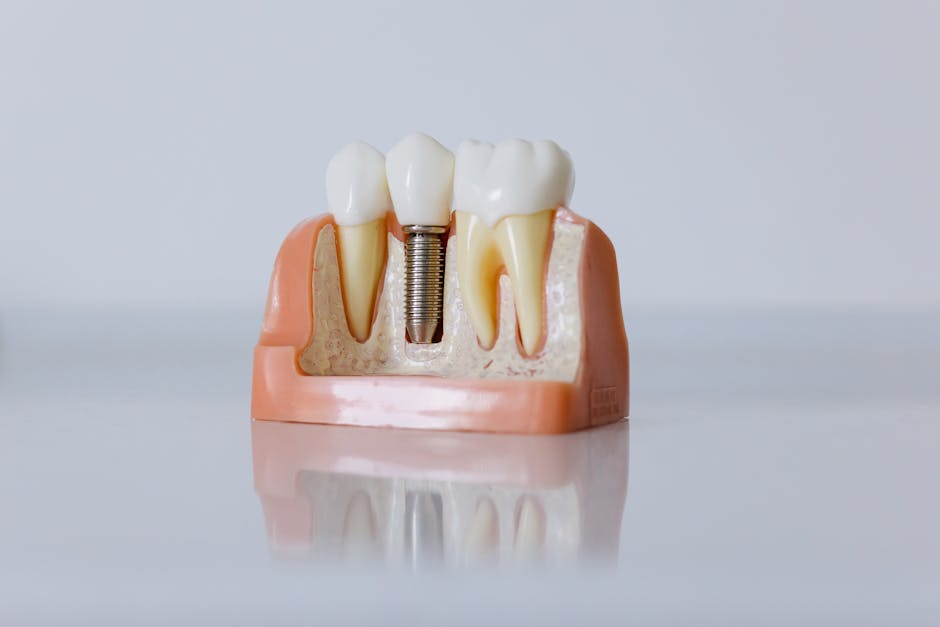
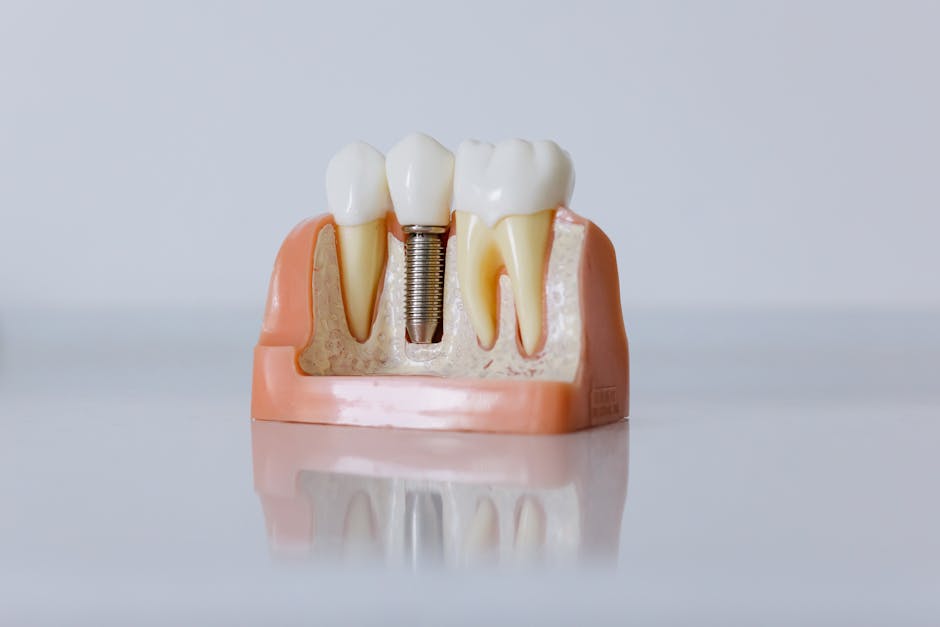
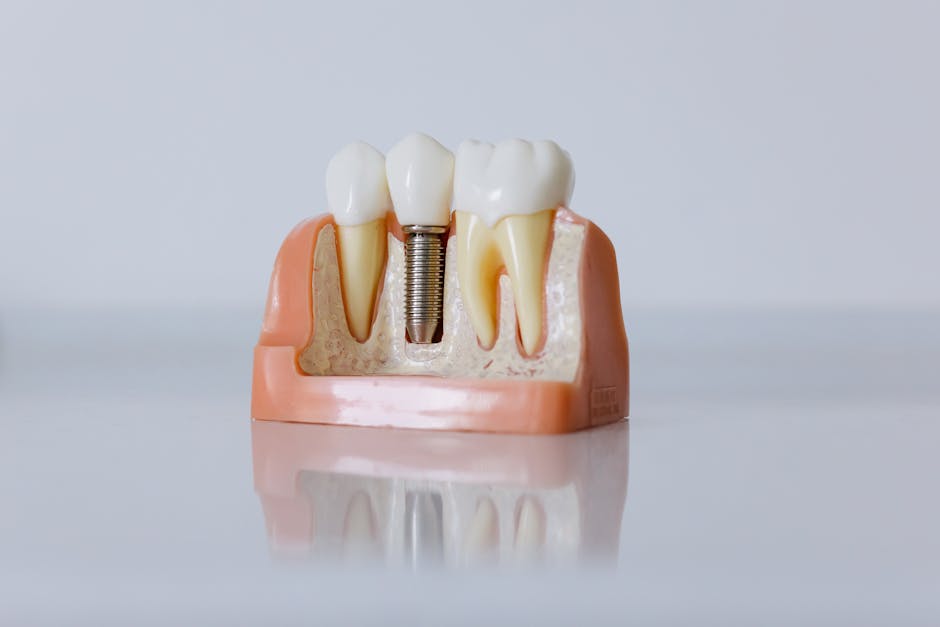
Some patients asking for “veneers” are actually presenting with missing teeth, failing bridges, or occlusal collapse—situations where implant-supported solutions or combined prosthodontic planning may be more appropriate. When implants enter the plan, prosthetically driven positioning, emergence profile management, and soft-tissue architecture become central to achieving harmonious aesthetics.
If you are building confidence in surgical-restorative coordination, Istanbul Dental Academy’s educational pathway pairs well with a beginner’s guide to implant surgery for dentists: from planning to first cases, especially for clinicians learning to connect diagnosis, planning, and staged execution.
What to Teach (and Learn) About Case Selection
Risk Assessment Checklist (Education-Oriented)
Before choosing veneers or zirconia crowns, clinicians commonly evaluate:
• Periodontal stability and patient hygiene
• Caries risk and dietary habits
• Enamel availability and quality for bonding
• Existing restorations, cracks, or endodontic status
• Occlusion, guidance patterns, and parafunction indicators
• Aesthetic goals: value, translucency, midline, gingival symmetry
• Patient expectations, maintenance willingness, and consent quality
This framework is frequently used in continuing dental education to reduce complication rates and improve predictability, rather than relying on material preference alone.
How Istanbul Dental Academy Approaches This Topic in Continuing Education
For many dentists, the turning point is not learning a single “ideal” technique, but understanding how to choose the least invasive option that still meets functional requirements. In Istanbul Dental Academy’s hands-on courses, participants typically work through:
• Diagnostic protocols (smile analysis, digital planning, mock-up testing)
• Preparation design with depth control and margin strategy
• Isolation and adhesive cementation principles (case-dependent)
• Finishing, polishing, and maintenance planning
• Photo documentation to enhance lab communication and patient education
Whether you are refining veneer bonding protocols or optimizing zirconia crown preparations, the educational goal remains the same: predictable outcomes grounded in biology, function, and aesthetics.
Conclusion: Choosing the Right Restoration Is Choosing the Right Biology
Porcelain laminate veneers and zirconia crowns are both powerful tools—but they solve different problems. Veneers often shine when enamel preservation and optical integration are the priority; zirconia crowns can be advantageous when strength, masking, and structural rebuilding are required. The best choice is typically the one that fits the patient’s biological conditions, functional demands, and aesthetic goals—supported by careful planning and precise execution.
This content is for educational purposes. Treatment decisions should be made by qualified dental professionals based on an individual clinical examination, diagnostics, and patient-specific risk assessment.
Diğer Yazılar