
BLOG
Current Approaches to Bone Grafting Techniques in Implant Dentistry
Why Bone Grafting Still Matters in Contemporary Implant Dentistry
In daily practice, clinicians frequently encounter patients with insufficient alveolar bone volume due to periodontal disease, long-term edentulism, trauma, endodontic-periodontal lesions, or post-extraction remodeling. While implant macro-designs, surface technologies, and digital workflows have progressed significantly, bone availability remains a biological “gatekeeper” for prosthetically driven implant placement.
Modern bone grafting is not only about “adding bone.” It is about reconstructing a stable foundation that supports soft-tissue contours, preserves restorative space, and reduces complications over time. This is particularly relevant when clinicians plan immediate protocols, full-arch cases, or high-aesthetic-zone restorations—situations where small dimensional errors can become highly visible in the final prosthesis.
This content is for educational purposes and is intended for dental professionals and students seeking continuing dental education. Case selection, materials, and surgical decisions should be based on a clinician’s training, local regulations, and individual patient factors.
Biologic Principles: Regeneration vs. Repair
Before selecting a technique, it helps to revisit what clinicians are aiming for. Bone grafting procedures may result in:
• Repair: healing with scar-like bone fill or partial volume stability.
• Regeneration: new, functional bone architecture that remains dimensionally stable and supports long-term implant loading.
In guided bone regeneration (GBR), clinicians attempt to optimize regeneration by stabilizing a blood clot, creating space, and excluding fast-growing soft tissue cells using barrier membranes. These principles—space maintenance, clot stabilization, wound closure, and blood supply—are common threads across most contemporary grafting approaches.
Decision-Making in Grafting: Start with Prosthetic Planning
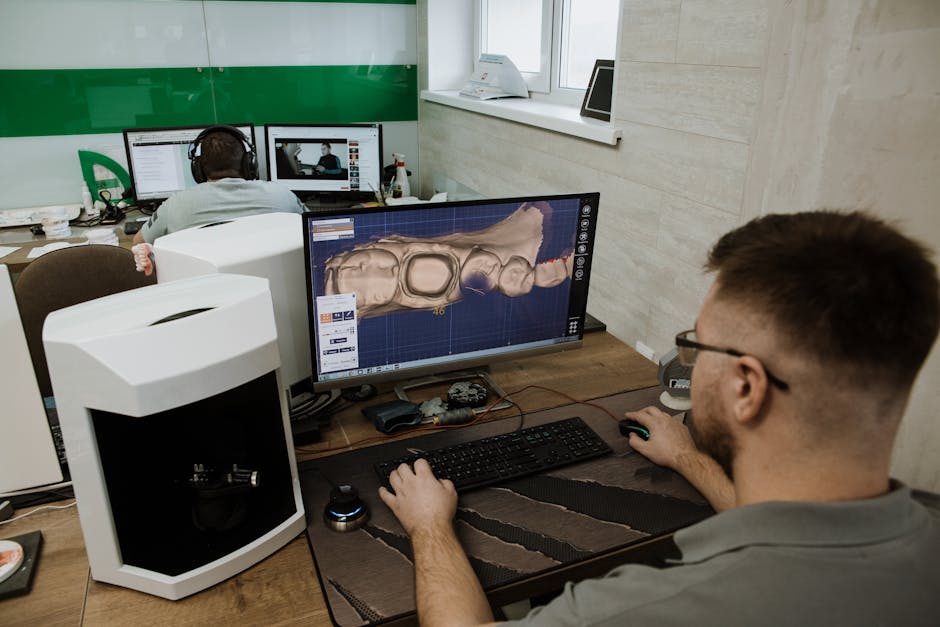
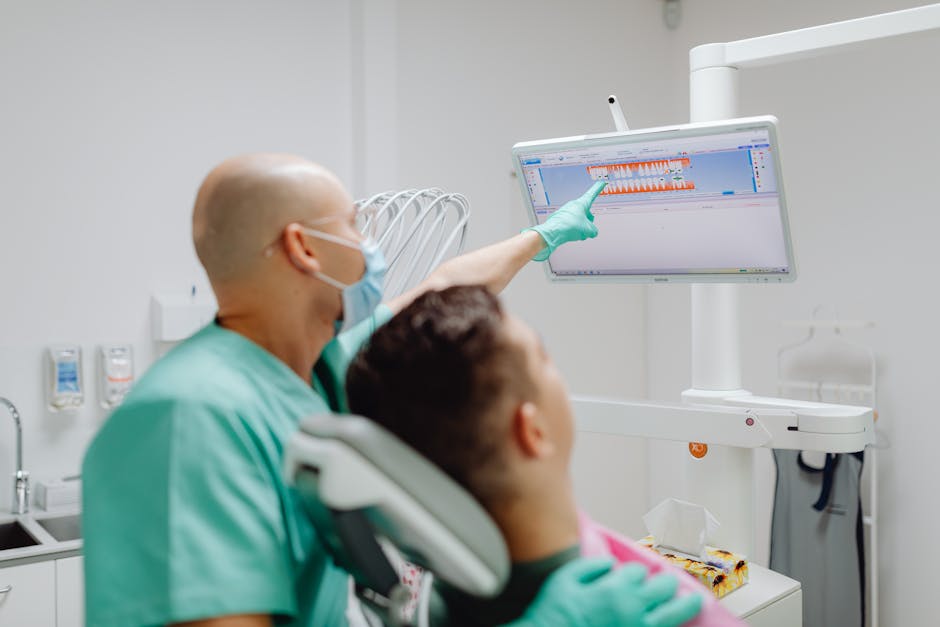
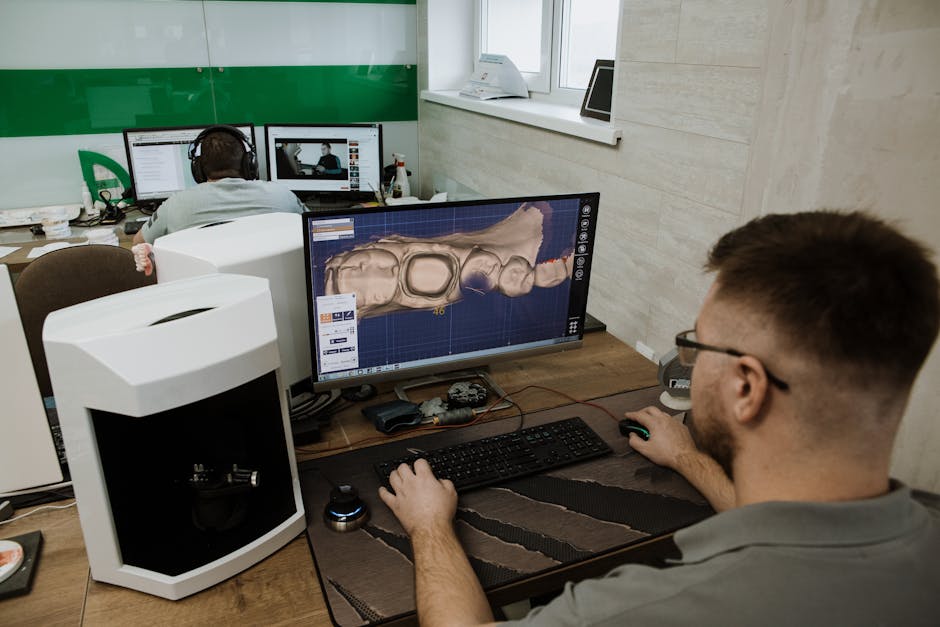
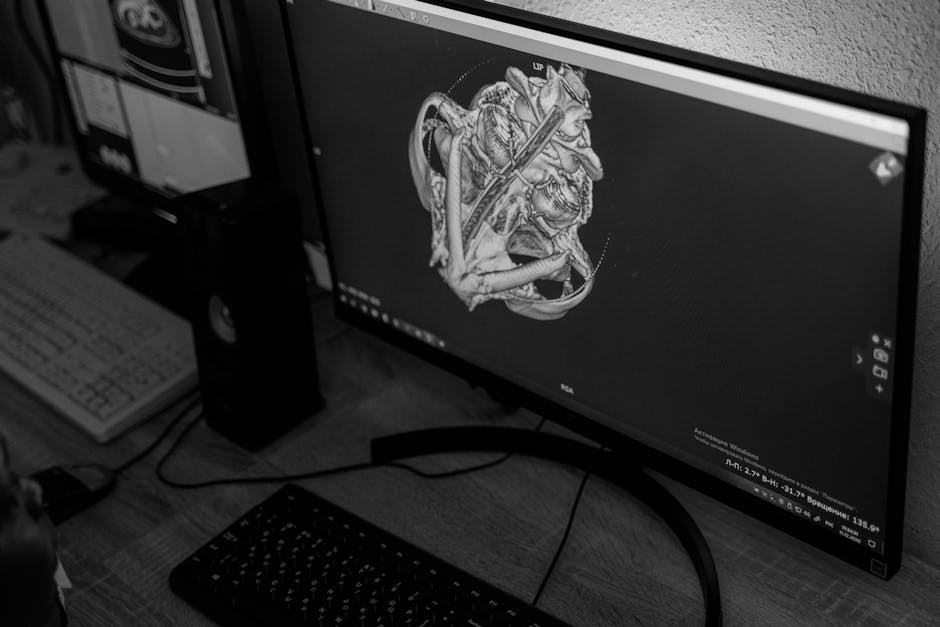
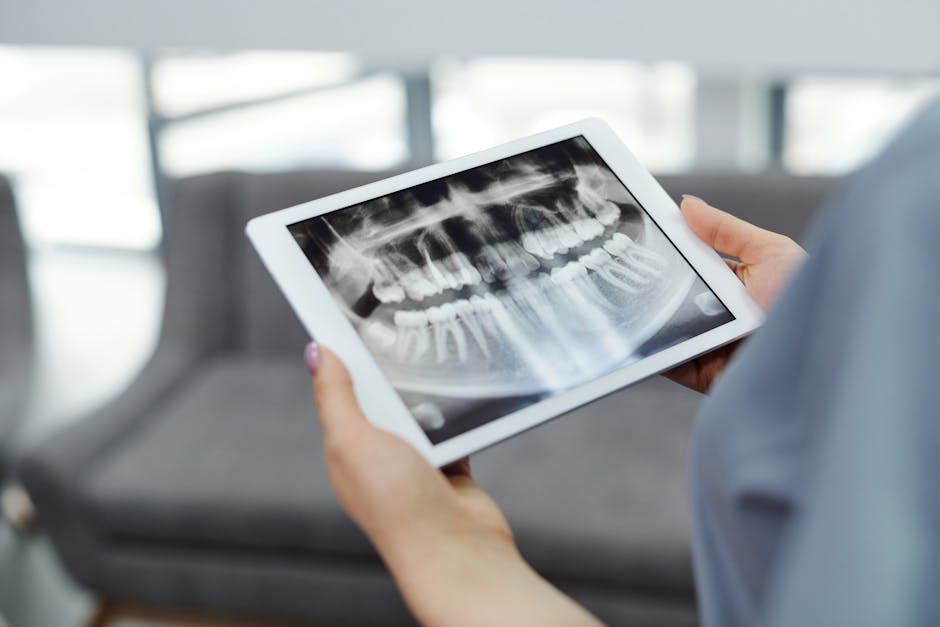
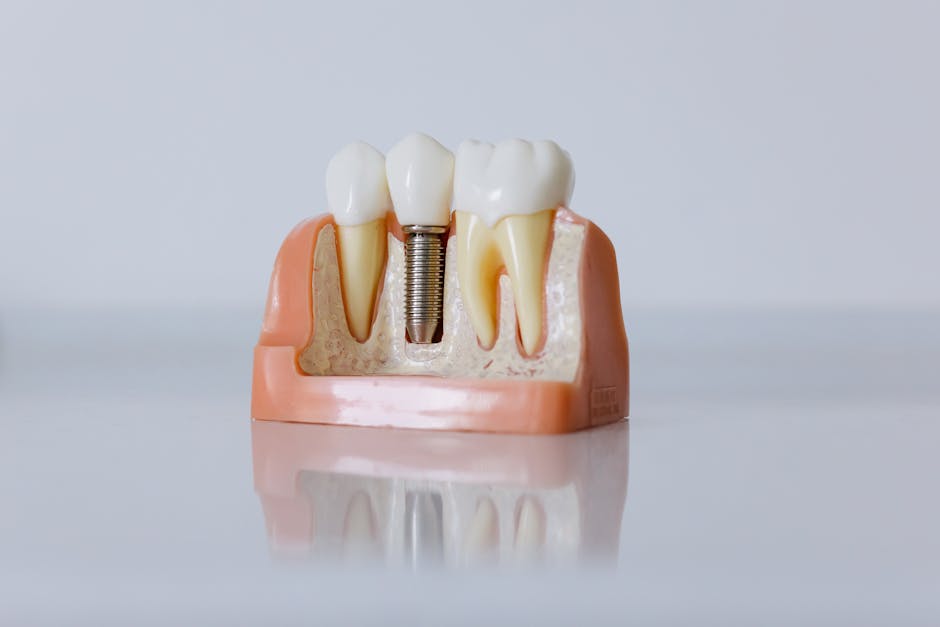
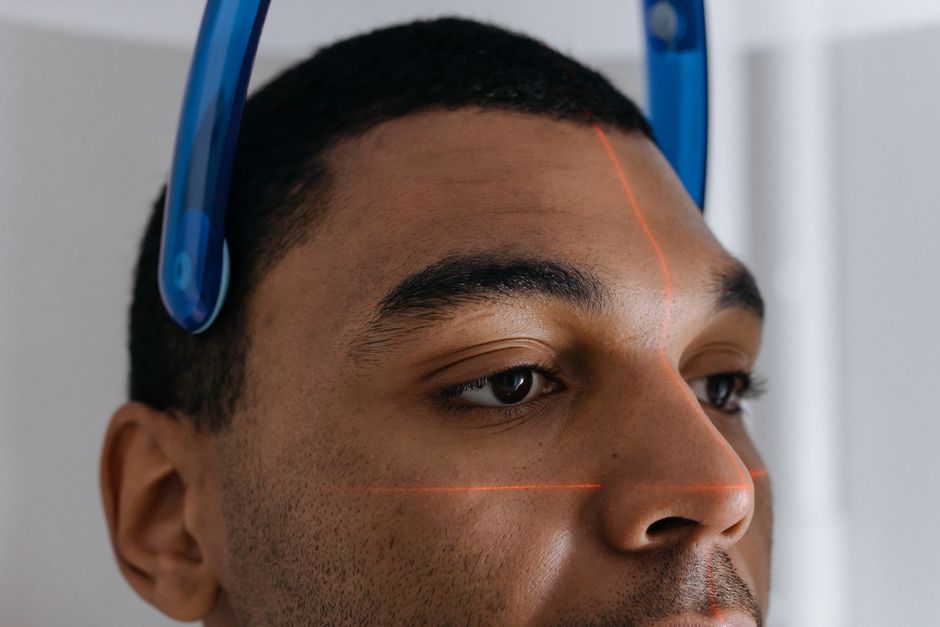
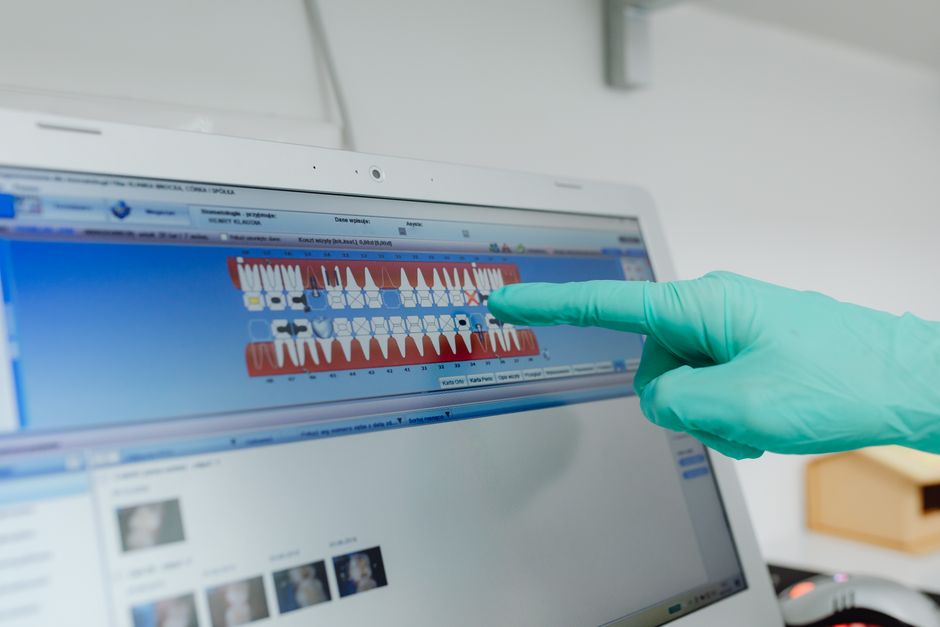
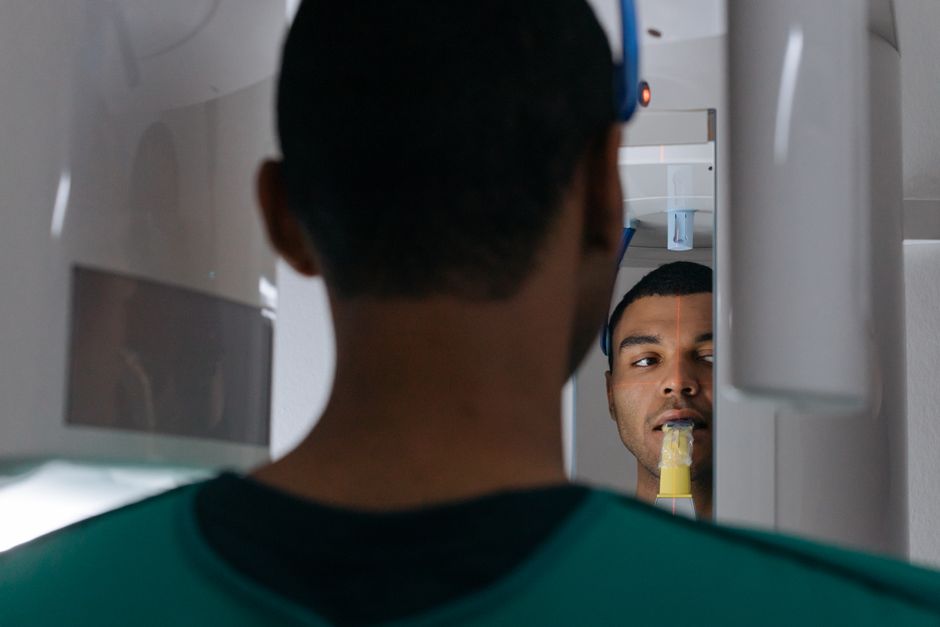
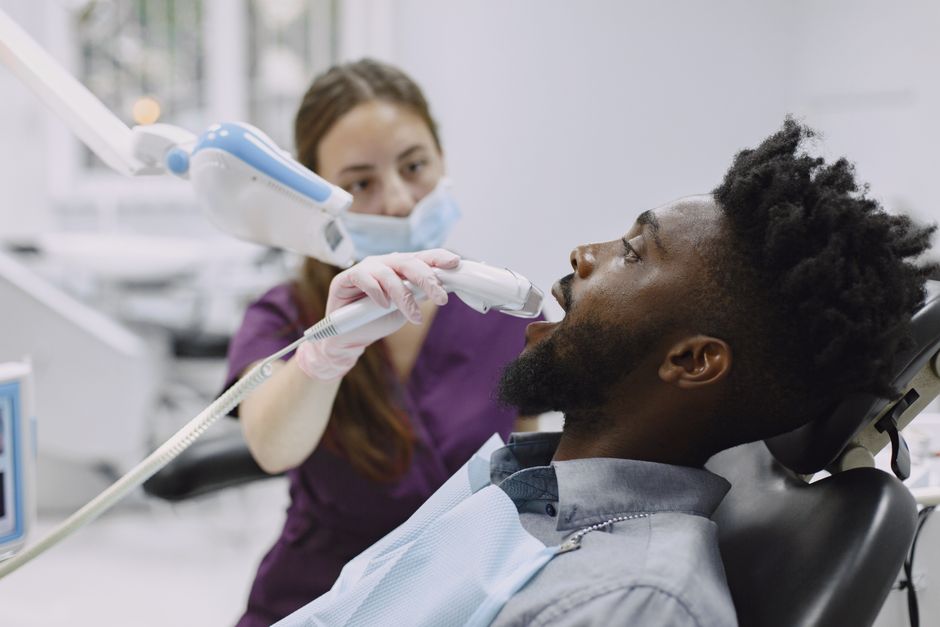
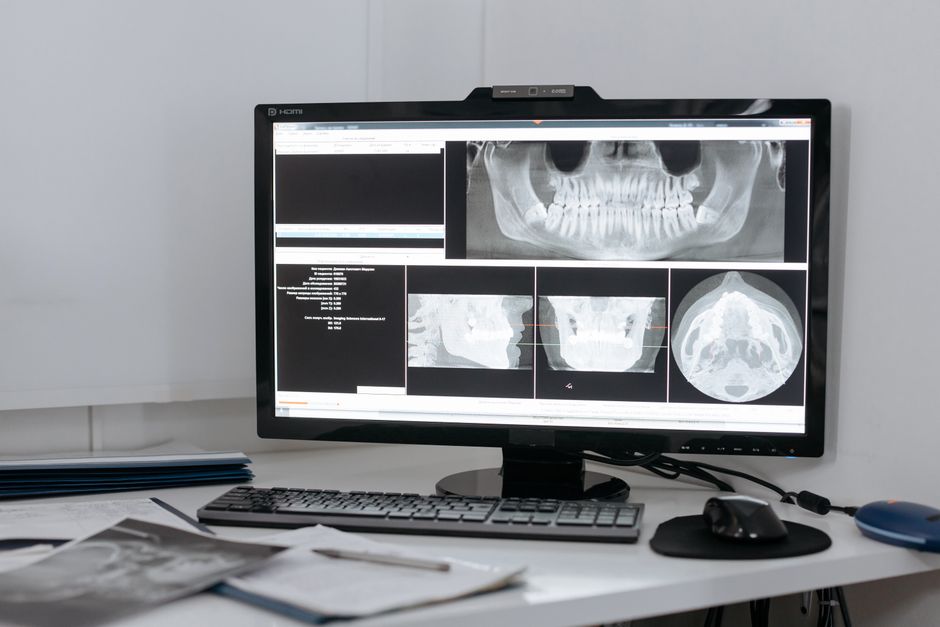
Contemporary grafting is increasingly “restoration-led.” Rather than grafting to an arbitrary ridge shape, clinicians plan the implant position, angulation, emergence profile, and restorative contours, then graft to support that plan. This is where digital dentistry can add value: CBCT-based evaluation, intraoral scans, and prosthetic wax-ups help define required bone volume and the location of the restorative platform.
In educational settings at Istanbul Dental Academy, this planning mindset is emphasized during hands-on learning—participants are encouraged to move from “graft because there is deficiency” to “graft because the prosthetic plan demands it,” especially in aesthetic-zone cases where smile line and gingival architecture matter.
Contemporary Grafting Materials: What Clinicians Commonly Combine
Autogenous bone
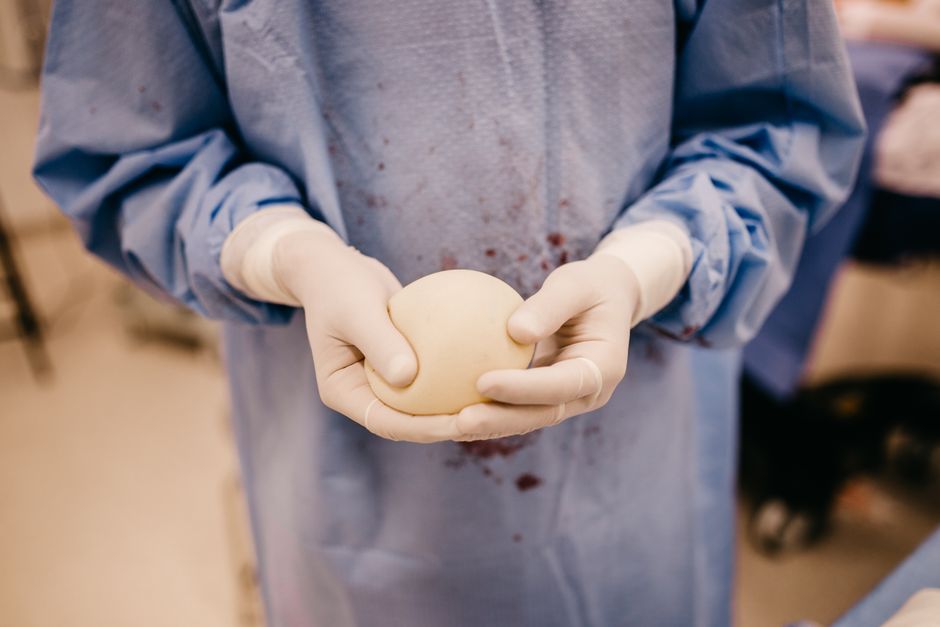
Autogenous grafts remain a benchmark due to their osteogenic, osteoinductive, and osteoconductive potential. However, donor-site morbidity, limited volume, and resorption risk are practical considerations. Many clinicians use autogenous bone in combination with slower-resorbing substitutes to enhance volume stability.
Allografts and xenografts
Allografts and xenografts are primarily osteoconductive and are widely used in ridge preservation, sinus augmentation, and contour grafting. Their resorption profiles and particle characteristics influence how they are selected—particularly when clinicians are trying to maintain buccal volume in the aesthetic zone.

Alloplasts and bioactive materials
Synthetic materials can provide consistent handling and predictable resorption patterns. In some protocols, bioactive components are incorporated to support bone formation. Material choice is typically aligned with defect morphology, soft-tissue phenotype, timeline to implant placement/loading, and risk tolerance.
Barrier membranes and biologics
Resorbable and non-resorbable membranes serve different purposes in GBR. Non-resorbable membranes can offer strong space maintenance but require meticulous flap management and often a second-stage procedure. Resorbable membranes offer simplicity but may have limitations in large defects. Biologics (such as platelet concentrates) are sometimes used to support wound healing; clinicians should evaluate evidence, indications, and handling requirements critically.
Guided Bone Regeneration (GBR): The Workhorse Technique
GBR remains one of the most versatile approaches for horizontal and minor vertical augmentation. In simplified terms, a typical GBR workflow includes:
1) Defect assessment (size, number of bony walls, soft tissue quality)
2) Implant decision (simultaneous vs staged placement)
3) Graft selection (particle size, mix ratio, need for autogenous component)
4) Membrane choice (resorbable vs non-resorbable, need for tenting pins)
5) Flap design and closure (tension-free primary closure where indicated)
One of the most underestimated determinants of success is surgical execution: stable fixation of the graft and membrane, careful management of periosteal releasing incisions, and protection against early membrane exposure. For clinicians early in implant surgery, common pitfalls around incision design, flap tension, and improper case selection are discussed in Implant surgery mistakes beginners make—and how to prevent them, which pairs well with grafting-focused study.
Socket Preservation and Ridge Preservation: Small Procedure, Big Impact
Post-extraction ridge remodeling is a primary driver of grafting demand. Ridge preservation aims to reduce horizontal and vertical collapse, support soft tissue contours, and simplify future implant placement. While outcomes vary depending on the initial phenotype, buccal plate integrity, and infection status, many clinicians consider ridge preservation a strategic intervention—especially in the aesthetic zone.
Socket preservation becomes particularly relevant when immediate implant placement is planned but primary stability or gap management is uncertain. Immediate placement can shorten treatment time; however, it can also increase technique sensitivity. If you are integrating extraction, grafting, and immediate placement into your workflow, see Same-day tooth extraction and immediate implant placement: a clinical guide for a structured overview of the concepts that commonly influence decision-making.
Sinus Floor Elevation: Lateral Window vs Crestal Approaches
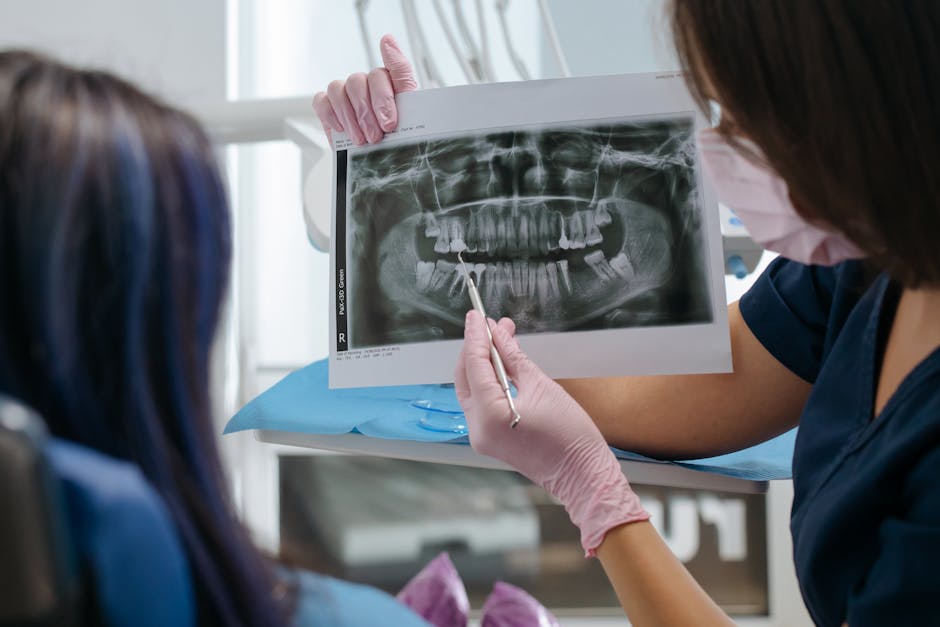
Posterior maxillary implant placement often meets limited residual bone height and reduced bone density. Sinus augmentation techniques are selected based on residual height, anatomy, and clinician experience:
Lateral window sinus lift
Generally used for more significant vertical deficiency. It allows direct visualization and larger augmentation volume. Key procedural risks include membrane perforation, graft migration, and postoperative sinus complications—managed through careful instrumentation, gentle membrane elevation, and appropriate graft packing.
Crestal (transalveolar) approaches
Often selected when residual bone height is moderate and minimal elevation is needed. These techniques can be less invasive but can still be technique-sensitive, especially regarding membrane integrity and controlling elevation height.
Across both approaches, CBCT evaluation of septa, membrane thickness, and sinus pathology is essential for planning. In hands-on training, practicing membrane management and understanding anatomical variation can significantly improve clinical confidence.
Vertical Ridge Augmentation: Where Planning and Technique Sensitivity Peak
Vertical augmentation is among the most challenging regenerative procedures in oral surgery due to soft tissue limitations, higher exposure risk, and greater mechanical demands on space maintenance. Approaches may include GBR with reinforced membranes, titanium meshes, or block grafting. Success relies on meticulous case selection, stable fixation, and conservative loading timelines.
Because complications (especially dehiscence and infection) can compromise outcomes, many clinicians adopt staged protocols. Digital planning—proposing implant positions and required restorative space first—can clarify whether vertical augmentation is truly needed or whether alternative implant distributions or prosthetic designs can reduce grafting requirements.
Full-Arch Implant Cases: Grafting vs Strategic Implant Positioning
In full-arch rehabilitation, clinicians often face severe resorption patterns. Rather than defaulting to extensive grafting, many modern protocols incorporate strategic implant placement, angulation, and prosthetic compensation—sometimes minimizing augmentation needs. The decision is not “grafting is outdated” but rather “grafting is one of several tools.”
For clinicians comparing full-arch approaches, All-on-4 vs All-on-6: key differences for full-arch implant planning provides context on how implant number and distribution can influence biomechanics, restorative design, and the extent of surgical intervention, including when augmentation may still be indicated.
Immediate and One-Day Implant Concepts: Where Grafting Decisions Become Time-Critical
Patient demand for shortened treatment time has increased interest in immediate protocols and same-day workflows. However, “fast” does not remove biologic constraints—especially in compromised sockets, thin buccal plates, or cases with infection history. In these scenarios, grafting may be used to manage gaps, support contour, or preserve future options.
From an educational standpoint, it is helpful to differentiate between immediate implant placement, immediate provisionalization, and immediate loading, since each imposes different requirements on primary stability, occlusion management, and soft-tissue handling. For a broader discussion of feasibility and limitations, Is one-day dental implant treatment really possible? outlines clinical considerations that intersect with grafting decisions.
Aesthetic Dentistry Link: Bone Volume Supports Smile Design Outcomes
Bone grafting is sometimes viewed as purely surgical, yet its consequences are often restorative and aesthetic. Buccal bone thickness influences gingival stability, emergence profile, and the perceived naturalness of anterior restorations. When bone is deficient, soft tissue may collapse, black triangles can become more apparent, and restorative contours may need compensation that compromises cleansability or phonetics.
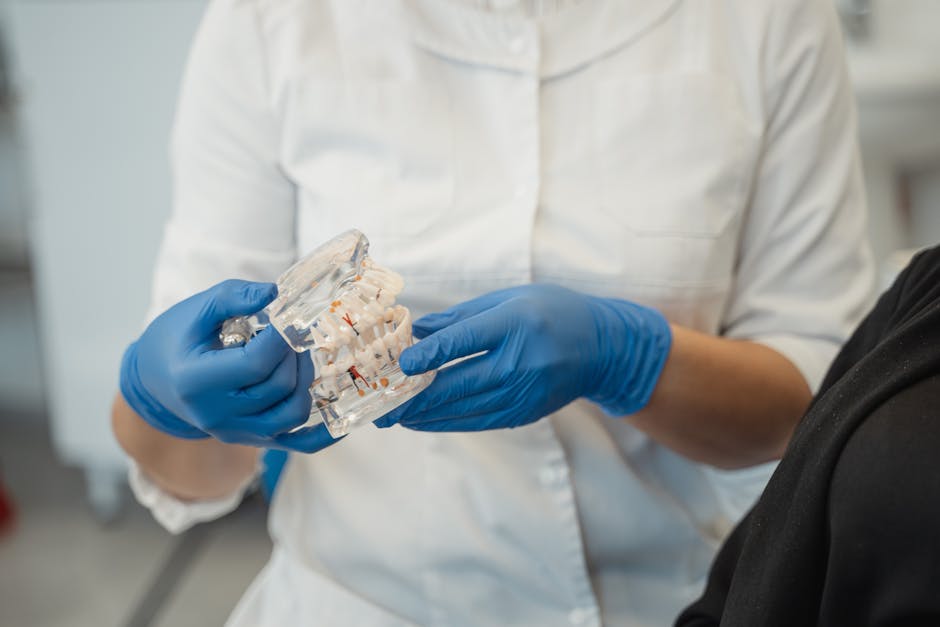
This is why interdisciplinary planning—periodontology, prosthodontics, restorative dentistry, and digital design—matters. Clinicians developing comprehensive aesthetic cases may find it useful to revisit What is smile design? Candidates, workflow, and clinical considerations, particularly when aligning gingival architecture and restorative contours with underlying hard-tissue limitations.
Complication Awareness: Common Grafting Challenges to Anticipate
Even well-indicated grafting can face complications. Educationally, it is useful to categorize risks into biologic, mechanical, and patient-related factors:
• Soft tissue dehiscence/membrane exposure: often linked to flap tension, thin phenotype, or inadequate release.
• Infection and graft loss: related to contamination, exposure, or unstable graft material.
• Insufficient volume gain: due to under-correction, poor space maintenance, or resorption.
• Unfavorable prosthetic emergence: when augmentation does not match the restoration-led plan.
Structured postoperative follow-up, occlusal management, and patient communication are integral parts of the protocol. In training environments, discussing complication pathways and “what to do next” is often as valuable as learning the ideal steps.
How Istanbul Dental Academy Approaches Bone Grafting Education
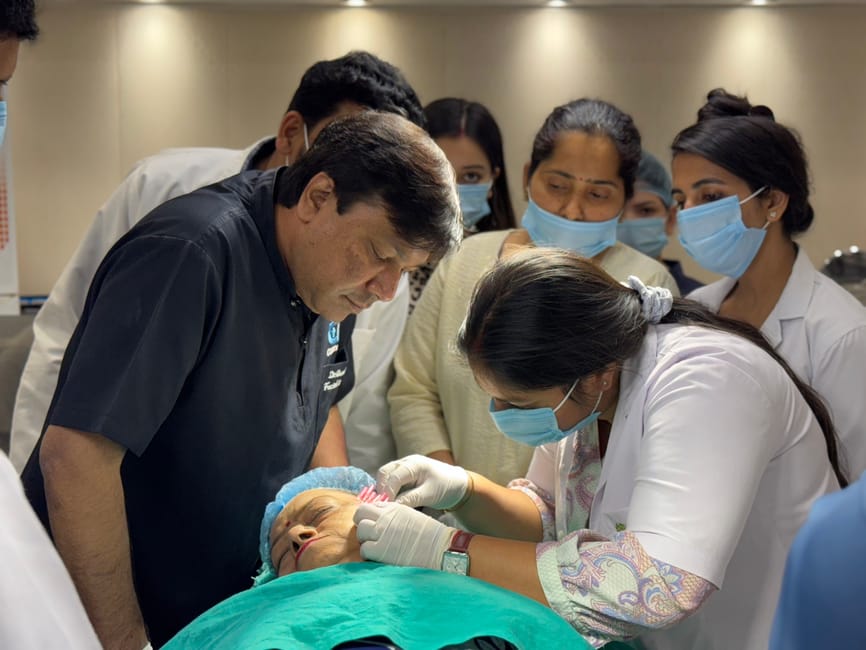
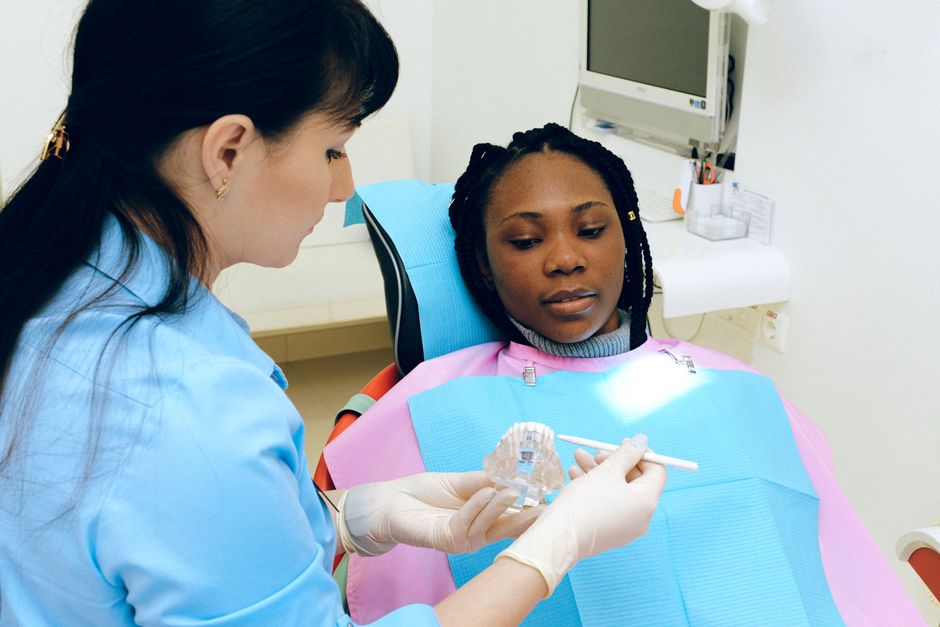
For many dentists, the barrier to incorporating grafting is not interest—it is the transition from theory to hands-on execution. Istanbul Dental Academy emphasizes practical learning for dental professionals through course formats that combine evidence-informed lectures with guided practice. Depending on the course, participants may work on models or simulated scenarios to refine flap design, suturing strategies, membrane handling, and defect-based decision-making within implant and oral surgery workflows.
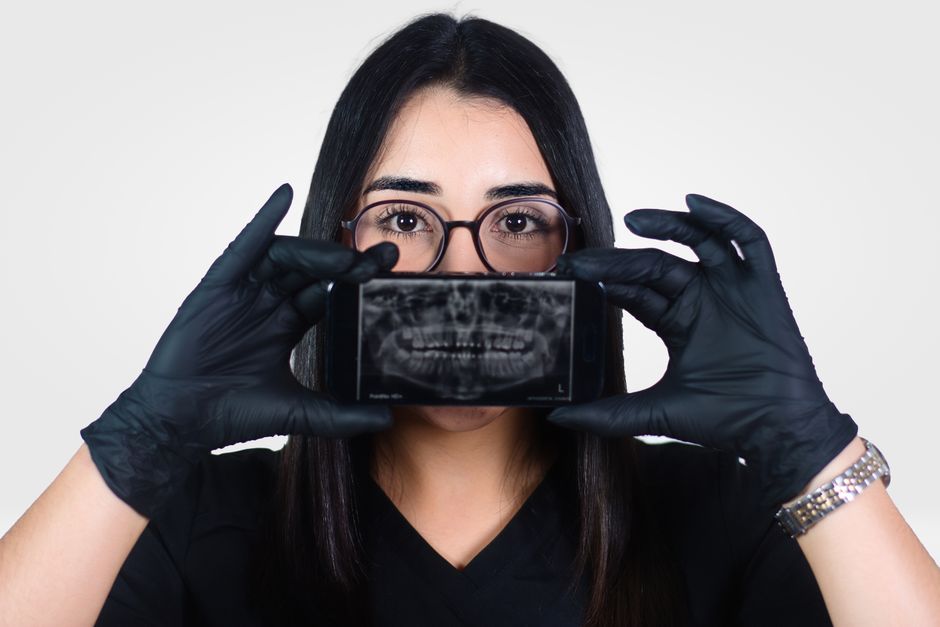
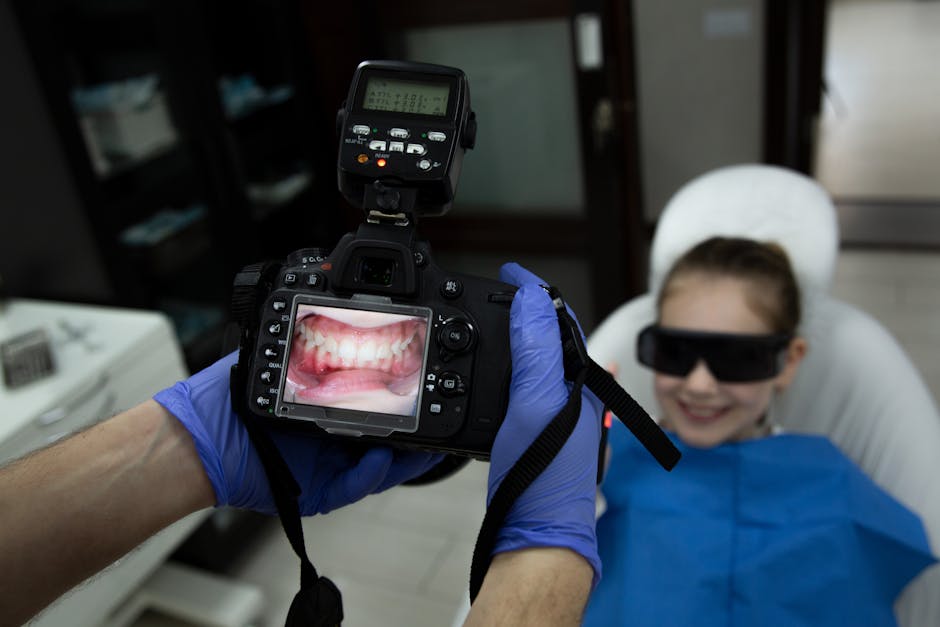
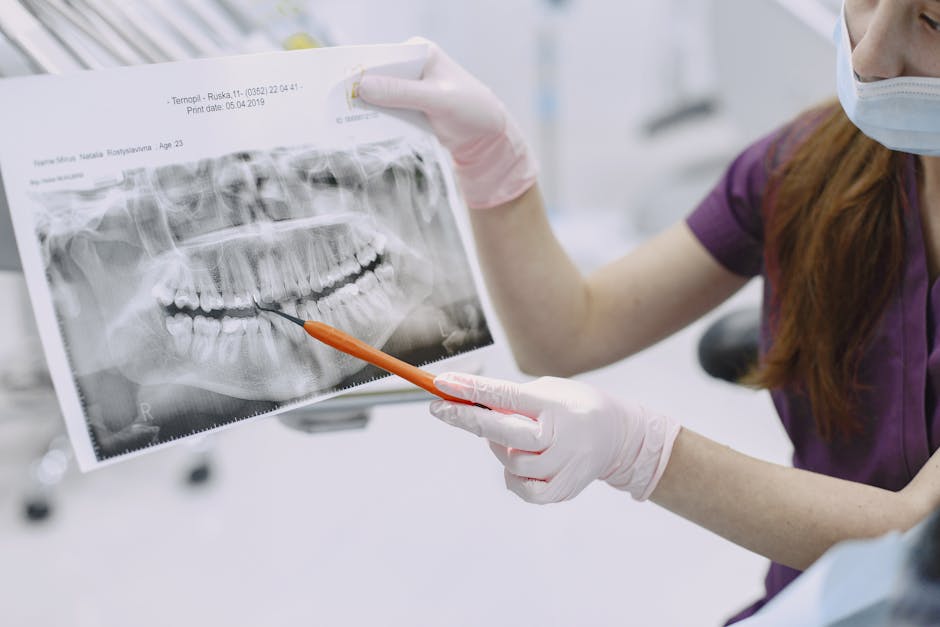
Bone grafting also connects naturally with other skill sets taught in continuing dental education: digital planning for implant placement, restorative-driven treatment planning, and documentation through dental photography. High-quality photo and radiographic documentation helps clinicians evaluate soft tissue healing, contour stability, and restorative emergence profiles over time—turning each case into a learning opportunity.
Key Takeaways for Clinicians
Contemporary bone grafting is best understood as a set of principles applied to specific clinical goals: stabilizing tissue contours, supporting implants and prosthetics, and maintaining long-term function and aesthetics. The most predictable outcomes typically come from restoration-led planning, careful defect assessment, and technique selection aligned with both biology and biomechanics.
This content is for educational purposes. Clinicians should integrate current evidence, manufacturer instructions, and individualized patient assessment, and consider hands-on training when expanding into more complex grafting indications.
Diğer Yazılar