
BLOG
Direct vs Indirect Posterior Restorations: Clinical Decision-Making and Modern Workflows
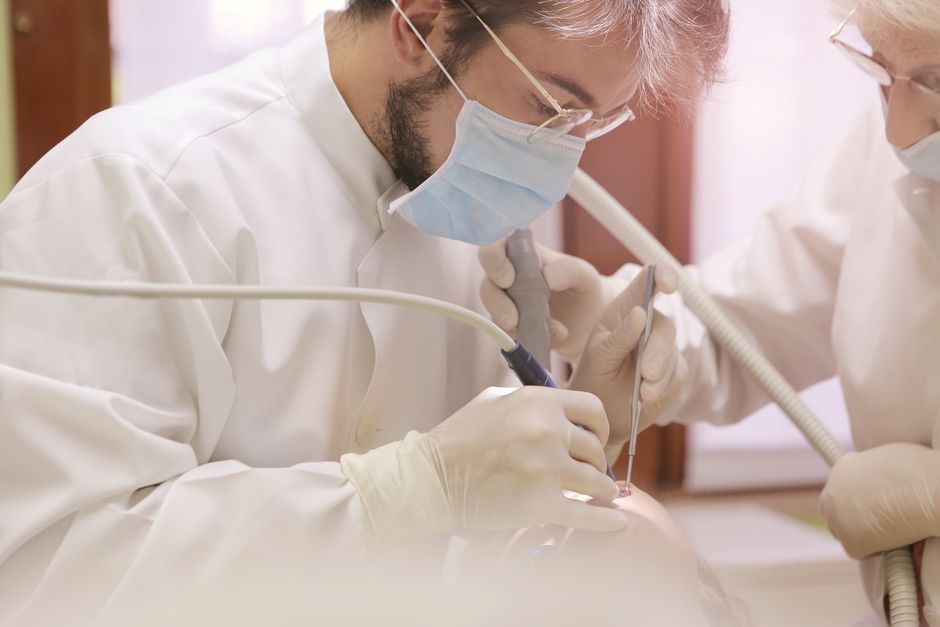
Why Posterior Restorations Are a Decision-Making Challenge
Posterior teeth carry high occlusal loads, tolerate limited visibility, and often present with deep caries, cracked cusps, previous restorations, or endodontically treated anatomy. For dentists and dental students, choosing between direct and indirect restoration is less about “one is better” and more about matching the technique and material to the clinical situation—while keeping patient expectations, time, budget, and long-term maintenance in mind.
In continuing dental education, the most valuable skill is not memorising material properties; it is learning a structured decision pathway that integrates diagnosis, isolation, caries risk, occlusal scheme, and restorative design. At Istanbul Dental Academy, our restorative and digital dentistry education is designed to help clinicians translate these principles into predictable chairside workflows through step-by-step demonstrations and hands-on practice. This content is for educational purposes and does not replace individual diagnosis or treatment planning.
Direct Posterior Restorations: Strengths, Limits, and Predictability
Common Indications
Direct restorations (most commonly composite resin, and in some settings glass ionomer or resin-modified glass ionomer as transitional or base materials) are widely used when cavity dimensions are moderate, margins can be properly isolated, and the occlusal risks are manageable. Typical indications include primary caries with limited cusp involvement, replacement of small-to-moderate failed restorations, and situations where conservative tooth preservation is a priority.
Clinical Advantages
The main advantage is conservation: direct techniques can preserve sound tooth structure and often avoid aggressive preparation. They are also efficient when the case is suitable—single-visit, typically lower lab cost, and easy to repair.
However, posterior direct composite demands precise technique: isolation, matrix adaptation, proximal contact development, incremental layering (or well-controlled bulk-fill protocols), and controlled occlusal adjustment. If you are more focused on anterior aesthetics, it may help to revisit fundamental concepts of layering and optical integration—many of which translate to posterior morphology and shade blending. For a structured approach to composite artistry, see natural aesthetics in anterior composite restorations, then apply the same discipline to occlusal anatomy and polishing protocols posteriorly.
Key Limitations and Risk Factors
Direct posterior restorations become less predictable as cavity size increases—especially with cusp undermining, thin residual walls, or extensive proximal box extension. Polymerisation shrinkage stress, marginal integrity, and postoperative sensitivity can become clinical concerns, particularly when isolation is suboptimal or the bonding substrate is compromised.
Beyond the material, workflow issues matter: matrix selection, wedge stability, sectional matrices for tight contacts, and proper finishing can be the difference between a functional restoration and a chronic food-impaction complaint.
Indirect Posterior Restorations: When Coverage and Precision Matter
Inlays, Onlays, Overlays, and Full Coverage
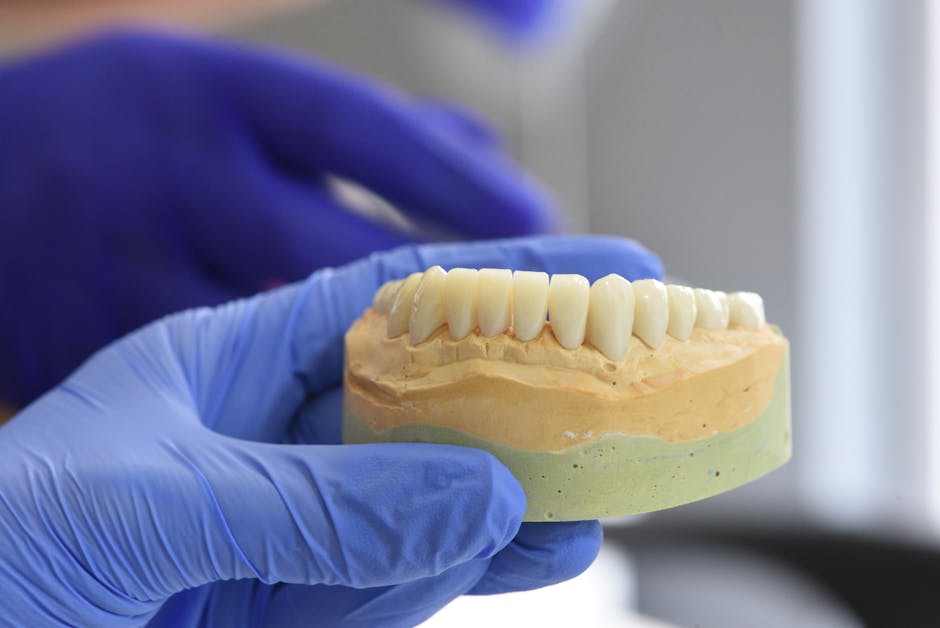
Indirect restorations—such as ceramic or composite inlays/onlays/overlays, and full-coverage crowns—are often considered when cusp coverage is required, when occlusal load distribution needs reinforcement, or when the existing restoration is extensive. The goal is to protect remaining tooth structure and provide a more controlled morphology and contact scheme than may be achievable directly in challenging cases.
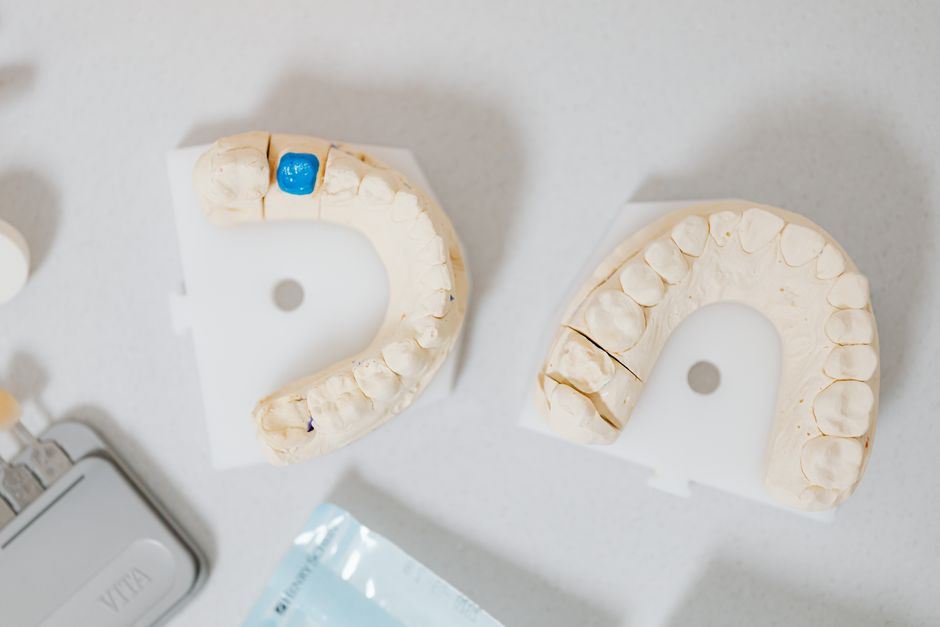
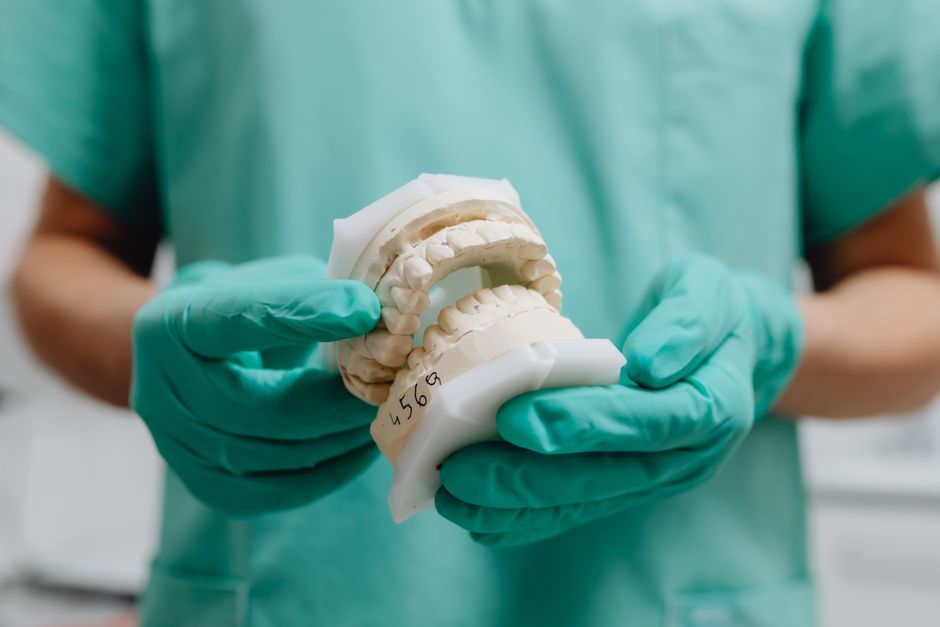
Indirect restorations can be fabricated conventionally (impressions, lab workflows) or digitally (intraoral scanning, CAD design, milling/printing, and adhesive cementation). The indirect approach is not inherently “stronger,” but it can allow better control over anatomy, marginal adaptation, and occlusal design when the case is appropriately selected.
Material Considerations (Educational Overview)
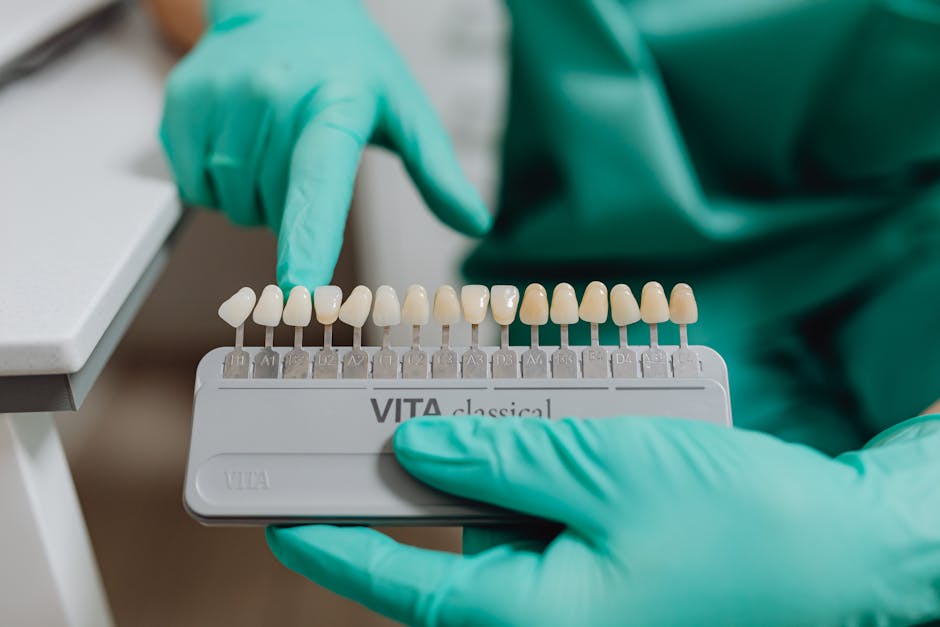
In modern posterior dentistry, lithium disilicate, zirconia, and hybrid/ceramic-resin materials are often discussed. Each has different characteristics in terms of translucency, fracture resistance, minimal thickness guidelines, and bonding strategy. Rather than choosing materials by trend, clinicians benefit from linking the choice to preparation design, bonding protocol, and occlusal environment (including parafunction and opposing dentition).
While porcelain laminate veneers are an anterior-focused topic, the underlying skill—case selection based on enamel availability, occlusion, and substrate—mirrors posterior decision-making. For an evidence-informed selection mindset, review case selection for porcelain laminate veneers and consider how the same diagnostic discipline applies to posterior coverage restorations.
How to Choose: A Practical Clinical Framework
1) Assess Remaining Tooth Structure and Cuspal Support
A useful mental model is to ask: “Is the tooth still structurally a tooth—or is it becoming a restoration with some tooth around it?” If cusps are undermined, marginal ridges are weakened, or crack lines suggest flexure, an indirect restoration with cusp coverage may offer better risk management than a large direct composite.
2) Consider Occlusion and Functional Risk
Occlusal scheme, contact locations, interferences, and signs of bruxism should influence the approach. Large direct composites in heavy-function patients can be more maintenance-intensive. Conversely, indirect ceramics may be at risk in severe parafunction if thickness and design are compromised.
In advanced smile design cases, posterior support and occlusal stability underpin the aesthetics of the anterior segment. If you plan comprehensive rehabilitation, reviewing a structured workflow is helpful—see what smile design is, candidates, workflow, and clinical considerations to understand how posterior function and anterior aesthetics should be integrated rather than planned separately.
3) Isolation and Adhesive Environment
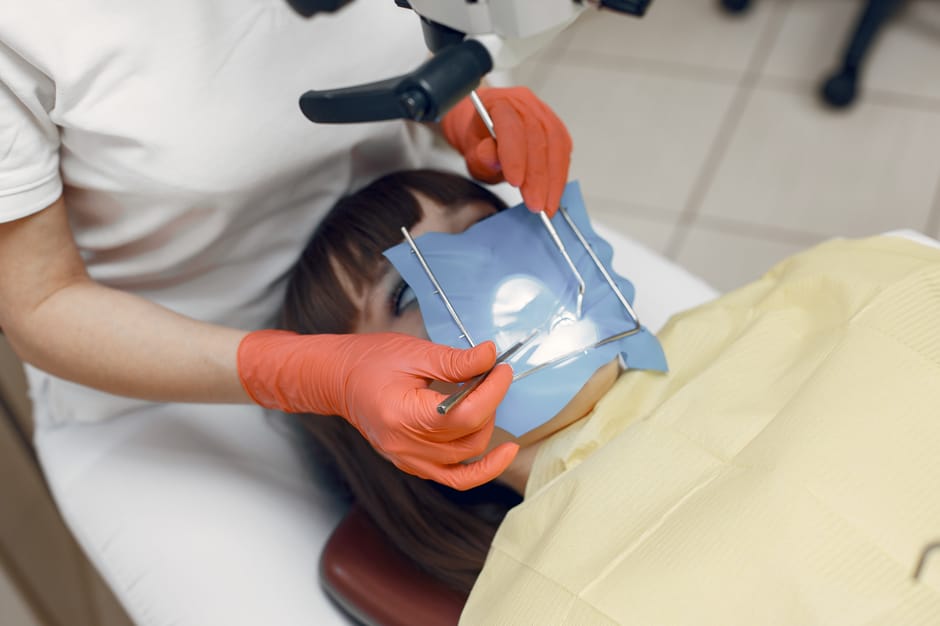
Moisture control is a major determinant of adhesive success. When rubber dam isolation is feasible and margins are supragingival, direct composites can be highly predictable. When margins are deep subgingivally, bleeding control is difficult, or the patient cannot tolerate long chair time, an indirect plan (sometimes with staged periodontal management) may be considered as part of a broader strategy.
4) Pulpal Status and Endodontic Considerations
Deep posterior lesions may require endodontic treatment or present with symptoms suggesting pulpal compromise. The restorative plan should be coordinated with endodontic diagnosis, access design, and subsequent coronal seal. Modern endodontics increasingly emphasises magnification and illumination for improved identification of canals, cracks, and isthmuses. If you want to understand how enhanced vision can impact treatment planning in complex posterior cases, read dental operating microscope use in modern endodontics.
Endodontically treated posterior teeth often require cuspal protection—yet the extent (onlay vs crown) depends on remaining walls, ferrule, and occlusal demands. From an educational standpoint, it is valuable to practice treatment planning on real cases rather than relying on one-size-fits-all rules.
Direct Posterior Composite: Technique Elements That Improve Outcomes
Matrixing and Proximal Contacts
Achieving a stable, anatomically correct proximal contact is central to posterior restorative success. Sectional matrix systems with separation rings can help create tighter contacts, but they require careful adaptation at the gingival margin to reduce overhangs and open embrasures.
Occlusal Anatomy and Functional Shaping
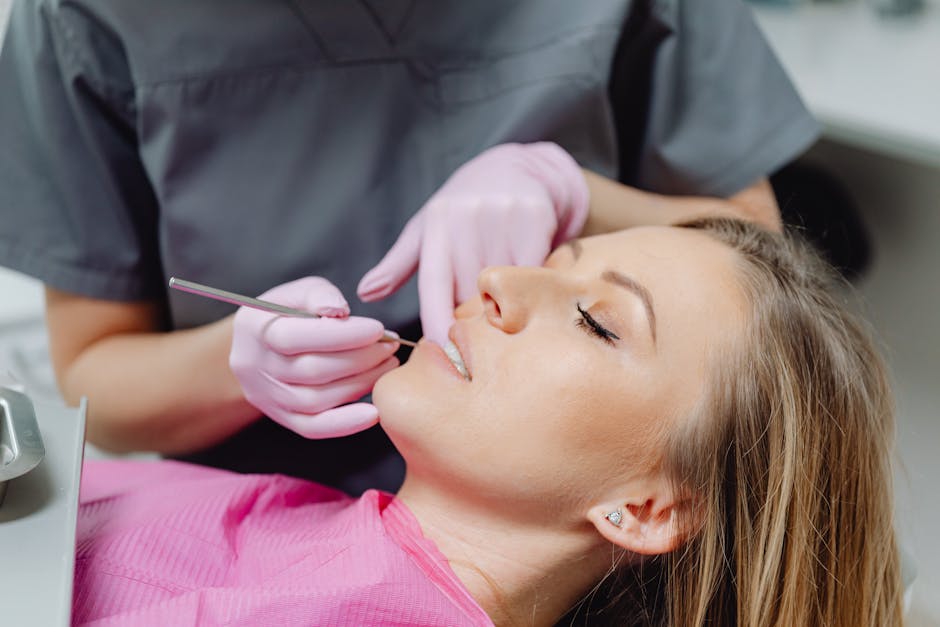
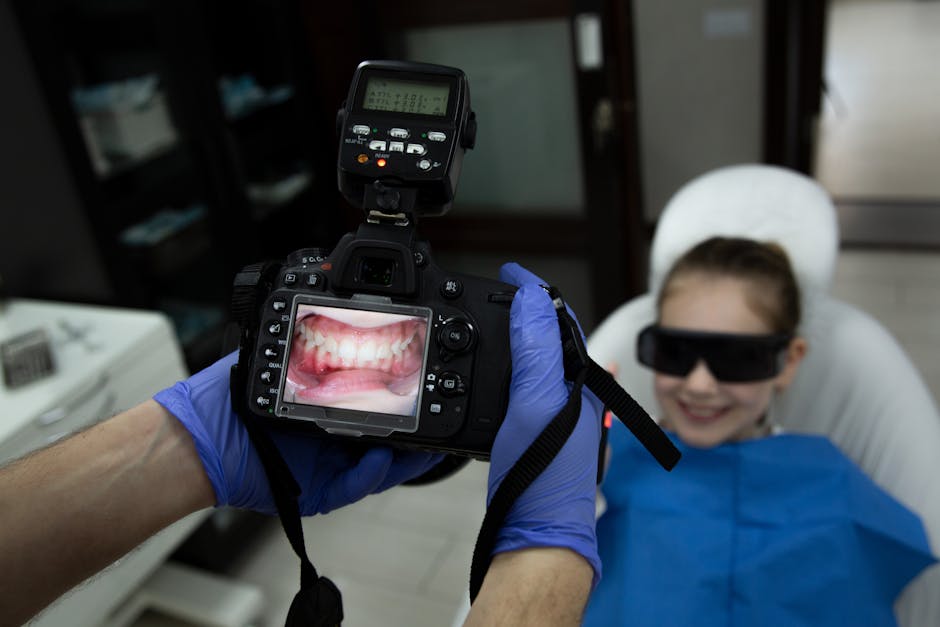
Posterior composite is not only about “filling the hole.” Carving appropriate cusp-fossa relationships, respecting occlusal pathways, and finishing/polishing to reduce plaque retention can support longevity and patient comfort. Dental photography—before and after—can be a surprisingly effective educational tool: it reveals subtle contour errors that the naked eye may miss, and it supports self-audit and communication with patients.
Bonding Protocol Discipline
Adhesive dentistry rewards consistency. Whether using total-etch, selective-etch, or self-etch approaches, the operator should understand how dentin moisture, contamination, and curing strategy influence bond reliability. In hands-on courses, these details become easier to internalise because participants can compare outcomes across different protocols under instructor guidance.
Indirect Restorations and Digital Dentistry: From Scan to Cementation
Digital Workflow Benefits
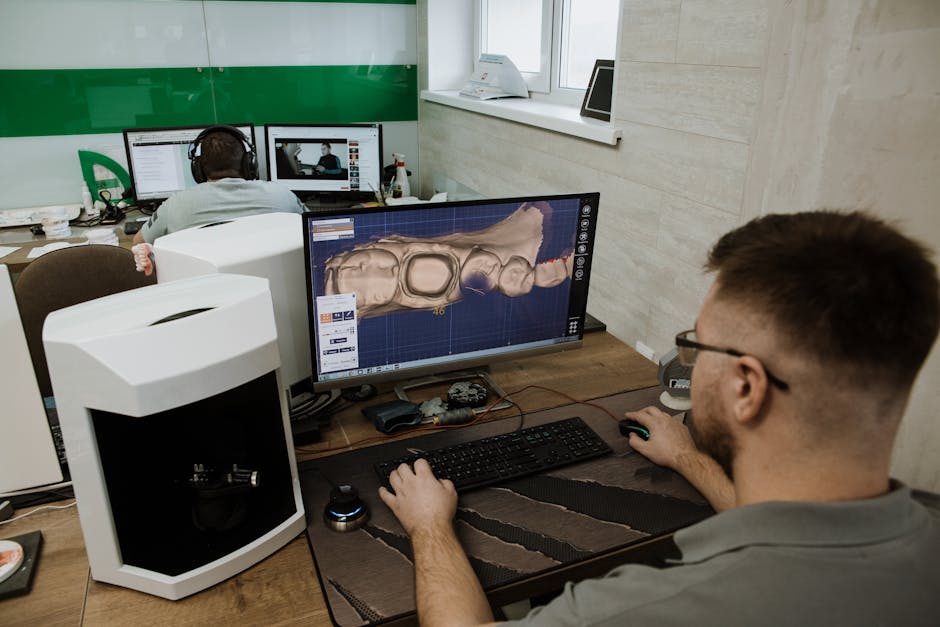
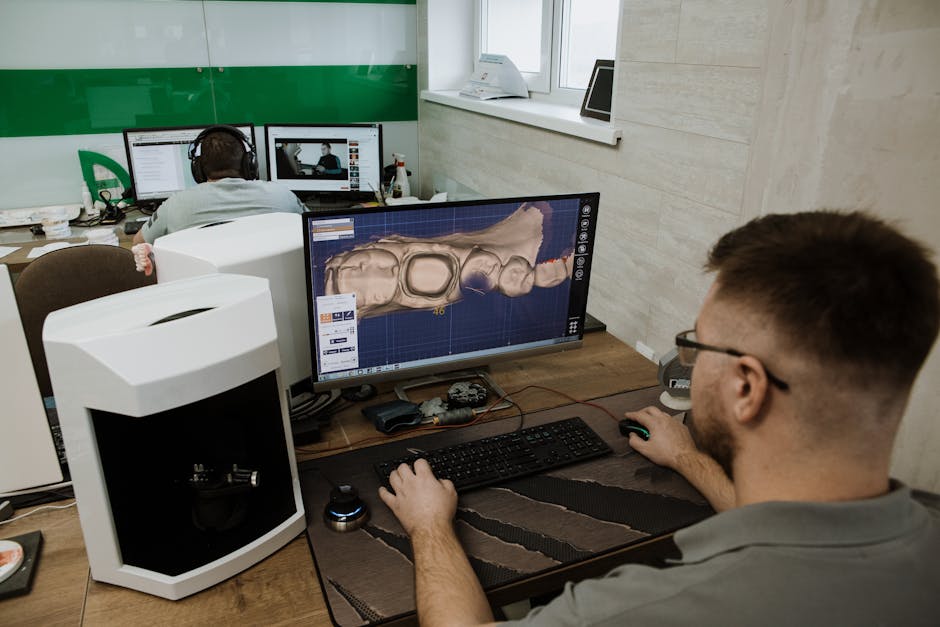
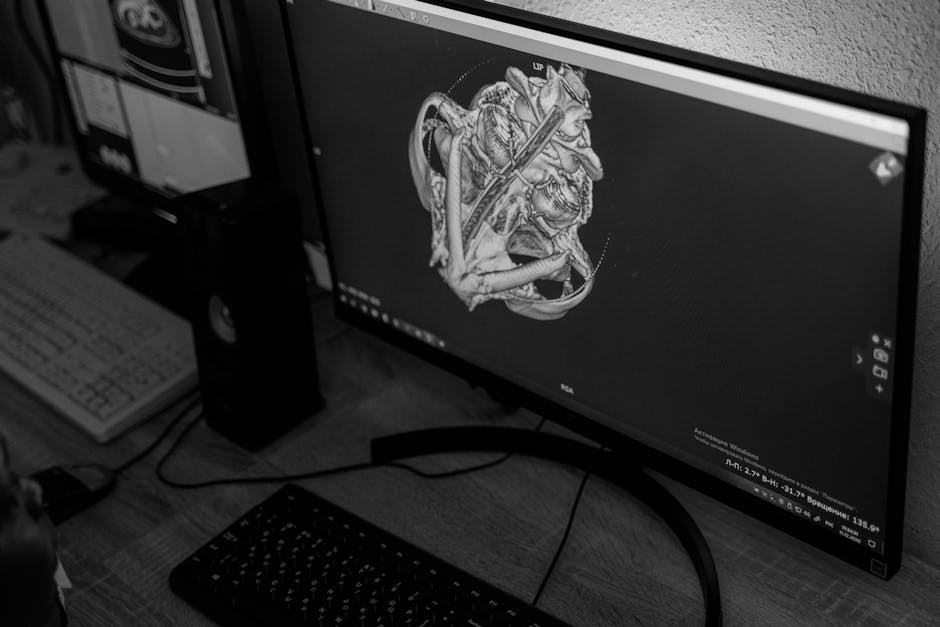
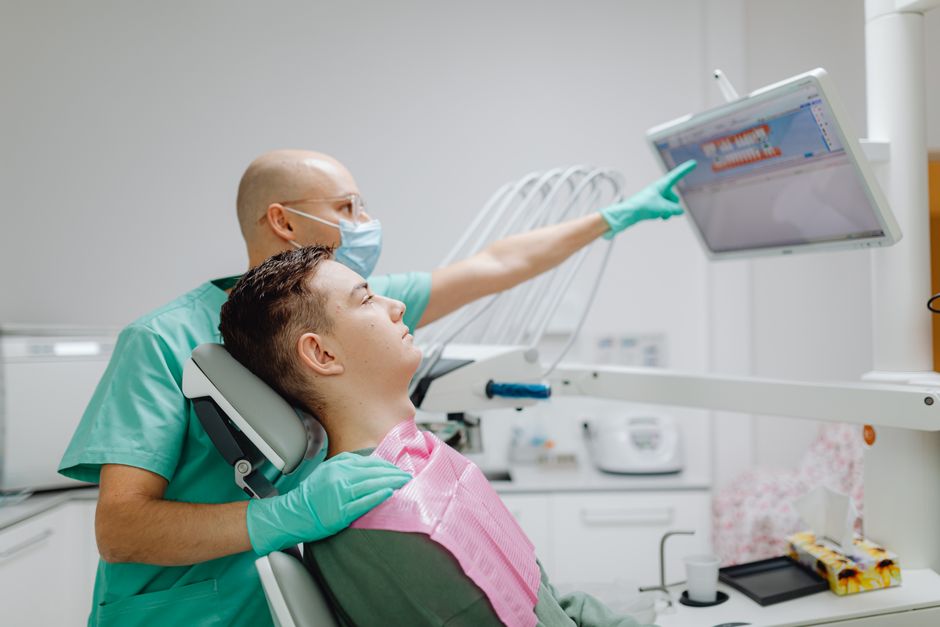
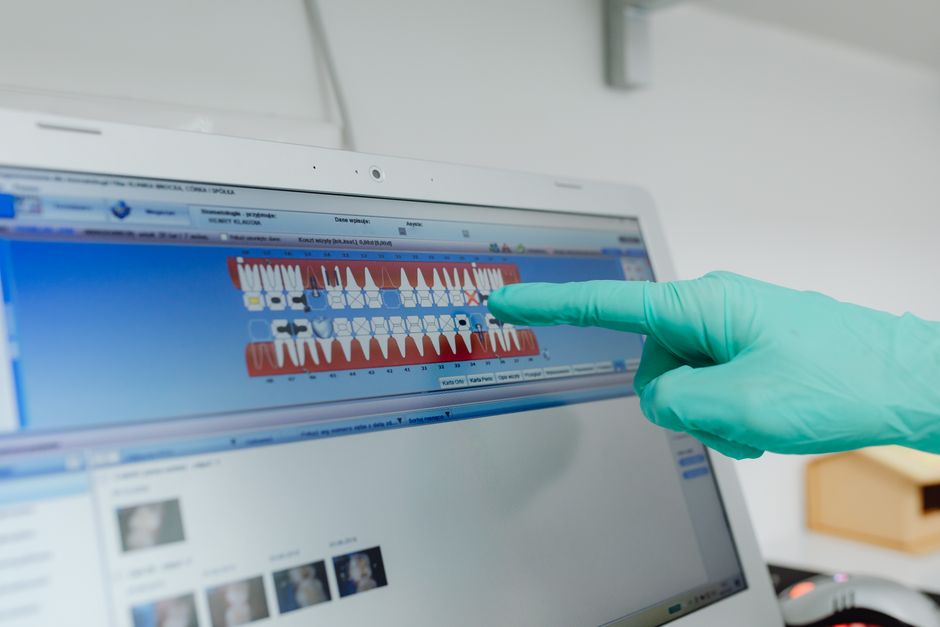
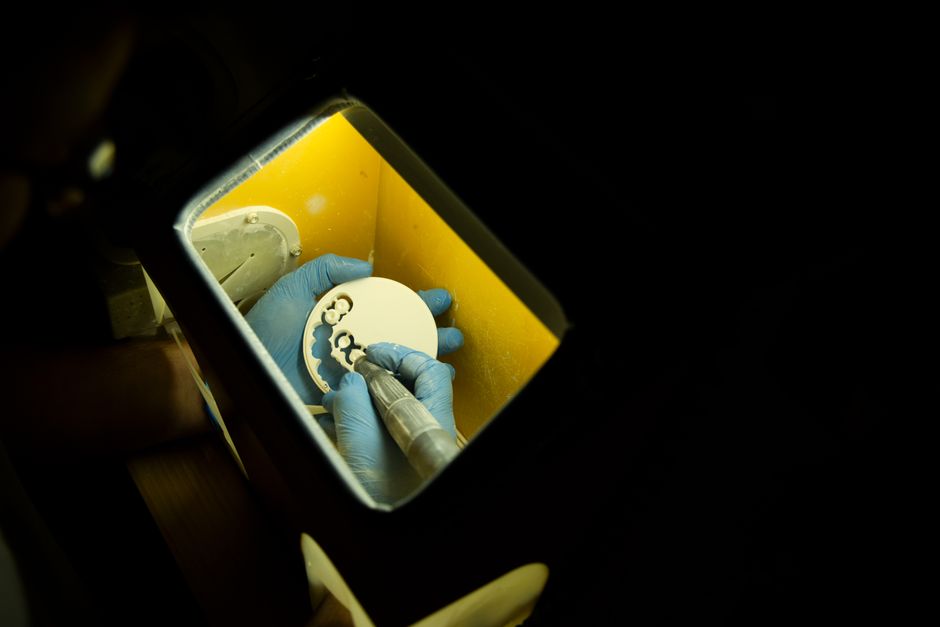
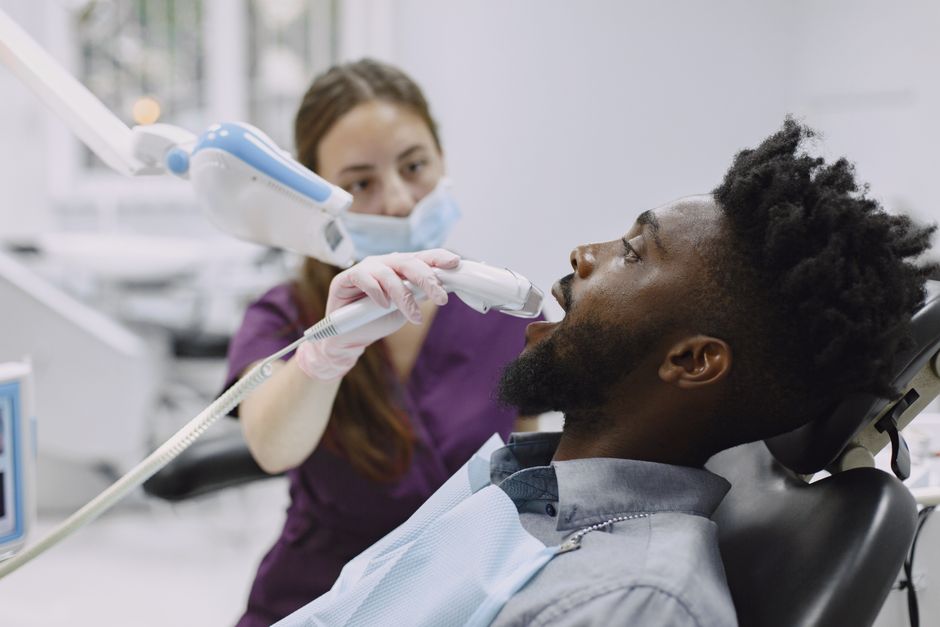
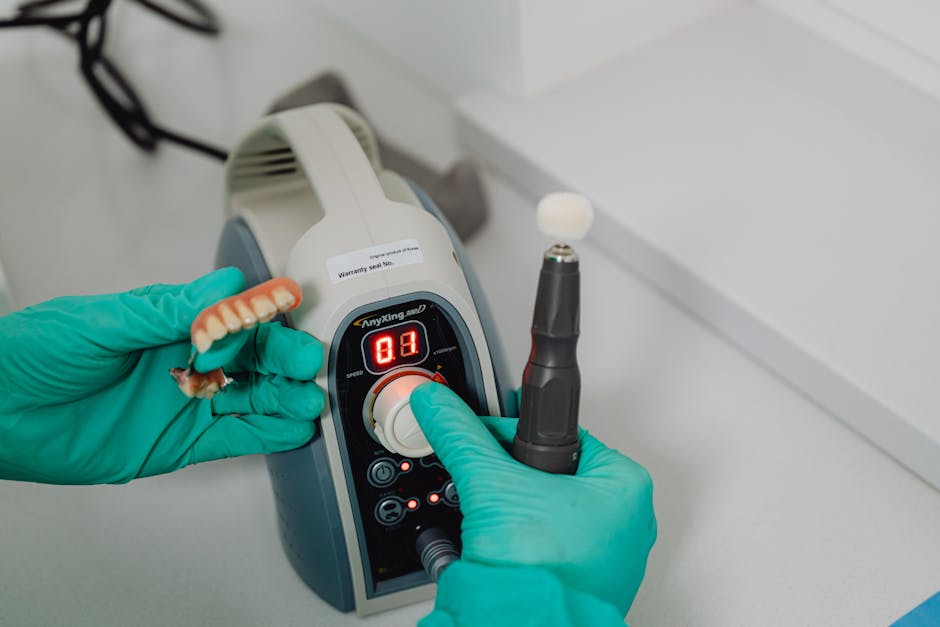
Digital dentistry can improve efficiency and documentation in posterior restorative care—particularly for indirect restorations. Intraoral scanning, CAD design, and CAM fabrication can enable same-day solutions in selected cases or more streamlined lab communication in others. The workflow also encourages more deliberate preparation design, since margins and undercuts are immediately visible on the scan.
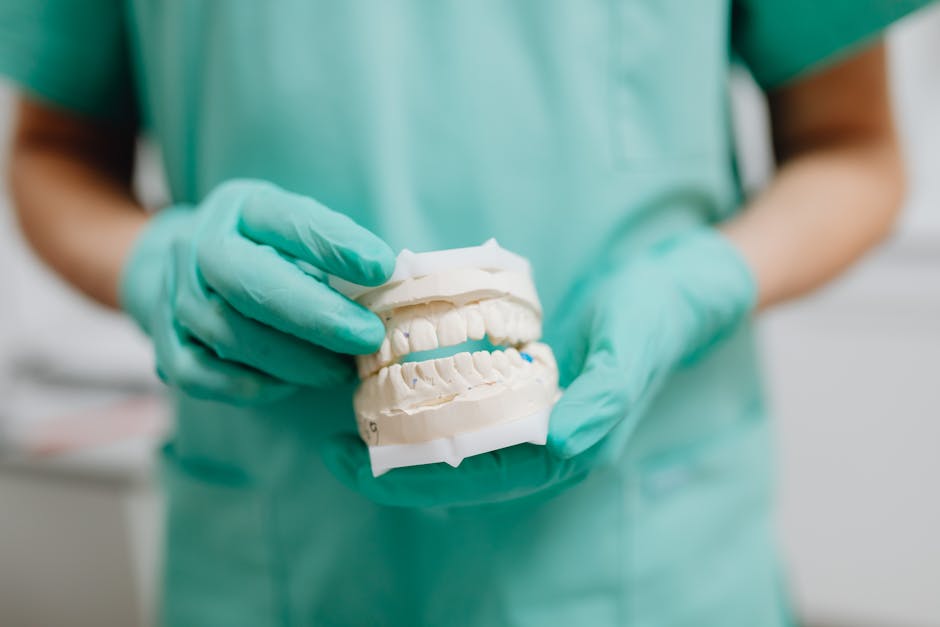
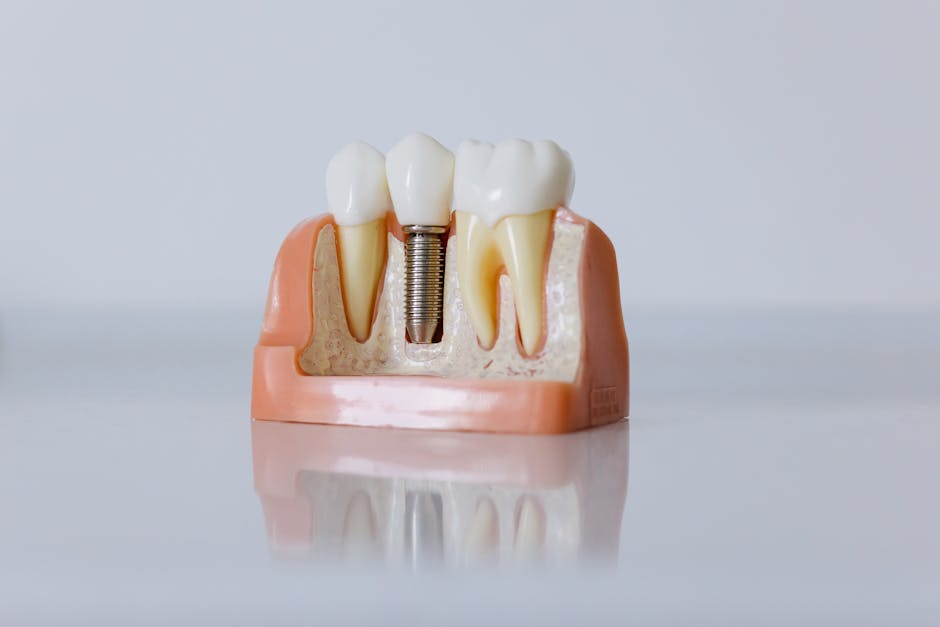
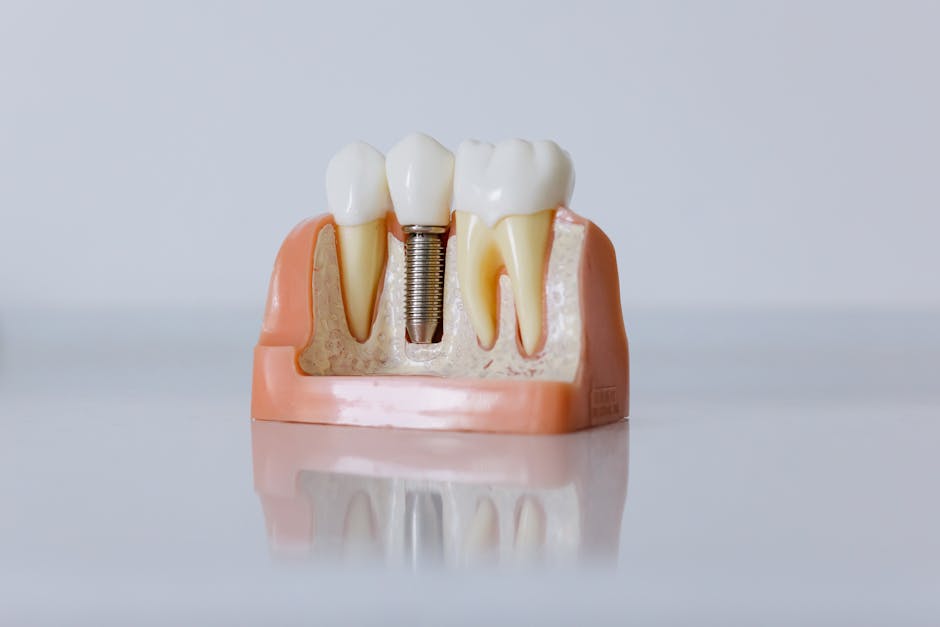
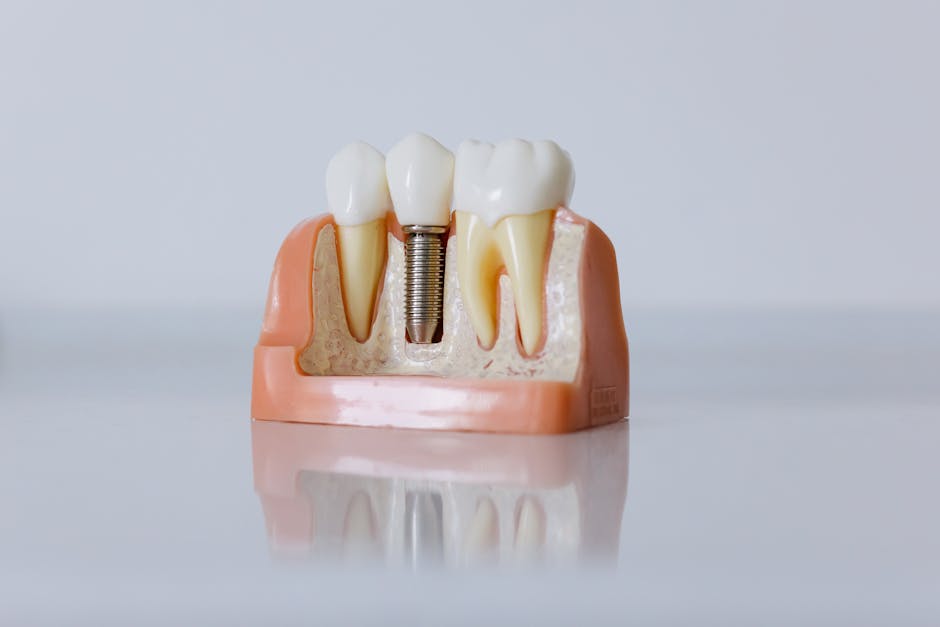
For clinicians who also place implants, the posterior restorative mindset overlaps strongly with implant prosthodontics: occlusion, emergence profile, and material selection are critical. Digital planning and manufacturing can support precision across surgical and restorative phases. For a broader context on digital production in implant cases, see the role of CAD/CAM technology in modern implant dentistry.
Preparation Design and Adhesive Cementation (High-Level)
Indirect ceramic restorations typically rely on a combination of proper preparation geometry (adequate reduction and smooth internal line angles) and correct surface conditioning/cementation steps. While protocols differ by material, the clinical principle is consistent: the restoration is only as reliable as the bonding interface and isolation during cementation. Training that includes mock cementation exercises can reduce real-world complications like marginal staining, sensitivity, and debonding.
Training Perspective: Turning Concepts Into Clinical Confidence
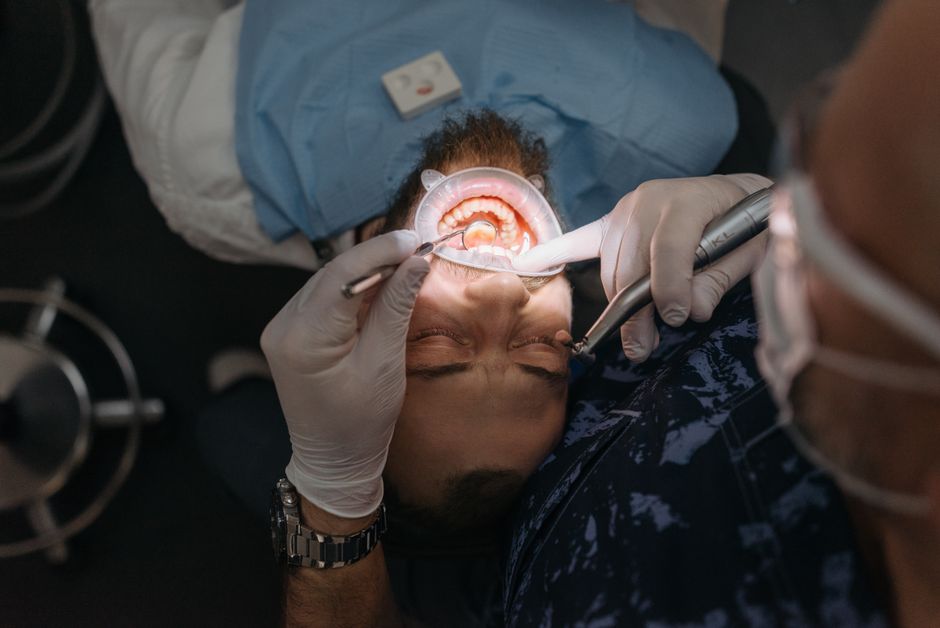
Reading about direct vs indirect posterior restorations is helpful, but competence grows fastest when clinicians practice the complete chain: diagnosis, preparation, isolation, matrixing, anatomy, finishing, and follow-up evaluation. That is why continuing education in restorative dentistry increasingly blends didactic learning with simulation and live-patient observation.
At Istanbul Dental Academy, we emphasise a hands-on approach across restorative dentistry, digital workflows, and interdisciplinary planning. Participants are encouraged to bring their own clinical questions—such as managing deep margins, choosing between onlay and crown, or sequencing endodontics and restoration—so that principles can be applied to realistic scenarios rather than idealised cases.
Common Pitfalls to Avoid (Educational Checklist)
Overextending Direct Restorations
A frequent issue is attempting a large direct composite where cusp coverage is needed. This can lead to fracture, marginal breakdown, or persistent occlusal discomfort. Conservative dentistry is not only about saving enamel; it is also about choosing a design that respects biomechanics.
Under-preparing for Indirect Restorations
Minimal reduction can be beneficial, but under-preparation may compromise material thickness and increase fracture risk. Digital tools can help visualise clearance, but they do not replace understanding functional reduction and margin design.
Ignoring Occlusion During Finishing
High points, non-working interferences, or poorly designed marginal ridges can create symptoms even when the restoration “looks fine.” A systematic occlusal check—static and dynamic—should be part of any posterior restorative workflow.
Conclusion: A Balanced, Interdisciplinary Approach
Direct and indirect posterior restorations are not competing philosophies; they are complementary tools. Direct composites can be highly effective when isolation and cavity design are favourable, while indirect restorations can offer more controlled morphology and cuspal protection when the tooth is structurally compromised or occlusal demands are high. The most consistent outcomes come from structured diagnosis, careful execution, and ongoing skill development.
This content is for educational purposes. For dentists seeking to refine their posterior restorative decision-making—while integrating digital dentistry, endodontic considerations, and aesthetic planning—hands-on continuing dental education at Istanbul Dental Academy can help bridge the gap between knowing the options and applying them predictably in daily practice.
Diğer Yazılar