
BLOG
Face-Shape–Oriented Smile Design: Clinical Principles and Digital Planning
Why face shape matters in smile design
“Smile design” is often discussed in terms of tooth color, alignment, and veneers, but facial context is the framework that makes those details look natural. Face shape influences perceived tooth proportions, incisal display, the curve of the smile, and how midline and occlusal plane canting are noticed by the eye. For dental professionals, designing a smile that “fits” the patient’s face is not an artistic guess—it can be approached with repeatable clinical principles supported by photography, digital planning, and a structured restorative workflow.
In Istanbul, patients commonly request highly aesthetic outcomes while still wanting a result that suits their features and age. That expectation has made face-driven analysis and digital smile design a practical skill set for clinicians. At Istanbul Dental Academy, these concepts are integrated into continuing dental education with hands-on training in diagnosis, mock-up workflows, and prosthetic planning. This content is for educational purposes and does not replace individualized clinical decision-making.
Clinical objectives of a face-shape–oriented design
When you anchor smile design to the face, you are essentially aligning three “frames”:
1) The facial frame: facial symmetry, midline, interpupillary line, commissural line, and overall face shape.
2) The dentogingival frame: gingival zeniths, papillae fill, periodontal phenotype, crown length, and gingival display.
3) The dental frame: tooth form, texture, brightness, incisal edge position, and occlusal/functional determinants.
The clinical objective is not to force the teeth to match a face type rigidly, but to achieve harmony: tooth form and gingival architecture that look proportionate within the facial envelope, while maintaining function, biological respect, and long-term maintainability.
Face shape categories and what they suggest (without oversimplifying)
Face-shape analysis is a guide, not a rulebook. Still, recognizing typical patterns can help clinicians communicate options and predict what will look balanced in photographs and in motion.
Oval faces
Oval faces often tolerate a wide range of tooth shapes. Mildly rounded incisal corners and balanced tooth proportions tend to look natural. The main risk is over-whitening or over-bulking that can make the smile appear “separate” from the face.
Square faces
Square facial proportions can pair well with slightly squarer tooth forms and stronger line angles, but clinicians often soften the final effect with subtle rounding of incisal edges to avoid an overly aggressive appearance. Buccal corridor management becomes important; excessive narrowing of the arch form can make the lower face appear heavier.
Round faces
Round faces may benefit from dental designs that create perceived length: controlled incisal edge positioning (within functional limits), careful central incisor length, and a smile arc that complements the lower lip. Tooth forms can be gently squared or oval depending on the patient’s personality and gender expression goals.
Triangular/heart-shaped faces
A narrower chin and broader zygomatic area can make central dominance more noticeable. Proportions that avoid overly narrow laterals and maintain a smooth progression from central to canine often look balanced. Canine prominence can be used strategically, but excessive canine “pointiness” may not suit the overall facial softness.
Long/rectangular faces
For longer faces, increasing perceived width can be useful: managing buccal corridors, careful posterior tooth display in smile, and avoiding overly long incisors that further elongate the look. Gingival display and incisal show at rest should be considered in relation to age and lip dynamics.
Diagnostic records: the foundation of predictable outcomes
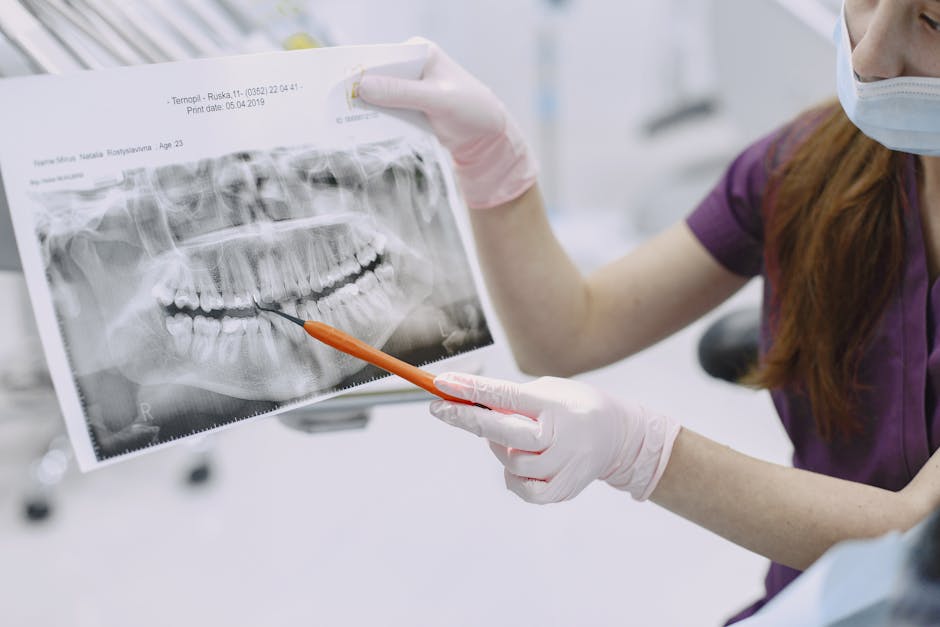
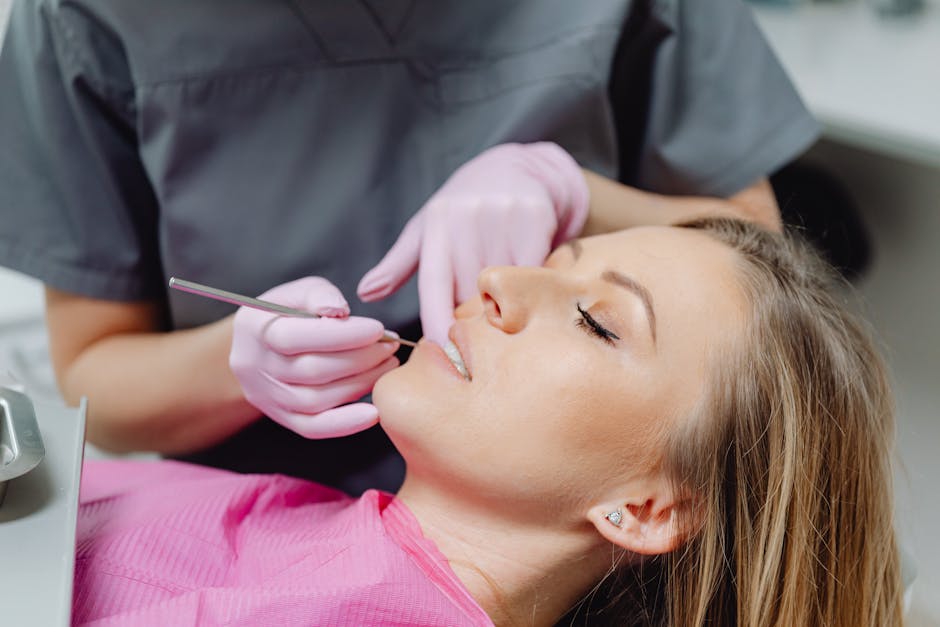
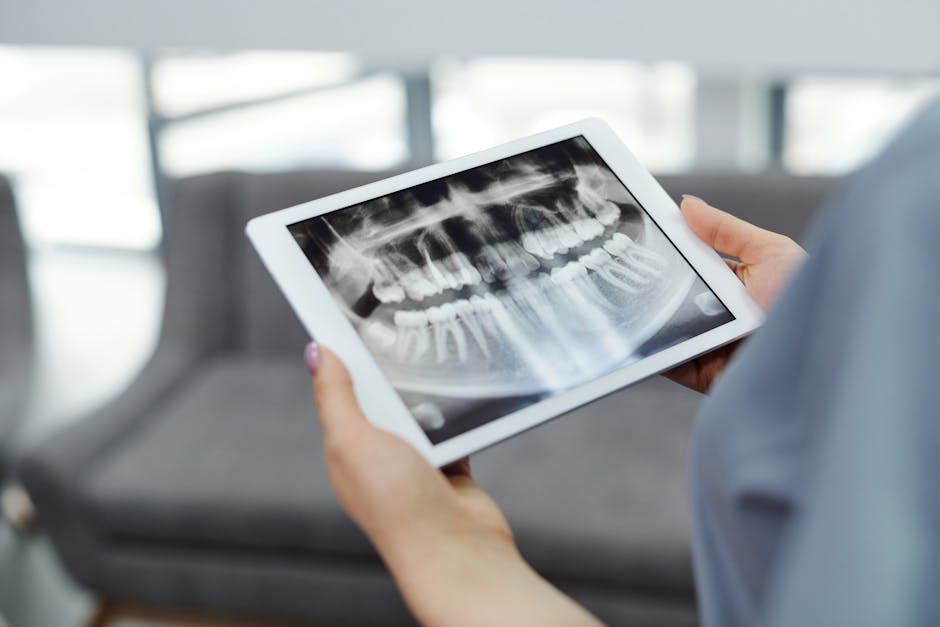
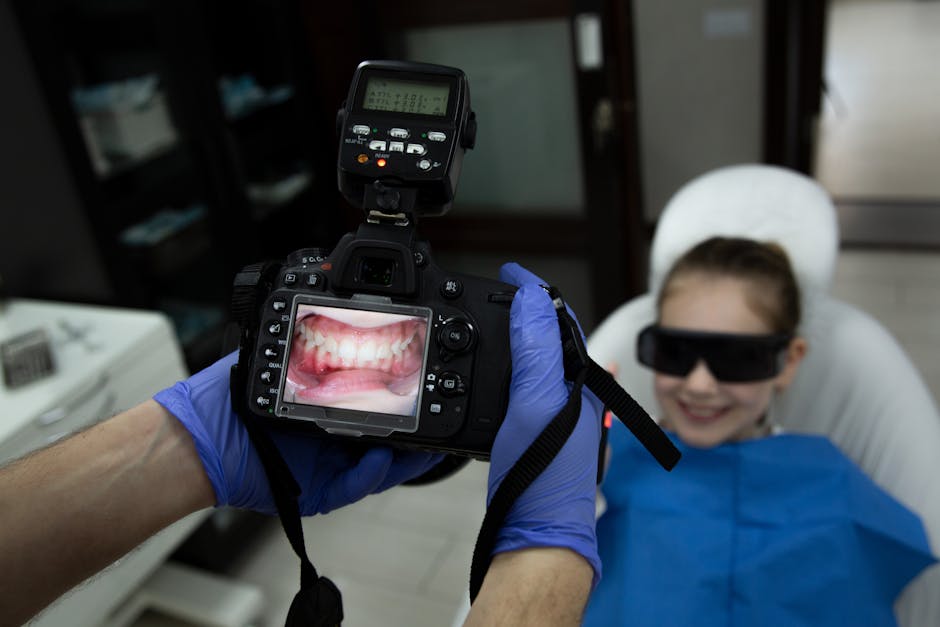
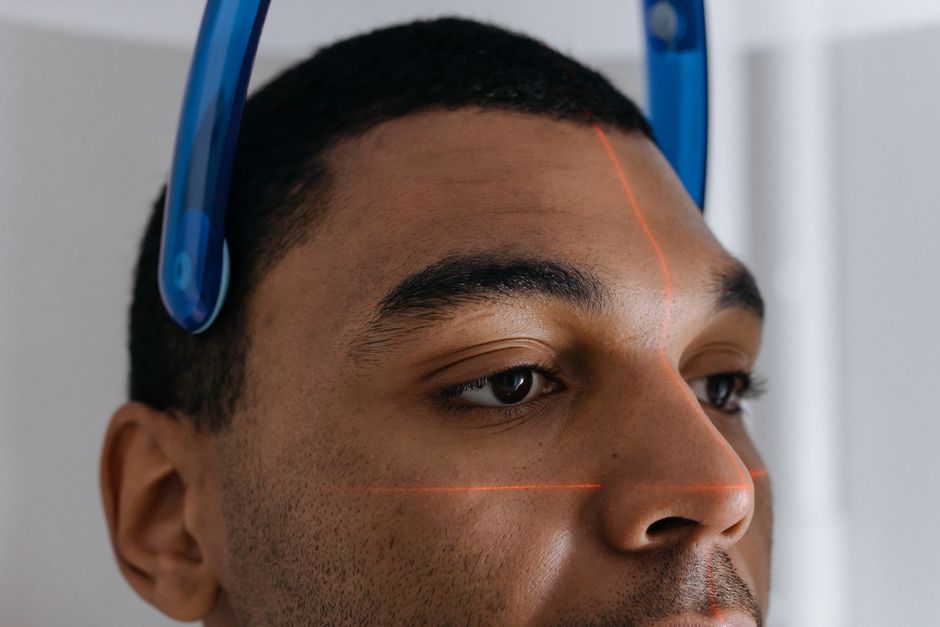
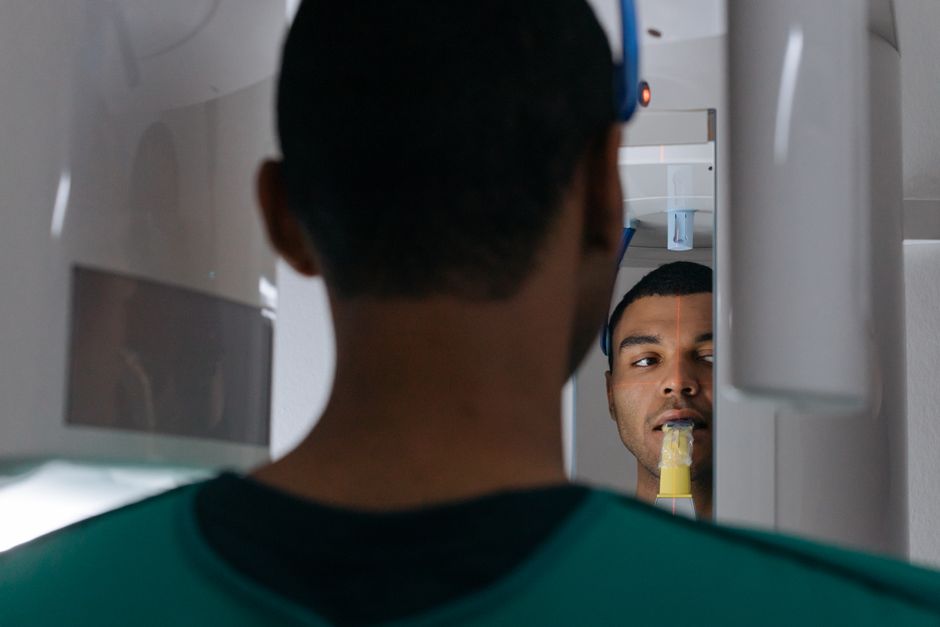
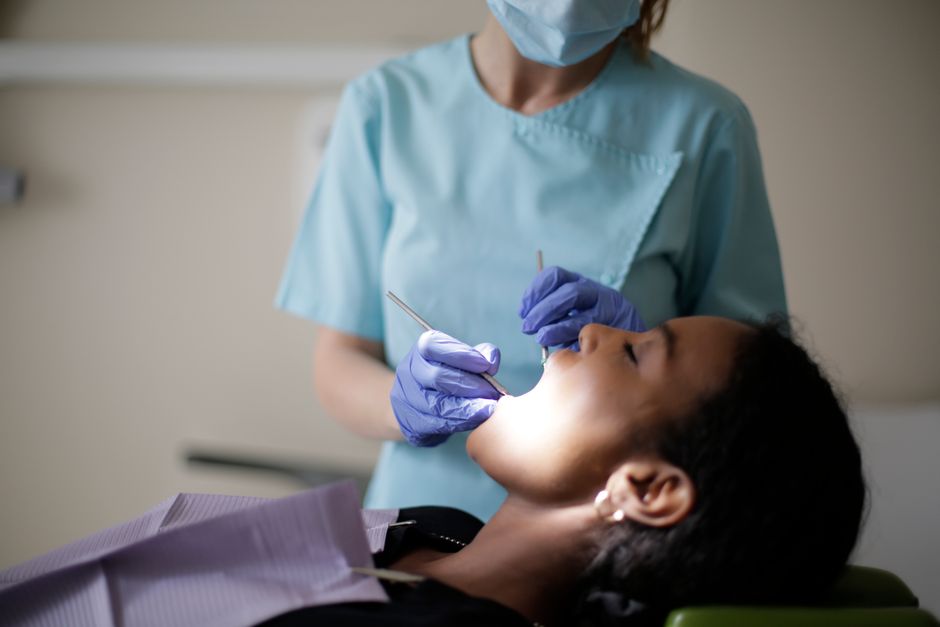
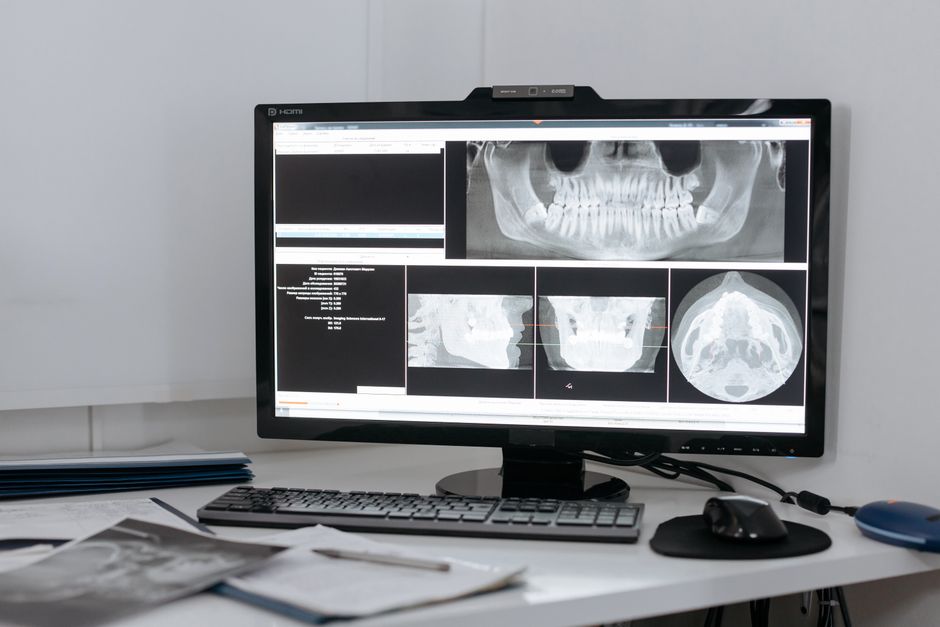
Face-based planning depends on accurate records—especially standardized photos and video. Dental photography is not just for marketing; it is a diagnostic instrument for midline analysis, cant evaluation, smile dynamics, and shade mapping. Typical records include:
• Full-face at rest, full-face smiling, and profile views under standardized lighting
• Retracted frontal and lateral intraoral images
• Occlusal views with mirrors
• Short video clips to evaluate speech, smile transition, and lip mobility
Saliva quality and oral hydration also influence aesthetics and comfort, particularly when patients complain of dryness or malodor that impacts their confidence in smiling. If a patient’s chief complaint includes “I don’t want to smile because of mouth odor,” consider integrating basic oral diagnostics and education. For a clinician-focused overview of this topic, see the clinical relationship between halitosis and saliva, and for broader diagnostic context, a clinical guide to salivary glands and oral health.
From face analysis to dental parameters: what to evaluate
After collecting records, clinicians can map facial observations to dental design parameters. Key evaluation points include:
Midline and symmetry
Facial midline (glabella–philtrum–chin) rarely matches dental midline perfectly. The goal is often visual balance rather than mathematical coincidence. Small deviations may be acceptable if the occlusal plane is level and the smile arc is harmonious.
Incisal edge position and smile arc
Incisal display at rest, phonetics (“F/V” and “S” sounds), and the curvature of the incisal edges relative to the lower lip form the core of esthetic function. Over-lengthening can compromise speech or cause edge chipping; under-lengthening can age the smile.
Tooth form, proportion, and surface character
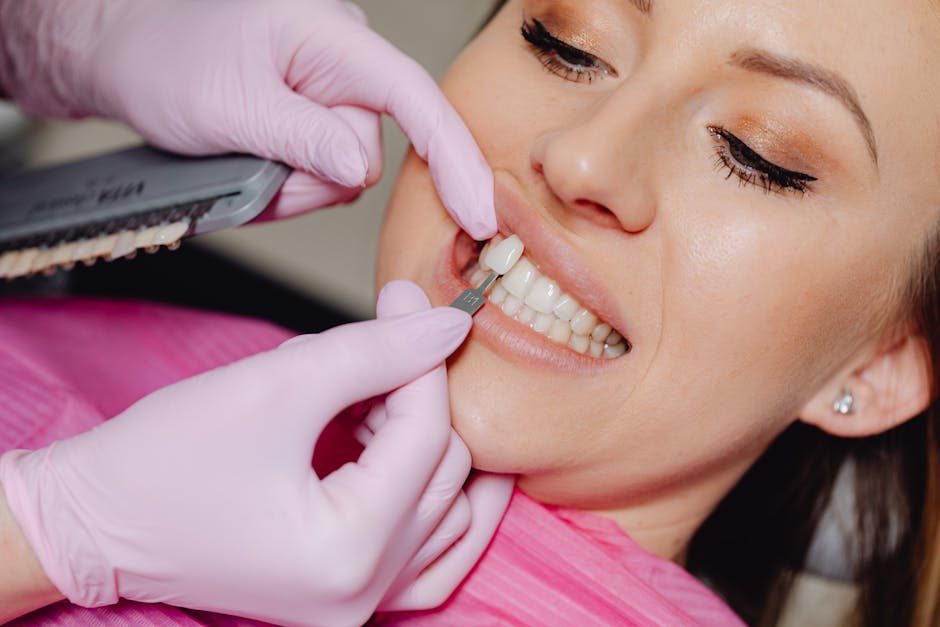
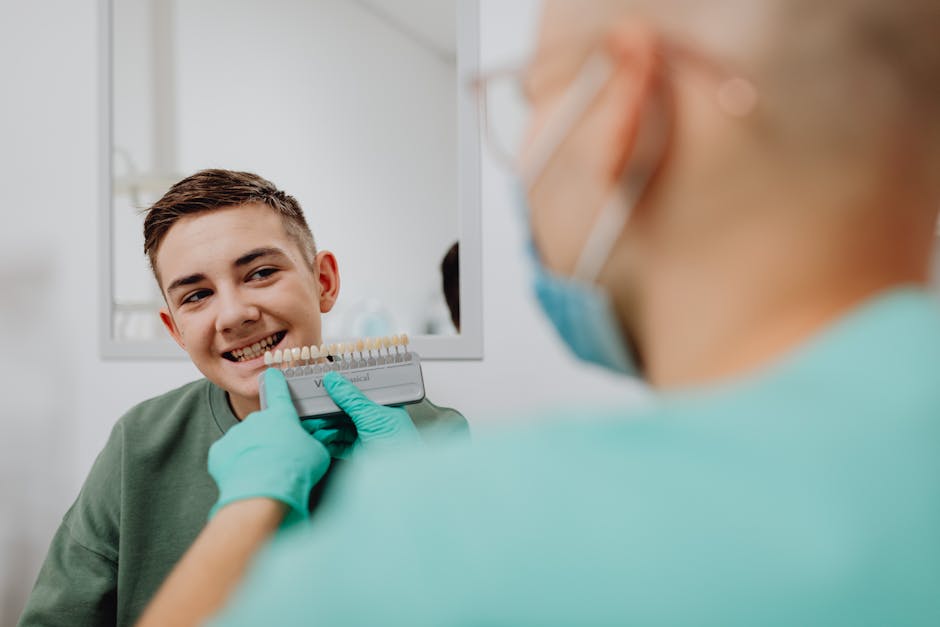
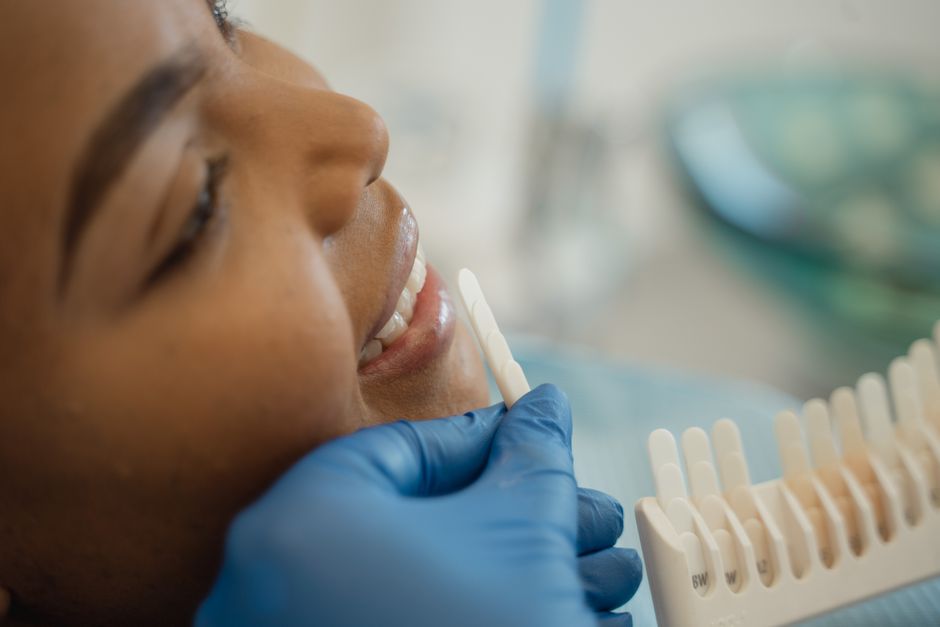
Face shape can inform whether a design leans toward softer, rounder line angles or more defined, squarer geometry. Microtexture and translucency should be selected to match age expectations and the patient’s esthetic goals, while considering restorative material limitations.
Gingival architecture
Gingival zenith positions and scallop patterns affect perceived tooth shape more than many patients realize. Periodontal phenotype, inflammation control, and biotype management are foundational—particularly before veneers, crowns, or implant-supported prosthetics.
Digital smile design and mock-ups: turning analysis into a testable plan
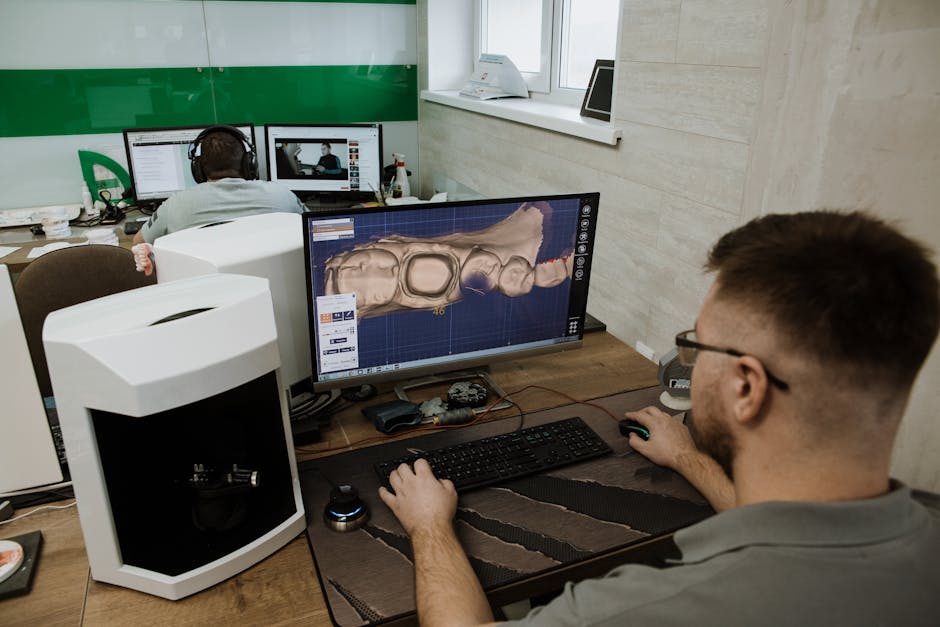
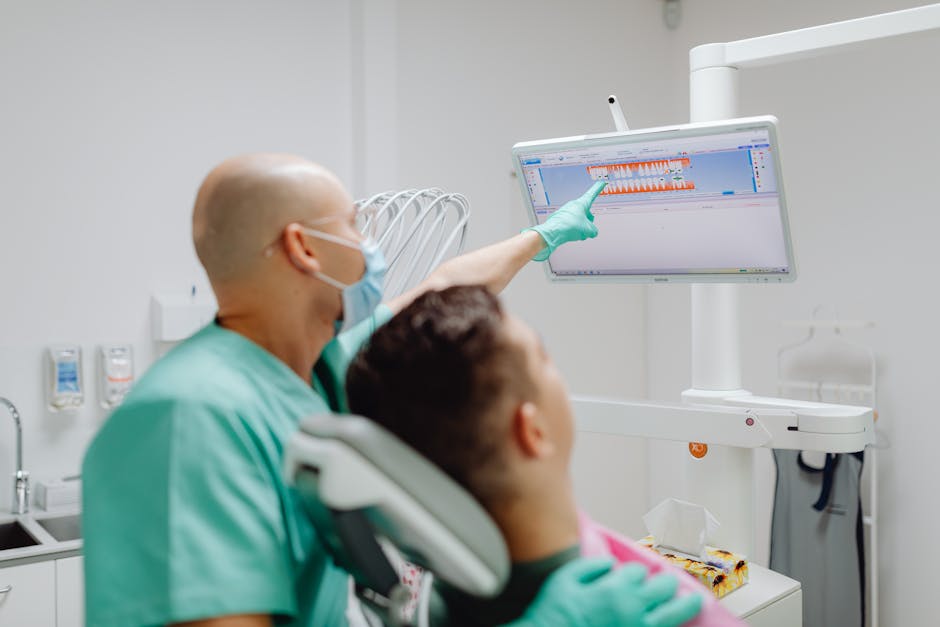
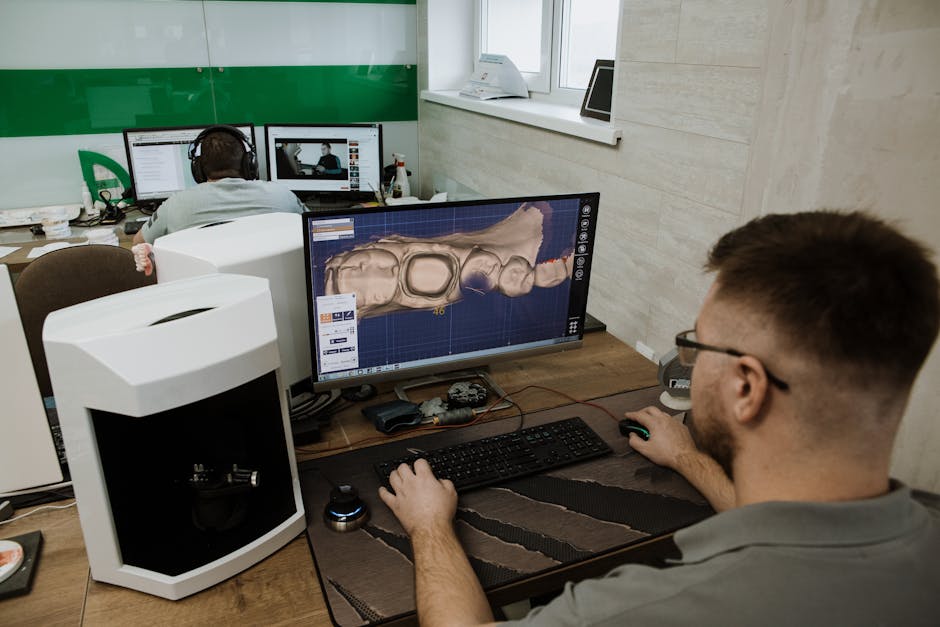
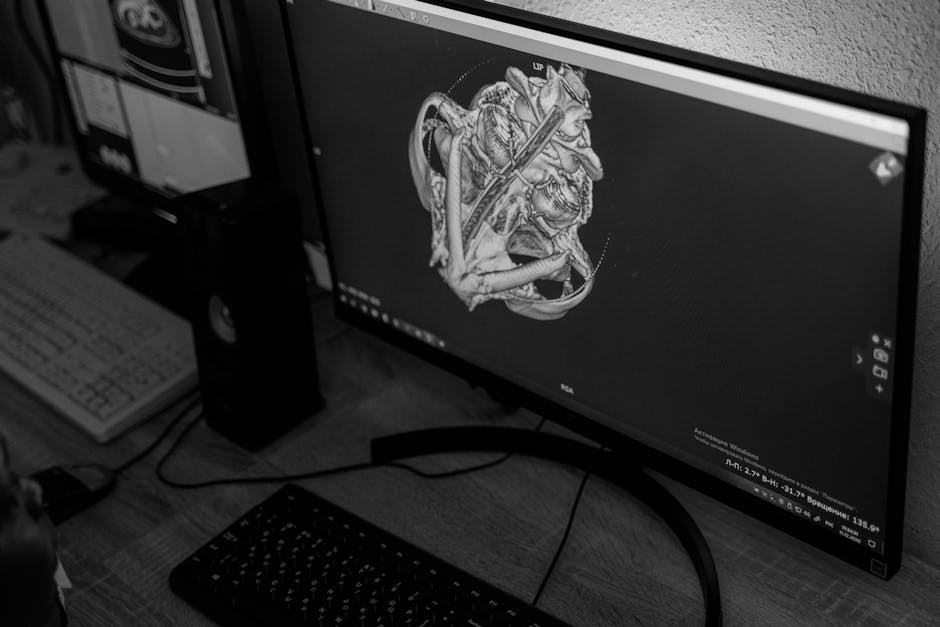
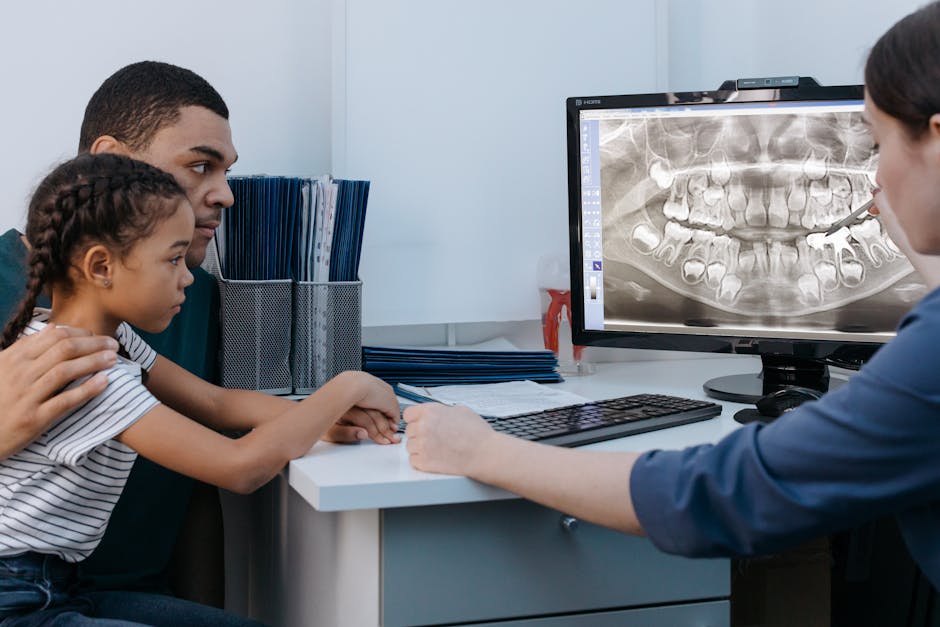
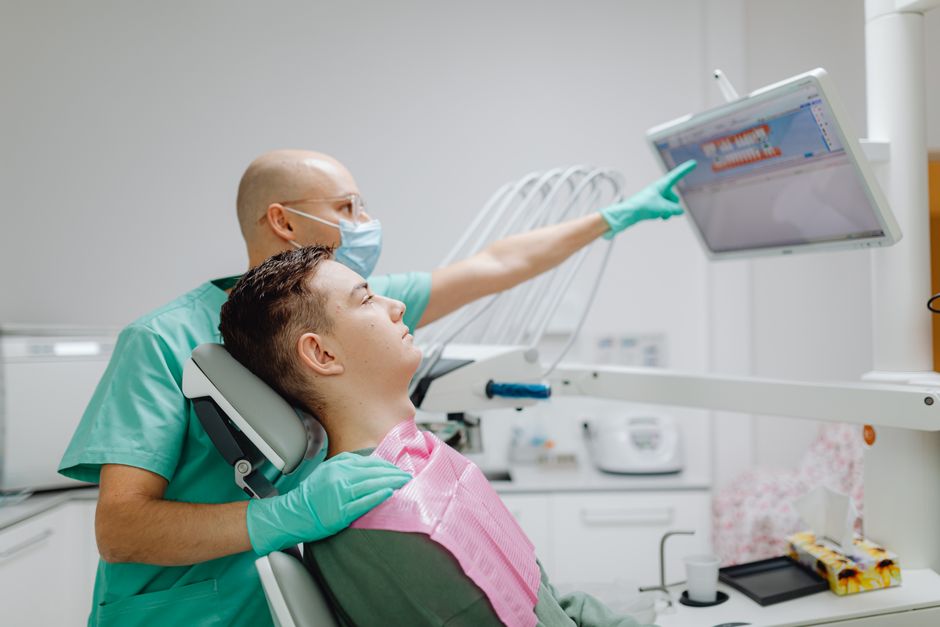
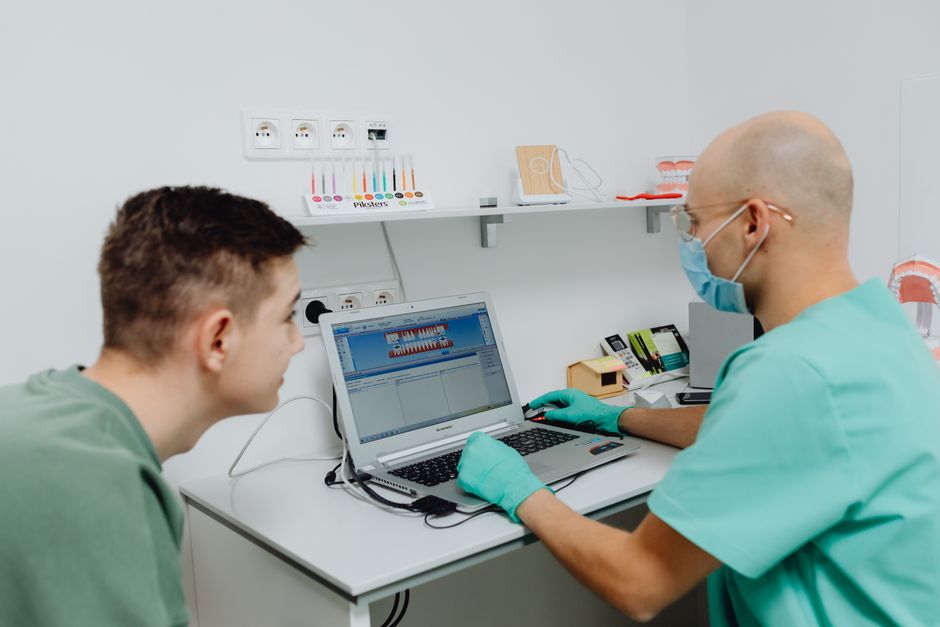
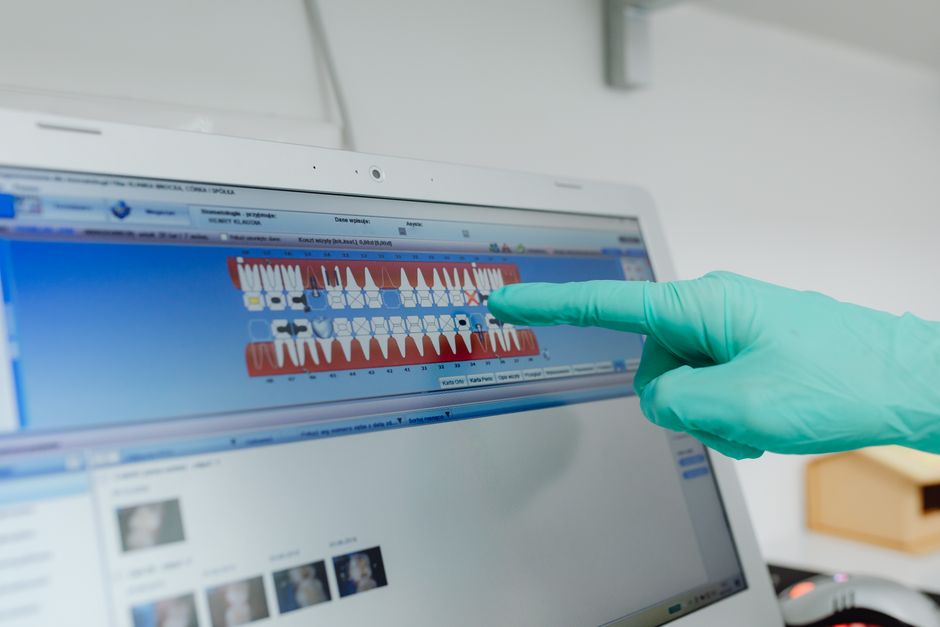
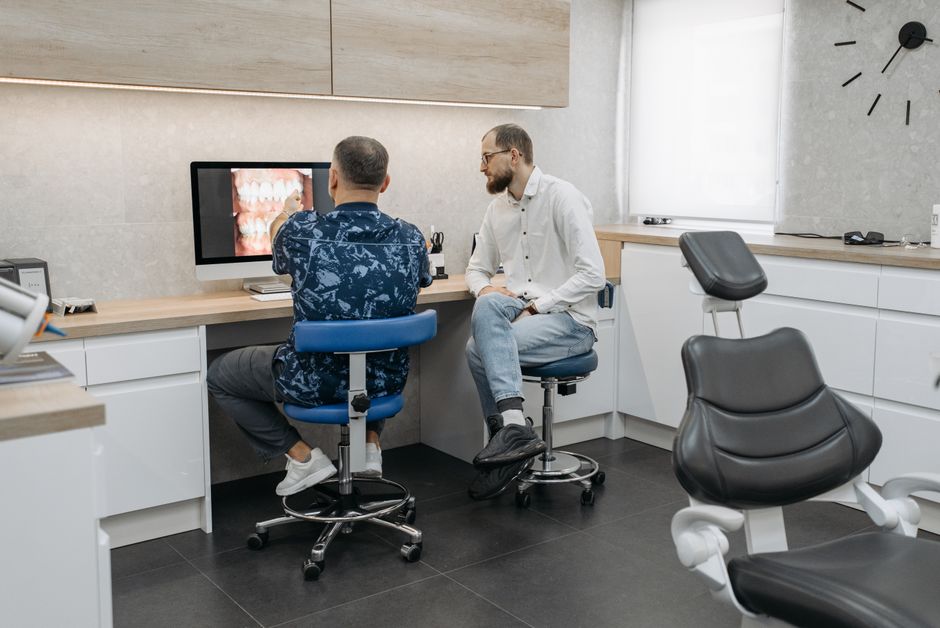
Digital smile design (DSD) can translate face-based findings into measurable proposals. By referencing facial landmarks (interpupillary line, commissural line, and midline), clinicians can propose incisal edge position, tooth width/length ratios, and gingival symmetry. However, the digital plan is only as useful as the clinical “reality check” that follows.
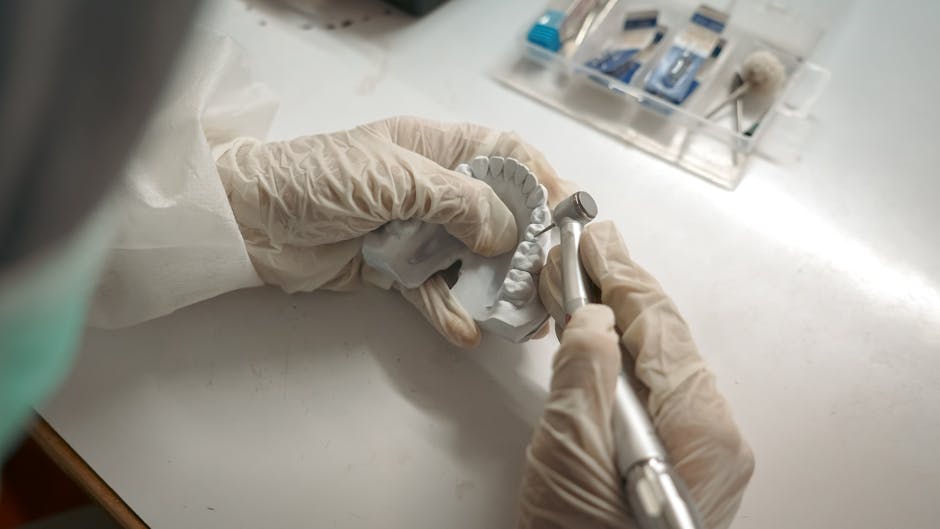
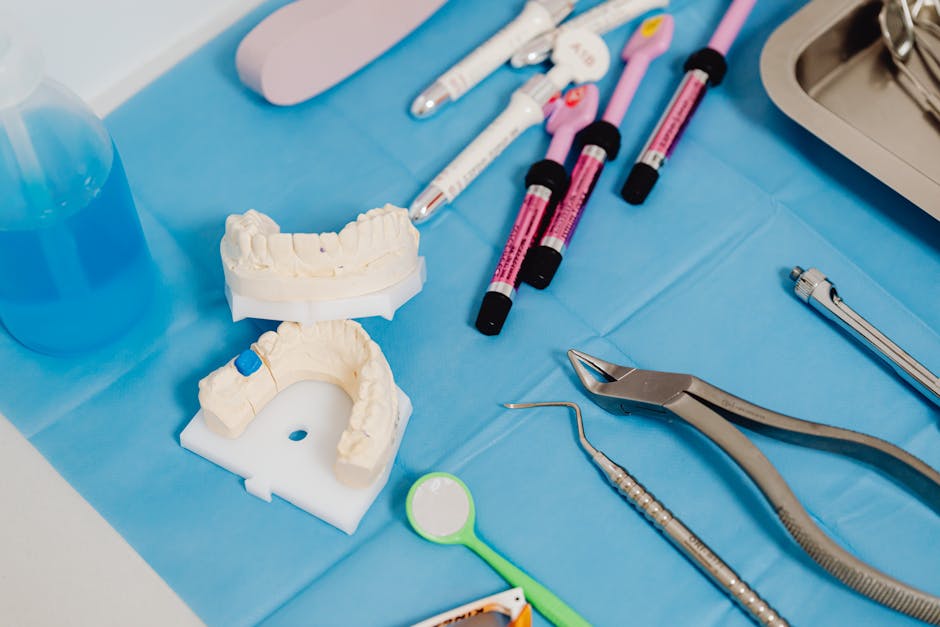
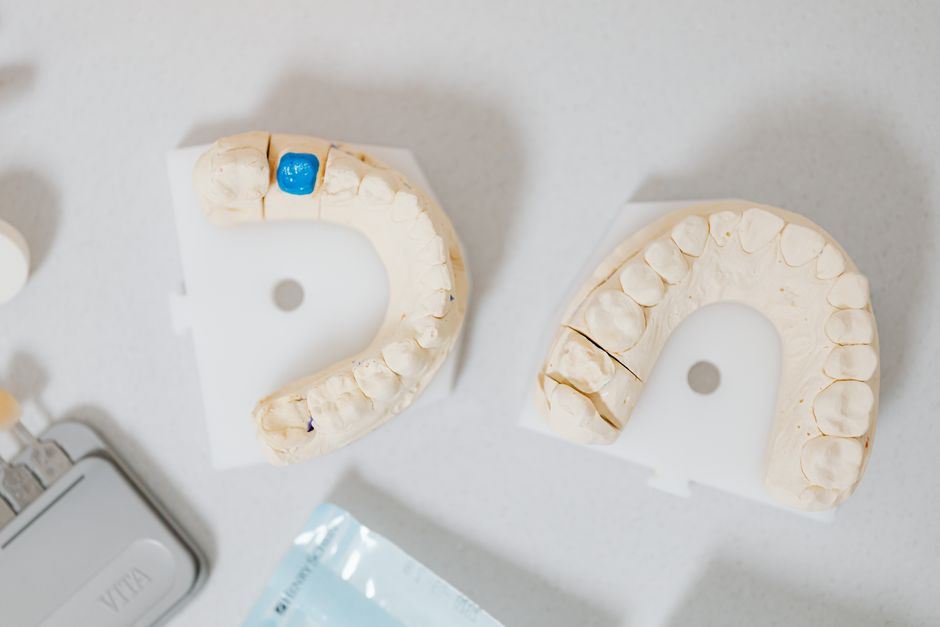
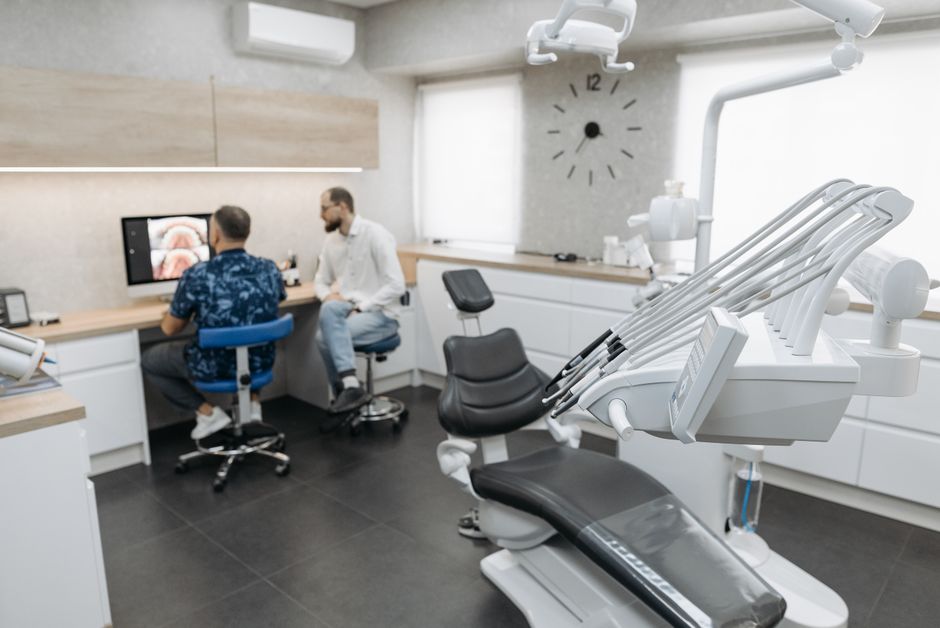
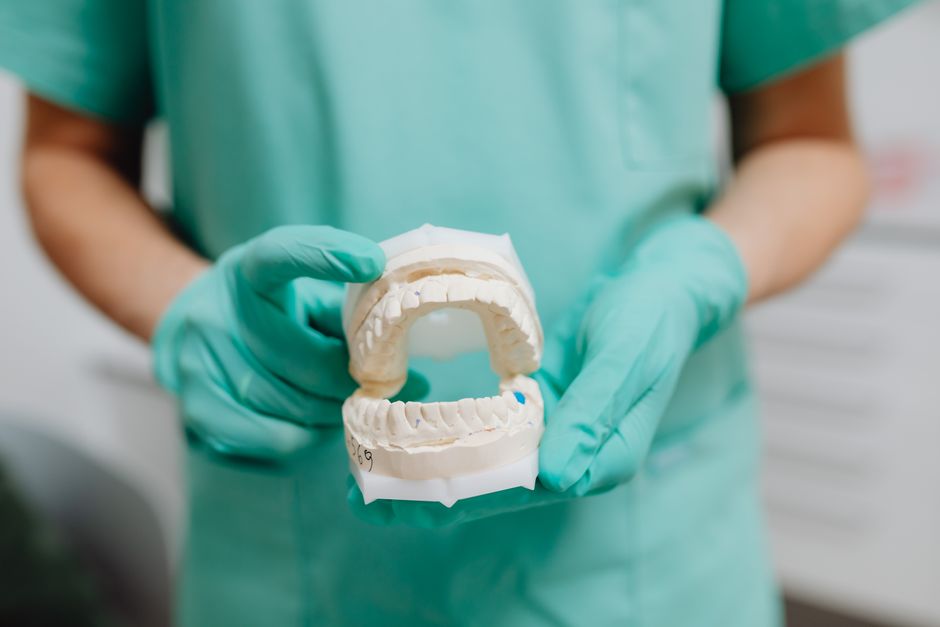
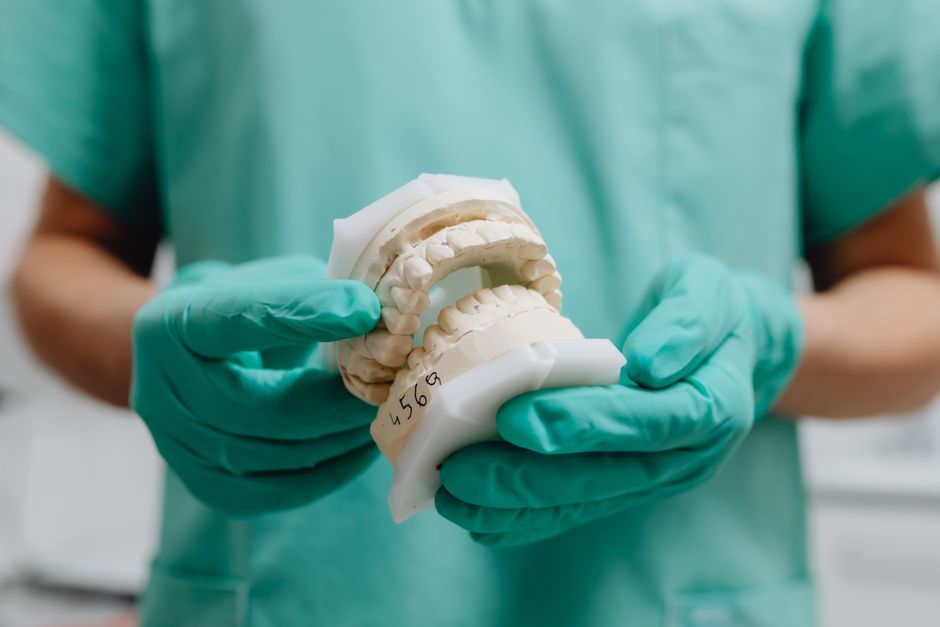
A practical workflow is: digital simulation → diagnostic wax-up (or 3D printed model) → intraoral mock-up. Mock-ups are invaluable because they allow the patient to see and feel the design, and allow the clinician to evaluate phonetics, lip support, and occlusal function before irreversible preparation.
These workflows become especially powerful when combined with modern prosthetic planning. For readers interested in how digitization improves prosthetic predictability, explore how digital workflow enhances implant-supported prosthetics, where planning, scanning, and restorative-driven sequencing are discussed from a clinician perspective.
Material selection: veneers, composites, crowns, and implants in a face-driven plan
Face-shape–oriented design does not prescribe a single treatment type; it informs the esthetic targets that different modalities must meet. In practice, the choice depends on tooth structure, occlusion, parafunction risk, periodontal conditions, and patient expectations.
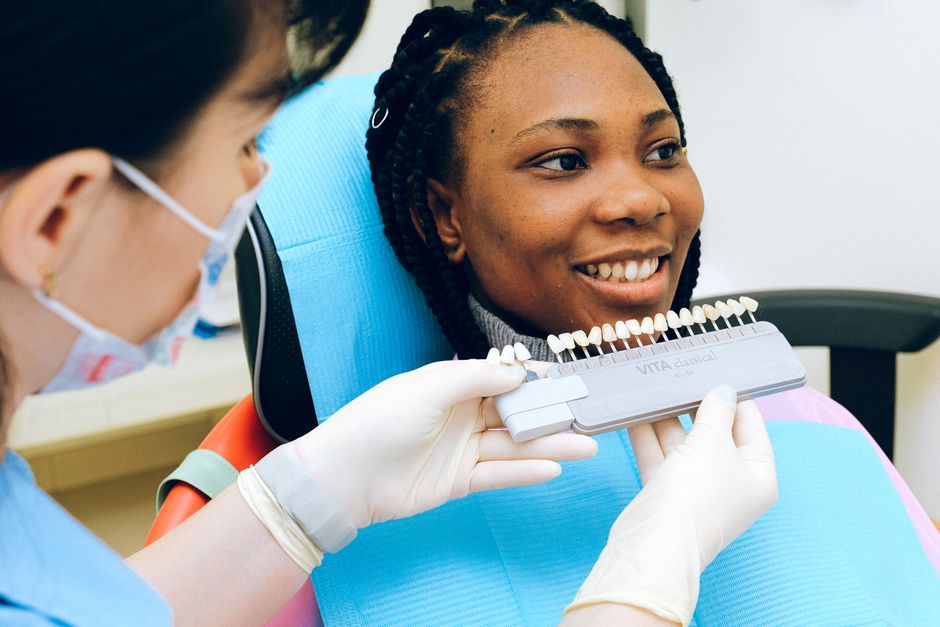
Porcelain laminate veneers
Porcelain laminate veneers are often chosen when the goal is high-value esthetics with conservative preparations, particularly for anterior form corrections. A face-oriented plan helps define the degree of incisal lengthening, embrasure progression, and line-angle positioning. The clinician’s role is to balance idealized digital proposals with enamel preservation, margin design, and risk management.
Direct composite bonding
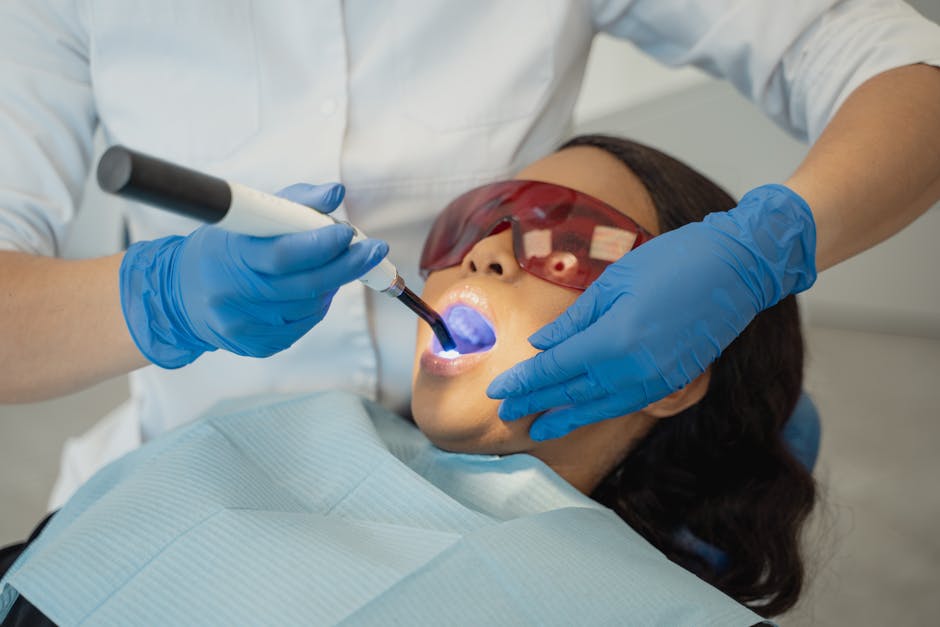
Composite can be effective for trial modifications, transitional phases, or minimally invasive correction of shape and proportion. It also supports incremental design: you can refine tooth form step-by-step while checking facial harmony. Long-term maintenance and staining susceptibility should be discussed in an educational, realistic manner.
Full-coverage restorations
When structural integrity, endodontic history, or extensive restorations are present, crowns may be indicated as part of an overall esthetic plan. Face-driven design still matters: emergence profile, cervical contours, and incisal edge position should respect both periodontal health and facial proportions.
Implant-supported anterior restorations
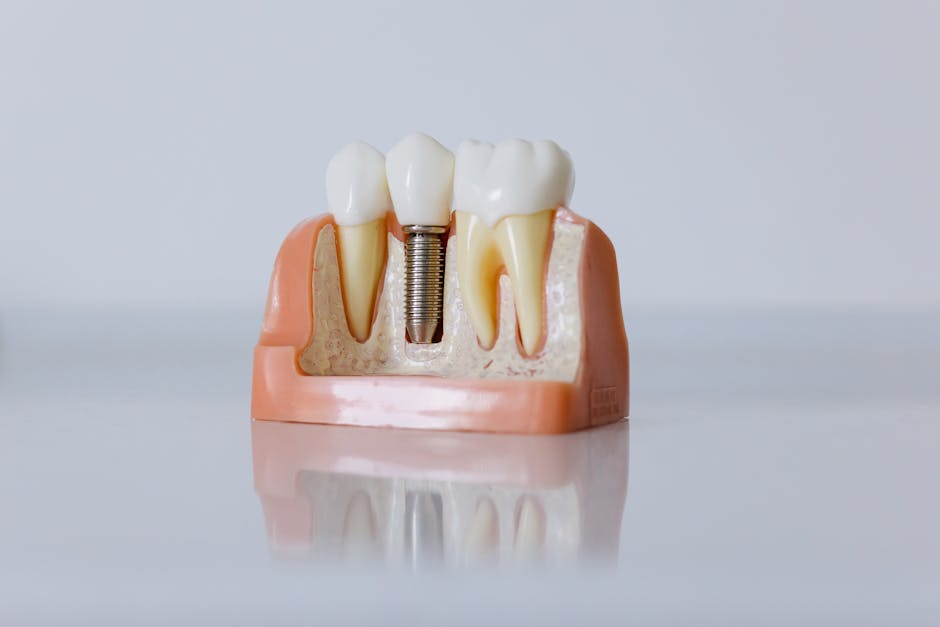
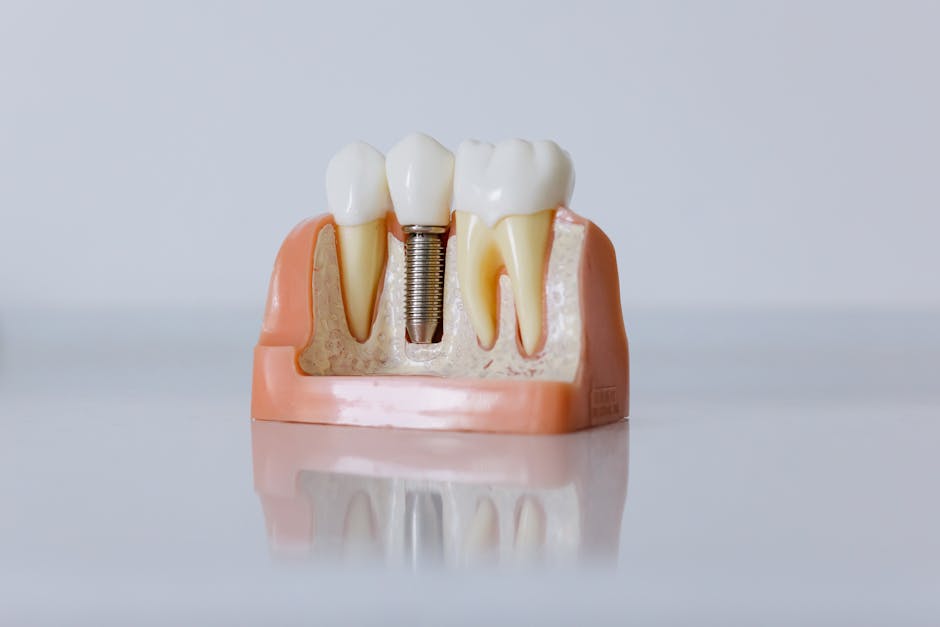
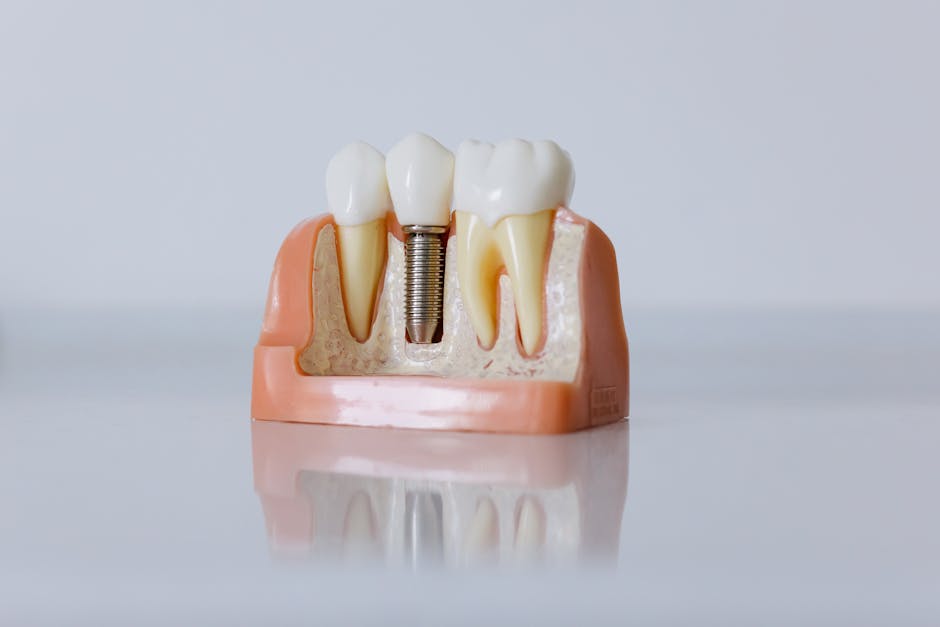
In cases with missing teeth, smile design requires coordinated soft-tissue and prosthetic planning. Facial analysis guides not only tooth shape but also incisal display, lip support, and gingival architecture expectations. Implant dentistry adds constraints—implant position, tissue biotype, and papilla limitations—which need to be integrated early through restorative-driven planning.
Special clinical considerations: developmental enamel conditions and sensitivity
Not every smile design starts with “normal” enamel. Developmental conditions can shape both esthetic planning and the patient’s experience of sensitivity, staining, and restorative bonding reliability. One important example is amelogenesis imperfecta (AI), where enamel quantity/quality may be compromised and patients may present with functional wear and esthetic concerns.
For an overview of diagnosis and restorative considerations, see Amelogenesis Imperfecta: what it is and how it affects teeth. Because sensitivity and patient comfort can be central to treatment acceptance, you may also find clinical insights on amelogenesis imperfecta and tooth sensitivity relevant when planning esthetic rehabilitation.
Interdisciplinary sequencing: esthetics must sit on biology
Face-oriented smile design is most predictable when sequencing respects biology and function. A typical interdisciplinary checklist may include:
Periodontal phase: inflammation control, evaluation of gingival levels, consideration of crown lengthening where appropriate, and patient-specific hygiene planning.
Endodontic/restorative phase: management of compromised teeth, assessment of ferrule, and occlusal considerations.
Prosthodontic phase: occlusal scheme, vertical dimension considerations (when indicated), provisionalization, and final material selection.
Maintenance phase: protective appliances for parafunction risk, professional cleaning intervals, and photography-based follow-up.
In daily practice, the “esthetic” portion often succeeds or fails based on these foundational phases. Digital planning and mock-ups do not replace periodontal and restorative fundamentals—they make the plan more visible and communicable.
How Istanbul Dental Academy supports clinicians with hands-on learning
Developing a reliable face-shape–oriented approach is a skill built through repetition: taking consistent photographs, calibrating digital designs, performing mock-ups, and learning how material choices behave in the mouth over time. Istanbul Dental Academy emphasizes continuing dental education that bridges theory and clinical application, with practical training in digital dentistry concepts, esthetic evaluation, and restorative workflows that can be integrated into your everyday clinic.
Whether you are refining your veneer planning, improving communication with labs, or integrating implant-supported esthetics into a broader smile design approach, structured hands-on education can shorten the learning curve and improve predictability—especially in complex cases that require interdisciplinary thinking.
Key takeaways
Face shape is a clinically useful reference for smile design, guiding tooth form, proportions, and gingival aesthetics without turning treatment into a rigid formula. Standardized photographic records, digital smile design, and intraoral mock-ups help clinicians test ideas before committing to irreversible steps. Interdisciplinary sequencing and patient-specific factors—such as saliva-related comfort concerns or enamel developmental conditions—should be considered early. This content is for educational purposes and aims to support dental professionals in building a more structured, face-driven diagnostic mindset.
Diğer Yazılar