
BLOG
Gum Recession: Causes, Symptoms, and Evidence-Based Management
Understanding gum recession in daily practice
Gum recession (gingival recession) refers to the apical migration of the gingival margin, leading to root surface exposure. For patients, it may start as a cosmetic concern—“my teeth look longer”—but for clinicians it often signals a complex interplay between periodontal phenotype, biofilm control, occlusal factors, and iatrogenic or behavioural contributors. Recession can compromise aesthetics in the smile zone, increase dentin hypersensitivity, and elevate the risk of root caries and non-carious cervical lesions (NCCLs). This content is for educational purposes and is not a substitute for individual diagnosis or treatment planning.
In Istanbul, clinicians frequently encounter recession in patients seeking smile design, porcelain veneers, orthodontic refinement, or implant therapy. For dental professionals and students, recession is also a valuable lens through which to integrate periodontology, restorative dentistry, prosthodontics, and digital dentistry into a coherent clinical workflow—an approach emphasised in Istanbul Dental Academy’s continuing dental education and hands-on training philosophy.
Why gum recession happens: multifactorial causes
Gingival recession is rarely due to a single factor. Identifying the dominant contributor(s) is essential for stable outcomes, especially when aesthetic rehabilitation (veneers/laminates) or implant planning is involved.
1) Periodontal inflammation and biofilm-related disease
Chronic gingival inflammation and periodontitis can contribute to soft tissue and attachment loss. While recession is not synonymous with periodontitis, active periodontal disease increases the likelihood of recession progression and papilla changes that affect aesthetics.
2) Traumatic toothbrushing and oral hygiene habits
Abrasive brushing technique (e.g., horizontal scrubbing), hard-bristle brushes, and aggressive interdental cleaning can accelerate marginal tissue migration—particularly in thin periodontal phenotypes. Patient education and behavioural modification are often foundational before any surgical or restorative intervention.
3) Thin gingival phenotype and anatomical predisposition
Thin gingival tissues, minimal keratinised tissue, prominent root contours, and dehiscence/fenestration risk can predispose to recession—even with good plaque control. In these cases, “perfect hygiene” does not always prevent recession; instead, risk stratification and careful monitoring are key.
4) Malpositioned teeth, orthodontic movement, and mucogingival considerations
Labial tooth position outside the alveolar envelope, or orthodontic movement that places roots near the cortical plate, may increase susceptibility to recession. Interdisciplinary planning with orthodontics and periodontology is particularly important for aesthetic cases in the anterior region.
5) Occlusal factors, parafunction, and NCCLs
Occlusal overload and bruxism are often discussed alongside recession, NCCLs, and abfraction-like lesions. Although the causal pathways can be debated, clinicians frequently observe co-existence of cervical lesions, sensitivity, and marginal tissue changes. A practical approach is to assess occlusion, parafunctional habits, and restorative needs together rather than in isolation.
6) Iatrogenic contributors and restorative margins
Subgingival margins, over-contoured restorations, and poor emergence profiles can hinder plaque control and provoke inflammation. For anterior aesthetic dentistry, over-bulky contours around veneers or crowns may destabilise gingival margins over time. In this context, understanding adhesive and margin principles is critical—especially for laminate veneers and minimally invasive smile design. For a deeper look at clinical detail, see critical considerations in porcelain laminate cementation, where marginal integrity and cleanability are central to long-term tissue health.
7) Xerostomia and changes in oral ecosystem
Reduced salivary flow or altered saliva composition can increase plaque accumulation, mucosal discomfort, and caries risk—factors that can indirectly worsen marginal tissue health and recession-associated sensitivity. A supportive review is why saliva matters for oral health, which helps clinicians connect systemic factors, medication histories, and preventive strategies to periodontal stability.
Clinical signs and symptoms to recognise early
Patients often present when symptoms become noticeable. Earlier recognition improves the chance of conservative management and stable aesthetic outcomes.
Common patient-reported concerns
Typical complaints include dentin hypersensitivity (especially to cold), a “long-tooth” appearance, darker cervical colour (root dentin exposure), food impaction between teeth, and fear of tooth loss. Some patients may also report bleeding during brushing if inflammation is present, though recession itself may exist without bleeding.
Clinical findings
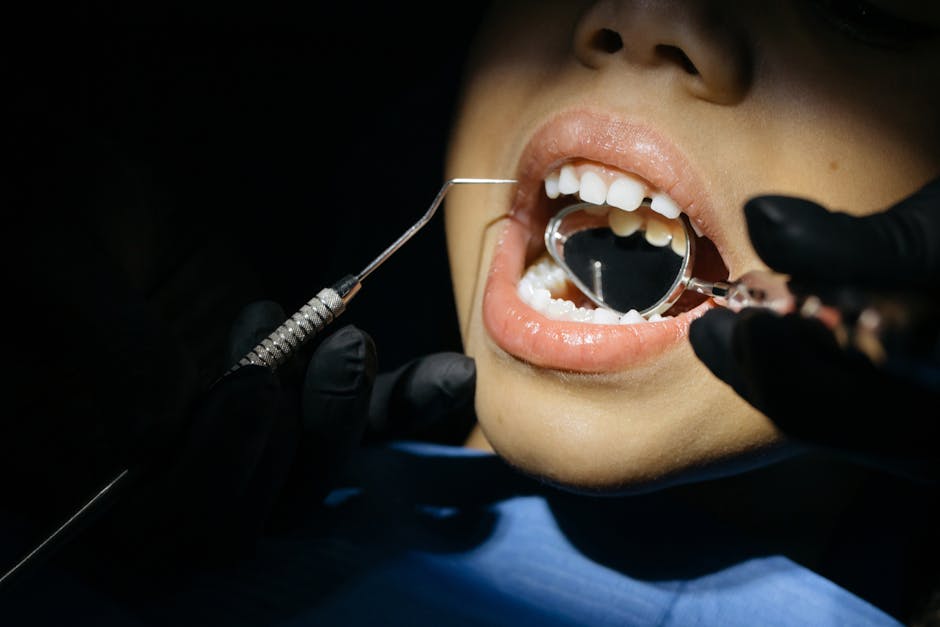
Clinically, recession is observed as apical displacement of the gingival margin relative to the CEJ, with potential root surface exposure. You may also see:
• Reduced keratinised tissue width in the affected site
• Cervical wear lesions and/or root caries risk
• Thin, delicate marginal tissues (high risk of progression)
• Loss of papilla height or black triangles in the anterior region
• Plaque-retentive restoration contours or overhangs
Documentation: from periodontal charting to digital workflows
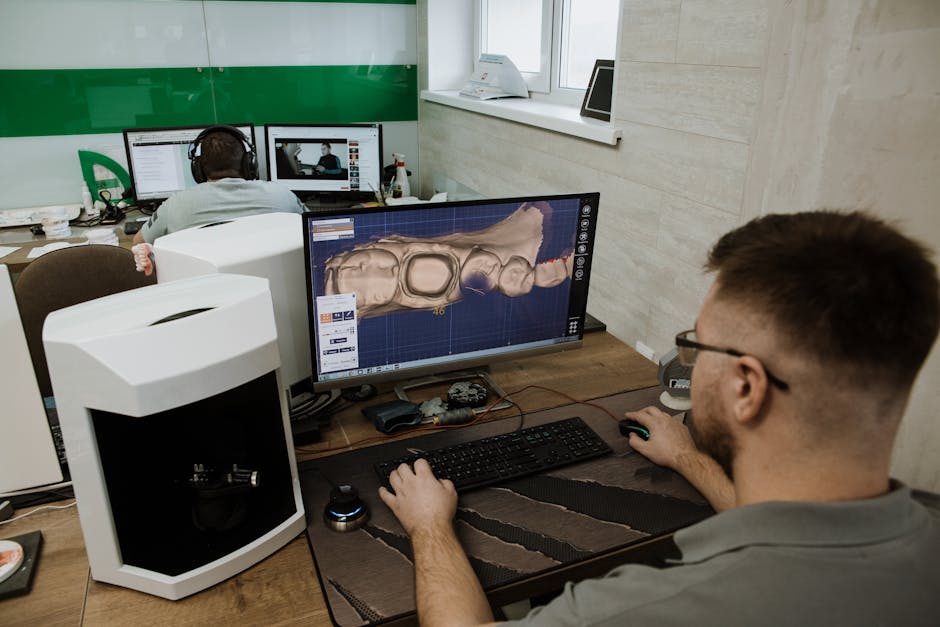
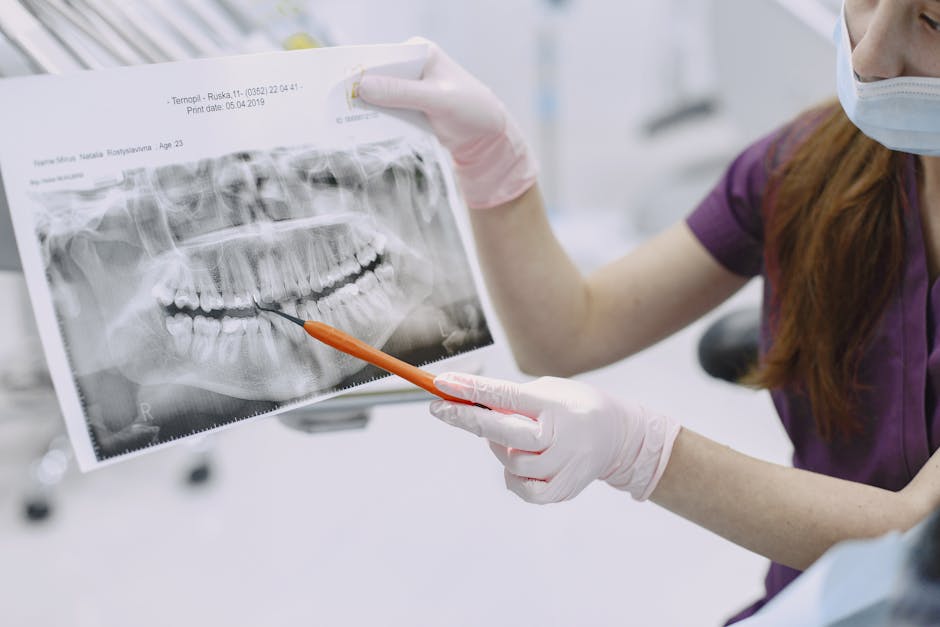
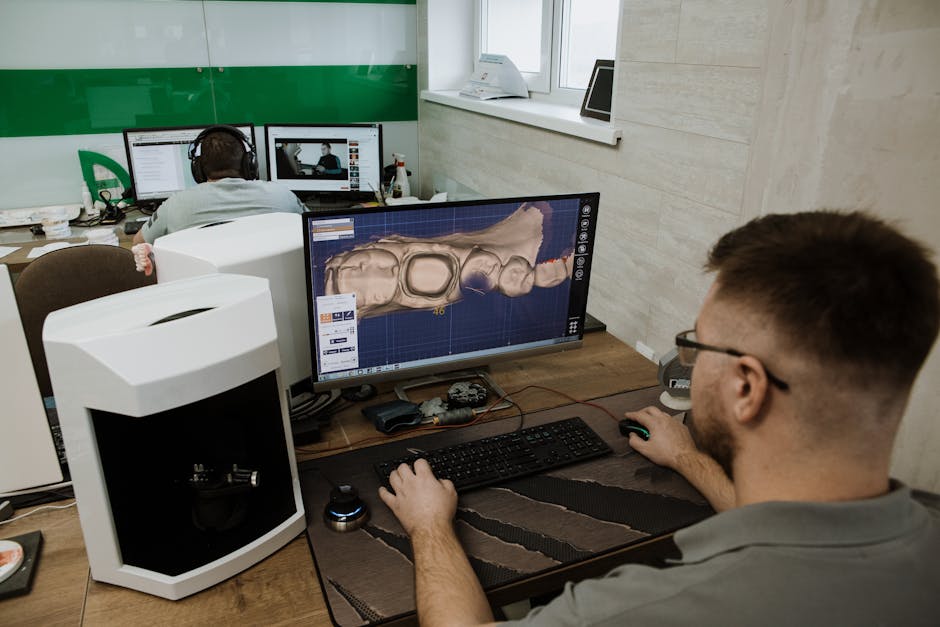
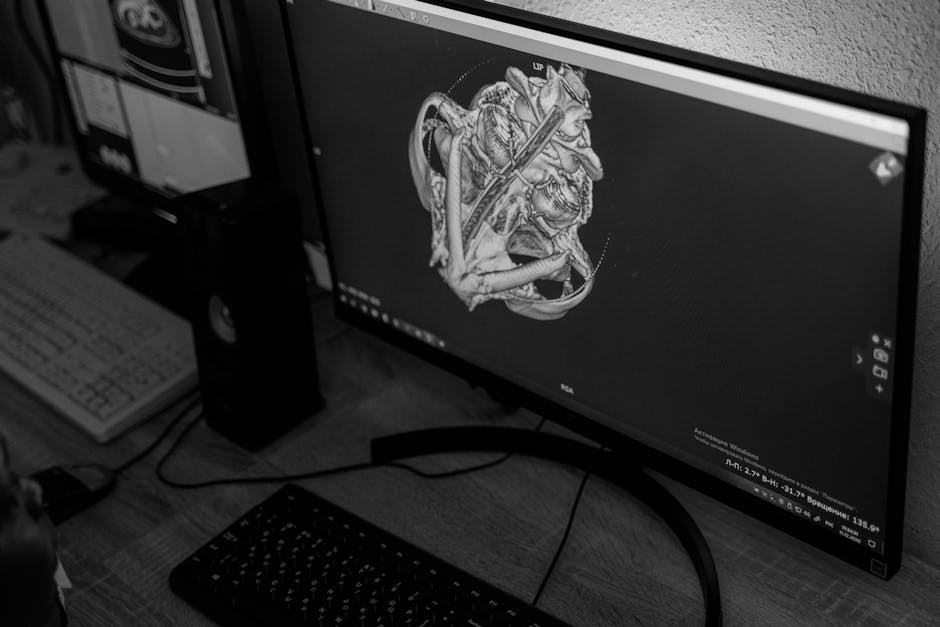
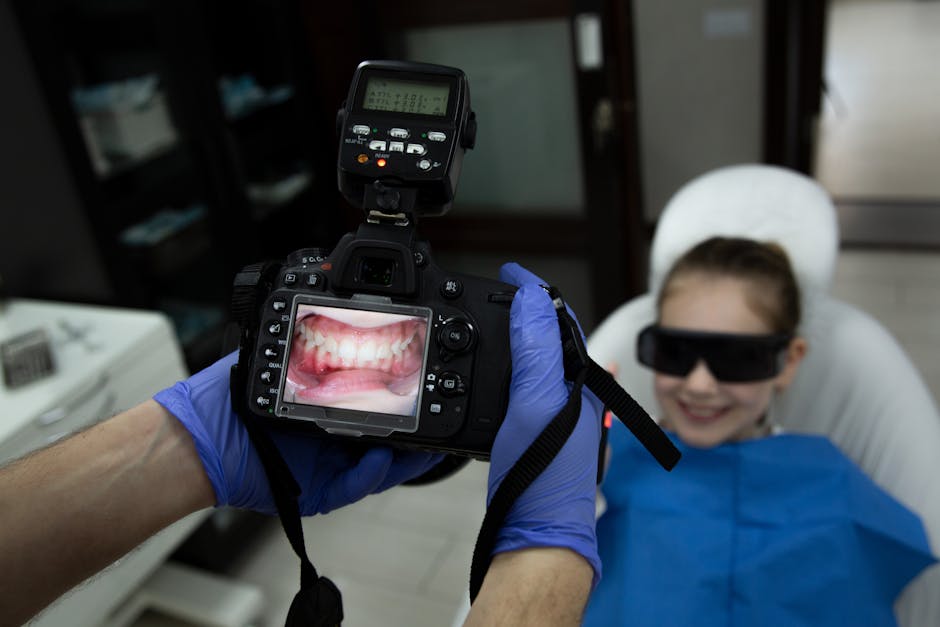
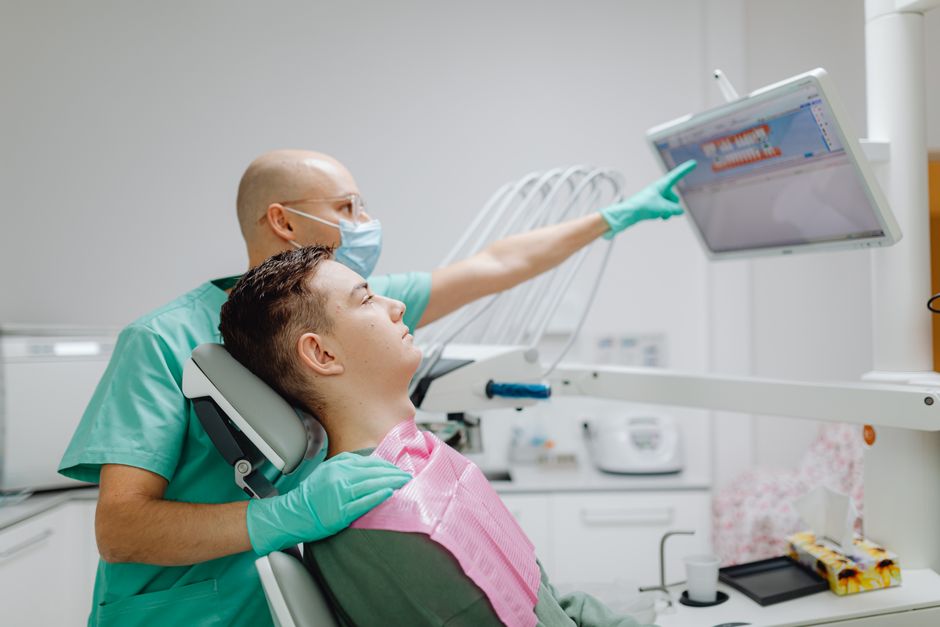
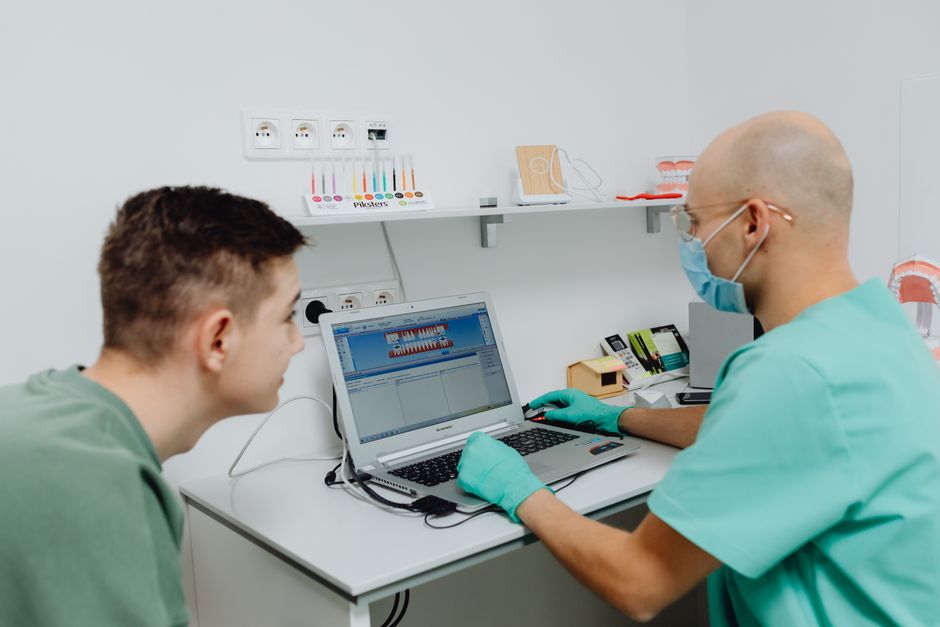
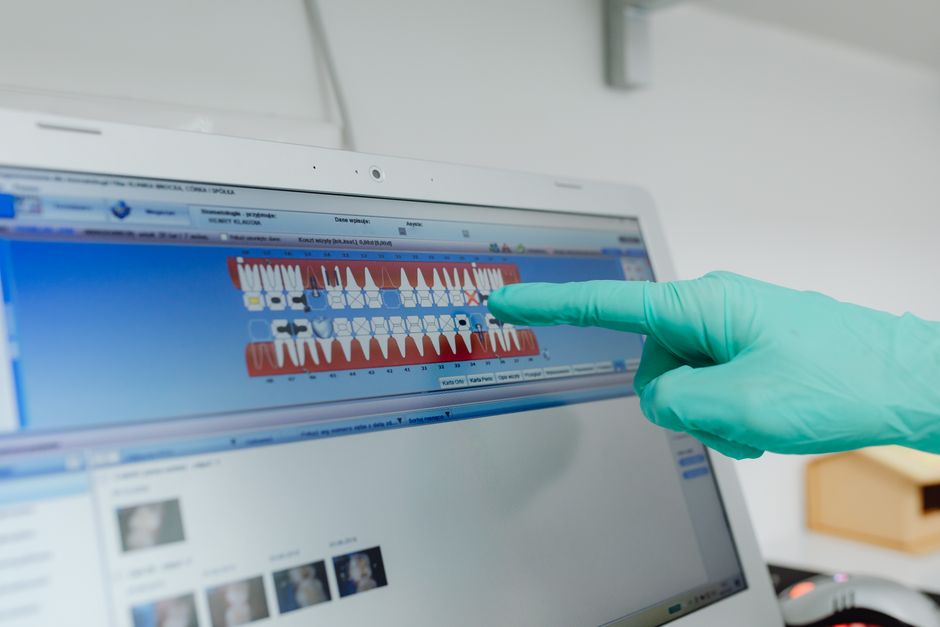
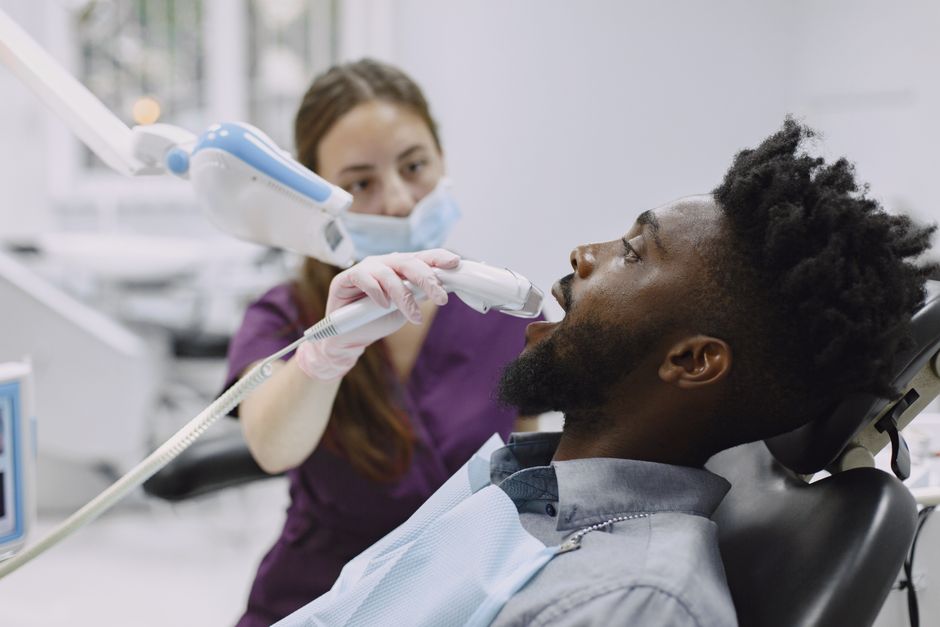
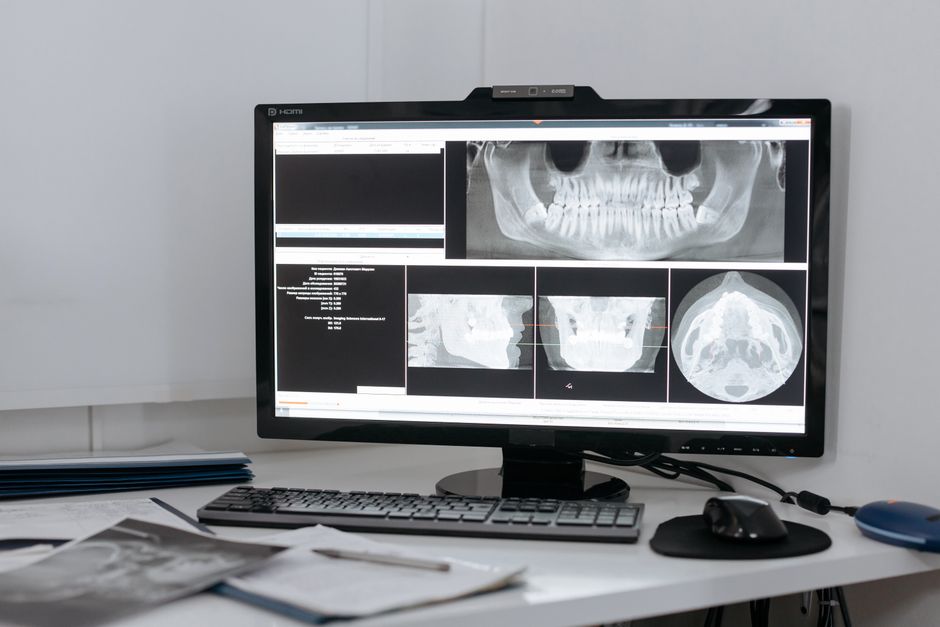
Accurate baseline documentation supports monitoring and patient communication. Standard periodontal charting (probing depths, bleeding scores, recession measurements) remains fundamental. Increasingly, clinicians also use intraoral scanning and high-quality clinical photography to track changes over time and to guide restorative contours. These skills are frequently practised in continuing education environments where clinicians can standardise measurement, photography, and patient communication.
Diagnosis and risk assessment: what to evaluate
A structured approach helps distinguish inflammation-driven recession from traumatic or anatomical recession and clarifies whether progression is likely.
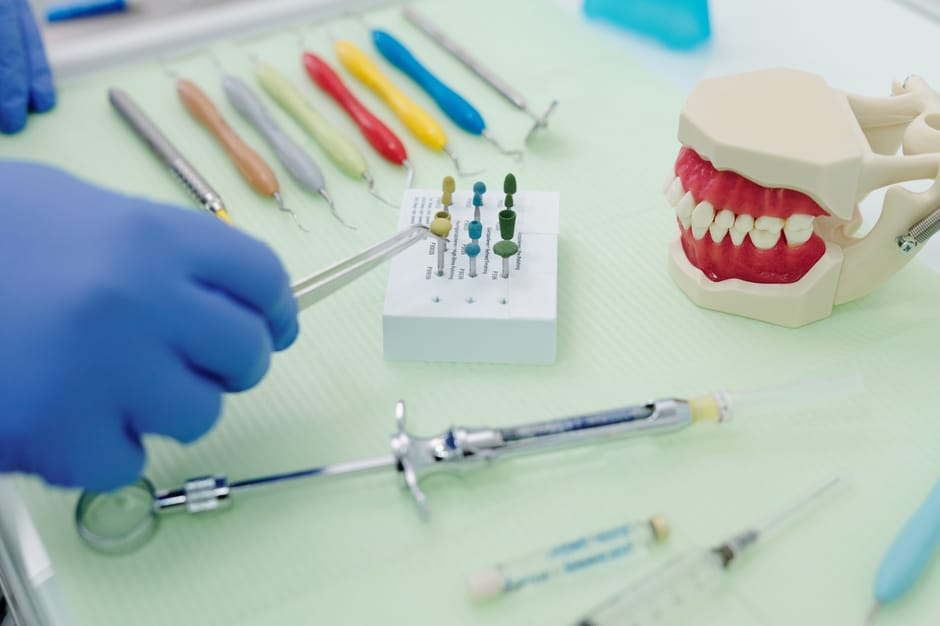
Key assessment points
1) Periodontal status: Evaluate plaque control, bleeding on probing, probing depths, mobility, furcation involvement, and radiographic bone levels.
2) Phenotype and keratinised tissue: Thin vs thick phenotype; attached gingiva width; vestibular depth; frenum pull.
3) Tooth position and occlusion: Labial/buccal positioning, crowding, wear facets, signs of bruxism.
4) Restorative evaluation: Margins, contours, contact points, emergence profiles; presence of NCCLs or root caries.
5) Systemic and behavioural factors: Smoking, diabetes status, medications affecting saliva, brushing technique.
For patients with systemic considerations, clinicians may integrate risk evaluation into broader treatment decisions. For example, implant planning in medically complex patients often requires a careful periodontal baseline and maintenance strategy. See what clinicians should know about dental implants for patients with diabetes for an educational discussion on how systemic health can influence surgical and maintenance considerations.
Management options: from prevention to surgical reconstruction
Management depends on symptoms, aesthetics, progression risk, and patient goals. Not every recession defect requires surgery; however, every case benefits from risk control and a maintenance plan. The following overview is educational and should be adapted to individual clinical findings.
1) Non-surgical foundations (often the first step)
Initial strategies typically include tailored oral hygiene instruction (gentle technique, appropriate brush type), professional debridement, and management of local plaque-retentive factors (e.g., overhangs). Desensitising agents, fluoride therapies, and dietary counselling may be considered for exposed roots at risk of caries.
For sensitivity driven by exposed dentin, clinicians sometimes combine preventive measures with minimally invasive restorative approaches to protect the cervical area—especially when NCCLs are present. The decision to restore, monitor, or refer for mucogingival surgery should be based on symptoms, lesion activity, aesthetics, and the ability to keep the area clean.
2) Restorative-aesthetic considerations: smile design and cervical harmony
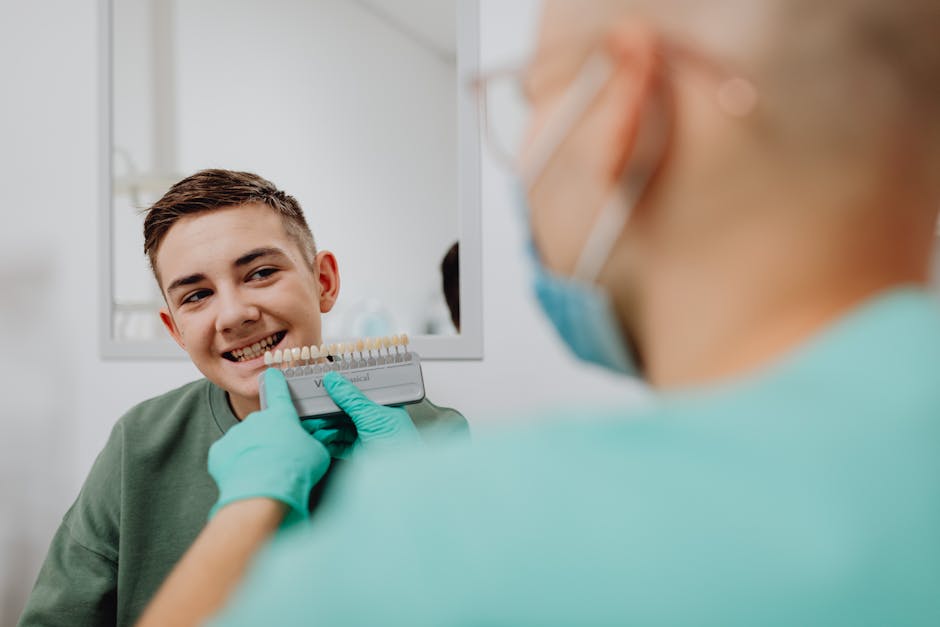
In aesthetic dentistry, recession is not only a periodontal issue—it shapes tooth proportions, gingival symmetry, and papilla fill. When planning veneers, crowns, or additive bonding, clinicians must consider whether the gingival margin is stable and whether future recession could expose margins or change colour integration.
Contemporary smile design frequently uses digital mock-ups to visualise tooth length and gingival architecture, but biological limits remain. Where soft tissue stability is uncertain, staged planning (periodontal stabilisation first, definitive restorations second) is often discussed in education-focused clinical protocols. Mastering these sequences is a key objective in hands-on restorative and prosthodontic training.
3) Mucogingival surgery and soft tissue grafting (overview)
For selected cases—such as progressive recession, root sensitivity not responding to conservative care, insufficient keratinised tissue, or high aesthetic demand—periodontal plastic surgery may be considered. Techniques can include coronally advanced flaps, connective tissue grafts, or use of biomaterials depending on defect characteristics and clinician preference.
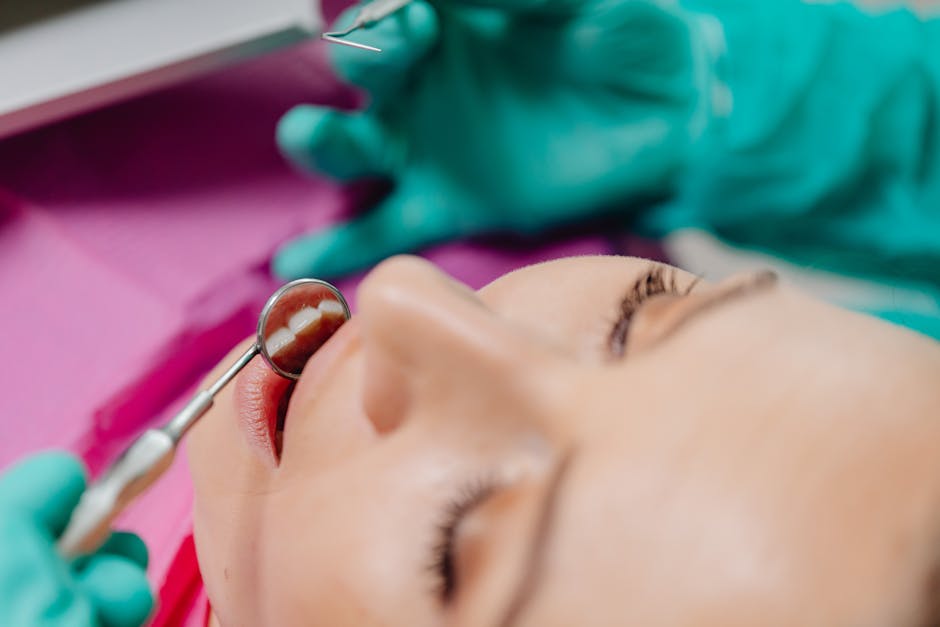
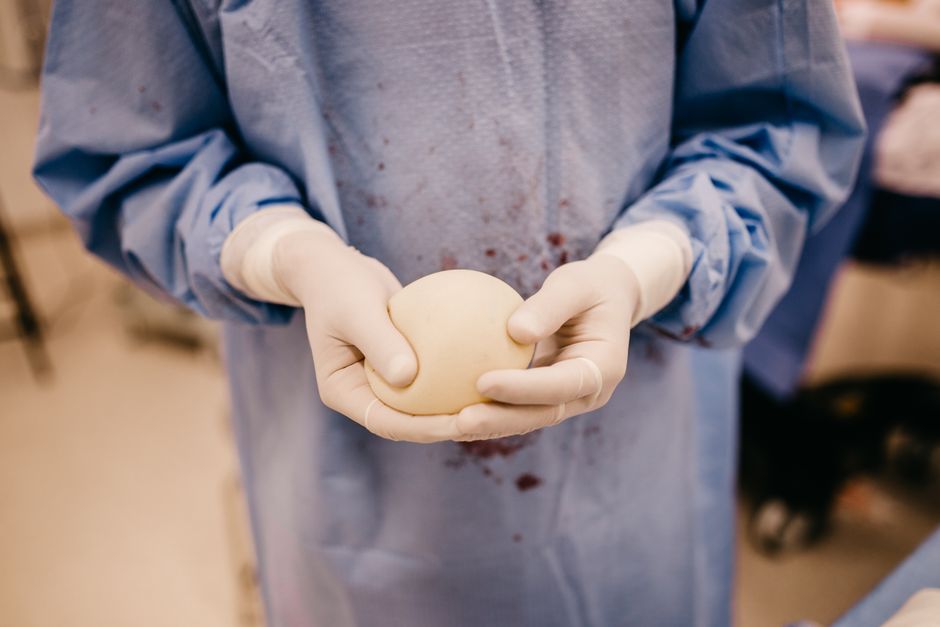
Biomaterials have become part of modern soft tissue management discussions, especially where donor-site morbidity or tissue availability is a concern. An educational resource that explores one such material is acellular dermal matrix use in dentistry, which can help clinicians understand indications, handling concepts, and how these options fit within periodontal and implant soft tissue strategies.
4) Recession and implant dentistry: why soft tissue matters
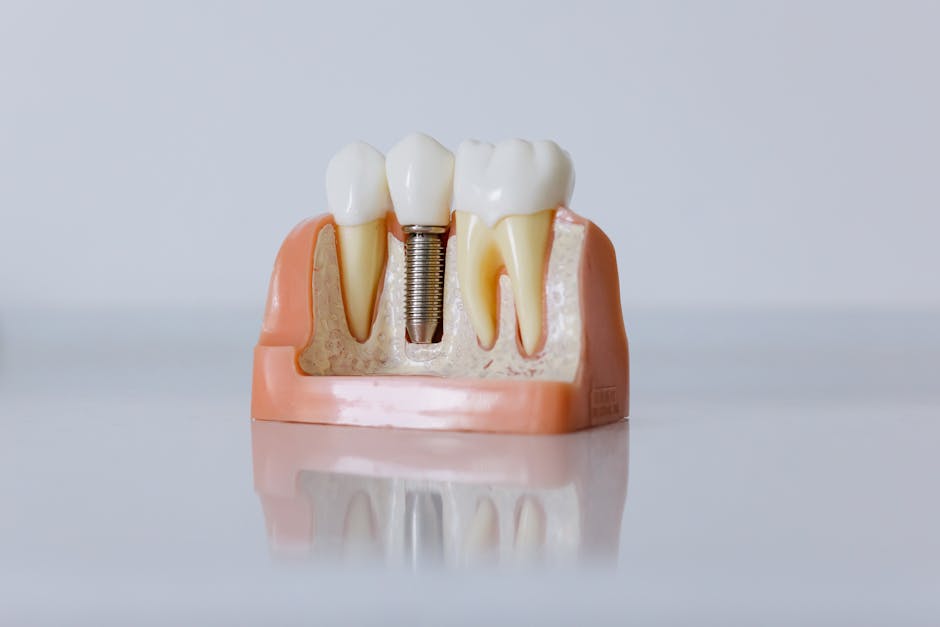
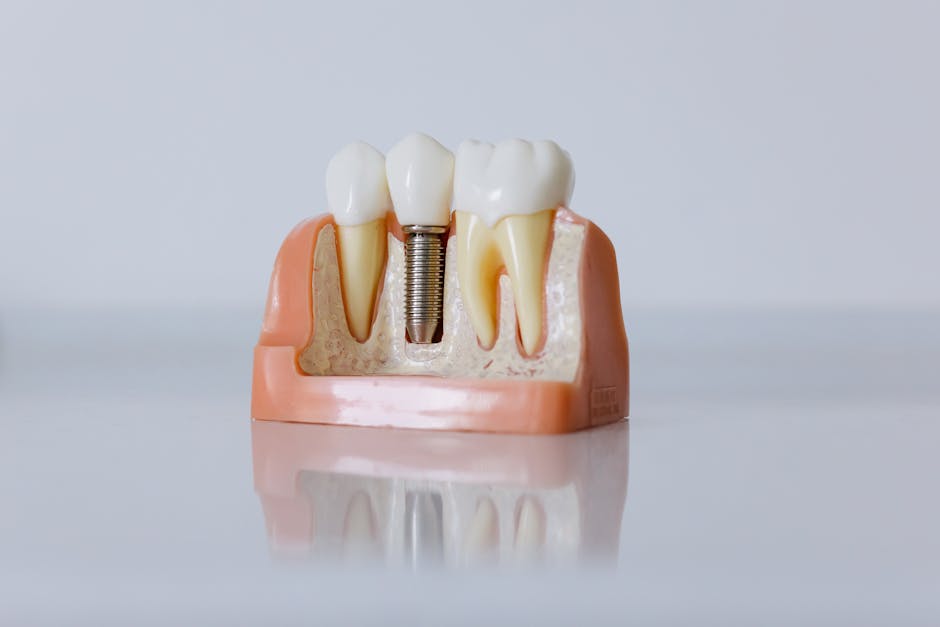
Although gingival recession is typically discussed around natural teeth, soft tissue quality and thickness are also critical around implants—especially in the aesthetic zone. Patients who present with recession and thin phenotype may also be at higher aesthetic risk if implants are planned without adequate tissue evaluation.
In Istanbul, some patients request accelerated solutions, including immediate placement concepts or “one-day” workflows. These can be appropriate in selected indications, but they require careful case selection, soft tissue assessment, and a maintenance plan. For an educational discussion on timing expectations, read is one-day dental implant treatment really possible? Understanding these factors helps clinicians counsel patients realistically and integrate periodontal considerations into implant timelines.
Prevention and maintenance: keeping results stable
Long-term stability relies on controlling the factors that caused recession and on monitoring for progression. Maintenance is not a “finish line” step—it is the framework that protects periodontal and restorative outcomes.
Patient-centred preventive strategies (education-focused)
Key preventive themes often include gentle biofilm control, appropriate interdental cleaning, management of xerostomia risks, and periodic professional maintenance. For bruxism or parafunction, clinicians may discuss protective approaches such as occlusal guards alongside restorative planning. Where restorations are present, polishing, contour refinement, and accessible margins support tissue health.
Clinical follow-up and documentation
Recession measurements, photographic records, and periodic risk reassessment help detect subtle changes early. Digital dentistry tools—such as intraoral scans for superimposition—can support objective monitoring and improve patient communication, particularly in aesthetic cases where millimetre-level changes matter.
How Istanbul Dental Academy supports clinical mastery
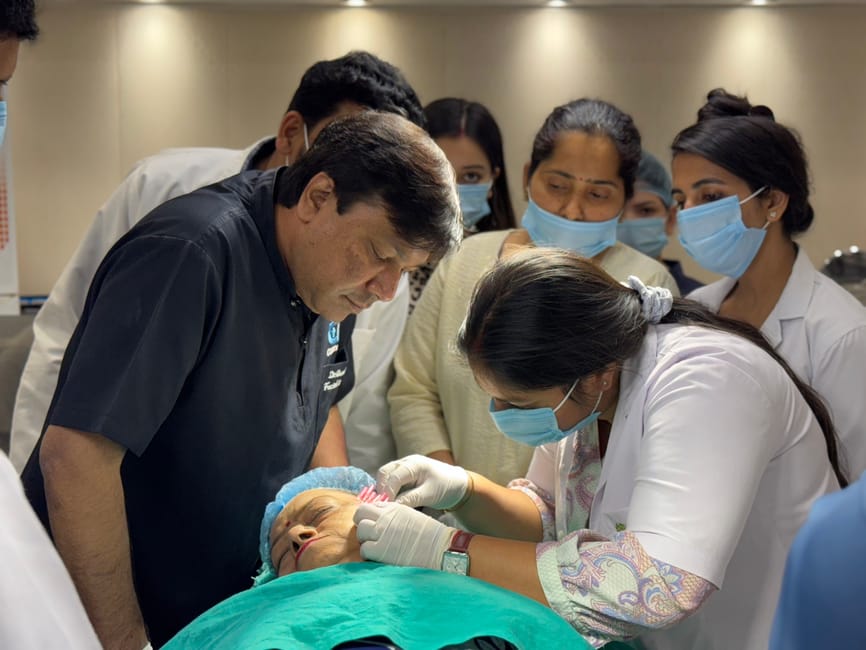
For dentists and dental students, gum recession is a practical topic that bridges periodontology with restorative and aesthetic dentistry. At Istanbul Dental Academy, hands-on education emphasises structured diagnosis, interdisciplinary planning, and predictable execution—skills that support safer decision-making when managing recession in everyday practice.
Clinicians who routinely treat aesthetic cases, veneers, or implant patients often benefit from refining their approach to tissue evaluation, provisionalisation, margin design, photography, and digital planning. These competencies can be developed through continuing dental education and supervised practical training, where real-world cases are discussed from diagnosis through maintenance.
Key takeaways
Gum recession is common, multifactorial, and clinically significant—affecting sensitivity, aesthetics, and long-term stability. A comprehensive assessment of periodontal status, phenotype, habits, restorative factors, and systemic context supports better outcomes than treating the visible recession alone. Whether the approach is preventive, restorative, or surgical, stable results depend on addressing causes and implementing maintenance.
This content is for educational purposes and does not constitute medical advice. Individual evaluation by a dental professional is essential for diagnosis and treatment planning.
Diğer Yazılar