
BLOG
How Long Does a Hollywood Smile Take? Timeline, Steps, and Clinical Considerations
How long does a Hollywood Smile take?
In daily clinical conversation, “Hollywood Smile” is less a single procedure and more a patient-friendly umbrella term for comprehensive smile enhancement—often combining whitening, veneer or crown restorations, gingival recontouring, and sometimes implant-supported prosthetics. Because it is a plan rather than a single treatment, the time required can vary widely: from a few appointments over 1–2 weeks to multi-phase rehabilitation over several months.
For dental professionals, the key is translating the patient’s aesthetic goal into a staged, biologically respectful workflow—one that accounts for diagnostics, periodontal stability, functional occlusion, material selection, and lab or digital turnaround. This content is for educational purposes and is not a substitute for individual diagnosis or treatment planning.
Typical timelines: quick overview
While every case is unique, many clinics find these ranges useful when setting expectations:
1–2 weeks: Whitening + minor composite bonding, or limited veneers when tissues and occlusion are stable and lab turnaround is fast.
2–6 weeks: Multiple porcelain laminate veneers or ceramic crowns with diagnostic wax-up/digital mock-up, provisional phase, and final cementation.
2–6+ months: Cases involving periodontal therapy, orthodontic alignment, complex endodontics, extractions, implant placement, sinus augmentation, or staged soft-tissue conditioning before definitive prosthetics.
Step-by-step: what happens during a Hollywood Smile workflow?
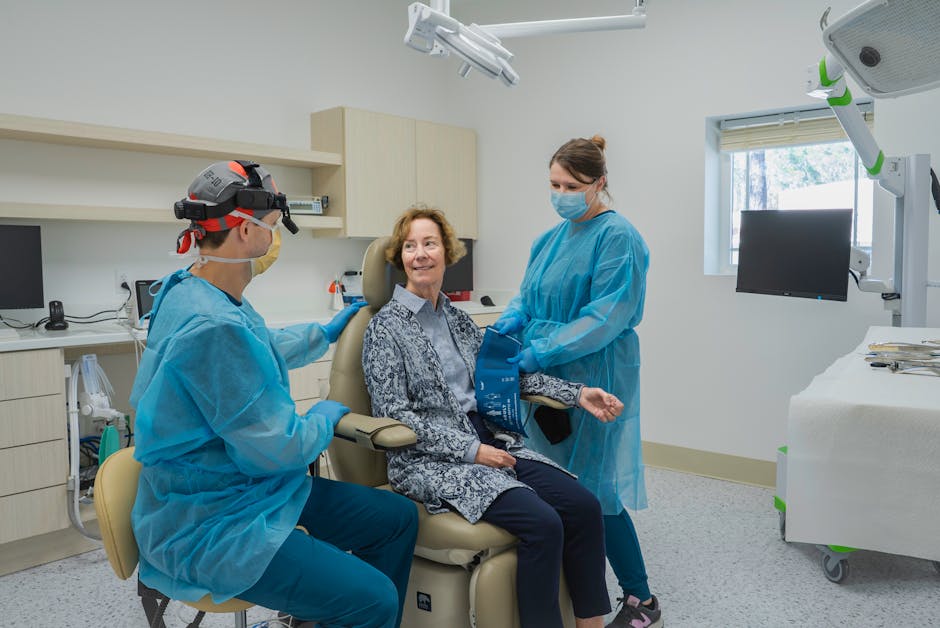
1) Consultation, records, and smile analysis (Appointment 1)
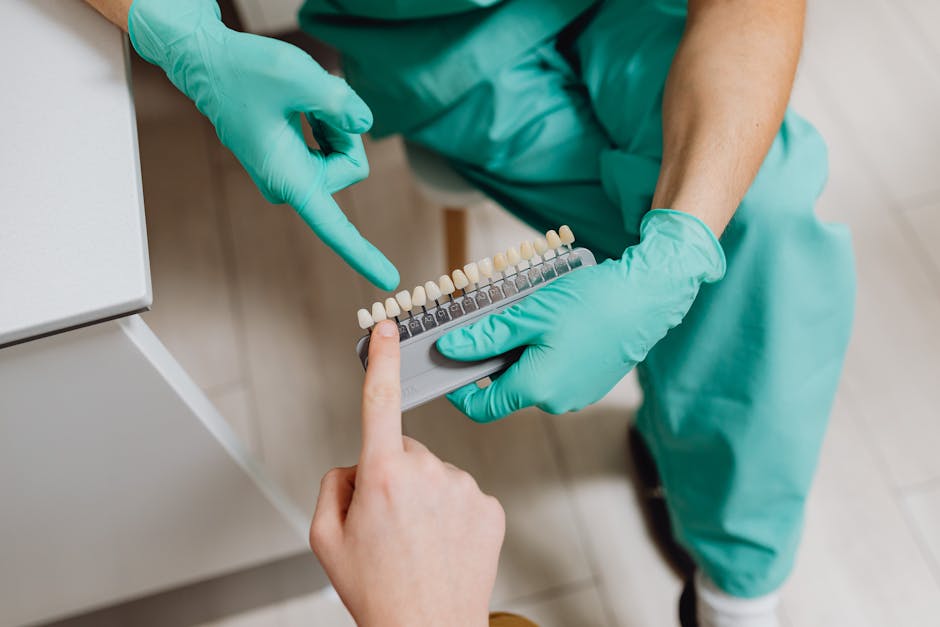
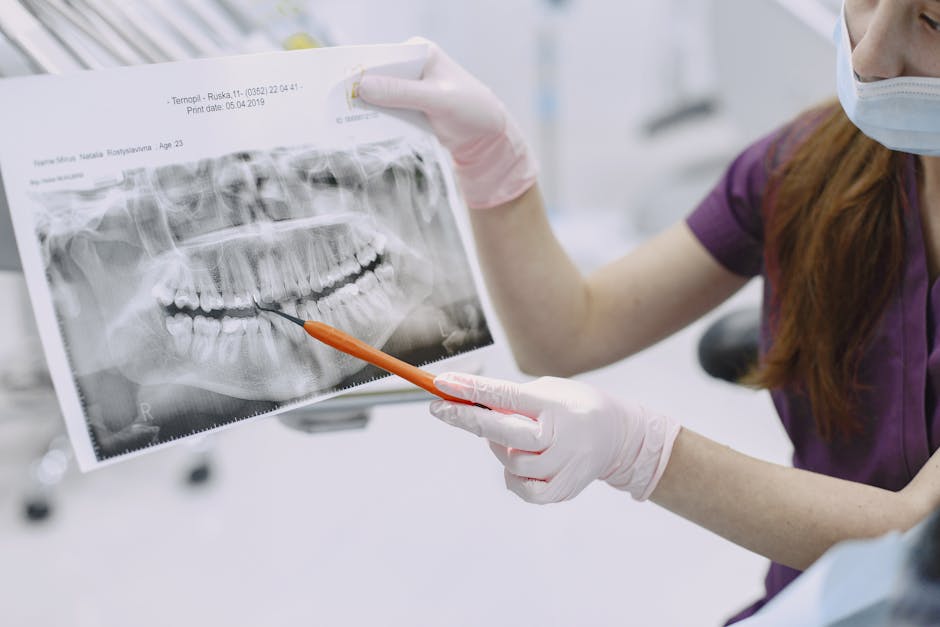
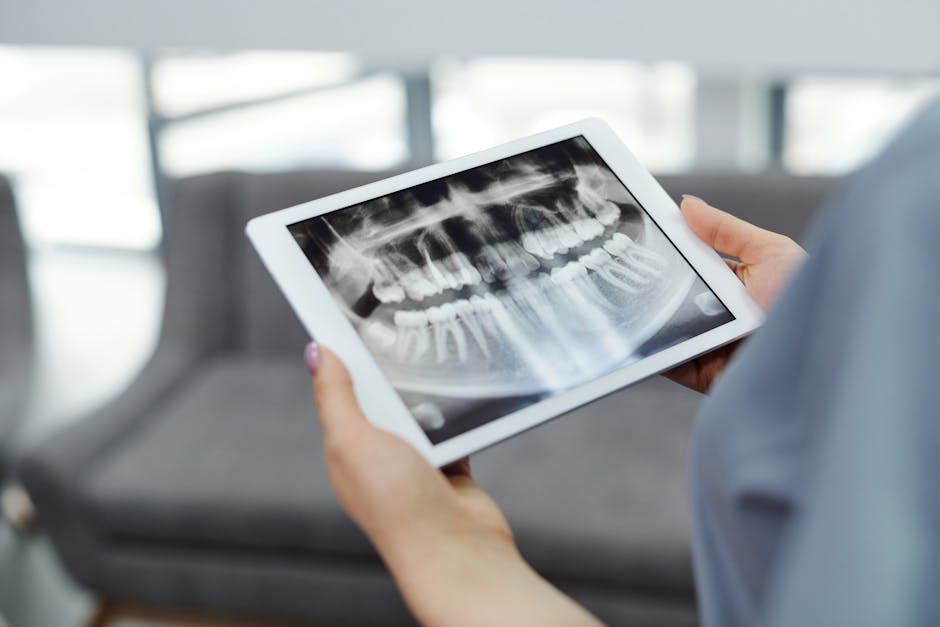
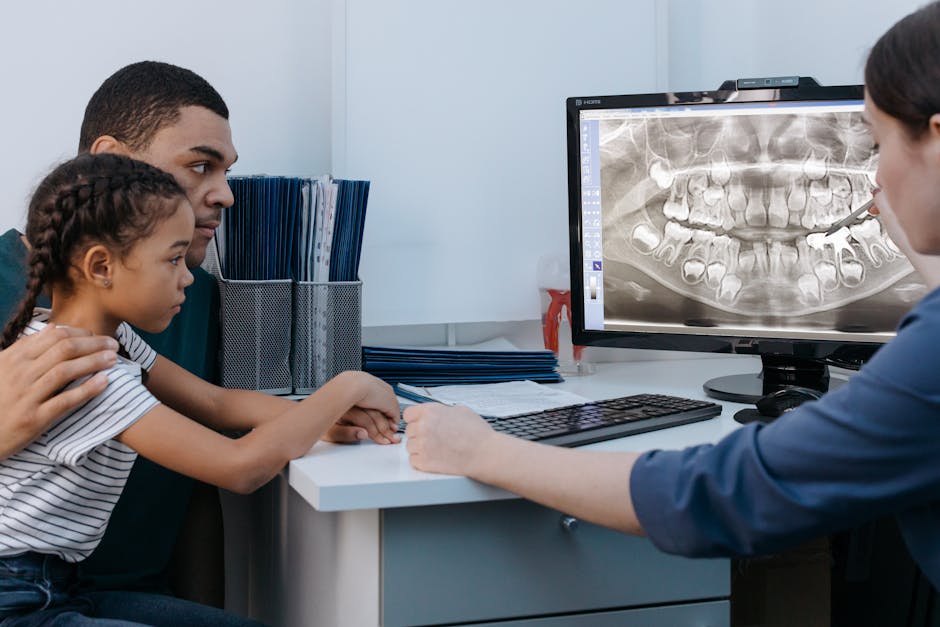
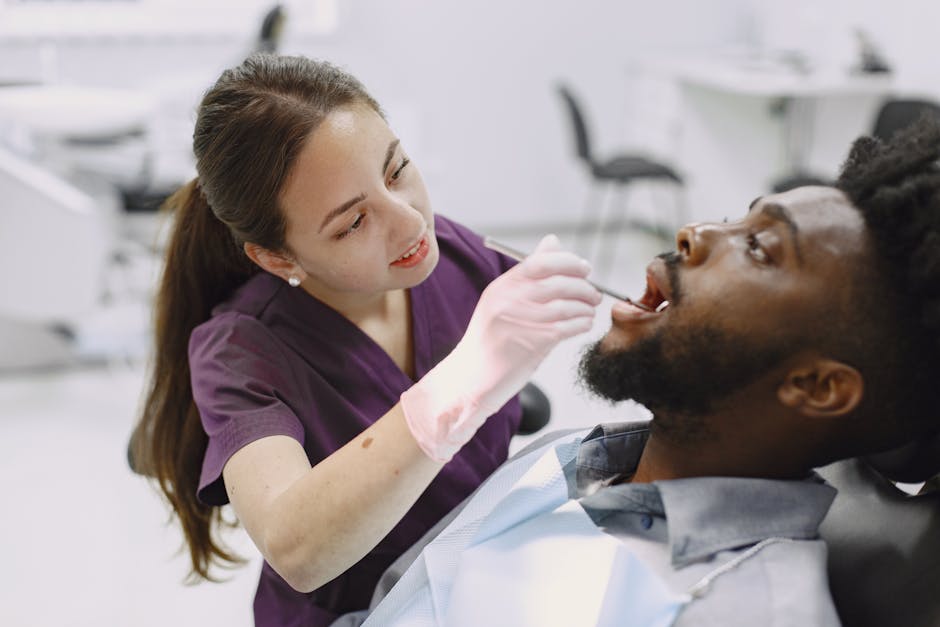
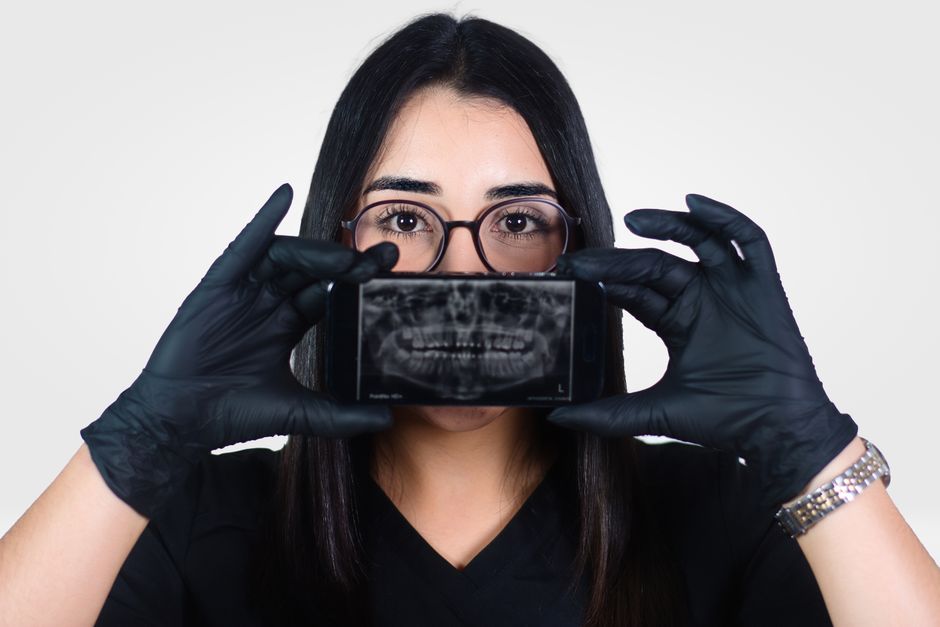
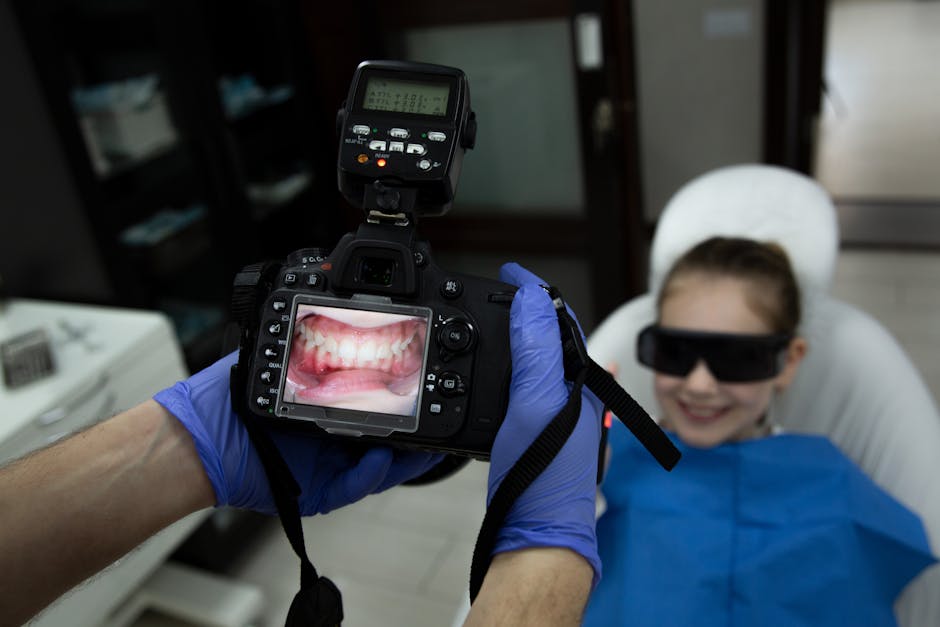
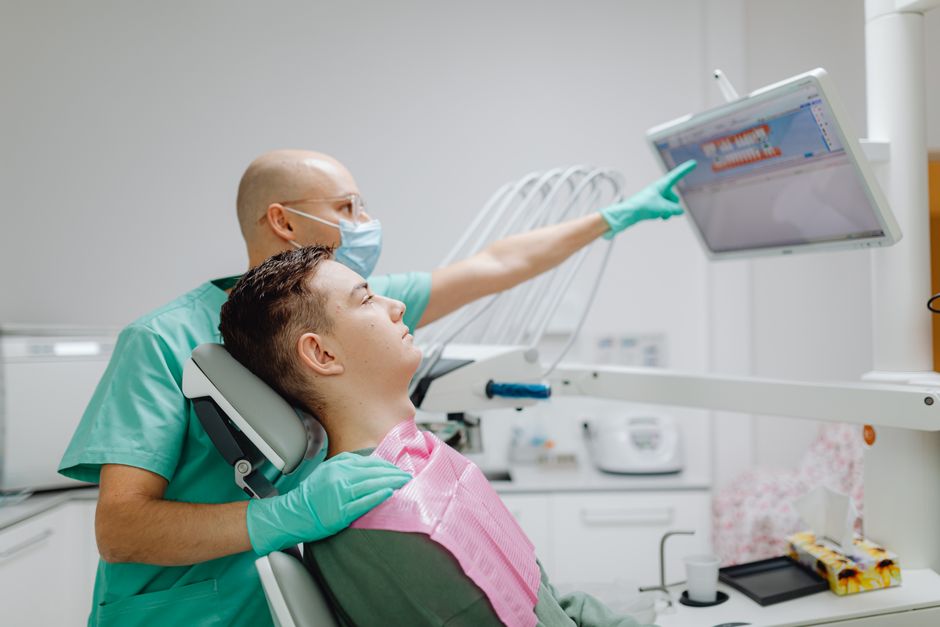
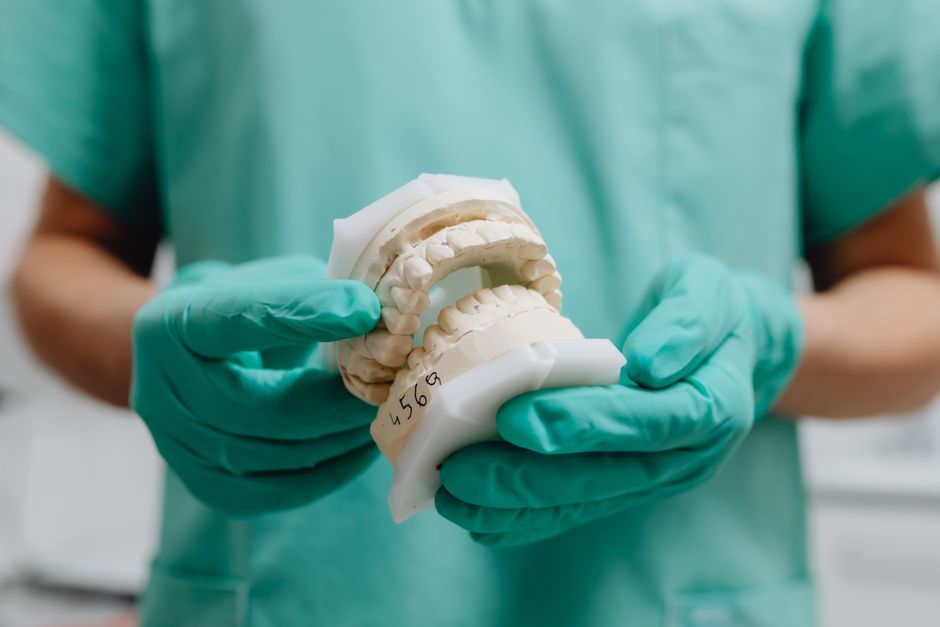
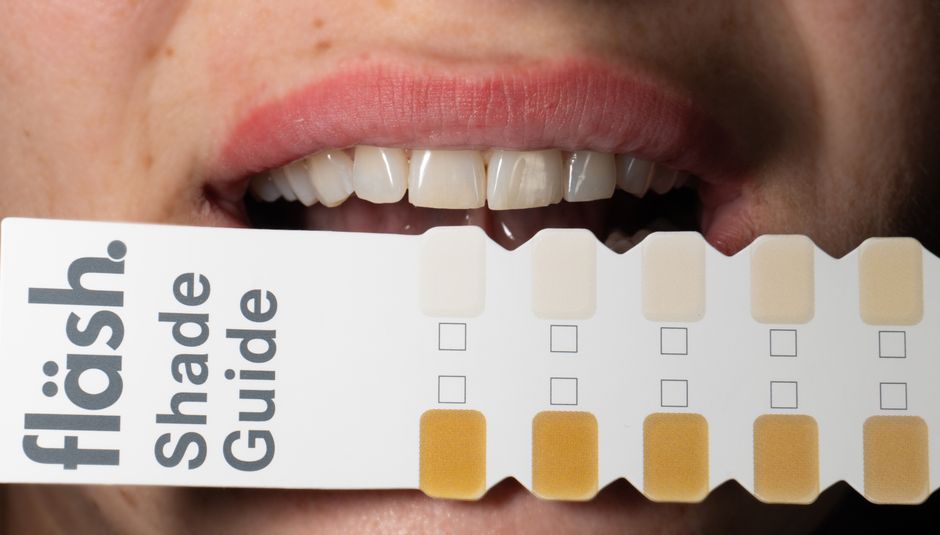
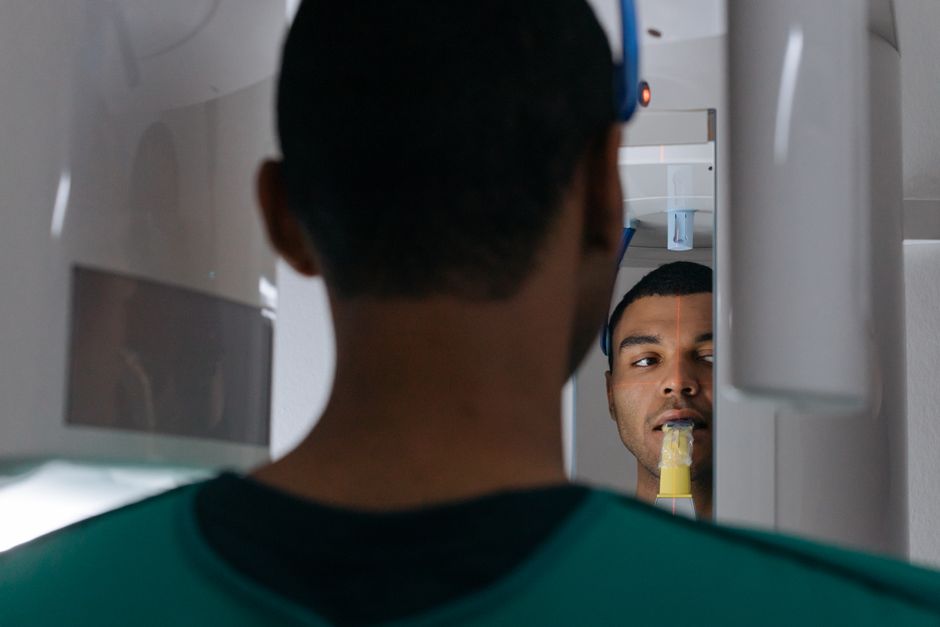
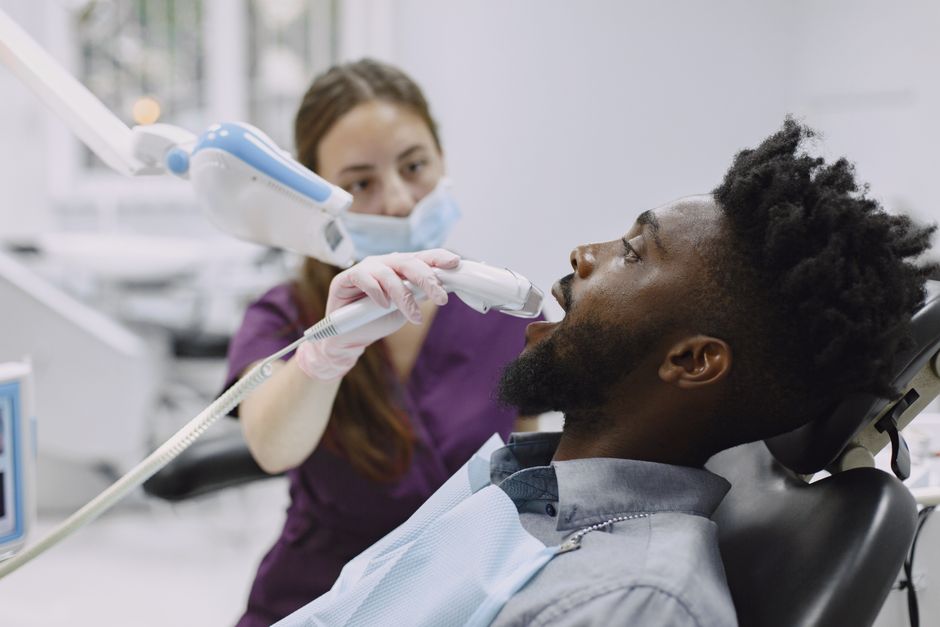
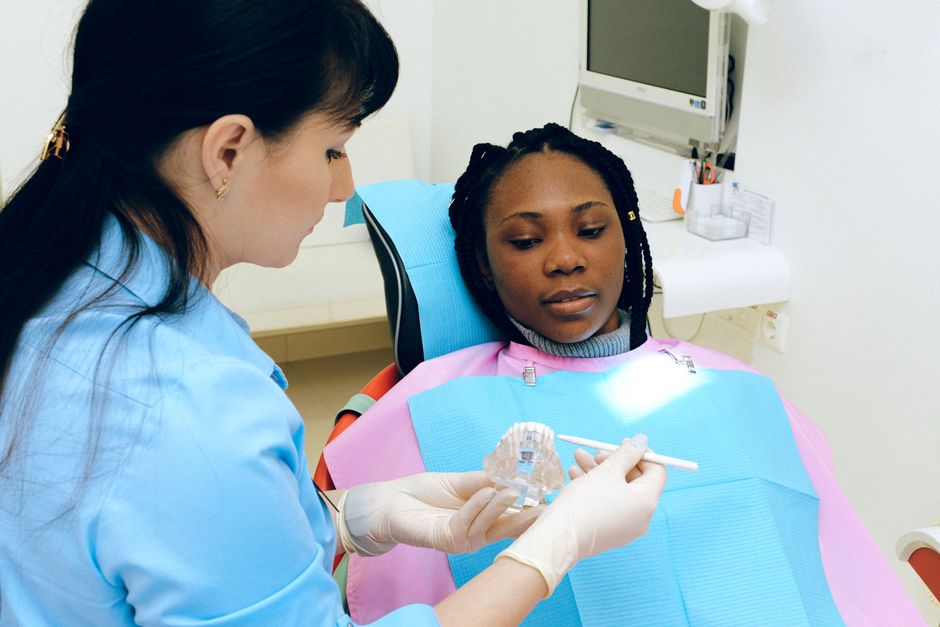
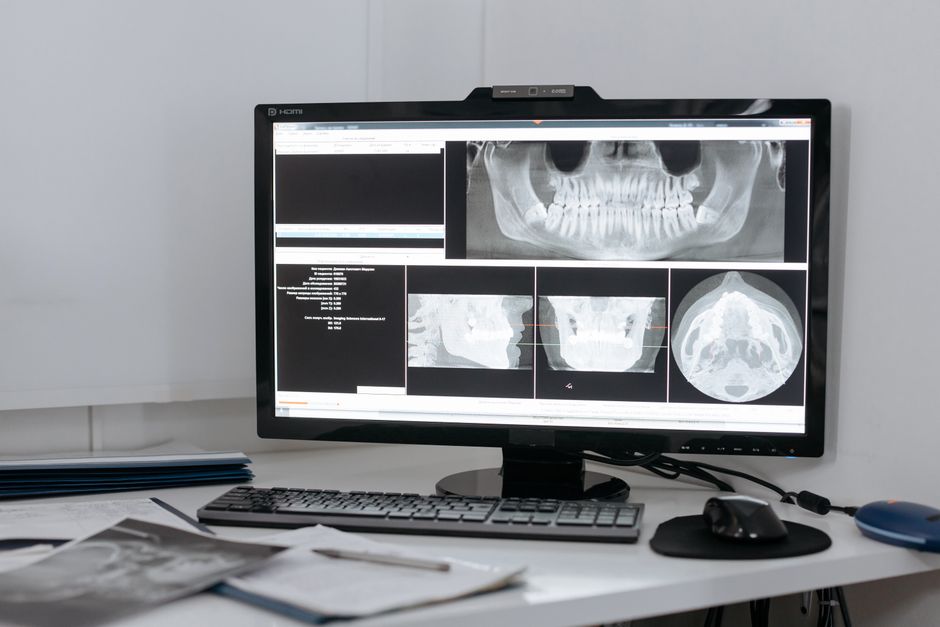
In a modern aesthetic workflow, time is “spent” early to save time later. A comprehensive first visit may include extraoral/intraoral exam, periodontal screening, occlusal evaluation, shade analysis, and a record set: digital photos, intraoral scan or impressions, and radiographic assessment (often including CBCT where indicated).
High-quality dental photography can significantly speed up communication with the lab and align expectations with patients. In teaching environments like Istanbul Dental Academy, clinicians also refine standardized photography protocols to reduce remakes and chairside adjustments during veneer and crown delivery.
2) Health first: managing risk factors that can delay aesthetics
One reason “Hollywood Smile” timelines expand is that aesthetics should ideally be built on a stable biological foundation. Common issues that can add weeks (or months) include untreated caries, gingival inflammation, occlusal instability, and parafunction.
Dry mouth (xerostomia) is a clinically relevant factor that may influence caries risk, adhesive longevity, and patient comfort—especially for extensive bonded restorations. If you are reviewing risk assessment frameworks, see Dry Mouth (Xerostomia): Causes, Risks, and Clinical Implications for an educational overview.

Gingival recession can affect symmetry, black triangles, hypersensitivity, and restorative margins, potentially requiring periodontal staging before definitive veneers or crowns. For a clinical discussion on risk and long-term implications, read Can Gum Recession Lead to Tooth Loss? A Clinical Perspective for Dentists.
3) Digital planning, wax-ups, and mock-ups (Days to 1–2 weeks)
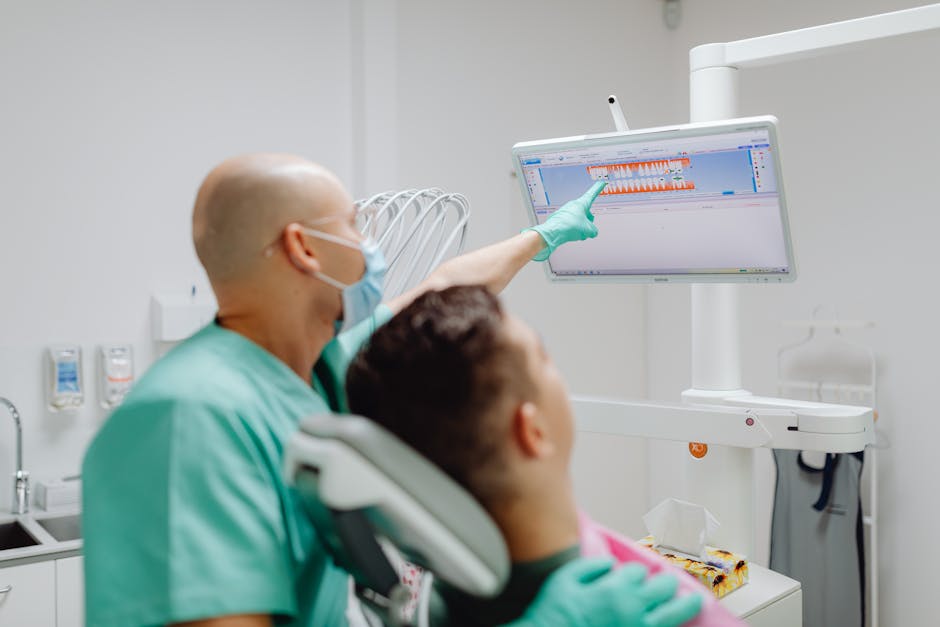
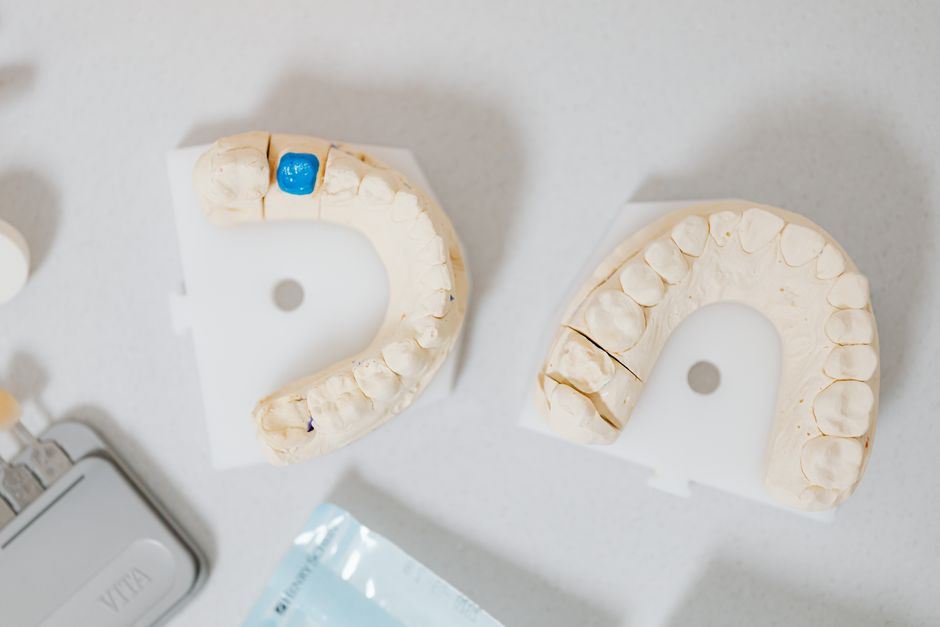
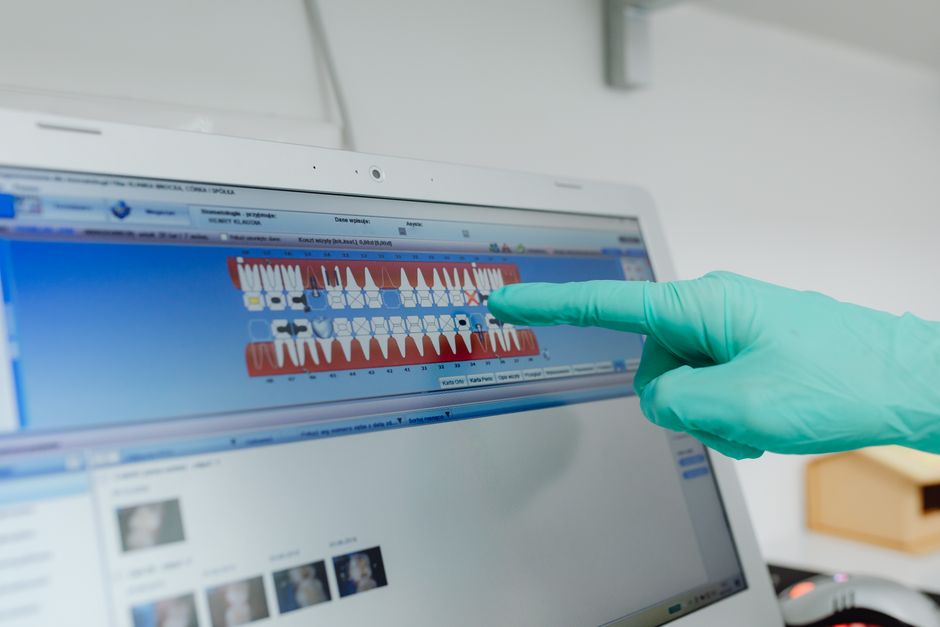
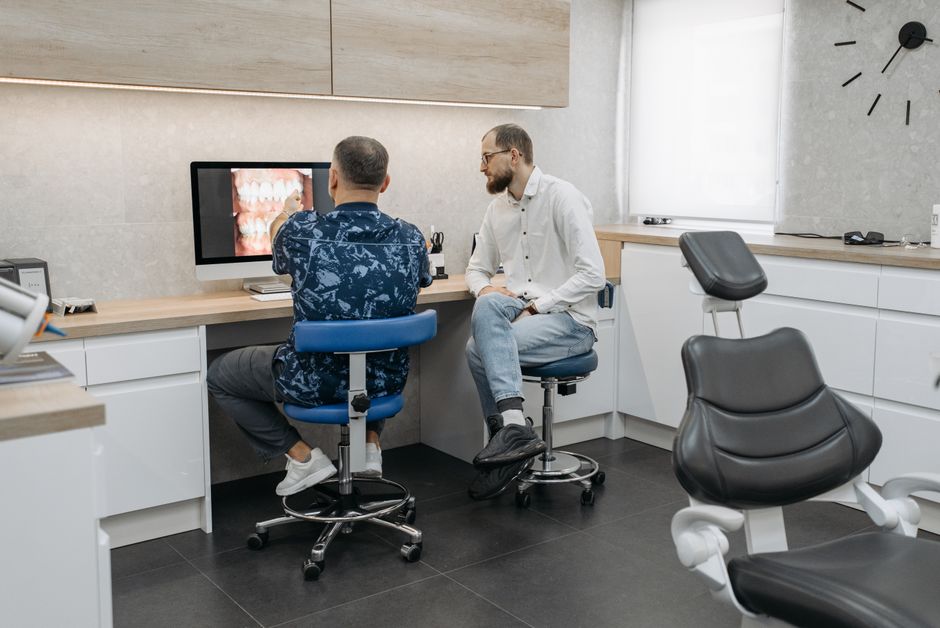
Once records are complete, the planning phase typically includes a digital smile design or conventional wax-up. This step influences the overall duration because it determines whether tooth preparation is minimal, whether gingival architecture needs correction, and how the final proportions will be achieved.
Mock-ups (direct or printed) can reduce surprises. When patients approve a mock-up, acceptance of the final outcome tends to improve—and the clinician can proceed with more confidence into preparation and provisionalization.
4) Whitening phase (If indicated: 1–3 weeks)
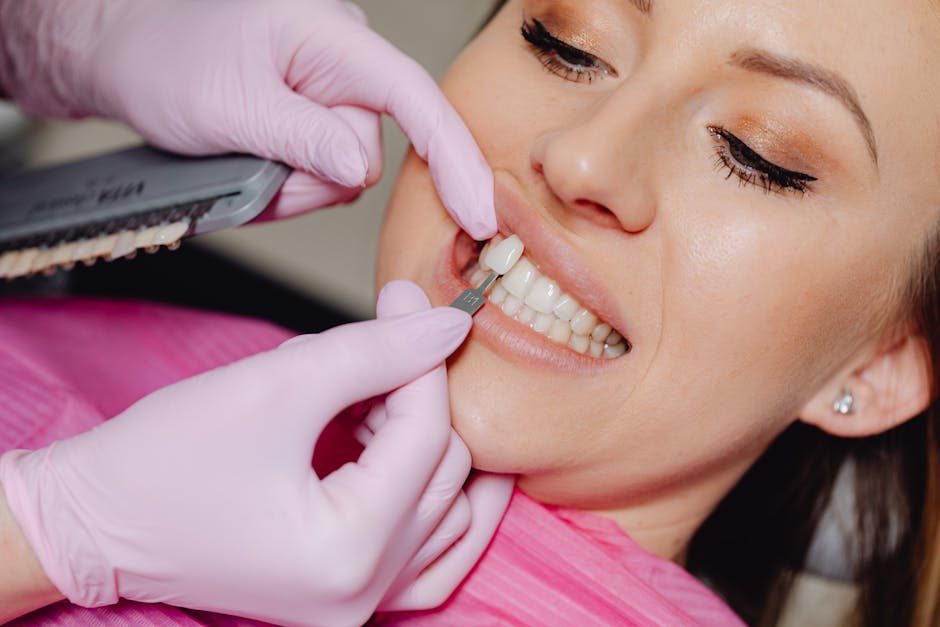
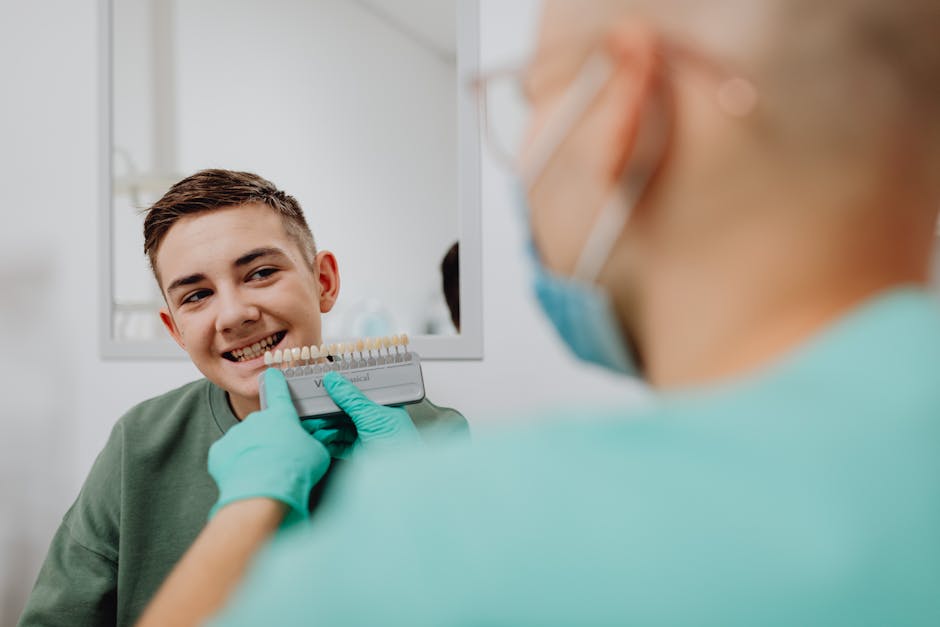
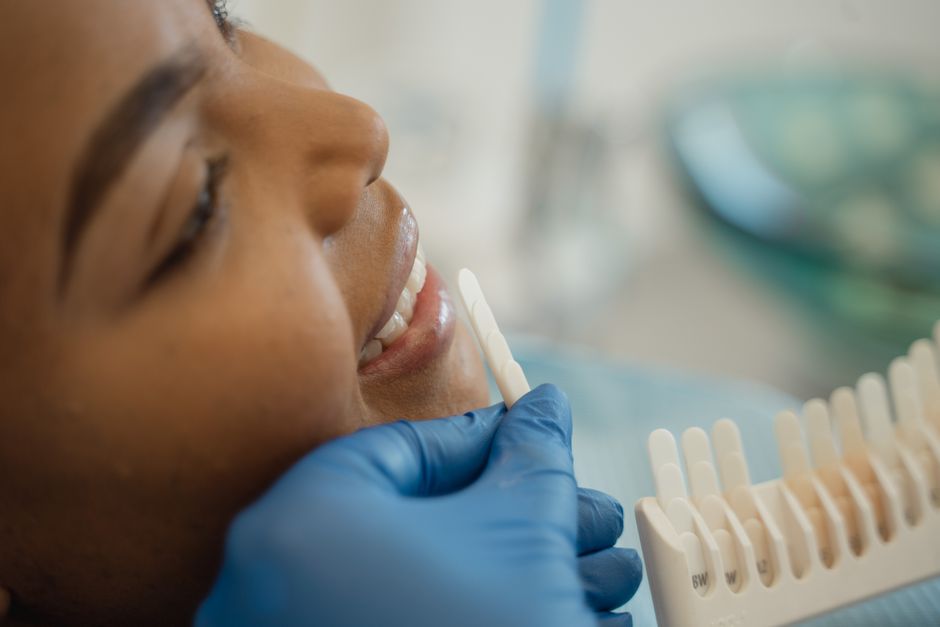
Whitening may be planned as a standalone improvement or as a pre-restorative step to allow lighter final shades with more conservative ceramic thickness. In many protocols, whitening is completed first and followed by a short stabilization period before shade matching for ceramics.
From a scheduling standpoint, whitening can be efficient if integrated early—especially when it prevents later shade mismatch between adjacent natural teeth and restorations.
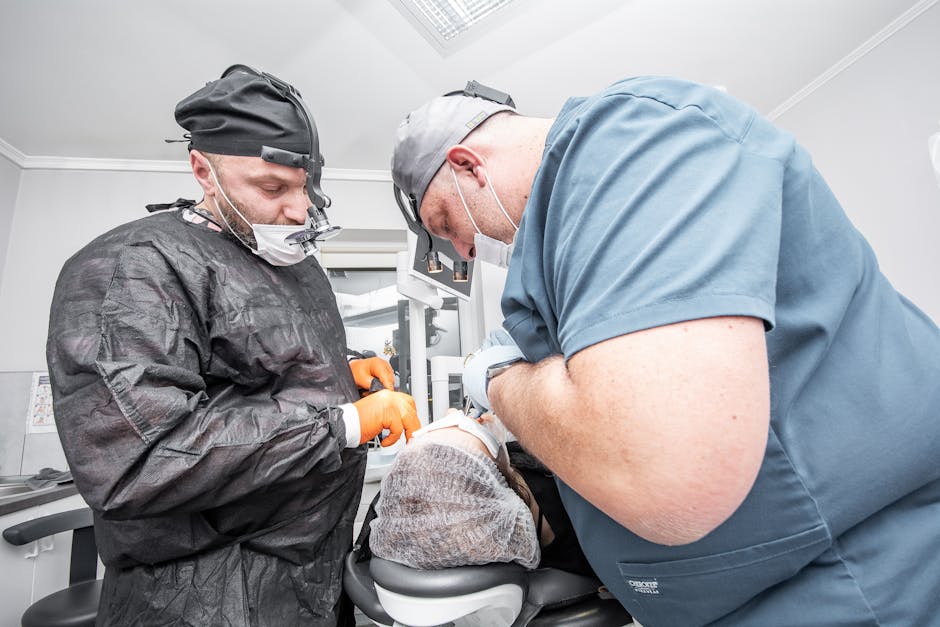
5) Tooth preparation and temporization (1–2 appointments)
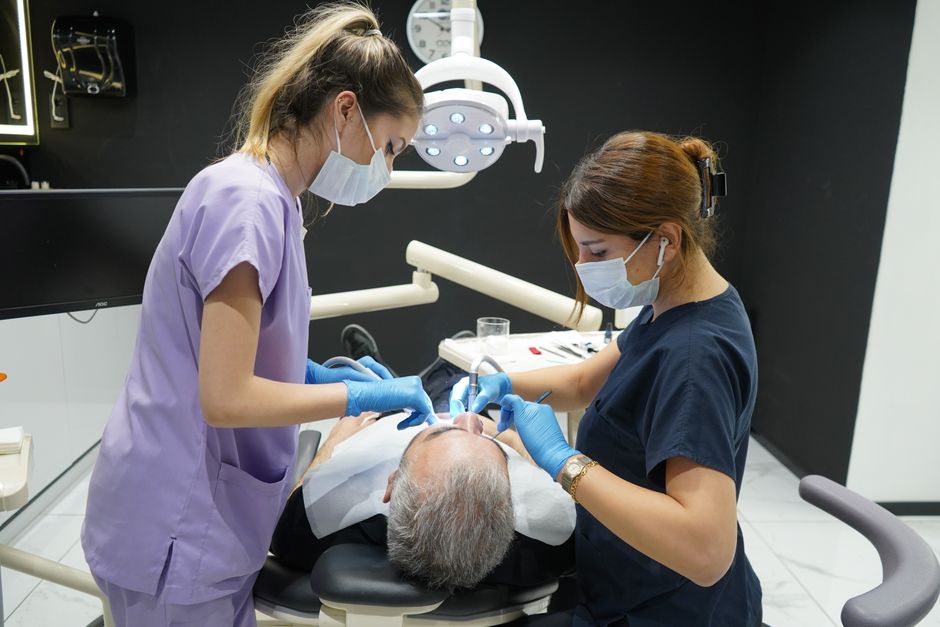
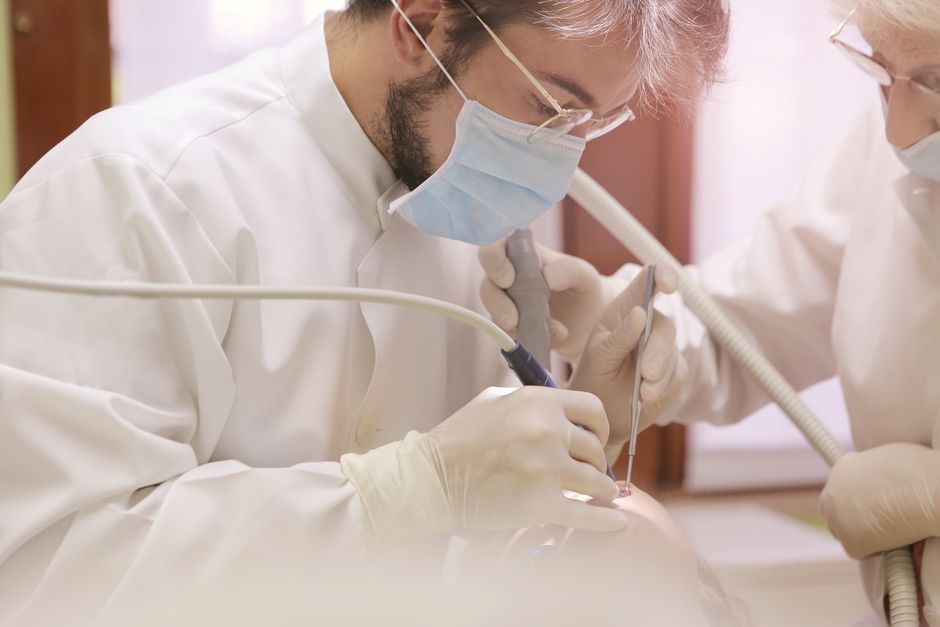
For porcelain laminate veneers or ceramic crowns, preparation and provisionalization are key time points. If preparations are conservative and the plan is validated with a mock-up, this stage can be completed efficiently. However, if occlusal adjustments, margin relocation, or anterior guidance changes are required, the clinical phase may extend.
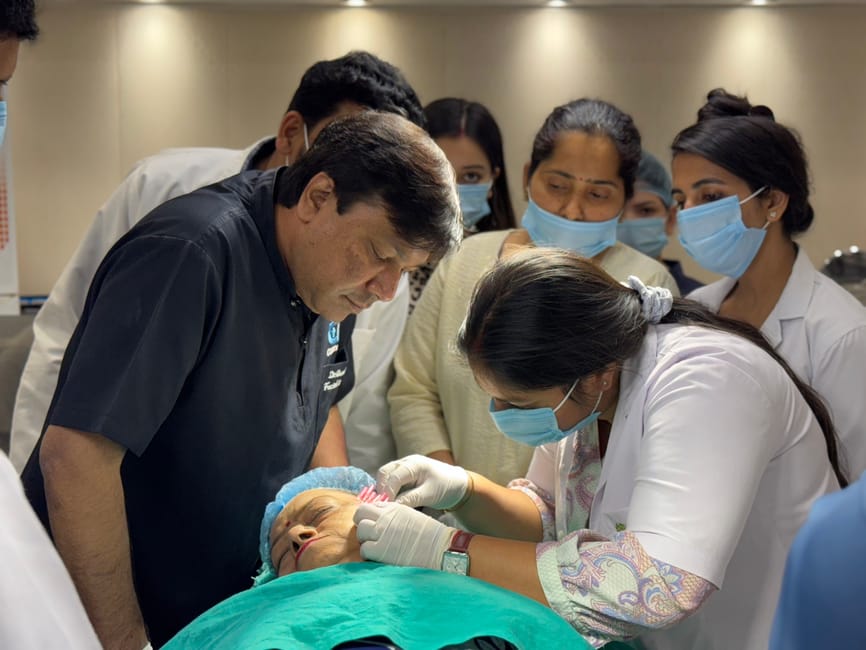
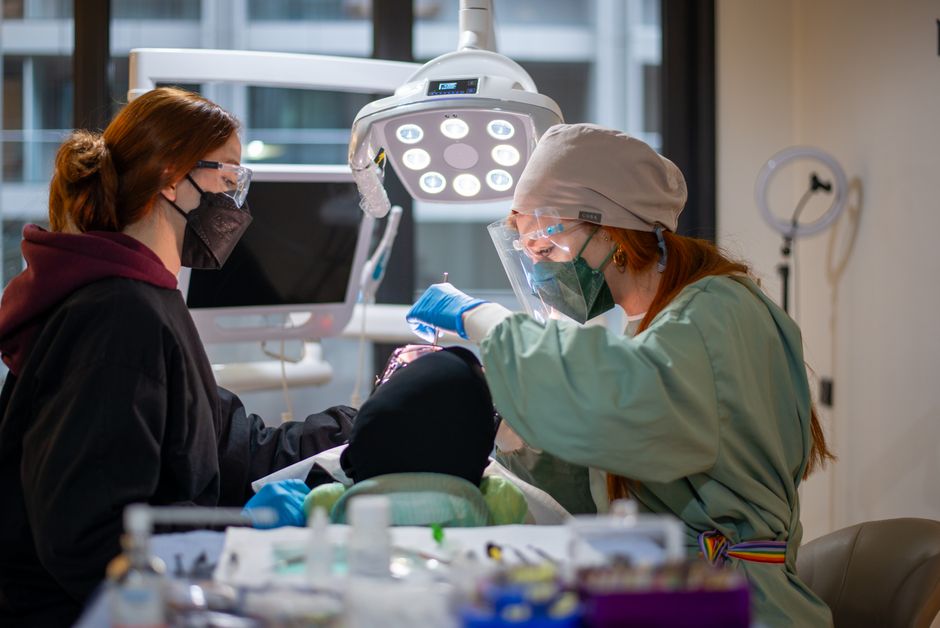
In education settings, hands-on training often emphasizes preparation design, finishing line clarity, soft-tissue management, and provisional contours—because these details reduce laboratory ambiguity and minimize delivery-day adjustments.
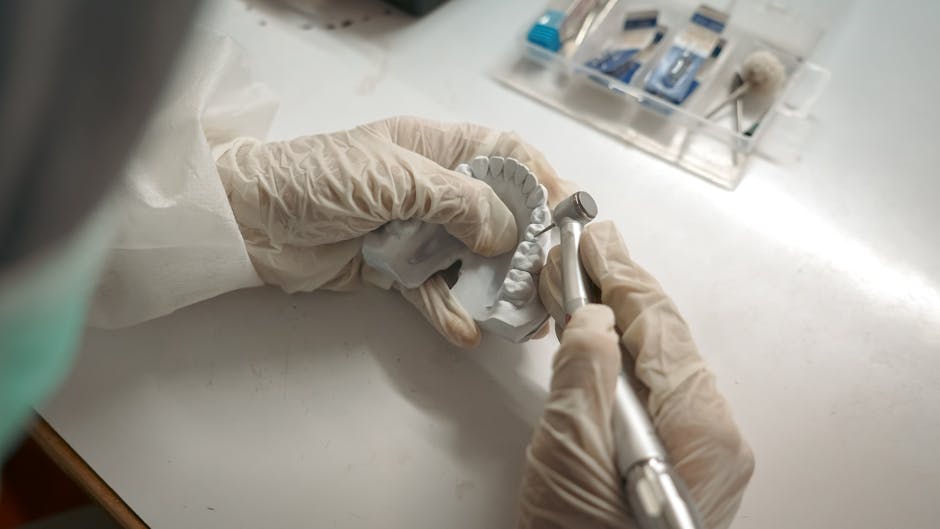
6) Laboratory or chairside fabrication (3 days to 2+ weeks)
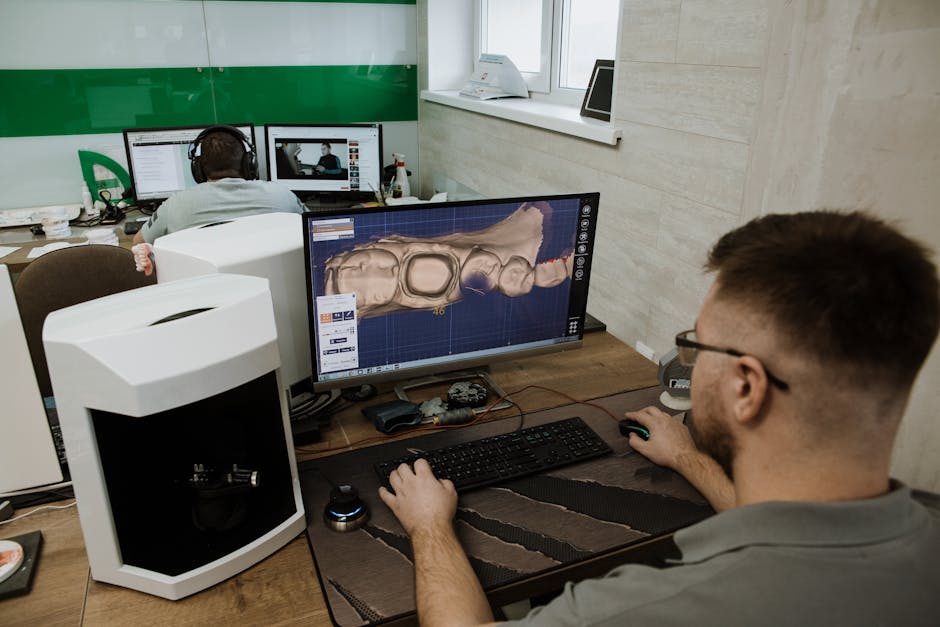
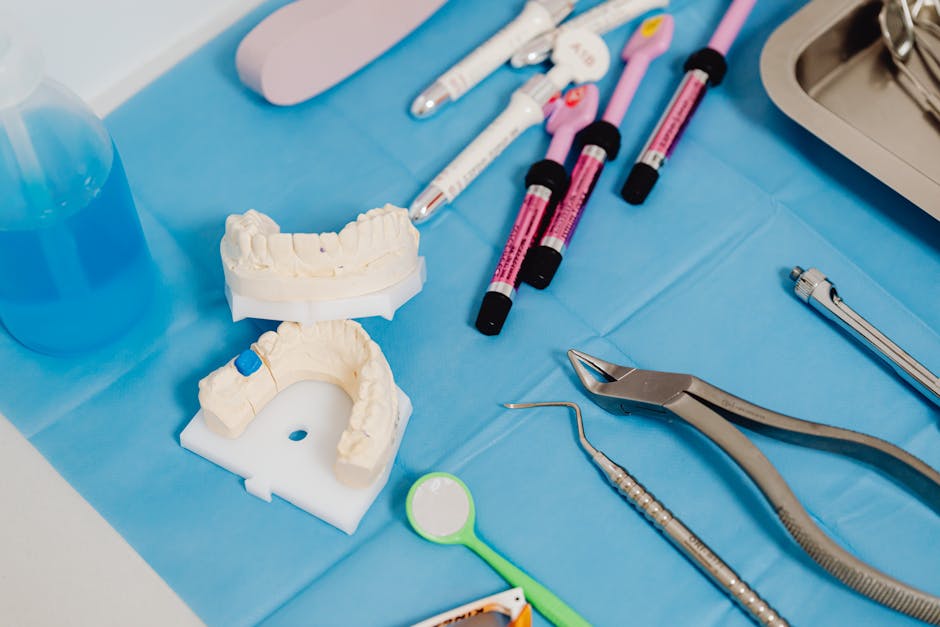
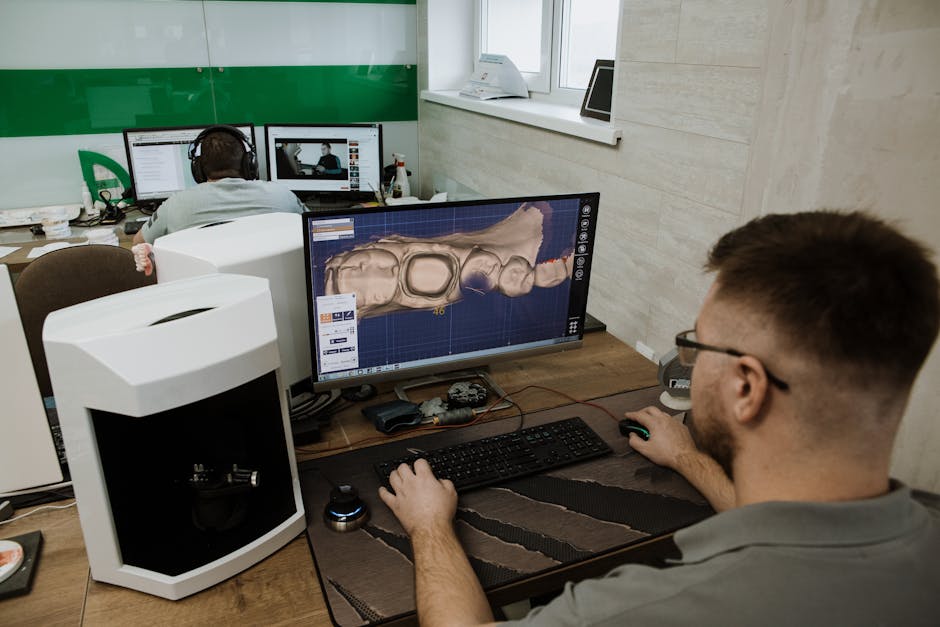
Lab turnaround varies depending on material (feldspathic, lithium disilicate, zirconia), characterization needs, and whether the clinic uses an in-house CAD/CAM workflow. Digital dentistry can shorten timelines, but only when the entire chain—from scanning to design to milling/sintering and finishing—is well coordinated.
If your interest is implant-supported aesthetics, digital integration is especially time-saving for provisional design and definitive prosthetic accuracy. For a deeper educational look, explore How Digital Workflow Enhances Implant-Supported Prosthetics.
7) Try-in, bonding/cementation, and adjustments (1–2 appointments)
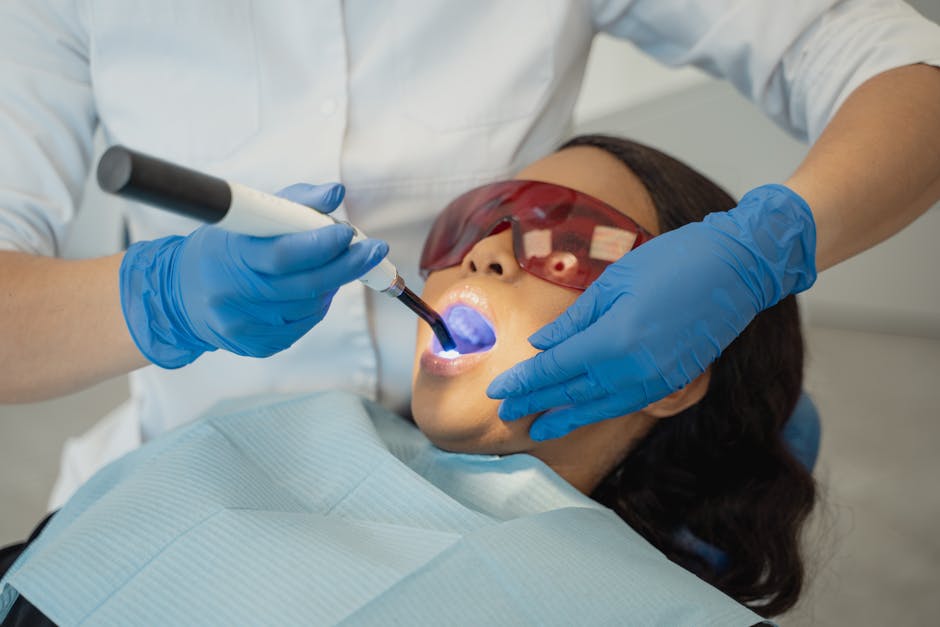
Delivery may require one longer appointment or two shorter visits: a try-in for evaluation of fit, contacts, and shade, followed by definitive bonding/cementation. Complex cases might include occlusal refinement across multiple units and a follow-up visit for comfort and phonetics.

Adhesion quality is a major determinant of clinical efficiency and longevity, particularly for conservative preparations. For clinically oriented protocols and material considerations, see Contemporary Adhesive Techniques for Posterior Restorations: A Clinical-Ready Guide—many principles translate to broader adhesive workflows, even when the aesthetic focus is anterior.
What factors most influence the duration?
Case complexity: additive vs. reconstructive dentistry
A patient seeking subtle shape refinement may only need bleaching and limited bonding—often finished quickly. By contrast, a patient with significant wear, loss of vertical dimension, multiple failing restorations, or missing teeth may require a phased approach with provisional restorations and occlusal stabilization, extending the timeline.
Periodontal phenotype and tissue stability
Inflammation control, recession management, and papilla architecture can affect emergence profile and margin placement. In some cases, soft-tissue conditioning with provisionals is part of the aesthetic plan and needs time to mature.
Endodontic needs and diagnostic uncertainty
Undetected cracks, pulpal symptoms, or complex canal anatomy can interrupt an aesthetic schedule. When endodontic therapy is required, completing it to a stable baseline before definitive ceramics is often prudent, depending on the case. Magnification and enhanced visualization can improve predictability in complex anatomies; for an educational discussion, visit Dental Operating Microscope in Complex Root Canal Anatomy: Why It Matters.
Implants: healing biology sets the pace
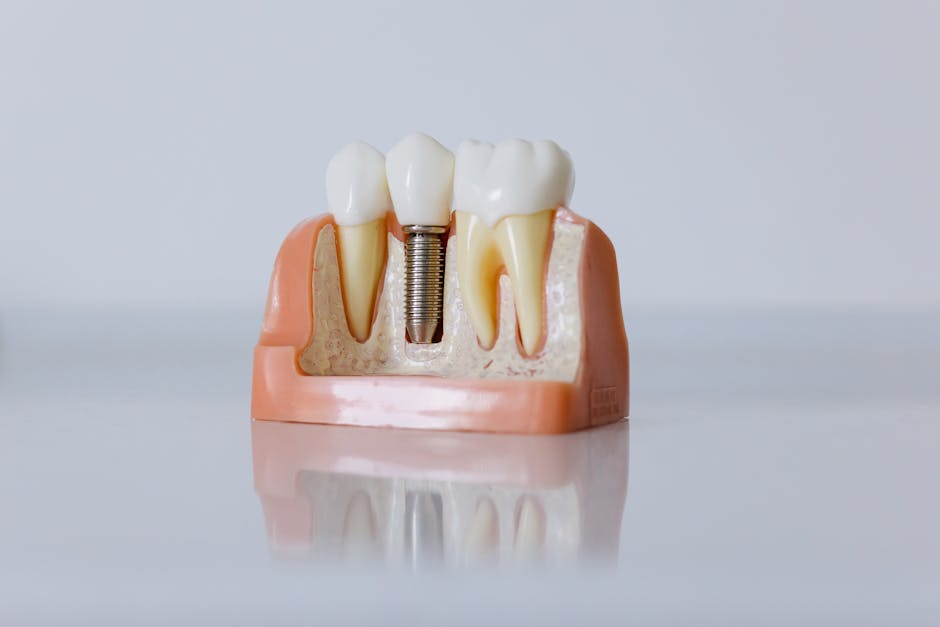
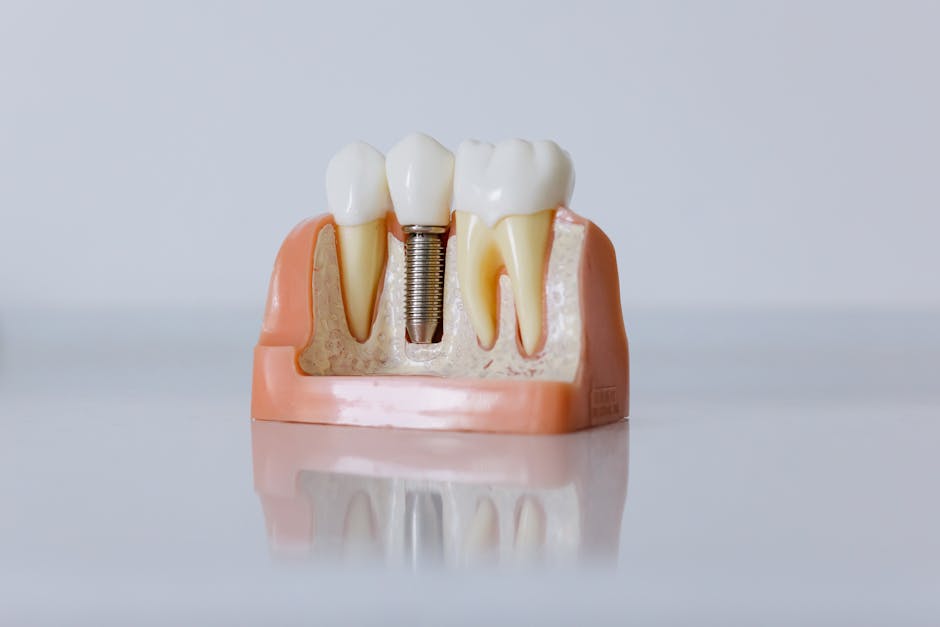
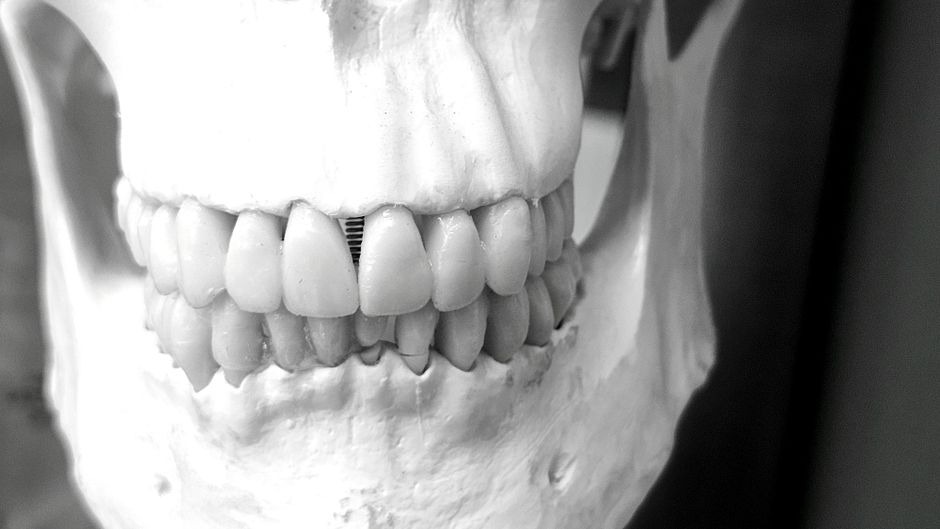
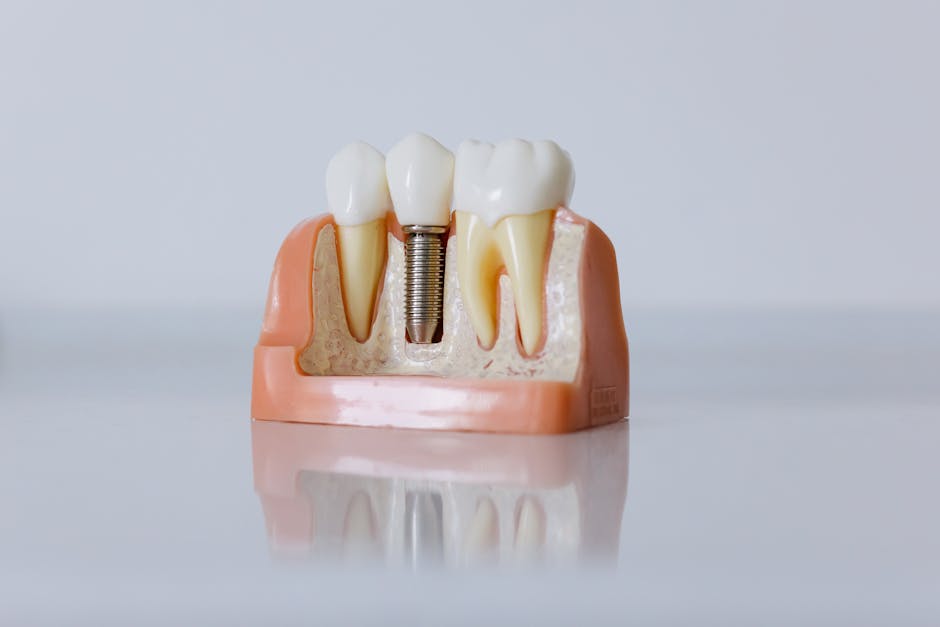
When the “Hollywood Smile” includes replacing missing teeth, implant biology typically becomes the longest timeline driver. Even with immediate provisionalization in selected cases, definitive prosthetics may be delayed until osseointegration and soft-tissue stability are confirmed. Bone grafting, sinus floor elevation, or soft-tissue augmentation can extend treatment duration substantially.
Material choices and lab communication
Highly characterized ceramics, multilayer shading, and individualized texture take time—especially when the aesthetic zone demands a natural, non-monochromatic outcome. Clear communication using calibrated photos and a structured prescription often reduces remakes and accelerates delivery.
Sample timelines (educational examples)
Scenario A: Whitening + minor bonding
Estimated duration: 1–3 weeks
Typical flow: Records → whitening → bonding → polish and review
Common delays: sensitivity management, shade stabilization, patient scheduling
Scenario B: 6–10 porcelain laminate veneers
Estimated duration: 2–6 weeks

Typical flow: Records + mock-up → prep + temporaries → lab phase → bonding + follow-up
Common delays: gingival inflammation, refinement of midline/occlusal plane, lab revisions
Scenario C: Smile design with implants and tissue management
Estimated duration: 3–9+ months
Typical flow: Diagnostics → extractions/grafting (if needed) → implant placement → provisionalization/tissue conditioning → definitive prosthetics
Common delays: graft maturation, soft-tissue stability, staged surgical planning
How clinicians can shorten treatment time without compromising quality
Standardize records and communication
Repeatable photo series, consistent shade protocols, and precise digital scans reduce ambiguity. A structured checklist for smile design records often improves predictability and decreases the number of “extra” appointments.
Use a validated mock-up as a clinical compass
Mock-ups help guide preparation depth, midline and incisal edge position, and patient expectations. This can be one of the most time-efficient tools for reducing remakes.
Integrate digital workflow where it truly adds value
Digital tools can accelerate scanning, planning, and manufacturing—especially for implant prosthetics and provisional design. However, the biggest time savings come from an integrated team workflow, not technology alone.
Where continuing education fits in
Because “Hollywood Smile” cases often span prosthodontics, restorative dentistry, periodontology, and sometimes oral surgery and endodontics, many clinicians pursue continuing dental education to build a cohesive workflow. At Istanbul Dental Academy, hands-on courses are designed to connect diagnosis, planning, and execution—helping participants refine preparation designs, adhesive protocols, digital planning, and aesthetic communication in a practical, clinic-ready way.
Patient communication: setting realistic expectations
From an ethical and medico-legal perspective, it helps to frame timelines as ranges rather than promises. Many delays are not “problems” but normal clinical sequencing: tissue healing, shade stabilization, lab artistry, and functional verification. Documenting baseline conditions, agreed objectives, and staged milestones can support smoother case acceptance and fewer last-minute changes.
Key takeaways
A Hollywood Smile can be fast when it is minimally invasive and biologically straightforward, but it becomes longer when foundational care is needed—periodontal stabilization, endodontics, occlusal rehabilitation, or implant therapy. The most reliable way to manage time is disciplined diagnostics, strong lab communication, and a staged plan that respects tissue and function.
This content is for educational purposes only and does not constitute medical advice. Treatment duration and suitability depend on an individual clinical assessment.
Diğer Yazılar