
BLOG
Treatment Planning for Patients with Advanced Bone Loss: A Clinical Roadmap
Why advanced bone loss changes everything in treatment planning
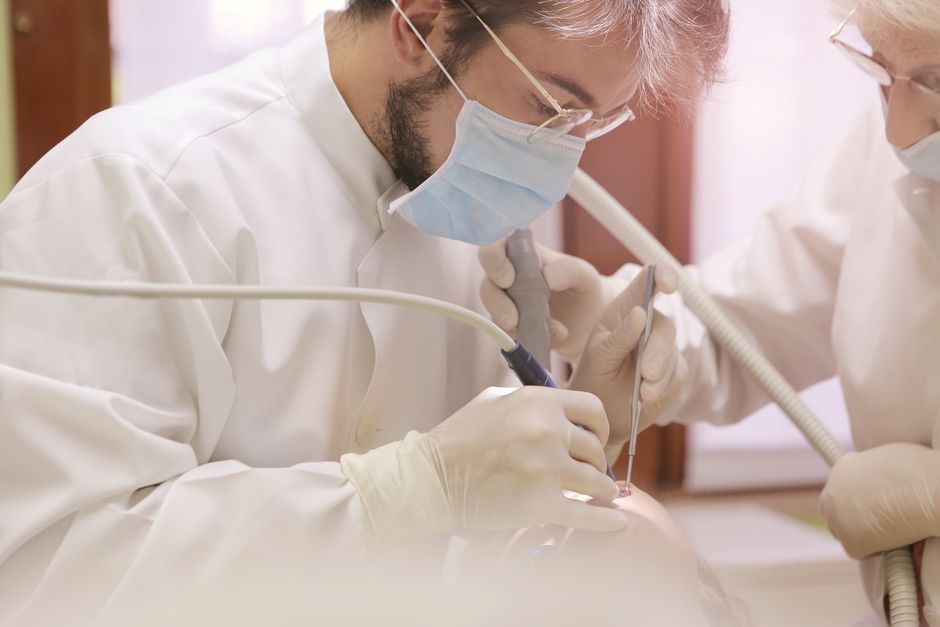
Patients with advanced alveolar bone loss rarely fit into a “single-procedure” mindset. Whether the underlying driver is periodontitis, trauma, long-term partial edentulism, or combined endo-perio lesions, the clinician is typically managing a system: altered biomechanics, compromised soft tissue, increased restorative complexity, and heightened risk of complications. The objective is not only to replace teeth or improve aesthetics—it is to build a stable, maintainable oral environment that can withstand function and time.
In Istanbul, clinicians often see complex cases influenced by delayed dental visits, smoking, systemic conditions, and a strong patient demand for fast aesthetic outcomes. Advanced bone loss forces a careful balance between patient expectations and biological reality. This content is for educational purposes and is intended to support clinical reasoning rather than provide definitive treatment advice.
Step 1: Start with a risk-based diagnostic framework
Medical and behavioral risk assessment
Before you plan surgery, prosthetics, or “smile design,” you need to understand the risk landscape. A structured history should include diabetes control, smoking/vaping, osteoporosis medications (especially antiresorptives), immune status, xerostomia, parafunction, and prior periodontal treatment outcomes. These factors can influence healing, inflammation control, and long-term implant and tooth prognosis.
Periodontal charting and prognosis that drives the plan
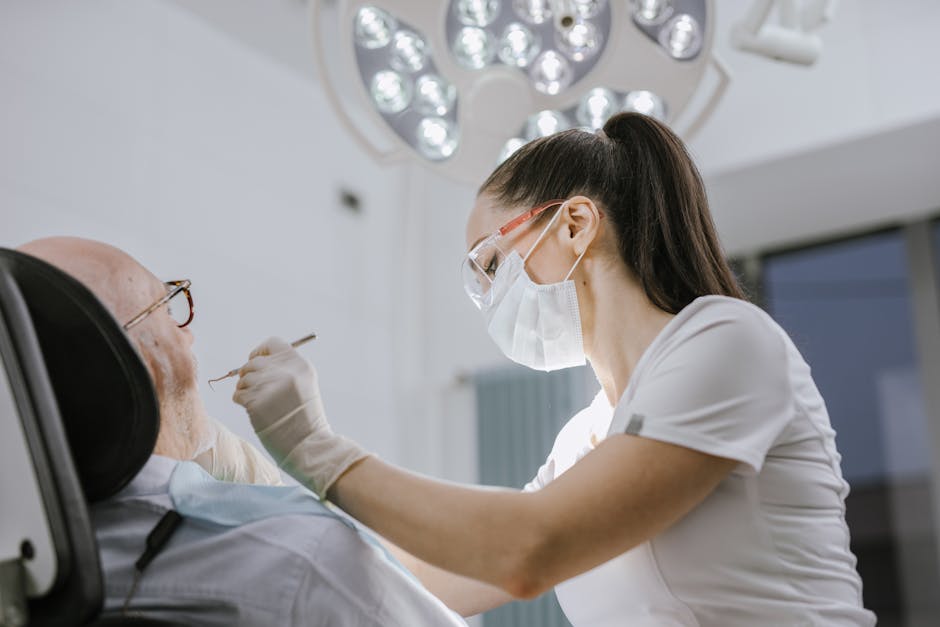
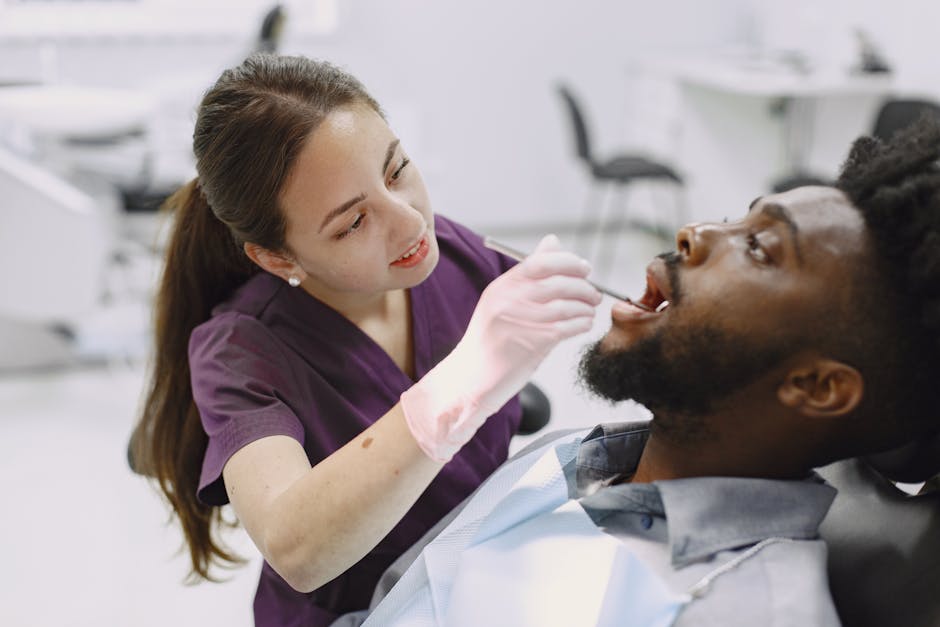
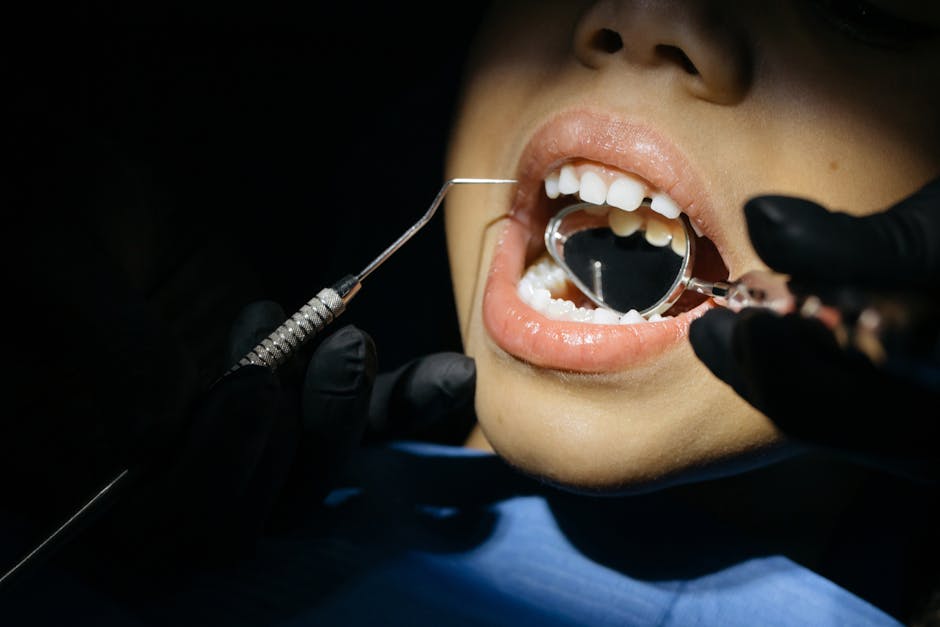
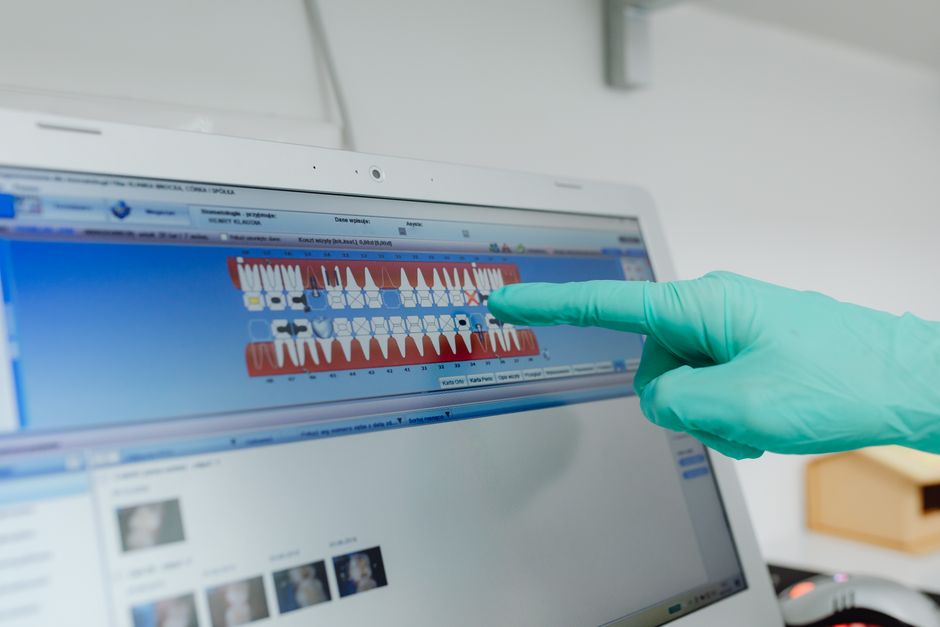
Full periodontal charting, bleeding indices, mobility, furcation involvement, mucogingival evaluation, and occlusal assessment provide the foundation for prognosis. In advanced bone loss, it’s common for patients to present with pathologic migration, posterior bite collapse, and secondary occlusal trauma. The plan should be organized around which teeth are realistically maintainable and which are strategic liabilities.
For a focused review of advanced periodontal decision-making and therapeutic sequencing, see How Is Advanced Gum Disease Treated? A Clinical Guide for Dental Professionals, which complements the interdisciplinary approach discussed here.
Step 2: Use imaging strategically—2D for overview, 3D for precision
When CBCT becomes essential
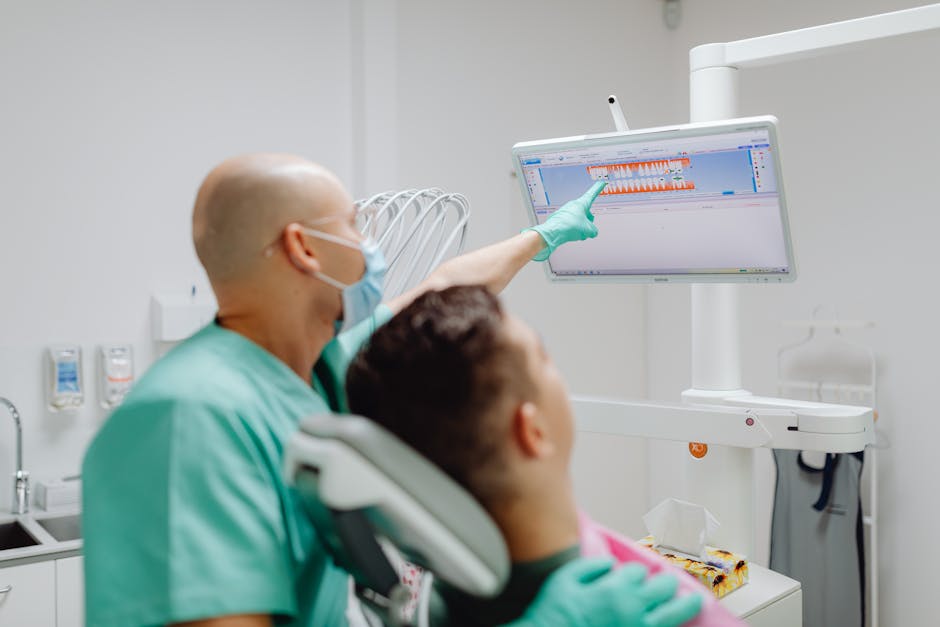
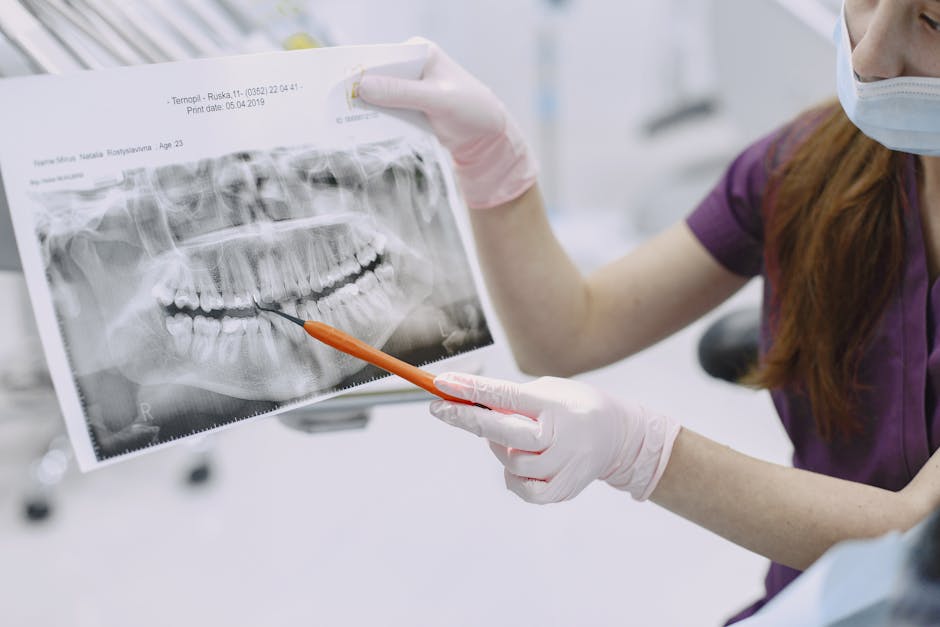
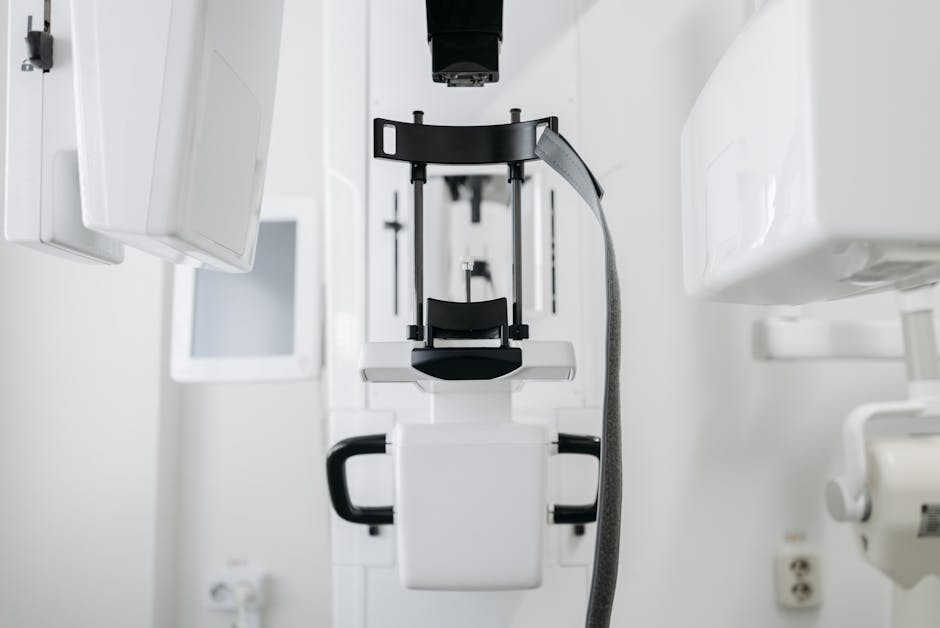
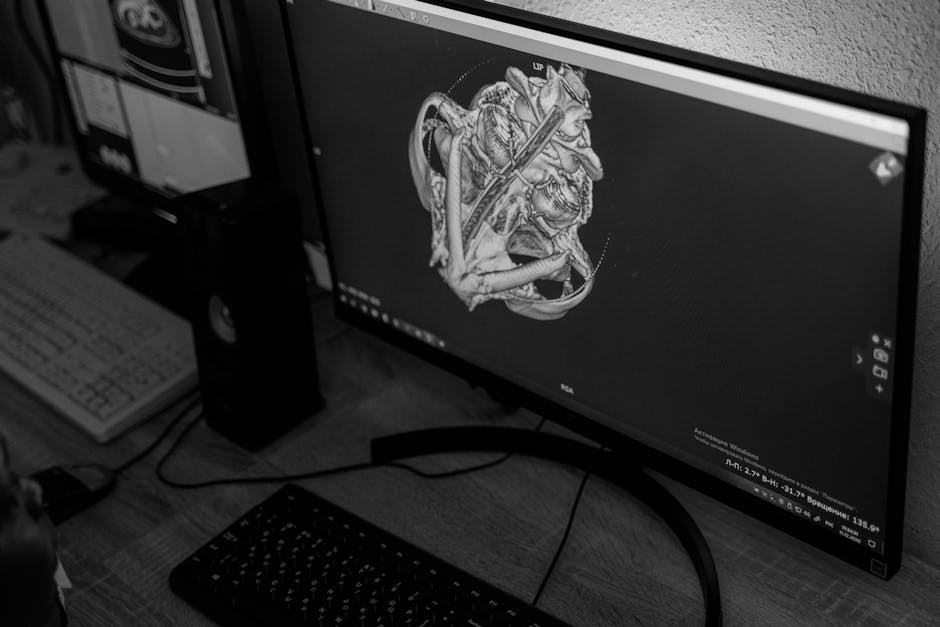
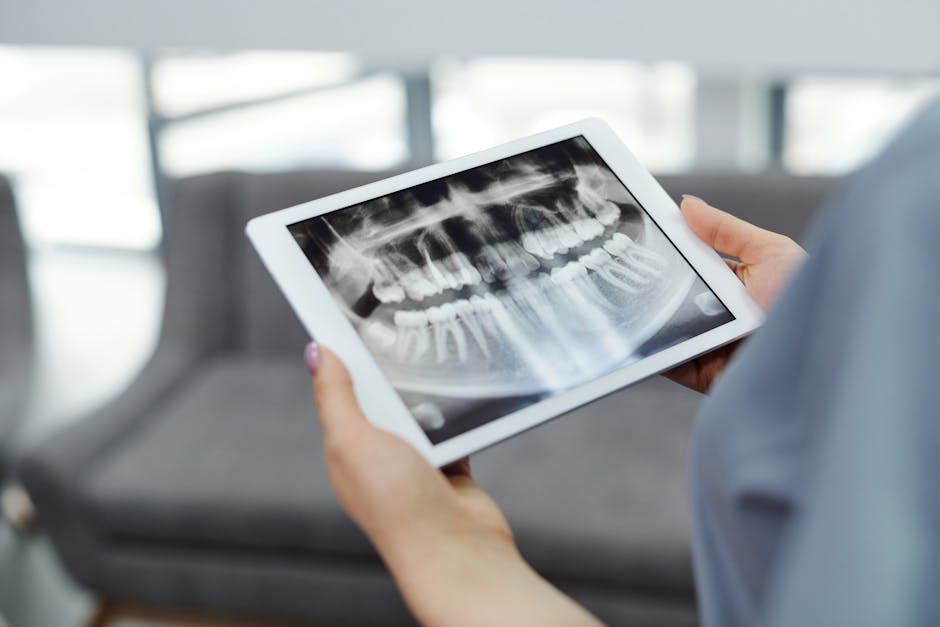
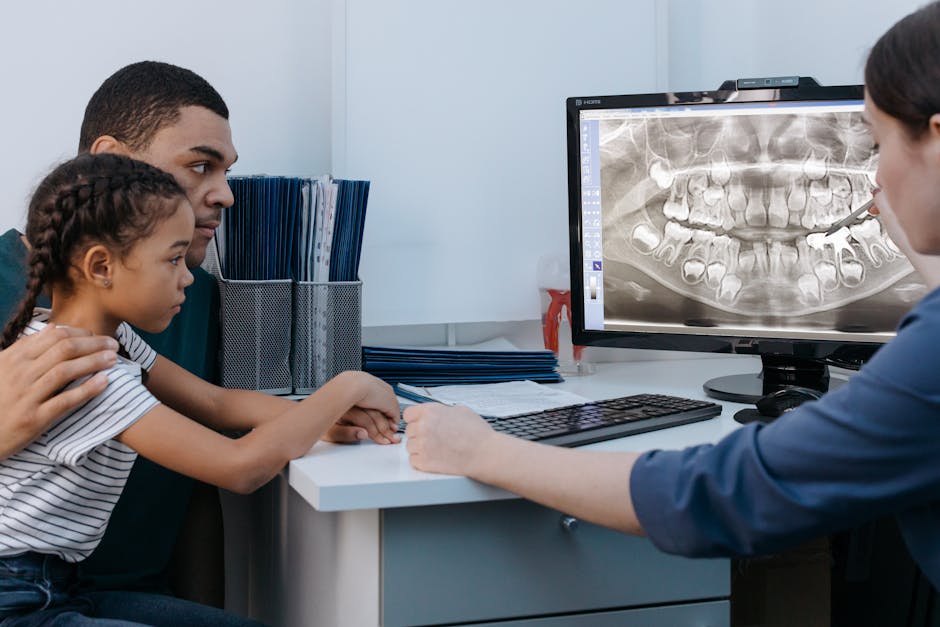
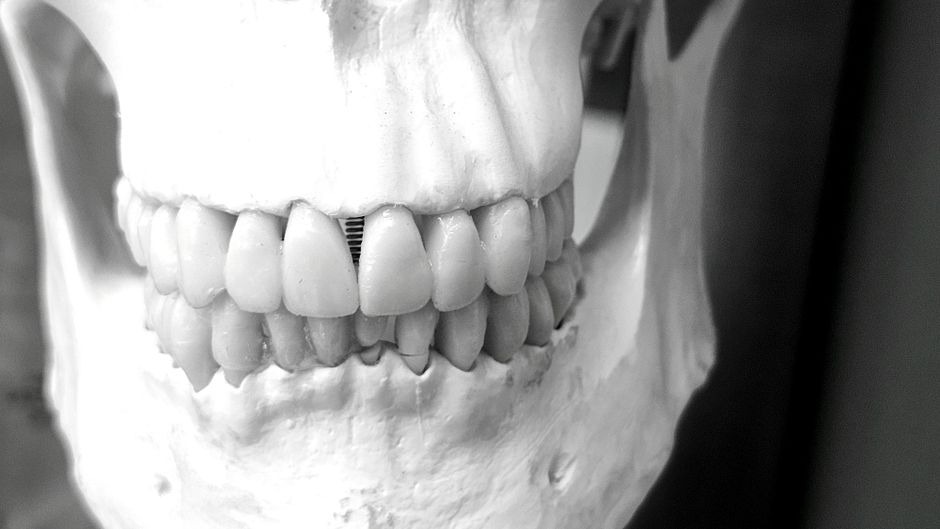
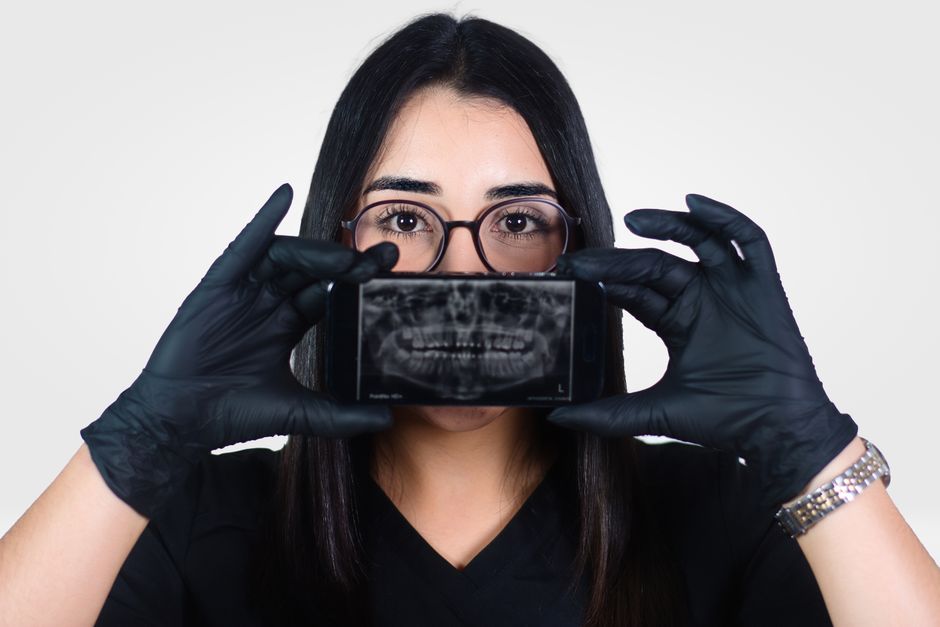
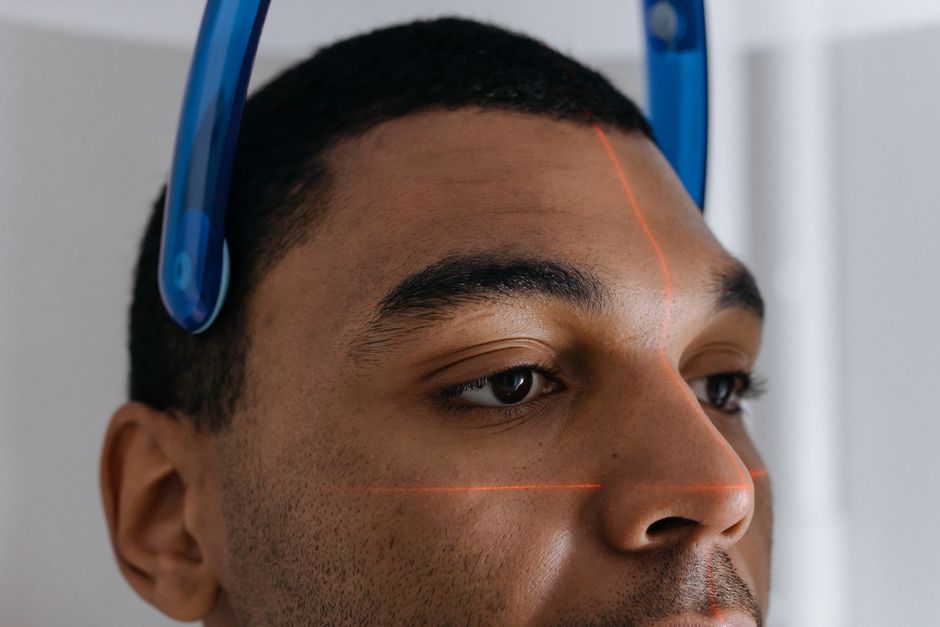
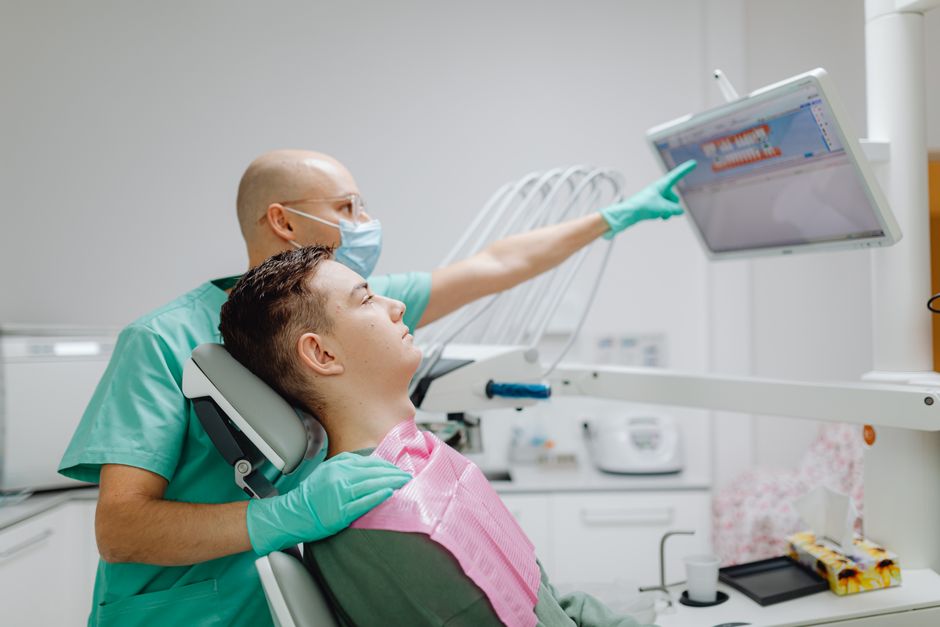
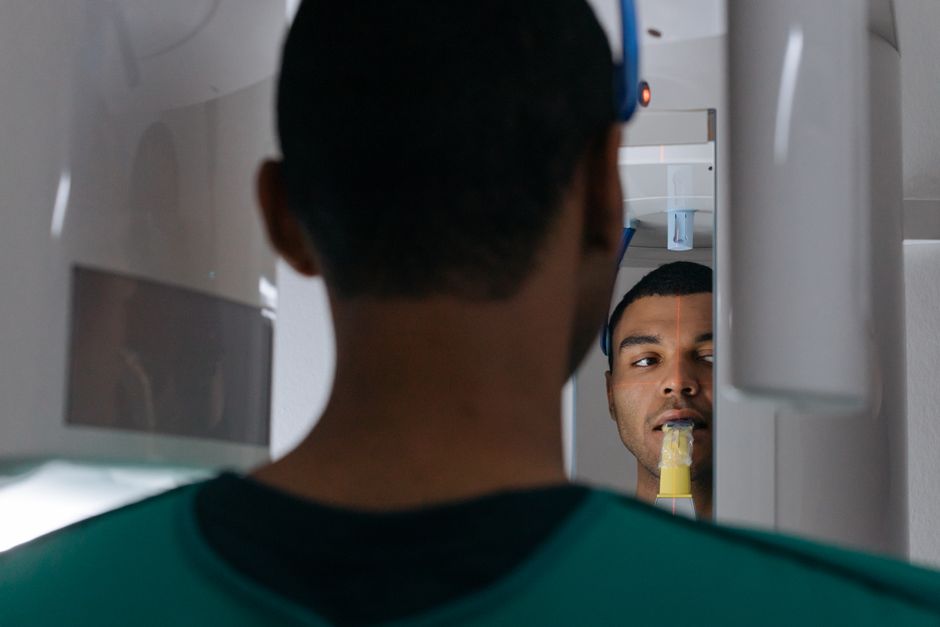
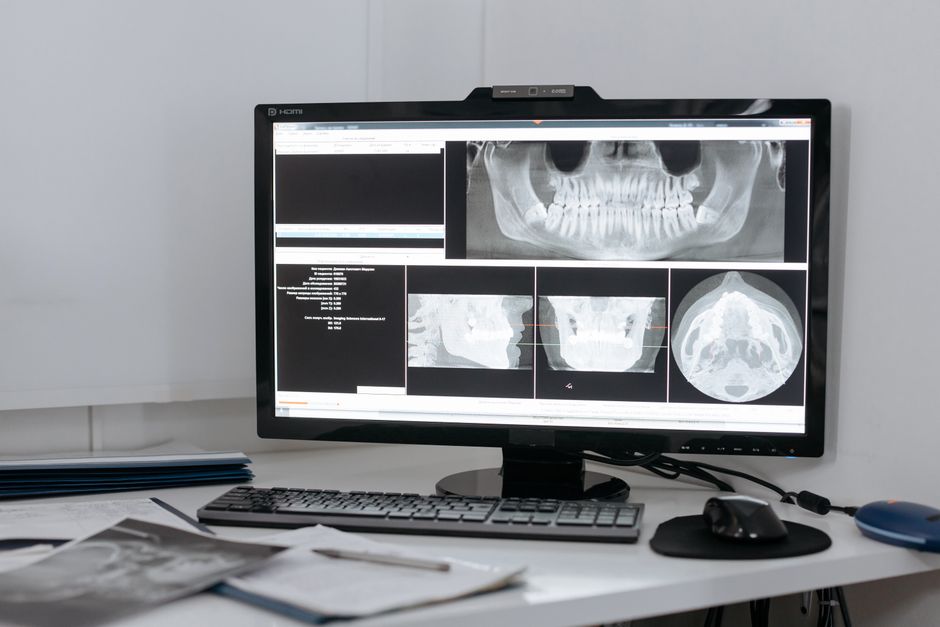
With advanced bone loss, conventional radiographs may underestimate defect morphology, underestimate buccal/lingual plate loss, and fail to capture anatomic limitations relevant to implants and grafting. CBCT is particularly helpful in evaluating residual ridge volume, sinus proximity, lingual concavities, periodontal defect patterns, and endodontic/vertical root fracture suspicion when clinical signs are ambiguous.
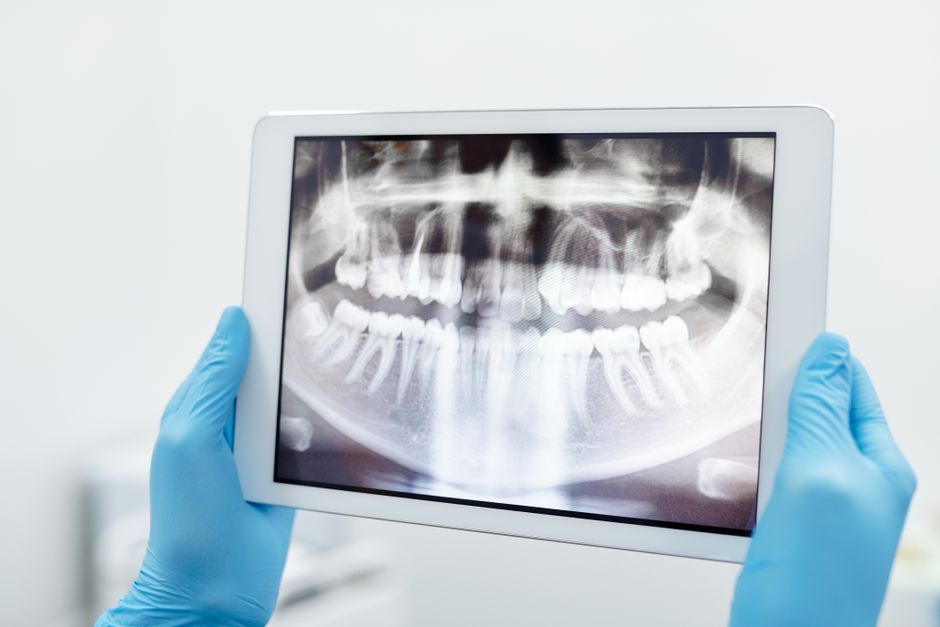
A practical digital workflow perspective is outlined in Why CBCT Matters in Dental Implant Planning: A Clinical, Digital Workflow Guide. Even when implant placement is not immediate, CBCT can help you plan staged approaches, provisionalization strategies, and risk communication.
Photographic documentation supports planning and consent
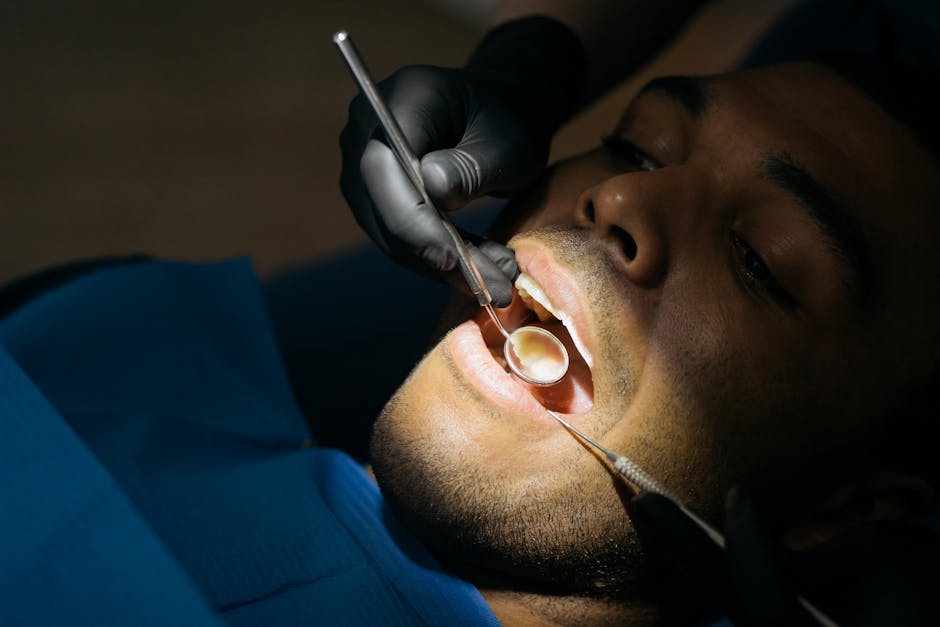
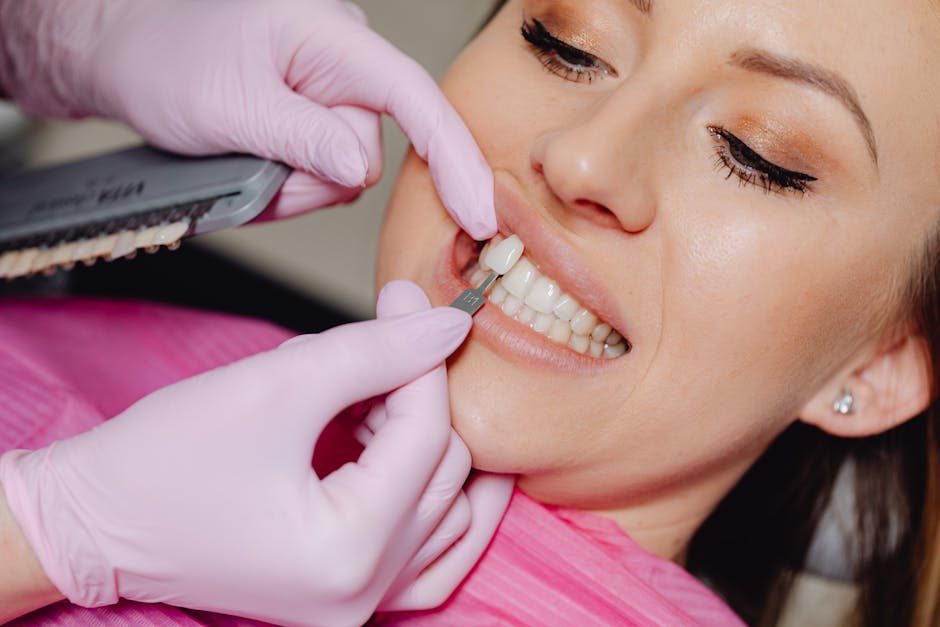
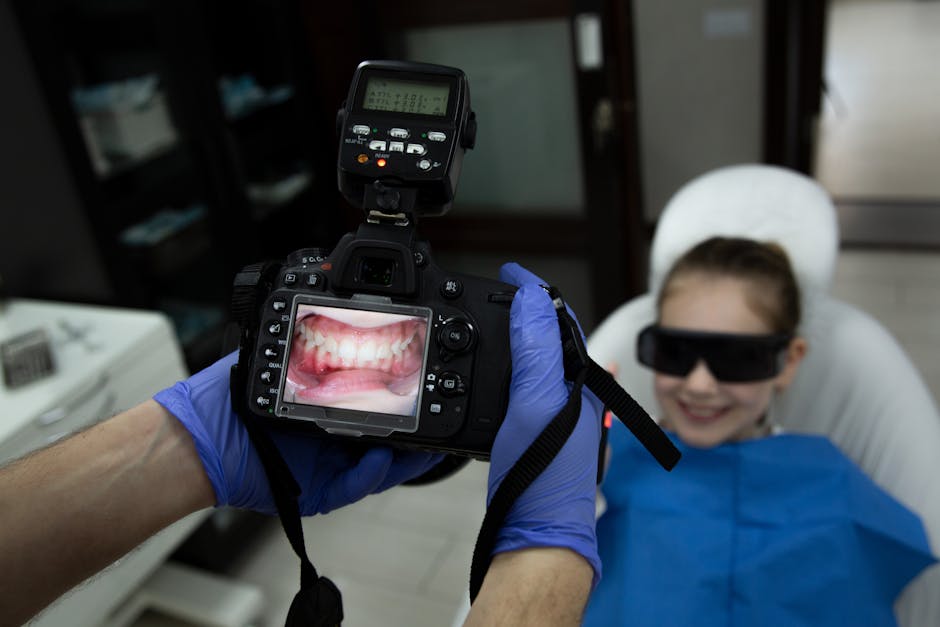
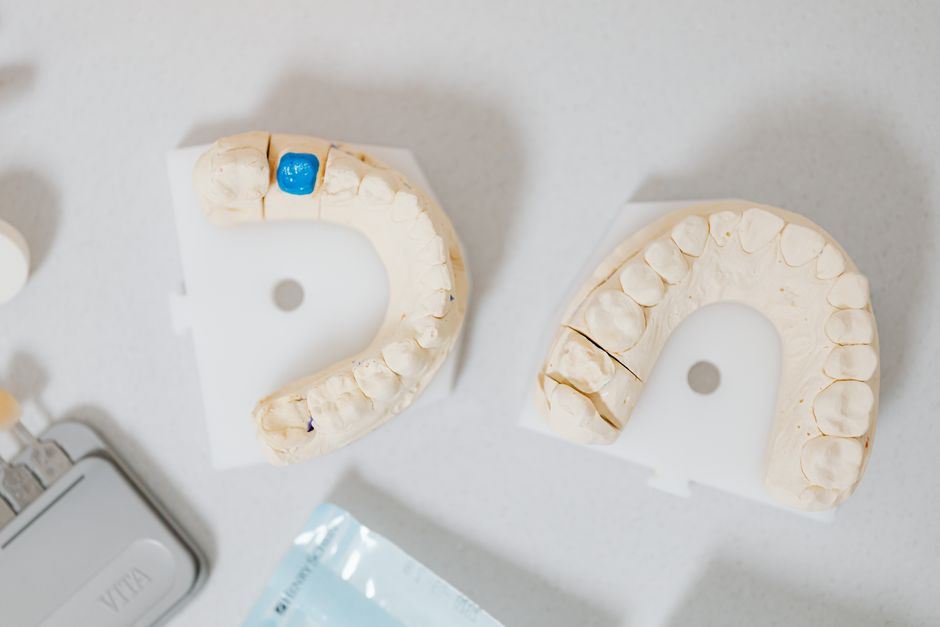
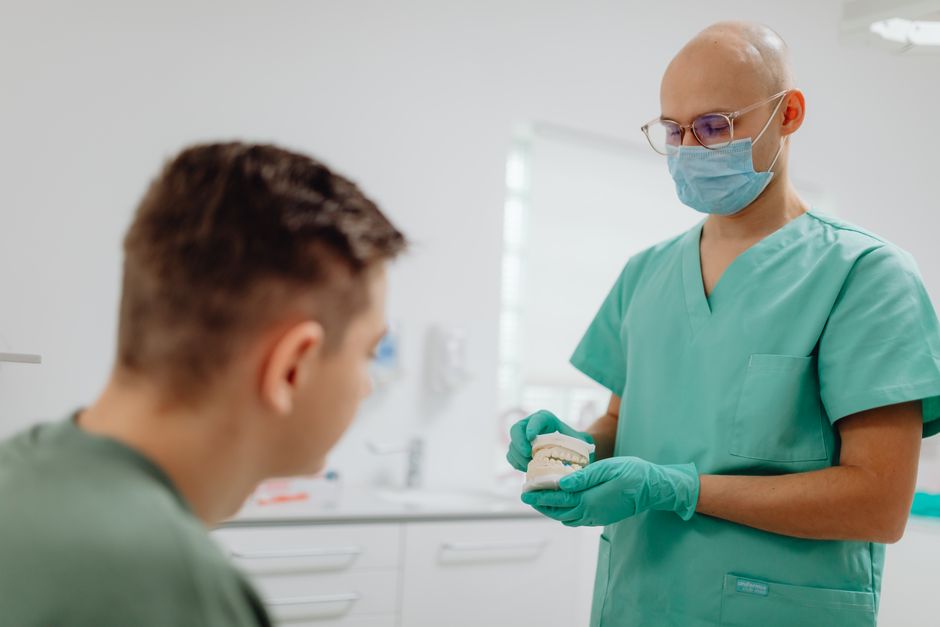
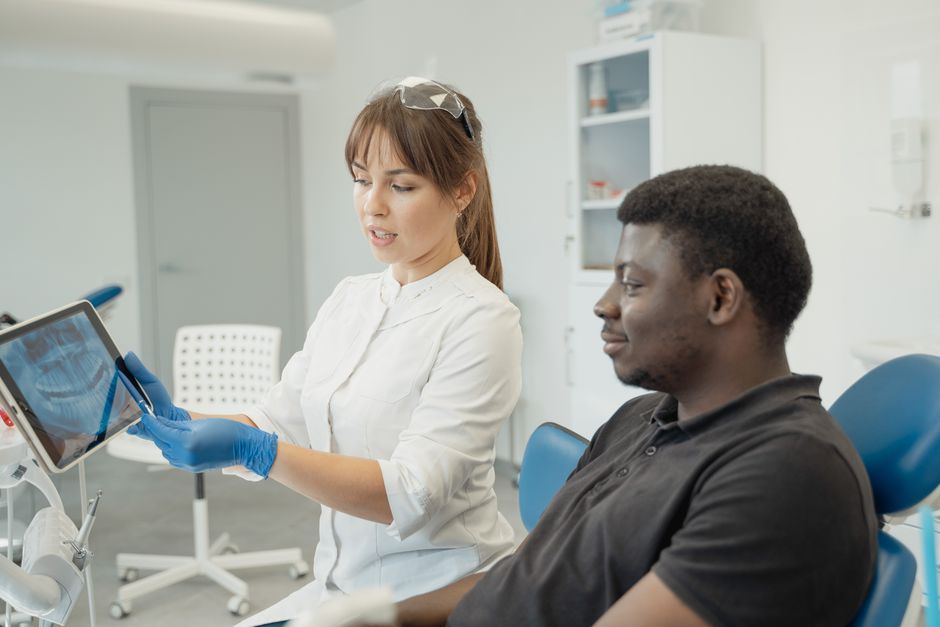
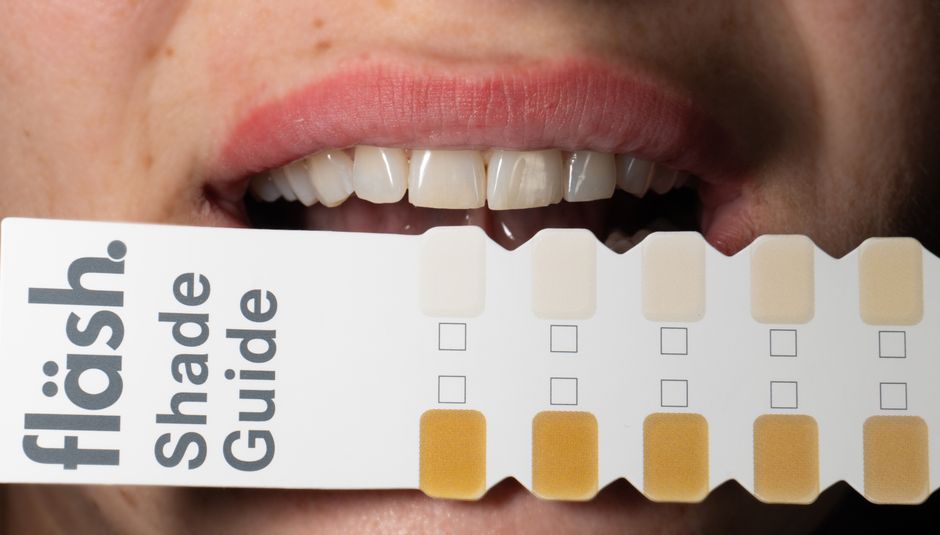
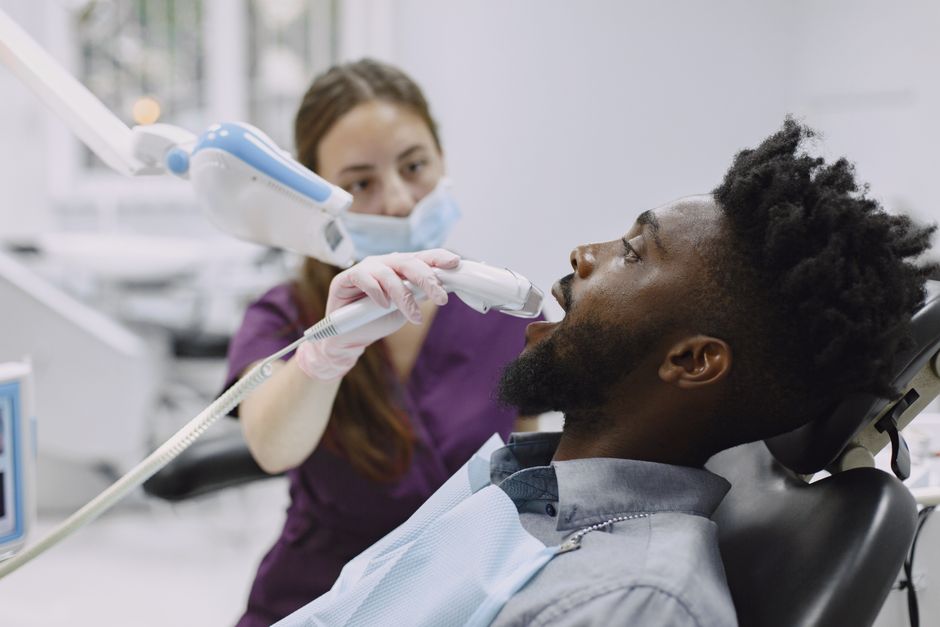
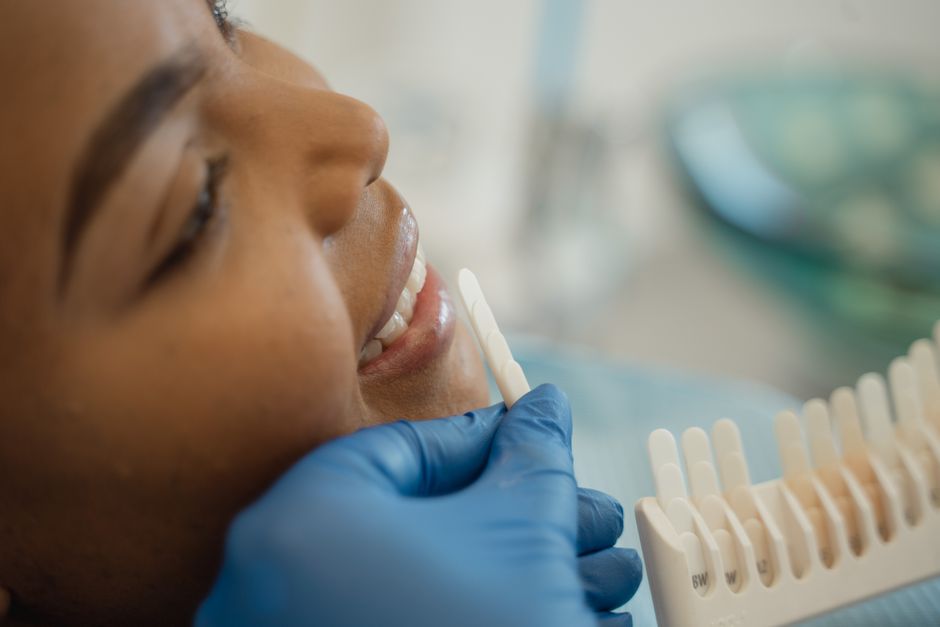
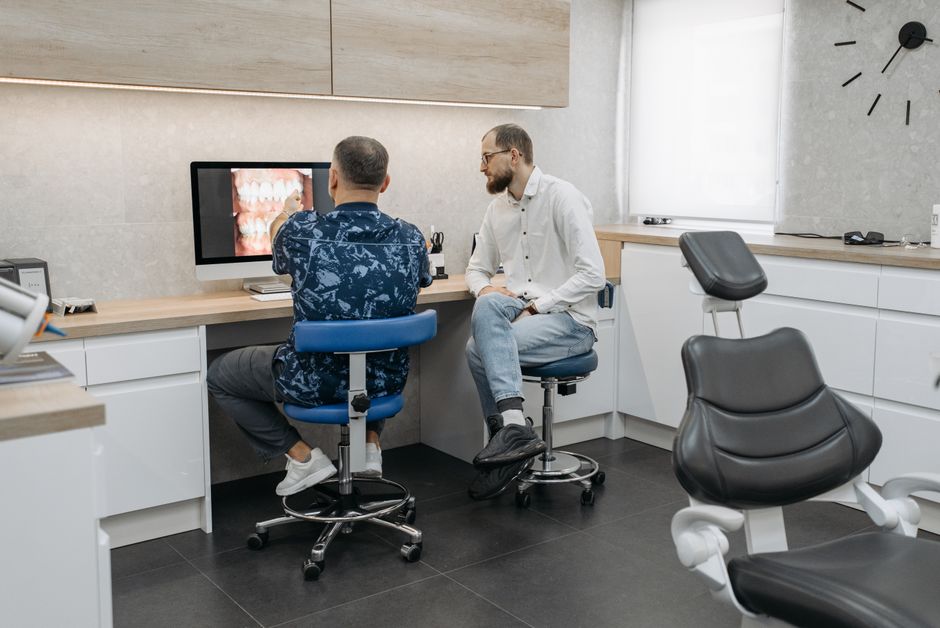
High-quality intraoral photos and a standardized series (including occlusal views) make bone-loss-driven problems visible for patients and team members. Photos also improve interdisciplinary communication—especially when periodontology, oral surgery, and prosthodontics are collaborating. In educational settings, dental photography is invaluable for case presentation, follow-up comparison, and reflective learning.
Step 3: Stabilize disease and define the “health baseline”
Non-surgical control first (whenever feasible)
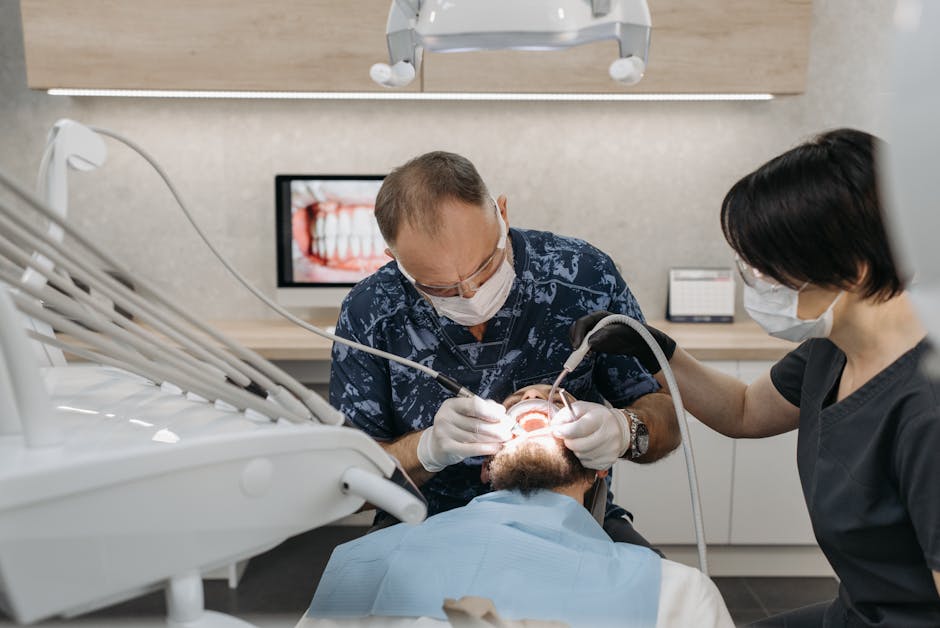
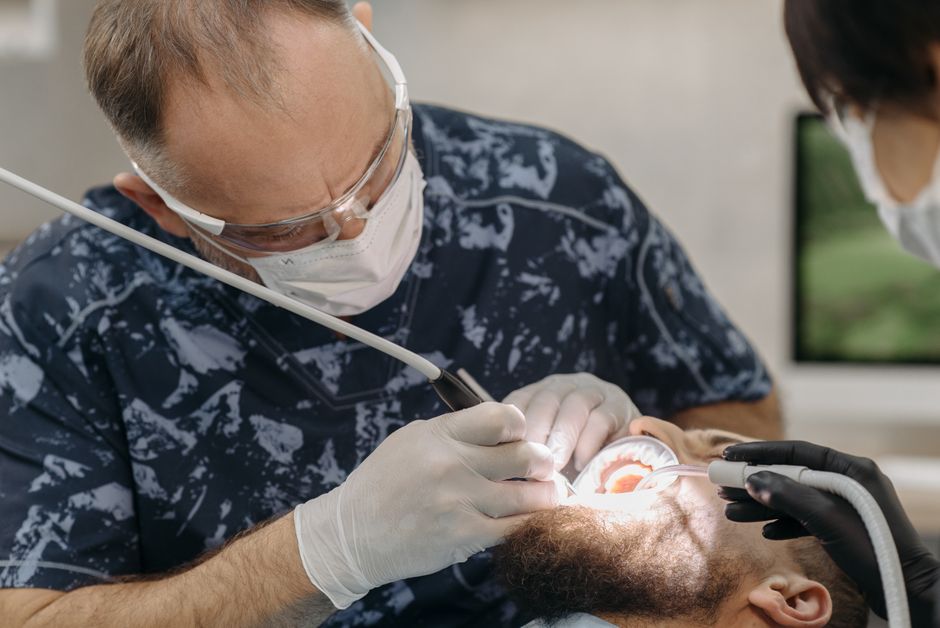
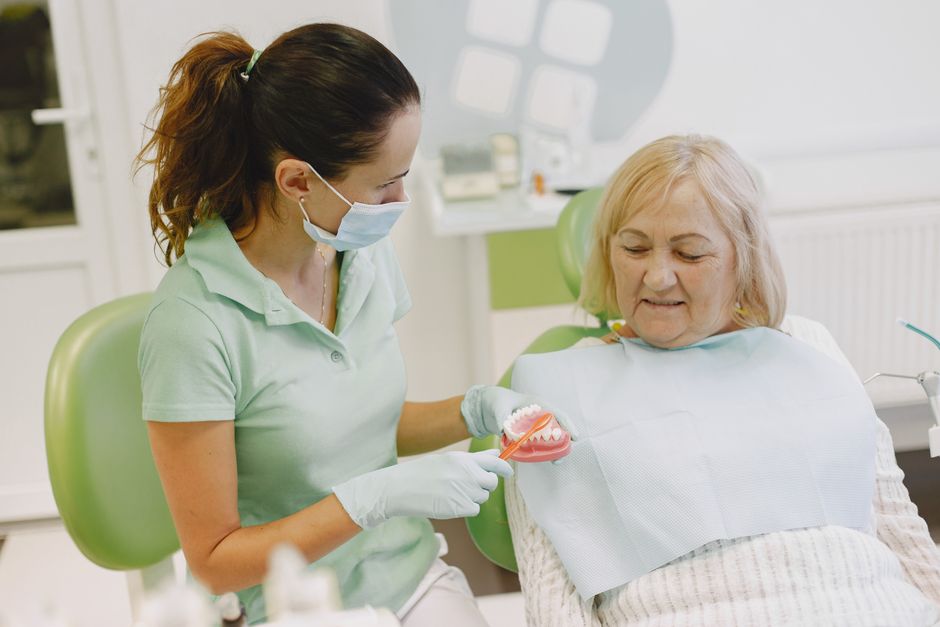
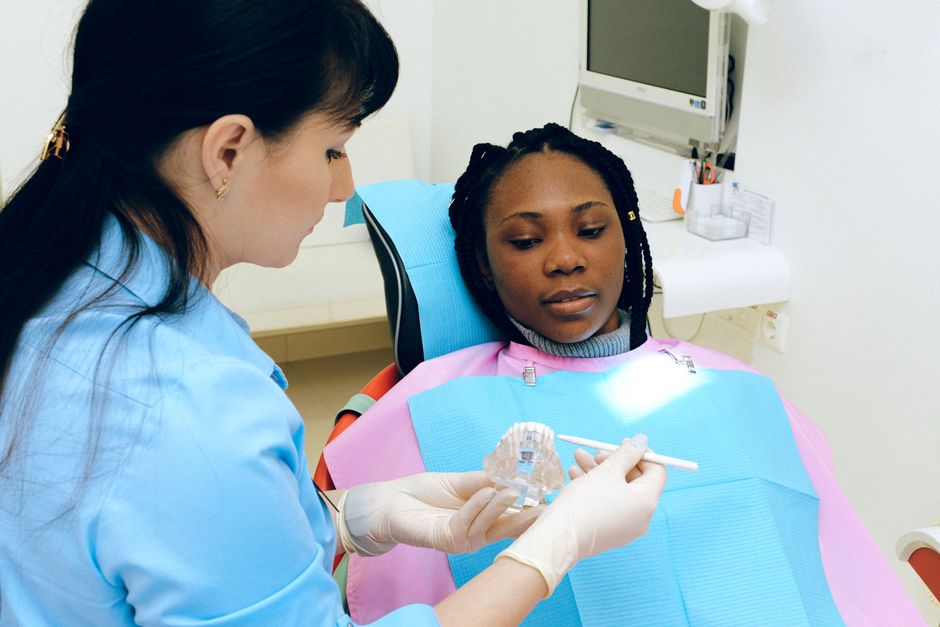
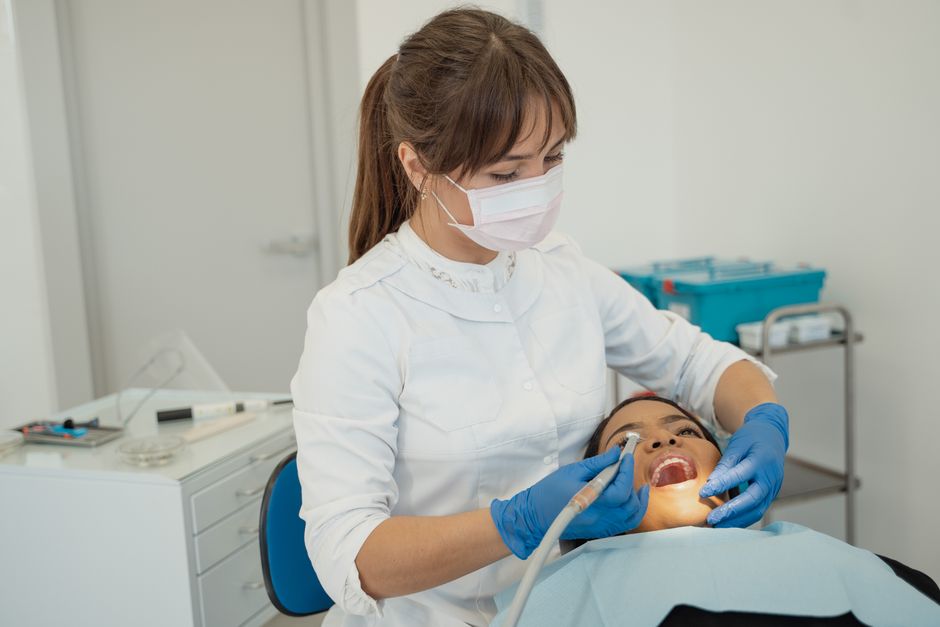
In many advanced bone loss cases, the initial phase focuses on inflammation control: patient motivation, oral hygiene training, debridement, and selective occlusal adjustment where indicated. The goal is to reduce bleeding and suppuration, reassess pocket depths, and identify sites that remain active. A re-evaluation appointment is not a formality—it is the clinical pivot that determines whether you can proceed to reconstructive phases with predictable outcomes.
Surgical periodontal therapy and regeneration: case selection matters
Regenerative approaches may be considered in certain defect morphologies, but expectations should be biologically realistic. The clinician should plan around defect anatomy (e.g., contained defects vs. non-contained), furcations, soft tissue thickness, and the patient’s ability to maintain plaque control. In advanced bone loss, it is often safer to prioritize long-term maintainability over maximal short-term pocket reduction.
Step 4: Decide on tooth retention vs extraction using a restorative lens
Advanced bone loss decisions are not only periodontal—they are restorative, endodontic, and biomechanical. A tooth with questionable periodontal support may still be useful as a transitional abutment, while another tooth with modest bone support may be non-restorable due to caries, fractures, or failed endodontics. Treatment planning improves when the team agrees on a clear horizon: Are you aiming for long-term tooth preservation, a mixed dentition-implant solution, or a full-arch implant prosthesis?
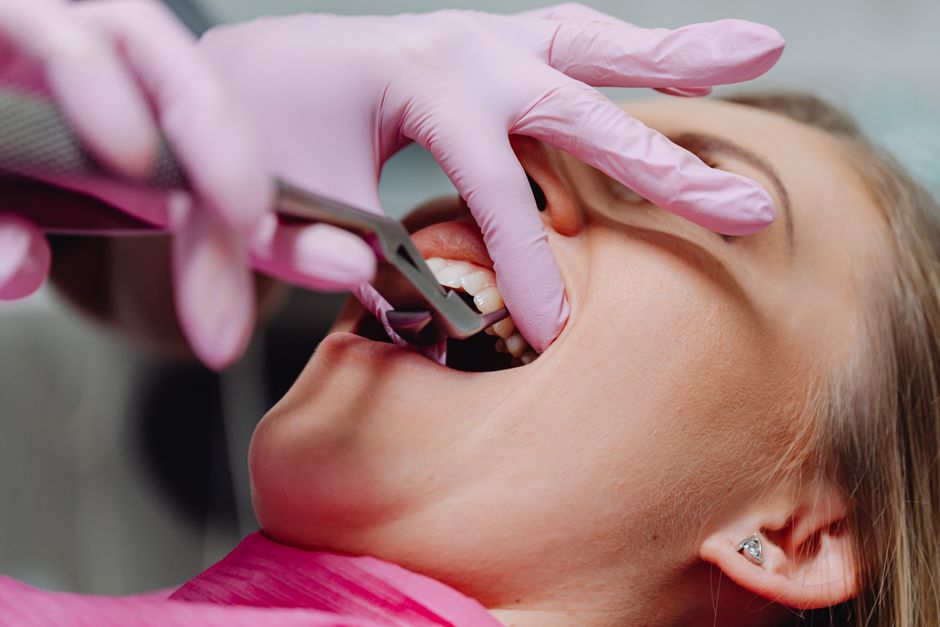
Clinically, it helps to categorize teeth into: (1) strategic keepers, (2) conditional keepers pending response, and (3) planned extractions. This classification supports sequencing, provisional planning, and patient communication.

Step 5: Soft tissue and recession management—function meets aesthetics
Recession is not just “a cosmetic issue”
In advanced bone loss patients, recession often comes with thin phenotype, reduced keratinized tissue, root hypersensitivity, and plaque-retentive anatomy. Recession also affects restorative margins, smile line outcomes, and the ability to design natural-looking prosthetics. Addressing it early can improve patient comfort and reduce future complications.
For a modern overview of options, including when surgery may or may not be considered, review Gum Recession Treatment: Surgical and Non‑Surgical Options for Modern Dentistry. In interdisciplinary cases, soft tissue planning should be integrated with restorative emergence profiles—not treated as a separate “add-on.”
Step 6: Implant planning in reduced bone—staging, grafting, and expectations
Implants are not a shortcut around periodontal complexity
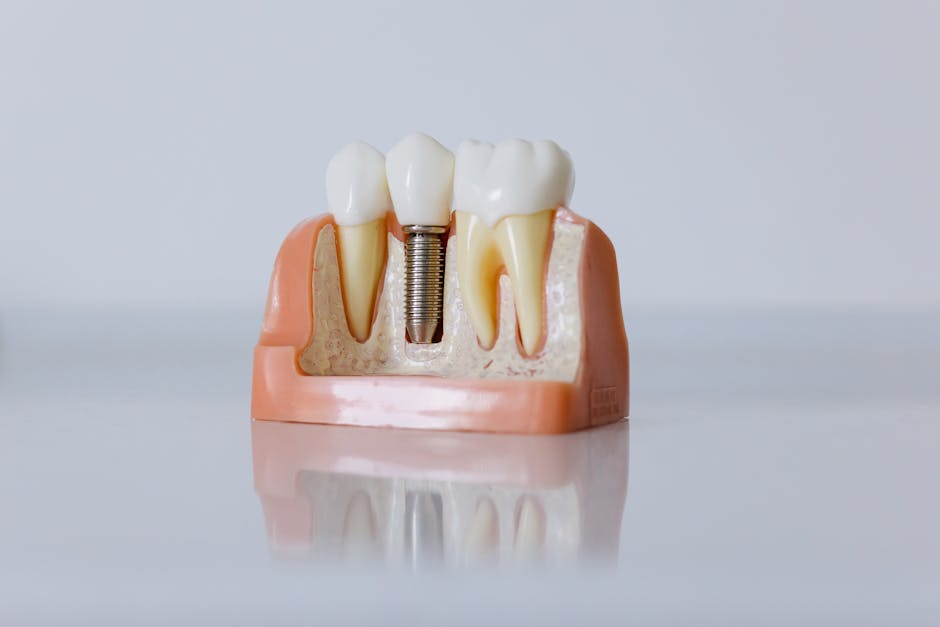
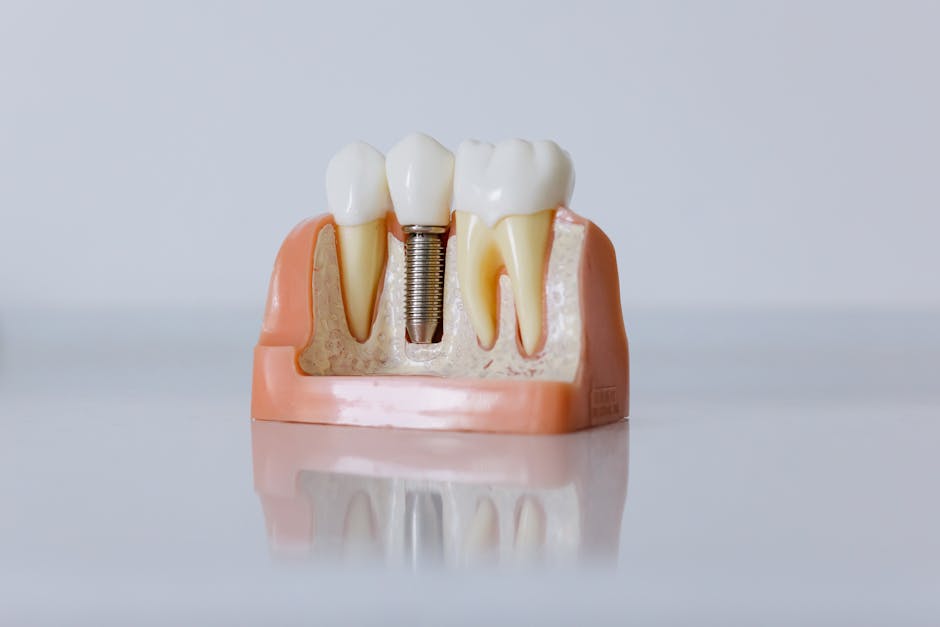
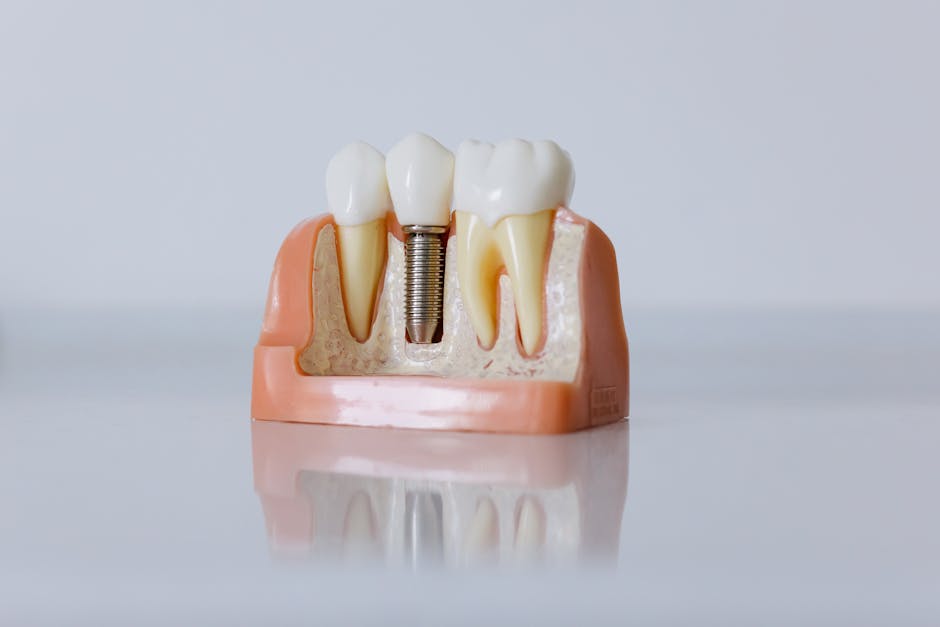
When bone loss has compromised tooth prognosis, implants can be an effective part of the solution. However, implants do not eliminate the need for risk management; peri-implant disease risk correlates strongly with plaque control, smoking, and previous periodontal disease history. Clinicians should communicate that implants require maintenance and monitoring, especially for periodontally susceptible patients.
Immediate vs delayed protocols in advanced bone loss
Patients frequently ask for “fast” solutions, including immediate implant placement or immediate loading. In advanced bone loss, the limiting factors can include primary stability, infection control, soft tissue architecture, occlusal forces, and the need for ridge augmentation. This is where case selection is the real procedure.
A helpful discussion of clinical boundaries is provided in Same-Day Dental Implants: Advantages, Limitations, and Case Selection. Use such frameworks to guide informed consent and to justify staged protocols when biology demands it.
Step 7: Prosthodontic design—protect the biology you worked to create
Occlusion, cleansability, and emergence profiles
In advanced bone loss rehabilitation, prosthetic design is not just about aesthetics; it is a protective device for the periodontium and/or peri-implant tissues. Key considerations include hygienic access, convex emergence profiles that do not compress tissues, and occlusal schemes that reduce overload. Overcontoured crowns, poorly positioned contact points, and inaccessible pontic/implant areas can turn a successful surgical outcome into a maintenance failure.

Passive fit is not optional in complex implant reconstructions
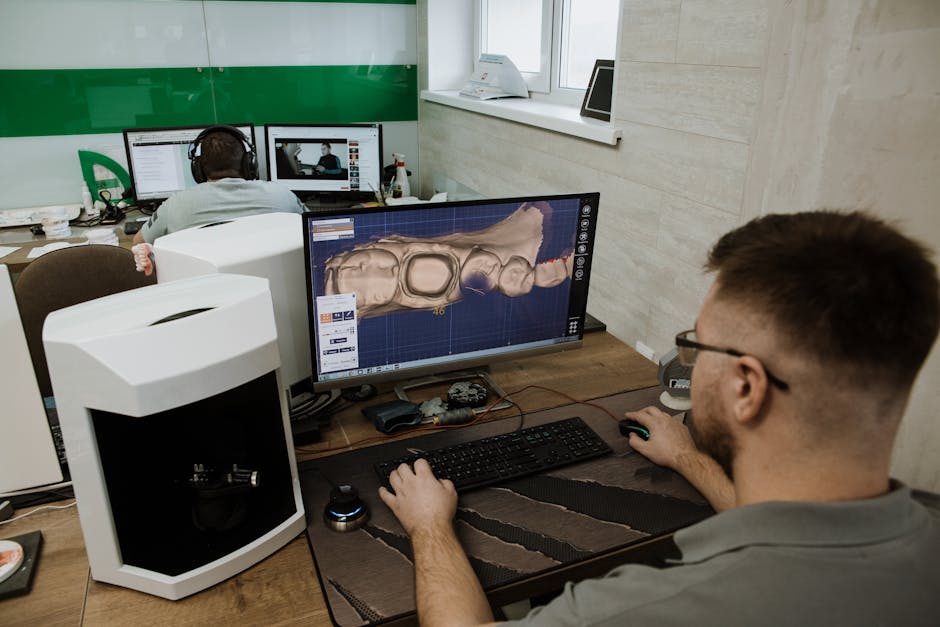
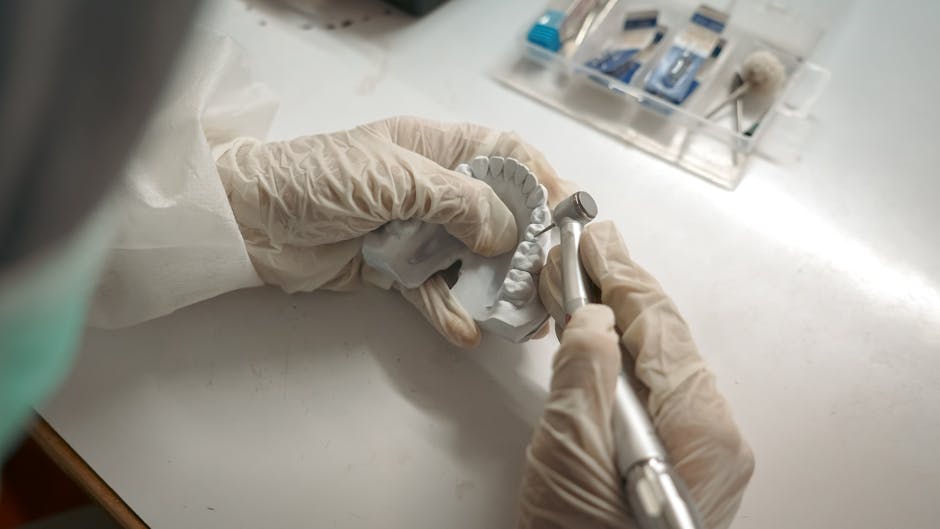
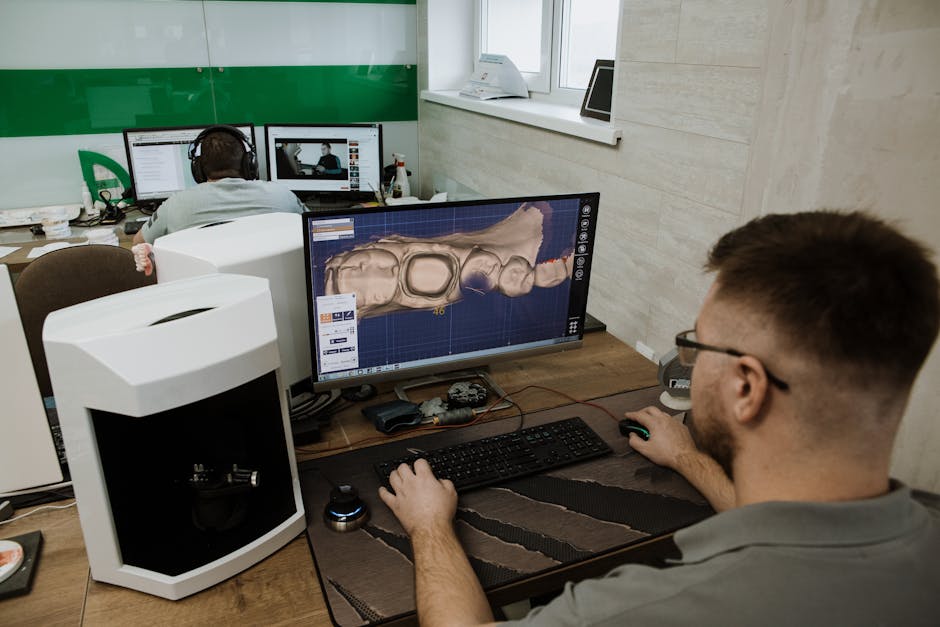
For multi-unit implant prostheses—especially full-arch or long-span bridges—passive fit reduces mechanical stress and supports long-term stability. Misfit can contribute to screw loosening, component fracture, marginal bone changes, and patient discomfort. Achieving passive fit is both a clinical and laboratory responsibility, influenced by impression accuracy, scan protocols, verification steps, and framework fabrication.
For practical strategies and common pitfalls, see Achieving Passive Fit in Implant-Supported Prostheses: Clinical & Lab Strategies.
Step 8: Provisionalization and staged aesthetics (including smile design)
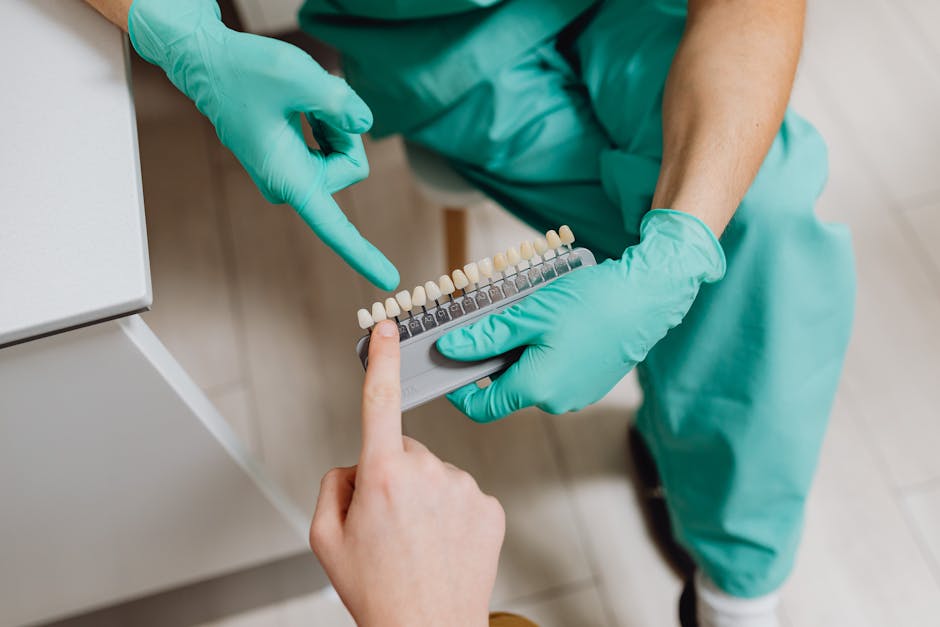
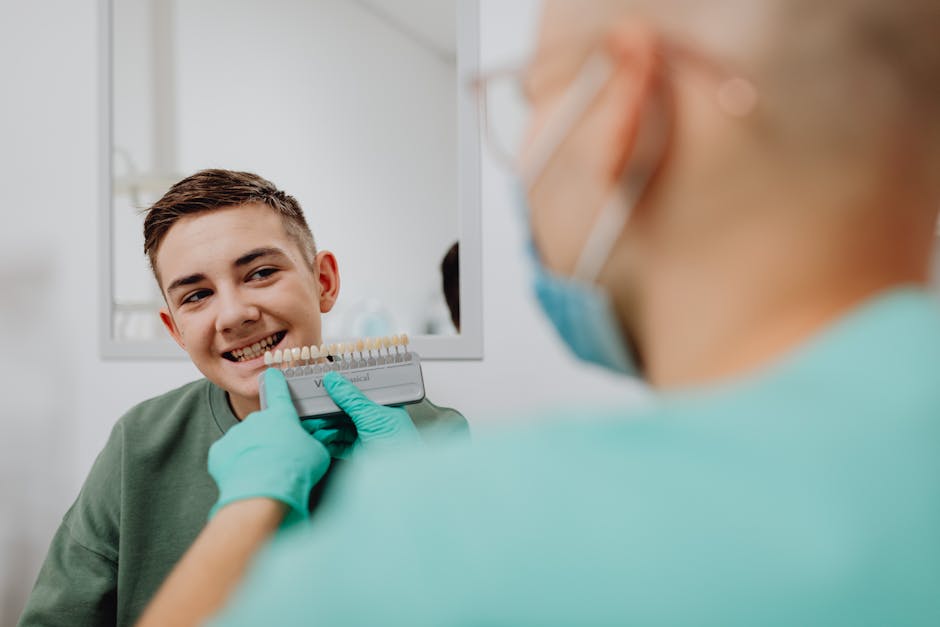
Advanced bone loss cases often benefit from a provisional phase to validate vertical dimension, occlusal stability, phonetics, and cleansability. Provisional restorations can also guide soft tissue conditioning and help patients adapt to functional changes. If the case includes smile design goals—such as improving tooth proportions, incisal edge position, or gingival symmetry—digital mock-ups and well-photographed temporaries create a safer path to the final result.
When porcelain laminate veneers or highly aesthetic anterior restorations are requested, clinicians should be cautious about margin placement, soft tissue stability, and the long-term periodontal implications—particularly in thin phenotypes or in patients with active inflammation. A staged approach may help align aesthetic ambition with biological stability.
Step 9: Maintenance planning is part of the treatment, not the follow-up
Advanced bone loss is a chronic-risk scenario. Long-term success depends on supportive periodontal therapy (SPT) or peri-implant maintenance schedules, risk-factor modification, and early interception of inflammation. Documented baseline indices, radiographs, and photographs improve recall quality and reduce ambiguity when changes occur.
In practice, clinicians can improve adherence by setting expectations early: maintenance is a planned phase with defined intervals and goals, not an optional “check-up.”
How Istanbul Dental Academy supports clinicians managing complex bone loss cases
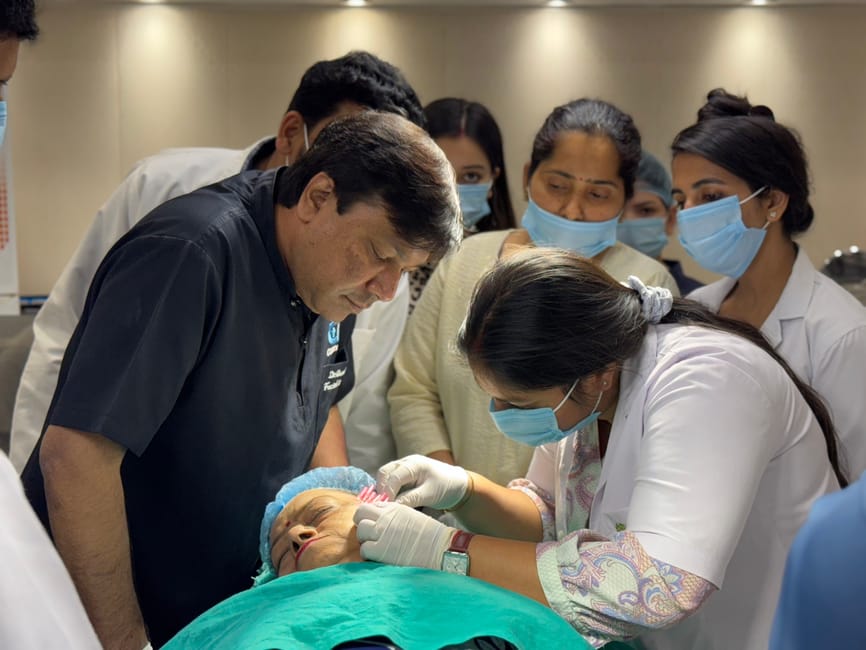
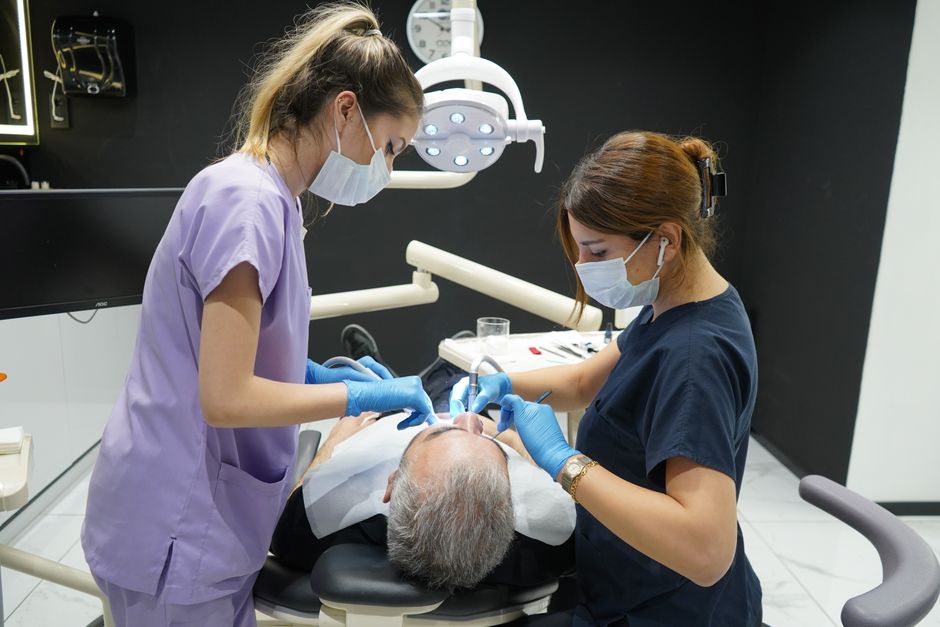
Advanced bone loss cases are where clinicians most benefit from structured workflows and hands-on repetition: periodontal re-evaluation protocols, CBCT interpretation, surgical sequencing, implant planning, and prosthodontic complication prevention. At Istanbul Dental Academy, our continuing dental education philosophy emphasizes case-based learning, digital dentistry integration, and practical training that connects diagnosis to execution—especially for interdisciplinary rehabilitation.
If you are developing confidence in complex treatment planning, consider building a learning pathway that includes periodontology-informed decision-making, implant surgery fundamentals, prosthetic protocols for long-span cases, and documentation skills through dental photography. This integrated approach helps clinicians move from “procedures” to predictable, patient-centered planning.
Educational note: This content is for educational purposes and does not replace clinical judgment or individualized patient assessment. Treatment decisions should be made based on comprehensive examination, diagnostic findings, and current evidence-based guidelines.
Diğer Yazılar