
BLOG
Same-Day Tooth Extraction and Immediate Implant Placement: A Clinical Guide
Same-Day Extraction and Immediate Implant Placement: What It Means in Practice
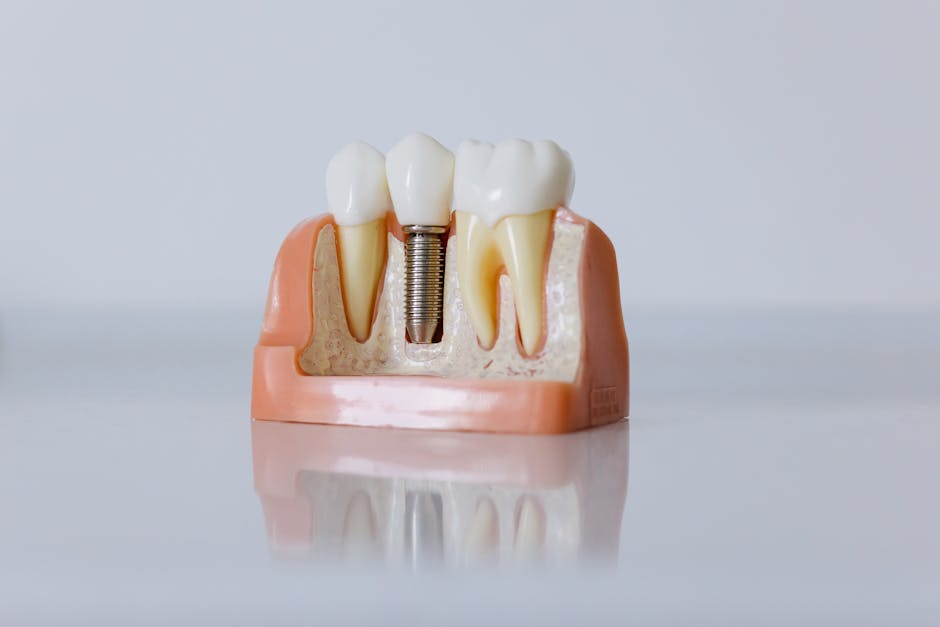
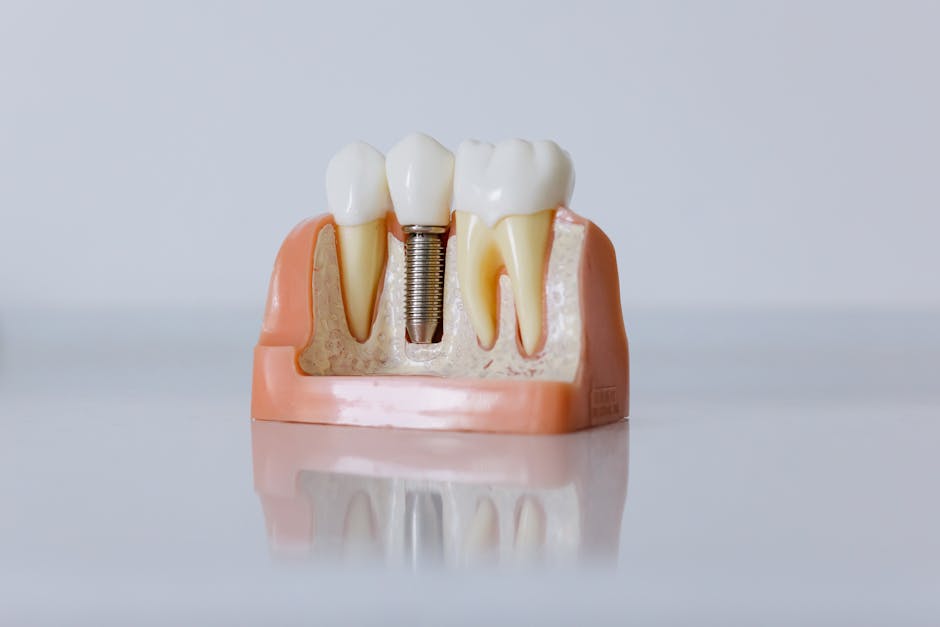
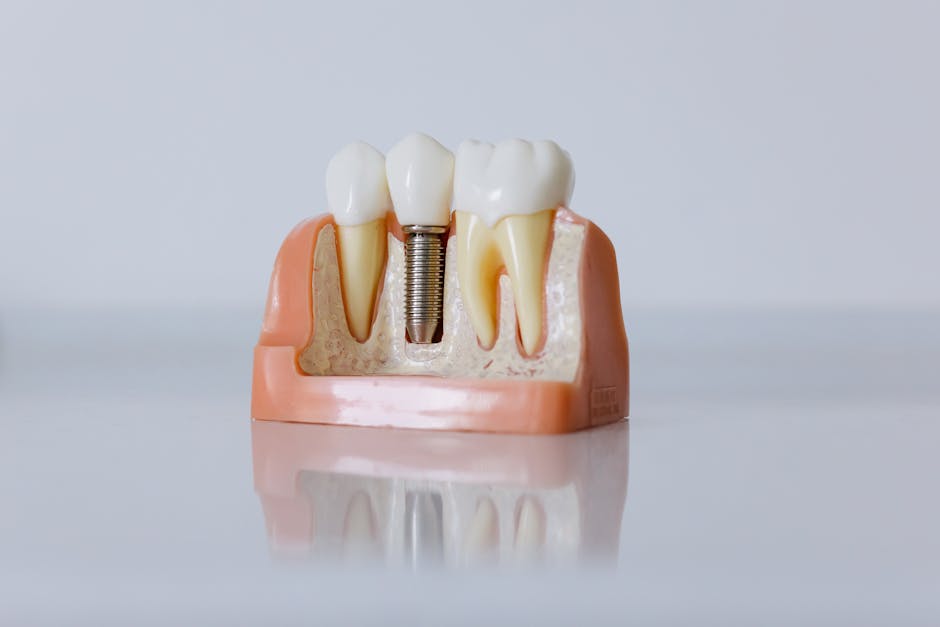
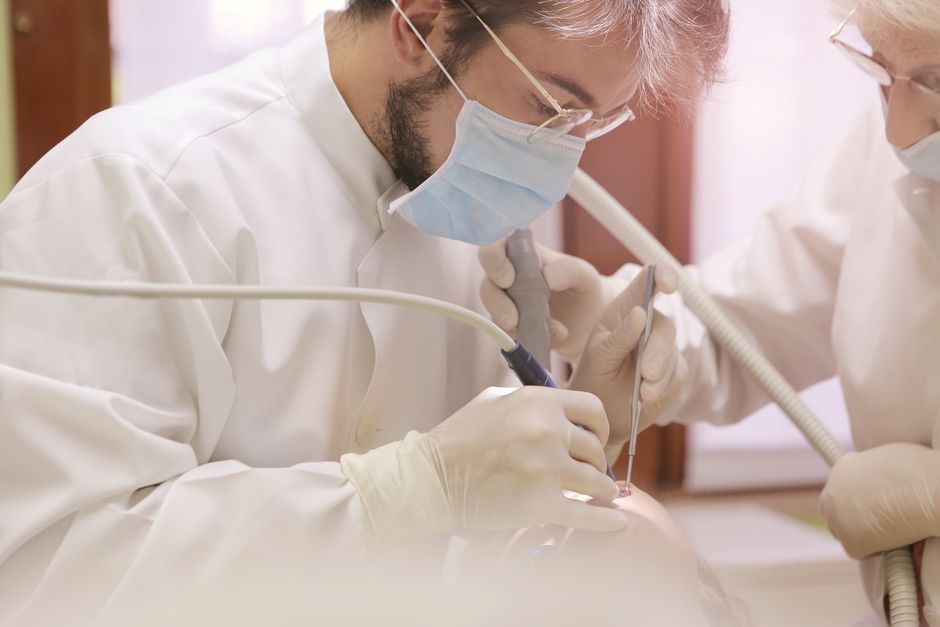
“Same-day extraction and implant” typically refers to placing a dental implant immediately after removing a tooth in the same appointment. In selected cases, clinicians may also provide an immediate provisional restoration (often called “immediate temporization”)—but this is a separate decision that depends on primary stability, occlusion, and risk assessment. From a patient’s perspective, the appeal is clear: fewer surgical sessions and a shorter overall timeline. From a clinician’s perspective, the approach demands disciplined planning, meticulous execution, and careful follow-up.
This content is for educational purposes and does not replace individualized diagnosis or treatment planning. Clinical decisions should be based on a comprehensive assessment and current evidence.
If you are exploring whether “one-day” implant workflows are realistic, our related overview—Is One-Day Dental Implant Treatment Really Possible?—frames how immediate placement differs from immediate loading and why terminology matters for clinician communication.
Why Consider Immediate Implant Placement?
Immediate implant placement (IIP) may offer several potential benefits when the clinical conditions are favorable:
Potential advantages include reduced number of surgeries, a shorter overall treatment sequence, and preservation of soft-tissue architecture in certain scenarios—particularly in the aesthetic zone when executed with a restorative-driven plan.
Clinical responsibilities include managing extraction site morphology, ensuring debridement of pathology, and achieving adequate primary stability without compromising implant positioning. The clinician must also anticipate soft-tissue behavior and bone remodeling that may occur despite immediate placement.
Case Selection: The Foundation of Predictable Outcomes
Immediate implant placement is not a “default” option after extraction. Predictability is highly dependent on proper case selection. Clinicians commonly evaluate:
Local factors: tooth position, root anatomy, buccal plate thickness, presence of fenestration/dehiscence, periodontal phenotype, smile line, and the quality/quantity of apical and palatal/lingual bone available for stabilization.
Infection and periodontal considerations: Active periodontal inflammation can complicate tissue response and maintenance. A structured periodontal evaluation is essential, particularly when a patient has bleeding on probing, suppuration, or a history of attachment loss. For a broader refresher, see What Is Gum Disease? Early Signs, Risk Factors, and Clinical Insights, which summarizes early clinical signs and risk factors relevant to implant planning.
Acute necrotizing conditions: While less common, severe gingival infections can be a red flag for overall periodontal instability and patient-level risk factors. Understanding how these conditions present can be clinically useful; review Necrotizing Ulcerative Gingivitis (NUG): Symptoms, Causes, and Clinical Approach for an educational overview.
Systemic factors and habits: Glycemic control, smoking/vaping, immune status, bisphosphonate/anti-resorptive history, and oral hygiene adherence influence risk. In daily practice, diabetes is a common topic—Dental Implants for Patients with Diabetes: What Clinicians Should Know discusses considerations clinicians may review during consent and risk stratification.
Pre-Operative Planning: From CBCT to a Restorative-Driven Roadmap
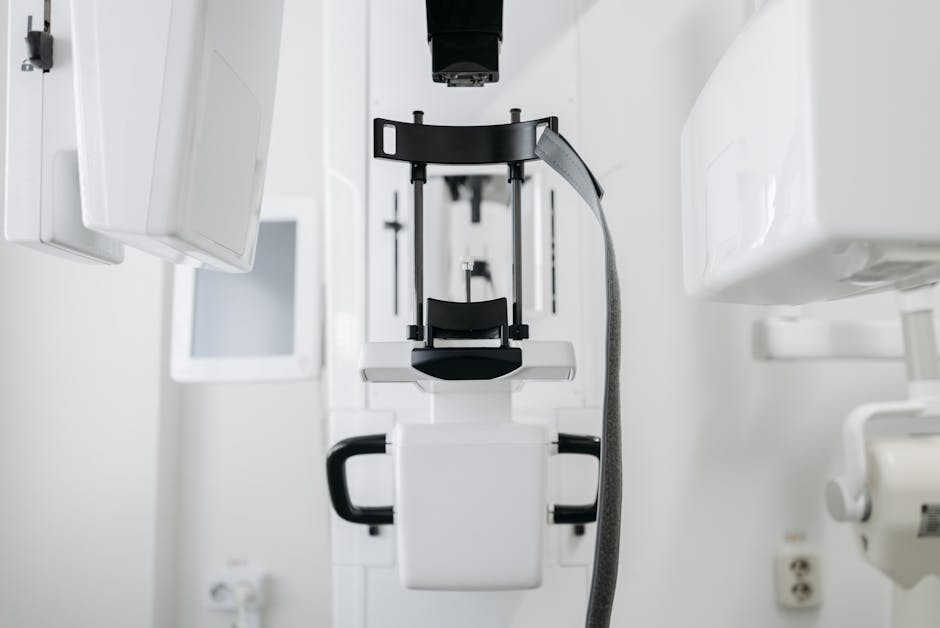
1) CBCT assessment and 3D positioning
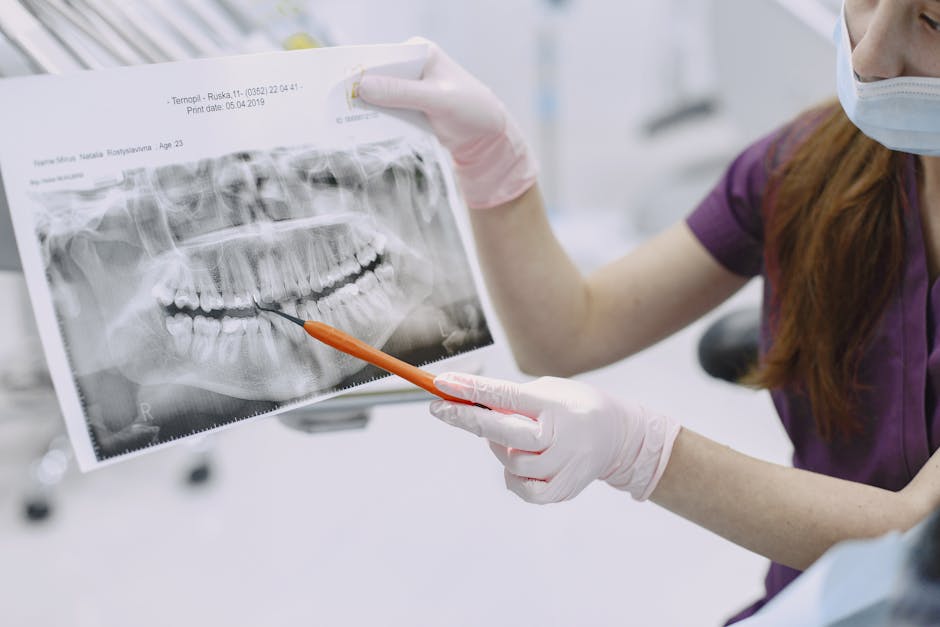
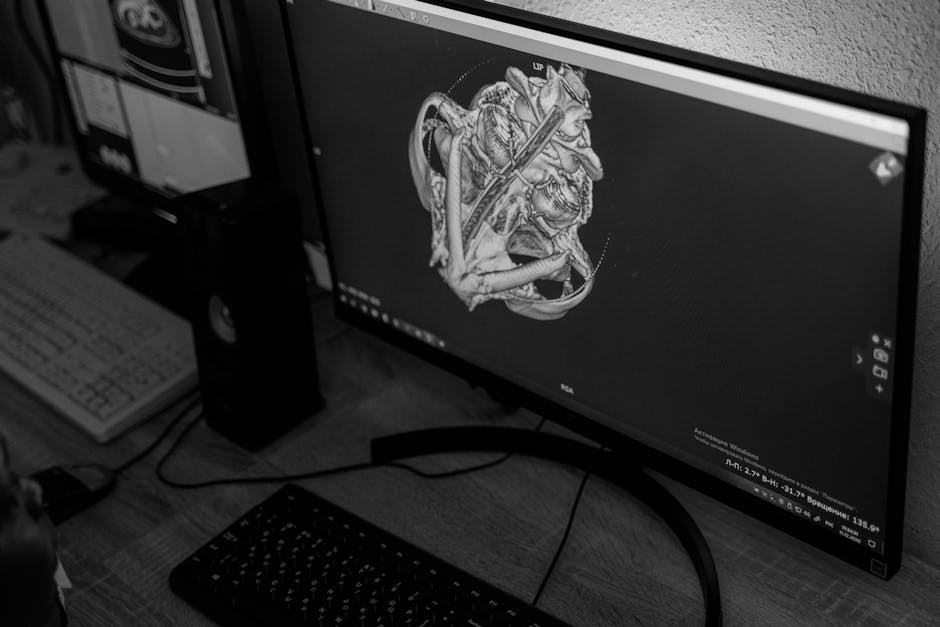
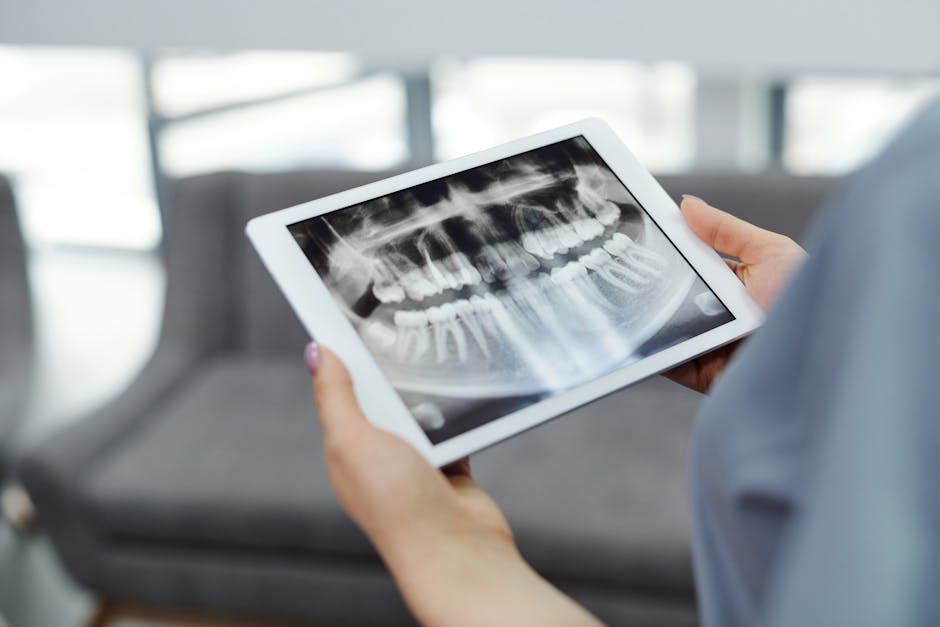
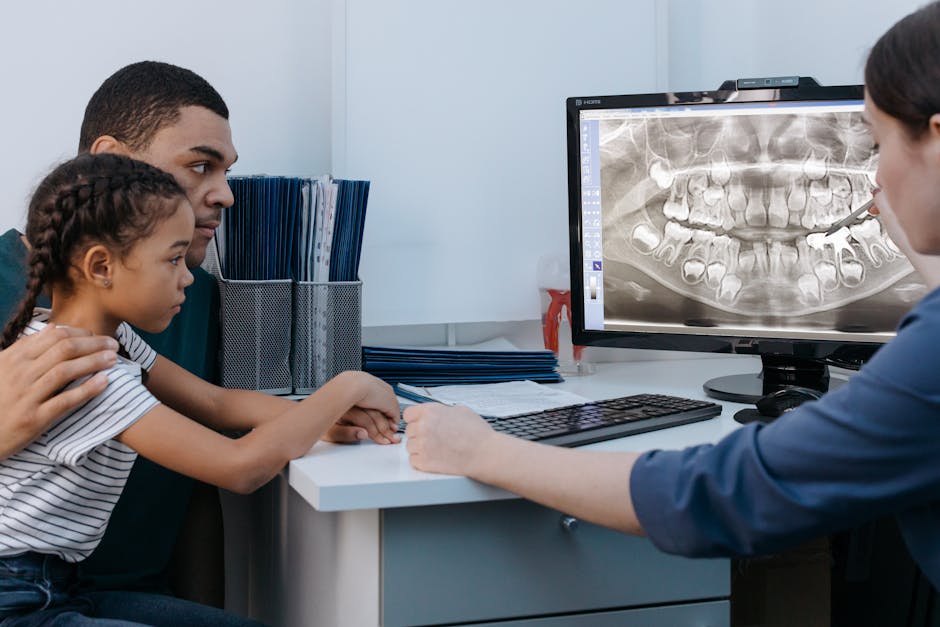
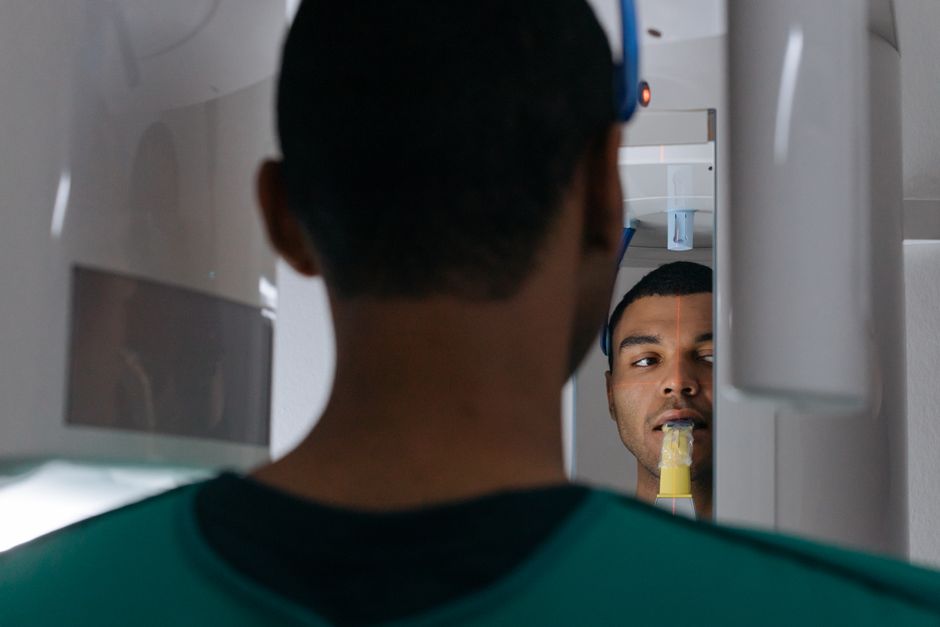
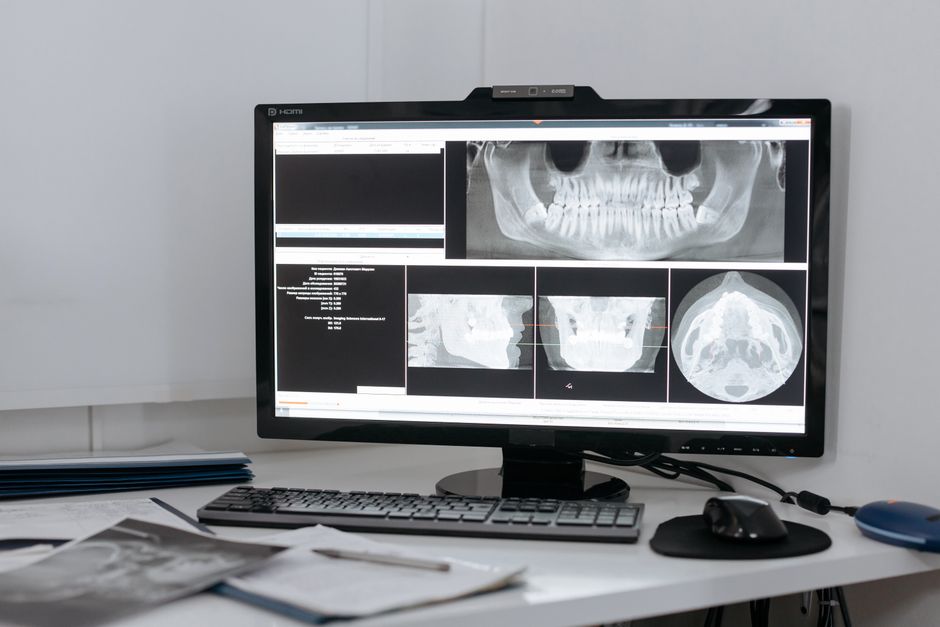
Immediate implant placement is ideally planned restoratively: the implant is positioned to support the prosthesis and soft-tissue contours, not simply to “fit” the socket. CBCT helps evaluate buccal plate integrity, apical bone availability, proximity to anatomic structures, and the expected gap between implant and socket walls (often described as the “jumping distance”).
2) Digital workflows and surgical guides
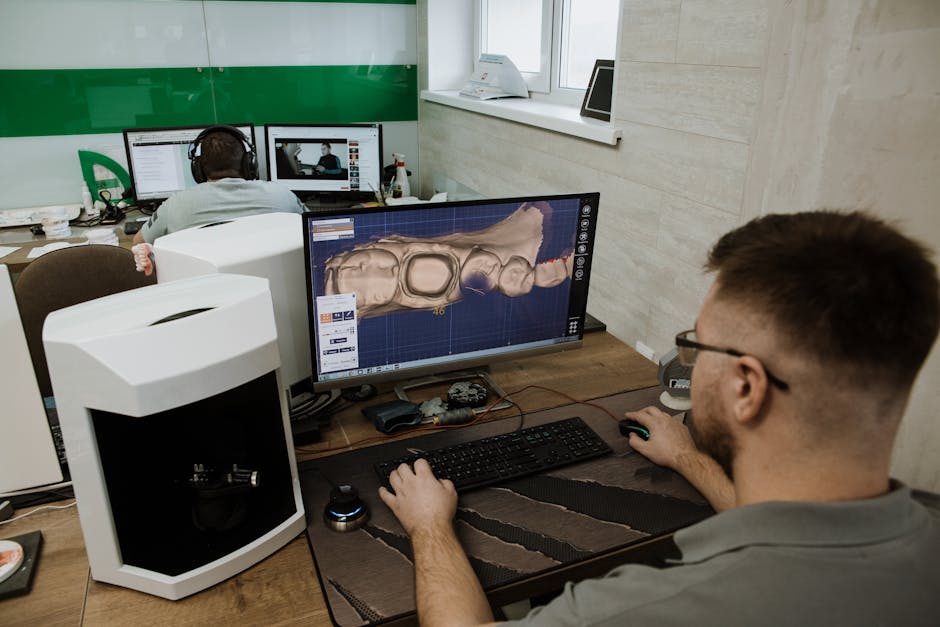
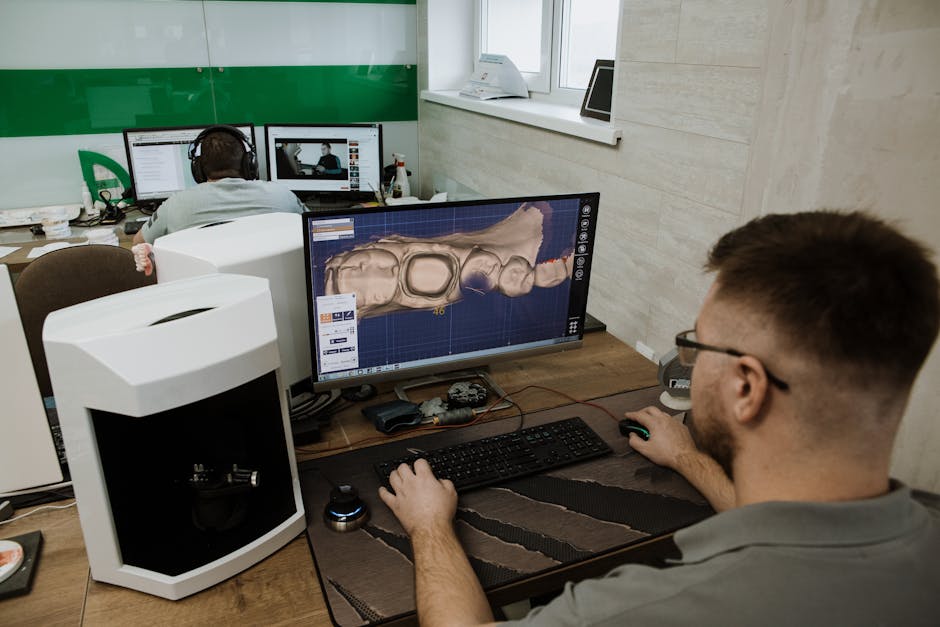
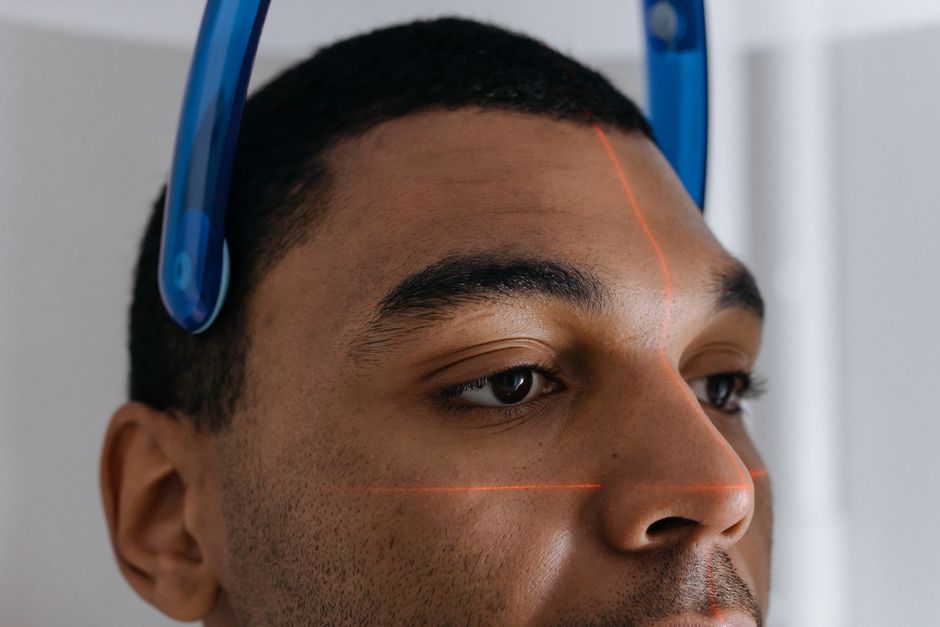
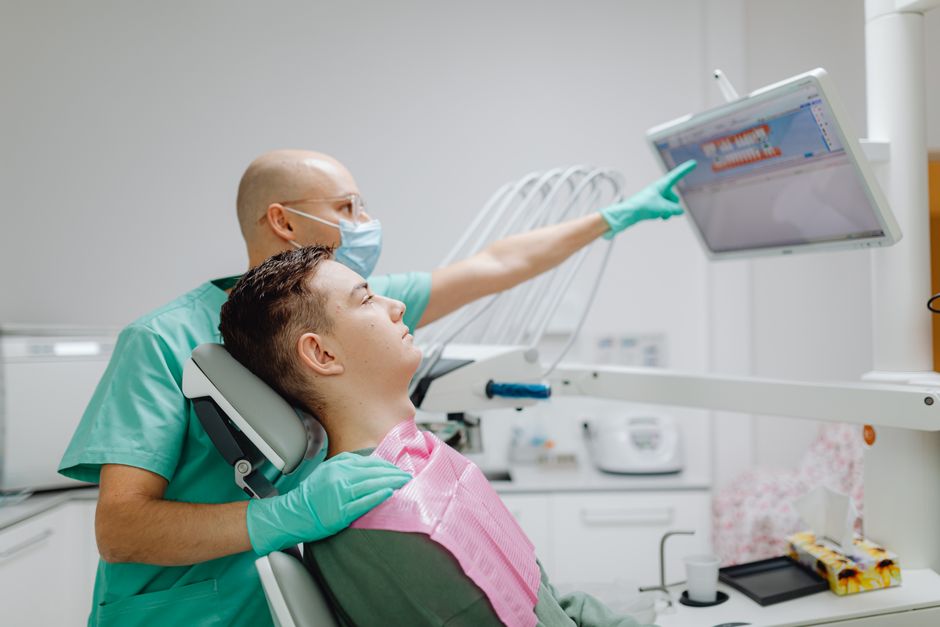
Digital dentistry can improve communication and consistency, especially when a guide is used and the restorative plan is defined before surgery. In continuing education settings, integrating CBCT interpretation, intraoral scanning, and guided surgery concepts helps clinicians develop a repeatable workflow, particularly for anterior cases where aesthetic outcomes are unforgiving.
3) Consent and expectation setting
Even when surgery is completed in one day, the definitive prosthesis frequently requires a staged approach. Patients should understand that immediate temporization may be possible, but it is not guaranteed, and the final restoration is typically delivered after tissue maturation and osseointegration.
Step-by-Step Clinical Workflow (Educational Overview)
Protocols vary by clinician preference, implant system, and site characteristics. The outline below summarizes common clinical steps for same-day extraction and immediate implant placement.
1) Atraumatic extraction and socket preservation mindset
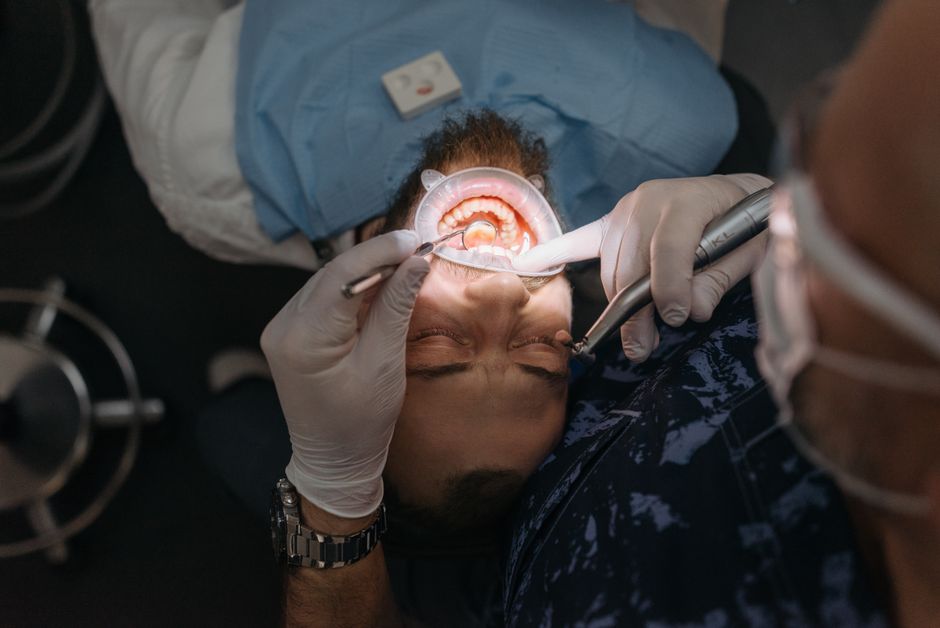
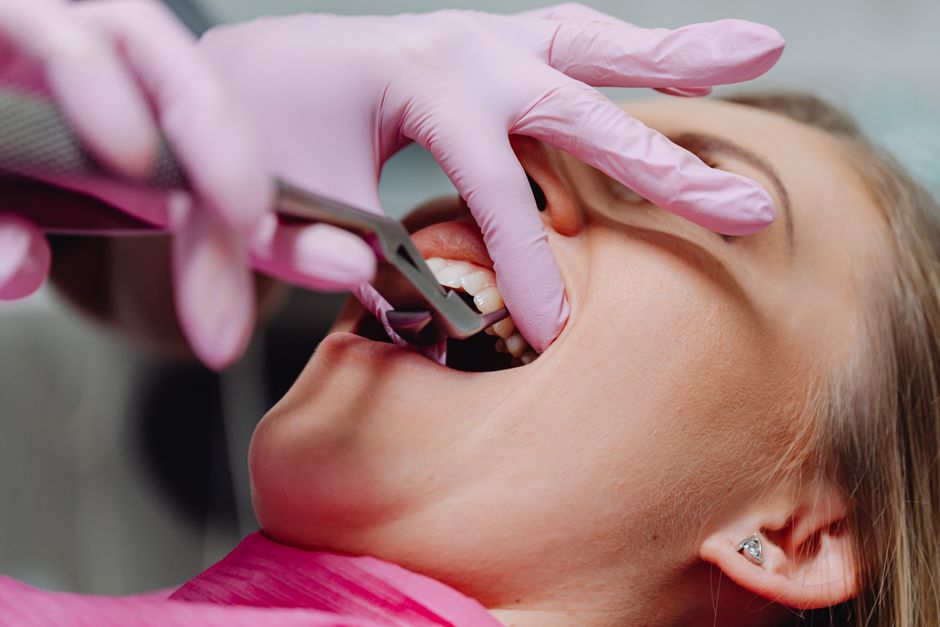
The goal is to remove the tooth while minimizing trauma to the socket walls—especially the buccal plate. Periotomes, sectioning multi-rooted teeth, and controlled force are often employed. Preserving papillae and soft tissue architecture is particularly important in the aesthetic zone.
2) Thorough debridement and defect assessment
Granulation tissue removal and irrigation help reduce the microbial and inflammatory burden. The clinician then assesses socket integrity: Is the buccal plate intact? Are there periodontal defects? Is there apical bone for anchorage? These findings influence implant diameter/length, positioning, and whether grafting is needed.
3) Osteotomy preparation with prosthetic positioning in mind
In many immediate placements, the osteotomy is prepared slightly palatal/lingual to avoid buccal perforation and to support the emergence profile. Depth and angulation are guided by the intended restoration and occlusion. Achieving primary stability is a critical intraoperative checkpoint.
4) Implant placement and primary stability assessment
Primary stability metrics can include insertion torque and/or resonance frequency analysis (ISQ), depending on clinical protocol and equipment. Stability thresholds for immediate temporization or loading are clinician-dependent and should align with evidence-based risk management.
5) Managing the peri-implant gap: grafting and membranes (when indicated)
When a gap remains between the implant and socket wall, clinicians may consider bone grafting materials to support contour and mitigate ridge changes. Membrane use depends on defect morphology, soft-tissue closure strategy, and patient-level risk. The key is to select a biologically sound approach rather than applying a “one-size-fits-all” recipe.
6) Soft-tissue management and closure strategy
Tension-free soft-tissue management supports wound stability. Depending on the case, clinicians may pursue a flapless approach, a minimal flap, or soft-tissue grafting to optimize the peri-implant mucosa. Suturing techniques and provisional contouring (when temporized) can influence the final emergence profile.
Immediate Temporization vs Immediate Loading: Clarifying the “Same-Day Tooth” Promise
Patients often request “a tooth the same day.” Clinically, that may mean a non-functional provisional crown (immediate temporization) designed to avoid occlusal contacts, or it may mean functional immediate loading—typically reserved for cases with strong primary stability and controlled risk factors.
In many immediate extraction cases, a removable interim option (such as an Essix retainer) may be safer than a fixed provisional if stability or occlusal control is uncertain. Communicating these possibilities early helps avoid misunderstandings.
Risk Factors and Common Complications (What Clinicians Monitor)
Even with careful technique, immediate implant placement carries potential risks. Monitoring and prevention strategies generally focus on:
Buccal plate resorption and recession: Thin biotypes and compromised buccal plates increase aesthetic risk. Soft-tissue stability can be more challenging in high-smile-line patients.
Malpositioning: Socket anatomy can “pull” the drill into an unfavorable trajectory. Restorative-driven planning and guided workflows can reduce this risk.
Failure to achieve primary stability: If stability is inadequate, clinicians may convert to a delayed protocol or modify the provisional plan.
Peri-implant mucositis/peri-implantitis risk: Long-term success depends on maintenance and biofilm control. Periodontal screening and patient education play a central role, tying back to foundational concepts covered in gum disease clinical insights.
Prosthetic and Aesthetic Integration: Beyond the Surgical Day
Immediate placement is only one component of an implant case. Final success is prosthetically judged: emergence profile, papilla fill, midfacial mucosa stability, occlusion, and material selection.
Interestingly, many clinicians who focus on aesthetic dentistry find that principles learned from adhesive restorations can sharpen their attention to detail in implant prosthodontics—especially around isolation, marginal integrity, and cement control. For readers who also work with veneers, Porselen Lamina Simantasyonunda Kritik Noktalar highlights cementation details that parallel the precision mindset required in implant prosthetics (even though implant restorations involve different retention concepts and risk profiles).
How Istanbul Dental Academy Approaches Training for Immediate Implant Workflows
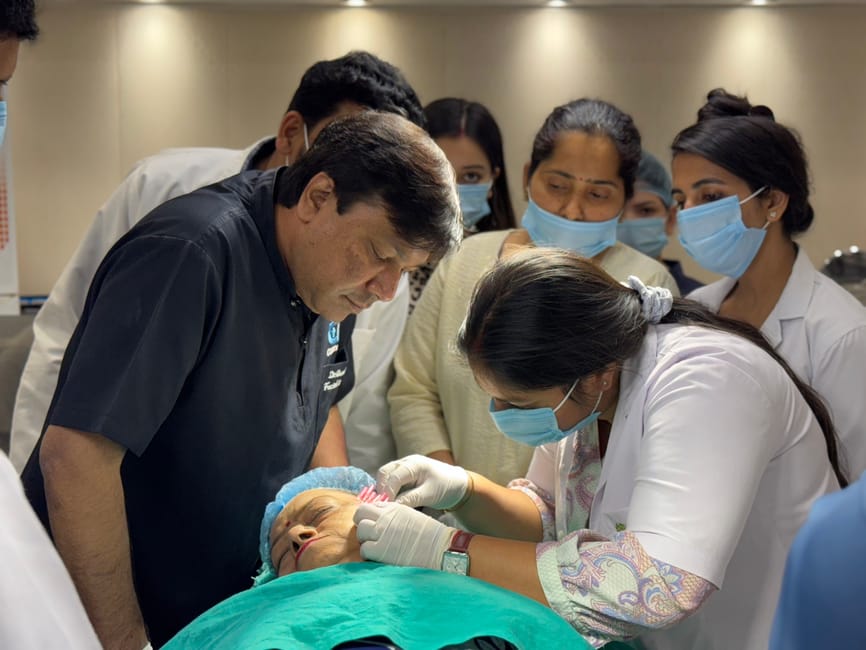
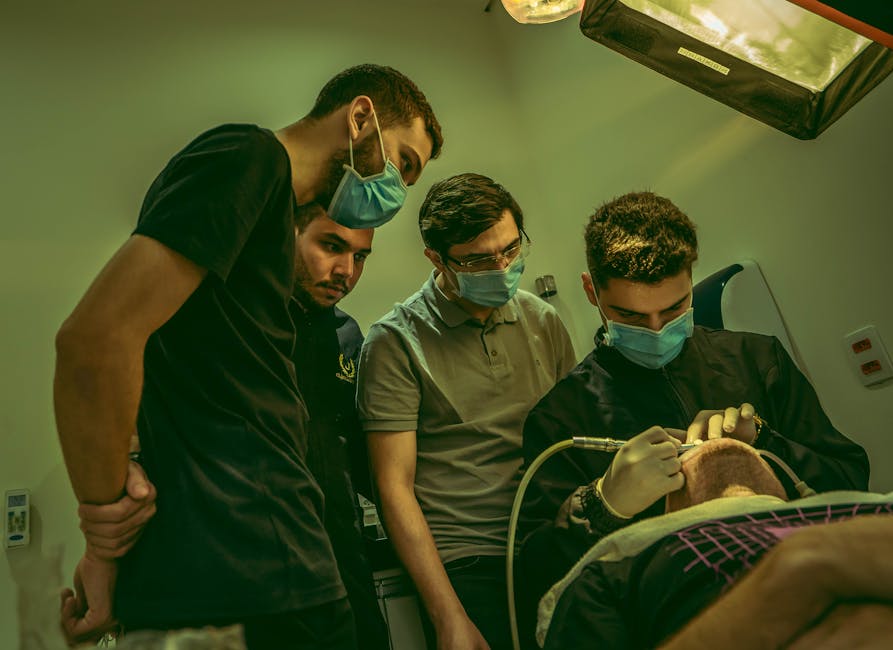
For dentists and dental students building competence in implant dentistry, the challenge is not memorizing steps—it is learning how to make decisions when variables change: a thin buccal plate, a compromised socket, limited apical bone, or a patient with systemic considerations. At Istanbul Dental Academy, our continuing dental education philosophy emphasizes hands-on training supported by clinical reasoning: CBCT interpretation, restorative-driven implant positioning, atraumatic extraction principles, and complication-aware planning.
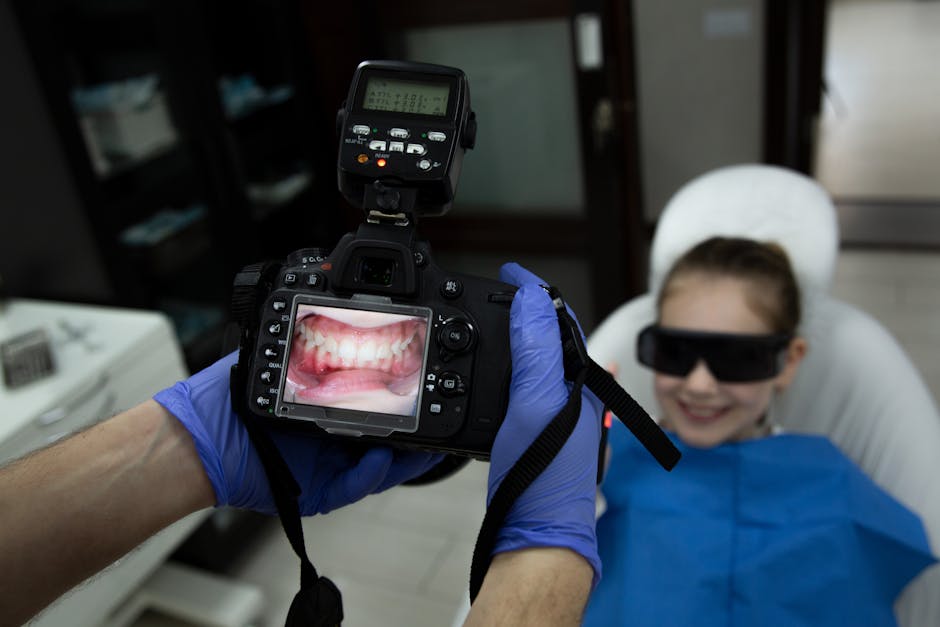
Hands-on course formats can also integrate digital planning and photographic documentation. Dental photography, in particular, helps clinicians evaluate soft tissue changes over time, communicate with laboratories, and critically appraise outcomes for continuous improvement.
Key Takeaways for Clinicians
Same-day extraction and immediate implant placement can be a valuable protocol when case selection and planning are disciplined.
Immediate placement is not the same as immediate loading; a provisional restoration may be non-functional and still meet patient expectations safely.
Periodontal and systemic risks matter—screening for inflammation, understanding patient factors (including diabetes), and ensuring maintenance are integral to long-term success.
Training should be workflow-based, combining surgical steps with prosthetic planning, digital diagnostics, and outcome evaluation.
This content is for educational purposes. If you are a clinician seeking to strengthen your immediate implant protocols, consider structured continuing education that combines theory with hands-on sessions and case-based discussion—an approach Istanbul Dental Academy prioritizes across implant and restorative training.
Diğer Yazılar