
BLOG
What Is a Hollywood Smile? Techniques, Materials, and Clinical Workflow
Hollywood Smile: a concept, not a single procedure
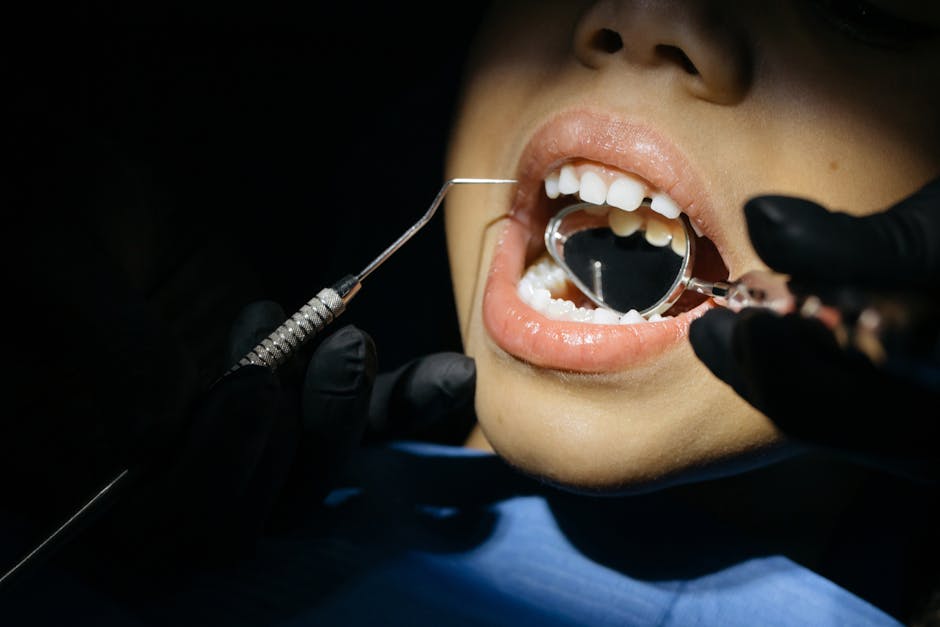
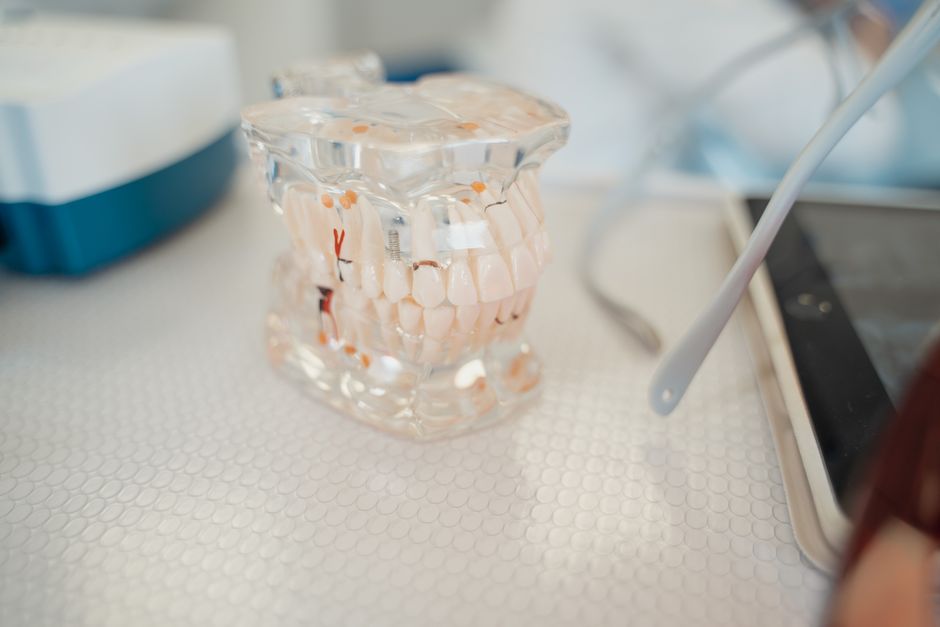
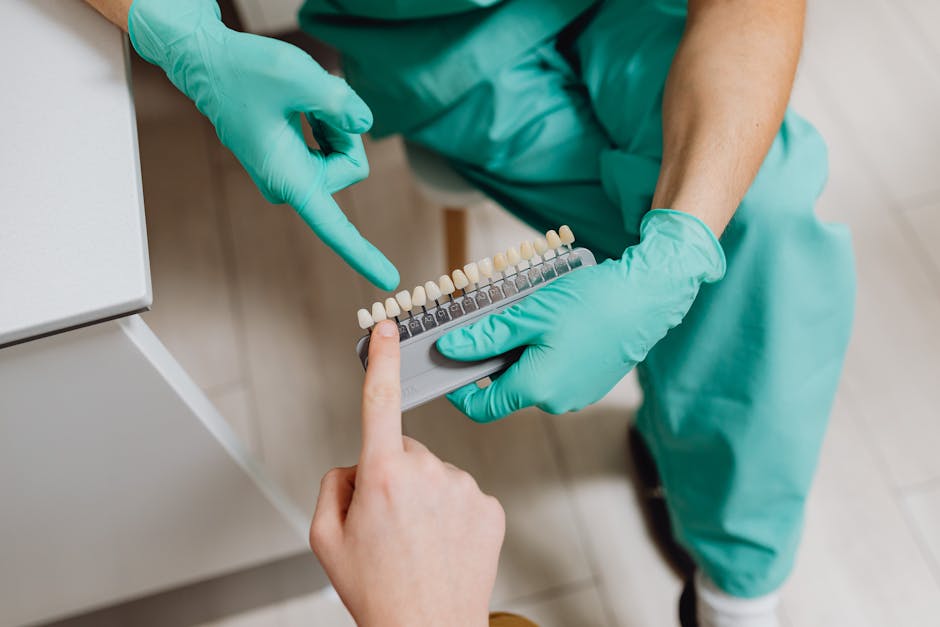
The term “Hollywood Smile” is widely used by patients to describe a bright, symmetrical, youthful-looking smile. In clinical reality, it refers to an individualised aesthetic and functional rehabilitation that may include whitening, alignment, composite bonding, porcelain laminate veneers, ceramic crowns, gingival recontouring, and—when needed—implant-supported restorations.
For dental professionals, the key takeaway is that a Hollywood Smile is best understood as a smile design–driven workflow rather than a product. It combines facial analysis, occlusal planning, restorative dentistry, prosthodontics, periodontology, and increasingly, digital dentistry and dental photography.
This content is for educational purposes and does not replace personalised clinical evaluation or treatment planning.
Who may be a candidate—and who needs caution?
Patients seeking a “Hollywood Smile” commonly present with one or more of the following concerns: tooth discoloration, uneven incisal edges, diastema, minor rotation, old restorations, short clinical crowns, or an unbalanced gingival line. Many are suitable for minimally invasive options—provided that periodontal health, caries control, and occlusal stability are addressed first.
However, clinicians should approach cases cautiously when there is active periodontal disease, untreated parafunction (e.g., bruxism), severe wear, compromised posterior support, or unrealistic expectations. Aesthetic demands can mask underlying pathology; therefore, comprehensive diagnosis and risk assessment remain central.
In patient communication and interdisciplinary planning, a structured smile design approach helps align expectations with clinical limitations. For a deeper look at indications and workflow, see a detailed overview of smile design candidates and clinical considerations.
Diagnostic foundation: photography, digital planning, and mock-ups
High-quality records are essential to predictability. A modern Hollywood Smile workflow typically begins with:
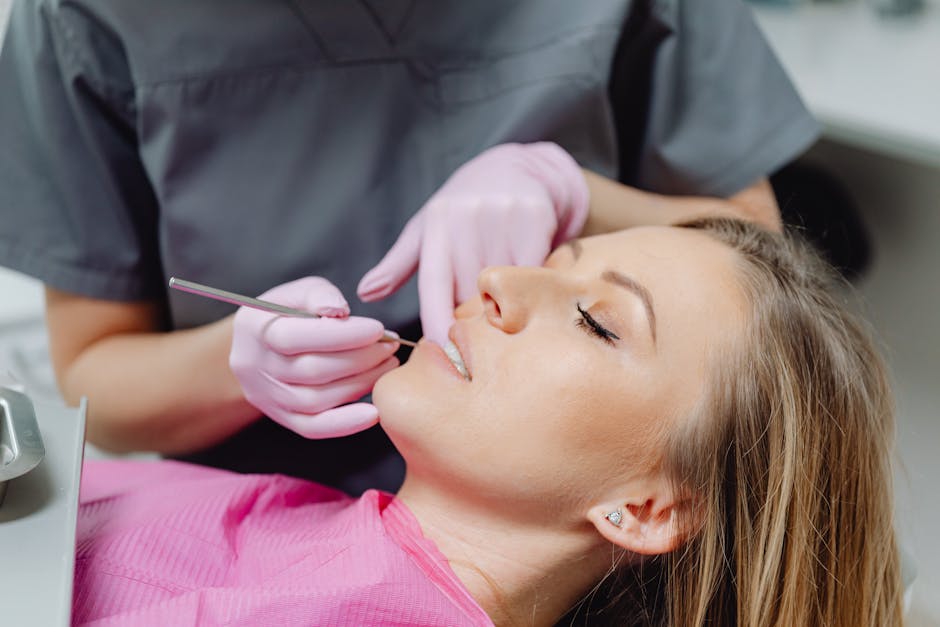
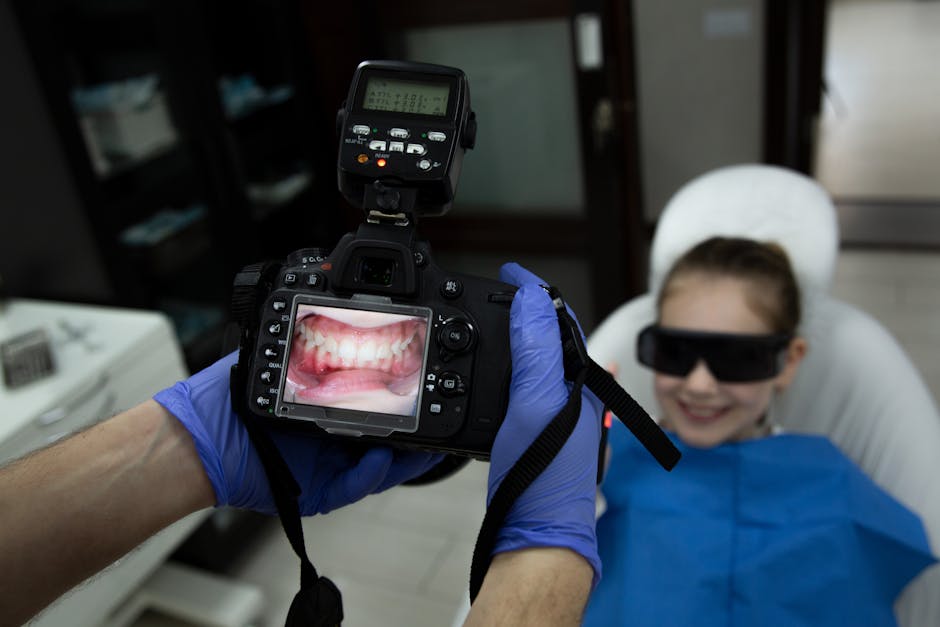
• Dental and facial photography (frontal, profile, full smile, retracted views) to evaluate midline, smile arc, buccal corridors, and gingival display.
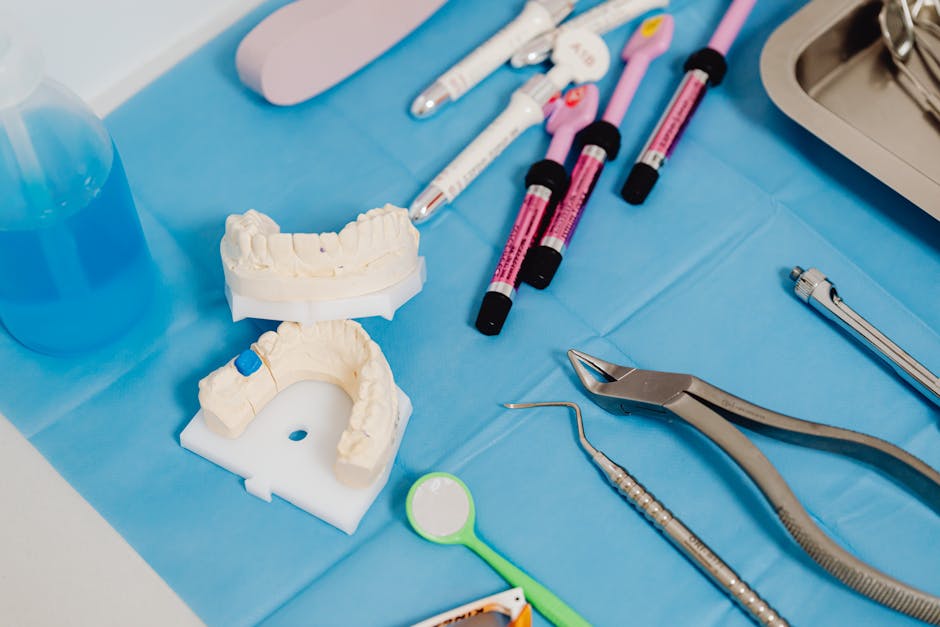
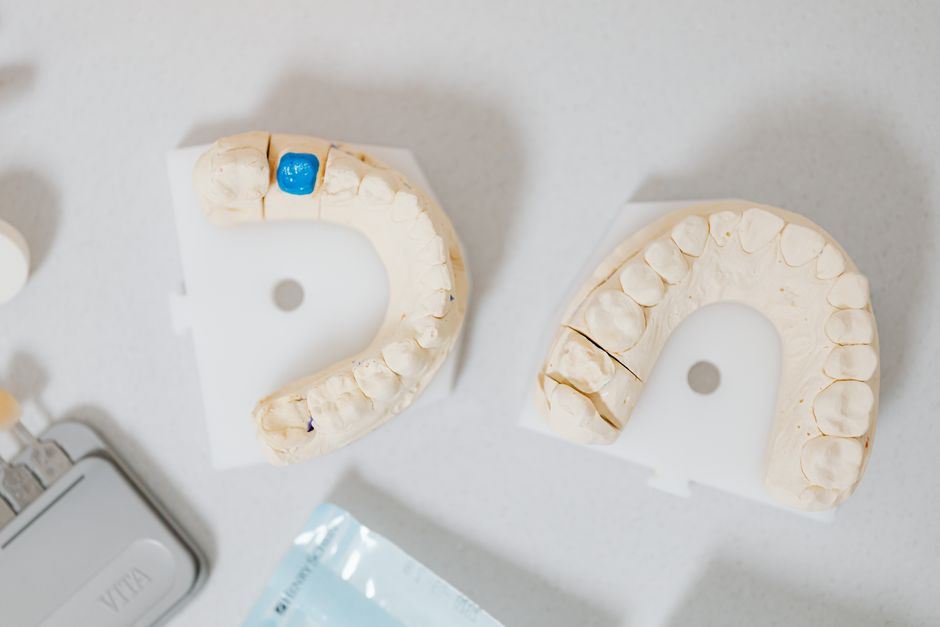
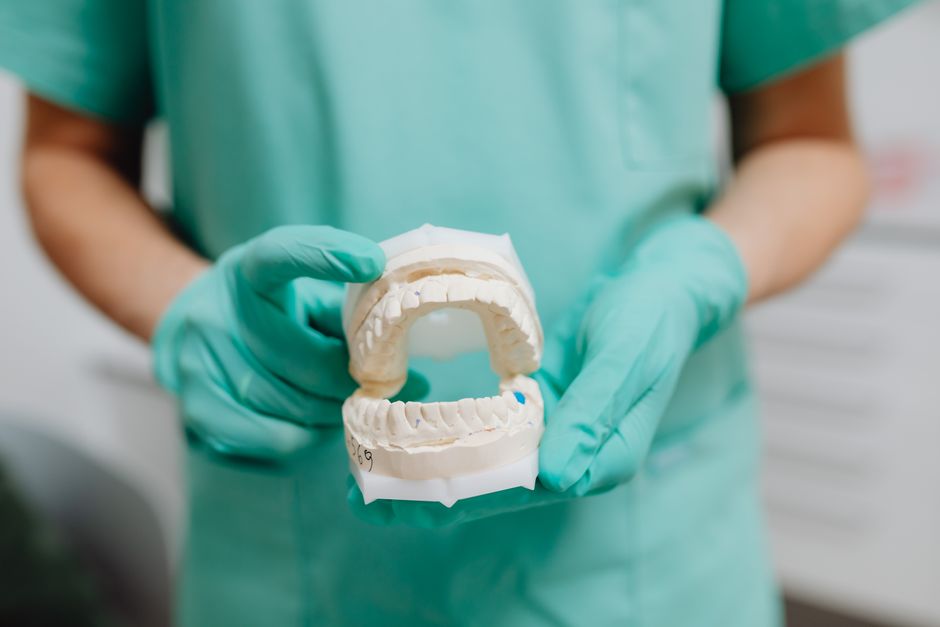
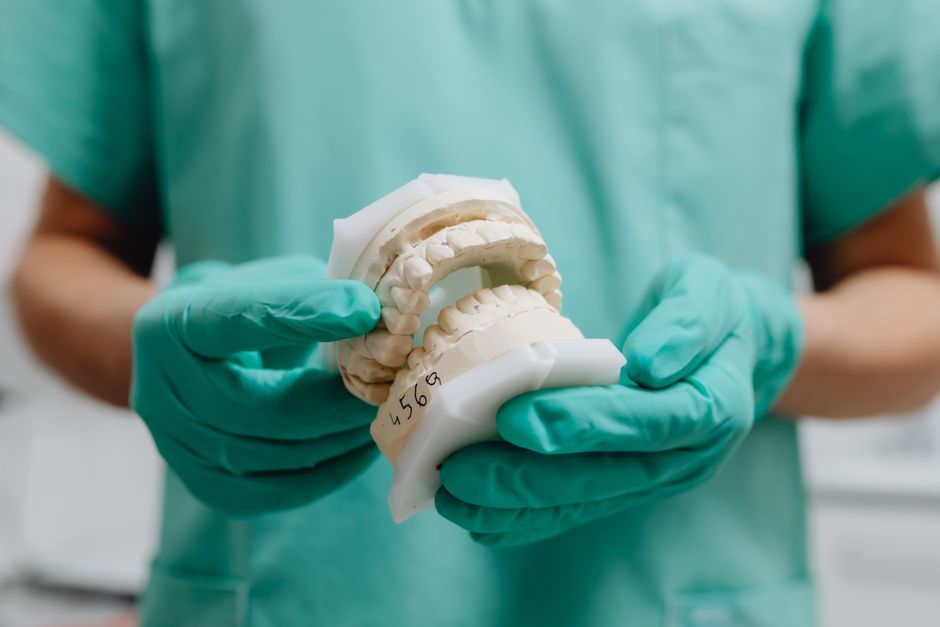
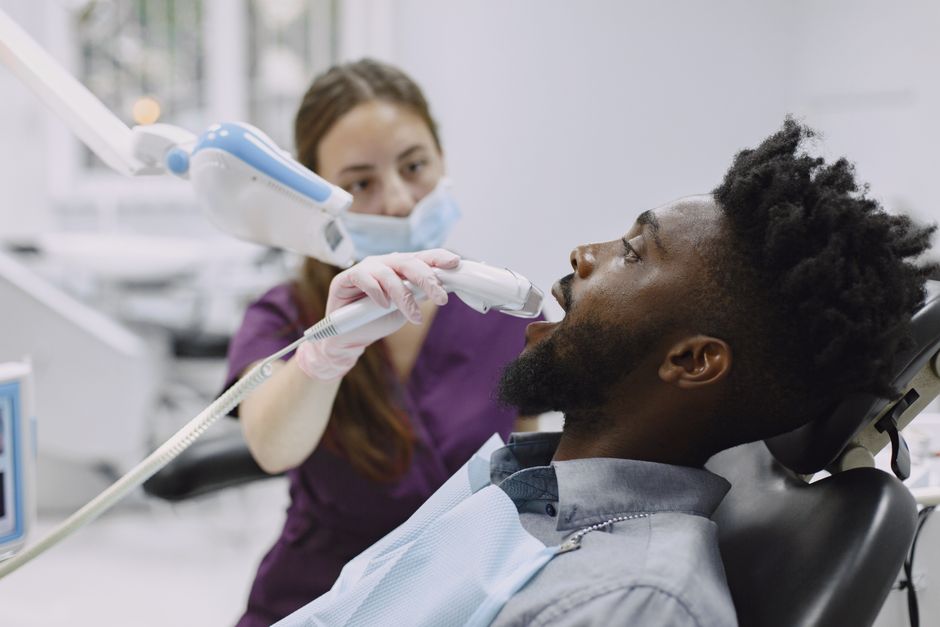
• Digital scans or conventional impressions for accurate models and occlusal analysis.
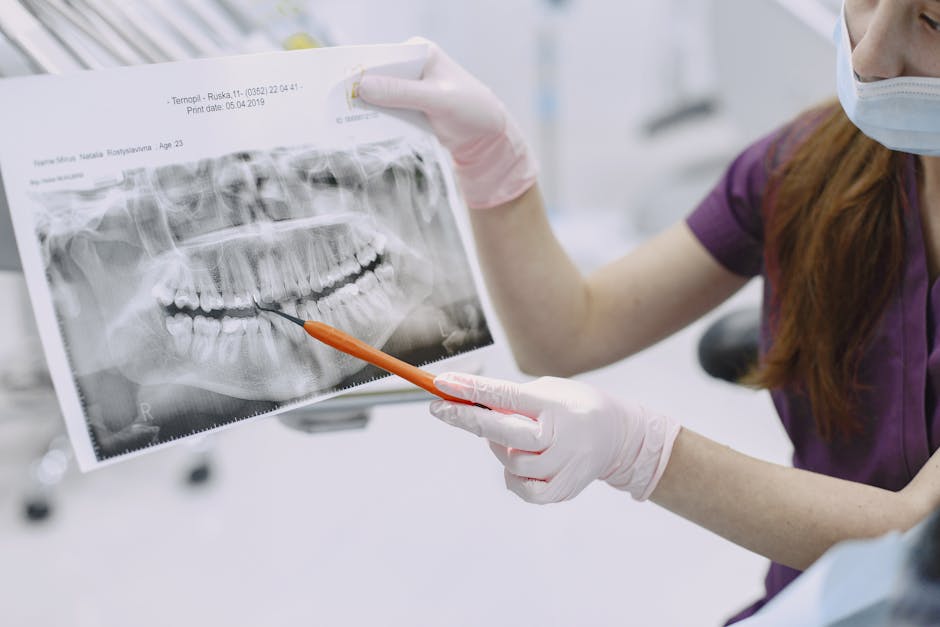
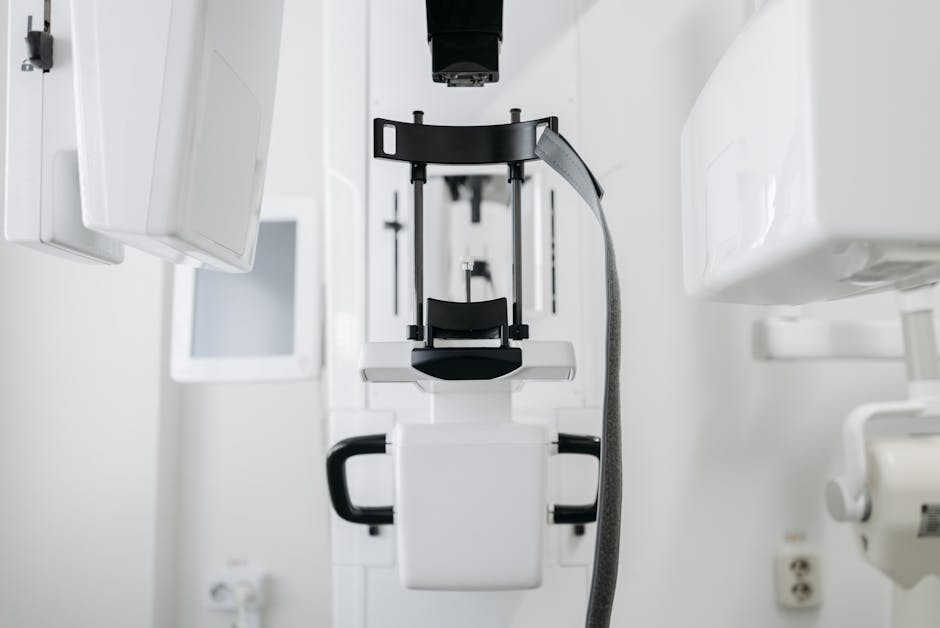
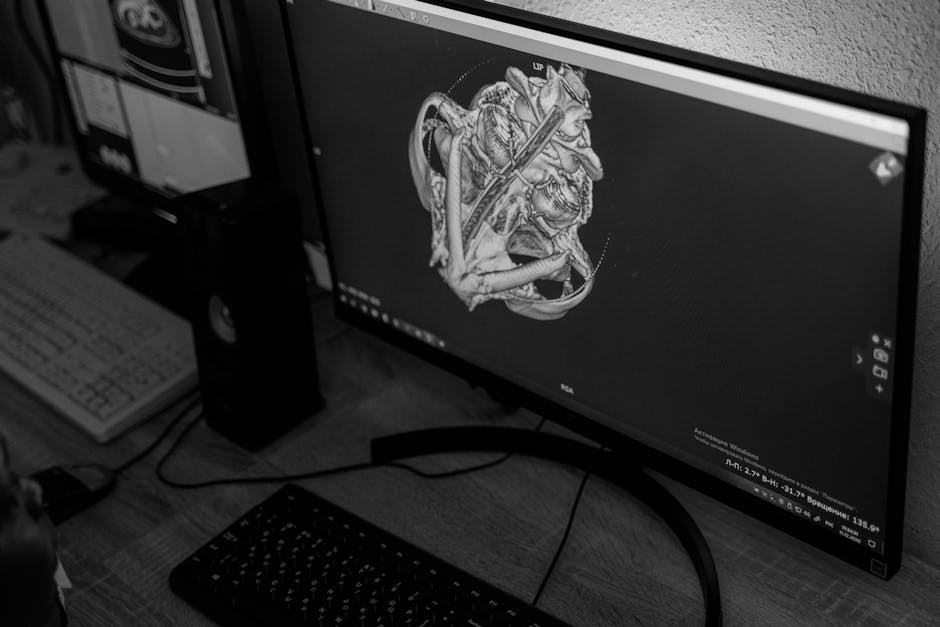
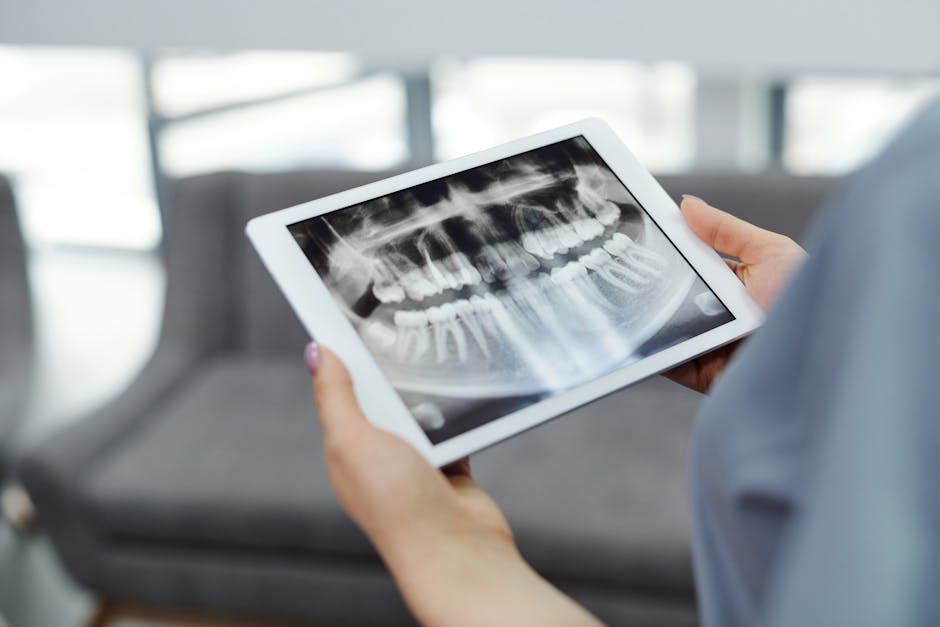
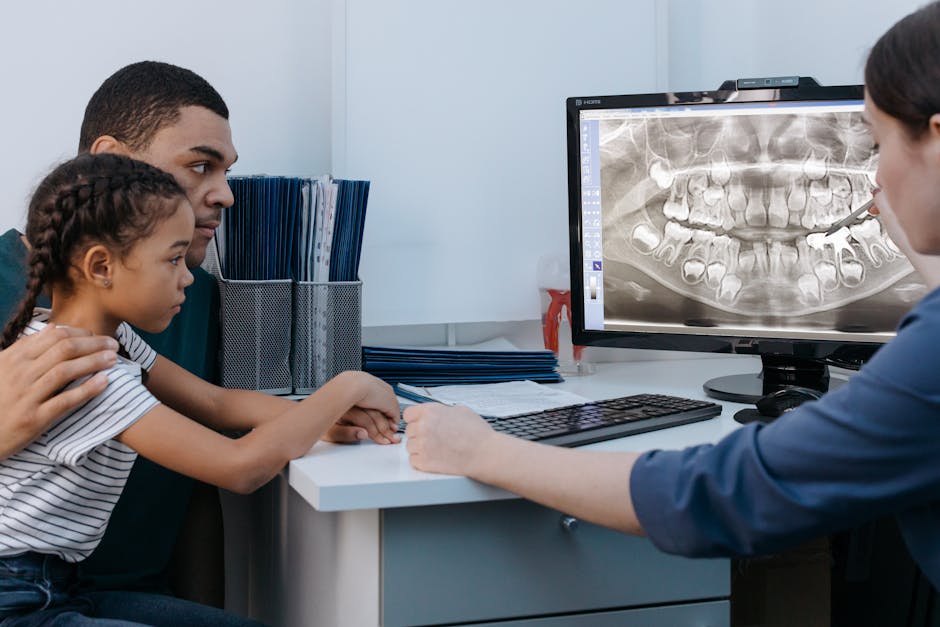
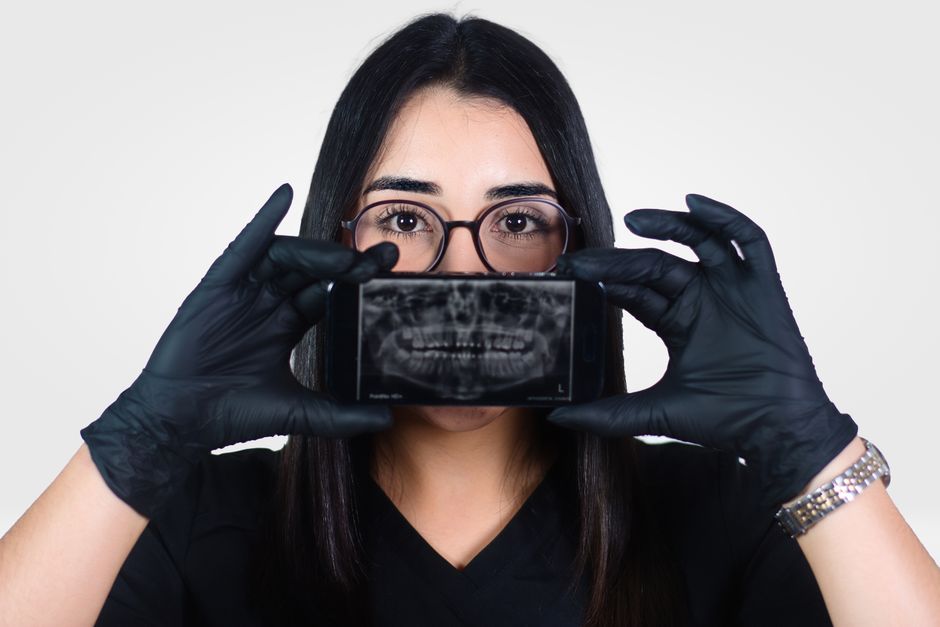
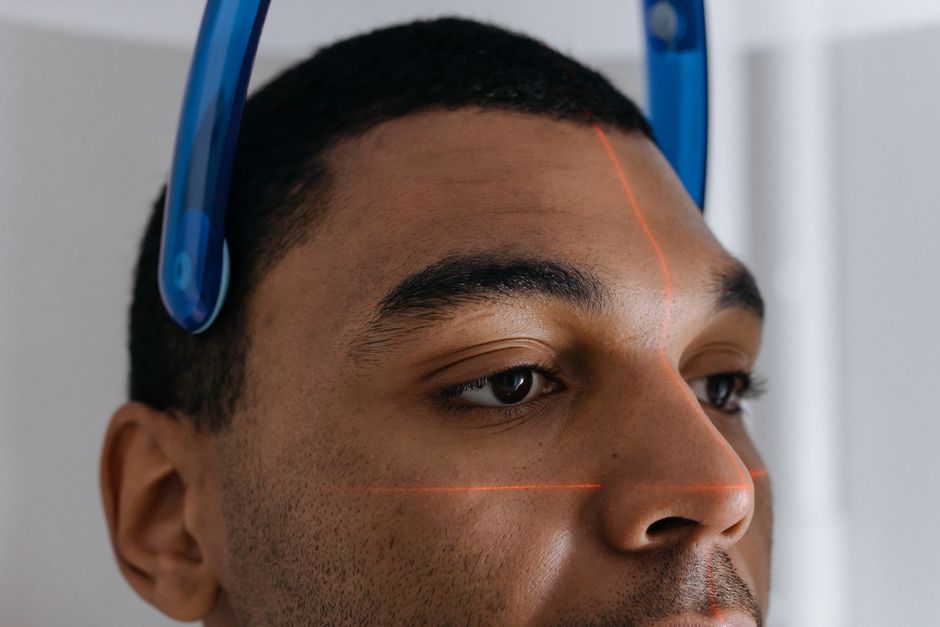
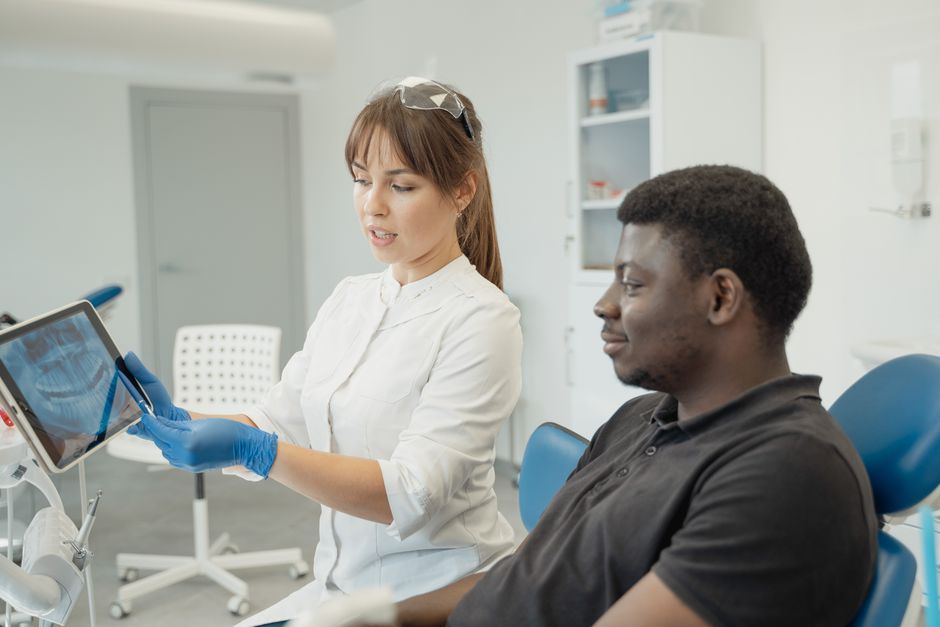
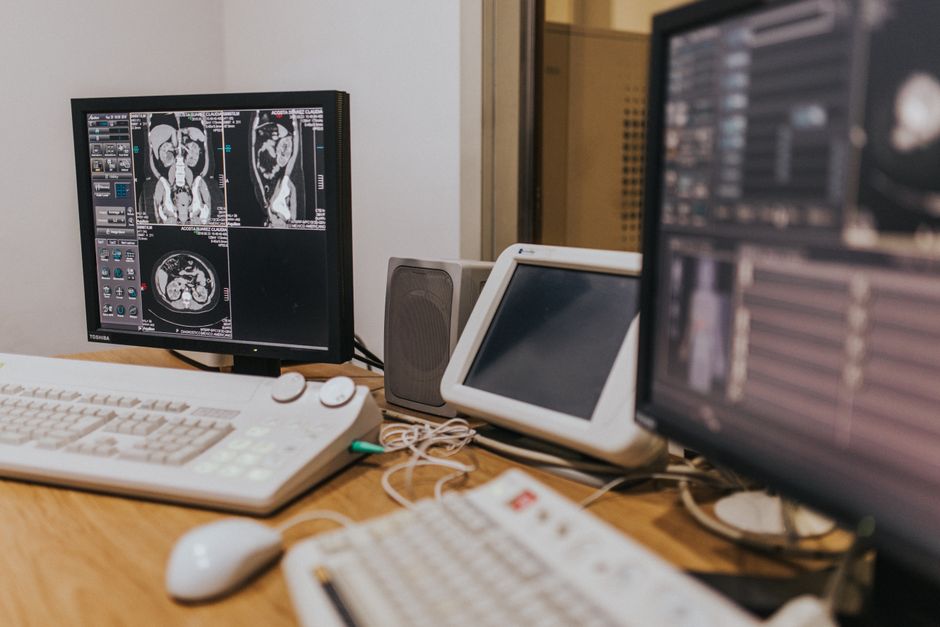
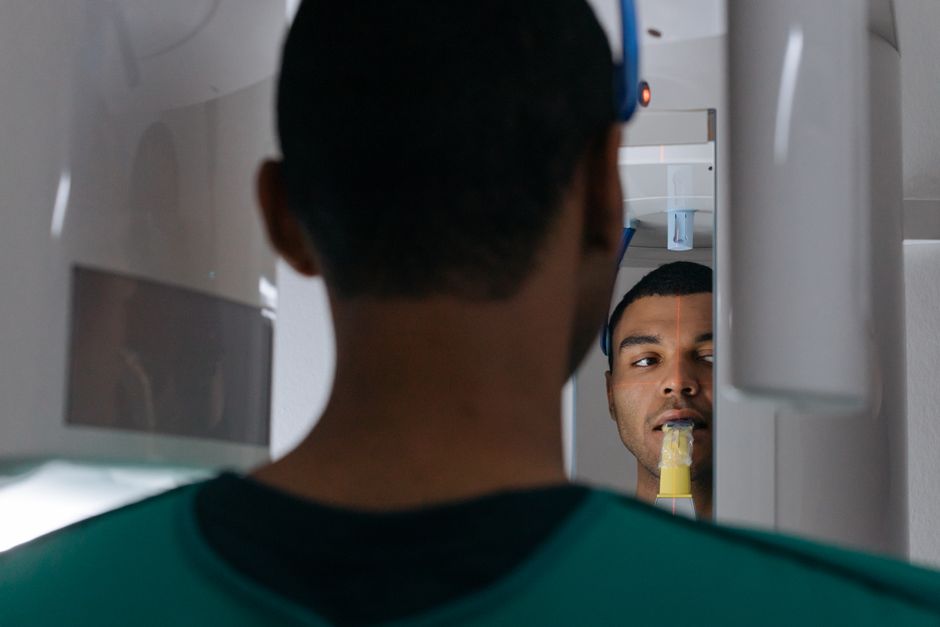
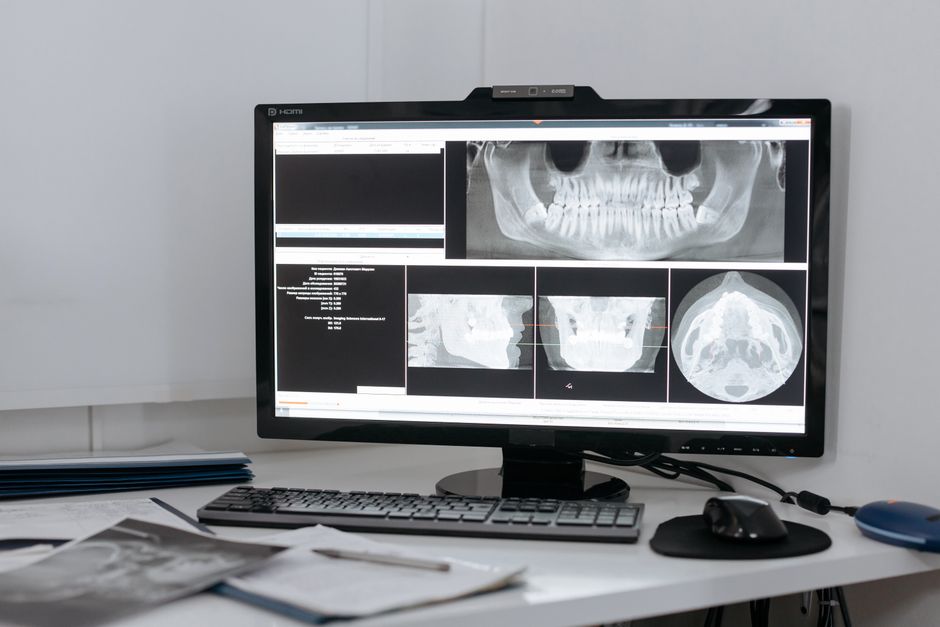
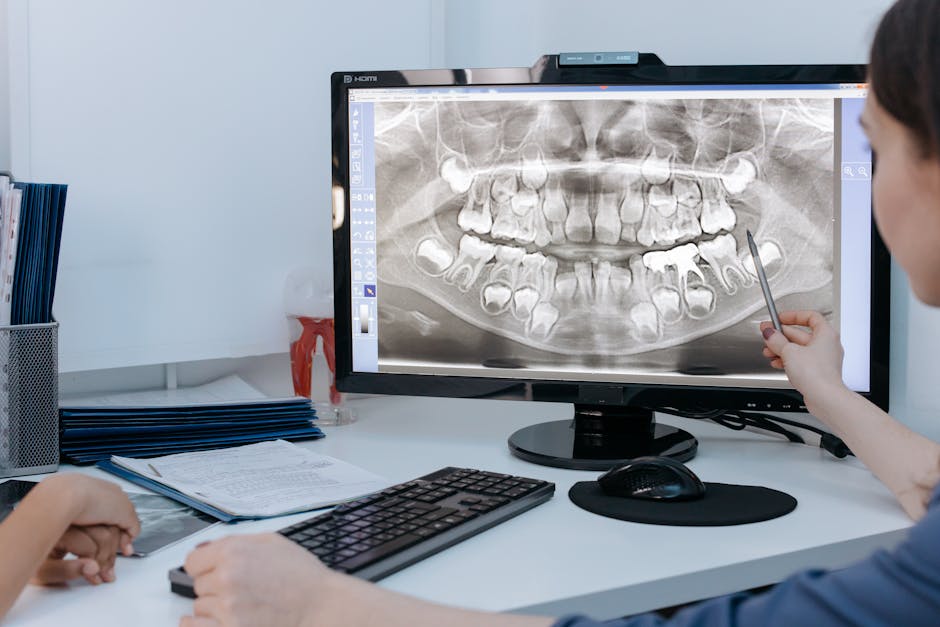
• Radiographic assessment (periapicals, panoramic, CBCT when indicated) to evaluate endodontic status, bone levels, and implant feasibility.
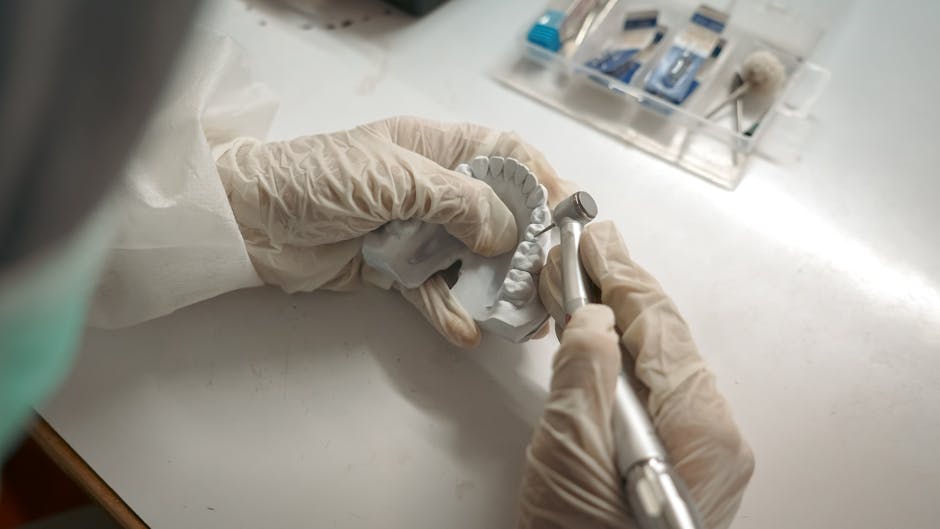
• Diagnostic wax-up / digital wax-up to design tooth proportions and gingival zenith positions.
• Mock-up (intraoral test drive) to validate aesthetics, phonetics, and function before irreversible steps.
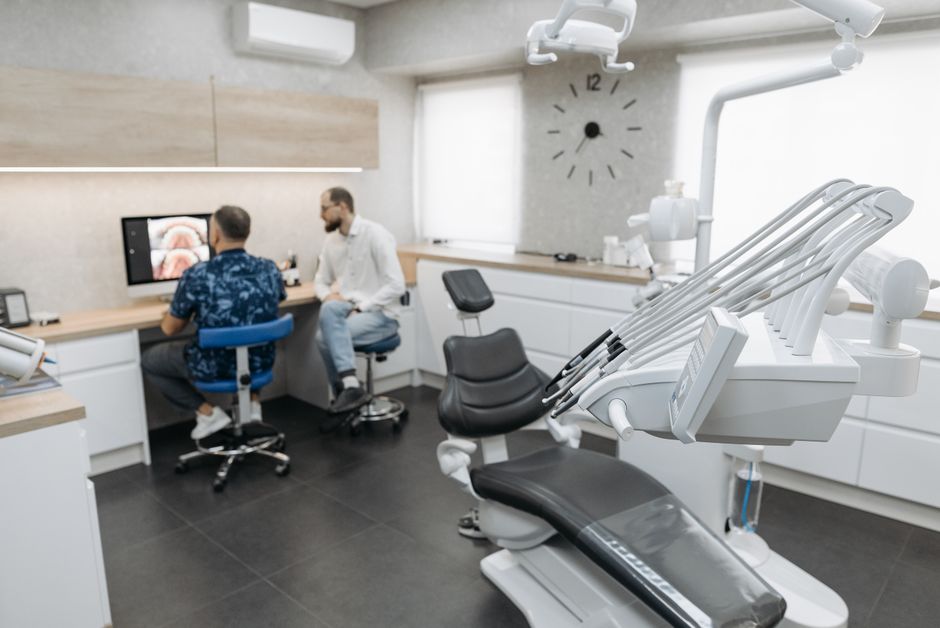
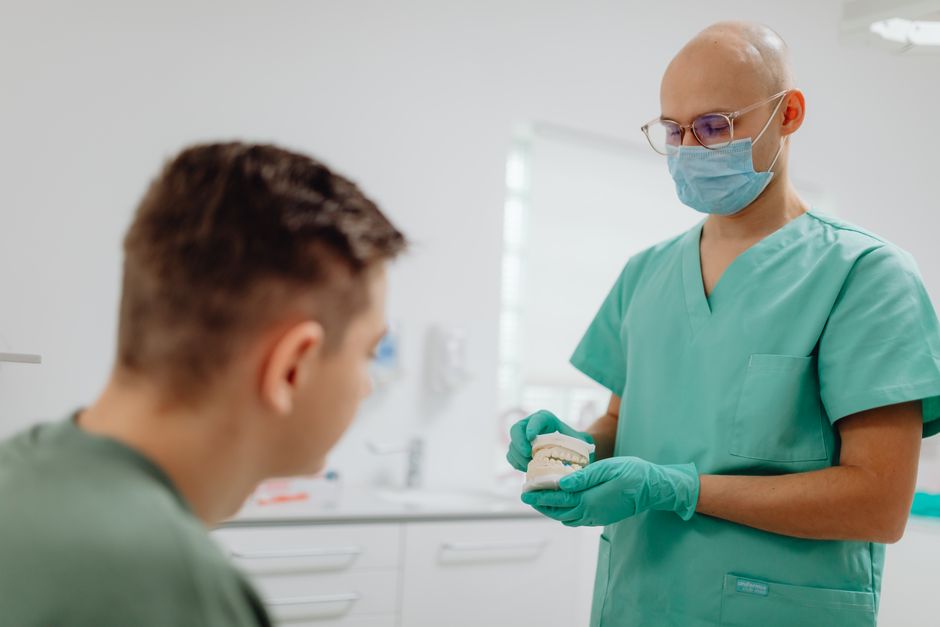
For dental students and clinicians developing confidence in aesthetic rehabilitation, photography and mock-ups are often the missing link between “nice teeth” and repeatable outcomes. At Istanbul Dental Academy, these competencies are integrated into hands-on training where participants learn how to convert diagnostic data into a clinical plan—then execute it under guidance.
Core treatment modalities in a Hollywood Smile plan
1) Tooth whitening (bleaching) as a conservative first step
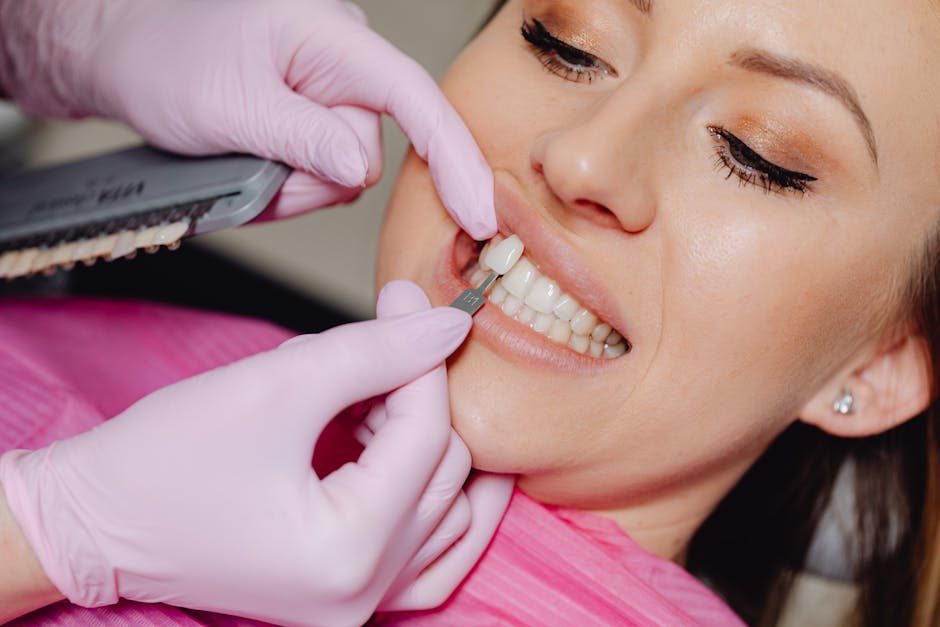
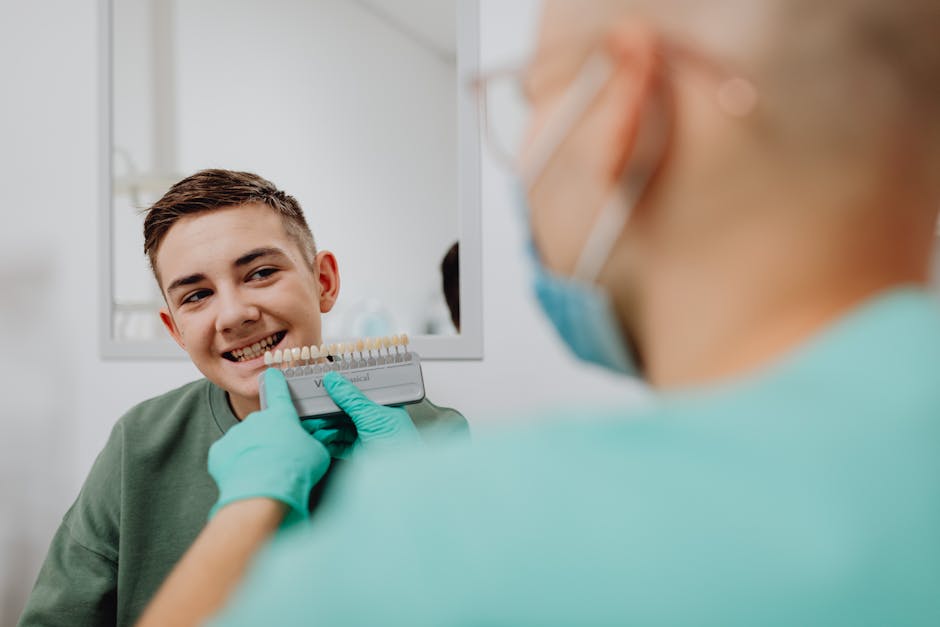
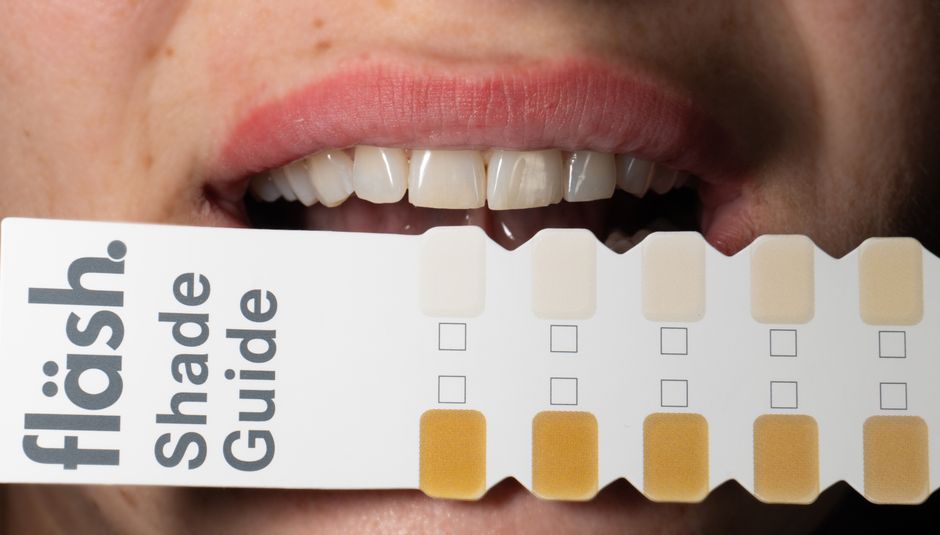
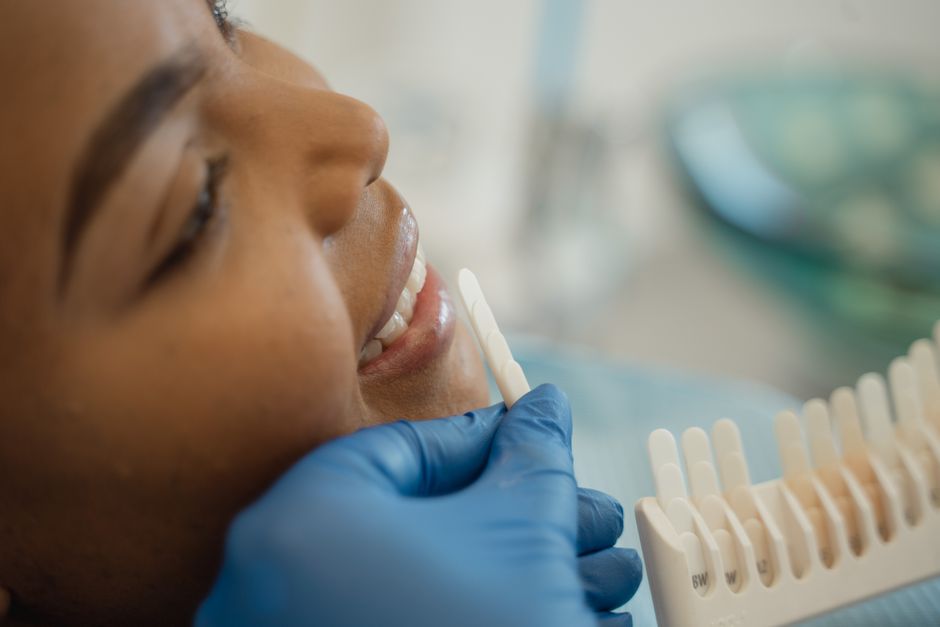
Many patients can achieve a meaningful improvement with whitening alone or as a pre-restorative step to allow more conservative ceramic thickness. Clinicians should document baseline shade, discuss expected shade range, and evaluate sensitivity risk. Whitening may also be used to harmonise adjacent teeth when only a few restorations are planned.
2) Composite bonding for additive shape correction
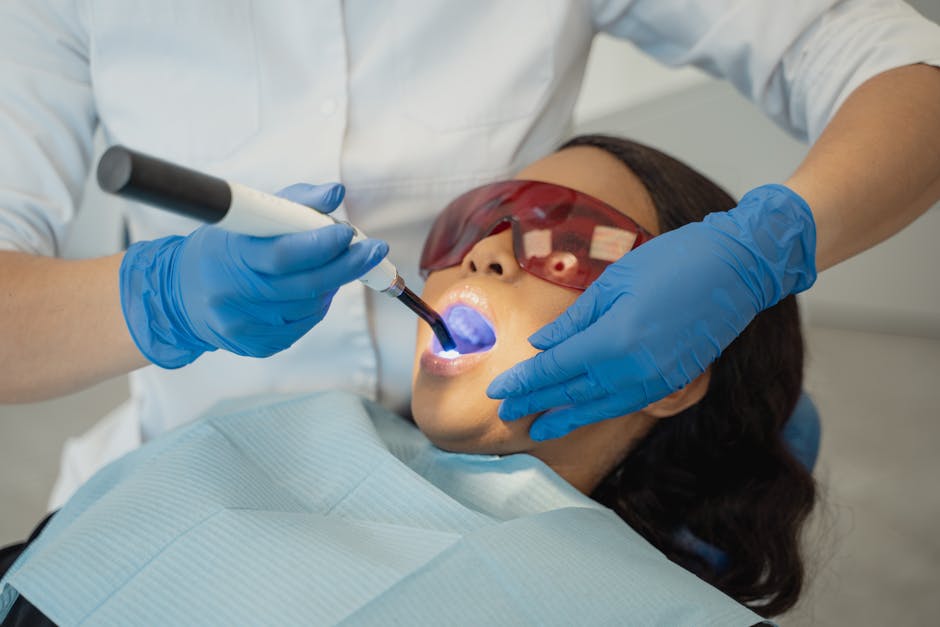
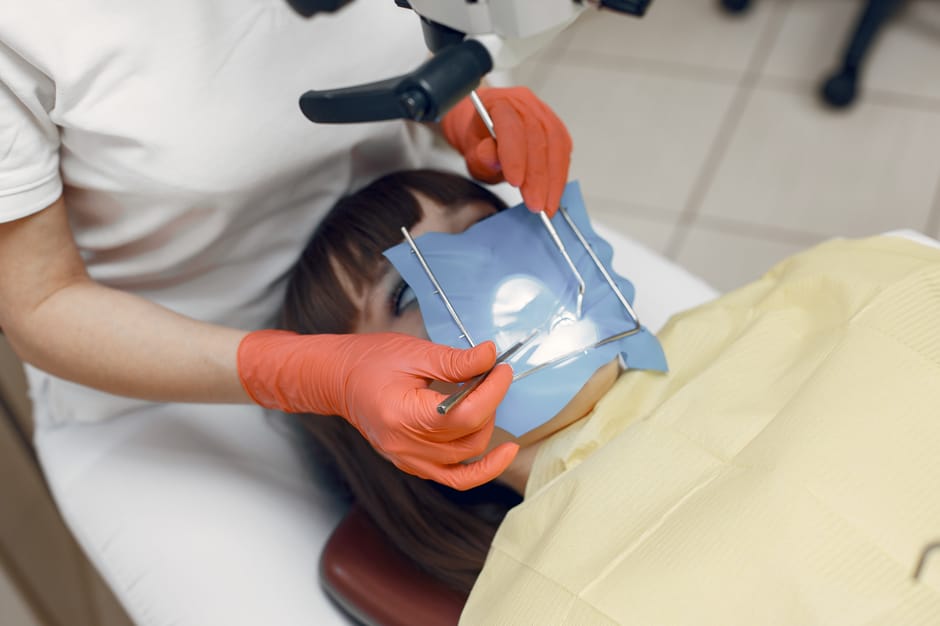
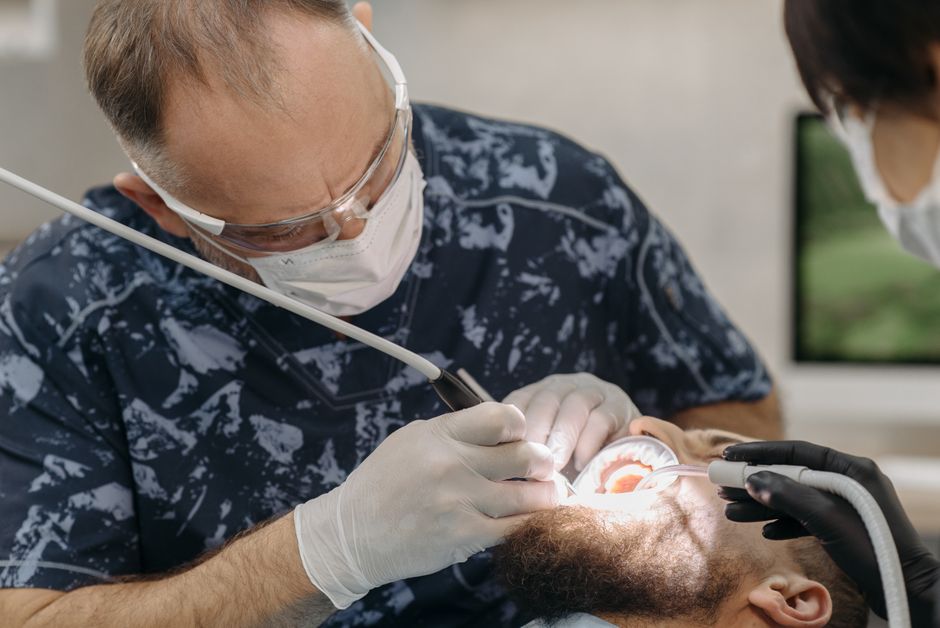
Direct composite is useful for diastema closure, incisal edge enhancement, and contour correction with minimal preparation. From a clinical perspective, success depends on isolation, adhesive protocol, layering strategy, and finishing/polishing. Bonding can serve as a transitional phase prior to ceramics, or as a definitive treatment in suitable cases.
3) Porcelain laminate veneers for high-aesthetic, minimally invasive change
Porcelain laminate veneers are often associated with the “Hollywood Smile” due to their ability to deliver stable colour, excellent surface texture, and lifelike translucency. Planning considerations include enamel preservation, margin design, interproximal extension, and occlusal scheme—especially in cases with increased overbite or parafunction.
From an educational standpoint, veneer predictability is closely tied to correct case selection, guided reduction (or no-prep when truly appropriate), and adhesive cementation protocols. A hands-on environment is particularly valuable for practising preparation depth control and polishing sequences.
4) All-ceramic crowns and full-mouth rehabilitation when structure is compromised
When teeth are heavily restored, endodontically treated, or structurally weakened, full-coverage restorations may be indicated. Here, a Hollywood Smile becomes part of broader restorative and prosthodontic management, where occlusal vertical dimension, anterior guidance, and posterior support must be evaluated carefully. Material selection (lithium disilicate, zirconia, layered ceramics) should reflect functional demands as much as aesthetics.
5) Gingival aesthetics: the role of periodontology
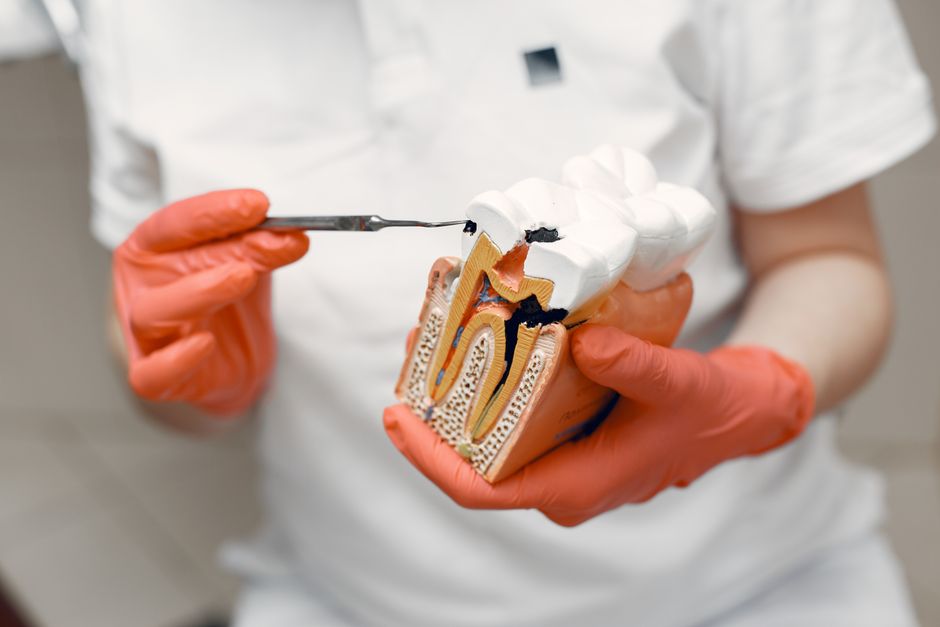
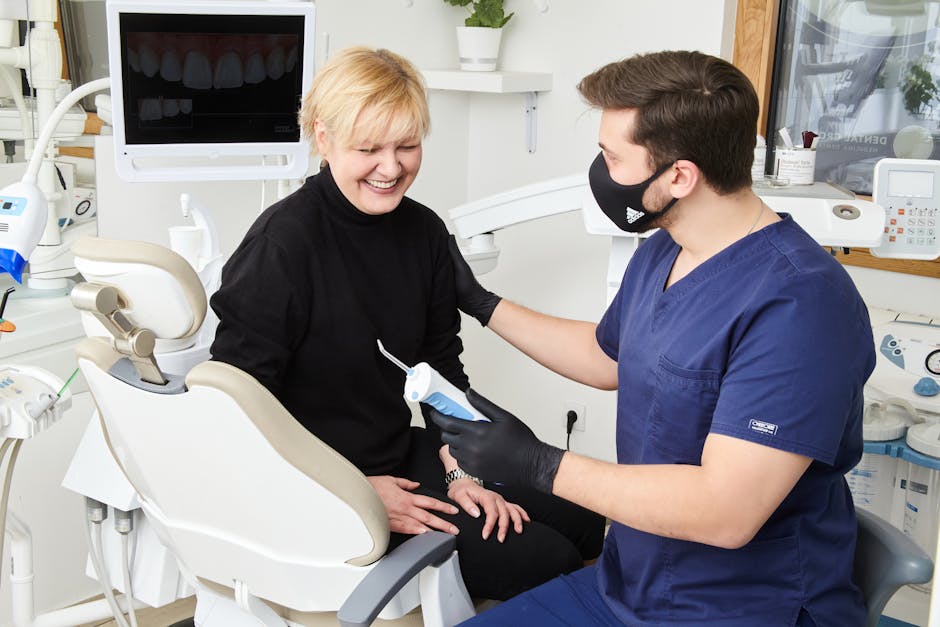
Even ideal ceramics can look unnatural if gingival levels are inflamed or asymmetric. Aesthetic planning should include periodontal evaluation: probing depths, bleeding on probing, keratinised tissue, biotype assessment, and the presence of recession. Gingival contouring, crown lengthening, or soft-tissue management may be considered when indicated.
Because periodontal health is foundational, clinicians should recognise early signs and risk factors before embarking on elective aesthetic work. For an educational clinical overview, read this guide on gum disease signs, risk factors, and clinical insights.
When implants become part of the “Hollywood Smile” conversation
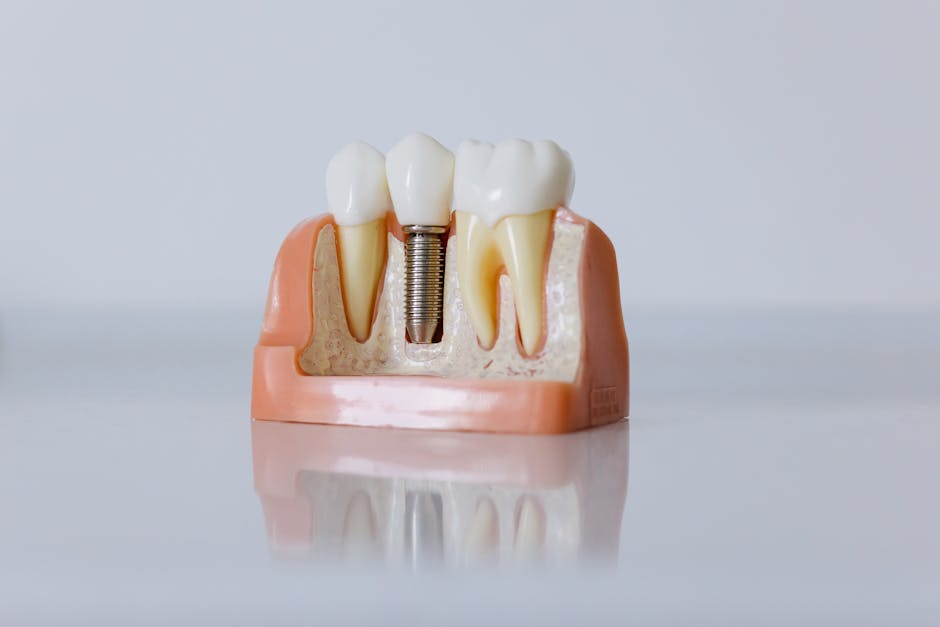
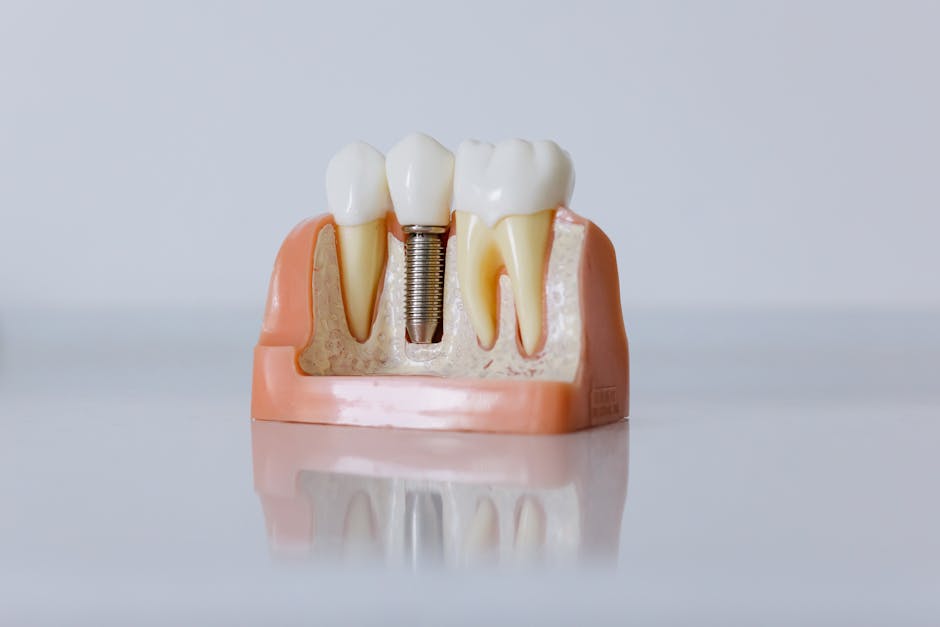
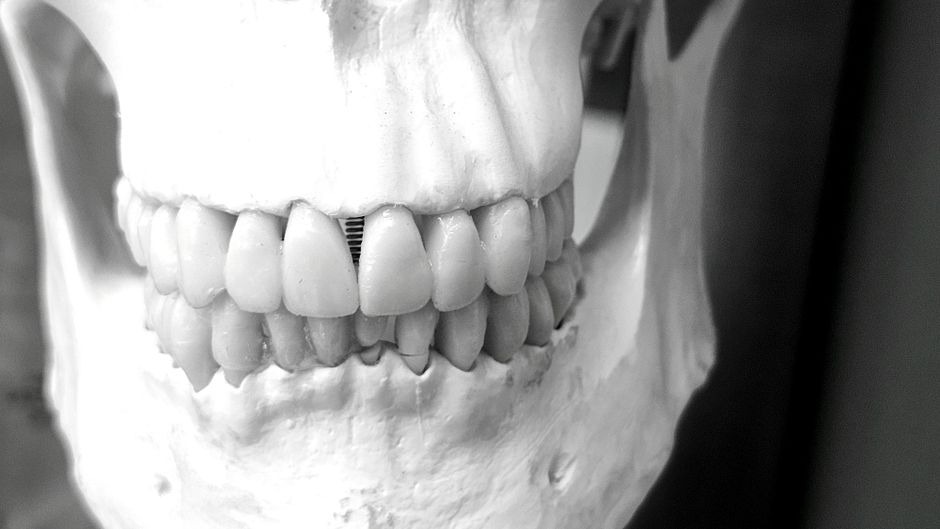
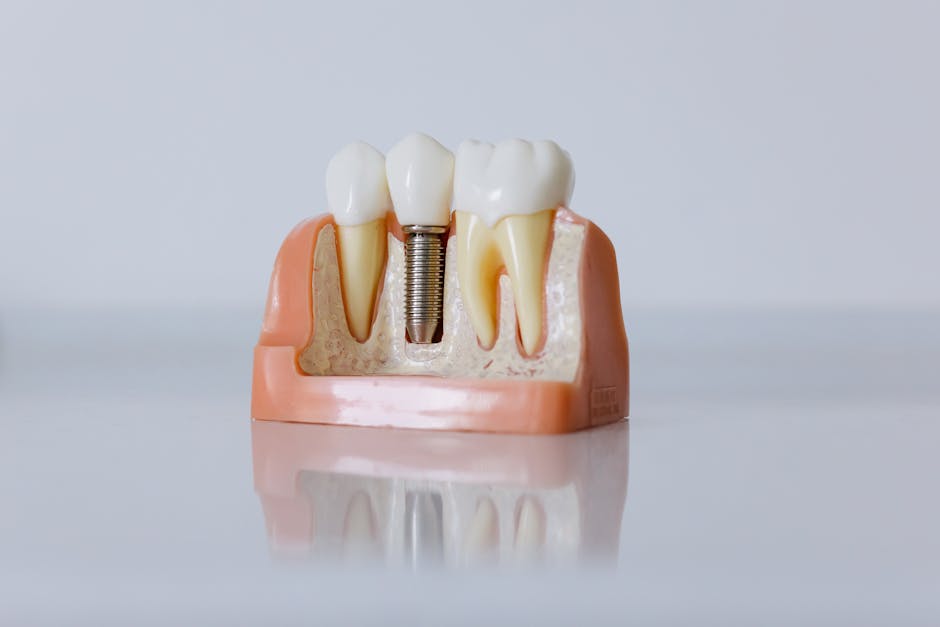
Patients sometimes request a Hollywood Smile while also missing teeth, having failing bridges, or presenting with advanced breakdown. In such cases, the aesthetic objective must be integrated with surgical and prosthetic realities: bone volume, implant positioning, emergence profile, papilla management, and restorative space.
Marketing terms can create unrealistic expectations about speed. While expedited timelines are possible in selected indications, implant dentistry remains case-dependent. If you are counselling patients or refining your clinical workflow, this educational article on one-day implant treatment feasibility outlines key considerations clinicians typically assess.
Immediate implant placement: coordinating extraction, aesthetics, and stability
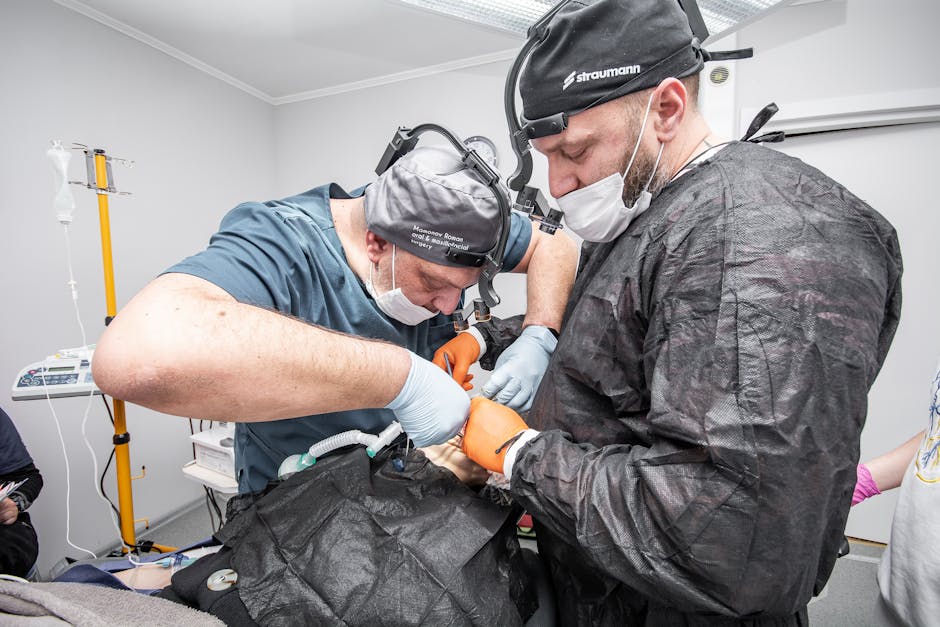
In anterior or aesthetic-zone cases, same-day extraction and immediate implant placement can reduce treatment time and preserve tissue architecture—but it is technique-sensitive and depends on socket morphology, infection control, primary stability, and provisionalisation strategy. For clinicians who want a structured overview, this clinical guide to same-day extraction and immediate implant placement discusses workflow points that commonly influence outcomes.
Full-arch transformation: the All-on-4 pathway
In patients with terminal dentition or full-arch tooth loss, a “Hollywood Smile” goal may translate into a full-arch fixed implant prosthesis with improved lip support and smile line. Treatment planning typically involves CBCT-based assessment, prosthetically driven implant placement, occlusal scheme design, and staged provisional-to-final prosthetics.
For a stepwise look at how clinicians organise this process, explore a clinical workflow guide on All-on-4 for full-arch tooth loss. Understanding the sequence—from diagnosis to final prosthesis—helps clinicians communicate clearly and reduce complications.
Clinical workflow: from consultation to final delivery
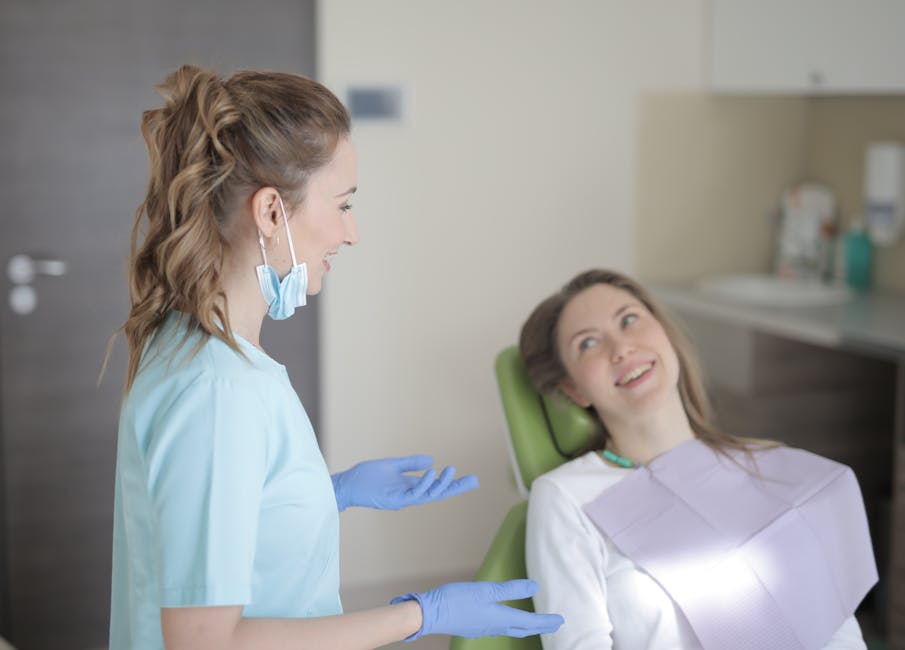
Although each case is unique, many Hollywood Smile cases follow a structured pathway:
1) Consultation and expectation mapping: chief complaint, aesthetic priorities, time constraints, and maintenance discussion.
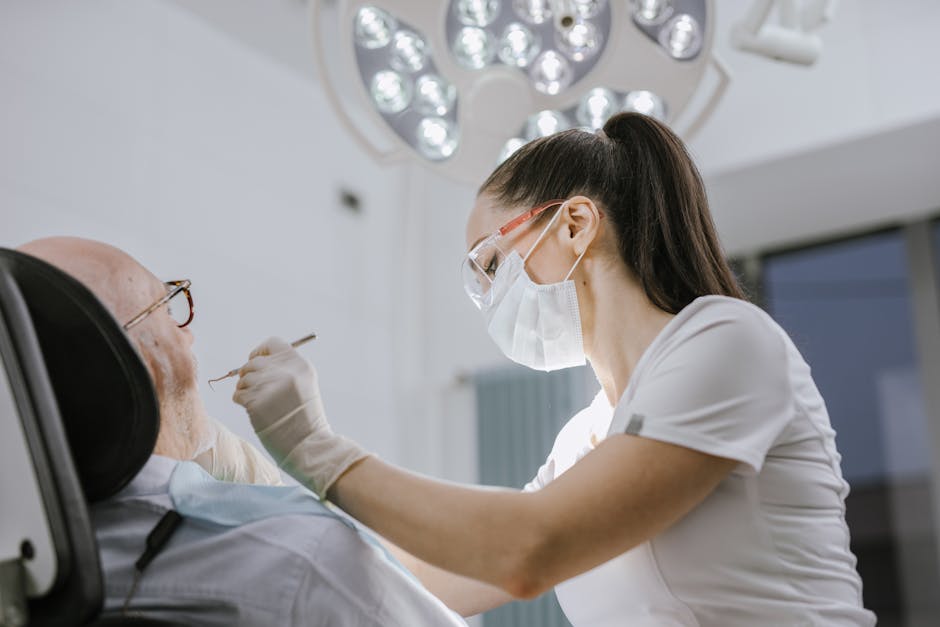
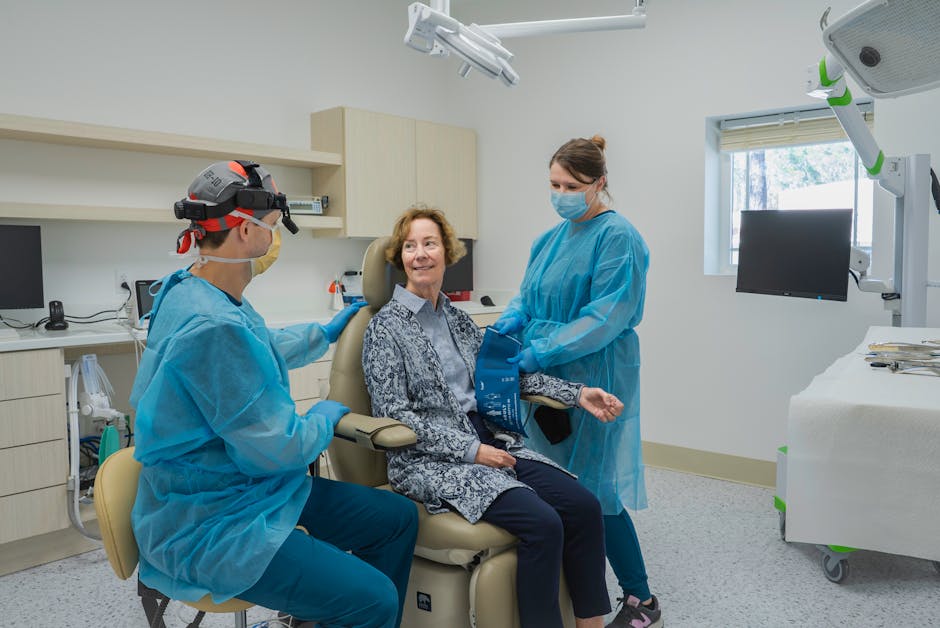
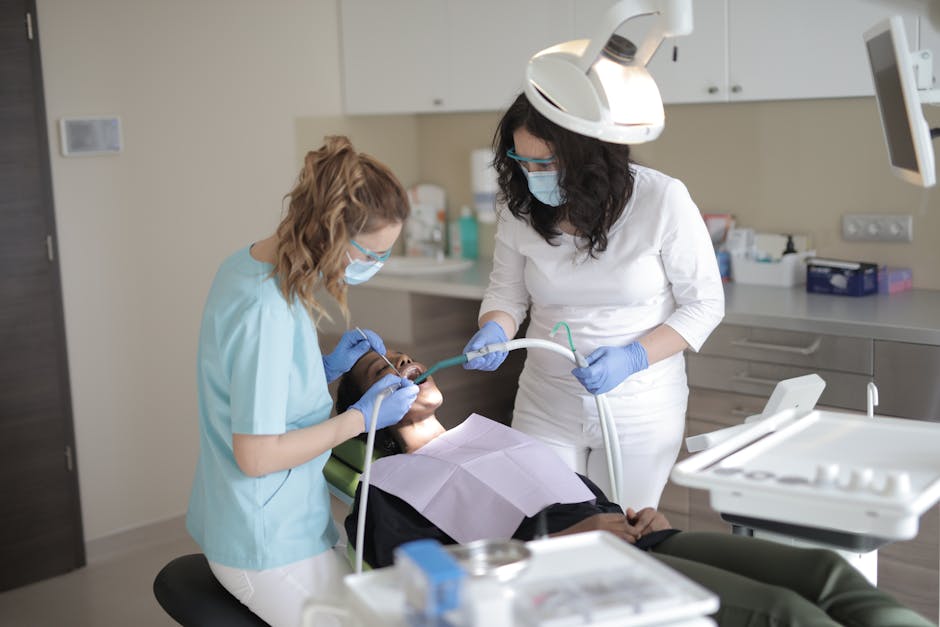
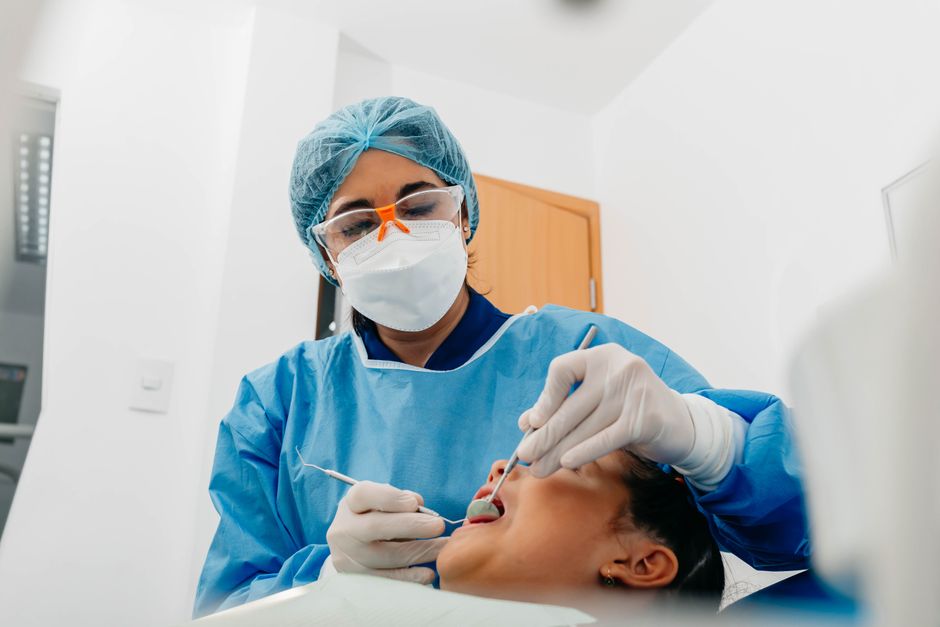
2) Comprehensive examination: caries risk, periodontal charting, occlusion, TMJ screening, and radiographic review.
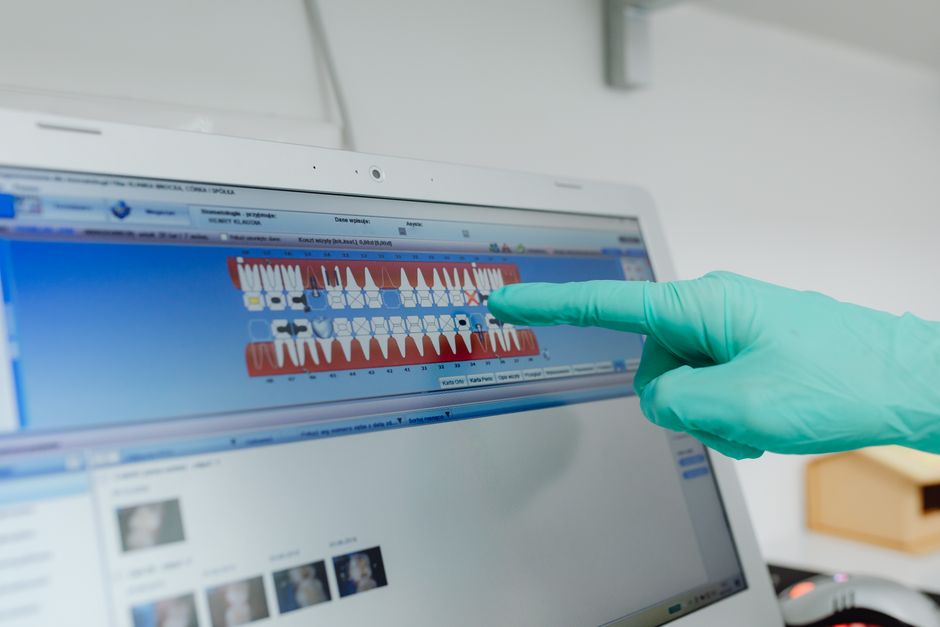
3) Digital smile design and wax-up: tooth proportion (width/length), incisal edge position, gingival symmetry, and facial midline alignment.
4) Mock-up and patient “test drive”: validate phonetics (“F/V,” “S” sounds), smile arc, and comfort.
5) Preparations and temporisation: guided reduction, soft-tissue management, provisional restorations.
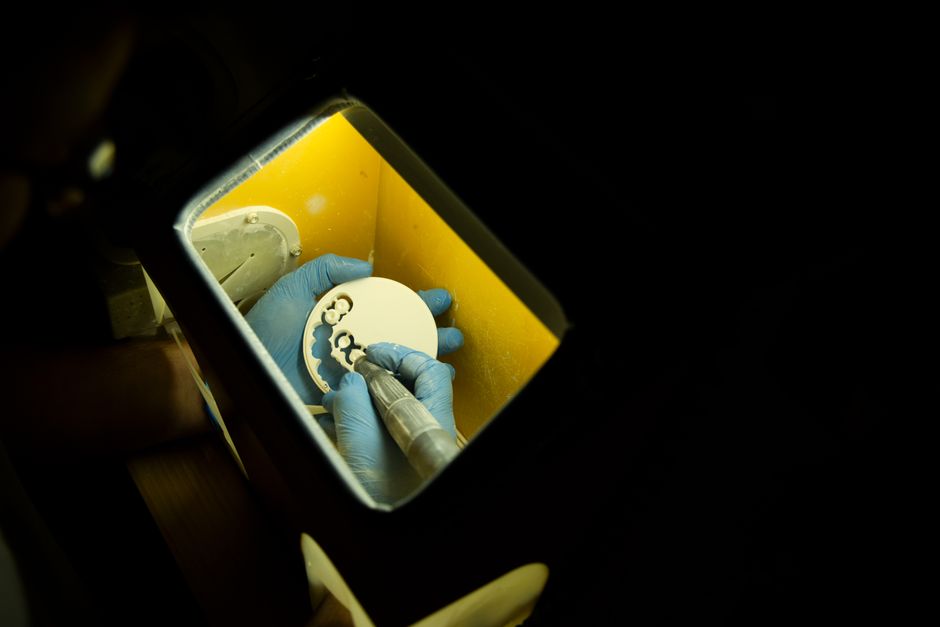
6) Laboratory communication: shade mapping, stump shade, texture requests, and reference photos.
7) Try-in and adhesive protocol: isolation, surface treatment, cement selection, occlusal adjustments.
8) Follow-up and maintenance: hygiene instructions, night guard consideration for bruxism, periodontal recalls.
For dentists, the most common source of disappointment is not the ceramic itself—it is inconsistent diagnosis, unclear communication, or insufficient control of soft tissues and occlusion. A training environment that emphasises workflow discipline can improve predictability across cases.
Digital dentistry and dental photography: why they matter more than ever
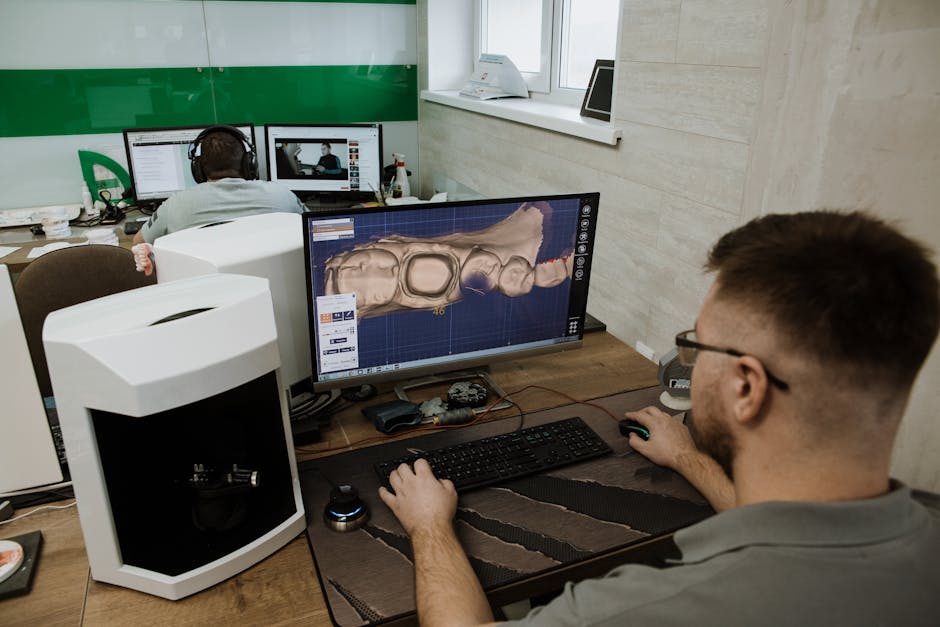
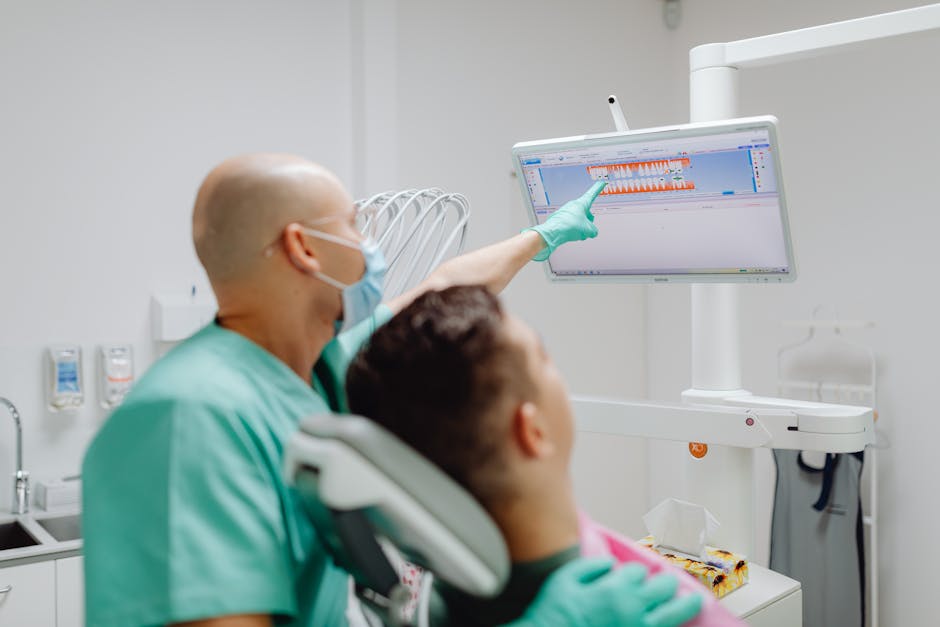
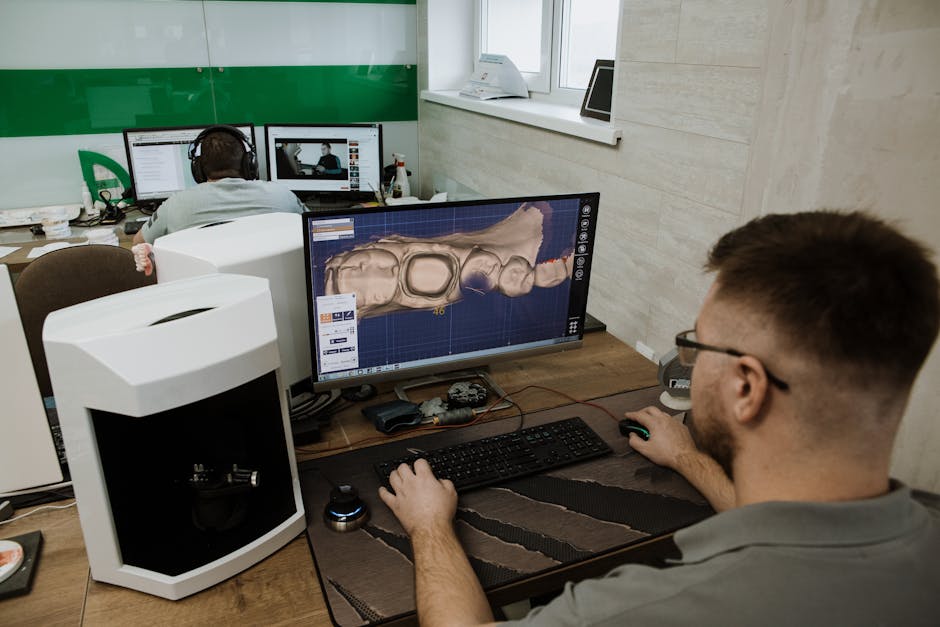
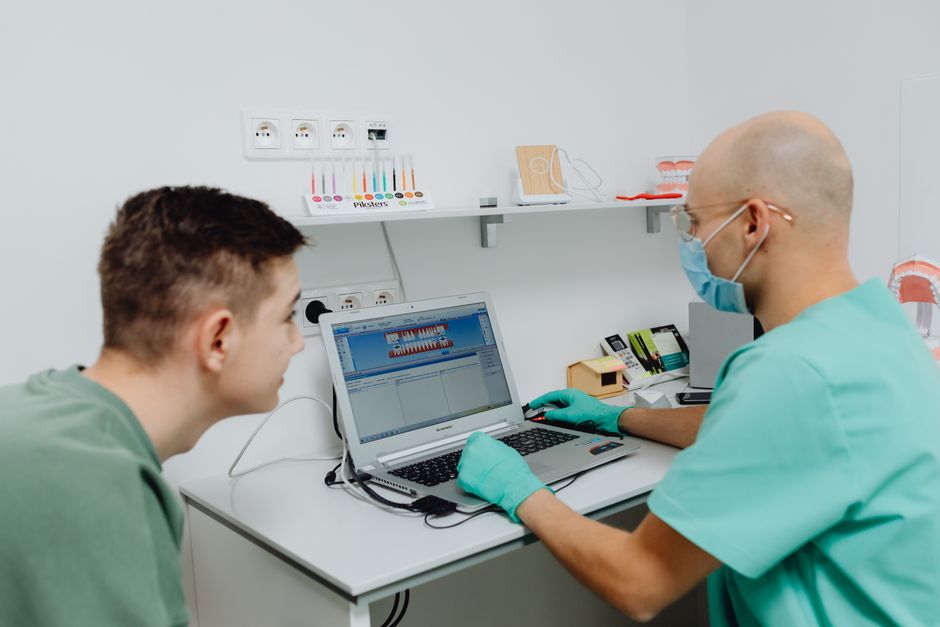
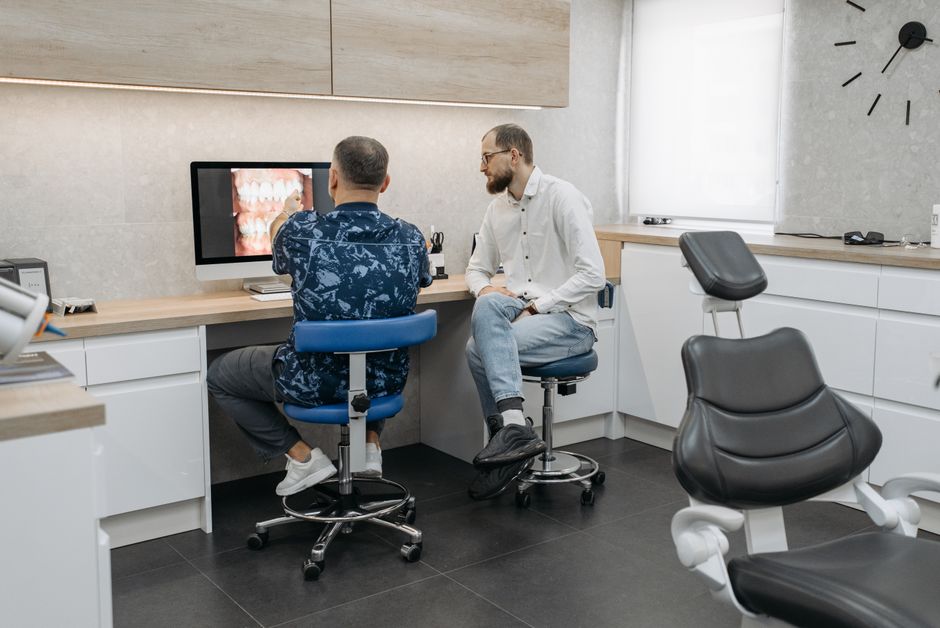
Digital tools do not replace clinical judgement, but they can improve communication and precision. In practice, intraoral scanning supports better fit and reproducibility, while digital wax-ups help align the dentist–technician–patient triangle. Likewise, dental photography is a clinical instrument: it documents baseline conditions, guides shade selection, and helps evaluate symmetry over time.
At Istanbul Dental Academy, continuing dental education is designed to bridge theory and clinical execution. Courses that combine smile design principles with hands-on veneer/crown workflows, digital scanning, and photographic protocols can help clinicians standardise their approach—especially when integrating restorative dentistry with periodontology and implant treatment planning.
Maintenance and longevity: setting realistic expectations
A Hollywood Smile is not a one-time event; it requires maintenance. Longevity depends on oral hygiene, periodontal stability, material choice, occlusion, and patient habits (dietary staining, smoking, parafunction). Clinicians should frame outcomes in terms of risk management, not guarantees, and document informed consent carefully.
Common maintenance components may include professional cleaning, polishing of restorations, monitoring for marginal staining or chipping, and occlusal guard use in high-risk patients. Periodontal reviews remain essential, particularly when gingival recontouring or implant restorations are part of the plan.
Learning the Hollywood Smile workflow through hands-on dental education in Istanbul
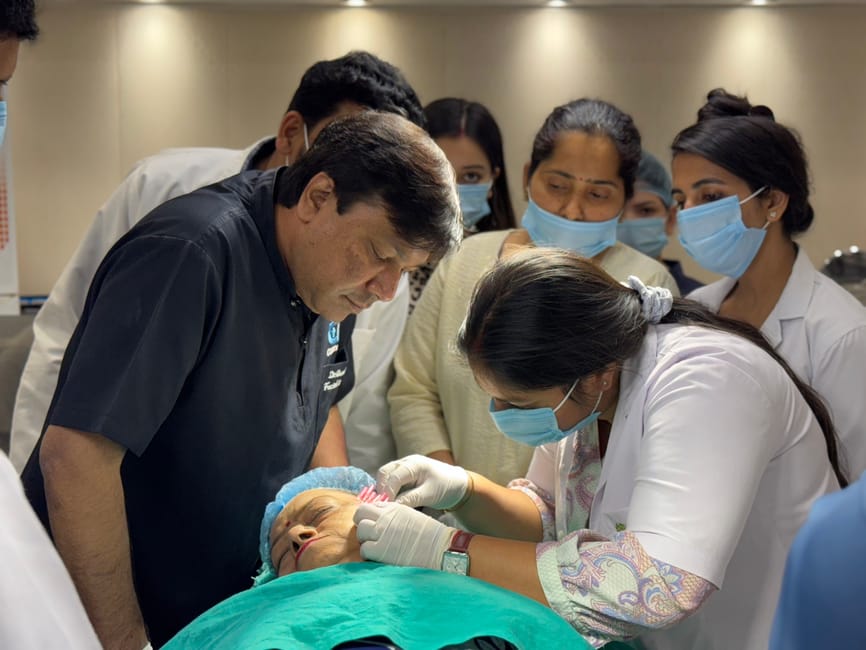
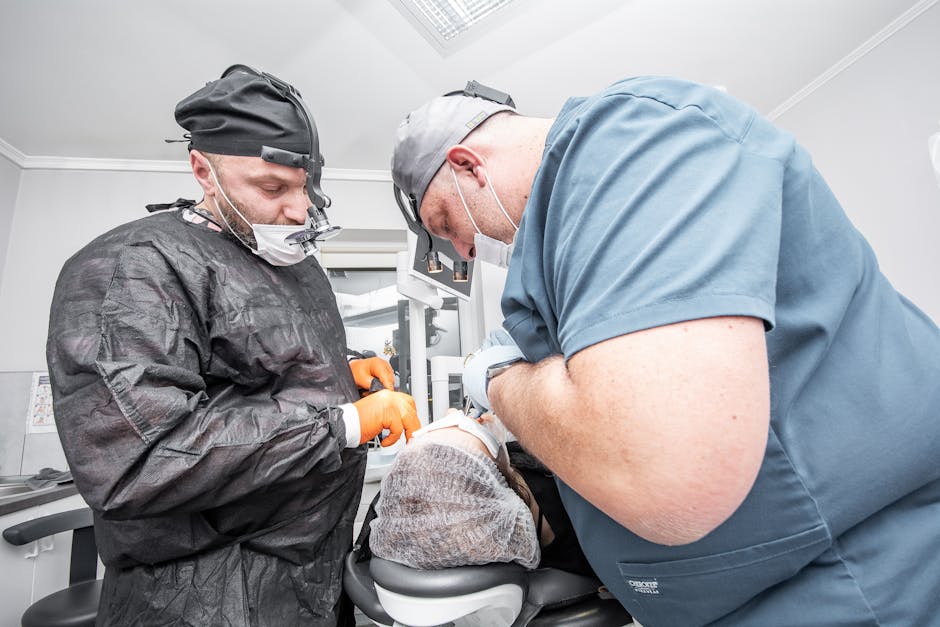
For dental professionals seeking to provide aesthetic smile transformations predictably, the most efficient path is often structured continuing education that connects diagnosis to execution. Istanbul Dental Academy focuses on hands-on learning where clinicians can practise planning, preparation, temporisation, adhesive cementation, and interdisciplinary decision-making in a guided setting.
Whether your interest is porcelain laminate veneers, digital smile design, or combining aesthetics with implant-supported solutions, training that emphasises clinical workflow—and the “why” behind each step—can help you deliver natural-looking results while prioritising function and biological principles.
This content is for educational purposes only. Treatment decisions should be made based on individual patient evaluation, clinical findings, and professional judgement.
Diğer Yazılar