
BLOG
All-on-4 vs All-on-6: Choosing a Fixed Full-Arch Implant Solution
All-on-4 vs All-on-6: Why the Comparison Matters in Modern Full-Arch Care
Fixed full-arch implant rehabilitation has become a cornerstone of contemporary prosthodontics and implant dentistry—especially for edentulous patients or those with terminal dentition who want to transition from removable prostheses to a fixed solution. Among the most discussed concepts are All-on-4 and All-on-6. While the names suggest a simple numeric difference, the clinical decision is rarely that straightforward. Implant distribution, bone volume, loading protocol, prosthetic space, occlusal scheme, and patient-related risk factors all influence whether four or six implants best support a predictable, maintainable restoration.
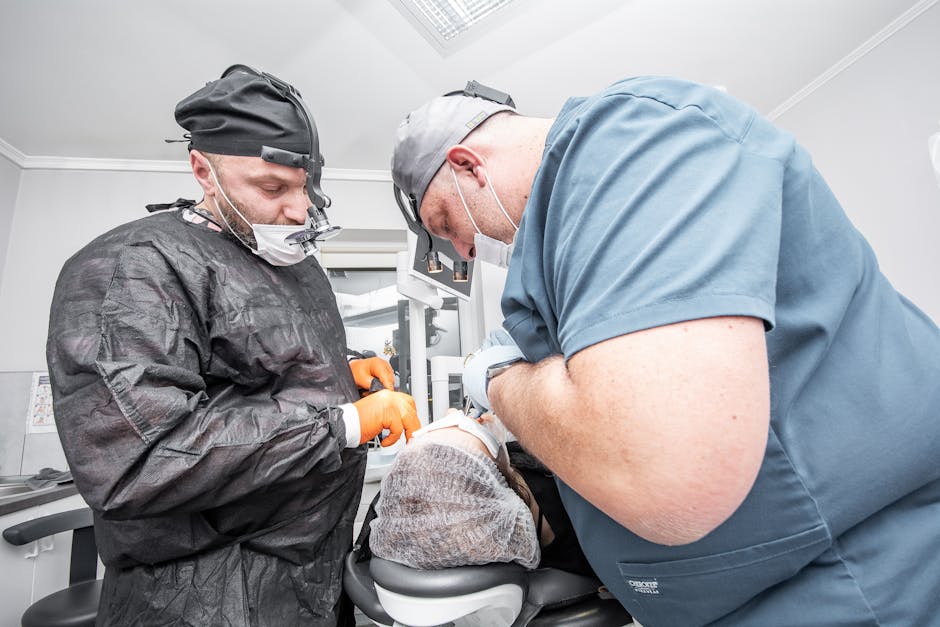
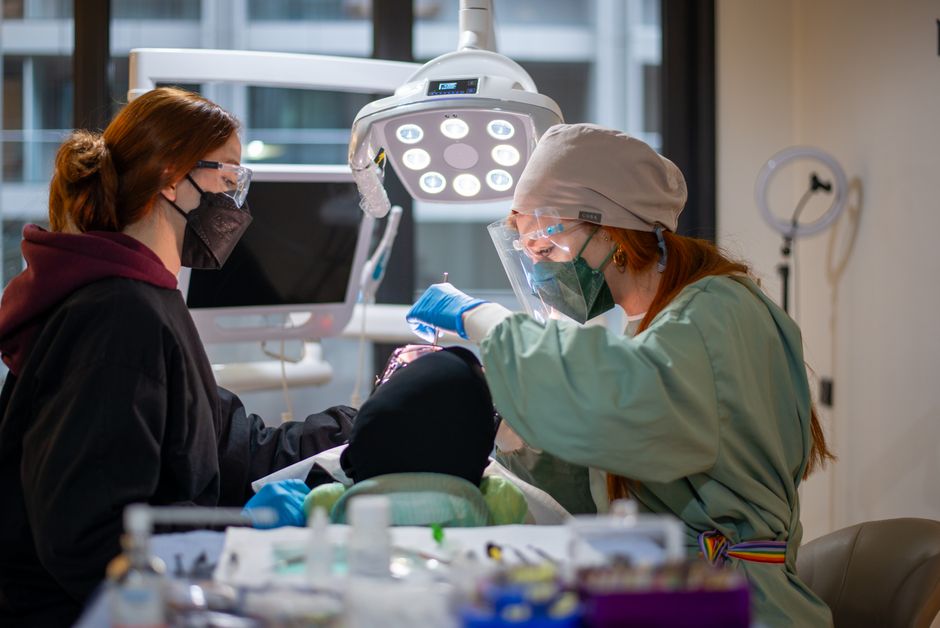
In Istanbul, where patients often seek time-efficient rehabilitation and high-esthetic outcomes, clinicians are expected to integrate digital planning, surgical precision, and prosthetic discipline. At Istanbul Dental Academy, these cases are approached as a team-based workflow—diagnosis, surgical execution, and restorative delivery—mirroring how real practices manage full-arch treatment. This content is for educational purposes and is not a substitute for individualized diagnosis or treatment planning.
Defining the Concepts: What “All-on-4” and “All-on-6” Actually Mean
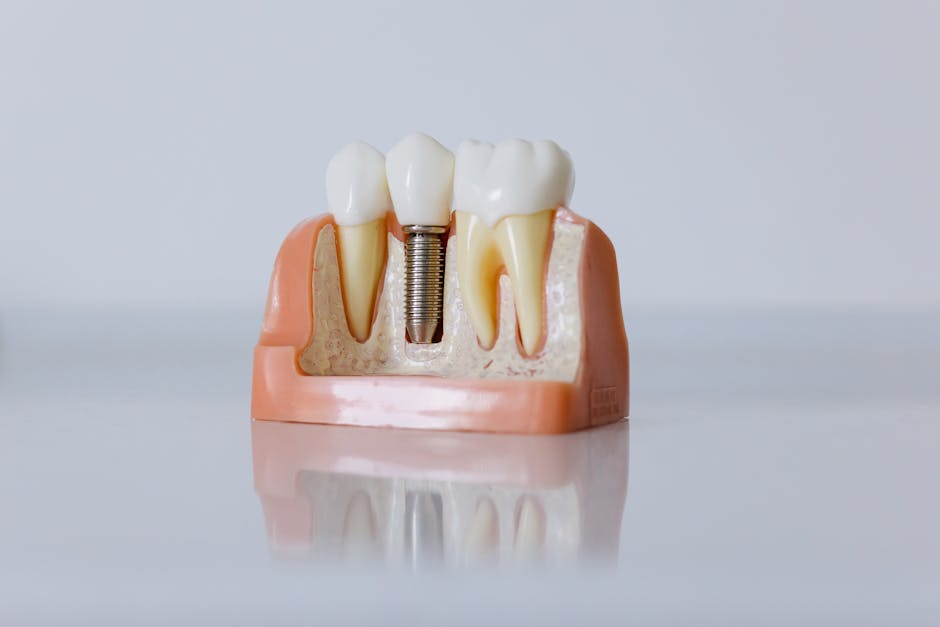
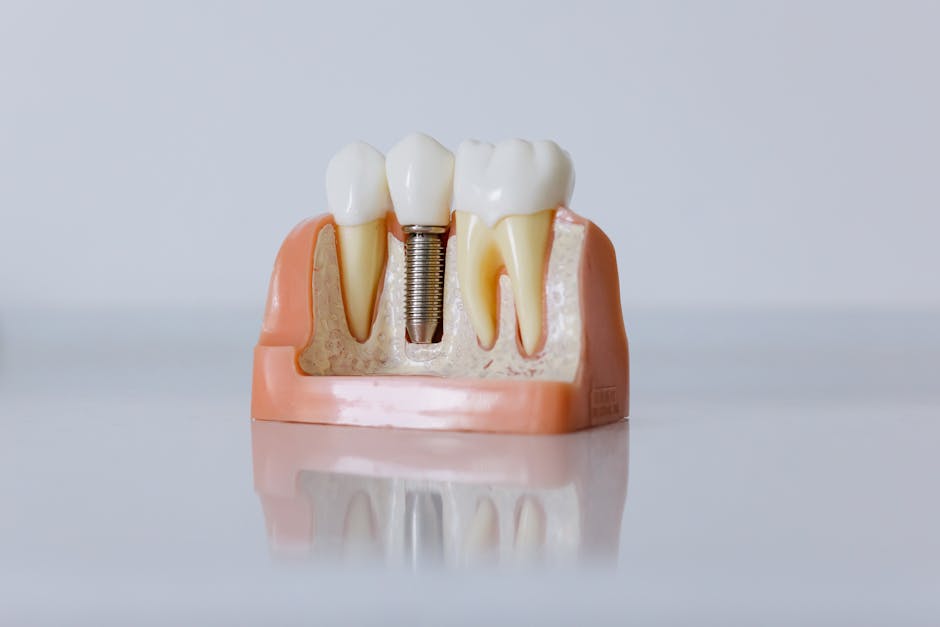
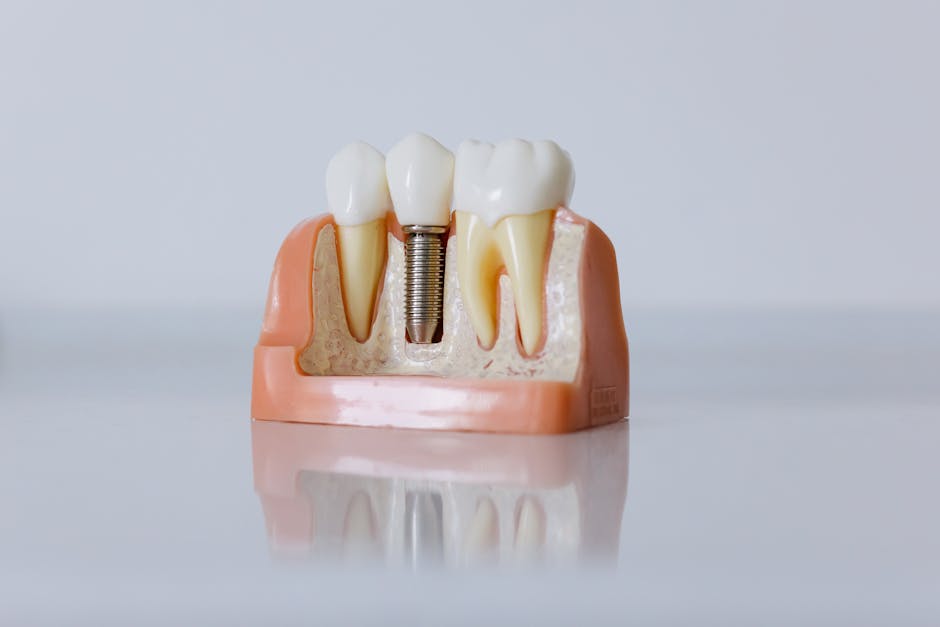
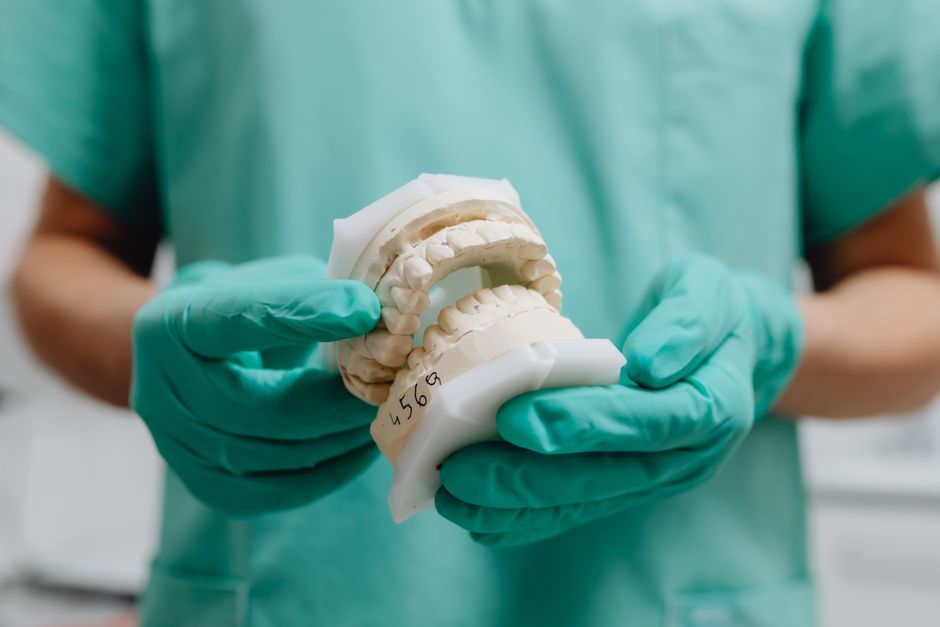
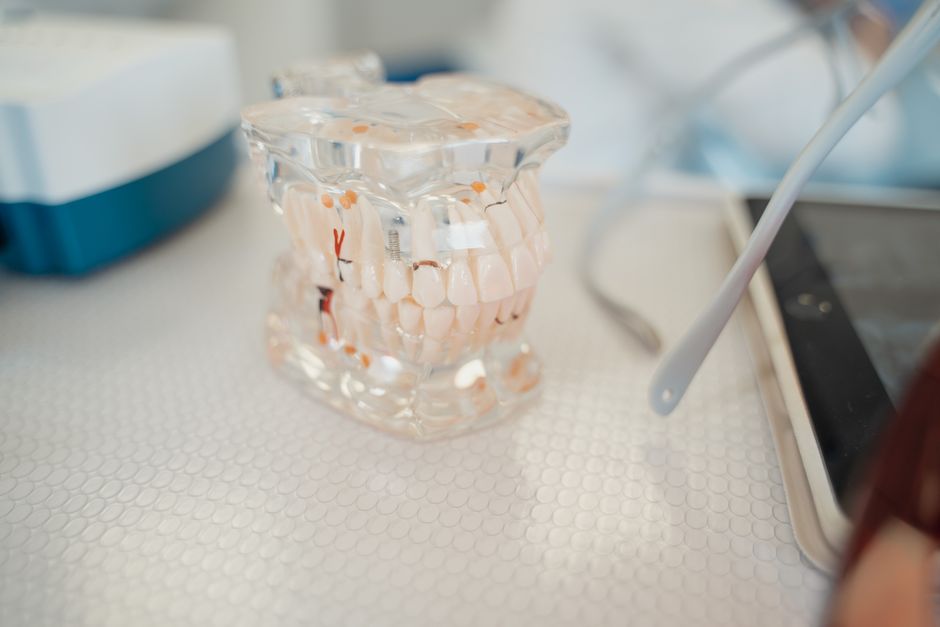
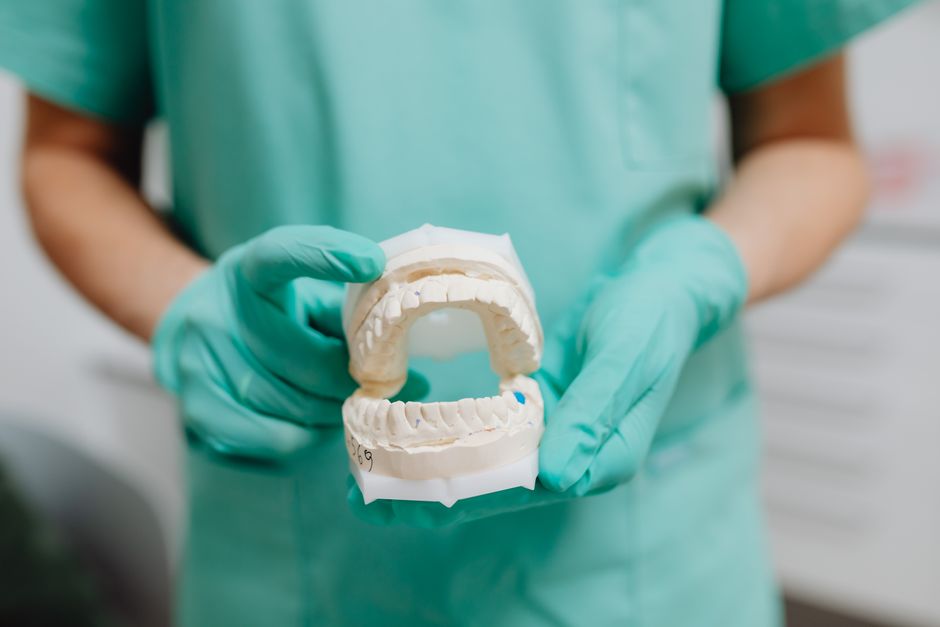
All-on-4 typically refers to a fixed full-arch prosthesis supported by four implants, commonly with two anterior implants placed axially and two posterior implants tilted to increase anteroposterior (A-P) spread and reduce distal cantilever length. All-on-6 uses six implants—often more evenly distributed across the arch—with either axial or selectively angled placement based on anatomy and prosthetic goals.
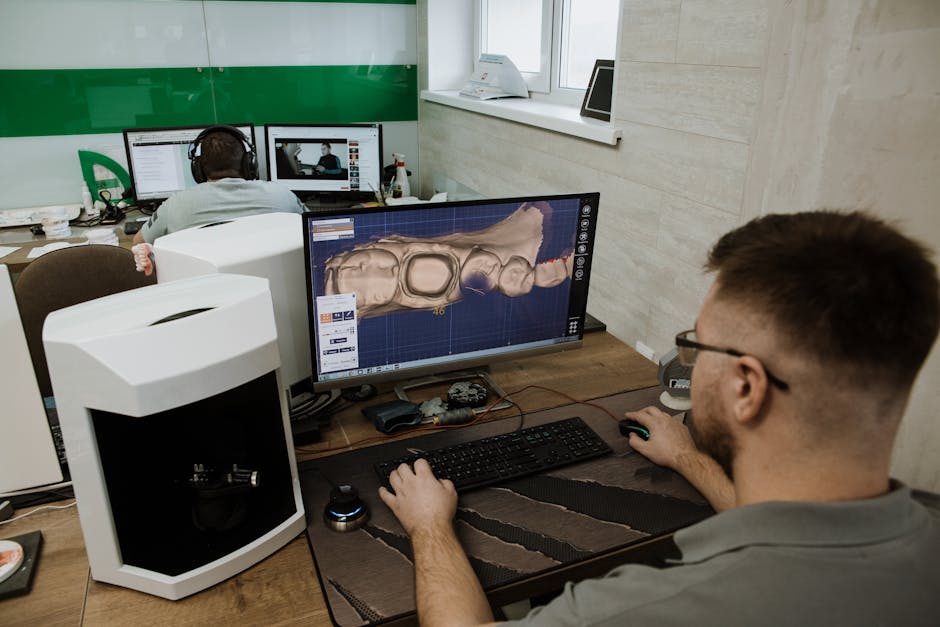
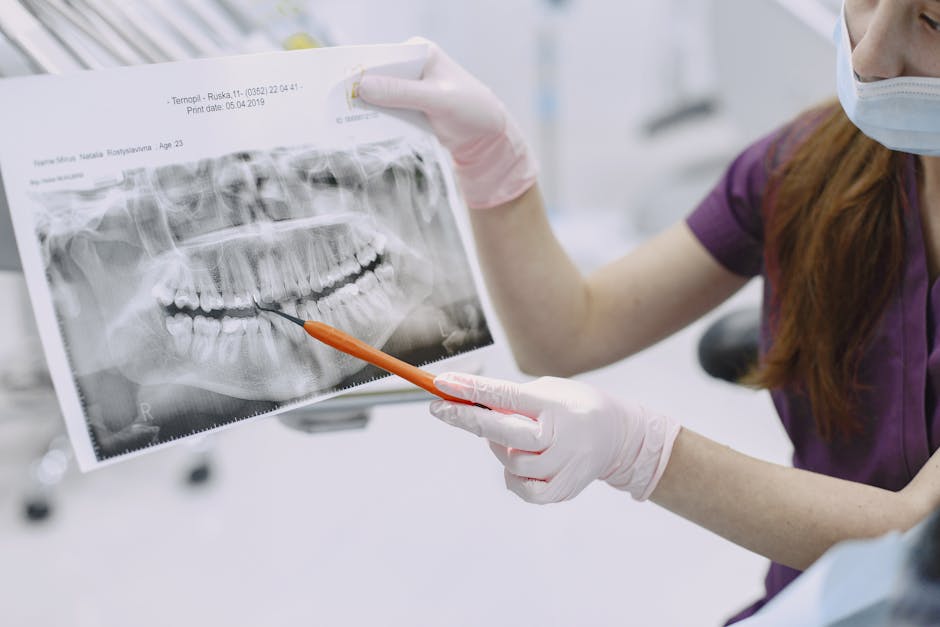
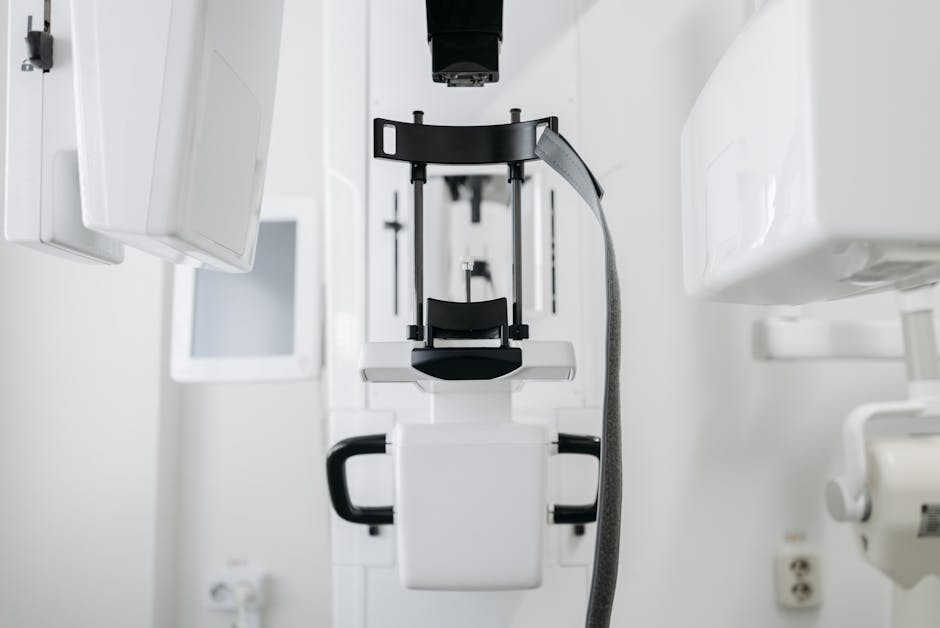
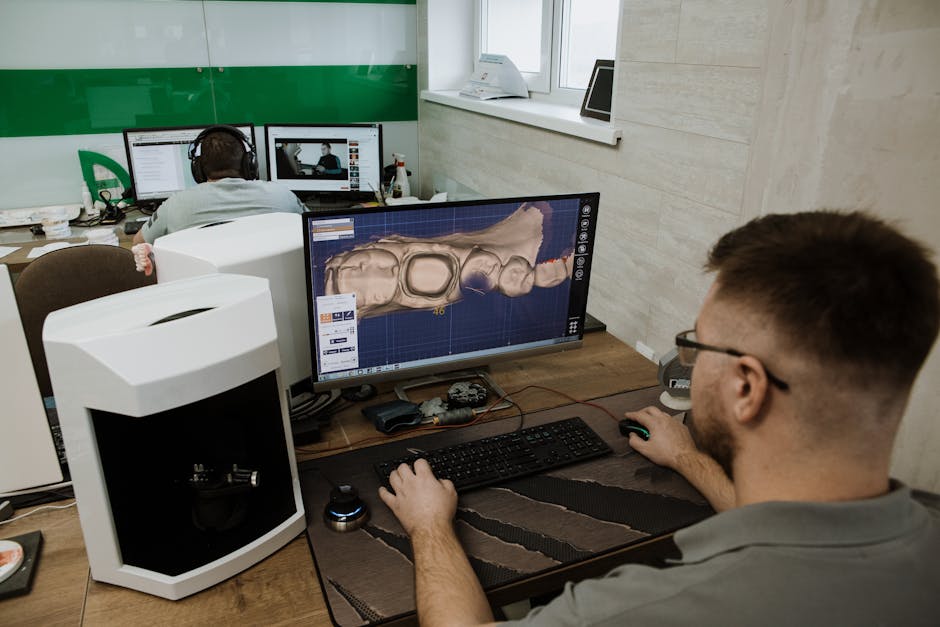
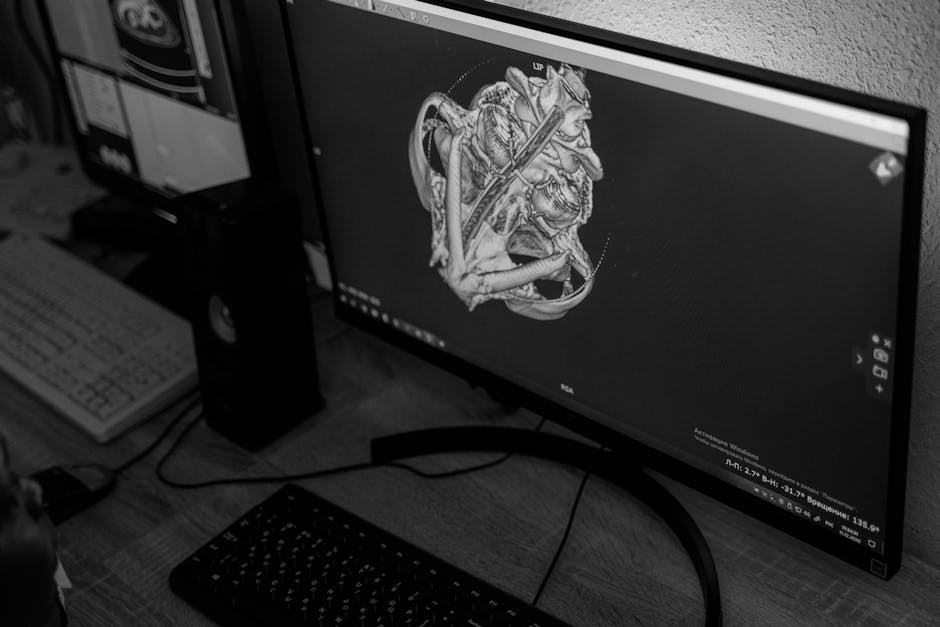
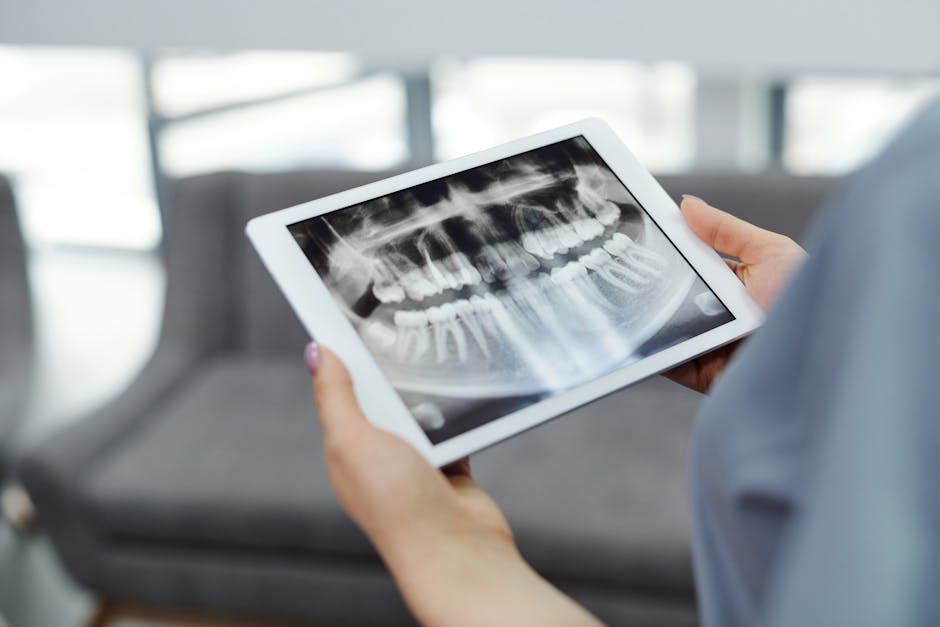
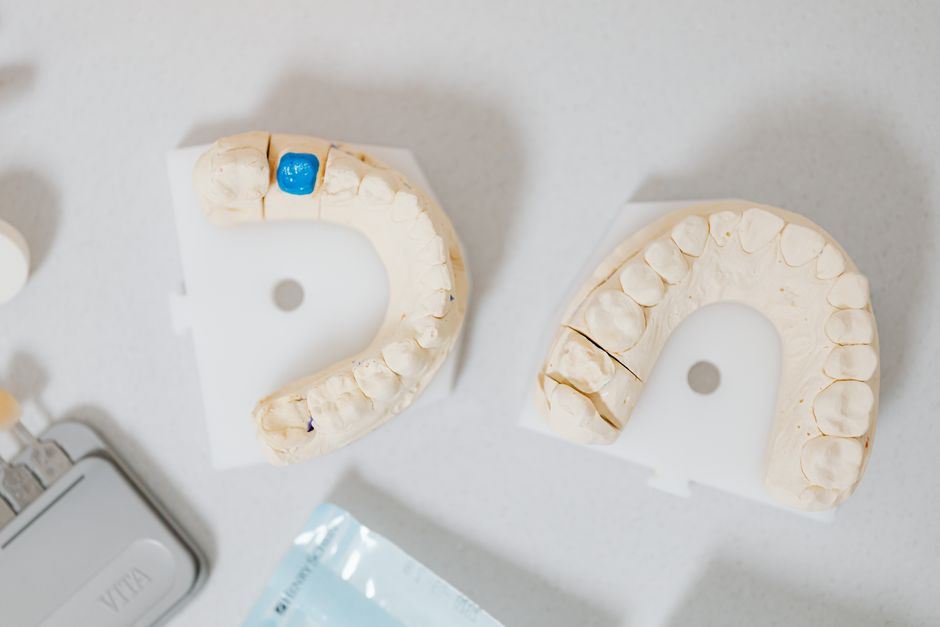
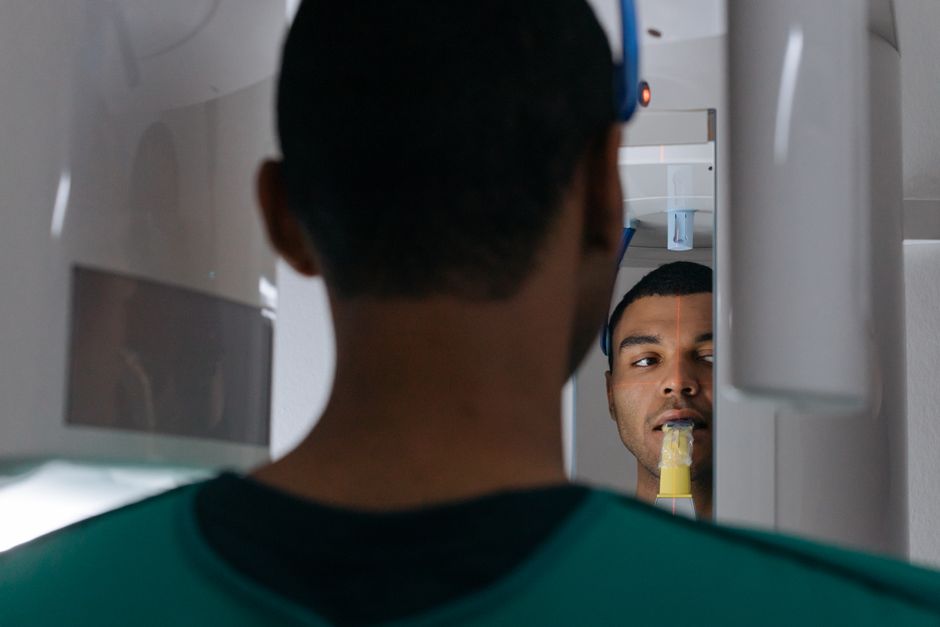
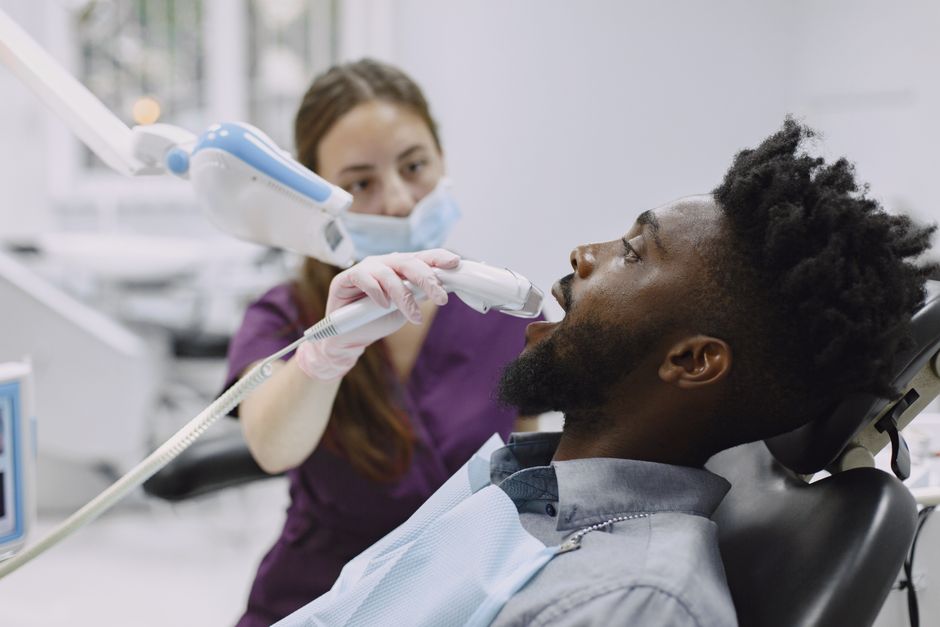
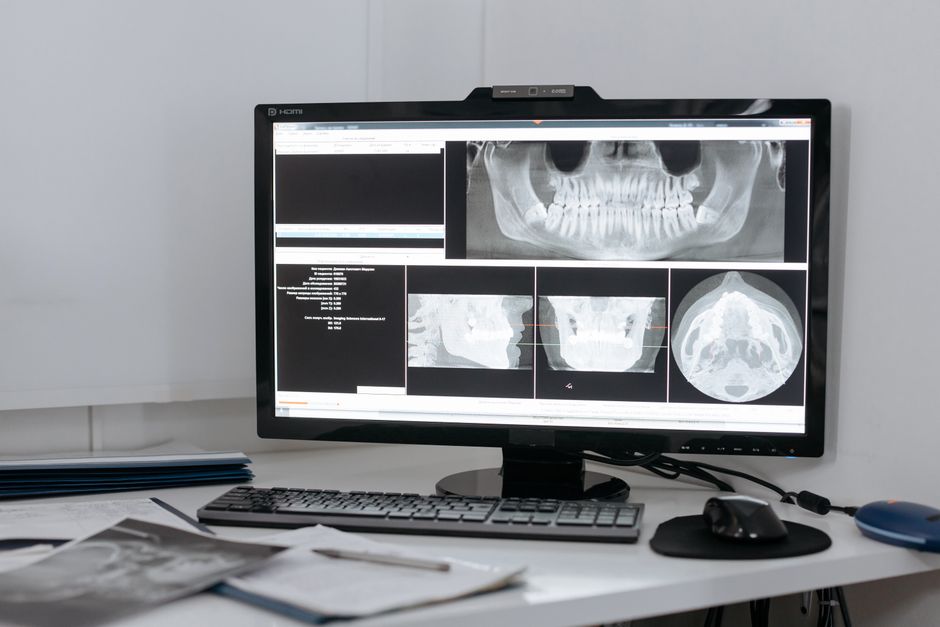
Importantly, both concepts are prosthetically driven: implant positions should be dictated by the planned prosthesis (teeth position, prosthetic space, and emergence profile) rather than purely by available bone. Digital dentistry tools—CBCT, intraoral scans, virtual wax-ups, and guided surgery—help clinicians coordinate these variables with higher accuracy, particularly in challenging resorption patterns.
Key Diagnostic Questions That Drive the Choice
1) How much bone is available—and where?
Bone volume and quality influence implant number and distribution. In the posterior maxilla, limited height due to sinus pneumatization and reduced density can compromise primary stability. In the posterior mandible, the inferior alveolar nerve constrains vertical placement, and the lingual concavity can raise surgical risk.
When bone is insufficient, clinicians may consider augmentation strategies rather than forcing compromised implant positions. For a deeper education-oriented overview of augmentation principles, see current approaches to bone grafting techniques in implant dentistry, which discusses how grafting decisions can affect implant distribution options in full-arch plans.
2) Is immediate loading being considered?
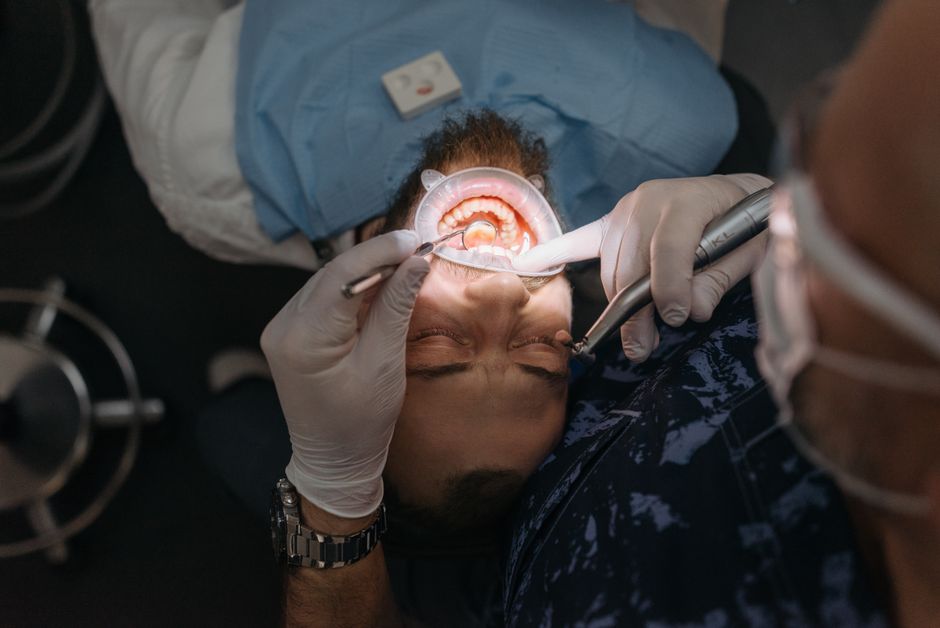
One of the reasons All-on-4 gained popularity is its compatibility with immediate loading protocols in appropriately selected cases, often referred to as “teeth in a day.” Immediate loading is not simply a scheduling decision; it depends on primary stability, insertion torque targets, splinting via a rigid provisional, occlusal management, and patient compliance.
For an educational discussion on immediate protocols, review Same-Day Dental Implants: Advantages, Limitations, and Case Selection. The principles outlined there—stability, risk mitigation, and realistic indications—apply directly to full-arch immediate provisionalization.
3) What is the patient’s functional and parafunctional profile?
Bruxism, clenching, and high bite force can increase mechanical complications (prosthetic screw loosening, fracture of acrylic/PMMA, chipping of ceramics) and biologic risks (crestal bone loss if overload is uncontrolled). In such scenarios, increasing implant number (e.g., All-on-6), improving distribution, and carefully designing occlusion may help reduce stress on each implant-prosthesis unit—though no design eliminates risk entirely.
4) What maintenance capacity does the patient realistically have?
Long-term success depends on hygiene access, peri-implant mucosal health, and professional maintenance. It is easy to focus on implant count and forget the oral ecosystem: saliva flow, plaque control, and halitosis can reflect or contribute to periodontal and peri-implant challenges. For a broader clinical perspective on oral environment and patient education, explore Halitosis and Saliva: The Clinical Link Every Dentist Should Know.
Biomechanics and Prosthetic Design: Where All-on-4 and All-on-6 Differ
Anteroposterior spread and cantilever control
A key prosthetic objective is minimizing distal cantilevers to reduce bending moments. All-on-4 frequently relies on posterior tilting to extend A-P spread without grafting. All-on-6 may provide additional posterior support and can sometimes reduce cantilever length further or allow more favorable distribution—depending on anatomy.
Cross-arch stabilization and material selection
Immediate provisionals typically use acrylic/PMMA over a rigid framework (or reinforced designs) to splint implants. Definitive options may include monolithic zirconia, zirconia with facial layering, or hybrid prostheses with a titanium bar and acrylic/ceramic veneering. Implant number can influence framework design, screw access positioning, and how forces are transmitted.
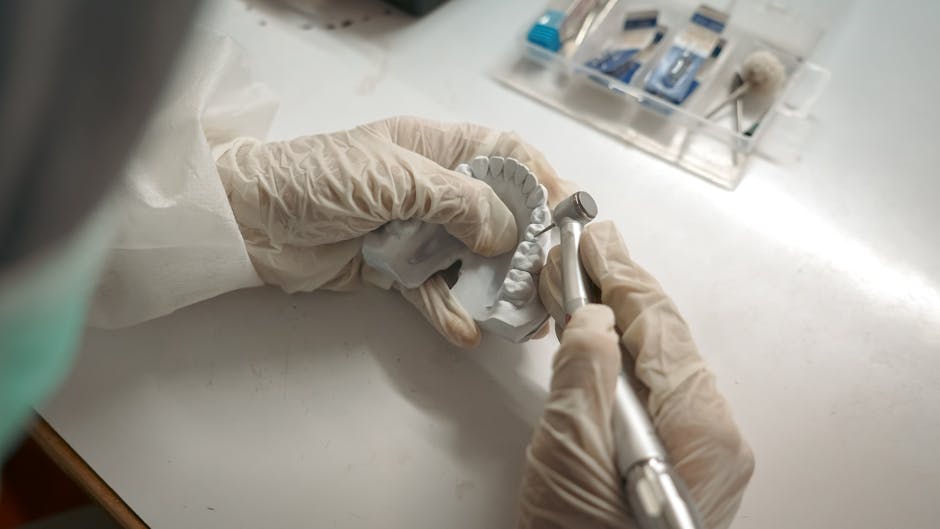
From a prosthodontic teaching standpoint, what matters is not only the material but also passive fit, screw joint stability, and a prosthetic contour that supports hygiene (cleansable intaglio surfaces, appropriate emergence). This is where digital workflows and careful verification jigs become clinically meaningful—not just “high-tech” additions.
Prosthetic space and esthetic transition line
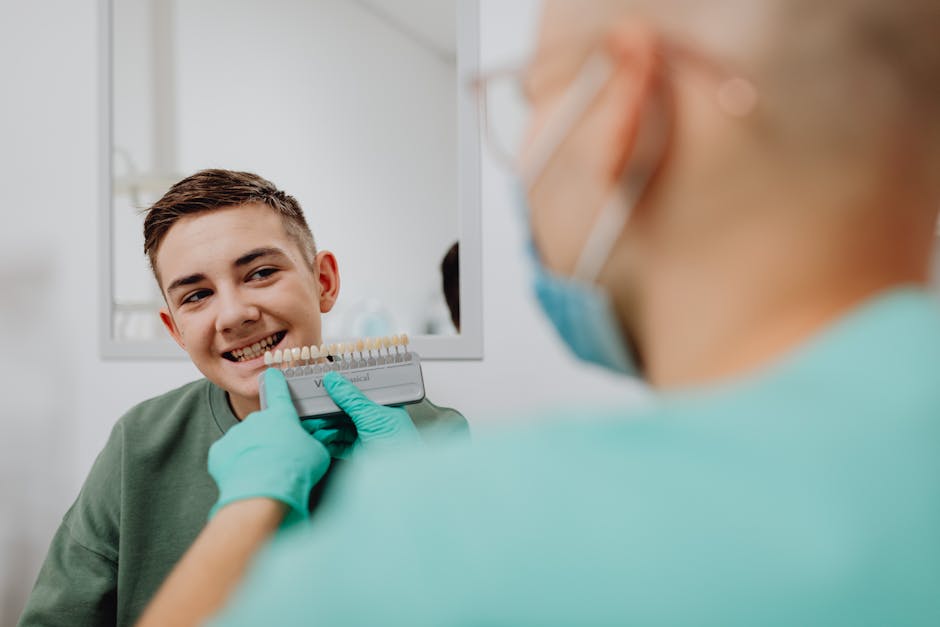
Full-arch cases often require replacing both teeth and lost soft tissue. The amount of resorption determines whether the prosthesis needs a gingival component and where the transition line will sit relative to the smile line. These factors influence patient satisfaction as much as implant count.
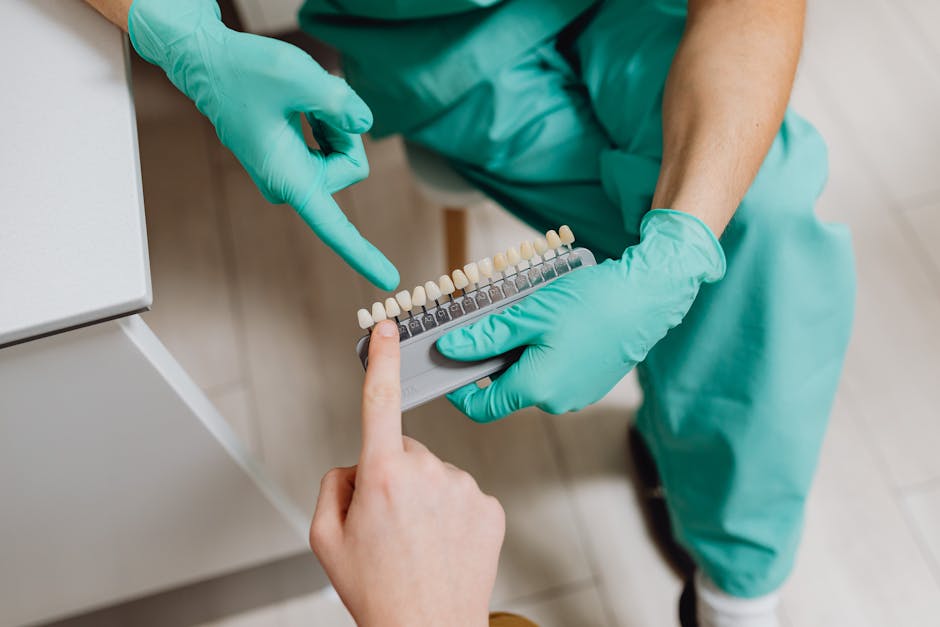
Clinicians who also work in esthetic dentistry will recognize parallels to comprehensive smile planning. While veneers are a different indication, the diagnostic mindset is similar: occlusion, tissue architecture, and patient expectations must align. For a structured approach to selecting esthetic cases (useful for sharpening diagnostic discipline), see Case Selection for Porcelain Laminate Veneers: A Clinical Guide.
Clinical Scenarios: When Each Concept May Be Considered
All-on-4: Common educational indications
All-on-4 may be considered when posterior bone is limited and tilting can avoid more invasive augmentation, when a patient prioritizes reduced surgical interventions, or when immediate loading is feasible and planned carefully. In the maxilla, however, lower bone density and higher complication rates in immediate loading protocols can demand stricter selection and a highly controlled workflow.
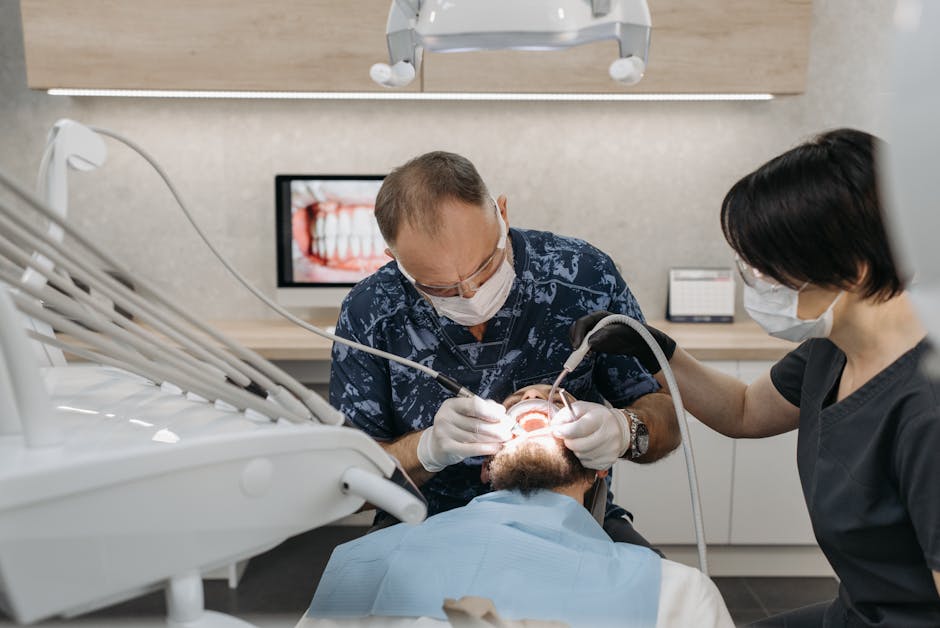
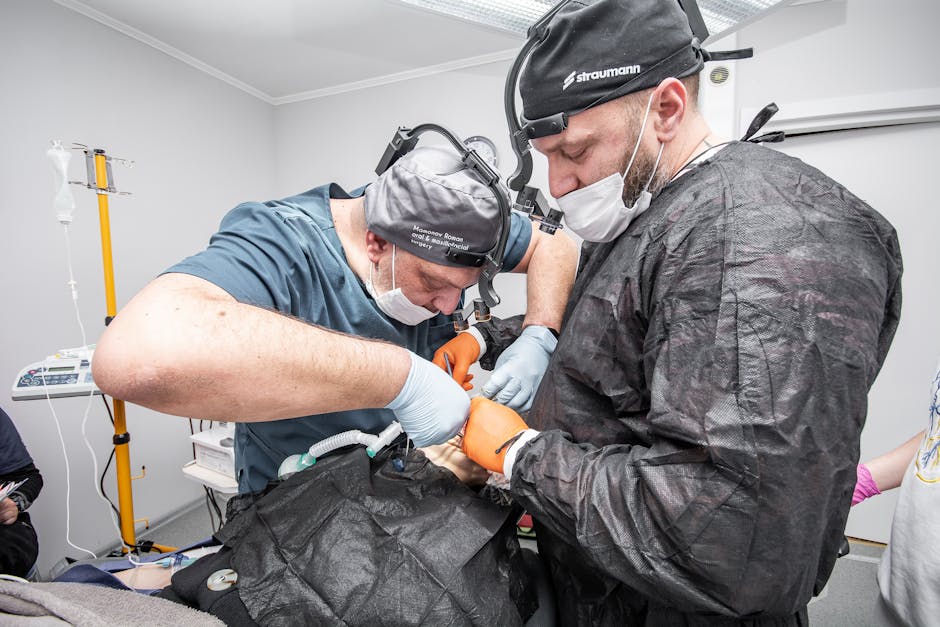
From an oral surgery perspective, All-on-4 requires precise angulation control, careful evaluation of anatomical landmarks, and an understanding of how tilted implants affect prosthetic screw access and framework design.
All-on-6: Common educational indications
All-on-6 may be considered when bone allows more posterior placement, when clinicians want to reduce load per implant, or when the arch form and prosthetic plan benefit from additional support. In some cases, six implants can provide more flexibility for prosthetic design (e.g., managing screw access positions) and may be preferred in higher-force patients—along with occlusal guards and maintenance protocols.
It is worth emphasizing that “more implants” is not automatically “better.” Additional implants can increase cost, surgical time, and complexity, and can complicate hygiene if prosthetic contours are not properly designed.
Immediate vs Delayed Loading: Timing as a Risk Management Tool
Loading strategy is a central planning decision. Immediate loading can improve patient experience and reduce time without fixed teeth, but it increases reliance on primary stability, prosthetic rigidity, and controlled occlusion. Delayed loading may provide a wider safety margin in compromised bone, medically complex patients, or when parafunction is significant.
For clinicians navigating accelerated timelines, it is helpful to separate marketing terms from clinical protocols. Educationally, “fast-track” pathways still require strict selection and transparent consent. For additional context, read Fast-Track Dental Implants: Who Is a Suitable Candidate? and apply the same case-selection logic to full-arch scenarios.
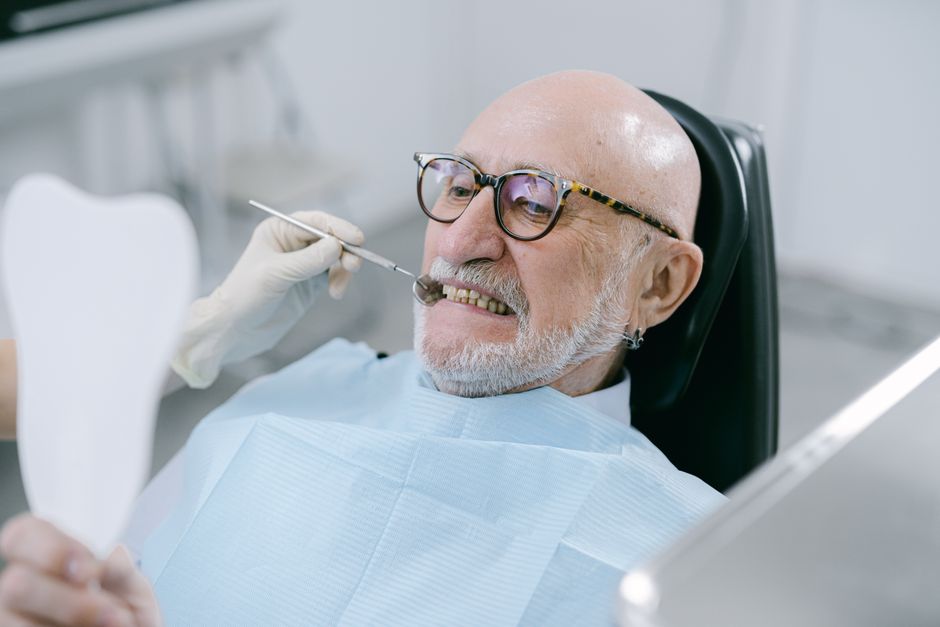
Digital Workflow and Dental Photography: Communicating the Plan and Verifying Outcomes
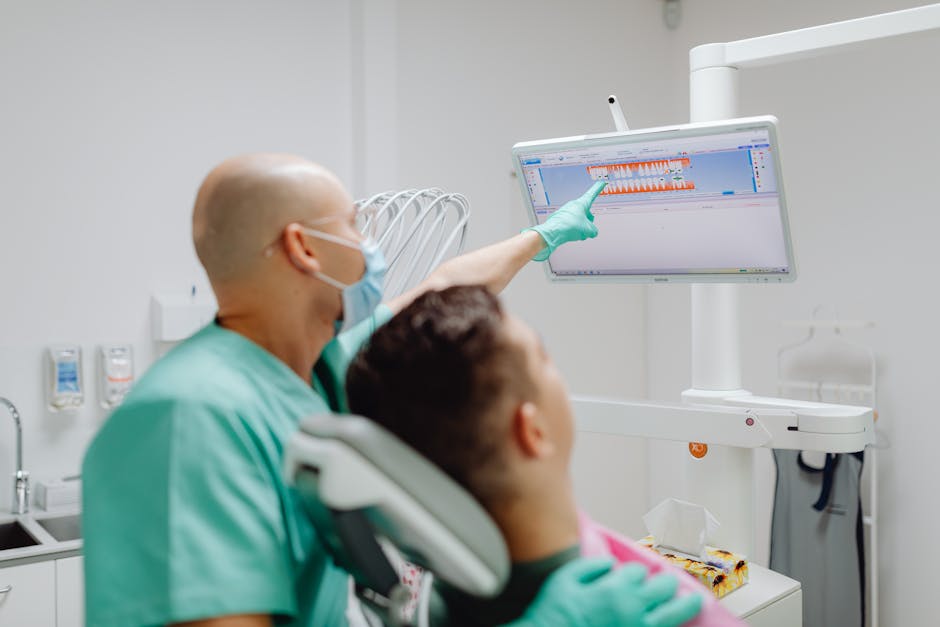
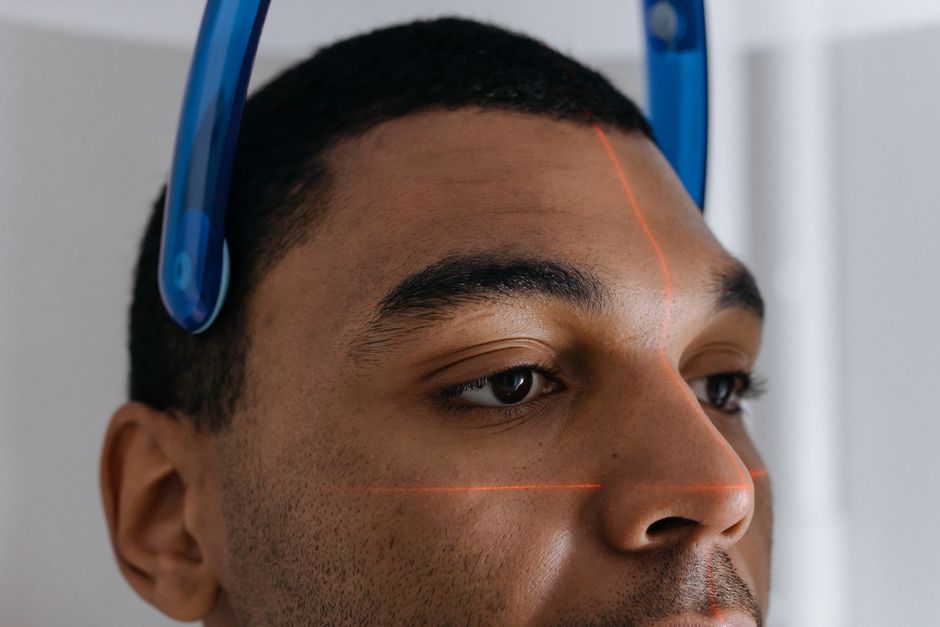
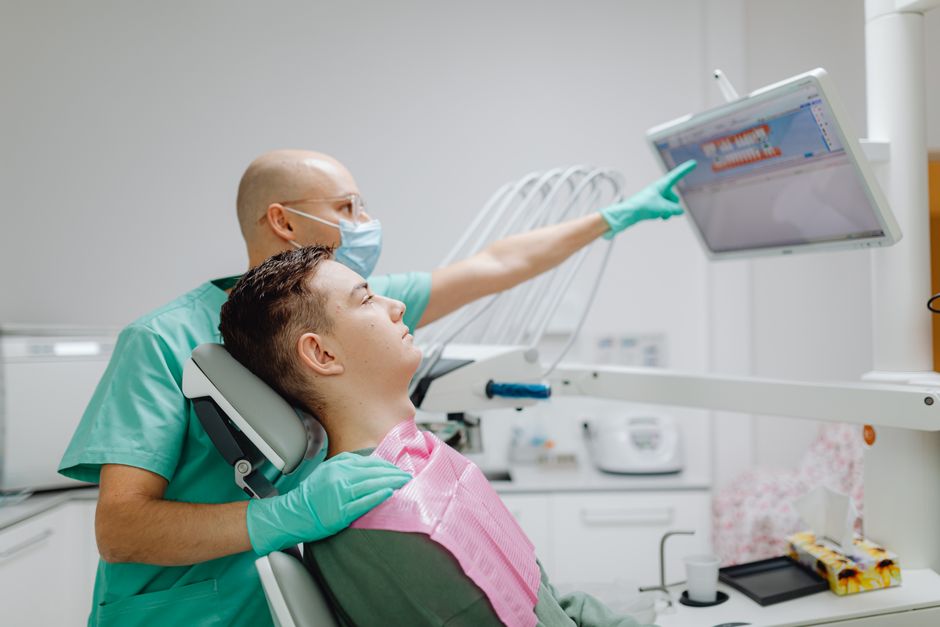
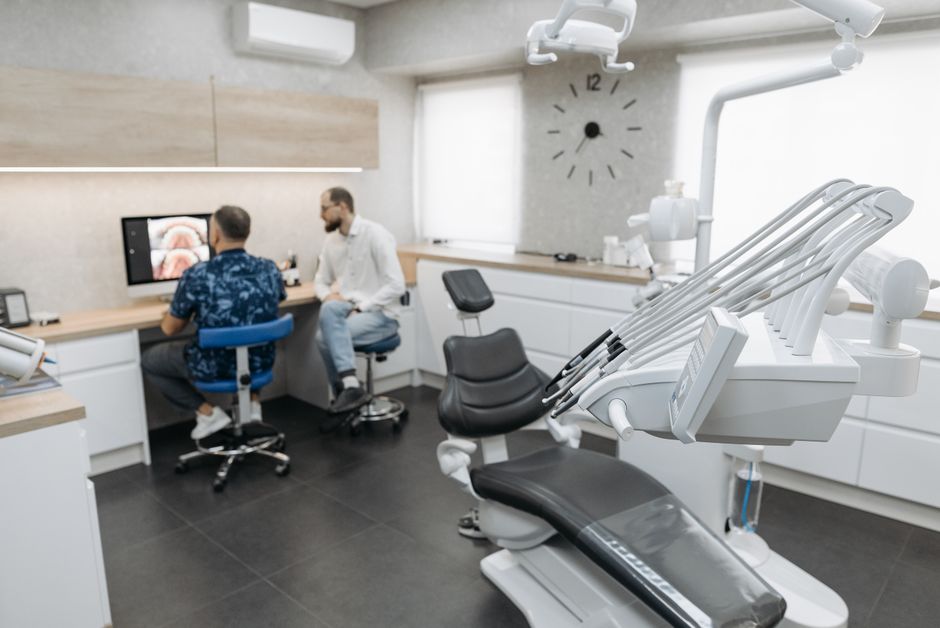
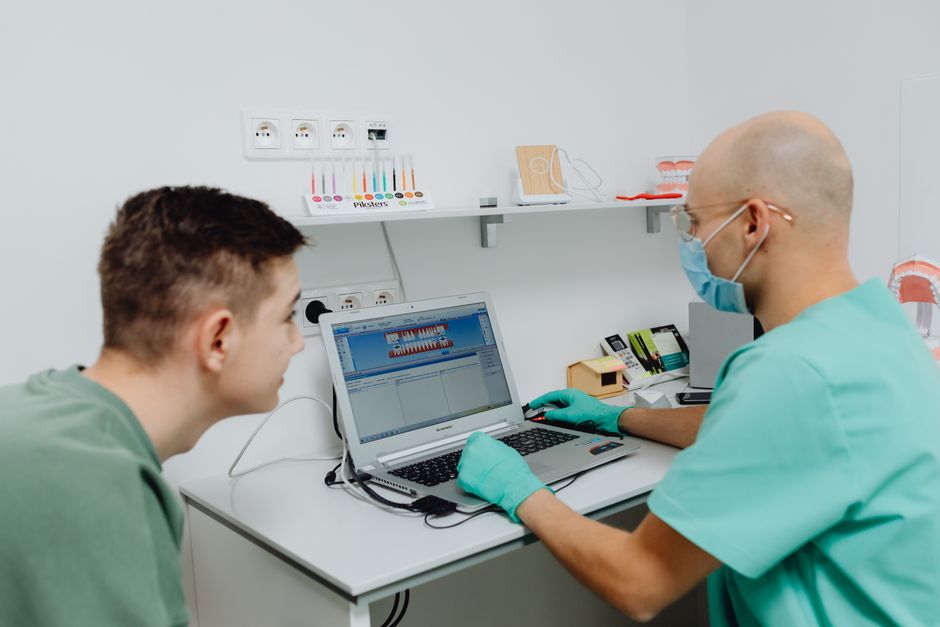
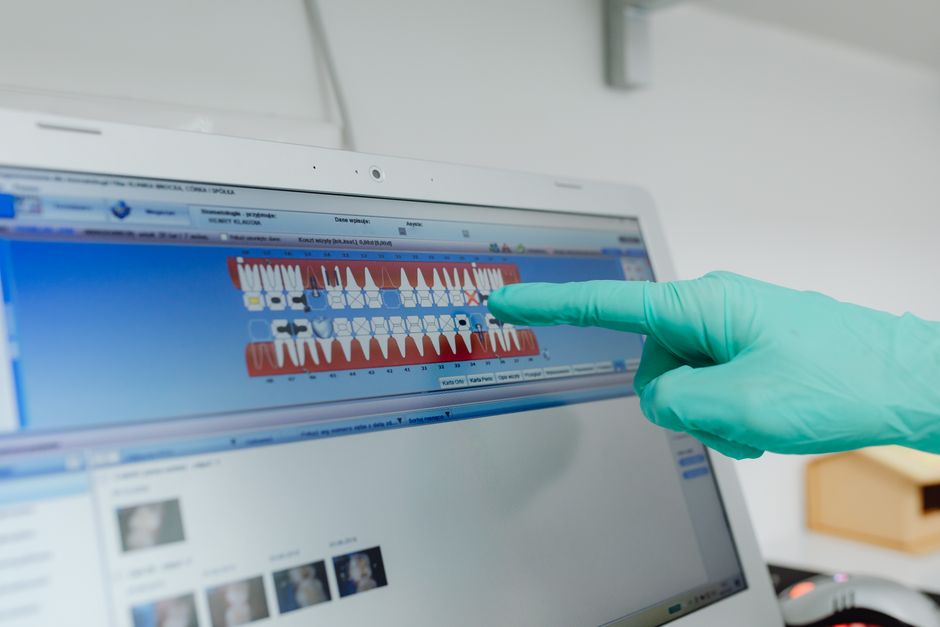
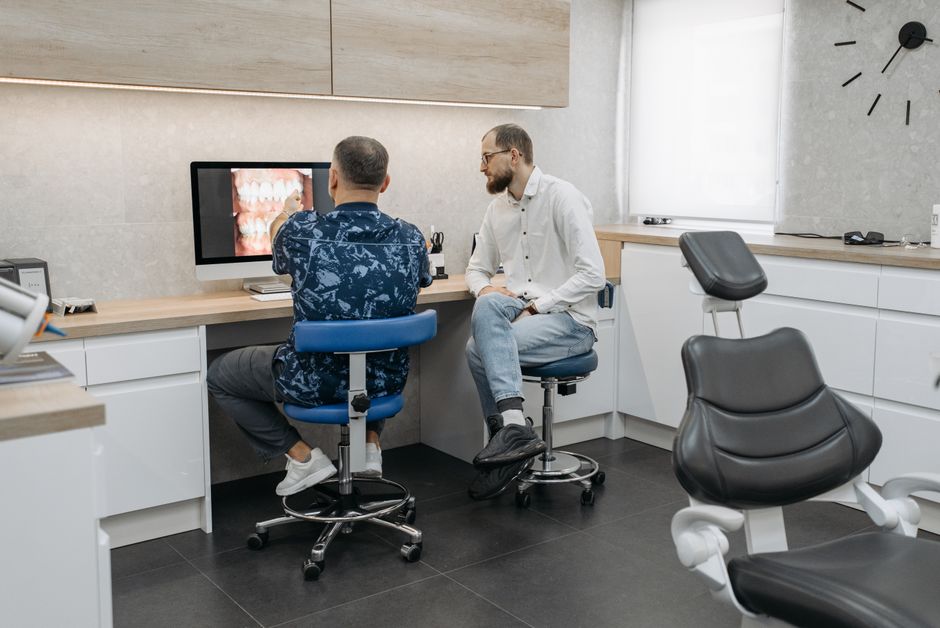
Full-arch rehabilitation benefits greatly from digital planning: CBCT-driven implant positioning, virtual tooth setup, and guided or navigated surgery can increase predictability, especially in anatomically constrained cases. Digital records also improve interdisciplinary communication between surgeon, restorative dentist, and lab.
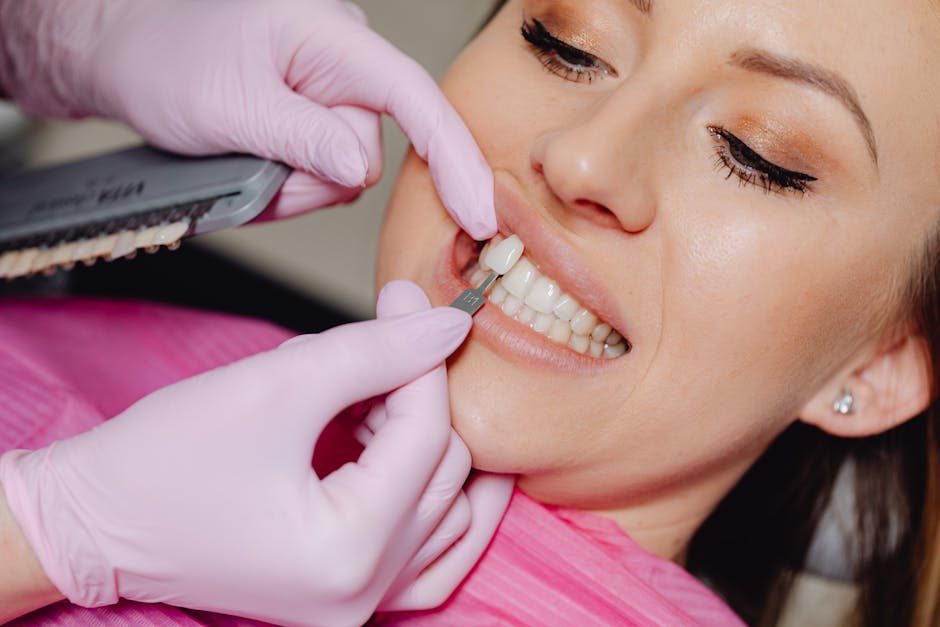
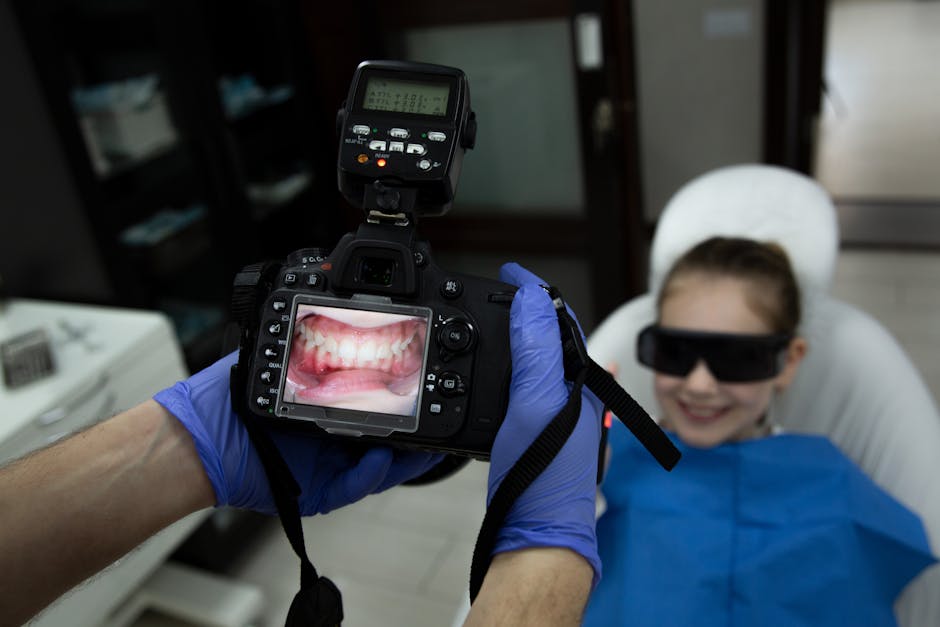
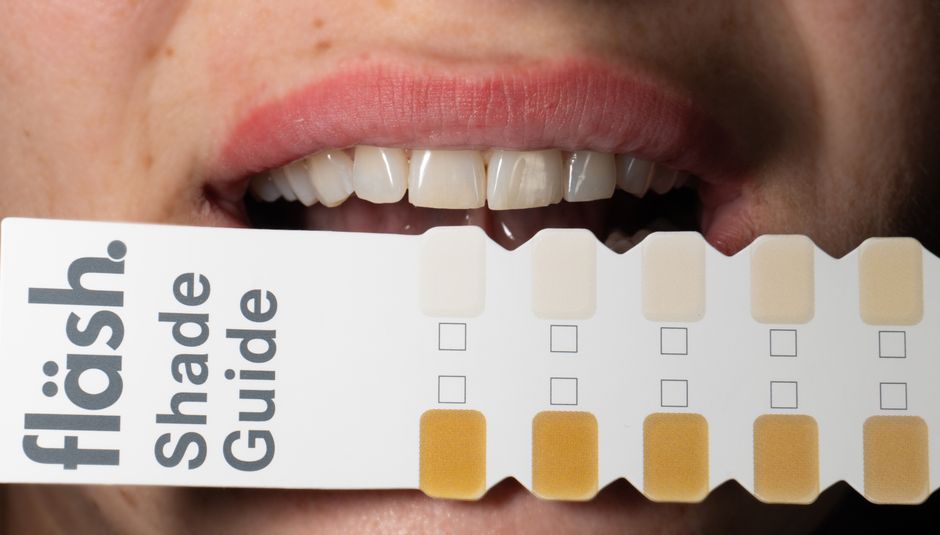
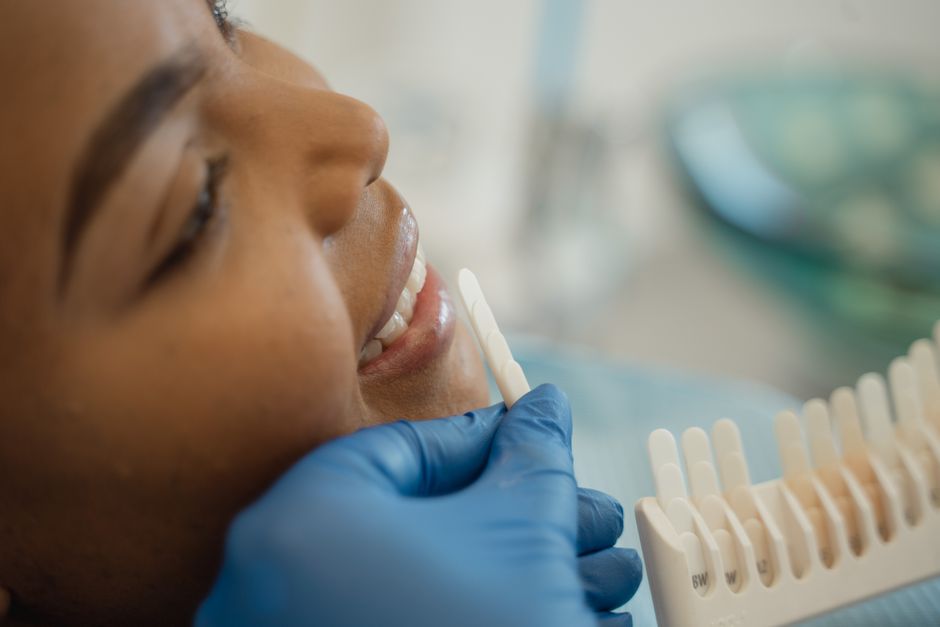
Dental photography plays a parallel role: documenting baseline smile dynamics, lip line, phonetics, and tissue display supports realistic patient communication and helps clinicians evaluate the esthetic transition line and midline/cant issues. In education settings, photography and digital records make case debriefing far more objective—students can correlate planning decisions with clinical outcomes and complications.
Complications and Maintenance: What to Monitor After Delivery
Biologic considerations
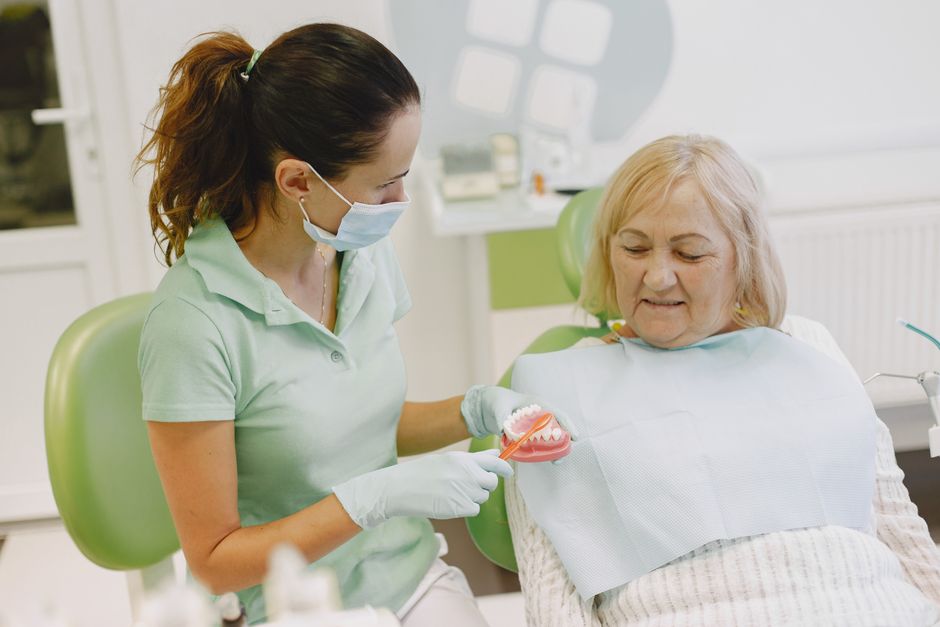
Peri-implant mucositis and peri-implantitis risk is influenced by plaque control, prosthetic cleansability, systemic factors, and recall compliance. Clinicians should design intaglio contours that allow access for cleaning aids and schedule structured maintenance visits with professional debridement appropriate for implant restorations.
Mechanical considerations
Common mechanical issues include screw loosening, fracture of provisional materials, chipping of veneering ceramics, and wear of occlusal surfaces. Occlusal scheme (often with reduced cantilever contacts and controlled lateral guidance) and material selection should be tailored to function, esthetics, and risk profile. Night guards are often discussed as a protective adjunct in parafunctional patients, based on clinician judgment.
How Istanbul Dental Academy Approaches Full-Arch Education
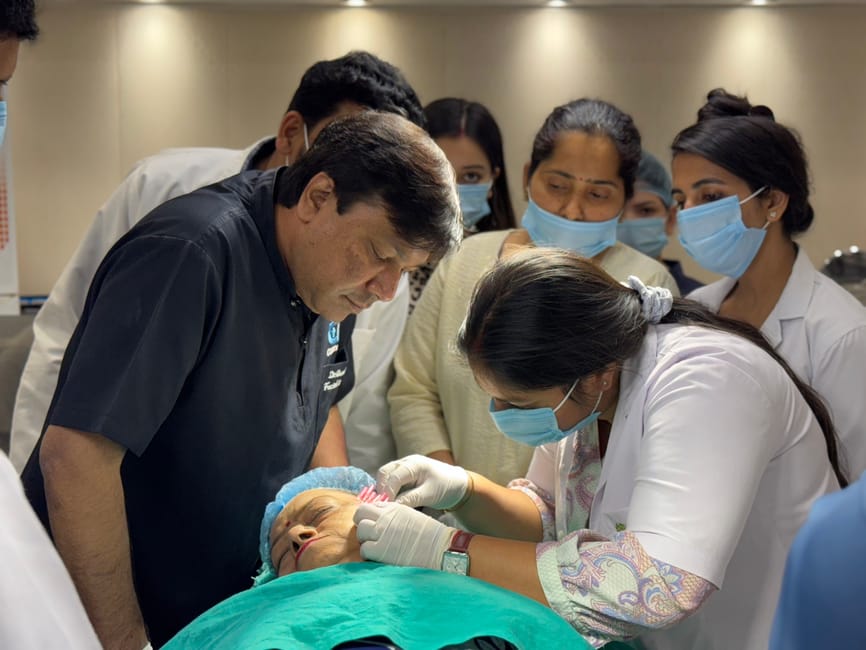
For dental professionals, the All-on-4 vs All-on-6 decision is best learned through structured diagnosis and hands-on repetition—not isolated tips. Istanbul Dental Academy emphasizes a prosthetically driven workflow: digital case planning, surgical anatomy, guided placement principles, immediate provisional protocols, and restorative verification steps (fit, occlusion, hygiene design). Courses are designed to help clinicians integrate implant dentistry with prosthodontics, periodontology-informed maintenance, and digital communication tools used in modern practices.
Takeaway: Focus on Principles, Not Just Implant Count
All-on-4 and All-on-6 are both viable full-arch concepts when case selection, planning, and execution are aligned. The most defensible decision is the one that matches the patient’s anatomy, functional demands, esthetic goals, maintenance capacity, and the clinical team’s ability to deliver a controlled workflow.
This content is for educational purposes. Full-arch implant therapy requires individualized evaluation, imaging, and a clinician-led risk–benefit discussion tailored to each patient.
Diğer Yazılar