
BLOG
Implant Surgery Mistakes Beginners Make—and How to Prevent Them
Why early implant cases fail: prevention starts before the incision
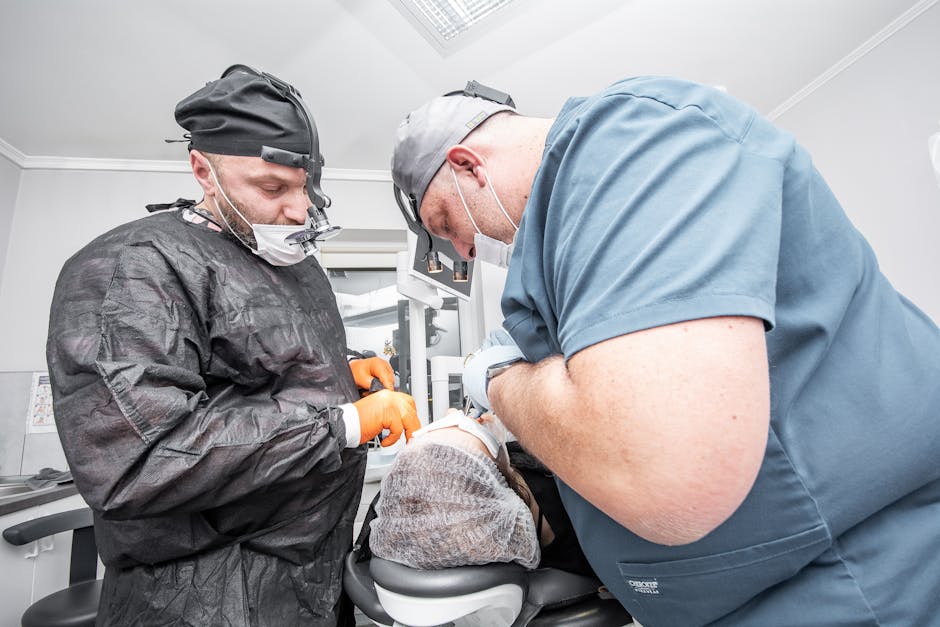
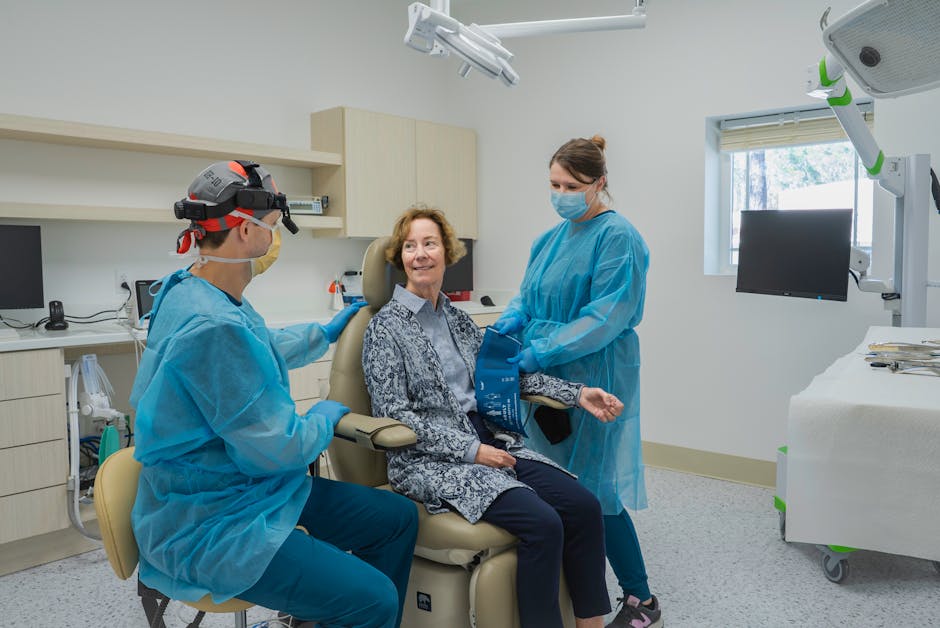
Implant dentistry rewards precision—and it also punishes small shortcuts. For clinicians who are new to implant surgery, complications often arise not from “bad hands,” but from predictable gaps in diagnosis, planning, sequencing, and follow-up. In a city like Istanbul—where patients may present with complex restorative histories, periodontal concerns, and high aesthetic expectations—implant surgery quickly becomes a multidisciplinary workflow rather than a single surgical appointment.
This content is for educational purposes and does not replace clinical judgment, individualized diagnosis, or local regulations. The goal is to highlight common mistakes seen in early implant surgery journeys and discuss practical ways to reduce risk through structured protocols, mentorship, and hands-on training.
1) Mistake: Underestimating diagnosis and risk assessment
What it looks like in practice
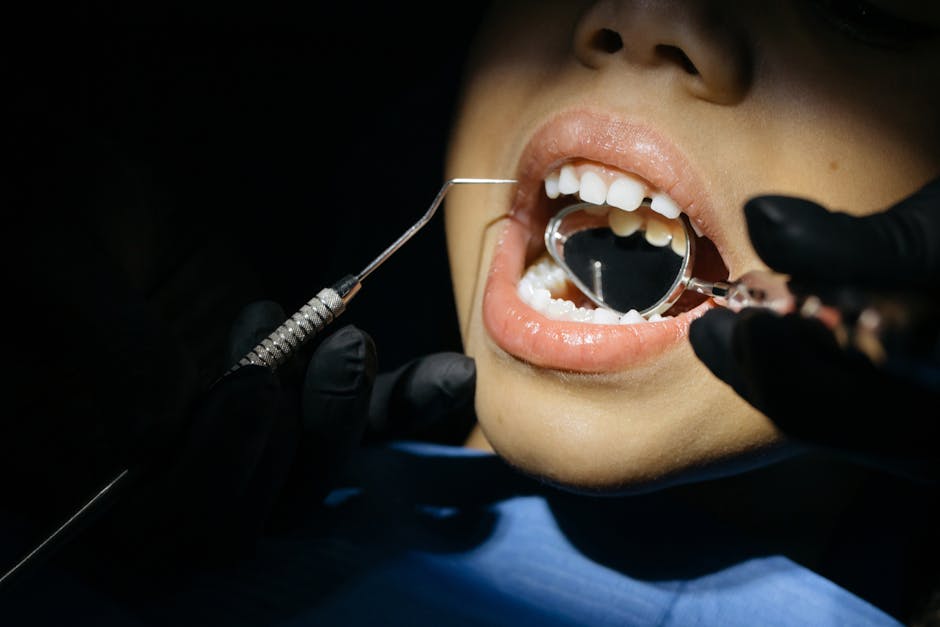
Beginners may focus on the edentulous area and “available bone” while missing systemic and local risk factors: uncontrolled periodontitis, parafunction, smoking, thin biotype, mucosal quality, or a history of peri-implant disease in the patient’s existing implants.
Why it matters
Implant survival and soft-tissue stability are strongly linked to patient selection, periodontal status, and maintenance capacity. A common early complication pattern is “the implant integrates, but the tissue and prosthesis are never truly stable.” Patients can interpret this as implant failure even when the fixture remains osseointegrated.
Prevention strategies
Use a standardized pre-op checklist that includes periodontal screening, occlusal evaluation, and a realistic discussion of time, cost, and maintenance. When recession risk or thin gingival phenotype is suspected, revisit soft-tissue fundamentals and periodontal management principles. A helpful reference for revising clinical reasoning around mucogingival challenges is Gum Recession: Causes, Symptoms, and Evidence-Based Management, which can support a more tissue-first implant mindset.
2) Mistake: Inadequate 3D planning and anatomy mapping
What it looks like in practice
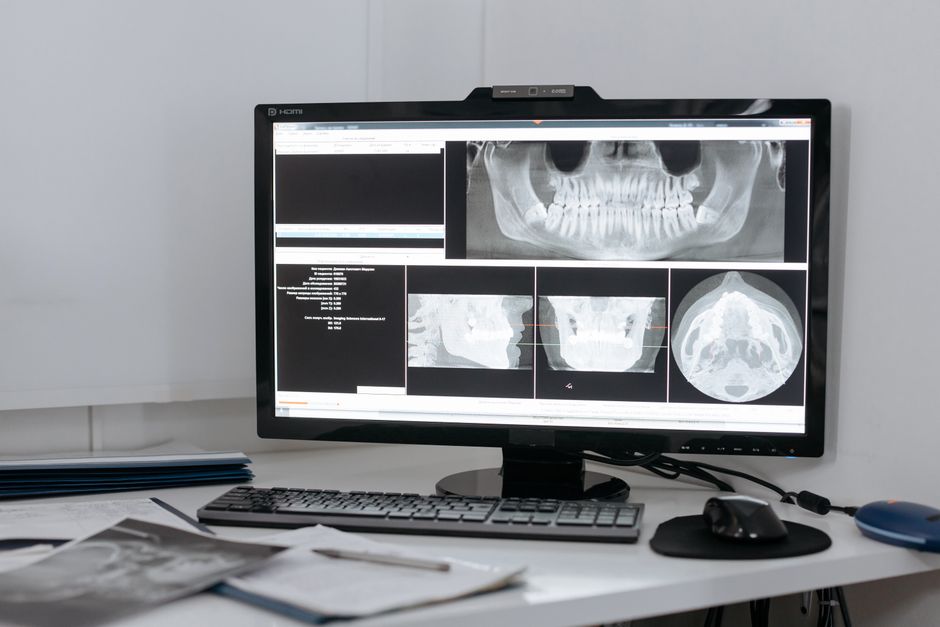
Relying on 2D radiographs alone, estimating angulation by “feel,” or skipping a prosthetically driven plan can lead to avoidable surprises: sinus proximity, undercuts, mental foramen proximity, thin buccal plate, or insufficient restorative space.
Why it matters
Many “surgical complications” are actually planning failures. Even if the implant can be placed, its final position may compromise emergence profile, hygiene, or prosthetic screw access, creating downstream biological and restorative problems.
Prevention strategies
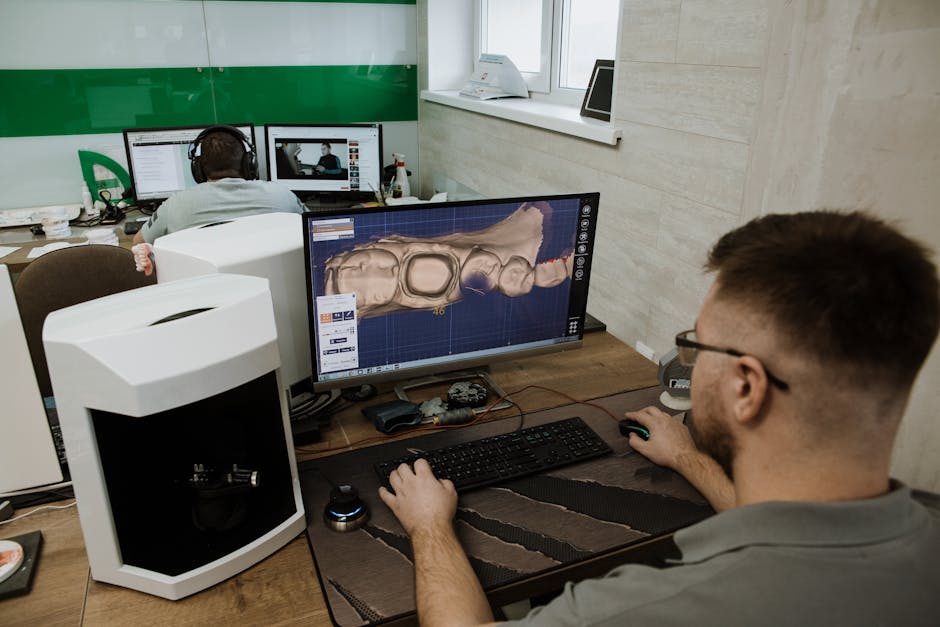
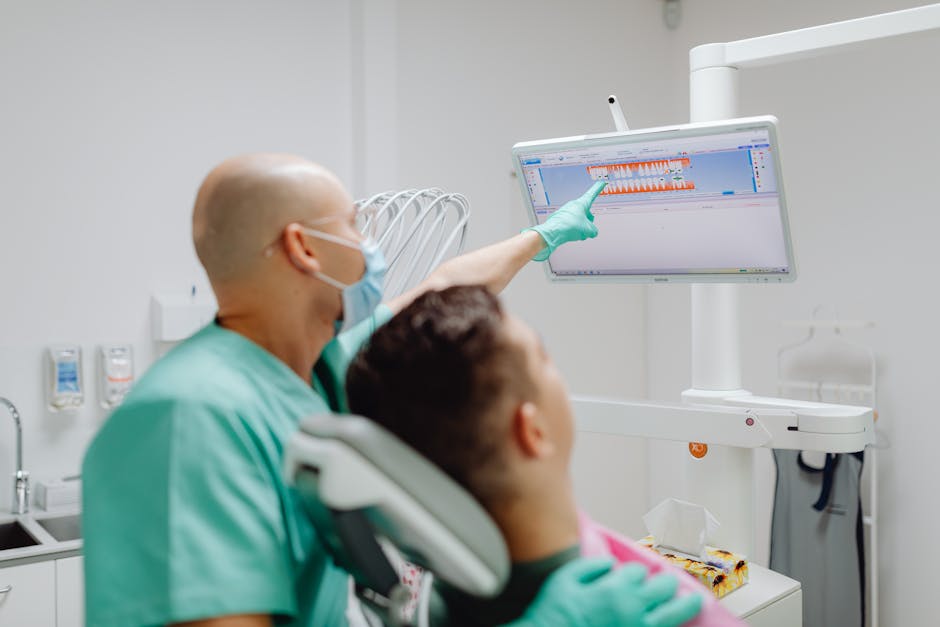
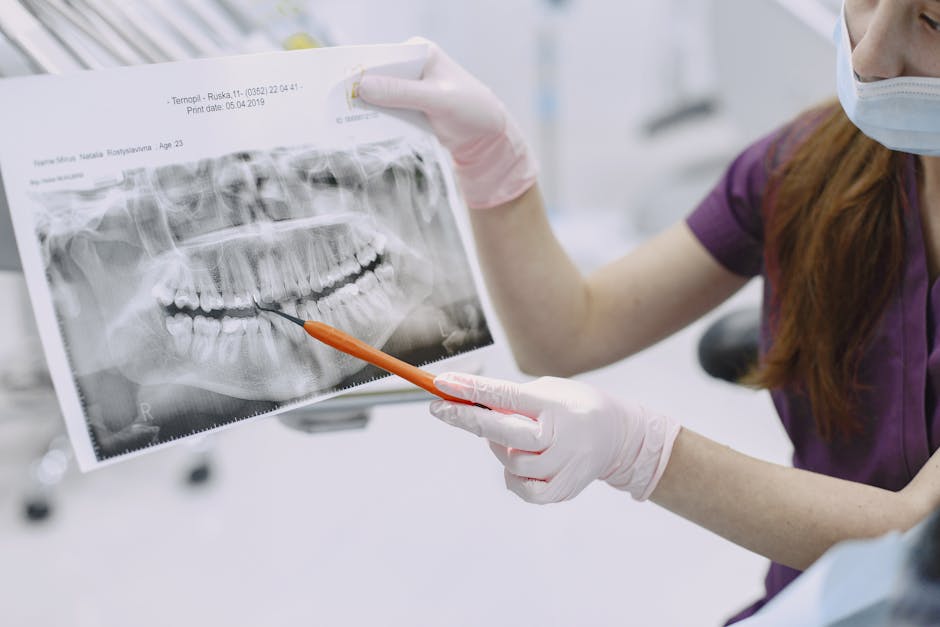
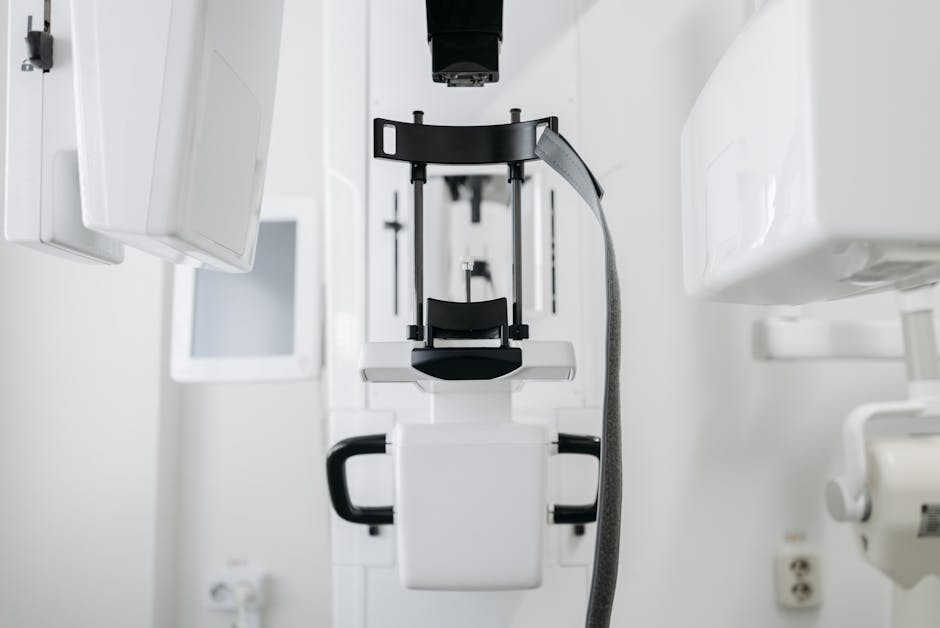
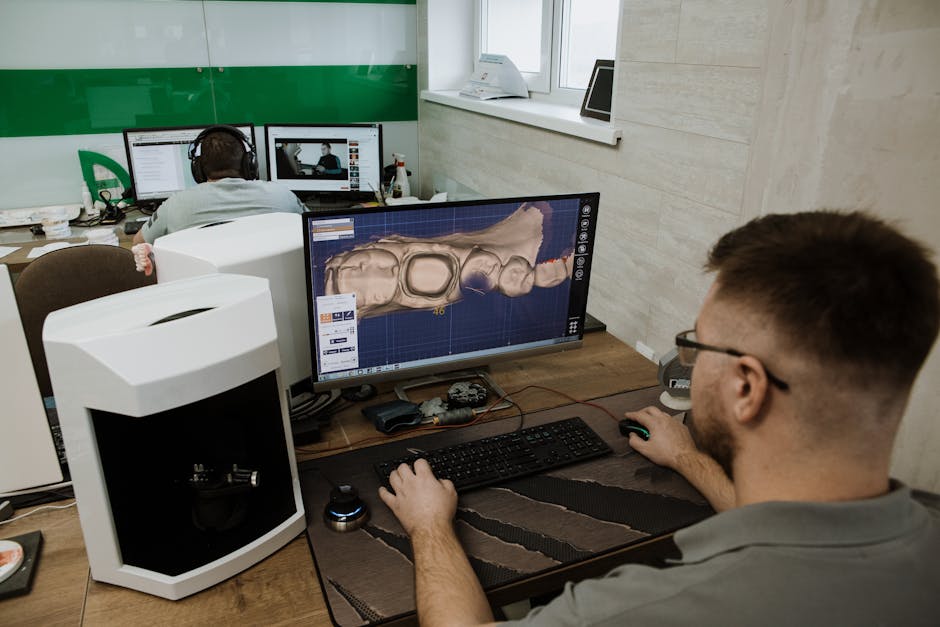
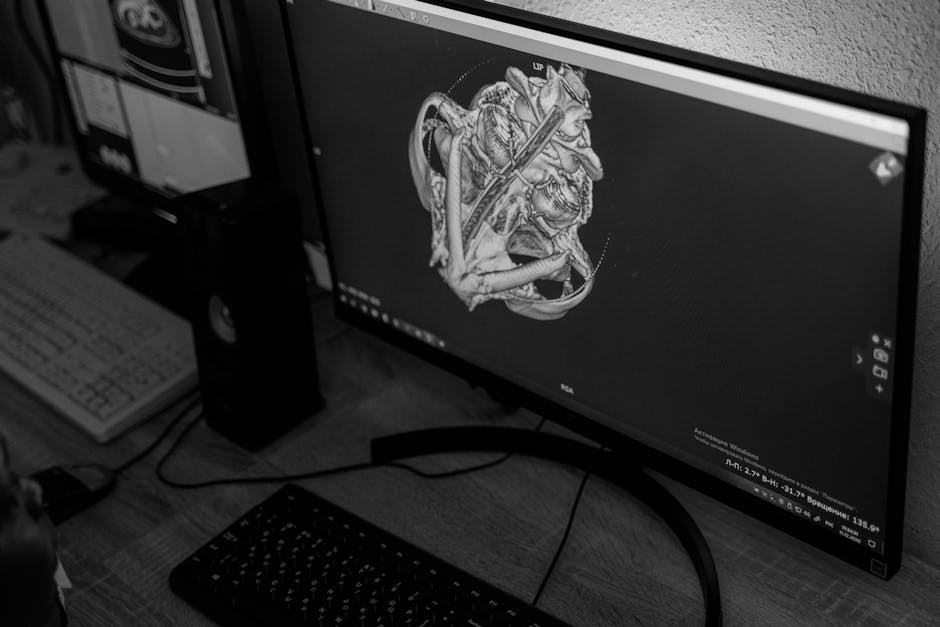
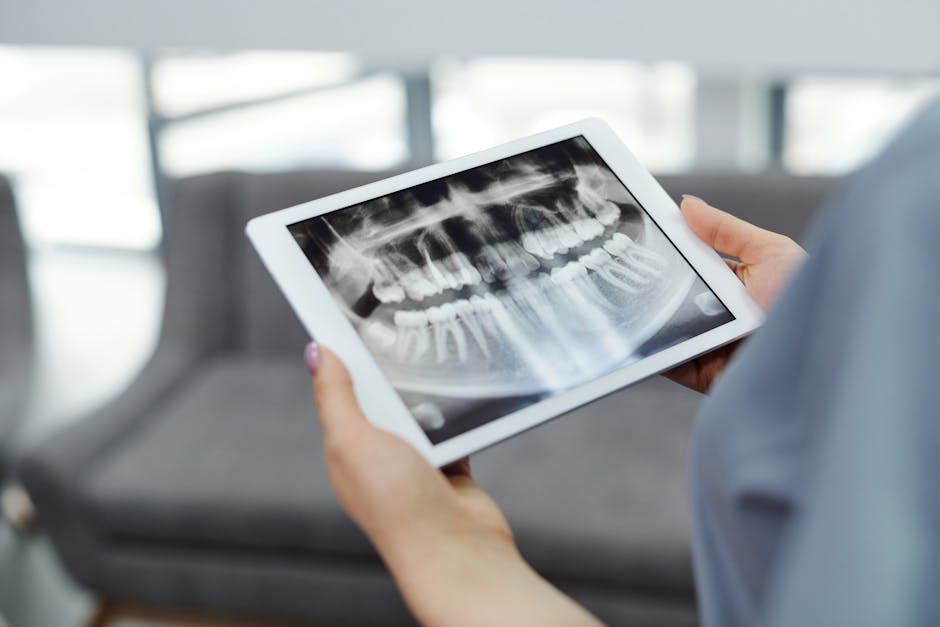
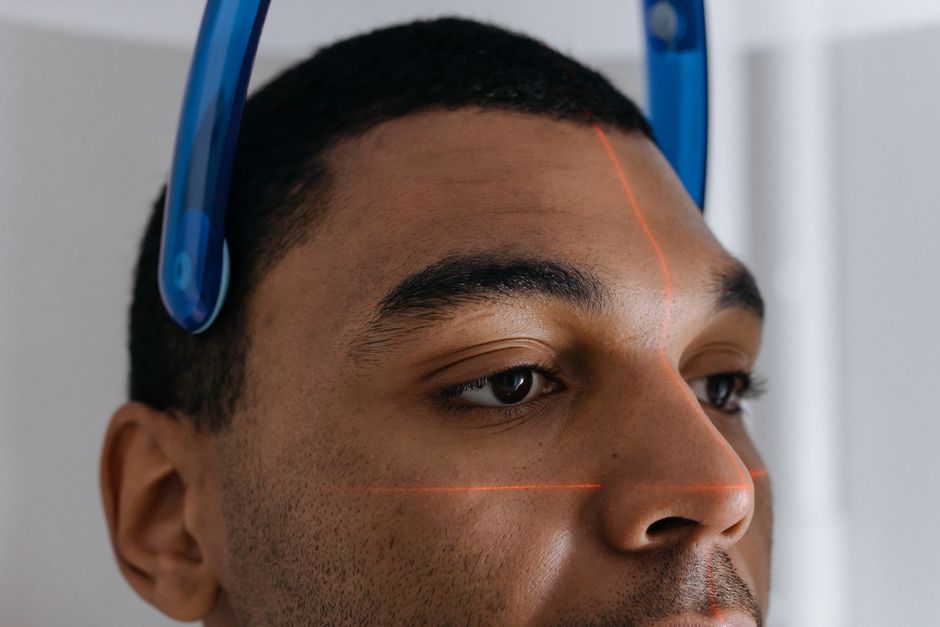
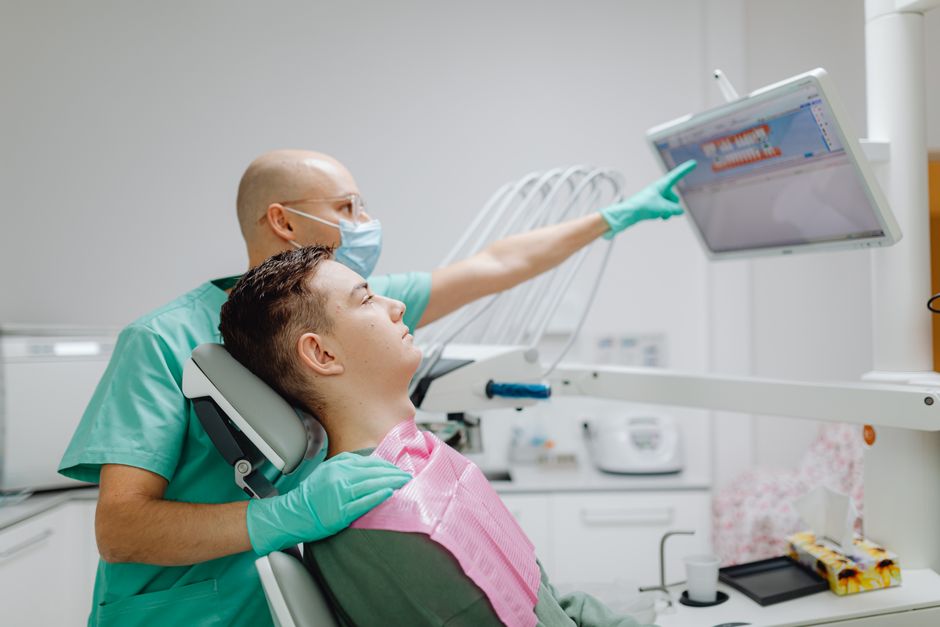
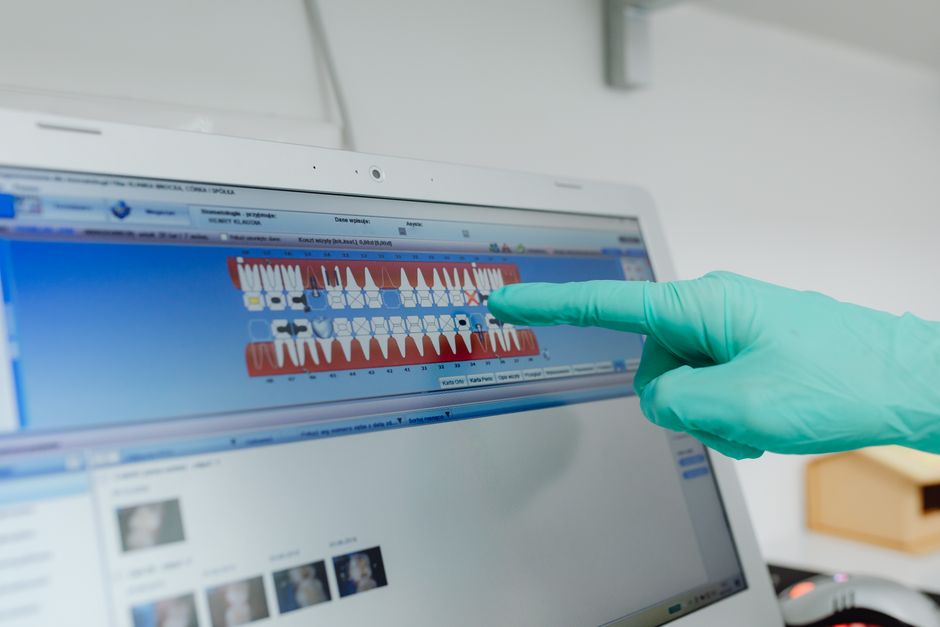
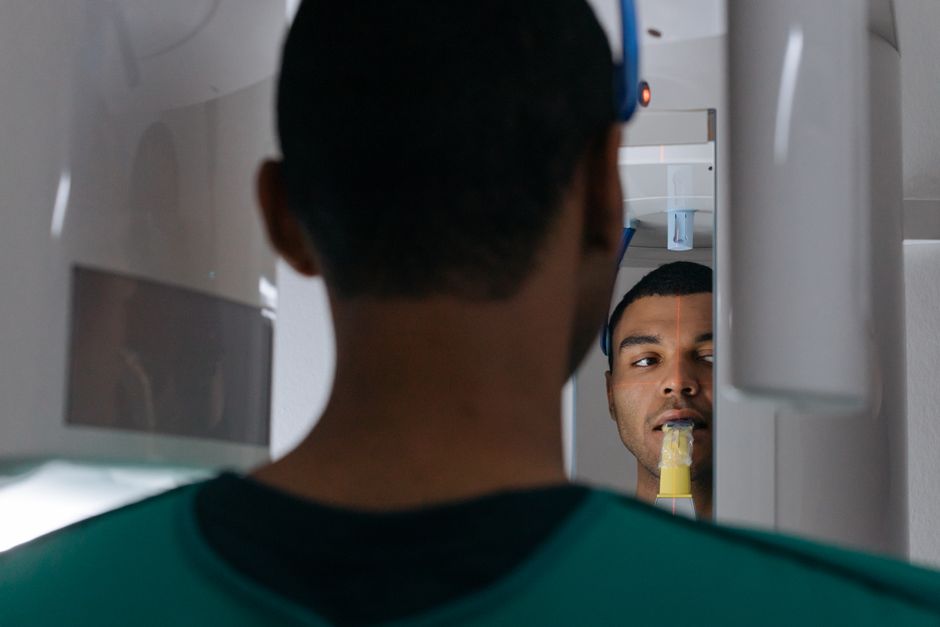
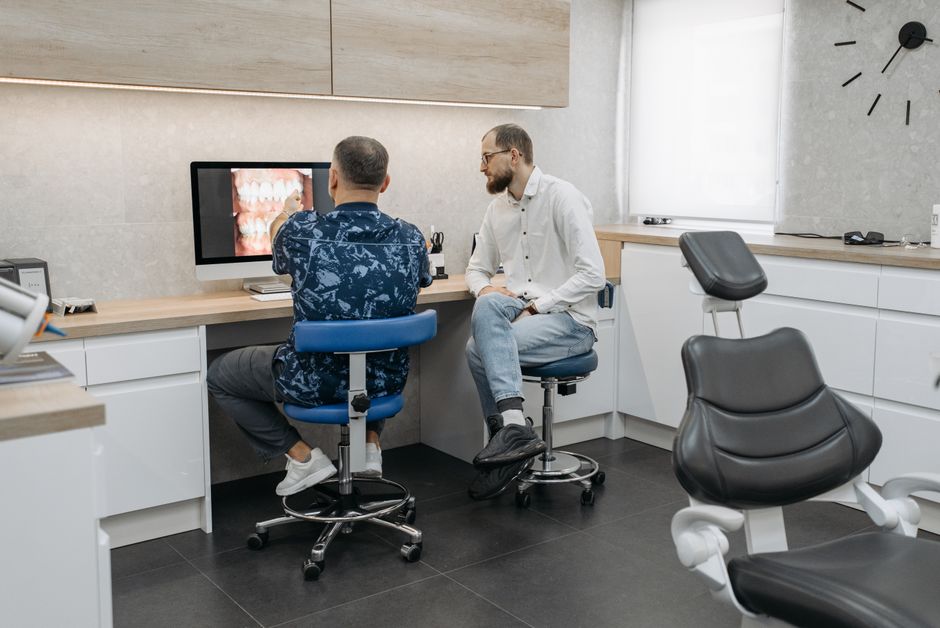
Adopt a consistent digital workflow: CBCT evaluation, restorative wax-up (digital or analog), and a plan that starts from the intended prosthetic outcome. Digital dentistry is not only about speed—it is about predictability. In hands-on courses, clinicians can learn how to interpret CBCT findings in relation to planned tooth position and how to convert planning into guided or semi-guided execution.
3) Mistake: “Placing an implant” instead of planning the final restoration
What it looks like in practice
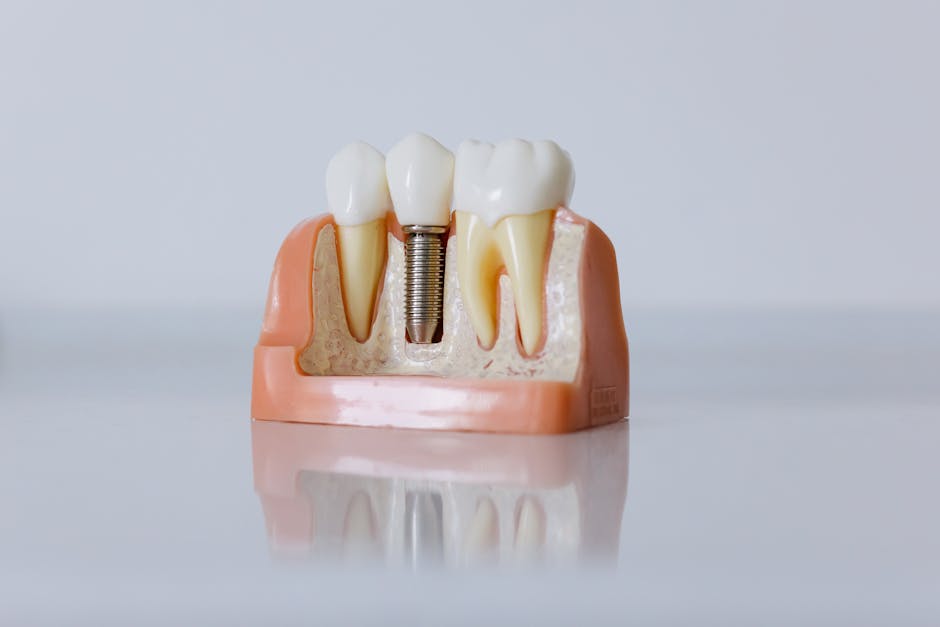
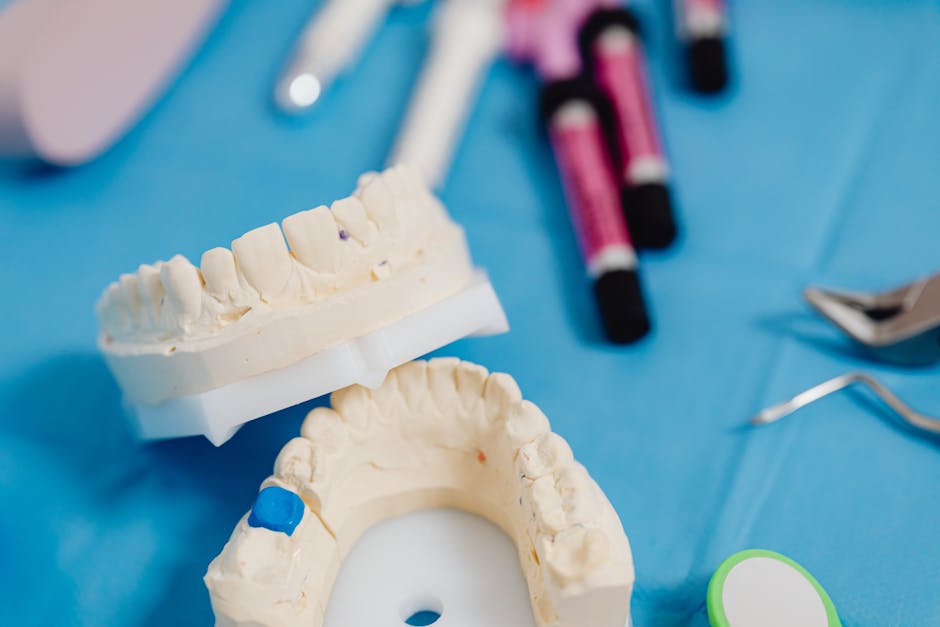
A common beginner trap is to treat implant placement as the endpoint. The result: implants placed too buccally, too deep, too shallow, or with insufficient inter-implant distance—leading to compromised papillae, ridge-lap crowns, or cleansability issues.
Why it matters
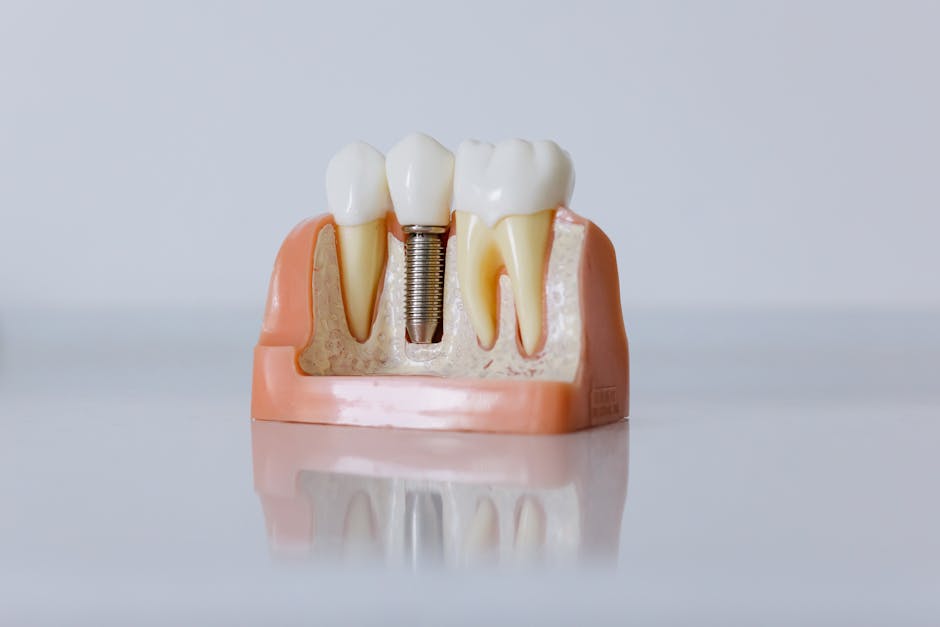
Implants are restorative devices. In the aesthetic zone, the surgical position must anticipate soft-tissue dynamics, final crown contours, and smile line. Even in posterior regions, poor restorative positioning increases the likelihood of residual cement, screw access compromise, or cantilever forces.
Prevention strategies
Plan “crown first, implant second.” When the patient’s expectation is a high-aesthetic rehabilitation, clinicians often pair implant planning with broader smile analysis concepts. While veneers are a different procedure, the same diagnostic logic applies: facial analysis, tooth proportions, and material-driven contours. Reading What Is a Hollywood Smile? Techniques, Materials, and Clinical Workflow can help clinicians think in terms of aesthetic endpoints and interdisciplinary sequencing—useful even when implants are part of the plan.
4) Mistake: Poor management of primary stability and drilling protocol
What it looks like in practice
Beginners may overheat bone due to inadequate irrigation, apply a “one-size-fits-all” drilling sequence, or chase torque values without considering bone density and implant macrodesign. Another common issue is placing too aggressively in soft bone, risking over-compression and delayed healing.
Why it matters
Primary stability is a key factor in timing decisions and provisionalization—yet stability is not only about torque. It is influenced by osteotomy preparation, bone quality, implant design, and surgical handling.
Prevention strategies
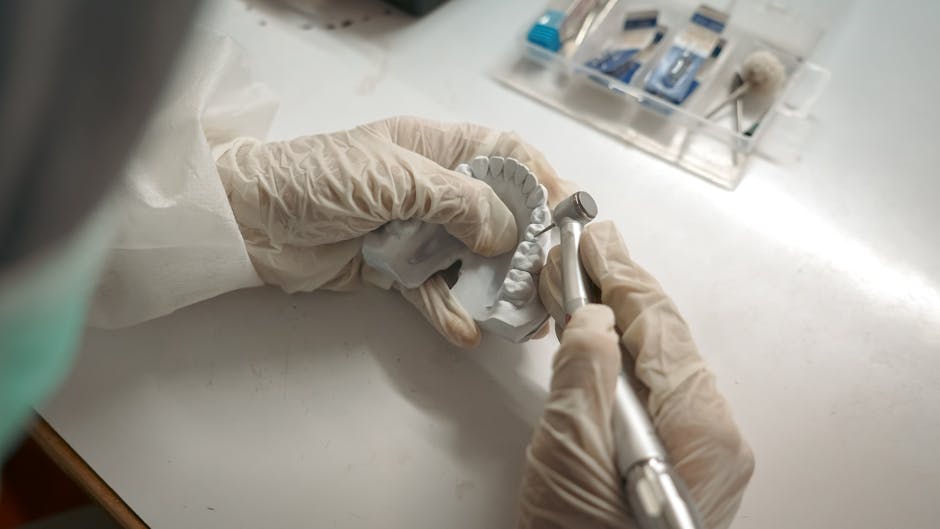
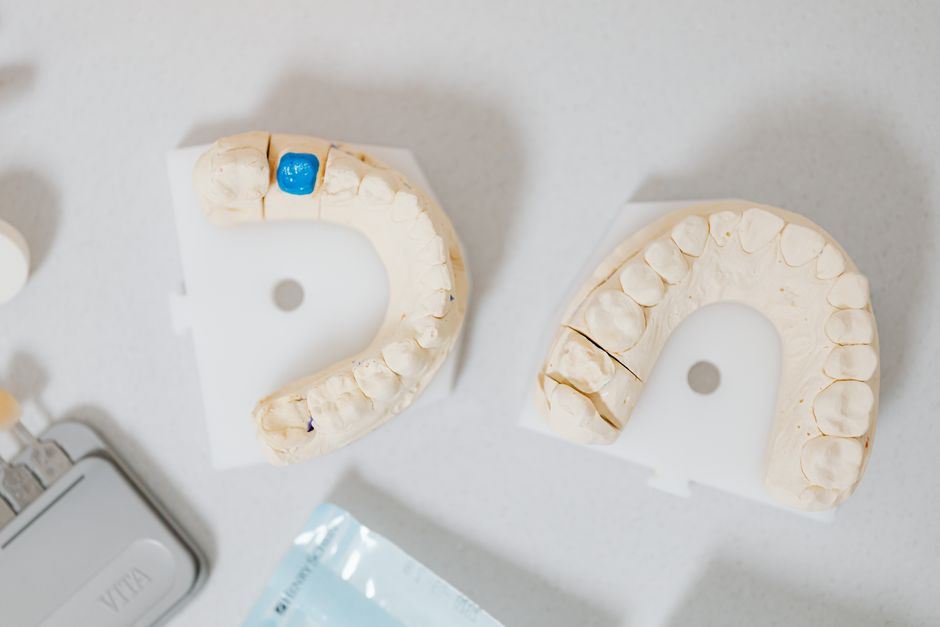
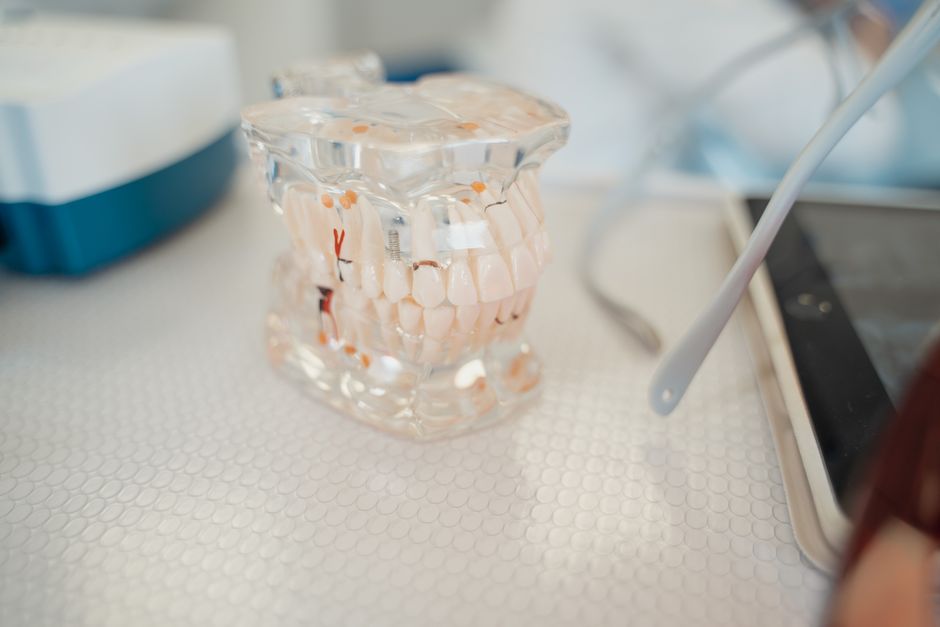
Standardize your drilling protocol and document site-specific decisions (bone quality, under-preparation rationale, insertion torque, ISQ if used). In training environments, practicing osteotomy preparation on models helps clinicians understand tactile differences between D1–D4 bone analogs and the consequences of over- or under-preparation.
5) Mistake: Overpromising “same-day” implant timelines
What it looks like in practice
Patients frequently request immediate results. New clinicians may feel pressured to offer immediate placement and immediate loading in situations where stability, infection control, occlusion, or patient compliance is uncertain.
Why it matters
Immediate protocols can be successful in appropriately selected cases, but they require stringent criteria and careful provisional design. Overpromising can lead to rushed decisions, compromised soft-tissue handling, and unrealistic expectations.
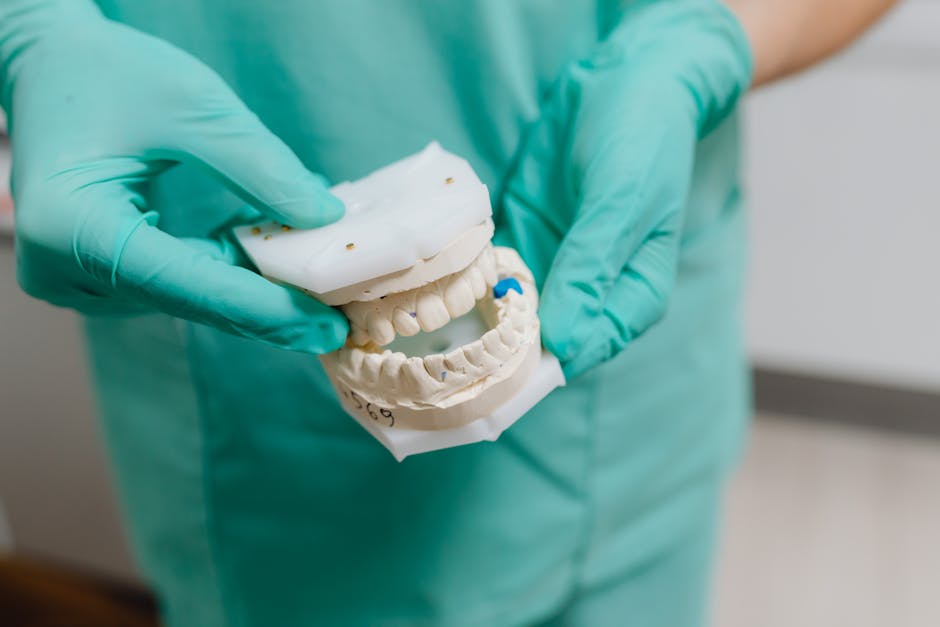
Prevention strategies
Communicate probabilistically and use selection criteria—not marketing language. If you are discussing immediate protocols with patients or refining your own indications, review Is One-Day Dental Implant Treatment Really Possible? as a framework for explaining what “same-day” may mean clinically (immediate placement, immediate provisionalization, or definitive delivery) and why each has different requirements.
6) Mistake: Ignoring soft-tissue design and keratinized mucosa
What it looks like in practice
Focusing exclusively on fixture placement while neglecting flap design, papilla preservation, vestibular depth, and the quality/quantity of keratinized mucosa. This often shows up later as discomfort during brushing, inflammation, or unaesthetic margins—especially in thin biotypes.
Why it matters
Long-term peri-implant health is not only bone-based; it is also tissue-based. Poor soft-tissue architecture can make hygiene difficult and increase mucositis risk.
Prevention strategies
Plan soft tissue from the start: incision design, tension-free closure, and when indicated, staging the case (e.g., augmentation first, implant later) rather than forcing a single-visit solution. Integrating periodontal principles into implant education—through case-based discussions and supervised suturing practice—helps clinicians develop a tissue-respecting approach.
7) Mistake: Mismanaging full-arch cases early in your learning curve
What it looks like in practice
Taking on complex full-arch cases too early, underestimating prosthetic planning, or not coordinating surgical and prosthetic steps. Errors can include poor anteroposterior spread, non-restorable implant angles, inadequate space for prosthetic materials, or provisional designs that overload fixtures.
Why it matters
Full-arch implant therapy (including All-on-4 and All-on-6 concepts) is a system: diagnostics, surgery, provisionalization, occlusion, and maintenance. Small planning mistakes are amplified when multiple implants and a rigid prosthesis are involved.
Prevention strategies
Start with a clear comparison of indications and constraints. For clinicians deciding between concepts, All-on-4 vs All-on-6: Key Differences for Full-Arch Implant Planning provides a helpful planning perspective. For step-by-step sequencing, How All-on-4 Works for Full-Arch Tooth Loss: A Clinical Workflow Guide can support a more structured understanding of records, surgery day coordination, and provisional protocols.
8) Mistake: Weak documentation and communication (especially for aesthetics)
What it looks like in practice
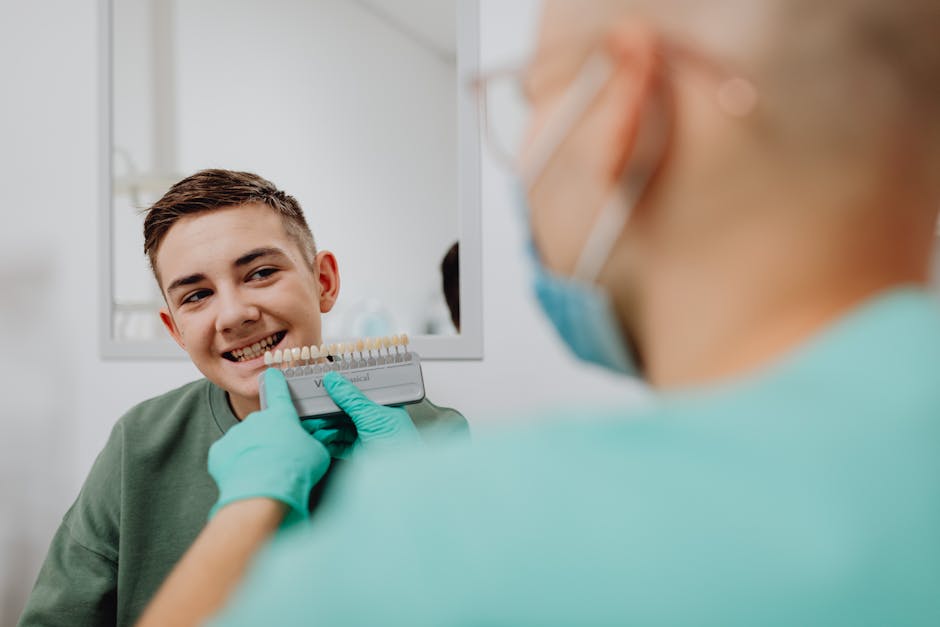
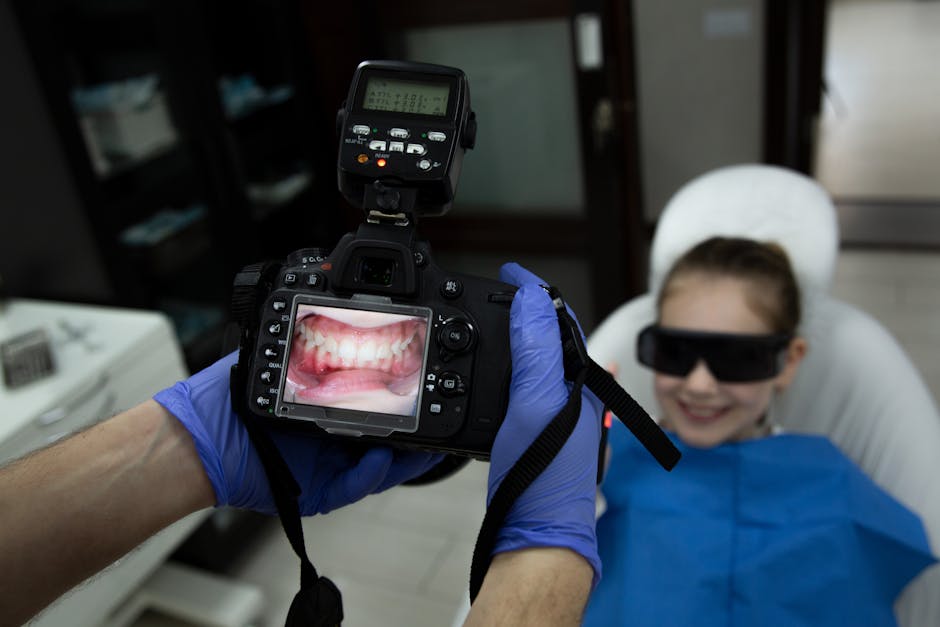
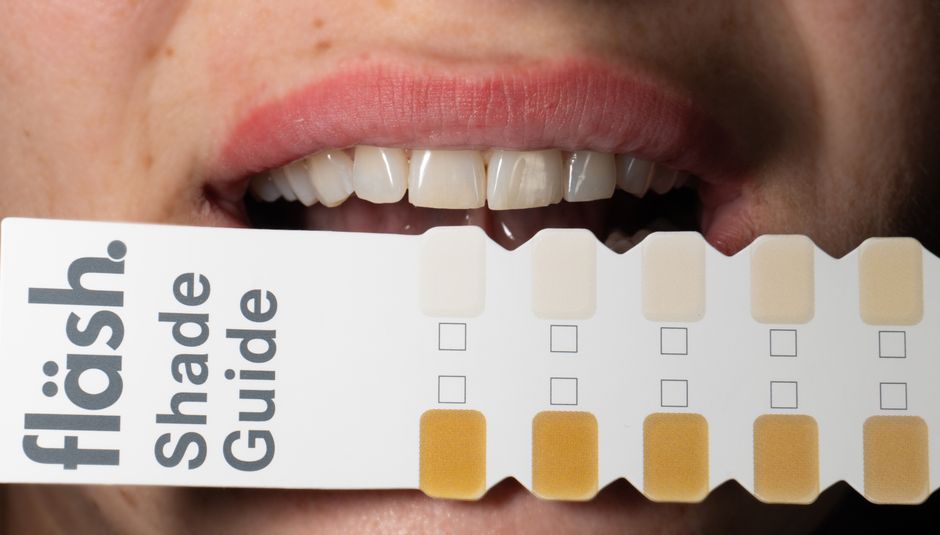
Minimal pre-op photography, unclear shade/shape goals, and limited documentation of soft-tissue baseline. This can create confusion with the lab, undermine informed consent, and make it difficult to evaluate outcomes objectively.
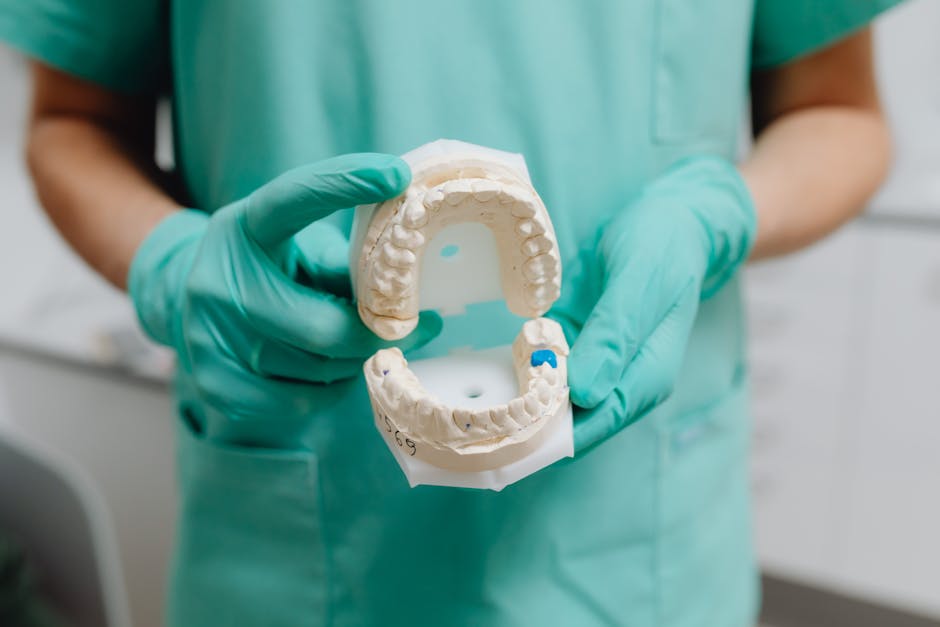
Why it matters
Implants live in the patient’s smile. When aesthetics are involved, clinicians need a shared visual language with patients and technicians. Documentation also supports quality improvement: you cannot reliably learn from cases you did not record.
Prevention strategies
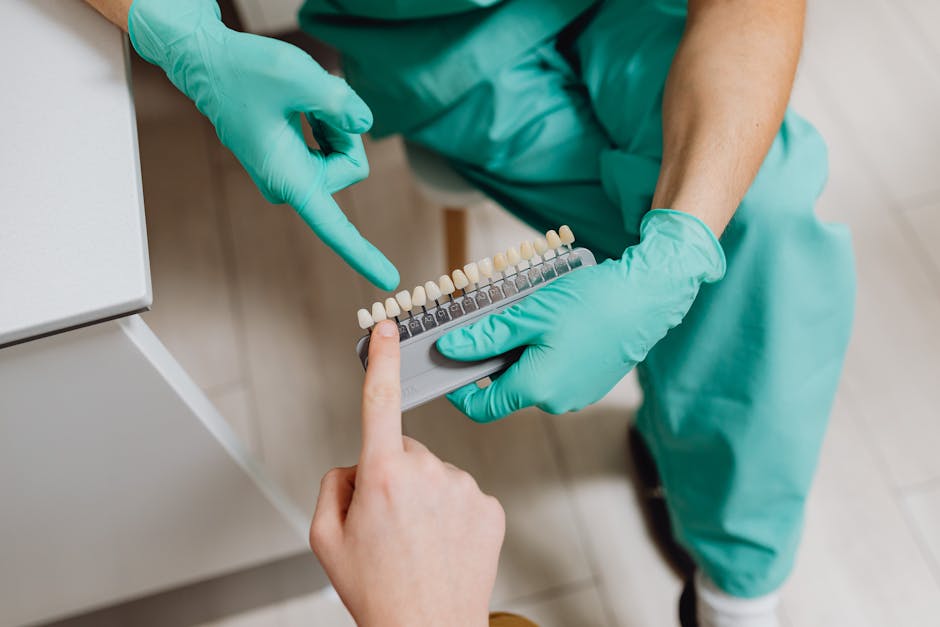
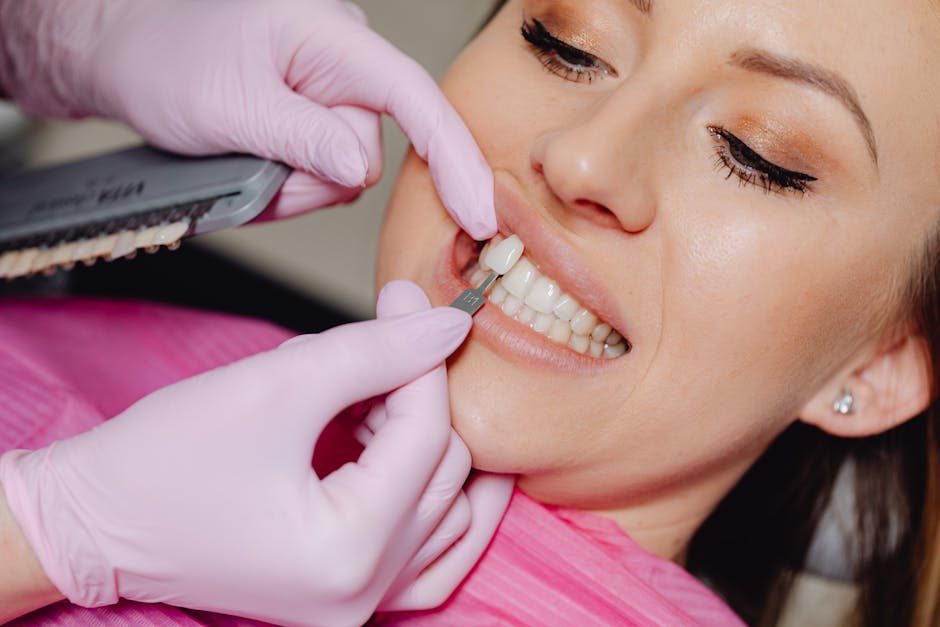
Adopt a basic dental photography protocol (retractors, mirrors, consistent angles, and lighting). In continuing dental education settings, learning photography and digital smile analysis alongside implant planning often improves prosthetic communication, case acceptance, and post-op evaluation.
9) Mistake: Skipping maintenance planning and peri-implant disease prevention
What it looks like in practice
Discharging patients without a recall schedule, not providing hygiene instructions tailored to the prosthesis design, or failing to establish baseline peri-implant probing and radiographs once appropriate. Another issue is leaving cement-retained restorations without strict cement control protocols.
Why it matters
Many late complications are preventable with structured maintenance: plaque control, prosthetic inspection, occlusal checks, and early intervention for mucositis. The “surgery went well” is only the first chapter.
Prevention strategies
Build maintenance into your treatment plan and communicate it early. Coordinate with a periodontal-minded team and set expectations for long-term follow-up—especially in patients with a history of periodontal disease or high plaque indices.
How Istanbul Dental Academy supports safer early implant workflows
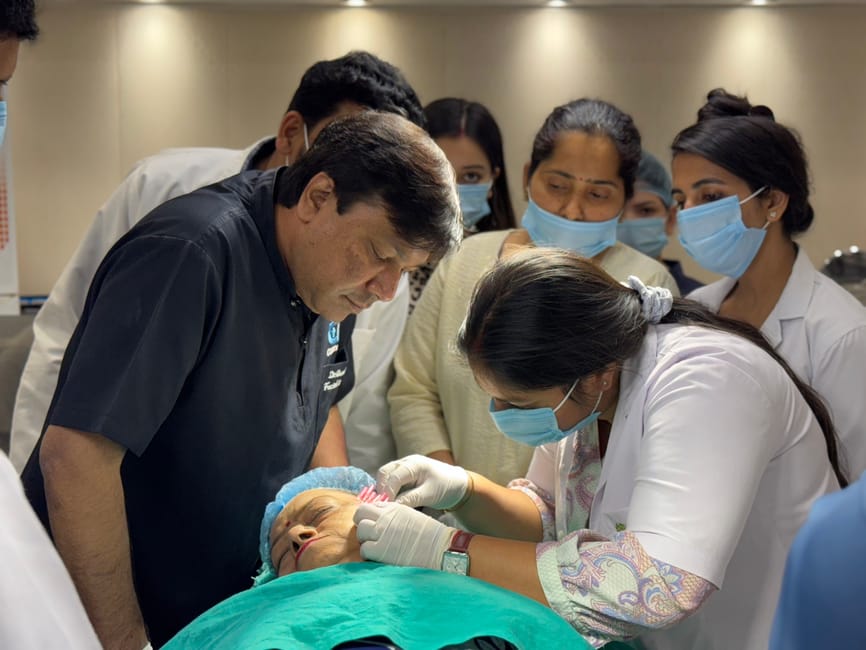
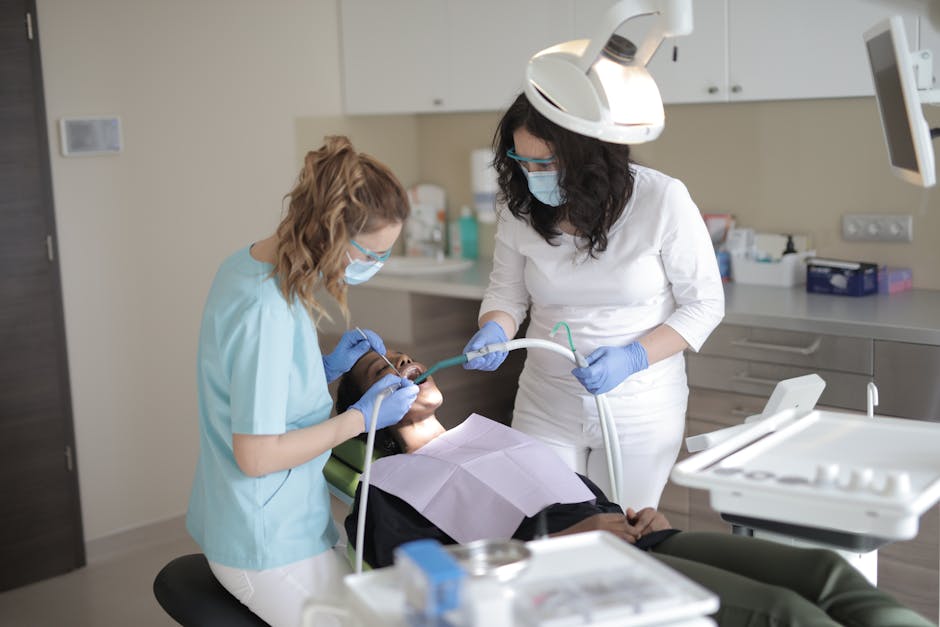
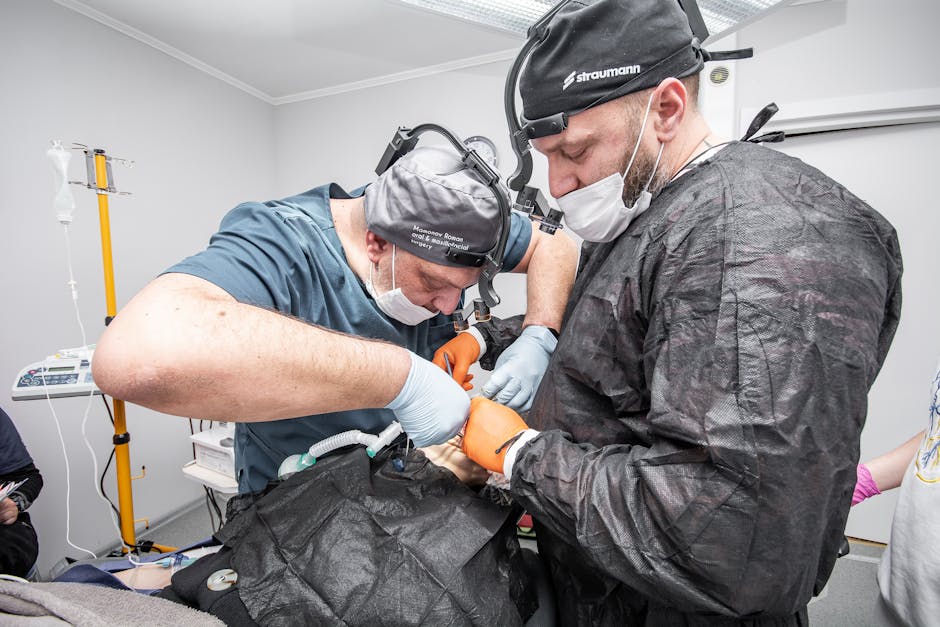
Beginners benefit most from repeatable systems: diagnostic templates, planning checklists, and supervised hands-on practice. At Istanbul Dental Academy, implant education is strengthened by a practical, workflow-based approach—linking CBCT planning to surgical execution and then to restorative decision-making. Clinicians can deepen skills in core topics such as flap design and suturing, guided surgery fundamentals, provisionalization principles, and prosthetically driven implant positioning.
Importantly, training should also reflect real-world interdisciplinary dentistry: periodontal considerations for tissue stability, restorative principles for emergence profile and material space, and communication tools such as dental photography and digital planning. This integrated mindset is often what separates “an implant placed” from “a case completed predictably.”
Conclusion: fewer surprises come from better systems
Most early implant surgery mistakes are not mysterious—they are systematic. If you improve diagnosis, plan in 3D, respect soft tissues, and design every step toward the final restoration, complications become less frequent and more manageable. When you pair structured protocols with guided mentorship and hands-on practice, you gain not only confidence but also consistency.
This content is for educational purposes. Clinical decisions should be based on individual patient assessment, current evidence, and professional training. If you are building your implant pathway, consider strengthening your workflow with continuing dental education and supervised hands-on courses that connect planning, surgery, and prosthetic outcomes.
Diğer Yazılar