
BLOG
Smoking, Stress, and Necrotizing Gingivitis: What Dental Professionals Should Know
Necrotizing Gingivitis in Daily Practice: Why Smoking and Stress Matter
Necrotizing gingivitis (NG) is an acute, painful periodontal condition characterised by rapid onset gingival inflammation, interdental papilla necrosis, and bleeding that may occur spontaneously or on gentle probing. While it can be encountered in a variety of settings, it is frequently discussed through the lens of two highly prevalent and often co-existing risk factors: tobacco use and psychosocial stress.
For dental professionals in Istanbul and internationally, the topic is clinically relevant beyond periodontology. NG can disrupt restorative workflows, complicate treatment planning, and undermine aesthetic outcomes—especially in anterior cases where tissue contours frame the smile. At Istanbul Dental Academy, we approach NG as both a clinical priority and a learning opportunity: understanding underlying drivers like smoking and stress helps clinicians build more predictable periodontal stabilisation protocols before proceeding to elective or advanced treatments.
This content is for educational purposes and is not a substitute for individual diagnosis or treatment planning.
What Is Necrotizing Gingivitis?
Necrotizing gingivitis belongs to the spectrum of necrotizing periodontal diseases. It is typically defined by three hallmark features:
• Interdental papilla necrosis (often described as “punched-out” papillae)
• Pain (often disproportionate to visible inflammation)
• Gingival bleeding (spontaneous or easily provoked)
Additional findings may include fetor oris, pseudomembrane formation, metallic taste, lymphadenopathy, and systemic symptoms in more severe presentations. Importantly, NG is not merely “severe gingivitis.” It reflects an interaction between a susceptible host and a dysbiotic microbial challenge, amplified by behavioural and systemic modifiers.
Where It Sits in Periodontal Diagnosis
In contemporary periodontal thinking, necrotizing conditions are often discussed separately from plaque-induced gingivitis because of their distinct clinical appearance, rapid progression, and strong association with immune impairment, malnutrition, stress, and tobacco exposure. Dental teams benefit from recognising NG early because timely initial management can prevent escalation toward necrotizing periodontitis and attachment loss.
Smoking: A High-Impact Modifier in Necrotizing Gingivitis
Smoking remains one of the most consistently reported risk factors for necrotizing periodontal conditions. In practice, it influences NG in two broad ways: it modifies the host response and it changes the local environment in the oral cavity.
1) Host Response and Tissue Breakdown
Tobacco exposure is associated with altered neutrophil function, impaired antibody responses, vascular changes, and delayed wound healing. These effects can contribute to:
• Reduced tissue resilience under microbial and mechanical challenges
• Greater susceptibility to ulceration/necrosis of papillary tissues
• Slower resolution of inflammatory lesions once established
Clinically, this may translate to more severe pain, recurrent episodes, or reduced predictability in gingival recovery—especially when smoking continues during management.
2) Local Environmental Changes: Saliva, Biofilm, and Oxygen Tension
Smoking can affect salivary flow, composition, and protective capacity, which may influence microbial ecology and mucosal defence. For a deeper look at how saliva supports oral homeostasis (buffering, antimicrobial activity, lubrication), see Why Saliva Matters: The Unsung Protector of Oral Health. In NG, where tissues are acutely inflamed and ulcerated, the protective roles of saliva become particularly relevant for comfort and healing dynamics.
Smoking may also encourage a more anaerobic environment and alter biofilm structure, which can be conducive to organisms implicated in necrotizing periodontal infections. While microbiology alone does not “cause” NG, it can intensify clinical expression in a susceptible patient.
Stress: The Underestimated Clinical Catalyst
Stress is not just a lifestyle descriptor—it is a physiological state with measurable effects on immune regulation, sleep quality, dietary patterns, and self-care behaviours. In many NG cases, a history of acute psychosocial stress (exams, work crises, bereavement, long shifts, major life changes) is reported around the onset.
How Stress May Contribute to NG
Multiple pathways are plausible and clinically meaningful:
• Immune modulation: Stress hormones can influence inflammatory mediators and cellular immunity, potentially reducing resistance to opportunistic infections.
• Behavioural change: Patients under stress may brush less effectively, snack more frequently, smoke more, and delay dental visits.
• Bruxism and mucosal trauma: Parafunction and soft tissue trauma may aggravate inflamed gingiva, contributing to ulceration and pain.
From a dental education perspective, the key is not to “diagnose stress,” but to recognise it as a context that affects compliance, healing, and recurrence risk. Sensitive communication and structured follow-up can become as important as instrumentation in preventing relapse.
The Smoking–Stress Synergy: Why the Combination Is Clinically Common
Smoking and stress frequently co-occur. Some patients increase tobacco consumption under stress, while others maintain smoking as a coping mechanism. This combination can create a clinical “perfect storm”:
• Increased plaque accumulation and dysbiosis (behavioural and local changes)
• Reduced host resilience (immune and vascular effects)
• Delayed help-seeking (missed early intervention)
For clinicians, this reinforces the value of holistic history-taking: recent life stressors, sleep disruption, nutritional habits, and tobacco patterns can provide insight into why an otherwise healthy patient suddenly presents with an acute necrotizing episode.
Clinical Recognition: Key Signs Dental Teams Should Document
NG is often diagnosed clinically. In an educational setting, systematic documentation improves decision-making and referral timing. Common clinical findings include:
• “Punched-out” papillae with grey-white pseudomembrane
• Marked tenderness on gentle probing or air exposure
• Bleeding with minimal provocation
• Halitosis and patient-reported bad taste
• Possible fever or malaise in more severe presentations
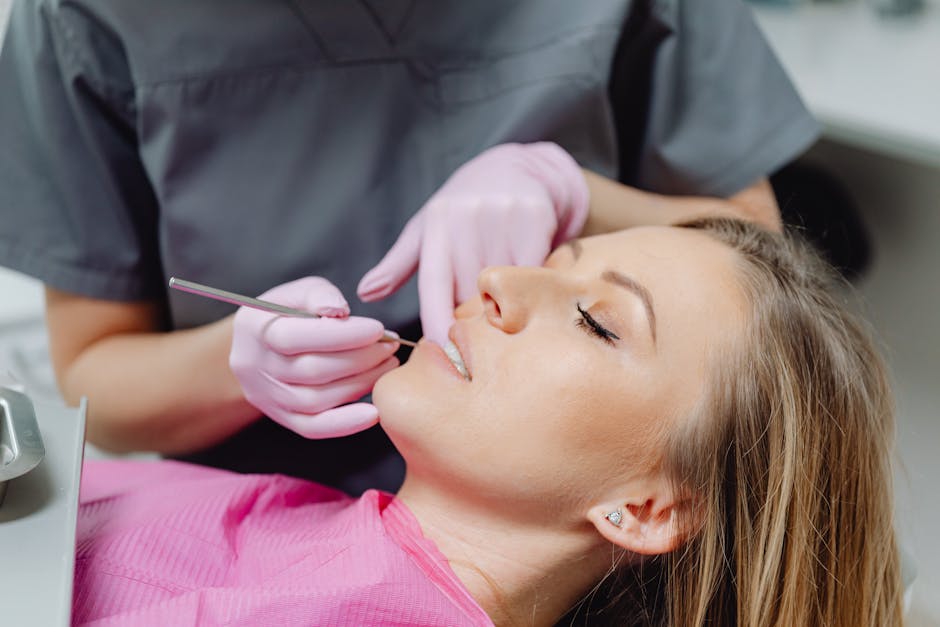
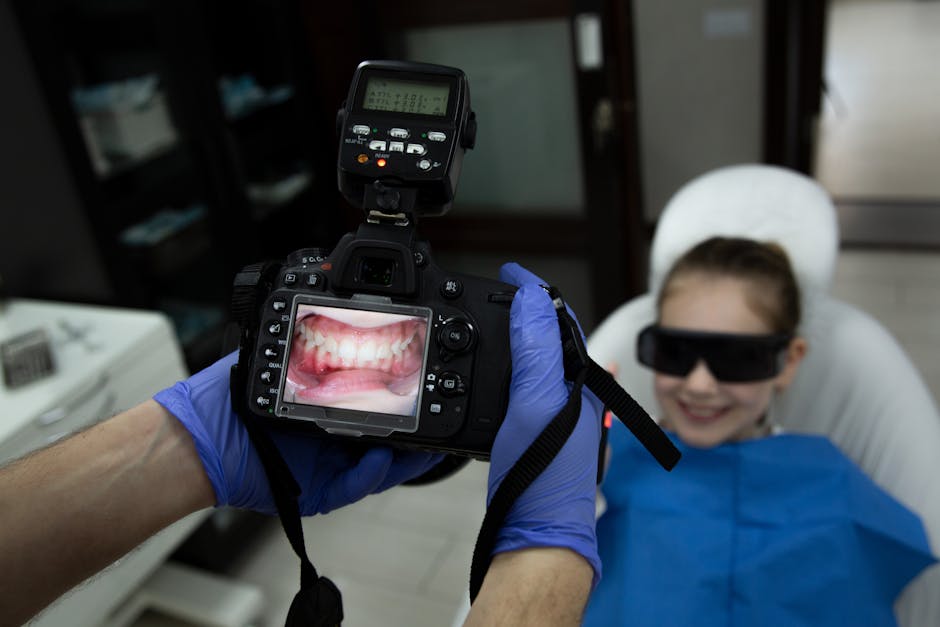
Dental photographs can be valuable for baseline recording and patient communication, provided consent and proper infection control. In training environments, photographic documentation also supports case-based discussion and reflective learning—skills we emphasise in Istanbul Dental Academy’s hands-on approach to clinical education.
Risk Assessment Beyond Smoking and Stress
Although smoking and stress are prominent, NG should prompt broader risk assessment. Consider factors commonly associated with increased susceptibility:
• Poor oral hygiene and heavy plaque burden
• Recent illness or immunosuppression
• Nutritional deficiencies or restrictive diets
• Alcohol overuse
• Poor sleep and chronic fatigue
In some patients, underlying developmental or structural enamel conditions may complicate plaque control and sensitivity management, indirectly increasing gingival vulnerability. For example, clinicians managing patients with enamel defects may find plaque retention and discomfort to be barriers to effective hygiene routines. Related reading includes Amelogenesis Imperfecta: What It Is and How It Affects Teeth and Amelogenesis Imperfecta in Children: Signs, Diagnosis, and Dental Management, which discuss diagnosis and restorative considerations from an education-focused perspective.
How NG Can Disrupt Restorative, Aesthetic, and Implant Workflows
For many patients, NG appears during periods when they are also seeking cosmetic improvement or restorative rehabilitation. The acute condition can affect:
• Gingival margin stability (critical for anterior aesthetics)
• Soft tissue bleeding control (bonding isolation challenges)
• Patient comfort (tolerance of retraction, polishing, impressions, scans)
• Treatment sequencing (periodontal stabilisation before elective procedures)
Anterior Restorations: Tissue Health as a Prerequisite for Aesthetics
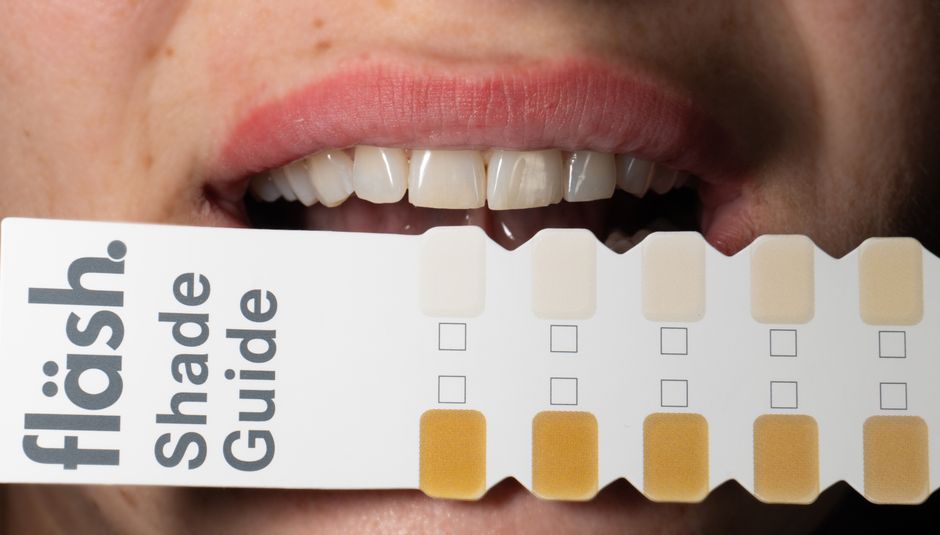
When inflamed papillae and marginal tissues are unstable, shade matching, line angles, and emergence profiles can become unpredictable. This is especially relevant for composite work in the aesthetic zone. If you are interested in how clinicians aim for lifelike outcomes once periodontal health is established, see How to Achieve Natural Aesthetics in Anterior Composite Restorations.
Smile Design and Veneers: The Digital Planning Advantage—After Stabilisation
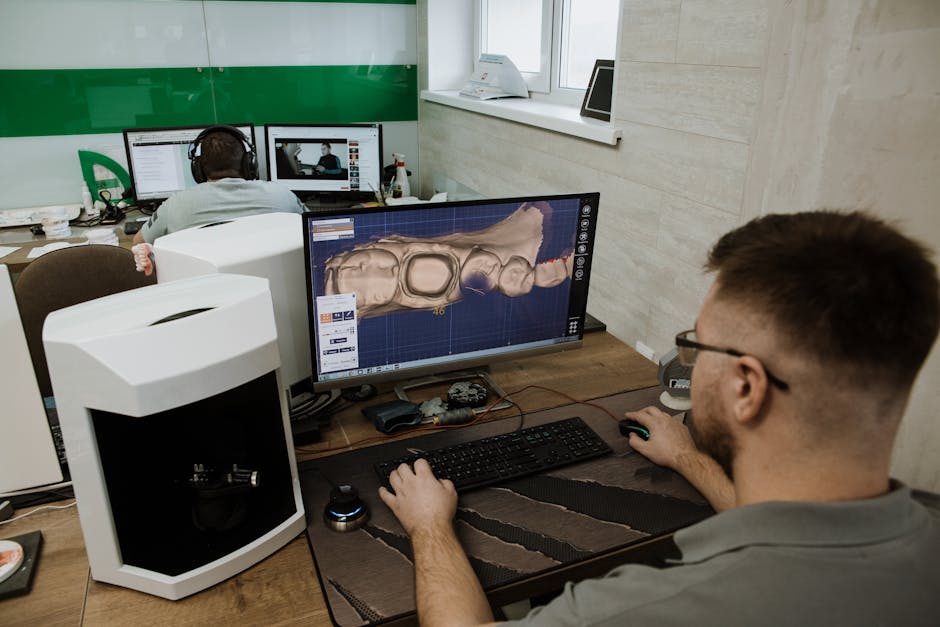
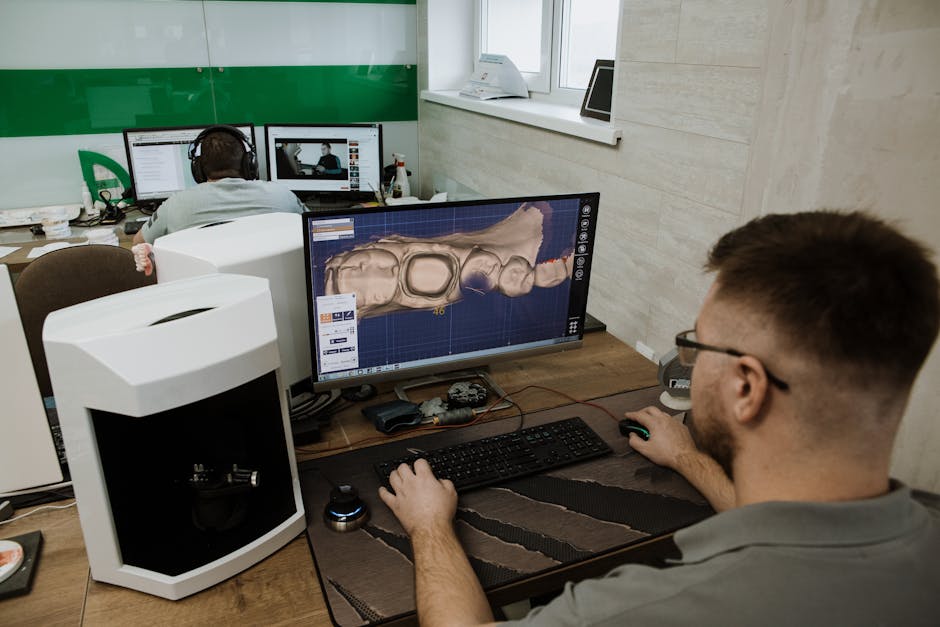
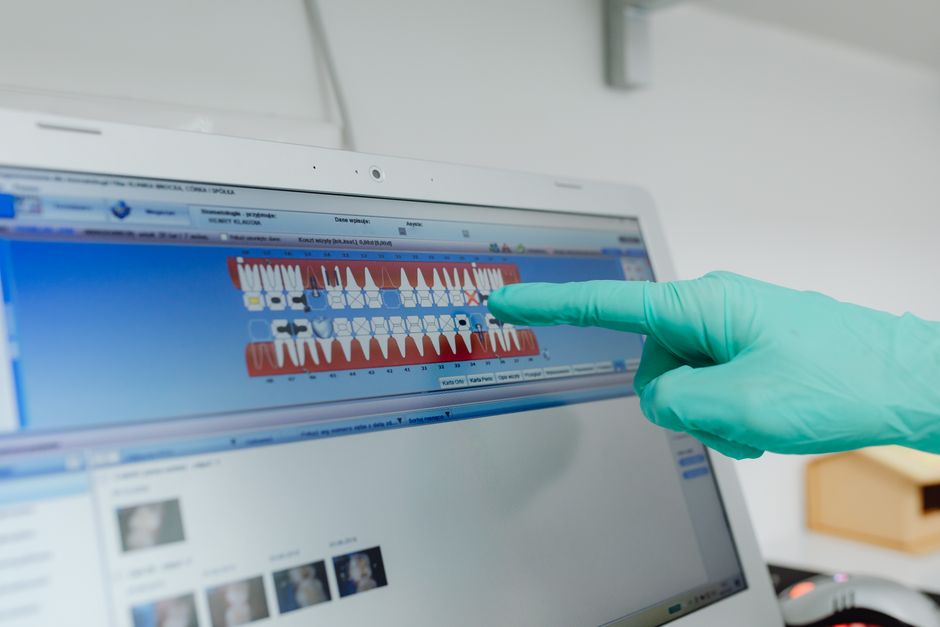
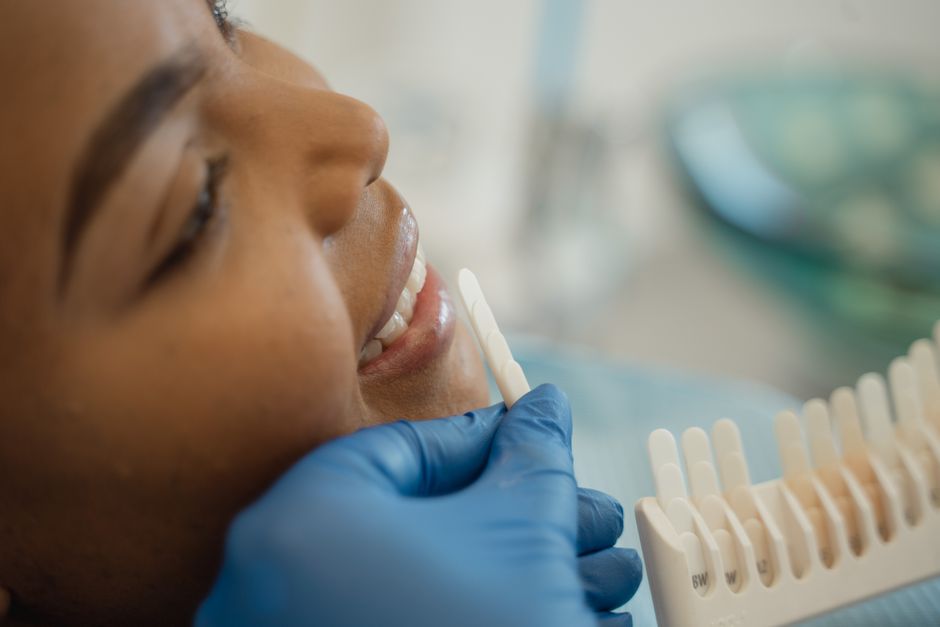
Digital dentistry can improve communication and predictability in veneer and smile design cases, but acute periodontal conditions like NG need to be addressed before scanning and finalising contours. Once tissues are stable, digital workflows help clinicians visualise gingival harmony and restorative boundaries. For an overview of contemporary planning concepts, explore Digital Dentistry for Laminate Veneer Planning: A Modern Smile Design Workflow.
Education-Focused Management Principles (Non-Prescriptive)
Because NG can vary in severity and patient medical context, definitive management should be individualised by a licensed clinician. From an educational standpoint, commonly discussed principles in professional guidelines and curricula include:
• Careful assessment: document pain level, extent of necrosis, bleeding, and systemic symptoms; review medical history and risk modifiers (smoking, stress, nutrition).
• Gentle debridement strategies: minimise trauma while reducing biofilm and necrotic debris; plan staged visits if needed for comfort.
• Supportive home-care education: focus on achievable hygiene steps and realistic short-term goals to reduce recurrence risk.
• Risk factor counselling: discuss tobacco cessation resources and stress-related behaviour patterns in a non-judgmental way.
• Re-evaluation and sequencing: delay elective restorative/aesthetic procedures until tissues stabilise and plaque control improves.
In continuing dental education, the clinical challenge is often less about knowing “what NG is” and more about executing a calm, structured protocol under time pressure—especially when patients present in pain. This is where hands-on training and case-based discussion can strengthen clinical confidence.
Prevention and Recurrence Control: Practical Takeaways for Dental Teams
Preventing recurrence is a shared effort between clinician and patient. In an education-focused framework, dental teams can emphasise:
• Motivational, patient-specific hygiene coaching rather than generic instructions
• Periodic periodontal maintenance and early intervention when papillae become tender or bleeding increases
• Smoking cessation support and documentation of tobacco status over time
• Stress-aware scheduling (shorter appointments during acute phases; structured follow-up)
• Interdisciplinary sequencing before complex restorative, prosthodontic, or implant procedures
Even in highly aesthetic cases—veneers, composite bonding, or prosthodontic rehabilitation—long-term success is closely tied to gingival stability. Periodontal risk control is not a separate “pre-step”; it is an integral part of quality dentistry.
Learning NG Through a Hands-On Clinical Lens at Istanbul Dental Academy
For dentists and postgraduate learners, necrotizing gingivitis highlights an essential clinical truth: acute periodontal presentations can appear at any time and can alter treatment plans across disciplines. At Istanbul Dental Academy, we encourage clinicians to connect periodontal assessment to broader workflows—restorative isolation, digital impression accuracy, anterior aesthetics, and patient communication.
Our continuing dental education philosophy prioritises practical skills, structured clinical reasoning, and hands-on learning. By strengthening fundamentals in periodontology and integrating them with restorative and digital planning concepts, clinicians can approach complex cases more predictably—starting with the soft tissues that frame every smile.
This article is provided for educational purposes only. Patients with symptoms such as severe gum pain, bleeding, or ulceration should seek evaluation by a licensed dental professional.
Diğer Yazılar