
BLOG
Conservative Restorative Treatment for Large Tooth Structure Loss
Why “large tissue loss” changes everything in restorative dentistry
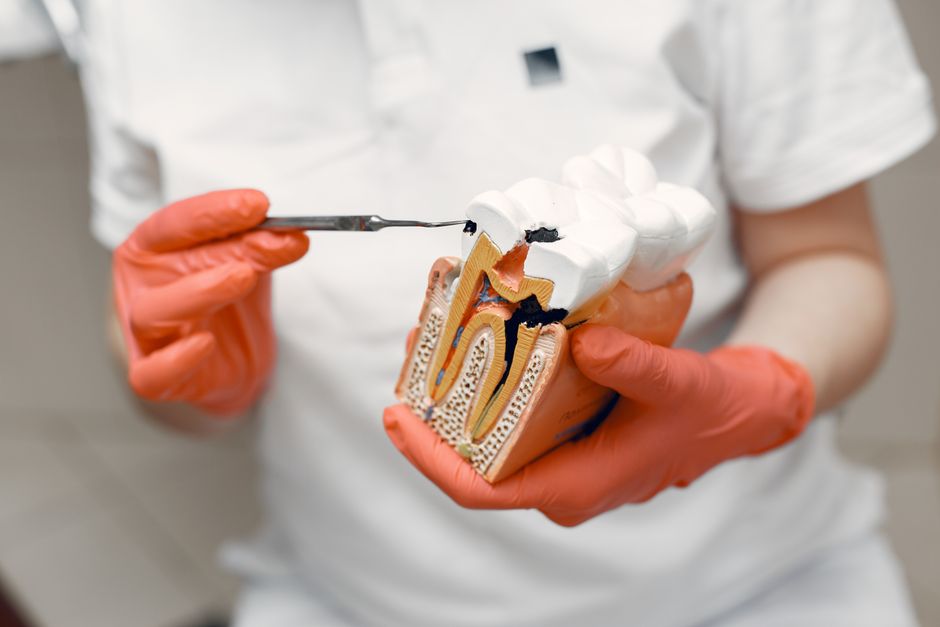
Extensive loss of enamel and dentin—whether from caries, fracture, erosion, previous restorations, or developmental conditions—creates a different clinical reality than a small Class I or Class II restoration. When the remaining tooth structure is limited, clinicians must manage multiple risks at once: cuspal deflection and fracture, compromised bonding substrate, pulpal stress, occlusal instability, and difficulties achieving a predictable emergence profile and proximal contacts.
In contemporary restorative dentistry, the goal is often described as “maximum conservation with maximum predictability.” For large defects, this means selecting an approach that preserves sound tissue, restores function and aesthetics, and leaves room for future retreatment if needed. This article is for educational purposes and outlines clinical principles commonly taught in continuing dental education, including the hands-on workflows emphasized at Istanbul Dental Academy.
Common causes and patterns of major tooth structure loss
Understanding why the tooth is failing helps determine how to restore it. The morphology of the defect often suggests the dominant etiology:
Caries and undermined cusps
Deep caries and large existing restorations can leave thin cuspal walls that are prone to fracture. In posterior teeth, this frequently shifts the plan from an intracoronal filling to a cuspal coverage restoration (e.g., onlay/overlay).
Fracture and trauma
Cracked tooth patterns, cusp fractures, and traumatic crown damage may require immediate stabilization, careful crack assessment, and staged restorative planning—especially if endodontic involvement is suspected.
Erosive wear and parafunction
Biocorrosion (erosion) and attrition can create generalized loss of vertical dimension, shortened clinical crowns, and reduced enamel available for bonding. In these patients, occlusal diagnosis becomes central. When occlusal instability or muscle/joint symptoms are present, an evidence-informed diagnostic pathway can be helpful; see clinical diagnostic approach to TMD patients for a structured overview that complements restorative planning.
Developmental enamel defects
Conditions like amelogenesis imperfecta can present with severe enamel breakdown, hypersensitivity, and rapid loss of tooth structure—often requiring interdisciplinary management that balances protection, aesthetics, and age-appropriate staging. For a focused review relevant to pediatric and adolescent cases, read amelogenesis imperfecta in children: signs, diagnosis, and dental management.
Diagnosis first: the “restorative map” before the handpiece
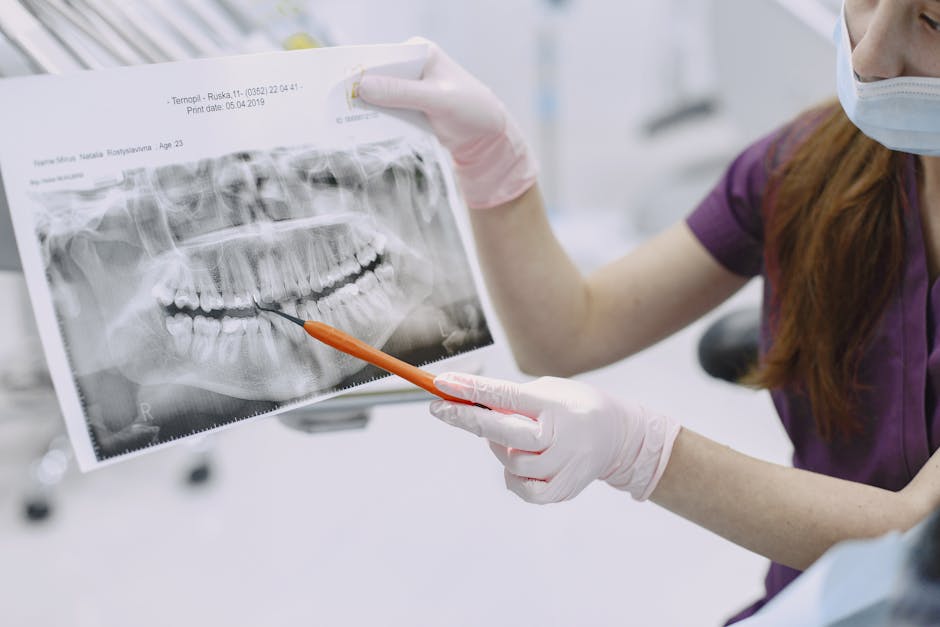
With large defects, the restoration is only as good as the diagnosis behind it. A practical “restorative map” typically includes:
1) Structural assessment: remaining wall thickness, crack lines, ferrule potential, and cusp support.
2) Pulpal and endodontic status: sensibility tests, periapical status, and the likelihood of needing endodontic therapy before definitive coverage.
3) Occlusal analysis: functional pathways, fremitus, wear facets, and whether a reorganized occlusion or vertical dimension change is being considered.
4) Periodontal and biologic width considerations: restorative margins, crown lengthening needs, and the long-term maintainability of the site.
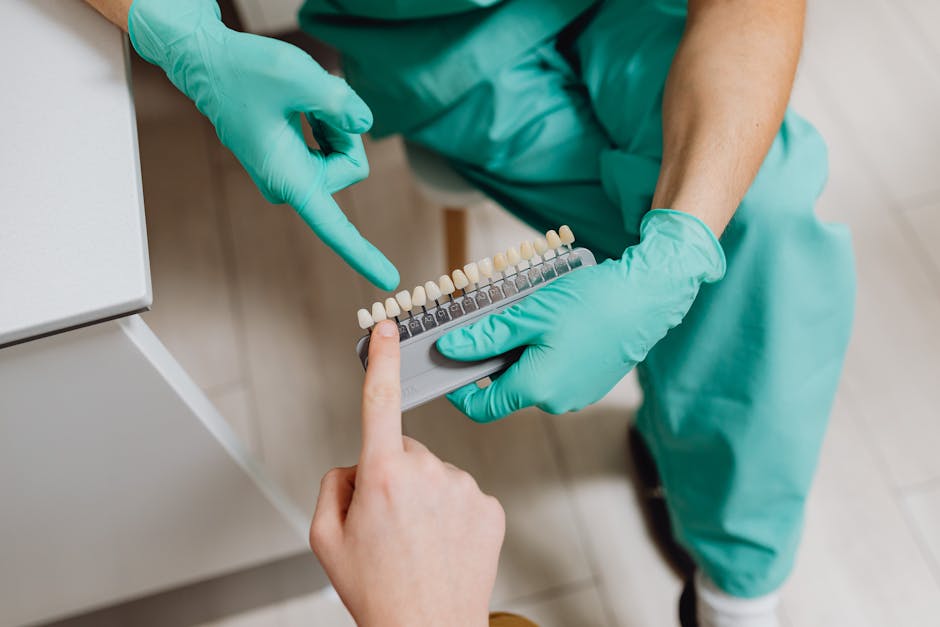
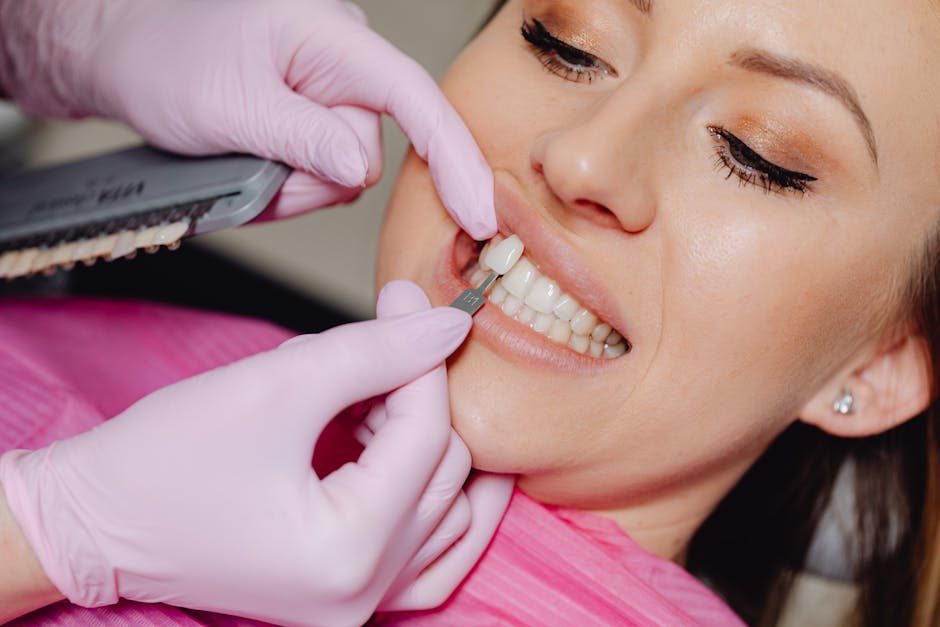
5) Aesthetic parameters: smile line, tooth proportions, and the patient’s expectations—especially in anterior teeth where minimal thickness and translucency matter.
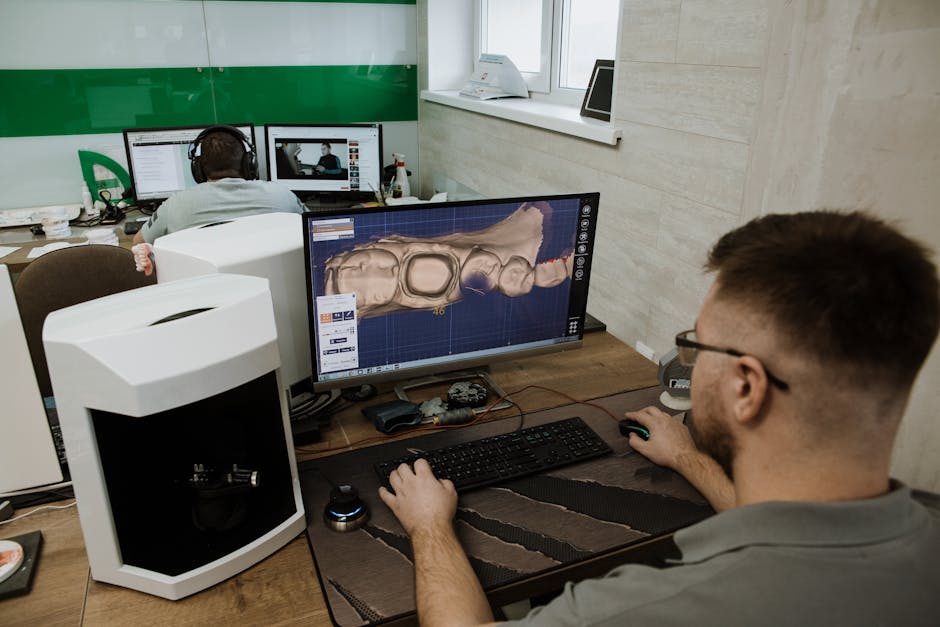
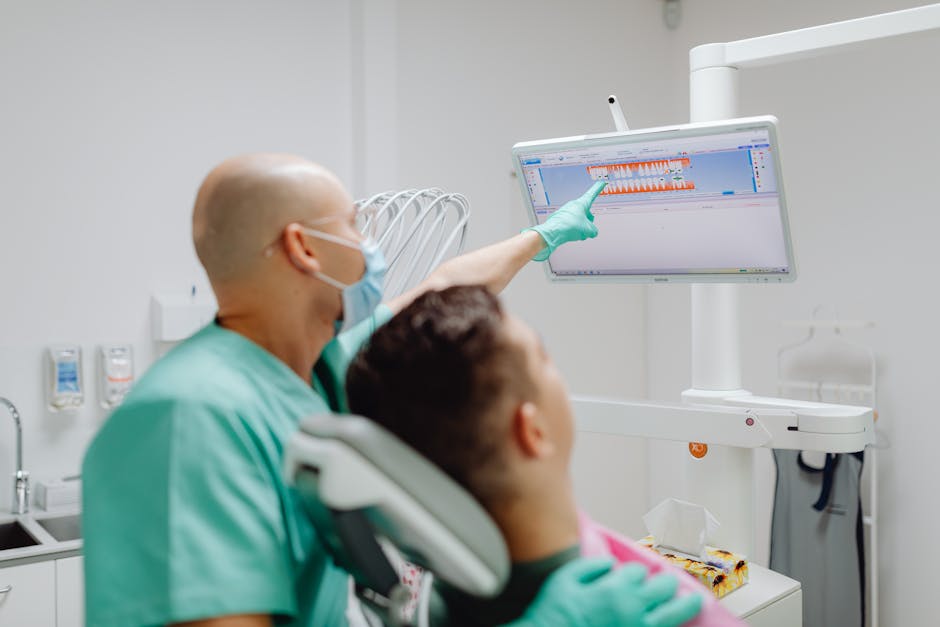
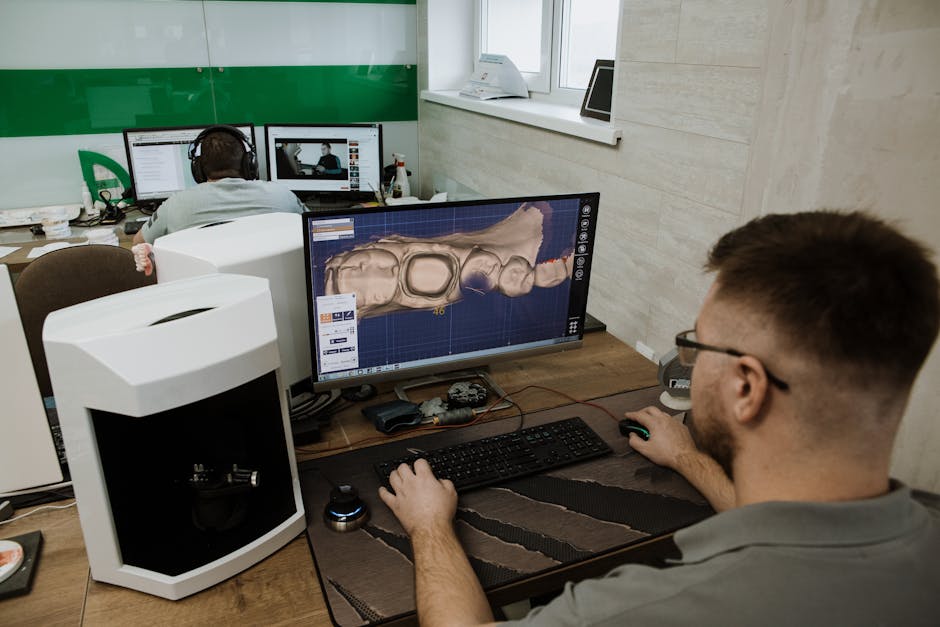
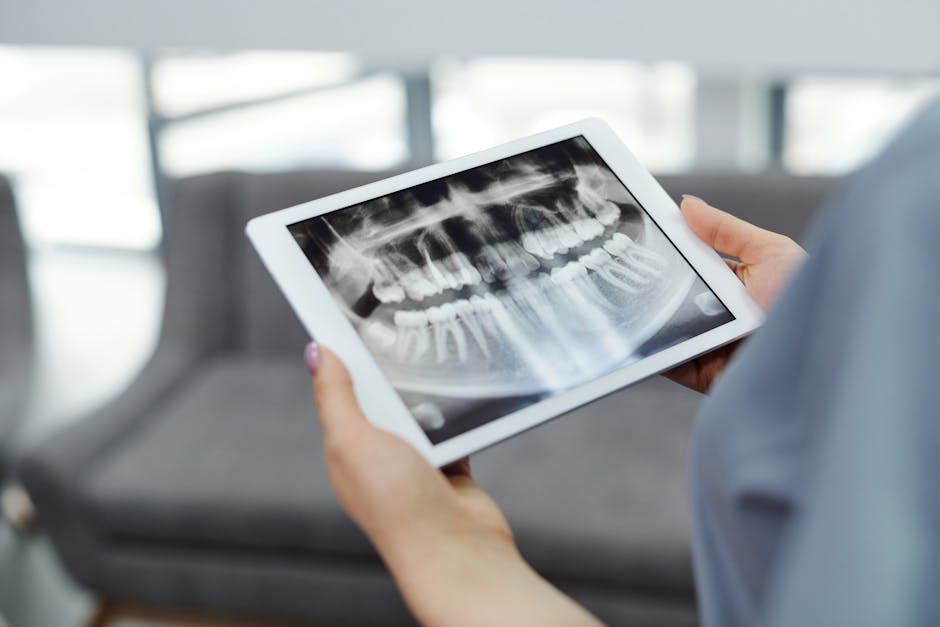
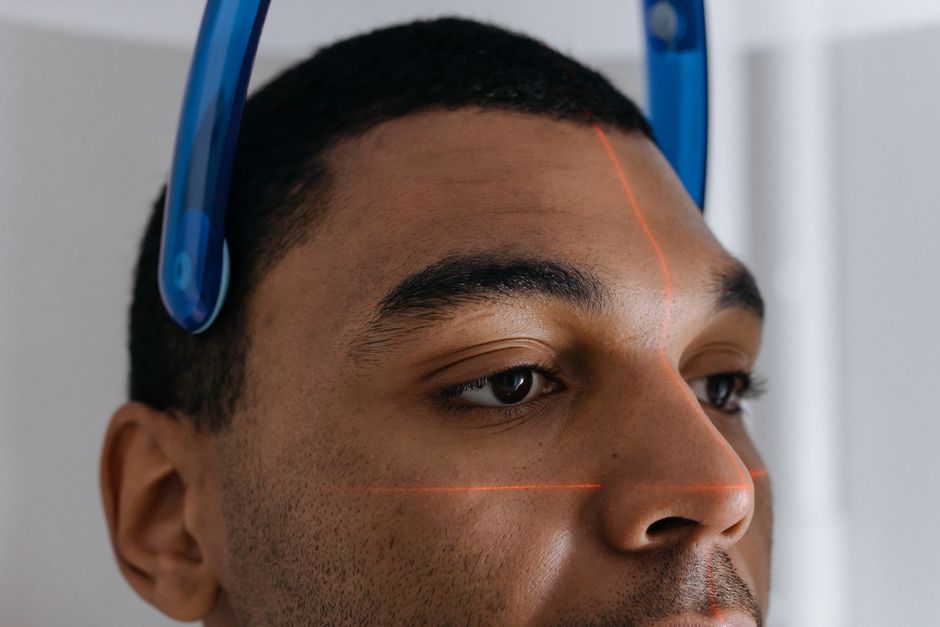
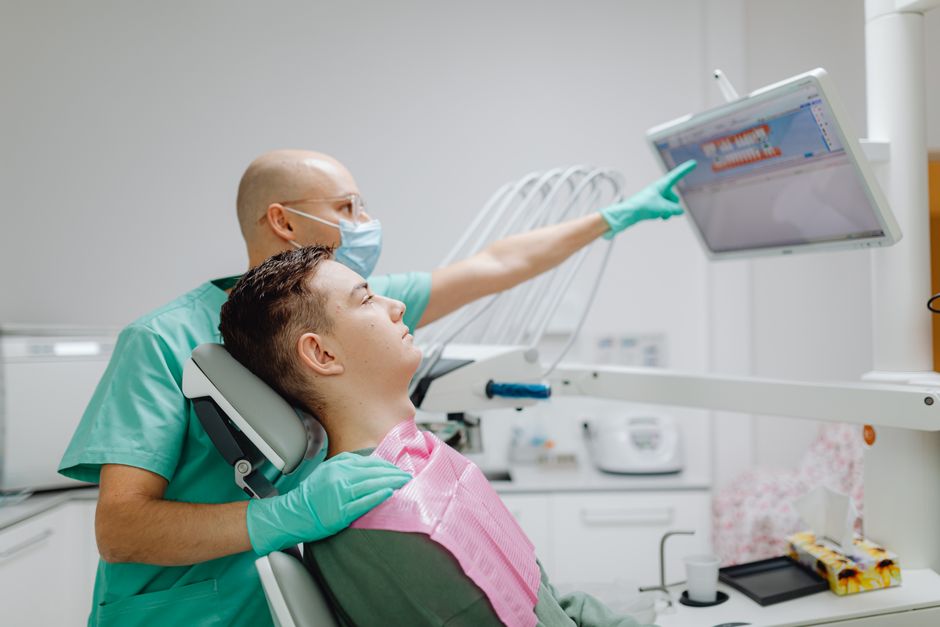
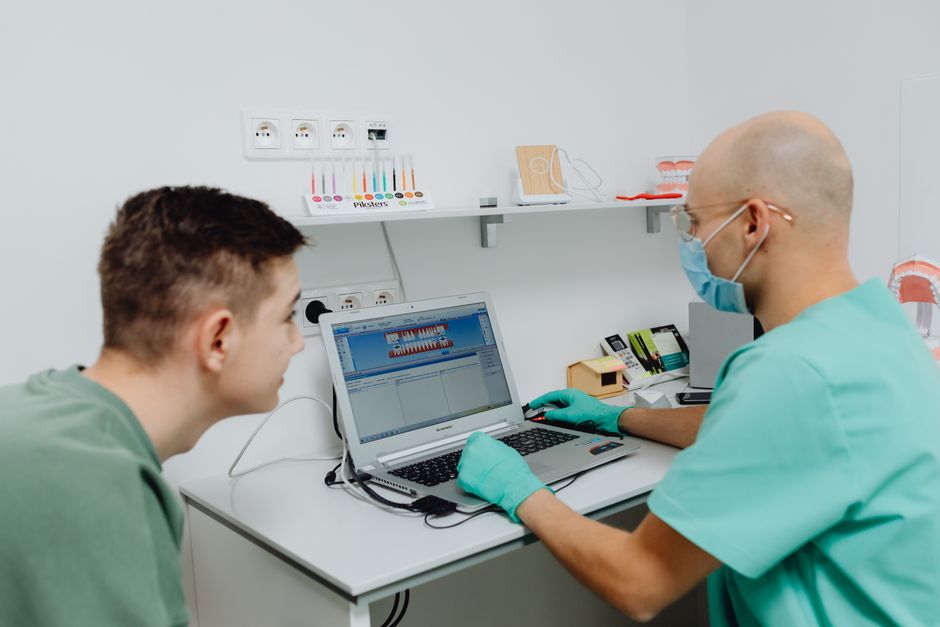
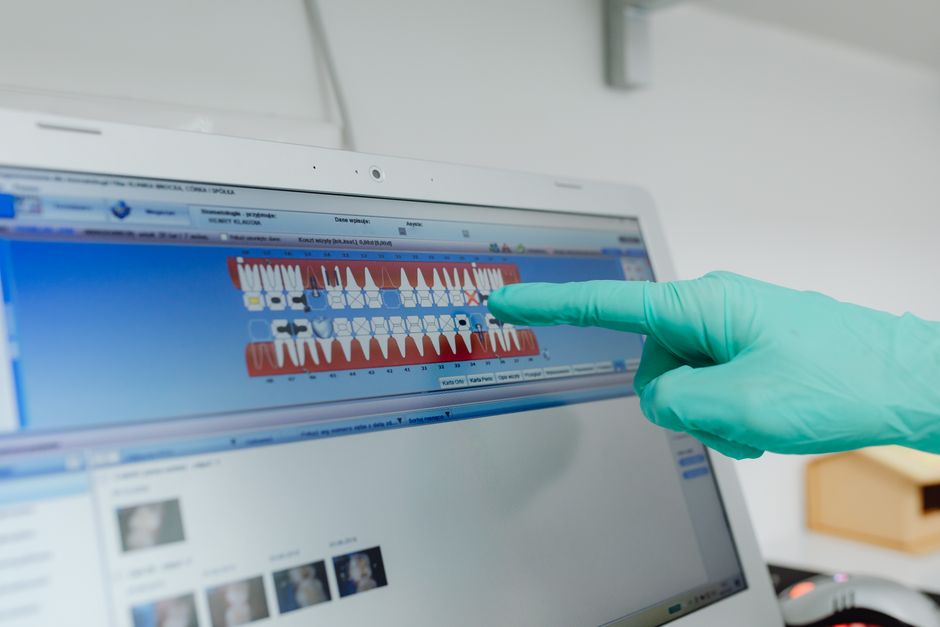
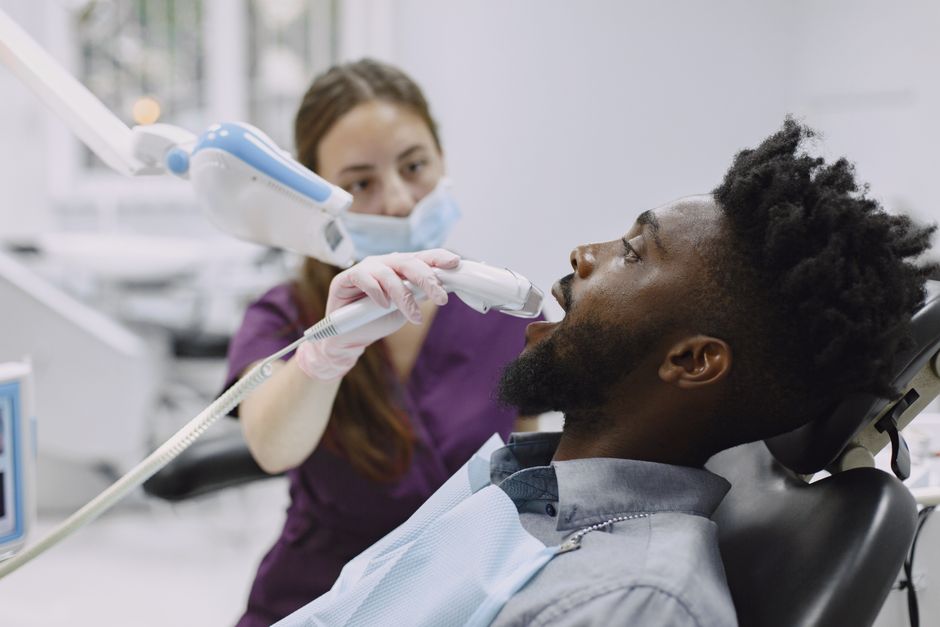
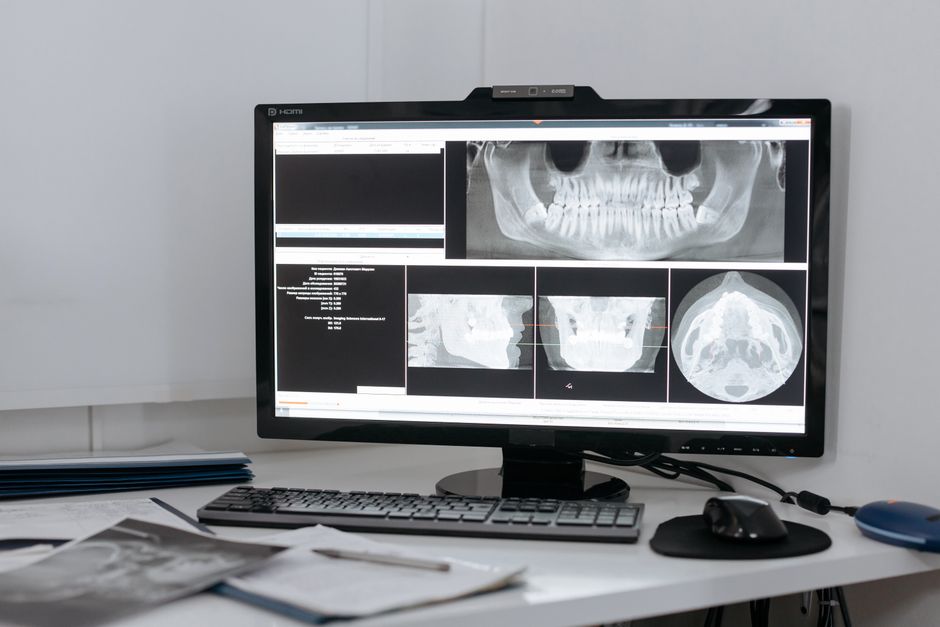
Digital workflows can strengthen this planning phase through intraoral scanning, digital wax-ups, and mock-ups. In cases where anterior aesthetics and facial harmony are involved, clinicians often integrate principles from face-shape–oriented smile design to guide tooth form selection and restorative contours while maintaining a conservative mindset.
Conservative restorative strategies for extensive defects
“Conservative” does not mean “small.” It means choosing the least invasive option that still provides adequate strength, seal, and function.
Adhesive direct restorations (when appropriate)
Modern composites can be effective when margins are accessible and enamel bonding is achievable. For larger posterior defects, strategies such as cusp capping with composite, incremental layering, and fiber reinforcement may be considered in selected cases. However, polymerization stress, occlusal load, and long-term wear should be weighed carefully.
Indirect partial coverage: inlays, onlays, and overlays
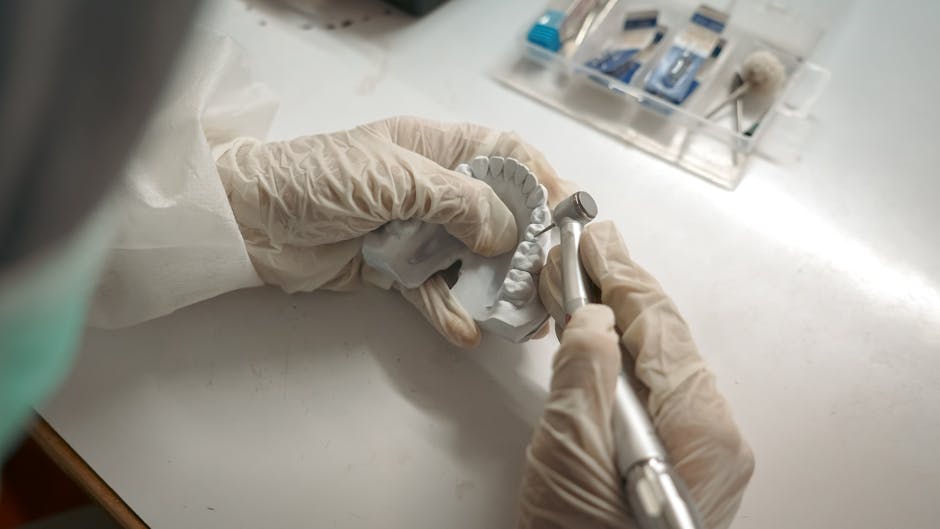
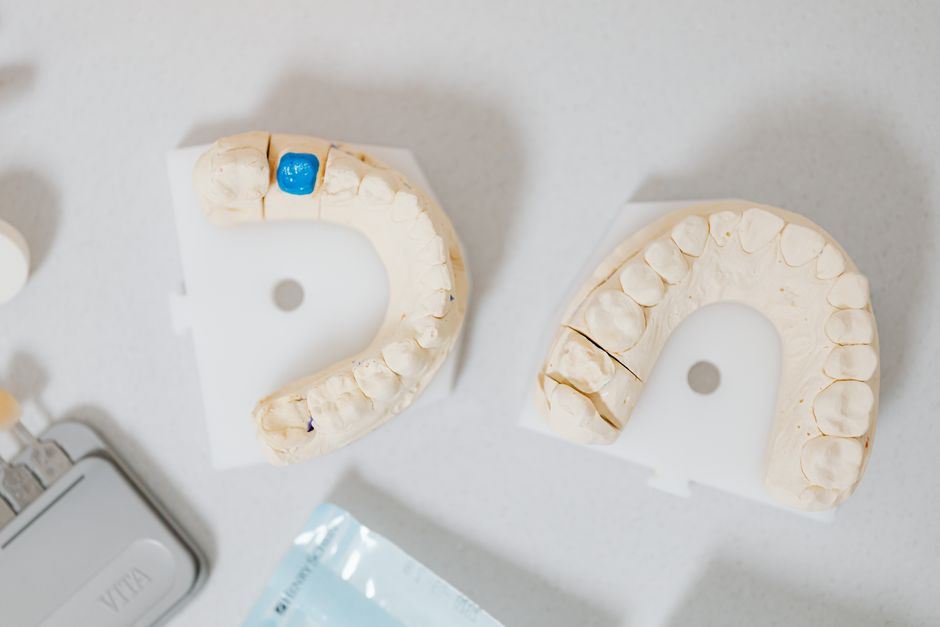
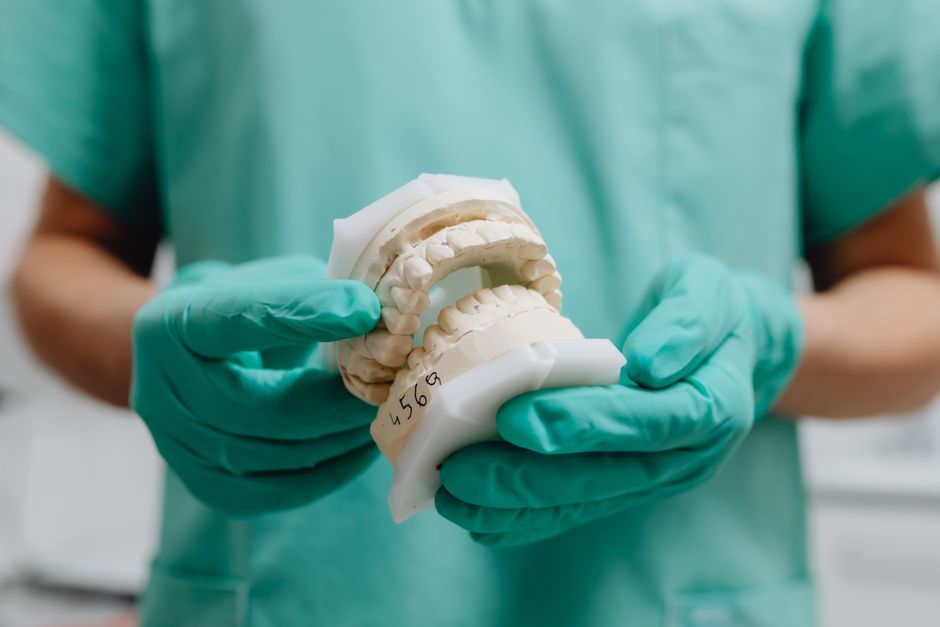
For posterior teeth with compromised cusps, partial coverage restorations often provide a conservative alternative to full crowns. Adhesive ceramics and hybrid ceramics can allow thinner restorations than traditional full-coverage designs—while still offering cuspal protection. Proper preparation design (rounded internal line angles, margin placement, and adequate reduction) is essential for both strength and adhesion.
Full coverage restorations (when structurally necessary)
When remaining tooth structure is severely compromised, full coverage may be indicated to provide circumferential protection. Even then, the “conservative” principle remains relevant: preserve sound enamel where possible, avoid unnecessary subgingival margins, and prioritize a plan that supports periodontal health and future retreatment options.
Endodontic-restorative coordination
In teeth with deep caries or symptomatic pulps, endodontic treatment may be needed before definitive coverage. A well-sealed core build-up, appropriate post selection (when indicated), and timely cuspal coverage can reduce catastrophic fractures. Educationally, it’s helpful to treat endodontics and restoration as one continuum rather than separate procedures.
Material selection: strength, adhesion, and repairability
Material choice becomes especially consequential as tooth structure decreases. Key trade-offs include:
Glass-ceramics and lithium disilicate
Often used for aesthetic partial coverage and anterior restorations, these materials can offer excellent translucency and reliable bonding when proper protocols are followed. Case selection and thickness guidelines are critical, particularly under high occlusal loads.
Zirconia-based options
Zirconia may be chosen for high-stress posterior cases, though bonding protocols and preparation design differ from glass-ceramics. Many clinicians consider zirconia when minimal thickness and high fracture resistance are priorities, while balancing aesthetic demands.
Hybrid ceramics and resin nanoceramics
These materials may offer shock absorption and easier intraoral repair, which can be attractive in patients with parafunction. Long-term evidence continues to evolve, so clinicians should interpret material claims critically and rely on sound preparation and bonding principles.
Occlusion, parafunction, and the “hidden” reason restorations fail
Large restorations fail frequently due to biomechanical overload rather than bonding alone. Evaluating occlusal schemes, excursive interferences, and parafunctional habits (e.g., bruxism) can be as important as selecting the restorative material.
When patients present with facial pain, joint sounds, or limited opening, a careful diagnostic process is prudent before extensive rehabilitation. Integrating an evidence-informed approach—such as the workflow discussed in an evidence-informed guide for diagnosing TMD patients—can help clinicians plan restorations that respect function and reduce postoperative complications.
Anterior large defects: conservation meets smile design
In anterior teeth, large tissue loss often affects aesthetics, phonetics, and the patient’s confidence. Conservative restorative care here may involve additive approaches, partial coverage, or minimally invasive veneers—depending on substrate, discoloration, and incisal edge requirements.
Porcelain laminate veneers can be highly conservative when enamel is available and occlusal risk is controlled. Yet, “minimal preparation” should never mean “minimal planning.” Many clinicians begin with a digital wax-up, mock-up, and calibrated photography to align expectations and document baseline conditions. For clinicians building systematic planning habits, the principles described in face-shape–oriented smile design: clinical principles and digital planning can provide a useful framework that complements restorative decision-making.
When teeth are not restorable: transitioning to implant and full-arch solutions
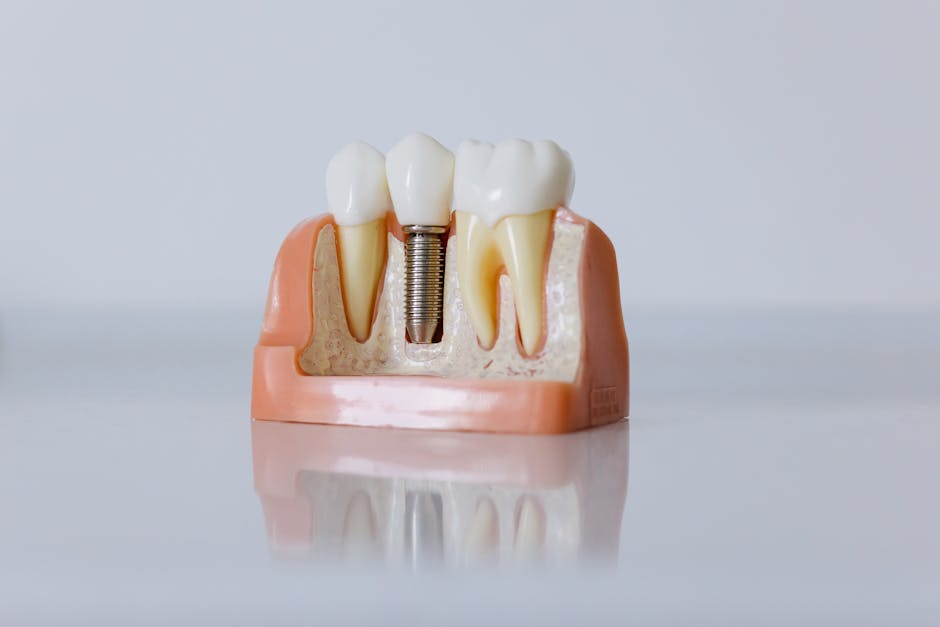
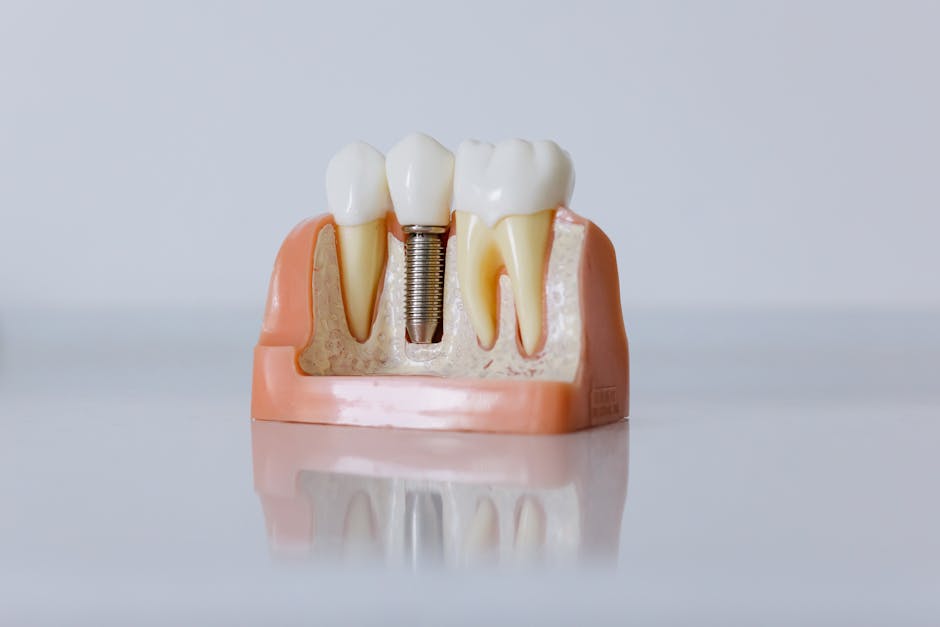
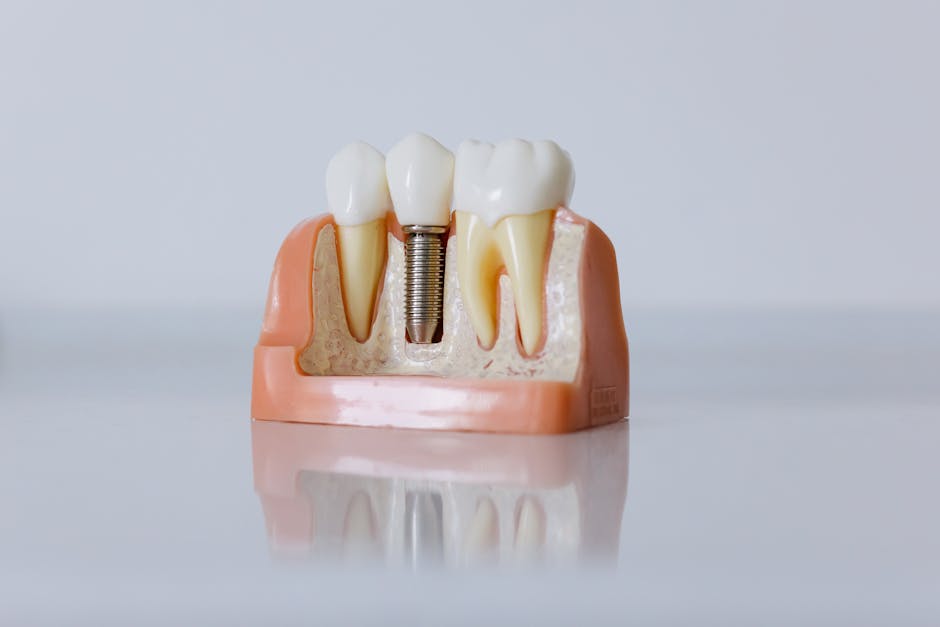
Conservative restorative dentistry also means recognizing when preservation attempts may lead to repeated failure. Teeth with vertical root fractures, non-restorable subgingival caries, or severe periodontal compromise may require extraction and replacement. In these situations, clinicians may transition from tooth-saving to tissue-preserving strategies—such as socket preservation, staged implant placement, and prosthetically guided planning.
Dentists who want to build confidence in surgical and prosthetic fundamentals often benefit from structured training that moves from diagnosis to first cases. A practical starting point is a beginner’s guide to implant surgery for dentists: from planning to first cases, which outlines key steps and clinical considerations relevant to predictable outcomes.
For patients with extensive structural loss across many teeth—or advanced tooth loss—full-arch concepts may become part of the discussion. Understanding the restorative-driven workflow is essential; the clinical overview in how All-on-4 works for full-arch tooth loss: a clinical workflow guide highlights how diagnosis, implant positioning, and provisionalization interact, and why prosthodontic planning should lead the process.
Clinical workflow pearls: making conservative predictable
Isolation and bonding discipline
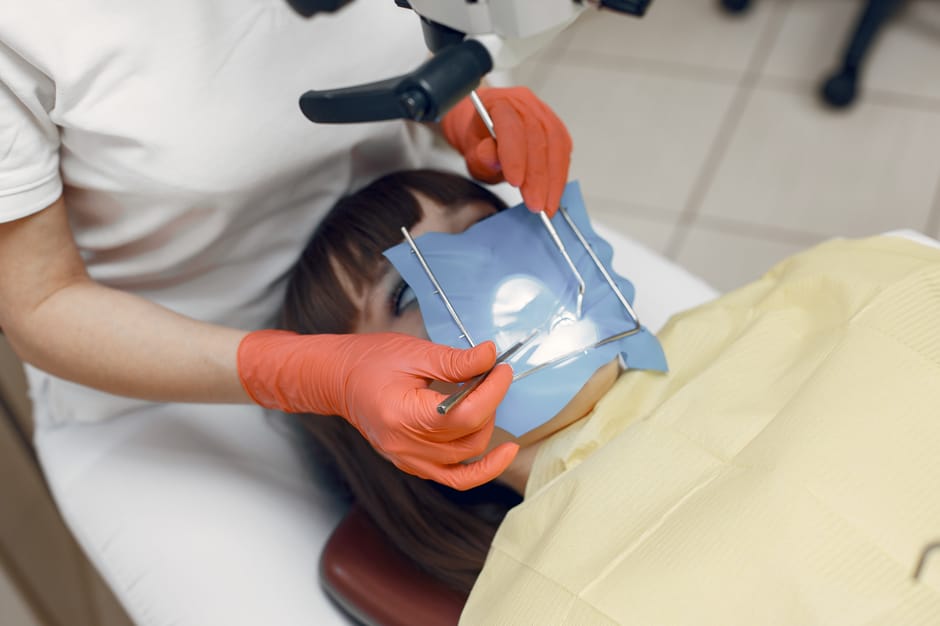
Rubber dam (when feasible), meticulous moisture control, and material-specific bonding steps can significantly influence longevity—especially in large adhesive restorations where margin integrity is critical.
Build the case on provisionals and mock-ups
For complex cases, provisional restorations and aesthetic mock-ups help validate function, occlusion, and patient acceptance before finalizing ceramics. This “test drive” approach is widely taught in advanced restorative and prosthodontic curricula.
Use photography to improve decisions
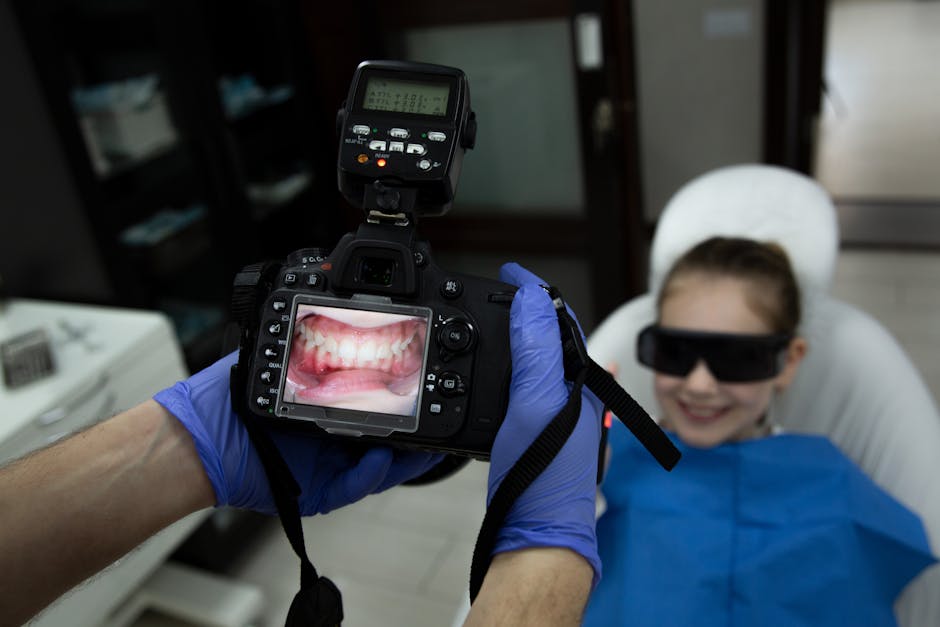
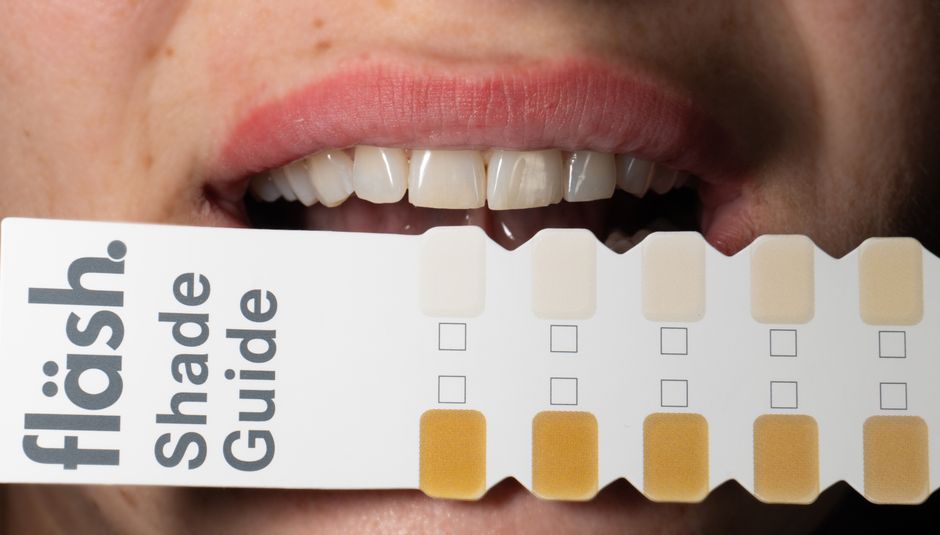
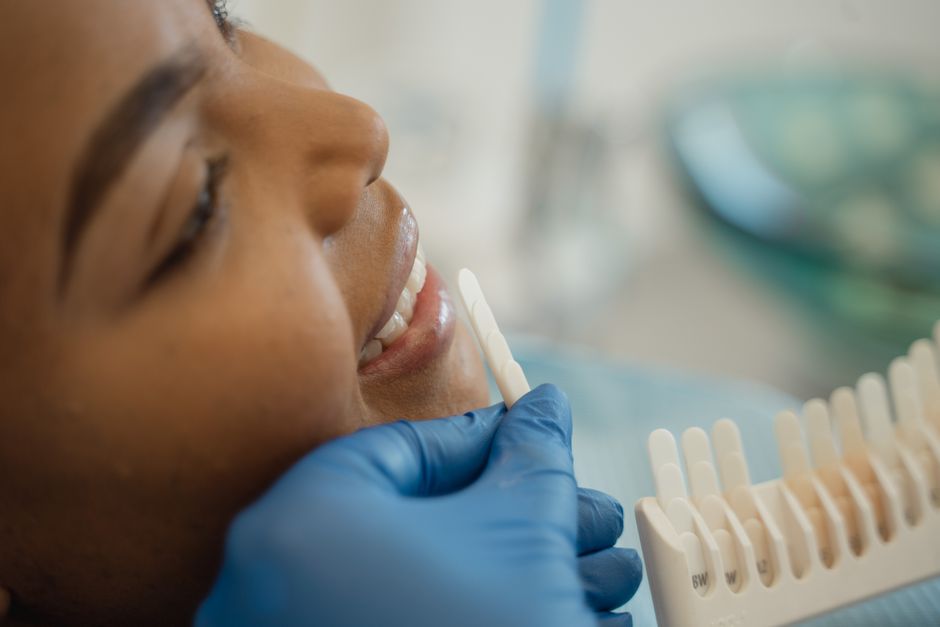
Standardized dental photography supports shade communication, helps evaluate wear and asymmetry, and strengthens patient education. It also creates clearer documentation for interdisciplinary collaboration (periodontology, endodontics, orthodontics, oral surgery).
Plan margins for health and maintainability
Whenever clinically appropriate, keep margins supragingival and cleansable. Periodontal stability is not just a soft-tissue concern—it is a restorative success factor.
How Istanbul Dental Academy approaches education in large-defect restorative cases
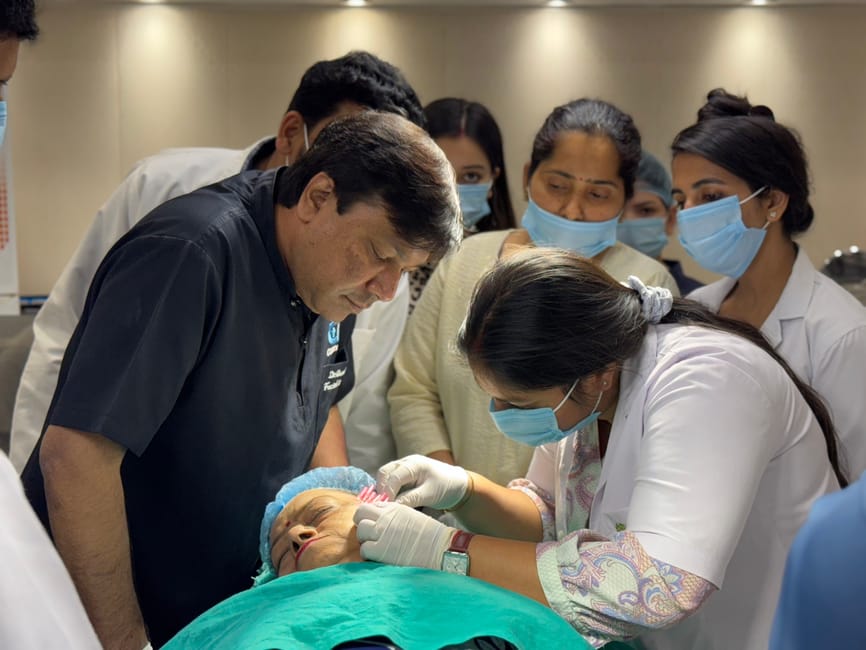
Managing big tissue loss is rarely a single-technique problem; it is a diagnosis-and-workflow problem. At Istanbul Dental Academy, our continuing dental education focus emphasizes practical, hands-on learning: case selection, digital planning, adhesive protocols, preparation design, and restorative delivery steps that translate directly to daily clinical work.
Whether you are improving posterior onlay predictability, integrating digital smile design into anterior rehabilitation, or building a pathway toward implant surgery and full-arch planning, the most important skill is clinical judgment: knowing what to restore, what to protect, and what to refer or stage. This content is for educational purposes and is intended to support professional learning rather than replace individualized diagnosis or treatment planning.
Conclusion
Large tooth structure loss demands a conservative mindset anchored in strong diagnostics, material knowledge, and functional planning. Partial coverage restorations, adhesive protocols, endodontic-restorative coordination, and digital workflows can help clinicians preserve remaining tissues while improving predictability. When restorability is compromised, implant and full-arch pathways become part of comprehensive care—again driven by prosthetic planning and careful execution.
Diğer Yazılar