
BLOG
Managing Necrotizing Ulcerative Gingivitis (NUG): Clinical Steps and Prevention
Necrotizing Ulcerative Gingivitis (NUG): Why It Still Matters in Daily Practice
Necrotizing ulcerative gingivitis (NUG) is an acute, painful periodontal condition characterized by gingival necrosis, ulceration, and a distinctive “punched-out” appearance of interdental papillae. Although less common than chronic gingivitis and periodontitis, NUG remains clinically important because it can escalate quickly, significantly reduce a patient’s quality of life, and complicate other dental procedures if not stabilized.
For dental professionals in busy urban settings like Istanbul—where stress, smoking, irregular sleep, and inconsistent oral hygiene can coexist—NUG can present unexpectedly, sometimes in patients who have postponed routine dental visits. This article is for educational purposes and aims to summarize a structured, clinic-friendly approach to recognition, management, and prevention, while connecting NUG care to broader restorative, prosthodontic, and digital dentistry workflows taught at Istanbul Dental Academy.
Clinical Presentation: Key Signs, Symptoms, and Red Flags
Classic findings
NUG often presents with:
• Interdental papilla necrosis (punched-out craters)
• Spontaneous bleeding or bleeding on gentle probing
• Severe gingival pain that may make brushing intolerable
• Gray pseudomembrane over necrotic tissue
• Fetor oris (strong malodor) and metallic taste
Systemic and regional features
Some patients may report malaise, lymphadenopathy, or fever—particularly if the condition is extensive or accompanied by systemic compromise. Clinically, the inflammation may appear disproportionate to the visible plaque level, which can help differentiate NUG from more routine plaque-induced gingivitis.
Red flags that require careful triage
From an educational standpoint, clinicians should be cautious when symptoms suggest progression beyond localized gingival involvement (e.g., suspected necrotizing periodontitis, spreading facial swelling, trismus, or systemic illness). In such situations, urgent assessment and appropriate referral pathways are essential.
Etiology and Risk Factors: What to Ask During History Taking
NUG is classically associated with a combination of microbial dysbiosis and host susceptibility. A targeted history helps identify modifiable risk factors and prevents recurrence. Common associations include:
• Tobacco use (including heavy smoking and nicotine products)
• Psychological stress and sleep deprivation
• Poor oral hygiene and previous periodontal disease
• Immunosuppression (e.g., uncontrolled systemic disease or immunocompromised states)
• Nutritional deficiencies and dehydration
In clinical education, we emphasize that risk-factor identification is not “extra”—it is part of the treatment. Without it, the patient may experience recurrence, and any elective work (esthetic veneers, prosthodontics, or implant planning) can be compromised by unstable periodontal conditions.
Diagnosis: Practical Chairside Approach
NUG is typically a clinical diagnosis. The primary goals of the exam are to confirm the characteristic lesions, gauge severity, and exclude other causes of ulcerative gingival disease.
Suggested diagnostic checklist
1) Pain and bleeding: severity, triggers, and duration
2) Distribution: localized vs generalized; papillae involved
3) Necrosis and pseudomembrane: extent and tissue fragility
4) Periodontal status: pocketing, attachment loss (to assess if periodontitis is present)
5) Systemic context: recent illness, stress, medications, smoking
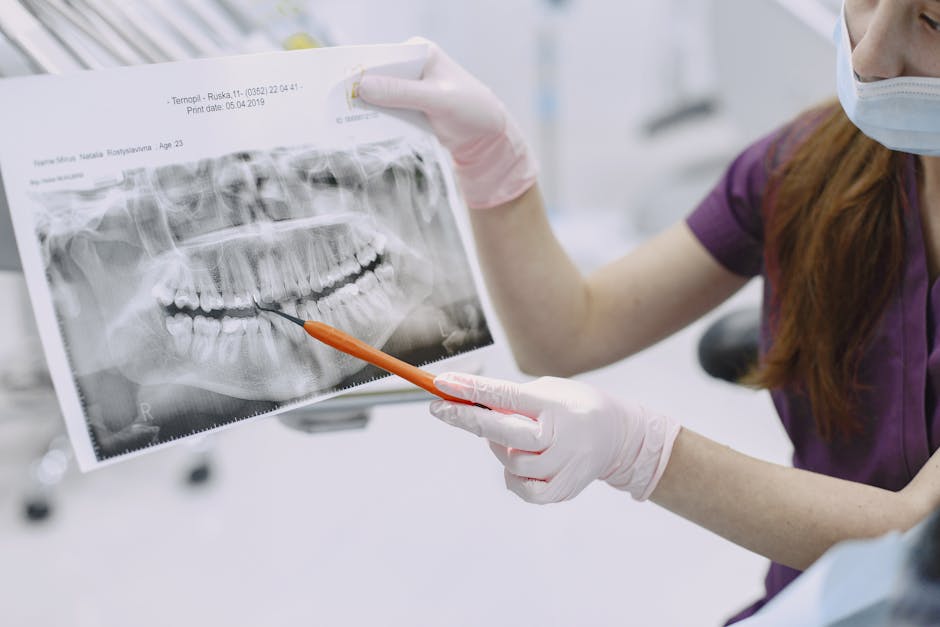
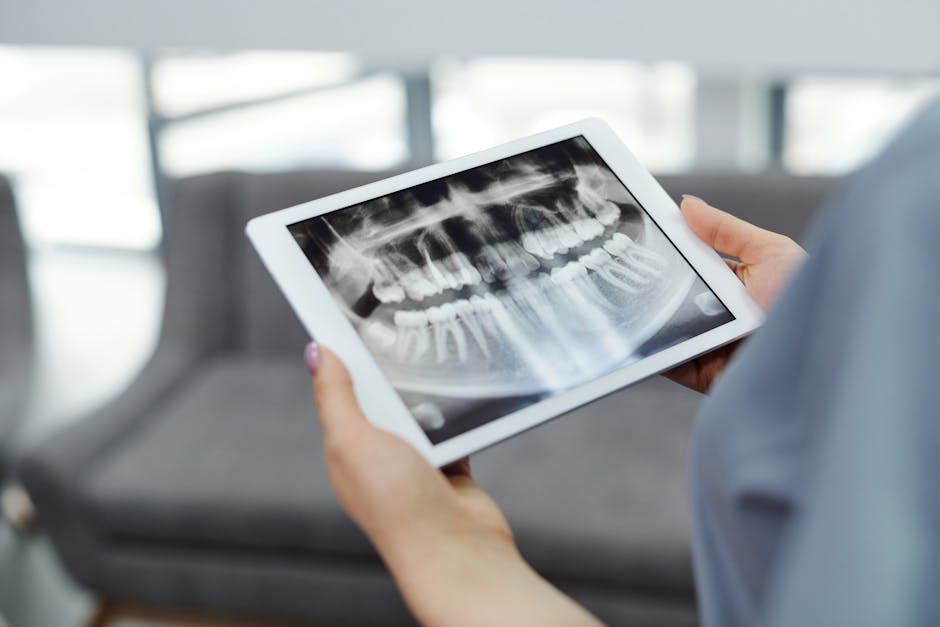
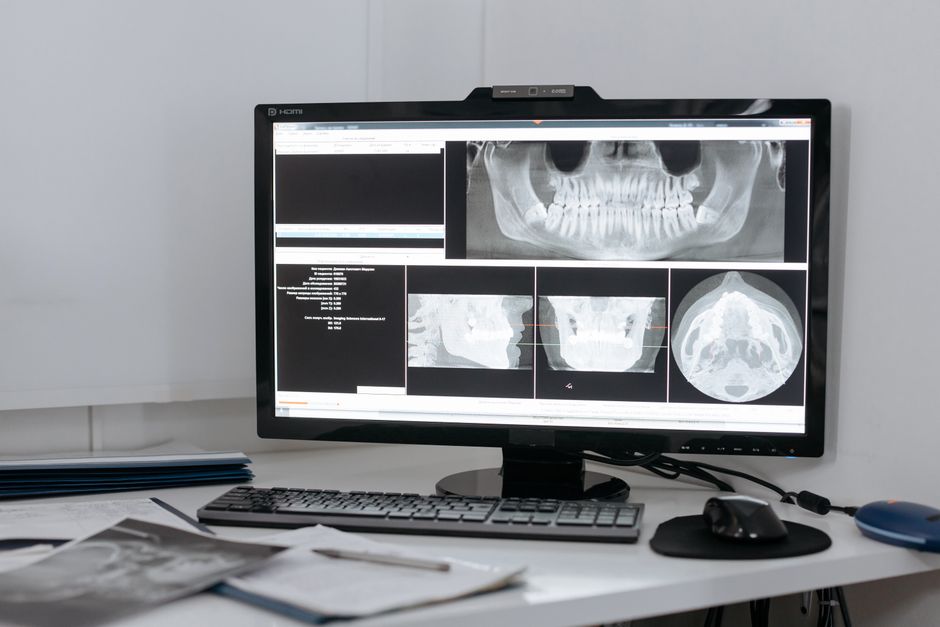
Radiographs are not mandatory for every case at the first acute visit, but they can be helpful if there is suspicion of underlying periodontitis, necrotizing periodontitis, or other pathology that may affect the overall care plan.
Initial Management: Step-by-Step Acute Care (Educational Workflow)
The immediate priorities are pain control, reduction of microbial load, and safe debridement—while keeping the patient comfortable enough to resume oral hygiene.
1) Patient communication and consent
NUG can look alarming. Explain the condition in reassuring, non-judgmental terms and outline that treatment typically occurs in phases. Set expectations: symptoms often improve rapidly with appropriate care, but follow-up is essential.
2) Gentle debridement and biofilm disruption
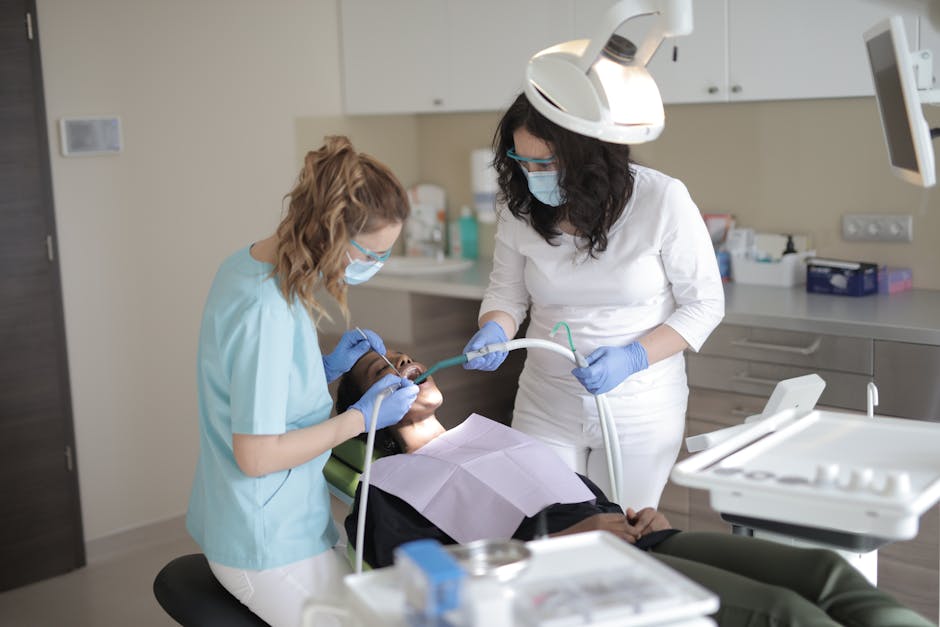
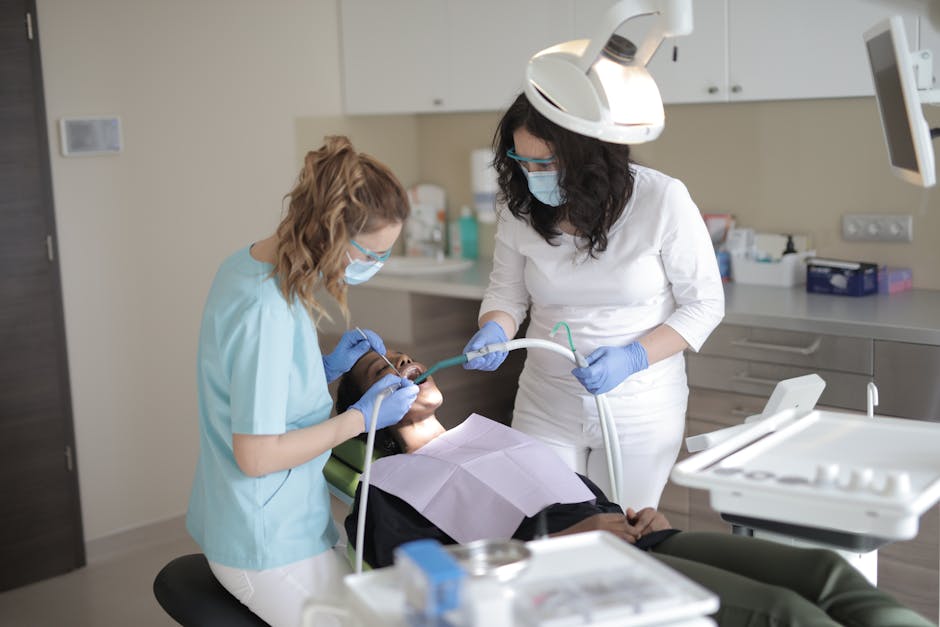
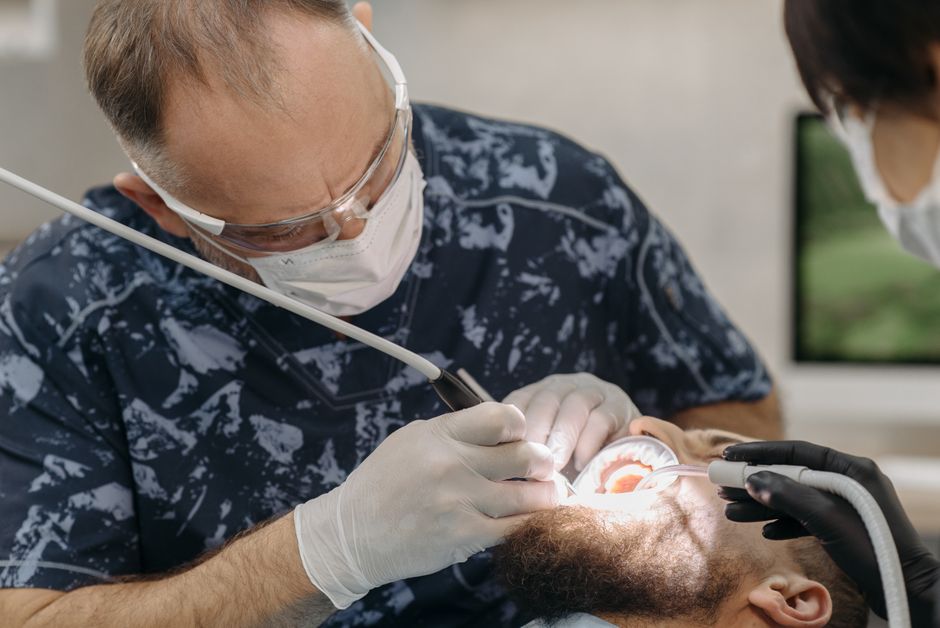
In the acute phase, clinicians often aim for careful removal of superficial necrotic tissue and plaque-retentive deposits. The approach should be patient-centered—pain may limit instrumentation at the first visit. Ultrasonic and hand instrumentation choices depend on tolerance and clinical findings.
For dental professionals, this is a valuable teaching moment: the objective is not “perfect scaling in one appointment,” but safe stabilization and enabling effective home care.
3) Antimicrobial support and home-care guidance
Adjunctive antimicrobial rinses may be recommended as part of an educational protocol, alongside meticulous but gentle plaque control. Because this content is for educational purposes, specific prescriptions and individualized regimens should be determined by a licensed clinician based on the patient’s medical history and local clinical guidelines.
4) Pain management and functional support
Patients may avoid eating and brushing due to pain, worsening dehydration and plaque accumulation. Provide practical advice on soft diet, hydration, and modified oral hygiene techniques that reduce trauma to ulcerated tissues.
5) Re-evaluation and staged periodontal therapy
A short-interval follow-up is typically advised to reassess tissue response, repeat debridement if needed, and begin more definitive periodontal care once acute pain decreases. This staged approach mirrors how we teach periodontal decision-making in continuing dental education: stabilize first, then treat comprehensively.
Prevention and Long-Term Stability: Beyond “Treating the Lesion”
NUG management does not end when pain subsides. Recurrence prevention requires a personalized maintenance plan that addresses risk factors and biofilm control.
Behavioral and lifestyle factors
Smoking cessation support, stress management, improved sleep, and nutritional counseling can all influence periodontal health. Even brief chairside counseling—documented and revisited—can improve outcomes.
Periodontal maintenance and monitoring
After acute resolution, periodontal charting and professional prophylaxis/periodontal therapy are often needed to reduce future risk. Patients with a history of NUG may benefit from closer maintenance intervals, especially if risk factors persist.
How NUG Can Affect Restorative, Esthetic, and Implant Workflows
From an interdisciplinary perspective, active gingival inflammation and necrosis can derail restorative margins, compromise impressions or scans, and reduce predictability of esthetic outcomes. Before elective procedures, periodontal stability is a foundational requirement.
Smile design and veneers: periodontal health first
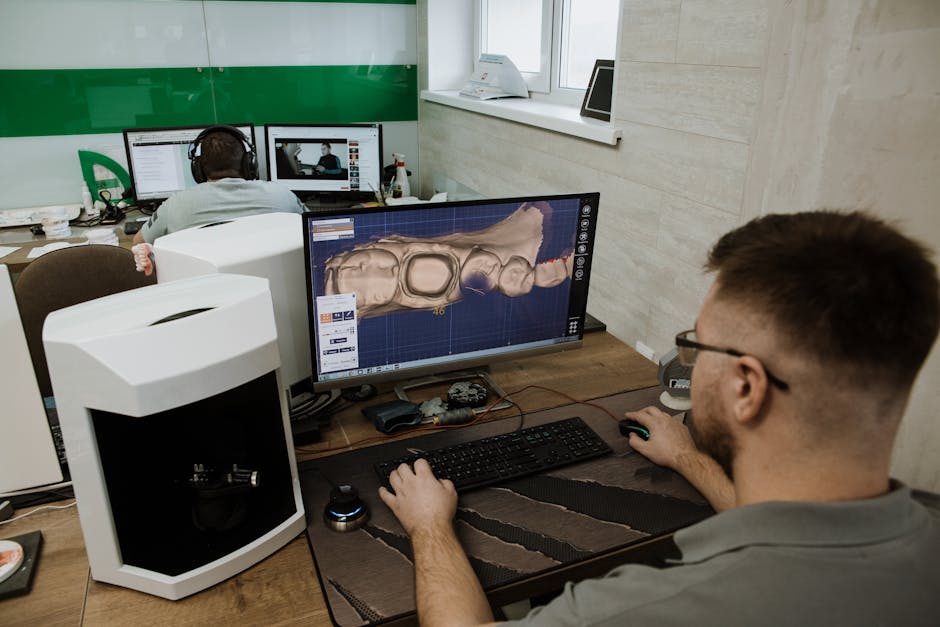
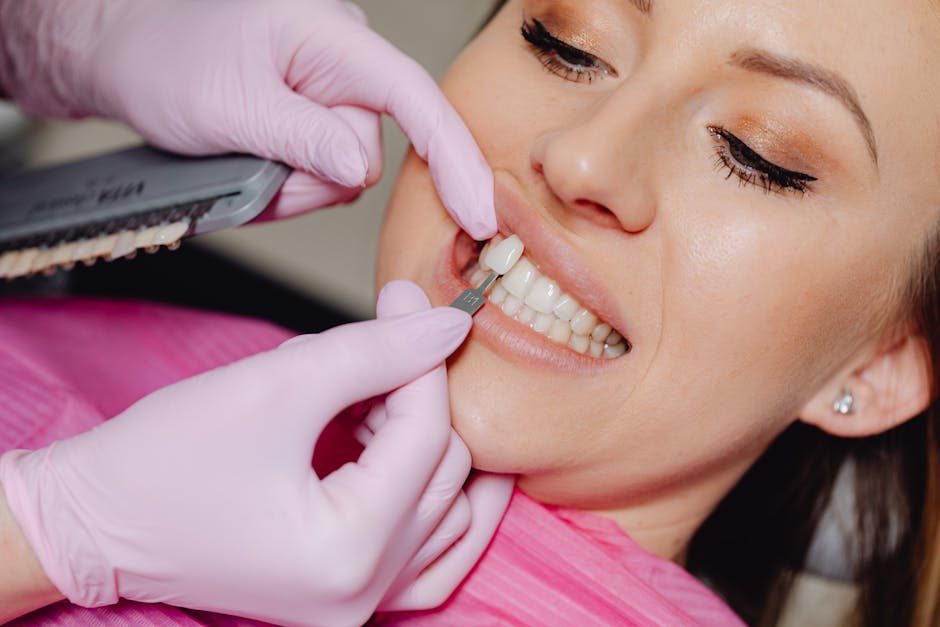
Patients frequently seek esthetic treatment soon after resolving a painful episode, especially if they feel their smile has been affected. However, veneer planning should only proceed when gingival tissues are stable and margins can be evaluated accurately. In modern clinics, digital protocols can support predictable planning and communication; for an example of how digital tools shape esthetic workflows, see Digital Dentistry for Laminate Veneer Planning: A Modern Smile Design Workflow.
When restorative timing is appropriate, adhesive steps must also respect gingival health and isolation. Cementation is technique-sensitive, and inflamed tissue increases contamination risk; clinicians can review practical considerations in Porselen Lamina Simantasyonunda Kritik Noktalar. Similarly, understanding avoidable errors—case selection, margin placement, isolation, and occlusal factors—helps protect outcomes, as discussed in Common Mistakes in Porcelain Laminate Veneers—and How to Avoid Them.
Implant dentistry and full-arch planning: stabilize soft tissues
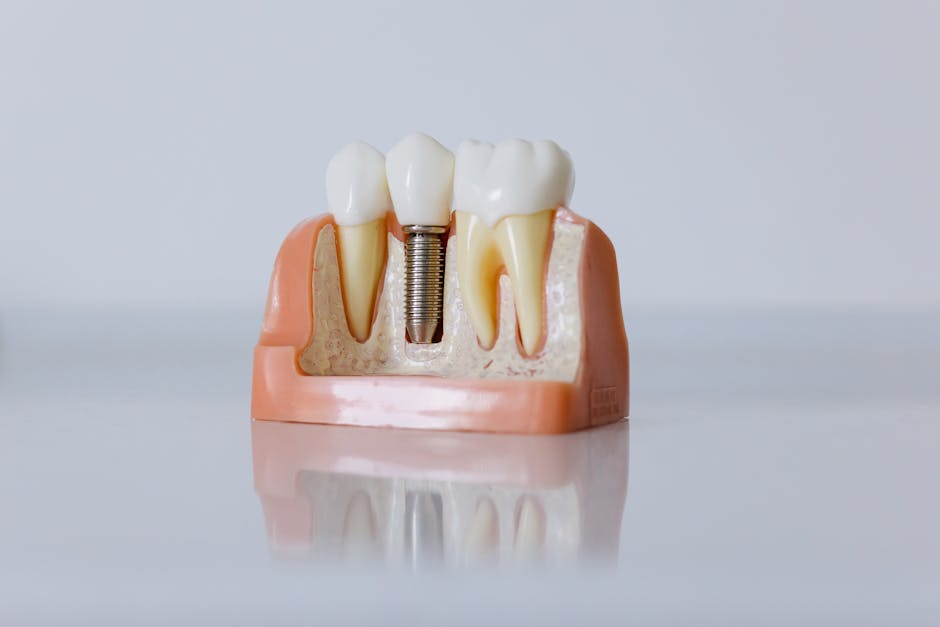
While NUG primarily affects gingival tissues, it often signals broader challenges: hygiene limitations, smoking, and inconsistent maintenance—factors that also influence implant success. In full-arch rehabilitation planning, periodontal and mucosal health assessment is integral to risk management and patient education. For clinicians mapping the overall sequence of care in edentulous cases, How All-on-4 Works for Full-Arch Tooth Loss: A Clinical Workflow Guide provides a structured overview of clinical steps.
When moving into prosthodontic phases, precision and passivity in implant-supported frameworks are essential to reduce biomechanical complications. For advanced clinical and laboratory considerations, review Achieving Passive Fit in Implant-Supported Prostheses: Clinical & Lab Strategies. Although this topic extends beyond NUG itself, it reflects a key educational message: stable biology supports precise engineering.
Clinical Tips for Dental Students and Early-Career Dentists
Prioritize comfort and trust in the first visit
NUG patients may present in significant distress. A calm explanation, gentle technique, and short staged appointments can improve cooperation and allow better outcomes.
Document baseline findings clearly
Record the distribution of papillary necrosis, bleeding, pain level, and any systemic symptoms. Good documentation supports follow-up decisions and patient education.
Use photography and re-evaluation as teaching tools
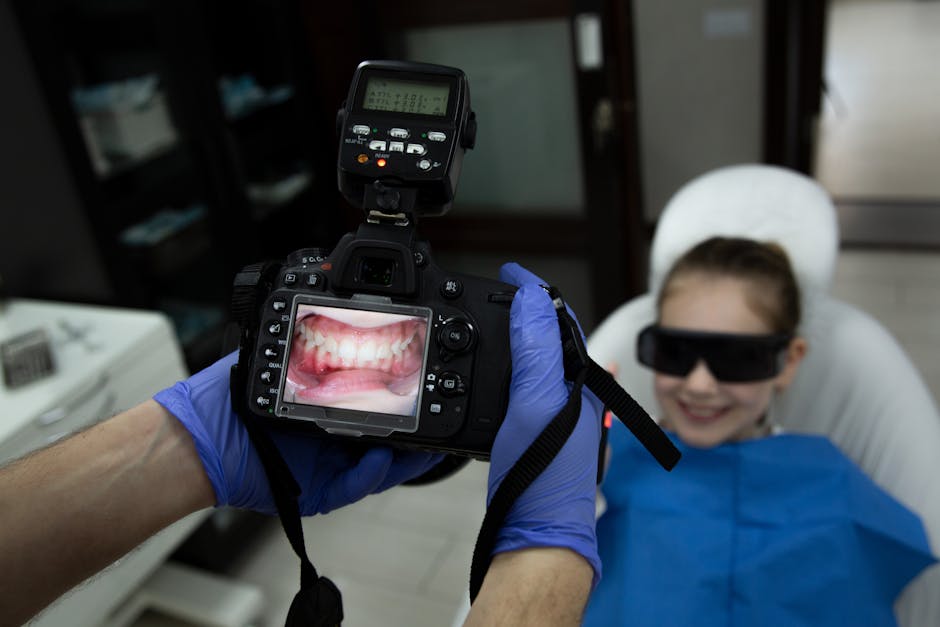
Standardized intraoral photographs (taken with proper consent) can help monitor healing and motivate patient adherence. They also serve as valuable learning material when reviewed in a structured educational setting.
Hands-On Learning at Istanbul Dental Academy: Periodontal Stability as a Core Skill
At Istanbul Dental Academy, we emphasize that high-quality dentistry—whether esthetic veneers, digital smile design, implant prosthodontics, or full-arch rehabilitation—starts with stable soft tissues and a disciplined clinical workflow. Understanding acute periodontal conditions like NUG helps clinicians make safer timing decisions, improve patient communication, and integrate periodontal principles into restorative planning.
This content is for educational purposes and is not a substitute for individualized diagnosis or treatment planning. If you are a dental professional looking to strengthen your clinical routines—from periodontal assessment and debridement strategies to interdisciplinary planning and hands-on restorative/implant workflows—structured continuing dental education can help translate theory into predictable chairside practice.
Key Takeaways
• NUG is an acute, painful gingival condition with papillary necrosis, bleeding, and malodor.
• Management is typically staged: gentle debridement, antimicrobial support, symptom control, and close follow-up.
• Risk-factor control is essential (smoking, stress, hygiene limitations, systemic status).
• Periodontal stability protects esthetic and implant outcomes and should precede elective dentistry.
• Continuing education strengthens workflow thinking across periodontology, restorative dentistry, and prosthodontics.
Diğer Yazılar