
BLOG
How All-on-4 Works for Full-Arch Tooth Loss: A Clinical Workflow Guide
All-on-4 in Complete Edentulism: What It Is—and Why the Workflow Matters
Complete tooth loss (edentulism) remains one of the most challenging conditions in restorative dentistry because it affects function, phonetics, facial support, and quality of life. The All-on-4 concept is widely used in implant dentistry as a full-arch rehabilitation approach that aims to provide a fixed solution on four implants per arch—often with distal implants angled to maximize anterior bone and reduce the need for grafting in selected cases.
For clinicians and dental students, the key lesson is that All-on-4 success is rarely about a single step. It is the result of an integrated workflow that combines diagnosis, risk assessment, digital planning, surgical execution, provisionalization, and long-term maintenance. At Istanbul Dental Academy, full-arch rehabilitation is approached as a multidisciplinary learning pathway—linking oral surgery, prosthodontics, digital dentistry, and peri-implant tissue management through hands-on education.
This content is for educational purposes and does not replace individualized clinical decision-making or patient-specific treatment planning.
Indications, Patient Selection, and Risk Profiling
Common indications
All-on-4 is typically considered for patients with complete edentulism or terminal dentition where extraction and full-arch rehabilitation is being evaluated. It may be used in maxilla and/or mandible, with restorative goals centered on fixed function and stable occlusion.
Clinical factors that influence feasibility
Patient selection is closely tied to biology, mechanics, and expectations. Clinicians commonly evaluate:
• Bone volume and density (particularly in the anterior region)
• Interarch space and restorative material selection
• Skeletal relationships and prosthetic envelope
• Parafunction and occlusal risk factors
• Oral hygiene capacity and maintenance compliance
Risk profiling should also include periodontal and peri-implant considerations. Understanding tissue response and inflammatory risk is fundamental—especially for patients with a history of periodontal disease. A useful clinical refresher is What Is Gum Disease? Early Signs, Risk Factors, and Clinical Insights, which can help frame the microbial and host-related factors that may also impact peri-implant health.
Soft tissue stability and recession risk
While full-arch implant prostheses are not “gum disease treatment,” long-term success still depends on healthy peri-implant tissues. Patients prone to mucosal inflammation or recession may require enhanced hygiene strategies, prosthesis design modifications, and careful emergence profile planning. For an evidence-based overview of recession patterns and management principles, see Gum Recession: Causes, Symptoms, and Evidence-Based Management.
Diagnostic Workup: From Records to Restorative Vision
Comprehensive records
All-on-4 planning is prosthetically driven. A robust diagnostic phase often includes:
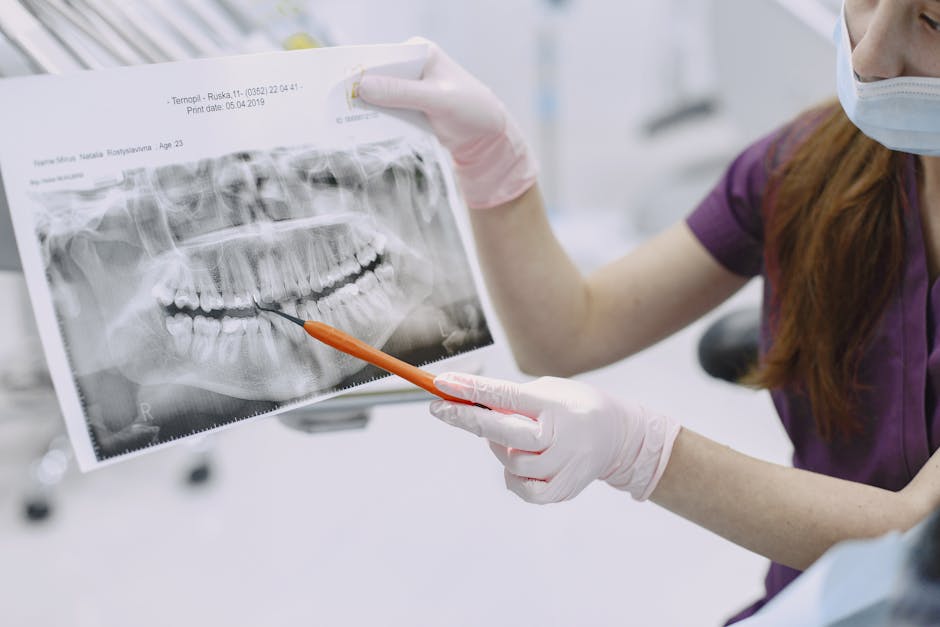
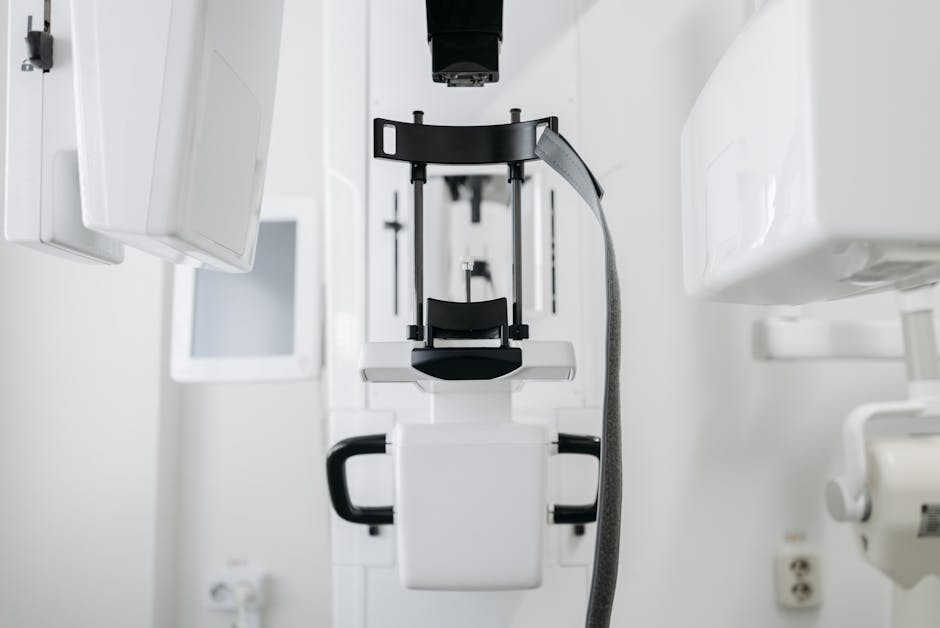
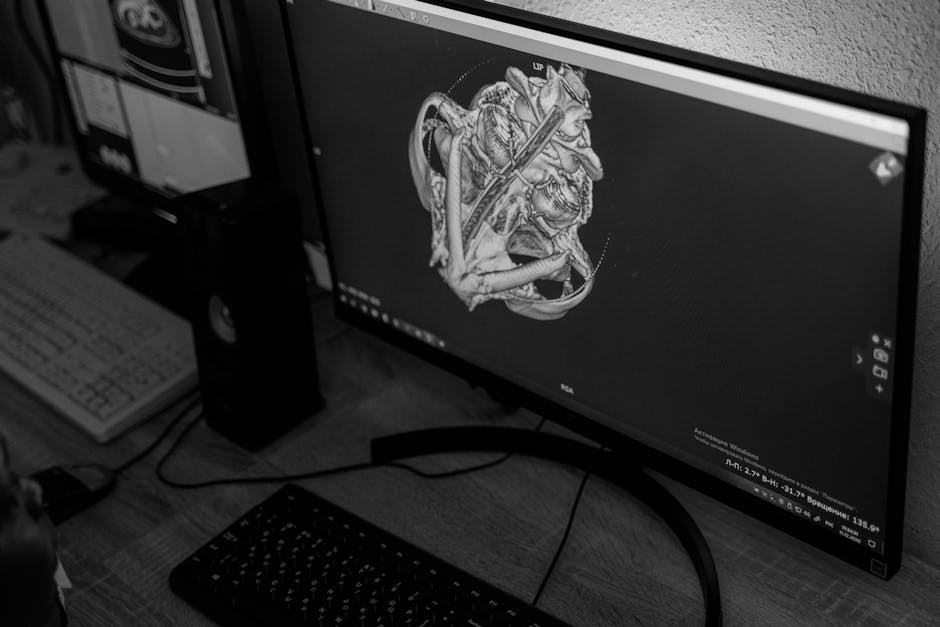
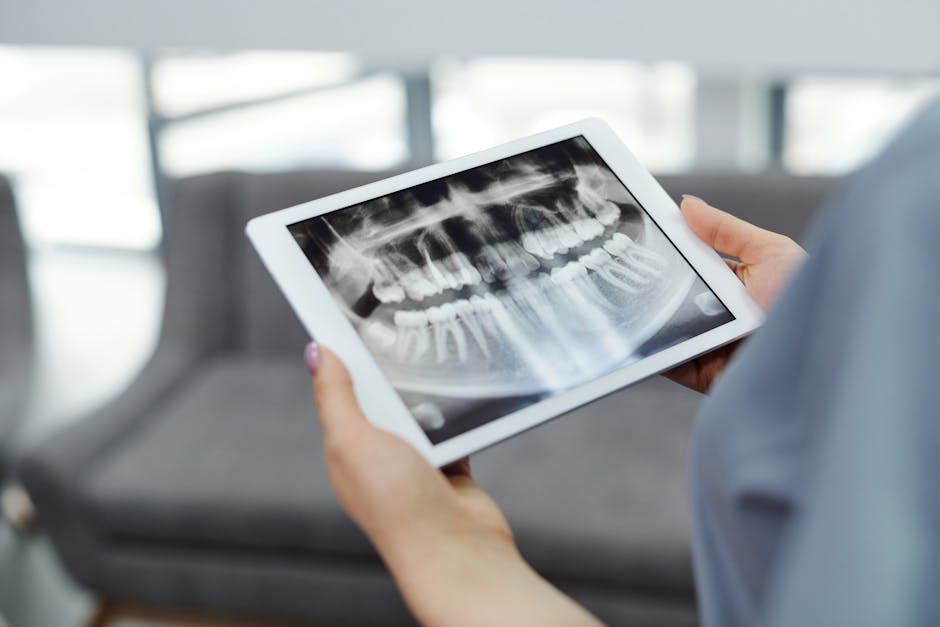
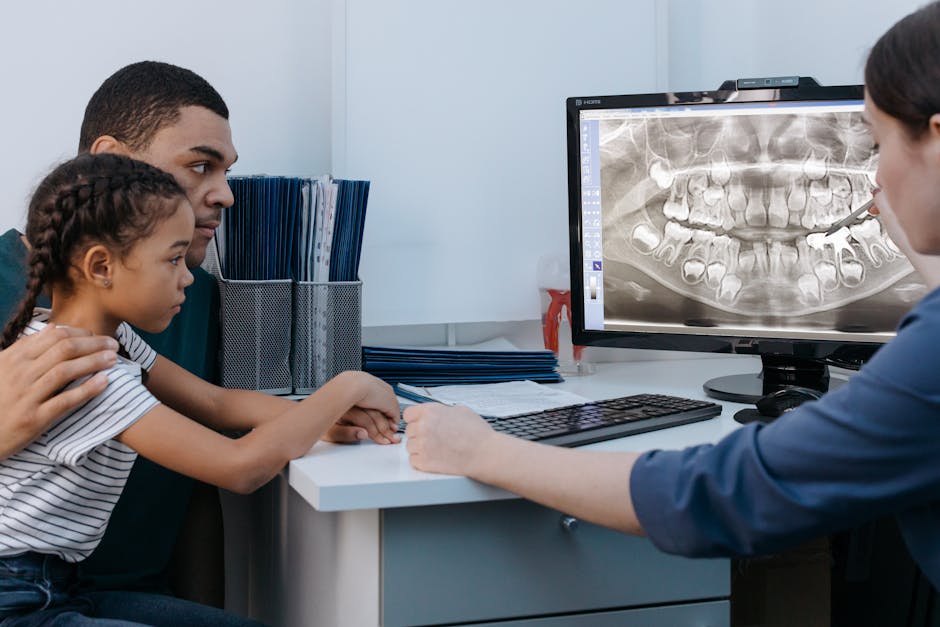
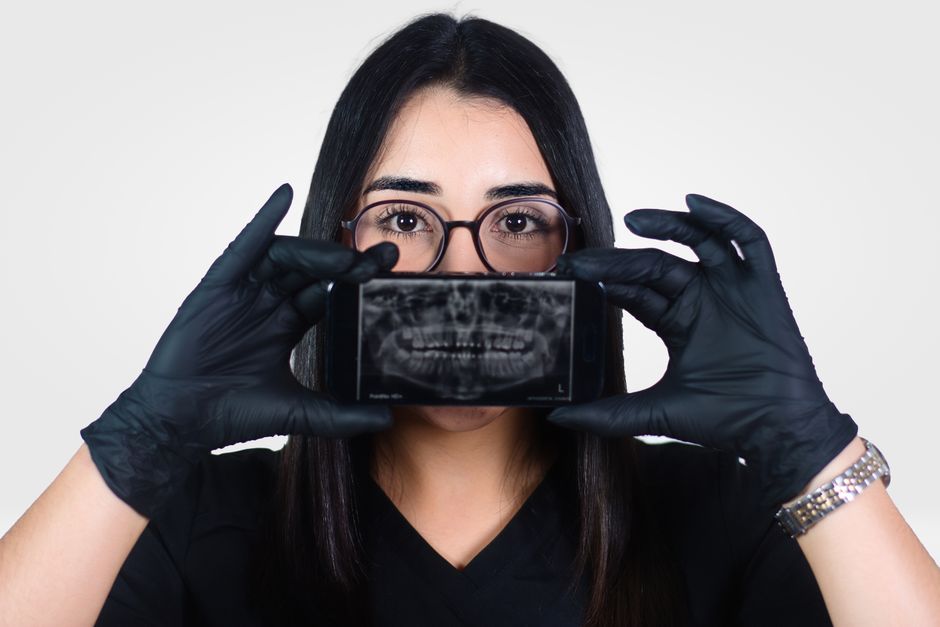
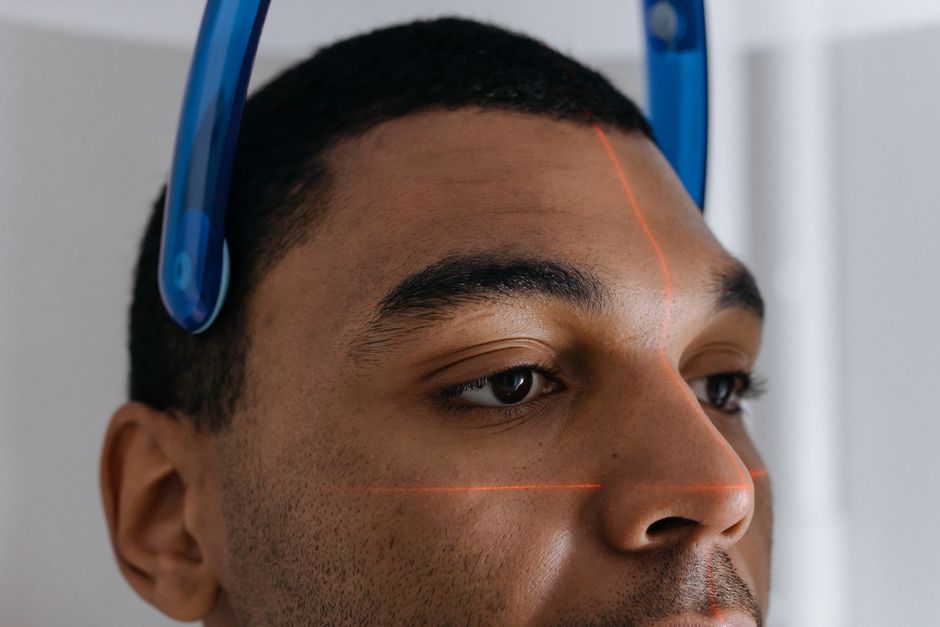
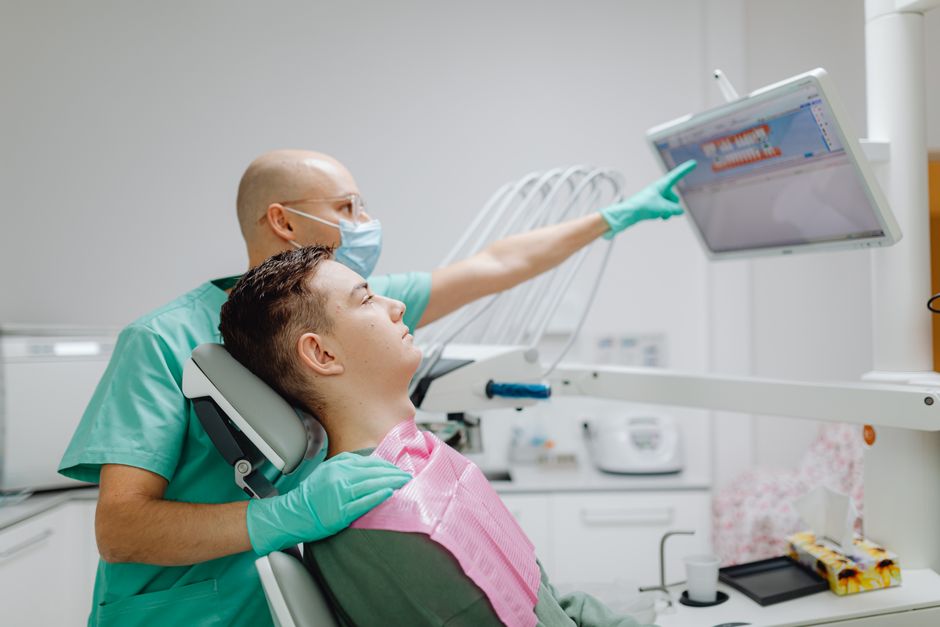
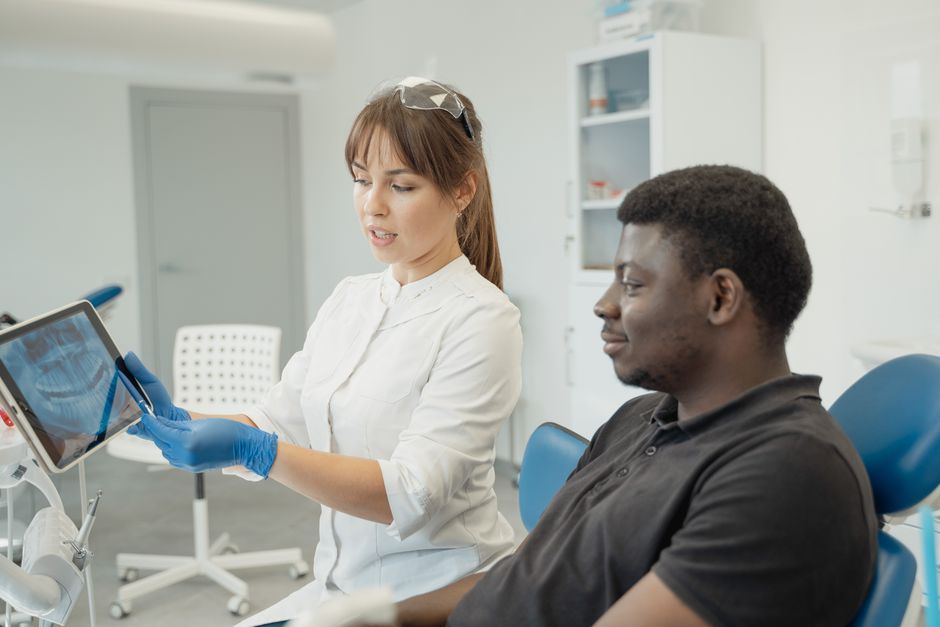
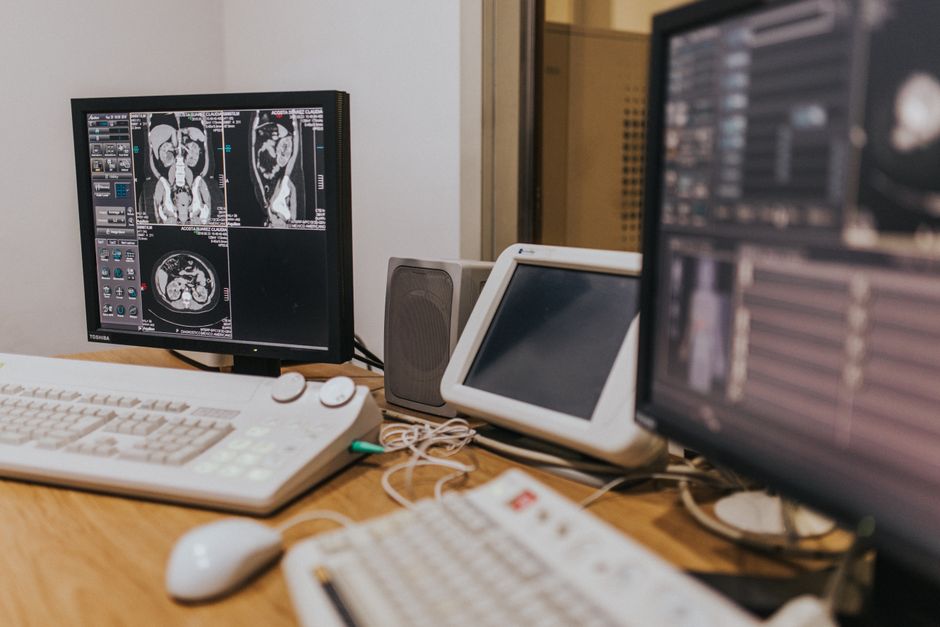
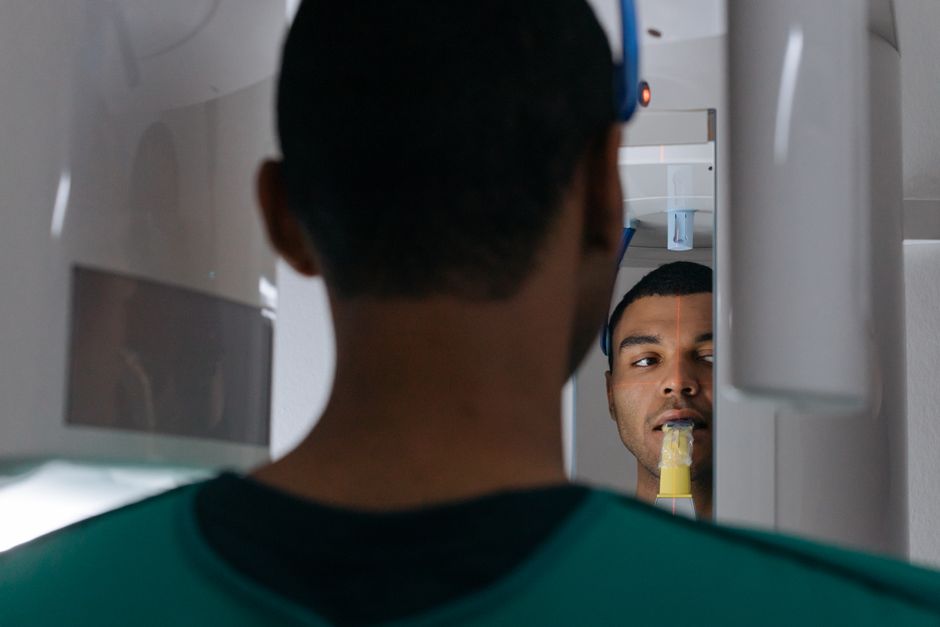
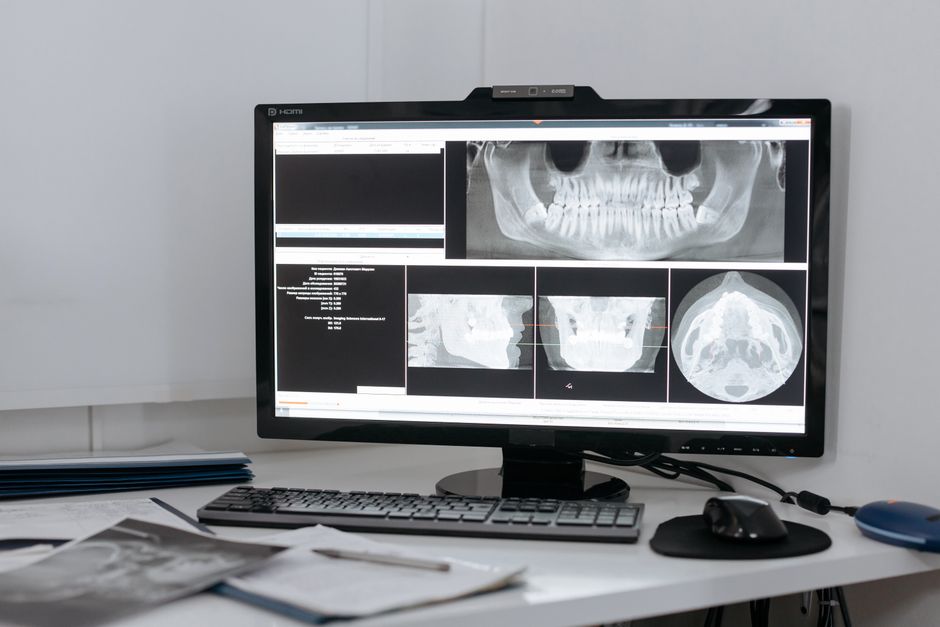
• CBCT imaging for 3D bone anatomy and vital structures
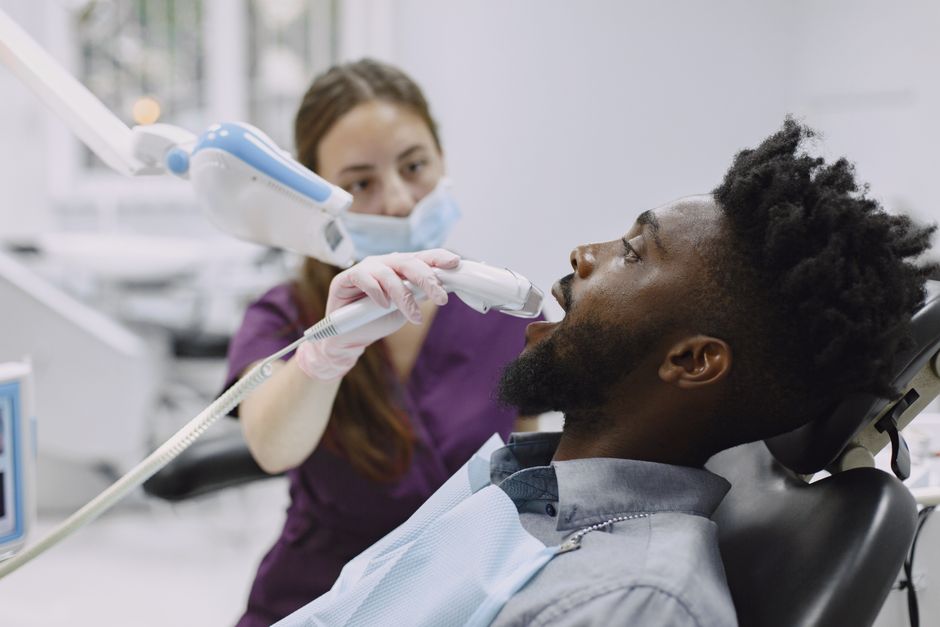
• Intraoral scans or conventional impressions (depending on the case)
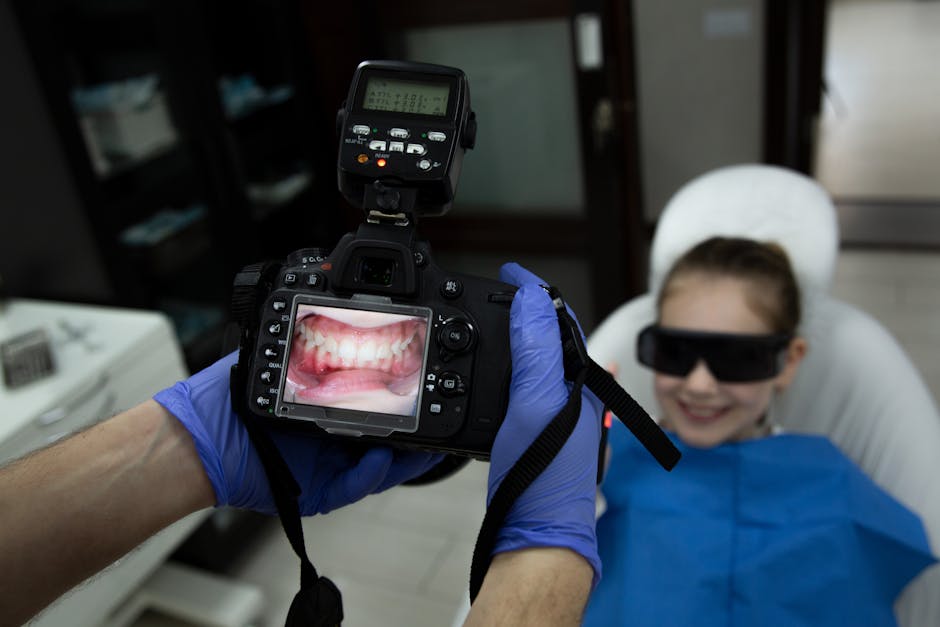
• Extraoral and intraoral photographs for esthetic and functional analysis
• Facebow or digital jaw relation records when indicated
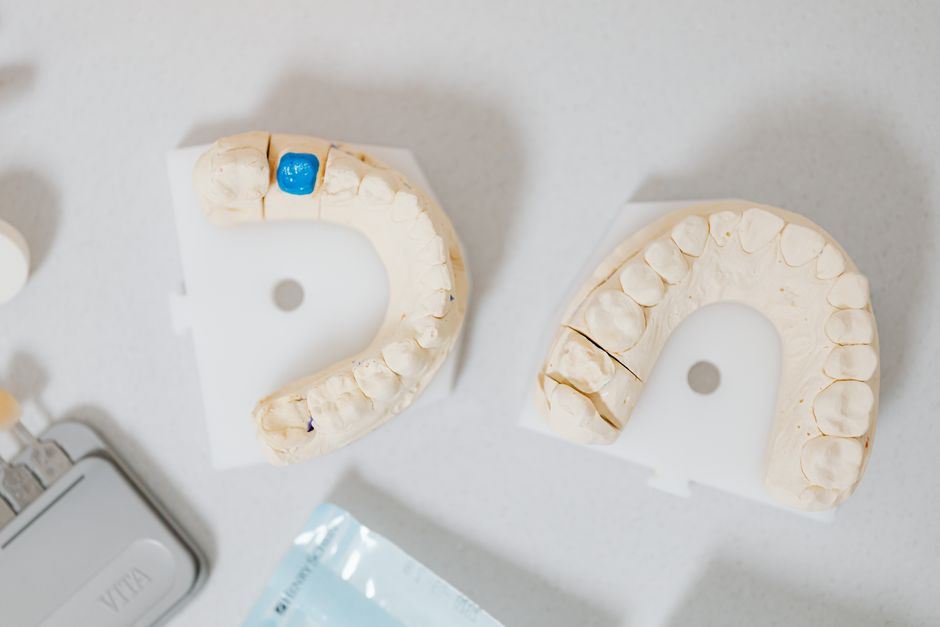
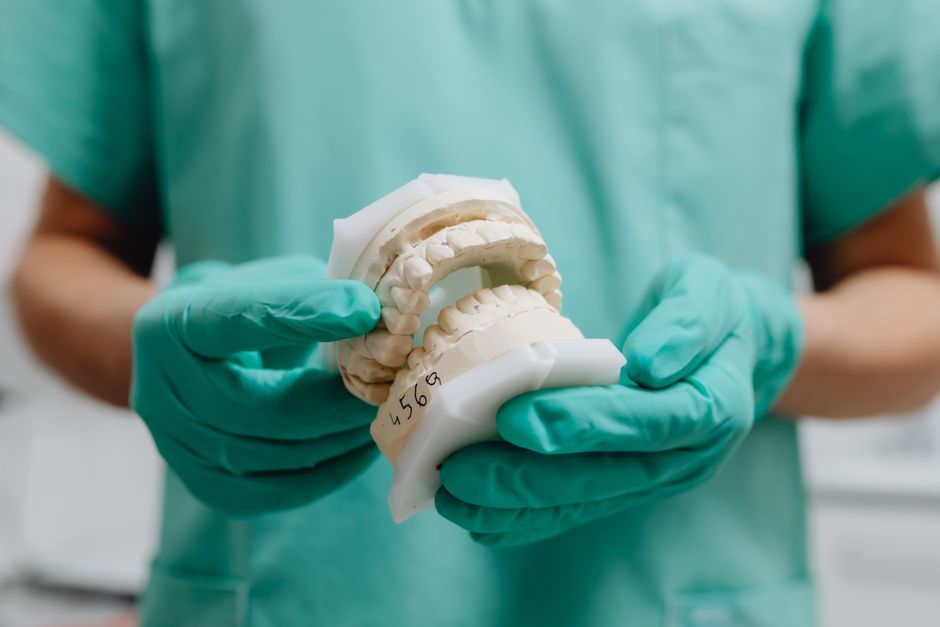
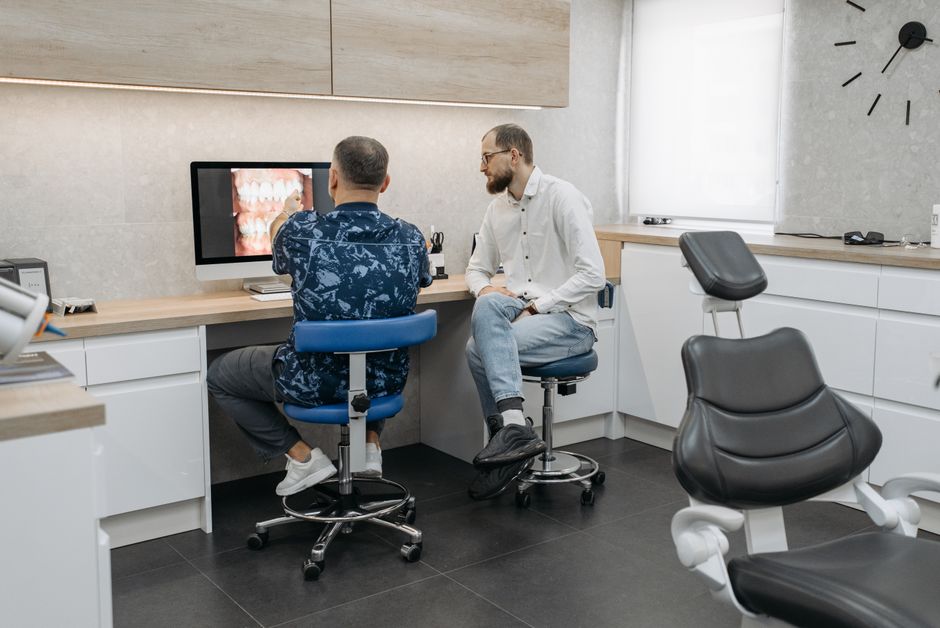
• Diagnostic wax-up / digital smile design to visualize tooth position and occlusal scheme
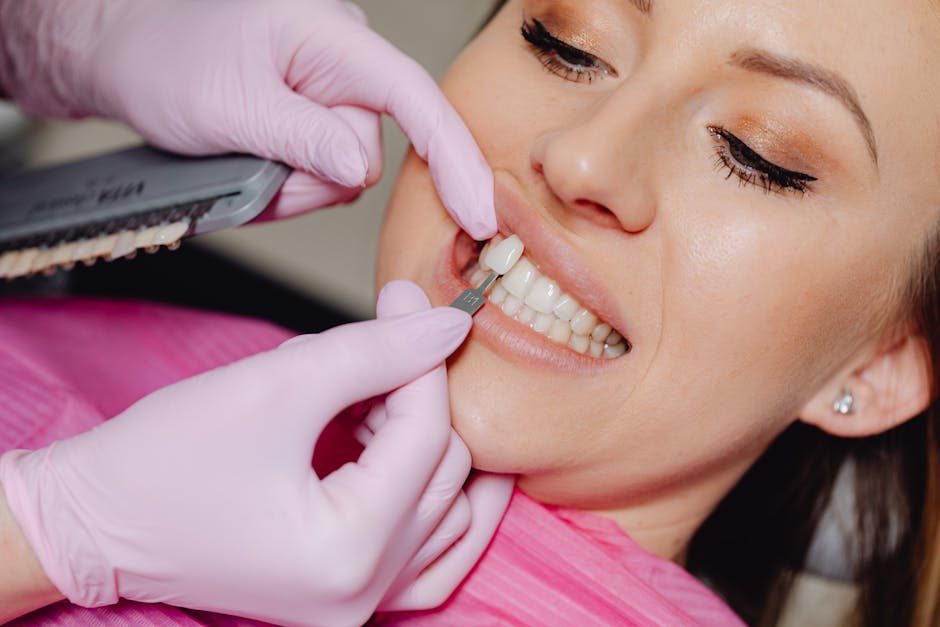
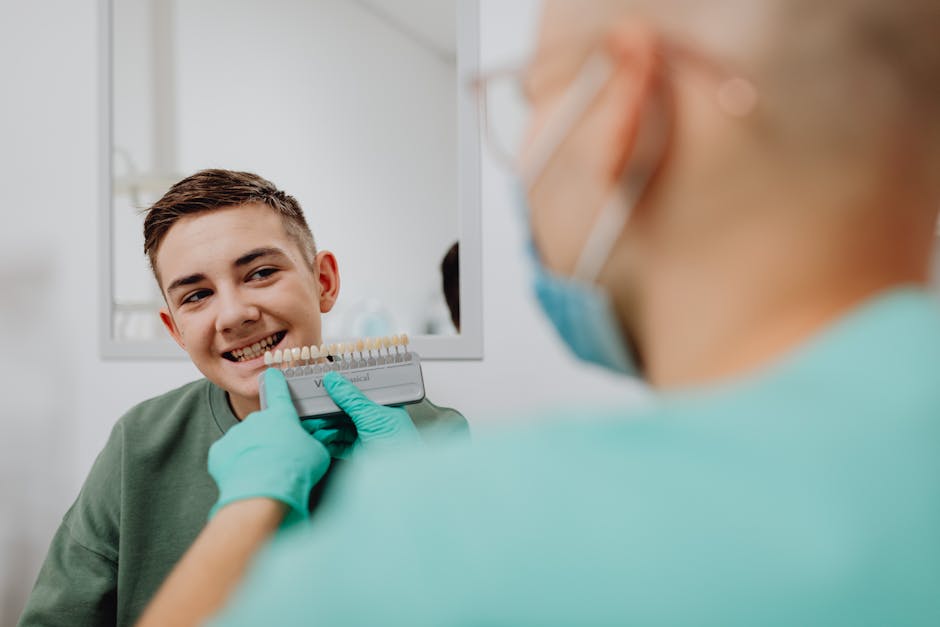
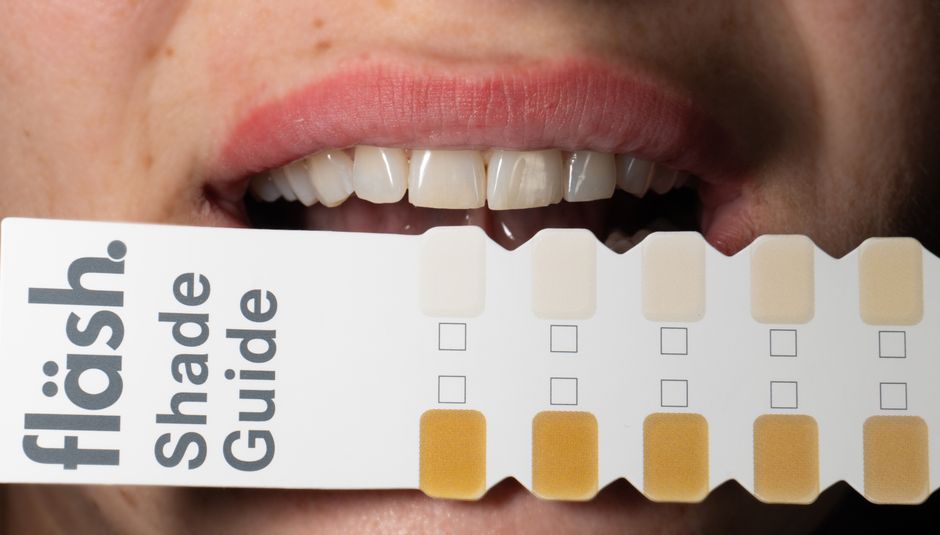
Dental photography is especially valuable for documenting baseline esthetics (lip support, smile line, midline) and communicating with the lab. In educational settings, clinicians often find that learning “how to see” through standardized photos improves treatment planning consistency and patient communication.
Occlusion and vertical dimension
Complete edentulism frequently involves loss of vertical dimension and altered mandibular posture. Whether increasing vertical dimension is appropriate depends on functional evaluation, phonetics, and restorative space. These decisions influence material selection and the thickness of the prosthesis (and therefore fracture risk).
Digital Planning and Surgical Guides: Translating the Plan into Reality
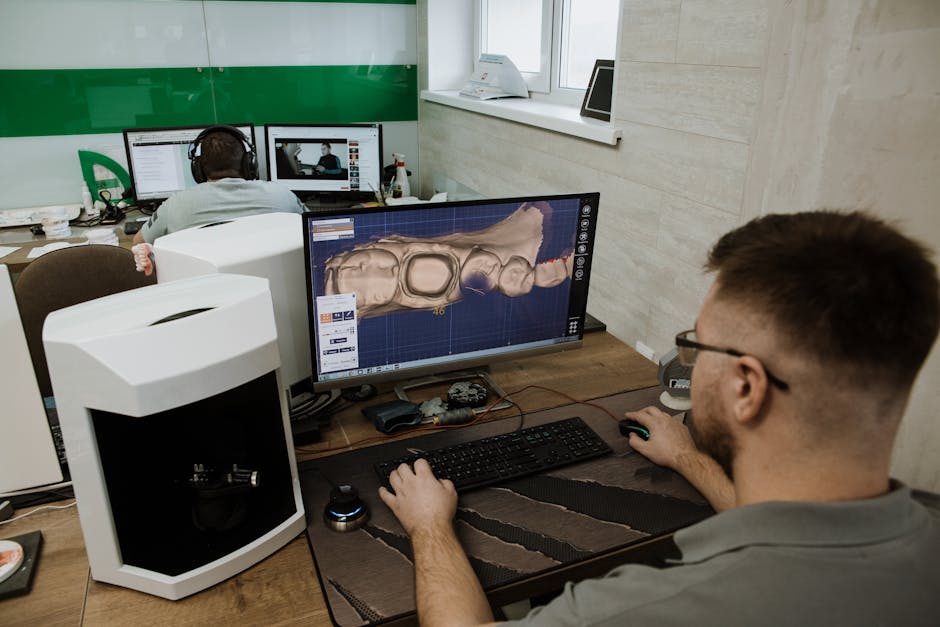
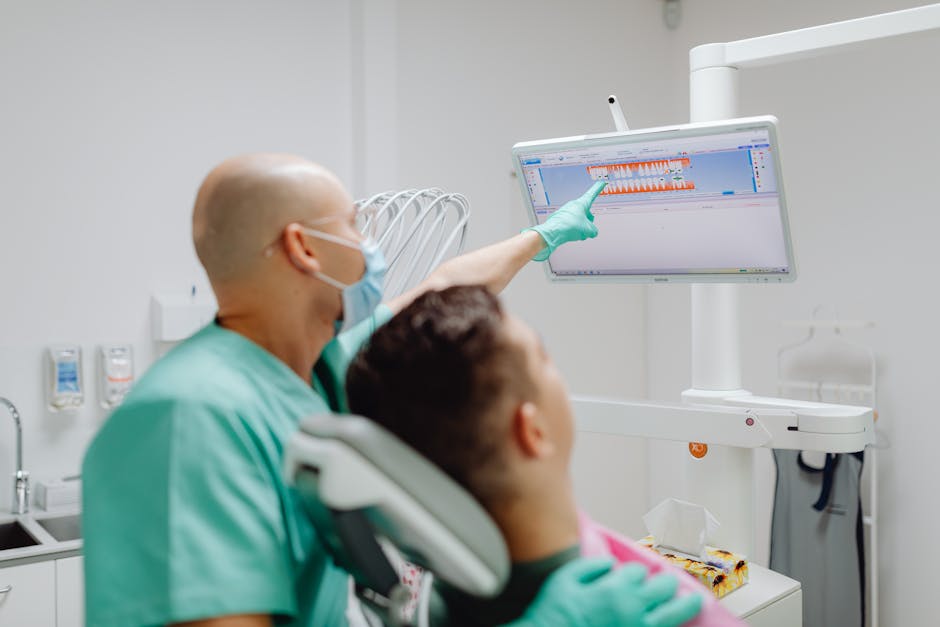
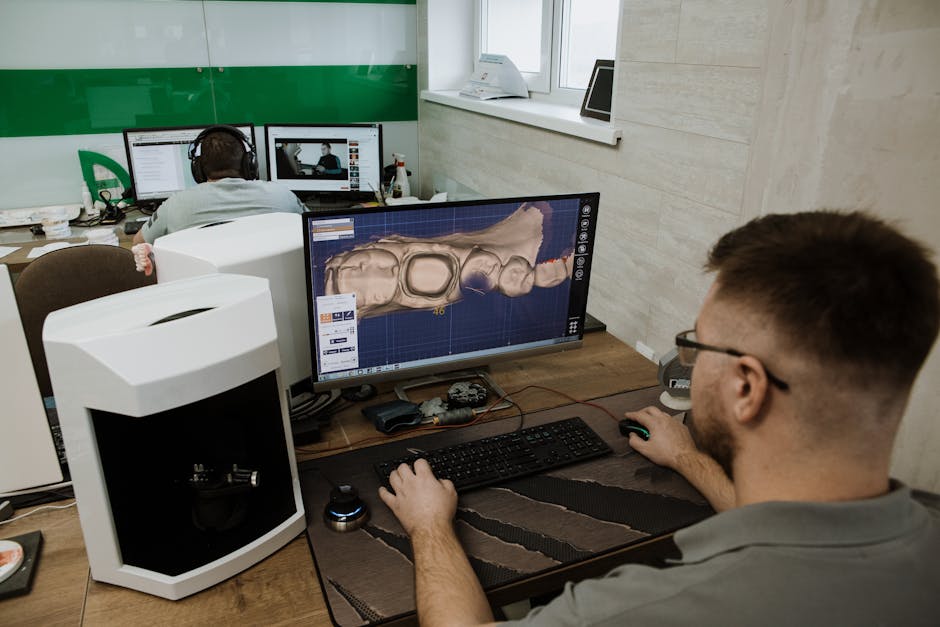
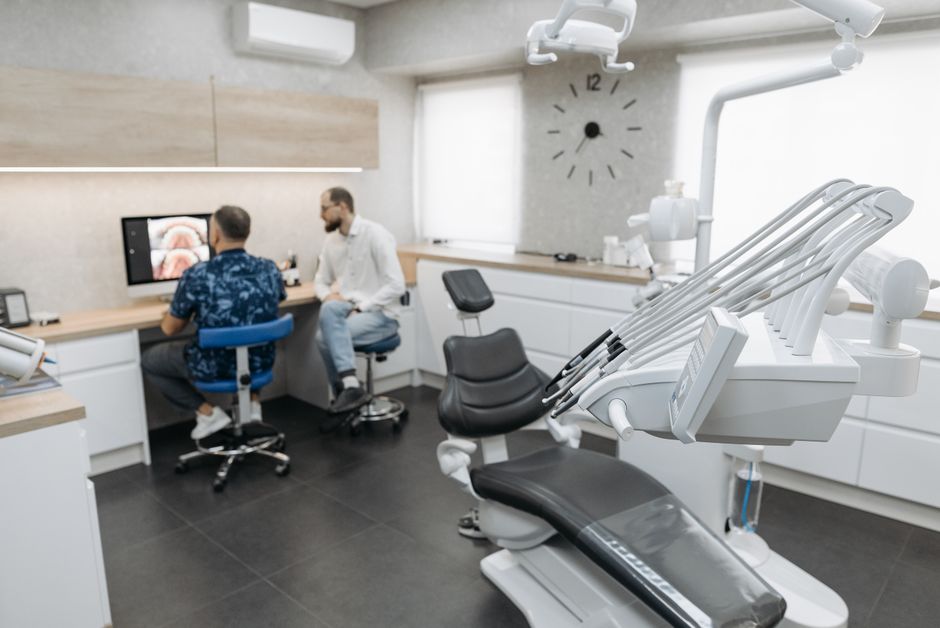
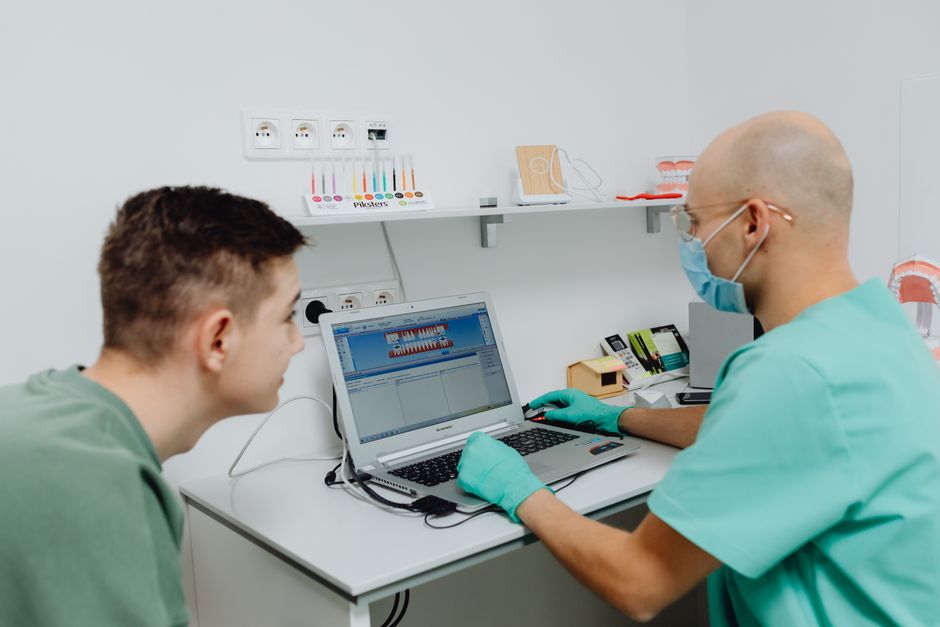
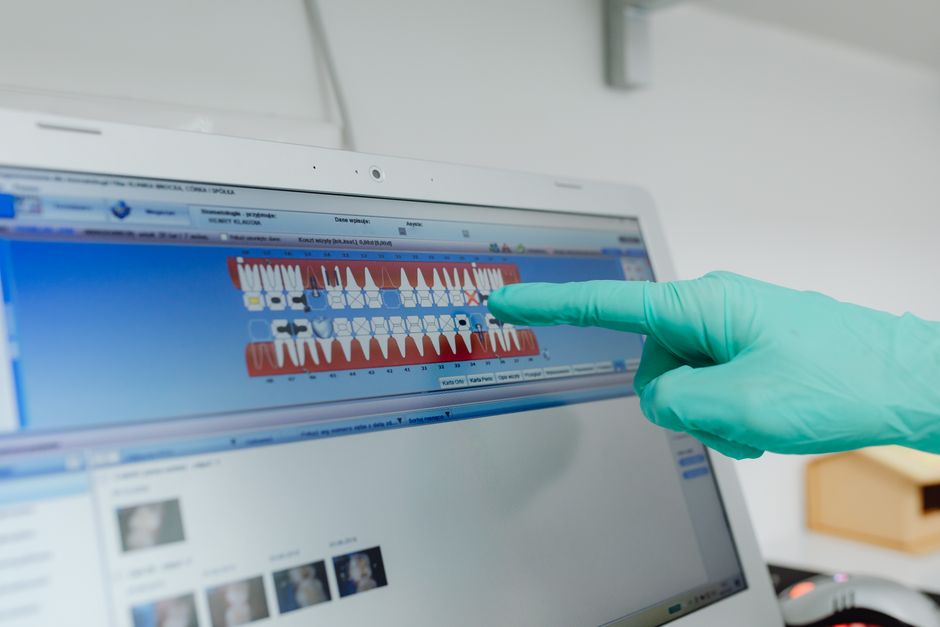
Digital dentistry can enhance predictability by merging CBCT data with intraoral scans to create a prosthetically guided implant plan. For All-on-4, digital planning typically focuses on:
• Implant positions relative to the planned tooth setup
• Anterior-posterior (A–P) spread and cantilever control
• Angulation of distal implants to avoid anatomical limitations (e.g., sinus, nerve)
• Restorative access hole positioning
• Immediate provisional strategy (when planned)
Guided surgery may be used in selected cases, but clinicians should understand its limitations: guide stability, mucosa-borne accuracy challenges, and the need for intraoperative adaptability. Hands-on training that includes both guided and freehand workflows helps clinicians develop decision-making skills rather than relying on a single technique.
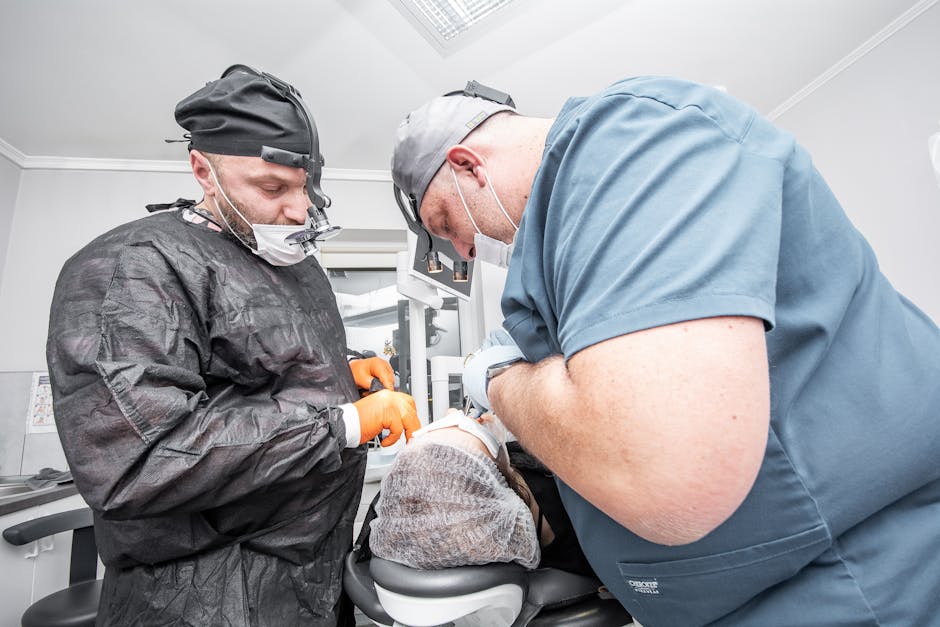
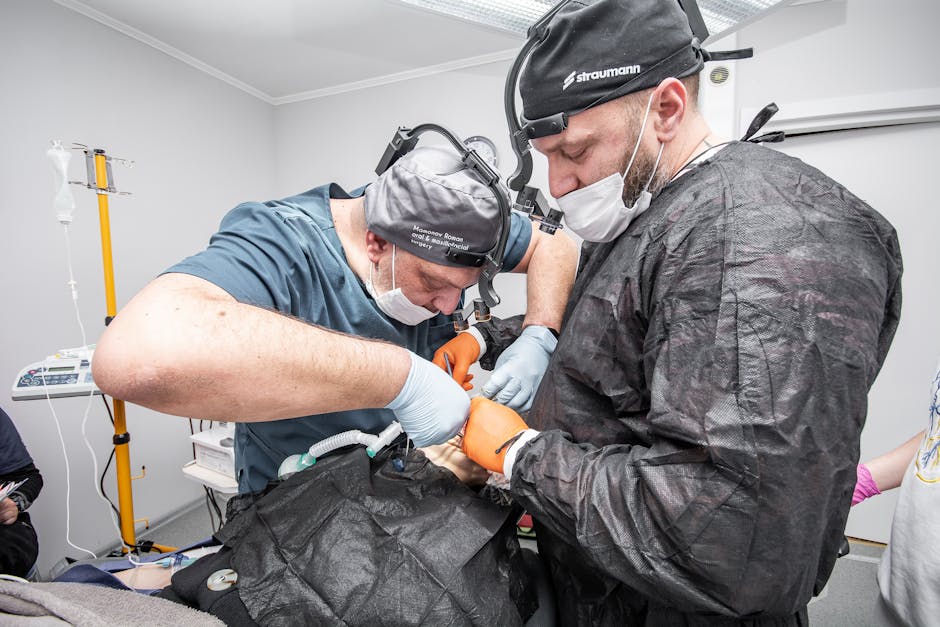
Surgical Phase: A Step-by-Step Educational Overview
Exact protocols vary by clinician, system, and patient factors; however, the surgical phase often follows a structured sequence.
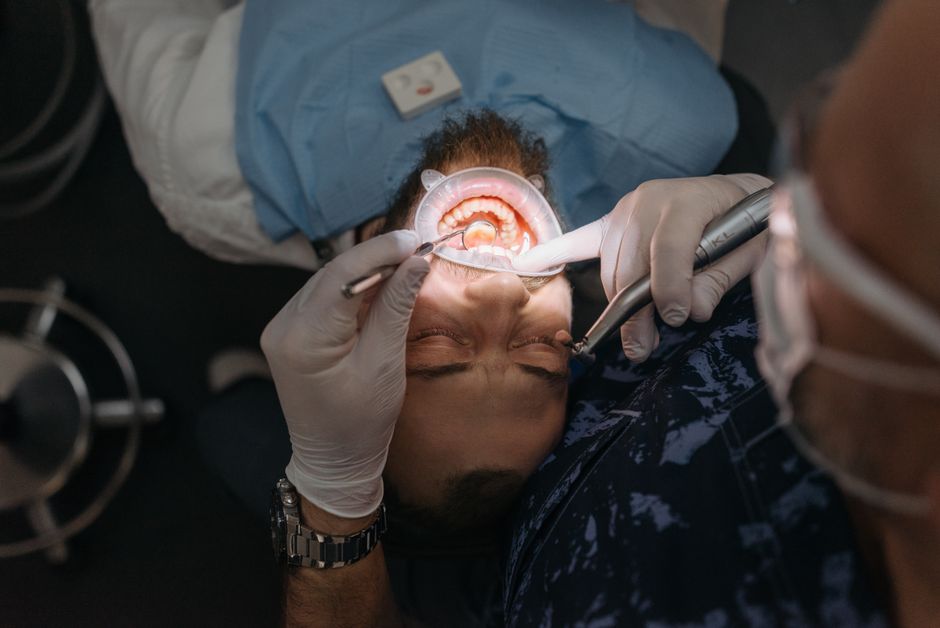
1) Extractions and site management (when applicable)
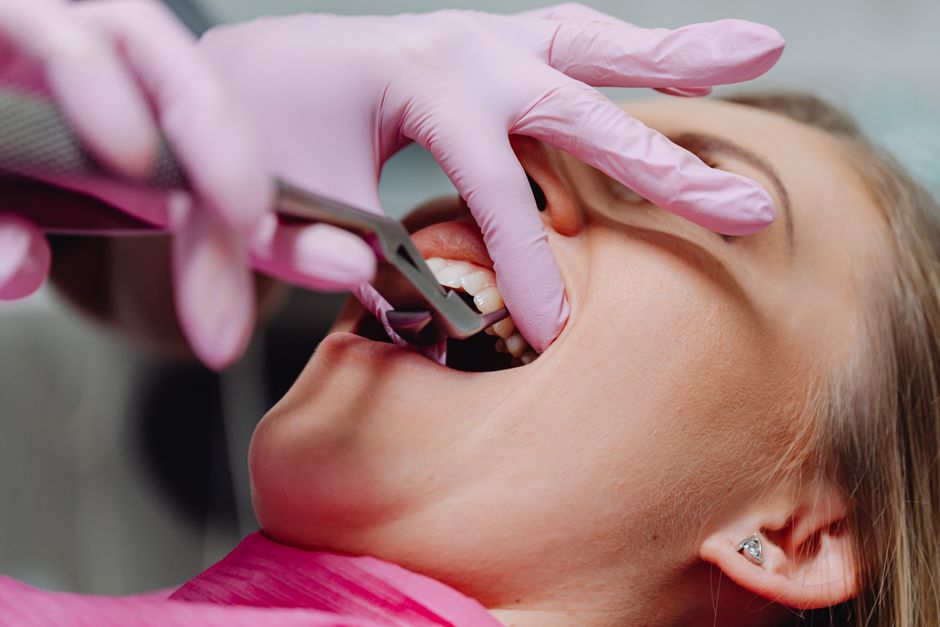
For terminal dentition cases, atraumatic extraction and socket management are critical. Debridement, assessment of bone walls, and planning for primary stability influence whether immediate placement or delayed placement is selected.
2) Implant placement principles for All-on-4
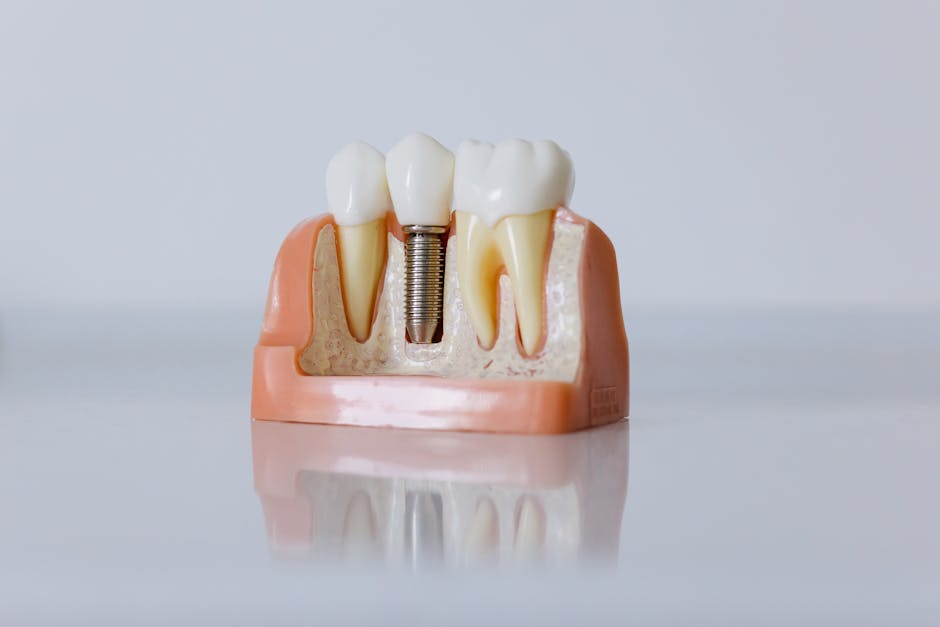
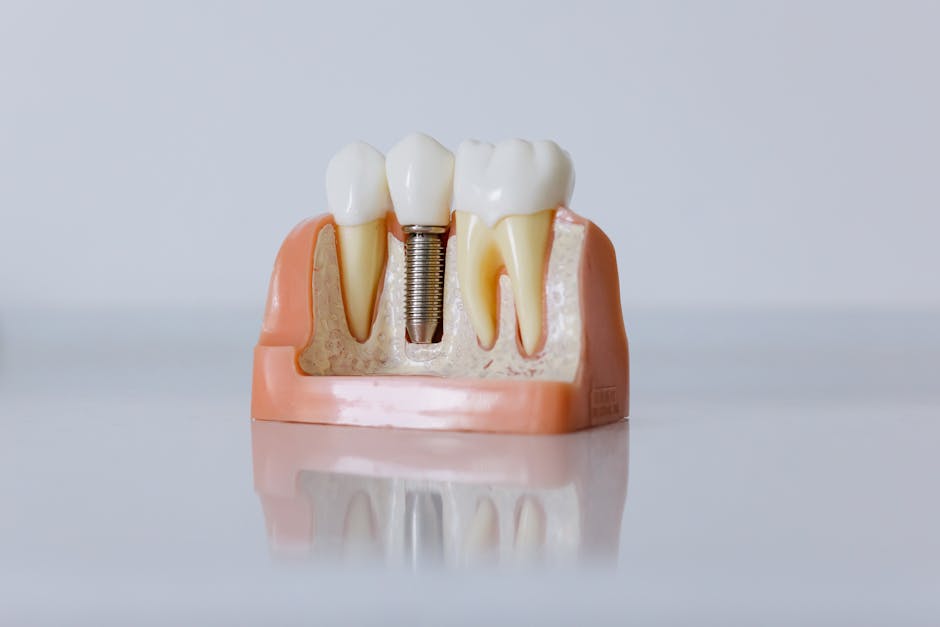
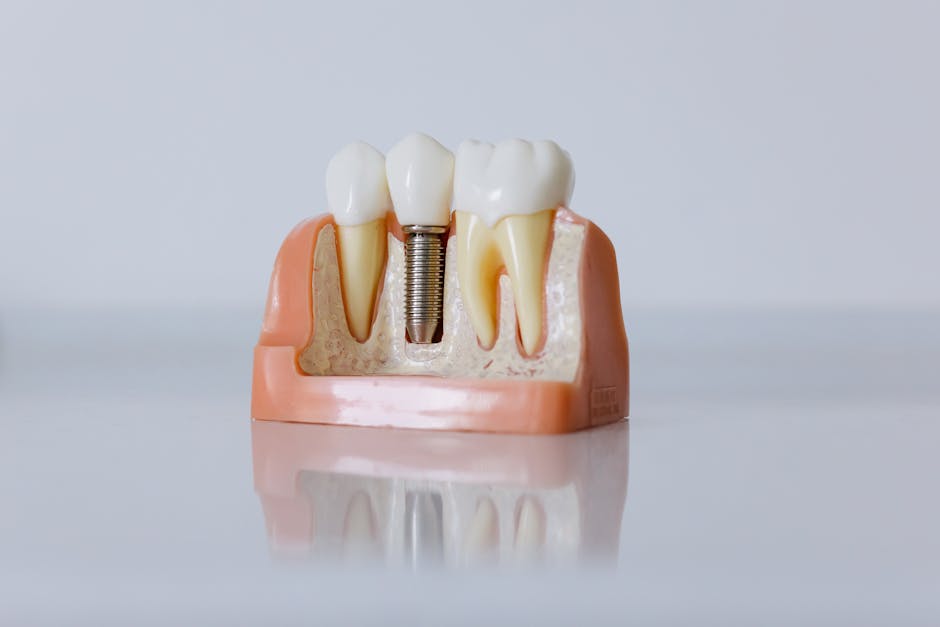
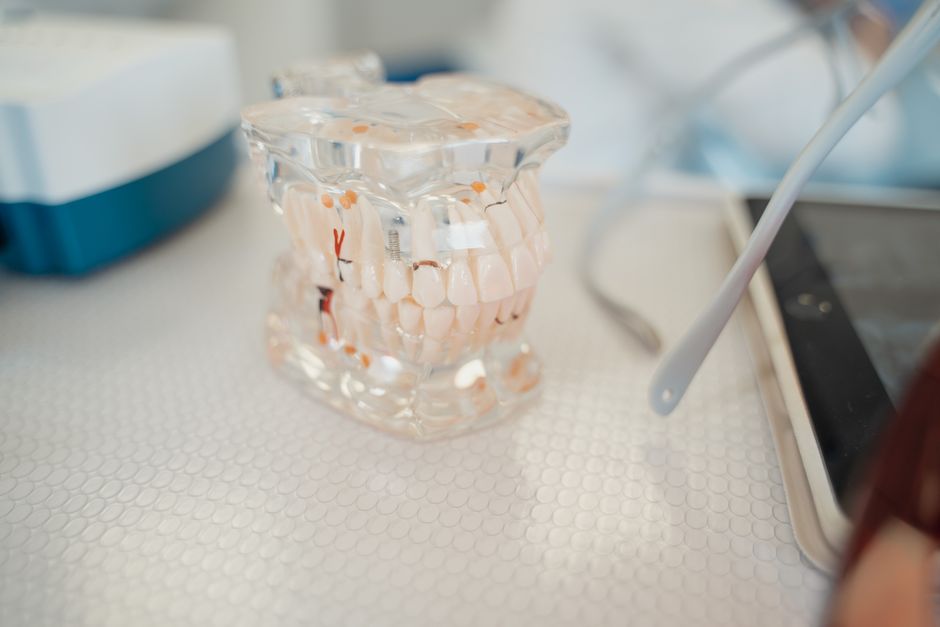
The classic concept involves two anterior implants placed axially and two posterior implants angled distally. The educational rationale includes improving A–P spread, reducing cantilever length, and utilizing available bone. Primary stability targets and insertion torque thresholds are clinician-dependent and should be assessed against the chosen immediate loading protocol.
3) Multi-unit abutments and restorative interface
Multi-unit abutments are commonly used to correct implant angulation and create a restorative platform for screw-retained prostheses. Selecting appropriate abutment heights and angulations can influence soft-tissue response, hygiene access, and prosthetic passivity.
4) Soft-tissue considerations and biomaterials
Soft-tissue thickness and keratinized mucosa quality may affect peri-implant comfort and maintenance. In some clinical scenarios, clinicians explore soft-tissue augmentation concepts and biomaterials to optimize tissue contours. For an educational introduction to one such material, see Asellüler Dermal Matriks: Diş Hekimliğinde Kullanımı. Case selection and evidence appraisal are essential, and clinicians should use biomaterials within established indications and training.
Immediate Loading and “Teeth in a Day”: What Clinicians Should Know
A major patient-driven motivation for All-on-4 is shortened treatment time, sometimes marketed as “same-day teeth.” From a clinical education perspective, immediate loading is a protocol—not a promise—and it depends on stability, occlusal control, and prosthetic design.
If you are evaluating immediate placement and provisionalization timelines, Is One-Day Dental Implant Treatment Really Possible? provides a helpful framework for understanding what “one-day” can mean clinically, and what conditions typically need to be met to reduce risk.
Provisional prosthesis considerations
When immediate loading is chosen, provisional restorations are designed to protect implants during osseointegration. Typical principles include:
• Rigid splinting across implants to reduce micromovement
• Controlled occlusion (often reduced cantilever and lighter contacts)
• Material strategy (e.g., reinforced acrylic) aligned with functional demands
In hands-on courses, provisional conversion workflows—chairside pickup, verification, and occlusal adjustment—are among the most valuable skills clinicians can practice in a controlled environment.
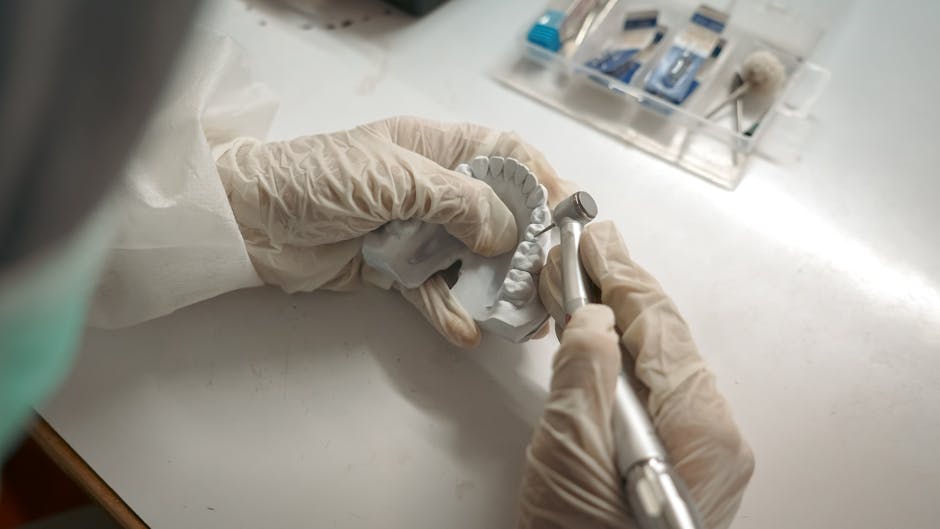
Definitive Prosthodontics: Materials, Passivity, and Esthetics
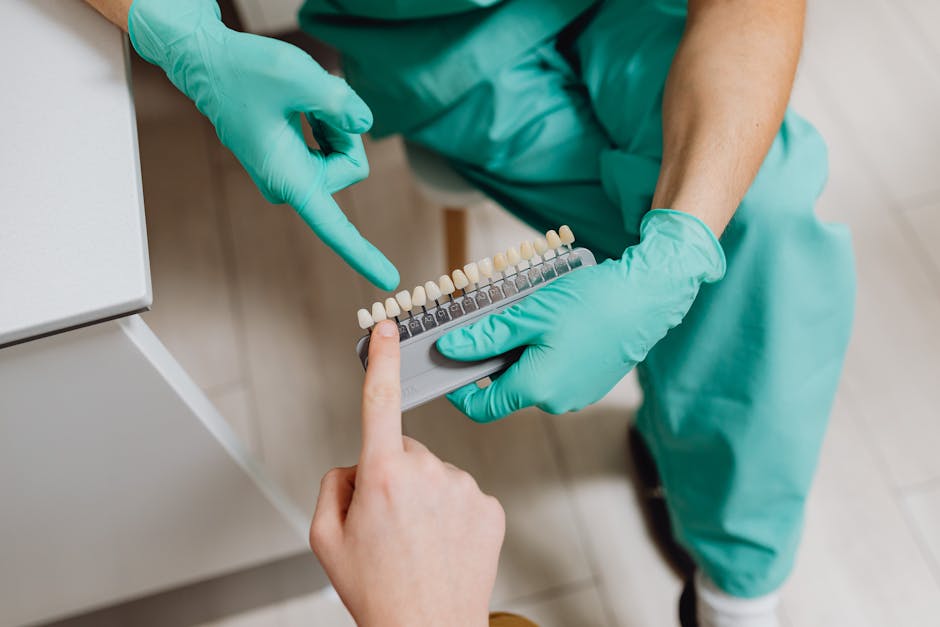
After healing and integration, definitive full-arch prostheses are delivered with a stronger focus on long-term durability, cleansability, and esthetics. Material selection varies (e.g., monolithic zirconia, zirconia-ceramic hybrids, titanium frameworks with composite/acrylic teeth) and depends on restorative space, occlusal scheme, and patient-specific risk factors.
Key prosthodontic checkpoints
• Passive fit (verification jigs, digital verification strategies)
• Screw-retained design for retrievability and maintenance
• Emergence profiles that support hygiene without impinging tissue
• Phonetics and lip support especially in maxillary cases
• Occlusal design to minimize overload and chipping risk
Digital workflows can streamline communication between clinician and lab, but fundamentals remain unchanged: diagnosis drives design, and design must respect biology and biomechanics.
Maintenance and Patient Education: The Often-Underestimated Phase
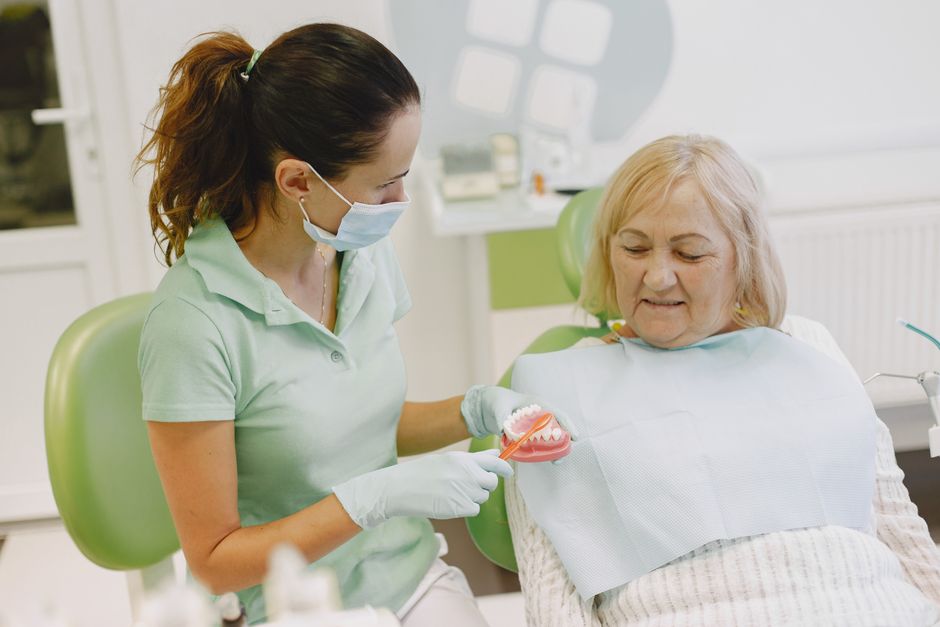
All-on-4 restorations can be life-changing, but they are not “maintenance-free.” Long-term success is closely connected to professional recall, home care, and management of risk factors such as plaque accumulation and mucosal inflammation.
Hygiene access and the role of saliva
Daily cleaning under a full-arch prosthesis requires tailored instruction and tools (e.g., super floss, interdental brushes, water irrigators—depending on prosthesis design). Patient-specific factors such as xerostomia can increase biofilm accumulation and discomfort. For a broader oral-health perspective that also matters in implant maintenance, read Why Saliva Matters: The Unsung Protector of Oral Health.
Clinical recall and complication awareness
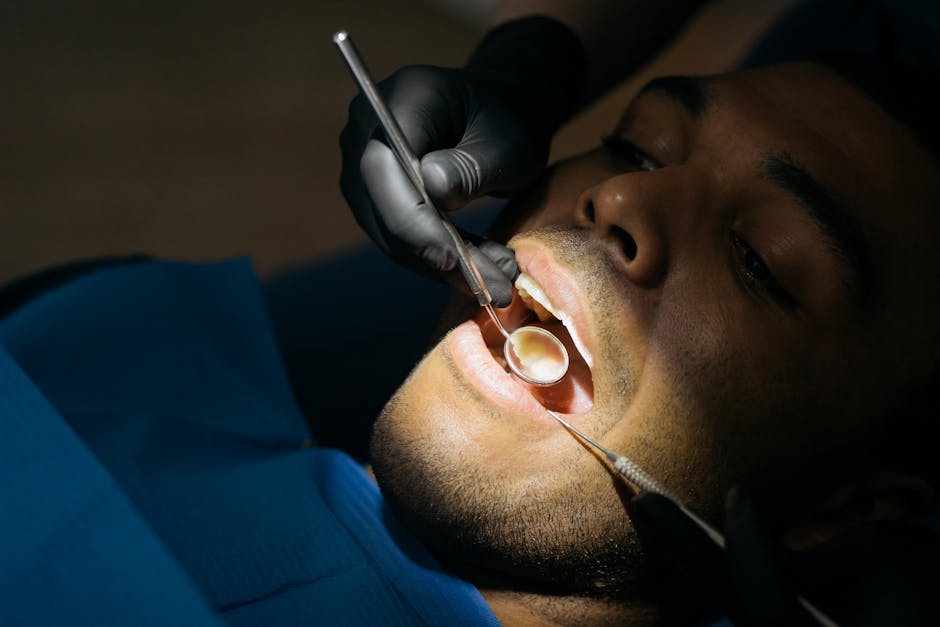
Maintenance visits may include soft-tissue assessment, peri-implant probing protocols (as appropriate), radiographic monitoring, occlusal review, and prosthetic component checks (screw stability, wear, chipping). Common complications discussed in continuing education include provisional fracture, screw loosening, hygiene-related inflammation, and ceramic chipping—each often traceable to planning decisions made earlier in the workflow.
How Istanbul Dental Academy Approaches All-on-4 Training
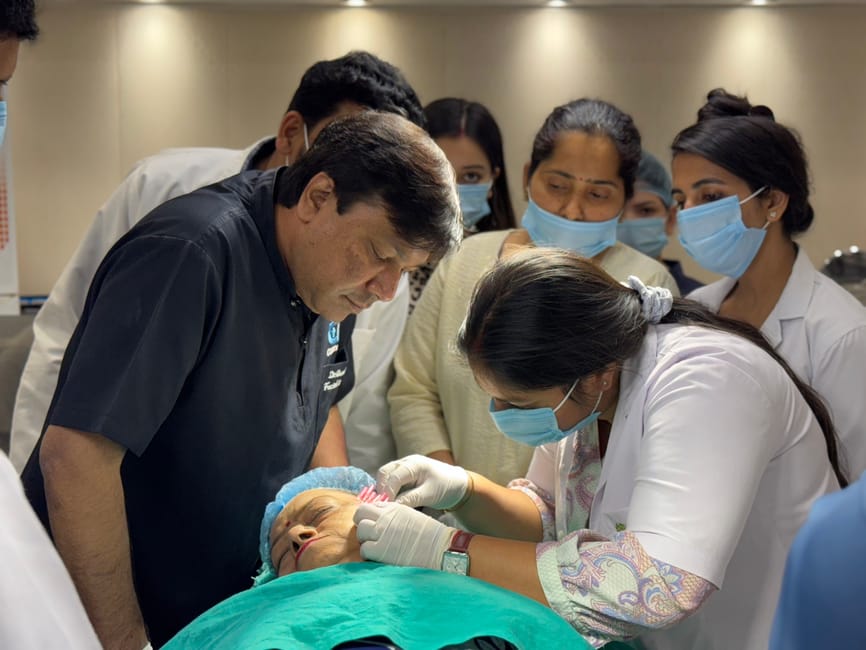
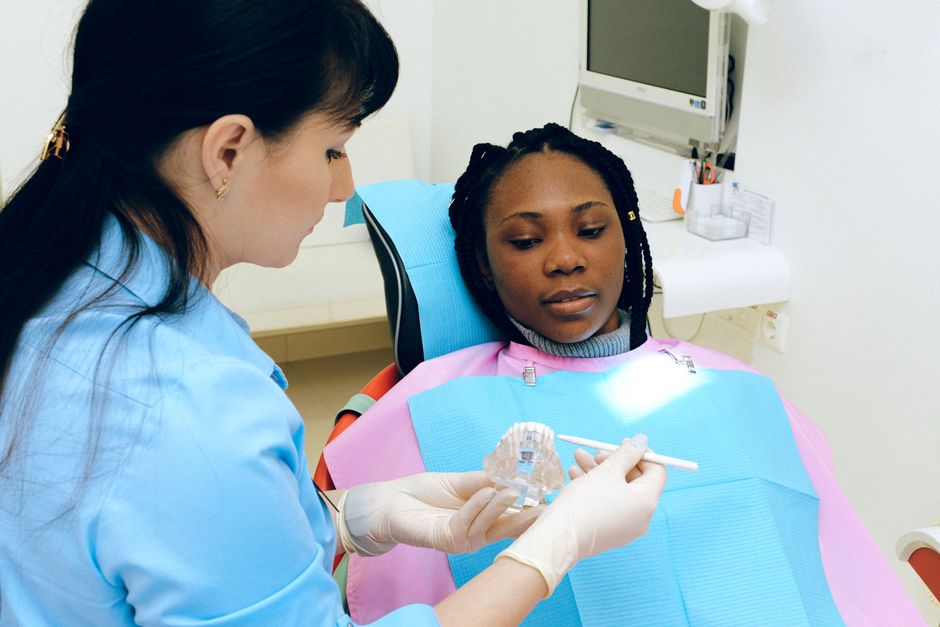
For clinicians seeking to improve predictability with full-arch cases, structured training can bridge the gap between theory and execution. Istanbul Dental Academy emphasizes practical, clinic-oriented learning: from CBCT interpretation and prosthetically driven planning to surgical sequence, multi-unit abutment selection, and provisionalization. Because All-on-4 cases sit at the intersection of oral surgery and prosthodontics, hands-on education helps participants develop a complete workflow mindset—rather than isolated skills.
Many practitioners also benefit from combining full-arch learning with complementary competencies such as digital dentistry (scan-to-plan-to-provisional), restorative occlusion, and dental photography for case documentation and communication.
Conclusion
All-on-4 for complete edentulism is best understood as a coordinated clinical workflow: careful diagnosis, risk-aware planning, precise surgery, restorative discipline, and committed maintenance. When these elements align, full-arch rehabilitation can deliver stable function and confident esthetics—while also offering a rich learning pathway for dentists who want to advance in implant dentistry and prosthodontics.
This content is for educational purposes and is not a substitute for individualized diagnosis or treatment planning. Clinicians should apply protocols based on patient-specific findings, current evidence, and appropriate clinical training.
Diğer Yazılar