
BLOG
Advantages of Direct Composite Techniques for Closing Diastema
Diastema closure with direct composite: why it remains a modern classic
Midline or lateral diastemas are among the most common aesthetic concerns in daily practice. Patients often request a “quick fix” that looks natural, preserves tooth structure, and fits a realistic budget. In many appropriately selected cases, direct composite techniques meet these expectations with a minimally invasive approach—especially for small-to-moderate spaces in the anterior region.
For dental professionals, direct composite diastema closure is also a technique-sensitive procedure that rewards strong fundamentals: diagnosis, proportional planning, isolation, layering, finishing, and maintenance. At Istanbul Dental Academy, we regularly see clinicians seeking continuing education to elevate their anterior aesthetics and restorative predictability through structured, hands-on workflows—skills that translate not only to diastema cases but also to broader smile design and restorative dentistry.
This content is for educational purposes and does not replace clinical judgment or individualized patient assessment.
Understanding the diastema: diagnosis before materials
Successful closure starts long before selecting a shade. A diastema may be primarily aesthetic, but its etiology can be multifactorial. A brief yet systematic diagnostic phase helps prevent “beautiful failures” such as black triangles, relapse, or gingival inflammation.
Common contributors to anterior spacing
Depending on the patient, spacing can be linked to tooth-size discrepancy, missing teeth or microdontia, habits, occlusal factors, periodontal attachment loss, or a prominent labial frenum. Periodontal phenotype and papilla height are especially relevant: even perfect composite anatomy can look compromised if embrasure form and soft-tissue support are not respected.
When periodontal inflammation is present, aesthetic restorative work should be coordinated with periodontal stabilization and home-care reinforcement. If you want a refresher on clinical indicators and risk factors, see What Is Gum Disease? Early Signs, Risk Factors, and Clinical Insights, which provides helpful context for case sequencing and long-term success.
Smile design planning: proportion, midline, and symmetry
Even for a single diastema, planning benefits from a smile-design mindset: facial midline, incisal edge position, tooth axis, and width-to-length ratios. Over-widening central incisors to close a gap can create an unnatural appearance, while under-contouring may leave residual spacing or embrasure disharmony. Incorporating a simple 2D/3D plan—photographs, digital mock-ups, or a wax-up—can make outcomes more predictable.
Clinicians exploring timeframes, durability, and sequencing in aesthetic planning may also find value in How Long Does Smile Design Take—and How Long Does It Last?, which frames patient communication around realistic expectations and maintenance.

Advantages of direct composite techniques for diastema closure
Direct composite bonding remains popular not because it is “easy,” but because it can be exceptionally conservative and controllable in the right hands. Below are the core advantages that make it a first-line option in many anterior spacing cases.
1) Minimally invasive and enamel-friendly
When planned properly, direct composite closure can often be accomplished with little to no tooth reduction. Bonding to enamel provides reliable adhesion, preserves tooth vitality, and supports future treatment flexibility. This conservative profile is especially attractive for young patients and for cases where the diastema may later be addressed with orthodontics or indirect restorations if needed.
2) Efficient chairtime and immediate results
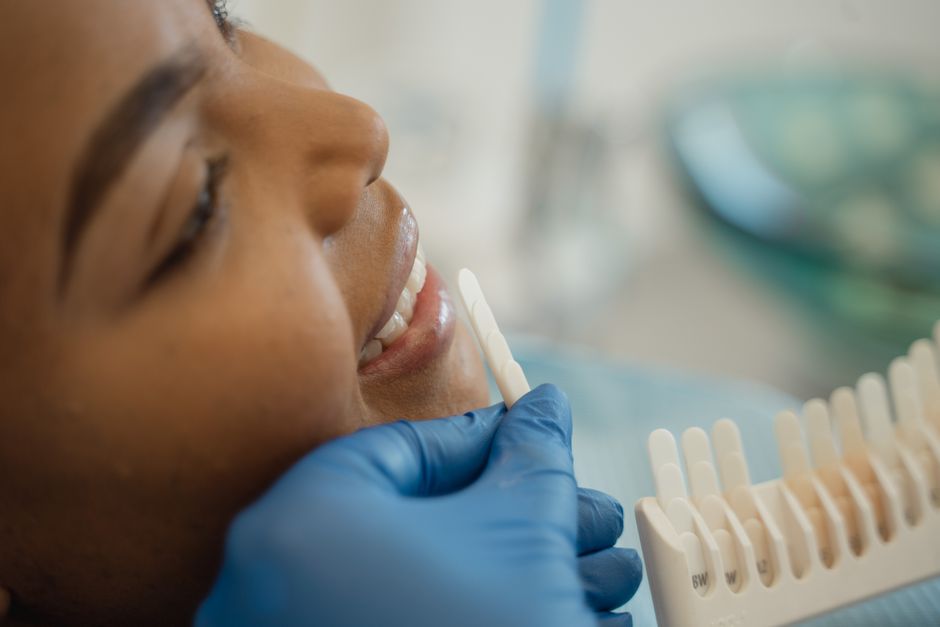
Direct techniques can deliver same-day transformations, which is valuable for patients who want immediate aesthetic improvement. Efficiency also benefits clinicians when workflows are standardized: preoperative photos, shade selection under controlled lighting, rubber dam isolation, matrix guidance, layering, and structured finishing/polishing protocols.
3) Cost-effective compared to many indirect options
While the “best” option depends on patient goals and oral conditions, direct composite is often more financially accessible than porcelain veneers or more extensive prosthodontic interventions. Importantly, affordability does not have to compromise quality—when anatomy, texture, and polish are executed at a high level.
4) Highly repairable and modifiable over time
One of the most practical advantages is repairability. Small chips, marginal staining, or minor contour refinements can often be managed conservatively without replacing the entire restoration. This feature supports long-term maintenance and makes direct composite an adaptable option as patient needs evolve.
5) Excellent esthetics when layered correctly
Modern composites offer improved optical properties, including translucency control and fluorescence. With appropriate layering and surface texture, clinicians can mimic natural enamel and dentin effects. When coupled with high-quality finishing and polishing, composite can produce a lifelike outcome that photographs well and wears comfortably.
Where direct composite fits among other aesthetic solutions
Diastema closure is rarely “one-size-fits-all.” Direct composite is one option within a broader restorative and smile design spectrum. Understanding where it excels—and where alternative approaches may be more appropriate—strengthens treatment planning and patient communication.
Direct composite vs porcelain laminate veneers
Porcelain laminate veneers can be considered when multiple teeth require color correction, significant shape changes, or when long-term stain resistance is a priority. Composite may be preferred when minimal invasiveness is paramount or when incremental changes are desired. In real-world practice, some cases evolve: a patient may begin with direct bonding and later transition to indirect restorations as needs and priorities change.
Managing enamel defects and shade challenges
When diastema closure coincides with enamel hypoplasia, hypomineralization, or other developmental defects, the restorative plan may need to address both spacing and substrate variability. Opaque layers, selective masking, or different restorative modalities may be indicated. For related clinical perspectives, Aesthetic Solutions for Patients with Enamel Development Defects discusses considerations that can influence material choice and layering strategy.
When trauma and diastema overlap
Anterior trauma can create fractures alongside spacing issues—sometimes due to tooth movement after injury or due to restorative history. Planning should include vitality assessment, occlusion, and the possibility of endodontic or periodontal considerations. For a structured overview of restoration strategies in fractured anterior teeth, see Contemporary Approaches to Restoring Fractured Anterior Teeth.
Diastema, tooth loss, and implant-driven planning
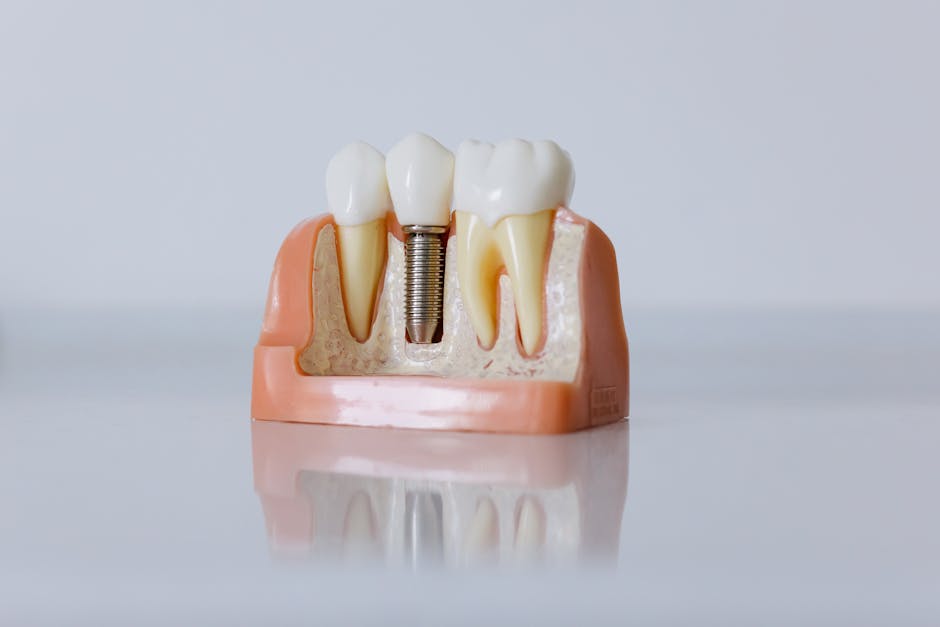
In cases involving missing teeth (e.g., lateral incisors) or compromised dentition, diastema management may intersect with implant dentistry and prosthodontic planning. Even if the immediate concern is “closing spaces,” clinicians may need to consider whether spaces should be maintained for an implant-supported restoration, or redistributed orthodontically to create ideal emergence profiles. Digital workflows increasingly support these decisions; for implant-focused planning perspectives, explore Digital Planning for Full-Arch Implant Cases: A Modern Workflow for Predictable Outcomes—many of the diagnostic principles translate to aesthetic planning and interdisciplinary sequencing, even beyond full-arch scenarios.
A clinical workflow for predictable direct composite diastema closure
While operators vary in their preferred systems, predictable outcomes tend to follow a consistent logic: plan the final form, control isolation, build anatomy with guidance, then refine surface and occlusion.
1) Records, analysis, and patient communication
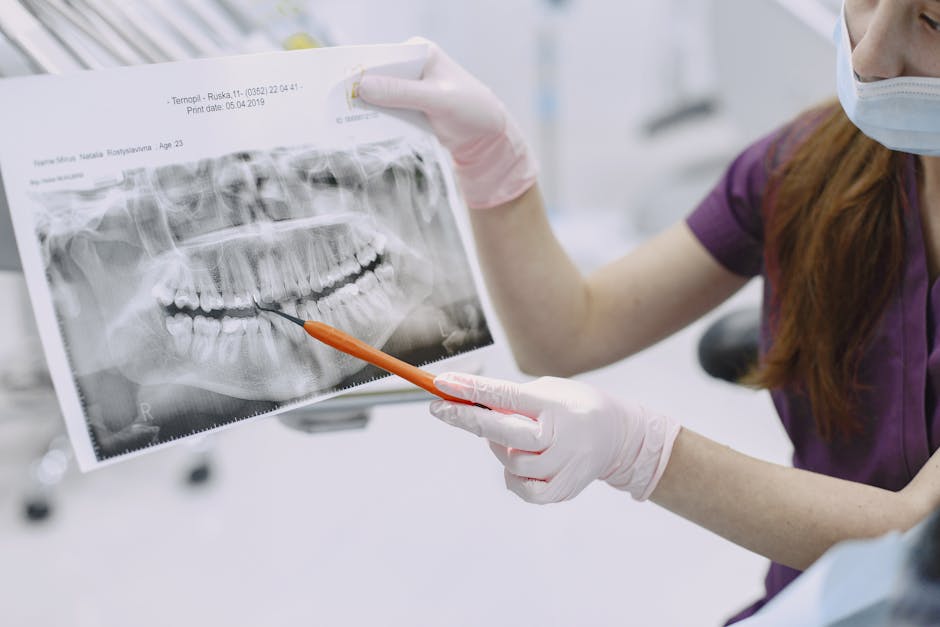
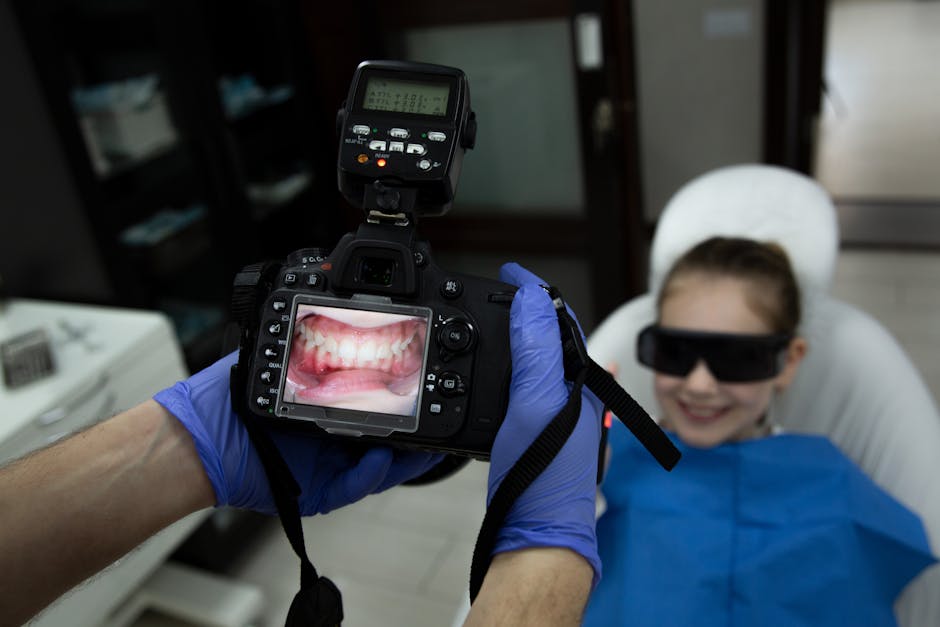
High-quality photographs (frontal, 45-degree, occlusal) and short videos can help analyze midline, incisal display, and smile dynamics. Even simple diagnostic tools—digital calipers and proportional guides—can prevent over-contouring. A mock-up (flowable or bis-acryl) is useful to preview width changes and gain consent for the proposed tooth proportions.
2) Shade selection and layering plan
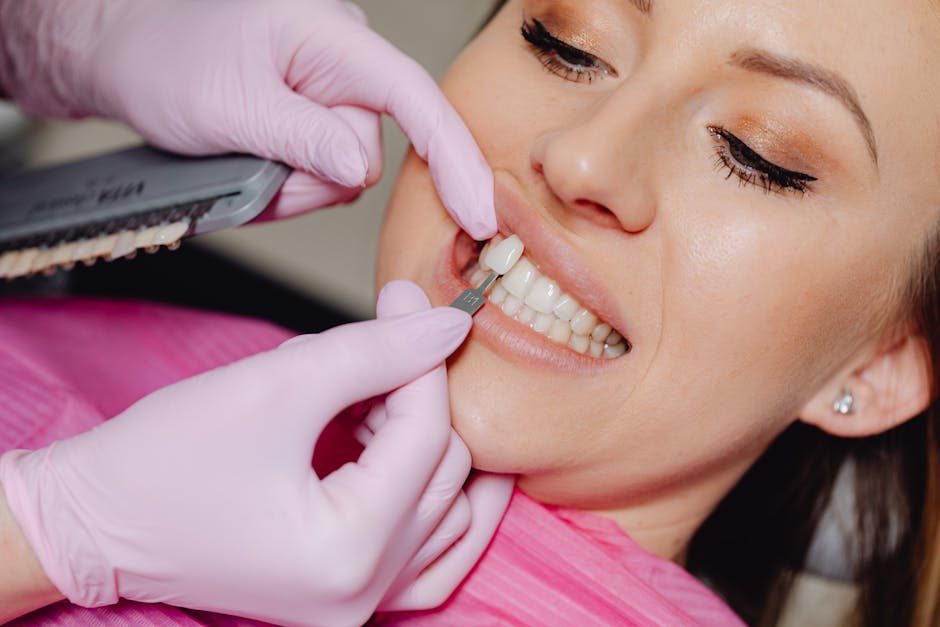
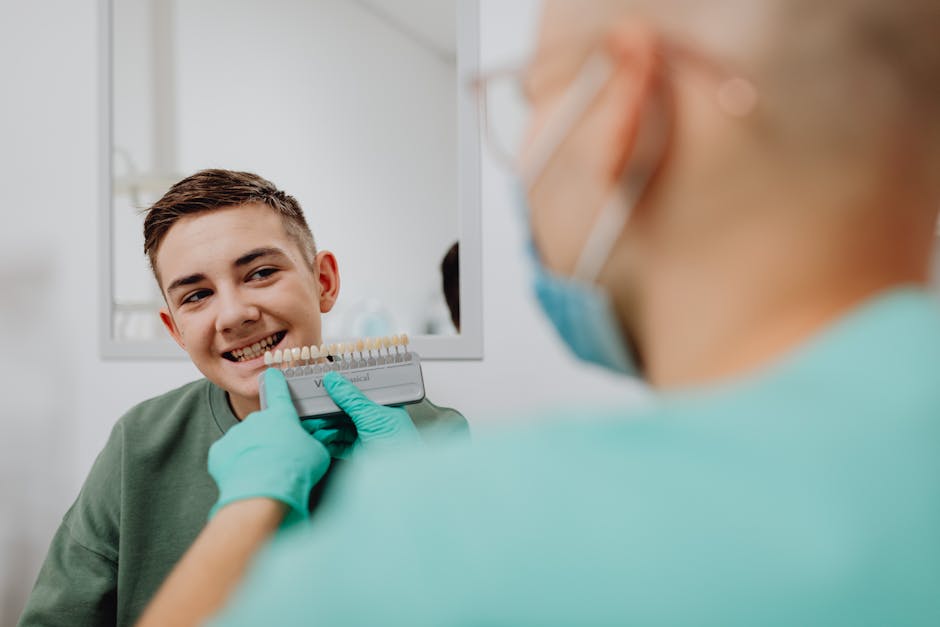
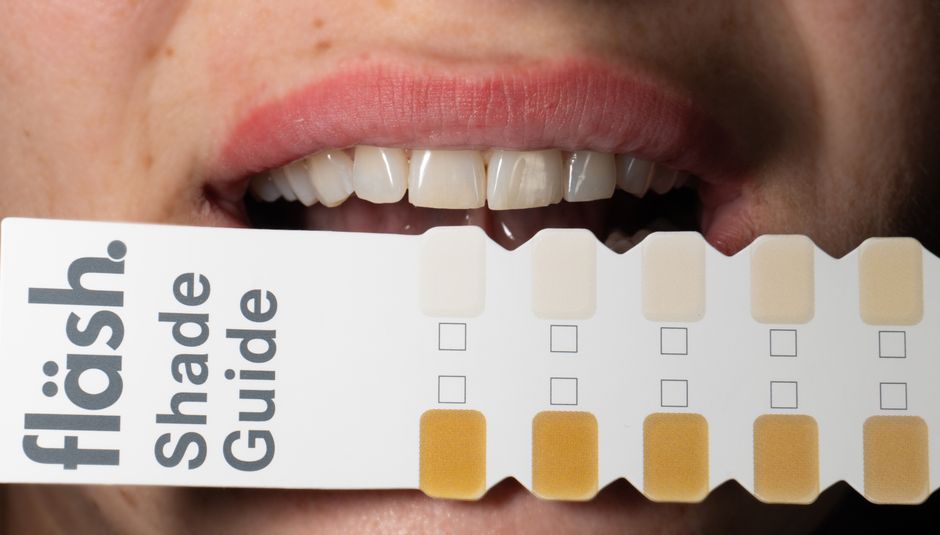
Shade selection is ideally performed before isolation and dehydration. Consider single-shade systems for efficiency or multi-shade layering to better reproduce depth. For small diastemas, careful control of translucency at the incisal third can prevent a “flat” appearance. A layering plan should also anticipate the influence of surrounding enamel and lighting conditions.
3) Isolation: moisture control is non-negotiable
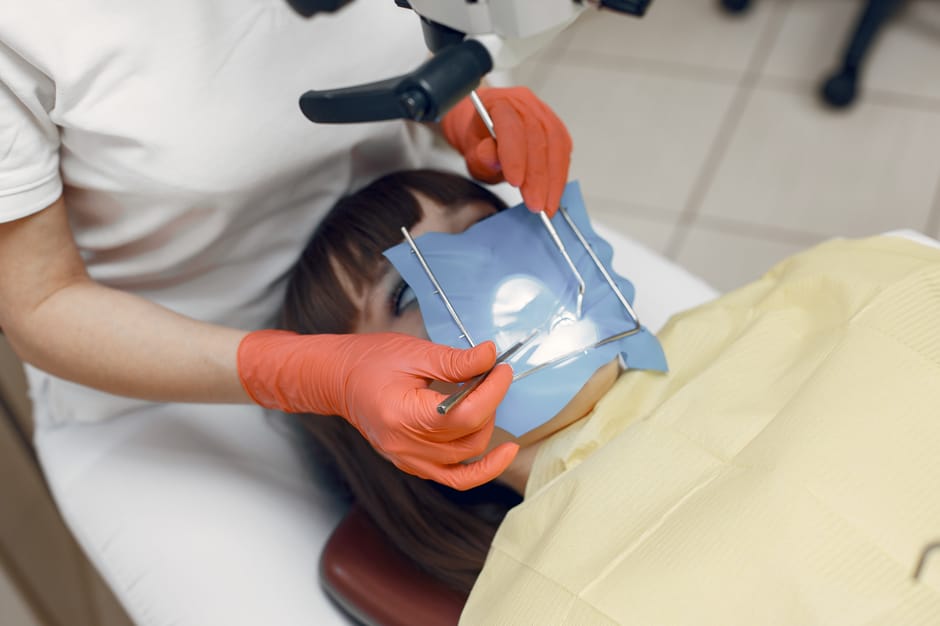
Rubber dam isolation is strongly associated with predictable bonding and clean margins, especially in the anterior region where saliva contamination can occur quickly. If rubber dam placement is challenging, clinicians may use adjuncts such as retraction cord, teflon tape, or isolation systems—always aiming for a dry, controlled field.
4) Matrix guidance and emergence profile control
To achieve natural proximal contours and avoid overhangs, many clinicians use sectional matrices, mylar strips, or customized transparent matrices derived from a wax-up or digital design. The goal is not only to “fill the space,” but to sculpt a harmonious emergence profile that supports the papilla and minimizes plaque retention.
5) Finishing, polishing, and occlusal verification
Finishing should define line angles, embrasures, and surface texture in a way that matches adjacent teeth. A high-gloss polish improves aesthetics and may reduce plaque accumulation. Occlusal checks should include protrusive and lateral movements—especially when adding material to incisal edges or changing guidance. Small occlusal interferences can lead to chipping or patient discomfort.
Limitations and common pitfalls (and how to think about them)
Direct composite is versatile, but not universal. Recognizing limitations helps clinicians set expectations and select cases responsibly.
Black triangles and papilla limitations
When attachment loss or triangular tooth form is present, closing the contact point alone may not fully eliminate a gingival embrasure void. Strategic apical positioning of the contact area and emergence profile refinement can help, but periodontal anatomy sets boundaries. In some cases, interdisciplinary periodontal management or alternative restorative approaches may be considered.
Over-contouring and hygiene challenges
Bulky proximal contours can trap plaque and inflame gingival tissues, compromising both aesthetics and longevity. A predictable method is to build palatal and proximal walls first (thin and controlled), then fill the facial aspect while preserving natural convexities and embrasure spaces.
Staining and surface degradation
Composite can be susceptible to marginal staining over time, especially if surface polish is insufficient or if the patient has high exposure to staining agents. Maintenance protocols, periodic polishing, and patient education can support long-term aesthetics.
Why hands-on training matters for anterior composite excellence
Diastema closure is a high-visibility procedure: minor asymmetries in line angles, incisal embrasures, or surface texture can be immediately noticeable in photos and in daily conversation. For many clinicians, the turning point is not learning “which composite to buy,” but mastering repeatable steps—diagnostic planning, isolation, matrix control, and finishing.
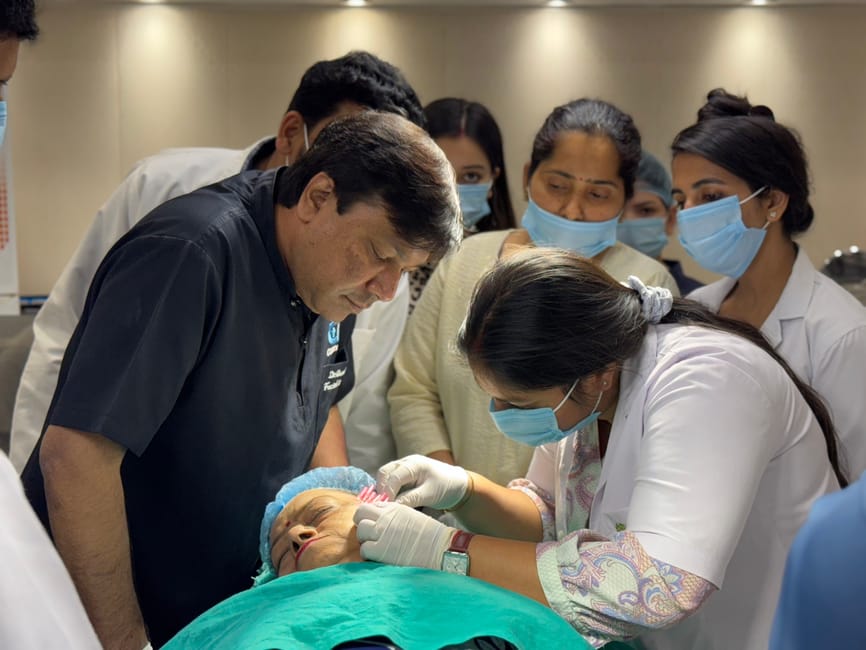
Istanbul Dental Academy’s continuing dental education environment emphasizes practical, hands-on training, where dentists can refine anterior layering, polishing protocols, and photographic documentation—skills that integrate naturally with smile design, restorative dentistry, and digital dentistry workflows. Building confidence in direct composite diastema closure can also strengthen broader competence in managing aesthetic challenges across everyday practice.
Conclusion
Direct composite techniques offer compelling advantages for diastema closure: minimal invasiveness, efficient treatment, cost accessibility, repairability, and excellent aesthetics when executed with discipline. The key to predictable outcomes lies in diagnosis, proportion-driven planning, meticulous isolation, controlled anatomy, and careful finishing—supported by a maintenance mindset.
This content is for educational purposes. Treatment planning should be individualized based on clinical examination, patient expectations, occlusion, periodontal health, and long-term risk assessment.
Diğer Yazılar