
BLOG
How Diabetes Can Influence Dental Implant Healing: A Clinical Guide
Diabetes and Dental Implant Healing: Why the Conversation Matters
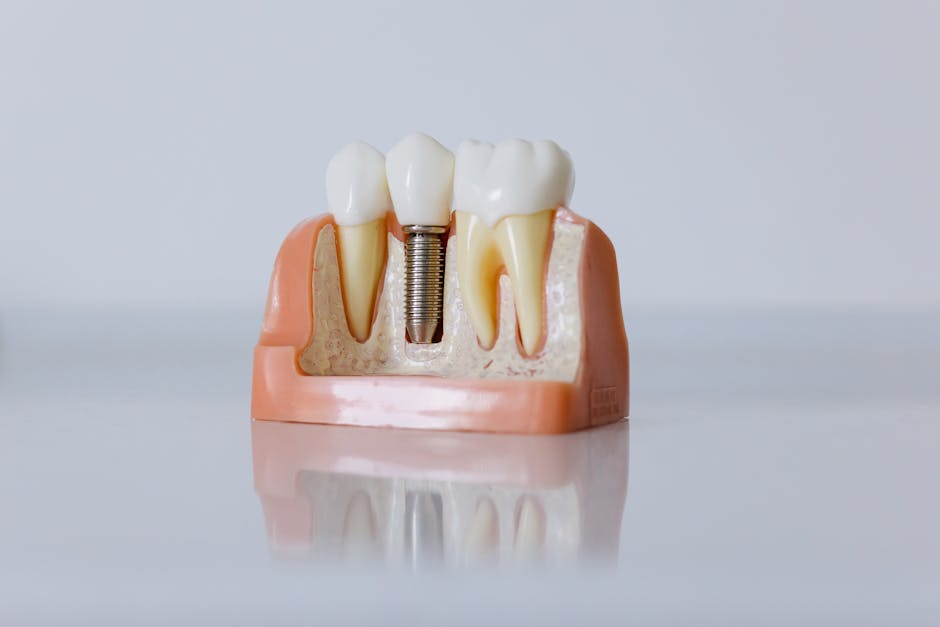
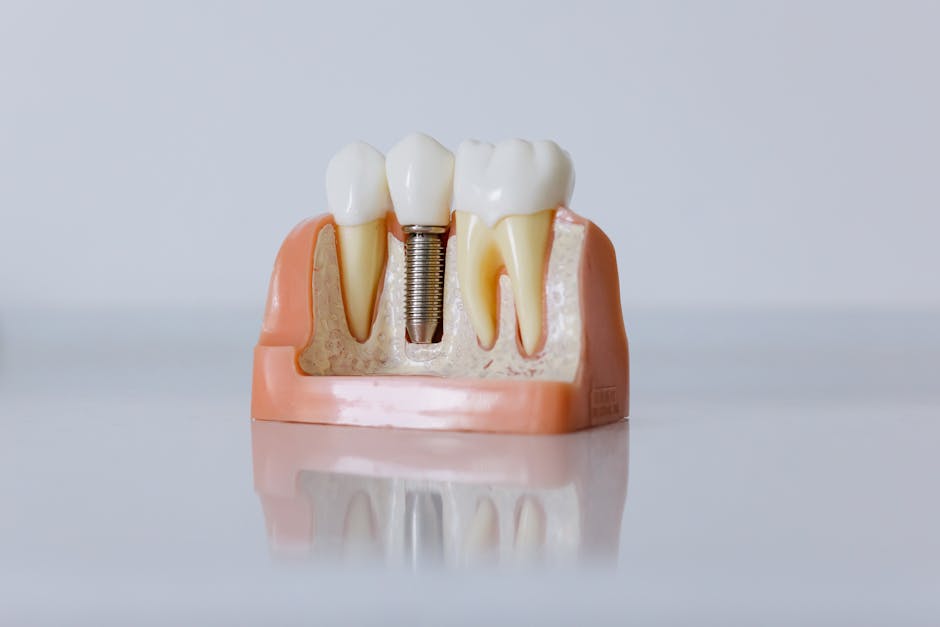
Dental implants are a predictable treatment option in modern oral rehabilitation, yet their success depends on a biologically demanding sequence: hemostasis, inflammation control, soft-tissue closure, and ultimately stable osseointegration. Diabetes mellitus (particularly when glycemic control is suboptimal) can influence each stage. For dental professionals and continuing education learners, understanding this interaction is essential—not to exclude patients, but to plan intelligently, communicate risks clearly, and optimize clinical protocols.
This article is for educational purposes and is not a substitute for individualized diagnosis or treatment planning. Clinical decisions should be made based on a patient’s full medical history, laboratory data, and interdisciplinary consultation when needed.
How Implant Healing Works: A Quick Biological Refresher
Implant “healing” is not a single event. It is a coordinated sequence of tissue responses around titanium (or titanium alloy/zirconia) surfaces:
1) Soft-tissue healing: Formation of a stable mucosal seal, epithelial attachment, and connective tissue maturation. This barrier is crucial for preventing bacterial ingress and peri-implant inflammation.
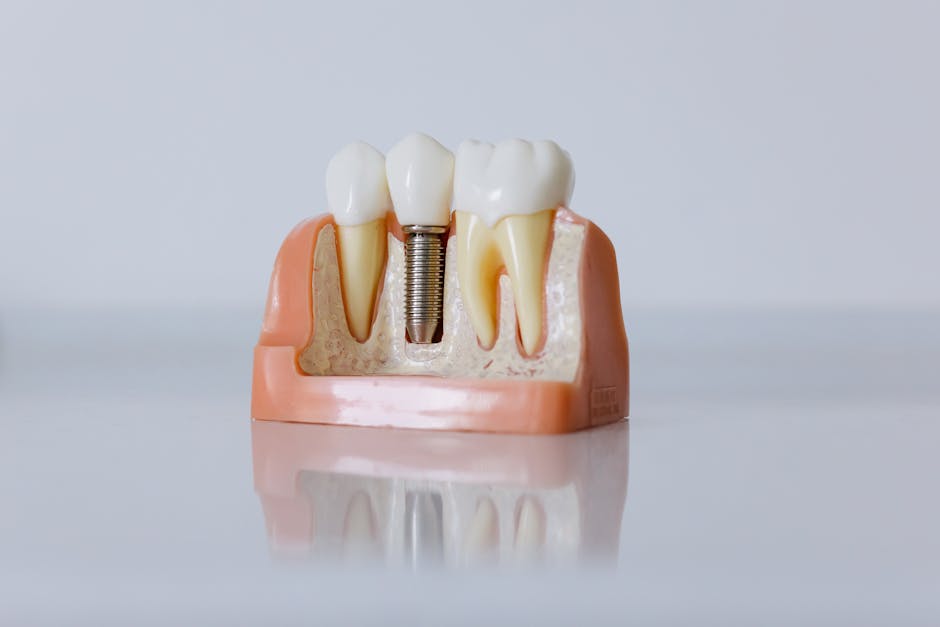
2) Bone healing and osseointegration: Early clot formation, inflammatory signaling, osteogenic cell recruitment, woven bone formation, and remodeling into lamellar bone. Implant macrodesign and surface microtopography can modulate this process, but systemic host response remains a central determinant.
3) Functional loading and long-term maintenance: Once loaded, the implant-bone interface must withstand occlusal forces, parafunction, and microbial challenge—making peri-implant soft-tissue health and plaque control ongoing priorities.
Why Diabetes Can Alter the Healing Trajectory
Hyperglycemia and microvascular changes
Chronic hyperglycemia is associated with microangiopathic changes that may reduce tissue perfusion. In implant therapy, adequate blood supply supports oxygenation, nutrient delivery, and immune cell trafficking—factors that influence both mucosal healing and bone remodeling.
Inflammatory balance and immune function
Diabetes may shift inflammatory signaling and impair aspects of innate immunity. Clinically, this can translate into an altered host response to plaque biofilm and a potentially higher susceptibility to infection or delayed resolution of inflammation—relevant for early wound stability and long-term peri-implant tissue health.
Collagen metabolism and tissue quality
Advanced glycation end products (AGEs) can accumulate in tissues in the presence of chronic hyperglycemia, impacting collagen cross-linking and turnover. Since collagen is foundational for soft-tissue integrity and wound maturation, tissue quality and closure stability may be affected.
Bone turnover and osteogenic response
Diabetes can influence osteoblast and osteoclast activity and may affect bone remodeling dynamics. For implants, this may be relevant in the transition from early woven bone to mature lamellar bone, potentially altering timelines and risk profiles.
Clinical Risk Factors: Moving Beyond “Diabetic vs Non-Diabetic”
In practice, risk assessment is rarely binary. A more clinically meaningful approach considers the following modifiers:
Glycemic control: HbA1c trends, variability, and stability over time may be more informative than a single value.
Duration of diabetes and complications: Microvascular disease, neuropathy, and kidney involvement can reflect systemic burden.
Periodontal history: Past or active periodontitis can increase peri-implant risk. Establishing periodontal stability and maintenance protocols is often a prerequisite for implant planning.
Smoking, oral hygiene, and xerostomia: These can compound inflammatory burden and compromise soft-tissue defense.
Prosthetic design and occlusal scheme: Excessive forces, poor emergence profiles, and cleansability issues raise the risk of complications.
The Soft-Tissue Side: Gingiva, Saliva, and Infection Susceptibility
Peri-implant mucosal health is not only about surgical technique—it is also about the patient’s day-to-day ecology: plaque control, saliva function, and inflammatory control. Some patients with diabetes report dry mouth, and reduced saliva can increase plaque accumulation and mucosal irritation. For a clinical overview of supportive strategies, see natural ways to increase saliva flow in clinical practice.
Saliva is also deeply tied to oral malodor and microbial balance—issues that can be early signs of hygiene challenges around teeth or implants. A useful refresher for clinicians is the clinical link between halitosis and saliva, which can support patient education and long-term maintenance conversations.
When gingival inflammation is uncontrolled, the risk of more aggressive presentations rises. While necrotizing periodontal diseases are multifactorial, clinicians should remain alert to severe pain and ulcerative presentations, especially in patients with systemic stressors. For differential considerations, review a clinical perspective on whether severe gum pain could be necrotizing gingivitis.
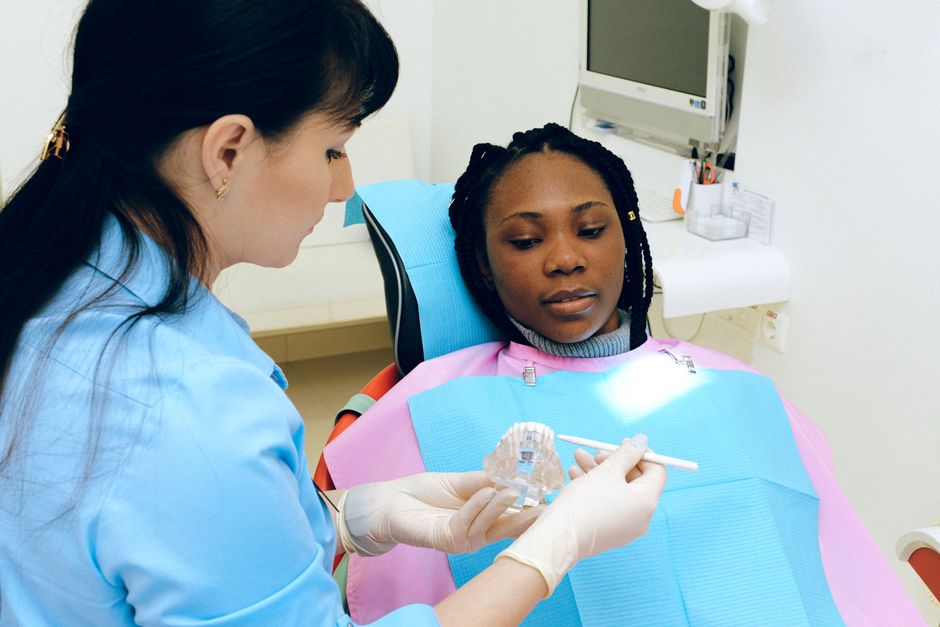
Finally, implant therapy requires excellent home care, and patients with diabetes may benefit from highly structured, practical instructions and recall. You may find it useful to share or adapt points from a daily gum care guide for healthier gingiva when setting expectations for peri-implant mucositis prevention.
Osseointegration in Diabetes: What Clinicians Watch For
From a clinical standpoint, the key concern is not that osseointegration is “impossible” in diabetes, but that the margin for error can be smaller when systemic and local risks accumulate. Consider monitoring and planning around:
Healing time and loading protocols: Some clinicians may choose more conservative loading timelines depending on bone quality, primary stability (ISQ/torque), and systemic control.
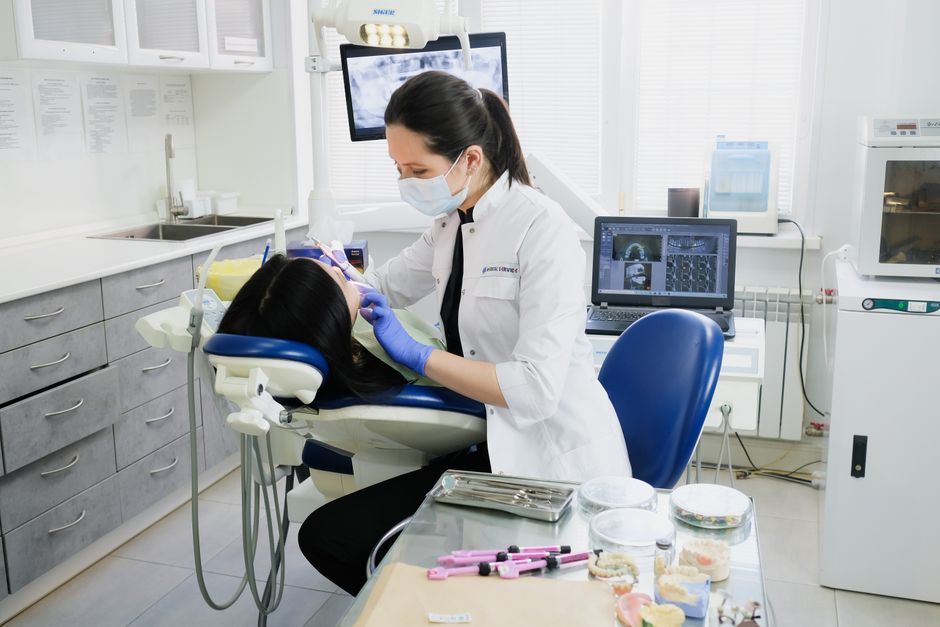
Bone quality and site development: Ridge preservation, guided bone regeneration, and sinus augmentation may require meticulous technique and careful case selection.
Peri-implant inflammation risk: Even after successful integration, peri-implant mucositis can progress if plaque control is poor or prosthetic contours limit cleaning.
Medication and comorbidity review: Antidiabetic regimens, anticoagulants, and other systemic medications may affect surgical planning and postoperative instructions.
Pre-Op and Planning Considerations (Educational Framework)
1) Medical collaboration and documentation
Obtain a detailed medical history, review recent laboratory information when available, and consider communication with the patient’s physician in complex cases. Document baseline periodontal status and caries risk, and identify modifiable factors (smoking, hygiene, untreated periodontitis).
2) Periodontal stabilization first
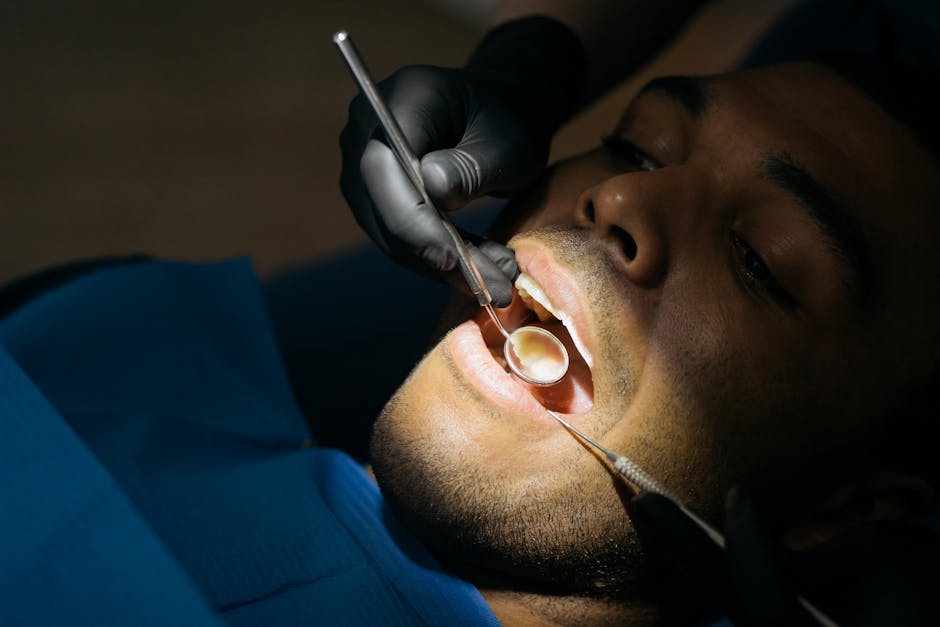
Implants placed into an inflamed oral environment can face higher biological complications. A periodontal phase—scaling, inflammation control, and a sustainable maintenance plan—often supports better long-term implant outcomes.
3) Digital diagnostics for predictable workflows
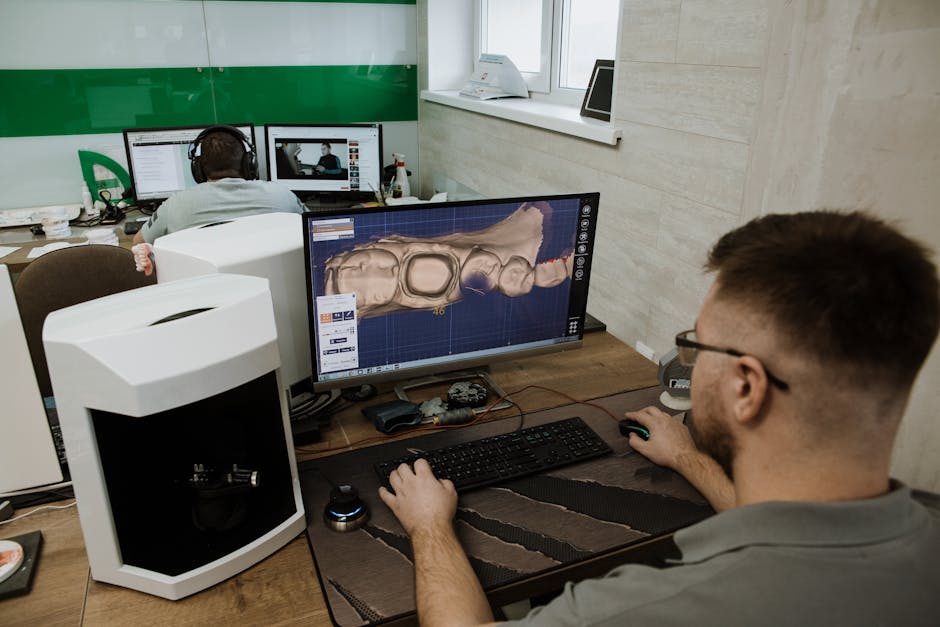
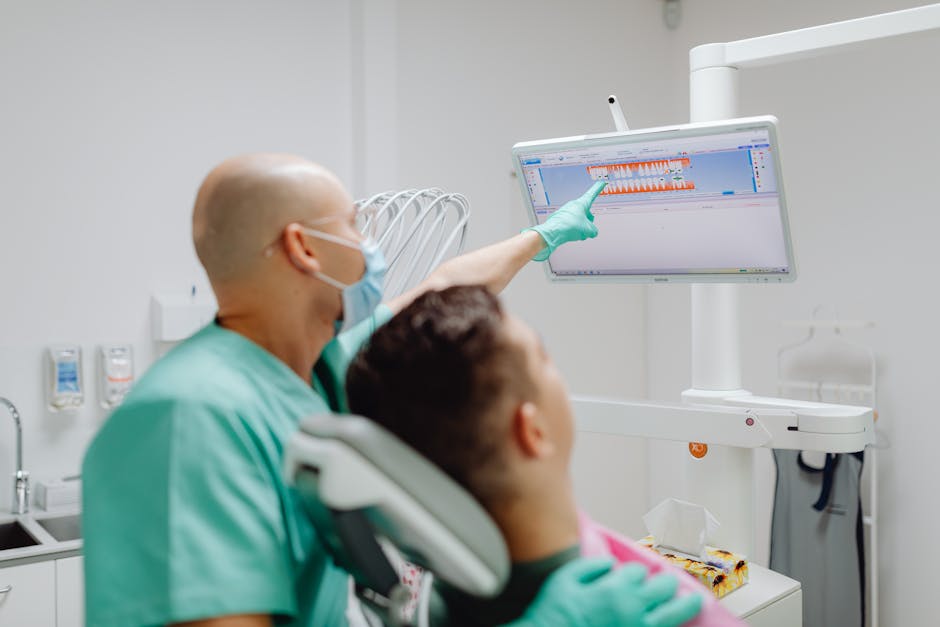
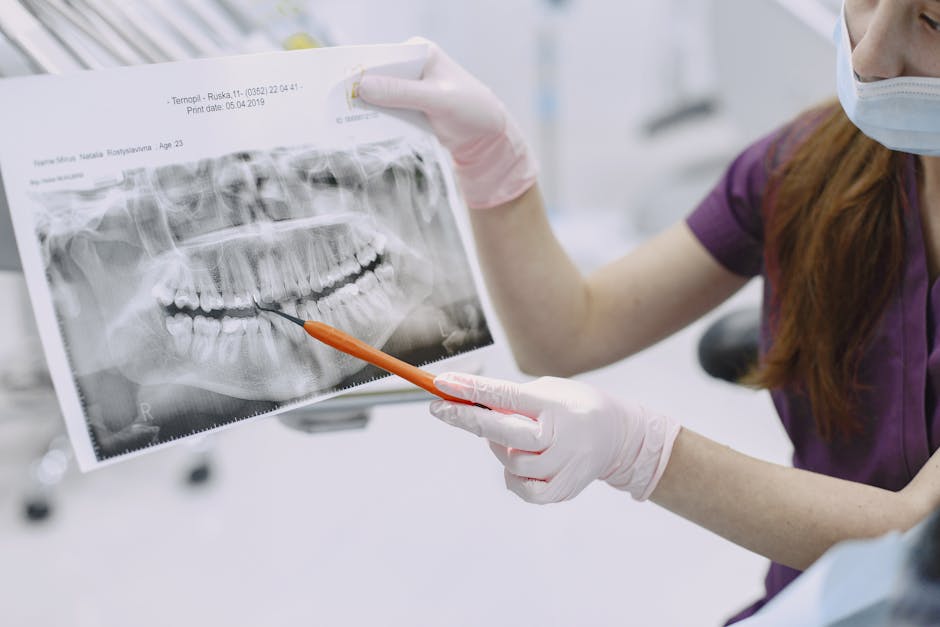
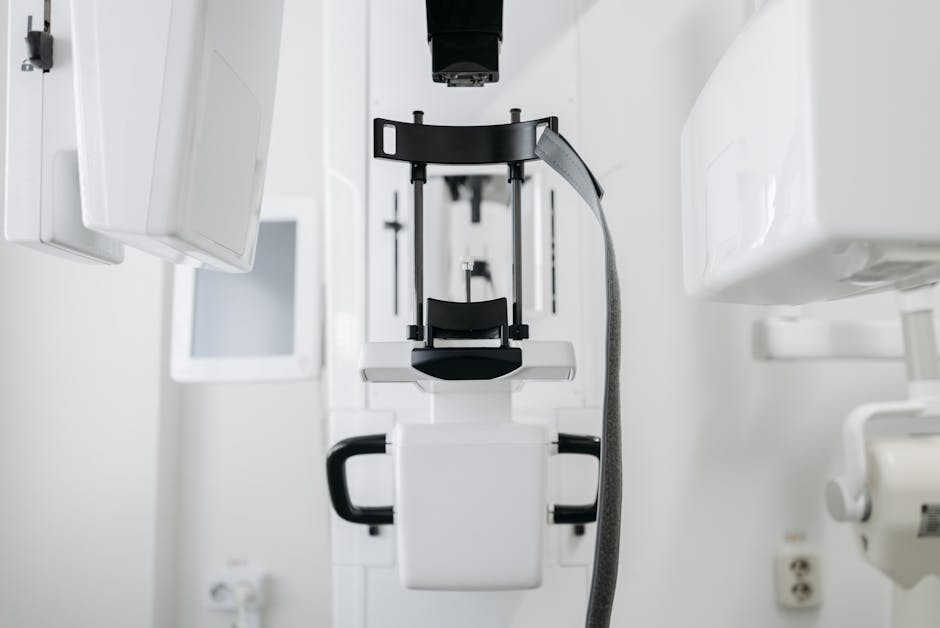
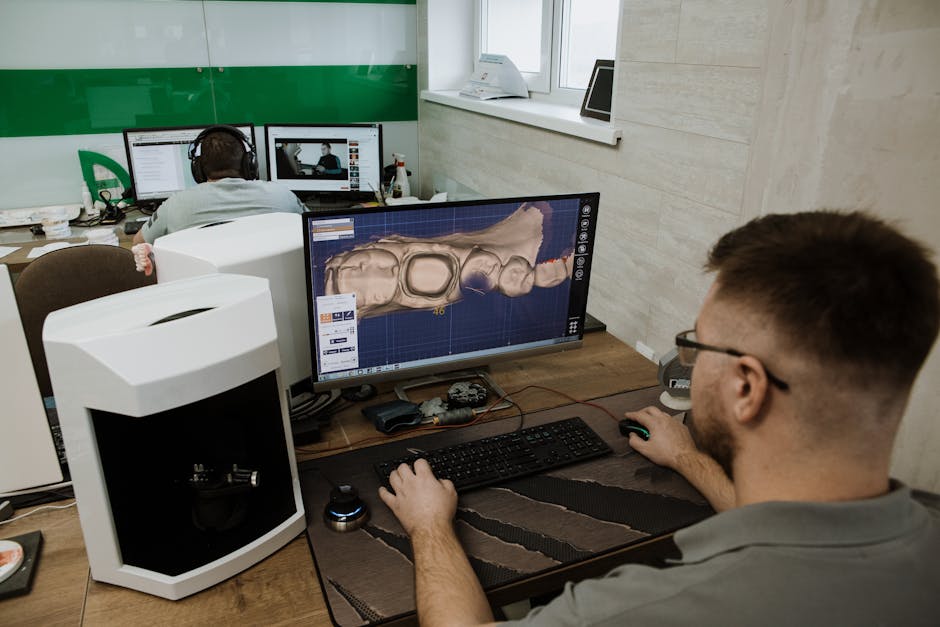
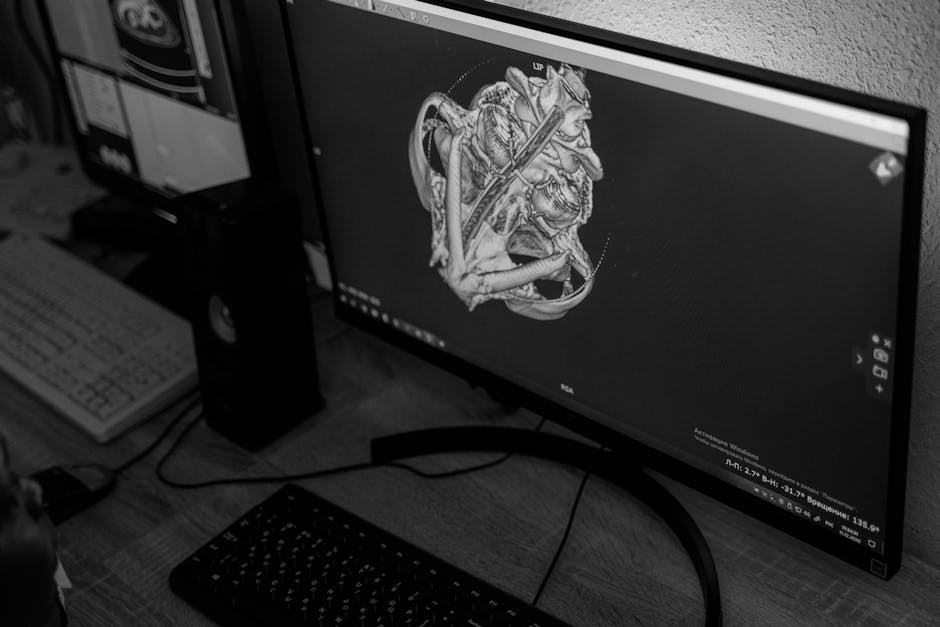
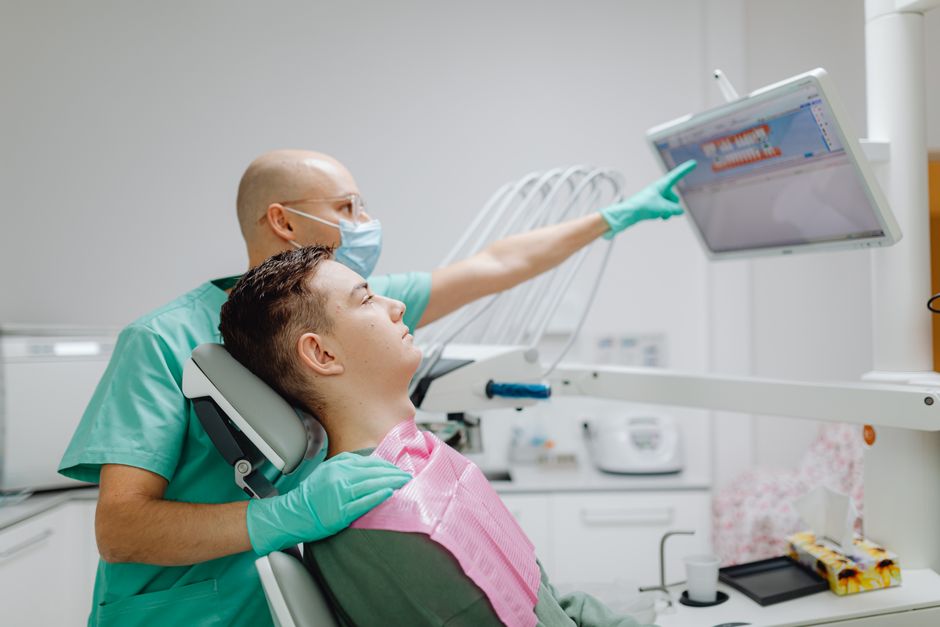
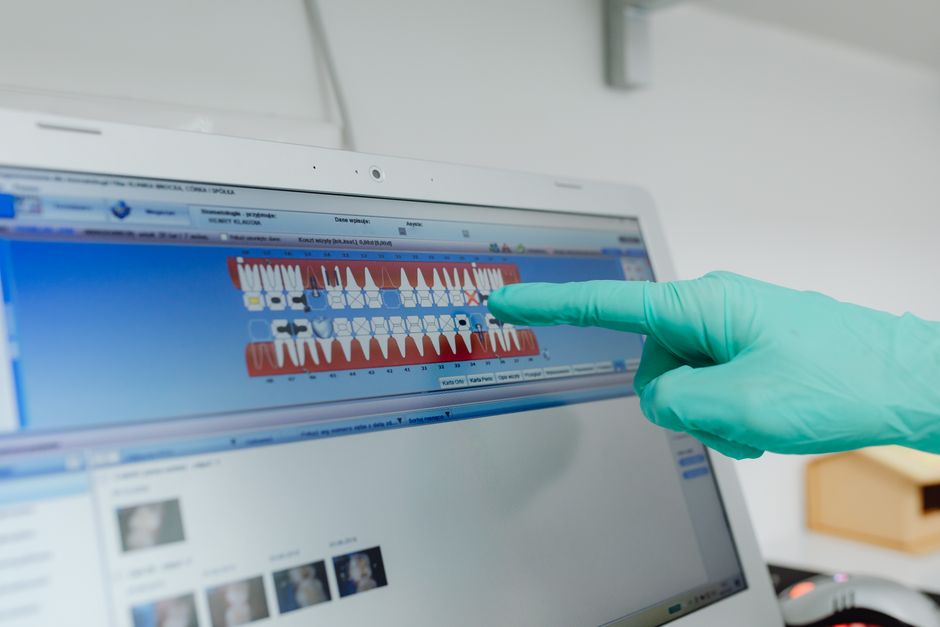
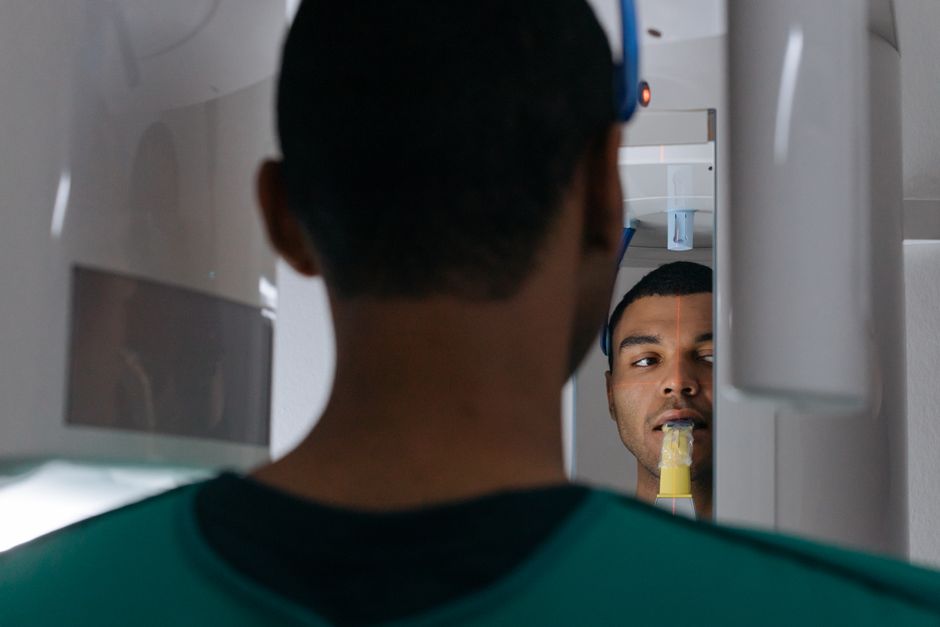
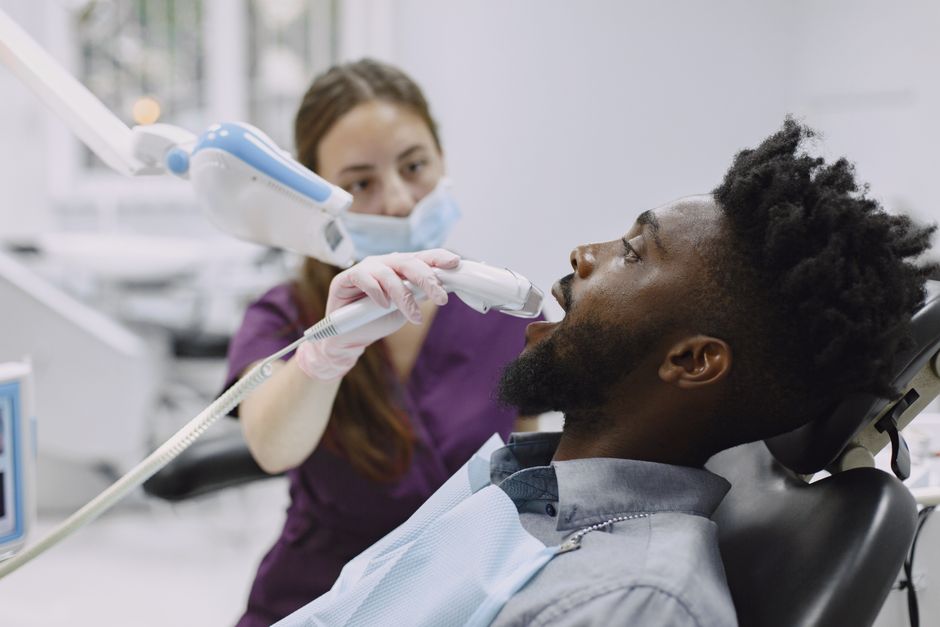
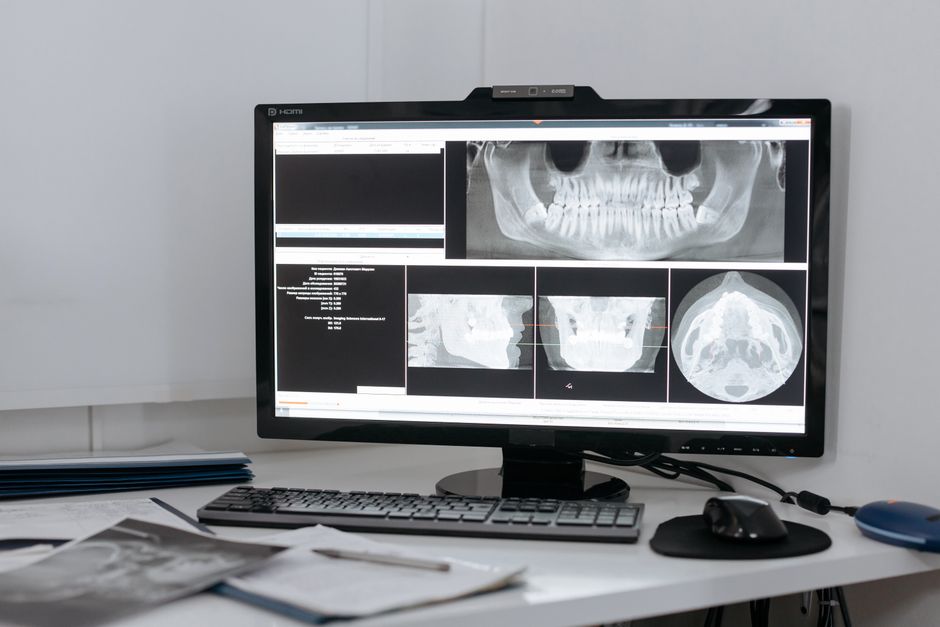
Digital dentistry can improve risk management: CBCT evaluation for anatomy and bone volume, intraoral scanning for prosthetic planning, and guided surgery for controlled positioning. In education settings, these tools are best learned in a structured, hands-on environment where clinicians can connect surgical decisions to prosthetic outcomes.
Surgical Technique and Prosthetic Design: Small Choices, Big Consequences
In patients with systemic risk factors, clinical excellence in fundamentals becomes even more important:
Atraumatic flap management and tension-free closure: Preserves perfusion and supports primary intention healing.
Primary stability and implant selection: Macrogeometry, surface characteristics, and drilling protocol selection can help achieve stable insertion without overheating bone.
Prosthetically driven positioning: Correct 3D placement improves emergence profiles, cleansability, and load distribution—key for long-term peri-implant tissue stability.
Occlusion and material selection: Restorative decisions in prosthodontics (e.g., crown design, contact points, cantilevers) can influence bone strain and patient maintenance ease.
Patient Communication: Setting Expectations Without Alarm
For dental teams, one of the most valuable skills is explaining risk in a balanced, non-alarmist way. A helpful framework includes:
Shared goals: “We want predictable healing and long-term stability.”
Transparent variables: “Blood sugar control, gum health, and home care influence tissue response.”
Actionable steps: “We will coordinate timing, emphasize hygiene, and monitor closely during healing.”
This approach supports informed consent and reinforces that the patient is an active partner in outcomes.
Maintenance After Placement: Where Many Complications Begin
Long-term success is closely linked to supportive peri-implant care: professional cleaning intervals, monitoring bleeding on probing, probing depths (with appropriate technique), and radiographic follow-up when indicated. Patients with diabetes may benefit from more frequent maintenance in the first year, especially if plaque control or periodontal history is a concern.
Maintenance discussions can also include saliva management and behavioral coaching—practical topics that improve daily plaque disruption and reduce mucosal inflammation.
What Dental Professionals Can Learn at Istanbul Dental Academy
For clinicians seeking to strengthen decision-making in higher-risk implant cases, continuing education that integrates diagnostics, surgery, and prosthetic planning can be particularly valuable. At Istanbul Dental Academy, our training philosophy emphasizes hands-on skill development—translating evidence-informed concepts into clinical steps such as guided implant placement workflows, soft-tissue handling principles, and prosthetically driven planning.
Because implant outcomes are rarely determined by a single factor, multidisciplinary thinking matters. Understanding periodontal risk, restorative design, and digital planning as one continuum helps clinicians build predictable workflows—especially when systemic conditions like diabetes add complexity.
A Broader View: Systemic Health and Dental Development
Finally, systemic and genetic factors can intersect with dental care in many ways beyond implants. For example, developmental enamel conditions can shape restorative needs, sensitivity management, and long-term maintenance planning. If you’re interested in pediatric and developmental considerations that influence future restorative pathways, see Amelogenesis Imperfecta in children: signs, diagnosis, and dental management.
Key Takeaways
Diabetes may influence implant healing by affecting perfusion, inflammation control, collagen metabolism, and bone remodeling—especially when glycemic control is poor.
Risk assessment should be individualized and consider periodontal status, hygiene, smoking, saliva function, prosthetic design, and systemic stability.
Predictability improves with planning and maintenance: digital diagnostics, atraumatic surgery, prosthetically driven placement, and structured supportive care.
This content is for educational purposes. For patient-specific recommendations, clinicians should evaluate medical history, clinical findings, and diagnostic data and collaborate with physicians as appropriate.
Diğer Yazılar