
BLOG
Occlusal Splint Therapy: Key Clinical Considerations for Predictable Outcomes
Blog Tarihi: 15/09/2026
Why occlusal splints deserve a structured approach
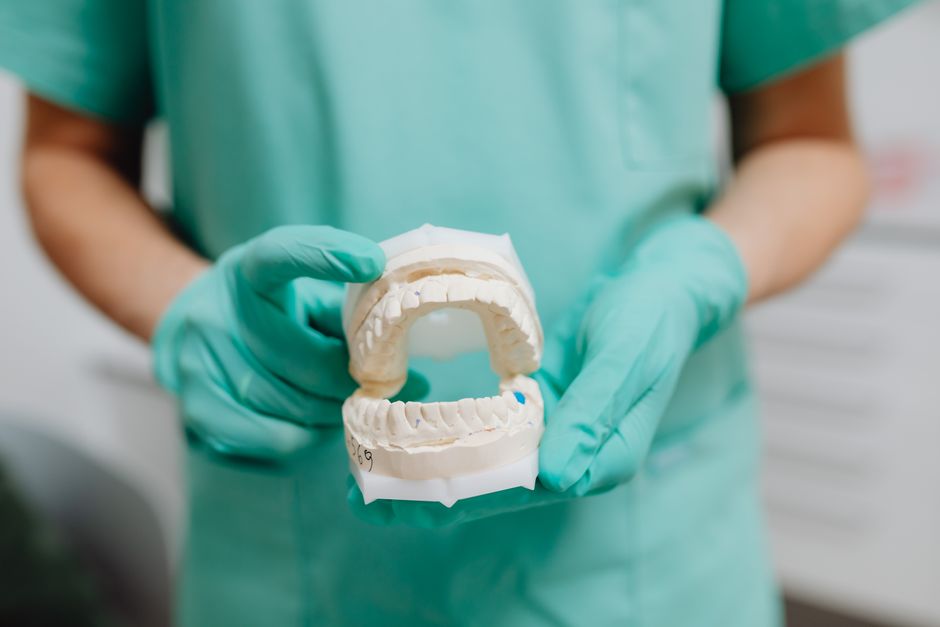
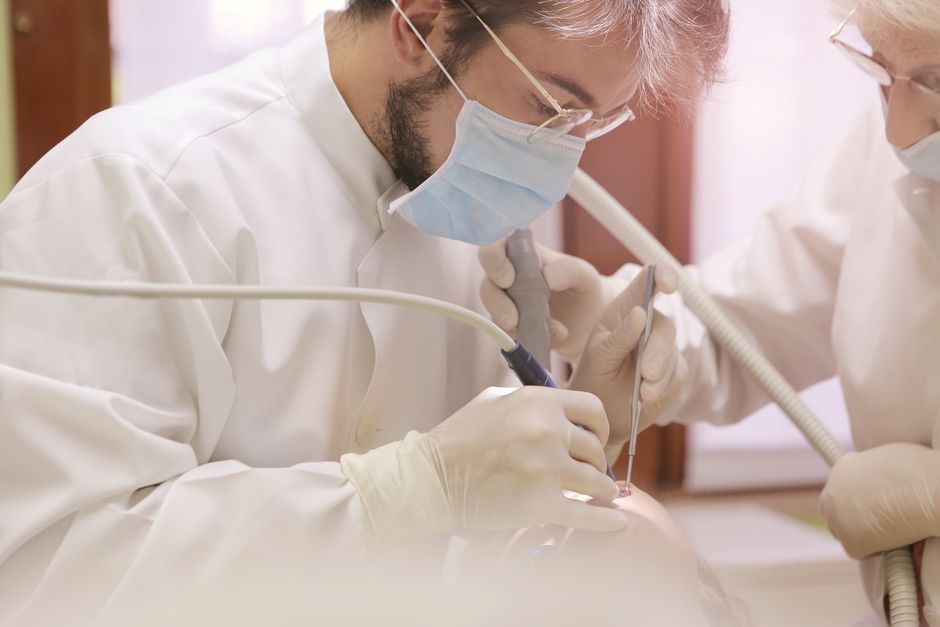
Occlusal splints (also called occlusal guards, stabilization appliances, or night guards depending on design) are widely used in dentistry to support conservative management of parafunctional activity, temporomandibular disorder (TMD)-related symptoms, and protective strategies for teeth and restorations. Yet the clinical outcomes are highly dependent on case selection, appliance design, occlusal goals, and follow-up. In other words, “a splint” is not a single treatment—it is a family of appliances that must be matched to a diagnosis and monitored over time.
This educational overview discusses key considerations for predictable occlusal splint therapy, from diagnostic work-up to delivery and maintenance. It is intended for dental professionals and learners; it does not replace individualized clinical judgment or patient-specific diagnosis and treatment planning.
Start with diagnosis: not every “bruxer” needs the same splint
Differentiate the patient’s primary complaint
Patients may present with tooth wear, fractured restorations, muscle fatigue, morning headaches, joint sounds, limited opening, or diffuse facial pain. These complaints can overlap, but they do not always share the same etiology. A structured history and exam help identify whether the chief driver is likely:
• Parafunctional loading (sleep bruxism, awake clenching)
• Myogenous pain (muscle-related)
• Arthrogenous signs (joint-related, potentially disc displacement or degenerative change)
• Occlusal instability due to missing teeth, altered vertical dimension, or restorative transitions
Screen for risk modifiers that influence outcomes
Stress, sleep quality, smoking, and periodontal vulnerability can influence oral health behaviors and tissue response. For example, inflammatory periodontal conditions may complicate comfort and compliance with removable appliances. For a concise review of how systemic and behavioral factors intersect with periodontal inflammation, see Smoking, stress, and necrotizing gingivitis considerations for dental professionals, and incorporate those insights when counseling patients on oral hygiene and maintenance during splint use.
Clinical examination: what to record before you prescribe
Occlusal and functional findings
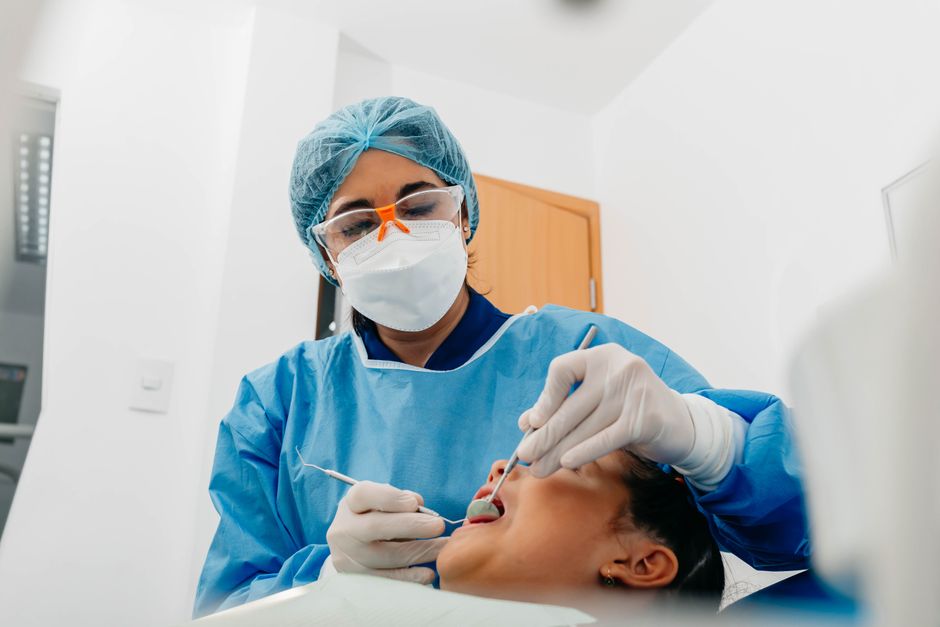
Before selecting a splint type, document baseline findings so you can measure change and avoid iatrogenic shifts:
• Tooth wear pattern (facets, cupping, cracks, abfraction-like lesions)
• Restorative status (new crowns/veneers, implants, large composites)
• Occlusal scheme (CO–MI discrepancy, guidance patterns, interferences)
• Range of motion and pain provocation tests
• Joint sounds (clicking/crepitus) and deviation on opening
• Periodontal phenotype and soft tissue comfort in the vestibules
Don’t ignore gingival and mucogingival limitations
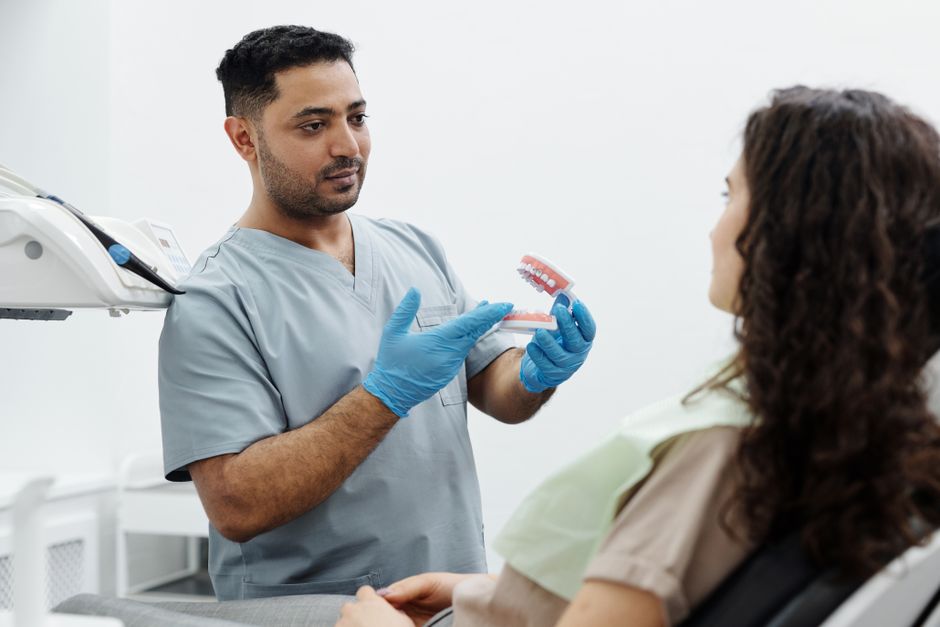
Splints can irritate tissues if margins are overextended, if there is thin biotype, or if recession exposes sensitive root surfaces. If you suspect recession-related sensitivity or expect that appliance margins may challenge plaque control, reviewing gum recession causes and evidence-based management can help frame risk communication and reinforce a supportive hygiene plan while the patient adapts to appliance wear.
Choose the right appliance design: goals, not labels
Stabilization splints (Michigan-type) for occlusal “neutrality”
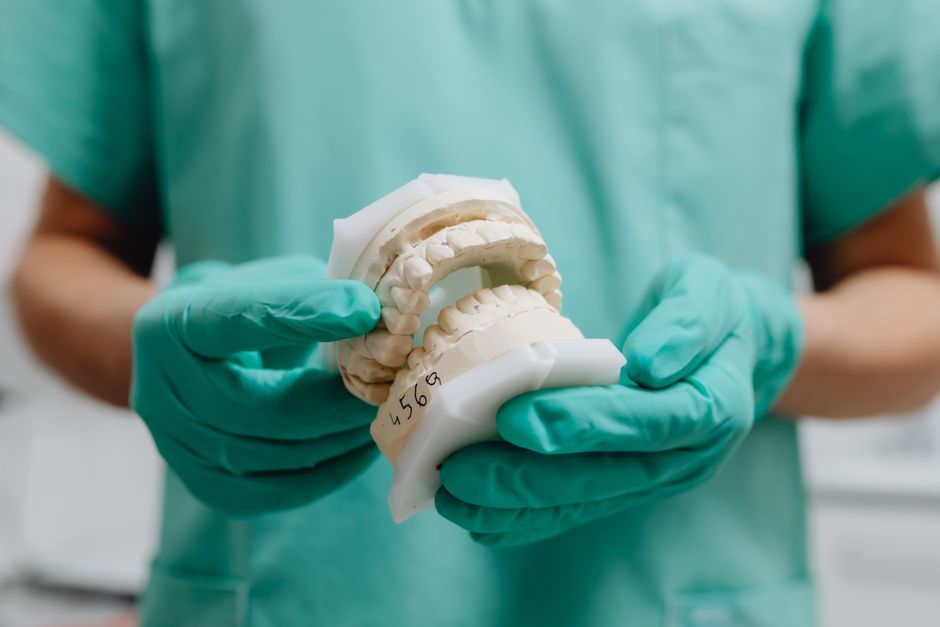
A hard, full-coverage stabilization splint is commonly selected when the goal is to provide evenly distributed occlusal contacts and reduce adverse loading on teeth/restorations while allowing the masticatory system to “settle” into a more comfortable neuromuscular position. Key design principles typically include:
• Full arch coverage to reduce risk of unwanted tooth movement
• Even, simultaneous contacts in the chosen reference position
• Smooth guidance to reduce posterior interferences during excursions
• Adequate thickness for durability and adjustability
Repositioning or anterior-only designs: be selective
Some appliances aim to modify mandibular position temporarily or reduce elevator muscle activity by limiting posterior contacts. These can be useful in specific clinical contexts, but they require careful monitoring to avoid occlusal changes, joint overload, or patient discomfort. When in doubt, prioritize reversible, conservative designs and schedule early reviews.
Material selection: comfort, adjustability, and longevity
Hard vs. soft appliances
Soft guards may feel comfortable initially and can be fabricated quickly, but they can be more difficult to equilibrate precisely and may wear rapidly in heavy bruxers. Hard acrylic (or milled hard materials) allows refined occlusal adjustments and can be easier to maintain when properly polished. Material selection should reflect patient compliance, parafunctional intensity, and restorative risk.
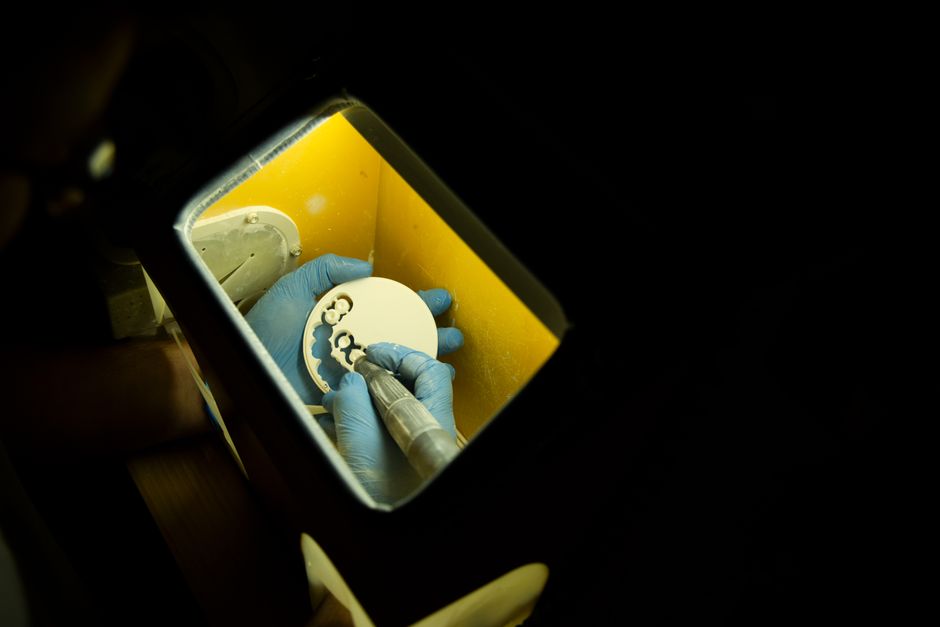
Digital workflow and fabrication accuracy
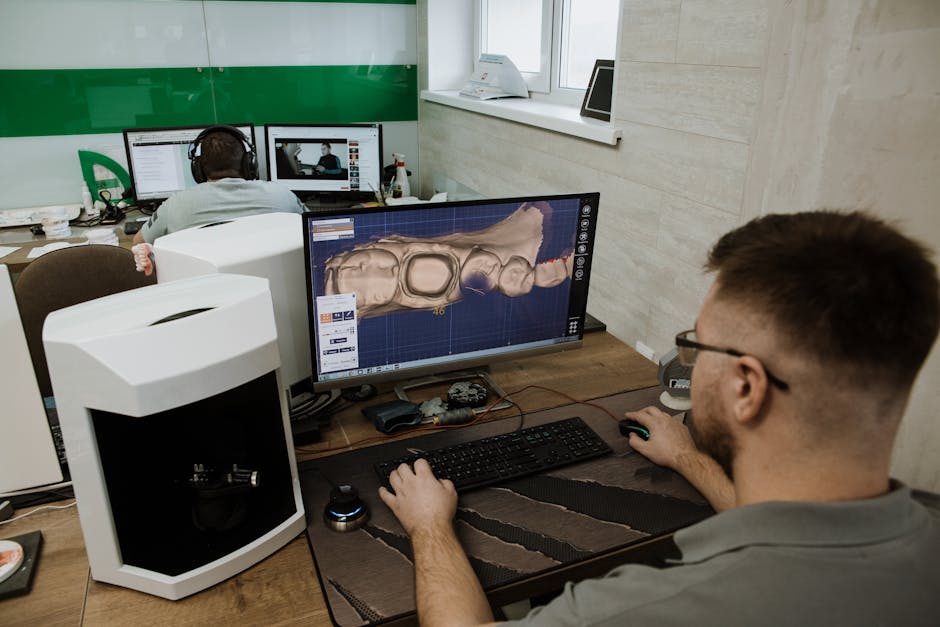
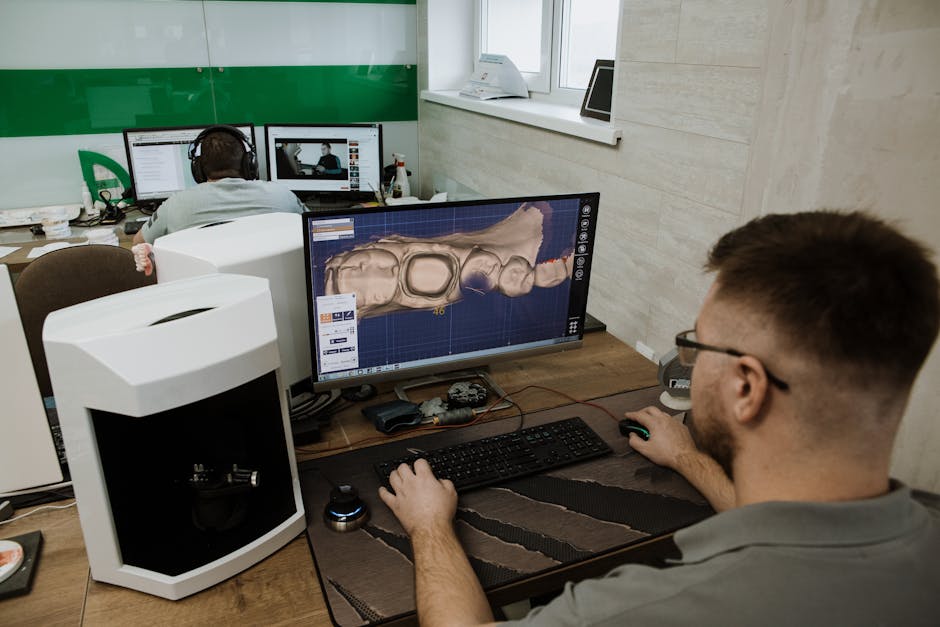
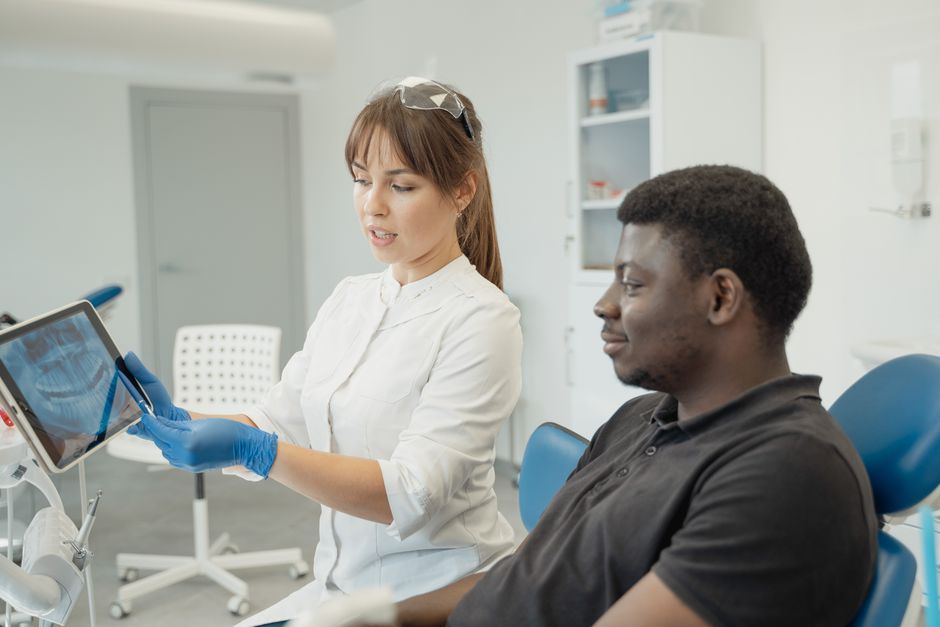
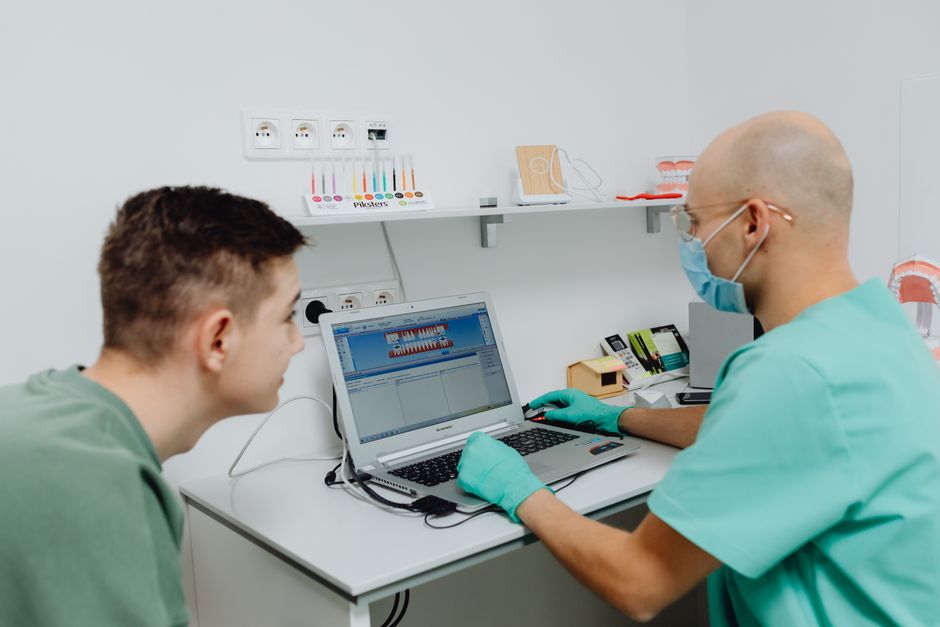
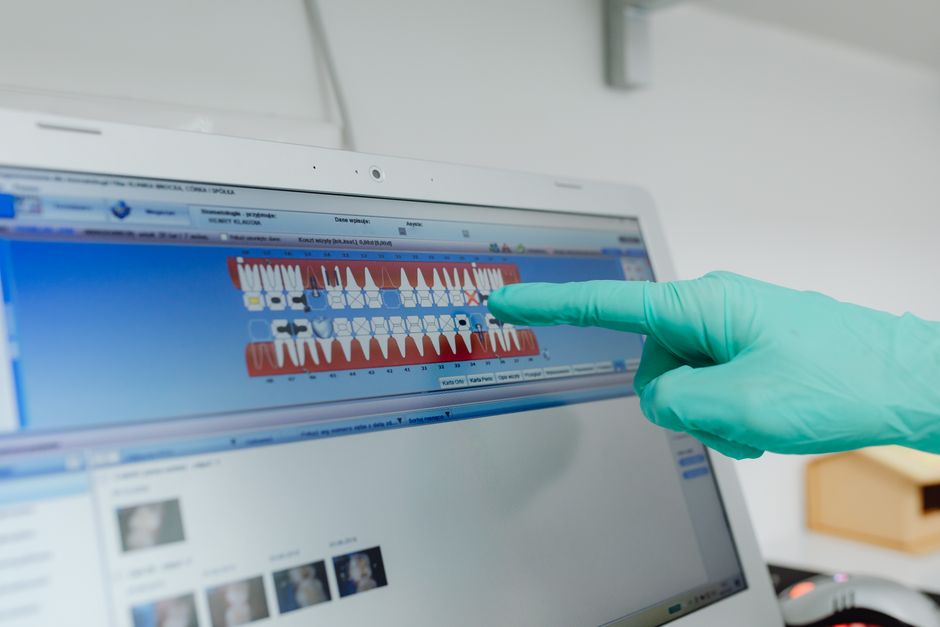
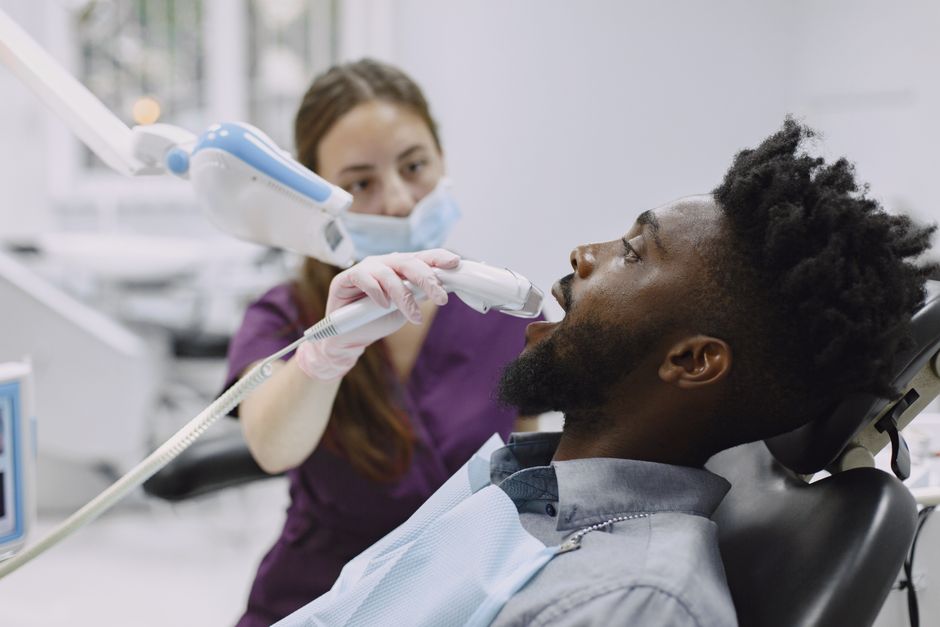
Intraoral scanning, CAD design, and milling/printing can improve fit consistency and reproducibility—especially in busy clinics where remakes and chairside adjustments add up. Digital records also facilitate monitoring tooth wear and occlusal changes over time. If your practice is integrating smile design and restorative planning into a digital ecosystem, the workflow described in Digital dentistry for laminate veneer planning offers relevant concepts—such as scan quality, occlusal analysis, and staged communication—that can also elevate splint planning and delivery.
Occlusal adjustment at delivery: the “make-or-break” appointment
Check fit first, then occlusion
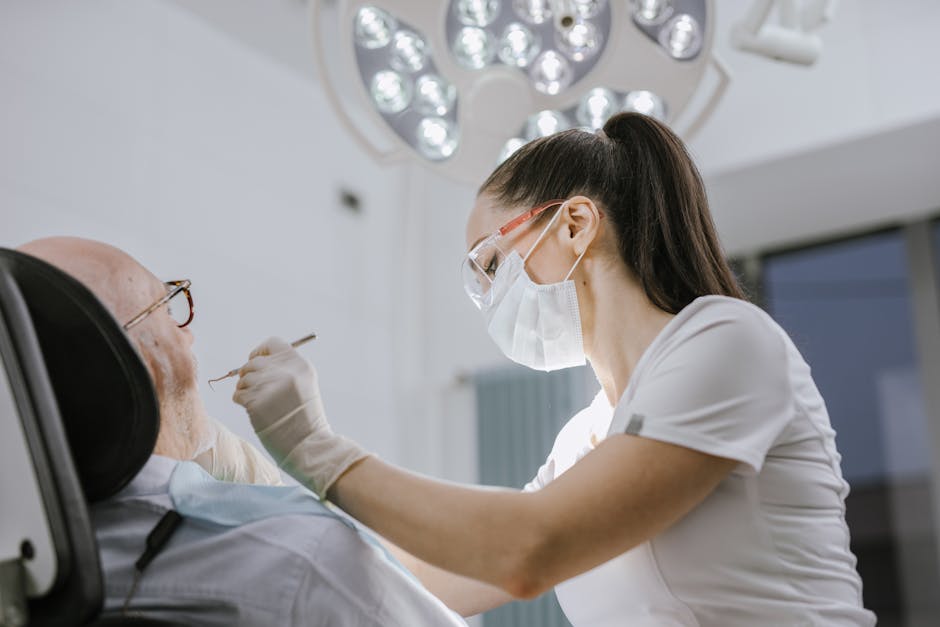
Delivery should follow a consistent sequence: verify seating and stability, evaluate border extensions, inspect pressure points, and only then refine occlusal contacts. Overlooking a minor seating discrepancy can mislead your occlusal markings and lead to repeated, unnecessary grinding.
Define a realistic occlusal target
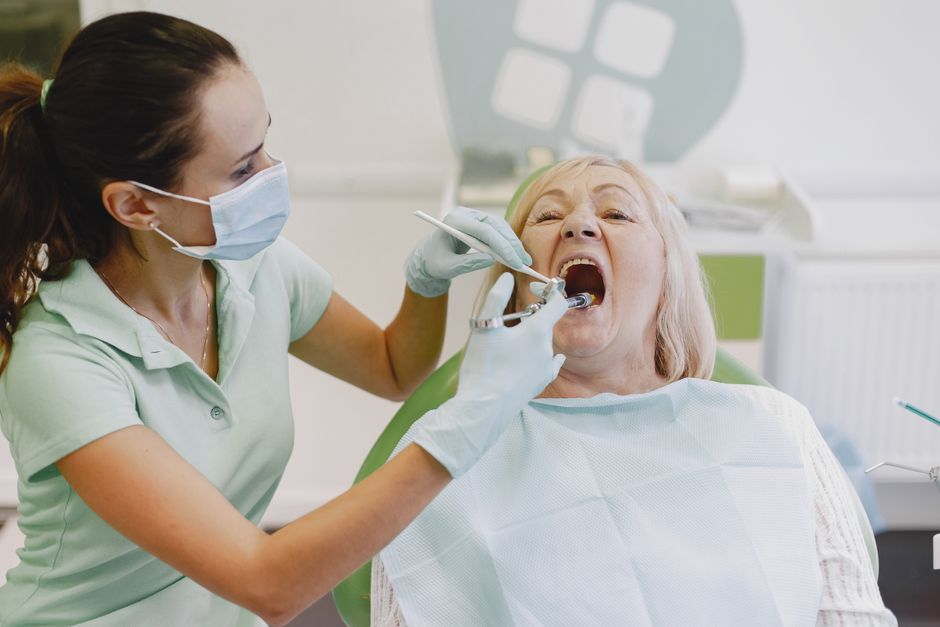
For stabilization designs, many clinicians aim for even bilateral contacts with smooth excursive guidance and minimal posterior friction during excursions. However, the “ideal” contact scheme may differ depending on the patient’s anatomy, existing guidance, and restorative situation. The practical aim is comfortable, stable contact distribution without introducing interferences that provoke muscle guarding.
Consider restorative and aesthetic implications
Patients undergoing anterior aesthetic rehabilitation—such as composite bonding or veneers—often have heightened expectations for comfort and function. Splint therapy can play a protective role during transitional stages (e.g., after increasing vertical dimension or placing additive restorations). If you are refining your approach to anterior function and aesthetics, how to achieve natural aesthetics in anterior composite restorations provides a helpful restorative framework that complements splint planning by emphasizing morphology, guidance considerations, and conservative layering strategies.
Follow-up protocol: monitor, adjust, and reassess diagnosis
Schedule early and document changes
Splint therapy is not “deliver and forget.” A practical review schedule might include a short-term check (e.g., within 1–2 weeks) to address sore spots and refine occlusion, followed by periodic reassessment based on symptoms and wear. Track:
• Patient-reported comfort and sleep quality
• Changes in muscle tenderness
• Wear facets on the appliance
• Occlusal stability on teeth and on the splint
• Tissue health and hygiene adherence
Be alert to red flags
Worsening joint pain, progressive limitation of opening, neurological symptoms, or persistent severe headaches warrant careful reassessment and, when appropriate, referral pathways. A splint should not be used to mask symptoms without ongoing evaluation.
Splints in complex dentistry: implants, prosthodontics, and endodontics
Occlusal protection around implants and full-arch work
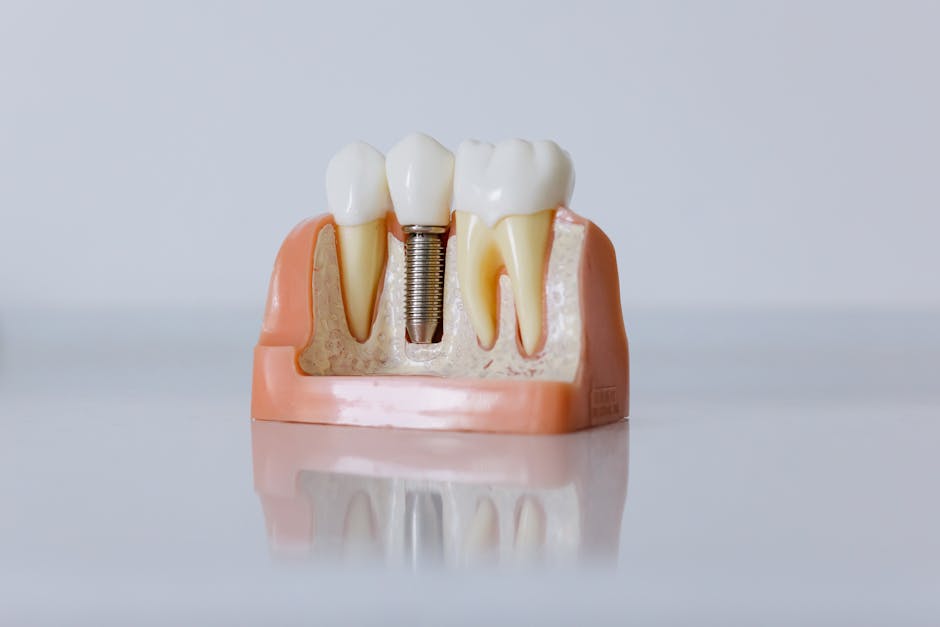
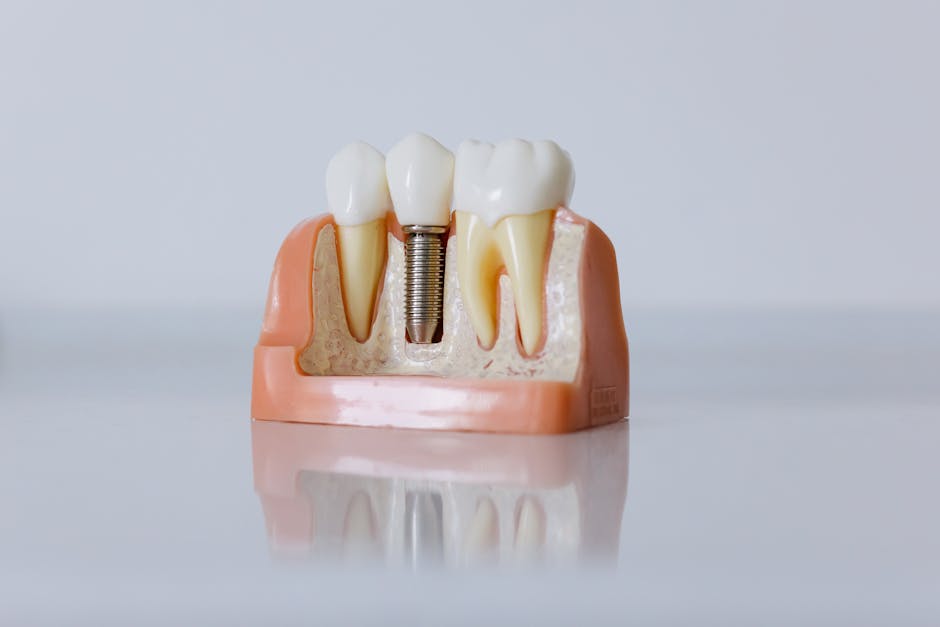
Implant-supported restorations do not have the same periodontal ligament proprioception as natural teeth, and they may be less forgiving under parafunctional load. For patients with bruxism or heavy occlusal forces, a carefully designed protective appliance can be part of a broader risk-management plan—alongside occlusal scheme optimization, material selection, and maintenance scheduling. In prosthodontic cases, ensure your splint design respects planned occlusal vertical dimension and does not destabilize provisional restorations.
Endodontically treated teeth and crack risk
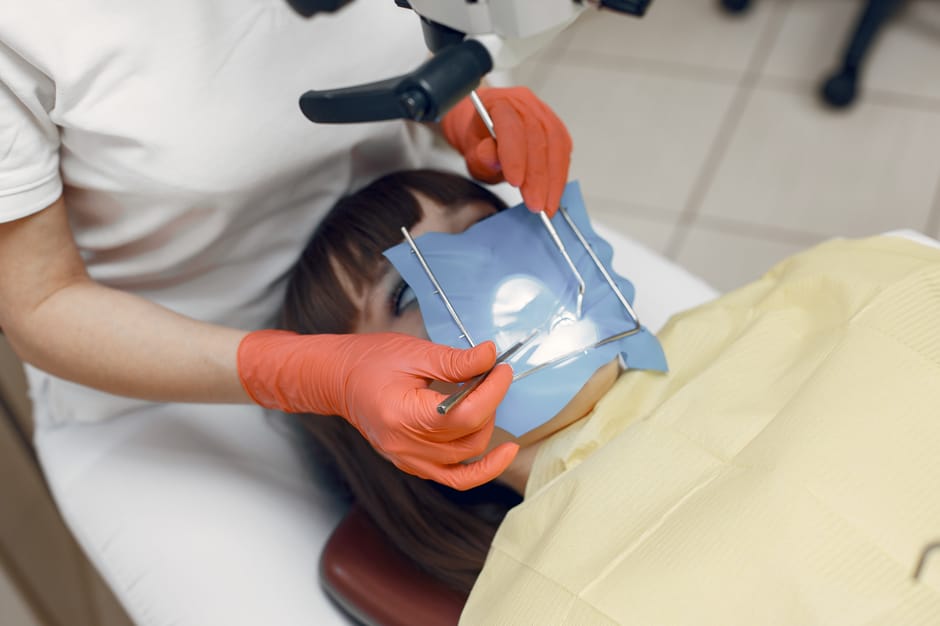
Patients presenting with symptoms suggestive of cracked tooth syndrome or overload-related pain may benefit from stabilization strategies, but diagnosis remains critical. Magnification and illumination improve detection of microcracks, marginal leakage, and subtle fracture lines. If you are strengthening your diagnostic confidence in complex endodontic cases, advantages of using a dental microscope in endodontics highlights clinical benefits that can support decision-making before and during splint therapy in high-risk teeth.
Common pitfalls—and how to avoid them
Partial coverage designs without a plan
Appliances that do not fully cover the arch can, in certain situations, contribute to unwanted tooth movement or occlusal changes. If a partial design is chosen for a specific indication, patient education and closer monitoring become even more important.
Rough surfaces and bulky borders
Overcontoured borders can irritate mucosa and compromise speech, while rough acrylic can increase plaque retention. A high-quality polish and careful border trimming improve comfort and compliance—often more than adding “extra thickness.”
Skipping patient education
Clear instructions on insertion/removal, cleaning, storage, and what symptoms should prompt a review appointment are central to safe use. Reinforce that splints do not “cure” bruxism; they are a supportive, reversible measure used within a broader management strategy.
Training matters: building confidence in occlusion and appliance therapy
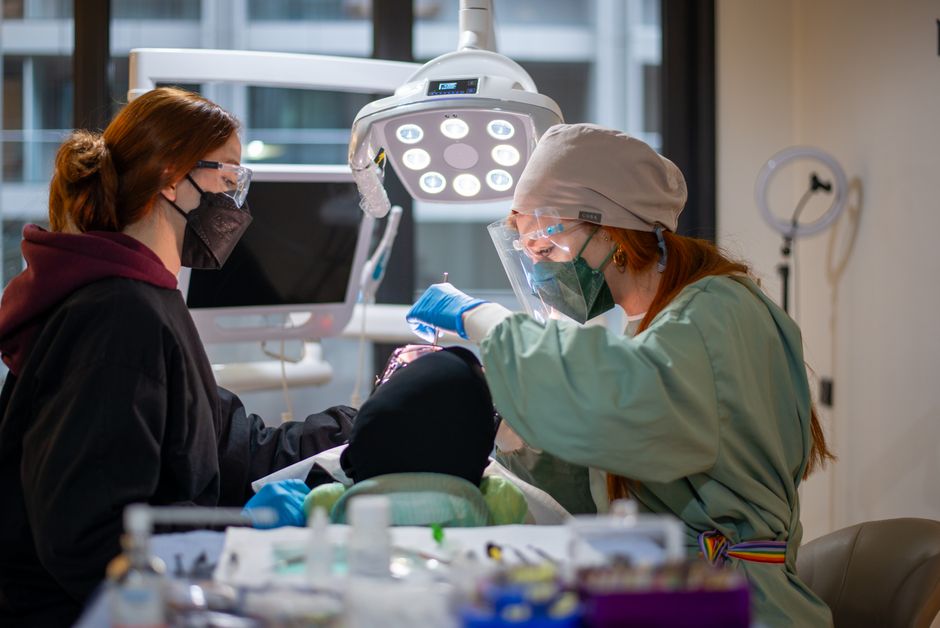
For many clinicians, splint therapy becomes predictable when they can confidently connect occlusal concepts to hands-on adjustment skills and real-world troubleshooting. At Istanbul Dental Academy, continuing dental education emphasizes practical workflows—diagnostic thinking, digital records, and chairside refinement—so clinicians can integrate occlusal appliances into restorative, prosthodontic, and aesthetic cases with greater consistency.
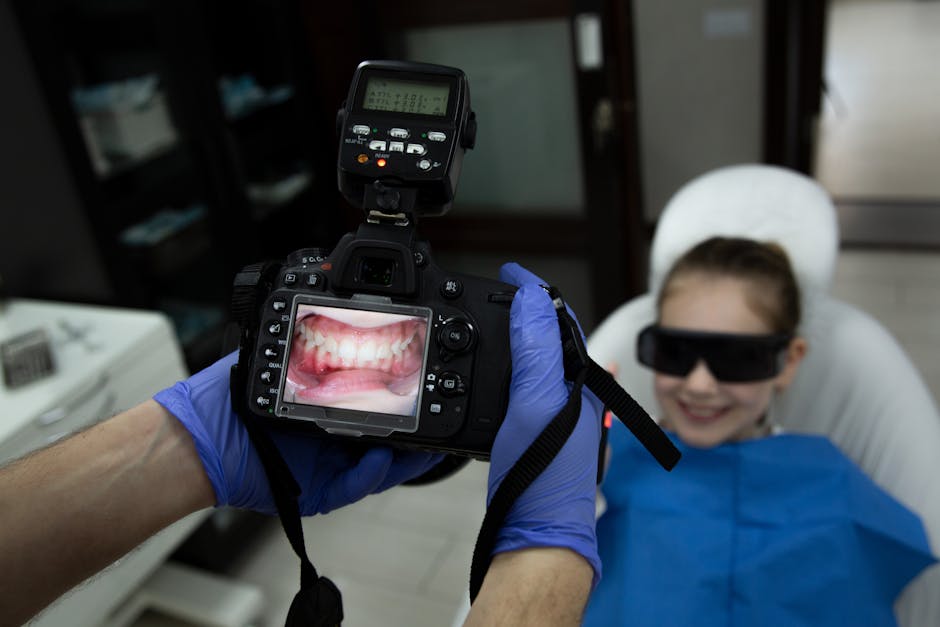
Because splints intersect with multiple disciplines (restorative dentistry, prosthodontics, periodontology, and even photography for documentation), hands-on training can help unify how you capture baseline records, communicate with laboratories, and evaluate outcomes at follow-up.
Conclusion
Occlusal splint therapy can be a valuable, conservative tool—especially when diagnosis is explicit, the appliance design matches clinical goals, and follow-up is structured. The details matter: tissue health, occlusal adjustment, digital accuracy, and interdisciplinary planning all influence patient comfort and long-term predictability.
This content is for educational purposes only and is not a substitute for individualized diagnosis or treatment planning. For clinicians seeking to refine occlusal appliance protocols and integrate them into comprehensive care, Istanbul Dental Academy’s hands-on courses offer a practical pathway to strengthen skills and clinical decision-making.
Diğer Yazılar