
BLOG
How Long Can All-on-4 Implants Last? Longevity, Maintenance, and Clinical Factors
All-on-4: “How many years can it be used?”—framing the question correctly
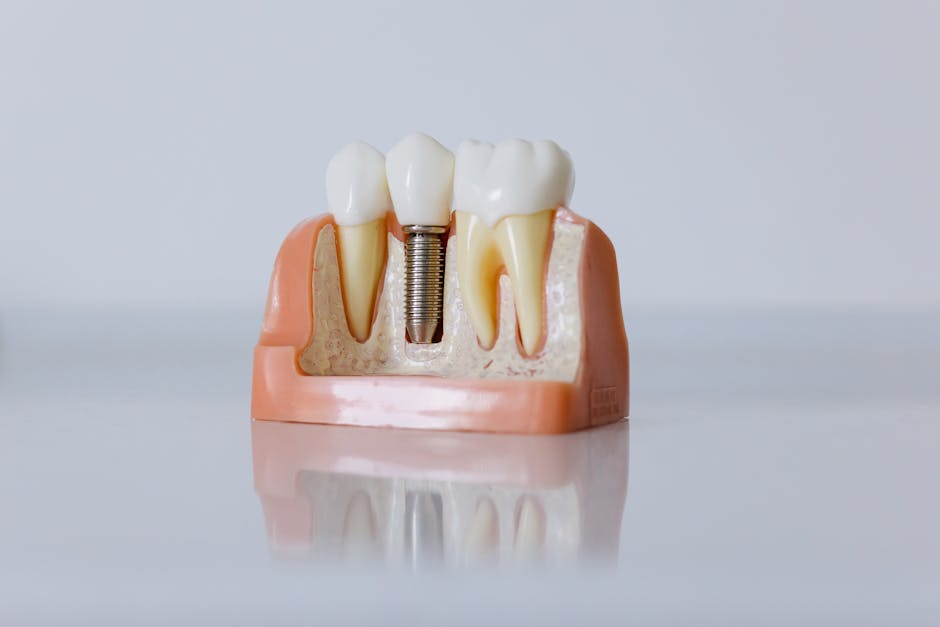
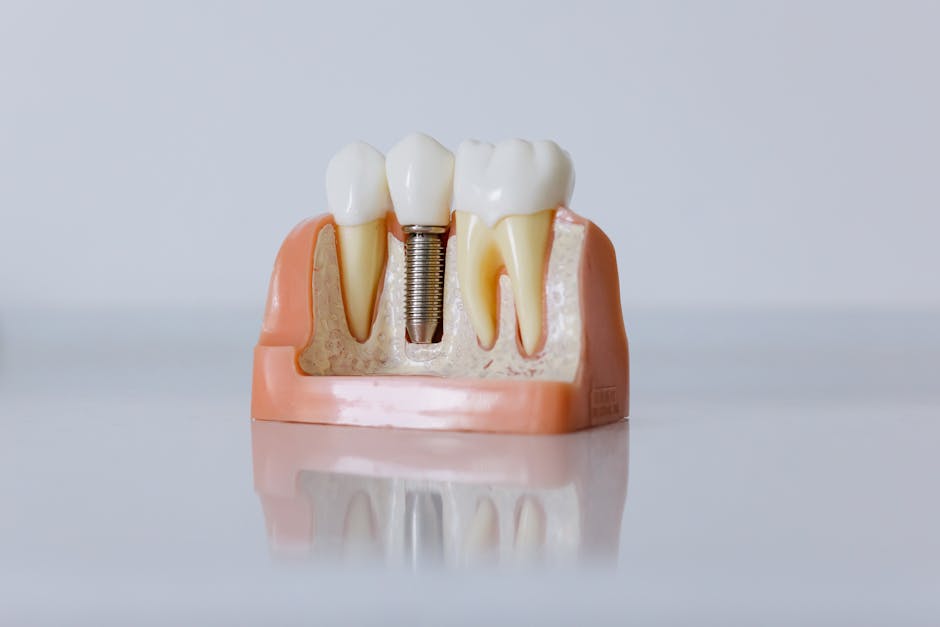
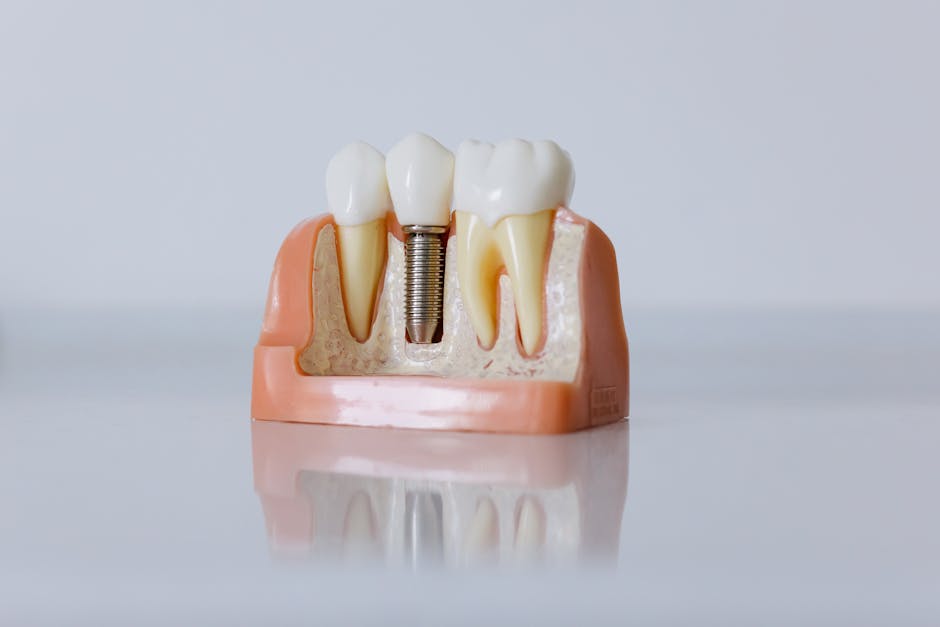
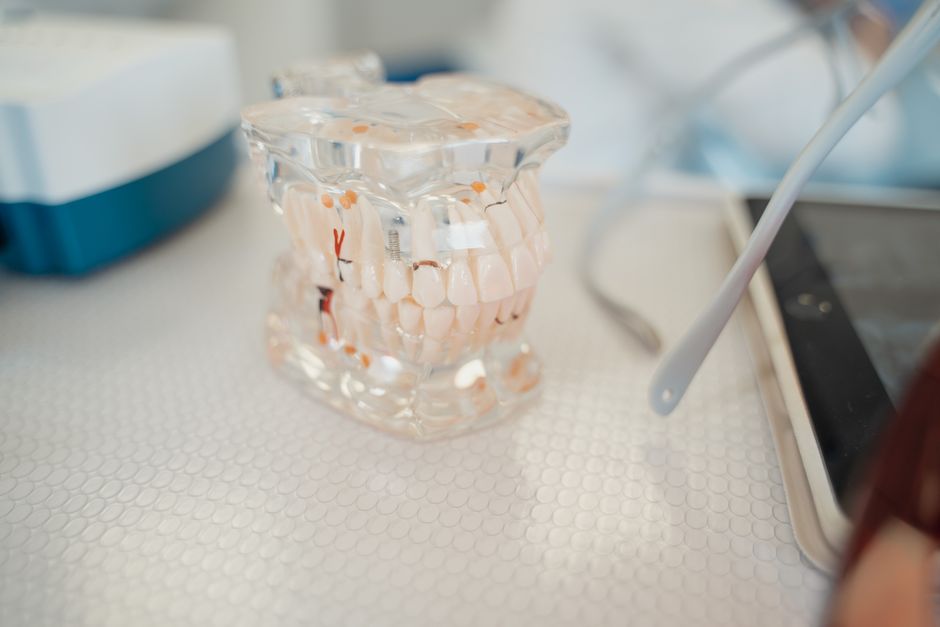
Patients and even clinicians often ask a direct question: How long does All-on-4 last? In practice, longevity is not a single number. All-on-4 is a concept for full-arch rehabilitation using four implants (typically two anterior axial implants and two posterior tilted implants) to support a fixed prosthesis. Its durability depends on a chain of factors: diagnosis, surgical execution, implant stability, prosthetic design, occlusion, maintenance, and patient-related risks.
This content is for educational purposes and does not replace individualized diagnosis or treatment planning. However, understanding what drives long-term success is essential for dentists, residents, and students—especially those building competency in implant dentistry, prosthodontics, and digital workflows.
Typical expectations: implant survival vs prosthesis survival
When discussing “years of use,” it helps to separate two outcomes:
1) Implant survival (biologic outcome): Whether the implants remain osseointegrated and free from progressive complications that require removal.
2) Prosthesis survival (technical outcome): Whether the fixed restoration remains functional and esthetic without major repair or replacement.
In full-arch implant cases, patients may experience prosthetic maintenance (e.g., screw loosening, chipping, wear, relines for transitional prostheses) even when the implants themselves remain stable for many years. Setting clear expectations, documenting baseline records, and planning for maintenance are key components of responsible care.
Clinical factors that influence All-on-4 longevity
Bone quality, volume, and anatomy
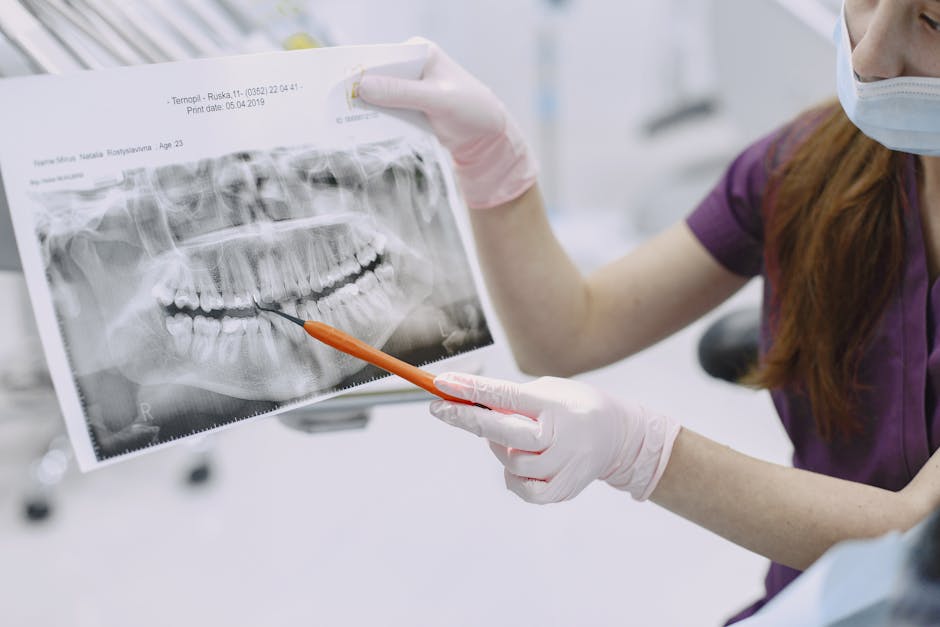
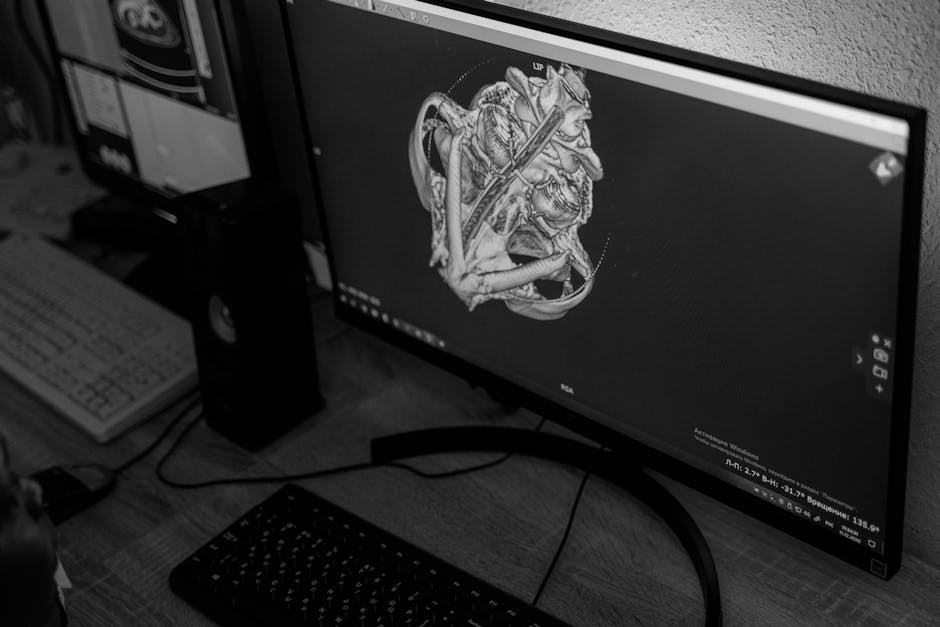
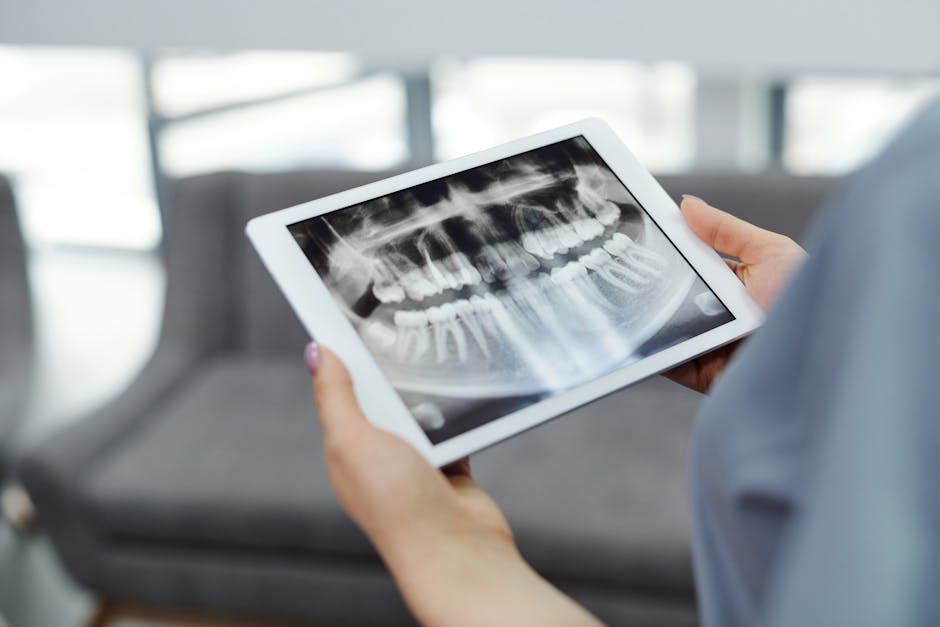
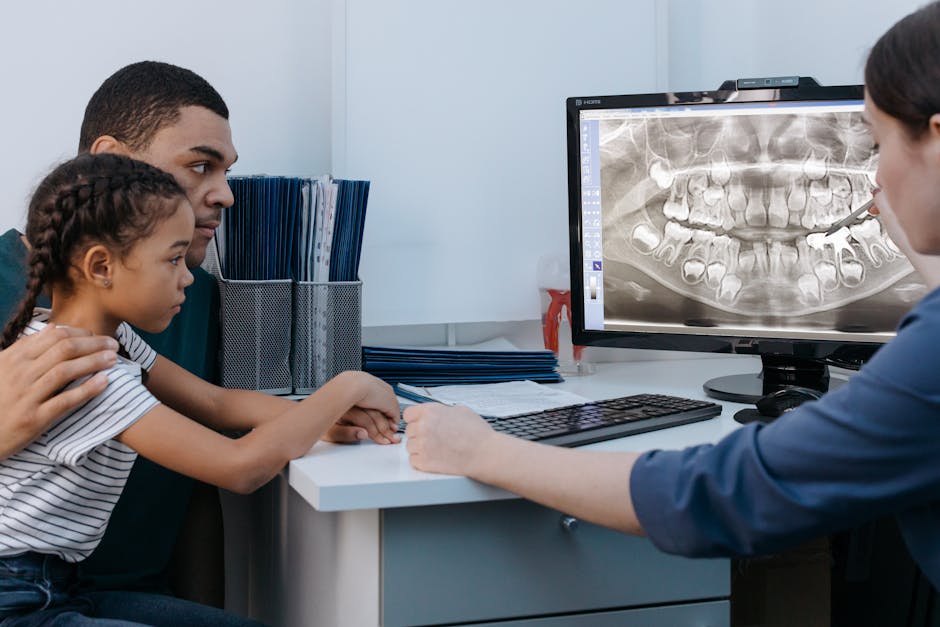
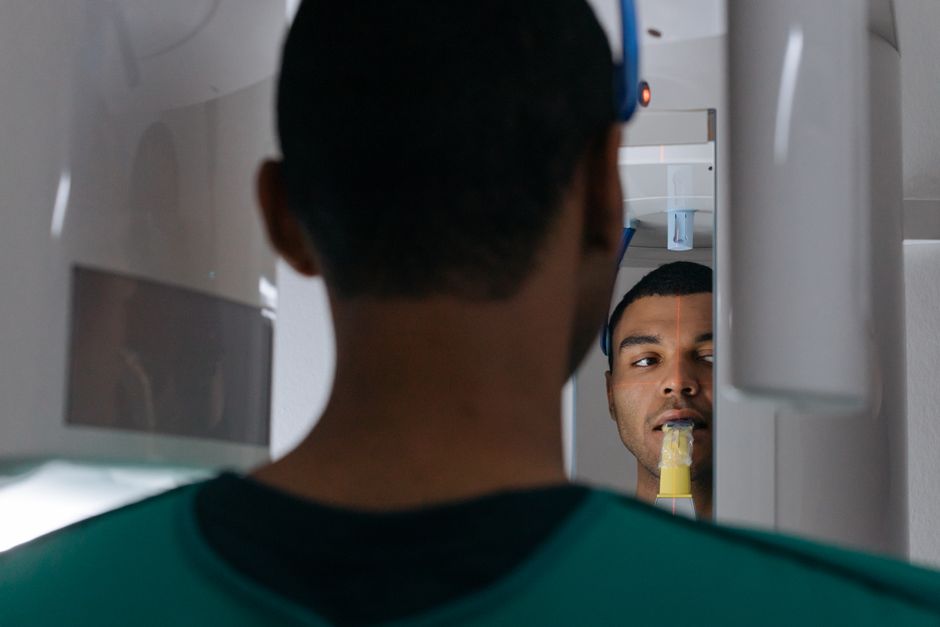
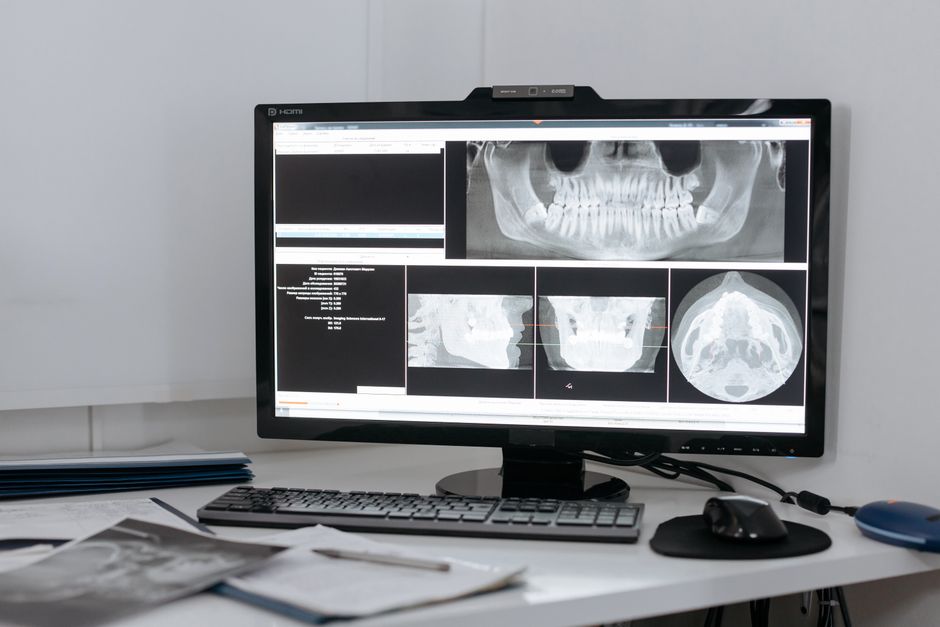
All-on-4 often reduces the need for extensive grafting by tilting posterior implants, but the case still depends on adequate bone in strategic zones. Bone density, ridge morphology, sinus position (maxilla), and proximity to the inferior alveolar nerve (mandible) impact implant selection and placement. CBCT-based planning improves risk assessment and supports safer trajectories for tilted implants.
Primary stability and immediate loading protocols
Many All-on-4 cases are planned with immediate loading, which requires sufficient primary stability and controlled occlusal loading. Clinicians and learners often compare these protocols with accelerated implant workflows discussed in Is One-Day Dental Implant Treatment Really Possible?. Immediate function can be predictable in appropriately selected cases, but it is not universally indicated. Stability, implant distribution, splinting, and occlusal scheme are decisive—especially in the maxilla where bone quality is frequently less dense.
Implant positioning and prosthetically driven planning
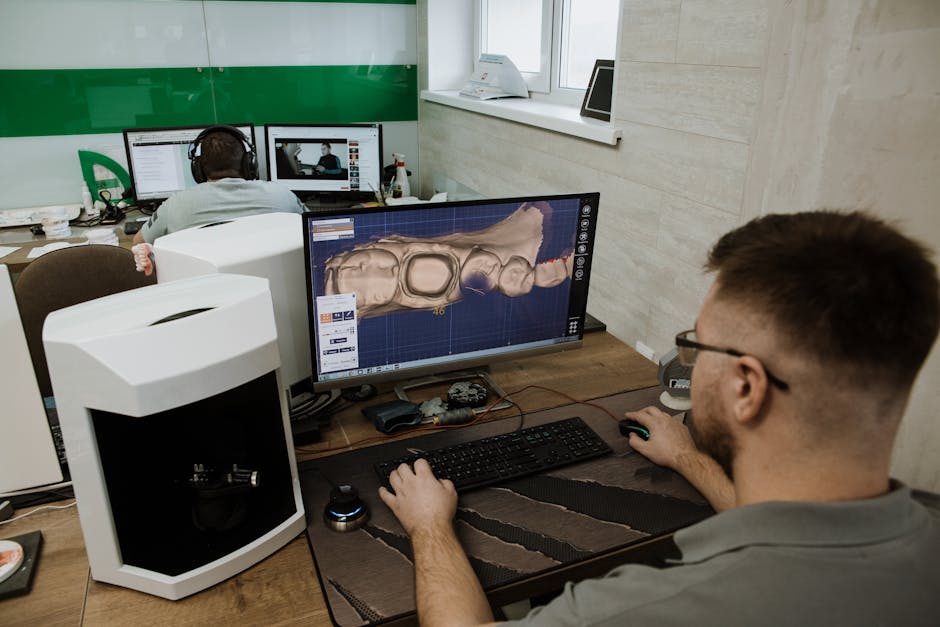
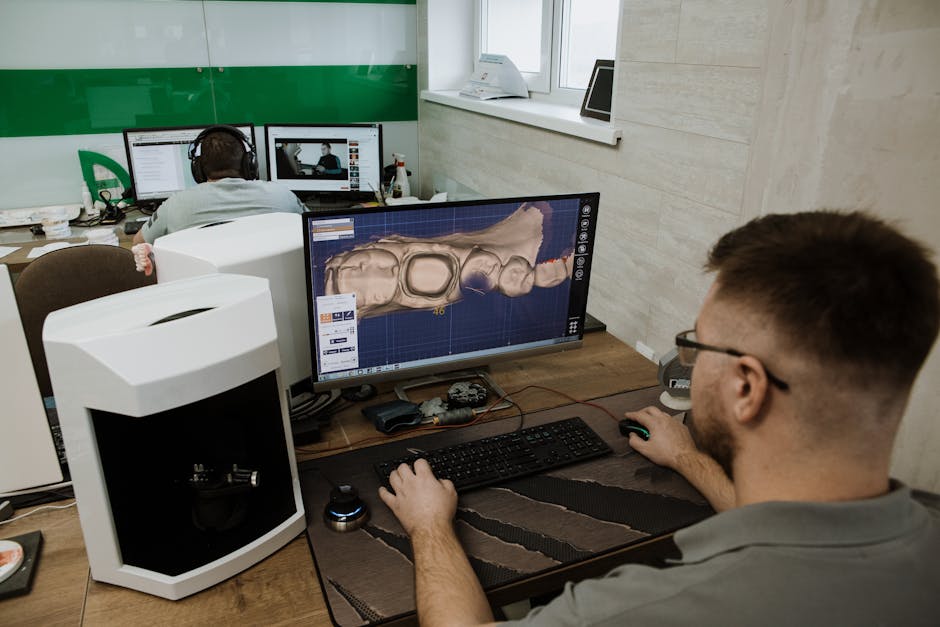
Longevity is strongly tied to prosthetically driven implant placement. Poor angulation, inadequate anteroposterior spread, or cantilevers beyond biomechanical limits can increase mechanical stress and complication rates. Digital dentistry workflows—combining intraoral scanning, CBCT, surgical guides, and virtual articulation—help align surgical reality with prosthetic intent.
Soft tissue and peri-implant health
Peri-implant mucositis and peri-implantitis are among the leading biologic threats to long-term outcomes. Patients with a history of periodontitis may be at higher risk and often benefit from structured supportive periodontal therapy. For dental professionals, understanding risk assessment, plaque control strategies, and recall protocols is as critical as the surgery itself.
Occlusion, parafunction, and restorative risk
Full-arch implant prostheses behave differently from natural teeth because they lack the periodontal ligament’s shock-absorbing function. Bruxism, clenching, and uneven occlusal contacts can accelerate wear, cause prosthetic fractures, or contribute to screw-related complications. In many clinics, protective night guards and careful occlusal refinement are part of long-term planning—always adapted to the individual case.
Materials and design: what affects prosthesis lifespan?
Prosthesis type: provisional vs definitive
All-on-4 treatment commonly includes a transitional fixed prosthesis (often acrylic-based) followed by a definitive restoration after soft tissue maturation and functional evaluation. Provisional restorations are not “temporary in a casual sense”—they are functional devices that must be designed to protect implants during early healing and to test aesthetics, phonetics, and occlusal vertical dimension.
Common definitive options (overview)
Definitive prosthetic choices vary by clinic philosophy, patient priorities, and available space:
• Titanium framework with acrylic teeth: repairable and cost-effective; may wear or stain over time.
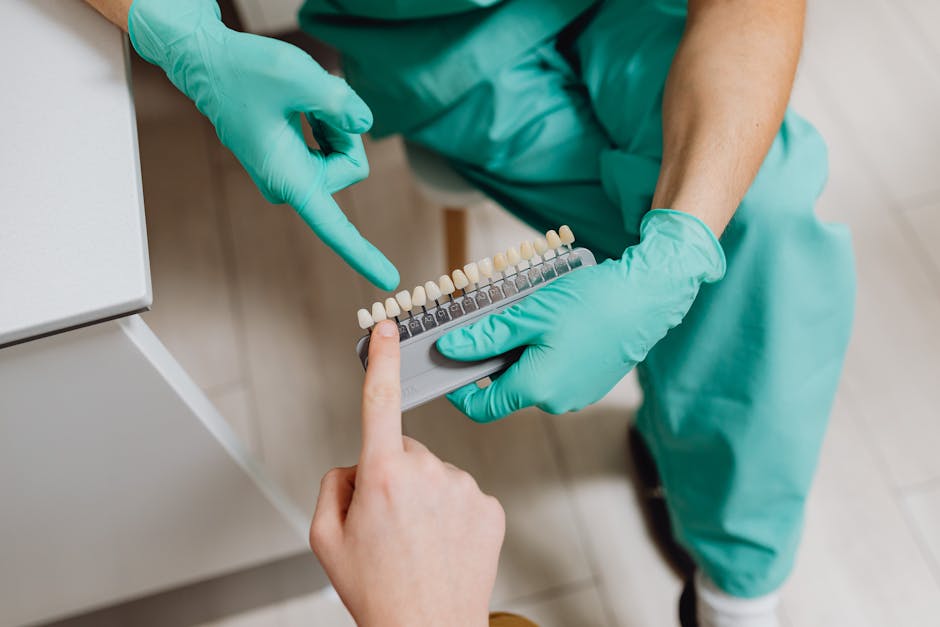
• Zirconia-based full-arch prostheses: high strength and aesthetics; design must respect hygiene access and stress distribution.
• Hybrid designs (e.g., zirconia with layered ceramics or composite): can optimize esthetics but may increase chipping risk if occlusion is not controlled.
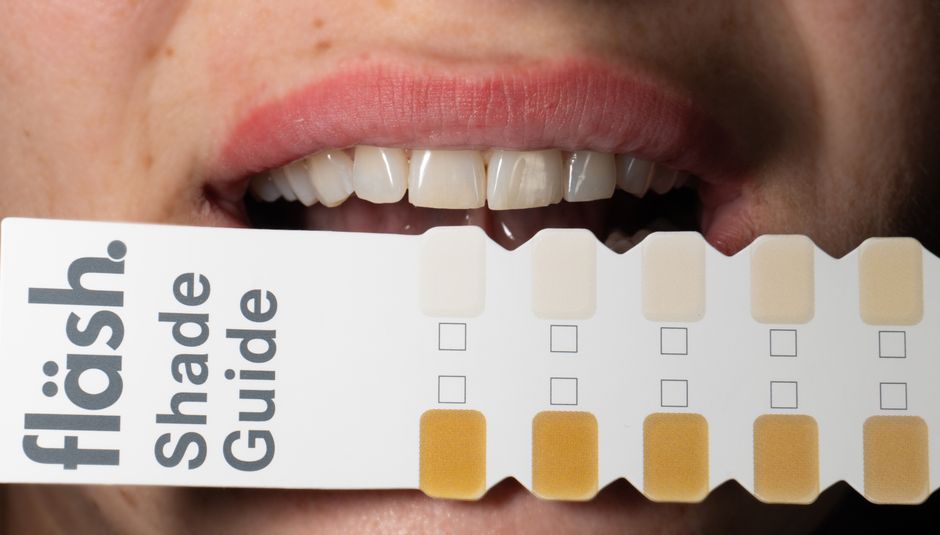
Material selection also intersects with patient expectations shaped by cosmetic dentistry trends. Clinicians often field questions comparing full-arch implant esthetics with “smile makeovers” or crown-based approaches, which is why articles like Hollywood Smile vs Zirconia Crowns: Clinical Differences and Case Selection can be helpful when discussing what is realistic for a given anatomy, lip dynamics, and hygiene capacity.
Design principles that support longevity
Regardless of material, durable full-arch restorations typically share certain design priorities:
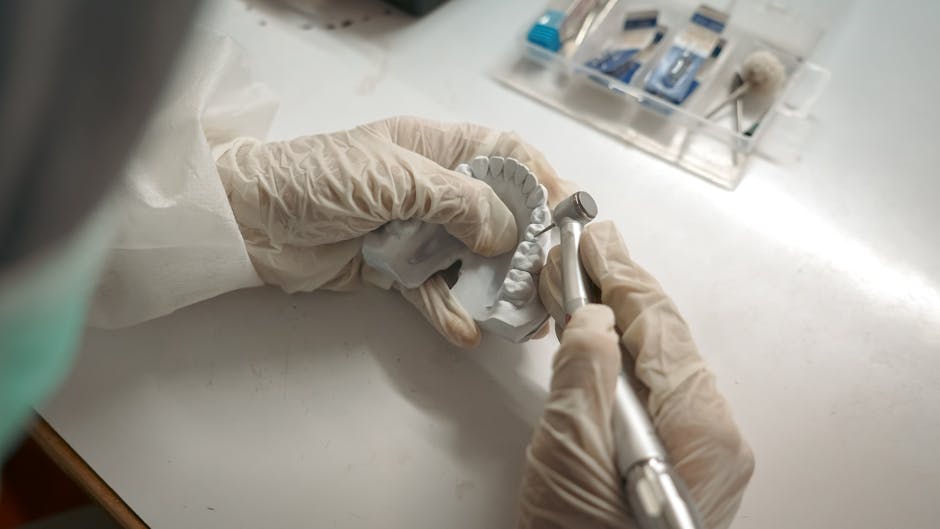
Passive fit to reduce stress on screws and components; cleanable contours to support home care; controlled cantilever length; and an occlusal scheme adapted to functional patterns. Digital manufacturing can improve consistency, but verification steps (try-ins, torque protocols, radiographic checks, and bite registration accuracy) remain essential.
Maintenance: the “hidden” determinant of long-term success
Even with ideal planning, All-on-4 is not maintenance-free. Long-term function depends on a structured recall schedule and patient education. Key components usually include:
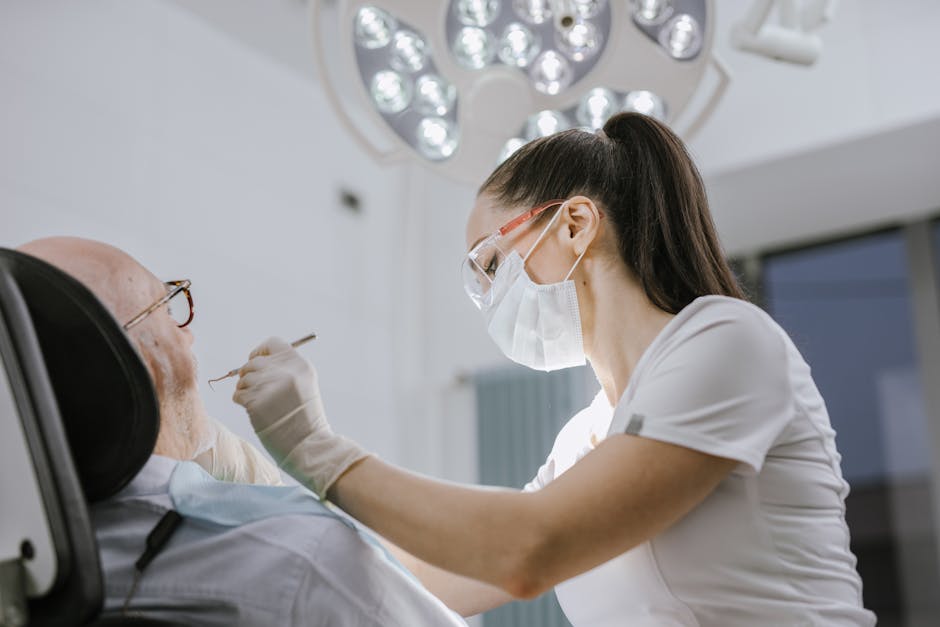
Professional hygiene visits tailored to risk level, with peri-implant probing where appropriate, bleeding indices, and radiographic monitoring. Prosthesis removal may be indicated periodically for deep cleaning and inspection of abutments, screws, and interfaces. Home care training (interdental brushes, water irrigators, super floss where relevant) supports soft tissue health and reduces inflammation risk.
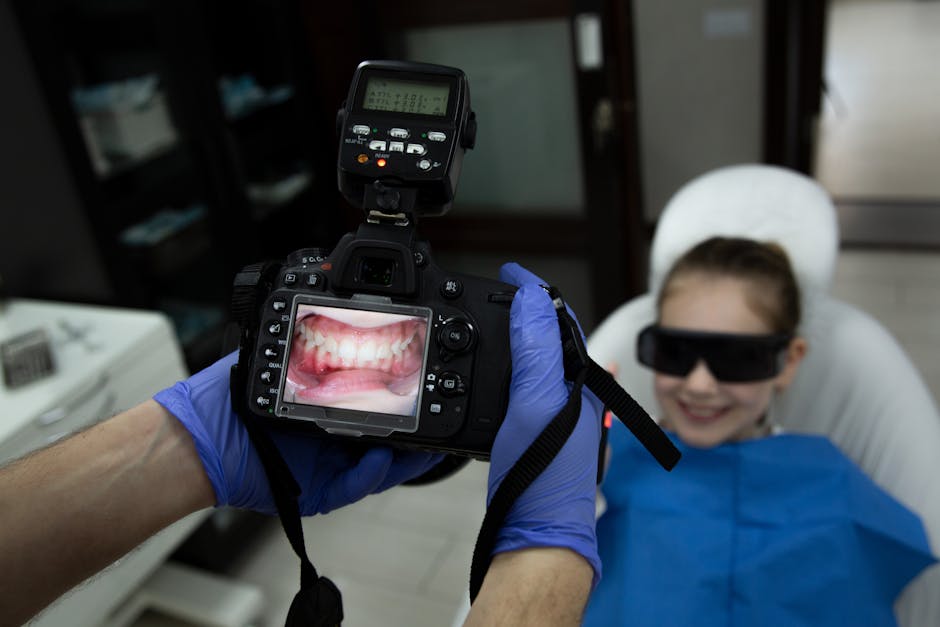
For clinicians, documentation and monitoring matter. Dental photography and standardized records help identify subtle changes in soft tissue contours, prosthesis wear, or fracture lines—skills that Istanbul Dental Academy integrates into its hands-on educational approach in implant and restorative pathways.
Complications over time: what “longevity” may include
Biologic complications
Inflammation around implants can progress if risk factors are not controlled. Smoking, poor plaque control, uncontrolled systemic conditions, and a history of periodontal disease may affect outcomes. A preventive mindset—rather than a repair mindset—often determines long-term stability.
Technical complications
Even successful cases may require repairs. Common issues include:
• Screw loosening or fracture (often linked to occlusion, fit, or torque protocols)
• Chipping or wear of veneering materials
• Fracture of acrylic teeth in transitional prostheses
• Loss of occlusal vertical dimension over time due to wear
These events don’t automatically indicate failure, but they do emphasize why long-term planning includes maintenance budgeting, clear communication, and a repair strategy.
All-on-4 vs alternative restorative paths: choosing the right tool
Not every patient requiring comprehensive rehabilitation is an All-on-4 candidate. Some may be better served with staged implant placement, overdentures, or tooth-borne rehabilitation when teeth are salvageable. When remaining tooth structure allows, clinicians may consider conservative restorations, onlays, or indirect adhesive approaches—topics explored in Direct vs Indirect Posterior Restorations: Clinical Decision-Making and Modern Workflows. While posterior restorations are a different domain than full-arch implants, the underlying principle is the same: case selection and biomechanics drive longevity.
Similarly, esthetic demands may lead patients to request “instant transformation.” Understanding the clinical workflow behind cosmetic outcomes helps dentists counsel appropriately, as detailed in What Is a Hollywood Smile? Techniques, Materials, and Clinical Workflow. In full-arch implant cases, aesthetics must be balanced with tissue support, phonetics, and hygiene-friendly contours—sometimes requiring compromises that are less relevant in veneer-based cases.
Special considerations: complex enamel and restorative challenges
Full-mouth rehabilitation is not always driven by tooth loss; some patients present with developmental or structural conditions that complicate long-term restorative planning. For example, enamel defects can change how restorations bond, wear, and fail over time, and they can influence whether clinicians pursue tooth preservation or extraction-based pathways. A broader restorative perspective can be gained from Amelogenesis Imperfecta: What It Is and How It Affects Teeth. Even when All-on-4 is not the chosen route, the same comprehensive diagnostic mindset applies: occlusion, vertical dimension, material selection, and maintenance planning.
How dental professionals can improve All-on-4 outcomes through training
For dentists and advanced students, predicting All-on-4 longevity is a matter of mastering a sequence of skills rather than relying on a single technique. Key competencies include:
• Diagnosis and risk stratification: periodontal status, systemic factors, parafunction, patient expectations
• Digital planning: CBCT interpretation, prosthetically driven planning, guide design fundamentals
• Surgical fundamentals: flap design, implant positioning, stability assessment, complication management
• Prosthodontic execution: passive fit verification, occlusal control, material selection, screw-retained protocols
• Maintenance systems: recall scheduling, hygiene protocols, documentation and photography
Istanbul Dental Academy emphasizes hands-on learning and clinical workflow thinking—because durable implant dentistry is built on repeatable protocols, team communication, and careful follow-up rather than one-off “hero” procedures.
Key takeaway: longevity is planned, not promised
All-on-4 is widely used as a long-term solution, but its “years of use” depend on factors that clinicians can influence (planning, prosthetic design, occlusion, maintenance systems) and factors that must be managed (periodontal risk, hygiene, smoking, parafunction). The most reliable way to improve longevity is to treat All-on-4 as a comprehensive rehabilitation pathway—where diagnosis, digital planning, surgery, and prosthodontics are integrated from the start.
This content is for educational purposes. For patient-specific decisions, clinicians should perform individualized assessment, interpret radiographic findings appropriately, and consider multidisciplinary consultation when indicated.
Diğer Yazılar